Celtuce
A dual-purpose lettuce variety grown primarily for its thick, crispy stem that tastes like a cross between celery and lettuce.





On this pageOverview
Meet Celtuce
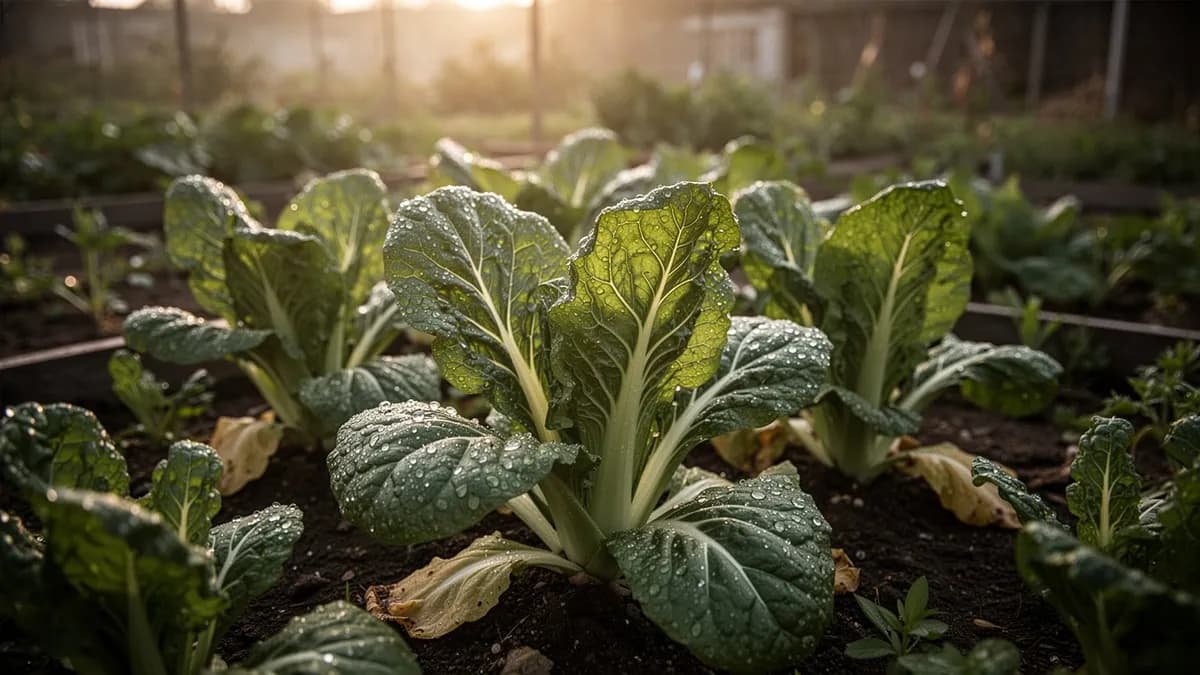
A dual-purpose lettuce variety grown primarily for its thick, crispy stem that tastes like a cross between celery and lettuce. Young leaves are edible as salad greens, while the peeled stem is sliced for stir-fries and salads in Chinese cuisine. Allow plants to bolt naturally as the thick stem is the main harvest, unlike other lettuce varieties. Peel the fibrous outer layer to reveal the crisp, jade-green interior.
When to plant Celtuce
Start seeds indoors 4 to 6 weeks before the last frost. Sow one-eighth inch deep in moist seed-starting mix at 60 to 70 degrees Fahrenheit. Do not cover deeply as lettuce-family seeds need light to germinate. Germination takes 5 to 10 days. Grow seedlings at cool temperatures of 55 to 65 degrees for stocky growth. Transplant after hardening off for 7 days. Direct sowing is also possible in cool spring soil.
Your Celtuce Year
Composed for Zone 7 · typical seasons · frost passes Apr 2, returns Nov 1
Plant Celtuce Mar – Apr, Aug – Sep, pick May – Jun, Oct – Nov. Check the planting methods below and set your climate to personalize these windows.
How to grow Celtuce
Celtuce, also known as stem lettuce or asparagus lettuce, is grown primarily for its thick, crisp edible stem rather than its leaves. Start seeds indoors 4 to 6 weeks before the last frost, sowing one-eighth inch deep in seed-starting mix. Seeds germinate in 5 to 10 days at 60 to 70 degrees Fahrenheit.
Transplant seedlings outdoors after hardening off, spacing 12 to 16 inches apart in rows 18 inches apart. Celtuce prefers cool weather and performs best with daytime temperatures between 55 and 75 degrees Fahrenheit. The thick stem develops over 70 to 90 days.
Keep soil consistently moist to prevent the stem from becoming hollow or bitter. Remove lower leaves as the stem elongates to encourage thicker stem development. Side-dress with balanced fertilizer every 3 weeks. Harvest when the stem is 1 to 2 inches in diameter and about 12 inches tall, before the plant begins to bolt and send up a flower stalk.
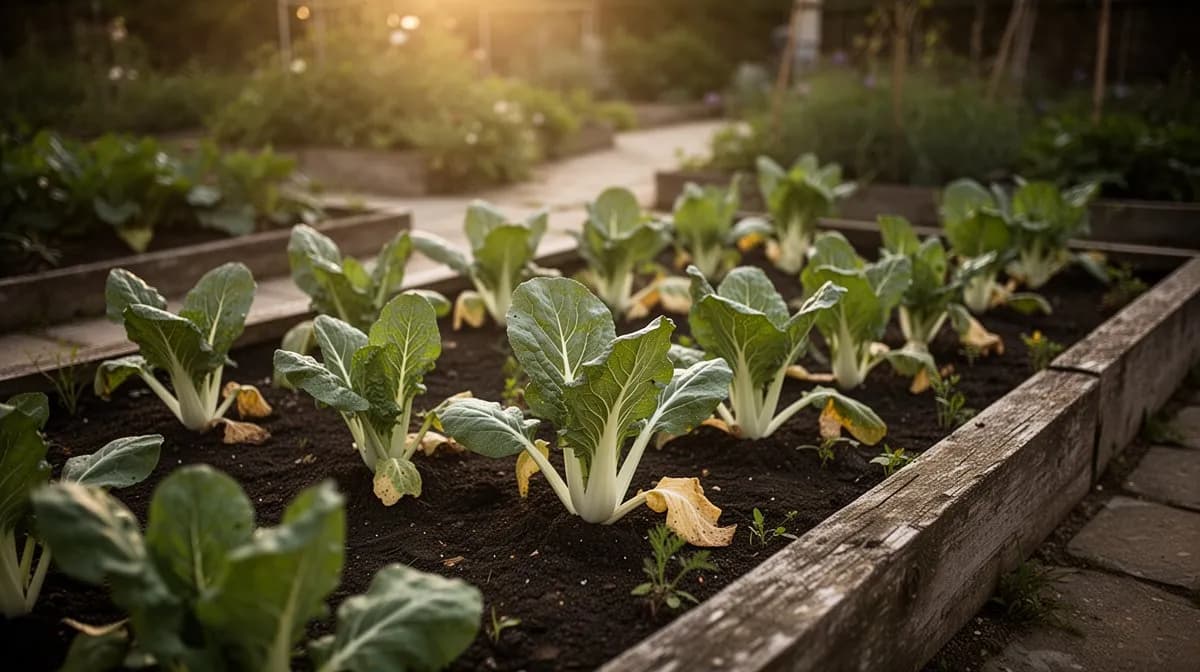
32 plants fit a 4 × 8 ft bed
Each Celtuce wants 30 cm of elbow room. The planner keeps that spacing for you — every plant, every bed.
Celtuce's best neighbours
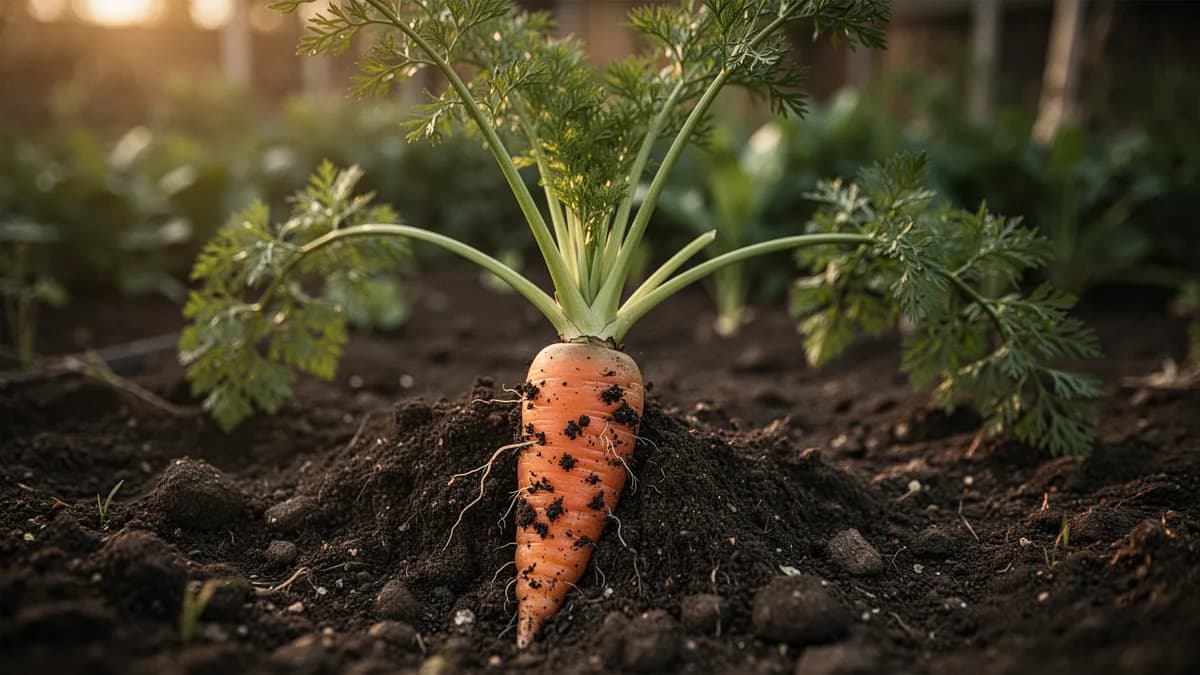
Grow celtuce alongside other cool-season crops like peas, beans, and carrots. Herbs like chives and cilantro make good companions and help deter aphids. Avoid planting near celery which may attract similar pests. Taller crops can provide beneficial afternoon shade in warmer weather to prevent premature bolting.
Carrot belongs beside it.
Old growers' knowledge, checked against Celtuce's real companion table below — test any plant you're growing.
Try Celtuce in a bed — right here
A real planner bed with Celtuce already in it. Tap a companion to place it and watch the pairing checks answer — green for good neighbours, red for a clash.


Related growing guides
Feed it well
Celtuce needs rich, well-drained soil with a pH between 6.0 and 7.0. Work in 2 to 3 inches of compost before planting. Apply balanced liquid fertilizer every 3 weeks to support steady stem development. Adequate potassium helps produce firm, crisp stems. Avoid excessive nitrogen which promotes leafy growth at the expense of stem thickness.
Ideal Temperature
Hardiness Zone Compatibility
From seed to harvest, stage by stage
Seed Starting
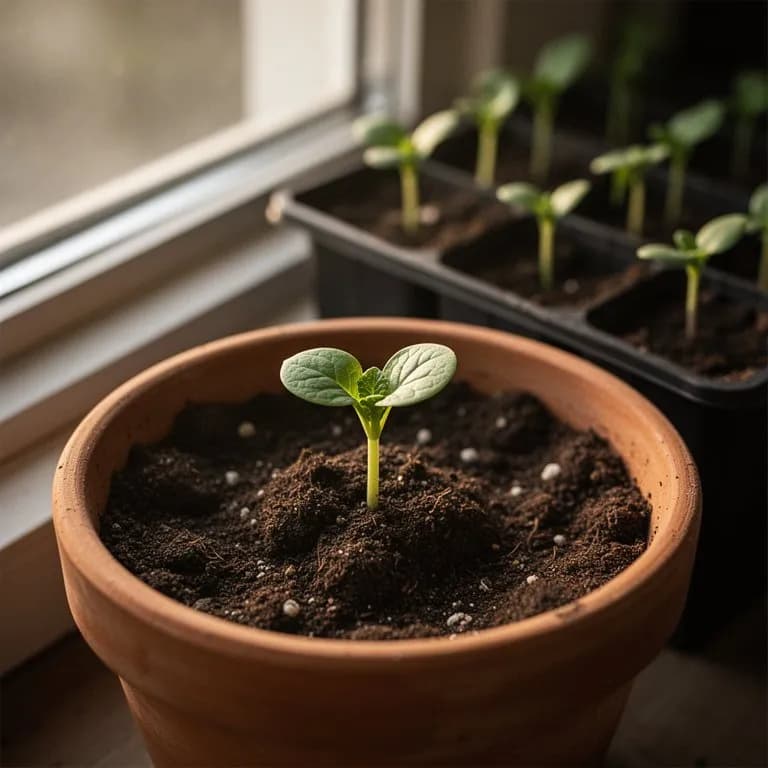
Tiny seeds germinate quickly in cool, moist conditions. Celtuce seeds require light to germinate — they should be surface-sown or barely covered with a thin layer of fine vermiculite. Germination occurs in 5-10 days at soil temperatures of 15-20°C (60-68°F). Seeds may go dormant if soil temperatures exceed 25°C (77°F).
Seedling & Rosette Stage
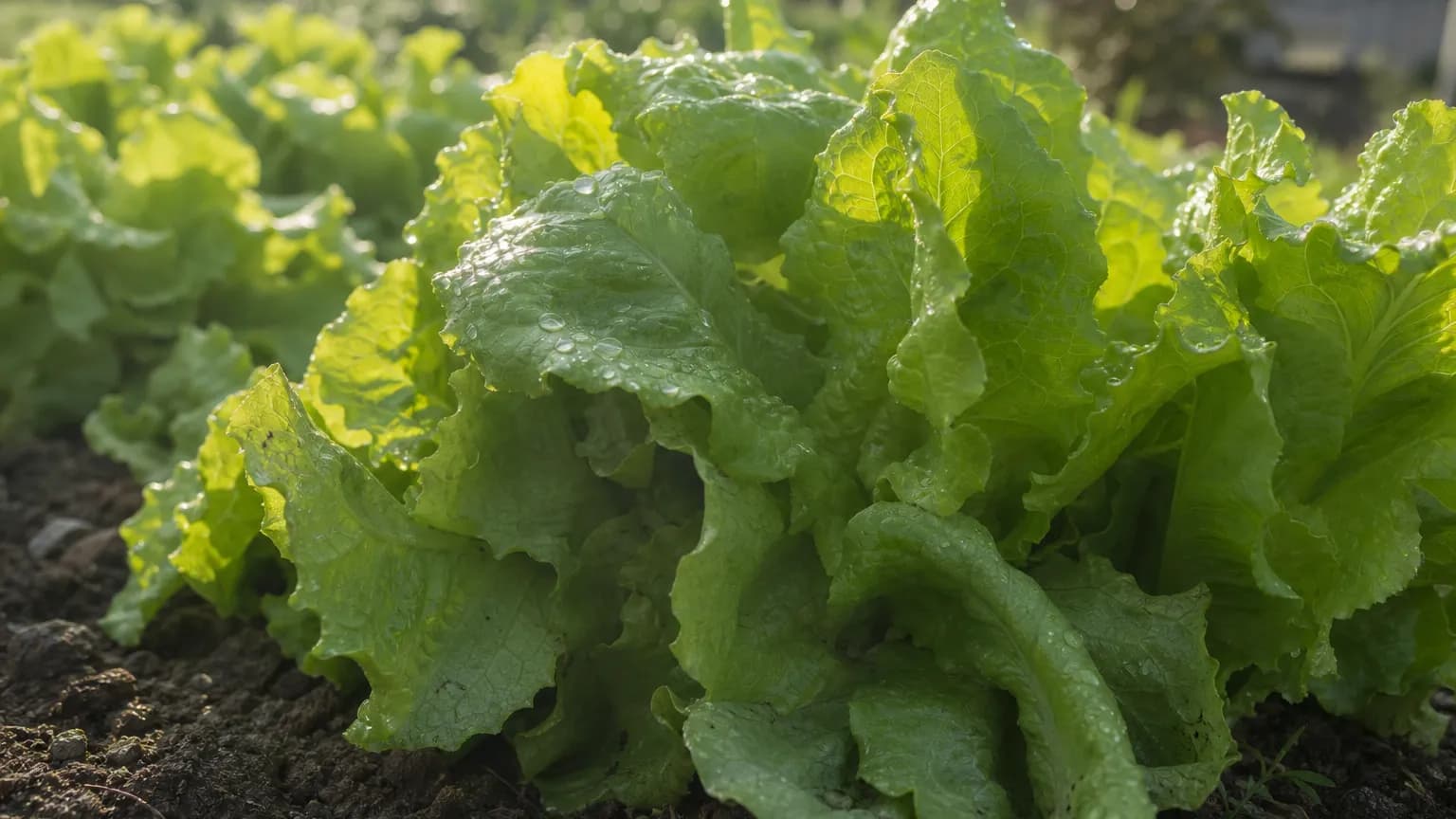
Seedlings develop a rosette of broad, slightly ruffled lettuce-like leaves. At this stage the plant looks indistinguishable from a loose-leaf lettuce. The root system establishes and leaves grow rapidly in cool weather, reaching 15-20 cm across.
Stem Elongation
The central stem begins to elongate and thicken noticeably — this is the defining phase of celtuce growth. The stem pushes upward through the leaf rosette, reaching 3-5 cm in diameter. Lower leaves may yellow naturally as the plant redirects energy into stem development. This stage is triggered by increasing day length and slightly warmer temperatures.
Stem Maturation
The stem reaches its maximum thickness of 5-8 cm in diameter and 25-40 cm in length. The outer skin becomes slightly fibrous while the interior remains crisp, juicy, and pale green. The top of the stem may begin to show signs of bolting with a visible growing point elongating at the tip.
Harvest Window
The optimal harvest window is narrow — approximately 1-2 weeks when the stem is fully sized but before the flower stalk elongates. The stem should feel firm and heavy when squeezed. The ideal harvest diameter is 5-8 cm and the interior should be uniformly pale green and crisp with no hollow core.
Bolting & Seed Production
If left unharvested, the plant sends up a branching flower stalk topped with small yellow composite flowers typical of the lettuce family. Each flower head produces tiny seeds with feathery pappus for wind dispersal. Seed saving is straightforward — allow heads to dry on the plant before collecting.
Sow seeds on the surface of moist seed-starting mix and press gently without covering. Keep trays in bright indirect light at 15-20°C (60-68°F). Mist regularly to prevent the surface from drying out.
Caring for Celtuce month by month
What to do each month for your Celtuce
October
You are hereHarvest fall-crop stems before hard frost. Stems can tolerate light frost which actually sweetens the flavor slightly. Store unpeeled stems in the refrigerator wrapped in damp cloth for up to 2 weeks.
Know exactly what to do in your garden — every month
One email at the start of each month: what to sow, plant, and tackle right now — for your Celtuce and everything growing around it. Plus a short starter course that helps you dodge the classic mistakes.
- What to do, right now
- Matched to your season
- Starter course included
Harvesting Celtuce
Harvest celtuce when the thick central stem is 1 to 2 inches in diameter and 10 to 14 inches tall, typically 70 to 90 days after sowing. Cut the entire plant at ground level. The leaves can also be harvested throughout growth for salads, though the stem is the primary crop. Peel the tough outer skin of the stem to reveal the crisp, jade-green interior. Do not wait until the flower stalk emerges, as the stem becomes fibrous and bitter.
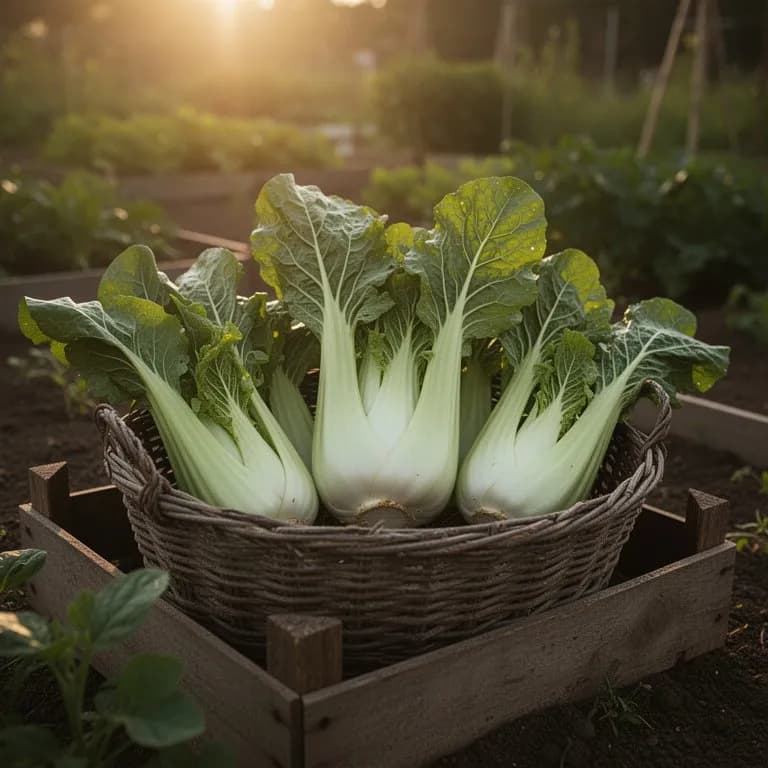
assuming you plant when the window opens — set your real date
Pick Celtuce promptly and the plant keeps producing.
Storage & Preservation
Unpeeled celtuce stems store for 2 to 3 weeks in the refrigerator. Once peeled, the stem should be used within a few days. For longer preservation, slice the peeled stem into strips and pickle in a light brine with garlic and chili. Celtuce can be blanched and frozen but loses its signature crunch. Dried stem slices make a unique snack.
What goes wrong — and the fix
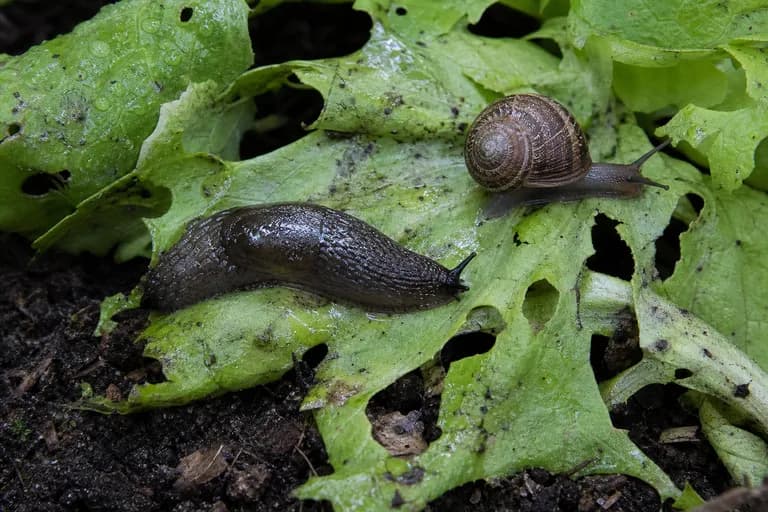
Slugs and Snails
PestIrregular holes in lower leaves and damage to the developing stem base, slimy trails visible.
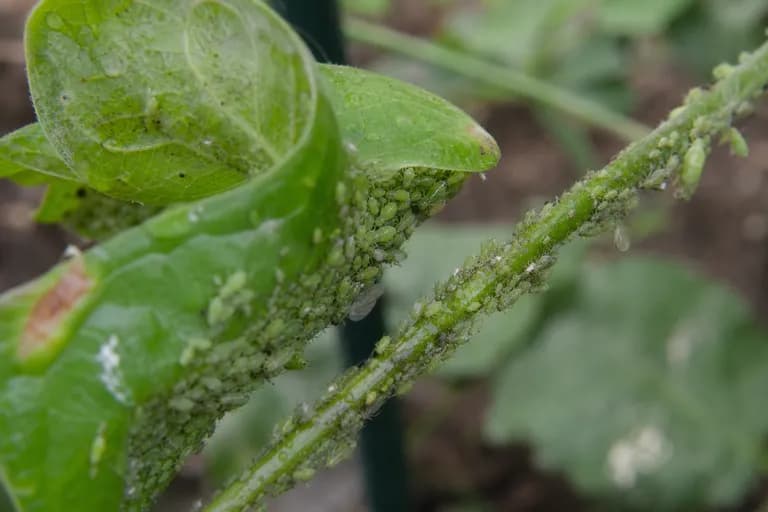
Aphids
PestClusters of small insects on young leaves and stem tips, causing distorted growth.
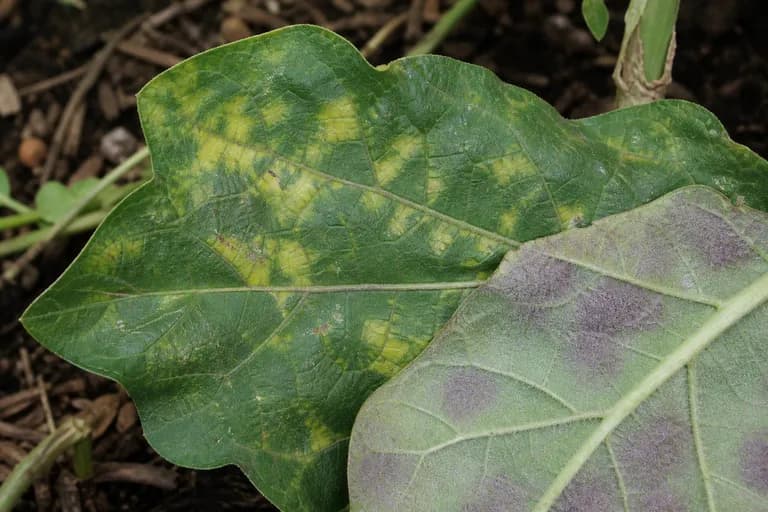
Downy Mildew
DiseaseYellow patches on upper leaf surfaces with gray fuzzy growth on undersides.
Troubleshooting Common Problems
Bolting is triggered by temperatures above 80 degrees or long day lengths, causing the stem to become bitter and fibrous. Hollow stems result from inconsistent watering or nutrient deficiency. The stem develops slowly, requiring patience and consistent care. Many gardeners are unfamiliar with when to harvest, often waiting too long and missing the optimal window.
Growing Tips
- Surface-sow seeds and do not cover them — celtuce seeds are light-dependent germinators that will not sprout if buried. Press seeds gently onto moist soil and mist regularly to keep the surface damp until germination occurs in 5-10 days.
- Time your planting for cool weather. Celtuce bolts prematurely in sustained heat above 30°C (86°F), so spring and fall plantings work best in most climates. In hot regions, treat it exclusively as a fall crop sown in late summer.
- Consistent moisture is the single most important factor for quality stems. Irregular watering causes the stem to develop a pithy, hollow core that ruins the eating quality. Water deeply and evenly, providing 2.5 cm per week minimum.
- Do not neglect the leaves — they are a bonus crop. Harvest outer leaves throughout the growing cycle for salads and stir-fries. This does not harm stem development as long as you leave the inner rosette of 6-8 leaves intact.
- Harvest the stem at the right moment. The window is narrow — once the tip of the plant shows signs of elongating into a flower stalk, harvest within 2-3 days. Bolted stems turn bitter and fibrous very quickly.
- Peel the stem before eating. The outer 2-3mm layer is tough and fibrous with a bitter milky latex. Use a vegetable peeler or paring knife to strip this layer, revealing the crisp, jade-green, sweet interior flesh.
- Succession-plant every 2-3 weeks for a continuous harvest rather than sowing all at once. Since each plant produces only one stem, staggered plantings ensure you have fresh celtuce over several months instead of a single glut.
- Pair celtuce with taller companion plants like tomatoes or trellised beans in summer to provide the afternoon shade it craves during warm weather. This natural shade reduces bolting and extends the harvest window significantly.
Grow your best Celtuce yet — and everything around it.
Start a free plan today. Lay out your beds, drop in your Celtuce, and let PlotMyGarden handle the timing, spacing, companions and reminders from seed to harvest basket.
Pick your Celtuce
Chinese Celtuce
The standard variety with thick green stems and mild, nutty flavor, widely grown in Chinese markets.
Purple Stem
An ornamental variety with purple-tinged stems and leaves, similar flavor to the green type.
Balady
A Middle Eastern selection with particularly thick stems and good heat tolerance.
Celtuce is rarely found in Western supermarkets and when available at Asian grocery stores typically costs $3-6 per stem. A single packet of seeds ($3-5) grows 50-100 plants, each producing a stem worth $3-6 at market price. Growing just 10 plants yields $30-60 worth of fresh celtuce from a few dollars of seed. The real value is access — most gardeners simply cannot buy celtuce locally at any price, making home-grown celtuce a true luxury crop that costs almost nothing to produce.
Quick recipes
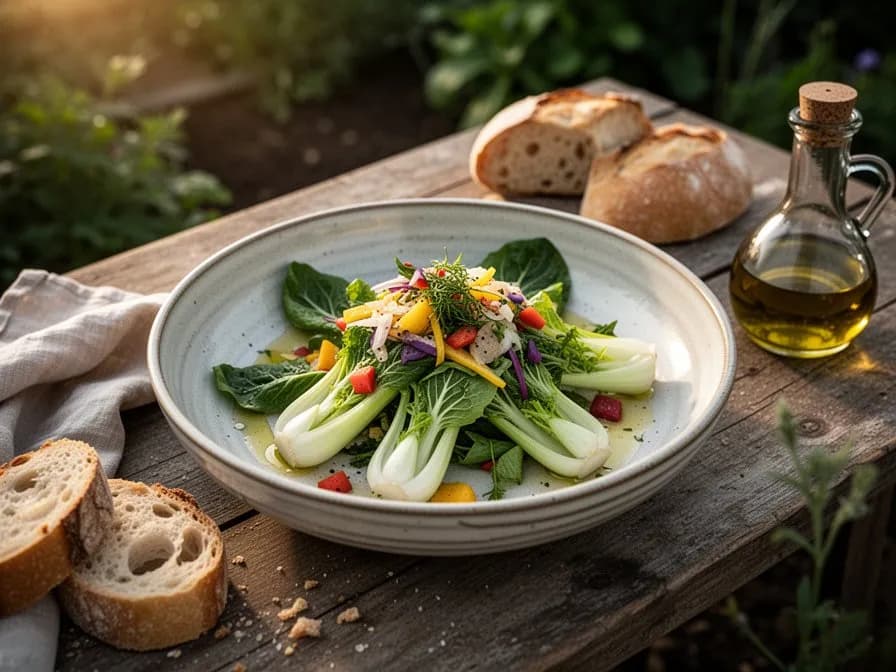
Stir-Fried Celtuce with Garlic and Sesame
15 minThe classic Chinese preparation that showcases celtuce at its best — thick slices of peeled stem seared in a screaming-hot wok with garlic, a splash of soy sauce, and a finishing drizzle of toasted sesame oil. The stem retains its satisfying crunch while picking up smoky wok hei flavor.
7 ingredients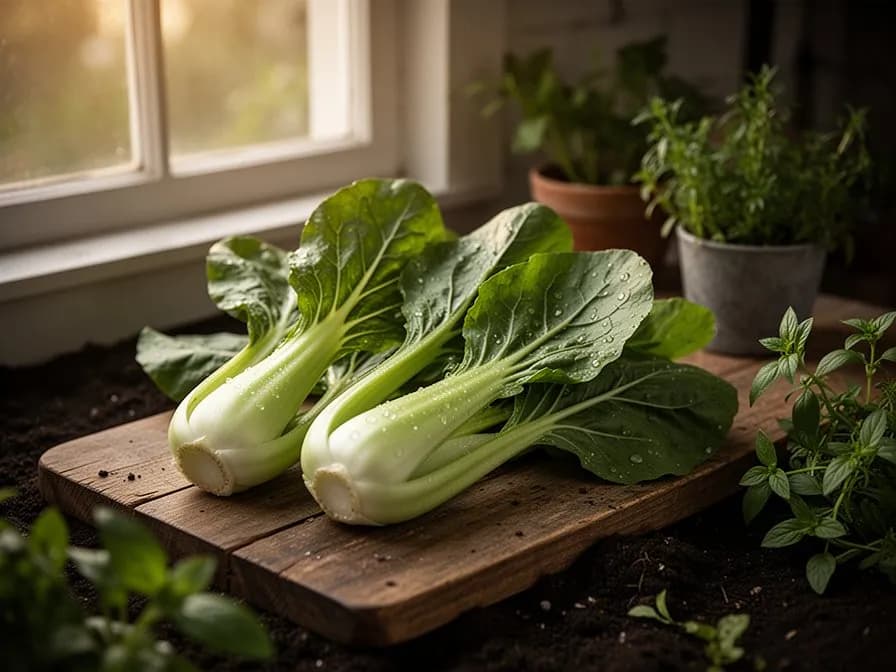
Cold Celtuce Salad with Chili Oil
10 minA refreshing Sichuan-style cold dish where matchstick-cut celtuce stem is tossed with a bright, spicy dressing of chili oil, black vinegar, and a touch of sugar. The clean crunch of raw celtuce paired with the numbing heat of Sichuan pepper is irresistible on a warm day.
8 ingredientsCeltuce and Pork Stir-Fry (Wosun Chao Roupian)
20 minA hearty weeknight dish from Sichuan province where thin-sliced pork is velveted and quickly stir-fried with celtuce stem, wood ear mushrooms, and a savory doubanjiang sauce. The celtuce provides cool crunch against the tender, flavorful pork.
8 ingredientsCulinary Uses
Peel the tough outer skin to reveal the crisp, jade-green interior of the stem. Slice into sticks for stir-frying with garlic and oyster sauce in classic Chinese preparations. Shred raw into salads for a refreshing crunch. Pickle strips in sesame oil and chili for a popular Chinese cold dish. The leaves can be used like lettuce in salads when young and tender.
What's inside
Health Benefits
- Exceptionally low in calories (18 per 100g of stem) with high water content over 95%, making celtuce one of the most hydrating and weight-management-friendly vegetables available.
- Celtuce leaves are remarkably rich in beta-carotene and vitamin A, providing up to 70% of the daily value per 100g — supporting vision health, immune function, and skin cell renewal.
- Good source of vitamin C in both stem and leaves, contributing to antioxidant defense, collagen synthesis, and enhanced iron absorption from plant-based foods.
- Contains meaningful amounts of folate (vitamin B9), essential for DNA synthesis, red blood cell formation, and particularly important for fetal development during pregnancy.
- Provides potassium that helps regulate blood pressure and counterbalances sodium intake — the stem delivers about 10% of daily potassium needs per 100g serving.
- Rich in dietary fiber that supports healthy digestion, promotes satiety, and feeds beneficial gut bacteria — the stem's crisp texture comes from both soluble and insoluble fiber.
Where Celtuce comes from
Celtuce (Lactuca sativa var. augustana) originated in China, where it has been cultivated for well over a thousand years. The earliest written references to stem lettuce appear in Chinese agricultural texts from the Tang Dynasty (618-907 CE), though its cultivation almost certainly predates these records. China remains overwhelmingly the center of celtuce production and consumption — the vegetable is a staple in Sichuan, Yunnan, Guizhou, and Hunan provinces, where it is known as wosun and appears in everyday home cooking, restaurant dishes, and street food.
Celtuce arrived in Europe in the early twentieth century, brought back by plant explorers who recognized its unusual dual-purpose nature — edible leaves above and a thick, succulent stem below. Despite initial curiosity, it never established itself in European or American mainstream agriculture. The W. Atlee Burpee seed company introduced celtuce to American home gardeners in 1942, promoting it as an ideal Victory Garden vegetable because it produced both salad greens and a cooked vegetable from one plant. Interest spiked briefly but faded after the war.
In recent decades, celtuce has experienced a revival of interest in Western countries, driven by the growing influence of Chinese cuisine, the farm-to-table movement, and adventurous gardeners seeking unusual crops. High-end restaurants in New York, London, and San Francisco have featured celtuce on their menus, introducing it to a new audience. Meanwhile, in China, celtuce remains as popular as ever — it is sold in virtually every wet market and supermarket, consumed raw, stir-fried, pickled, dried, and braised. Annual Chinese production is estimated in the millions of tonnes, making it one of the most widely grown vegetables in the world despite its obscurity elsewhere.
Celtuce: did you know?
Fascinating facts about Celtuce
Celtuce is one of the most popular vegetables in China — consumed daily by hundreds of millions of people — yet remains virtually unknown in Western supermarkets. It is sold under names including wosun, stem lettuce, and asparagus lettuce in Asian groceries.
Celtuce questions, answered
When should I plant Celtuce?
What are good companion plants for Celtuce?
What hardiness zones can Celtuce grow in?
How much sun does Celtuce need?
How far apart should I space Celtuce?
What pests and diseases affect Celtuce?
How do I store Celtuce after harvest?
What are the best Celtuce varieties to grow?
What soil does Celtuce need?
What does celtuce taste like?
Why is my celtuce bolting before the stem gets thick?
Can I eat the leaves or just the stem?
How do I store celtuce after harvest?
Where can I find celtuce seeds?
Is celtuce difficult to grow compared to regular lettuce?
You just read the theory. Now grow it on autopilot.
Everything that makes Celtuce fiddly — the timing, the spacing, the companions, the harvest window — is exactly what PlotMyGarden handles for you, for every plant in your garden.
A plan that knows your weather
Set your location once. Get sow, feed and harvest dates built around your real last-frost date and live forecast — no more guessing from a generic seed packet.
From the “When to plant” sectionDrag-and-drop bed planner
Design beds on a grid. Every plant snaps to its proper spacing, and you can see your whole season laid out before you spend a cent on seed.
From the “Growing guide” sectionCompanion conflicts, caught early
200+ good-and-bad pairings checked live as you plant — so a season-wrecking mistake never makes it into the ground.
From the “Companions” sectionReminders you'll actually act on
“Water the beans.” “Pick today before it turns.” Timely, specific, and tied to the plants you're really growing.
From the “Harvest” sectionSuccession, scheduled
Want a harvest for six weeks, not six days? It spaces your sowings automatically and reminds you when each new block is due.
From the “When to plant” sectionA record that gets smarter
Every harvest you log teaches it your garden. Next year's plan starts from what actually worked in your soil, not a textbook's.
From the “Overview” sectionPlant these alongside Celtuce
More Leafy Greens
Grow your best Celtuce yet — and everything around it.
Start a free plan today. Lay out your beds, drop in your Celtuce, and let PlotMyGarden handle the timing, spacing, companions and reminders from seed to harvest basket.