Trompetenbaum
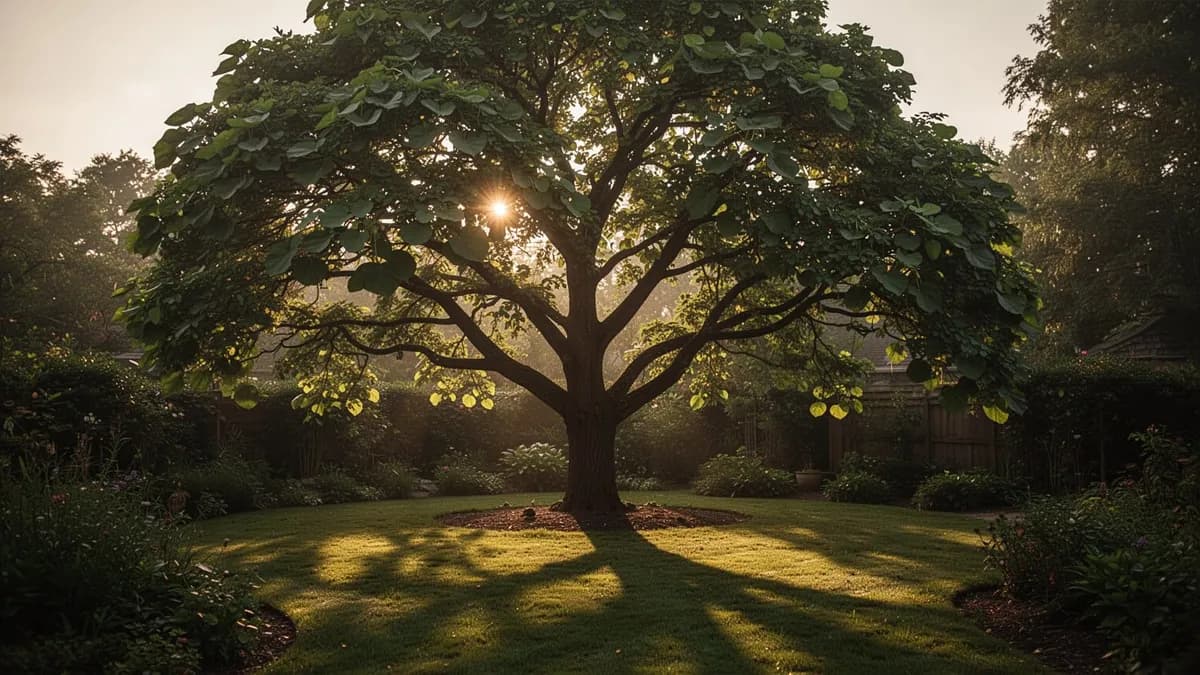
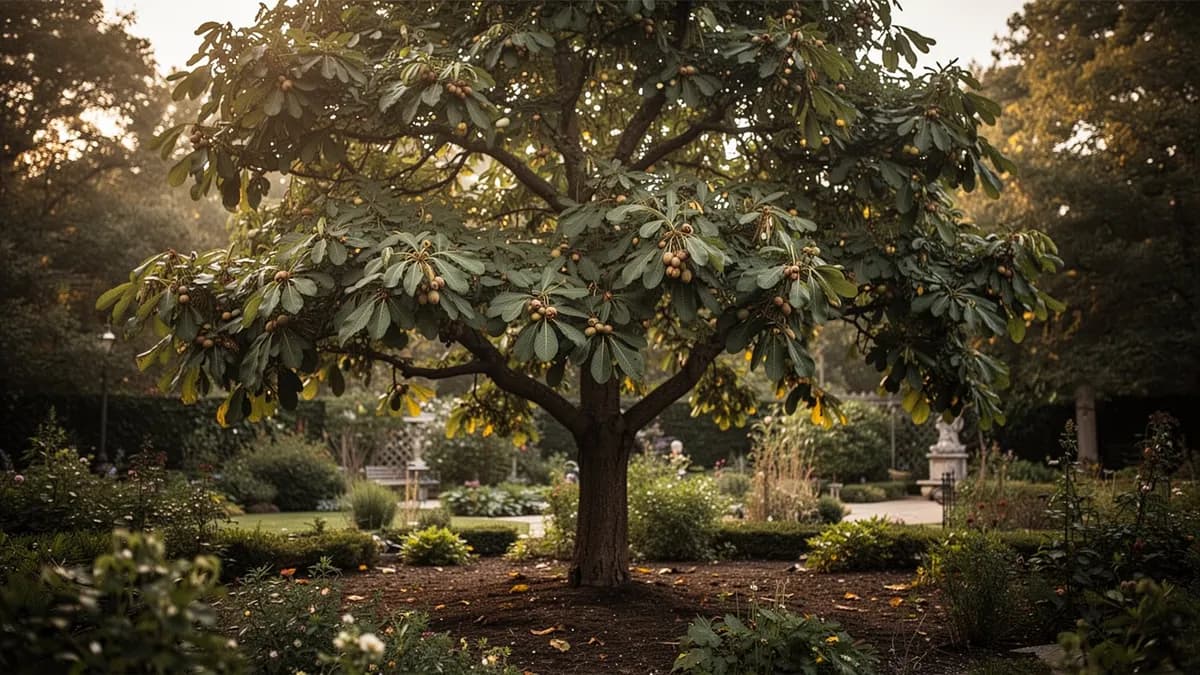
Ein markanter, tropisch wirkender Schattenbaum mit riesigen herzförmigen Blättern, auffälligen weißen orchideenartigen Blütenrispen und langen hängenden Samenkapseln.





Auf dieser SeiteÜberblick
Trompetenbaum im Überblick
Ein markanter, tropisch wirkender Schattenbaum mit riesigen herzförmigen Blättern, auffälligen weißen orchideenartigen Blütenrispen und langen hängenden Samenkapseln. Trompetenbäume wachsen schnell und sind außerordentlich robust – sie vertragen arme Böden, Trockenheit und Vernachlässigung, sobald sie sich etabliert haben. Die Catalpa-Raupe, eine große Raupe, die sich von den Blättern ernährt, wird von Anglern als Fischköder geschätzt. Diese Bäume spenden mit ihren großen Blättern dichten Schatten, können jedoch durch abgefallene Blüten, Hülsen und Blätter in allen Jahreszeiten unordentlich wirken.
Wann Trompetenbaum pflanzen
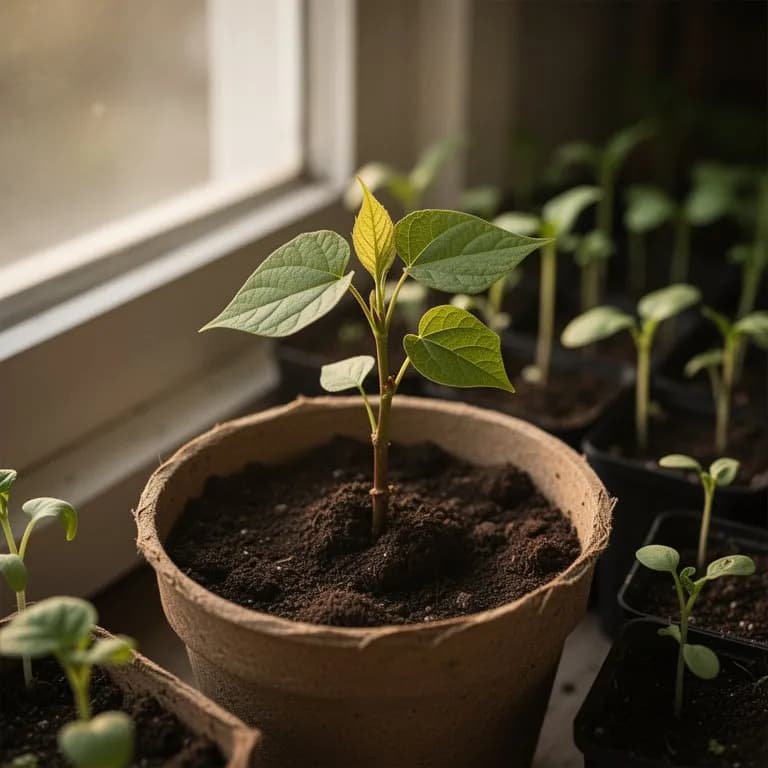
Catalpa-Samen keimen leicht und benötigen keine Stratifizierung. Trockene Kapseln im Herbst sammeln und die flachen, papierartigen Samen entnehmen. Samen im späten Winter drinnen aussäen, leicht in feuchte Aussaaterde drücken und mit einer dünnen Schicht Vermiculit bedecken. Die Samen keimen in 7 bis 14 Tagen bei 21 bis 24 °C. Sämlinge in einzelne Töpfe umpflanzen, wenn sich die ersten echten Blätter entwickeln. Trompetenbäume können auch direkt im Frühjahr ins Freie gesät werden. Sämlinge wachsen schnell und erreichen oft 90 cm bis 1,2 m im ersten Jahr.
Dein Trompetenbaum-Jahr
Abgestimmt auf Zone 7 · typische Saison · Frost geht um den 2. Apr. und kehrt um den 1. Nov. zurück
Trompetenbaum Mär – Apr, Okt – Nov pflanzen, — ernten. Beachte die Pflanzmethoden unten und wähle dein Klima für passende Zeiträume.
So baust du Trompetenbaum an
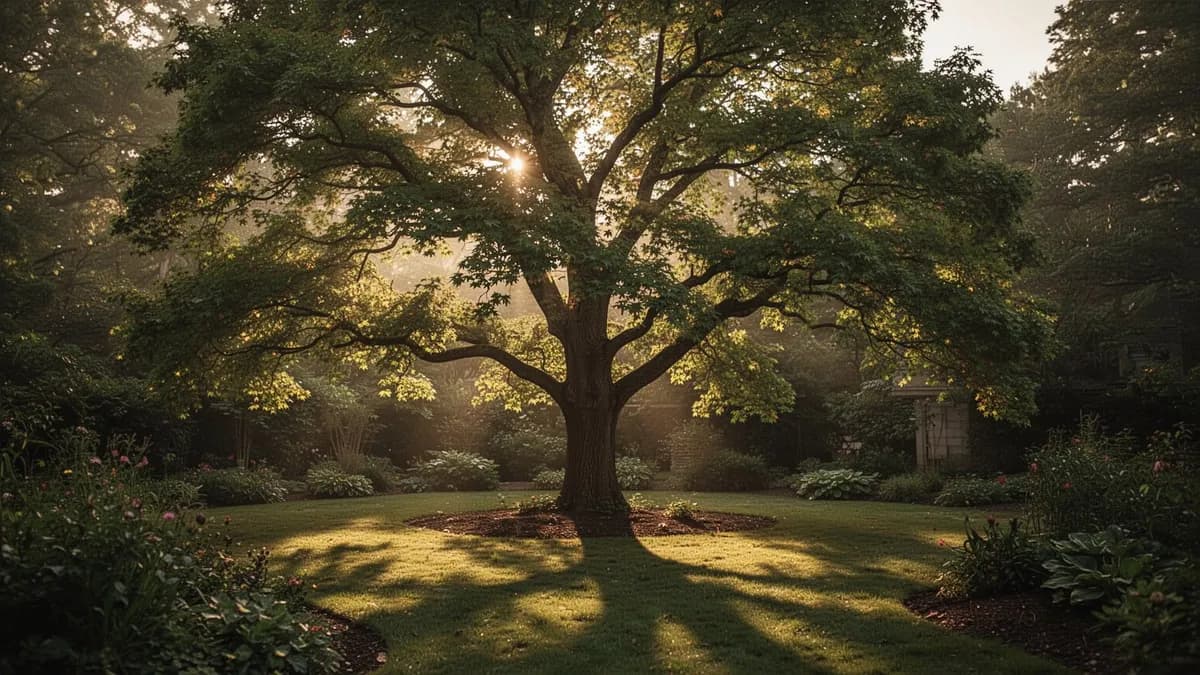
Pflanzen Sie Trompetenbäume an einem vollsonnigen Standort in gut durchlässigem Boden. Sie sind bemerkenswert tolerant gegenüber armen, verdichteten und alkalischen Böden und daher für schwierige Standorte geeignet, an denen andere Bäume Schwierigkeiten haben. Halten Sie beim Pflanzen mindestens 9 m Abstand, um die breite, ausladende Krone zu berücksichtigen. Pflanzen Sie wurzelnackte oder im Topf gewachsene Exemplare im Frühjahr oder frühen Herbst und setzen Sie den Wurzelanlauf auf Bodenhöhe.
Wässern Sie neu gepflanzte Trompetenbäume in der ersten Vegetationsperiode wöchentlich. Sobald sie etabliert sind, vertragen sie mäßige Trockenheit und gedeihen mit minimaler Zusatzbewässerung. Bringen Sie eine 7–8 cm dicke Schicht organischen Mulchs rund um die Wurzelzone auf, um Feuchtigkeit zu bewahren und Unkraut zu unterdrücken. Trompetenbäume wachsen schnell und legen in jungen Jahren oft 60–90 cm Höhe pro Jahr zu.
Schneiden Sie im späten Winter ab, um abgestorbenes Holz, sich kreuzende Äste und tiefhängende Äste zu entfernen, die den Durchgang behindern. Trompetenbäume haben sprödes Holz, das bei Stürmen brechen kann; entwickeln Sie daher frühzeitig eine stabile Verzweigungsstruktur, indem Sie einen Mitteltrieb und weit abgehende Gerüstäste erhalten. Die großen Blätter, Blütenblätter und langen Samenkapseln verursachen erhebliche saisonale Unordnung – pflanzen Sie den Baum daher dort, wo herabfallendes Material kein Problem darstellt.
Für Trompetenbaum ist ein Beet von 120 × 240 cm zu klein
Trompetenbaum braucht 900 cm Platz pro Pflanze. Der Planer hält diesen Abstand für dich ein — jede Pflanze, jedes Beet.
Die besten Nachbarn für Trompetenbaum
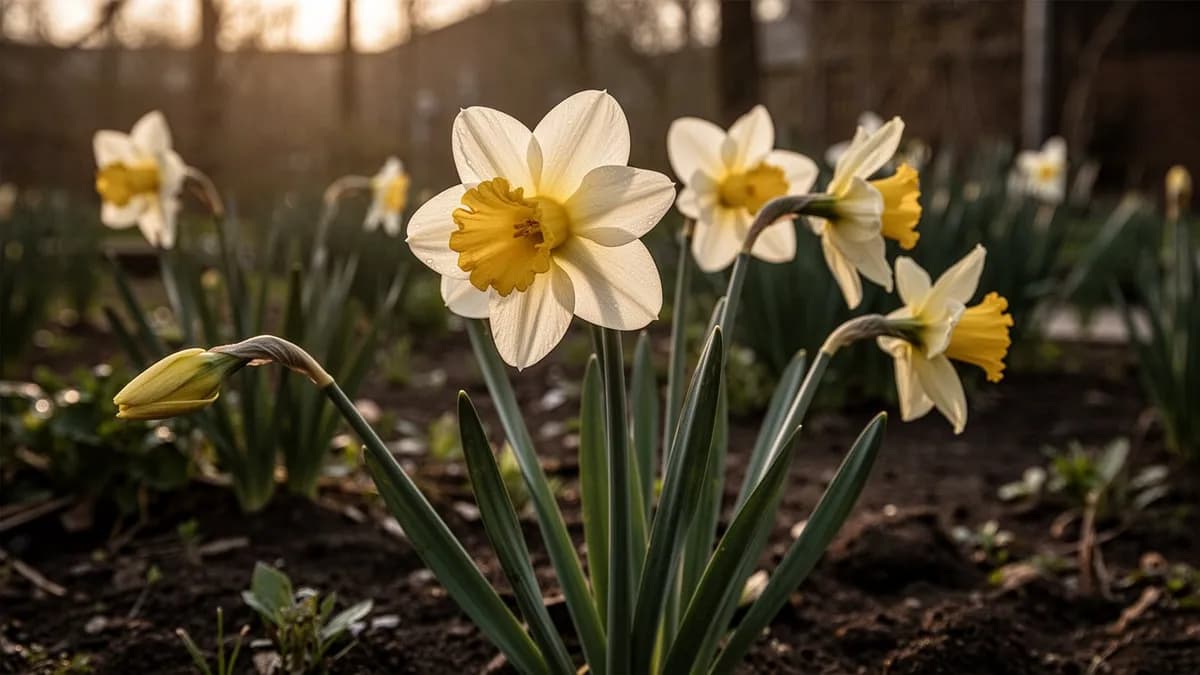
Die großen Catalpa-Blätter erzeugen dichten Schatten, der die Möglichkeiten für Unterpflanzungen einschränkt. Unter der Krone schattentolerante Bodendecker wie Immergrün, Efeu oder Ingwerwurz pflanzen. Im Frühjahr blühende Zwiebelpflanzen eignen sich gut, da sie ihren Wachstumszyklus abschließen, bevor sich die Catalpa-Krone schließt. Heimische Farne und Funkien gedeihen im gefilterten Licht am Kronenrand. Das gefallene Laub zersetzt sich schnell und trägt zur Bodenfruchtbarkeit bei. Nicht in der Nähe von Terrassen oder Pools pflanzen, wo der saisonale Abfall problematisch wäre.
Narzisse gehört daneben. Walnussbaum nicht.
Altes Gärtnerwissen, geprüft an der echten Nachbartabelle von Trompetenbaum — teste jede Pflanze, die du anbaust.
Probiere Trompetenbaum direkt hier im Beet
Ein echtes Planer-Beet, Trompetenbaum steht schon drin. Tippe einen Begleiter an, platziere ihn und sieh, wie die Nachbarschaftsprüfung antwortet — grün für gute Nachbarn, rot bei Streit.


Passende Anbau-Ratgeber
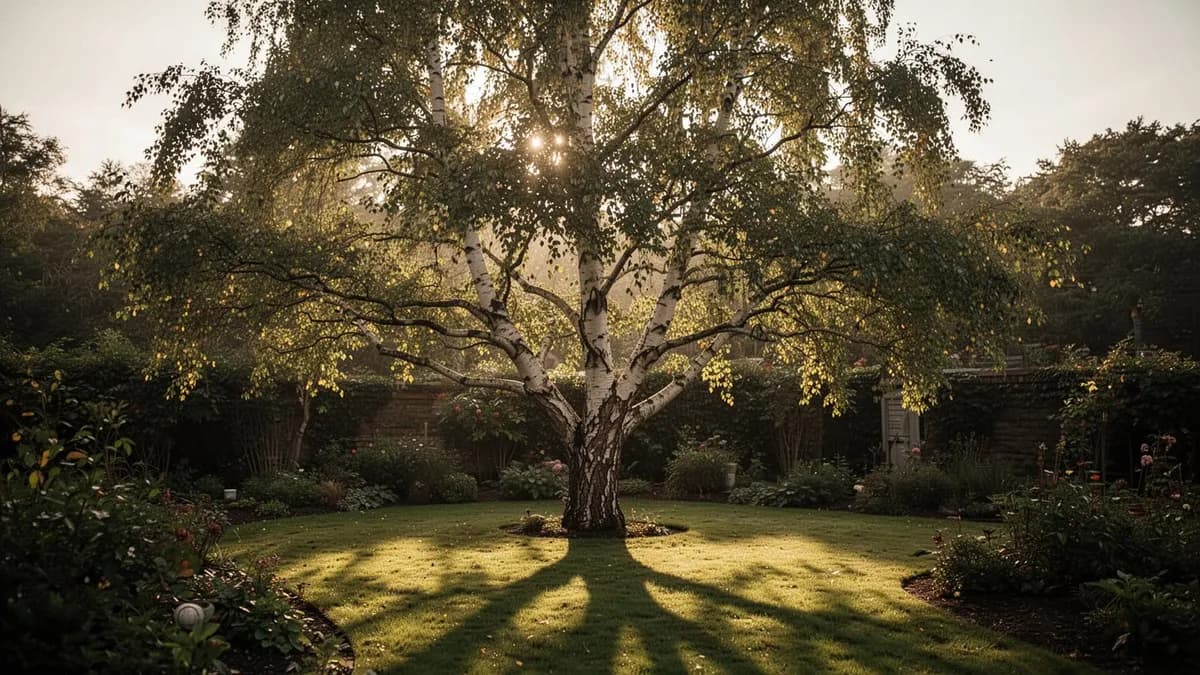
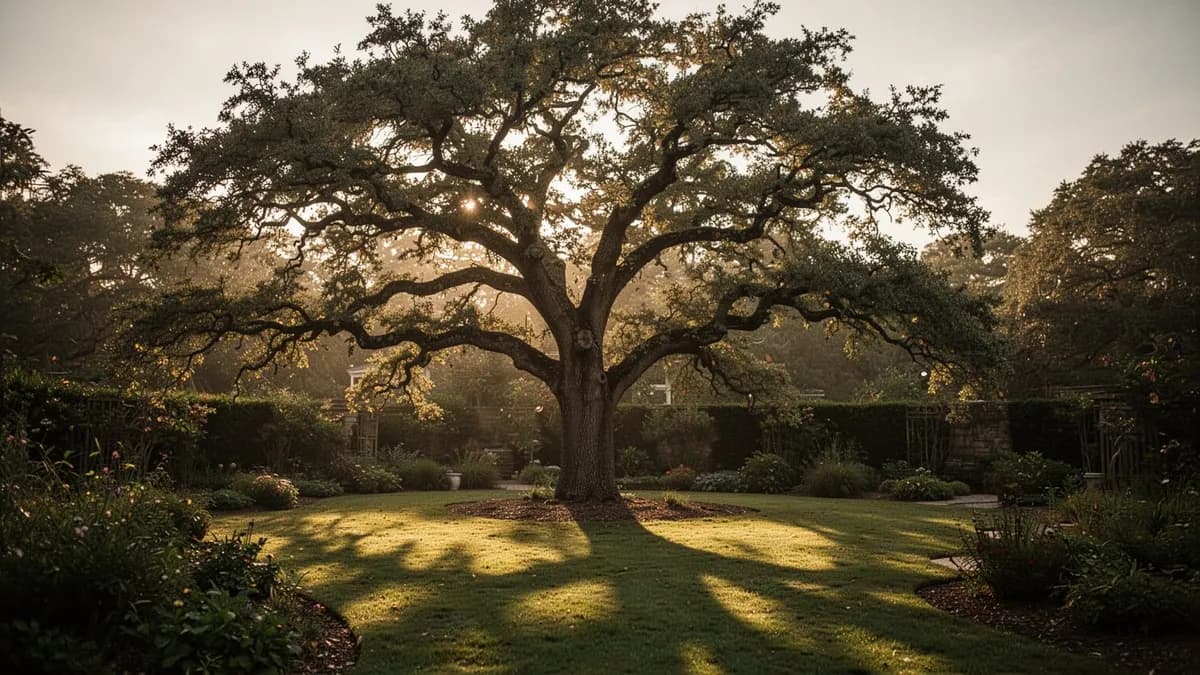
Richtig düngen
Trompetenbäume sind äußerst anpassungsfähig und wachsen in nahezu jedem Bodentyp, von schwerem Lehm bis sandigem Boden, einschließlich alkalischer und verdichteter Böden. Sie bevorzugen einen pH-Wert von 5,5 bis 7,5, tolerieren aber auch Bedingungen außerhalb dieses Bereichs. Im frühen Frühjahr einen ausgewogenen 10-10-10-Dünger für junge Bäume mit 450–900 g pro cm Stammumfang ausbringen. Ausgewachsene Trompetenbäume benötigen selten eine Düngung. Übermäßiger Stickstoff fördert üppiges, schwaches Wachstum, das anfälliger für Sturmschäden ist.
Ideale Temperatur
Winterhärtezone-Kompatibilität
Von der Saat zur Ernte, Schritt für Schritt
Samenkeimung
Catalpa-Samen keimen bereitwillig in warmem, feuchtem Boden. Die dünnen, geflügelten Samen keimen innerhalb von ein bis drei Wochen, wenn die Bodentemperatur 15 bis 21 °C erreicht. Sämlinge erscheinen zunächst mit kleinen Keimblättern, bevor sich echte Blätter entwickeln.
Sämlingsentwicklung
Junge Trompetenbäume wachsen in ihrer ersten Saison schnell und erreichen oft 60–90 cm Höhe. Die charakteristischen großen herzförmigen Blätter beginnen zu erscheinen, und das Wurzelsystem etabliert sich kräftig im umgebenden Boden.
Jugendliches Wachstum
In den ersten fünf Jahren erleben Trompetenbäume ein kräftiges Höhenwachstum von oft 60–90 cm pro Jahr. Der Stamm verdickt sich und die Krone beginnt sich auszubreiten. Die charakteristische unregelmäßige Verzweigung entwickelt sich in dieser Phase.
Erste Blüte
Nördliche Trompetenbäume produzieren ihre ersten Blüten typischerweise zwischen dem fünften und siebten Lebensjahr. Die auffälligen weißen Rispen erscheinen von Ende Mai bis Juni; jede Blüte ist mit violetten Flecken und orangegelben Streifen gezeichnet, die Bestäuber zum Nektar leiten.
Ausgewachsener Schattenbaum
Ein vollständig ausgewachsener nördlicher Trompetenbaum erreicht 12–18 m Höhe mit einer breiten, unregelmäßigen Krone von 6–12 m Breite. Der Baum produziert jeden Frühling reichlich Blüten, gefolgt von langen bohnenartigen Hülsen im Sommer. Ausgewachsene Exemplare entwickeln tief gefurchte Rinde und können 60 Jahre oder länger leben.
Vermächtnis und Rückgang
Ältere Trompetenbäume können hohle Stämme entwickeln und größere Äste verlieren, bieten aber weiterhin Lebensraum für Wildtiere. Bäume können in diesem Stadium noch jahrzehntelang Blüten und Samen produzieren, auch wenn Teile der Krone ausdünnen. Das Holz bleibt während des gesamten Lebens des Baumes bemerkenswert fäulnisbeständig.
Samen vor dem Pflanzen 24 Stunden in warmem Wasser einweichen, um die Keimrate zu verbessern. Den Boden während dieser Phase gleichmäßig feucht, aber nicht wassergesättigt halten.
Trompetenbaum Monat für Monat pflegen
Was du jeden Monat für deine Trompetenbaum tun solltest
Oktober
Aktueller MonatBlätter natürlich abfallen lassen, da das Catalpa-Laub relativ früh im Herbst fällt. Gefallene Blätter harken oder mulchen, da sie sich schnell zersetzen und Nährstoffe in den Boden zurückführen. Zu diesem Zeitpunkt nicht mehr düngen, da dies zartes neues Wachstum anregen kann.
Immer wissen, was jetzt im Garten zu tun ist
Eine E-Mail zum Monatsanfang: was du jetzt säen, pflanzen und anpacken solltest — für deine Trompetenbaum und alles, was drumherum wächst. Dazu ein kurzer Startkurs, der dich vor den klassischen Fehlern bewahrt.
- Was jetzt zu tun ist
- Passend zu deiner Saison
- Startkurs inklusive
Trompetenbaum ernten
Trompetenbäume sind in erster Linie Zierbäume und werden nicht für erntbare Produkte angebaut. Die langen bohnenartigen Samenkapseln, die sich nach der Blüte entwickeln, können im Herbst für Vermehrungszwecke gesammelt werden. Lassen Sie die Kapseln am Baum trocknen, bis sie braun werden und sich zu öffnen beginnen. Jede Kapsel enthält zahlreiche flache, geflügelte Samen. Die Catalpa-Raupen, die sich von den Blättern ernähren, werden von Anglern als äußerst wirksamer Fischköder geerntet – entweder von Hand aufgesammelt oder durch Schütteln der Äste über ein ausgebreitetes Tuch.
angenommen, du pflanzt zu Beginn des Zeitraums — trage dein tatsächliches Datum ein
Ernte Trompetenbaum zügig, dann trägt die Pflanze weiter.
Lagerung & Konservierung
Catalpa-Samenkapseln sollten im späten Herbst gesammelt werden, wenn sie vollständig braun und trocken sind. Ganze Kapseln in Papiertüten an einem kühlen, trockenen Ort aufbewahren, bis die Samen entnommen werden sollen. Gereinigte Samen lassen sich gut in verschlossenen Behältern im Kühlschrank bis zu zwei Jahre lagern. Catalpa-Raupen können für die spätere Verwendung als Fischköder eingefroren werden, indem man sie in Maismehl in einem Gefrierbeutel gibt. Das Holz ist von Natur aus fäulnisbeständig und wurde für Zaunpfosten, Eisenbahnschwellen und Garteneinrichtungen verwendet.
Was schiefgeht — und die Lösung
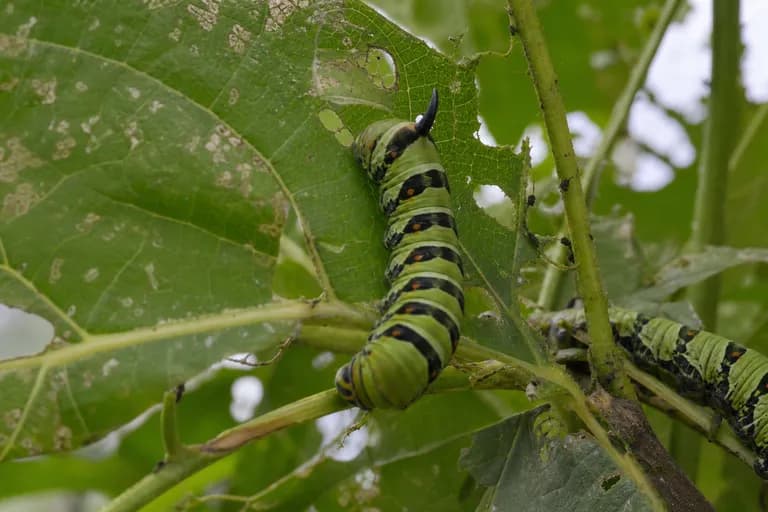
Catalpa-Schwärmer
SchädlingGroße grün-schwarze Raupen mit einem markanten Horn am Hinterende entlauben Äste schnell. Starker Befall kann einen ganzen Baum innerhalb weniger Tage vollständig entlauben.
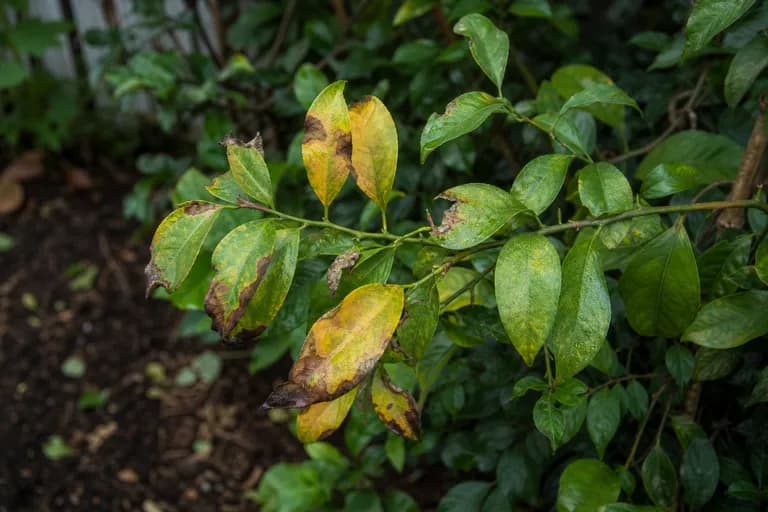
Verticillium-Welke
KrankheitWelken und Verbräunen der Blätter an einzelnen Ästen oder einer Seite des Baumes. Das Splintholz kann im Querschnitt olivgrüne bis braune Verfärbungen zeigen.
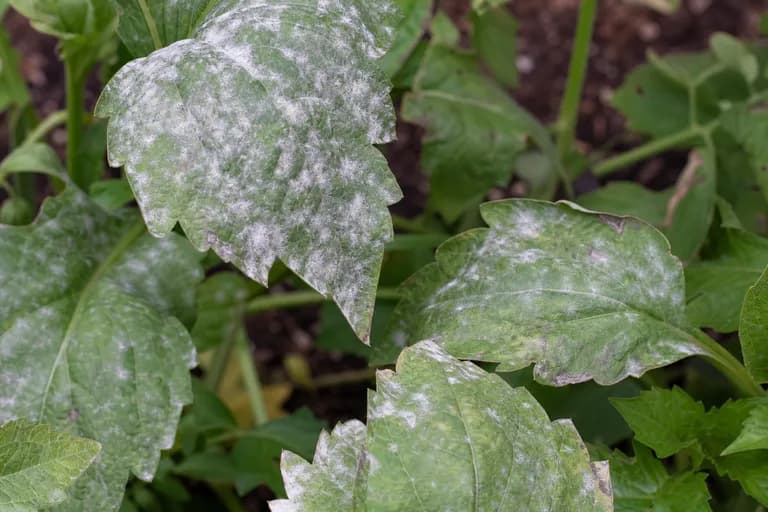
Echter Mehltau
KrankheitWeißer mehliger Belag auf Blattoberflächen, besonders im Spätsommer und Herbst. Stark befallene Blätter können sich einrollen, vergilben und vorzeitig abfallen.
Fehlerbehebung bei häufigen Problemen
Trompetenbäume sind unordentliche Bäume, die während der gesamten Vegetationsperiode große Blätter, Blütenblätter und lange Samenkapseln fallen lassen, was sie für Standorte in der Nähe von Terrassen oder Parkplätzen ungeeignet macht. Das spröde Holz ist anfällig für Brüche bei Eisstürmen und starkem Wind. Catalpa-Schwärmer-Raupen können Bäume im Sommer vollständig entlauben, obwohl gesunde Bäume normalerweise wieder austreiben. Die großen Blätter sind anfällig für Einrisse bei starkem Wind, was dem Baum ein zerzaustes Aussehen verleiht. Einige Gemeinden schränken das Pflanzen von Trompetenbäumen wegen des Laubanfalls ein.
Anbautipps
- Trompetenbäume für beste Blütenproduktion und kräftigstes Wachstum an einem vollsonnigen Standort pflanzen. Obwohl sie Halbschatten tolerieren, entwickeln Bäume in der vollen Sonne dichtere Kronen und blühen reichlicher als solche in schattigen Bedingungen.
- Nördliche Trompetenbäume gedeihen in einer breiten Palette von Bodentypen, wachsen aber am besten in tiefem, feuchtem, gut durchlässigem Lehm. Sie vertragen Lehm- und Sandböden sehr gut und kommen mit sowohl sauren als auch alkalischen pH-Werten zwischen 5,5 und 7,5 zurecht.
- Neu gepflanzte Trompetenbäume in den ersten zwei Vegetationsperioden einmal pro Woche tief wässern, um ein starkes Wurzelsystem zu etablieren. Einmal etabliert, sind ausgewachsene Bäume mäßig trockentolerant und benötigen Zusatzwasser typischerweise nur bei längerem Trockenheitsstress.
- Trompetenbäume nicht in der Nähe von Terrassen, Pools oder Auffahrten pflanzen, wo die großen Blätter, abgefallenen Blüten und langen Samenkapseln erhebliche Unordnung verursachen können. So positionieren, dass ihre unordentlichen Eigenschaften den Alltag nicht stören.
- Trompetenbäume während der Winterruhe beschneiden, um die Krone zu formen und abgestorbene oder sich kreuzende Äste zu entfernen. Das Holz ist etwas spröde; das frühzeitige Entfernen von eng abgehenden Astgabelungen hilft, spätere Sturmschäden zu verhindern.
- Wenn Catalpa-Raupen als Angelköder gewünscht werden, mindestens zwei oder drei Bäume pflanzen, um eine größere Blattmasse zu schaffen, die mit höherer Wahrscheinlichkeit eiablagende Schwärmer aus der Umgebung anzieht.
- Trompetenbäume gehören zu den letzten Bäumen, die im Frühjahr austreiben, und zu den ersten, die im Herbst das Laub abwerfen; daher mit immergrünen Pflanzungen oder früh austreibenden Arten kombinieren, um einen anhaltend kahlen Anblick in der Gartenanlage zu vermeiden.
- Die Vermehrung aus Samen ist unkompliziert. Braune Samenkapseln im Herbst sammeln, die flachen geflügelten Samen entnehmen und im frühen Frühjahr in feuchte Anzuchterde säen. Samen benötigen keine Stratifizierung und keimen bei Zimmertemperatur innerhalb von zwei bis drei Wochen.
- Junge Trompetenbäume jährlich im frühen Frühjahr mit einem ausgewogenen Langzeitdünger wie 10-10-10 entlang der Traufe düngen. Ausgewachsene Bäume in einigermaßen fruchtbarem Boden benötigen selten eine Zusatzdüngung.
- Auf Verticillium-Welke achten, die plötzliches Welken und Absterben von Ästen verursachen kann. Gegen diese bodenbürtige Pilzkrankheit gibt es kein chemisches Heilmittel; daher ist die Vorbeugung durch geeignete Standortwahl, gute Drainage und Vermeidung von Wurzelschäden die beste Strategie.
Bau deine beste Trompetenbaum an — und alles drumherum.
Starte heute kostenlos. Lege deine Beete an, setze deine Trompetenbaum ein und lass PlotMyGarden Timing, Abstände, Begleiter und Erinnerungen von der Saat bis zum Erntekorb übernehmen.
Finde deine Trompetenbaum
Aurea
Eine auffällige goldblättrige Form mit leuchtend gelbgrünem bis gelbem Laub, das einen kräftigen Farbakzent in der Landschaft setzt. Etwas kleiner als die Art, mit einer Höhe von 7–9 m.
Nördlicher Trompetenbaum
Catalpa speciosa, eine winterhärtere Art, die 18–24 m hoch wird und eine schmalere Krone sowie längere Samenkapseln aufweist. Besser für nördliche Klimazonen geeignet und wächst schneller als der südliche Trompetenbaum.
Nana
Eine zwergige, nicht blühende Form, die oft auf einen Standardstamm gepfropft wird, um einen schirmförmigen kleinen Baum zu erzeugen. Als formaler Akzent in Gärten und auf Terrassen verwendet, erreicht sie nur 3–4,5 m.
Purpurea
Junge Blätter treiben dunkelviolett aus, bevor sie sich grün färben, was ein attraktives Frühjahrsfarbspiel ergibt. Weiße Blüten bilden einen dramatischen Kontrast zum dunklen jungen Laub.
Ein ausgewachsener nördlicher Trompetenbaum, der auf der Süd- oder Westseite eines Hauses gepflanzt wird, kann die Kühlkosten im Sommer durch natürliche Beschattung um 15 bis 35 Prozent reduzieren. Das fäulnisbeständige Holz liefert über Jahrzehnte kostenlose Zaunpfosten und Gartenpfähle und beseitigt die Notwendigkeit, druckbehandeltes Schnittholz zu kaufen. Trompetenbäume locken auch Bestäuber an, die Gemüse- und Obstgärten zugute kommen und die Erträge nahegelegener Nutzpflanzen ohne zusätzliche Investitionen in kommerzielle Bestäubungsleistungen potenziell steigern.
Schnelle Rezepte
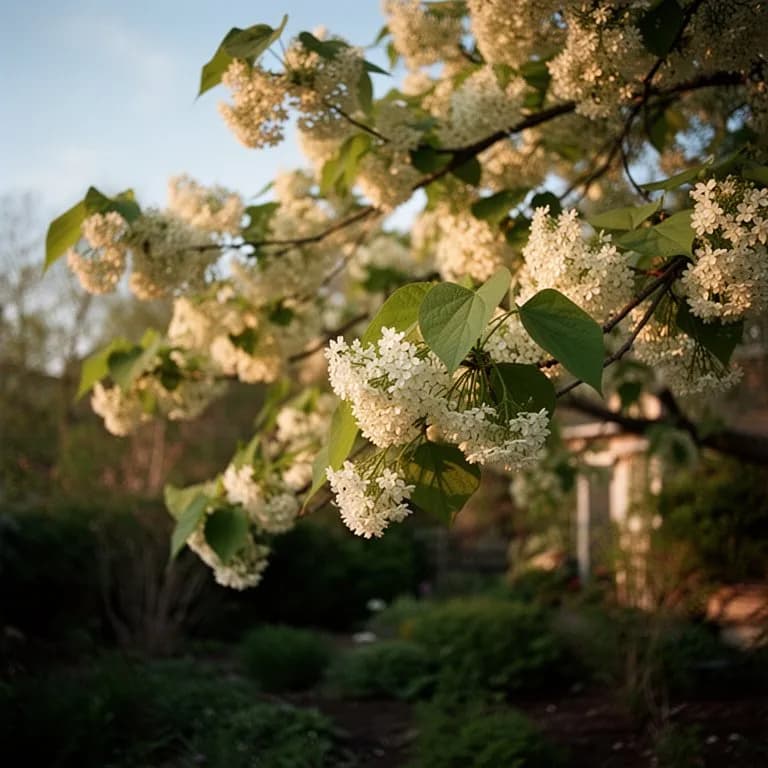
Catalpa-Blüten-Krapfen
20 Min.Frische Catalpa-Blüten werden in einen leichten Teig getaucht und goldbraun frittiert, was eine zarte saisonale Leckerei ergibt, die an Holunderblüten-Krapfen erinnert. Die Blüten haben einen milden, leicht süßen Geschmack, der gut zu Puderzucker oder einem Honigdrizzle passt.
8 ZutatenMit Catalpa-Blüten aromatisierter Honig
15 Min. plus 2 Wochen ZiehzeitFrische Catalpa-Blüten werden über einen Zeitraum von zwei Wochen in Rohhonig eingelegt, um einen duftenden, blumig aromatisierten Honig herzustellen, der sich perfekt zum Beträufeln von Brötchen, zum Verfeinern von Tee oder als Geschenk eignet. Die Blüten verleihen dem fertigen Produkt ein dezentes orchideenartiges Aroma.
3 ZutatenCatalpa-Blütentee
10 Min.Ein milder Kräutertee aus getrockneten oder frischen Catalpa-Blüten bietet einen sanften, leicht süßen Geschmack mit Blütennoten. Dieser koffeinfreie Aufguss wurde in volksmedizinischen Traditionen verwendet und ergibt ein angenehmes Abendgetränk, wenn er mit Honig gesüßt wird.
4 ZutatenWas drinsteckt
Gesundheitsvorteile
- Trompetenbäume spenden erheblichen Schatten, der die Umgebungstemperatur unter der Krone um 5–8 °C senken und die Kühlkosten für nahe gelegene Gebäude in den Sommermonaten reduzieren kann.
- Das dichte Laub und die Blüten fördern die Artenvielfalt, indem sie Bienen, Kolibris und Schmetterlinge anziehen, und tragen so zu einem gesünderen lokalen Ökosystem bei, das bestäuberabhängigen Nutzpflanzen in umliegenden Gärten zugute kommt.
- Große Trompetenbäume wirken als natürliche Luftfilter, indem sie Kohlendioxid, Feinstaub und gängige Stadtschadstoffe aufnehmen und Sauerstoff freisetzen, was die Luftqualität in Wohn- und Stadtgebieten verbessert.
- Zeit unter ausgewachsenen Schattenbäumen wie Trompetenbäumen wurde mit reduzierten Stressniveaus und verbessertem psychischem Wohlbefinden in Verbindung gebracht, was die allgemeinen gesundheitlichen Vorteile von Grünflächen belegt, die in der Umweltpsychologie dokumentiert sind.
- Catalpa-Rindentee wurde in der traditionellen Volksmedizin verschiedener indigener amerikanischer Gruppen als mildes Beruhigungs- und Antiseptikum verwendet, obwohl diese Anwendungen durch moderne klinische Studien nicht bestätigt wurden und keine professionelle medizinische Beratung ersetzen sollten.
- Das ausgedehnte Wurzelsystem ausgewachsener Trompetenbäume hilft, Bodenerosion an Flussufern und Hängen zu verhindern, schützt die Wasserqualität und reduziert Sedimentschwemmung, die aquatische Lebensräume und kommunale Wasserversorgung beeinträchtigen kann.
Woher Trompetenbaum stammt
Der nördliche Trompetenbaum (Catalpa speciosa) ist in einem relativ engen Verbreitungsgebiet im zentralen Teil der Vereinigten Staaten heimisch, ursprünglich konzentriert auf die Auen des Mississippi, Ohio und Wabash. Sein natürlicher Lebensraum erstreckte sich von Süd-Illinois und Indiana bis in das westliche Tennessee und das nordöstliche Arkansas, wo er in den reichen, feuchten Auenböden der Flusskorridore gedieh. Indigene Völker der Region, insbesondere die Muscogee (Creek) Nation, gehörten zu den ersten, die den Nutzen des Baumes erkannten, und verwendeten das Holz zum Bauen sowie Rinde und Samenkapseln für traditionelle Heilmittel. Europäische Siedler schätzten schnell das bemerkenswert fäulnisbeständige Kernholz des Trompetbaums, und bis Mitte des 19. Jahrhunderts wurde der Baum weit über sein natürliches Verbreitungsgebiet hinaus gepflanzt. Während der Eisenbahnexpansion im späten 19. Jahrhundert entwickelte sich der Catalpa-Anbau zu einem ernsthaften Gewerbezweig. Unternehmer legten im Mittleren Westen große Plantagen an, um Zaunpfosten und Eisenbahnschwellen zu produzieren, angelockt durch die Haltbarkeit des Holzes und die schnelle Wuchsrate des Baumes. Das US-Landwirtschaftsministerium förderte den Catalpa-Anbau in dieser Zeit aktiv und veröffentlichte Merkblätter zu optimalen Pflanz- und Erntetechniken. Obwohl die kommerzielle Catalpa-Industrie schließlich mit der Einführung chemischer Holzschutzmittel und alternativer Zaunmaterialien zurückging, hatte der Baum bereits die Kultivierung hinter sich gelassen und sich in weiten Teilen der östlichen Hälfte des Kontinents eingebürgert. Heute wird der nördliche Trompetenbaum vor allem als Zier- und Schattenbaum geschätzt, bewundert für seine spektakuläre Frühjahrsblüte, das kräftige tropisch wirkende Laub und die Toleranz gegenüber städtischen Bedingungen einschließlich Luftverschmutzung, verdichteten Böden und Trockenheit. Er bleibt ein lebendiges Zeugnis der Agrargeschichte des amerikanischen Hinterlandes und wird weiterhin von Anglern gepflegt, die ihn gezielt anbauen, um Catalpa-Schwärmer-Raupen als Angelköder zu gewinnen.
Trompetenbaum: Schon gewusst?
Faszinierende Fakten über Trompetenbaum
Der Trompetenbaum wird manchmal als 'Zigarrenbaum' oder 'Indianer-Bohnenbaum' bezeichnet, wegen seiner langen, schlanken Samenkapseln, die bis zu 50 cm lang werden können und wie dünne Zigarren von den Ästen hängen.
Trompetenbaum: Fragen & Antworten
Wann sollte ich Trompetenbaum pflanzen?
Was sind gute Begleitpflanzen für Trompetenbaum?
In welchen Winterhärtezonen kann Trompetenbaum wachsen?
Wie viel Sonne braucht Trompetenbaum?
Welchen Abstand sollte ich zwischen Trompetenbaum lassen?
Welche Schädlinge und Krankheiten befallen Trompetenbaum?
Wie lagere ich Trompetenbaum nach der Ernte?
Was sind die besten Trompetenbaum-Sorten zum Anbauen?
Welchen Boden braucht Trompetenbaum?
Wie schnell wächst ein nördlicher Trompetenbaum?
Sind Trompetenbäume unordentlich?
Was sind Catalpa-Raupen und warum sind sie begehrt?
Ist Catalpa-Holz für etwas nützlich?
Können Trompetenbäume in kalten Klimazonen überleben?
Haben Trompetenbäume invasive Wurzeln oder breiten sie sich aggressiv aus?
Du hast die Theorie gelesen. Jetzt baue sie auf Autopilot an.
Alles, was Trompetenbaum knifflig macht — das Timing, die Abstände, die Begleiter, das Erntefenster — genau das übernimmt PlotMyGarden für dich, für jede Pflanze im Garten.
Ein Plan, der dein Wetter kennt
Standort einmal festlegen. Aussaat-, Dünge- und Erntedaten rund um deinen echten letzten Frosttermin und die Live-Vorhersage — kein Raten mehr nach Saattüte.
Aus dem Abschnitt „Pflanzzeit“Beetplaner per Drag & Drop
Beete auf einem Raster gestalten. Jede Pflanze rastet im richtigen Abstand ein, und du siehst die ganze Saison, bevor du einen Cent für Saatgut ausgibst.
Aus dem Abschnitt „Anbau“Begleiter-Konflikte früh erkannt
Über 200 gute und schlechte Kombinationen werden beim Pflanzen live geprüft — so landet ein saisonruinierender Fehler nie in der Erde.
Aus dem Abschnitt „Begleiter“Erinnerungen, nach denen du wirklich handelst
„Gieß die Bohnen.“ „Heute ernten, bevor's umschlägt.“ Pünktlich, konkret und auf deine echten Pflanzen bezogen.
Aus dem Abschnitt „Ernte“Staffel-Aussaat, geplant
Sechs Wochen ernten statt sechs Tage? Die App verteilt deine Aussaaten automatisch und erinnert dich, wenn der nächste Satz fällig ist.
Aus dem Abschnitt „Pflanzzeit“Ein Verlauf, der schlauer wird
Jede protokollierte Ernte bringt der App deinen Garten bei. Der Plan fürs nächste Jahr startet bei dem, was in deinem Boden wirklich funktioniert hat.
Aus dem Abschnitt „Überblick“Pflanze diese neben Trompetenbaum
Weitere Schattenbäume
Halte Trompetenbaum von diesen fern
Bau deine beste Trompetenbaum an — und alles drumherum.
Starte heute kostenlos. Lege deine Beete an, setze deine Trompetenbaum ein und lass PlotMyGarden Timing, Abstände, Begleiter und Erinnerungen von der Saat bis zum Erntekorb übernehmen.