Karambole
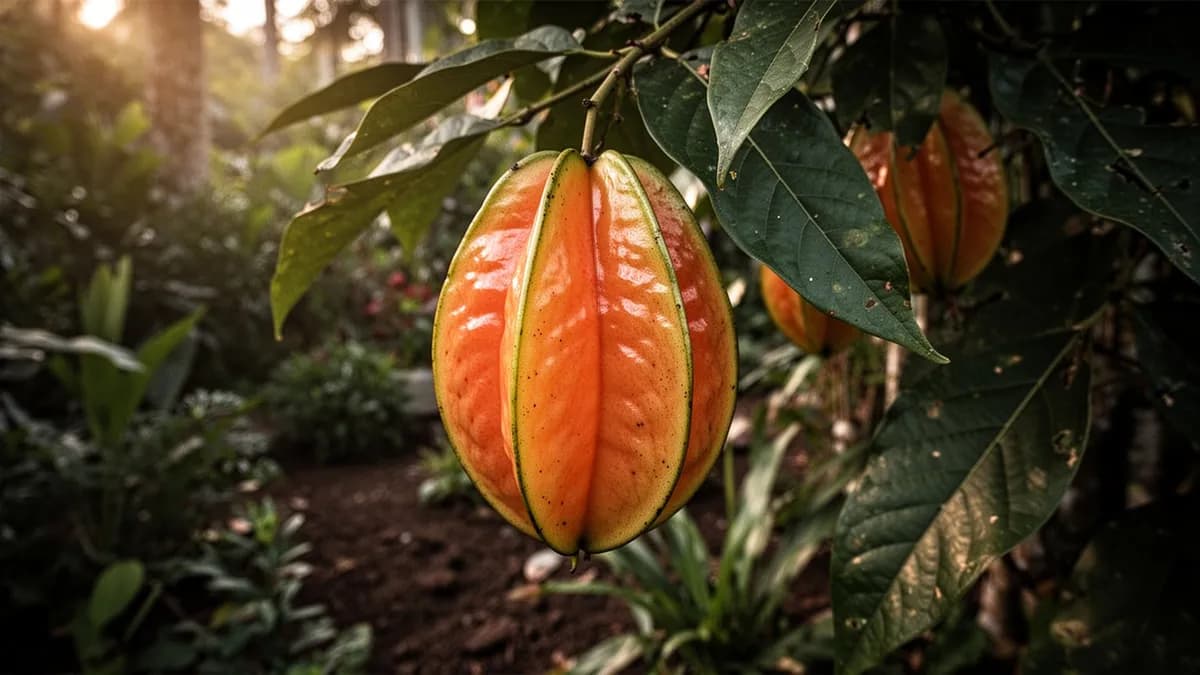
Ein tropischer Baum, der charakteristische fünfkantige Früchte trägt, die beim Querschneiden perfekte Sternformen bilden, mit knackigem, saftigem Fruchtfleisch, das je nach Sorte von säuerlich bis süß reicht.





Auf dieser SeiteÜberblick
Karambole im Überblick
Ein tropischer Baum, der charakteristische fünfkantige Früchte trägt, die beim Querschneiden perfekte Sternformen bilden, mit knackigem, saftigem Fruchtfleisch, das je nach Sorte von säuerlich bis süß reicht. Süße Sorten wie Arkin oder Kary eignen sich am besten für den Frischverzehr, während saure Sorten hervorragend zum Kochen und Garnieren geeignet sind. Die Bäume tragen reichlich Früchte und können zwei oder mehr Ernten pro Jahr hervorbringen.
Wann Karambole pflanzen
Karambolensamen keimen am besten, wenn sie frisch aus reifen Früchten gepflanzt werden. Samen reinigen und sofort pflanzen, da die Keimfähigkeit schnell abnimmt. 1 cm tief in feuchtes, gut durchlässiges Anzuchtsubstrat säen und Temperaturen von 24 bis 29 °C aufrechterhalten. Die Keimung dauert ein bis zwei Wochen. Sämlinge wachsen mäßig schnell und können nach Erreichen einer Höhe von 15 cm verpflanzt werden. Sämlinge tragen typischerweise nach vier bis fünf Jahren Früchte, während veredelte Bäume in ein bis zwei Jahren mit überlegener Fruchtqualität produzieren.
Dein Karambole-Jahr
Abgestimmt auf Zone 7 · typische Saison · Frost geht um den 2. Apr. und kehrt um den 1. Nov. zurück
Karambole Apr – Jun pflanzen, Jun – Aug, Okt – Dez ernten. Beachte die Pflanzmethoden unten und wähle dein Klima für passende Zeiträume.
So baust du Karambole an
Pflanzen Sie Karambolenbäume an einem warmen, geschützten Standort mit voller Sonne und gut durchlässigem Boden. Der Baum ist windempfindlich, da Wind das flache Wurzelsystem beschädigen und Äste brechen kann – wählen Sie daher einen windgeschützten Platz oder errichten Sie einen Windschutz. Pflanzen Sie Bäume mit einem Abstand von 6 bis 7,5 Metern und graben Sie ein großzügiges Pflanzloch, das mit Kompost angereichert wird. In Zone-10-Gebieten pflanzen Sie den Baum auf der Südseite eines Gebäudes für zusätzliche Wärme und Windschutz.
Bewässern Sie regelmäßig mit Tiefbewässerung ein- bis zweimal pro Woche während der Wachstumsperiode. Karambolenbäume reagieren empfindlich auf Trockenheit und Staunässe, daher ist gut durchlässiger Boden mit gleichmäßiger Feuchtigkeit entscheidend. Mulchen Sie großzügig, um Feuchtigkeit zu erhalten und die Wurzeln kühl zu halten. Reduzieren Sie die Bewässerung in kühleren Monaten, wenn der Baum Anzeichen von Ruhephase zeigt.
Düngen Sie alle zwei Monate während der Wachstumsperiode mit einem ausgewogenen Dünger, der Eisen, Mangan und Zink enthält, da Mikronährstoffmängel sehr häufig auftreten. Schneiden Sie den Baum, um eine offene Vasenform zu erhalten, und entfernen Sie nach jedem Ernteschub abgestorbene oder sich kreuzende Äste. Karambolenbäume können unter tropischen Bedingungen zwei bis fünf Ernten pro Jahr hervorbringen. Schützen Sie die Bäume vor Frost, da bereits kurze Temperaturen unter -2 °C erhebliche Schäden verursachen.
Für Karambole ist ein Beet von 120 × 240 cm zu klein
Karambole braucht 400 cm Platz pro Pflanze. Der Planer hält diesen Abstand für dich ein — jede Pflanze, jedes Beet.
Passende Anbau-Ratgeber
Richtig düngen
Karambole bevorzugt gut durchlässigen, leicht sauren Boden mit einem pH-Wert von 5,5 bis 6,5. Der Baum ist sehr empfindlich gegenüber alkalischen Bedingungen und entwickelt bei hohem pH-Wert rasch Eisen- und Manganmangel. Alle zwei Monate während der Wachstumsperiode einen vollständigen Dünger ausbringen, der speziell für tropische Obstbäume formuliert ist. Bei Auftreten von interveinalem Chlorose mit Chelat-Eisen, Mangan und Zink als Blattsprays ergänzen. Organischer Mulch trägt dazu bei, den Boden-pH und die Bodenfeuchte aufrechtzuerhalten.
Ideale Temperatur
Winterhärtezone-Kompatibilität
Von der Saat zur Ernte, Schritt für Schritt
Samenkeimung und Sämlingsestablierung
Karambolensamen keimen innerhalb von 7 bis 21 Tagen, wenn sie frisch in warmen, feuchten Bedingungen bei 25–30 °C gesät werden. Samen verlieren schnell ihre Keimfähigkeit und sollten innerhalb weniger Tage nach der Entnahme aus reifen Früchten gepflanzt werden. Sämlinge entwickeln sich mit einem Paar runder Keimblätter, gefolgt vom ersten Satz echter Fiederblätter mit charakteristischen paarweisen Blättchen, die sich nachts einwärts falten – eine Bewegung, die als Nyktinastie bekannt ist.
Juveniles Vegetationswachstum
Junge Karambolenbäume konzentrieren im ersten Jahr ihre Energie auf den Aufbau eines stabilen Astgerüsts und eines ausgedehnten Wurzelsystems. Der Baum entwickelt sein charakteristisches dichtes, buschiges Blätterdach aus gefiederten Fiederblättern mit jeweils 5 bis 11 ovalen Blättchen. Das Wachstum ist bei warmen Bedingungen schnell, und der Baum kann im ersten Jahr bei ausreichender Nährstoffversorgung, Wärme und Feuchtigkeit 1 bis 1,5 Meter erreichen.
Kronenentwicklung vor der Fruchtbildung
Zwischen dem ersten und dritten Jahr baut der Karambolenbaum eine breite, ausladende Krone auf und entwickelt das reife Holz, das für die Fruchtbildung notwendig ist. Die Astarchitektur wird deutlicher, mit seitlichen Ästen, die vom Mitteltrieb ausgehen. Der Baum kann in dieser Phase 3 bis 5 Meter Höhe erreichen. Einige frühreife veredelte Sorten können gegen Ende dieser Phase vereinzelte Blüten und eine kleine erste Ernte hervorbringen.
Blüte und Fruchtansatz
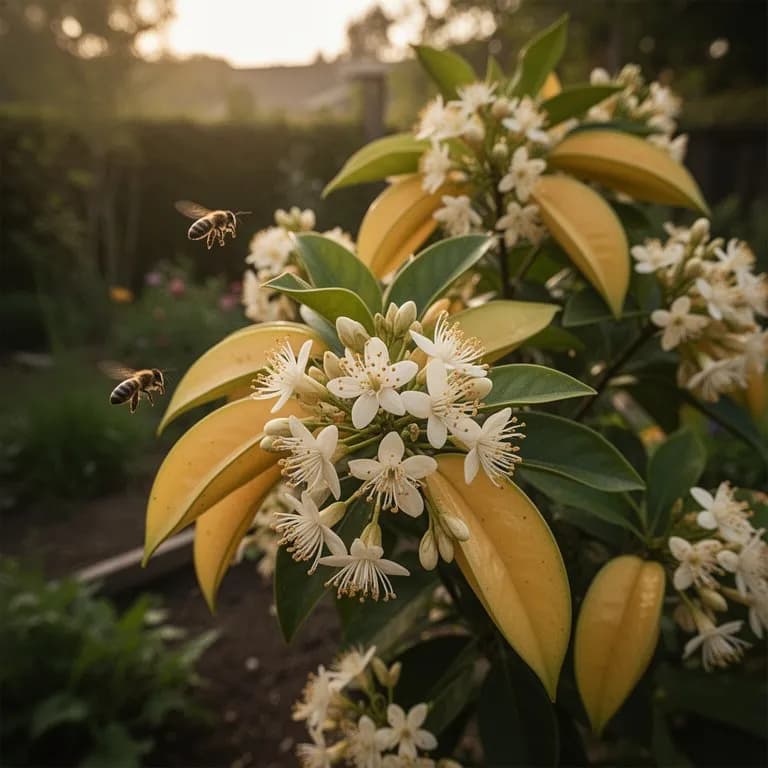
Ausgewachsene Karambolenbäume blühen in tropischen Klimazonen mehrmals pro Jahr, wobei die Hauptblütenflöre typischerweise vom Frühjahr bis in den Spätherbst auftreten. Kleine Rispen duftender rosa bis lila Blüten erscheinen direkt an älteren Ästen und gelegentlich am Stamm – ein Phänomen, das als Kaulifloris bezeichnet wird. Jeder Blütenstand kann 15 bis 40 einzelne Blüten enthalten. Karambole ist teilweise selbstfruchtbar, aber Fremdbestäubung durch eine zweite Sorte verbessert den Fruchtansatz und den Ertrag erheblich.
Fruchtentwicklung und Reifung
Nach erfolgreicher Bestäubung entwickelt sich die Karambolenfrucht über einen Zeitraum von 60 bis 75 Tagen. Die Frucht beginnt als kleines, hellgrünes Oval und entwickelt allmählich ihr charakteristisches fünfkantiges Profil. Im Zuge der Reifung wechselt die Farbe von Grün zu Hellgelb und schließlich zu einem satten Goldgelb mit wachsiger, durchscheinender Schale. Jede Kante entspricht einem der fünf Fruchtblätter der Blüte. Reife Früchte sind 7 bis 15 cm lang und wiegen je nach Sorte 80 bis 250 Gramm.
Kontinuierlicher Produktionszyklus
In tropischen und warm-subtropischen Klimazonen treten etablierte Karambolenbäume in einen kontinuierlichen Blüte- und Fruchtzyklus ein, der zwei bis fünf verschiedene Erntezeiträume pro Jahr hervorbringen kann. Der Baum benötigt keine Ruhephase und produziert weiter, solange die Temperaturen über 15 °C bleiben und ausreichend Feuchtigkeit vorhanden ist. Ausgewachsene Bäume im Alter von 7 Jahren und älter erreichen ihre Spitzenproduktivität und tragen bei richtiger Pflege über Jahrzehnte hinweg reiche Ernten.
Frische Samen in ein gut drainierendes Anzuchtsubstrat 1 cm tief säen. Bodentemperatur bei 25–30 °C halten, bei Bedarf mit einer Heizmatte. Das Substrat gleichmäßig feucht, aber nicht wassergesättigt halten. Nach dem Auflaufen der Sämlinge helles indirektes Licht bereitstellen und nach dem Erscheinen der ersten echten Blätter alle zwei Wochen mit Flüssigdünger in Viertelstärke düngen.
Karambole Monat für Monat pflegen
Was du jeden Monat für deine Karambole tun solltest
Oktober
Aktueller MonatIn subtropischen Gebieten die letzte Ernte der Saison abschließen. Alle gefallenen Früchte und Reste unter dem Baum beseitigen, um überwinternden Schädlings- und Krankheitsdruck zu reduzieren. Baum auf Anzeichen von Wurzelfäule untersuchen – erkennbar an Vergilbung der Blätter und Astdieback – und bei Bedarf Drainage verbessern. Dünger reduzieren, da das Wachstum des Baumes mit sinkenden Temperaturen nachlässt.
Immer wissen, was jetzt im Garten zu tun ist
Eine E-Mail zum Monatsanfang: was du jetzt säen, pflanzen und anpacken solltest — für deine Karambole und alles, was drumherum wächst. Dazu ein kurzer Startkurs, der dich vor den klassischen Fehlern bewahrt.
- Was jetzt zu tun ist
- Passend zu deiner Saison
- Startkurs inklusive
Karambole ernten
Karambolenfrüchte sind erntereif, wenn sie sich von Grün zu Goldgelb verfärben und nur noch leicht Grün an den Kanten verbleibt. Die Früchte sollten fest sein, aber auf Druck leicht nachgeben. Früchte mit einer Gartenschere vom Ast schneiden und dabei einen kurzen Stiel belassen. Vorsichtig handhaben, da die dünnschaligen Früchte entlang der markanten Kanten leicht Druckstellen bekommen. Für das süßeste Aroma die Früchte vollständig am Baum reifen lassen. Saure Sorten können für Kochzwecke etwas früher geerntet werden.
angenommen, du pflanzt zu Beginn des Zeitraums — trage dein tatsächliches Datum ein
Ernte Karambole zügig, dann trägt die Pflanze weiter.
Lagerung & Konservierung
Reife Karambolen bei Raumtemperatur zwei bis drei Tage lagern oder im Kühlschrank bis zu zwei Wochen aufbewahren. Die Früchte lassen sich wegen ihres hohen Wassergehalts nicht gut im Ganzen einfrieren, aber sternförmige Scheiben können auf einem Backblech eingefroren und in Beuteln für Smoothies aufbewahrt werden. Karambole eignet sich hervorragend für Konfitüren, Pickles und Chutneys. Getrocknete Sternfruchtsscheiben sind attraktive und schmackhafte Snacks. Der Saft wird frisch verwendet oder zu einem säuerlich-süßen Sirup konzentriert.
Was schiefgeht — und die Lösung
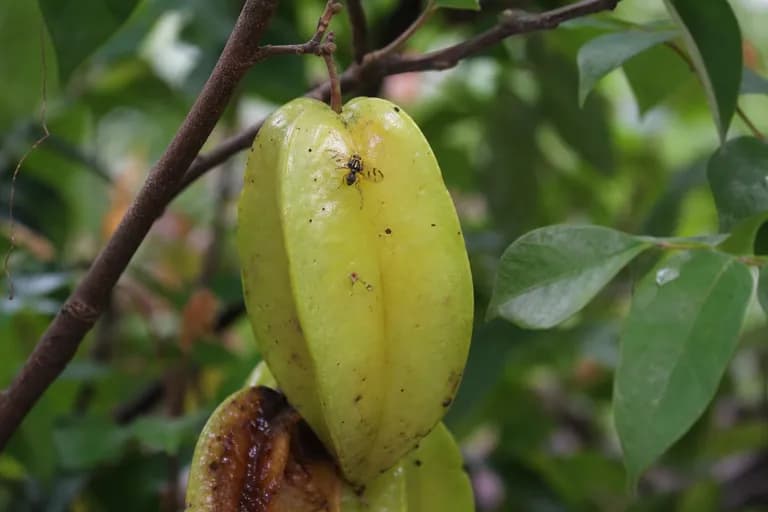
Karambolenfruchtfliege
SchädlingKleine Einstichstellen auf der Fruchtschale; Larven tunneln sich ins Innere und verursachen weiche, braune innere Fäulnis und vorzeitigen Fruchtfall.
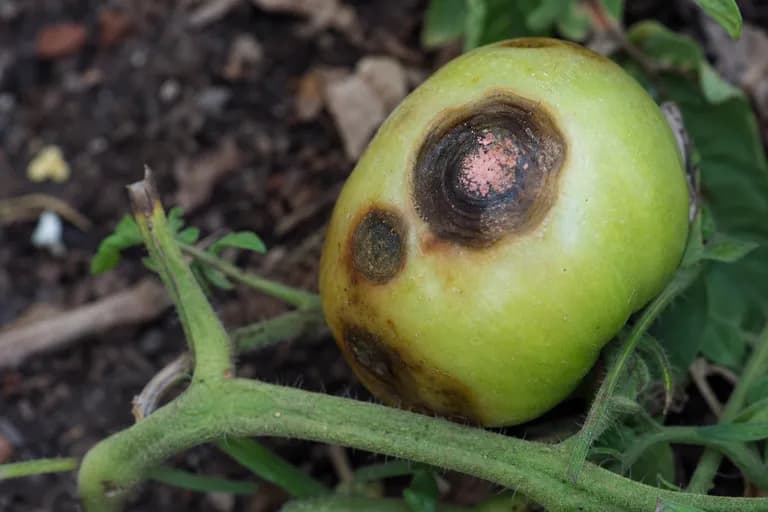
Anthraknose
KrankheitDunkle, eingesunkene Flecken auf reifenden Früchten; braune Blattflecken bei feuchtem Wetter; Nacherntefäulnis mit dunklen Läsionen.
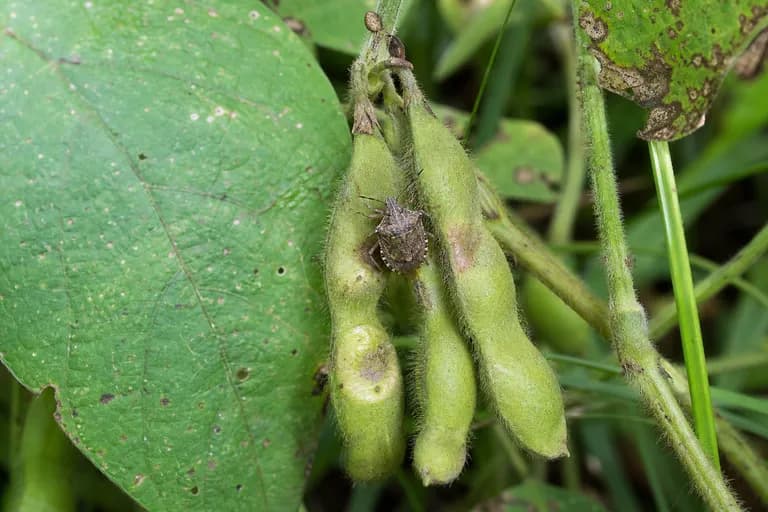
Baumwanzen
SchädlingEingedellte, korkige Stellen an den Früchten, wo das Insekt gesogen hat; kosmetische Schäden mindern die Marktqualität, aber die Früchte sind noch essbar.
Fehlerbehebung bei häufigen Problemen
Mikronährstoffmängel sind das häufigste Problem, insbesondere in alkalischen Böden. Eisen- und Manganmangel verursacht interveniale Gelbfärbung an jungen Blättern und hemmt das Wachstum. Windschäden treten häufig auf, da das Wurzelsystem flach ist und die Äste spröde sind. Zu beachten ist, dass Karambole hohe Mengen an Oxalsäure enthält, die für Personen mit Nierenerkrankungen gefährlich sein kann. Fruchtfall bei starkem Regen ist normal. Sonnenbrand an exponierten Früchten kann bei sehr heißen, trockenen Bedingungen auftreten.
Anbautipps
- Eine süße Sorte wie Arkin, Fwang Tung, Kari oder Sri Kembangan für den Frischverzehr wählen, da wildtyp- und ältere Sorten übermäßig sauer und herb sein können. Veredelte Bäume von seriösen Baumschulen kaufen statt aus Samen zu ziehen, da Sämlinge länger bis zur Fruchtreife brauchen und unberechenbare Qualität liefern.
- An einem Standort mit mindestens 8 Stunden Volllsonne täglich und Schutz vor starken Winden pflanzen, die die spröden Äste beschädigen und entwickelnde Früchte zu Boden werfen können. Eine nach Süden ausgerichtete Wand oder Gebäudeecke bietet ideale Wärme und Windschutz an Grenz-Subtropenstandorten.
- Für ausgezeichnete Bodendrainage sorgen, da Karambolenwurzeln extrem anfällig für Pythium- und Phytophthora-Wurzelfäule bei Staunässe sind. In schwerem Lehmboden auf einem erhöhten Hügel von 30 bis 50 cm über dem Geländeniveau pflanzen und reichlich mit grobem organischem Material und Perlit vermengen, um die Drainage zu verbessern.
- Boden-pH zwischen 5,5 und 6,5 für optimale Nährstoffaufnahme halten. Karambole ist sehr anfällig für Chlorose durch Eisen- und Manganmangel in alkalischen Böden über pH 7,0. Alle 6 bis 8 Wochen Chelat-Mikronährstoff-Blattsprays mit Eisen, Mangan und Zink ausbringen, wenn Interveinalvergilbung auf jungen Blättern auftritt.
- Tief und gleichmäßig bewässern und während der Wachstumsperiode 30 bis 50 mm pro Woche über Tröpfchenbewässerung bereitstellen. Karambole hat ein verhältnismäßig flaches Wurzelsystem und ist empfindlich gegenüber Trockenstress, der Blattfall und Fruchtabszission verursacht, als auch gegenüber Staunässe, die Wurzelfäule auslöst.
- Alle 6 bis 8 Wochen während der aktiven Wachstumsperiode mit einem ausgewogenen Tropenobstbaumdünger düngen, der ein vollständiges Mikronährstoffspektrum enthält. Junge Bäume profitieren von höheren Stickstoffanteilen für das Kronenwachstum, während fruchtende Bäume bei Formulierungen mit höherem Kaliumgehalt die beste Fruchtqualität und Süße zeigen.
- Jährlich nach der Haupternte schneiden, um eine handhabbare Baumhöhe von 3 bis 5 Metern aufrechtzuerhalten, die Luftzirkulation durch das dichte Blätterdach zu verbessern und abgestorbene oder sich kreuzende Innenäste zu entfernen. Karambole verträgt mäßigen Schnitt gut und erholt sich schnell, aber das Entfernen von mehr als 25 % der Krone in einer Sitzung kann die Fruchtproduktion der nächsten Saison reduzieren.
- In subtropischen und gemäßigten Klimazonen Karambole als Kübelpflanze in einem Behälter von mindestens 75 Litern mit gut drainierendem saurem Substrat kultivieren. Den Behälter während der warmen Monate bei dauerhaft über 15 °C im Freien in voller Sonne aufstellen und bei unter 10 °C im Herbst an einen hellen, warmen Innenstandort bringen oder Wachstumslichter einsetzen, wenn natürliches Licht unter 6 Stunden pro Tag fällt. Innenraumfeuchtigkeit über 50 % halten und Nähe zu kalten Zugluft oder Heizlüftern meiden.
- Auf Fruchtfliegen überwachen – den wirtschaftlich bedeutendsten Schädling der Karambole – indem ab Beginn der Fruchtentwicklung Proteinköderfall in der Nähe fruchtender Bäume aufgehängt werden. Einzelne Früchte oder Dolden mit Feinmaschensäcken oder Papiertüten einbeuteln, um Fruchtfliegen ohne chemischen Eingriff fernzuhalten, besonders im ökologischen Anbau.
- Eine dicke Schicht organischen Mulchs wie Holzschnitzel, gehäckselte Rinde oder kompostierte Blätter in einem Radius von 1,5 Metern um den Baum auftragen und dabei 15 cm Abstand zum Stamm halten. Dies ahmt den natürlichen Waldboden des Baumes nach, erhält Bodenfeuchte, unterdrückt Unkräuter, moderiert die Wurzelzonentemperatur und fügt dem Boden schrittweise organische Substanz hinzu.
Bau deine beste Karambole an — und alles drumherum.
Starte heute kostenlos. Lege deine Beete an, setze deine Karambole ein und lass PlotMyGarden Timing, Abstände, Begleiter und Erinnerungen von der Saat bis zum Erntekorb übernehmen.
Finde deine Karambole
Arkin
Die führende süße Sorte in Florida, die große, tiefgelbe Früchte mit mildem, süßem Geschmack und geringem Oxalsäuregehalt produziert.
Kary
Eine malaysische süße Sorte mit beständig hohem Zuckergehalt und ausgezeichnetem Geschmack, gut an die Bedingungen in Südflorida angepasst.
Sri Kembangan
Eine beliebte südostasiatische Sorte, die große, süße Früchte mit guter Farbe und hohen Erträgen das ganze Jahr über produziert.
B-10 (Demak)
Eine saure Sorte, die zum Kochen, Einlegen und für Chutneys geschätzt wird, mit höherem Säuregehalt und kräftigerem Baumwachstum.
Ein einzelner ausgewachsener Karambolenbaum produziert jährlich 90 bis 200 kg Früchte über mehrere Erntezeiträume, was einem Wert von etwa 270–800 Euro entspricht, basierend auf typischen Einzelhandelspreisen von 3–4 Euro pro kg für konventionelle Früchte – und deutlich mehr für Bio-Qualität. Sternfrucht wird in nicht-tropischen Regionen oft als Spezialitätsfrucht gehandelt und kostet häufig 6–10 Euro pro kg, was die Eigenproduktion in geeigneten Klimazonen außergewöhnlich kostengünstig macht. Ein veredelter Baum aus der Baumschule kostet 30–60 Euro und beginnt innerhalb von 2 bis 3 Jahren zu fruchten, wobei er bei minimalen laufenden Aufwandskosten für Dünger und Wasser 30 bis 40 Jahre lang reichlich Früchte trägt.
Schnelle Rezepte
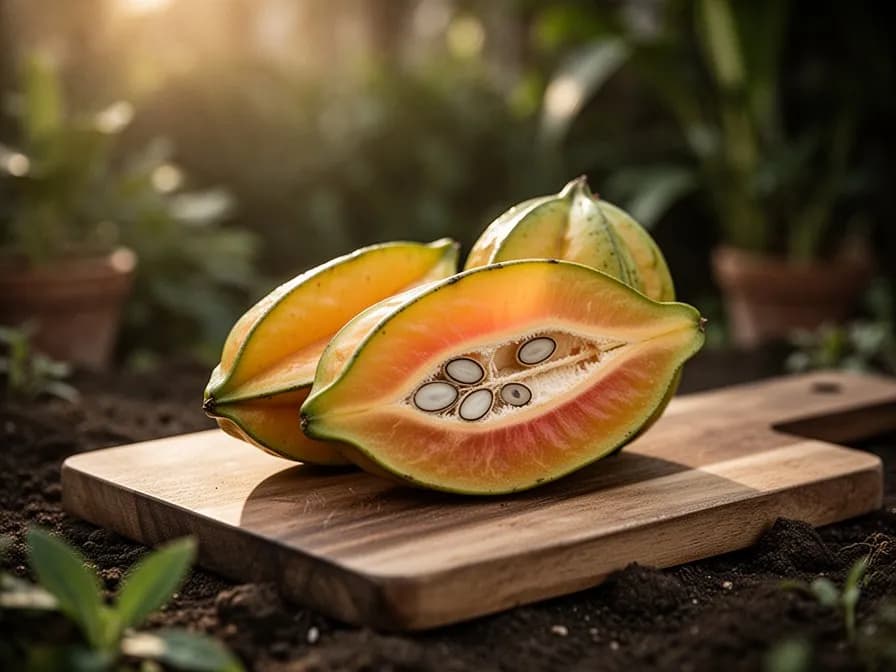
Tropische Sternfrucht-Salsa
15 Min.Eine lebendige, erfrischende Salsa, die die knackige Textur und würzige Süße frischer Sternfrucht mit hellem Zitrusgeschmack und milder Schärfe in Szene setzt. Dieses vielseitige Würzmittel eignet sich wunderbar als Topping für gegrillten Fisch oder Hähnchen, als Dip mit Tortilla-Chips oder über Tacos gelöffelt für eine unerwartete tropische Note.
7 ZutatenSternfrucht-Ingwer-Smoothie
5 Min.Ein seidiger, belebender Frühstückssmoothie, der die säuerlich-süße Komplexität reifer Karambole mit wärmendem Ingwer und cremiger Banane verbindet. Die natürliche Saftigkeit der Sternfrucht bedeutet, dass sehr wenig zusätzliche Flüssigkeit benötigt wird, was ein dickes und sättigendes Getränk ergibt, das von Natur aus kalorienarm und voller Vitamin C ist.
7 Zutaten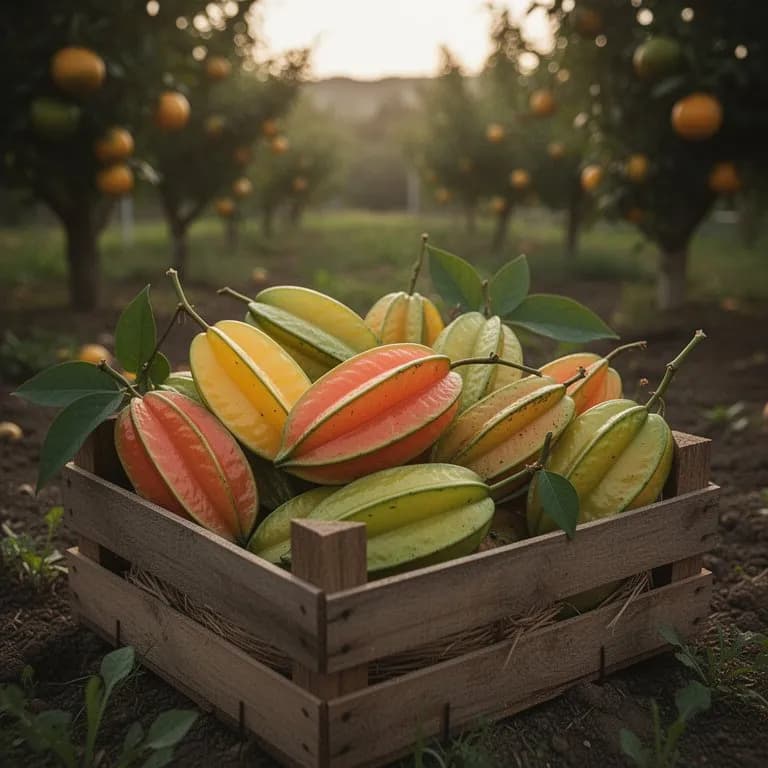
Karamellisierter Sternfrucht-Stürzkuchen
20 Min. aktiv (45 Min. gesamt)Eine elegante tropische Variation des klassischen Stürzkuchens, die geschnittene Sternfrucht in eine atemberaubende karamellisierte Topping mit wunderschönen geometrischen Sternmustern verwandelt. Die Säure der Karambole durchschneidet das reichhaltige buttige Karamell und schafft ein perfekt ausgewogenes Dessert, das nie zu süß schmeckt und ein spektakuläres Mittelstück für Zusammenkünfte abgibt.
9 ZutatenKulinarische Verwendung
Süße Karambolensorten werden frisch gegessen, quer in dekorative Sternformen geschnitten und zum Garnieren von Getränken, Salaten und Desserts verwendet. Die Frucht ergibt erfrischenden Saft, Smoothies und Cocktailgarnierungen. Saure Sorten eignen sich hervorragend für Chutneys, Currys, Pickles und gekochte Relishes. Karambole harmoniert gut mit Meeresfrüchten, Hähnchen und tropischen Salsas.
Was drinsteckt
Gesundheitsvorteile
- Liefert beeindruckende 57 % des täglich empfohlenen Vitamin C pro 100-Gramm-Portion – ein starkes Antioxidans, das die Kollagensynthese für gesunde Haut und Gelenke unterstützt, die Eisenaufnahme verbessert und die Immunabwehr gegen häufige Infektionen stärkt
- Enthält erhebliche Mengen polyphenolischer Antioxidantien einschließlich Quercetin, Epicatechin und Gallussäure, von denen Laborstudien zeigen, dass sie oxidativen Stress reduzieren und das Risiko chronischer entzündlicher Erkrankungen senken können
- Liefert 2,8 Gramm Ballaststoffe pro 100 g, die eine gesunde Verdauung und regelmäßige Darmfunktion unterstützen und zum Sättigungsgefühl beitragen sowie den Blutzuckerspiegel nach den Mahlzeiten durch langsamere Kohlenhydrataufnahme regulieren helfen
- Von Natur aus sehr kalorienarm mit 31 kcal pro 100 g und einem Wassergehalt von etwa 91 % – Sternfrucht ist damit eine ausgezeichnete Wahl für Gewichtsmanagement und Hydrierung, insbesondere bei heißem Wetter oder nach körperlicher Aktivität
- Liefert Kalium, ein essenzielles Elektrolyt, das hilft, den Flüssigkeitshaushalt zu regulieren, eine ordnungsgemäße Muskelkontraktion zu unterstützen und zur Aufrechterhaltung eines gesunden Blutdruckspiegels beizutragen – besonders wichtig für Personen mit natriumreicher Ernährung
- Enthält natürliche entzündungshemmende Verbindungen, die seit Jahrhunderten in der traditionellen südostasiatischen Medizin zur Linderung von Halsschmerzen, Fieberreduktion und Unterstützung der Lebergesundheit eingesetzt werden, wobei die moderne Forschung beginnt, diese traditionellen Anwendungen zu untersuchen
Woher Karambole stammt
Die Karambole (Averrhoa carambola) soll in den Molukken-Inseln im östlichen Indonesien und den Tieflandwäldern Sri Lankas entstanden sein, wo wilde Populationen noch immer in feuchten tropischen Wäldern wachsen. Die Art wird in ganz Südostasien seit weit über tausend Jahren angebaut, wobei frühe Erwähnungen in alten malaiischen und Sanskrit-Texten die charakteristische sternförmige Querschnittform der Frucht sowie ihre kulinarischen und medizinischen Verwendungen beschreiben. Von ihrem Ursprungsort breitete sich die Karambole entlang alter Seehandelswege durch den malaiischen Archipel bis nach Südchina, Indien und die Philippinen aus und wurde tief in die regionalen Küchen und traditionellen Medizinsysteme jeder Kultur integriert. Chinesische Aufzeichnungen aus der Song-Dynastie um das 12. Jahrhundert belegen den Karambolenanbau in der Provinz Guangdong, wo die Frucht sowohl als frische Delikatesse als auch als Volksheilmittel bei Verdauungsbeschwerden geschätzt wurde. Portugiesische und spanische Seefahrer begegneten der Karambole während ihrer Gewürzhandelsexpeditionen im 15. und 16. Jahrhundert und transportierten Samen und Stecklinge in ihre Kolonialgebiete in ganz tropischen Afrika, der Karibik und Südamerika. Die Frucht bürgerte sich rasch in den feuchten Tieflagen Brasiliens ein und wurde zu einem verbreiteten Haushaltsbaum auf den Karibikinseln. Der kommerzielle Anbau weitete sich im 20. Jahrhundert erheblich aus, wobei Florida in den 1970er und 1980er Jahren als wichtiges Produktionszentrum in den Vereinigten Staaten hervortrat. Die Entwicklung süßer Sorten wie Arkin und Fwang Tung, die für geringere Säure und überlegenen Geschmack ausgewählt wurden, trug dazu bei, die Karambole von einer Neuheit in eine rentable Kulturpflanze zu verwandeln. Zu den führenden weltweiten Produzenten gehören heute Malaysia, Taiwan, Indien, die Philippinen, Australien und der Bundesstaat Florida in den Vereinigten Staaten. Die Frucht ist zu einem zunehmend beliebten Bestandteil der internationalen Küche geworden und wird für ihr dramatisches visuelles Erscheinungsbild, ihren erfrischenden Geschmack und ihre Vielseitigkeit in süßen und herzhaften Gerichten geschätzt.
Karambole: Schon gewusst?
Faszinierende Fakten über Karambole
Die Sternfrucht verdankt ihren gebräuchlichen Namen der perfekten fünfzackigen Sternform, die beim Querschneiden der Frucht sichtbar wird – sie gehört damit zu den optisch auffälligsten Früchten der Welt und ist ein beliebtes Garnierungselement bei professionellen Köchen und Cocktailmixologen.
Karambole: Fragen & Antworten
Wann sollte ich Karambole pflanzen?
In welchen Winterhärtezonen kann Karambole wachsen?
Wie viel Sonne braucht Karambole?
Welchen Abstand sollte ich zwischen Karambole lassen?
Welche Schädlinge und Krankheiten befallen Karambole?
Wie lagere ich Karambole nach der Ernte?
Was sind die besten Karambole-Sorten zum Anbauen?
Welchen Boden braucht Karambole?
Ist es sicher, Sternfrucht zu essen, wenn ich Nierenprobleme habe?
Woran erkenne ich, dass Sternfrucht reif und erntebereit ist?
Kann ich einen Karambolenbaum im Innenbereich oder in einem kalten Klima anbauen?
Warum werden die Blätter meines Karambolenbaums gelb?
Wie sollte ich meinen Karambolenbaum schneiden?
Welche Karambolensorten eignen sich am besten für den Hausgartenanbau?
Du hast die Theorie gelesen. Jetzt baue sie auf Autopilot an.
Alles, was Karambole knifflig macht — das Timing, die Abstände, die Begleiter, das Erntefenster — genau das übernimmt PlotMyGarden für dich, für jede Pflanze im Garten.
Ein Plan, der dein Wetter kennt
Standort einmal festlegen. Aussaat-, Dünge- und Erntedaten rund um deinen echten letzten Frosttermin und die Live-Vorhersage — kein Raten mehr nach Saattüte.
Aus dem Abschnitt „Pflanzzeit“Beetplaner per Drag & Drop
Beete auf einem Raster gestalten. Jede Pflanze rastet im richtigen Abstand ein, und du siehst die ganze Saison, bevor du einen Cent für Saatgut ausgibst.
Aus dem Abschnitt „Anbau“Begleiter-Konflikte früh erkannt
Über 200 gute und schlechte Kombinationen werden beim Pflanzen live geprüft — so landet ein saisonruinierender Fehler nie in der Erde.
Aus dem Abschnitt „Begleiter“Erinnerungen, nach denen du wirklich handelst
„Gieß die Bohnen.“ „Heute ernten, bevor's umschlägt.“ Pünktlich, konkret und auf deine echten Pflanzen bezogen.
Aus dem Abschnitt „Ernte“Staffel-Aussaat, geplant
Sechs Wochen ernten statt sechs Tage? Die App verteilt deine Aussaaten automatisch und erinnert dich, wenn der nächste Satz fällig ist.
Aus dem Abschnitt „Pflanzzeit“Ein Verlauf, der schlauer wird
Jede protokollierte Ernte bringt der App deinen Garten bei. Der Plan fürs nächste Jahr startet bei dem, was in deinem Boden wirklich funktioniert hat.
Aus dem Abschnitt „Überblick“Weitere Tropische Früchte
Bau deine beste Karambole an — und alles drumherum.
Starte heute kostenlos. Lege deine Beete an, setze deine Karambole ein und lass PlotMyGarden Timing, Abstände, Begleiter und Erinnerungen von der Saat bis zum Erntekorb übernehmen.