Canistel
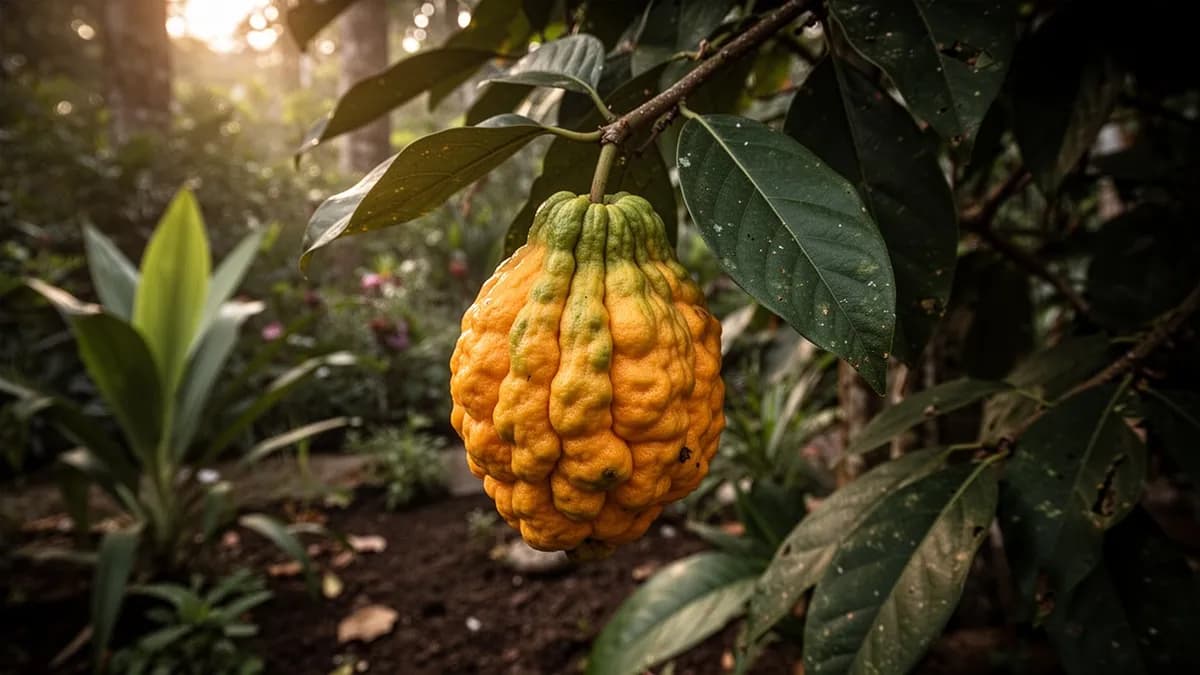
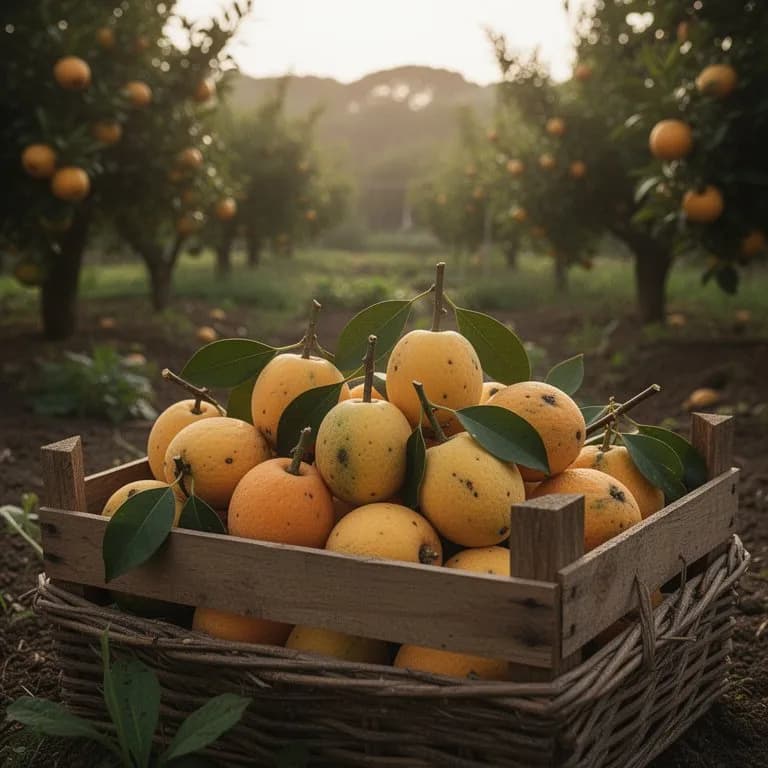
Conocido como fruta del huevo por su pulpa rica, seca y parecida a la yema de huevo, el canistel produce frutos de color amarillo anaranjado brillante con un sabor dulce y cremoso que se usa en batidos, helados y repostería.





En esta páginaResumen
Conoce Canistel
Conocido como fruta del huevo por su pulpa rica, seca y parecida a la yema de huevo, el canistel produce frutos de color amarillo anaranjado brillante con un sabor dulce y cremoso que se usa en batidos, helados y repostería. El árbol es más tolerante al frío que muchas frutas tropicales y, una vez maduro, sobrevive a heladas ligeras y breves. Los frutos deben madurar fuera del árbol a temperatura ambiente hasta que estén blandos.
Cuándo plantar Canistel
Las semillas de canistel germinan con facilidad cuando se plantan frescas. Saque la semilla del fruto maduro, retire cualquier resto de pulpa y siémbrela a 2.5 cm de profundidad en un sustrato húmedo dentro de pocos días. La germinación tarda de dos a cuatro semanas a entre 24 y 29 °C. Las plántulas crecen a ritmo moderado y pueden trasplantarse a los seis meses. Los árboles nacidos de semilla suelen dar fruta en tres a cinco años. Los árboles injertados de variedades con nombre fructifican antes y con una calidad más predecible.
Tu año de Canistel
Ajustado a Zona 7 · temporada típica · la helada se va hacia el 2 abr y vuelve hacia el 1 nov
Planta Canistel Abr – Jun y cosecha Ene – Abr. Consulta los métodos de plantación y elige tu clima para adaptar los periodos.
Cómo cultivar Canistel
Plante el canistel a pleno sol y en un suelo bien drenado, dejando entre 4.5 y 6 metros entre árboles. El árbol es más tolerante al frío que muchas frutas tropicales y soporta heladas breves de hasta unos -2 °C cuando está maduro, lo que lo hace adecuado para zonas cálidas de la zona 9 con protección contra heladas. En zonas límite, elija un lugar resguardado y orientado al sur. Haga un hoyo del doble del ancho del cepellón y enmiéndelo con compost.
Riegue los árboles recién plantados de dos a tres veces por semana durante el primer año y después pase a un riego profundo semanal. El canistel es moderadamente resistente a la sequía una vez establecido, pero da frutos más grandes y de mejor calidad con humedad constante durante la temporada de crecimiento. El árbol es perenne en zonas realmente tropicales, pero puede perder algunas hojas durante los periodos frescos y secos.
Abone tres o cuatro veces al año con un fertilizante equilibrado que incluya micronutrientes. El árbol responde bien al acolchado orgánico y al compost. Pode para mantener una altura manejable de 4.5 a 6 metros, ya que los árboles sin podar pueden superar los 9 metros. Retire la madera muerta y las ramas cruzadas después de la temporada de fructificación. El canistel tiene relativamente pocas plagas y requiere menos mantenimiento que la mayoría de los frutales tropicales.
Para Canistel un bancal de 120 × 240 cm se queda corto
Cada Canistel pide 500 cm de margen. El planificador guarda ese marco por ti — cada planta, cada bancal.
Guías de cultivo relacionadas
Abónalo bien
El canistel crece bien en una variedad de suelos, incluidos los arenosos, francos y basados en caliza, con un pH de 5.5 a 7.5. Un buen drenaje es esencial, ya que el árbol no tolera el encharcamiento. Aplique un fertilizante equilibrado con micronutrientes de tres a cuatro veces por año. El árbol tiene necesidades nutritivas relativamente bajas en comparación con otros frutales tropicales. El mantillo orgánico conserva la humedad y aporta nutrientes de liberación lenta. En suelos muy alcalinos puede aparecer clorosis férrica.
Temperatura ideal
Compatibilidad de zonas de rusticidad
De la semilla a la cosecha, etapa por etapa
Germinación de la semilla y plántula
Las semillas frescas de canistel germinan con facilidad en 2 a 4 semanas cuando se siembran en sustrato húmedo y cálido a temperaturas entre 25 y 30 °C. La gran semilla marrón se abre y emite un brote vigoroso con una raíz pivotante profunda. Durante esta etapa, la plántula desarrolla su primer conjunto de hojas simples, brillantes y verde oscuro, y puede alcanzar entre 20 y 30 centímetros de altura. Las semillas de canistel pierden viabilidad con rapidez después de sacarlas de la fruta, así que deben plantarse en pocos días para obtener mejores resultados.
Crecimiento vegetativo juvenil
El joven canistel entra en una fase de crecimiento vegetativo rápido, desarrollando un eje central fuerte y ramas laterales. El tronco se engrosa y la corteza pasa de verde a un gris pardo liso. Las hojas crecen más, hasta 15 a 25 centímetros de longitud, y el sistema radicular se expande con fuerza. Al final del primer año el árbol puede alcanzar entre 1 y 1.5 metros en condiciones tropicales favorables. En esta etapa es sensible a las heladas y requiere protección por debajo de 5 °C.
Establecimiento previo a la fructificación
Entre el segundo y el tercer año, el canistel sigue construyendo un fuerte armazón de ramas y una red radicular amplia. La copa se vuelve más densa y redondeada. Las plántulas siguen acumulando las reservas de energía necesarias para la producción de fruto, mientras que los árboles injertados pueden empezar a mostrar sus primeras flores dispersas hacia el final de este periodo. El árbol crece entre 60 y 90 centímetros al año en condiciones óptimas y empieza a tolerar heladas ligeras breves cuando el tronco se ha endurecido lo suficiente.
Primera floración y cuajado
Los canisteles suelen empezar a florecer entre los 3 y 5 años desde semilla, o entre los 2 y 3 años desde el injerto. Aparecen pequeños racimos de flores fragantes blanco cremoso a lo largo de la madera vieja y en las axilas de las hojas. Las flores son autofértiles, pero la polinización cruzada con otra plántula o variedad mejora el cuajado y el tamaño del fruto. Tras una polinización satisfactoria, las frutas verdes se desarrollan lentamente durante 6 a 9 meses. Las primeras cosechas suelen ser ligeras, con 20 a 50 frutos en la primera temporada productiva.
Árbol adulto en plena producción
A partir del quinto año, un canistel bien cuidado entra en su fase de producción plena, dando cosechas cada vez más abundantes cada temporada. Los árboles maduros producen entre 200 y 500 o más frutos al año, y la principal temporada de cosecha va desde finales del otoño hasta la primavera en la mayoría de las regiones tropicales y subtropicales. El árbol alcanza su altura plena de 8 a 10 metros, salvo que se mantenga más pequeño mediante la poda. Los canisteles son longevos y pueden seguir siendo productivos durante 30 a 50 años o más con los cuidados adecuados.
Cosecha y maduración poscosecha
El fruto de canistel se cosecha cuando ya se ha vuelto completamente amarillo, pero sigue firme al tacto. A diferencia de muchas frutas tropicales, el canistel debe madurar fuera del árbol a temperatura ambiente durante 3 a 10 días, hasta que la pulpa se vuelve suave y cremosa. El fruto maduro cede con facilidad a una suave presión del pulgar y el pedúnculo se desprende con limpieza. La pulpa debe estar uniformemente blanda, sin zonas duras o verdes. El fruto pasado se vuelve pastoso y desarrolla sabores extraños.
Siembre las semillas en horizontal, a unos 2 centímetros de profundidad, en una mezcla de turba y perlita que drene bien. Mantenga el sustrato constantemente húmedo, pero nunca encharcado. Mantenga temperaturas por encima de 24 °C usando una manta térmica si hace falta. Proporcione luz brillante e indirecta y proteja las plántulas del sol directo de la tarde hasta que estén bien establecidas y tengan al menos cuatro hojas verdaderas.
Cuidar Canistel mes a mes
Qué hacer cada mes para tu Canistel
Octubre
Mes actualLa fruta temprana empieza a cambiar de color, pasando de verde a amarillo. Reduzca un poco el riego para favorecer la maduración, pero no deje que el árbol sufra sequía. Coseche cualquier fruto que se haya vuelto completamente amarillo y firme.
Ten claro qué hacer en tu huerto, cada mes
Un correo al empezar cada mes: qué sembrar, plantar y hacer ahora mismo — para tu Canistel y todo lo que crece alrededor. Más un breve curso inicial para esquivar los errores clásicos.
- Qué hacer ahora mismo
- Ajustado a tu temporada
- Curso inicial incluido
Cosechar Canistel
Los frutos de canistel se recogen cuando están maduros pero todavía firmes, porque deben madurar fuera del árbol. La fruta madura tiene el color completamente desarrollado, normalmente amarillo anaranjado brillante, y la piel puede mostrar ligeras arrugas cerca del pedúnculo. Corte el fruto de la rama con tijeras de poda, dejando un tallo corto. Deje madurar a temperatura ambiente de tres a siete días hasta que la pulpa esté blanda y ceda a una presión suave como la de un aguacate maduro. La pulpa debe estar uniformemente blanda y cremosa cuando esté lista para comer. No la refrigere hasta que esté completamente madura.
se supone que plantas al comenzar el periodo — indica tu fecha real
Cosecha Canistel a tiempo y la planta sigue produciendo.
Almacenamiento y conservación
El canistel maduro puede conservarse refrigerado hasta una semana. La pulpa congela muy bien y es el mejor método de conservación a largo plazo. Saque la pulpa madura, retire las semillas y congélela en recipientes herméticos hasta seis meses. La pulpa de canistel congelada es excelente para batidos, helados y repostería. La fruta también puede deshidratarse en chips o cuero de fruta. El polvo de canistel se vende comercialmente como ingrediente para repostería y edulcorante natural.
Qué falla — y cómo solucionarlo
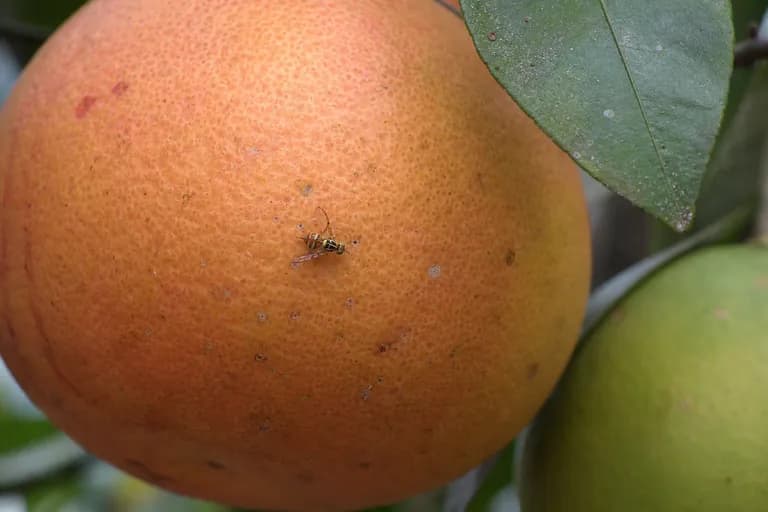
Mosca de la fruta del Caribe
PlagaPequeñas marcas de pinchazo en la fruta madura; las larvas se alimentan en el interior y provocan podredumbre marrón y blanda, además de caída prematura.
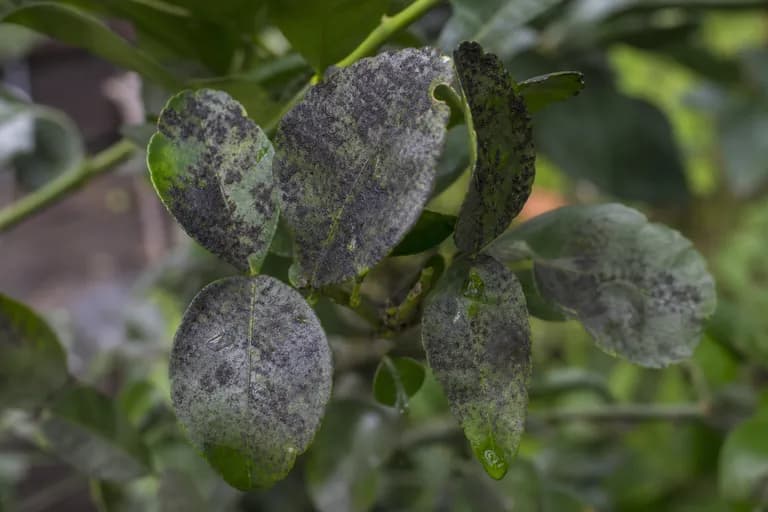
Fumagina
EnfermedadCapa negra, parecida al hollín, sobre hojas y frutos causada por un hongo que crece sobre la melaza de insectos chupadores de savia.
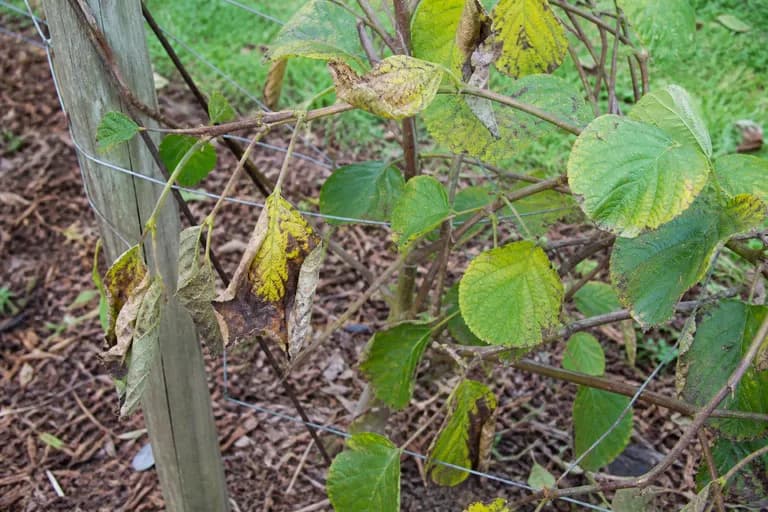
Podredumbre de raíces (Phytophthora)
EnfermedadAmarilleo y marchitez progresivos de las hojas; raíces marrones y blandas; deterioro del árbol, sobre todo en suelos mal drenados.
Solución de problemas comunes
La textura seca y densa de la pulpa es un gusto adquirido que a algunos les resulta poco atractivo, porque recuerda a la yema de huevo cocida. La caída de fruta antes de madurar puede deberse al estrés hídrico o a una mala polinización. El árbol puede producir en exceso en los buenos años, lo que obliga a aclarar para que los frutos crezcan más. Las aves y las ardillas dañan la fruta en maduración. El látex pegajoso de la fruta inmadura mancha la ropa y la piel. Los daños por frío en la zona 9 se manifiestan como pardeamiento de las hojas y muerte regresiva de ramas.
Consejos de cultivo
- Empiece con un árbol injertado de un vivero de confianza en lugar de sembrar semillas: los árboles injertados fructifican en 3–5 años frente a 8–15 años de las plántulas, y la calidad del fruto coincide con la de la variedad madre.
- Plante en un suelo bien drenado con pH ligeramente ácido a neutro, entre 5.5 y 7.0. Los árboles de lucuma son muy sensibles al encharcamiento, que provoca podredumbre de raíces; los bancales elevados o los montículos de plantación funcionan bien en zonas con suelos arcillosos pesados.
- Proporcione pleno sol durante al menos seis horas diarias. Los árboles de lucuma toleran la semisombra, pero producen mucha menos fruta y crecen más ralos con poca luz.
- Riegue en profundidad pero con poca frecuencia una vez establecido: la lucuma está adaptada al clima seco andino y prefiere secarse un poco entre riegos. El exceso de riego es la causa más común del declive del árbol en jardines domésticos.
- Proteja los árboles jóvenes de cualquier helada. Los árboles maduros pueden sobrevivir a exposiciones breves de 0 a 5 °C, pero temperaturas por debajo de -2 °C causan daños graves. En climas límite, cultívelo en una maceta grande que pueda trasladarse al interior durante los fríos invernales.
- Aplique tres veces al año un fertilizante equilibrado de liberación lenta para frutales: a comienzos de primavera, a mediados del verano y a comienzos del otoño. Añada quelato de hierro si las hojas muestran amarilleo intervenal, señal de clorosis férrica en suelos alcalinos.
- Pode cada año después de la cosecha principal para mantener una copa abierta. Retire madera muerta, ramas cruzadas y exceso de crecimiento interior para mejorar la entrada de luz y la circulación de aire, lo que reduce la presión de enfermedades fúngicas.
- Tenga paciencia con el desarrollo del fruto: la lucuma tiene uno de los calendarios semilla-a-cosecha más largos de cualquier cultivo frutal. El fruto tarda de cinco a nueve meses en madurar tras la polinización, y el periodo de maduración poscosecha añade otros tres a siete días.
- Use bolsas o mallas sobre racimos individuales si las moscas de la fruta son un problema en su zona. Las pulverizaciones químicas son difíciles de programar con eficacia porque la fruta de lucuma madura de forma desigual en el árbol durante varios meses.
- En cultivo en maceta, trasplante cada dos o tres años a un recipiente al menos 10 cm más grande de diámetro. Use un sustrato bien drenante con perlita añadida. Los árboles en maceta se mantendrán más pequeños y producirán menos fruta, pero aun así pueden dar entre 20 y 50 frutos por temporada.
Cultiva tu mejor Canistel — y todo lo que la rodea.
Empieza un plan gratis hoy. Diseña tus bancales, coloca tu Canistel y deja que PlotMyGarden gestione el momento, el espaciado, las asociaciones y los recordatorios de la semilla a la cesta.
Elige tu Canistel
Trompo
Una selección popular con frutos en forma de peonza, sabor rico y pulpa lisa, menos fibrosa, preferida para comer fresca.
Bruce
Un cultivar de Florida que produce frutos grandes y redondos con excelente sabor dulce y textura densa y cremosa.
Fairchild
Nombrado en honor al famoso jardín tropical, produce frutos medianos con un sabor sobresaliente y muy poca fibra.
Ross Sapote
Una especie emparentada que a veces se vende como canistel, con pulpa más anaranjada y un sabor más rico y complejo.
El polvo de lucuma se vende al por menor por unos 13–26 € el paquete de 200 g en tiendas de productos naturales, lo que lo convierte en uno de los polvos superalimento más caros. Un solo árbol maduro en un clima adecuado puede producir entre 200 y 500 frutos al año, lo que da muchos kilos de polvo seco por valor de cientos de euros anuales. Incluso cultivar un pequeño árbol en maceta en un clima sin heladas puede proporcionar suficiente fruta fresca para smoothies y helados durante la temporada de cosecha, compensando en gran medida el coste del polvo importado.
Recetas rápidas
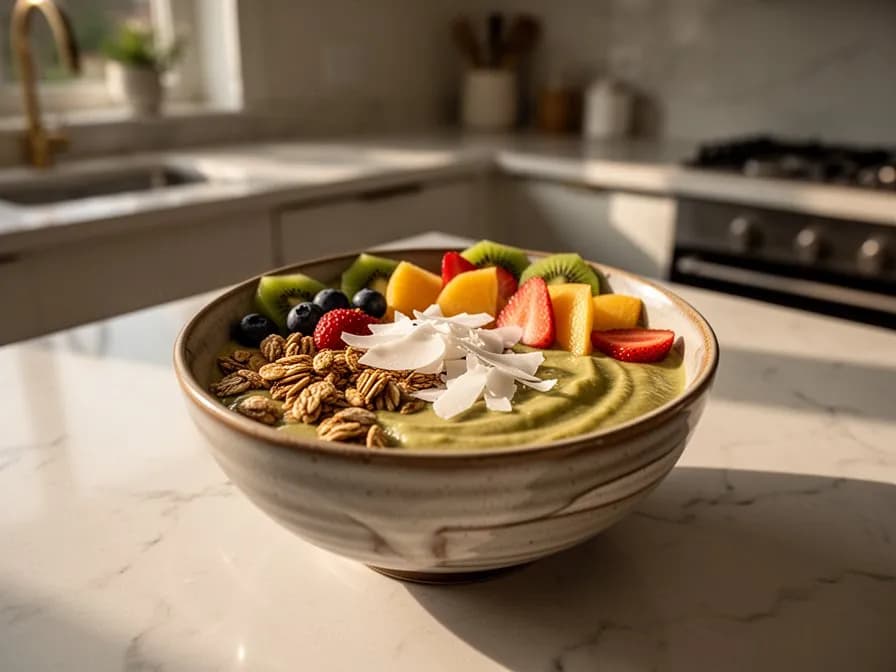
Bol de smoothie de lucuma
10 minutosUn bol de smoothie espeso y cremoso con el característico sabor a caramelo y arce de la lucuma. El plátano congelado aporta cuerpo mientras el polvo de lucuma ofrece dulzor natural y un color dorado. Coronado con granola crujiente, fruta fresca y un hilo de miel para un desayuno o tentempié muy satisfactorio.
6 ingredientesHelado de lucuma
25 minutos más la mantecaciónUn helado tradicional de estilo peruano que coloca a la lucuma como sabor protagonista. La base de crema se infusiona con polvo de lucuma o pulpa fresca, produciendo un helado rico y dorado con notas profundas de caramelo y toffee. Es el sabor de helado más popular en Perú y una forma maravillosa de disfrutar la fruta.
7 ingredientesBocaditos energéticos de lucuma
15 minutos más fríoBocaditos sin horno que combinan el dulzor natural de la lucuma con avena, crema de frutos secos y chispas de chocolate negro. Estos snacks portátiles son perfectos como empujón antes del ejercicio o como merienda. El polvo de lucuma aporta un sutil sabor a toffee y un bonito color dorado.
7 ingredientesUsos culinarios
El canistel se come fresco cuando está completamente maduro, sacando la pulpa rica y cremosa de la piel con una cuchara. Es excelente batido en smoothies y batidos con leche, canela y vainilla. La pulpa da lugar a cremas, flan y helados sin huevo muy buenos. En repostería sustituye a la calabaza o la batata en tartas y panes. El polvo de canistel se usa como edulcorante natural.
Qué contiene
Beneficios para la salud
- Rica en betacaroteno y otros carotenoides que apoyan la salud ocular, la integridad de la piel y la función inmunitaria como precursores de la vitamina A y antioxidantes.
- Contiene una concentración más alta de niacina (vitamina B3) que la mayoría de las frutas, apoyando el metabolismo energético, la reparación del ADN y el buen funcionamiento de la piel y del sistema nervioso.
- Tiene un índice glucémico bajo gracias a su pulpa almidonada y rica en fibra, lo que ayuda a moderar la respuesta del azúcar en sangre y proporciona energía sostenida tras comer.
- Aporta cantidades notables de hierro y zinc para ser una fruta, contribuyendo al transporte de oxígeno en la sangre, la cicatrización y la defensa inmunitaria, especialmente valiosa en dietas basadas en plantas.
- Los polifenoles antioxidantes presentes en la pulpa de lucuma pueden ayudar a reducir el estrés oxidativo y la inflamación, asociados con enfermedades crónicas, incluidas las cardiovasculares.
- Actúa como fuente natural de potasio, apoyando una regulación saludable de la presión arterial, la contracción muscular adecuada y el equilibrio de líquidos en el cuerpo.
De dónde viene Canistel
El canistel (Pouteria campechiana) es un árbol frutal perenne originario de los bosques tropicales de tierras bajas del sur de México y Centroamérica, con un área natural que se extiende por Belice, Guatemala, El Salvador y Honduras. La evidencia arqueológica sugiere que los pueblos mayas y precolombinos cultivaban canistel tanto por su fruta nutritiva como por su madera fuerte y resistente a la descomposición. El nombre de la especie, campechiana, hace referencia al estado mexicano de Campeche, en la península de Yucatán, donde los primeros botánicos europeos describieron formalmente el árbol en el siglo XVIII. Los colonizadores españoles conocieron el canistel durante la conquista de Mesoamérica y, con el tiempo, llevaron semillas y plántulas a otras partes de su imperio tropical. A finales del siglo XIX, el canistel ya se había introducido en Cuba, Puerto Rico y otras islas del Caribe, donde se naturalizó con facilidad en el clima cálido de tierras bajas. El árbol llegó al sudeste asiático durante la época colonial, entrando en Filipinas a comienzos del siglo XX, donde se convirtió rápidamente en un popular frutal doméstico conocido localmente como tiesa. Desde Filipinas, el canistel se extendió a Vietnam, Tailandia, Indonesia y el sur de China, consolidándose como una fruta tropical apreciada en jardines y huertos familiares. Aunque sigue siendo relativamente desconocido en los grandes mercados internacionales, el canistel ha encontrado un nicho estable entre quienes valoran su sabor de crema pastelera, su versatilidad culinaria y su resistencia frente a otras frutas tropicales más delicadas.
Canistel: ¿sabías que?
Datos fascinantes sobre Canistel
El canistel es originario del sur de México, Belice, Guatemala y El Salvador, donde ha sido cultivado durante siglos por comunidades mayas que valoraban tanto el fruto como la madera duradera del árbol.
Canistel: preguntas frecuentes
¿Cuándo debo plantar Canistel?
¿En qué zonas de rusticidad puede crecer Canistel?
¿Cuánto sol necesita Canistel?
¿A qué distancia debo espaciar Canistel?
¿Qué plagas y enfermedades afectan a Canistel?
¿Cómo almaceno Canistel después de la cosecha?
¿Cuáles son las mejores variedades de Canistel para cultivar?
¿Qué suelo necesita Canistel?
¿Puedo cultivar lucuma fuera de Sudamérica?
¿Por qué mi lucuma no da fruto después de varios años?
¿Cómo sé cuándo la fruta de lucuma está madura y lista para recoger?
¿El polvo de lucuma es un buen sustituto del azúcar en repostería?
¿Qué plagas y enfermedades afectan a los árboles de lucuma?
¿Puedo hacer mi propio polvo de lucuma en casa?
Acabas de leer la teoría. Ahora cultívala en piloto automático.
Todo lo que hace que Canistel sea delicado — el momento, el espaciado, las asociaciones, la ventana de cosecha — es justo lo que PlotMyGarden resuelve por ti, para cada planta de tu huerto.
Un plan que conoce tu clima
Indica tu ubicación una vez. Recibe fechas de siembra, abonado y cosecha basadas en tu última helada real y el pronóstico en vivo — sin adivinar con un sobre genérico.
De la sección “Cuándo plantar”Planificador de bancales de arrastrar y soltar
Diseña bancales sobre una cuadrícula. Cada planta encaja con su espaciado correcto y ves toda la temporada antes de gastar un céntimo en semillas.
De la sección “Cultivo”Conflictos de asociación, detectados a tiempo
Más de 200 buenas y malas combinaciones comprobadas en vivo mientras plantas — para que un error que arruine la temporada nunca llegue a la tierra.
De la sección “Asociaciones”Recordatorios que sí vas a seguir
“Riega las judías.” “Recoge hoy antes de que se pase.” Oportunos, concretos y ligados a las plantas que de verdad cultivas.
De la sección “Cosecha”Escalonado, programado
¿Quieres cosechar seis semanas en vez de seis días? Reparte tus siembras automáticamente y te avisa cuando toca el siguiente lote.
De la sección “Cuándo plantar”Un registro que se vuelve más listo
Cada cosecha que registras le enseña tu huerto. El plan del año que viene parte de lo que de verdad funcionó en tu suelo, no en un manual.
De la sección “Resumen”Más Frutas tropicales
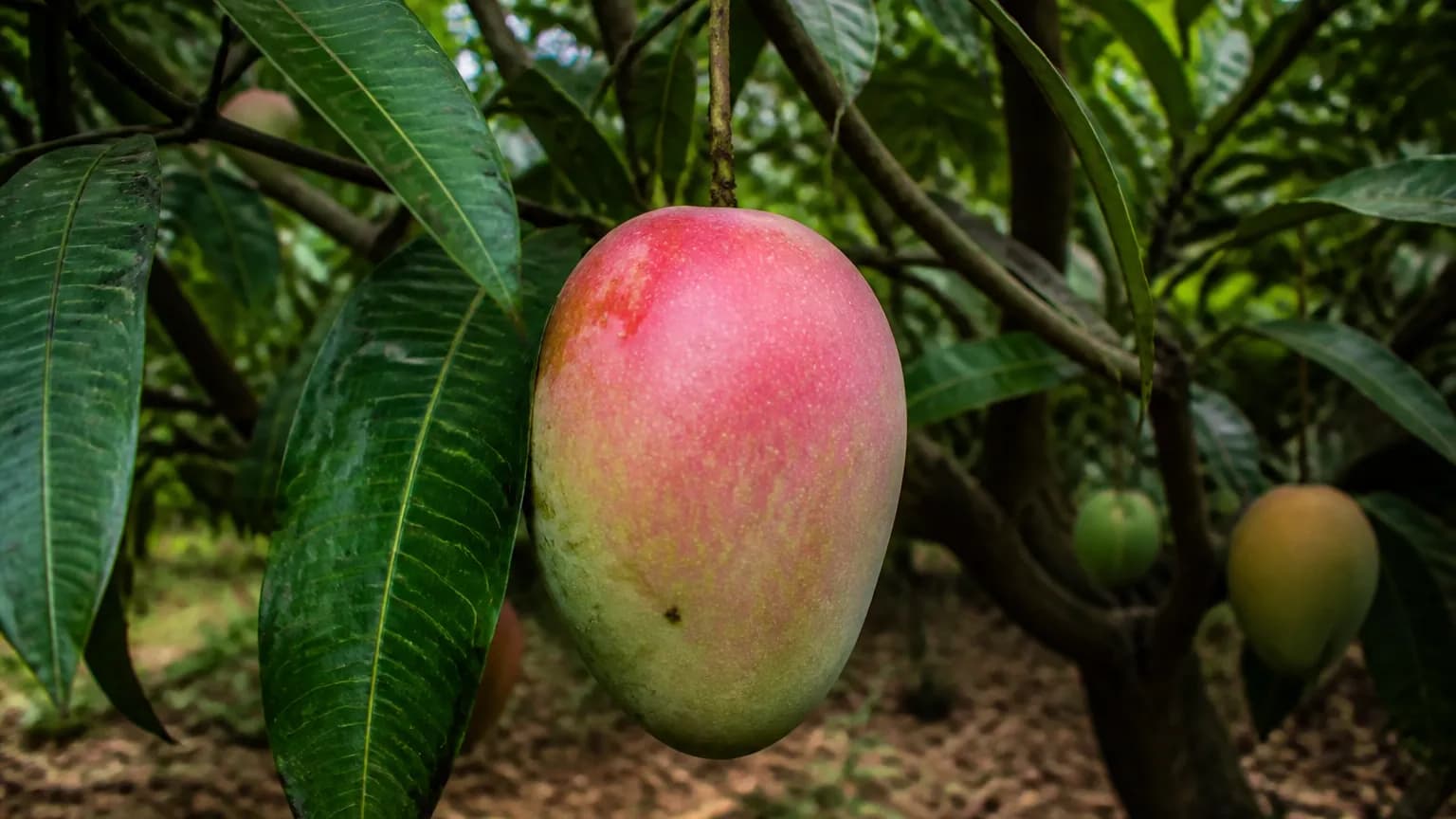
Cultiva tu mejor Canistel — y todo lo que la rodea.
Empieza un plan gratis hoy. Diseña tus bancales, coloca tu Canistel y deja que PlotMyGarden gestione el momento, el espaciado, las asociaciones y los recordatorios de la semilla a la cesta.