Burdock
A biennial with massive rhubarb-like leaves and a deep taproot used in herbal medicine for blood purification and skin health.





On this pageOverview
Meet Burdock
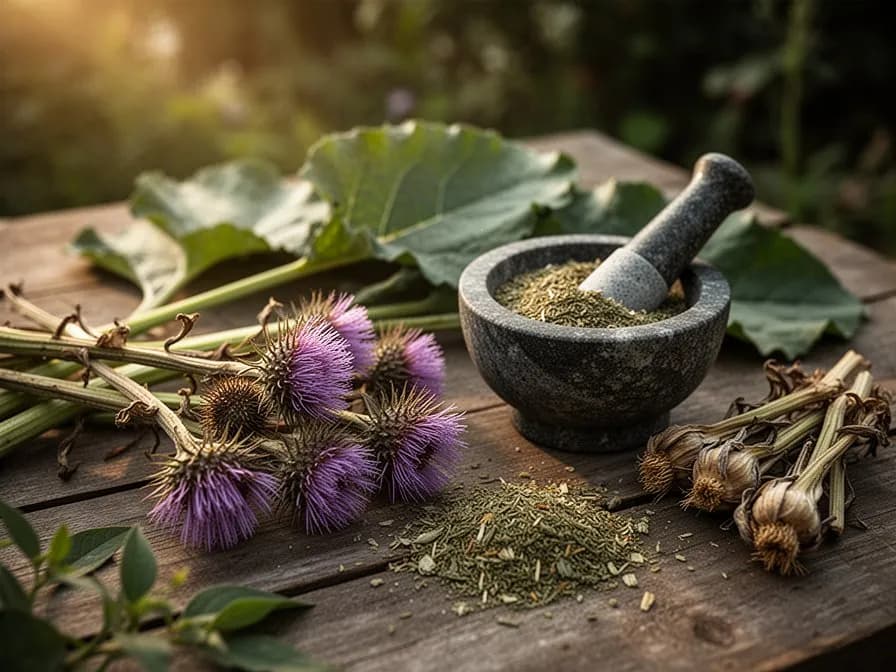
A biennial with massive rhubarb-like leaves and a deep taproot used in herbal medicine for blood purification and skin health. The first-year roots are also a prized vegetable called gobo in Japanese cuisine, sliced thin for stir-fries and kinpira. Grow in deep, loose soil and harvest roots before the plant flowers in the second year.
When to plant Burdock
Sow burdock seeds directly outdoors in spring, 1cm deep, in well-prepared deep soil. Germination takes 1-3 weeks at 15-20°C. Thin seedlings to 45cm apart when they develop true leaves. Transplanting is not recommended because the taproot is easily damaged. For a head start, sow in deep modules (at least 20cm) and transplant very young seedlings before the taproot outgrows the container. Seeds remain viable for 2-3 years when stored cool and dry.
Your Burdock Year
Composed for Zone 7 · typical seasons · frost passes Apr 2, returns Nov 1
Plant Burdock Apr – May, pick Oct – Nov. Check the planting methods below and set your climate to personalize these windows.
How to grow Burdock
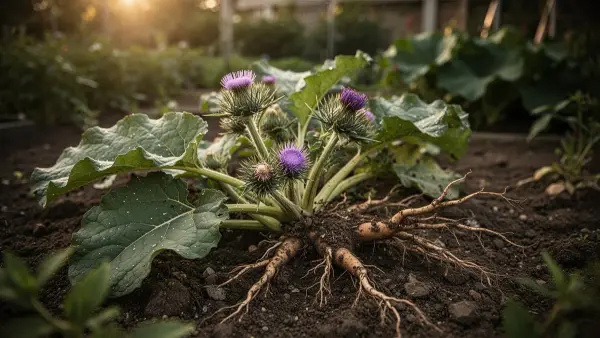
Burdock is a robust biennial with enormous, rhubarb-like leaves and a deep, carrot-like taproot that serves as both a medicinal herb and a prized culinary vegetable (gobo) in Japanese cuisine. The plant can reach 1.5-2 meters tall with large, heart-shaped leaves and produces the distinctive hooked burrs that inspired the invention of Velcro. Plant in spring in partial shade with deep, loose, stone-free soil, spacing 45cm apart.
Prepare soil to a depth of at least 45cm for straight root development—the taproot is the primary harvest. Remove stones and clods that cause forking. Incorporate aged compost deeply but avoid fresh manure. Keep soil consistently moist throughout the growing season, as drought stress produces woody, fibrous roots. Mulch to retain moisture and suppress the vigorous weed growth that burdock's large leaves eventually shade out.
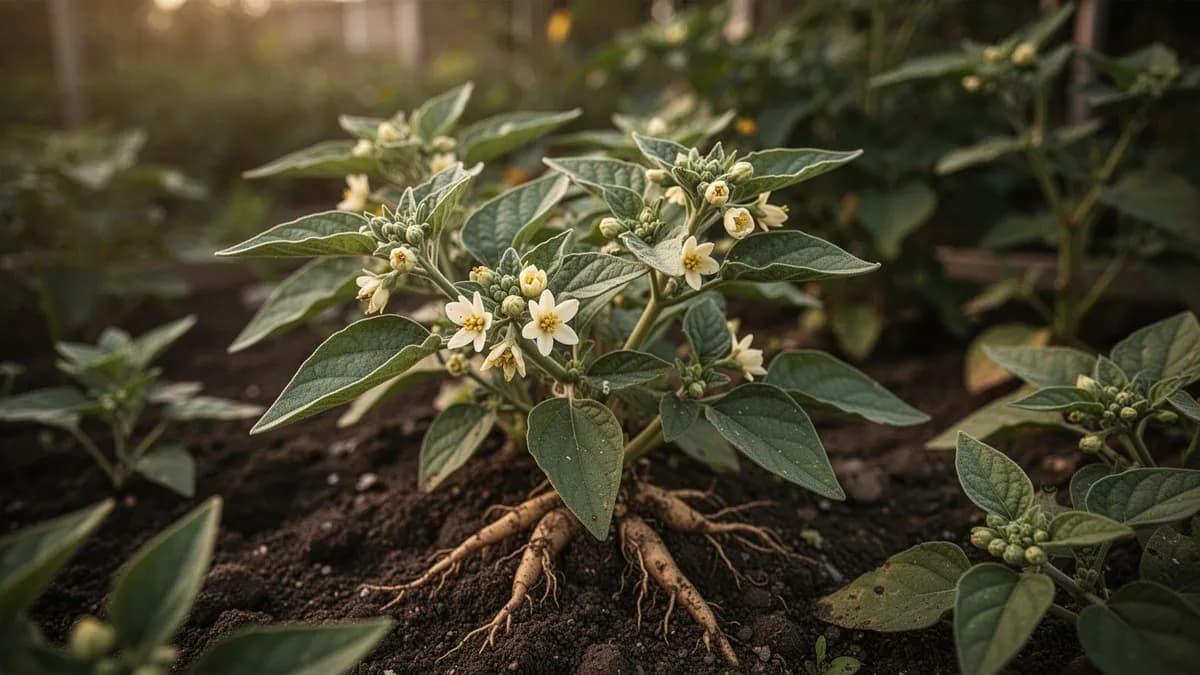
Burdock is a biennial: first-year plants produce the large leaf rosette and develop the edible/medicinal root; second-year plants send up tall flower stalks, set seed (those famous burrs), and die. Harvest roots at the end of the first year or early second year before the flower stalk emerges—once the plant bolts, the root becomes woody and hollow.
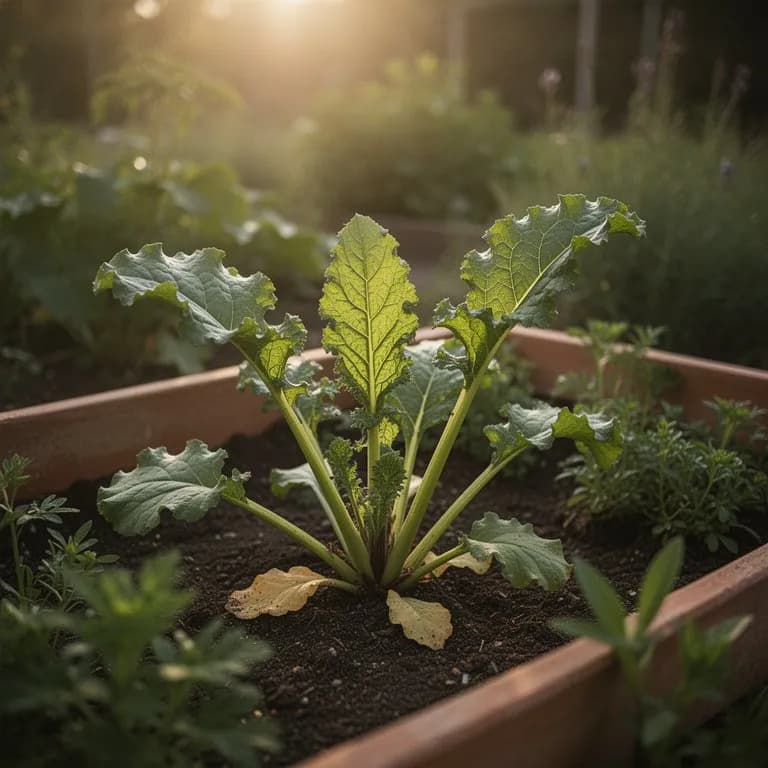
10 plants fit a 4 × 8 ft bed
Each Burdock wants 45 cm of elbow room. The planner keeps that spacing for you — every plant, every bed.
Burdock's best neighbours
Burdock's deep taproot breaks through compacted soil layers, improving structure for future crops. The large leaves provide natural mulch and shade for the soil beneath. Plant alongside other medicinal herbs in a dedicated medicine garden. The second-year flowers attract numerous pollinators and beneficial insects. Avoid planting near low-growing crops that would be shaded by the massive leaves. The deep root system does not compete significantly with shallow-rooted neighbors.
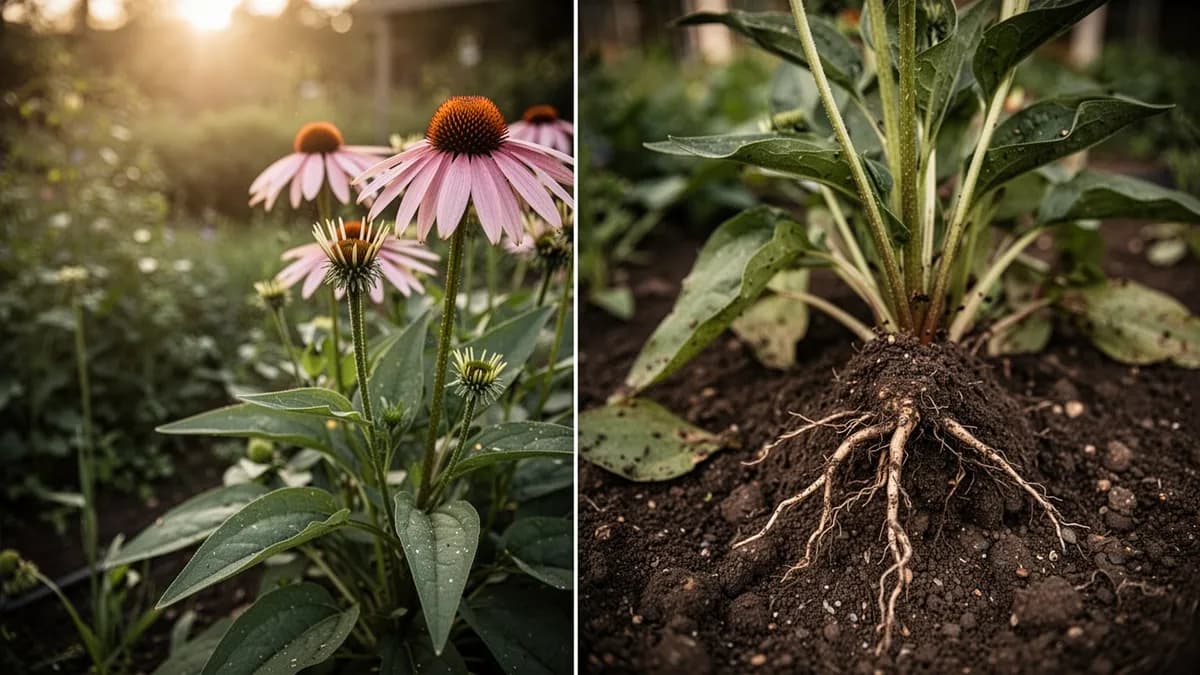
Echinacea belongs beside it.
Old growers' knowledge, checked against Burdock's real companion table below — test any plant you're growing.
Try Burdock in a bed — right here
A real planner bed with Burdock already in it. Tap a companion to place it and watch the pairing checks answer — green for good neighbours, red for a clash.


Related growing guides
Feed it well
Grow in deep, loose, fertile, stone-free soil with pH 6.0-7.5. Prepare beds to at least 45cm depth for straight roots. Incorporate aged compost and ensure soil is friable—compacted soil causes forked, stunted roots. Burdock is a moderate feeder; side-dress once with balanced fertilizer mid-season. Consistent moisture is essential for tender, non-woody root development. The deep taproot mines minerals from lower soil layers, enriching the top soil when plant debris decomposes.
Ideal Temperature
Hardiness Zone Compatibility
From seed to harvest, stage by stage
Germination
Seeds germinate slowly over 1-2 weeks. Soak seeds overnight before planting to improve germination rates. Sow 1 cm deep in moist, loose soil.
Seedling
Seedlings develop their first true leaves, which are large and heart-shaped. The taproot begins its downward growth early in this stage.
Vegetative Growth
Plants produce a rosette of enormous leaves up to 70 cm long. The taproot grows rapidly during this period, reaching deep into the soil profile.
Root Maturation
Roots thicken and fill out, storing carbohydrates and inulin. Leaves remain large and lush. This is the prime window for first-year root harvest.
Harvest Window
First-year roots are at peak quality, tender and mildly sweet. Harvest before the ground freezes in cold climates or before the plant bolts in its second year.
Bolting and Flowering (Year 2)
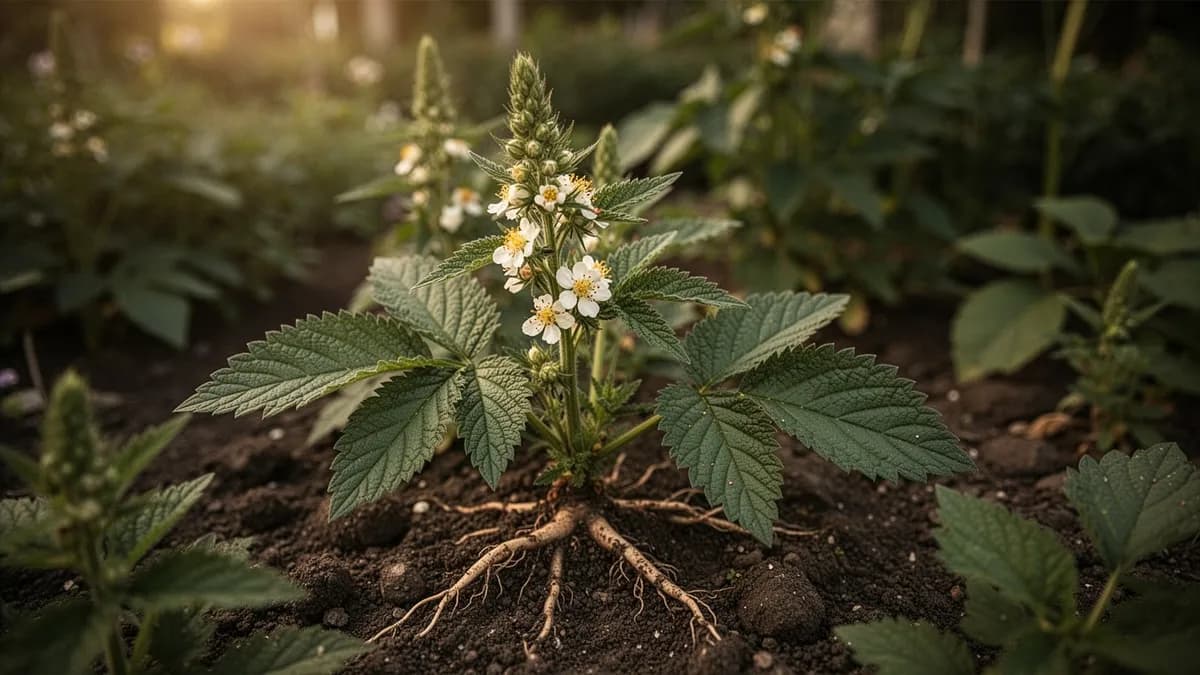
In its second year, burdock sends up a tall flowering stalk reaching 1-2 meters. Purple thistle-like flowers attract pollinators before forming the iconic hooked burrs.
Keep soil consistently moist but not waterlogged. Seeds need light to germinate so cover only lightly with fine soil.
Caring for Burdock month by month
What to do each month for your Burdock
October
You are hereOctober: Complete harvest before hard frost. Store roots in damp sand in a cool cellar or refrigerate.
Know exactly what to do in your garden — every month
One email at the start of each month: what to sow, plant, and tackle right now — for your Burdock and everything growing around it. Plus a short starter course that helps you dodge the classic mistakes.
- What to do, right now
- Matched to your season
- Starter course included
Harvesting Burdock
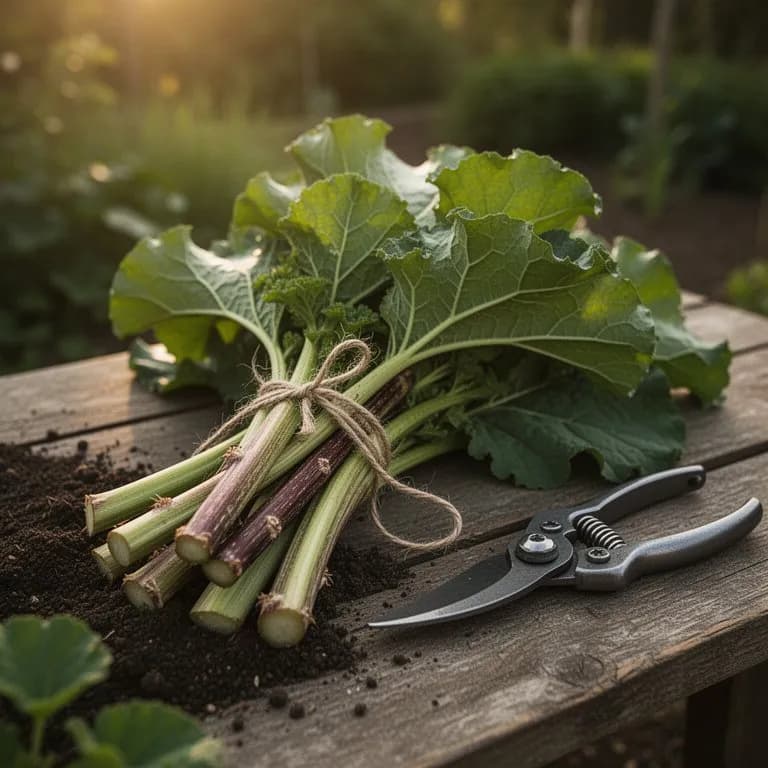
Harvest burdock roots at the end of the first growing season (autumn) or early in the second spring before the flower stalk emerges. Once the plant bolts, the root becomes woody and unusable. Use a garden fork to carefully loosen and lift the deep taproot—it can reach 60-90cm long. The best roots are firm, not woody, and light-colored inside. Young leaves and leaf stalks are also edible when cooked. Flower stalks can be peeled and eaten when young and tender.
assuming you plant when the window opens — set your real date
Pick Burdock promptly and the plant keeps producing.
Storage & Preservation
Fresh burdock root (gobo) stores for 2-3 weeks in the refrigerator wrapped in damp paper towels in a plastic bag. For medicinal use, slice roots thinly and dry in a dehydrator at 40-50°C. Store dried root in airtight jars away from light for up to 2 years. Tincture fresh root in alcohol for the most potent preparations. In Japanese cuisine, gobo is preserved by pickling in rice vinegar or as kinpira (braised in soy sauce and mirin). Roasted and ground root makes a caffeine-free coffee substitute.
What goes wrong — and the fix
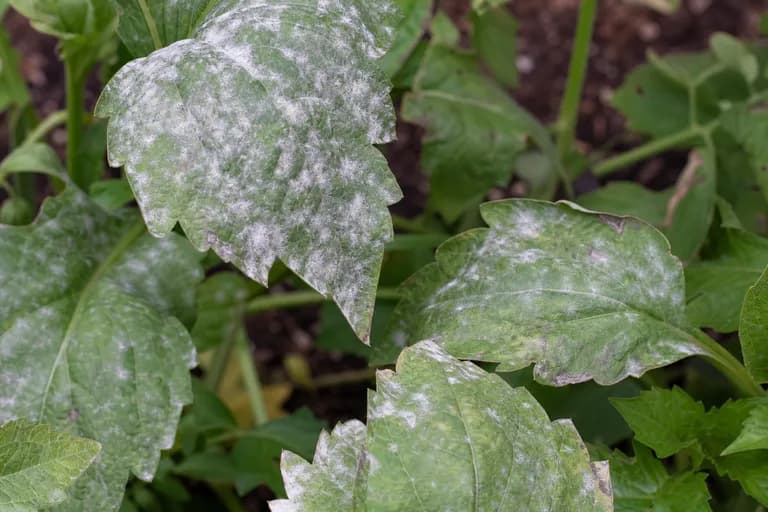
Powdery Mildew
DiseaseWhite powdery coating on large leaf surfaces, especially in humid conditions with poor air circulation.
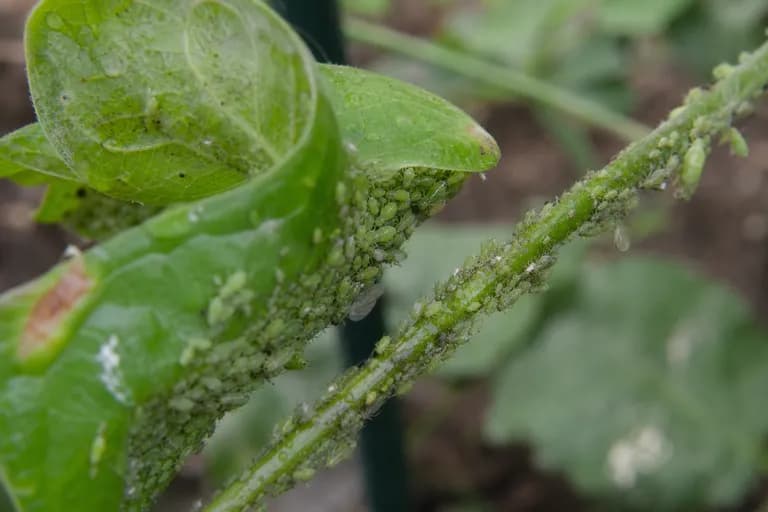
Aphids
PestColonies on undersides of large leaves, sticky honeydew, curled new growth.
Troubleshooting Common Problems
Forked and misshapen roots result from rocky, shallow, or compacted soil—prepare deep, fine-textured beds. Woody roots mean the harvest was too late (second year after bolting) or plants were drought-stressed. Self-seeding from the hooked burrs can make burdock weedy if not managed—remove flower stalks before burrs mature. The large leaves can shade out neighboring plants; site along the north side of beds. First-year plants look impressive but have done their best work underground.
Growing Tips
- Double-dig or deeply loosen beds to at least 60 cm before planting — burdock roots will fork and become difficult to harvest in compacted or rocky soil.
- Soak seeds in warm water for 12-24 hours before sowing to soften the hard seed coat and significantly improve germination rates.
- Grow burdock in raised beds filled with loose sandy loam for the straightest, easiest-to-harvest roots.
- Place seeds immediately into vinegar water after slicing to prevent the cut surfaces from oxidizing and turning brown.
- Water deeply but infrequently to encourage the taproot to grow straight down in search of moisture rather than spreading sideways.
- Harvest first-year roots before the plant enters its second year and bolts, as the roots become woody and hollow once flowering begins.
- Use a long-handled garden fork inserted 30 cm from the plant base to loosen soil alongside the root before attempting to pull it free.
- Interplant with shallow-rooted crops like lettuce or radishes to make efficient use of garden space while burdock grows slowly.
- Mulch heavily with 10-15 cm of straw or leaf mold to maintain consistent soil moisture and suppress weeds around the large plants.
- If you want to prevent burdock from self-seeding prolifically, remove flower heads before the burrs mature and dry in the second year.
Grow your best Burdock yet — and everything around it.
Start a free plan today. Lay out your beds, drop in your Burdock, and let PlotMyGarden handle the timing, spacing, companions and reminders from seed to harvest basket.
Pick your Burdock
Arctium lappa (Greater Burdock)
The standard species for both medicinal and culinary use. Largest roots and leaves. Most widely cultivated.
Takinogawa Long
A Japanese gobo variety bred for exceptionally long, slender roots ideal for cooking. The standard culinary variety in Japan.
Watanabe Early
An early-maturing Japanese variety that produces harvestable roots in a shorter season. Good for northern gardens.
Fresh burdock root (gobo) typically costs $8-15 per pound at specialty Asian grocery stores, and organic burdock root tea sells for $12-20 per small package. A single burdock plant can produce 1-2 pounds of fresh root, and with 4-6 plants in a garden bed, you can harvest 4-12 pounds per season worth $30-180. Dried burdock root for tea can save an additional $40-60 annually. Since burdock readily self-seeds and grows in marginal soil, ongoing costs are virtually zero after the first planting.
Quick recipes
Kinpira Gobo (Japanese Braised Burdock)
25 minutesA classic Japanese side dish featuring burdock root and carrot julienned and sautéed in a savory-sweet soy and mirin glaze. The perfect introduction to cooking with burdock root.
8 ingredients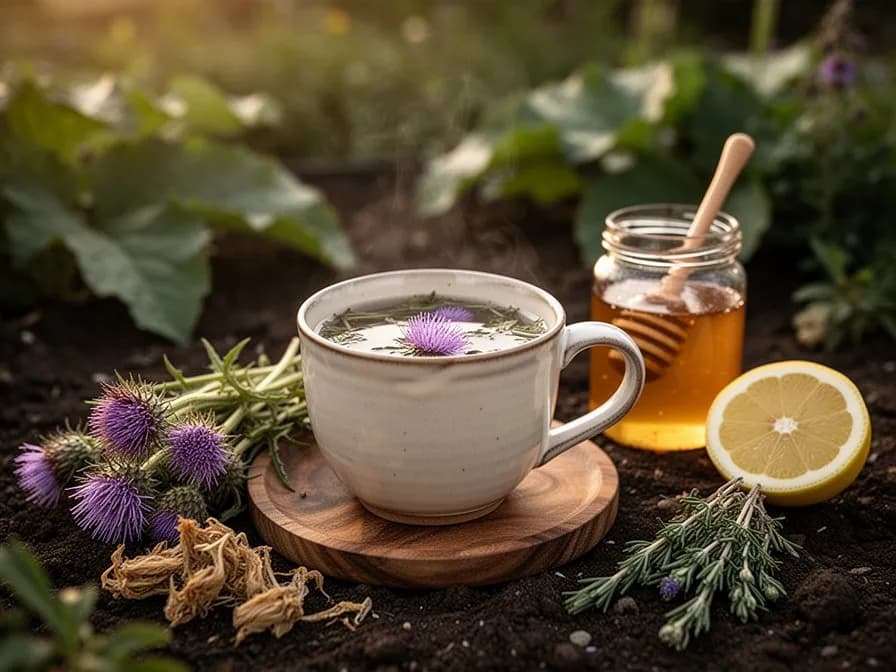
Burdock Root and Mushroom Miso Soup
30 minutesA hearty, earthy miso soup with thinly sliced burdock root and shiitake mushrooms. The burdock adds a subtle sweetness and satisfying crunch to this nourishing bowl.
7 ingredientsRoasted Burdock Root Chips
35 minutesThinly sliced burdock root roasted until golden and crispy, seasoned with sea salt and herbs. A unique and addictive snack that showcases the natural earthy sweetness of gobo.
6 ingredientsCulinary Uses
Burdock root (gobo) is a staple vegetable in Japanese cuisine with a earthy, slightly sweet, mildly artichoke-like flavor. Slice thinly and make kinpira gobo (braised with carrot in soy, mirin, and sesame). Add to miso soup, stir-fries, and tempura. The root oxidizes quickly when cut—soak in acidulated water. Young leaf stalks can be peeled and cooked like celery. Roasted root makes a traditional British dandelion-and-burdock beverage. Rich in prebiotic inulin fiber.
What's inside
Health Benefits
- Rich in inulin, a prebiotic dietary fiber that promotes the growth of beneficial gut bacteria and supports digestive health.
- Contains potent antioxidants including quercetin and luteolin that help reduce inflammation and protect cells from oxidative stress.
- Traditionally used as a natural blood purifier and detoxifier, supporting liver function and healthy skin from within.
- May help regulate blood sugar levels due to its high inulin content and low glycemic index, making it beneficial for metabolic health.
- Provides anti-inflammatory compounds that have been studied for their potential to ease joint discomfort and support overall mobility.
- Supports kidney function as a gentle natural diuretic, helping the body eliminate waste products and excess fluid.
Where Burdock comes from
Burdock (Arctium lappa) is native to the temperate regions of Europe and Asia, where it has been valued as both a food and medicinal plant for thousands of years. The plant belongs to the Asteraceae family, making it a distant relative of artichokes and sunflowers. Archaeological evidence suggests that burdock root was consumed as a food source in prehistoric Europe, and it has been found at ancient settlement sites across the continent. In medieval Europe, burdock was widely cultivated in monastery gardens as a medicinal herb. Herbalists prized the root as a blood purifier and prescribed it for skin conditions, digestive complaints, and as a general tonic. The famous medieval herbalist Hildegard von Bingen recommended burdock for treating tumors, and it remained a cornerstone of European folk medicine for centuries. Burdock arrived in Japan around the 10th century, likely through Chinese trade routes, and it was there that it truly flourished as a culinary vegetable. Japanese farmers selectively bred burdock over generations, developing the long, slender varieties known as gobo that are prized in modern Japanese cooking. Today, Japan is the largest consumer and cultivator of burdock root in the world, incorporating it into dishes such as kinpira gobo, tempura, and miso soup. The plant was brought to the Americas by European settlers, where it quickly naturalized and is now found growing wild across much of North America. Perhaps its most unexpected contribution to modern life came when Swiss engineer George de Mestral examined burdock burrs under a microscope in 1941 and was inspired to create the hook-and-loop fastener known as Velcro, one of the most widely used inventions of the 20th century.
Burdock: did you know?
Fascinating facts about Burdock
The hooked burrs of burdock directly inspired Swiss engineer George de Mestral to invent Velcro in 1941 after examining them under a microscope.
Burdock questions, answered
When should I plant Burdock?
What are good companion plants for Burdock?
What hardiness zones can Burdock grow in?
How much sun does Burdock need?
How far apart should I space Burdock?
What pests and diseases affect Burdock?
How do I store Burdock after harvest?
What are the best Burdock varieties to grow?
What soil does Burdock need?
Is burdock root safe to eat raw?
How deep does the soil need to be for growing burdock?
Can I grow burdock in containers?
When is the best time to harvest burdock root?
Will burdock spread aggressively in my garden?
What does burdock root taste like?
You just read the theory. Now grow it on autopilot.
Everything that makes Burdock fiddly — the timing, the spacing, the companions, the harvest window — is exactly what PlotMyGarden handles for you, for every plant in your garden.
A plan that knows your weather
Set your location once. Get sow, feed and harvest dates built around your real last-frost date and live forecast — no more guessing from a generic seed packet.
From the “When to plant” sectionDrag-and-drop bed planner
Design beds on a grid. Every plant snaps to its proper spacing, and you can see your whole season laid out before you spend a cent on seed.
From the “Growing guide” sectionCompanion conflicts, caught early
200+ good-and-bad pairings checked live as you plant — so a season-wrecking mistake never makes it into the ground.
From the “Companions” sectionReminders you'll actually act on
“Water the beans.” “Pick today before it turns.” Timely, specific, and tied to the plants you're really growing.
From the “Harvest” sectionSuccession, scheduled
Want a harvest for six weeks, not six days? It spaces your sowings automatically and reminds you when each new block is due.
From the “When to plant” sectionA record that gets smarter
Every harvest you log teaches it your garden. Next year's plan starts from what actually worked in your soil, not a textbook's.
From the “Overview” sectionPlant these alongside Burdock
More Medicinal Herbs
Grow your best Burdock yet — and everything around it.
Start a free plan today. Lay out your beds, drop in your Burdock, and let PlotMyGarden handle the timing, spacing, companions and reminders from seed to harvest basket.