Boysenberry
Una baya híbrida compleja que cruza frambuesa, mora y loganberry, y produce frutos grandes, oscuros y aromáticos con un sabor excepcional.





En esta páginaResumen
Conoce Boysenberry
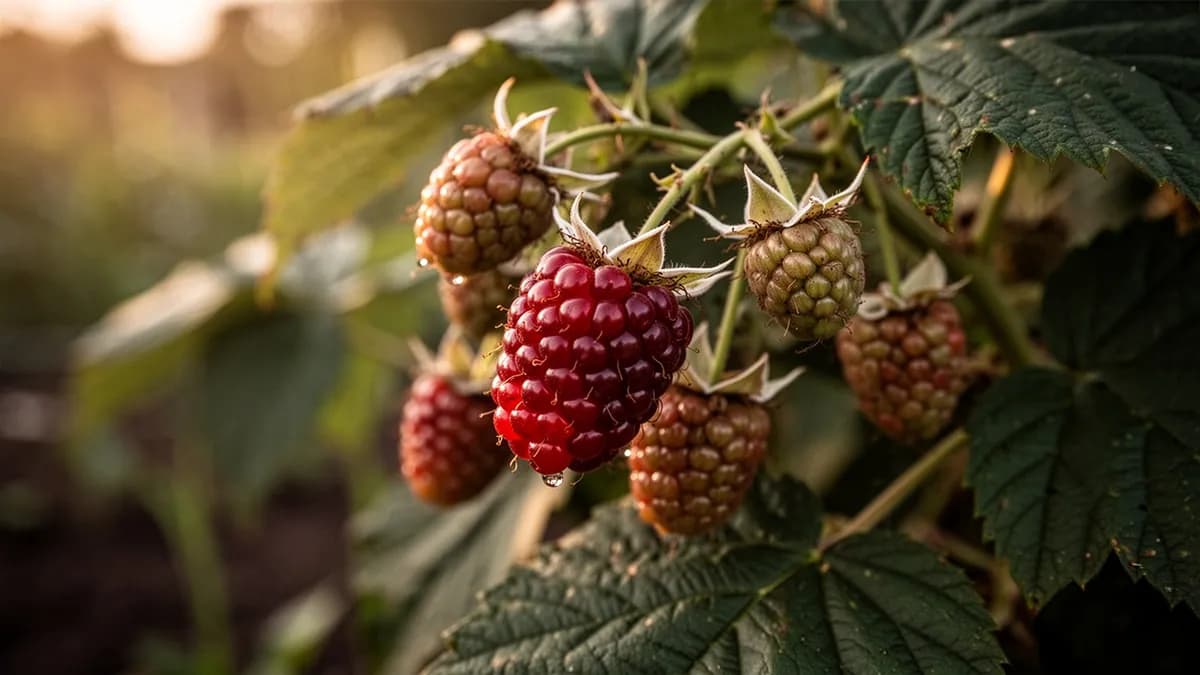
Una baya híbrida compleja que cruza frambuesa, mora y loganberry, y produce frutos grandes, oscuros y aromáticos con un sabor excepcional. Las boysenberries tienen cañas rastreras que requieren un emparrado resistente y son menos resistentes al frío que sus especies parentales. Las bayas, suaves y jugosas, no se transportan bien, pero son magníficas frescas, en tartas y en conservas.
Cuándo plantar Boysenberry
Las boysenberries se propagan vegetativamente y no a partir de semilla, porque son híbridos complejos que no se reproducen fielmente desde semilla. El método más fiable es el acodo de punta, en el que se entierra la punta de una primocana en verano a finales y enraiza durante el invierno. La punta enraizada se separa de la planta madre y se trasplanta la primavera siguiente. Los esquejes de raíz tomados a finales del invierno también funcionan bien. Compra plantas certificadas libres de enfermedades en viveros de confianza para nuevas plantaciones.
Tu año de Boysenberry
Ajustado a Zona 7 · temporada típica · la helada se va hacia el 2 abr y vuelve hacia el 1 nov
Planta Boysenberry Mar – Abr y cosecha Jun – Jul. Consulta los métodos de plantación y elige tu clima para adaptar los periodos.
Cómo cultivar Boysenberry
Las boysenberries necesitan un lugar soleado y resguardado, con suelo fértil y bien drenado, además de un emparrado sólido para sostener sus vigorosas cañas rastreras. Instala un emparrado de dos alambres, con los hilos a 90 cm y 150 cm de altura, antes de plantar. Sitúa las plantas con 1.5 m de separación en hileras de 2.4 m, a comienzos de primavera y justo después de la última helada.
Las boysenberries fructifican en cañas de segundo año llamadas floricanas. Tras plantar, guía las nuevas primocanas a lo largo de los alambres del emparrado mientras crecen durante el primer verano. Esas cañas darán fruto al año siguiente. Después de la cosecha, las floricanas agotadas mueren y deben podarse por completo a nivel del suelo de inmediato para dejar espacio a las primocanas nuevas.
Riega con regularidad durante la temporada de crecimiento, aportando entre 2.5 y 5 cm de agua por semana, sobre todo durante el desarrollo del fruto. Añade un acolchado abundante para suprimir las malas hierbas y conservar la humedad. Aplica un fertilizante equilibrado a comienzos de primavera, cuando las yemas empiezan a hincharse. En zonas más frías, al límite de su resistencia, tumba las cañas sobre el suelo y cúbrelas con mantillo o manta antiheladas para protegerlas en invierno, ya que las boysenberries toleran peor el frío que las moras o las frambuesas.
Para Boysenberry un bancal de 120 × 240 cm se queda corto
Cada Boysenberry pide 150 cm de margen. El planificador guarda ese marco por ti — cada planta, cada bancal.
Los mejores vecinos de Boysenberry
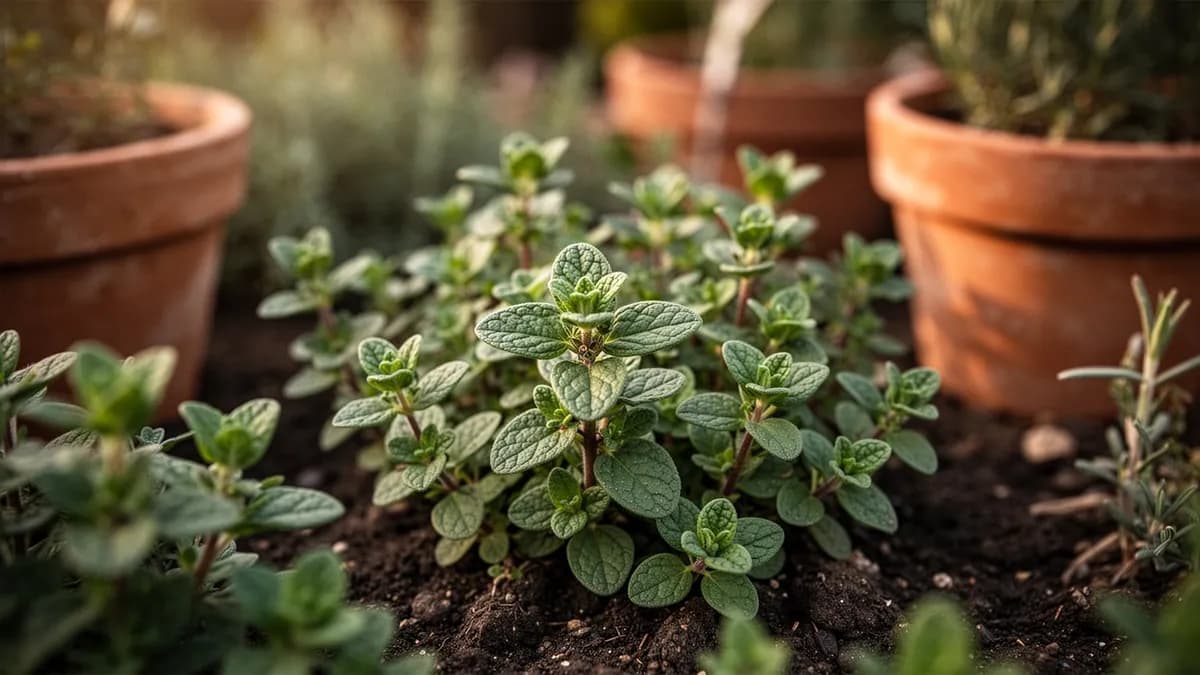
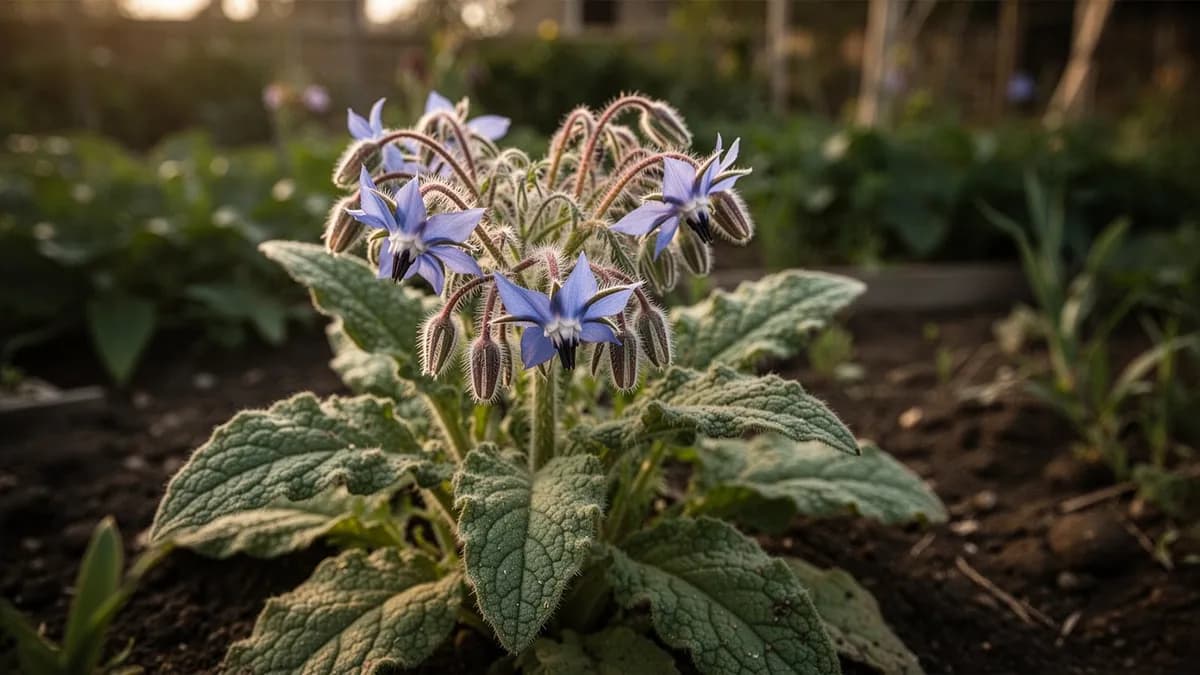
Planta tomillo y borraja cerca de las boysenberries para atraer polinizadores e insectos beneficiosos que mejoran el cuajado. Las caléndulas pueden ayudar a repeler nematodos y pulgones cuando se plantan a lo largo de las hileras. Evita plantarlas cerca de frambuesas u otras especies de Rubus, porque comparten enfermedades como la roya anaranjada y las infecciones víricas que pueden propagarse entre plantaciones. Mantén las boysenberries bien alejadas de zarzas silvestres, que pueden alojar enfermedades.
Tomillo va a su lado. Frambuesa no.
Saber de huerto de siempre, cotejado con la tabla real de Boysenberry — prueba cualquier planta que cultives.
Prueba Boysenberry en un bancal, aquí mismo
Un bancal real del planificador con Boysenberry ya plantado. Toca una planta compañera para colocarla y mira cómo responde la comprobación de vecinos: verde para buenos vecinos, rojo si hay conflicto.


Guías de cultivo relacionadas
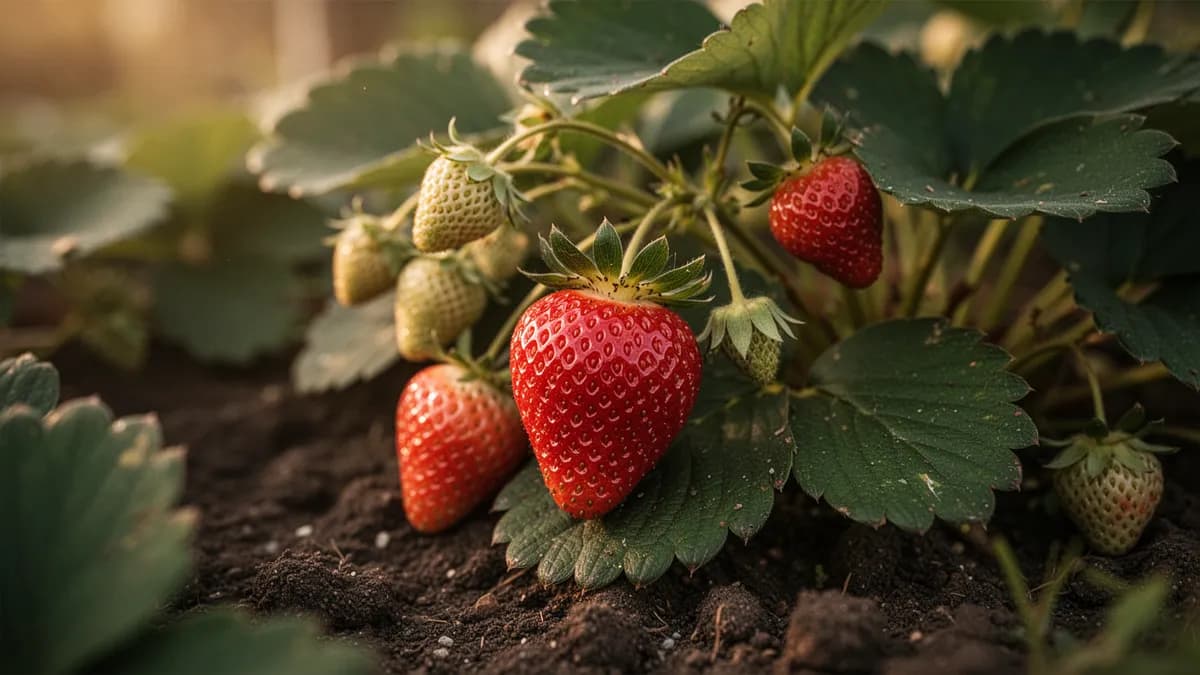
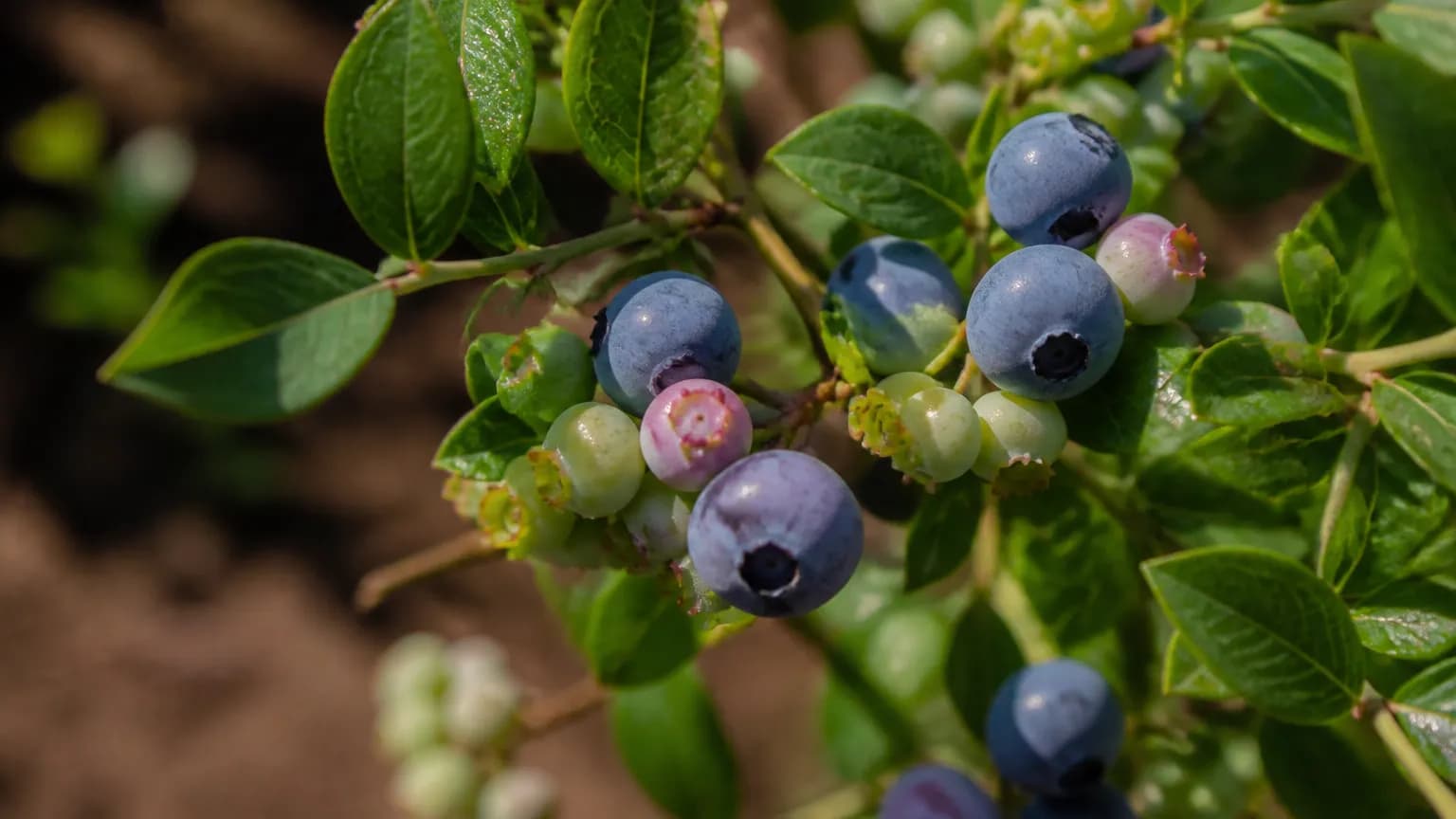
Abónalo bien
Las boysenberries prefieren un suelo franco, bien drenado y rico en materia orgánica, con un pH de 6.0 a 6.5. Mejora los suelos arcillosos con compost y corteza envejecida para favorecer el drenaje. Incorpora un fertilizante orgánico equilibrado antes de plantar. Aplica un fertilizante rico en nitrógeno a comienzos de primavera, cuando las yemas se hinchan, y una aplicación más ligera después del cuajado. Aporta compost en cobertura cada año. Evita el exceso de nitrógeno, que favorece un crecimiento exuberante y más susceptible a enfermedades. Acolcha con paja o astillas de madera para conservar la humedad y suprimir las malas hierbas.
Temperatura ideal
Compatibilidad de zonas de rusticidad
De la semilla a la cosecha, etapa por etapa
Plantación en reposo
Las boysenberries se plantan normalmente como coronas a raíz desnuda o esquejes de punta enraizados a finales de invierno o comienzos de primavera, mientras la planta sigue en reposo. La corona establece su sistema radicular antes de emitir nuevas cañas. Las raíces pueden alcanzar entre 60 y 90 cm de profundidad en un suelo bien preparado, anclando la planta durante décadas de producción.
Aparición de primocanas
Las cañas de primer año, llamadas primocanas, emergen de la corona y crecen con vigor durante la primera temporada. Estas cañas solo son vegetativas y no producirán fruto el primer año. En condiciones ideales, las primocanas pueden crecer entre 3 y 5 m en una sola temporada, por lo que conviene atarlas a los alambres del emparrado a medida que se desarrollan.
Floración
En el segundo año, las cañas que han pasado el invierno se convierten en floricanas y emiten brotes laterales con racimos de delicadas flores blancas a rosa pálido. Las flores de boysenberry son autofértiles, pero se benefician mucho de la visita de las abejas. Una sola floricana sana puede llevar docenas de racimos florales, y cada uno puede desarrollarse en un grupo de bayas.
Desarrollo del fruto
Tras la polinización, las bayas se desarrollan con rapidez durante 4-6 semanas, pasando por distintos colores: verde, blanco, rosa, rojo y finalmente un granate púrpura intenso al madurar por completo. Cada baya es una aglomeración de pequeñas drupas, parecida en estructura a una mora. El tamaño y el sabor dependen mucho del agua disponible y de la exposición al sol durante esta fase.
Cosecha
Las boysenberries maduran en una ventana concentrada de 3-5 semanas, normalmente a mediados o finales del verano. Las bayas maduras son de color granate púrpura intenso casi negro, están regordetas y se desprenden con facilidad del tallo al ejercer una presión suave. Son mucho más delicadas que las moras y conviene cosecharlas cada 2-3 días para recoger cada una en su punto óptimo.
Manejo de cañas tras la cosecha
Cuando termina la fructificación, las floricanas que dieron fruto mueren de forma natural y deben retirarse por completo. Al mismo tiempo, hay que seleccionar, aclarar y guiar al emparrado las nuevas primocanas que han crecido durante todo el verano para que sirvan como cañas fructíferas del año siguiente. Esta rotación anual de cañas es la base de la productividad a largo plazo de la boysenberry.
Planta las coronas a raíz desnuda a 3-5 cm de profundidad, con las raíces extendidas de forma natural. Separa las plantas 1.5-2 m en hileras de 2.5-3 m. Instala el emparrado antes de plantar para no alterar las raíces después. Riega a fondo al plantar y acolcha de inmediato para conservar la humedad.
Cuidar Boysenberry mes a mes
Qué hacer cada mes para tu Boysenberry
Octubre
Mes actualAplica una última capa de compost o estiércol bien descompuesto como acolchado alrededor de la base de la planta, manteniéndolo alejado de la base de las cañas para evitar la podredumbre de la corona. En climas fríos, considera tumbar las cañas y cubrirlas con paja o arpillera para protegerlas del invierno. Completa el registro de la temporada sobre rendimiento y salud de las plantas.
Ten claro qué hacer en tu huerto, cada mes
Un correo al empezar cada mes: qué sembrar, plantar y hacer ahora mismo — para tu Boysenberry y todo lo que crece alrededor. Más un breve curso inicial para esquivar los errores clásicos.
- Qué hacer ahora mismo
- Ajustado a tu temporada
- Curso inicial incluido
Cosechar Boysenberry
Las boysenberries maduran durante un periodo de tres a cuatro semanas a comienzos y mediados del verano. Cosecha las bayas cuando adquieran un tono granate púrpura intenso y se desprendan de la planta con un tirón mínimo. A diferencia de las moras, las boysenberries maduras son extremadamente blandas y deben manejarse con mucha delicadeza. Recoge cada dos días en plena temporada y coloca las bayas en recipientes poco profundos, sin superar dos capas, para evitar que se aplasten. Recolecta por la mañana, cuando hace fresco, para obtener la mejor calidad, y úsalas o procésalas en el plazo de un día.
se supone que plantas al comenzar el periodo — indica tu fecha real
Cosecha Boysenberry a tiempo y la planta sigue produciendo.
Almacenamiento y conservación
Las boysenberries son muy perecederas y deben refrigerarse inmediatamente después de la cosecha, donde solo se conservan de uno a dos días. Para congelarlas, extiéndelas en una sola capa sobre bandejas, congélalas hasta que estén firmes y pásalas luego a bolsas por hasta ocho meses. Las boysenberries dan una tarta rellena y unas conservas legendarias, y su sabor rico, parecido al vino, se concentra maravillosamente al cocinarlas. También producen un excelente sirope, láminas de fruta y base para helados.
Qué falla — y cómo solucionarlo
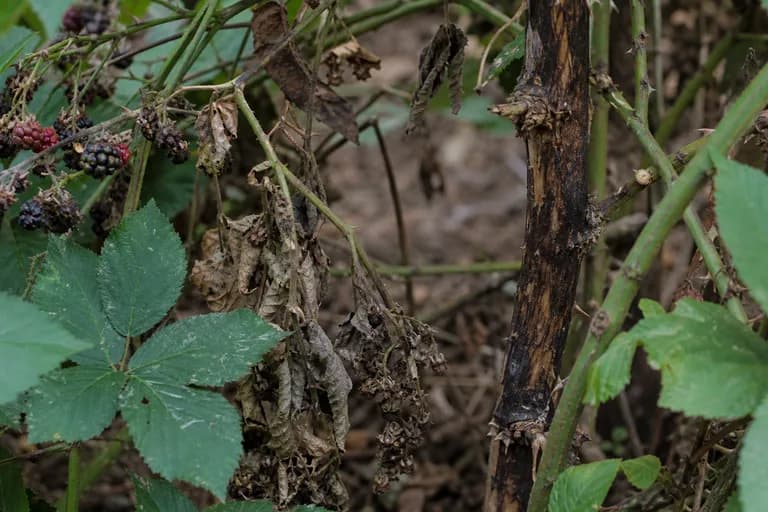
Secadera de cañas
EnfermedadCancros de color marrón oscuro en las cañas cerca de la base; marchitez de los brotes laterales y colapso de las cañas fructíferas durante la cosecha.
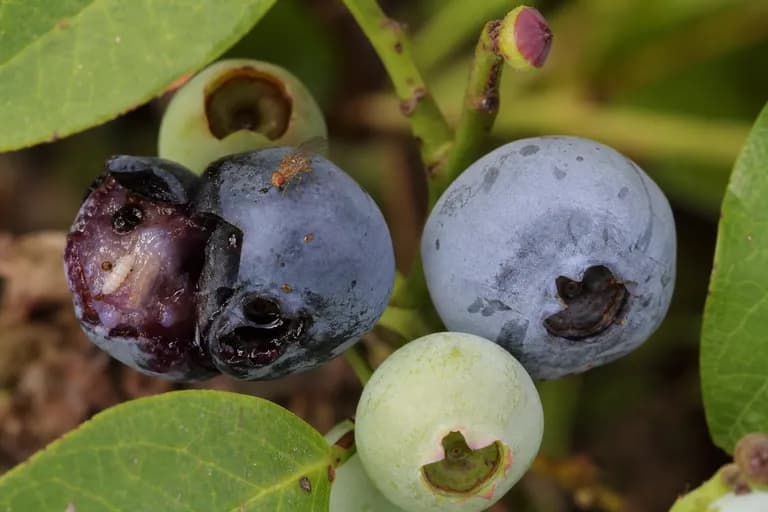
Mosca de alas manchadas
PlagaZonas blandas en bayas en maduración con diminutas larvas dentro; el fruto se hunde y se vuelve pastoso antes de madurar por completo.
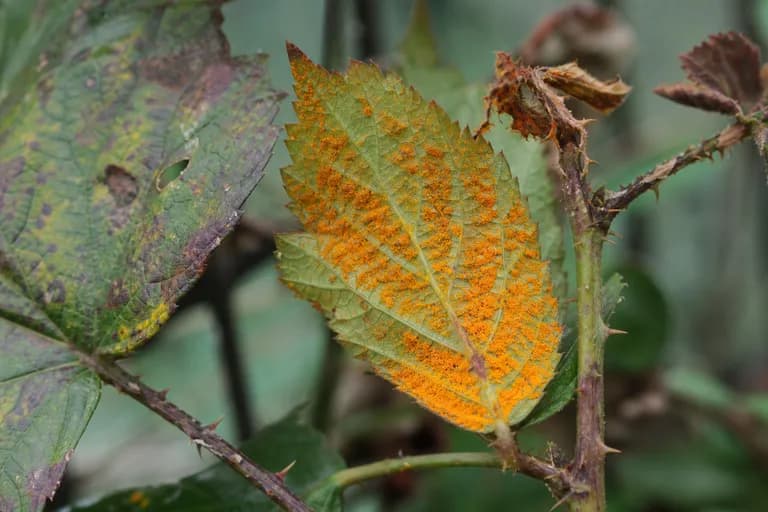
Roya anaranjada
EnfermedadEsporas pulverulentas de color naranja brillante en el envés de las hojas en primavera; crecimiento nuevo raquítico con brotes delgados y pálidos.
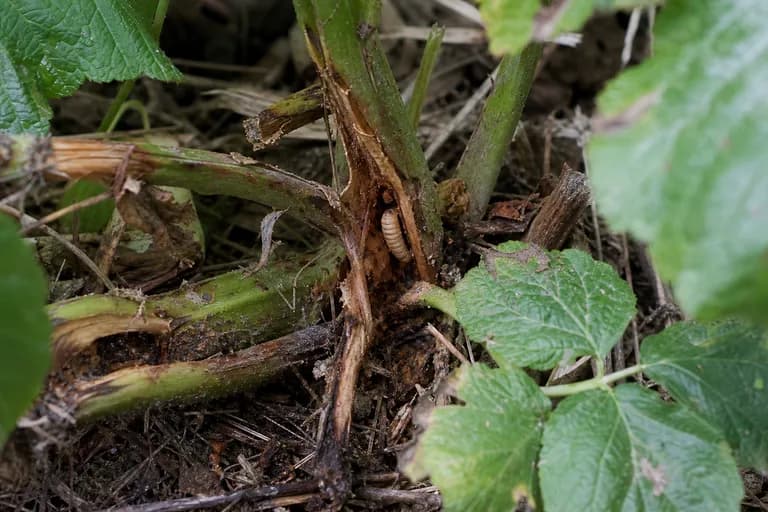
Barrenador de la corona de la frambuesa
PlagaCañas debilitadas y marchitas que se rompen con facilidad en la base; restos parecidos a serrín alrededor de la corona de la planta.
Solución de problemas comunes
Las boysenberries son menos resistentes al frío que la mayoría de las frutas de caña y sufren daños invernales en las zonas más frías que la 6 si no se protegen. Tumbar las cañas y acolchar en otoño donde los inviernos son duros. Sus frutos, extremadamente blandos, se magullan con facilidad durante la cosecha y no se conservan ni se transportan bien. El crecimiento vigoroso de las cañas puede enredarse si no se entrena con regularidad en el emparrado. La roya anaranjada es una enfermedad sistémica e incurable; cualquier planta infectada debe eliminarse y destruirse por completo.
Consejos de cultivo
- Instala antes de plantar un emparrado robusto de dos alambres, con los hilos a 90 cm y 150 cm de altura sostenidos por postes cada 4-5 metros. Las cañas de boysenberry crecen entre 3 y 5 metros de largo y necesitan un soporte firme; un emparrado endeble se vendrá abajo bajo el peso de una plantación adulta en plena cosecha.
- Guía las nuevas primocanas hacia un lado o a lo largo del alambre inferior del emparrado durante toda la temporada, manteniéndolas separadas de las floricanas productivas. Esa separación hace más rápida la eliminación de cañas tras la cosecha, reduce la transmisión de enfermedades entre generaciones de cañas y simplifica el ciclo anual de manejo.
- Acolcha en profundidad y de forma permanente alrededor de las boysenberries con 10-15 cm de paja, astillas de madera o hojas trituradas. Las boysenberries tienen raíces superficiales de absorción que se dañan fácilmente con la azada y el deshierbe; una capa gruesa de acolchado elimina la mayor parte de la competencia de las malas hierbas sin perturbar las raíces.
- Riega de forma constante mediante riego por goteo en la zona radicular, en lugar de usar aspersores por arriba. El follaje y la fruta mojados son los principales desencadenantes de botritis (moho gris) y de las enfermedades de manchas en caña, que son los problemas más dañinos en el cultivo de boysenberry. El goteo también lleva el agua y los fertilizantes solubles exactamente donde se necesitan.
- Aclara las primocanas que se conservarán hasta dejar de 5 a 8 por planta, tras seleccionar las candidatas más fuertes. Más cañas no significa más fruta: demasiadas cañas se sombrean entre sí, reducen la circulación de aire y producen bayas más pequeñas y menos sabrosas. Menos cañas, pero más fuertes, dan los mejores rendimientos de fruta premium.
- Aplica un riego de suelo con extracto de algas o emulsión de pescado cada 3-4 semanas desde la apertura de yemas hasta el cuajado. Estos fertilizantes orgánicos suaves aportan micronutrientes y bioestimulantes que favorecen la salud radicular y la calidad del fruto sin el riesgo de un exceso de nitrógeno que podría promover un crecimiento tierno y propenso a enfermedades.
- Propaga las boysenberries por acodo de punta a finales del verano: entierra la punta de crecimiento de una primocana larga a 15 cm de profundidad en suelo húmedo, a cierta distancia de la planta madre, sin separarla. Las raíces se desarrollarán en 4-6 semanas, y la nueva planta podrá separarse y trasplantarse a comienzos de primavera, dándote plantas gratis idénticas a la madre.
- Vigila la presencia de la mosca del ala manchada (Drosophila suzukii) desde el momento en que las bayas comienzan a ablandarse. A diferencia de otras moscas de la fruta que solo atacan fruta dañada, esta plaga invasora pone huevos en bayas intactas en maduración. Revisa las trampas cada semana y empieza a cosechar un poco antes si la presión es alta, ya que la boysenberry, de piel blanda, es una de sus plantas hospedadoras preferidas.
- Retira y destruye, sin compostar, cualquier caña que muestre pústulas de roya anaranjada en el envés de las hojas. La roya anaranjada causada por Gymnoconia peckiana es una enfermedad fúngica sistémica que permanece en el sistema radicular de la planta y no puede curarse; las plantas afectadas deben desenterrarse por completo y sustituirse por material certificado libre de roya.
- En regiones con inviernos fríos, después de guiar las primocanas al emparrado en otoño, desátalas y déjalas en el suelo o júntalas sin apretar antes de cubrirlas con paja. Las cañas largas son más sensibles al frío que la corona y se benefician de la protección térmica a nivel del suelo durante las heladas fuertes.
Cultiva tu mejor Boysenberry — y todo lo que la rodea.
Empieza un plan gratis hoy. Diseña tus bancales, coloca tu Boysenberry y deja que PlotMyGarden gestione el momento, el espaciado, las asociaciones y los recordatorios de la semilla a la cesta.
Elige tu Boysenberry
Boysen (Original)
La variedad clásica de boysenberry, con frutos grandes y muy oscuros y un aroma excepcional; requiere emparrado.
Boysenberry sin espinas
Una selección sin espinas que facilita mucho la cosecha y mantiene el mismo sabor sobresaliente y la misma calidad del fruto.
Brulee Boysenberry
Una variedad más reciente con frutos algo más firmes que resisten mejor después de la cosecha sin perder el sabor clásico de la boysenberry.
Una planta madura de boysenberry, que suele venderse por 8-15 € como corona a raíz desnuda, puede producir entre 2 y 4 kg de fruta al año durante 15-20 años o más. Con precios de 8-15 € por bandeja de 170 g en tiendas especializadas, la cosecha anual de una sola planta representa 95-350 € en boysenberries frescas, una fruta rara vez disponible en supermercados y que alcanza precios premium cuando aparece. A lo largo de toda su vida útil, una planta bien cuidada puede aportar el equivalente a 1.500-5.000 € en fruta de valor de mercado, lo que convierte a la boysenberry en una de las inversiones más rentables del huerto doméstico.
Recetas rápidas
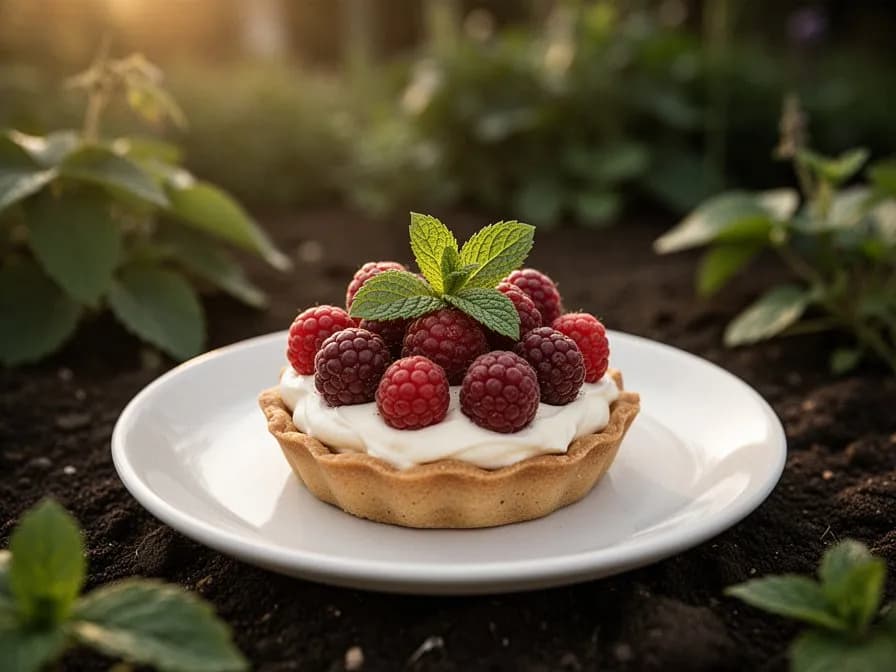
Mermelada clásica de boysenberry
45 minutesUna mermelada sencilla de fruta entera que capta el sabor profundo y complejo de la boysenberry en su mejor momento. Esta receta usa una cantidad mínima de azúcar añadido para que resalte la intensidad agridulce natural de la fruta. La mermelada terminada tiene un precioso color granate púrpura intenso y un aroma rico, parecido al vino, que la hace excepcional sobre tostadas, scones o mezclada con yogur.
5 ingredientesGalette de boysenberry
30 minutes active, 40 minutes bakingUna tarta rústica de forma libre, mucho más fácil de hacer que una tarta tradicional y perfecta para lucir el color joya y el sabor intenso de la boysenberry. La masa hojaldrada y mantecosa se pliega sobre el relleno meloso de bayas, creando bordes caramelizados y un centro púrpura fundente. Sírvela templada con una generosa bola de helado de vainilla o una cucharada de crème fraîche.
7 ingredientes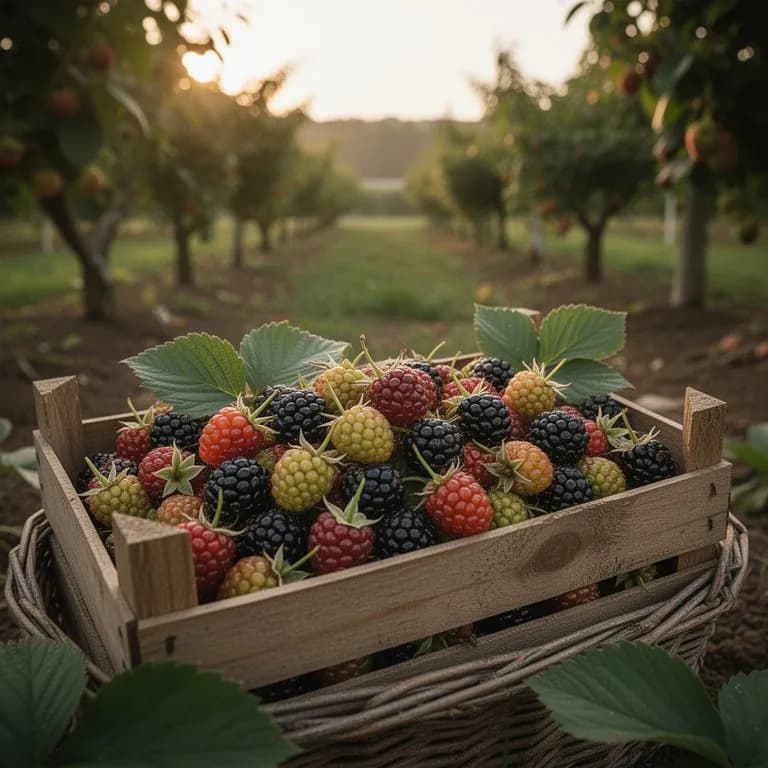
Bol de smoothie de boysenberry
10 minutesUn desayuno vibrante y denso en nutrientes, elaborado con boysenberries congeladas batidas hasta obtener una textura espesa que se puede tomar con cuchara. La base púrpura intensa se remata con fruta fresca, granola y semillas para aportar contraste de texturas. La acidez natural y el color intenso de la boysenberry hacen de este uno de los smoothie bowls más vistosos y sabrosos que pueden prepararse con un ingrediente del propio huerto.
5 ingredientesUsos culinarios
Las boysenberries están ampliamente consideradas como una de las bayas de mejor sabor, con una riqueza de matices parecida al vino que resulta extraordinaria en tartas, cobblers y mermeladas. Su sabor intenso las hace ideales para siropes y coberturas de helado. Las boysenberries frescas son deliciosas con nata y azúcar. Combinan muy bien con otras bayas en postres mixtos y batidos. Su color profundo produce una conserva de un precioso tono joya.
Qué contiene
Beneficios para la salud
- Las boysenberries contienen algunas de las concentraciones más altas de antocianinas entre las frutas cultivadas con más frecuencia, y estos potentes pigmentos antioxidantes se asocian con menos inflamación, mejor función cerebral y protección frente al deterioro cognitivo relacionado con la edad
- Su extraordinario contenido de fibra (5.3 g por 100 g) favorece un microbioma intestinal saludable al servir de sustrato prebiótico, promover el crecimiento de bacterias beneficiosas y contribuir a reducir el riesgo de enfermedad colorrectal
- Son ricas en ácido elágico y otros polifenoles que han demostrado propiedades antiproliferativas en estudios de laboratorio, mientras que la investigación poblacional vincula el consumo habitual de bayas con un menor riesgo de ciertos cánceres
- Las antocianinas y la quercetina de las boysenberries pueden apoyar la salud cardiovascular al reducir la oxidación del colesterol LDL, mejorar la flexibilidad arterial y disminuir la agregación plaquetaria asociada a la formación de coágulos
- Las boysenberries aportan una cantidad relevante de folato, una vitamina B crítica para la síntesis y reparación del ADN, lo que las hace especialmente valiosas para mujeres en edad reproductiva y para cualquier persona con riesgo de déficit de folato
- La combinación de vitamina C, manganeso y otros micronutrientes en las boysenberries favorece la síntesis de colágeno y la integridad del tejido conectivo, contribuyendo a una piel sana, una buena función articular y una correcta cicatrización
De dónde viene Boysenberry
La boysenberry es una de las historias de origen más fascinantes de la horticultura, una fruta nacida de la inventiva de un apasionado jardinero aficionado y rescatada del olvido por un agricultor visionario. A comienzos de la década de 1920, Rudolph Boysen, un entusiasta cultivador de frutas que trabajaba en Anaheim, California, empezó a experimentar con cruces entre especies de zarzamora rastrera. Utilizando frambuesa europea (Rubus idaeus), mora común (Rubus ursinus) y la loganberry, un híbrido entre mora y frambuesa creado por James Harvey Logan en la década de 1880, Boysen generó un nuevo híbrido de tamaño, sabor y productividad excepcionales. La baya resultante era más grande, más oscura y de sabor más complejo que cualquiera de sus parentales, con un color granate púrpura intenso y una acidez vinosa distintiva que la diferenciaba de todas las bayas cultivadas existentes.
Sin embargo, las dificultades económicas obligaron a Boysen a abandonar su granja antes de poder comercializar la fruta. Las plantas híbridas originales languidecieron en su propiedad descuidada, casi perdidas en el tiempo. La historia de la baya cambió de rumbo cuando Walter Knott, un agricultor de bayas de Buena Park, California, oyó rumores sobre el extraordinario híbrido. Junto con el legendario experto hortícola del USDA George Darrow, Knott localizó la granja abandonada de Boysen y encontró unas cuantas enredaderas desbordadas y en malas condiciones. Las desenterró con cuidado, las llevó a su propia granja y pasó varios años recuperándolas y propagándolas.
En la década de 1930, Knott comenzó a vender las bayas en su puesto de carretera bajo el nombre de 'boysenberry', en honor al trabajo original de Rudolph Boysen. La respuesta fue abrumadora. La esposa de Knott, Cordelia, empezó a hacer y vender conservas y tartas de boysenberry, y el puesto se volvió tan popular que la familia añadió un restaurante de pollo para atender a la multitud que esperaba. Ese humilde puesto de bayas acabó convirtiéndose en Knott's Berry Farm, uno de los parques temáticos más antiguos de Estados Unidos, y dio a la boysenberry un lugar permanente en la historia cultural estadounidense.
El cultivo comercial se expandió de forma constante por California y Oregón durante la mitad del siglo XX, y los agricultores de Nueva Zelanda adoptaron la fruta con entusiasmo, hasta convertirse en algunos de los productores más importantes del mundo. Hoy, aunque el cultivo comercial ha disminuido en California debido a los costes laborales y a la delicadeza de la baya, las boysenberries siguen siendo un cultivo muy apreciado en Nueva Zelanda y una planta de jardín muy querida por quienes cultivan en casa en todo el mundo y valoran su sabor extraordinario y sus cosechas generosas.
Boysenberry: ¿sabías que?
Datos fascinantes sobre Boysenberry
La boysenberry fue creada en la década de 1920 por el horticultor aficionado Rudolph Boysen, que cruzó una frambuesa europea, una mora común y una loganberry en su granja de Anaheim, California, una hazaña notable para un jardinero doméstico que trabajaba antes de las técnicas modernas de mejora vegetal.
Boysenberry: preguntas frecuentes
¿Cuándo debo plantar Boysenberry?
¿Cuáles son buenas plantas acompañantes para Boysenberry?
¿En qué zonas de rusticidad puede crecer Boysenberry?
¿Cuánto sol necesita Boysenberry?
¿A qué distancia debo espaciar Boysenberry?
¿Qué plagas y enfermedades afectan a Boysenberry?
¿Cómo almaceno Boysenberry después de la cosecha?
¿Cuáles son las mejores variedades de Boysenberry para cultivar?
¿Qué suelo necesita Boysenberry?
¿Cuánto tarda una planta de boysenberry en dar fruto?
¿Cuál es la diferencia entre boysenberries, moras y loganberries?
¿Por qué mis cañas de boysenberry se secan a mitad de temporada?
¿Se pueden cultivar boysenberries en contenedores?
¿Cuándo es el momento adecuado para cosechar boysenberries?
¿Las boysenberries necesitan una planta polinizadora?
Acabas de leer la teoría. Ahora cultívala en piloto automático.
Todo lo que hace que Boysenberry sea delicado — el momento, el espaciado, las asociaciones, la ventana de cosecha — es justo lo que PlotMyGarden resuelve por ti, para cada planta de tu huerto.
Un plan que conoce tu clima
Indica tu ubicación una vez. Recibe fechas de siembra, abonado y cosecha basadas en tu última helada real y el pronóstico en vivo — sin adivinar con un sobre genérico.
De la sección “Cuándo plantar”Planificador de bancales de arrastrar y soltar
Diseña bancales sobre una cuadrícula. Cada planta encaja con su espaciado correcto y ves toda la temporada antes de gastar un céntimo en semillas.
De la sección “Cultivo”Conflictos de asociación, detectados a tiempo
Más de 200 buenas y malas combinaciones comprobadas en vivo mientras plantas — para que un error que arruine la temporada nunca llegue a la tierra.
De la sección “Asociaciones”Recordatorios que sí vas a seguir
“Riega las judías.” “Recoge hoy antes de que se pase.” Oportunos, concretos y ligados a las plantas que de verdad cultivas.
De la sección “Cosecha”Escalonado, programado
¿Quieres cosechar seis semanas en vez de seis días? Reparte tus siembras automáticamente y te avisa cuando toca el siguiente lote.
De la sección “Cuándo plantar”Un registro que se vuelve más listo
Cada cosecha que registras le enseña tu huerto. El plan del año que viene parte de lo que de verdad funcionó en tu suelo, no en un manual.
De la sección “Resumen”Planta estos junto a Boysenberry
Más Bayas
Mantén Boysenberry lejos de estos
Cultiva tu mejor Boysenberry — y todo lo que la rodea.
Empieza un plan gratis hoy. Diseña tus bancales, coloca tu Boysenberry y deja que PlotMyGarden gestione el momento, el espaciado, las asociaciones y los recordatorios de la semilla a la cesta.