Rabbiteye Blueberry
A heat-tolerant blueberry species native to the southeastern United States, growing up to ten feet tall.





On this pageOverview
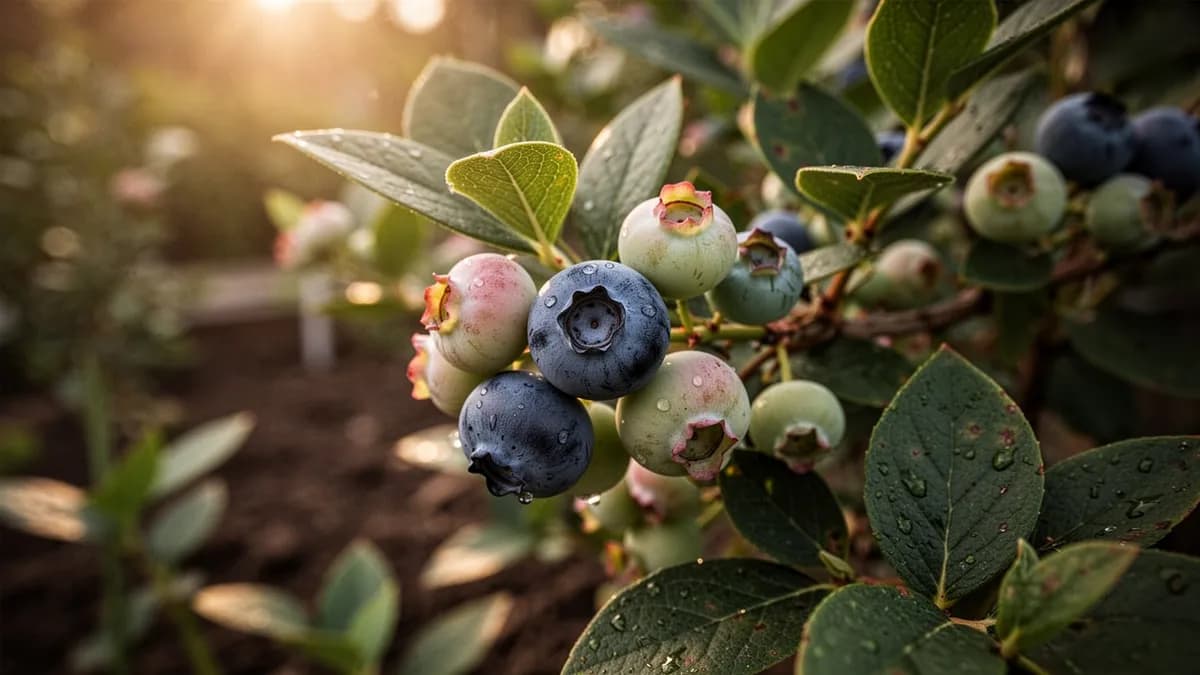
Meet Rabbiteye Blueberry
A heat-tolerant blueberry species native to the southeastern United States, growing up to ten feet tall. Rabbiteye varieties are more drought-resistant than highbush types and thrive in hot summers with less supplemental irrigation. Requires a second rabbiteye cultivar for cross-pollination and produces firm berries that ship and store well.
When to plant Rabbiteye Blueberry
Rabbiteye blueberries are propagated by softwood cuttings taken in late spring when new growth is still flexible. Take four to five inch cuttings, strip the lower leaves, dip in rooting hormone, and insert into a peat-perlite mix under intermittent mist. Maintain warmth and high humidity for six to ten weeks until roots develop. Hardwood cuttings taken in winter are also viable but root more slowly. Rabbiteye blueberries can also be propagated by division of suckering clumps. Commercial propagation uses tissue culture for disease-free, uniform plants.
Your Rabbiteye Blueberry Year
Composed for Zone 7 · typical seasons · frost passes Apr 2, returns Nov 1
Plant Rabbiteye Blueberry Mar – Apr, pick Jun – Aug. Check the planting methods below and set your climate to personalize these windows.
How to grow Rabbiteye Blueberry
Rabbiteye blueberries are the best choice for southeastern gardens, thriving in the heat and humidity that stress northern highbush varieties. These vigorous plants grow six to ten feet tall and are native to the river valleys of the southeastern United States. They tolerate higher soil pH than highbush types, performing well at pH 4.5 to 5.5 with some varieties tolerating up to 5.8. Plant at least two different rabbiteye cultivars for cross-pollination, which is absolutely essential for fruit set.
Select a planting site with full sun and well-drained soil. Rabbiteye blueberries are notably more drought-tolerant than other blueberry species, thanks to their deep, extensive root systems. However, supplemental irrigation during fruit development significantly improves berry size and yield. Space plants six to eight feet apart and mulch with four to six inches of pine bark or wood chips to maintain soil acidity and moisture.
Prune rabbiteye blueberries in late winter by removing the oldest, least productive canes at ground level and thinning the interior of the bush to improve light penetration. Rabbiteye bushes tend to produce excessive numbers of flower buds, and thinning them by pruning the tips of fruiting branches improves individual berry size. These plants are long-lived, often remaining productive for thirty or more years with proper care. They also offer outstanding ornamental value with white spring flowers, summer fruit, and brilliant red-orange fall foliage.
Rabbiteye Blueberry needs more room than a 4 × 8 ft bed gives
Each Rabbiteye Blueberry wants 180 cm of elbow room. The planner keeps that spacing for you — every plant, every bed.
Rabbiteye Blueberry's best neighbours
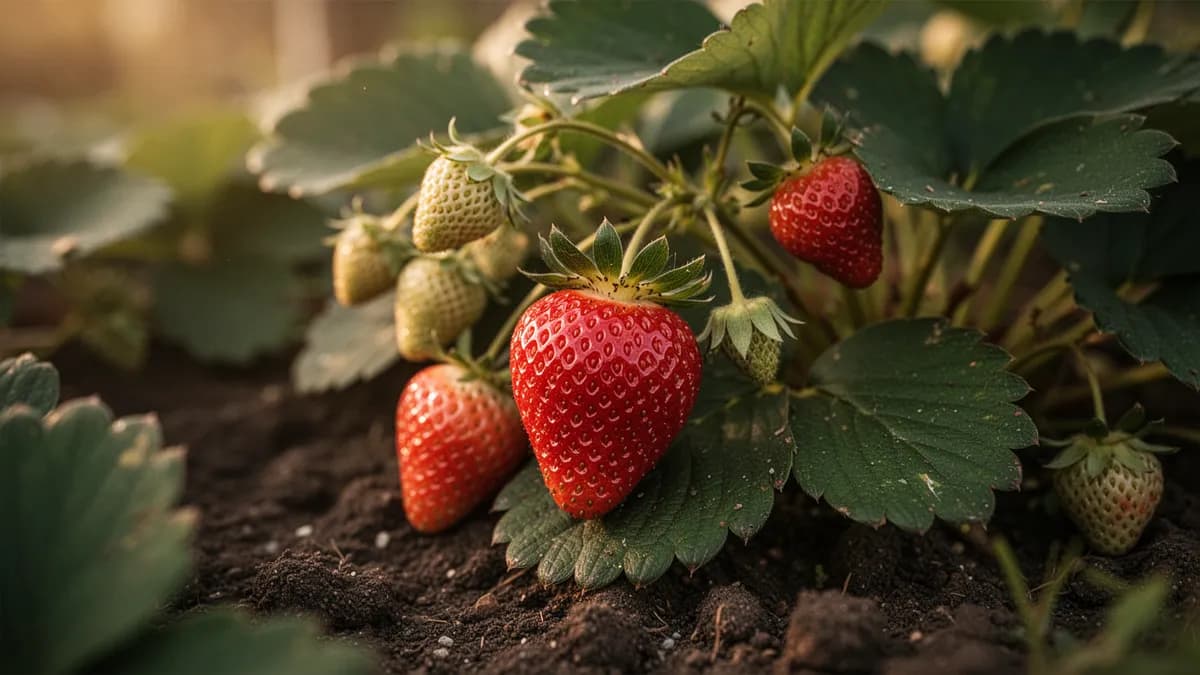
Rabbiteye blueberries grow well alongside other heat-tolerant, acid-loving plants such as azaleas, gardenias, and camellias in southeastern gardens. Muscadine grapes share similar soil and climate preferences and make practical neighbors. Plant bee-attracting herbs like rosemary and basil nearby to enhance cross-pollination between varieties. Strawberries can serve as a ground cover in the acidic soil beneath the tall bushes. Avoid alkaline-preferring plants and those that require rich, moist soil.
Strawberry belongs beside it. Walnut Tree doesn't.
Old growers' knowledge, checked against Rabbiteye Blueberry's real companion table below — test any plant you're growing.
Try Rabbiteye Blueberry in a bed — right here
A real planner bed with Rabbiteye Blueberry already in it. Tap a companion to place it and watch the pairing checks answer — green for good neighbours, red for a clash.


Related growing guides
Feed it well
Rabbiteye blueberries prefer acidic soil with a pH of 4.5 to 5.5 but tolerate slightly higher pH than highbush types. Amend with sulfur, peat moss, and pine bark as needed. Their deep root systems make them more forgiving of soil imperfections than shallower-rooted highbush varieties. Apply acid-forming fertilizer such as ammonium sulfate in split applications in early spring and after harvest. Avoid over-fertilization, which promotes excessive vegetative growth and reduces fruit bud formation. Maintain a thick acidic mulch of pine bark or needles year-round.
Ideal Temperature
Hardiness Zone Compatibility
From seed to harvest, stage by stage
Dormancy & Bud Swell
During late winter, the plant is dormant but flower and leaf buds begin to swell as chilling hour requirements are met. Rabbiteye varieties need only 400–700 chilling hours, making them well-suited to mild-winter climates.
Bloom
Bell-shaped white to pale pink flowers open in clusters along the previous year's wood. This stage is critical for fruit set and coincides with early spring bee activity. Cross-pollination between two compatible varieties yields significantly larger and more abundant fruit.
Fruit Set & Development
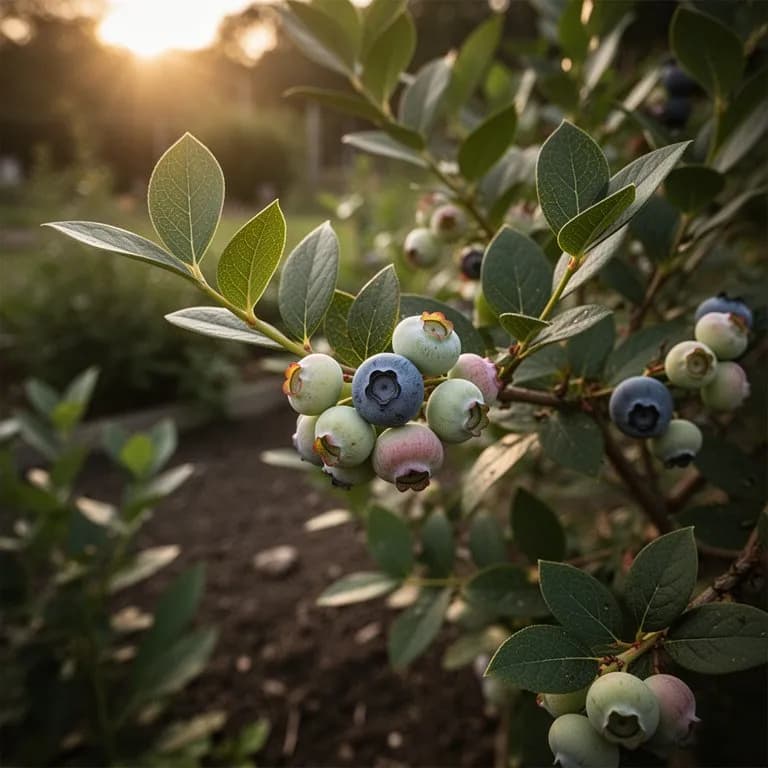
Fertilized flowers drop their petals and tiny green berries form. The fruit swells rapidly as temperatures warm. Berries pass through green, then white, then pink and lavender phases before approaching full size.
Colour Change & Ripening
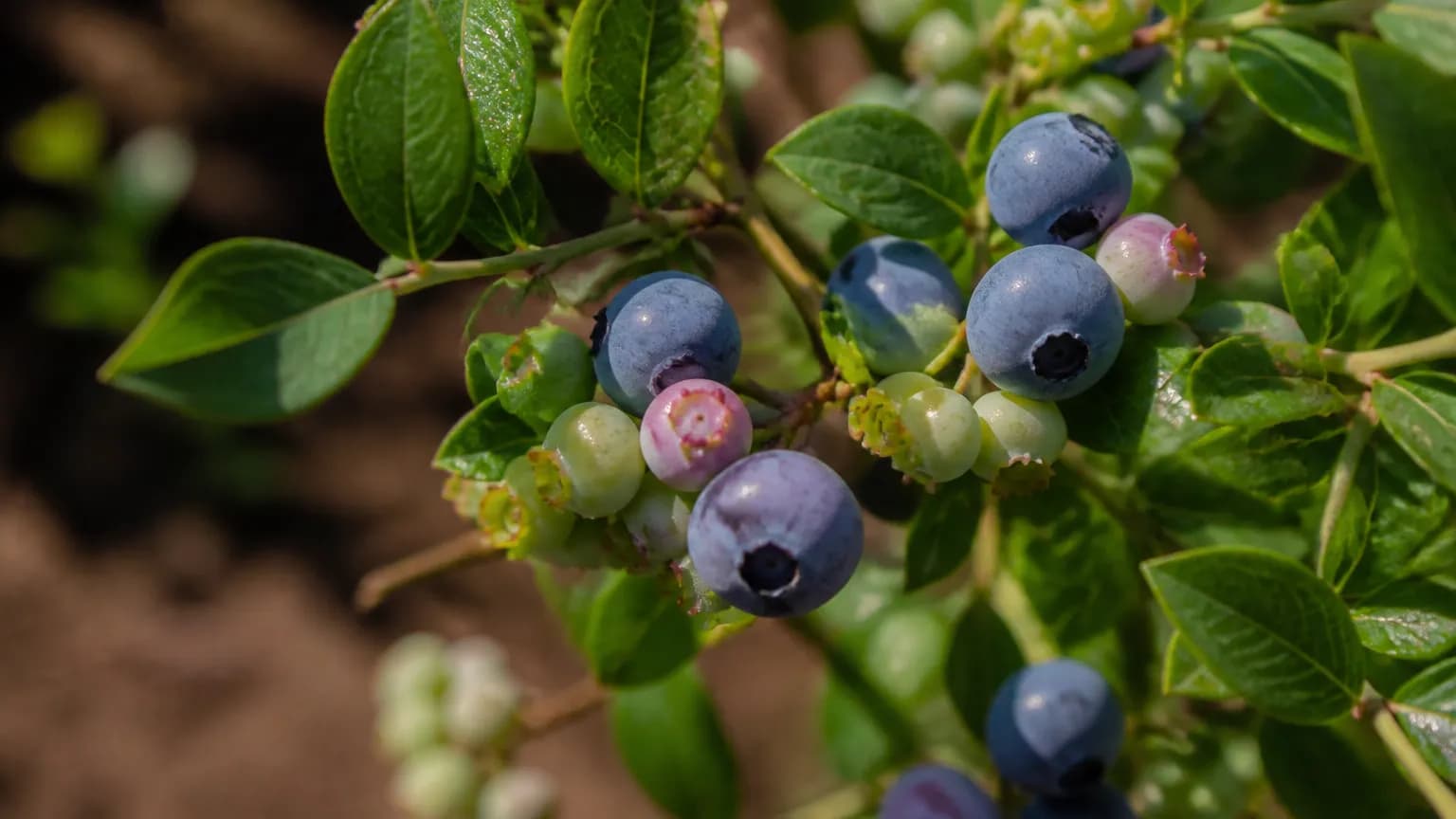
Berries transition from pink through lavender to deep blue-purple, developing their characteristic dusty bloom. Rabbiteye berries ripen over a 4–6 week window, and taste improves further if berries are left on the bush for several days after turning fully blue.
Post-Harvest & Hardening
After harvest, the plant directs energy into storing carbohydrates for winter and initiating next year's fruit buds. Foliage turns brilliant shades of red, orange, and burgundy in autumn before dropping.
Winter Rest
Leaves have dropped and the plant is fully dormant. Woody canes harden off and the plant accumulates chilling hours needed to break dormancy reliably in spring. This is the ideal time for structural pruning.
Apply dormant oil spray during this window to suppress scale insects and other overwintering pests before buds fully open.
Caring for Rabbiteye Blueberry month by month
What to do each month for your Rabbiteye Blueberry
October
You are hereApply a 3–4 inch layer of pine bark or wood chip mulch before the first frost. Take hardwood cuttings for propagation if desired.
Know exactly what to do in your garden — every month
One email at the start of each month: what to sow, plant, and tackle right now — for your Rabbiteye Blueberry and everything growing around it. Plus a short starter course that helps you dodge the classic mistakes.
- What to do, right now
- Matched to your season
- Starter course included
Harvesting Rabbiteye Blueberry
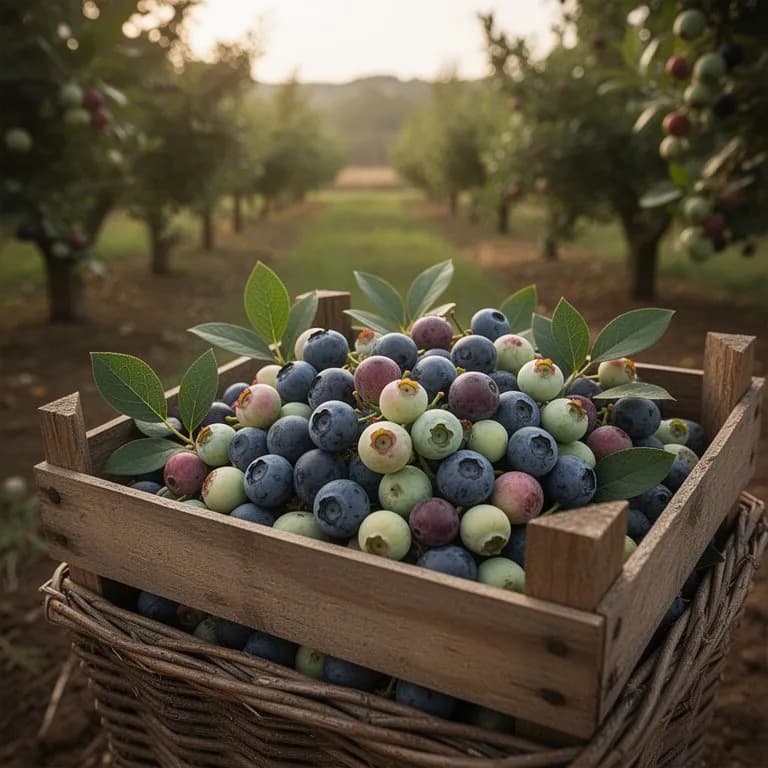
Rabbiteye blueberries ripen over a longer period than highbush types, providing an extended harvest window of four to six weeks. Wait until berries are fully blue, plump, and detach easily from the cluster. Rabbiteye berries tend to have a thicker skin and firmer texture than highbush types, which makes them excellent for shipping and machine harvesting but occasionally slightly gritty when eaten fresh. Allow an extra two to three days after full color for sugars to fully develop and for the best fresh-eating experience.
assuming you plant when the window opens — set your real date
Pick Rabbiteye Blueberry promptly and the plant keeps producing.
Storage & Preservation
Rabbiteye blueberries store longer than highbush varieties due to their thicker skin, lasting up to three weeks in the refrigerator. Their firm texture makes them excellent candidates for freezing, drying, and canning. Freeze by spreading dry berries on a tray and bagging once solid. The firm skin holds up well in baked goods, maintaining berry integrity rather than bursting and bleeding into the dough. Rabbiteye berries make excellent wine due to their complex flavor and higher sugar content.
What goes wrong — and the fix
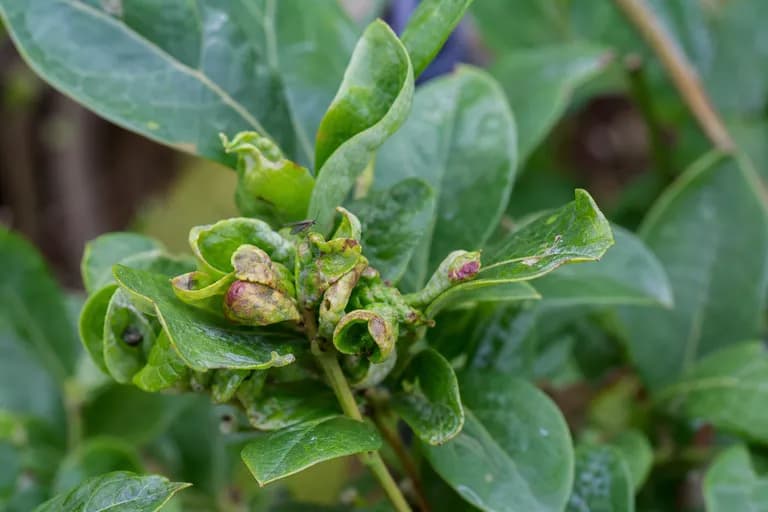
Blueberry Gall Midge
PestSwollen, distorted leaf tips that curl and form galls; heavily infested shoots may die back or produce no fruit.
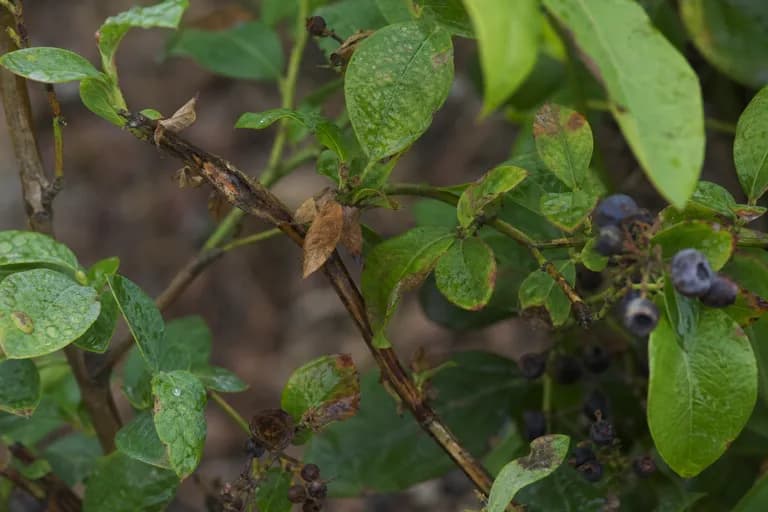
Phomopsis Twig Blight
DiseaseBrown, wilting shoot tips in spring; cankers develop on stems, girdling and killing branches; berries may shrivel before ripening.
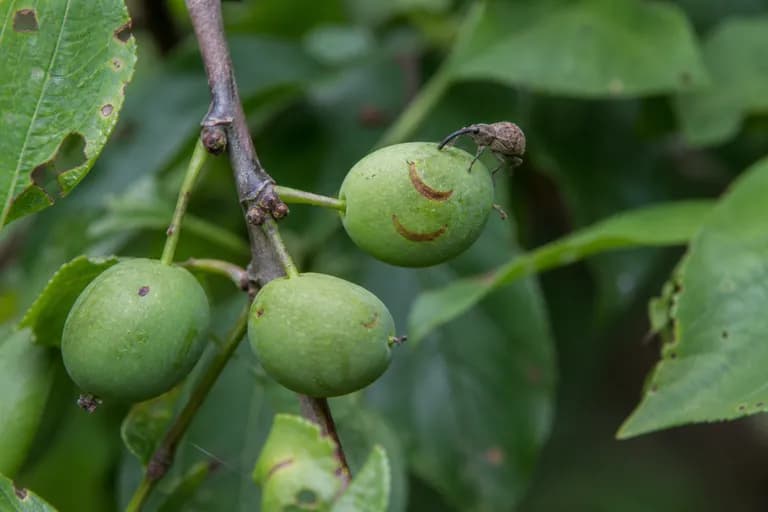
Plum Curculio
PestCrescent-shaped scars on developing fruit where females lay eggs; larvae feed inside berries causing premature drop and wormy fruit.
Troubleshooting Common Problems
Cross-pollination failure is the most common cause of poor yields, as rabbiteye blueberries are self-infertile and require a different rabbiteye variety nearby. The thicker berry skin can be unpleasant to some fresh-eating consumers but is an advantage for processing and storage. Green, unripe-tasting berries that are blue in color result from harvesting too early; allow several extra days after coloring for full flavor development. Inadequate chill hours in very warm regions can reduce flower bud formation.
Growing Tips
- Always plant at least two different rabbiteye varieties (e.g., 'Tifblue' + 'Climax', or 'Premier' + 'Brightwell') within 50 feet of each other — rabbiteye blueberries are largely self-incompatible and cross-pollination between compatible varieties can triple your fruit set.
- Rabbiteye blueberries demand a soil pH of 4.5–5.5. Test your soil before planting and amend with elemental sulfur if pH is above 5.5 — allow at least 6 months for sulfur to fully acidify the soil before planting.
- Never plant rabbiteye blueberries in heavy clay or poorly drained soil. If your native soil drains poorly, build raised beds or berms at least 12 inches high, filled with a mix of aged pine bark, peat moss, and native soil.
- Maintain a 3–4 inch layer of organic mulch (pine bark, wood chips, or pine needles) year-round. Rabbiteye blueberries have shallow, fibrous roots concentrated in the top 8 inches of soil — mulch is essential for moisture retention, weed suppression, and gradual acidification.
- Water young plants deeply and consistently for the first two to three seasons. Once established, rabbiteye blueberries show good drought tolerance, but fruit size and quality decline sharply without consistent moisture during the berry development phase (late spring through harvest).
- Use an acid-forming fertilizer specifically formulated for blueberries or containing ammonium sulfate as the nitrogen source. Avoid fertilizers containing nitrates (e.g., calcium nitrate), which can raise soil pH and are less efficiently used by ericaceous plants.
- Begin structural pruning in year three. The goal is to maintain 6–8 healthy canes of varying ages. Remove the oldest, most unproductive canes (typically those 6+ years old and thicker than 1 inch at the base) at ground level each dormant season to continuously renew the plant.
- Plant rabbiteye blueberries in full sun — a minimum of 8 hours of direct sunlight per day. Insufficient sun is the single most common cause of poor fruit production in home gardens; even partial shade significantly reduces yield and berry sweetness.
- Protect developing fruit from birds by installing bird netting as soon as the first berries begin to show colour. Use netting with a mesh size of ¾ inch or smaller, and secure it tightly at the base to prevent birds from entering underneath.
- Avoid using weed killers (herbicides) around blueberry plants — their shallow, sensitive root systems are highly susceptible to herbicide drift and root uptake. Hand-pull weeds and rely on a thick mulch layer for weed control.
Grow your best Rabbiteye Blueberry yet — and everything around it.
Start a free plan today. Lay out your beds, drop in your Rabbiteye Blueberry, and let PlotMyGarden handle the timing, spacing, companions and reminders from seed to harvest basket.
Pick your Rabbiteye Blueberry
Climax
An early-season rabbiteye with good fruit quality and concentrated ripening, making it an excellent pollinator for other varieties.
Tifblue
The most widely planted rabbiteye variety, producing firm, light blue berries with excellent flavor and very long storage life.
Powderblue
A late-midseason variety with consistently heavy yields of powdery-blue berries and outstanding heat tolerance.
Premier
An early ripening variety with large, sweet berries and good rain-cracking resistance, ideal for fresh eating.
Organic rabbiteye blueberries retail for $5–$9 per pint ($10–$18 per pound) at farmers' markets and specialty grocers in the southeastern U.S. A mature rabbiteye shrub can yield 10–20 pounds of fruit per season over a productive lifespan exceeding 50 years. At conservative estimates, a pair of established bushes can produce $100–$300 worth of fresh organic fruit annually — easily offsetting the initial plant cost within the first two to three harvests. Because rabbiteye blueberries freeze exceptionally well, surplus fruit can extend the cost savings year-round.
Quick recipes

Rabbiteye Blueberry Lemon Jam
35 minutesA bright, jewel-toned jam that captures the full flavour of fresh-picked rabbiteye blueberries balanced with tart lemon. The slightly thicker skin of rabbiteye berries adds wonderful body to the finished jam without additional pectin.
4 ingredients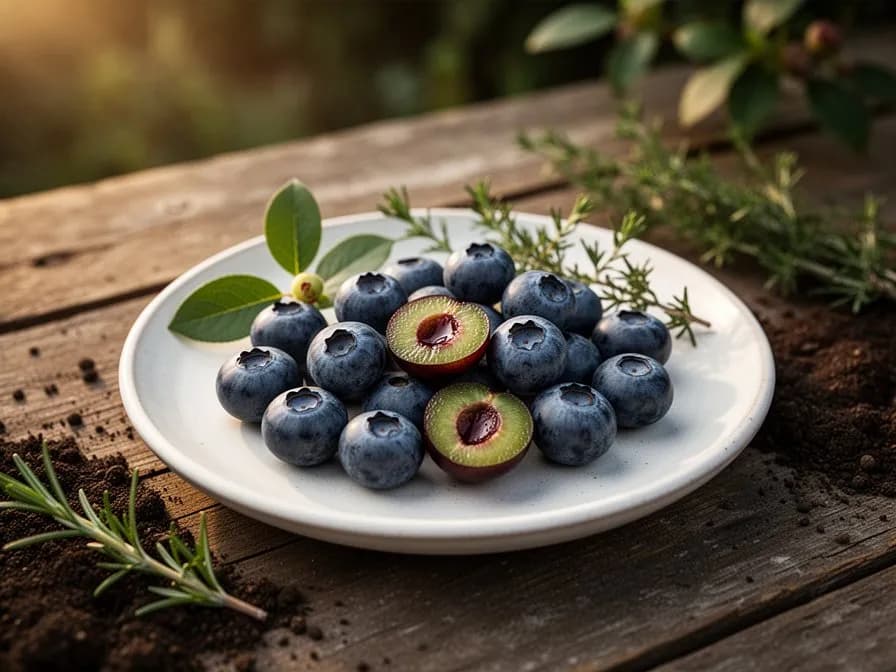
Southern Blueberry Cobbler
50 minutesA classic southern dessert that showcases the deep, winey flavour of rabbiteye blueberries under a buttery, golden biscuit crust. The slightly firmer flesh of rabbiteye varieties holds up beautifully during baking, resulting in a cobbler with distinct, juicy berries rather than a uniform compote.
8 ingredientsBlueberry Basil Vinaigrette
10 minutesA vibrant, unexpected salad dressing that blends the sweet-tart intensity of fresh rabbiteye blueberries with fragrant basil and apple cider vinegar. Drizzle over arugula, goat cheese, and toasted pecans for a salad worthy of a dinner party.
7 ingredientsCulinary Uses
Rabbiteye blueberries are excellent for baking, preserving, and fresh eating once fully ripe. Their firm texture holds up particularly well in muffins, pies, and cobblers. The higher sugar content of rabbiteye types makes them ideal for wine and jam production. Use them in barbecue sauces, chutneys, and savory salsas where their robust texture is an advantage. Dehydrated rabbiteye berries produce chewy, candy-like dried fruit with concentrated sweetness.
What's inside
Health Benefits
- Rabbiteye blueberries are among the highest-antioxidant foods measured by ORAC value, with anthocyanins shown in multiple studies to neutralise free radicals and reduce oxidative stress linked to ageing and chronic disease.
- Regular blueberry consumption has been associated with improved memory, processing speed, and delayed cognitive decline in older adults, likely due to anthocyanins crossing the blood-brain barrier and reducing neuroinflammation.
- Clinical trials suggest that blueberry intake can modestly reduce LDL ("bad") cholesterol oxidation and improve arterial flexibility, supporting cardiovascular health when eaten as part of a balanced diet.
- The high anthocyanin content contributes to anti-inflammatory effects throughout the body, potentially reducing markers of systemic inflammation such as C-reactive protein (CRP).
- Blueberries contain compounds including pterostilbene and chlorogenic acid that may improve insulin sensitivity and help moderate post-meal blood glucose spikes, benefiting metabolic health.
- The vitamin C, manganese, and antioxidant content in blueberries support collagen synthesis, immune function, and skin health, contributing to overall cellular maintenance and healthy ageing.
Where Rabbiteye Blueberry comes from
The rabbiteye blueberry (Vaccinium virgatum, syn. V. ashei) holds the distinction of being one of very few major fruit crops indigenous to North America. Long before European settlement, Indigenous peoples of the southeastern United States harvested wild rabbiteye blueberries from the open pine flatwoods, bog margins, and riverbank thickets of the coastal plain that stretches from Virginia to eastern Texas. These native communities dried the berries for winter provisions, incorporated them into pemmican-style travel foods, and used various parts of the plant in traditional medicine.
European settlers quickly adopted the blueberry into their foodways, and by the nineteenth century, wild rabbiteye patches were being exploited commercially on a small scale in Georgia and Florida. However, it was not until the early twentieth century that systematic domestication began in earnest. The pioneering work of USDA botanist Frederick Coville and New Jersey farmer Elizabeth White in the 1910s focused primarily on highbush blueberries (V. corymbosum) of the Northeast, but their methods — selecting superior wild specimens and hybridizing them for larger fruit and higher yield — soon inspired breeders to turn attention southward.
Formal rabbiteye improvement programs launched at the University of Georgia and at several southern state agricultural experiment stations during the 1940s and 1950s. Early releases such as 'Tifblue' (1955) and 'Woodard' (1960) became the foundation of the southeastern U.S. commercial blueberry industry. These varieties offered growers in Georgia, Florida, and the Carolinas a crop that thrived in the region's sandy, acidic soils and warm, humid summers where northern highbush varieties struggled.
Subsequent decades of breeding have produced a wide palette of rabbiteye cultivars varying in ripening time (early, mid, and late season), berry size, flavour profile, and ornamental appeal. Today, Georgia alone produces millions of pounds of rabbiteye blueberries annually, and the species is widely grown by home gardeners across the South and Pacific Coast for its reliability, heat tolerance, drought resilience once established, and exceptionally long productive lifespan.
Rabbiteye Blueberry: did you know?
Fascinating facts about Rabbiteye Blueberry
Rabbiteye blueberries get their whimsical name from the distinctive pink-to-red colour the berry takes on just before it fully ripens — resembling a rabbit's eye.
Rabbiteye Blueberry questions, answered
When should I plant Rabbiteye Blueberry?
What are good companion plants for Rabbiteye Blueberry?
What hardiness zones can Rabbiteye Blueberry grow in?
How much sun does Rabbiteye Blueberry need?
How far apart should I space Rabbiteye Blueberry?
What pests and diseases affect Rabbiteye Blueberry?
How do I store Rabbiteye Blueberry after harvest?
What are the best Rabbiteye Blueberry varieties to grow?
What soil does Rabbiteye Blueberry need?
How many rabbiteye blueberry plants do I need, and how far apart should I space them?
My rabbiteye blueberry leaves are turning yellow — what is wrong?
When is the right time to harvest rabbiteye blueberries?
Can I grow rabbiteye blueberries in containers?
Do rabbiteye blueberries need much fertilizer?
What is the best rabbiteye blueberry variety for a home garden?
You just read the theory. Now grow it on autopilot.
Everything that makes Rabbiteye Blueberry fiddly — the timing, the spacing, the companions, the harvest window — is exactly what PlotMyGarden handles for you, for every plant in your garden.
A plan that knows your weather
Set your location once. Get sow, feed and harvest dates built around your real last-frost date and live forecast — no more guessing from a generic seed packet.
From the “When to plant” sectionDrag-and-drop bed planner
Design beds on a grid. Every plant snaps to its proper spacing, and you can see your whole season laid out before you spend a cent on seed.
From the “Growing guide” sectionCompanion conflicts, caught early
200+ good-and-bad pairings checked live as you plant — so a season-wrecking mistake never makes it into the ground.
From the “Companions” sectionReminders you'll actually act on
“Water the beans.” “Pick today before it turns.” Timely, specific, and tied to the plants you're really growing.
From the “Harvest” sectionSuccession, scheduled
Want a harvest for six weeks, not six days? It spaces your sowings automatically and reminds you when each new block is due.
From the “When to plant” sectionA record that gets smarter
Every harvest you log teaches it your garden. Next year's plan starts from what actually worked in your soil, not a textbook's.
From the “Overview” sectionPlant these alongside Rabbiteye Blueberry
More Berries
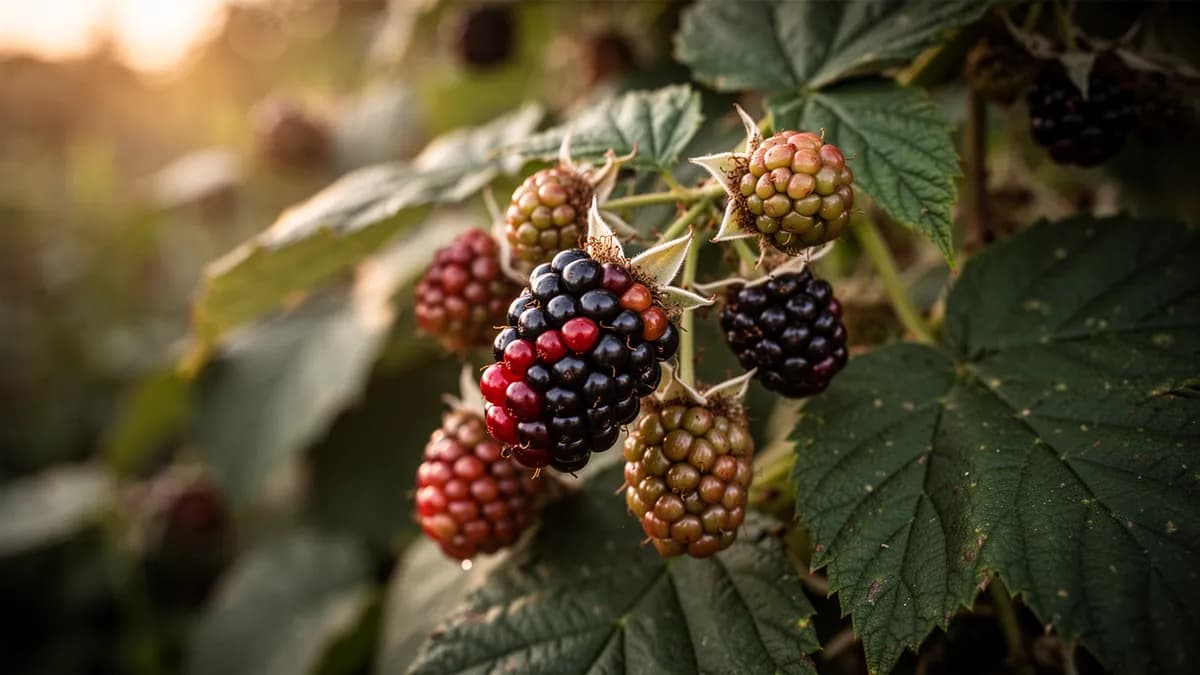
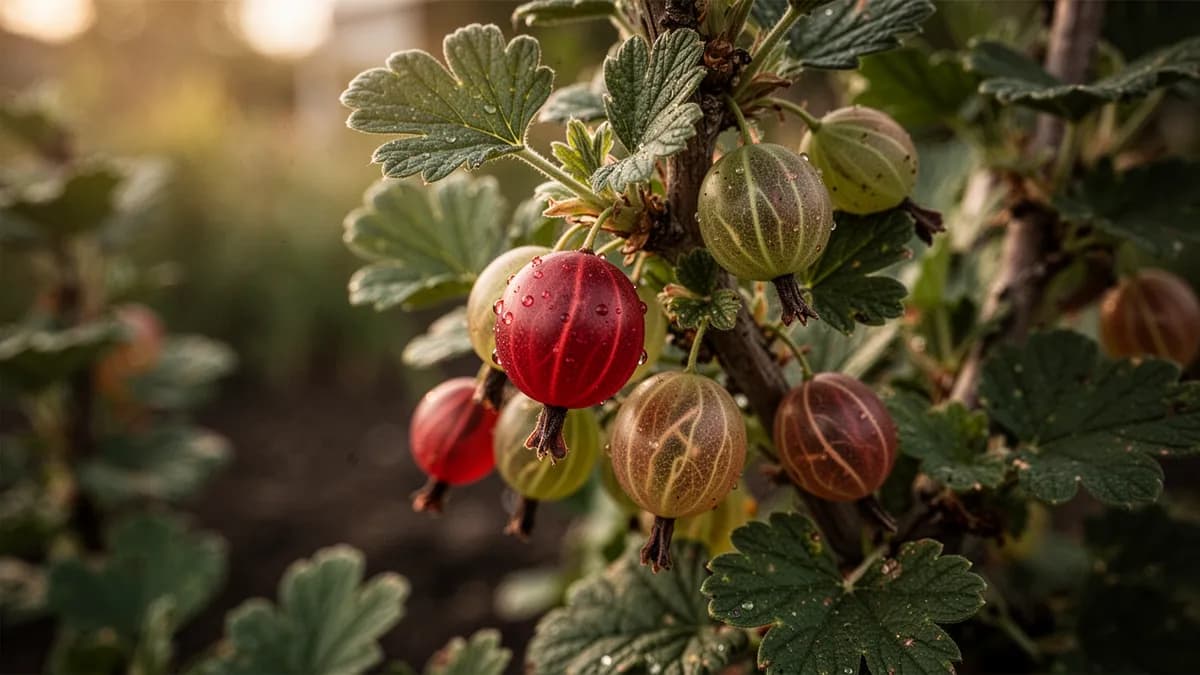
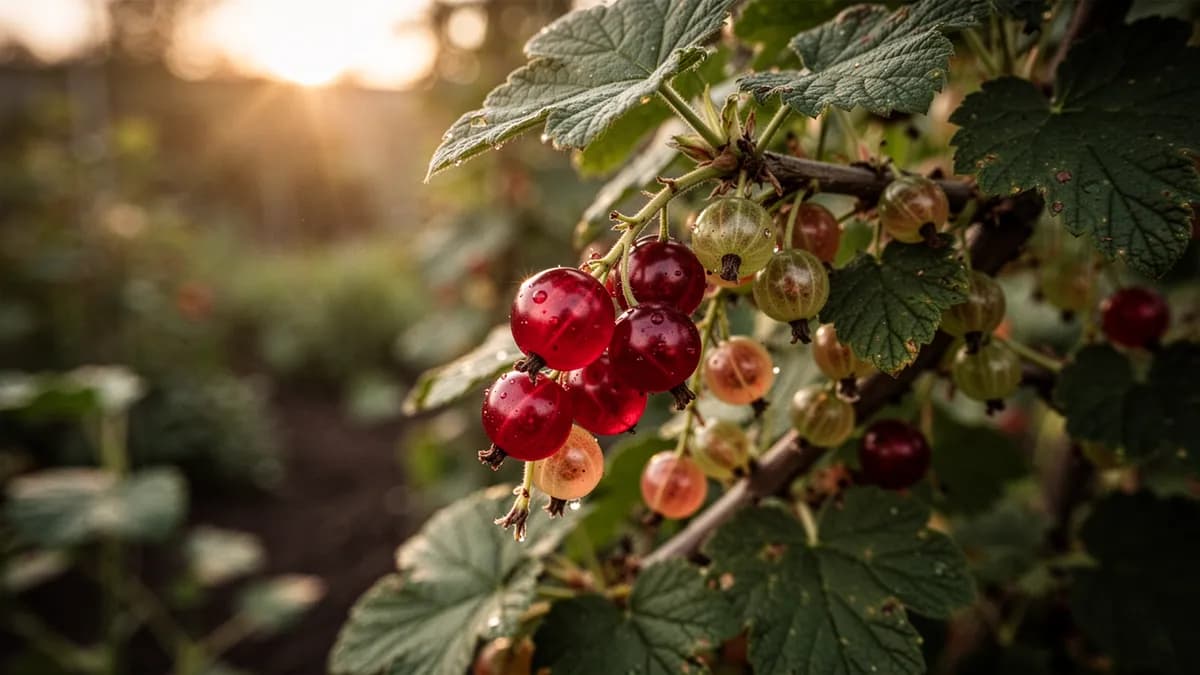
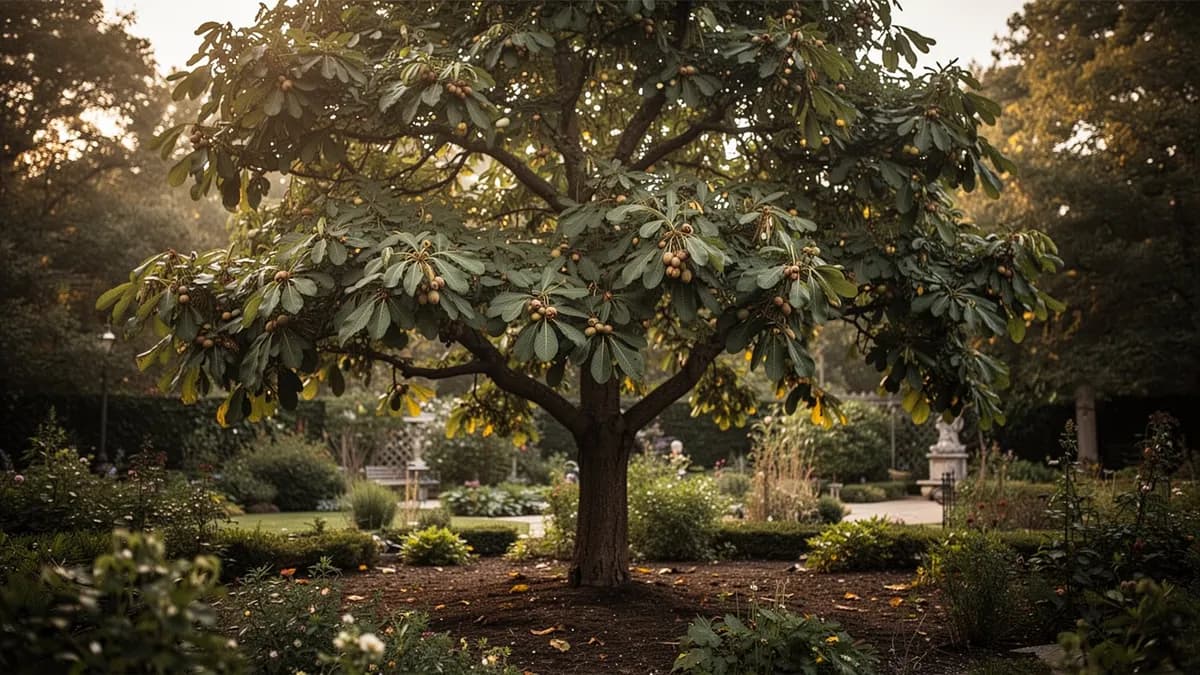
Keep Rabbiteye Blueberry away from these
Grow your best Rabbiteye Blueberry yet — and everything around it.
Start a free plan today. Lay out your beds, drop in your Rabbiteye Blueberry, and let PlotMyGarden handle the timing, spacing, companions and reminders from seed to harvest basket.