Detroit Dunkelrote Rübe
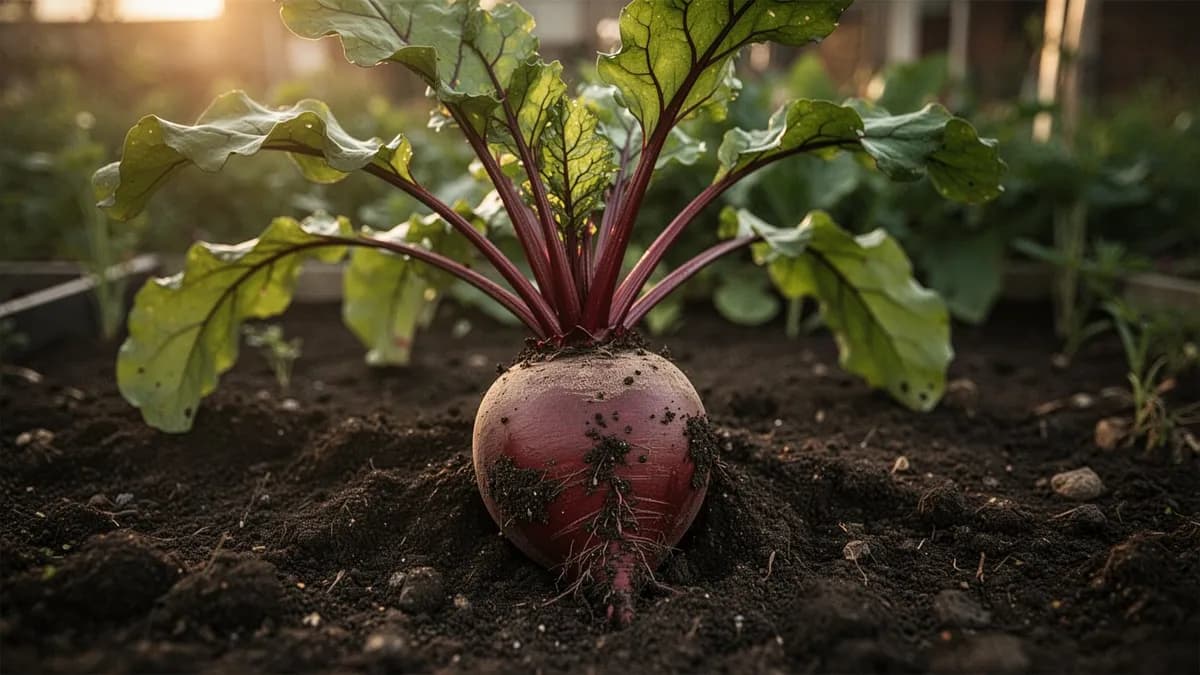
Die klassische Rübensorte seit 1892, mit gleichmäßig runden Wurzeln, tiefrotem Fruchtfleisch und ausgezeichnetem süßem Geschmack.





Auf dieser SeiteÜberblick
Detroit Dunkelrote Rübe im Überblick
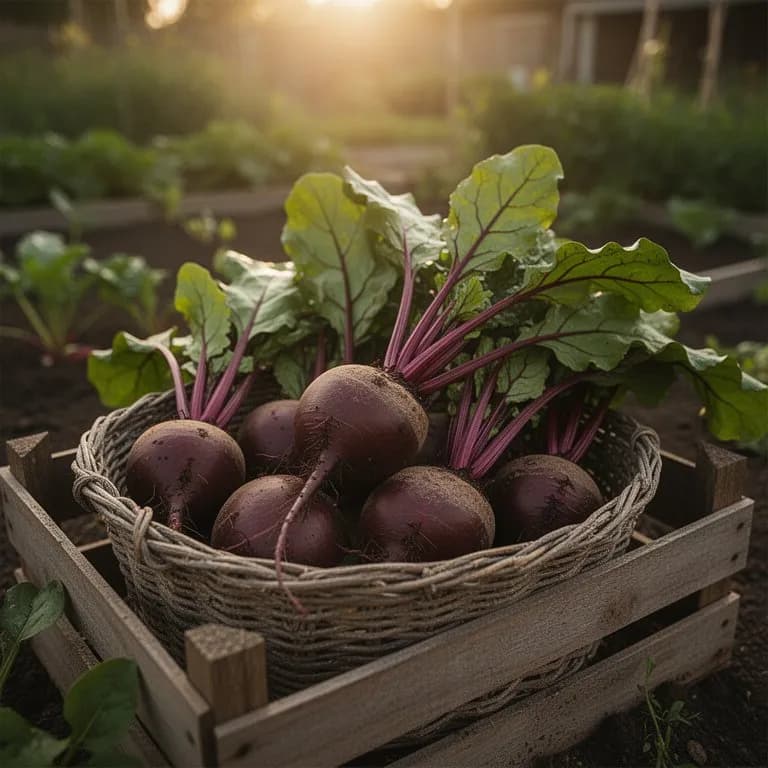
Die klassische Rübensorte seit 1892, mit gleichmäßig runden Wurzeln, tiefrotem Fruchtfleisch und ausgezeichnetem süßem Geschmack. Das Grün ist essbar und nahrhaft, was diese Sorte zur Doppelnutzpflanze für Wurzeln und Blätter macht. Samen direkt ins Beet säen, sobald der Boden bearbeitet werden kann, und Sämlinge ausdünnen, um Überfüllung zu vermeiden. Gleichmäßige Feuchtigkeit verhindert eine holzige, faserige Textur und Zonenringe im Fruchtfleisch.
Wann Detroit Dunkelrote Rübe pflanzen
Samen direkt von März bis Juli ins Freie säen, 2 cm tief in Reihen mit 30 cm Abstand. Jedes mehrkernige Samencluster bringt mehrere Sämlinge hervor, daher auf 10 cm Abstand ausdünnen, wenn die Pflanzen 5 cm groß sind. Das Einweichen der Samen für 30 Min. in warmem Wasser vor der Aussaat beschleunigt die Keimung. Für frühe Kulturen bolzresistente Sorten ab Ende Februar unter Folientunnel säen. Alternativ Samen in tiefen Modulen drinnen starten und vorsichtig umpflanzen, um Wurzelstörungen zu vermeiden. Samen bleiben vier bis fünf Jahre keimfähig, wenn sie an einem kühlen, trockenen Ort gelagert werden.
Dein Detroit Dunkelrote Rübe-Jahr
Abgestimmt auf Zone 7 · typische Saison · Frost geht um den 2. Apr. und kehrt um den 1. Nov. zurück
Detroit Dunkelrote Rübe Mär – Apr, Aug – Sep pflanzen, Jun – Jul, Okt – Nov ernten. Beachte die Pflanzmethoden unten und wähle dein Klima für passende Zeiträume.
So baust du Detroit Dunkelrote Rübe an
Detroit Dunkelrot ist die Maßstab setzende Rübensorte, geschätzt für ihre zuverlässige Leistung und tiefe Rotfärbung seit ihrer Einführung im Jahr 1892. Samen direkt ab März bis Juli ins Freie säen, 2 cm tief und 10 cm voneinander entfernt in Reihen mit 30 cm Abstand. Da jedes Rübensamen tatsächlich ein Cluster mit mehreren Embryonen ist, auf einen Sämling pro Stelle ausdünnen, wenn die Pflanzen 5 cm groß sind. Samen keimen in 10–14 Tagen bei 10–25 °C.
Rote Bete ist eine Kühlsaisonpflanze, die am besten bei Temperaturen zwischen 10–20 °C gedeiht. In wärmeren Gebieten auf Frühjahrs- und Herbstsaaten konzentrieren. Den Boden während der gesamten Wachstumsperiode gleichmäßig feucht halten, da unregelmäßiges Gießen zu holzigen, faserigen Wurzeln mit weißen Zonenringen führt. Pflanzen mulchen, um Feuchtigkeit zu bewahren und die Wurzeln kühl zu halten. Alle drei Wochen von März bis Juli Folgesaaten anlegen, um eine kontinuierliche Ernte zu gewährleisten.
Rote Bete ist relativ pflegeleicht und wächst gut in den meisten Gartenböden. Sie verträgt leichten Frost und entwickelt nach dem Einfluss kühler Temperaturen sogar süßeren Geschmack. Sämlinge vorsichtig ausdünnen, da das Stören benachbarter Wurzeln zur Gabelung führen kann. Die Ausdünnsämlinge sind essbar und ergeben ausgezeichnetes Babysalatgrün. Für die süßesten Wurzeln bei Golf- bis Tennisballgröße ernten, anstatt sie zu groß werden zu lassen, da sie dann zäh und holzig werden können.
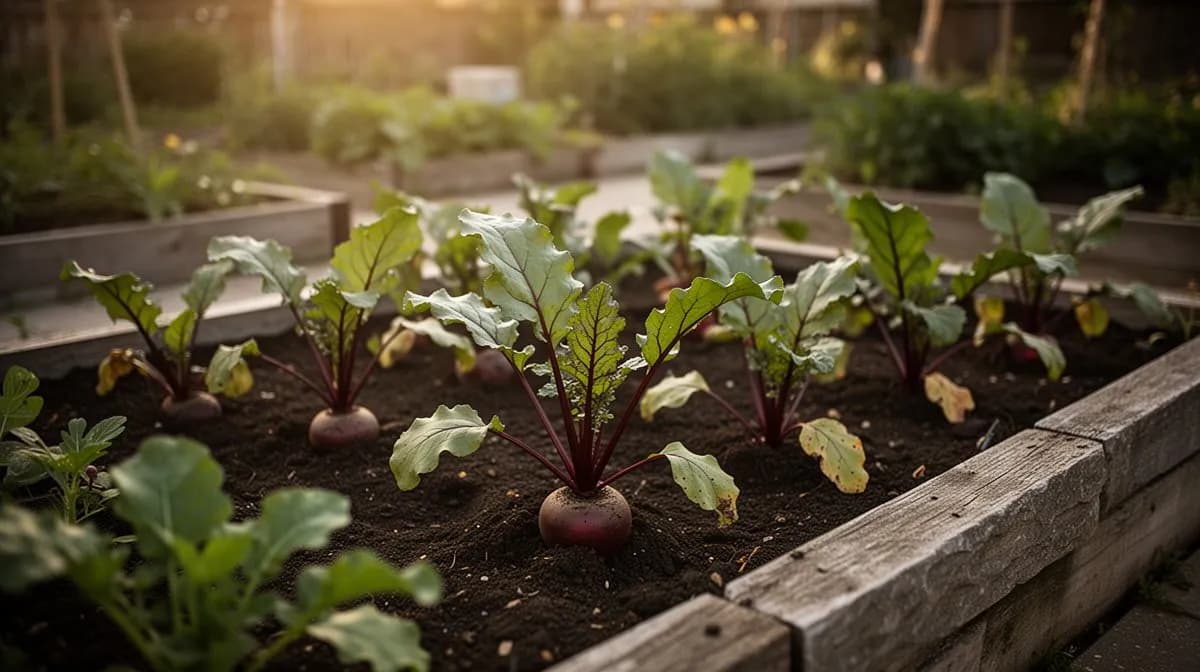
288 Pflanzen passen in ein Beet von 120 × 240 cm
Detroit Dunkelrote Rübe braucht 10 cm Platz pro Pflanze. Der Planer hält diesen Abstand für dich ein — jede Pflanze, jedes Beet.
Die besten Nachbarn für Detroit Dunkelrote Rübe
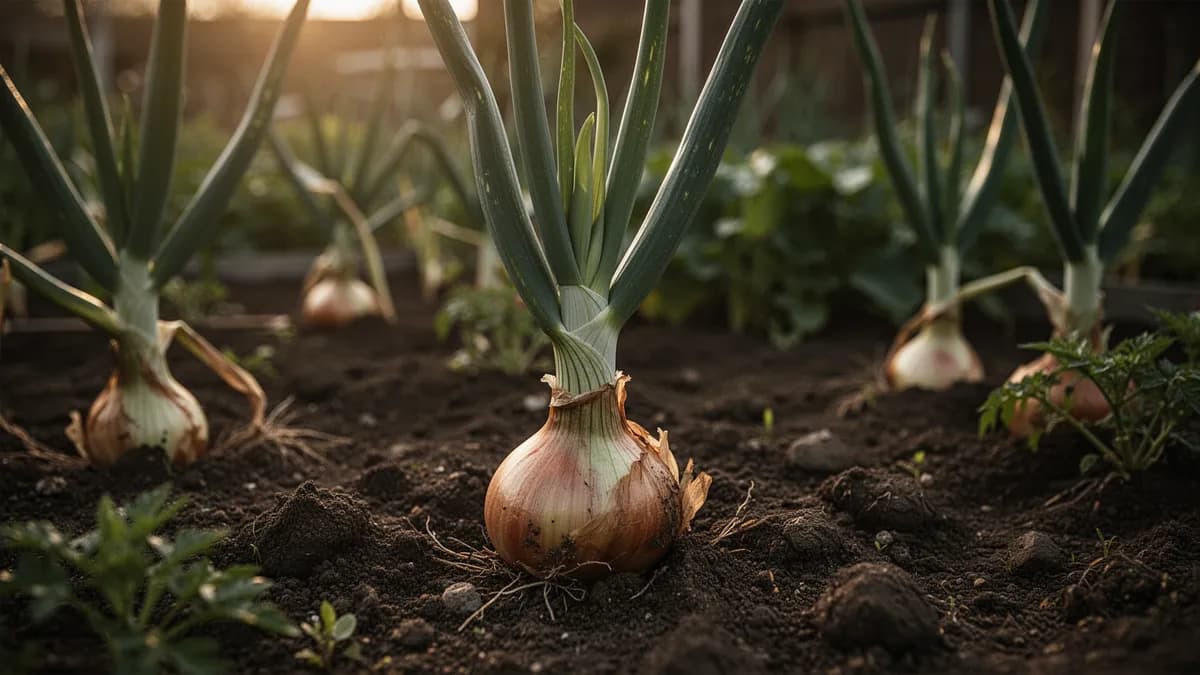
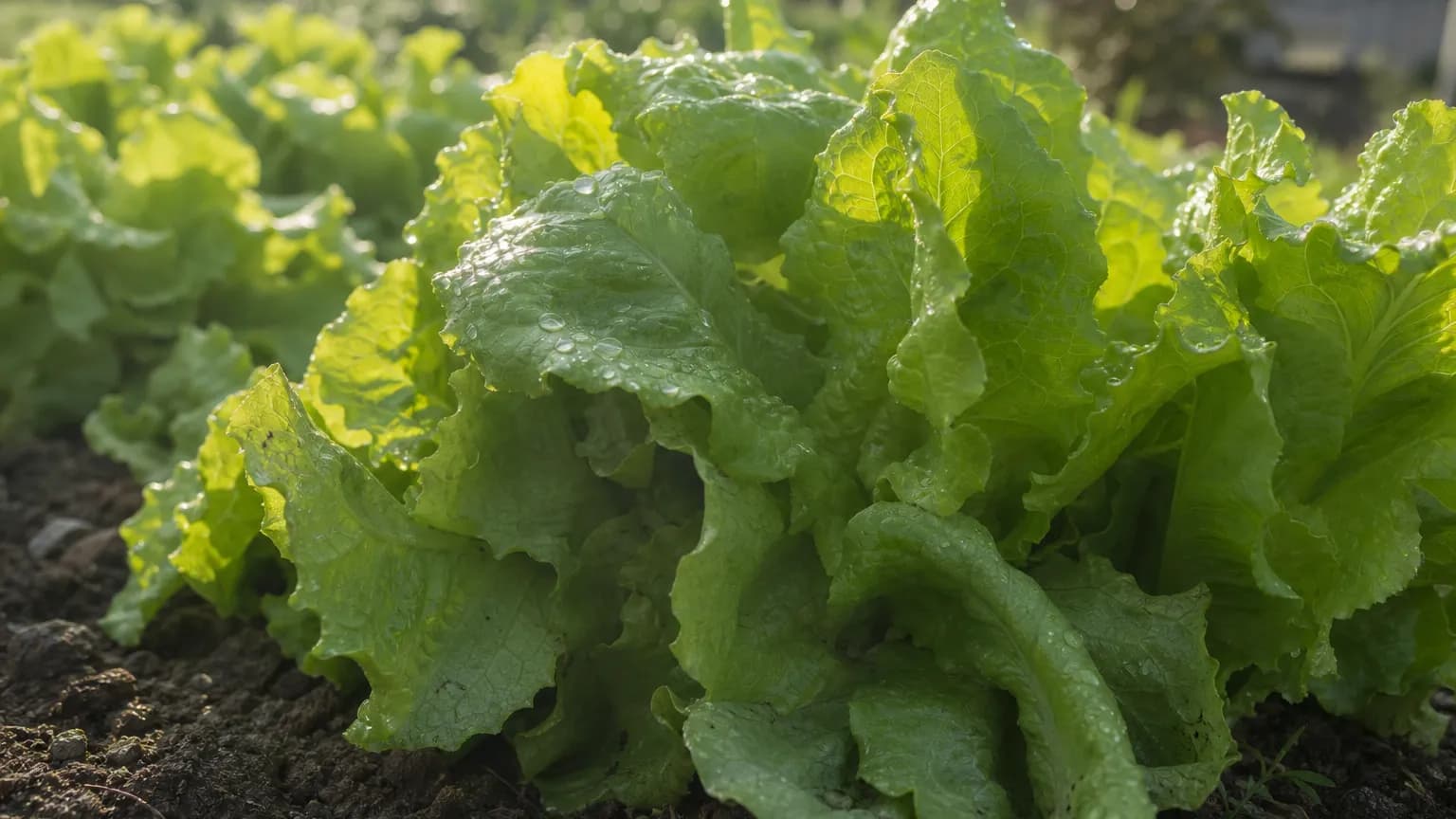
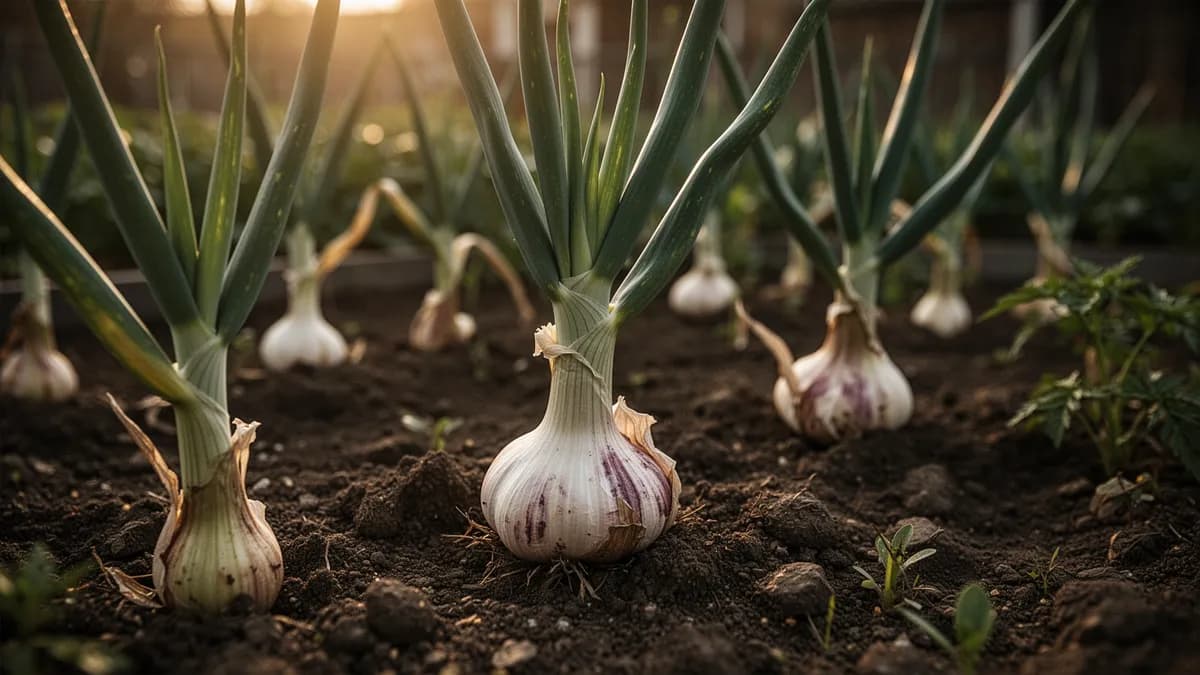
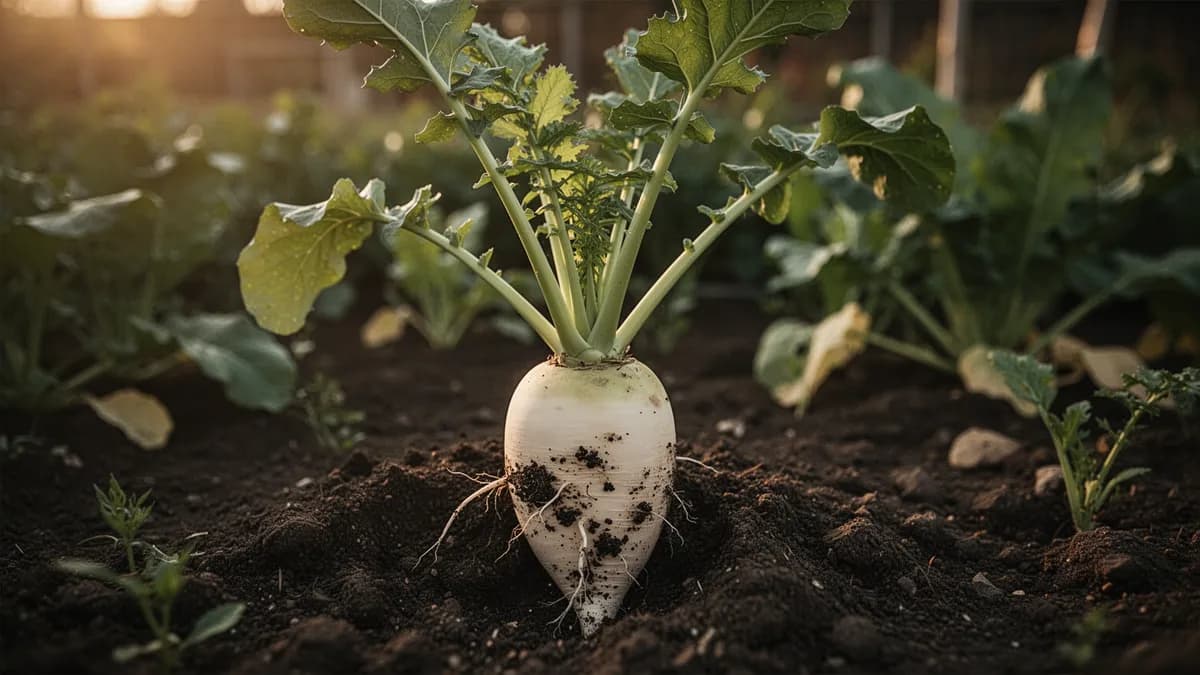
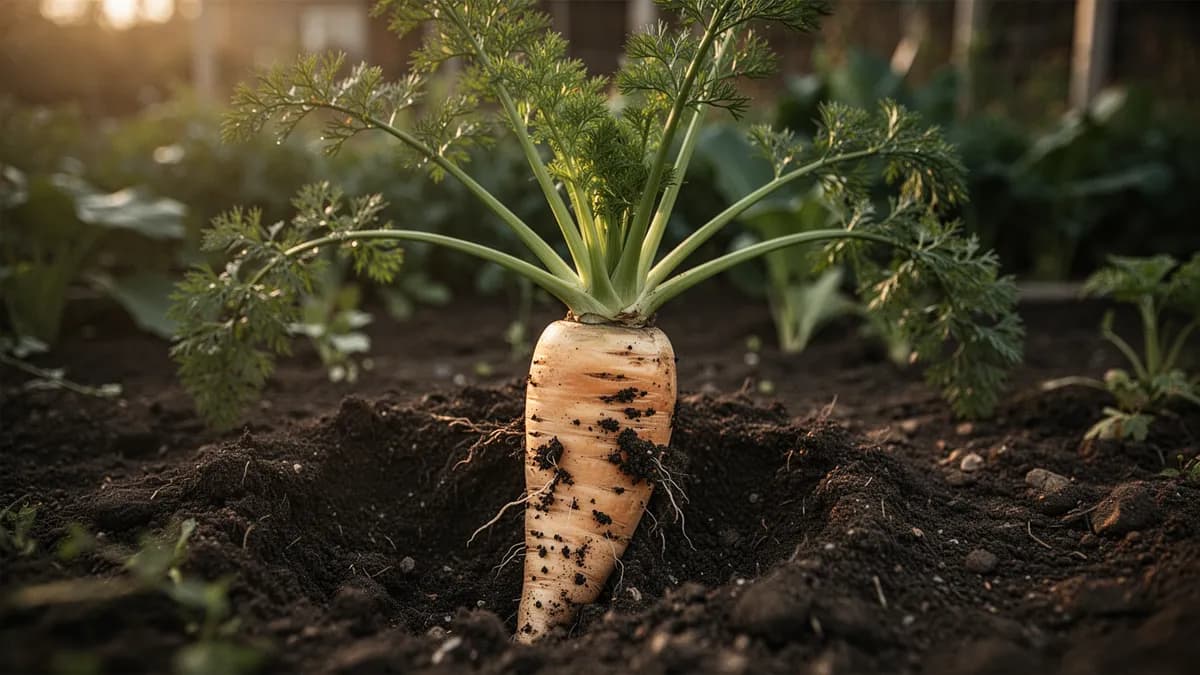
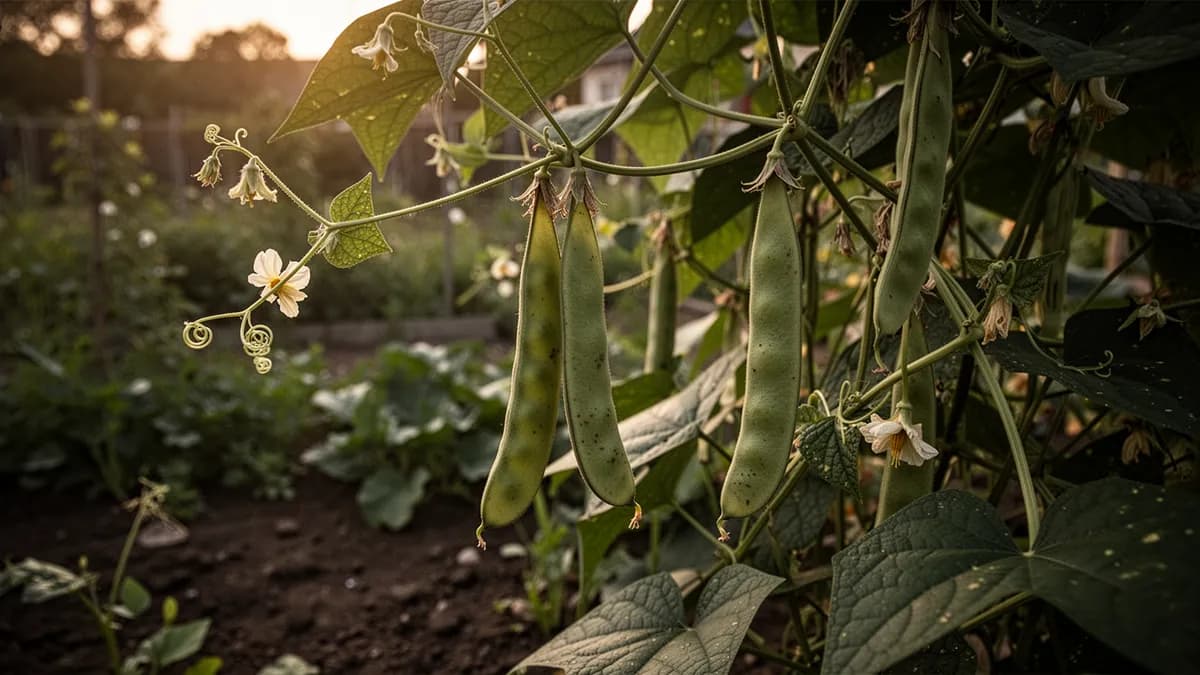
Detroit-Rüben gedeihen gut neben Zwiebeln, Knoblauch und Salat. Alliums helfen, Blattläuse und andere Schädlinge abzuschrecken. Salat bietet nützliche Bodenbedeckung, die Rübenwurzeln beschattet und Feuchtigkeit bewahrt. Nicht in der Nähe von Stangenbohnen pflanzen, da diese das Rübenwachstum hemmen. Brassika-Arten sind im Allgemeinen verträgliche Nachbarn. Rüben profitieren davon, nach stickstoffbindenden Kulturen wie Erbsen und Bohnen gepflanzt zu werden. In der Nähe gepflanzte Ringelblumen ziehen nützliche Insekten an und können dazu beitragen, Nematoden im Boden abzuschrecken.
Zwiebel gehört daneben. Feuerbohne nicht.
Altes Gärtnerwissen, geprüft an der echten Nachbartabelle von Detroit Dunkelrote Rübe — teste jede Pflanze, die du anbaust.
Probiere Detroit Dunkelrote Rübe direkt hier im Beet
Ein echtes Planer-Beet, Detroit Dunkelrote Rübe steht schon drin. Tippe einen Begleiter an, platziere ihn und sieh, wie die Nachbarschaftsprüfung antwortet — grün für gute Nachbarn, rot bei Streit.


Passende Anbau-Ratgeber
Richtig düngen
Detroit-Rüben wachsen am besten in tiefem, lockerem, steinfreiem Boden mit einem pH-Wert von 6,0–7,5. Den Boden vor der Aussaat gut auflockern und große Steine entfernen, die Wurzeldeformierungen verursachen können. Gut verrotteten Kompost einarbeiten, aber frischen Mist vermeiden, der zur Gabelung führt. Vor der Aussaat einen ausgewogenen Granulardünger ausbringen. Rüben haben einen moderaten Borbedarf, daher Borax mit 1 Gramm pro Quadratmeter ausbringen, wenn ein Mangel vermutet wird. Übermäßigen Stickstoff vermeiden, der das Blattwachstum auf Kosten der Wurzelentwicklung fördert.
Ideale Temperatur
Winterhärtezone-Kompatibilität
Von der Saat zur Ernte, Schritt für Schritt
Samenkeimung
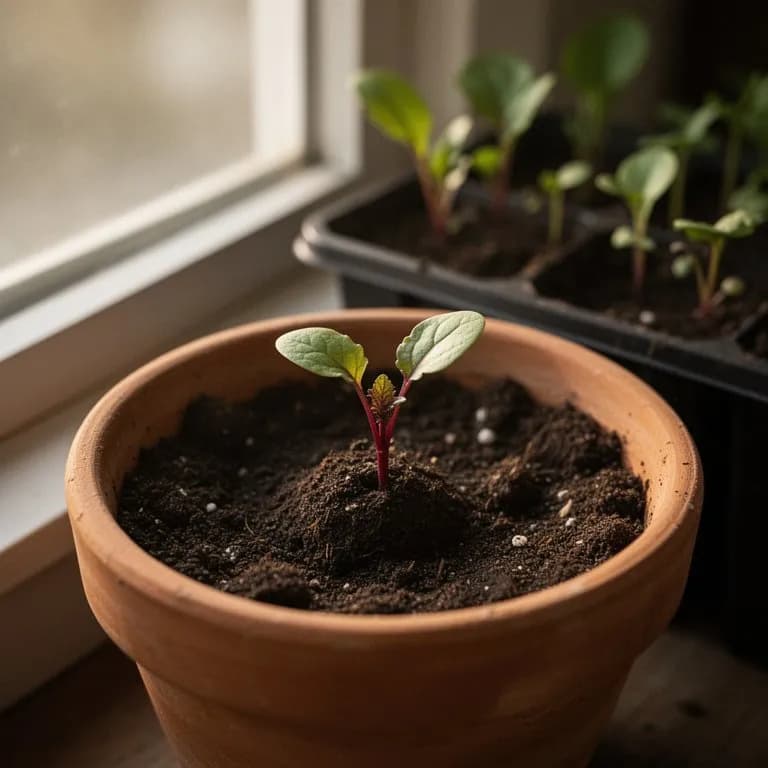
Rübensamen sind eigentlich getrocknete Fruchtcluster (mehrkernige Samenbälle), die jeweils 2–4 echte Samen enthalten, weshalb an jedem Saatpunkt mehrere Sämlinge auflaufen. Die Keimung dauert 7–14 Tage je nach Bodentemperatur, mit optimaler Keimung bei 10–25 °C (50–77 °F). Die ersten Strukturen, die erscheinen, sind kleine Keimblätter mit rötlichem Stängel.
Sämling & Ausdünnung
Aus jedem Samencluster keimen mehrere Sämlinge, die gedrängte Büschel bilden, die ausgedünnt werden müssen. Echte Blätter entwickeln sich mit der charakteristischen glänzend dunkelgrünen Oberfläche und tiefer rot-violetter Äderung. Die winzige Pfahlwurzel beginnt sich unter der Bodenoberfläche zu bilden.
Blattentwicklung
Die Blattrosette dehnt sich schnell aus und bildet 6–10 große, glänzende Blätter mit auffälligen roten Stängeln und Blattadern. Das Blätterdach beschattet den Boden und hilft, Unkraut zu unterdrücken. Unter der Erde beginnt die Pfahlwurzel spürbar anzuschwellen, während die Pflanze Zucker speichert, der durch ihre wachsende Blattfläche produziert wird.
Wurzelansatz
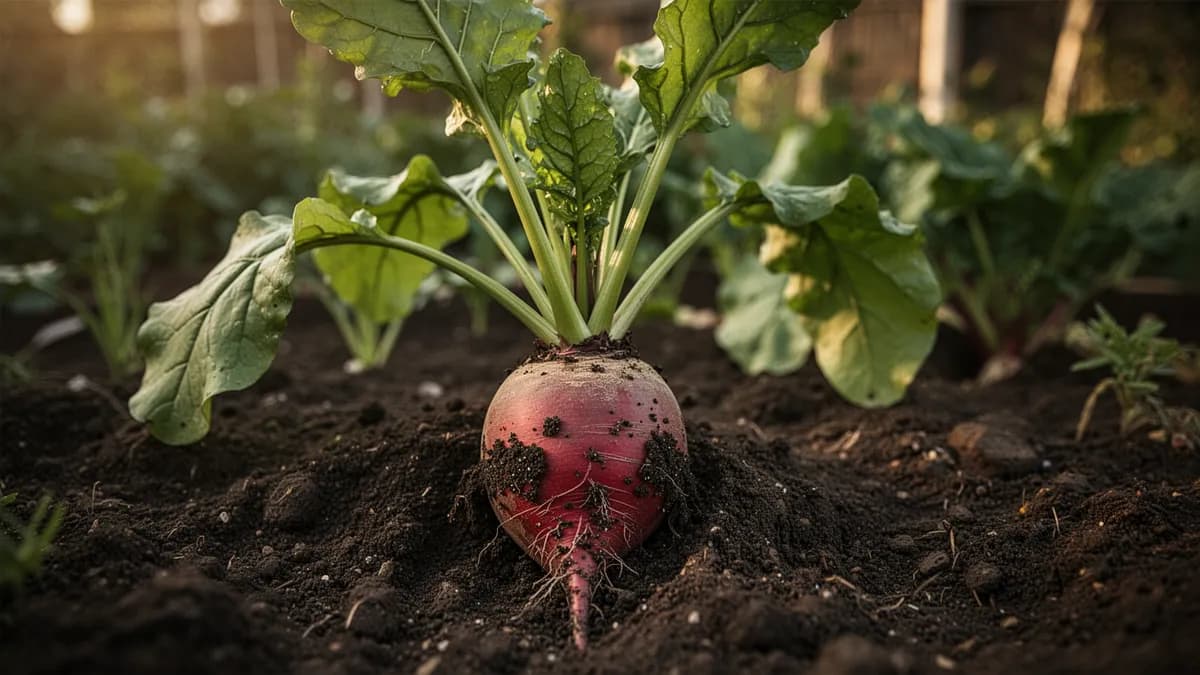
Die Wurzel schwillt schnell zum charakteristischen runden, tiefroten Globus an. Die Wurzelschultern beginnen über die Bodenoberfläche zu schieben, was die Überwachung der Größe erleichtert. Der Zuckergehalt steigt stetig mit der Reife der Wurzel an und entwickelt den süßen, erdigen Geschmack, für den Detroit Dunkelrot geschätzt wird.
Ernte-Zeitfenster
Wurzeln erreichen die ideale Erntegröße von 5–8 cm (2–3 Zoll) Durchmesser. Das Fruchtfleisch ist gleichmäßig tiefkarmesinrot mit minimalen helleren Zonenringen. Die süßesten, zartesten Rüben werden in diesem Stadium geerntet – größere Rüben werden zunehmend faserig und holzig im Kern.
Samencluster vor dem Pflanzen 2–4 Stunden in warmem Wasser einweichen, um die korkige Außenschale zu erweichen und die Keimung zu beschleunigen. 1–2 cm tief säen und den Boden während der Keimungsperiode gleichmäßig feucht, aber nie übernässt halten.
Detroit Dunkelrote Rübe Monat für Monat pflegen
Was du jeden Monat für deine Detroit Dunkelrote Rübe tun solltest
Oktober
Aktueller MonatHerbstrüben ernten, wenn sie die gewünschte Größe erreichen. Für Lagerrüben im Boden lassen, bis kurz vor einem starken Frost – leichte Fröste erhöhen tatsächlich den Zuckergehalt. Ernten, Grün auf 2–3 cm kürzen und ungewaschen in feuchtem Sand oder Torf bei 0–4 °C (32–39 °F) lagern.
Immer wissen, was jetzt im Garten zu tun ist
Eine E-Mail zum Monatsanfang: was du jetzt säen, pflanzen und anpacken solltest — für deine Detroit Dunkelrote Rübe und alles, was drumherum wächst. Dazu ein kurzer Startkurs, der dich vor den klassischen Fehlern bewahrt.
- Was jetzt zu tun ist
- Passend zu deiner Saison
- Startkurs inklusive
Detroit Dunkelrote Rübe ernten
Detroit-Rüben ernten, wenn die Wurzeln 5–8 cm Durchmesser erreichen, typischerweise 55–70 Tage nach der Aussaat. Wurzeln vorsichtig mit einer Gabel aus dem Boden heben oder ziehen, um Brüche zu vermeiden. Das Blattgrün ca. 3 cm über der Wurzel abdrehen statt abschneiden, da Schneiden dazu führt, dass die Rübe blutet und Farbe verliert. Babyrüben können bei 3–4 cm für ein süßeres, zarteres Geschmackserlebnis geerntet werden. Spät gesäte Rüben im Boden lassen, bis sie benötigt werden, da sie leichten Frost vertragen.
angenommen, du pflanzt zu Beginn des Zeitraums — trage dein tatsächliches Datum ein
Ernte Detroit Dunkelrote Rübe zügig, dann trägt die Pflanze weiter.
Lagerung & Konservierung
Frische Rüben lassen sich im Kühlschrank bis zu drei Wochen lagern, wenn das Grün entfernt wurde. Für längere Lagerung ungewaschene Wurzeln in Kisten mit feuchtem Sand an einem kühlen, frostfreien Ort aufbewahren, wo sie bis zu vier Monate haltbar sind. Rote Bete lässt sich hervorragend in Essig mit Gewürzen eingelegt konservieren. Rüben rösten oder kochen, dann in Scheiben schneiden und bis zu acht Monate einfrieren. Rübengrün sollte innerhalb weniger Tage frisch verwendet oder blanchiert und separat eingefroren werden. Getrocknete Rübenchips sind ein nahrhafter Snack.
Was schiefgeht — und die Lösung
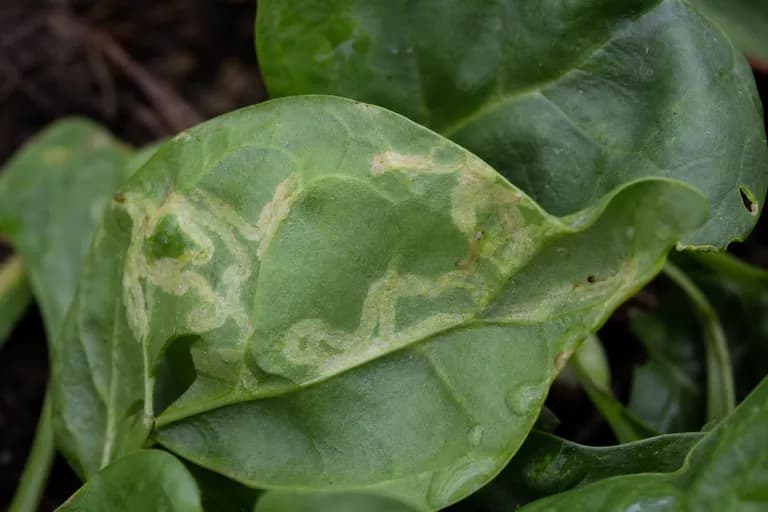
Blattminierfliegen
SchädlingBraune oder weiße fleckige Minen im Blattgewebe, wo sich die Larven ernähren. Blätter werden in den befallenen Bereichen papierartig und unansehnlich.
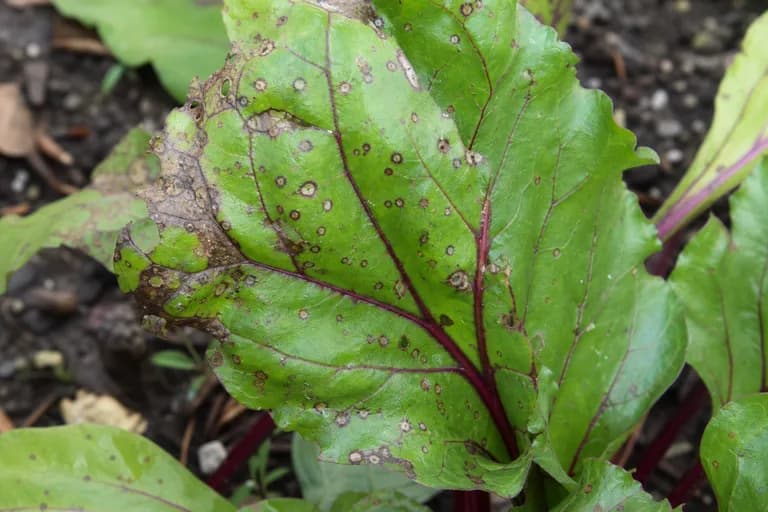
Cercospora-Blattfleckenkrankheit
KrankheitKleine, runde Flecken mit hellgrauem Zentrum und dunkel rotbraunem Rand auf den Blättern. In schweren Fällen kommt es zu erheblichem Blattverlust.
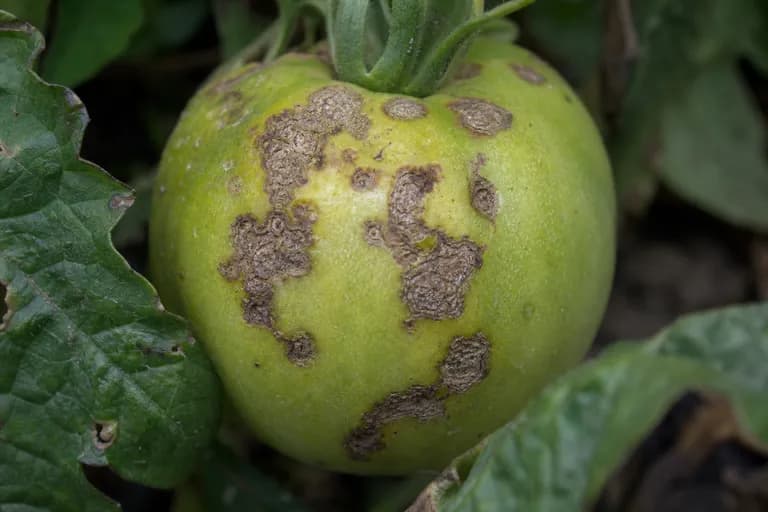
Schorf
KrankheitRaue, korkige Stellen auf der Wurzeloberfläche. Wurzeln bleiben essbar, sind jedoch kosmetisch beschädigt und schwieriger zu schälen.
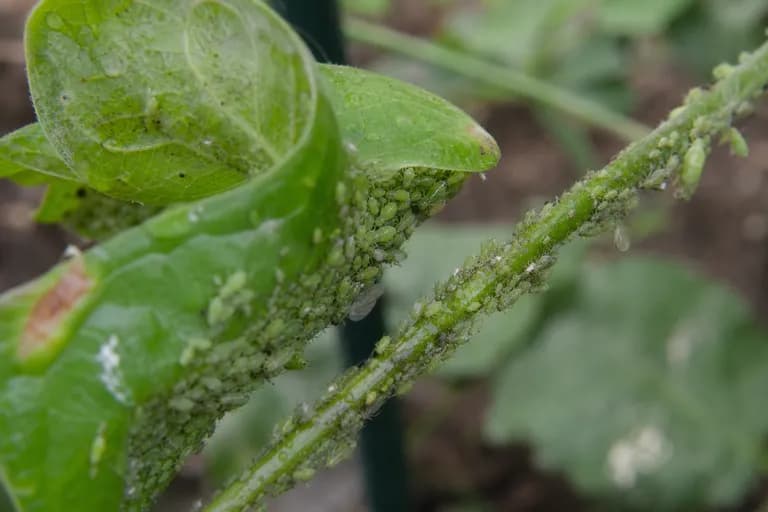
Blattläuse
SchädlingSchwarze Bohnenläuse, die sich an Blättern und Stängeln ansiedeln und Einrollen, Wachstumshemmung und klebrige Honigtauablagerungen verursachen.
Fehlerbehebung bei häufigen Problemen
Weiße Zonenringe im Inneren der Wurzel entstehen durch ungleichmäßiges Gießen, daher während der gesamten Wachstumsperiode gleichmäßige Bodenfeuchtigkeit aufrechterhalten. Bolzung tritt auf, wenn frühjahrsgepflanzte Samen eine Kältephase gefolgt von Wärme erleben. Bolzresistente Sorten für frühe Saaten verwenden. Kleine, zähe Wurzeln entstehen durch Überfüllung, daher Sämlinge gewissenhaft ausdünnen. Blattminierfliegenschäden sind unansehnlich, beeinträchtigen die Wurzelqualität jedoch nicht wesentlich. Gegabelte oder missgeformte Wurzeln werden durch steinigen Boden oder frischen Mist verursacht. Blasse Wurzeln deuten auf unzureichende Sonneneinstrahlung hin.
Anbautipps
- Samen direkt im Garten säen statt drinnen zu starten und zu verpflanzen. Rüben entwickeln eine empfindliche Pfahlwurzel, die Störungen abneigt, und verpflanzte Rüben produzieren oft missgeformte, gegabelte Wurzeln. Direktsaat ist schneller, einfacher und produziert besser geformte Wurzeln.
- Sämlinge ohne Zögern und ohne Verzögerung ausdünnen. Da jedes Rübensamencluster mehrere Samen enthält, ist das Ausdünnen unvermeidlich. Überschüssige auf Bodenhöhe im 5-cm-Stadium abschneiden – überfüllte Rüben produzieren nur Blätter und winzige, wertlose Wurzeln. Die Ausdünnsämlinge in Salaten verwenden.
- Während der gesamten Wachstumsperiode absolut gleichmäßige Bodenfeuchtigkeit aufrechterhalten. Die häufigste Ursache für zähe, holzige Rüben mit hellen inneren Ringen ist ungleichmäßiges Gießen. Mit Stroh oder gehäckselten Blättern mulchen und 2,5 cm Wasser pro Woche gießen, wenn der Regen unzureichend ist.
- Stickstoffreiche Dünger und frischen Mist vermeiden, die üppiges, überdimensioniertes Laub auf Kosten der Wurzelentwicklung fördern. Rüben gedeihen am besten in Boden, der mit gut gereiftem Kompost und einem ausgewogenen oder leicht phosphorlastigem Dünger verbessert wurde.
- Alle 2–3 Wochen von Frühjahr bis Spätsommer Folgesaat anlegen für kontinuierliche Ernte statt einer großen Ernte auf einmal. Eine alle 3 Wochen gesäte 2-Meter-Reihe liefert die gesamte Saison über eine stetige Versorgung mit perfekt großen Rüben.
- Bei 5–8 cm (2–3 Zoll) Durchmesser für die süßesten, zartesten Wurzeln ernten. Größere Rüben werden im Kern zunehmend faserig und holzig. Wurzelgröße prüfen, indem die Schulter vom Boden freigebürstet wird – wenn der sichtbare Teil Golfballgröße hat, ist er erntereif.
- Rüben in der kühlen Jahreszeit für überlegenen Geschmack anbauen. Frühlings- und Herbstrüben, die bei Temperaturen zwischen 10–20 °C (50–68 °F) wachsen, sind spürbar süßer als jene, die in der Mittsommerhitze reifen. Leichter Frost löst tatsächlich die Zuckeranhäufung in den Wurzeln aus.
- Das Grün nicht wegwerfen – Rübengipfel sind ernährungsphysiologisch den Wurzeln überlegen und enthalten deutlich mehr Eisen, Kalzium und Vitamin A. Außenblätter während der gesamten Wachstumssaison für das Sautieren ernten und die gesamte Blattkrone beim Ziehen der Wurzel verwenden.
Bau deine beste Detroit Dunkelrote Rübe an — und alles drumherum.
Starte heute kostenlos. Lege deine Beete an, setze deine Detroit Dunkelrote Rübe ein und lass PlotMyGarden Timing, Abstände, Begleiter und Erinnerungen von der Saat bis zum Erntekorb übernehmen.
Finde deine Detroit Dunkelrote Rübe
Detroit Dunkelrot
Die klassische Erbsorte mit perfekt runden, tiefroten Wurzeln und süßem, erdigem Geschmack seit 1892.
Detroit Supreme
Eine verbesserte Sorte mit besonders glatter Schale, gleichmäßiger Form und intensiver dunkelroter Innenfarbe.
Detroit 2 Nero
Dunkelschalige Selektion mit außergewöhnlich tiefrotem Fruchtfleisch und starker Bolzresistenz für eine verlängerte Ernte.
Boltardy
Aus Detroit-Zuchtlinien gezüchtet mit ausgezeichneter Bolzresistenz, ideal für frühe Frühjahrssaaten.
Pablo F1
Moderne Hybride mit runden Detroit-Typ-Wurzeln, sehr gleichmäßiger Größe und ausgezeichneten Lagereigenschaften.
Ein Päckchen Detroit Dunkelrote Rübensamen kostet 2–4 € und enthält 200–400 Samen – genug für mehrere Folgesaaten. Frische Rüben kosten im Supermarkt 3–5 € pro Bund (3–4 Rüben) und 4–7 € auf Bauernmärkten. Eine einzelne 3-Meter-Reihe kann Wurzeln im Wert von 15–30 € produzieren, und die Bonus-Ernte des nahrhaften Rübengrüns (separat für 3–5 € pro Bund verkauft) verdoppelt den Wert effektiv. Eingelegte Rüben (5–8 € pro Glas) und Rübensaft (6–10 € pro Flasche) aus der eigenen Ernte sparen noch mehr. Der Anbau von 3–4 Reihen über mehrere Saaten kann leicht 100–150 € pro Saison einsparen.
Schnelle Rezepte
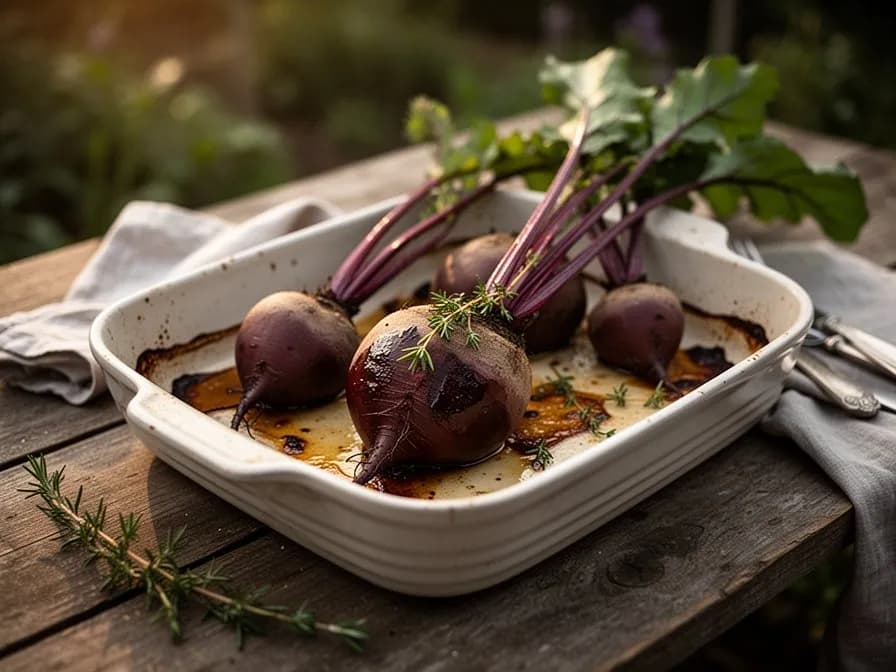
Klassisch geröstete Rüben mit Ziegenkäse und Walnüssen
50 Min.Der Goldstandard der Rübenzubereitung – Rösten konzentriert den natürlichen Zucker und verwandelt die erdigen Wurzeln in zarte, karamellisierte Juwelen. Kombiniert mit cremigem Ziegenkäse und gerösteten Walnüssen überzeugt dieses Gericht sogar selbsternannte Rüben-Skeptiker.
8 ZutatenSchnell eingelegte Kühlschrank-Rüben
30 Min.Würzige, süße und brillant gefärbte eingelegte Rüben, die in 24 Stunden fertig sind und sich wochenlang im Kühlschrank halten. Diese Methode ohne Einkochen bewahrt die Ernte ohne spezielle Ausrüstung und macht eine beeindruckende Ergänzung zu Salaten, Wurstplatten und Sandwiches.
10 ZutatenRüben-Rote-Linsen-Suppe
40 Min.Eine lebhafte, seidig-glatte Suppe, die die natürliche Süße der Rübe im Gleichgewicht mit wärmenden Gewürzen zeigt. Rote Linsen fügen Protein und Körper hinzu und schmelzen zu einem samtigen Püree. Beeindruckende Farbe und tiefes Geschmackserlebnis machen diese Suppe zu einem Kaltzeit-Klassiker.
10 ZutatenKulinarische Verwendung
Detroit Dunkelrote Rüben sind in der Küche vielseitig einsetzbar. Ganz mit Olivenöl und Kräutern rösten, um ihre erdige Süße zu konzentrieren. Roh in Salate oder Krautsalate reiben für lebhafte Farbe und Biss. Kochen oder dämpfen für klassische Zubereitungen mit Butter und Essig. Traditionelle Borschtsuppe zubereiten. In Essig mit Gewürzen einlegen für eine würzige Beilage. Das Grün ist köstlich in Olivenöl mit Knoblauch angebraten wie Mangold. Rübensaft erfreut sich zunehmender Beliebtheit als Gesundheitsgetränk und natürliche Lebensmittelfarbe.
Was drinsteckt
Gesundheitsvorteile
- Nahrungsnitrate in Rüben werden im Körper in Stickoxid umgewandelt, das Blutgefäße entspannt und den Blutdruck senkt – mehrere klinische Studien zeigen, dass das tägliche Trinken von 250 ml Rübensaft den systolischen Blutdruck innerhalb von Stunden um 4–10 mmHg senken kann.
- Betalain-Pigmente, die einzigartig für Rüben sind, sind starke Antioxidantien und entzündungshemmende Verbindungen, die nachweislich Marker für oxidativen Stress reduzieren und möglicherweise dazu beitragen, chronisch entzündliche Erkrankungen zu schützen.
- Reich an Folat (27 % TW pro 100 g), unerlässlich für die DNA-Synthese, Bildung roter Blutkörperchen und entscheidend während der Schwangerschaft zur Vorbeugung von Neuralrohrdefekten – Rüben sind eine der besten Vollwert-Folatquellen.
- Das Betain in Rüben unterstützt die Leberfunktion, indem es hilft, Fette zu verarbeiten und Fettleber vorzubeugen, und senkt gleichzeitig den Homocysteinspiegel im Blut – ein unabhängiger Risikofaktor für Herz-Kreislauf-Erkrankungen.
- Vorteile für die sportliche Leistung sind gut dokumentiert – die Nitrate im Rübensaft verbessern die Sauerstoffeffizienz beim Training, und Studien zeigen, dass Ausdauersportler die Zeit bis zur Erschöpfung durch regelmäßigen Rübensaftkonsum um 15–25 % verlängern können.
- Die Kombination aus Ballaststoffen, Wassergehalt und geringer Kaloriendichte (43 Kalorien pro 100 g) macht Rüben ausgezeichnet für das Gewichtsmanagement, während ihr natürlicher Zucker eine befriedigende Süße bietet, die das Verlangen nach verarbeiteten Süßigkeiten reduzieren kann.
Woher Detroit Dunkelrote Rübe stammt
Die Rübe (Beta vulgaris) stammt von der wilden Strandrübe (Beta vulgaris subsp. maritima) ab, einer mageren Küstenpflanze, die an den Ufern des Mittelmeers, der Atlantikküste Europas und Teilen Westasiens heimisch ist. Alte Zivilisationen in Mesopotamien, Ägypten, Griechenland und Rom bauten die Pflanze zunächst ausschließlich wegen ihrer Blätter an – was wir heute als Mangold und Rübengrün bezeichnen, ist im Wesentlichen dieselbe Art, die in unterschiedliche Richtungen selektiert wurde. Die alten Griechen opferten Apollo in seinem Tempel in Delphi Rüben, und Hippokrates empfahl Rübenblätter zum Verbinden von Wunden.
Die geschwollene Wurzel, die wir mit modernen Rüben assoziieren, tauchte erst in der spätrömischen Zeit als eigenständige Kulturpflanze auf und wurde erst ab dem 16. Jahrhundert in Deutschland und Italien weit verbreitet kultiviert. Frühe Wurzelrüben waren lang und rübenförmig mit blassem Fruchtfleisch. Die runde, tief pigmentierte Kugelrübe wurde durch selektive Züchtung in Nordeuropa zwischen dem 16. und 19. Jahrhundert entwickelt. Detroit Dunkelrot, um 1892 von D.M. Ferry & Company aus Detroit, Michigan eingeführt, stellte einen Durchbruch in Gleichmäßigkeit, Farbtiefe und Süße dar. Seine perfekt runde Form, gleichmäßig tiefkarmesinrotes Fruchtfleisch mit minimaler hellerer Ringzonierung und ausgezeichnete Einmachqualität machten es zur definitiven amerikanischen Rübe.
Seit über 130 Jahren hat Detroit Dunkelrot seine Position als meistangebaute Rübensorte in Nordamerika behauptet. Es erhielt eine All-America Selections-Auszeichnung und bleibt der Maßstab, an dem alle anderen roten Rüben gemessen werden. Sein Einfluss reicht über den Garten hinaus – Detroit Dunkelrot-Genetik bildet die Grundlage vieler moderner Rübenkultivare. Heute werden Rüben kommerziell in gemäßigten Regionen weltweit angebaut, wobei die größten Produzenten Russland, Frankreich, die Vereinigten Staaten und Deutschland sind. Der weltweite Wiederaufschwung des Interesses an Rüben seit den 2000er Jahren wurde durch die Forschung zu ihrem bemerkenswerten Nitratgehalt und den kardiovaskulären Gesundheitsvorteilen vorangetrieben und hat Rüben von einem bescheidenen Wurzelkellervorrat zu einem gefeierten Superfood transformiert.
Detroit Dunkelrote Rübe: Schon gewusst?
Faszinierende Fakten über Detroit Dunkelrote Rübe
Detroit Dunkelrot wurde um 1892 in Detroit, Michigan entwickelt und ist seitdem über 130 Jahre lang die meistangebaute Rübensorte in Nordamerika geblieben – eine außergewöhnliche Dominanzperiode, mit der nur wenige Gemüsekultivare irgendeiner Art mithalten können.
Detroit Dunkelrote Rübe: Fragen & Antworten
Wann sollte ich Detroit Dunkelrote Rübe pflanzen?
Was sind gute Begleitpflanzen für Detroit Dunkelrote Rübe?
In welchen Winterhärtezonen kann Detroit Dunkelrote Rübe wachsen?
Wie viel Sonne braucht Detroit Dunkelrote Rübe?
Welchen Abstand sollte ich zwischen Detroit Dunkelrote Rübe lassen?
Welche Schädlinge und Krankheiten befallen Detroit Dunkelrote Rübe?
Wie lagere ich Detroit Dunkelrote Rübe nach der Ernte?
Was sind die besten Detroit Dunkelrote Rübe-Sorten zum Anbauen?
Welchen Boden braucht Detroit Dunkelrote Rübe?
Warum entwickeln meine Rüben große Blätterkronen, aber winzige Wurzeln?
Warum sind meine Rüben zäh und holzig mit blassen Ringen innen?
Kann ich Rübengrün essen und ist es nahrhaft?
Wie lagere ich Rüben, damit sie den Winter überdauern?
Warum keimen an jedem Saatpunkt mehrere Sämlinge auf?
Wann ist die beste Zeit, in meiner Region Rüben zu pflanzen?
Du hast die Theorie gelesen. Jetzt baue sie auf Autopilot an.
Alles, was Detroit Dunkelrote Rübe knifflig macht — das Timing, die Abstände, die Begleiter, das Erntefenster — genau das übernimmt PlotMyGarden für dich, für jede Pflanze im Garten.
Ein Plan, der dein Wetter kennt
Standort einmal festlegen. Aussaat-, Dünge- und Erntedaten rund um deinen echten letzten Frosttermin und die Live-Vorhersage — kein Raten mehr nach Saattüte.
Aus dem Abschnitt „Pflanzzeit“Beetplaner per Drag & Drop
Beete auf einem Raster gestalten. Jede Pflanze rastet im richtigen Abstand ein, und du siehst die ganze Saison, bevor du einen Cent für Saatgut ausgibst.
Aus dem Abschnitt „Anbau“Begleiter-Konflikte früh erkannt
Über 200 gute und schlechte Kombinationen werden beim Pflanzen live geprüft — so landet ein saisonruinierender Fehler nie in der Erde.
Aus dem Abschnitt „Begleiter“Erinnerungen, nach denen du wirklich handelst
„Gieß die Bohnen.“ „Heute ernten, bevor's umschlägt.“ Pünktlich, konkret und auf deine echten Pflanzen bezogen.
Aus dem Abschnitt „Ernte“Staffel-Aussaat, geplant
Sechs Wochen ernten statt sechs Tage? Die App verteilt deine Aussaaten automatisch und erinnert dich, wenn der nächste Satz fällig ist.
Aus dem Abschnitt „Pflanzzeit“Ein Verlauf, der schlauer wird
Jede protokollierte Ernte bringt der App deinen Garten bei. Der Plan fürs nächste Jahr startet bei dem, was in deinem Boden wirklich funktioniert hat.
Aus dem Abschnitt „Überblick“Pflanze diese neben Detroit Dunkelrote Rübe
Weitere Wurzelgemüse
Halte Detroit Dunkelrote Rübe von diesen fern
Bau deine beste Detroit Dunkelrote Rübe an — und alles drumherum.
Starte heute kostenlos. Lege deine Beete an, setze deine Detroit Dunkelrote Rübe ein und lass PlotMyGarden Timing, Abstände, Begleiter und Erinnerungen von der Saat bis zum Erntekorb übernehmen.