Clumping Bamboo
typical season: plant Mar – Sep · set your climate
A fast-growing, non-invasive clumping bamboo that forms dense evergreen screens without the aggressive spreading that gives running bamboos their bad reputation.
On this pageOverview
Meet Clumping Bamboo
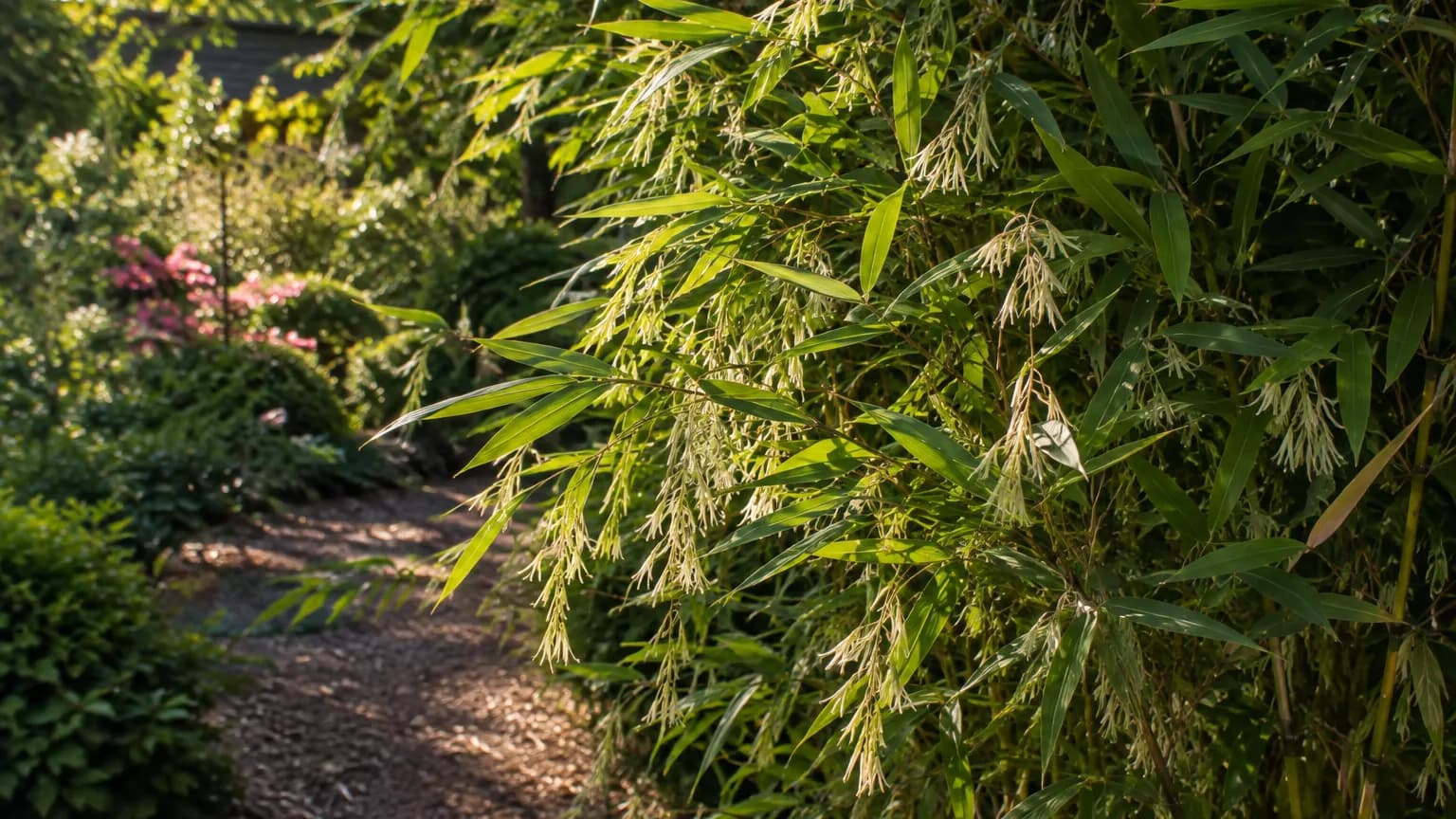
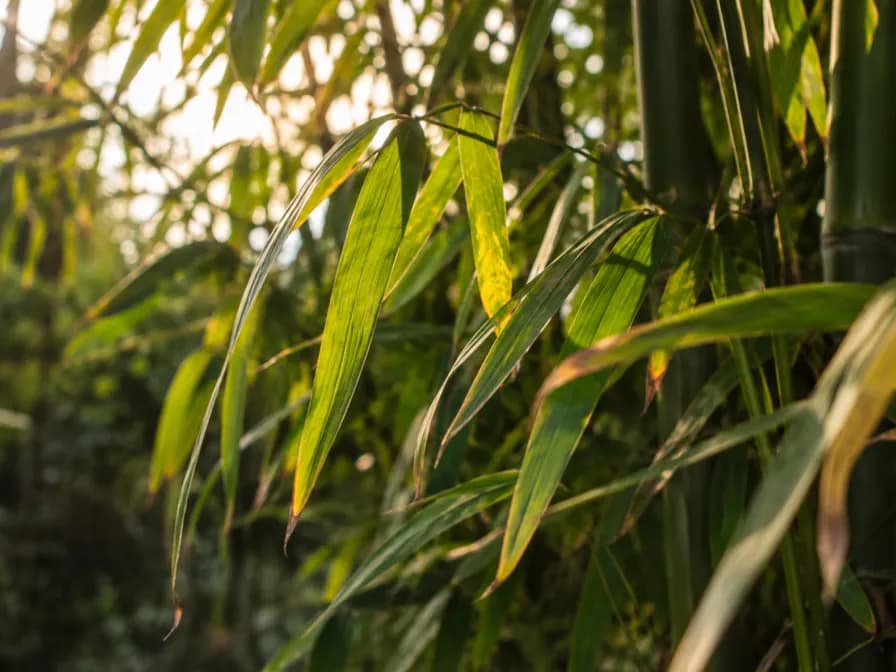
A fast-growing, non-invasive clumping bamboo that forms dense evergreen screens without the aggressive spreading that gives running bamboos their bad reputation. Fargesia species have short pachymorph rhizomes that expand the clump only a few centimeters per year, so no root barrier or containment trenching is needed. Fountain-shaped clumps of slender canes reach 3 to 5 meters, making clumping bamboo one of the quickest ways to grow a living privacy wall in partial shade. Hardy in zones 5 to 9, it prefers humus-rich, consistently moist soil and shelter from hot, drying winds.
When to plant Clumping Bamboo
Forget seed: Fargesia flowers only once every several decades to a century, so viable seed is essentially unavailable, and seedlings vary wildly. Clumping bamboo is propagated by division, and the same technique is how you transplant or share it. In spring, just before the shooting season, dig out an outer section of an established clump with three to five healthy canes and a good mass of roots and rhizome buds. Cut the canes back by a third to reduce moisture loss, replant immediately at the same depth, and water generously for the rest of the season. Divisions sulk for a year, then grow away strongly.
Your Clumping Bamboo Year
Composed for Zone 7 · typical seasons · frost passes Apr 2, returns Nov 1
Plant Clumping Bamboo Mar – May, Sep, in bloom Jan – Feb, Aug – Sep, Dec. Check the planting methods below and set your climate to personalize these windows.
Clumping Bamboo in bloom this season? Its next window opens Sep 1
One email a few days before it opens where you garden.
One email per milestone, never more than one a week. Unsubscribe with one tap. No account needed.
How to grow Clumping Bamboo
Plant clumping bamboo in partial shade to dappled sun, sheltered from hot afternoon sun and drying winds, which scorch the evergreen foliage. Fargesia species thrive in humus-rich, moisture-retentive but well-drained soil with a pH of 5.5 to 7.0. For a privacy screen, space plants 1 to 1.5 meters apart; a staggered double row closes gaps faster. Spring and early autumn are the best planting windows. Set the root ball at the same depth it grew in the container, water in deeply, and mulch immediately.
Keep the root zone consistently moist during the first two growing seasons while the clump establishes; bamboo resents both drought and waterlogging. Apply an 8 to 10 centimeter layer of compost or leaf mold each spring and leave fallen bamboo leaves in place — they return silica to the soil and are the clump's natural mulch. Feed with a high-nitrogen lawn fertilizer or composted manure in spring and again in early summer to fuel the annual shooting season. Container-grown bamboo needs more frequent watering and feeding, since the confined root ball dries out quickly.
Clumping bamboo needs almost no pruning to hold its shape. Once a year, remove dead, damaged, or spindly canes at ground level with loppers, and thin out the oldest canes every few years to let light and air into the clump. To cap the height of a screen, cut the tops of the canes to the desired level — the canes will not grow taller afterward. Every 5 to 10 years, divide congested clumps in spring to rejuvenate them and produce new plants. If your bamboo ever flowers, cut the flowering canes out and feed and water the clump generously; Fargesia often survives flowering, unlike many running bamboos that die outright.
Clumping Bamboo's best neighbours
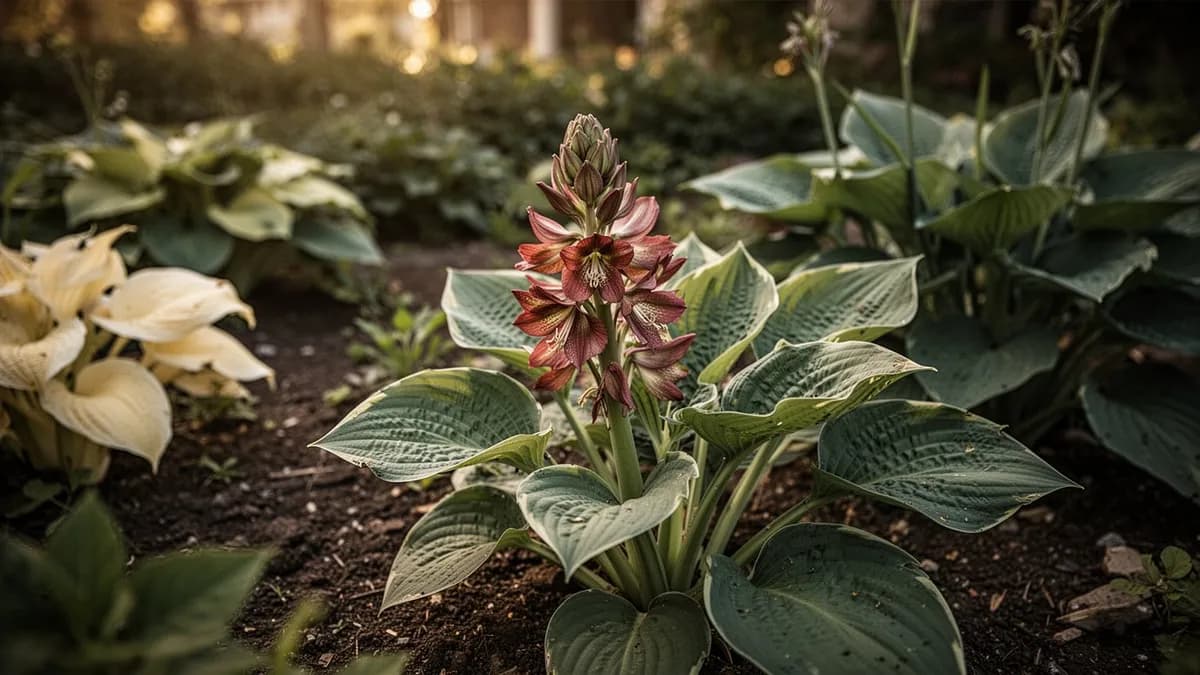
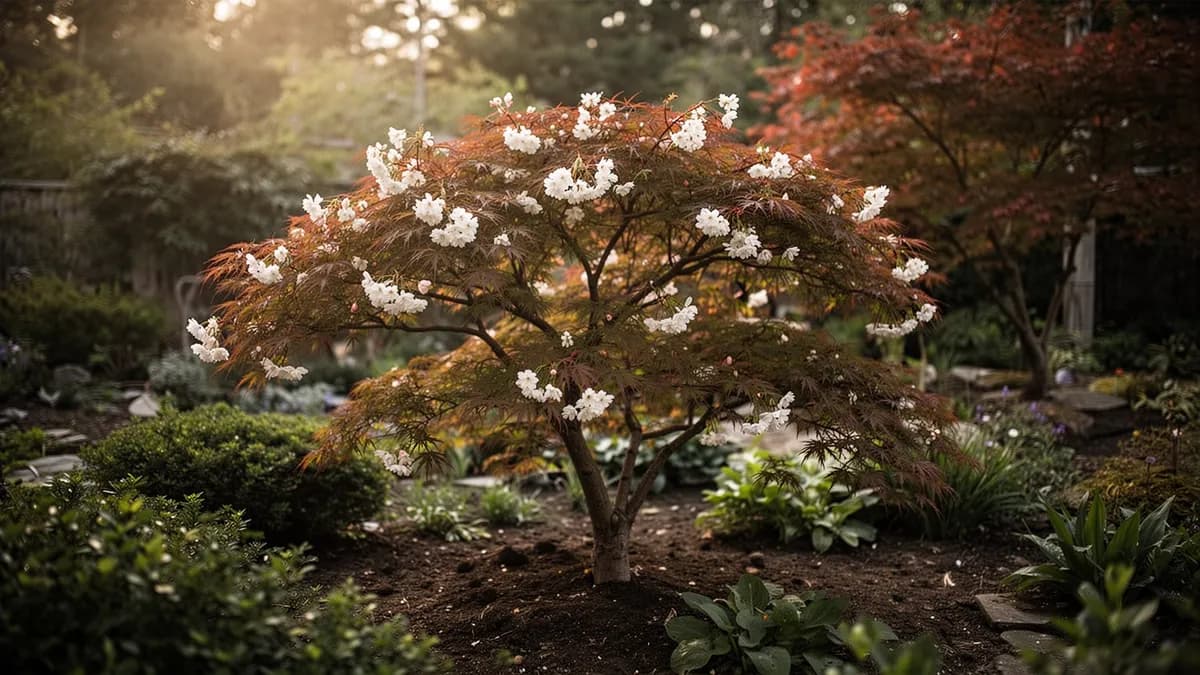
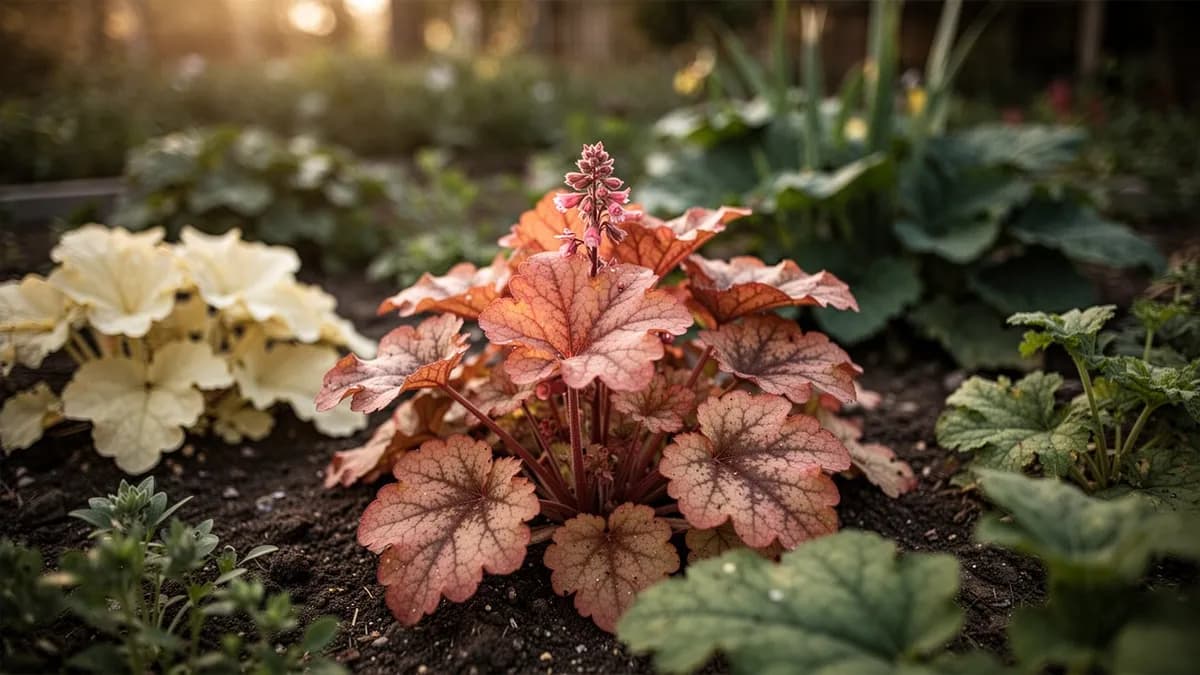
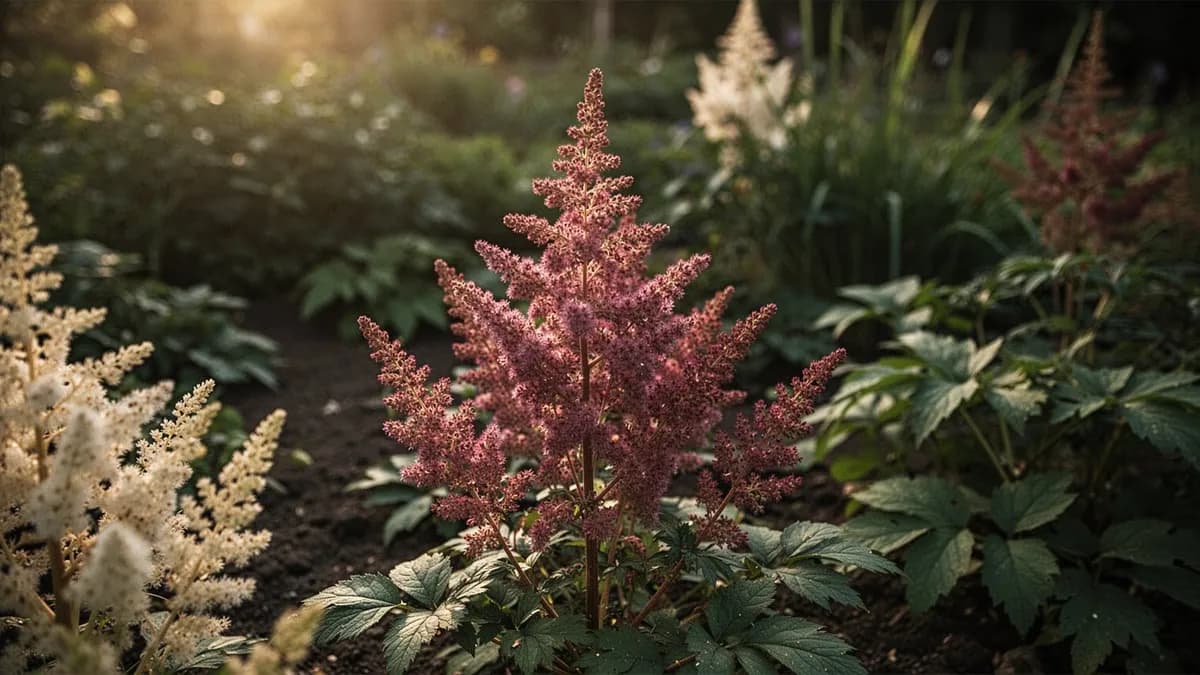
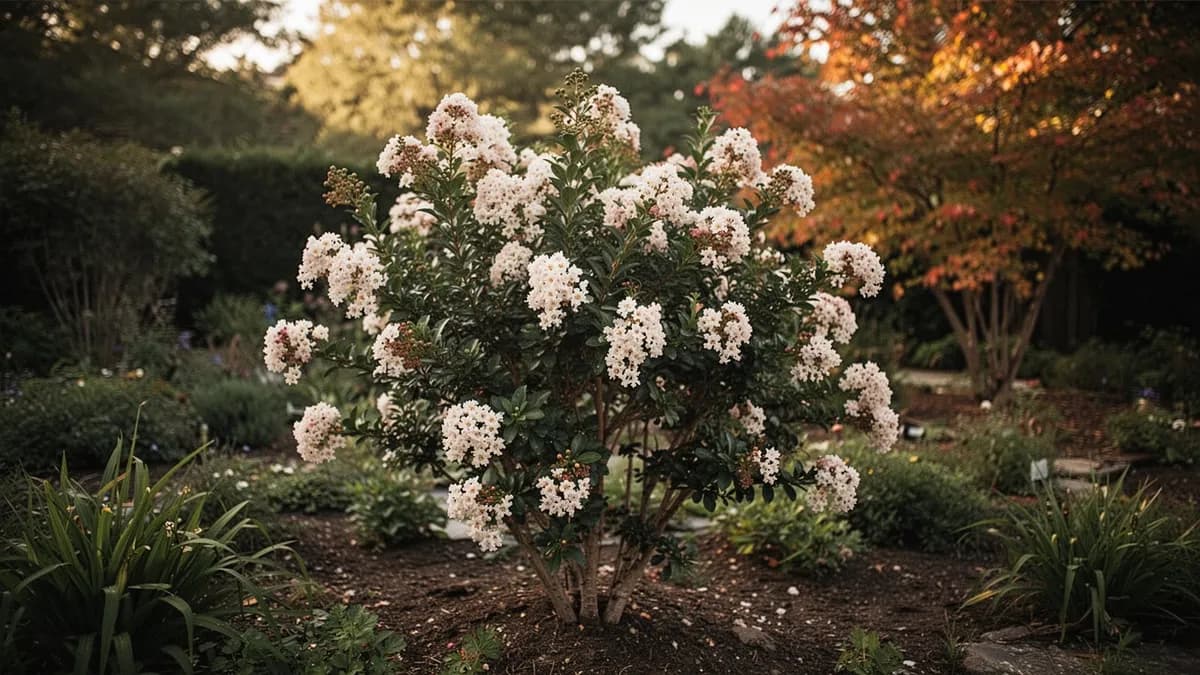
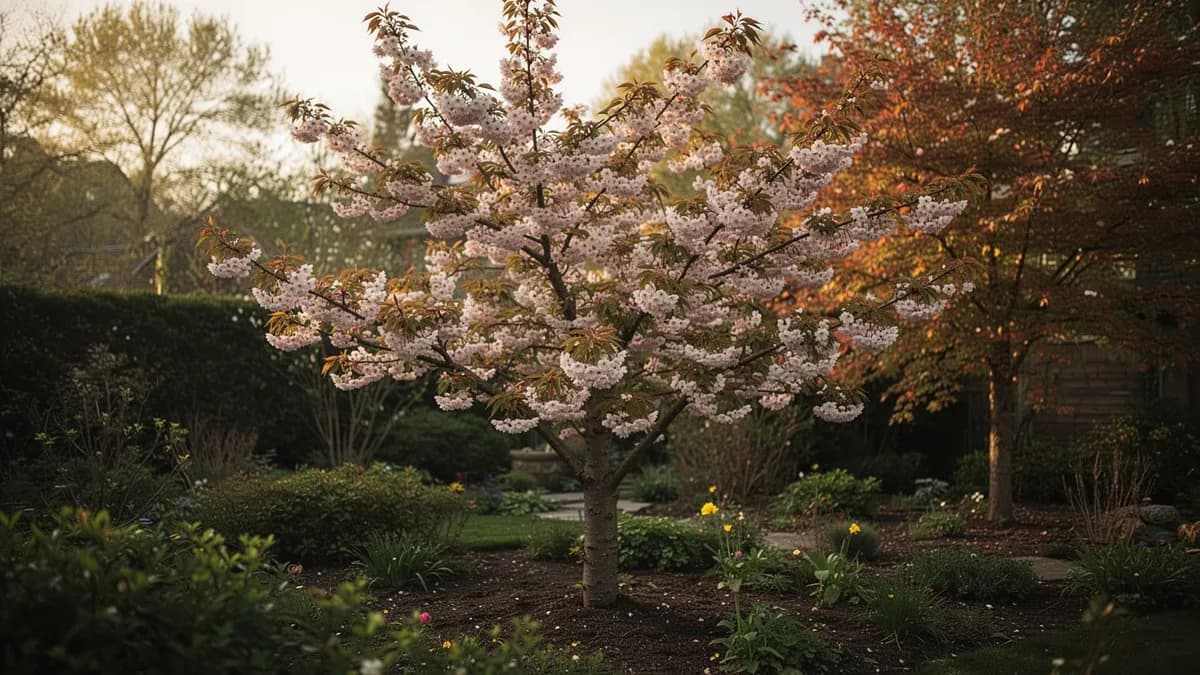
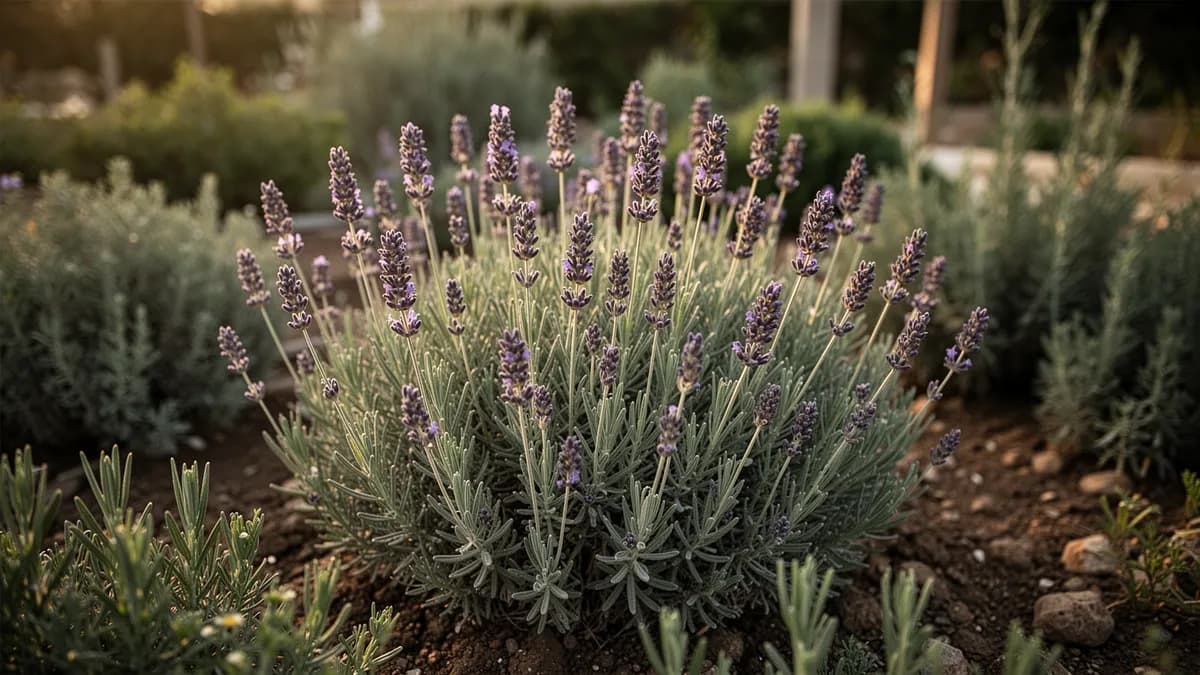
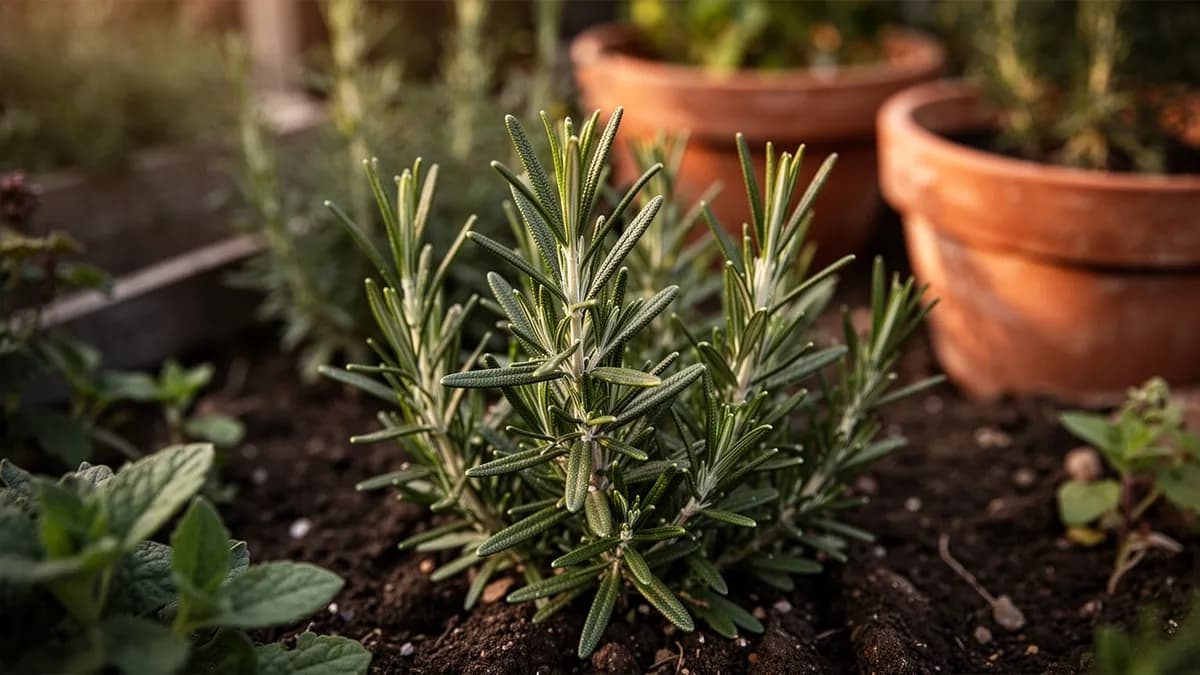
Clumping bamboo pairs beautifully with other shade-tolerant, moisture-loving plants that echo its Asian woodland origins. Underplant the clump with hostas, heucheras, and astilbes, which enjoy the cool, mulched soil and dappled light beneath the canes. A Japanese maple nearby creates a classic layered composition of fine textures. Keep shallow, aggressive spreaders such as mint away from the clump, where they tangle hopelessly with the rhizomes. Avoid neighbors like lavender and rosemary that demand dry, lean, full-sun conditions — the rich, moist soil bamboo loves will rot them.
Hosta belongs beside it. Lavender doesn't.
Old growers' knowledge, checked against Clumping Bamboo's real companion table below — test any plant you're growing.
Related growing guides
Feed it well
Clumping bamboo performs best in humus-rich, loamy soil that holds moisture yet drains freely, with a pH of 5.5 to 7.0. Work generous compost or well-rotted manure into the planting area, and mulch the root zone 8 to 10 centimeters deep every spring, keeping mulch clear of the canes themselves. Bamboo is a hungry grass: feed with a high-nitrogen lawn fertilizer, composted poultry manure, or an organic equivalent in early spring and again in early summer. Leave fallen bamboo leaves where they drop — they recycle silica and shade the shallow rhizomes. Avoid waterlogged sites, which quickly rot the rhizomes.
Ideal Temperature
Hardiness Zone Compatibility
From seed to harvest, stage by stage
Planting and Root Establishment
After planting a container-grown clump or fresh division, bamboo invests nearly all its energy below ground. The short pachymorph rhizomes push outward just a few centimeters while fine roots colonize the surrounding soil. Top growth looks stalled, and a few leaves may yellow and drop — this is normal transplant adjustment, not failure. The root ball must never dry out during this phase, as the shallow rhizomes are extremely vulnerable before new roots extend.
First Shooting Season
The first spring after planting brings the moment every bamboo grower waits for: pointed new shoots push through the mulch around the clump's edge. Each shoot rockets upward and reaches its final height within six to eight weeks, then unfurls branches and leaves. First-season canes typically reach only a third to half of the variety's mature height — the clump simply does not yet have the root mass to power taller canes. This is entirely normal and improves every year.
Clump Development
In year two the clump visibly gains confidence. The spring shoot cohort is taller and thicker than the first, the canes from the previous year develop their full complement of side branches and foliage, and the clump's footprint widens modestly — remember, pachymorph rhizomes creep only a few centimeters annually, the defining difference from running bamboo. The evergreen canopy now provides light screening through winter, and the clump begins to look like a deliberate garden feature rather than a new planting.
Screen Formation
By the end of year three, plants spaced 1 to 1.5 meters apart knit together into a genuine privacy screen 2 to 3 meters tall. Each spring's canes now approach the variety's full height, and the foliage mass is dense enough to block sightlines year-round. The clump is effectively mature in function, though it will keep improving in density for several more years. Leaf litter begins accumulating naturally around the canes — leave it in place as the bamboo's own self-mulch.
Mature Evergreen Screen
The mature clump reaches its variety's full height of 3 to 5 meters and settles into a predictable annual rhythm: a flush of new canes each spring or early summer, light leaf turnover in spring as older foliage drops, and dense evergreen presence the rest of the year. Maintenance shifts from building the plant to managing it — annual thinning, occasional topping, and steady feeding and mulching keep the screen at its peak for decades.
Renewal and Longevity
A well-maintained clumping bamboo remains productive and handsome for many decades. Individual canes live five to fifteen years before fading, so the clump continuously renews itself from the rhizome. Very rarely — roughly once in several decades to over a century for Fargesia — a clump flowers gregariously, sets seed, and is left weakened. Most clumps recover if flowering canes are removed promptly and the plant is fed and watered generously; badly weakened clumps are best replaced with a fresh division.
Water deeply two to three times a week in the absence of rain, and mulch 8-10 cm deep right away. Do not fertilize in the first six weeks after planting; wait until you see fresh green leaves. Shelter the young clump from strong wind with temporary screening if the site is exposed.
Caring for Clumping Bamboo month by month
What to do each month for your Clumping Bamboo
November
You are hereErect windbreak fabric on the windward side of young or exposed clumps before winter gales arrive. Mulch the root zone a final time. Move container bamboo against a sheltered wall. The evergreen screen now earns its keep, holding structure and privacy while the rest of the garden goes bare.
Harvesting Clumping Bamboo
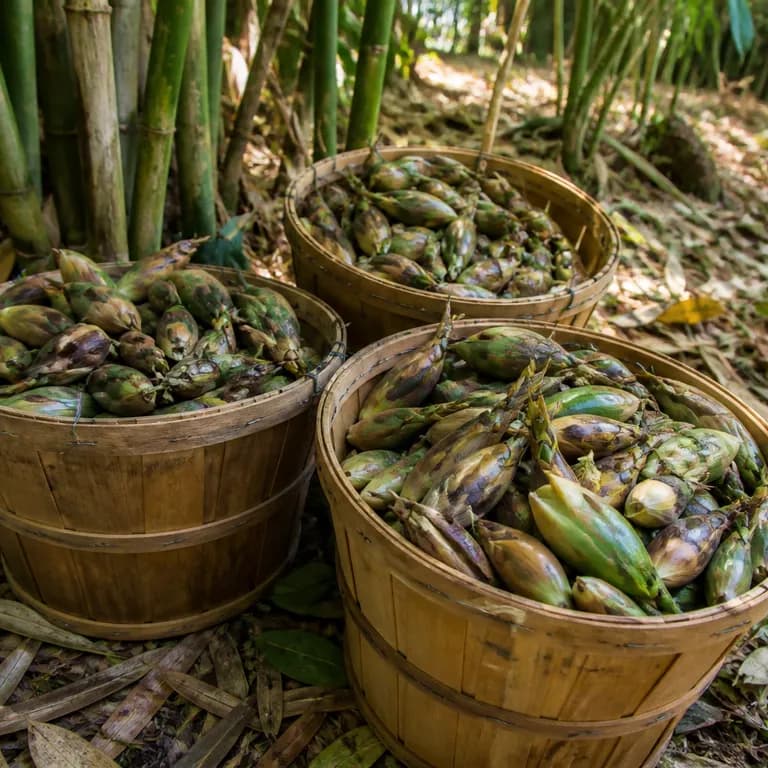
Clumping bamboo is grown for its year-round evergreen presence rather than a crop, but annual thinning doubles as a useful harvest. Cut canes for garden stakes, trellises, and crafts only once they are at least three years old — young canes lack the woody strength to last. Harvest in late summer or winter with a fine-toothed saw, cutting flush at ground level, and leave the leafy tops on the ground as mulch. Cure cut canes laid flat in a dry, shaded, airy place for six to eight weeks before use. Never remove more than a third of the canes in a single year.
What goes wrong — and the fix
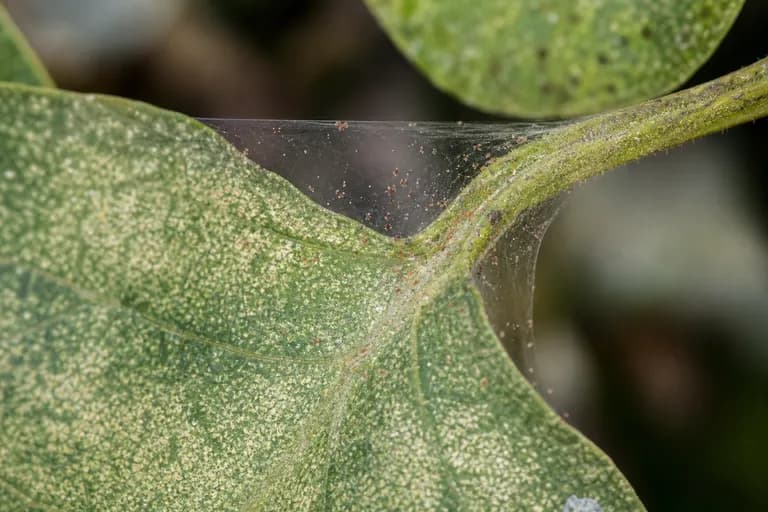
Bamboo Spider Mites
PestFine yellow stippling on leaves, premature leaf drop, and faint webbing on the undersides of foliage. Damage worst in hot, dry weather and on stressed plants.
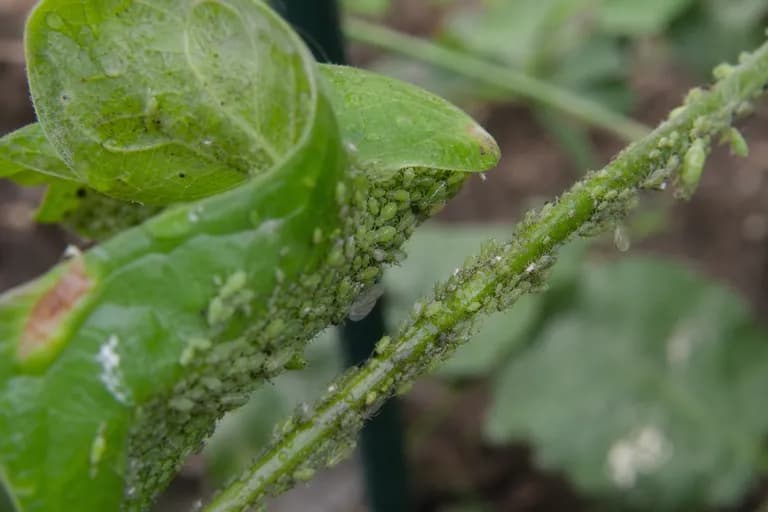
Bamboo Aphids
PestClusters of small dark aphids on new shoots and leaf undersides. Sticky honeydew on foliage, often followed by black sooty mold and attendant ants.
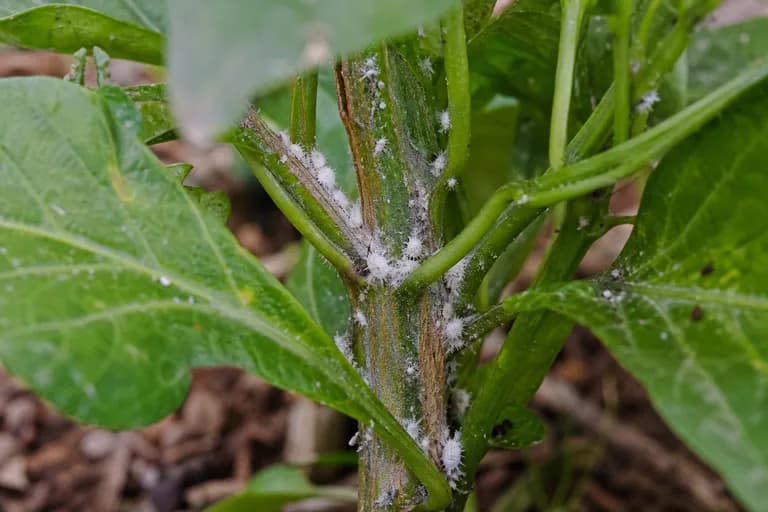
Scale Insects and Mealybugs
PestSmall brown or white bumps stuck to canes and leaf bases, or cottony white masses in leaf sheaths. Honeydew and sooty mold often accompany heavy infestations.
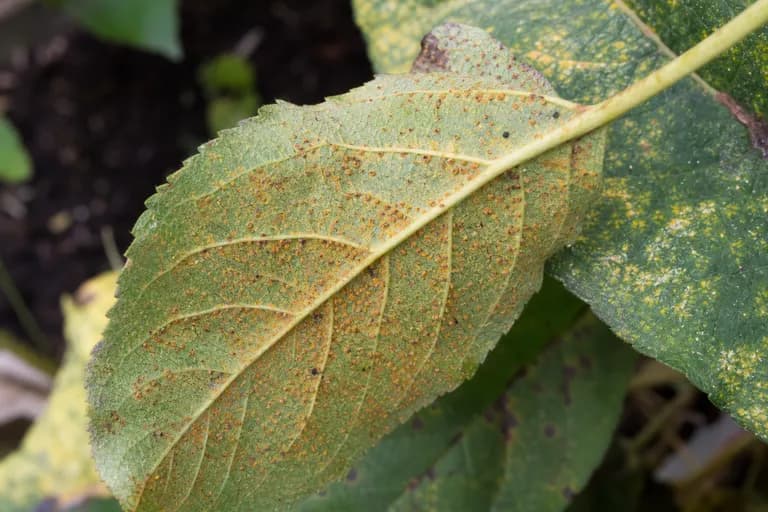
Bamboo Rust
DiseaseOrange to rust-brown powdery pustules on leaf undersides, often with pale spots on the upper surface. Heavy infections cause premature leaf drop and weaken the clump.
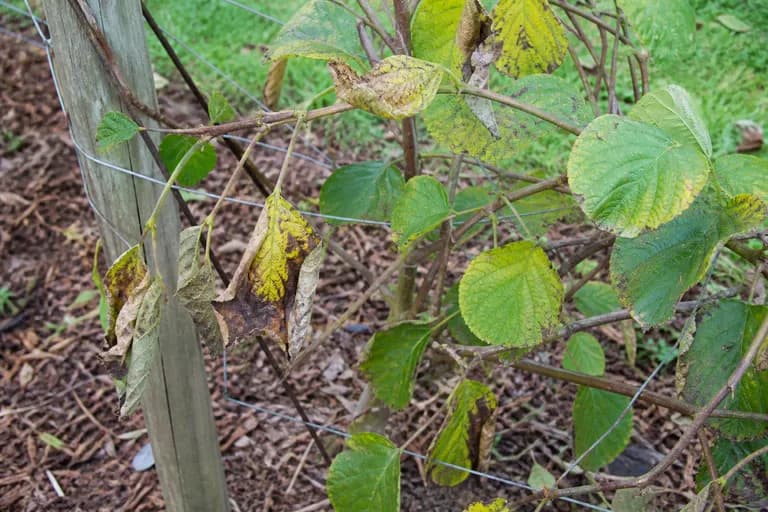
Root Rot from Waterlogging
DiseaseYellowing leaves, sparse new shoots, and a general decline despite regular watering. Roots appear brown, soft, and foul-smelling instead of firm and cream-colored.
Troubleshooting Common Problems
Brown, scorched leaf edges almost always trace back to drying winds, hot afternoon sun, or inconsistent watering rather than disease. Yellowing foliage can signal waterlogged roots, or iron chlorosis in alkaline soils. Clumps often sulk for the first season after planting and put on little height until the root system establishes — patience is essential. Spider mites flare up on drought-stressed plants in summer. The most serious problem is entirely avoidable: buying an unlabeled or mislabeled running bamboo such as Phyllostachys, which can escape across the garden. Rare gregarious flowering can weaken or kill a clump.
Growing Tips
- Always buy clumping bamboo by botanical name — Fargesia on the label means a well-behaved pachymorph clumper. An unlabeled bamboo bargain is the classic way gardeners accidentally plant a running Phyllostachys that invades the whole yard.
- If you do grow a running bamboo, install a vertical HDPE rhizome barrier at least 60-80 cm deep around the planting area, angled slightly outward, and inspect the rim every spring for escapees. Clumping Fargesia needs no barrier at all.
- Choose partial shade with shelter from hot afternoon sun and drying wind. Wind-scorched, brown-edged leaves are the number-one cosmetic complaint with bamboo, and siting beats any after-the-fact fix.
- Space screen plantings 1 to 1.5 meters apart. A single staggered row forms a solid screen in about three to four seasons; resist cramming plants closer, which only forces earlier thinning.
- Water deeply and consistently for the first two years — establishment is the only fragile phase of a clumper's life. After that, a well-mulched clump rides out ordinary dry spells with ease.
- Feed like a lawn, not like a flower: bamboo is a grass and responds to nitrogen. A spring and early-summer application of high-nitrogen fertilizer visibly increases cane height and density the same season.
- Leave fallen bamboo leaves under the clump. They are silica-rich self-mulch that shades the shallow rhizomes, conserves moisture, and recycles nutrients — raking them away is work that actively harms the plant.
- To control screen height, cut canes to the desired level in late summer. Unlike trees, bamboo canes never grow taller after their first season, so topping is a permanent, one-time fix.
- Thin annually rather than heavily: remove 10-20 percent of the oldest canes at ground level each year to keep the clump airy and vigorous, and never remove more than a third in a single season.
- Grow bamboo in a container only in a large pot of at least 50-60 cm diameter with rich, moisture-retentive compost, and expect to water almost daily in summer — pots magnify bamboo's thirst.
Pick your Clumping Bamboo
Fargesia murielae (Umbrella Bamboo)
The classic garden clumper with gracefully arching canes and a fountain shape to 3-4 m. Very hardy to about -25°C and exceptionally well-behaved in small gardens.
Fargesia murielae 'Simba'
A compact selection of umbrella bamboo reaching only about 2 m. Ideal for small gardens, narrow beds, and large containers on patios.
Fargesia robusta 'Campbell'
Tall, strictly upright canes to 4-5 m with pale sheaths that give a two-tone look. The best clumper for narrow vertical screens, and more sun-tolerant than most Fargesia.
Fargesia robusta 'Pingwu' (Green Screen)
A vigorous upright grower marketed as Green Screen for its fast, dense hedging. Olive-green canes reach 4-5 m and hold foliage well in winter.
Fargesia nitida 'Jiuzhaigou'
Grown for its young canes, which flush red to purple in sun before aging to green. A graceful, slightly smaller clumper hardy in zones 5-9.
Fargesia 'Rufa'
A compact, bushy clumper to 2-3 m that tolerates more sun than most of the genus. One of the most reliable choices for containers and low evergreen hedging.
Where Clumping Bamboo comes from
Fargesia is a genus of clumping bamboos native to the cool mountain forests of central and western China, where species such as Fargesia murielae and Fargesia nitida form the understory of damp coniferous woodlands at elevations up to 3,000 meters and beyond. These same mountain slopes are the last stronghold of the giant panda, whose diet consists almost entirely of Fargesia and related mountain bamboos. For centuries the tough, flexible canes were used locally for weaving, tools, and construction, but the genus remained unknown to Western horticulture until the era of the great plant hunters.
Fargesia murielae, the umbrella bamboo, was introduced to Europe by the legendary collector Ernest Henry Wilson in the early twentieth century and named after his daughter Muriel. Its arrival coincided with growing Western enthusiasm for Asian garden plants, yet bamboo soon acquired a toxic reputation — not because of Fargesia, but because of the running bamboos, particularly Phyllostachys species, whose far-traveling rhizomes invaded neighboring gardens and, in some regions, led to planting restrictions and legal disputes.
The distinction between clumping and running bamboo became the central fact of modern bamboo gardening. Fargesia, with its tidy pachymorph rootstock, emerged as the safe answer for gardeners who wanted bamboo's vertical drama and evergreen screening without the invasion risk. A mysterious trait of the genus — mass synchronized flowering at intervals of many decades to over a century, after which clumps are left weakened — periodically reshuffles the cultivated population; the worldwide umbrella bamboo flowering of the 1990s led breeders to select fresh generations of seedlings and tissue-cultured clones. Today Fargesia cultivars are staples of European and North American gardens, prized as fast, elegant, non-invasive privacy screens.
Clumping Bamboo: did you know?
Fascinating facts about Clumping Bamboo
Bamboo is not a tree at all but a member of the grass family Poaceae — Fargesia species are essentially giant, woody, evergreen grasses that behave like shrubs.
Clumping Bamboo questions, answered
When should I plant Clumping Bamboo?
What are good companion plants for Clumping Bamboo?
What hardiness zones can Clumping Bamboo grow in?
How much sun does Clumping Bamboo need?
How far apart should I space Clumping Bamboo?
What pests and diseases affect Clumping Bamboo?
What are the best Clumping Bamboo varieties to grow?
What soil does Clumping Bamboo need?
Will bamboo take over my garden?
Clumping or running bamboo — which should I choose for a garden screen?
How fast does clumping bamboo grow into a privacy screen?
My bamboo is flowering — is it going to die?
Can I grow clumping bamboo in a container?
Why are my bamboo's leaf edges turning brown?
Plant these alongside Clumping Bamboo
More Ornamental Trees
Keep Clumping Bamboo away from these
Grow your best Clumping Bamboo yet — and everything around it.
Start a free plan today. Lay out your beds, drop in your Clumping Bamboo, and let PlotMyGarden handle the timing, spacing, companions and reminders from seed to harvest basket.
