Astragalus
A leguminous perennial whose roots are a cornerstone of traditional Chinese medicine for immune support and vitality.





On this pageOverview
Meet Astragalus
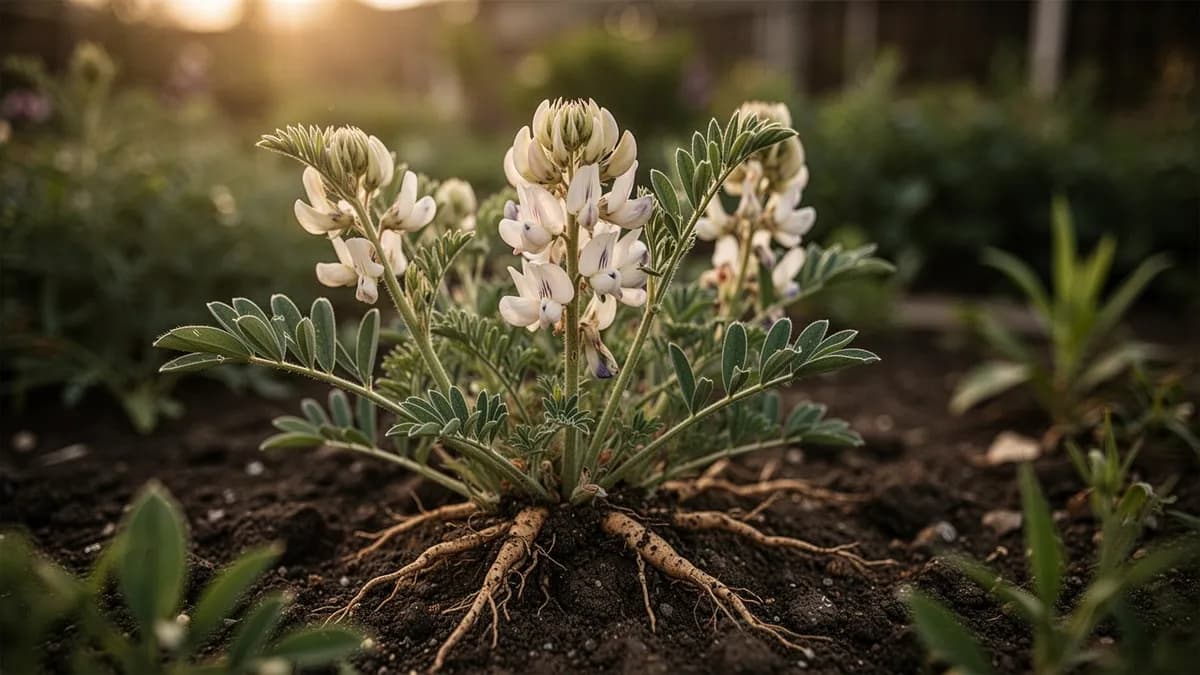
A leguminous perennial whose roots are a cornerstone of traditional Chinese medicine for immune support and vitality. Astragalus roots are harvested after four years of growth, sliced, and dried for use in soups, teas, and tinctures. The plant grows 2 to 4 feet tall with pinnate leaves and small yellow flowers, fixing nitrogen in the soil.
When to plant Astragalus
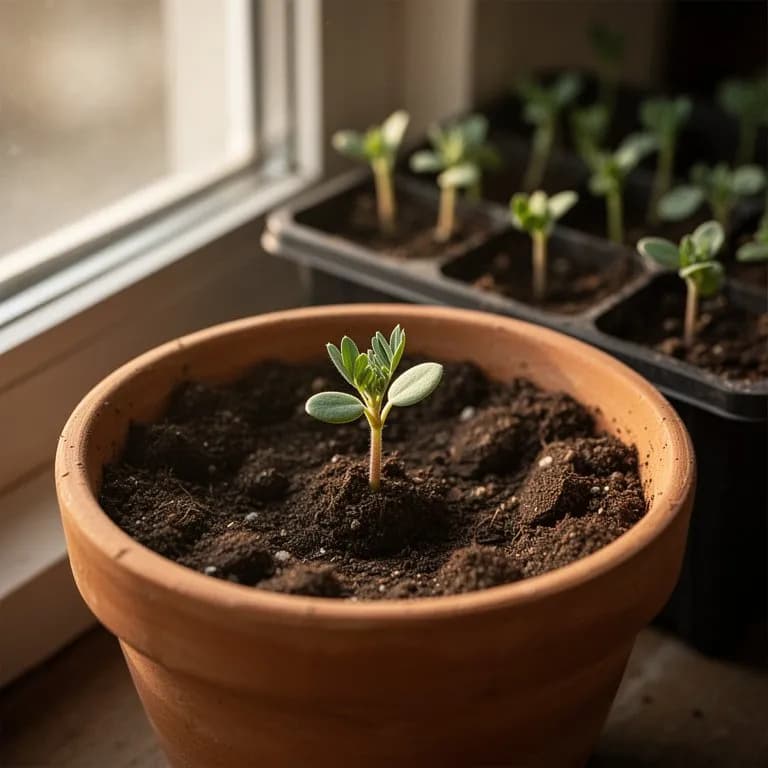
Astragalus seeds have a hard coat that requires treatment for germination. Soak seeds in warm water for 12-24 hours, or nick the seed coat with sandpaper or a file (scarification). Sow in deep pots (at least 20cm) to accommodate taproot development. Plant at 1cm depth in well-draining seed mix. Germination takes 1-3 weeks at 20°C. Transplant to permanent positions while plants are still young (before the taproot becomes established), as mature plants resent disturbance. Direct sowing in autumn also works well.
Your Astragalus Year
Composed for Zone 7 · typical seasons · frost passes Apr 2, returns Nov 1
Plant Astragalus Mar – May, pick Oct – Nov. Check the planting methods below and set your climate to personalize these windows.
How to grow Astragalus
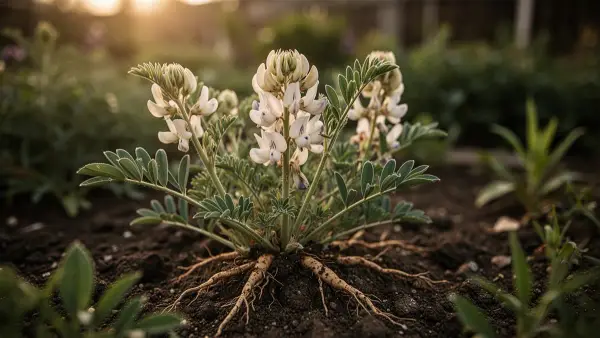
Astragalus, also known as huang qi in Chinese medicine, is a hardy perennial legume grown primarily for its thick, fibrous roots that take 4-7 years to develop full medicinal potency. The plant grows 60-120cm tall with graceful pinnate leaves and small yellow pea-flowers. Plant in full sun with well-drained soil, spacing 40cm apart.
As a leguminous plant, astragalus fixes atmospheric nitrogen through root nodule bacteria, enriching the soil for future crops. Soak seeds in warm water for 12 hours before sowing, or nick the hard seed coat with sandpaper to improve germination. Plant in deep, loose soil that allows the taproot to develop downward without obstruction—this deep root is the medicinal harvest.
Provide lean, well-drained soil and water sparingly once established. Astragalus is adapted to the dry grasslands and mountain slopes of northern China and Mongolia, making it remarkably drought-tolerant. Avoid rich soil and frequent watering, which promote lush top growth at the expense of root development. The plant is long-lived and low-maintenance once established, requiring patience for root harvest but providing ornamental value and nitrogen fixation in the meantime.
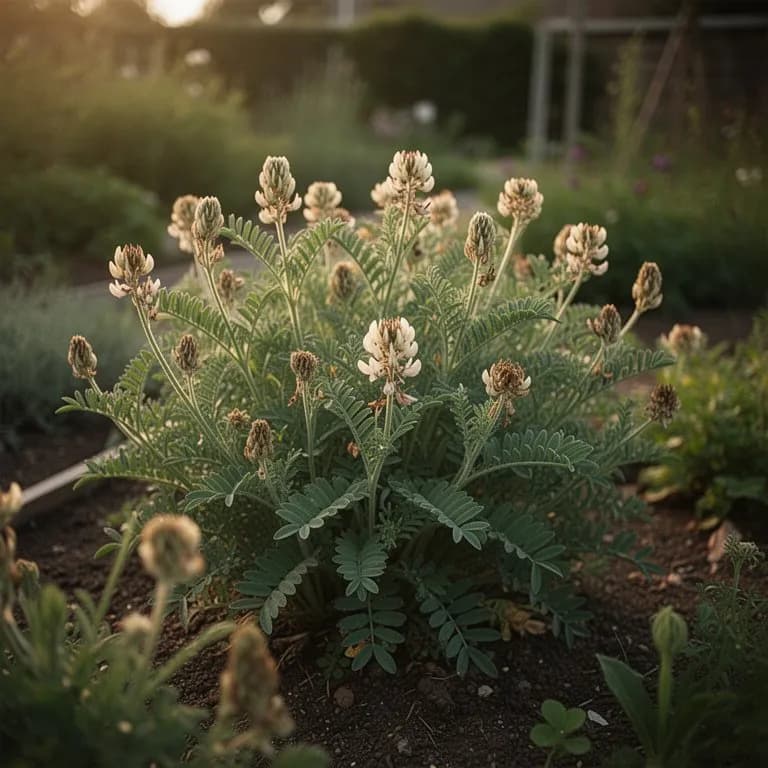
18 plants fit a 4 × 8 ft bed
Each Astragalus wants 40 cm of elbow room. The planner keeps that spacing for you — every plant, every bed.
Astragalus's best neighbours
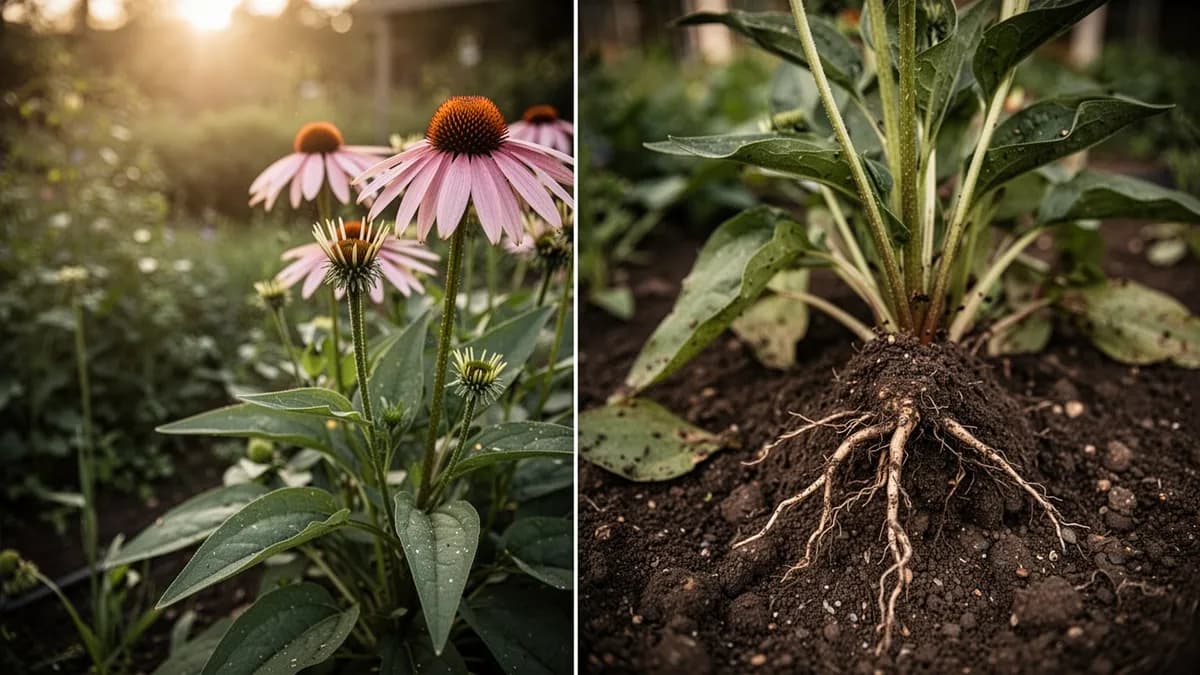
As a nitrogen-fixing legume, astragalus enriches the soil for neighboring plants. Grow alongside other medicinal herbs like echinacea and ginseng in a dedicated medicinal garden. The ferny foliage and yellow flowers provide ornamental interest while the roots develop underground. Avoid planting near other deep-rooted crops that would compete for the deep soil space the roots need. The nitrogen fixation benefits neighboring plants once the crop is harvested.
Echinacea belongs beside it.
Old growers' knowledge, checked against Astragalus's real companion table below — test any plant you're growing.
Try Astragalus in a bed — right here
A real planner bed with Astragalus already in it. Tap a companion to place it and watch the pairing checks answer — green for good neighbours, red for a clash.


Related growing guides
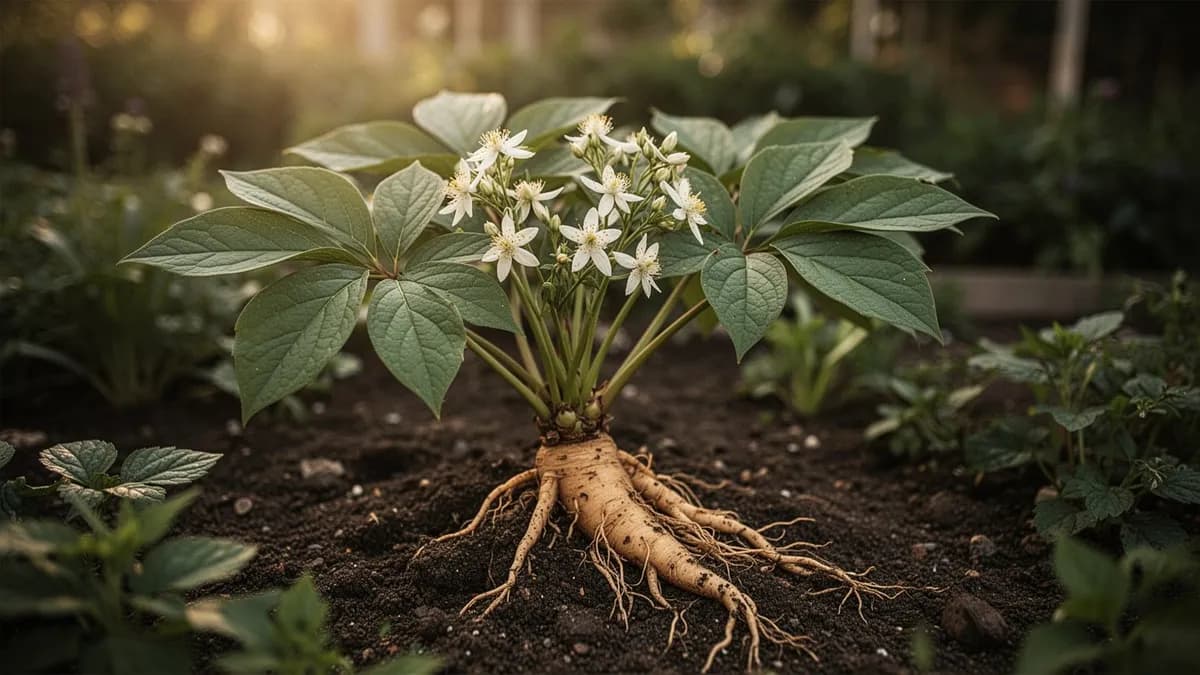
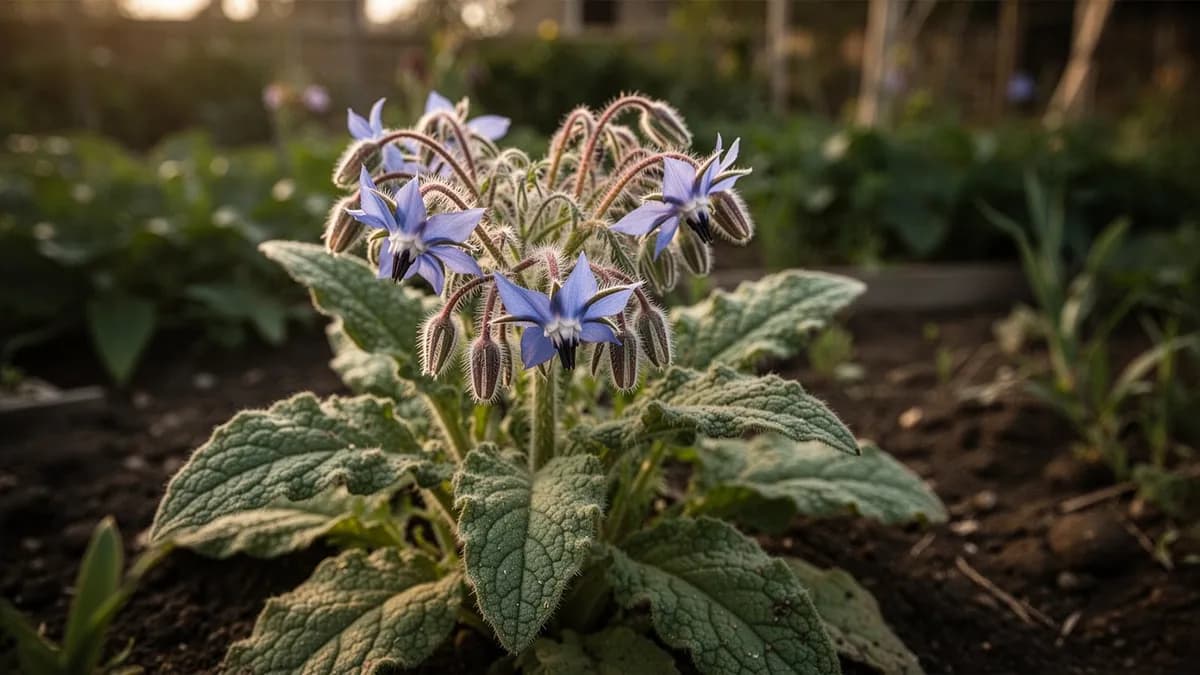
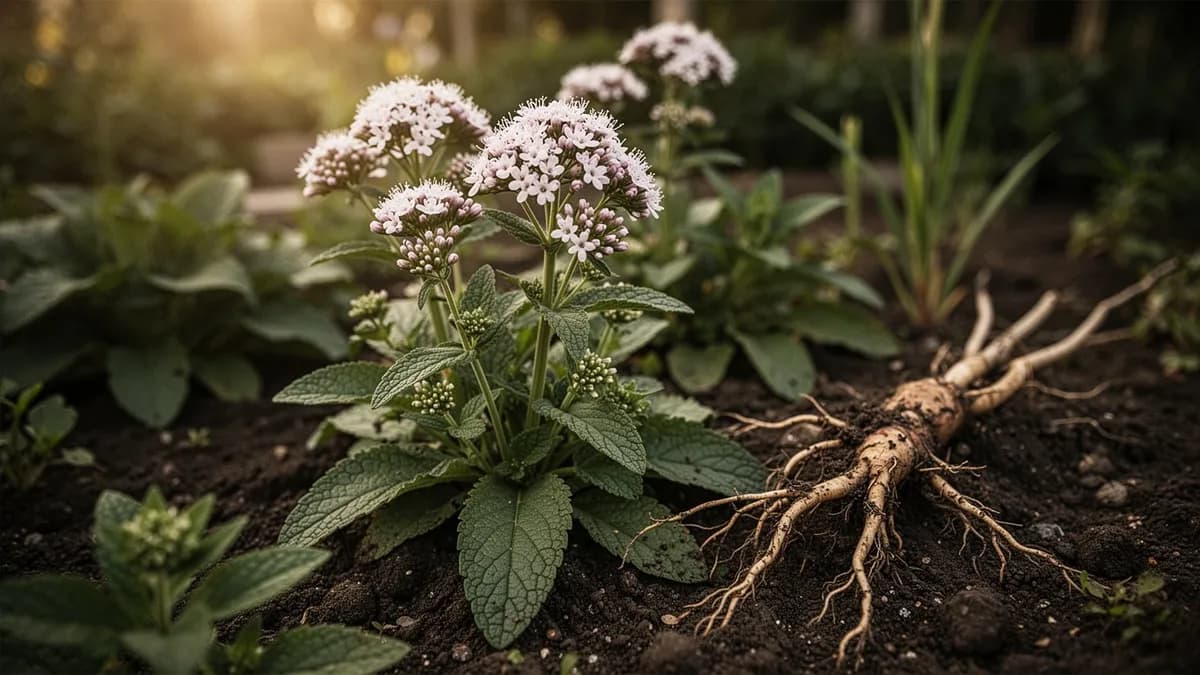
Feed it well
Grow in lean, well-drained, sandy to loamy soil with pH 6.5-8.0. As a legume, astragalus fixes its own nitrogen and requires no nitrogen fertilization. Inoculate seeds with appropriate Rhizobium bacteria before planting for optimal nitrogen fixation. Avoid rich, heavy soil that promotes top growth over root development. Phosphorus encourages root growth—a light application of bone meal at planting is beneficial. Deep, loose soil is essential for straight taproot development.
Ideal Temperature
Hardiness Zone Compatibility
From seed to harvest, stage by stage
Seed Germination
Astragalus seeds have a hard seed coat that benefits from scarification or overnight soaking in warm water before sowing. Seeds are planted 1-2 cm deep in well-drained, sandy loam soil. Germination is slow and irregular, typically taking 7-21 days at soil temperatures of 18-22°C. The first pair of simple cotyledon leaves emerges before the characteristic compound foliage develops.
Seedling Establishment
Young plants develop their first true compound leaves with small oval leaflets arranged along a central stem. The taproot begins its downward journey, establishing the deep root system that will become the primary medicinal harvest. Growth above ground is modest during this phase as the plant prioritizes root development. Seedlings should be spaced 30-40 cm apart to allow adequate root expansion.
Vegetative Growth
Through the first full growing season, astragalus develops multiple upright stems with elegant pinnate leaves bearing 12-18 pairs of small leaflets. The plant can reach 40-80 cm in height, forming a bushy mound of soft green foliage. Underground, the taproot thickens steadily, storing the polysaccharides, saponins, and flavonoids that give astragalus its medicinal properties. Being a legume, root nodules fix atmospheric nitrogen, improving surrounding soil.
Flowering and Seed Set
In the second year, astragalus sends up flowering stalks bearing loose racemes of small pale yellow pea-like flowers typical of the Fabaceae family. Each flower is approximately 1.5-2 cm long, and blooming continues for several weeks from late spring into summer. Pollinated flowers develop into small inflated seed pods that ripen and split open to release hard, kidney-shaped seeds. Allow some pods to mature for seed saving while removing others to direct energy back to root growth.
Root Maturation
From year two through year four, the taproot continues to thicken and deepen, accumulating higher concentrations of bioactive compounds including astragaloside IV, cycloastragenol, and immune-modulating polysaccharides. The root can reach 30-60 cm in length and 2-3 cm in diameter. Above-ground growth becomes more robust each season, with the plant returning reliably from its perennial rootstock after winter dormancy. Traditional Chinese medicine considers roots harvested at four to five years of age to be of the highest quality.
Harvest and Processing
Roots are harvested in autumn of the third or fourth year after the above-ground foliage dies back naturally. The long taproots require careful digging with a garden fork, working deep into the soil to avoid breakage. Freshly dug roots are washed, and the side rootlets are trimmed away. The main root is sliced lengthwise or into diagonal discs and dried slowly at temperatures below 40°C to preserve the delicate medicinal compounds.
Nick the seed coat with a file or soak seeds in warm water for 12-24 hours before planting to dramatically improve germination rates. Keep soil consistently moist but never waterlogged, as astragalus is highly susceptible to damping-off in its earliest stage.
Caring for Astragalus month by month
What to do each month for your Astragalus
October
You are hereHarvest mature roots after foliage dies back. Dig carefully around the deep taproot with a garden fork. Wash, slice, and begin the drying process. Mulch remaining plants for winter protection.
Know exactly what to do in your garden — every month
One email at the start of each month: what to sow, plant, and tackle right now — for your Astragalus and everything growing around it. Plus a short starter course that helps you dodge the classic mistakes.
- What to do, right now
- Matched to your season
- Starter course included
Harvesting Astragalus
Astragalus roots reach medicinal maturity after 4-7 years of growth—patience is essential. Harvest roots in autumn after the tops die back by carefully digging around the plant and lifting the deep taproot. Wash thoroughly and slice into thin cross-sections or lengthwise strips. The fresh root should be firm, fibrous, and pale yellow inside—discard any soft or discolored portions. Dry sliced roots promptly in a dehydrator or warm, well-ventilated area.
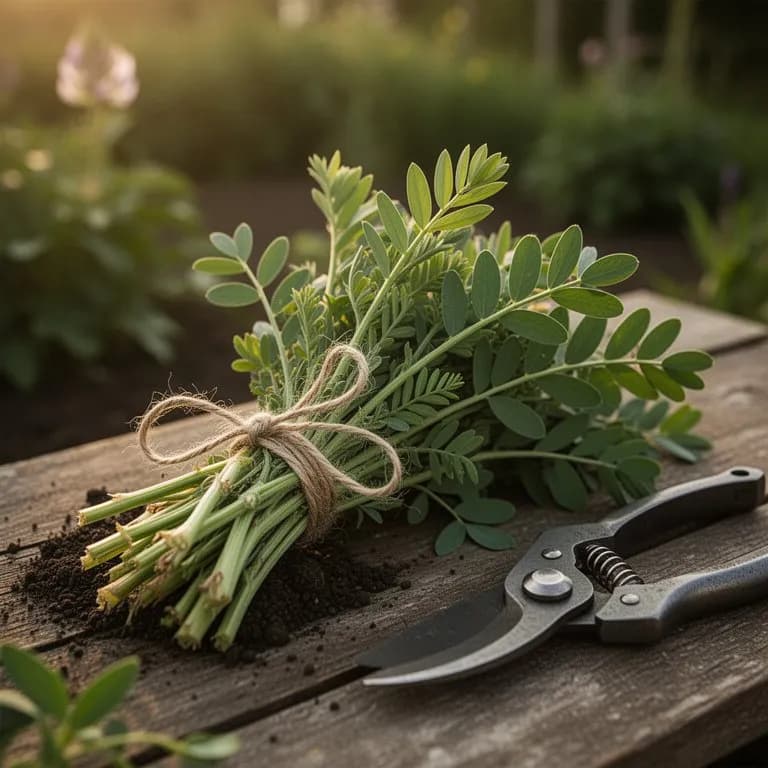
assuming you plant when the window opens — set your real date
Pick Astragalus promptly and the plant keeps producing.
Storage & Preservation
Dry sliced astragalus roots thoroughly in a dehydrator at 40-50°C or spread on screens in a warm, ventilated area. Properly dried slices should be hard, pale yellow, and slightly sweet-smelling. Store in airtight jars away from light and moisture for up to 2 years. The dried root slices are traditionally simmered in soups and broths in Chinese cuisine. Tincture in alcohol or glycerin for concentrated liquid preparations. Powdered root can be encapsulated for convenient use.
What goes wrong — and the fix
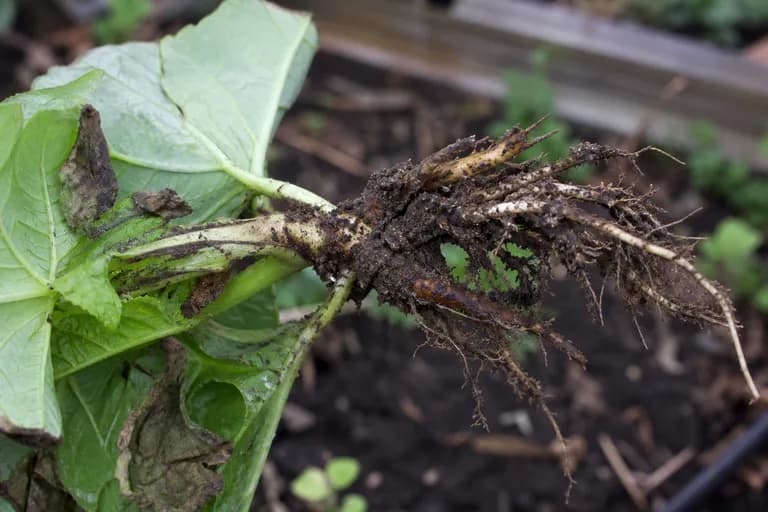
Root Rot
DiseaseWilting despite adequate soil moisture, yellowing lower leaves, soft mushy roots when examined.
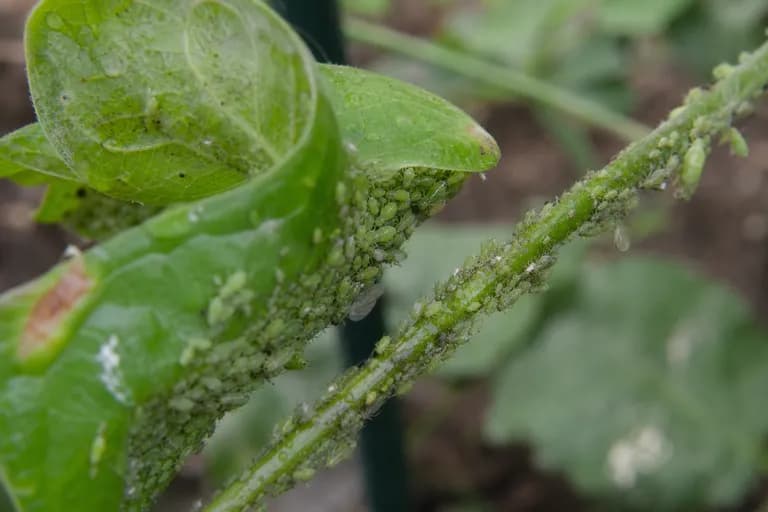
Aphids
PestClusters on new growth and flower spikes, distorted leaves, sticky honeydew.
Troubleshooting Common Problems
The 4-7 year wait for root maturity tests gardener patience—grow as a long-term investment crop alongside faster-producing herbs. Hard seed coat requires scarification or soaking for reliable germination. Plants may look sparse and unimpressive in early years but are developing their valuable root system underground. Avoid disturbing plants once established, as the deep taproot resents transplanting. Voles and gophers may eat roots in some areas.
Growing Tips
- Scarify astragalus seeds before sowing by gently nicking the hard seed coat with a nail file or sandpaper, then soaking overnight in warm water — this can increase germination rates from 30% to over 80%.
- Prepare deep planting beds by loosening soil to at least 45 cm depth and amending heavy clay with generous amounts of coarse sand and aged compost to ensure the long taproot can develop without obstruction.
- Avoid transplanting astragalus whenever possible, as the deep taproot is easily damaged during handling — direct sow seeds or use deep root-trainer cells and transplant while seedlings are still small.
- Space plants 30-40 cm apart in rows 60 cm wide to allow adequate air circulation and room for the bushy above-ground growth that develops from the second year onward.
- Water deeply but infrequently once established, allowing the top several centimetres of soil to dry between waterings — astragalus is drought-tolerant and far more likely to suffer from overwatering than underwatering.
- Remove flower stalks during the first two years to direct all the plant's energy into root development, which is the primary medicinal harvest and benefits from uninterrupted growth.
- Apply a thin layer of gravel or coarse sand mulch around the crown area rather than organic mulch to prevent moisture accumulation that can cause crown rot in humid conditions.
- Inoculate seeds or transplant holes with rhizobium bacteria specific to the Astragalus genus to ensure effective nitrogen fixation, especially if astragalus has not been previously grown in your soil.
- Harvest roots in autumn after the third or fourth growing season by carefully loosening soil with a deep garden fork, working around the taproot from all sides to extract as much of the root length as possible.
- Dry harvested root slices slowly at temperatures below 40°C in a well-ventilated area or food dehydrator, and store in airtight glass jars away from light — properly dried astragalus root retains potency for two to three years.
Grow your best Astragalus yet — and everything around it.
Start a free plan today. Lay out your beds, drop in your Astragalus, and let PlotMyGarden handle the timing, spacing, companions and reminders from seed to harvest basket.
Pick your Astragalus
Astragalus membranaceus (Huang Qi)
The primary medicinal species used in Chinese medicine for thousands of years. Most widely cultivated and researched.
Astragalus membranaceus var. mongholicus
The Mongolian variety, considered superior in Chinese medicine. Adapted to very cold, dry conditions.
Astragalus propinquus
A closely related species sometimes used interchangeably. Similar chemical profile and medicinal applications.
A single astragalus plant grown for 3-4 years produces 50-150g of dried root, worth $15-$40 at retail prices for organic medicinal-grade root. Since astragalus is a perennial that improves with age and fixes nitrogen in the soil, a small planting of 5-10 plants provides a self-renewing supply of premium dried root and saves $80-$200 annually compared to purchasing supplements, tinctures, and dried root from health food stores.
Quick recipes
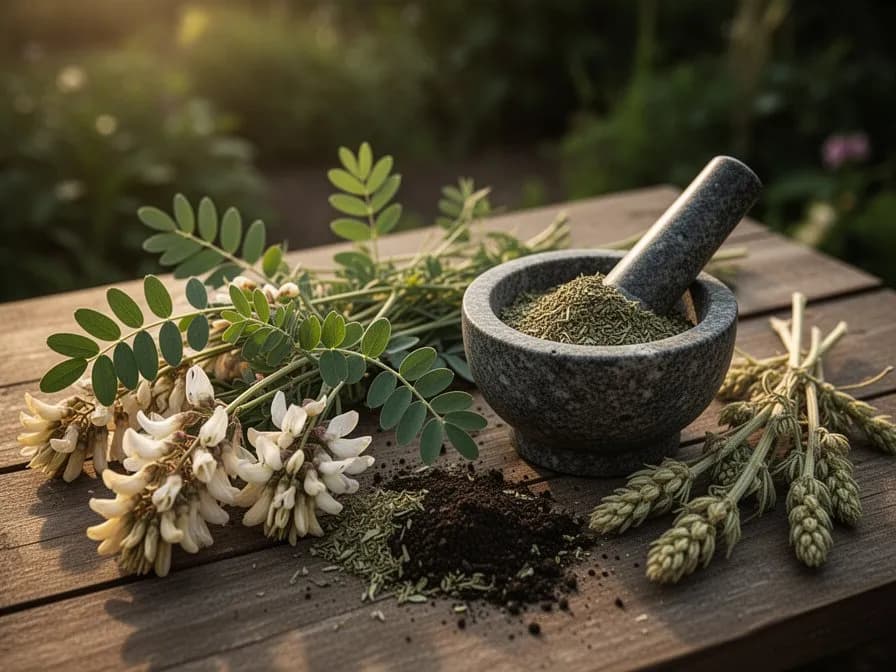
Astragalus Immune-Support Tea
25 minutesA gentle golden decoction made by simmering dried astragalus root slices in water, producing a mildly sweet and slightly earthy tea traditionally consumed daily during autumn and winter months to support immune resilience. This simple preparation extracts the water-soluble polysaccharides and flavonoids that contribute to the herb's tonic properties.
5 ingredients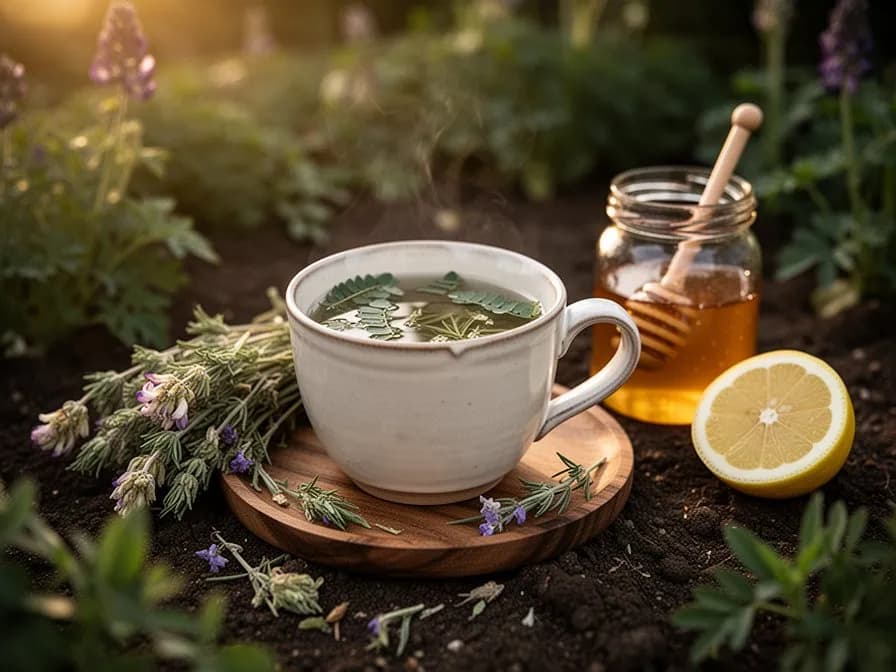
Astragalus Root Tincture
10 minutes active (6 weeks maceration)A concentrated liquid extract prepared by macerating dried astragalus root in high-proof alcohol over several weeks, yielding a potent tincture that captures both water-soluble and alcohol-soluble medicinal compounds. This preparation is convenient for daily use and has a long shelf life of several years when stored properly away from light and heat.
5 ingredientsAstragalus Medicinal Bone Broth
30 minutes active (12-24 hours simmering)A deeply nourishing broth that combines the immune-supporting properties of astragalus root with mineral-rich bone broth, creating a warming restorative soup base used in East Asian culinary medicine traditions. The long simmering time fully extracts the polysaccharides and trace minerals from both the bones and the astragalus root, producing a collagen-rich golden broth.
8 ingredientsWhat's inside
Health Benefits
- Astragalus polysaccharides have been extensively studied for their immunomodulatory effects, with research suggesting they may enhance the activity of natural killer cells, macrophages, and T-cells to support the body's natural immune defences
- Classified as an adaptogenic herb, astragalus may help the body adapt to physical and emotional stress by supporting healthy adrenal function and modulating the stress response over time with consistent use
- Research indicates that astragalus root extract may support cardiovascular health by helping to maintain healthy blood pressure levels, improving circulation, and providing antioxidant protection to blood vessel walls
- The anti-inflammatory flavonoids and saponins in astragalus have shown potential in supporting kidney function and protecting renal tissue, a use consistent with its traditional applications in Chinese medicine
- Astragalus has been traditionally used and scientifically studied as a complementary therapy alongside conventional treatments, with some research suggesting it may help reduce fatigue and support recovery
- The polysaccharide and flavonoid content of astragalus root may support healthy blood sugar metabolism, with several studies indicating potential benefits for maintaining glucose levels already within the normal range
Where Astragalus comes from
Astragalus membranaceus is native to the grasslands, open woodlands, and mountain slopes of northern China, Mongolia, and the Korean Peninsula, where it grows at elevations between 800 and 2,000 metres in well-drained sandy and loamy soils. The plant has been a cornerstone of Traditional Chinese Medicine (TCM) for more than two millennia, with its earliest documented use appearing in the Shennong Ben Cao Jing, a foundational text of Chinese herbal medicine compiled during the Han Dynasty around 200 BCE. In this classical text, astragalus root — called Huang Qi, meaning 'yellow leader' — was classified among the superior herbs deemed safe for daily long-term consumption to promote vitality, strengthen the body's defensive energy (known as Wei Qi), and support overall constitutional health. Throughout centuries of Chinese medical practice, astragalus became a foundational ingredient in numerous classical herbal formulas, most notably Bu Zhong Yi Qi Tang (Tonify the Middle and Augment the Qi Decoction) and Yu Ping Feng San (Jade Windscreen Powder), both still widely prescribed today. The root was traditionally harvested from wild populations in the provinces of Shanxi, Inner Mongolia, Heilongjiang, and Gansu, where harvesters would carefully select roots from plants at least four years old to ensure maximum potency. As global interest in adaptogenic and immune-supporting herbs grew during the twentieth century, astragalus gained international recognition. Western herbalists and researchers began studying its polysaccharides, saponins, and flavonoids, leading to its widespread adoption in integrative medicine practices worldwide. Today, astragalus is cultivated commercially across northern China and increasingly in North America and Europe, where home gardeners and small-scale herb farmers grow it as a rewarding perennial addition to the medicinal garden.
Astragalus: did you know?
Fascinating facts about Astragalus
Astragalus membranaceus, known as Huang Qi in Chinese, has been used in Traditional Chinese Medicine for over 2,000 years and is considered one of the fifty fundamental herbs in the classical pharmacopoeia.
Astragalus questions, answered
When should I plant Astragalus?
What are good companion plants for Astragalus?
What hardiness zones can Astragalus grow in?
How much sun does Astragalus need?
How far apart should I space Astragalus?
What pests and diseases affect Astragalus?
How do I store Astragalus after harvest?
What are the best Astragalus varieties to grow?
What soil does Astragalus need?
How long do I need to wait before harvesting astragalus roots?
Can I grow astragalus in containers or does it need to be planted in the ground?
Is astragalus safe to take every day as a tea or supplement?
What is the best way to prepare astragalus root for medicinal use at home?
Does astragalus need a cold winter dormancy period to grow well?
Can I grow astragalus alongside vegetables and other herbs in my garden?
You just read the theory. Now grow it on autopilot.
Everything that makes Astragalus fiddly — the timing, the spacing, the companions, the harvest window — is exactly what PlotMyGarden handles for you, for every plant in your garden.
A plan that knows your weather
Set your location once. Get sow, feed and harvest dates built around your real last-frost date and live forecast — no more guessing from a generic seed packet.
From the “When to plant” sectionDrag-and-drop bed planner
Design beds on a grid. Every plant snaps to its proper spacing, and you can see your whole season laid out before you spend a cent on seed.
From the “Growing guide” sectionCompanion conflicts, caught early
200+ good-and-bad pairings checked live as you plant — so a season-wrecking mistake never makes it into the ground.
From the “Companions” sectionReminders you'll actually act on
“Water the beans.” “Pick today before it turns.” Timely, specific, and tied to the plants you're really growing.
From the “Harvest” sectionSuccession, scheduled
Want a harvest for six weeks, not six days? It spaces your sowings automatically and reminds you when each new block is due.
From the “When to plant” sectionA record that gets smarter
Every harvest you log teaches it your garden. Next year's plan starts from what actually worked in your soil, not a textbook's.
From the “Overview” sectionPlant these alongside Astragalus
More Medicinal Herbs
Grow your best Astragalus yet — and everything around it.
Start a free plan today. Lay out your beds, drop in your Astragalus, and let PlotMyGarden handle the timing, spacing, companions and reminders from seed to harvest basket.