Aprikosenbaum
Ein frühblühender Steinobstbaum, dessen Blüten in kühleren Klimazonen anfällig für späte Frühjahrsfröste sind.





Auf dieser SeiteÜberblick
Aprikosenbaum im Überblick
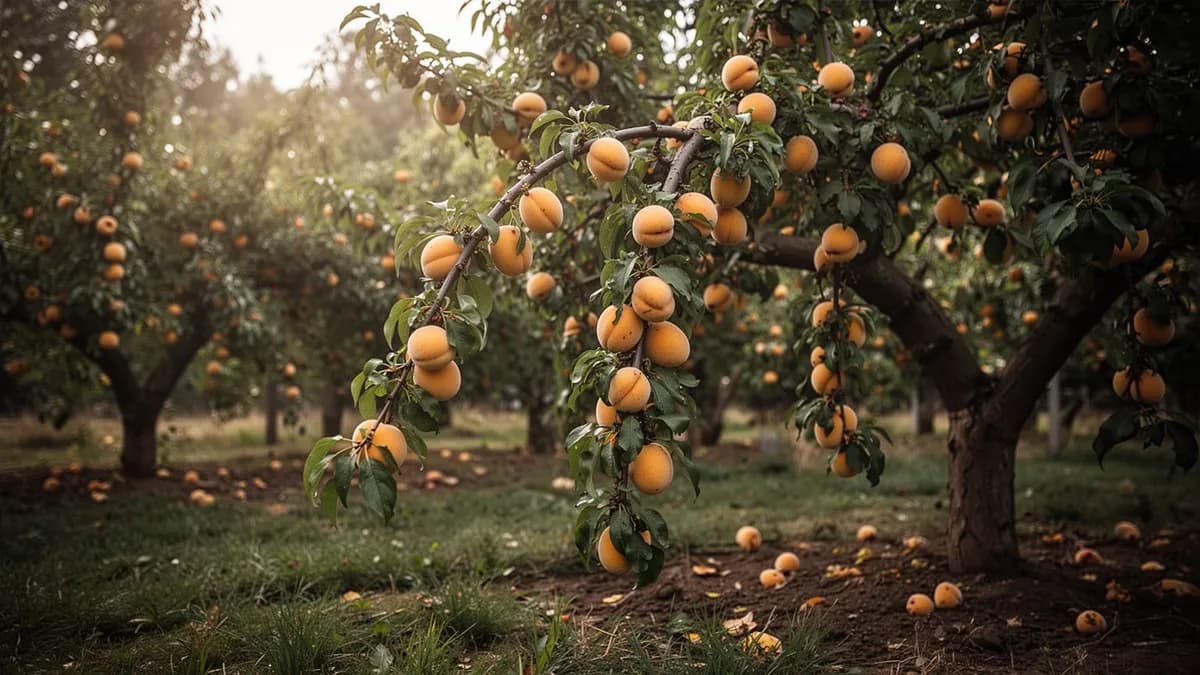
Ein frühblühender Steinobstbaum, dessen Blüten in kühleren Klimazonen anfällig für späte Frühjahrsfröste sind. Pflanzen Sie ihn an einem nordseitigen Hang, um die Blüte zu verzögern und das Frostschadenrisiko zu verringern, oder wählen Sie spätblühende Sorten. Aprikosen sind größtenteils selbstfruchtbar und tragen am besten, wenn sie jährlich geschnitten werden, um eine offene Krone zu erhalten. Die Frucht eignet sich hervorragend frisch, getrocknet oder eingemacht und reift schnell, sobald sie fertig ist.
Wann Aprikosenbaum pflanzen
Aprikosenbäume werden durch Okulation auf Pfirsich-, Pflaumen- oder Aprikosensämlingswurzelung vermehrt. Kaufen Sie veredelte wurzelnackte Bäume von seriösen Baumschulen und pflanzen Sie sie im Spätwinter während der Ruheperiode. Aprikosenkerne keimen nach 60 bis 90 Tagen Kältebehandlung leicht, und Sämlinge produzieren manchmal akzeptable Früchte, obwohl die Qualität stark variiert. Veredelte Bäume tragen in 3 bis 4 Jahren, während Sämlinge 5 bis 7 Jahre benötigen.
Dein Aprikosenbaum-Jahr
Abgestimmt auf Zone 7 · typische Saison · Frost geht um den 2. Apr. und kehrt um den 1. Nov. zurück
Aprikosenbaum Feb – Apr pflanzen, Jun – Aug ernten. Beachte die Pflanzmethoden unten und wähle dein Klima für passende Zeiträume.
So baust du Aprikosenbaum an
Aprikosenbäume blühen früher als fast alle anderen Obstbäume, weshalb die Standortwahl entscheidend ist, um Frostschäden an den Blüten zu vermeiden. Kontraintuitiv empfiehlt sich das Pflanzen an einem nordseitigen Hang, da dies die Blüte verzögert, indem der Baum im Spätwinter kühler gehalten wird, was das Frostrisiko reduziert. Wählen Sie einen Standort mit voller Sonne, ausgezeichneter Drainage und guter Luftzirkulation. Vermeiden Sie schweren Lehmboden und tiefgelegene Frostsenken. Pflanzen Sie Bäume 4,5 bis 6 Meter voneinander entfernt.
Pflanzen Sie wurzelnackte Aprikosenbäume im Spätwinter während der Ruheperiode. Setzen Sie die Veredelungsstelle über dem Bodenniveau und wässern Sie beim Pflanzen gründlich. Tragen Sie organisches Mulchmaterial auf, halten Sie es aber vom Stamm fern. Wässern Sie in der ersten Vegetationsperiode wöchentlich. Aprikosen sind nach dem Anwachsen trockenresistenter als Pfirsiche oder Pflaumen, profitieren aber während der Fruchtentwicklung dennoch von gleichmäßiger Feuchtigkeit.
Schneiden Sie Aprikosen in eine offene Vasenform mit 3 bis 4 gleichmäßig verteilten Leitästen. Der jährliche Schnitt sollte kreuzende Äste, Wasserreiser und abgestorbenes Holz entfernen und dabei die offene Mitte für Licht- und Luftdurchdringung erhalten. Im Gegensatz zu Pfirsichen tragen Aprikosen an zwei- und dreijährigen Spornen, vermeiden Sie daher das Entfernen von allem älteren Holz. Fruchtausdünnung auf 7 bis 10 Zentimeter Abstand, wenn die Früchte marmorgroß sind, verbessert die Größe und verhindert Astbrüche.
Für Aprikosenbaum ist ein Beet von 120 × 240 cm zu klein
Aprikosenbaum braucht 500 cm Platz pro Pflanze. Der Planer hält diesen Abstand für dich ein — jede Pflanze, jedes Beet.
Die besten Nachbarn für Aprikosenbaum
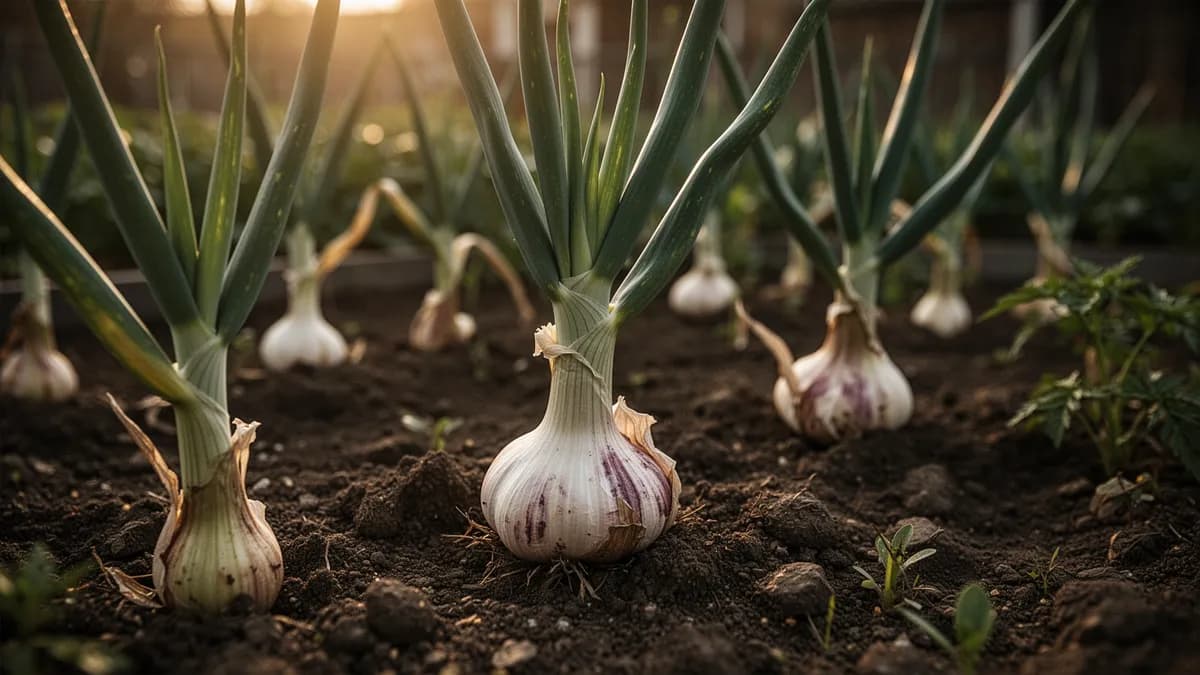
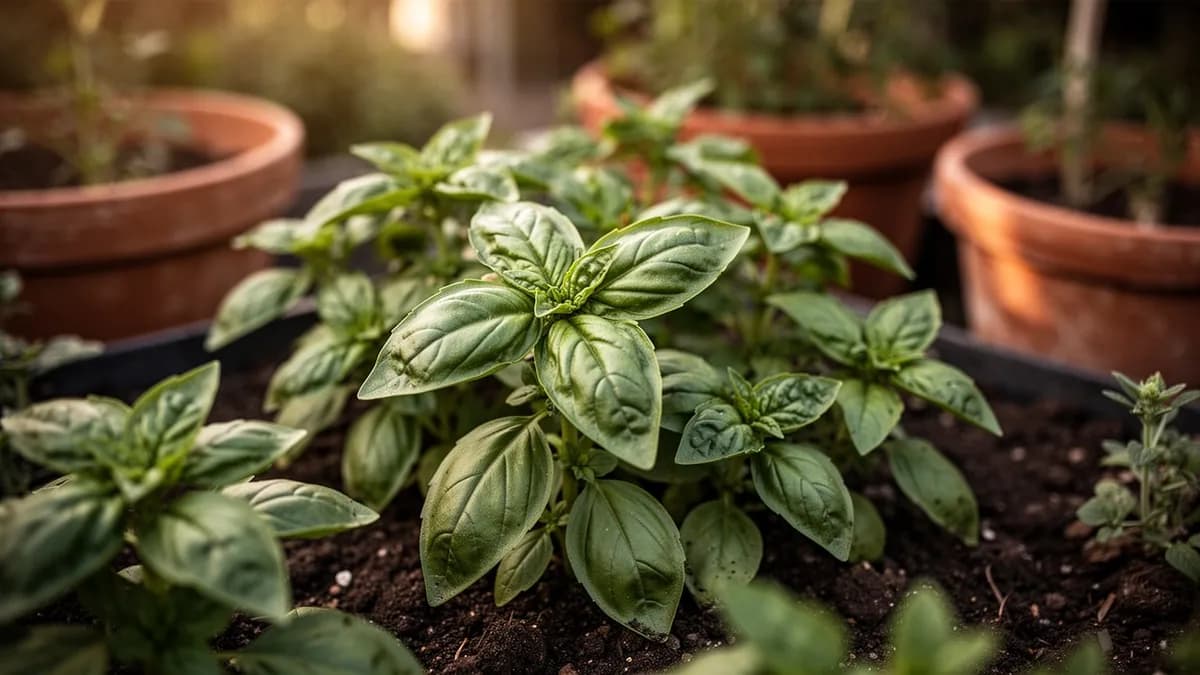
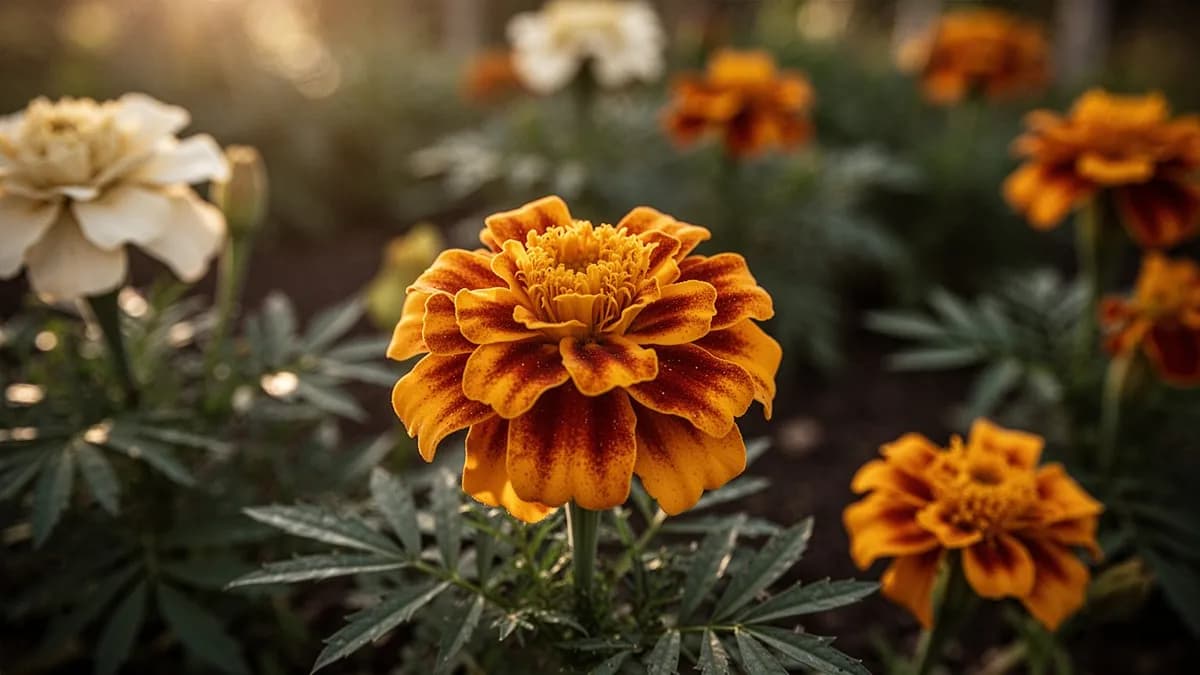
Knoblauch und Basilikum, die unter Aprikosenbäumen gepflanzt werden, helfen, Blattläuse und einige Pilzprobleme abzuwehren. Ringelblumen ziehen Bestäuber und nützliche Insekten während der Blütezeit an. Beinwell ist ein ausgezeichneter Unterpflanzbegleiter und erschließt mit tiefen Wurzeln Nährstoffe. Klee oder Wicke zwischen den Bäumen bindet Stickstoff und dient als Bodenbedeckung. Das Pflanzen von Tomaten, Paprika oder anderen Nachtschattengewächsen in der Nähe von Aprikosen aufgrund gemeinsamer Krankheitsanfälligkeiten vermeiden.
Knoblauch gehört daneben. Walnussbaum nicht.
Altes Gärtnerwissen, geprüft an der echten Nachbartabelle von Aprikosenbaum — teste jede Pflanze, die du anbaust.
Probiere Aprikosenbaum direkt hier im Beet
Ein echtes Planer-Beet, Aprikosenbaum steht schon drin. Tippe einen Begleiter an, platziere ihn und sieh, wie die Nachbarschaftsprüfung antwortet — grün für gute Nachbarn, rot bei Streit.


Passende Anbau-Ratgeber
Richtig düngen
Aprikosenbäume bevorzugen gut durchlässigen Sandlehm mit einem pH-Wert von 6,0 bis 7,0. Sie tolerieren leicht alkalische Bedingungen besser als Pfirsiche. Schwere Lehmböden und schlecht drainierte Standorte vermeiden. Im frühen Frühjahr einen ausgewogenen Dünger ausbringen, etwa 100 g Stickstoff pro Jahr des Baumalters. Übermäßiger Stickstoff fördert weiches, krankheitsanfälliges Wachstum. Aprikosen profitieren von einer Kaliumergänzung für bessere Fruchtfarbe und Winterhärte.
Ideale Temperatur
Winterhärtezone-Kompatibilität
Von der Saat zur Ernte, Schritt für Schritt
Ruhephase
Der Aprikosenbaum tritt nach dem Laubfall in die Winterruhe ein und spart Energie in seinem Wurzelsystem und Holzgewebe. In dieser Zeit sammelt der Baum die Kältestunden an, die er benötigt, um im folgenden Frühjahr ordnungsgemäß aus der Ruhe zu erwachen. Die meisten Aprikosensorten benötigen zwischen 300 und 900 Kältestunden unterhalb von 7 Grad Celsius.
Knospenaustrieb und Blüte
Wenn die Temperaturen im Spätwinter bis zum frühen Frühjahr steigen, schwellen die Blütenknospen an und öffnen sich, bevor die Blätter austreiben. Aprikosenbäume gehören zu den ersten Steinobstbäumen, die blühen, was sie anfällig für Spätfröste macht. Die Blüten sind bei vielen Sorten selbstfruchtbar, obwohl Fremdbestäubung den Fruchtansatz verbessern kann.
Fruchtansatz und Entwicklung
Nach erfolgreicher Bestäubung beginnen sich kleine grüne Fruchtanlagen zu entwickeln. Der Baum wirft natürlich einige unreife Früchte in einem als Junifall bezeichneten Prozess ab, aber zusätzliches Handausdünnen ist oft erforderlich, um sicherzustellen, dass die verbleibenden Früchte volle Größe erreichen. Früchte sollten an jedem Ast etwa 5 bis 8 Zentimeter voneinander entfernt sein.
Fruchtreife
Aprikosen wechseln beim Reifen von grün zu goldorange, typischerweise von Ende Juni bis August, abhängig von Sorte und Klima. Das Fruchtfleisch wird weicher und der Zuckergehalt steigt. Reife Früchte geben beim Drücken in der Nähe des Stielansatzes leicht nach und verströmen ein süßes, duftendes Aroma.
Nach der Ernte und Blattwachstum
Nach dem Ende der Ernteperiode betreibt der Baum weiterhin Photosynthese und speichert Kohlenhydrate, die die Blüte und Fruchtproduktion im nächsten Jahr antreiben. Die Blätter bleiben grün und aktiv durch den Sommer bis in den frühen Herbst, bevor sie sich verfärben und bei sinkenden Temperaturen abfallen.
Laubseneszenz und Vorruhephase
Im Herbst zieht der Baum Nährstoffe aus seinen Blättern zurück, die sich gelb verfärben und schließlich abfallen. Der Baum beginnt sich als Vorbereitung auf die Winterruhe abzuhärten. Diese Übergangszeit ist entscheidend für den Aufbau der Kältetoleranz in Holz und Knospen.
Im Spätwinter Winteröl spritzen, um überwinternde Schädlinge wie Schildläuse und Blattlauseier zu bekämpfen. Während der Ruhephase des Baumes schneiden, um die Krone zu formen und tote oder kreuzende Äste zu entfernen.
Aprikosenbaum Monat für Monat pflegen
Was du jeden Monat für deine Aprikosenbaum tun solltest
Oktober
Aktueller MonatEine 7 bis 10 Zentimeter dicke Schicht organisches Mulchmaterial rund um die Baumscheibe auftragen. Boden-pH und Nährstoffgehalt testen; bei Bedarf mit Kalk oder Schwefel korrigieren. Stamm auf Einbohrungslöcher von Borkenkäfern untersuchen und bei Fund behandeln
Immer wissen, was jetzt im Garten zu tun ist
Eine E-Mail zum Monatsanfang: was du jetzt säen, pflanzen und anpacken solltest — für deine Aprikosenbaum und alles, was drumherum wächst. Dazu ein kurzer Startkurs, der dich vor den klassischen Fehlern bewahrt.
- Was jetzt zu tun ist
- Passend zu deiner Saison
- Startkurs inklusive
Aprikosenbaum ernten
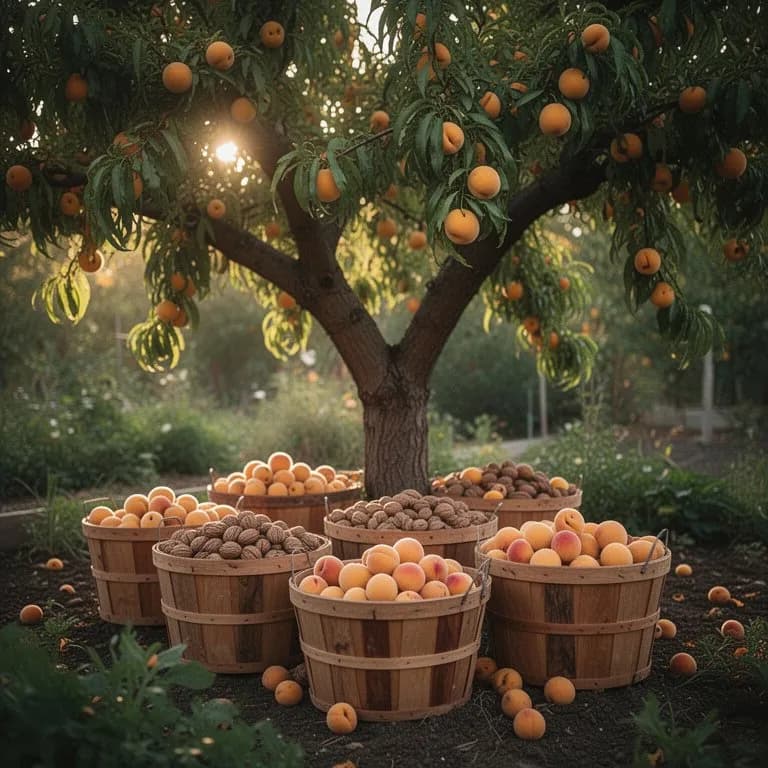
Aprikosen reifen schnell und müssen sorgfältig beobachtet werden. Die Frucht ist erntereif, wenn sie eine vollständige orangefarbene Farbe entwickelt, bei sanftem Druck leicht nachgibt und sich bei einem sanften Drehen vom Ast löst. Aprikosen verbessern ihr Aroma nach dem Pflücken kaum, daher haben am Baum gereifte Früchte den besten Geschmack. Für das Trocknen oder Einmachen jedoch bei fester Reife ernten. Ernten Sie alle 1 bis 2 Tage während des kurzen Reifefensters, das in der Regel nur 1 bis 2 Wochen dauert.
angenommen, du pflanzt zu Beginn des Zeitraums — trage dein tatsächliches Datum ein
Ernte Aprikosenbaum zügig, dann trägt die Pflanze weiter.
Lagerung & Konservierung
Frische Aprikosen sind sehr verderblich und halten sich im Kühlschrank nur 3 bis 5 Tage. Getrocknete Aprikosen sind eine klassische Konservierungsmethode: halbieren, entkernen und bei 57 Grad trocknen, bis sie lederartig und biegsam sind. Schwefelbehandelte getrocknete Aprikosen behalten ihre orangefarbene Farbe, während unbehandelte dunkelbraun werden, aber einen überlegenen Geschmack haben. Aprikosen ergeben eine hervorragende Marmelade, Konfitüre und Chutney. Sie lassen sich gut einfrieren, wenn sie halbiert und entkernt sowie in Zuckersirup oder trocken verpackt werden.
Was schiefgeht — und die Lösung
Braunfäule
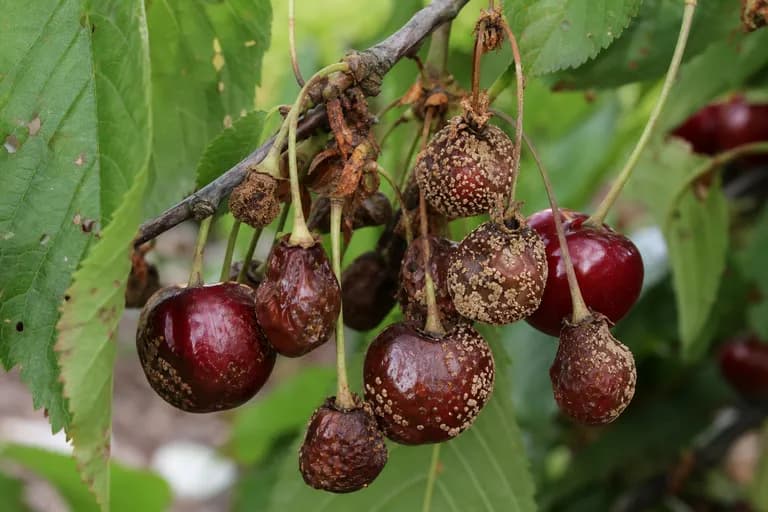
KrankheitPelziger brauner Schimmel auf Blüten und reifenden Früchten. Blüten welken und haften am Baum. Früchte mumifizieren an den Ästen.
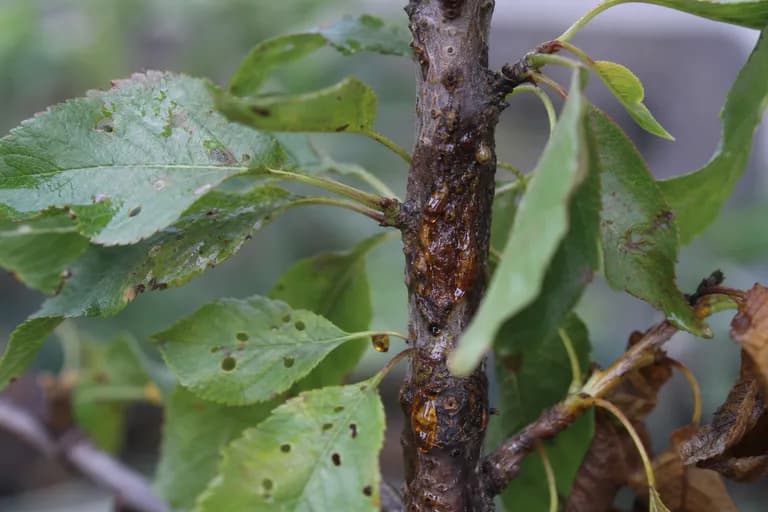
Bakterielle Rindenerkrankung
KrankheitEingesunkene, gummiartige Krebsstellen an Ästen und Stamm. Absterben von Ästen im Frühjahr. Blätter können Schrotschuss-Symptome zeigen.
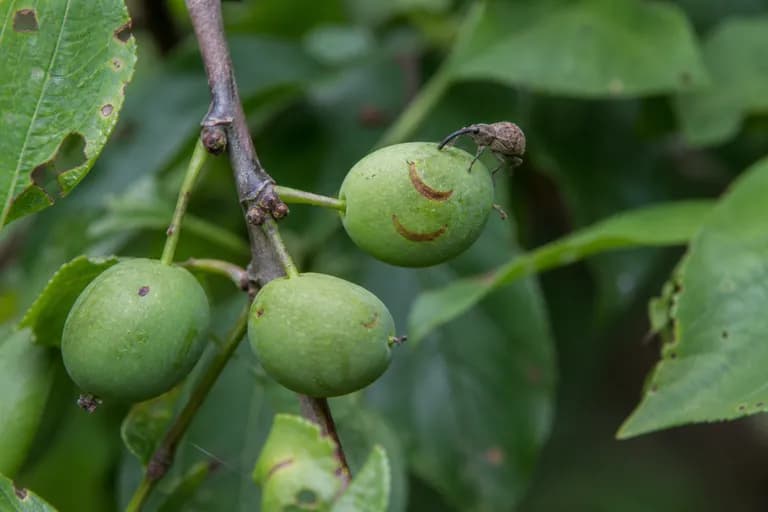
Pflaumenrüsselkäfer
SchädlingHalbmondförmige Eiablageschnitte an sich entwickelnden Früchten. Larven fressen im Inneren der Früchte und verursachen vorzeitigen Fruchtfall.
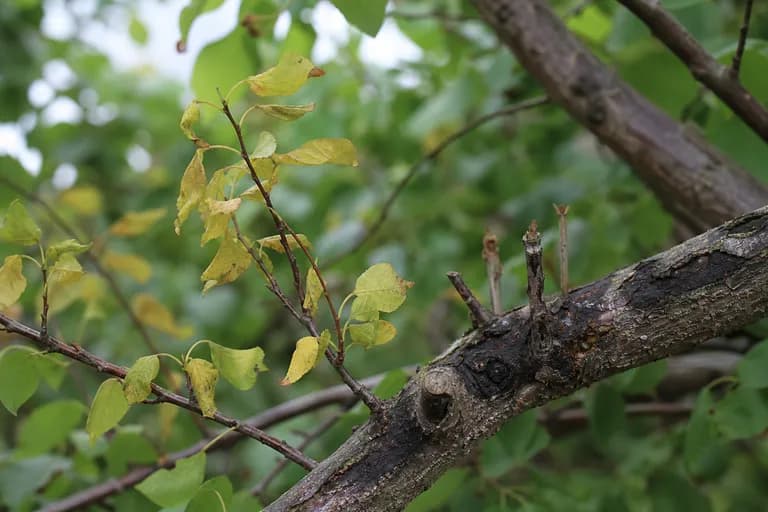
Eutypa-Absterben
KrankheitVerkümmerter, welker Neuaustrieb mit kleinen, schalenförmigen Blättern im Frühjahr. Krebsstellen entwickeln sich in älterem Holz und bringen Äste fortschreitend zum Absterben.
Fehlerbehebung bei häufigen Problemen
Spätfrostschäden an Blüten sind der häufigste Grund für Ernteausfälle, da Aprikosen früher blühen als die meisten anderen Obstbäume. Für kalte Klimazonen spätblühende Sorten wählen. Braunfäule ist in feuchten Regionen besonders problematisch. Gummosis an Ästen deutet oft auf eine Krebserkrankung oder Borkenkäferbefall hin. Fruchtplatzen kurz vor der Ernte entsteht durch ungleichmäßige Bewässerung. Überbewässerung oder schlechte Drainage verursacht Wurzelfäule.
Anbautipps
- Aprikosenbäume an einem Standort pflanzen, der täglich mindestens 6 bis 8 Stunden direkte Sonneneinstrahlung erhält und vor kalten Nordwinden geschützt ist, um frühe Blüten vor Frostschäden zu schützen.
- Gut durchlässigen Sandlehm oder lehmigen Boden mit einem pH-Wert zwischen 6,0 und 7,5 wählen; Aprikosenbäume reagieren sehr empfindlich auf Staunässe und entwickeln in schweren Lehmböden ohne ausreichende Drainage Wurzelfäule.
- Standardgroße Bäume 6 bis 8 Meter voneinander entfernt und Zwergvarianten 3 bis 4 Meter voneinander entfernt pflanzen, um ausreichende Luftzirkulation und Lichtdurchdringung in der gesamten Krone zu gewährleisten.
- Tief, aber selten bewässern, während der Vegetationsperiode alle 7 bis 10 Tage 2,5 bis 5 Zentimeter Wasser geben; Bewässerung reduzieren, wenn sich die Früchte der Reife nähern, um das Aroma zu verbessern und Platzen zu verhindern.
- Junge Bäume in eine offene Vasenform mit 3 bis 4 Hauptleitästen erziehen, die im Winkel von 45 bis 60 Grad vom Stamm abgehen, was die Lichtexposition maximiert und die Ernte vereinfacht.
- Im frühen Frühjahr, wenn die Knospen zu schwellen beginnen, einen ausgewogenen Dünger wie 10-10-10 ausbringen, etwa 0,5 Kilogramm pro Baumalter bis maximal 5 Kilogramm für ausgewachsene Bäume.
- Früchte vier bis sechs Wochen nach der Blüte kräftig ausdünnen, sodass eine Frucht alle 5 bis 8 Zentimeter entlang jedes Astes verbleibt, um größere, süßere Aprikosen zu fördern und das Risiko von Astbrüchen zu reduzieren.
- Regelmäßig auf häufige Schädlinge wie Blattläuse, Pfirsichtriebwickler und Orientalischen Fruchtwickler überwachen und früh gezielte Behandlungen durchführen, bevor sich Populationen etablieren.
- Vorbeugende Fungizidspritzungen beim Knospenaustrieb und beim Blütenfall durchführen, um Braunfäule und Schrotschusskrankheit zu bekämpfen, die beiden bedeutendsten Pilzprobleme für Aprikosenbäume.
- Den Stamm junger Bäume mit weißer Latexfarbe oder kommerziellem Stammschutzband vor Wintersonnenbrand schützen, der die Rinde auf der südexponierten Seite aufspringen lassen und Eintrittspunkte für Krankheitserreger schaffen kann.
Bau deine beste Aprikosenbaum an — und alles drumherum.
Starte heute kostenlos. Lege deine Beete an, setze deine Aprikosenbaum ein und lass PlotMyGarden Timing, Abstände, Begleiter und Erinnerungen von der Saat bis zum Erntekorb übernehmen.
Finde deine Aprikosenbaum
Moorpark
Erbsorte, die für ihre großen, geschmacksintensiven Früchte geschätzt wird und von vielen als die schmackhafteste Aprikose angesehen wird. Benötigt warme Sommer für beste Ergebnisse.
Blenheim (Royal)
Die klassische kalifornische Aprikose mit intensivem, komplexem Aroma. Hervorragend zum Trocknen, Einmachen und für den Frischverzehr. Gedeiht in warmen, trockenen Klimazonen.
Goldcot
Kältetolerante Sorte, die später als die meisten Aprikosen blüht und das Frostschadenrisiko reduziert. Mittelgroße, süße Frucht mit gutem Geschmack. Ideal für nördlichere Anbaugebiete.
Puget Gold
Für den pazifischen Nordwesten entwickelt, toleriert diese Sorte kühle, nasse Frühlinge besser als andere Aprikosen. Zuverlässige Trägerin mit qualitativ guten Früchten.
Harcot
Kanadisch gezüchtete kältetolerante Aprikose mit guter Resistenz gegen Braunfäule und bakterielle Rindenerkrankung. Mittelgroße, süße Früchte an einem kompakten Baum.
Ein einzelner ausgewachsener Aprikosenbaum kann jährlich 70 bis 90 Kilogramm Früchte liefern. Da frische Bio-Aprikosen im Einzelhandel etwa 6 bis 10 Euro pro Kilogramm kosten, könnte ein produktiver Baum pro Saison Früchte im Wert von 420 bis 900 Euro liefern. Der Baum beginnt typischerweise im dritten oder vierten Jahr bedeutende Ernten zu produzieren und kann 20 Jahre oder länger produktiv bleiben, was ihn zu einer ausgezeichneten Langzeitinvestition für Hausobstgärtner macht.
Schnelle Rezepte
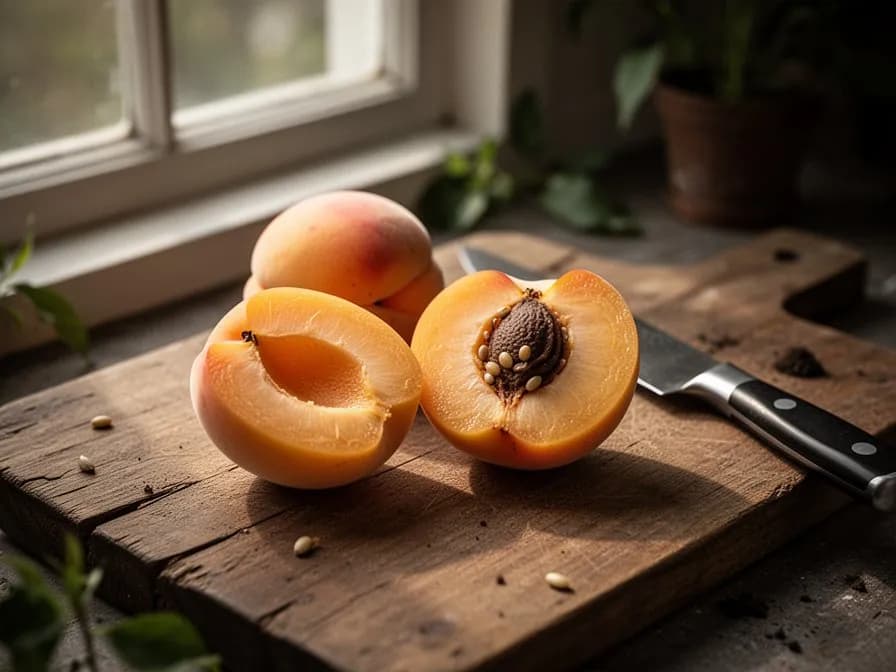
Frische Aprikosen-Mandel-Galette
25 Min.Ein rustikaler Freeform-Tart mit aufgeschnittenen frischen Aprikosen, angeordnet über Frangipane-Füllung auf blättrigem Teig. Die Ränder werden nach innen gefaltet für eine ungezwungene, goldbraune Präsentation, die die natürliche Süße der Frucht hervorhebt.
7 Zutaten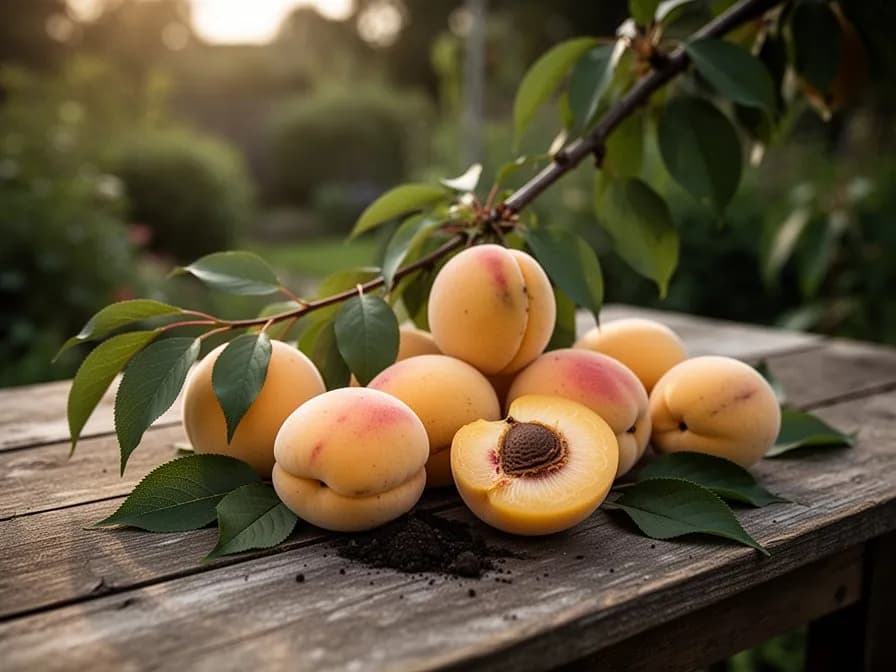
Aprikosen-Chutney mit Ingwer und Kardamom
35 Min.Ein würzig-süßes Kondiment, das frische Aprikosen mit wärmenden Gewürzen und einem Schuss Essig kombiniert. Dieses Chutney passt hervorragend zu Grillgerichten, Käseplatten und Getreideschüsseln und kann durch Einkochen im Wasserbad für die Langzeitlagerung konserviert werden.
7 ZutatenGegrillter Aprikosen- und Burrata-Salat
15 Min.Halbierte Aprikosen werden kurz gegrillt, um ihren natürlichen Zucker zu karamellisieren, dann neben cremiger Burrata, pfeffrigem Rucola und einem Tropfen Honig-Balsamico-Dressing für einen einfachen, aber eleganten Sommersalat serviert.
7 ZutatenKulinarische Verwendung
Frische Aprikosen haben ein zartes, aromatisches Aroma, das sich beim Trocknen dramatisch intensiviert. Sie eignen sich hervorragend für Tarts, Galettes und Marmelade. Getrocknete Aprikosen sind unverzichtbar in nordafrikanischen Tajines, Müslimischungen und Backwaren. Aprikosenkerne werden zur Herstellung von Amaretti-Keksen und Amaretto-Likör verwendet. Die Frucht harmoniert wunderbar mit Mandeln, Honig, Vanille und Lamm. Aprikosen sind reich an Beta-Carotin, Vitamin A und Kalium.
Was drinsteckt
Gesundheitsvorteile
- Hoher Beta-Carotin-Gehalt unterstützt gesundes Sehen, Hautintegrität und Immunsystemfunktion durch Umwandlung in Vitamin A im Körper.
- Antioxidative Polyphenole einschließlich Catechine, Chlorogensäure und Quercetin helfen, freie Radikale zu neutralisieren und können Marker chronischer Entzündungen reduzieren.
- Lösliche Ballaststoffe, insbesondere Pektin, unterstützen die Verdauungsregelmäßigkeit und können helfen, den LDL-Cholesterinspiegel zu senken, wenn sie als Teil einer ausgewogenen Ernährung verzehrt werden.
- Kaliumgehalt trägt zur gesunden Blutdruckregulation bei, indem er die Auswirkungen von Nahrungsnatrium auf das Herz-Kreislauf-System ausgleicht.
- Geringe Kaloriendichte kombiniert mit natürlicher Süße und Ballaststoffen macht Aprikosen zu einem sättigenden Snack, der ein gesundes Gewichtsmanagement unterstützt.
- Eisen- und Kupfergehalt unterstützt die Bildung roter Blutkörperchen und den Sauerstofftransport, besonders vorteilhaft, wenn getrocknete Aprikosen als konzentrierte Quelle verzehrt werden.
Woher Aprikosenbaum stammt
Die Aprikose (Prunus armeniaca) hat ihren Ursprung in den Gebirgsregionen Zentral- und Westchinas, wo wilde Populationen seit mindestens 4.000 Jahren in Höhenlagen zwischen 1.000 und 3.000 Metern dokumentiert sind. Archäologische Belege aus alten chinesischen Fundstätten umfassen konservierte Aprikosenkerne, die auf etwa 2000 v. Chr. datiert werden und die frühe Kultivierung durch den Menschen bestätigen. Von China aus verbreitete sich die Frucht westwärts durch Zentralasien entlang alter Handelsrouten, die später zur Seidenstraße werden sollten. Persische und arabische Händler führten die Aprikose in das Mittelmeer-Becken ein, wo sie in den warmen, trockenen Klimazonen der heutigen Türkei, Syriens und Griechenlands gedieh. Die Römer stießen im ersten Jahrhundert n. Chr. auf Aprikosen und nannten sie praecoqua, was frühreifend bedeutet, ein Name, der sich über das arabische al-barquq zum modernen deutschen Wort Aprikose entwickelte. Spanische Entdecker und Missionare brachten im 18. Jahrhundert Aprikosenbäume nach Amerika und pflanzten sie in Missionsgärten entlang der kalifornischen Küste. Die milden Winter und warmen Sommer Kaliforniens erwiesen sich als ideal, und der Staat wurde schnell zum Zentrum der amerikanischen Aprikosenproduktion. Heute werden Aprikosen kommerziell in Südeuropa, Zentralasien, dem Nahen Osten, Nordafrika und Teilen Nord- und Südamerikas angebaut. Die Türkei führt die Weltproduktion an, gefolgt von Usbekistan, dem Iran, Italien und Algerien. Moderne Züchtungsprogramme haben Sorten mit verbesserter Kältetoleranz, Krankheitsresistenz und verlängerten Erntefenstern entwickelt und machen Aprikosen für Hausgärtner in USDA-Zonen 4 bis 9 zugänglich. Trotz ihrer langen Reise aus den Bergen Chinas behalten Aprikosen ihre Vorliebe für gut durchlässige Böden, reichlich Sonnenschein und eine Periode der Winterkälte, um jedes Jahr zuverlässig Früchte anzusetzen.
Aprikosenbaum: Schon gewusst?
Faszinierende Fakten über Aprikosenbaum
Aprikosen haben ihren Ursprung in China vor über 4.000 Jahren und reisten auf der Seidenstraße westwärts in den Mittelmeerraum, bevor sie im 18. Jahrhundert mit spanischen Missionaren nach Amerika gelangten.
Aprikosenbaum: Fragen & Antworten
Wann sollte ich Aprikosenbaum pflanzen?
Was sind gute Begleitpflanzen für Aprikosenbaum?
In welchen Winterhärtezonen kann Aprikosenbaum wachsen?
Wie viel Sonne braucht Aprikosenbaum?
Welchen Abstand sollte ich zwischen Aprikosenbaum lassen?
Welche Schädlinge und Krankheiten befallen Aprikosenbaum?
Wie lagere ich Aprikosenbaum nach der Ernte?
Was sind die besten Aprikosenbaum-Sorten zum Anbauen?
Welchen Boden braucht Aprikosenbaum?
Wie lange dauert es, bis ein Aprikosenbaum Früchte trägt?
Brauche ich zwei Aprikosenbäume zur Bestäubung?
Warum blüht mein Aprikosenbaum, setzt aber keine Früchte an?
Was ist die beste Methode, um Braunfäule bei Aprikosen zu verhindern?
Kann ich einen Aprikosenbaum in einem Kübel anbauen?
Wie soll ich frisch geerntete Aprikosen lagern?
Du hast die Theorie gelesen. Jetzt baue sie auf Autopilot an.
Alles, was Aprikosenbaum knifflig macht — das Timing, die Abstände, die Begleiter, das Erntefenster — genau das übernimmt PlotMyGarden für dich, für jede Pflanze im Garten.
Ein Plan, der dein Wetter kennt
Standort einmal festlegen. Aussaat-, Dünge- und Erntedaten rund um deinen echten letzten Frosttermin und die Live-Vorhersage — kein Raten mehr nach Saattüte.
Aus dem Abschnitt „Pflanzzeit“Beetplaner per Drag & Drop
Beete auf einem Raster gestalten. Jede Pflanze rastet im richtigen Abstand ein, und du siehst die ganze Saison, bevor du einen Cent für Saatgut ausgibst.
Aus dem Abschnitt „Anbau“Begleiter-Konflikte früh erkannt
Über 200 gute und schlechte Kombinationen werden beim Pflanzen live geprüft — so landet ein saisonruinierender Fehler nie in der Erde.
Aus dem Abschnitt „Begleiter“Erinnerungen, nach denen du wirklich handelst
„Gieß die Bohnen.“ „Heute ernten, bevor's umschlägt.“ Pünktlich, konkret und auf deine echten Pflanzen bezogen.
Aus dem Abschnitt „Ernte“Staffel-Aussaat, geplant
Sechs Wochen ernten statt sechs Tage? Die App verteilt deine Aussaaten automatisch und erinnert dich, wenn der nächste Satz fällig ist.
Aus dem Abschnitt „Pflanzzeit“Ein Verlauf, der schlauer wird
Jede protokollierte Ernte bringt der App deinen Garten bei. Der Plan fürs nächste Jahr startet bei dem, was in deinem Boden wirklich funktioniert hat.
Aus dem Abschnitt „Überblick“Pflanze diese neben Aprikosenbaum
Weitere Obstbäume
Halte Aprikosenbaum von diesen fern
Bau deine beste Aprikosenbaum an — und alles drumherum.
Starte heute kostenlos. Lege deine Beete an, setze deine Aprikosenbaum ein und lass PlotMyGarden Timing, Abstände, Begleiter und Erinnerungen von der Saat bis zum Erntekorb übernehmen.