Manzana Pink Lady
Una manzana australiana de final de temporada, con un rubor rosado distintivo y un equilibrio perfecto entre dulzor y acidez.





En esta páginaResumen
Conoce Manzana Pink Lady
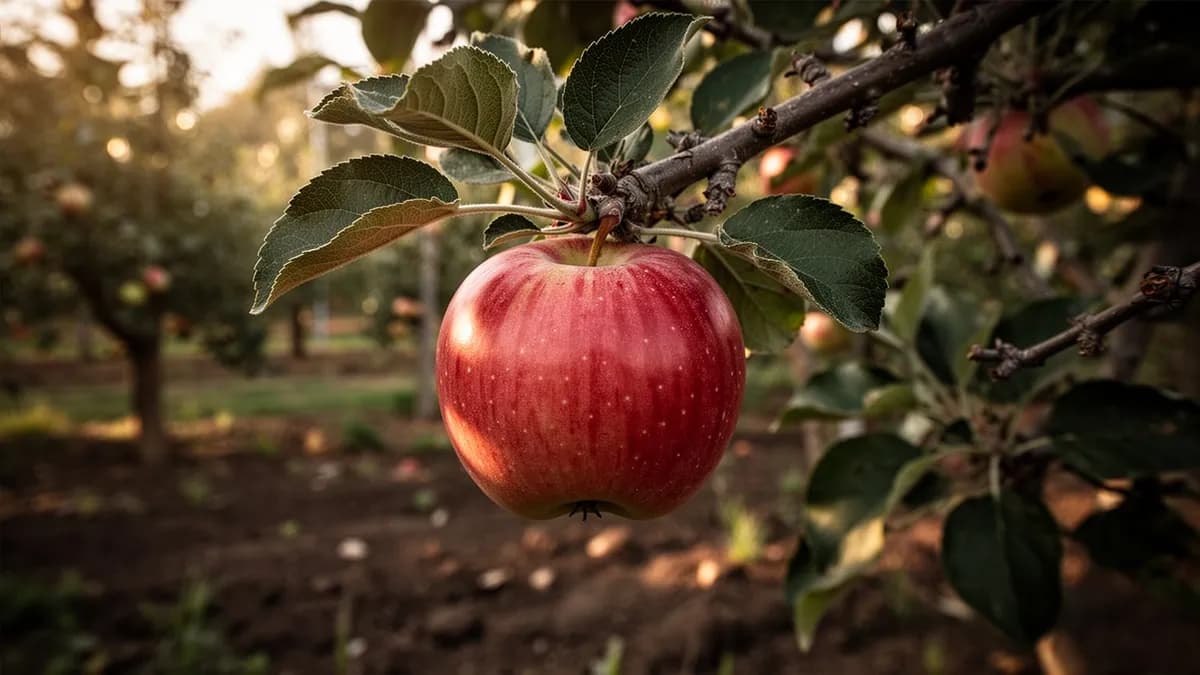
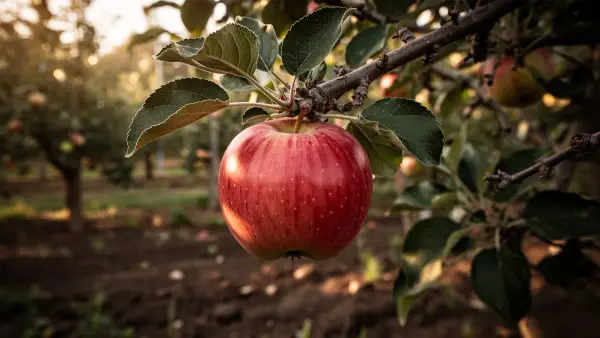
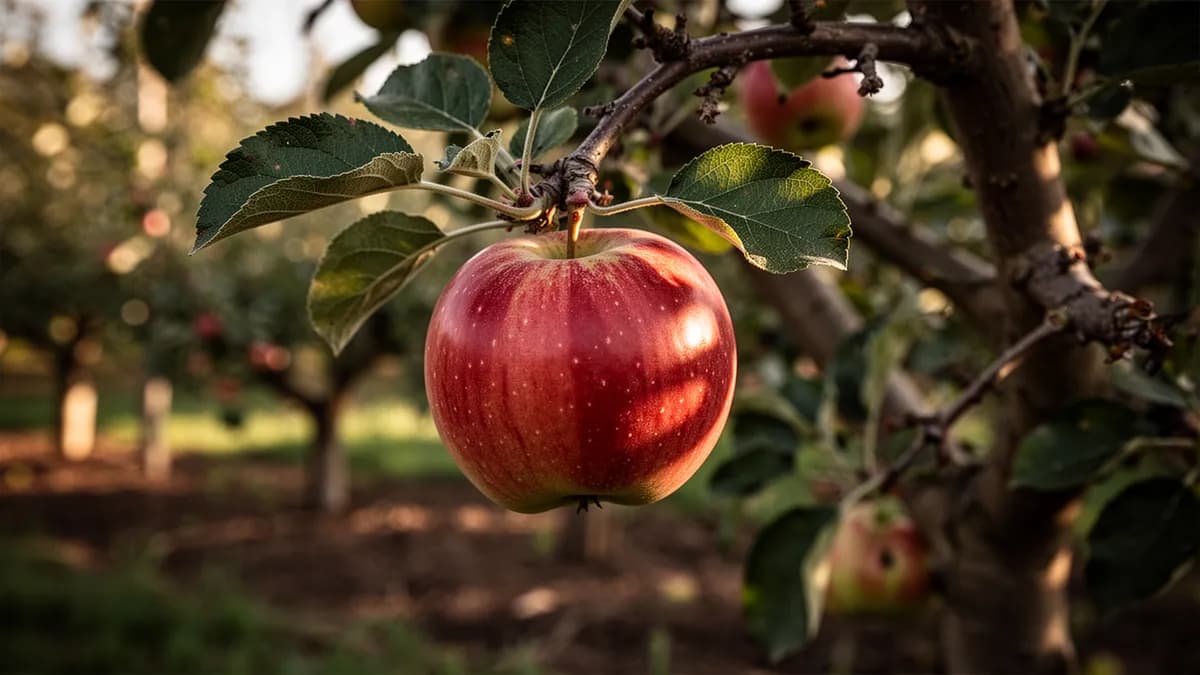
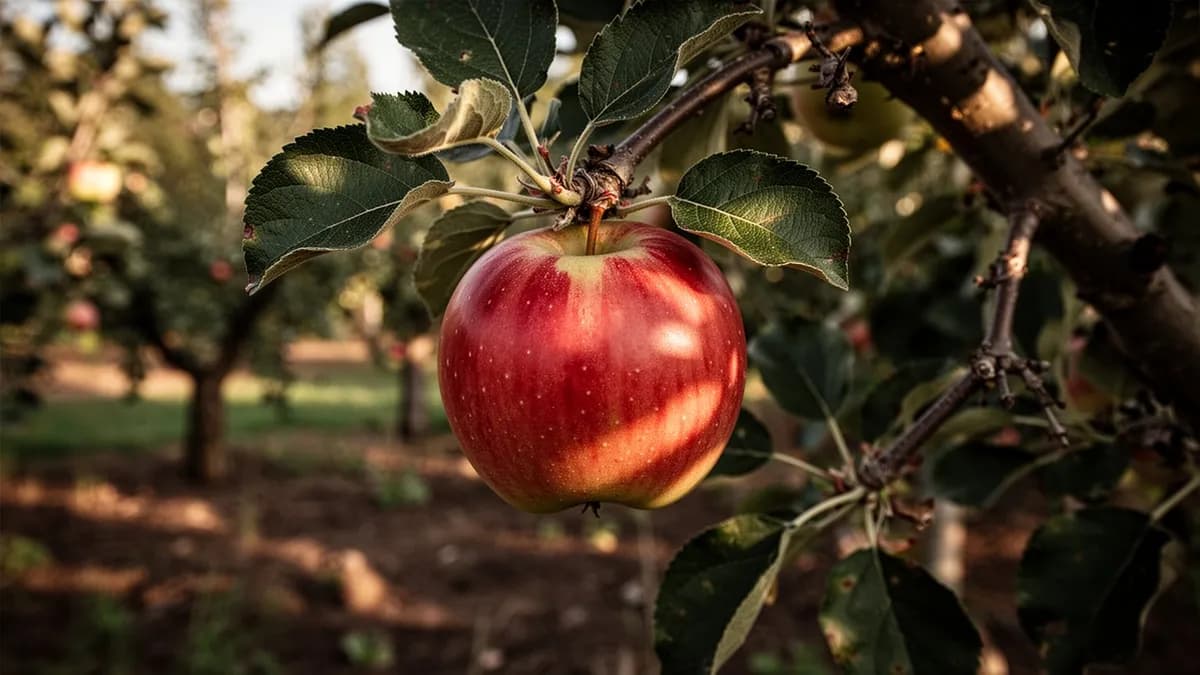
Una manzana australiana de final de temporada, con un rubor rosado distintivo y un equilibrio perfecto entre dulzor y acidez. Pink Lady necesita una de las temporadas de crecimiento más largas de cualquier variedad de manzana y requiere climas cálidos para desarrollar su color característico. La pulpa firme y de grano fino es excelente tanto para comer fresca como para cocinar.
Cuándo plantar Manzana Pink Lady
Pink Lady es una marca registrada y Cripps Pink es un cultivar patentado, por lo que la propagación comercial requiere licencia. Las semillas no producirán árboles Pink Lady auténticos. Con fines experimentales, limpie y estratifique las semillas en un medio húmedo a 2-4 °C durante 60 a 90 días. Siembre a 1.25 cm de profundidad en sustrato de germinación bajo luz intensa a 18-24 °C. Las plántulas producirán frutos variables después de muchos años de crecimiento y deberán evaluarse por sus propios méritos.
Tu año de Manzana Pink Lady
Ajustado a Zona 7 · temporada típica · la helada se va hacia el 2 abr y vuelve hacia el 1 nov
Planta Manzana Pink Lady Mar – Abr y cosecha Oct – Nov. Consulta los métodos de plantación y elige tu clima para adaptar los periodos.
Cómo cultivar Manzana Pink Lady
Los manzanos Pink Lady exigen un clima cálido con al menos 200 días libres de heladas y muchas unidades de calor para desarrollar su característico rubor rosado y su sabor equilibrado. Plántelos a pleno sol a comienzos de la primavera, eligiendo si es posible una ladera orientada al sur para maximizar el calor y la exposición a la luz. Los árboles son moderadamente vigorosos y se adaptan bien tanto a sistemas de eje central como de huso alto.
Los polinizadores son esenciales, ya que Pink Lady no es autofértil. Buenos polinizadores incluyen Granny Smith, Gala y Fuji, cuyos periodos de floración coinciden. Pink Lady florece a mitad de estación y cuaja con facilidad, pero es necesario aclarar a una fruta por racimo para lograr buen tamaño y desarrollo del color. La variedad produce de forma natural frutos bien coloreados en climas cálidos, pero puede tener dificultades para desarrollar el rubor rosado en regiones más frías.
Aporte riego constante durante la larga temporada de crecimiento, ya que el estrés hídrico en verano reduce el tamaño y la calidad del fruto. Abone con moderación en primavera, porque el exceso de nitrógeno favorece el crecimiento vegetativo a expensas de la coloración del fruto. Pode para mantener una copa abierta que permita la máxima penetración de luz a todos los frutos, ya que el rubor rosado solo se desarrolla en las superficies expuestas al sol. La cosecha es muy tardía y a menudo se prolonga hasta noviembre.
Para Manzana Pink Lady un bancal de 120 × 240 cm se queda corto
Cada Manzana Pink Lady pide 300 cm de margen. El planificador guarda ese marco por ti — cada planta, cada bancal.
Los mejores vecinos de Manzana Pink Lady
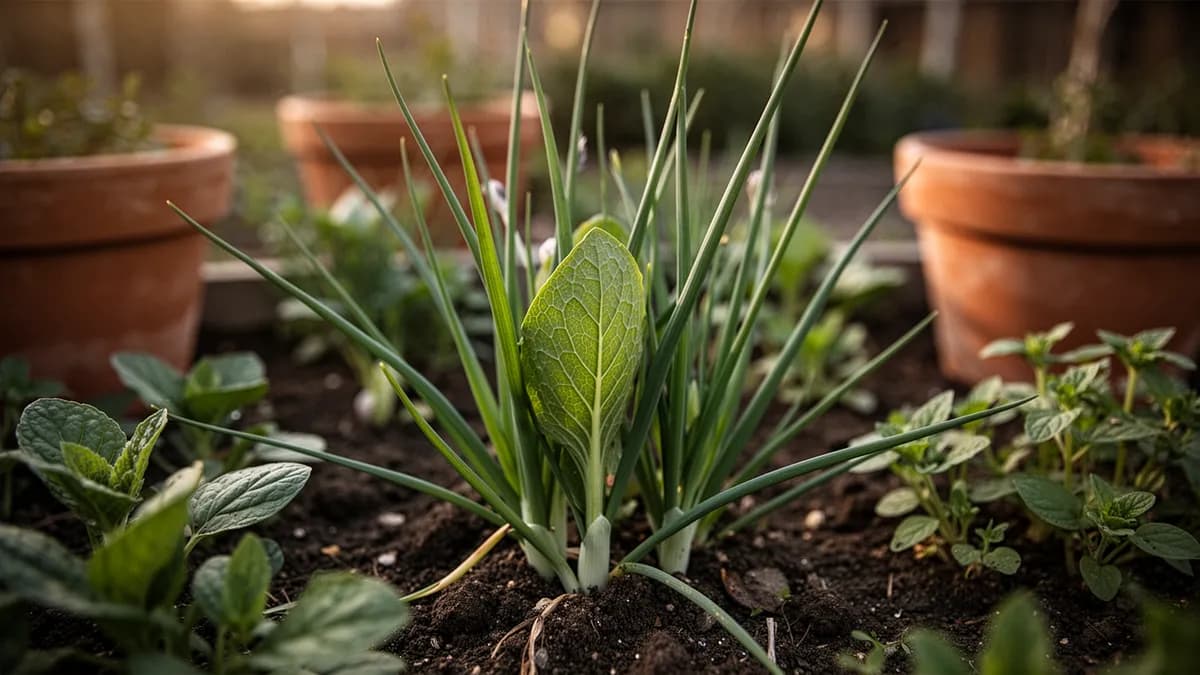
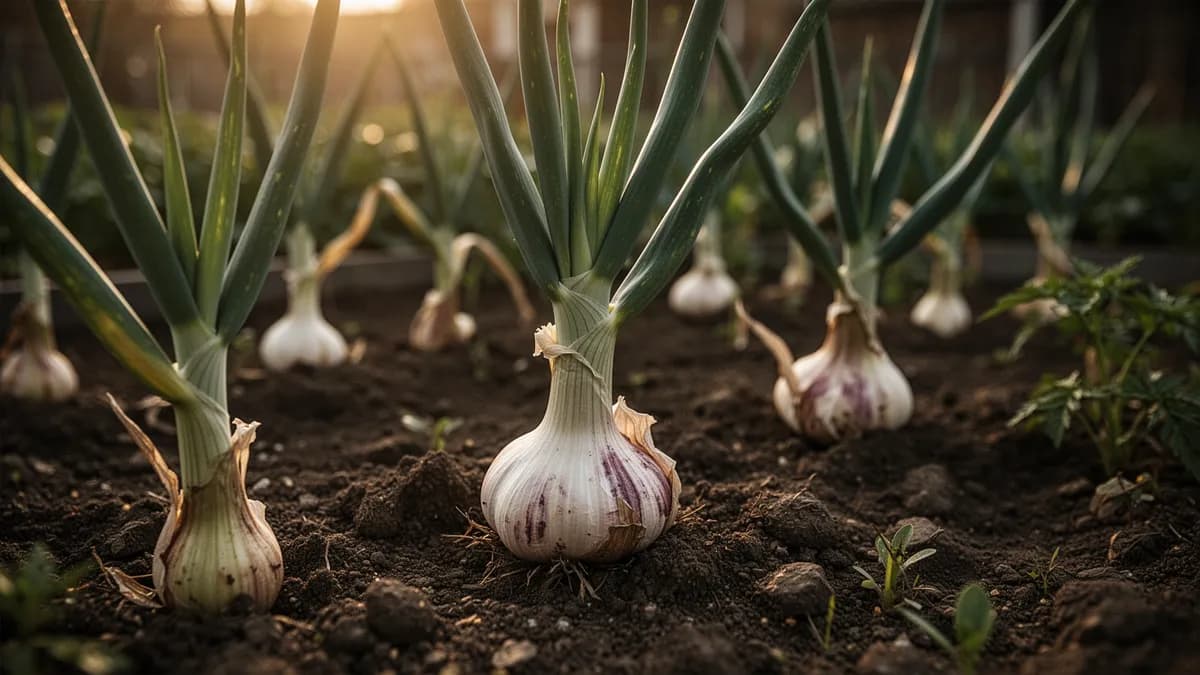
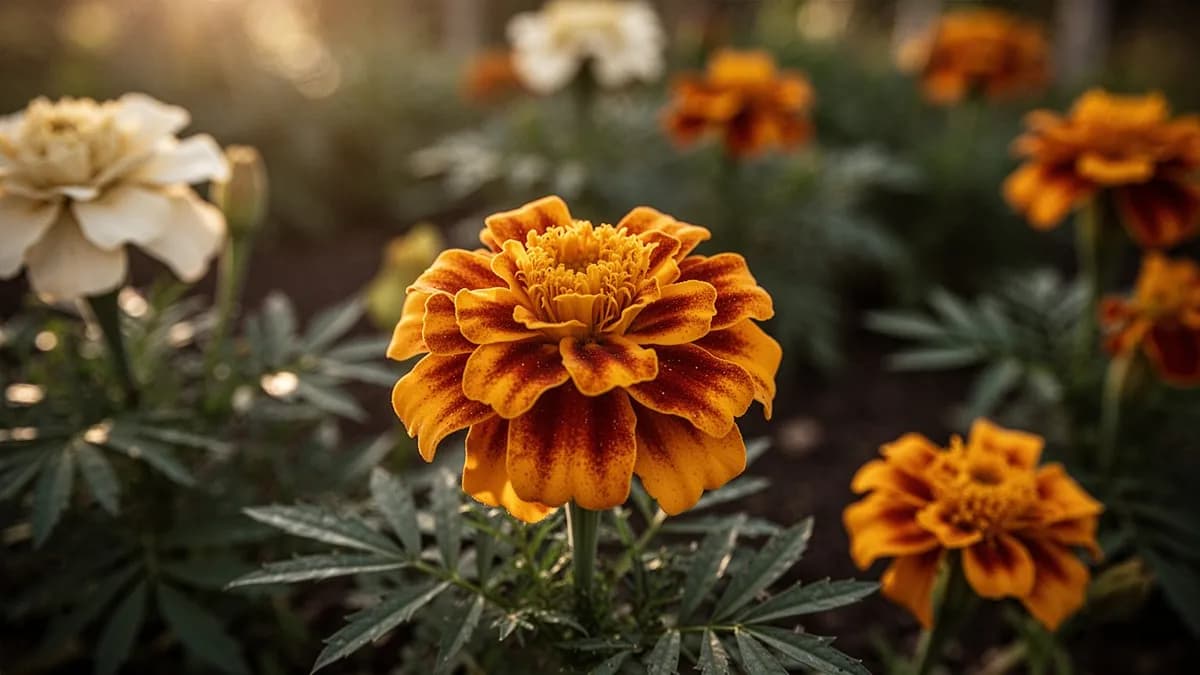
Plante cebollino y ajo como acompañantes para ahuyentar pulgones y barrenadores de la base de los árboles Pink Lady. Las caléndulas atraen insectos beneficiosos y aportan color al suelo del huerto. Hierbas de porte bajo como el tomillo y la mejorana ofrecen cobertura vegetal y atraen polinizadores durante la floración. La consuelda plantada en la línea de goteo acumula potasio y minerales que pueden cortarse y usarse como acolchado rico en nutrientes alrededor del árbol.
Cebollino va a su lado. Nogal no.
Saber de huerto de siempre, cotejado con la tabla real de Manzana Pink Lady — prueba cualquier planta que cultives.
Prueba Manzana Pink Lady en un bancal, aquí mismo
Un bancal real del planificador con Manzana Pink Lady ya plantado. Toca una planta compañera para colocarla y mira cómo responde la comprobación de vecinos: verde para buenos vecinos, rojo si hay conflicto.


Guías de cultivo relacionadas
Abónalo bien
Los árboles Pink Lady rinden mejor en suelos profundos y bien drenados con un pH entre 6.0 y 7.0. La fertilidad moderada es ideal; el exceso de nitrógeno retrasa la maduración del fruto y reduce el rubor rosado. Aplique un fertilizante equilibrado a comienzos de primavera con una dosis conservadora. El potasio es especialmente importante para el desarrollo del color y del sabor, así que mantenga niveles adecuados mediante enmiendas del suelo. Las pulverizaciones de calcio ayudan a prevenir trastornos de almacenamiento en la pulpa densa.
Temperatura ideal
Compatibilidad de zonas de rusticidad
De la semilla a la cosecha, etapa por etapa
Dormancia y brotación
El árbol pasa el invierno en dormancia, acumulando horas de frío esenciales para una floración correcta. A medida que las temperaturas suben a finales del invierno, las yemas empiezan a hincharse y abrirse, señalando el inicio de la temporada de crecimiento.
Floración y polinización
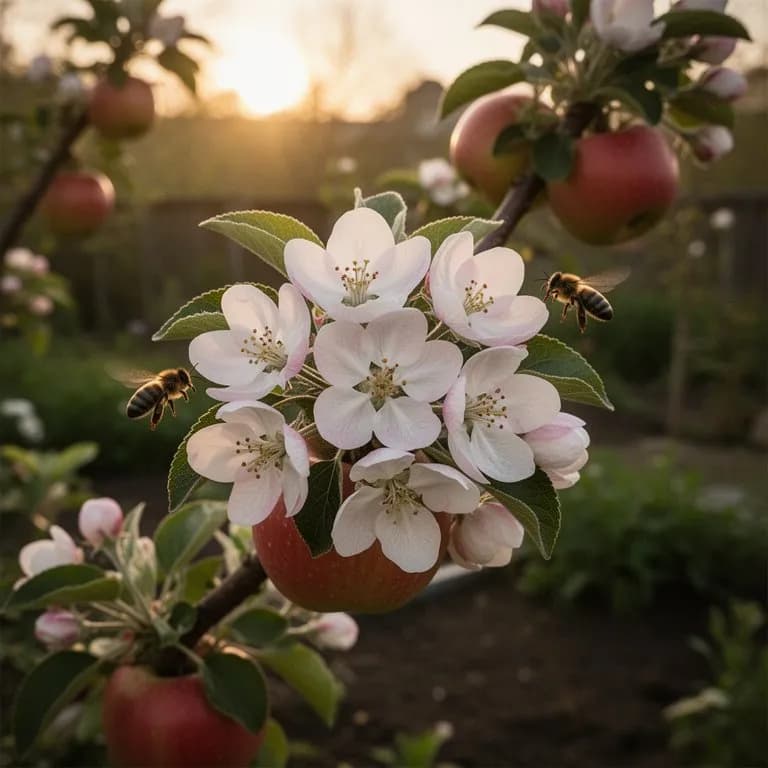
Pink Lady florece más tarde que la mayoría de las variedades de manzana y produce racimos de flores blancas y rosadas. La polinización cruzada es esencial; los polinizadores adecuados incluyen Fuji, Granny Smith y Golden Delicious. Las abejas y otros polinizadores trasladan el polen entre flores durante esta ventana crítica.
Cuajado y desarrollo temprano
Tras la polinización exitosa, los pequeños frutos se desarrollan rápidamente. La caída de junio elimina de forma natural algunos frutitos, pero es necesario aclarar a mano hasta dejar una fruta por racimo, con una separación de 15 a 20 cm, para conseguir manzanas grandes y de alta calidad y evitar la producción alternante.
División celular y aumento de tamaño
La rápida división celular da paso a la expansión de las células. El riego y la nutrición constantes son críticos durante esta fase para alcanzar un tamaño comercial del fruto. La piel permanece verde y cerosa mientras el fruto acumula azúcares y ácidos.
Desarrollo del color y maduración
A medida que los días se acortan y las temperaturas bajan en otoño, los pigmentos de antocianinas migran a la piel, produciendo el característico rubor rosado rojo. Pink Lady necesita la temporada de crecimiento más larga de cualquier variedad comercial para lograr todo su sabor y color.
Cosecha
Pink Lady se cosecha desde mediados de octubre hasta finales de noviembre, según el clima, lo que la convierte en una de las últimas variedades de manzana en madurar. El fruto está listo cuando las pruebas de almidón-yodo indican un valor de 4 a 6 en el índice de patrón de almidón y el color de fondo ha pasado de verde a amarillo verdoso.
Poscosecha e inicio de dormancia
Después de la cosecha, el árbol redirige la energía hacia el desarrollo radicular y se prepara para la dormancia. Las hojas se vuelven gradualmente amarillas y caen a medida que las temperaturas descienden. Este periodo es crítico para reponer las reservas de carbohidratos en la madera.
Aplique aceite de reposo durante la dormancia tardía para sofocar plagas invernantes y huevos de ácaros. Evite pulverizar después de la fase de punta verde para prevenir fitotoxicidad.
Cuidar Manzana Pink Lady mes a mes
Qué hacer cada mes para tu Manzana Pink Lady
Octubre
Mes actualRealice pruebas de almidón-yodo cada semana desde principios de octubre para determinar el momento de cosecha. Recoja cuando el índice de patrón de almidón alcance 4 a 6. Clasifique y almacene la fruta a 0-1 °C en cámaras frías con alta humedad.
Ten claro qué hacer en tu huerto, cada mes
Un correo al empezar cada mes: qué sembrar, plantar y hacer ahora mismo — para tu Manzana Pink Lady y todo lo que crece alrededor. Más un breve curso inicial para esquivar los errores clásicos.
- Qué hacer ahora mismo
- Ajustado a tu temporada
- Curso inicial incluido
Cosechar Manzana Pink Lady
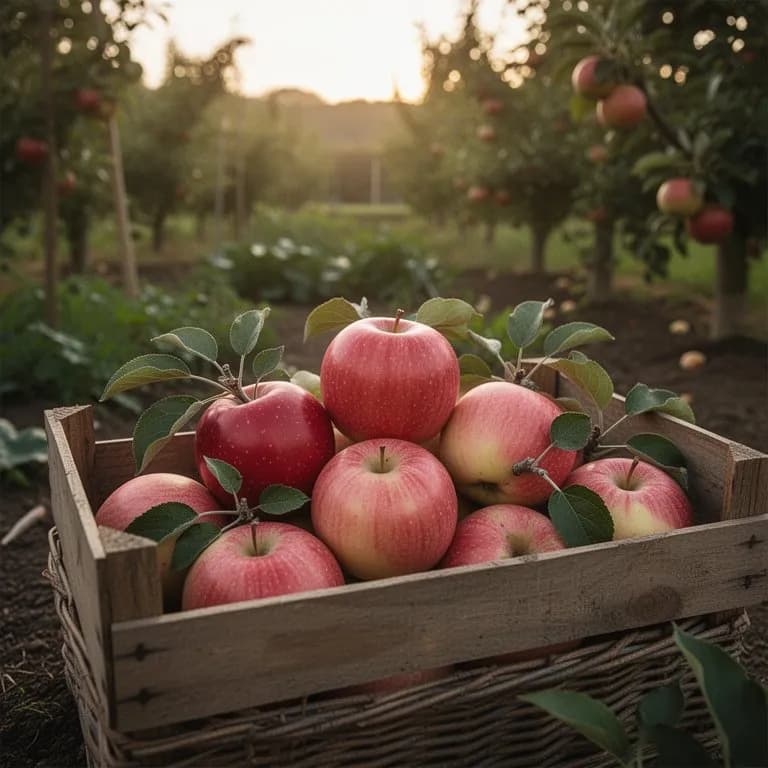
Las manzanas Pink Lady están entre las últimas en madurar, normalmente entre finales de octubre y noviembre, y en climas cálidos a veces hasta comienzos de diciembre. El fruto necesita noches otoñales frescas para desarrollar su característico rubor rosado sobre un fondo verde amarillento. Coseche cuando el color de fondo pase de verde a amarillo dorado y el rubor rosado esté bien establecido. El fruto cuelga bien del árbol y de hecho mejora su sabor con una mayor permanencia. Recoja en varias pasadas, ya que el color se desarrolla de forma desigual por la copa.
se supone que plantas al comenzar el periodo — indica tu fecha real
Cosecha Manzana Pink Lady a tiempo y la planta sigue produciendo.
Almacenamiento y conservación
Las manzanas Pink Lady se conservan excepcionalmente bien y duran entre cuatro y seis meses en cámaras frías a 0-2 °C. La pulpa firme y de grano fino mantiene su textura crujiente y su sabor equilibrado agridulce durante todo el almacenamiento. Son excelentes en rodajas deshidratadas, que conservan su sabor intenso. Para congelarlas, córtelas y trátelas con zumo de limón antes de congelarlas rápidamente para usar en repostería. Pink Lady también produce una sidra monovarietal distintiva con buen equilibrio ácido.
Qué falla — y cómo solucionarlo
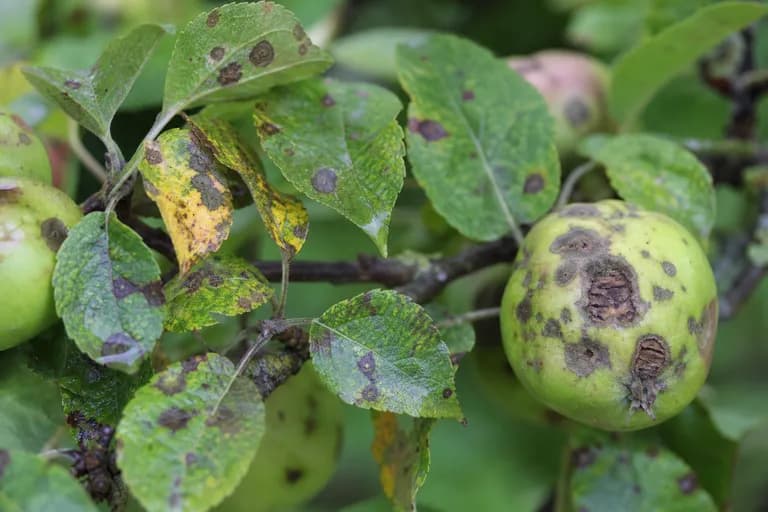
Sarna del manzano
EnfermedadManchas oscuras y aterciopeladas en hojas y frutos que se expanden y agrietan; las infecciones graves provocan defoliación y frutos no comercializables.
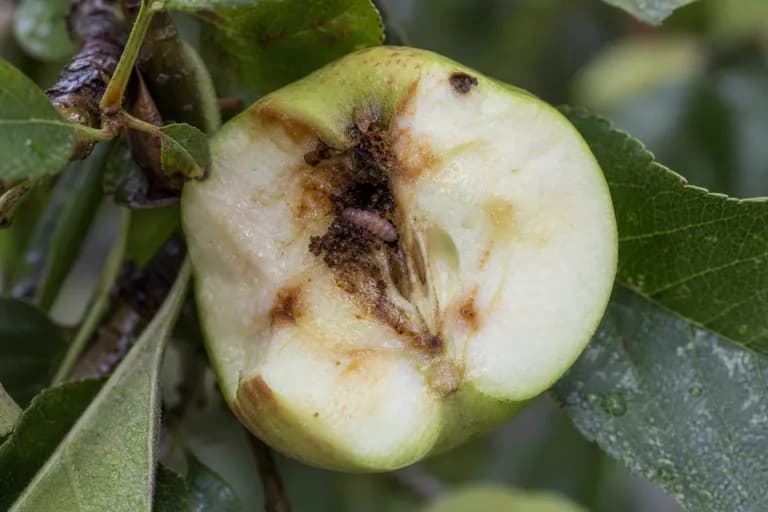
Polilla del manzano
PlagaOrificios de entrada en el fruto con excrementos y galerías larvarias a través de la pulpa hasta el corazón.
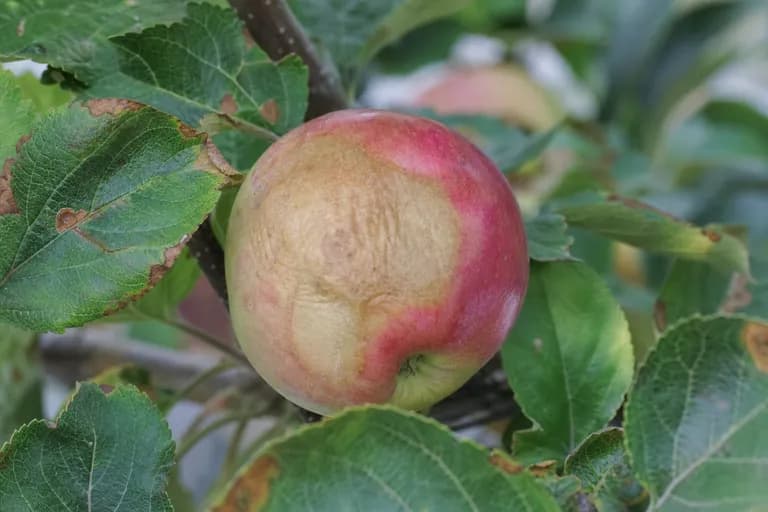
Sarna solar
EnfermedadManchas blanqueadas, tostadas o marrones en los lados del fruto expuestos al sol durante un calor estival intenso por encima de 35 °C.
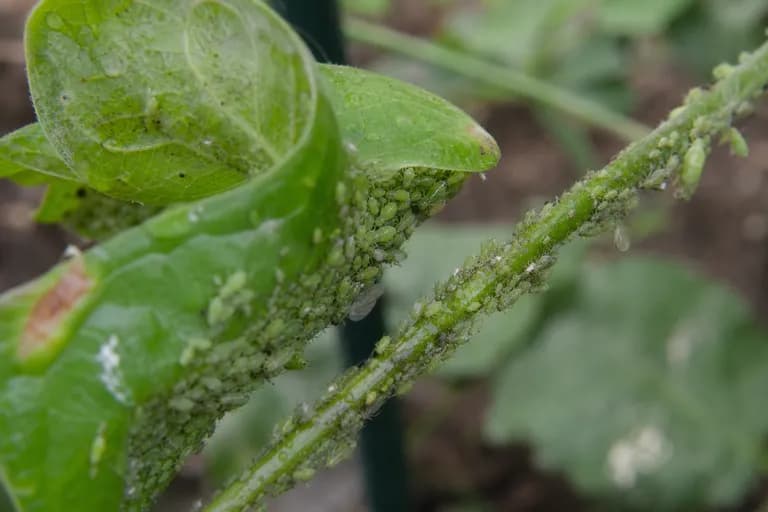
Pulgones
PlagaHojas jóvenes enrolladas y deformadas con residuos pegajosos de melaza; colonias de pequeños insectos verdes o rosados en las puntas de los brotes.
Solución de problemas comunes
El principal desafío de Pink Lady es la temporada de crecimiento extremadamente larga que necesita el fruto para madurar y desarrollar color. En regiones frías o en años con heladas tempranas, la fruta puede no alcanzar la madurez completa, lo que da lugar a manzanas verdes y ácidas sin el rubor característico. Las quemaduras solares durante las olas de calor del verano pueden dañar el lado expuesto del fruto. La variedad está protegida por marca comercial y solo la fruta que cumple determinados estándares de color y calidad puede venderse con el nombre Pink Lady.
Consejos de cultivo
- Pink Lady necesita un sitio realmente soleado y resguardado para madurar por completo; en climas más fríos o nublados la fruta a menudo no desarrolla su color naranja-rosado característico ni su complejidad aromática, y queda más ácida y menos perfumada que la fruta cultivada en condiciones cálidas. Elija la posición más cálida y orientada al sur que tenga en el jardín.
- Plante siempre junto a un polinizador compatible del grupo 3, como Cox's Orange Pippin, Gala, Fuji o Kidd's Orange Red. Pink Lady es totalmente autoincompatible y no producirá frutos sin polinización cruzada de otra variedad compatible que florezca al mismo tiempo.
- La mancha amarga, pequeños puntos marrones y corchosos en la pulpa cerca de la piel, es el trastorno más común que afecta a Pink Lady. Está causada por la deficiencia de calcio en los frutos en desarrollo durante periodos cálidos y secos. Prevéngala manteniendo un riego constante y aplicando pulverizaciones foliares de nitrato de calcio cada dos o tres semanas desde la fase de frutito hasta mediados de agosto.
- Pink Lady produce una cosecha más pesada que muchas variedades de manzana y es especialmente propensa a la producción alternante si se descuida el aclareo. Aclare con decisión hasta dejar una fruta por racimo y busque una separación de 15 a 20 cm entre los frutos retenidos a lo largo de la rama; puede parecer extremo, pero da resultados mucho mejores.
- La variedad es moderadamente susceptible a la sarna del manzano. Comience un programa preventivo de pulverización en la fase de punta verde con fungicida de cobre y cambie a aplicaciones de azufre cada 7 a 10 días durante el tiempo húmedo de primavera hasta la caída de pétalos. Como alternativa, plante acompañantes resistentes y confíe en una buena higiene: recoja y retire todas las hojas caídas en otoño para reducir el reservorio de esporas para la primavera siguiente.
- Pode Pink Lady en verano, en julio y agosto, retirando los brotes acuosos vigorosos y cualquier crecimiento que sombree el fruto en desarrollo. Eso mejora la circulación del aire, reduce la presión de enfermedades y permite que el sol alcance la piel de las manzanas maduras para desarrollar el rubor rojo anaranjado intenso que hace a Pink Lady atractiva tanto visual como gastronómicamente.
- Pink Lady se cosecha tarde, normalmente entre octubre y noviembre, y puede permanecer en el árbol más tiempo que muchas otras variedades sin deteriorarse, lo que da una ventana de recolección útil. Sin embargo, no deje el fruto demasiado tiempo si las semillas ya están totalmente marrones y la pulpa empieza a ablandarse, porque el fruto sobremaduro se conserva peor y pierde el crujido firme que define la variedad.
- Guarde las manzanas Pink Lady cosechadas en un lugar fresco, oscuro y húmedo, entre 1 y 4 °C, con una humedad relativa del 90 al 95 %. Envuélvalas individualmente en papel de periódico o colóquelas en bandejas de una sola capa procurando que no se toquen. En estas condiciones, Pink Lady es una de las variedades que mejor se conservan para el horticultor doméstico, manteniéndose en excelente estado durante 4 o 5 meses.
- Aplique una capa de 10 a 12 cm de acolchado orgánico, como corteza compostada o astillas de madera, en un anillo generoso alrededor de cada árbol, extendiéndolo hasta la línea de goteo. Esto conserva la humedad del suelo durante los meses secos de verano, que son críticos para el engorde del fruto, modera la temperatura del suelo, suprime las malas hierbas competidoras y mejora gradualmente la estructura del suelo al descomponerse, todo con una sola aplicación anual.
- Los árboles jóvenes de Pink Lady se benefician de un solo tutor de bambú o madera clavado en un ángulo de 45 grados en el lado de barlovento durante los primeros 2 o 3 años. Eso sostiene el árbol sin impedir por completo el movimiento del tronco, permitiendo que éste desarrolle la fuerza estructural y la conicidad necesarias para sostenerse por sí mismo. Retire el tutor por completo al tercer año para evitar daños por estrangulamiento.
Cultiva tu mejor Manzana Pink Lady — y todo lo que la rodea.
Empieza un plan gratis hoy. Diseña tus bancales, coloca tu Manzana Pink Lady y deja que PlotMyGarden gestione el momento, el espaciado, las asociaciones y los recordatorios de la semilla a la cesta.
Elige tu Manzana Pink Lady
Cripps Pink
El nombre original del cultivar Pink Lady; todas las Pink Lady son Cripps Pink, pero solo la fruta que cumple los estándares de color se vende como Pink Lady.
Rosy Glow
Un deporte de Cripps Pink con un color rojo rosado mejorado y más uniforme, que requiere menos calor para desarrollar el rubor completo.
Ruby Pink
Un deporte muy coloreado con un rubor rojo más profundo que funciona bien tanto en climas cálidos como moderadamente frescos.
Lady in Red
Un deporte totalmente rojo de Cripps Pink seleccionado para maximizar la cobertura de color manteniendo el sabor equilibrado de Pink Lady.
Una manzana Pink Lady madura en un portainjerto semienano puede producir entre 25 y 50 kg de fruta de primera calidad por año una vez establecida. Con precios habituales de 3 a 6 USD por kilo en el supermercado, un solo árbol productivo puede equivaler a entre 75 y 300 USD de fruta al año. Como Pink Lady se conserva excepcionalmente bien entre cuatro y seis meses en frío, el horticultor doméstico puede disfrutar de fruta propia desde la cosecha de finales de otoño hasta bien entrada la primavera sin necesidad de infraestructura especial. A lo largo de una vida productiva de 30 años, un solo árbol puede producir más de 1.000 kg de fruta con un valor de venta al por menor de varios miles de dólares.
Recetas rápidas
Tarta tatin clásica
30 minutos de preparación, 30 minutos de horneadoLa tarta francesa invertida de manzana caramelizada por excelencia y, probablemente, el mejor uso para una manzana Pink Lady. La pulpa firme y aromática de Pink Lady mantiene su forma durante el largo proceso de caramelización en lugar de convertirse en puré, mientras que su dulzor especiado y su acidez cortan perfectamente la riqueza del caramelo de mantequilla y azúcar. Esta receta produce una tarta profundamente dorada y brillante que se sirve mejor tibia con nata espesa o helado de vainilla.
7 ingredientesEnsalada de Pink Lady, nueces y queso azul
15 minutosUna ensalada sencilla pero sofisticada que combina la acidez crujiente y el dulzor aromático de Pink Lady con el amargor terroso de las nueces tostadas y la cremosidad punzante del queso azul. La manzana no necesita cocción: solo unas láminas crujientes sirven como base de una ensalada que funciona como entrante, almuerzo ligero o guarnición junto a cerdo o pato asado.
9 ingredientesPastel especiado de Pink Lady y jengibre
20 minutos de preparación, 45 minutos de horneadoUn pastel húmedo y reconfortante que muestra la afinidad de Pink Lady por las especias cálidas. La manzana fresca rallada mantiene tierna la miga y añade dulzor natural, mientras que los trozos de Pink Lady repartidos por la masa aportan bocados de fruta. El carácter especiado natural de la manzana potencia el jengibre y la canela de la masa, de modo que parece mucho más elaborado de lo que realmente es.
11 ingredientesUsos culinarios
Las manzanas Pink Lady son excelentes de doble propósito, igualmente adecuadas para comer frescas y para cocinar. Su pulpa firme mantiene la forma con elegancia en tartas y pasteles, mientras que su sabor equilibrado agridulce necesita muy poco ajuste de azúcar. Son una incorporación elegante a ensaladas y tablas de queso. La textura de grano fino produce una compota de color rosado y el zumo equilibrado es excelente para sidra monovarietal.
Qué contiene
Beneficios para la salud
- Pink Lady es excepcionalmente rica en quercetina, un antioxidante flavonoide concentrado en la piel que se ha relacionado con una menor inflamación sistémica y con beneficios para la salud cardiovascular.
- Su contenido de catequinas y ácido clorogénico aporta polifenoles vegetales que apoyan la regulación del azúcar en sangre y la protección celular.
- Una sola manzana Pink Lady mediana aporta una cantidad notable de fibra dietética, que favorece la digestión y aumenta la saciedad.
- Su combinación de dulzor y acidez hace que sea satisfactoria como tentempié y puede ayudar a reducir el consumo de dulces más procesados.
- Aporta hidratación útil gracias a su alto contenido de agua, lo que la convierte en una fruta refrescante para el día a día.
- La pulpa densa y crujiente invita a comerla con piel, lo que maximiza la ingesta de compuestos beneficiosos concentrados en la cáscara.
De dónde viene Manzana Pink Lady
La manzana Pink Lady, conocida oficialmente por el nombre de cultivar Cripps Pink, fue desarrollada por el horticultor australiano John Cripps en la estación de investigación del Departamento de Agricultura en Stoneville, Australia Occidental. La variedad se creó mediante un cruce deliberado entre Golden Delicious, una variedad estadounidense apreciada por su dulzor y productividad, y Lady Williams, una variedad de maduración tardía de Australia Occidental conocida por su crujido, su capacidad de conservación y su acidez característica. El cruce se realizó en 1973 y, tras años de selección, ensayos y evaluación, la variedad se lanzó oficialmente a los productores australianos a comienzos de la década de 1980.
El momento de su lanzamiento coincidió con una demanda creciente de variedades premium y diferenciadas en los mercados internacionales. Los productores australianos reconocieron pronto su potencial exportador, ya que su cosecha tardía en el hemisferio sur coincidía perfectamente con la temporada baja del hemisferio norte, permitiendo que la Pink Lady australiana cubriera huecos de mercado durante la primavera y comienzos del verano boreal. Esa ventaja comercial aceleró su adopción y ayudó a convertir a Australia en una potencia exportadora de manzana.
Durante la década de 1990, la variedad se introdujo en Europa, Estados Unidos, Chile y Sudáfrica. La marca Pink Lady se estableció para distinguir la fruta de alta calidad que cumplía estándares específicos de color, tamaño y azúcar de la producción genérica de Cripps Pink. Esta estrategia de marca resultó muy eficaz y Pink Lady se convirtió en una de las primeras variedades de manzana comercializadas de forma agresiva directamente al consumidor como marca premium y no como simple producto básico.
Hoy en día Pink Lady se cultiva comercialmente en todos los continentes capaces de producir manzanas y se mantiene de forma constante entre las cinco variedades de manzana más vendidas en Europa y Australasia. Los programas de investigación en curso siguen desarrollando cepas mejoradas con mejor desarrollo del color, menor tendencia a la producción alternante y mayor resistencia a enfermedades, garantizando que la variedad siga siendo competitiva durante mucho tiempo.
Manzana Pink Lady: ¿sabías que?
Datos fascinantes sobre Manzana Pink Lady
Pink Lady es un nombre comercial registrado; el nombre real de la variedad es Cripps Pink, desarrollada en Australia Occidental por John Cripps en 1973 mediante el cruce de Golden Delicious y Lady Williams.
Manzana Pink Lady: preguntas frecuentes
¿Cuándo debo plantar Manzana Pink Lady?
¿Cuáles son buenas plantas acompañantes para Manzana Pink Lady?
¿En qué zonas de rusticidad puede crecer Manzana Pink Lady?
¿Cuánto sol necesita Manzana Pink Lady?
¿A qué distancia debo espaciar Manzana Pink Lady?
¿Qué plagas y enfermedades afectan a Manzana Pink Lady?
¿Cómo almaceno Manzana Pink Lady después de la cosecha?
¿Cuáles son las mejores variedades de Manzana Pink Lady para cultivar?
¿Qué suelo necesita Manzana Pink Lady?
¿Por qué mis manzanas Pink Lady no desarrollan el color naranja-rosado?
¿Cuándo exactamente debo recoger mis manzanas Pink Lady?
¿Cómo evito la mancha amarga en mis manzanas Pink Lady?
¿Es Pink Lady una buena manzana tanto para cocinar como para comer fresca?
¿Qué portainjerto debería elegir para mi árbol Pink Lady?
¿Se puede cultivar Pink Lady en un clima más cálido o de tipo mediterráneo?
Acabas de leer la teoría. Ahora cultívala en piloto automático.
Todo lo que hace que Manzana Pink Lady sea delicado — el momento, el espaciado, las asociaciones, la ventana de cosecha — es justo lo que PlotMyGarden resuelve por ti, para cada planta de tu huerto.
Un plan que conoce tu clima
Indica tu ubicación una vez. Recibe fechas de siembra, abonado y cosecha basadas en tu última helada real y el pronóstico en vivo — sin adivinar con un sobre genérico.
De la sección “Cuándo plantar”Planificador de bancales de arrastrar y soltar
Diseña bancales sobre una cuadrícula. Cada planta encaja con su espaciado correcto y ves toda la temporada antes de gastar un céntimo en semillas.
De la sección “Cultivo”Conflictos de asociación, detectados a tiempo
Más de 200 buenas y malas combinaciones comprobadas en vivo mientras plantas — para que un error que arruine la temporada nunca llegue a la tierra.
De la sección “Asociaciones”Recordatorios que sí vas a seguir
“Riega las judías.” “Recoge hoy antes de que se pase.” Oportunos, concretos y ligados a las plantas que de verdad cultivas.
De la sección “Cosecha”Escalonado, programado
¿Quieres cosechar seis semanas en vez de seis días? Reparte tus siembras automáticamente y te avisa cuando toca el siguiente lote.
De la sección “Cuándo plantar”Un registro que se vuelve más listo
Cada cosecha que registras le enseña tu huerto. El plan del año que viene parte de lo que de verdad funcionó en tu suelo, no en un manual.
De la sección “Resumen”Planta estos junto a Manzana Pink Lady
Más Frutas de pepita
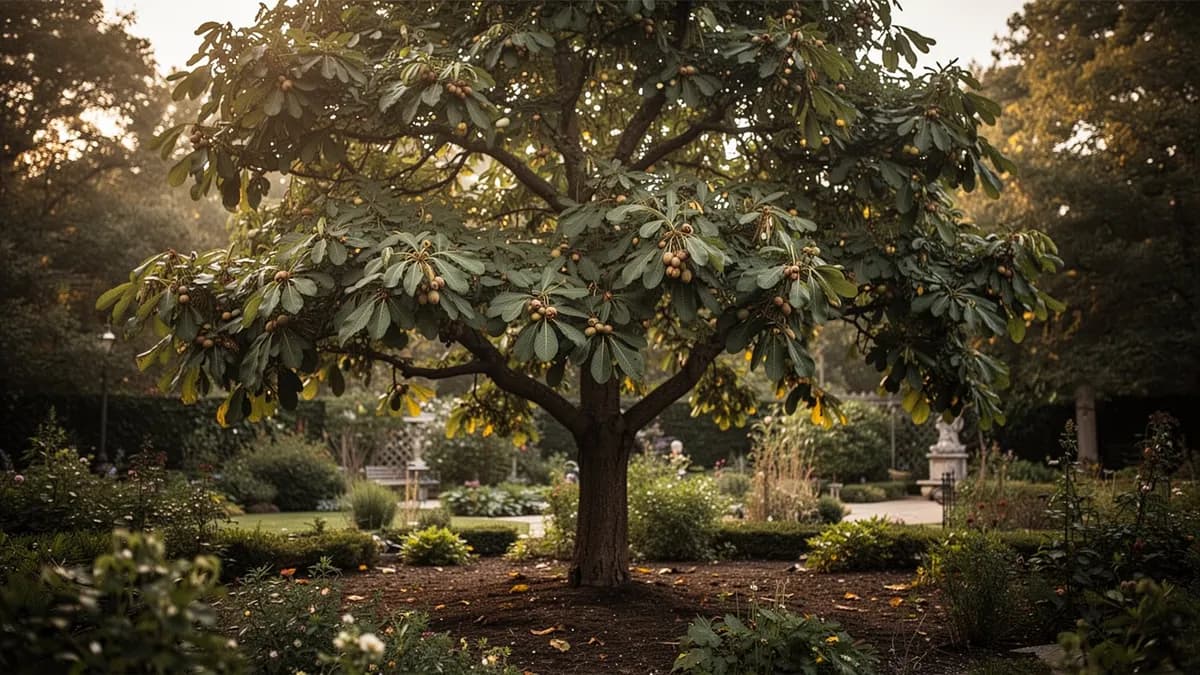
Mantén Manzana Pink Lady lejos de estos
Cultiva tu mejor Manzana Pink Lady — y todo lo que la rodea.
Empieza un plan gratis hoy. Diseña tus bancales, coloca tu Manzana Pink Lady y deja que PlotMyGarden gestione el momento, el espaciado, las asociaciones y los recordatorios de la semilla a la cesta.