Manzana Liberty
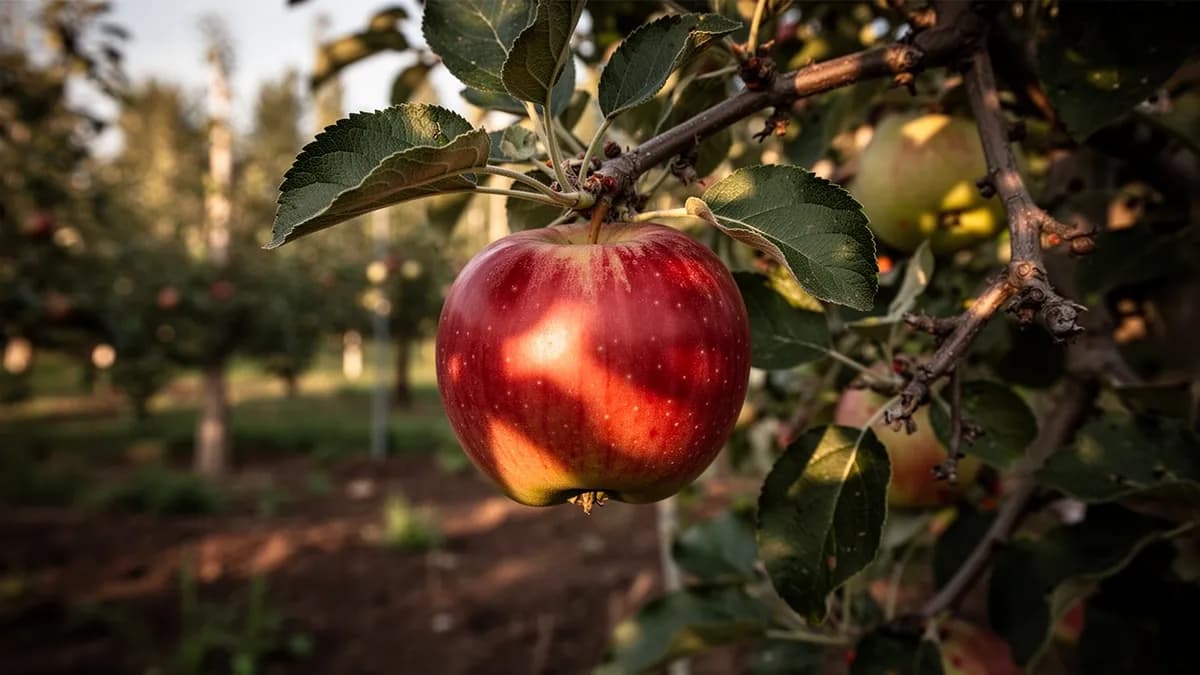
Una de las variedades de manzano más resistentes a enfermedades que se han desarrollado, con inmunidad a la sarna del manzano y fuerte resistencia al fuego bacteriano, la roya del cedro y el oídio.





En esta páginaResumen
Conoce Manzana Liberty
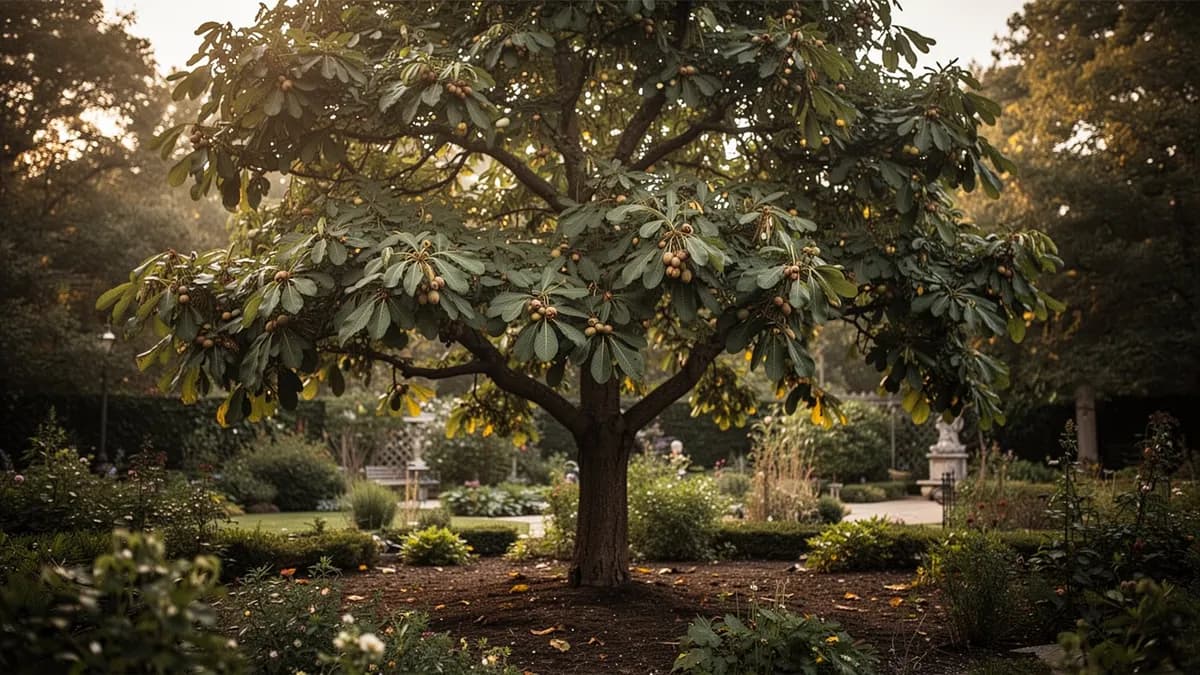
Una de las variedades de manzano más resistentes a enfermedades que se han desarrollado, con inmunidad a la sarna del manzano y fuerte resistencia al fuego bacteriano, la roya del cedro y el oídio. Liberty produce frutos rojos, crujientes, jugosos y agridulces, excelentes para comer frescos y para elaborar sidra. Es una opción ideal para huertos ecológicos en los que no se desean pulverizaciones con fungicidas.
Cuándo plantar Manzana Liberty
Aunque las semillas de manzana pueden estratificarse y cultivarse, las plántulas no reproducirán los rasgos de resistencia a enfermedades de Liberty. Compre árboles Liberty injertados en un vivero de confianza para garantizar las características de la variedad. Si va a cultivarlas desde semilla para obtener patrones o por experimentación, estratifique las semillas durante 60 a 90 días en material húmedo a una temperatura de 0.5 a 4.5 °C. Siembre las semillas estratificadas a 2.5 centímetros de profundidad en sustrato. La germinación tarda de dos a cuatro semanas. Los árboles nacidos de semilla tardan de seis a diez años en fructificar.
Tu año de Manzana Liberty
Ajustado a Zona 7 · temporada típica · la helada se va hacia el 2 abr y vuelve hacia el 1 nov
Planta Manzana Liberty Feb – Mar y cosecha Sep – Oct. Consulta los métodos de plantación y elige tu clima para adaptar los periodos.
Cómo cultivar Manzana Liberty
Plante los manzanos Liberty a finales de invierno o comienzos de primavera, cuando estén en reposo, eligiendo un lugar con pleno sol, buena circulación de aire y suelo bien drenado. Liberty es una variedad diploide y un excelente polinizador para otros manzanos, aunque también necesita cerca un polinizador compatible como Golden Delicious, Gala o Honeycrisp. Separe los árboles estándar entre 6 y 7.5 metros, y los semienanos entre 3.5 y 4.5 metros.
Riegue de forma constante durante la primera temporada de crecimiento, aportando entre 2.5 y 5 cm por semana. Una vez establecido, riegue en profundidad durante los periodos secos. La extraordinaria resistencia a enfermedades de Liberty reduce drásticamente la necesidad de fungicidas, lo que lo convierte en una opción excelente para huertos ecológicos y de bajo uso de pulverizaciones. El árbol es vigoroso y productivo, y empieza a dar fruto de forma fiable a partir del tercer o cuarto año sobre patrón semienano.
Pode cada año a finales de invierno para formar una estructura de centro abierto o eje central. Aclare los frutos en junio, dejando una manzana por racimo para obtener mejor tamaño y evitar la vecería. La resistencia a enfermedades de Liberty implica menos intervenciones, pero conviene vigilar plagas comunes como la polilla de la manzana y la mosca de la manzana. Aplique controles orgánicos según sea necesario, basándose en el seguimiento con trampas.
Para Manzana Liberty un bancal de 120 × 240 cm se queda corto
Cada Manzana Liberty pide 350 cm de margen. El planificador guarda ese marco por ti — cada planta, cada bancal.
Los mejores vecinos de Manzana Liberty
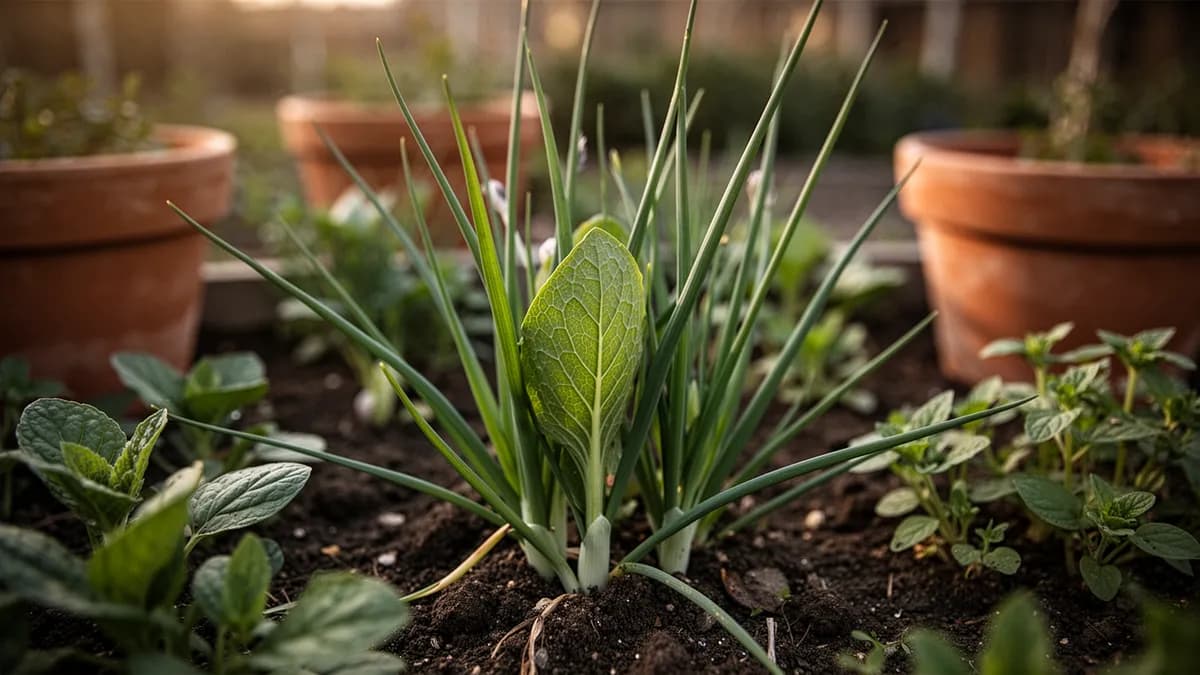
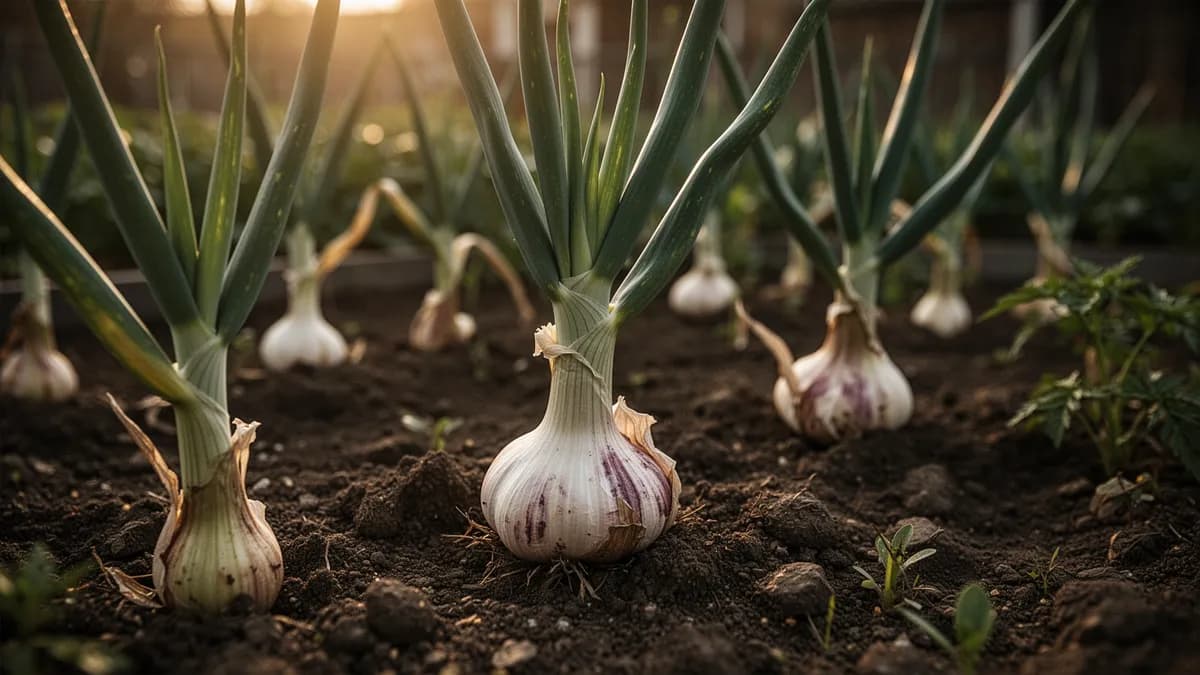
Plante una variedad polinizadora compatible a menos de 15 metros, como Golden Delicious, Gala o Honeycrisp. El cebollino, el ajo y la consuelda son compañeros tradicionales para los huertos de manzano ecológicos. El trébol blanco como cubresuelo fija nitrógeno y atrae polinizadores beneficiosos. La tanaceta y el eneldo atraen avispas parásitas que se alimentan de la polilla de la manzana. Evite plantar cerca de nogales negros, cuyos exudados radiculares son tóxicos para los manzanos.
Cebollino va a su lado. Nogal no.
Saber de huerto de siempre, cotejado con la tabla real de Manzana Liberty — prueba cualquier planta que cultives.
Prueba Manzana Liberty en un bancal, aquí mismo
Un bancal real del planificador con Manzana Liberty ya plantado. Toca una planta compañera para colocarla y mira cómo responde la comprobación de vecinos: verde para buenos vecinos, rojo si hay conflicto.


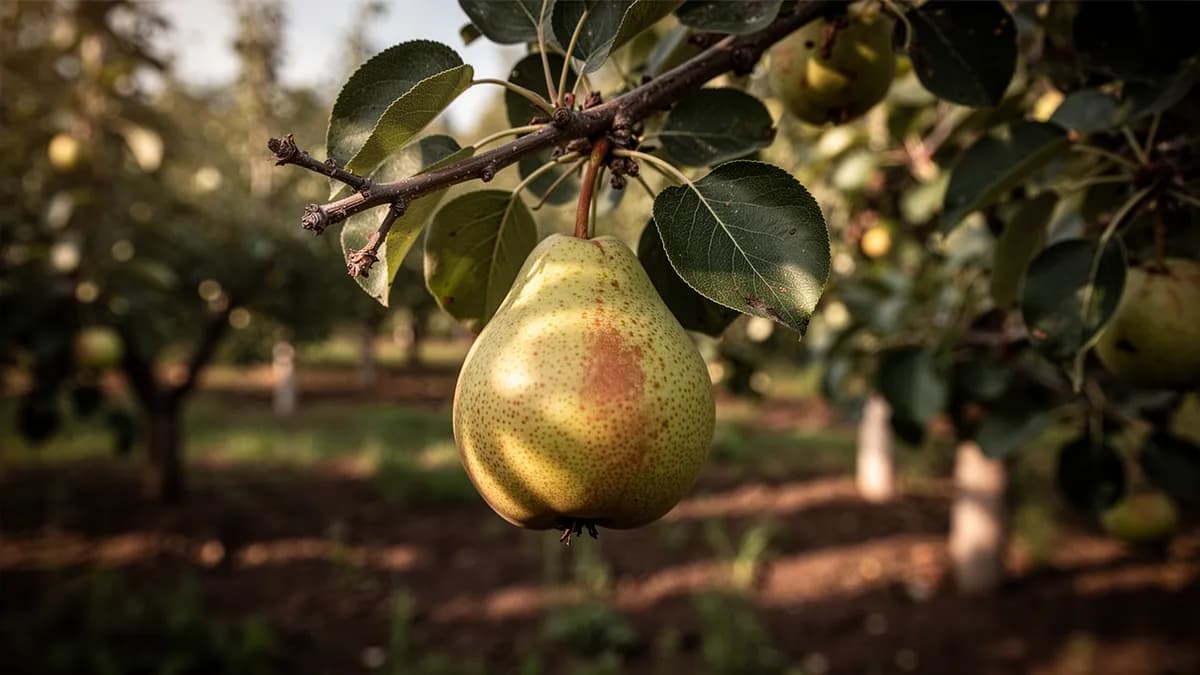
Guías de cultivo relacionadas
Abónalo bien
Liberty crece mejor en suelo franco bien drenado, con un pH de 6.0 a 7.0. Conviene analizar el suelo y enmendarlo antes de plantar. Aplique un fertilizante orgánico equilibrado a principios de primavera, reduciendo el nitrógeno si el crecimiento de los brotes supera entre 30 y 45 cm al año. Demasiado nitrógeno favorece un crecimiento excesivo y reduce la calidad del fruto. Añada compost cada año alrededor de la línea de goteo. Las pulverizaciones de calcio durante el desarrollo del fruto ayudan a prevenir la amarga pudrición interna durante el almacenamiento.
Temperatura ideal
Compatibilidad de zonas de rusticidad
De la semilla a la cosecha, etapa por etapa
Reposo y plantación
Los manzanos Liberty se plantan como plantones a raíz desnuda o en contenedor durante el reposo invernal. En esta fase el árbol ha perdido todas las hojas y almacena energía en las raíces y en el tejido leñoso. Liberty necesita aproximadamente entre 800 y 1000 horas de frío por debajo de 7 °C para satisfacer su requerimiento de dormancia y garantizar una brotación fuerte y sincronizada en primavera. Esta variedad se adapta bien a las zonas USDA 4-7 y tolera temperaturas invernales de hasta -30 °C cuando está plenamente en reposo.
Brotación y floración
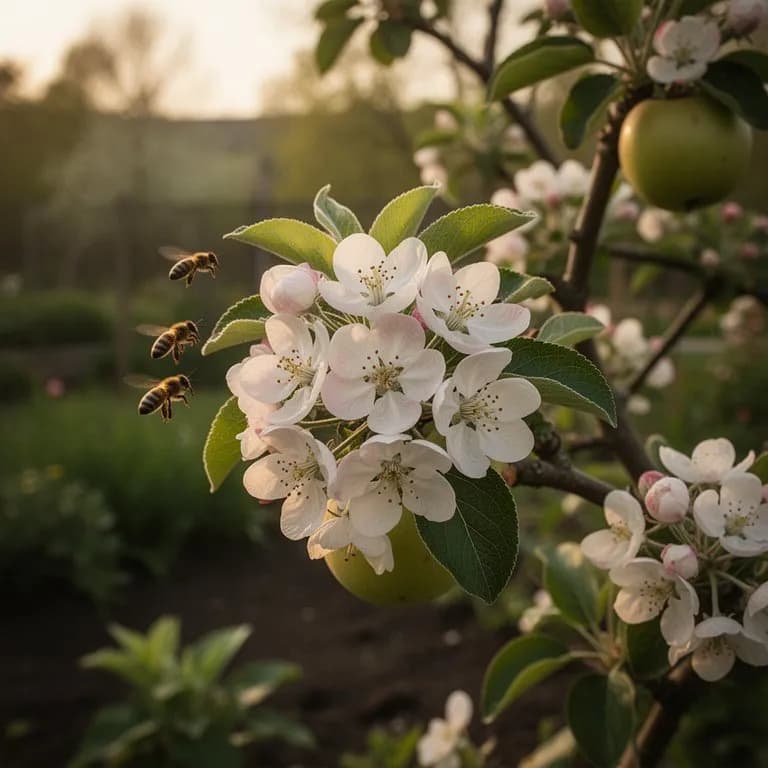
A medida que las temperaturas primaverales alcanzan de forma constante entre 10 y 15 °C, las yemas del manzano Liberty se hinchan y se abren para mostrar racimos de botones florales entre hojas nuevas. Liberty florece en temporada media (grupo de polinización 3) y produce racimos de cinco flores blancas a rosadas pálidas. La ventana de floración dura entre 7 y 10 días y coincide bien con muchas variedades populares, como Golden Delicious, Gala, Empire y Jonagold, lo que facilita la polinización cruzada.
Cuajado y caída de junio
Tras una polinización exitosa, se forman pequeños frutos verdes en la base de cada flor fecundada. Liberty cuaja con abundancia y tiende a llevar una carga inicial de fruto muy alta. El árbol pierde de forma natural parte de esos frutitos durante la caída de junio para autorregularse, pero Liberty a menudo conserva más fruto del que puede engordar adecuadamente sin intervención. Los frutos restantes pasan de tamaño de guisante a tamaño de canica durante esta fase.
Desarrollo y engorde del fruto
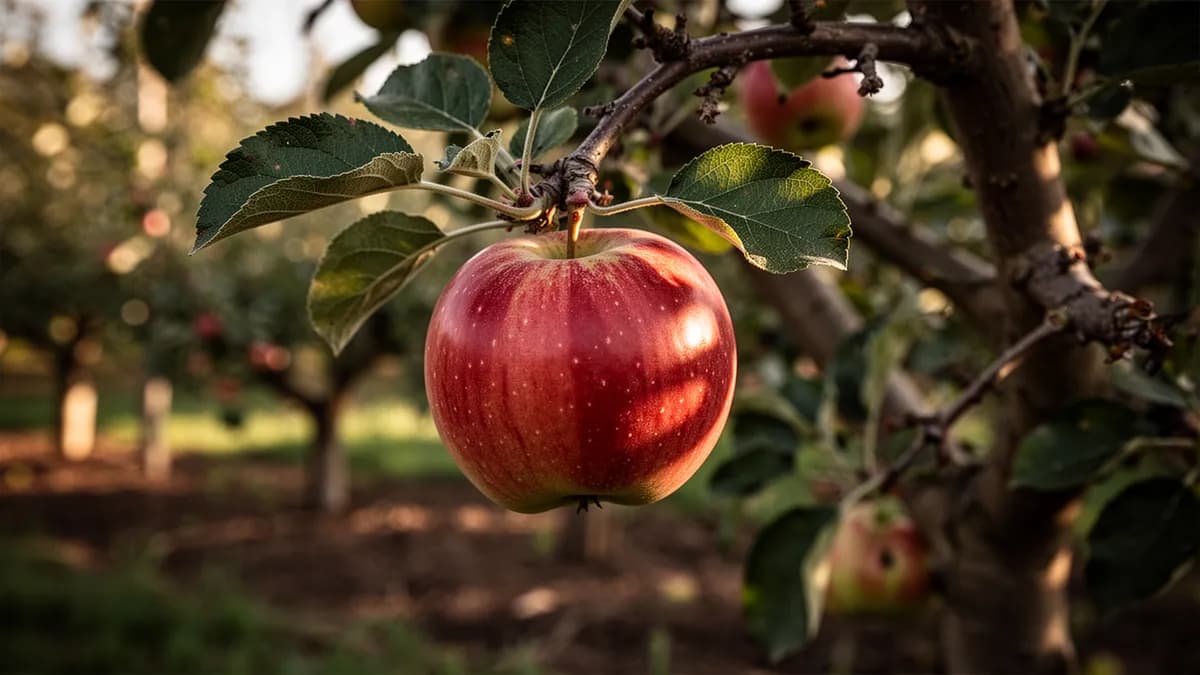
Las manzanas Liberty pasan por una fase prolongada de crecimiento durante el verano, aumentando de tamaño mientras las hojas del árbol realizan una fotosíntesis intensa para enviar carbohidratos al fruto en desarrollo. En esta etapa, el fruto pasa de un verde uniforme a su característico rojo intenso sobre una base verde amarillenta. La división celular da paso a la expansión celular a medida que las manzanas se acercan a su tamaño maduro, de unos 6 a 7 cm de diámetro.
Maduración y cosecha
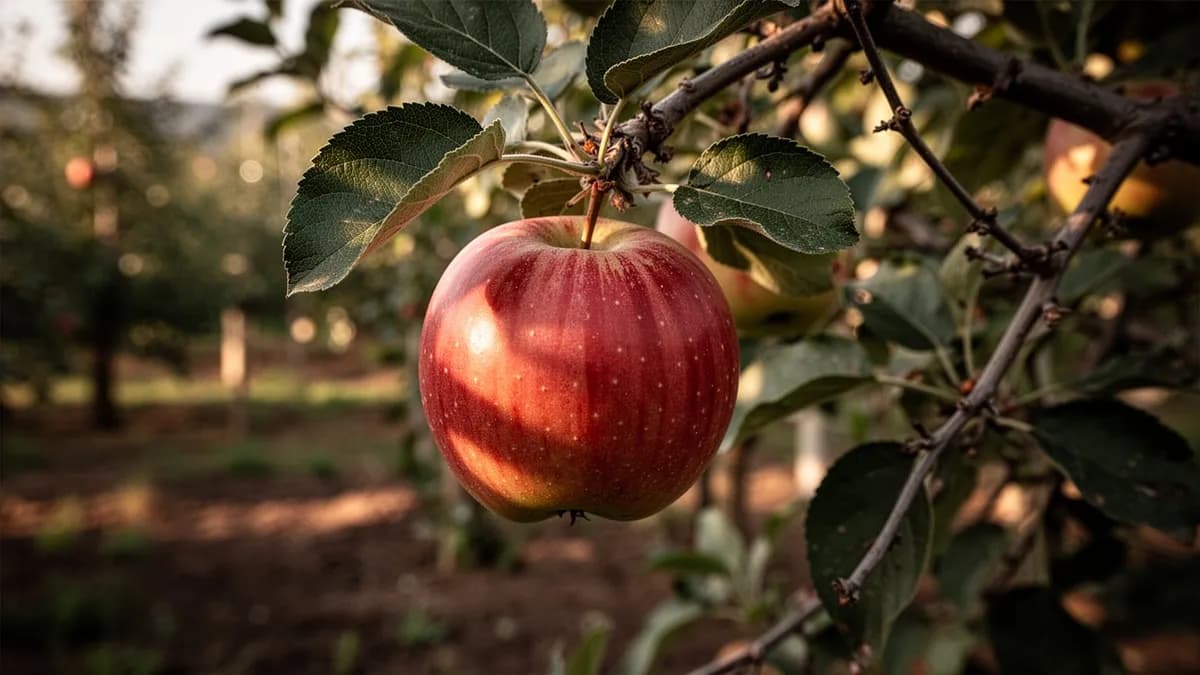
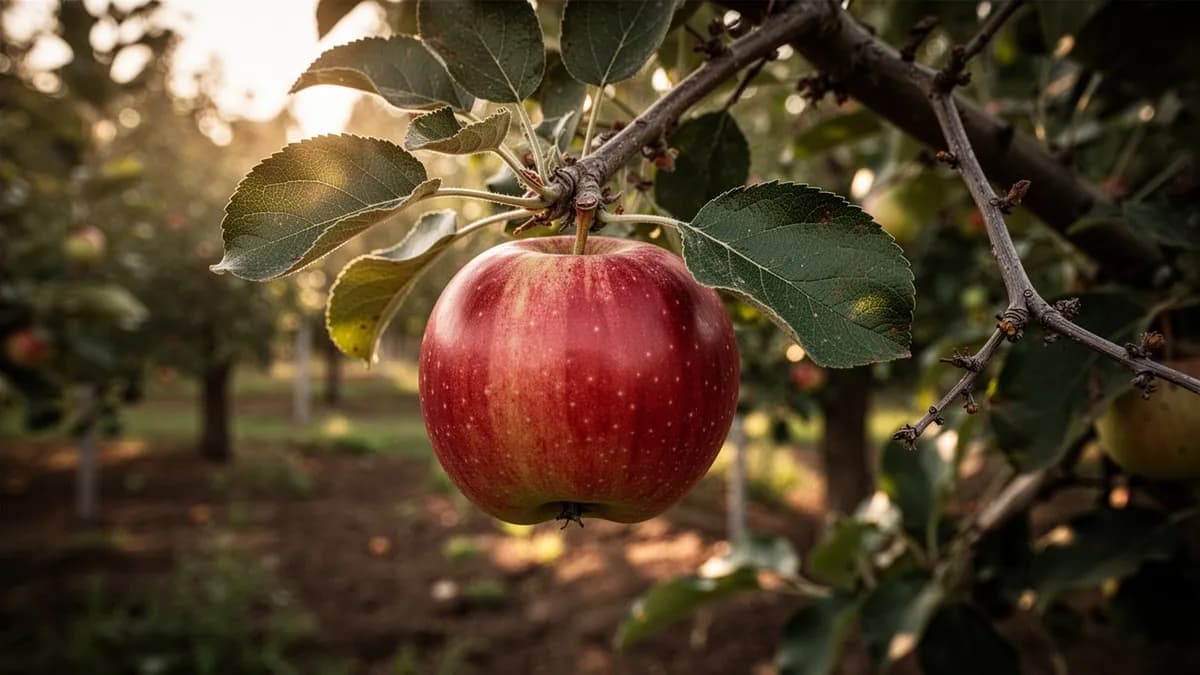
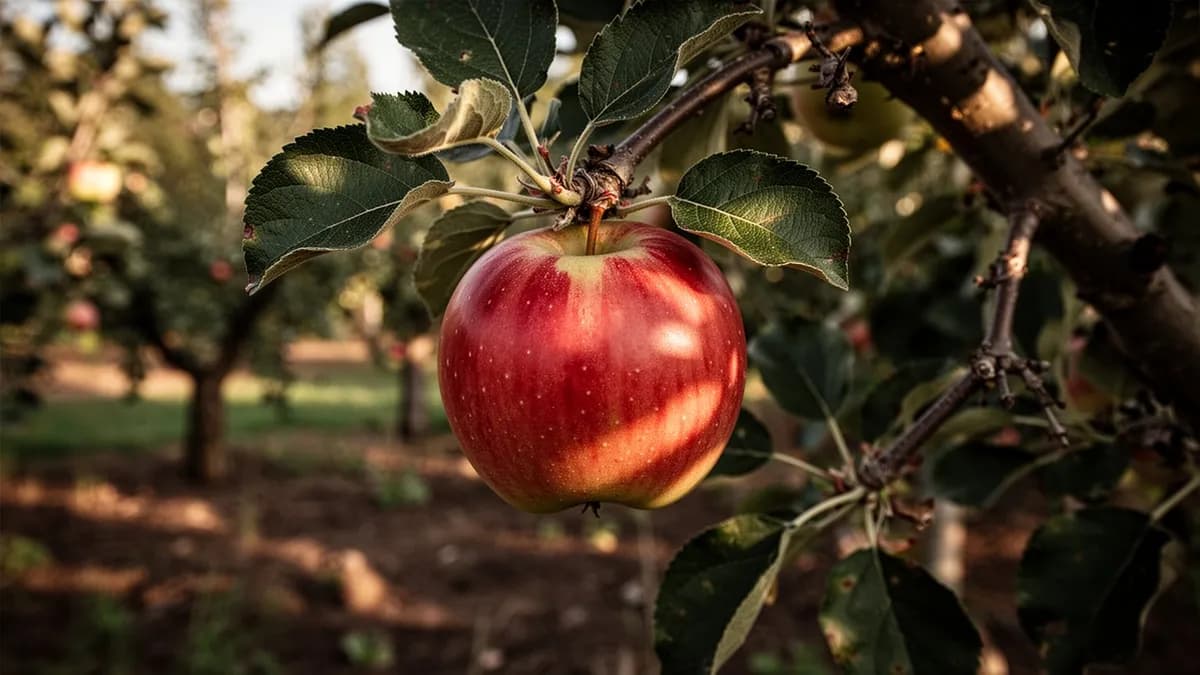
Las manzanas Liberty alcanzan su madurez a finales de septiembre o principios de octubre, desarrollando su piel roja intensa completa con algunos tonos verde amarillentos en el lado sombreado. La pulpa se vuelve firmemente crujiente mientras los almidones se transforman en azúcares, dando lugar al sabor agridulce y ligeramente vínico característico de Liberty. Las semillas se oscurecen hasta un marrón intenso cuando el fruto alcanza su punto óptimo. Liberty se considera una manzana de temporada media a tardía, y madura aproximadamente una semana después que McIntosh.
Poscosecha y caída de hojas
Después de terminar la cosecha, el manzano Liberty desvía su energía de la producción de fruta a la preparación para la dormancia invernal. Las hojas cambian de verde a tonos cálidos de amarillo y dorado a medida que la clorofila se degrada y el árbol reabsorbe nutrientes hacia el tejido leñoso y el sistema radicular. La caída de hojas deja al descubierto la arquitectura de las ramas y ofrece una excelente oportunidad para evaluar la estructura de la copa y planificar la poda invernal.
Reposo invernal
El manzano Liberty entra en reposo completo, sin actividad de crecimiento visible sobre el suelo. Bajo la superficie, las raíces pueden seguir creciendo lentamente cuando la temperatura del suelo se mantiene por encima de 4 °C. Este periodo de descanso es fundamental para acumular las 800 a 1000 horas de frío que necesita para una buena brotación primaveral. La excepcional resistencia al frío de Liberty, clasificada hasta la zona USDA 4 (-30 °C), le permite pasar el invierno con fiabilidad en una amplia gama de climas templados del norte.
Plante los Liberty a raíz desnuda a finales de invierno o comienzos de primavera, mientras sigan en reposo. Abra un hoyo el doble de ancho que la expansión de las raíces y deje la unión del injerto 10 cm por encima de la línea del suelo para evitar que el injerto eche raíces. Riegue a fondo al plantar y aplique 8 a 10 cm de mantillo de virutas de madera en un anillo amplio, manteniéndolo bien alejado del tronco para evitar la pudrición del cuello.
Cuidar Manzana Liberty mes a mes
Qué hacer cada mes para tu Manzana Liberty
Octubre
Mes actualTermine la cosecha de Liberty a comienzos de octubre. Clasifique las manzanas con cuidado y separe las magulladas o con defectos para usarlas o procesarlas de inmediato. Guarde las manzanas sanas en un lugar fresco y húmedo a 1-3 °C para una conservación prolongada. Limpie todos los frutos y hojas caídos bajo el árbol para reducir la presión invernal de plagas y enfermedades.
Ten claro qué hacer en tu huerto, cada mes
Un correo al empezar cada mes: qué sembrar, plantar y hacer ahora mismo — para tu Manzana Liberty y todo lo que crece alrededor. Más un breve curso inicial para esquivar los errores clásicos.
- Qué hacer ahora mismo
- Ajustado a tu temporada
- Curso inicial incluido
Cosechar Manzana Liberty
Las manzanas Liberty maduran de finales de septiembre a principios de octubre. El fruto está listo cuando el color de fondo bajo el rubor rojo cambia de verde a amarillo y la pulpa se siente crujiente y jugosa al probarla. Las semillas deben ser de color marrón oscuro. Gire y levante suavemente para desprenderla del dardo sin arrancarla. Coseche en dos o tres pasadas, ya que la fruta no madura de forma uniforme. Las manzanas Liberty se consumen mejor en los dos meses posteriores a la cosecha, porque no se almacenan tanto tiempo como otras variedades.
se supone que plantas al comenzar el periodo — indica tu fecha real
Cosecha Manzana Liberty a tiempo y la planta sigue produciendo.
Almacenamiento y conservación
Guarde las manzanas Liberty en el frigorífico hasta dos meses. La fruta no se conserva tanto como las variedades de almacenamiento tardío, así que conviene usarlas en los primeros meses tras la cosecha. Liberty da una sidra excelente con un sabor brillante y equilibrado. Las manzanas se congelan bien si se cortan en rodajas para tartas y platos cocinados. También sirven muy bien para compota y snacks de manzana deshidratada. Su sabor equilibrado, agridulce, funciona muy bien en repostería.
Qué falla — y cómo solucionarlo
Polilla de la manzana
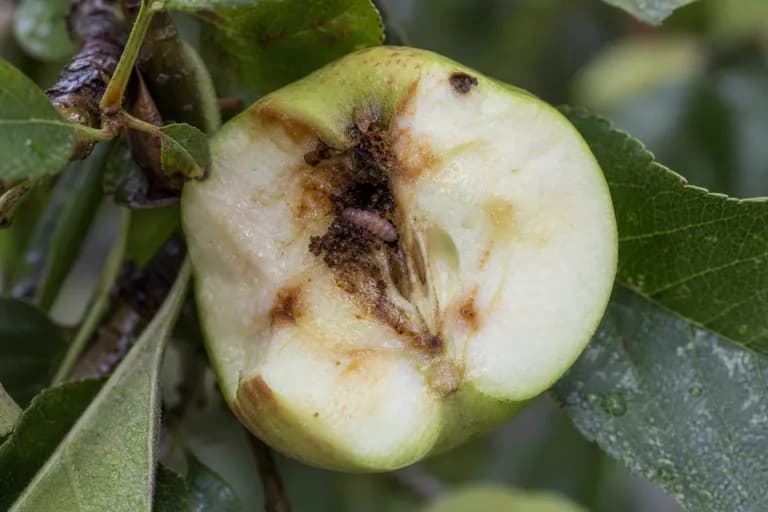
PlagaOrificios de entrada en el extremo del cáliz del fruto con túneles marrones llenos de excrementos que llegan hasta el corazón; manzanas con gusano al cosechar.
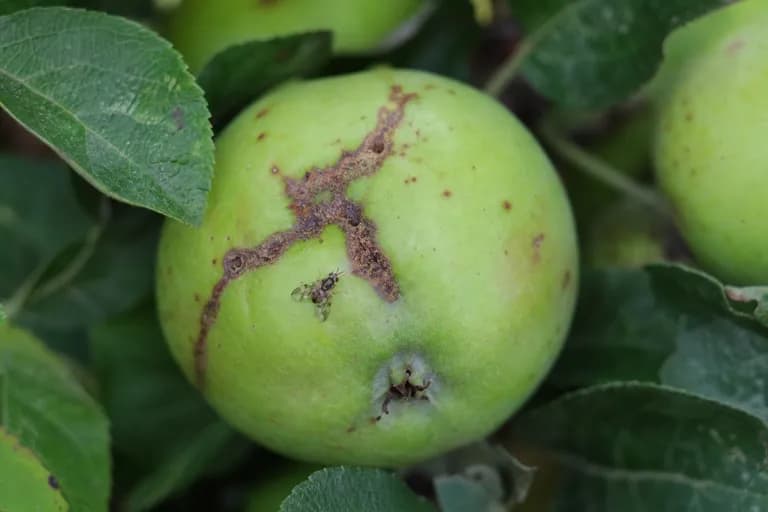
Mosca de la manzana
PlagaTrazos marrones y serpenteantes bajo la piel; superficie del fruto con pequeñas hendiduras y pardeamiento interno al cosechar.
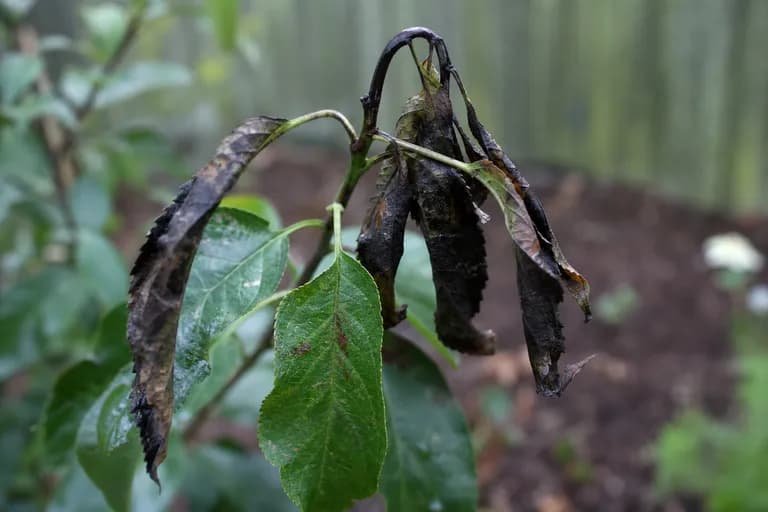
Fuego bacteriano
EnfermedadPuntas de brotes ennegrecidas, con aspecto de quemado, que se curvan en forma de cayado de pastor; los chancros exudan líquido bacteriano ámbar.
Solución de problemas comunes
Aunque es muy resistente a enfermedades, Liberty no es inmune a todos los problemas. La polilla de la manzana y la mosca de la manzana siguen requiriendo vigilancia y manejo. El fruto se magulla con facilidad y no se conserva tanto como las variedades comerciales, así que manipúlelo con cuidado. La vecería puede aparecer si no se aclarea el fruto lo suficiente. El fuego bacteriano puede afectar ocasionalmente a Liberty en condiciones especialmente favorables para la enfermedad. Los brotes acuáticos necesitan eliminación regular.
Consejos de cultivo
- Select a rootstock suited to your space and soil: M9 or M27 for small gardens and containers producing a tree 2-3 meters tall, M26 for medium gardens at 3-4 meters, or MM106 for larger plots where a 4-5 meter tree is appropriate. Liberty performs well on all common dwarfing and semi-dwarfing rootstocks.
- Plant at least one compatible pollinator variety within 30 meters, as Liberty is self-infertile. Excellent pollination partners include Golden Delicious, Gala, Empire, Jonagold, Freedom, and any crabapple that blooms in mid-season pollination group 3.
- Take full advantage of Liberty's scab immunity by eliminating routine fungicide sprays from your care schedule. This saves significant time, money, and environmental impact compared to growing susceptible varieties, and is one of the primary reasons to choose Liberty for the home orchard.
- Thin fruit aggressively in early summer, as Liberty sets heavily and will produce small, poorly flavored apples if allowed to carry its full natural crop load. Remove all but one fruit per cluster, spacing remaining apples 15-18 cm apart along each branch for optimal sizing.
- While Liberty is scab-immune, it is only moderately resistant to fire blight. Avoid excessive nitrogen fertilization which promotes the succulent new growth most vulnerable to fire blight infection. Prune out any strikes immediately, cutting at least 30 cm below visible discoloration into healthy wood.
- Apply dormant oil spray in late winter before bud swell to control overwintering scale insects, aphid eggs, and mite populations. This is the one spray Liberty trees still benefit from, and it replaces the entire fungicide program needed for susceptible varieties.
- Train young Liberty trees to an open-center or modified central-leader form during the first 3-4 years. Liberty's natural growth habit is moderately vigorous and spreading, which lends itself well to an open vase shape that maximizes light penetration and air circulation throughout the canopy.
- Harvest Liberty apples in late September to early October when background skin color shifts from green to yellowish, seeds are fully brown, and the fruit detaches from the spur with a gentle upward lift. Pick in 2-3 passes over two weeks as fruit ripens unevenly across the canopy.
- Store harvested Liberty apples at 1-3°C with 90-95% humidity for up to 3-4 months. Liberty holds its crisp texture and flavor well in cold storage, though not quite as long as late-season varieties like Enterprise or GoldRush. Wrap individual fruits in newspaper to prevent one spoiling apple from affecting its neighbors.
- Consider planting Liberty alongside other PRI disease-resistant varieties such as Freedom, Enterprise, or GoldRush to create an entire low-spray orchard where cross-pollination is handled by fellow disease-resistant cultivars, maximizing the spray-free benefit across all your trees.
Cultiva tu mejor Manzana Liberty — y todo lo que la rodea.
Empieza un plan gratis hoy. Diseña tus bancales, coloca tu Manzana Liberty y deja que PlotMyGarden gestione el momento, el espaciado, las asociaciones y los recordatorios de la semilla a la cesta.
Elige tu Manzana Liberty
Liberty (estándar)
La liberación original del programa de mejora Cornell-Geneva, con fruta roja de tamaño medio y una resistencia excepcional a enfermedades.
Liberty sobre M.26
Liberty injertado sobre patrón semienano M.26 para obtener un árbol compacto de 3.5 a 4.5 metros, ideal para huertos domésticos.
Liberty sobre M.9
Una forma enana adecuada para plantaciones de alta densidad y cultivo en contenedor, que empieza a fructificar en el segundo o tercer año.
A mature Liberty apple tree on semi-dwarf rootstock produces 35-65 kg of fruit annually, equivalent to $105-$260 worth of organic apples at typical retail prices of $3-$4 per kg. Liberty's outstanding disease resistance is where the real savings accumulate: unlike susceptible varieties that require 8-12 fungicide spray applications per season costing $50-$150 in materials and significant labor time, Liberty needs virtually no fungicide treatment. Over a 30-year productive lifespan, a single Liberty tree can produce over $5,000 worth of clean, spray-free fruit while saving hundreds of dollars in chemical inputs, making it arguably the most cost-effective apple variety for home orchardists and small-scale organic growers.
Recetas rápidas
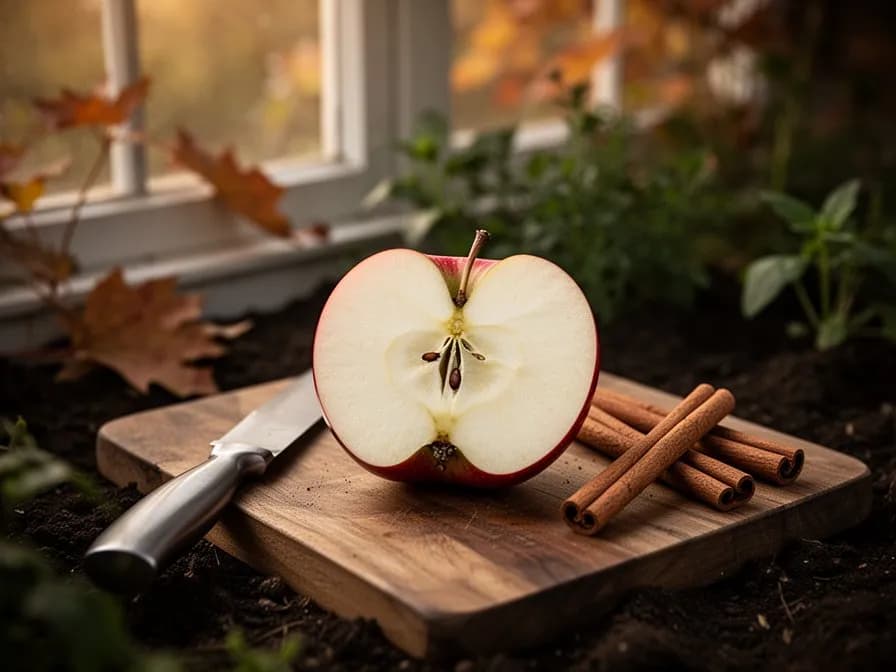
Liberty Apple Fresh-Pressed Cider
30 minutesA simple fresh-pressed cider that showcases Liberty's naturally well-balanced sweet-tart flavor profile. Liberty's McIntosh heritage gives the juice a distinctive vinous character and aromatic complexity that makes it exceptional as a single-variety cider or a base for blending with sharper or more tannic varieties.
5 ingredientes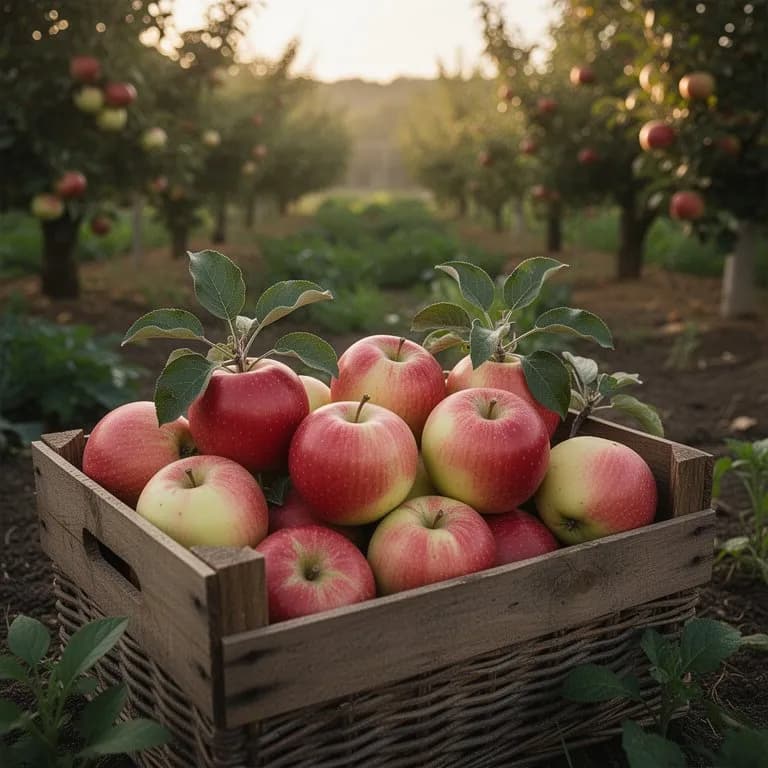
Liberty Apple Crisp with Oat Crumble
45 minutesA comforting autumn dessert that highlights Liberty's firm texture and sweet-tart flavor. The apples hold their shape beautifully during baking while releasing just enough juice to create a bubbling syrup beneath the crunchy oat topping. Liberty's natural acidity means less added sugar is needed compared to sweeter varieties.
9 ingredientesSpiced Liberty Applesauce
25 minutesA pure, simple applesauce that captures the distinctive aromatic quality of Liberty apples. Because Liberty breaks down readily when cooked while retaining its sweet-tart balance, it produces a naturally flavorful sauce that needs minimal sweetening. The deep red skin adds a beautiful rosy tint when cooked unpeeled.
6 ingredientesUsos culinarios
Liberty es una manzana versátil, excelente para comer fresca gracias a su pulpa crujiente, jugosa y agridulce. Da una sidra extraordinaria, así como compota y postres horneados. Su sabor equilibrado resiste bien la cocción sin deshacerse. Liberty funciona de maravilla en ensaladas, con queso y como manzana de tentempié. Su perfil ecológico la convierte en una favorita para consumidores preocupados por la salud.
Qué contiene
Beneficios para la salud
- Liberty apples grown without fungicide sprays offer a cleaner fruit with significantly lower pesticide residue potential, reducing the dietary chemical burden compared to conventionally produced commercial apples that receive 10-15 spray applications per season
- Rich in quercetin concentrated in the deep red skin, a potent antioxidant flavonoid linked to reduced cardiovascular risk, improved blood vessel function, and anti-inflammatory effects in multiple clinical studies
- High in soluble pectin fiber that forms a gel-like matrix in the digestive tract, helping to lower LDL cholesterol levels, slow glucose absorption after meals, and support healthy populations of beneficial gut bacteria
- Contains anthocyanin pigments responsible for Liberty's deep red skin color, which have been associated with improved cognitive function, reduced oxidative stress, and protection against age-related cellular damage
- Provides a natural source of vitamin C and various polyphenolic compounds that work synergistically to support immune function, with the intact whole fruit delivering greater antioxidant activity than any single isolated nutrient
- The crisp, firm texture of Liberty apples promotes thorough chewing and stimulates saliva production, which helps neutralize oral acids, reduce cavity-causing bacteria, and support overall dental health through a natural mechanical cleaning action
De dónde viene Manzana Liberty
La manzana Liberty se desarrolló mediante el programa cooperativo PRI, una colaboración histórica entre la Universidad Purdue, la Universidad Rutgers y la Estación Experimental Agrícola del Estado de Nueva York de la Universidad Cornell en Geneva, Nueva York. Iniciado en la década de 1940, este programa fue uno de los primeros esfuerzos sistemáticos para criar variedades de manzano resistentes a enfermedades con fruta de calidad comercial. Liberty surgió de un cruce realizado en 1955 entre Macoun, una manzana de postre muy apreciada de tipo McIntosh, y una selección numerada que portaba el gen Vf de resistencia a la sarna, derivado originalmente de Malus floribunda 821, un manzano silvestre japonés de flor. Tras más de dos décadas de pruebas y evaluación, Liberty recibió su nombre oficial y fue lanzada en 1978. Muy pronto ganó reconocimiento como una variedad revolucionaria que demostraba que la resistencia a enfermedades y la excelente calidad de consumo podían coexistir en un mismo cultivar. La resistencia de Liberty a la sarna del manzano, la enfermedad económicamente más significativa de los manzanos en climas templados húmedos, fue especialmente revolucionaria. Antes de las variedades resistentes, los productores comerciales de manzanas aplicaban habitualmente entre 10 y 15 pulverizaciones de fungicida por temporada solo para controlar la sarna, con un enorme coste en mano de obra, materiales e impacto ambiental. Liberty demostró que la resistencia genética podía reemplazar en gran medida el control químico, convirtiéndose en una variedad fundamental para la industria emergente de la manzana ecológica de las décadas de 1980 y 1990. La variedad fue adoptada con entusiasmo por jardineros domésticos, pequeños fruticultores y productores ecológicos de todo el noreste de Estados Unidos, el alto medio oeste y climas similares, frescos y húmedos, de Europa y Nueva Zelanda. Su influencia va mucho más allá de sus propias plantaciones: Liberty sirvió como prueba de concepto para todo el programa PRI e inspiró un trabajo de mejora continuado que produjo posteriores lanzamientos resistentes a enfermedades como Enterprise, GoldRush, Pristine y CrimsonCrisp. Hoy en día, Liberty sigue siendo una de las variedades de manzana más recomendadas para huertos domésticos y sistemas de producción de baja pulverización, valorada por sus cosechas fiables de fruta crujiente y sabrosa producida con intervenciones químicas mínimas.
Manzana Liberty: ¿sabías que?
Datos fascinantes sobre Manzana Liberty
Liberty se desarrolló en la Estación Experimental Agrícola del Estado de Nueva York, en Geneva, Nueva York, y se lanzó en 1978 como parte de un programa cooperativo de mejora entre la Universidad Purdue, la Universidad Rutgers y la Universidad Cornell, conocido como el programa PRI de mejora de manzanos resistentes a enfermedades.
Manzana Liberty: preguntas frecuentes
¿Cuándo debo plantar Manzana Liberty?
¿Cuáles son buenas plantas acompañantes para Manzana Liberty?
¿En qué zonas de rusticidad puede crecer Manzana Liberty?
¿Cuánto sol necesita Manzana Liberty?
¿A qué distancia debo espaciar Manzana Liberty?
¿Qué plagas y enfermedades afectan a Manzana Liberty?
¿Cómo almaceno Manzana Liberty después de la cosecha?
¿Cuáles son las mejores variedades de Manzana Liberty para cultivar?
¿Qué suelo necesita Manzana Liberty?
What makes Liberty apples disease-resistant?
Does Liberty need any spraying at all?
What do Liberty apples taste like?
How long do Liberty apples store?
What pollinators work best with Liberty apple trees?
Can Liberty apple trees grow in warm climates?
Acabas de leer la teoría. Ahora cultívala en piloto automático.
Todo lo que hace que Manzana Liberty sea delicado — el momento, el espaciado, las asociaciones, la ventana de cosecha — es justo lo que PlotMyGarden resuelve por ti, para cada planta de tu huerto.
Un plan que conoce tu clima
Indica tu ubicación una vez. Recibe fechas de siembra, abonado y cosecha basadas en tu última helada real y el pronóstico en vivo — sin adivinar con un sobre genérico.
De la sección “Cuándo plantar”Planificador de bancales de arrastrar y soltar
Diseña bancales sobre una cuadrícula. Cada planta encaja con su espaciado correcto y ves toda la temporada antes de gastar un céntimo en semillas.
De la sección “Cultivo”Conflictos de asociación, detectados a tiempo
Más de 200 buenas y malas combinaciones comprobadas en vivo mientras plantas — para que un error que arruine la temporada nunca llegue a la tierra.
De la sección “Asociaciones”Recordatorios que sí vas a seguir
“Riega las judías.” “Recoge hoy antes de que se pase.” Oportunos, concretos y ligados a las plantas que de verdad cultivas.
De la sección “Cosecha”Escalonado, programado
¿Quieres cosechar seis semanas en vez de seis días? Reparte tus siembras automáticamente y te avisa cuando toca el siguiente lote.
De la sección “Cuándo plantar”Un registro que se vuelve más listo
Cada cosecha que registras le enseña tu huerto. El plan del año que viene parte de lo que de verdad funcionó en tu suelo, no en un manual.
De la sección “Resumen”Planta estos junto a Manzana Liberty
Más Frutas de pepita
Mantén Manzana Liberty lejos de estos
Cultiva tu mejor Manzana Liberty — y todo lo que la rodea.
Empieza un plan gratis hoy. Diseña tus bancales, coloca tu Manzana Liberty y deja que PlotMyGarden gestione el momento, el espaciado, las asociaciones y los recordatorios de la semilla a la cesta.