Manzana Jonagold
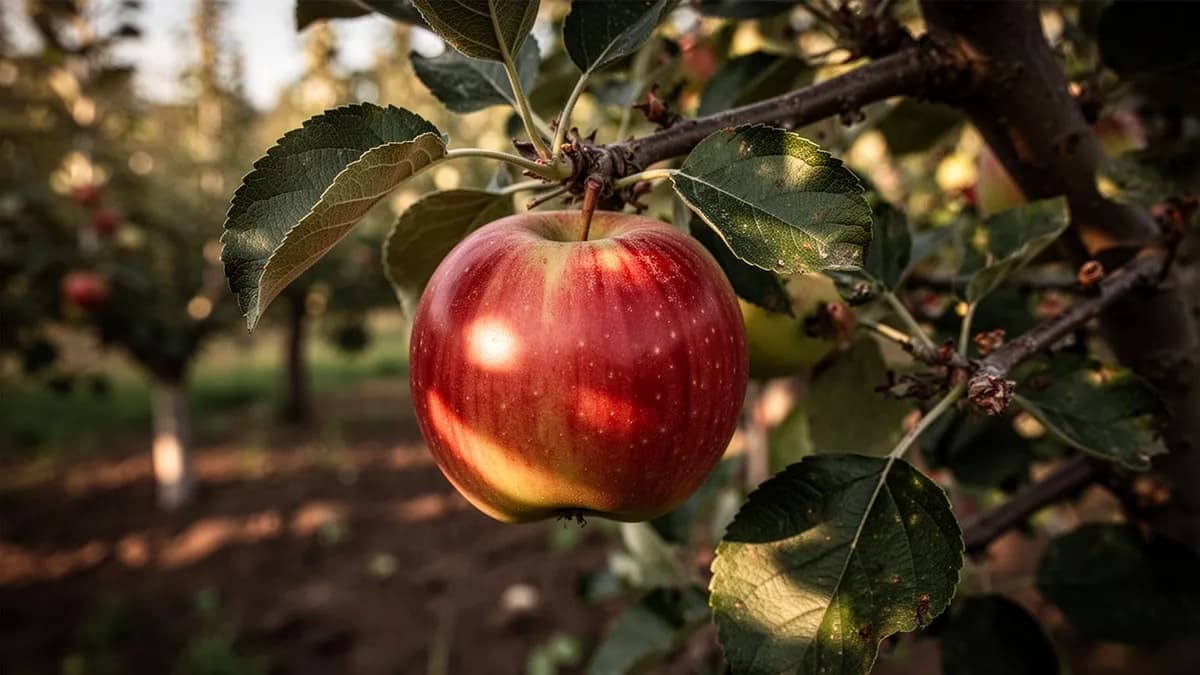
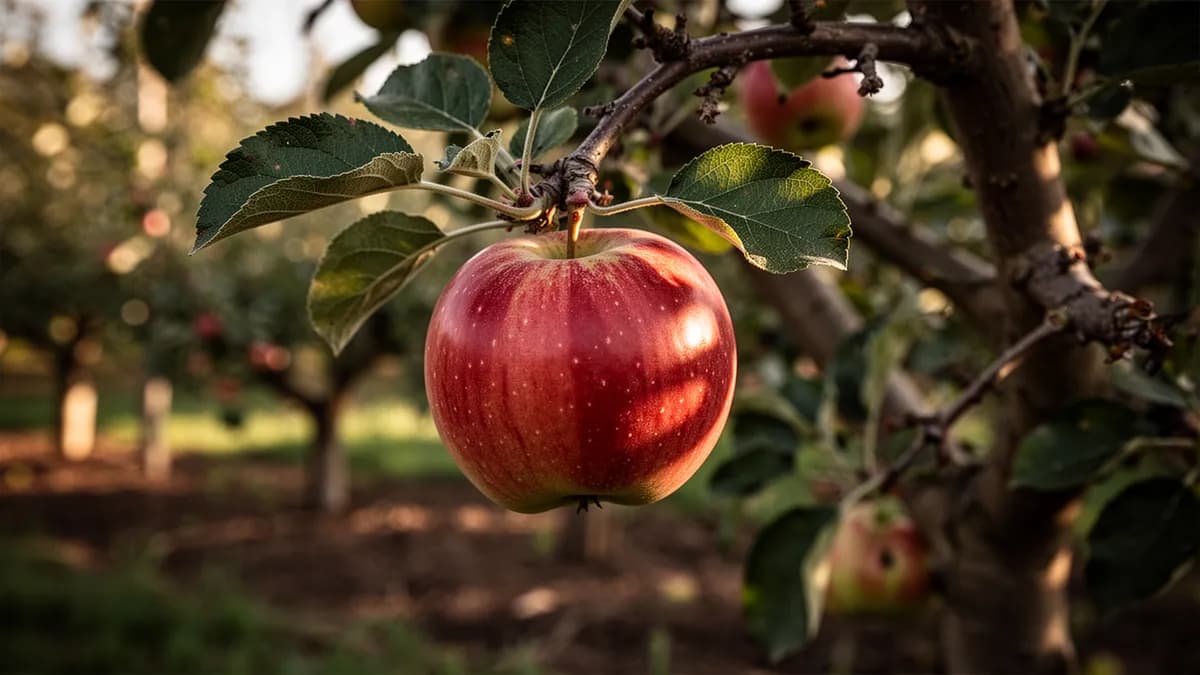
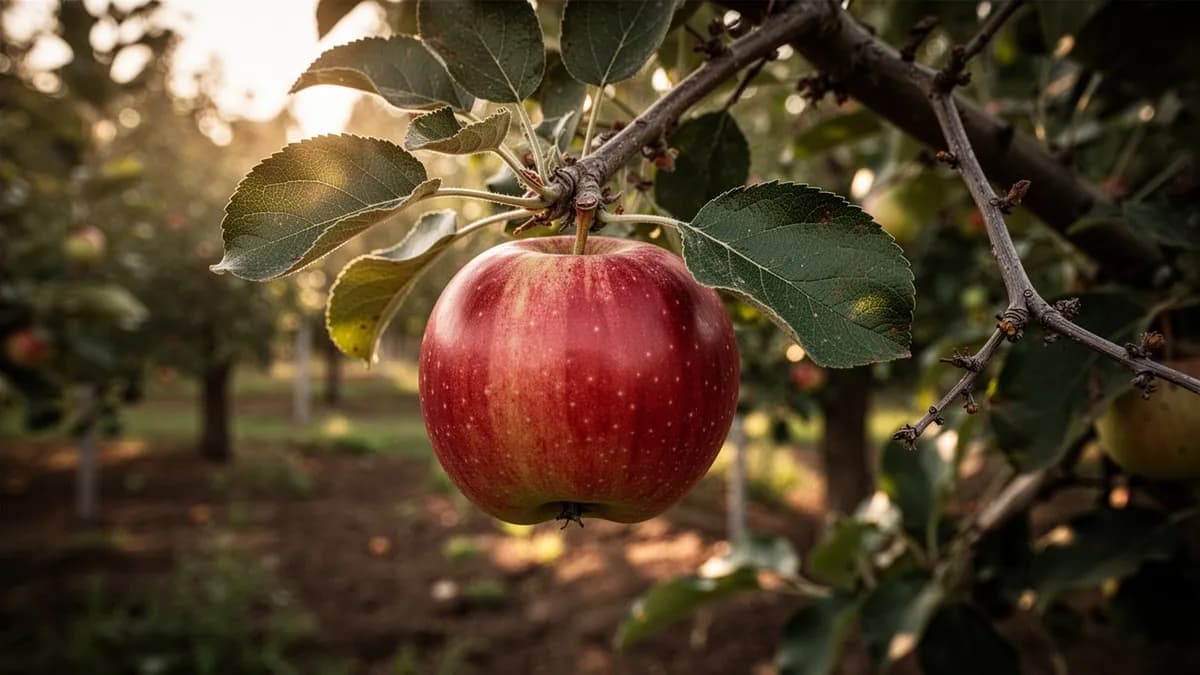
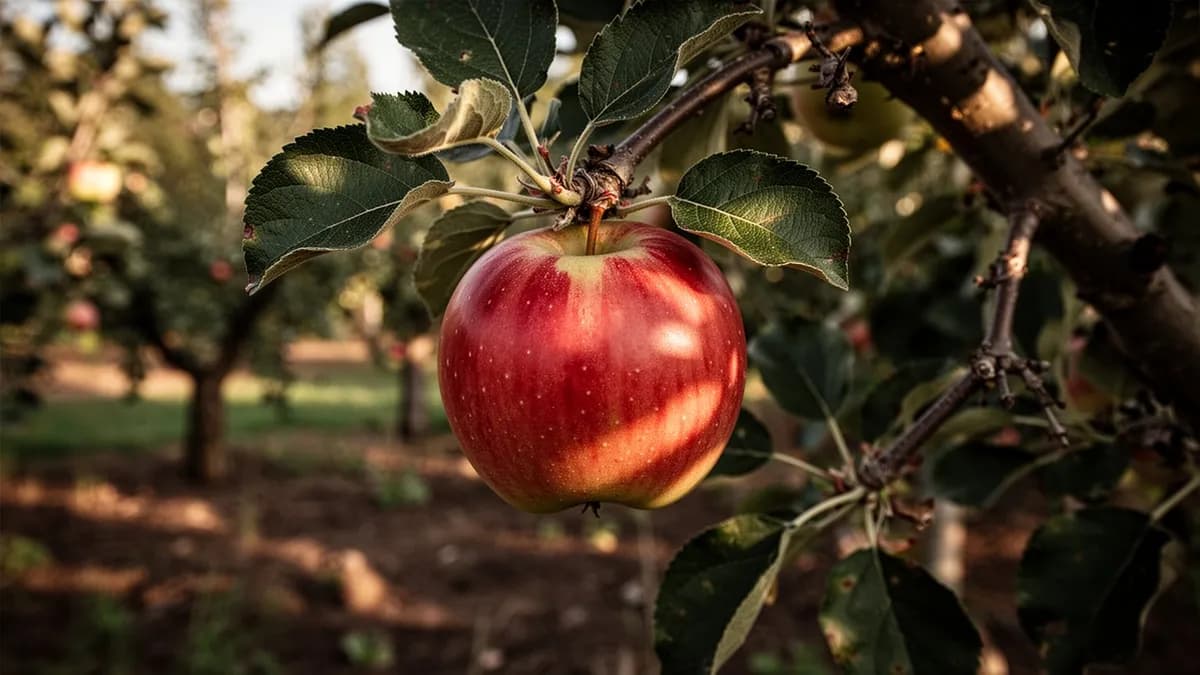
Un cruce magnífico entre Jonathan y Golden Delicious, que produce frutos grandes y atractivos con piel verde amarillenta sonrosada de rojo y un sabor perfectamente equilibrado, dulce como la miel y con un punto ácido.





En esta páginaResumen
Conoce Manzana Jonagold
Un cruce magnífico entre Jonathan y Golden Delicious, que produce frutos grandes y atractivos con piel verde amarillenta sonrosada de rojo y un sabor perfectamente equilibrado, dulce como la miel y con un punto ácido. Jonagold es un triploide que requiere otras dos variedades de manzana para la polinización. Los frutos son excelentes tanto para comer en fresco como para hornear, con una pulpa que mantiene su forma al cocinarse.
Cuándo plantar Manzana Jonagold
Las semillas de manzana Jonagold, como todas las de manzana, requieren entre 60 y 90 días de estratificación en frío antes de plantarse. Al ser triploides, las semillas de Jonagold producen números de cromosomas inusuales y las plántulas son muy variables. Solo los árboles injertados de vivero permiten obtener auténticas manzanas Jonagold. Para fines experimentales, las semillas estratificadas germinan en dos a cuatro semanas cuando se siembran en primavera. Los árboles procedentes de semilla tardan entre ocho y diez años en dar frutos de calidad desconocida.
Tu año de Manzana Jonagold
Ajustado a Zona 7 · temporada típica · la helada se va hacia el 2 abr y vuelve hacia el 1 nov
Planta Manzana Jonagold Feb – Mar y cosecha Sep – Oct. Consulta los métodos de plantación y elige tu clima para adaptar los periodos.
Cómo cultivar Manzana Jonagold
Plante manzanos Jonagold a finales de invierno o comienzos de primavera, a pleno sol y en un suelo fértil y bien drenado. Jonagold es triploide y produce polen estéril, por lo que necesita dos polinizadores diploides compatibles cerca para lograr un cuajado adecuado. Buenos candidatos son Golden Delicious, Gala, Granny Smith o Idared. Separe los árboles estándar entre 7.5 y 9 metros, y los semienanos entre 3.5 y 4.5 metros.
Riegue en profundidad una vez por semana durante el establecimiento y complete en periodos secos, especialmente durante el desarrollo del fruto. Jonagold es un árbol vigoroso que produce frutos grandes y pesados, así que el soporte de ramas o el aclareo del fruto son importantes para evitar roturas. El árbol rinde mejor en climas moderados de las zonas 5 a 8.
Pode cada año a finales de invierno para mantener una copa abierta con una estructura de ramas fuerte capaz de sostener la fruta grande. Ralee los racimos de fruta en junio hasta dejar una manzana por racimo, ya que Jonagold produce frutos muy grandes que necesitan espacio suficiente. Vigile las plagas y enfermedades habituales de la manzana. Jonagold tiene resistencia moderada a enfermedades y se beneficia de un programa preventivo de pulverización en climas húmedos.
Para Manzana Jonagold un bancal de 120 × 240 cm se queda corto
Cada Manzana Jonagold pide 400 cm de margen. El planificador guarda ese marco por ti — cada planta, cada bancal.
Los mejores vecinos de Manzana Jonagold
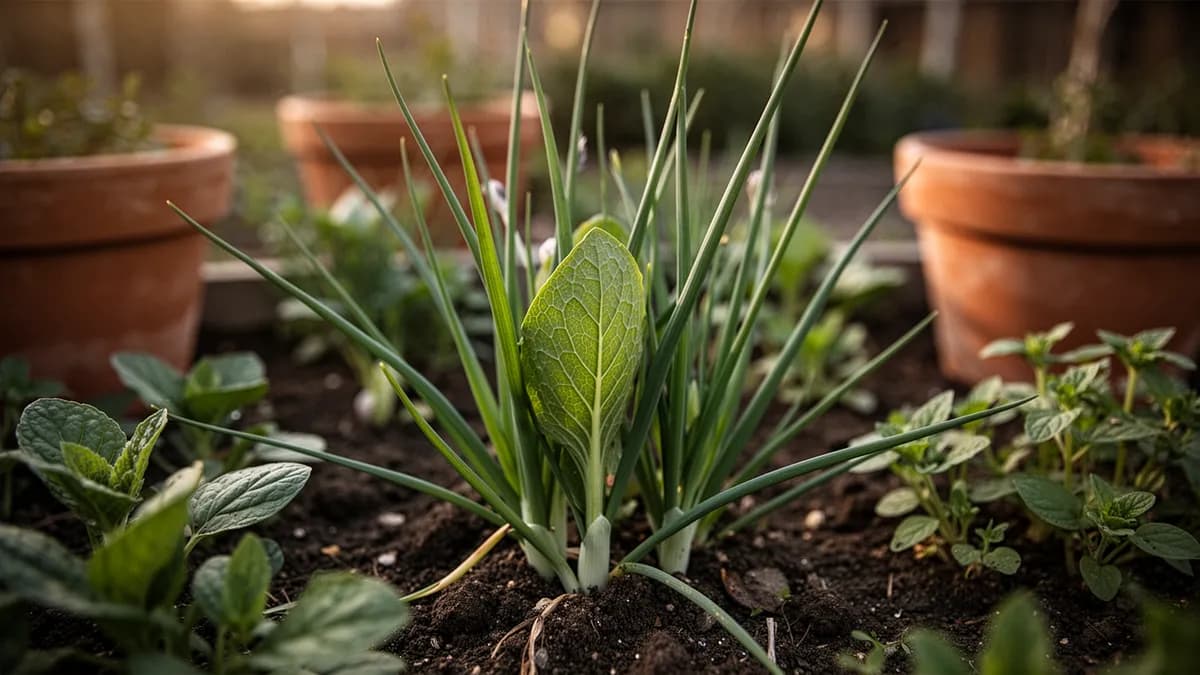
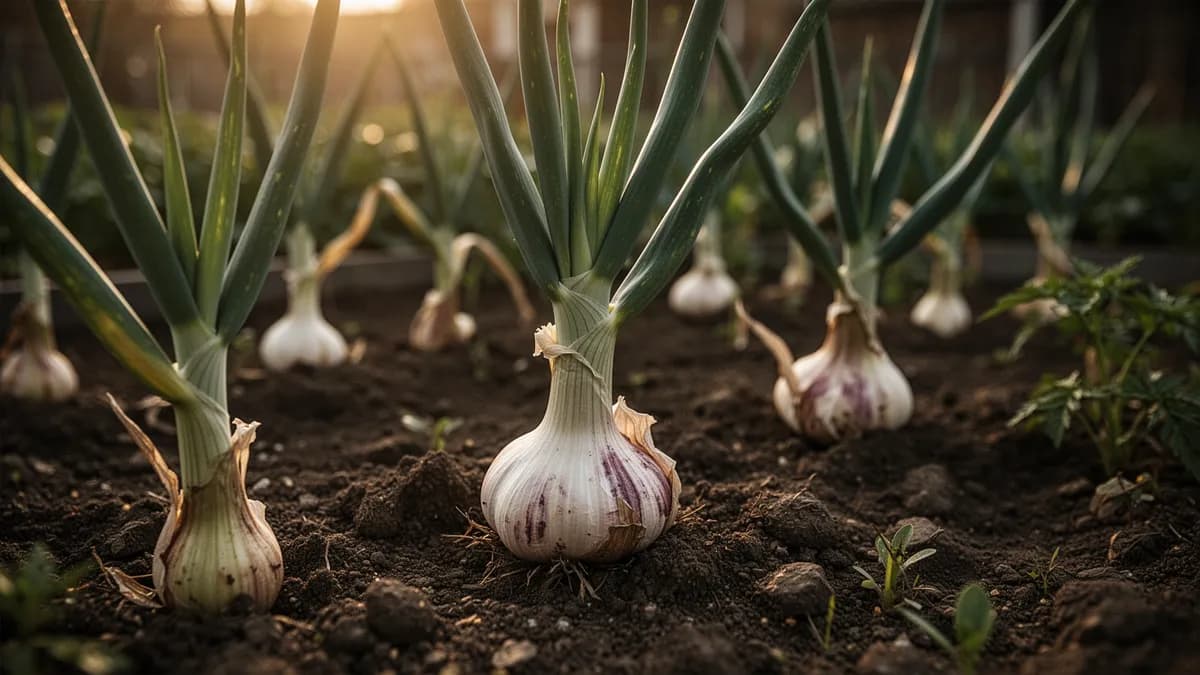
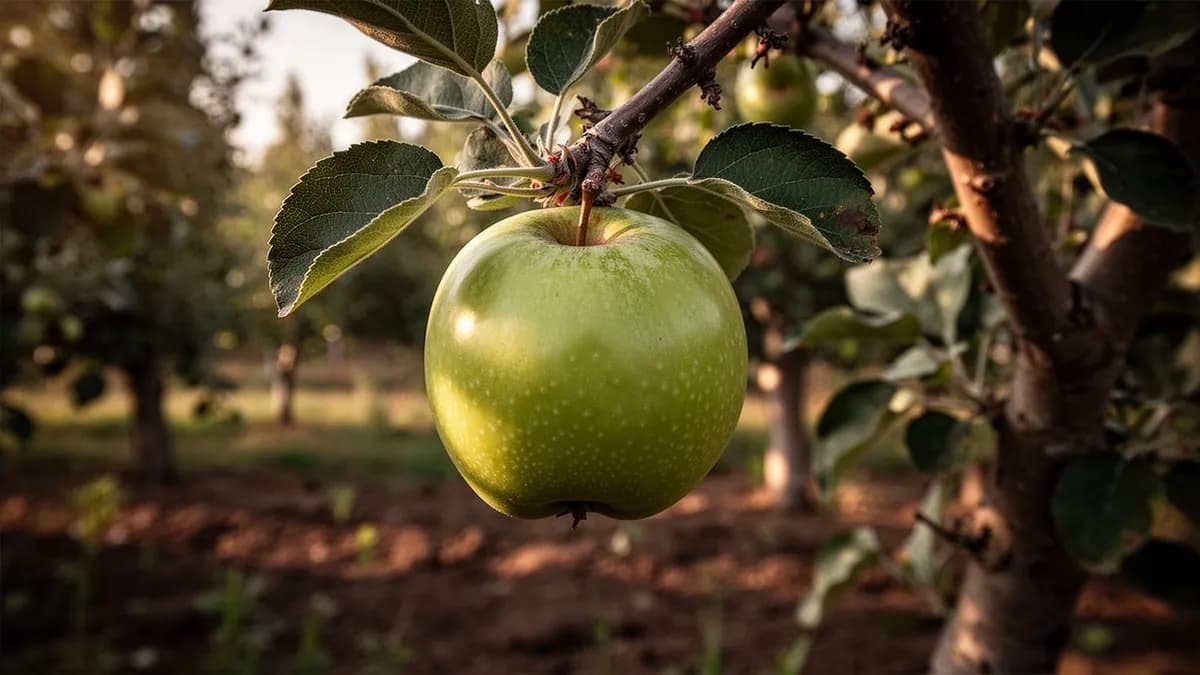
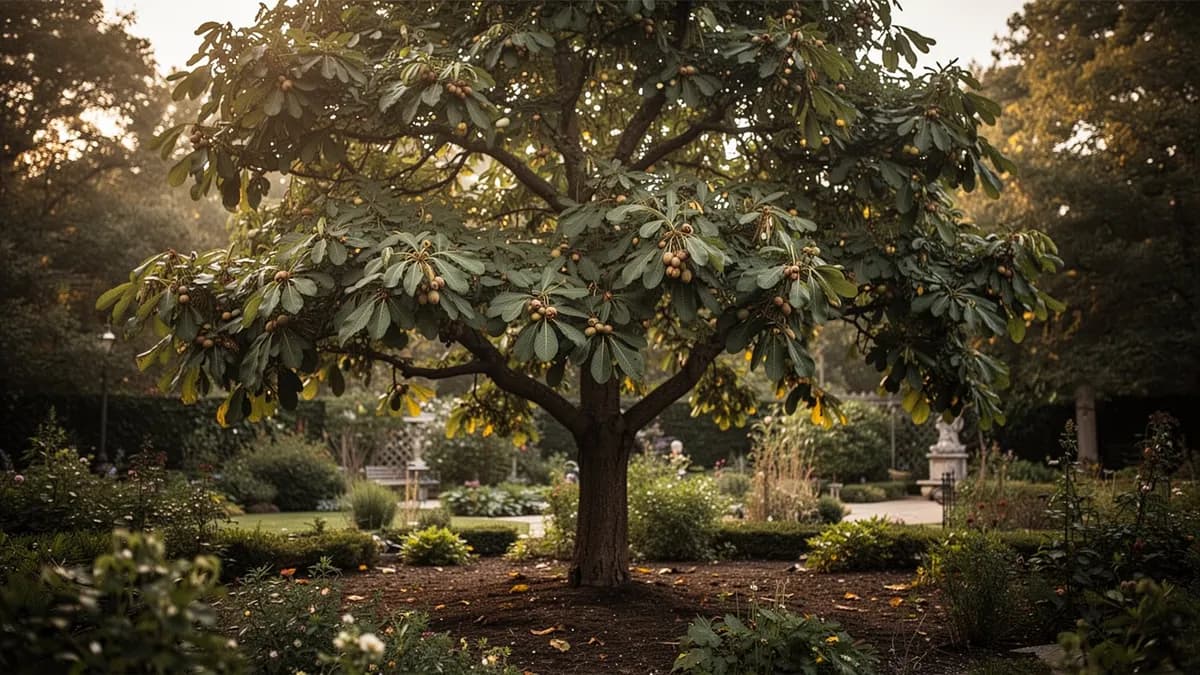
Plante dos variedades diploides compatibles de polinización dentro de un radio de 15 metros, como Golden Delicious, Gala o Granny Smith. Otras variedades triploides como Winesap no pueden servir como polinizadoras para Jonagold. El cebollino, la capuchina y el ajo son acompañantes tradicionales del manzano que pueden disuadir plagas. La consuelda plantada en la línea de goteo acumula nutrientes. La cobertura de trébol blanco fija nitrógeno y atrae polinizadores. Manténgalo lejos de los nogales.
Cebollino va a su lado. Nogal no.
Saber de huerto de siempre, cotejado con la tabla real de Manzana Jonagold — prueba cualquier planta que cultives.
Prueba Manzana Jonagold en un bancal, aquí mismo
Un bancal real del planificador con Manzana Jonagold ya plantado. Toca una planta compañera para colocarla y mira cómo responde la comprobación de vecinos: verde para buenos vecinos, rojo si hay conflicto.


Guías de cultivo relacionadas
Abónalo bien
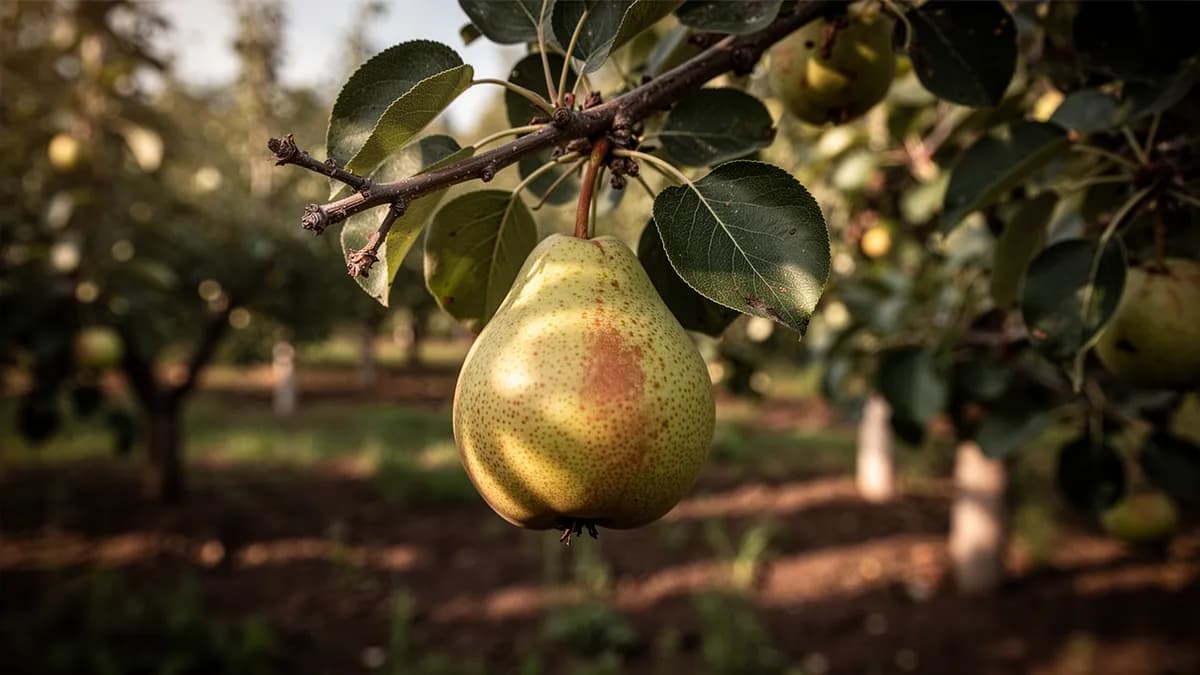
Jonagold rinde mejor en un suelo franco profundo, fértil y bien drenado, con un pH de 6.0 a 7.0. El árbol vigoroso se beneficia de un suelo rico, pero evite el exceso de nitrógeno, que promueve el crecimiento vegetativo a expensas de la calidad del fruto. Aplique un fertilizante equilibrado a principios de primavera y complemente con potasio y calcio durante el desarrollo del fruto. Las aportaciones anuales de compost mejoran la estructura del suelo. Las pulverizaciones de calcio durante la temporada de crecimiento ayudan a prevenir la amarga pit en la fruta almacenada.
Temperatura ideal
Compatibilidad de zonas de rusticidad
De la semilla a la cosecha, etapa por etapa
Dormancia y plantación
Los árboles Jonagold pasan el invierno en dormancia completa, almacenando energía en sus raíces y tejido leñoso mientras acumulan las 700-1000 horas de frío por debajo de 7 grados Celsius necesarias para una correcta brotación primaveral. Esta necesidad de frío, de moderada a alta, hace que Jonagold sea muy adecuado para climas marítimos y continentales templados, pero lo excluye de las regiones subtropicales más cálidas. Los árboles de raíz desnuda o en contenedor se plantan durante esta ventana de dormancia, idealmente a finales de invierno o principios de primavera antes de que comience cualquier actividad de las yemas. Jonagold es naturalmente un árbol vigoroso y expansivo, por lo que la elección del patrón en esta fase determina en gran medida el tamaño final del árbol y sus necesidades de manejo.
Brotación y floración
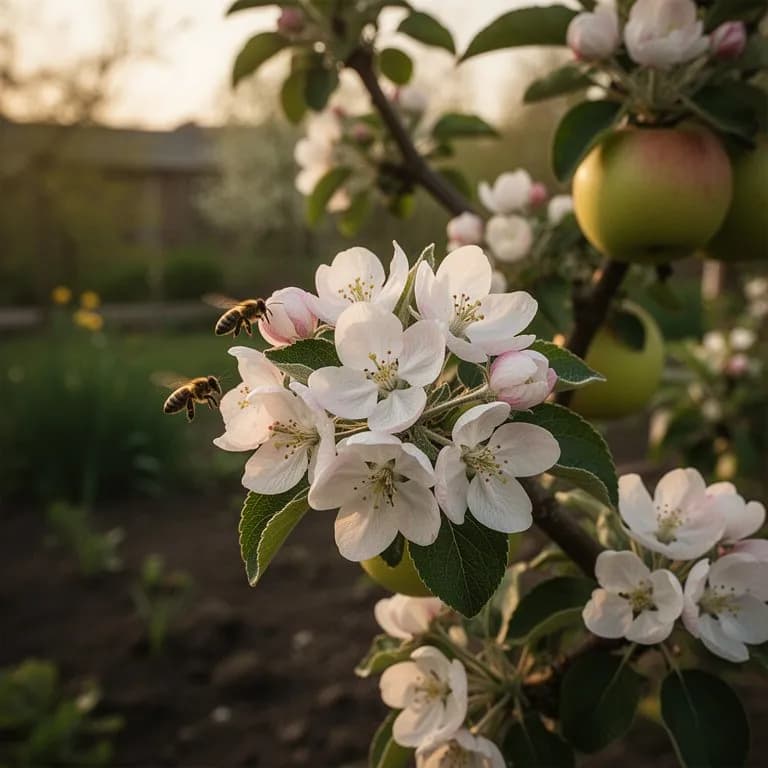
A medida que suben las temperaturas primaverales y se cumplen las horas de frío acumuladas, las yemas de Jonagold se hinchan y se abren en densos racimos de flores blancas a rosa pálido. Jonagold florece a mitad de temporada, pero crucialmente es una variedad triploide: tiene tres juegos de cromosomas en lugar de los dos habituales, lo que significa que su propio polen es casi totalmente estéril. Esto hace que la planificación de la polinización sea más compleja que en las manzanas diploides: Jonagold no puede autopolinizarse ni servir como polinizador para otras variedades, así que deben plantarse cerca dos variedades diploides diferentes con floraciones solapadas. Cada racimo floral contiene cinco flores, y la flor central o reina produce la fruta más grande.
Cuajado y aclareo
Las flores correctamente polinizadas se convierten rápidamente en pequeños frutos verdes en las semanas posteriores a la caída de pétalos. Jonagold suele cuajar una cosecha abundante cuando la polinización cruzada ha sido suficiente, y el árbol perderá de forma natural algunos frutitos sobrantes durante el periodo de la caída de junio. Sin embargo, como muchas variedades triploides vigorosas, Jonagold tiende a retener más fruto del que puede engordar y madurar con calidad plena sin intervención manual. El aclareo agresivo en esta fase es esencial para producir las manzanas grandes, bien coloreadas e intensamente sabrosas que distinguen a Jonagold de otras variedades menores. Los árboles sin aclarear producen numerosos frutos pequeños, mal coloreados y con sabor diluido.
Desarrollo del fruto y engorde
A lo largo de los largos meses de verano, los frutitos de Jonagold crecen de forma constante hasta convertirse en las manzanas grandes por las que esta variedad es conocida; los frutos maduros suelen superar los 200 gramos y los 8 cm de diámetro, situándolos entre las manzanas cultivadas comercialmente más grandes. La fruta desarrolla internamente una pulpa firme y de grano fino mientras la piel pasa del verde uniforme al color base amarillo dorado heredado de Golden Delicious. Los azúcares se acumulan progresivamente, y los compuestos aromáticos complejos que dan a Jonagold su dulzor meloso característico con toques de la acidez viva de Jonathan se desarrollan durante los días cálidos y las noches frescas del final del verano.
Desarrollo del color y maduración
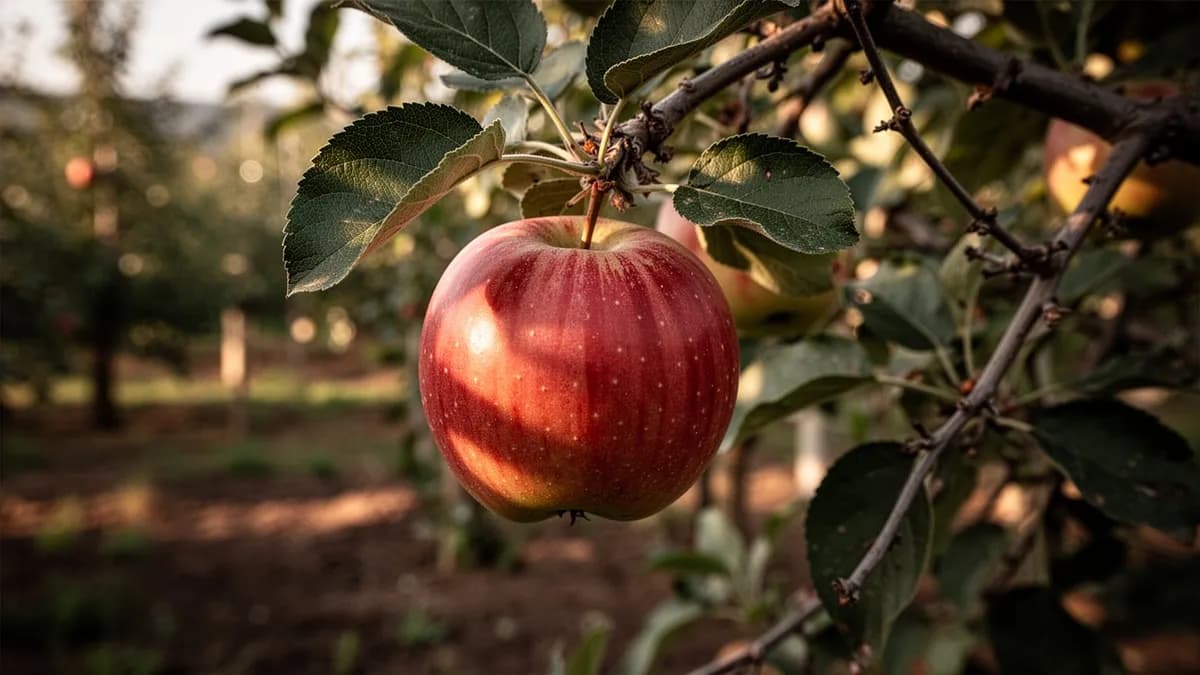
En las tres o cuatro últimas semanas antes de la cosecha, Jonagold experimenta su transformación visual más dramática. El color base de la piel pasa de verde a un rico amarillo dorado que indica madurez creciente, mientras el rubor rojo anaranjado se intensifica notablemente en las caras expuestas al sol de cada fruto. Este rubor no es un rojo sólido como en Jonathan, sino un lavado cálido, naranja rojizo y algo estriado, una de las señas visuales más reconocibles de Jonagold. El almidón interno sigue transformándose en azúcares, y el equilibrio entre dulzor y acidez alcanza el complejo equilibrio que ha convertido a Jonagold en una de las manzanas de postre más queridas de Europa. Las noches frescas por debajo de 10 grados Celsius durante esta fase son cruciales tanto para la intensidad del color como para el desarrollo del sabor.
Cosecha
Jonagold madura a comienzos o mediados del otoño, aproximadamente 145-165 días después de la plena floración, lo que lo sitúa en la ventana de cosecha media a tardía. Las manzanas están listas cuando el color de fondo de la piel ha pasado por completo de verde a amarillo dorado, las semillas se han vuelto marrón oscuro y el fruto se desprende limpiamente del dardo con un suave giro ascendente. Jonagold debe cosecharse con prontitud al llegar a la madurez; a diferencia de otras variedades que pueden permanecer mucho tiempo en el árbol, la pulpa de Jonagold se vuelve harinosa y pierde su crujido característico con relativa rapidez si se deja más allá del punto óptimo. Varias pasadas de recogida durante siete a diez días capturan la fruta en el pico de calidad.
Poscosecha y reposo
Tras completar la cosecha, los árboles Jonagold entran en su ciclo anual de dormancia. Las hojas se vuelven amarillas y doradas antes de caer, exponiendo la estructura de ramas y mostrando los resultados del crecimiento y manejo de la temporada. Esta es la ventana crítica para evaluar la estructura del árbol y planificar los cortes de poda invernal que darán forma a la copa del año siguiente. El crecimiento radicular puede continuar lentamente mientras la temperatura del suelo se mantenga por encima de 4 grados Celsius, y el árbol comienza a acumular las horas de frío necesarias para una correcta salida de la dormancia en la primavera siguiente. Las hojas caídas albergan esporas de sarna y oídio que reinfectarán en primavera si no se controlan.
Plante árboles Jonagold de raíz desnuda en un día suave de invierno, cuando el suelo sea trabajable pero no esté encharcado. Remoje las raíces desnudas en agua durante tres o cuatro horas antes de plantar. Sitúe la unión del injerto 5-8 cm por encima de la línea final del suelo y extienda las raíces de forma natural en un hoyo amplio y poco profundo de al menos el doble del diámetro de la expansión radicular. Sujete con un tutor robusto en el lado del viento predominante y aplique un anillo de 10 cm de acolchado bien descompuesto hasta la línea de goteo, manteniendo todo el acolchado a 15 cm del tronco para evitar la podredumbre del cuello.
Cuidar Manzana Jonagold mes a mes
Qué hacer cada mes para tu Manzana Jonagold
Octubre
Mes actualComplete la cosecha de Jonagold a mediados de octubre. Clasifique con cuidado todas las frutas cosechadas restantes y reserve solo las manzanas firmes y sin defectos para almacenamiento prolongado. Guárdelas en capas individuales, en bandejas o cajas, a 1-3 grados Celsius y 90-95 por ciento de humedad relativa. Recoja todas las hojas caídas bajo la copa y compóstelas lejos del huerto para reducir el inóculo invernante de sarna del manzano. Coloque bandas pegajosas en los troncos contra las polillas invernales. Sembre un cultivo de cobertura invernal entre los árboles para proteger la estructura del suelo y suprimir las malas hierbas durante los meses de reposo.
Ten claro qué hacer en tu huerto, cada mes
Un correo al empezar cada mes: qué sembrar, plantar y hacer ahora mismo — para tu Manzana Jonagold y todo lo que crece alrededor. Más un breve curso inicial para esquivar los errores clásicos.
- Qué hacer ahora mismo
- Ajustado a tu temporada
- Curso inicial incluido
Cosechar Manzana Jonagold
Las manzanas Jonagold maduran a finales de septiembre o principios de octubre. La fruta está lista cuando el color de fondo pasa de verde a amarillo cálido y aparece un rubor rojo anaranjado distintivo. La pulpa debe ser crujiente y jugosa, con un sabor equilibrado entre dulce y ácido. Coseche levantando y girando para separar la fruta del dardo. El gran tamaño del fruto hace que Jonagold resulte llamativa tanto para el consumo en fresco como para lucirla. Recoja en dos o tres pasadas, ya que la fruta no madura de manera uniforme.
se supone que plantas al comenzar el periodo — indica tu fecha real
Cosecha Manzana Jonagold a tiempo y la planta sigue produciendo.
Almacenamiento y conservación
Jonagold se conserva bien en el refrigerador durante dos o tres meses a 0 a 2 grados Celsius. La pulpa se mantiene firme en almacenamiento y no se vuelve harinosa. Jonagold es una de las mejores manzanas de doble propósito, excelente tanto fresca como cocinada. Su pulpa firme conserva la forma al hornearse y da pies y tartas magníficos. Las rodajas se congelan bien para hornear después. Su jugo equilibrado produce una sidra fresca excelente.
Qué falla — y cómo solucionarlo
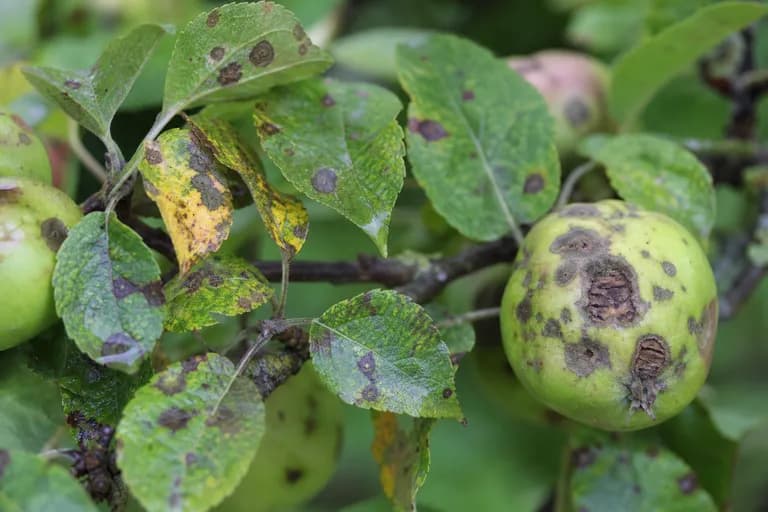
Sarna del manzano
EnfermedadManchas oscuras y aterciopeladas en las hojas y en la superficie del fruto; agrietamiento y deformación de los frutos; caída prematura de hojas.
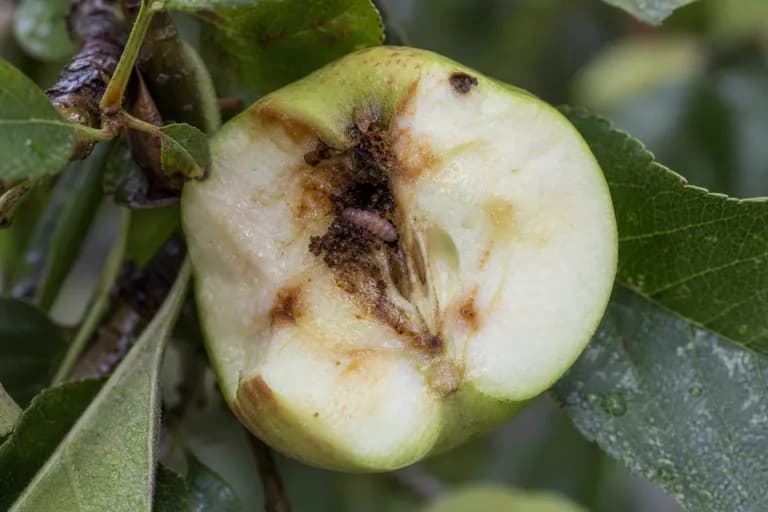
Polilla de la manzana
PlagaOrificios de entrada en el cáliz o en el lateral del fruto; galerías marrones llenas de excrementos hasta el corazón; manzanas con gusanos.
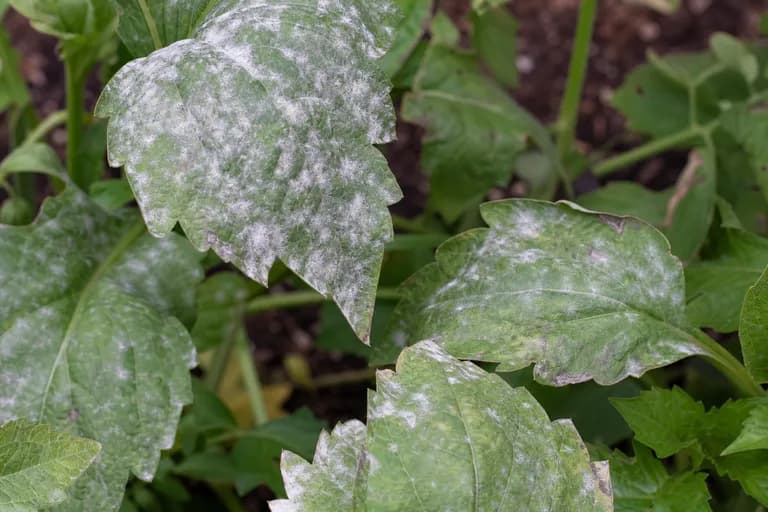
Oídio
EnfermedadCapa blanca y polvorienta en hojas jóvenes, brotes y a veces en el fruto; las hojas se enrollan y se frenan; menor vigor del árbol.
Solución de problemas comunes
Como triploide, Jonagold requiere otras dos variedades de manzana para la polinización y no puede polinizar a otros árboles, lo que exige una planificación cuidadosa del huerto. El fruto muy grande puede causar rotura de ramas si no se realiza un buen aclareo y soporte. La susceptibilidad moderada a enfermedades hace recomendable un programa de pulverización en regiones húmedas. La pit amarga en la fruta almacenada se controla con aplicaciones de calcio. El árbol puede ser demasiado vigoroso en suelos ricos, lo que requiere una poda enérgica.
Consejos de cultivo
- Plante siempre al menos dos variedades diploides de manzano distintas a entre 15 y 30 metros de su Jonagold. Como Jonagold es triploide y tiene polen estéril, no puede autopolinizarse ni servir como fuente de polen para ninguna otra variedad. Los mejores polinizadores diploides con floración compatible de media temporada incluyen Elstar, Cox's Orange Pippin, James Grieve, Idared, Discovery y Gala.
- Elija el patrón con cuidado según las condiciones de su sitio y la intensidad de manejo. M9 produce árboles compactos, ideales para jardines pequeños, pero exige tutorado permanente y suelo rico. M26 ofrece un buen compromiso entre control de tamaño y autosustento. MM106 produce árboles más grandes y autónomos, tolerantes a una gama más amplia de condiciones del suelo. Los patrones de la serie Geneva (G.41, G.935) ofrecen mejor resistencia a enfermedades.
- Pode Jonagold anualmente y de forma más decidida que la mayoría de las variedades de manzano. Su hábito de crecimiento vigoroso y extendido hace que la copa se vuelva excesivamente densa sin aclareos regulares. Concéntrese en mantener un centro abierto o un eje central modificado que permita que la luz del sol llegue a todos los dardos fructíferos; la fruta de Jonagold producida a la sombra desarrolla mal color y peor sabor que la fruta bien iluminada.
- Aclare el fruto con agresividad cada año sin excepción. Jonagold cuaja cosechas abundantes cuando está bien polinizado, y el árbol intentará sostener mucha más fruta de la que puede madurar a tamaño y calidad plenos. Reduzca cada racimo a una fruta cuando tenga el tamaño de una canica y mantenga una separación final de 15 a 20 cm entre las manzanas restantes. El aclareo constante también previene las alternancias de producción a las que son propensas las variedades triploides vigorosas.
- Vigile la sarna del manzano durante toda la temporada de crecimiento, ya que Jonagold tiene una susceptibilidad moderada a esta enfermedad fúngica muy extendida. Aplique pulverizaciones preventivas de fungicida durante el periodo principal de infección, desde la punta verde hasta dos semanas después de la caída de pétalos. En climas húmedos, puede ser necesario un programa protector con captan o miclobutanil para mantener el fruto sin manchas. Retire y composte todas las hojas caídas en otoño para reducir las esporas invernantes.
- Proporcione un riego profundo y constante durante el verano: Jonagold es una variedad de fruto grande que exige mucha humedad durante la fase crítica de expansión celular de junio a agosto. Busque entre 25 y 40 mm de agua por semana entre lluvia y riego combinados. La humedad irregular provoca un engorde desigual, grietas en la piel y mayor susceptibilidad a trastornos relacionados con el calcio como la mancha corchosa y la bitter pit.
- Instale soportes o puntales bajo las ramas estructurales muy cargadas a mediados de julio de cada año. El gran tamaño y peso de la fruta de Jonagold, combinado con su hábito de ramas extendidas, genera un estrés mecánico considerable que puede partir ramas estructurales sin previo aviso. Los puntales de madera acolchados o los sistemas de suspensión con alambre permanentes son soluciones eficaces para evitar roturas costosas.
- Coseche Jonagold en varias pasadas durante siete a diez días en lugar de vaciar el árbol de una vez. La fruta de las caras sur y oeste del árbol madura varios días antes que la de las zonas sombreadas del norte. Recoger en dos o tres pasadas garantiza que cada manzana se coseche en su punto óptimo de madurez, maximizando el potencial de sabor y la duración de conservación de la variedad.
- Guarde las manzanas Jonagold cosechadas a 1 a 3 grados Celsius y con 90-95 por ciento de humedad relativa para obtener el mejor resultado. A diferencia de otras variedades, Jonagold se conserva muy bien y puede mantener una excelente calidad para comer durante tres a cinco meses en condiciones de frío adecuadas. Coloque la fruta en una sola capa sin que se toquen y revísela cada dos semanas, retirando cualquier manzana con signos de pudrición o deterioro.
- Aplique un acolchado reflectante en el suelo bajo la copa del árbol a finales de agosto para mejorar el desarrollo del rubor rojo en las zonas inferiores y sombreadas del fruto en desarrollo. El acolchado plástico plateado o incluso una tela paisajística blanca reflejan eficazmente la luz hacia arriba en la copa, produciendo manzanas con color más uniforme. Esta técnica es especialmente valiosa en climas más nubosos o en las partes de la copa orientadas al norte que reciben poca luz solar directa durante la ventana de desarrollo del color.
Cultiva tu mejor Manzana Jonagold — y todo lo que la rodea.
Empieza un plan gratis hoy. Diseña tus bancales, coloca tu Manzana Jonagold y deja que PlotMyGarden gestione el momento, el espaciado, las asociaciones y los recordatorios de la semilla a la cesta.
Elige tu Manzana Jonagold
Jonagold (original)
El cruce clásico de Jonathan y Golden Delicious desarrollado en la Estación Experimental Agrícola de Nueva York, con frutos grandes y hermosos.
Jonagored
Una mutación completamente roja con el mismo sabor excelente, popular en huertos europeos por su color uniforme y atractivo.
Red Jonaprince
Una mutación de color rojo oscuro con maduración algo más temprana y un desarrollo de color intenso, muy plantada comercialmente en Europa.
Rubinstar
Una mutación con rubor rojo apreciada por su color fiable y su calidad de fruto constante en distintas condiciones de cultivo.
Un manzano Jonagold maduro sobre patrón semienano (M26 o MM106) puede producir entre 40 y 70 kg de fruta al año una vez completamente establecido. Con precios minoristas típicos de 3 a 5 euros por kilo para Jonagold premium en mercados europeos o 3 a 6 dólares por kg en Norteamérica, un solo árbol productivo representa entre 120 y 350 dólares de fruta al año. Los manzanos Jonagold suelen costar entre 25 y 50 dólares en vivero, empiezan a producir ligeramente a los tres o cuatro años y alcanzan su plena productividad entre el séptimo y el octavo año. Con una vida productiva de 30 a 50 años sobre el patrón adecuado, el rendimiento total de la inversión es extraordinario. Un Jonagold casero, recogido en el punto perfecto de madurez y comido el mismo día, ofrece un nivel de sabor, aroma y textura que la fruta almacenada comercialmente, a menudo durante meses en atmósfera controlada, simplemente no puede igualar.
Recetas rápidas
Tarta clásica de manzana Jonagold
45 minutosUna tarta abierta al estilo europeo tradicional que muestra la notable capacidad de Jonagold para conservar la forma al hornearse mientras se carameliza hasta un dorado intenso. Finos anillos concéntricos de Jonagold se disponen sobre una capa de crema de almendra en hojaldre crujiente y se hornean hasta que los bordes se doran y los azúcares naturales crean un acabado brillante y caramelizado. El resultado es un postre con capas de sabor mantecoso, a nuez y con la dulzura melosa de la manzana, que ha convertido a Jonagold en la variedad elegida para este clásico en el norte de Europa.
8 ingredientes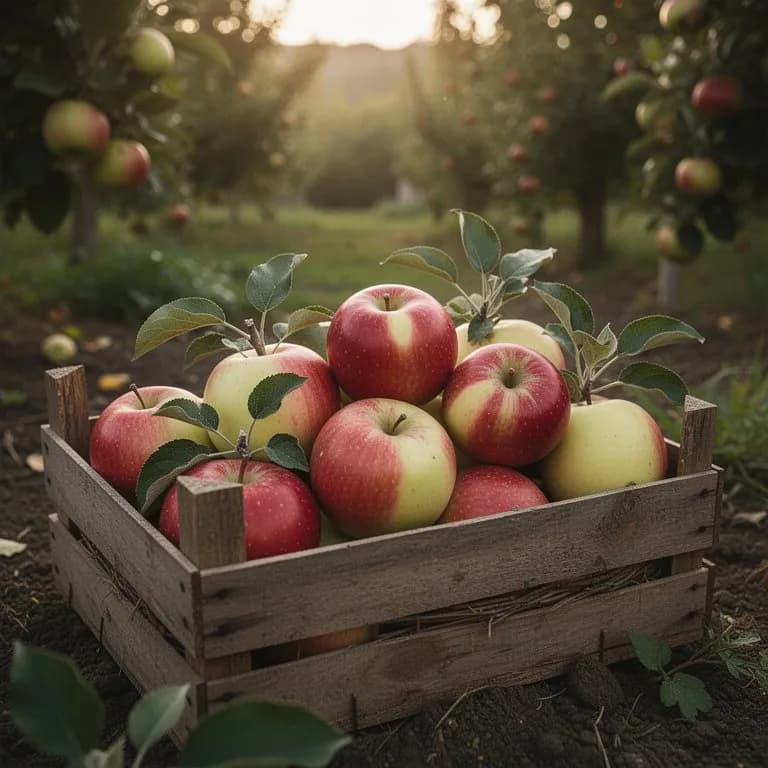
Sándwich tostado de Jonagold y cheddar curado
15 minutosUna versión gourmet del clásico sándwich de queso fundido que combina gruesas láminas de Jonagold fresco con cheddar curado fuerte sobre pan de masa madre. La pulpa dulce como la miel de Jonagold, con su acidez subyacente, corta perfectamente la riqueza del queso fundido, creando una combinación salado-dulce que se ha convertido en un básico de la temporada de cosecha. Un chorrito de mostaza a la antigua y unas hojas de tomillo fresco elevan este plato de simple comida reconfortante a algo realmente especial.
7 ingredientesMantequilla especiada de manzana Jonagold
30 minutos activos, 3-4 horas de cocción lentaUna conserva para untar, de sabor profundo, que concentra la dulzura natural melosa de Jonagold en una mantequilla sedosa con especias de canela, perfecta para tostadas, tortitas o tablas de queso. Jonagold es ideal para hacer mantequilla de manzana porque su alto contenido de azúcar carameliza maravillosamente durante la cocción lenta, mientras que su acidez equilibrada evita que el producto final resulte empalagoso. El resultado es una crema rica, color caoba y con un sabor complejo que supera con mucho cualquier versión comercial.
9 ingredientesUsos culinarios
Jonagold es una de las mejores manzanas de doble propósito, excelente tanto en fresco como en cocina. El fruto grande y atractivo lo convierte en una hermosa manzana de mesa. Al hornearse, la pulpa mantiene su forma mientras desarrolla una rica dulzura melosa. Jonagold hace pies, tartas y galettes magníficos. Su jugo equilibrado produce una sidra fresca excelente. La manzana combina bien con quesos curados y embutidos.
Qué contiene
Beneficios para la salud
- Rica en fibra de pectina soluble que forma un gel viscoso en el tracto digestivo, y que la investigación clínica ha demostrado que ayuda a reducir los niveles de colesterol LDL al unirse a los ácidos biliares y favorecer su excreción, apoyando así la salud cardiovascular a largo plazo cuando se consume con regularidad como parte de una dieta equilibrada
- Aporta una amplia gama de antioxidantes polifenólicos, incluidos quercetina, catequinas y procianidinas, concentrados en la piel y la pulpa externa, que actúan sinérgicamente para neutralizar radicales libres, reducir el estrés oxidativo sistémico y disminuir la inflamación crónica vinculada a enfermedades cardiovasculares y ciertos cánceres
- Favorece un buen control de la glucosa gracias a una combinación de índice glucémico moderado, alto contenido en fibra y ácido clorogénico, un compuesto polifenólico que la investigación sugiere que mejora la sensibilidad a la insulina y reduce la velocidad de absorción de glucosa en el intestino delgado tras las comidas
- Promueve una digestión saludable y una función intestinal regular gracias a su combinación de fibra soluble e insoluble, que aumenta el volumen de las heces, alimenta a las bacterias beneficiosas del intestino y contribuye a la integridad de la mucosa intestinal como fuente natural de prebióticos
- Contiene cantidades relevantes de potasio, un mineral esencial que ayuda a regular la presión arterial contrarrestando los efectos vasoconstrictores del sodio de la dieta, apoyando un equilibrio saludable de líquidos y contribuyendo a una función correcta de nervios y músculos en todo el cuerpo
- Ofrece un tentempié naturalmente bajo en calorías y muy saciante, con aproximadamente 52 kcal por 100 gramos y un 86 por ciento de agua, lo que hace de Jonagold una herramienta eficaz para un control de peso saludable; su combinación de agua, fibra y azúcares naturales proporciona una saciedad duradera asociada en la investigación con una menor ingesta calórica diaria total
De dónde viene Manzana Jonagold
La manzana Jonagold se creó en 1953 mediante un cruce deliberado entre Jonathan y Golden Delicious en la Estación Experimental Agrícola del Estado de Nueva York, en Ginebra, Nueva York. El programa de mejora buscaba combinar el carácter aromático intenso y la acidez vivaz de Jonathan con la dulzura fiable, el gran tamaño de fruto y la capacidad de conservación prolongada de Golden Delicious. La plántula resultante mostró un potencial excepcional desde una etapa temprana, produciendo frutos extraordinariamente grandes y atractivos con un sabor complejo, dulce y meloso, subrayado por una acidez refrescante que ninguno de los progenitores poseía por separado. Tras quince años de rigurosa evaluación en varios huertos de ensayo, Jonagold fue lanzado oficialmente para cultivo comercial en 1968. La adopción en Estados Unidos fue inicialmente modesta, en parte porque la naturaleza triploide de la variedad —lleva tres juegos de cromosomas, lo que esteriliza su polen— complicaba la planificación de la polinización del huerto y desanimaba a los cultivadores acostumbrados a cultivares más sencillos, autocompatibles o fácilmente cruzables. La variedad encontró su verdadero hogar comercial en el norte de Europa, donde los productores de Bélgica, los Países Bajos y Alemania la adoptaron con entusiasmo durante las décadas de 1970 y 1980. Los climas marítimos y continentales frescos de estas regiones resultaron ideales para desarrollar todo el potencial de color y sabor de Jonagold, y sus frutos grandes y visualmente llamativos alcanzaron precios premium en el mercado. A mediados de los años ochenta, Jonagold se había convertido en uno de los cultivares de manzana dominantes en Europa occidental, una posición que mantiene en muchas regiones hoy en día. La tendencia de la variedad a producir mutaciones de yema con mayor color rojo ha generado más de cien mutaciones con nombre propio, entre ellas linajes comercialmente importantes como Jonagored, Decosta, Rubinstar y Jonagold Crowngold. Estas mutaciones ampliaron el atractivo de mercado de Jonagold al responder a la preferencia del consumidor por manzanas más rojas, sin perder el sabor distintivo de doble propósito de la variedad original. Hoy Jonagold sigue plantándose ampliamente en la Europa templada, el noroeste del Pacífico de Estados Unidos, partes de Sudamérica y Nueva Zelanda, valorado por igual como manzana premium para comer fresca y como una de las mejores variedades de cocina disponibles.
Manzana Jonagold: ¿sabías que?
Datos fascinantes sobre Manzana Jonagold
Jonagold se creó en 1953 en la Estación Experimental Agrícola del Estado de Nueva York, en Ginebra, Nueva York, cruzando la aromática y ácida Jonathan con la dulce y suave Golden Delicious. No fue liberado oficialmente para cultivo comercial hasta 1968, tras quince años de evaluación cuidadosa y ensayos de campo.
Manzana Jonagold: preguntas frecuentes
¿Cuándo debo plantar Manzana Jonagold?
¿Cuáles son buenas plantas acompañantes para Manzana Jonagold?
¿En qué zonas de rusticidad puede crecer Manzana Jonagold?
¿Cuánto sol necesita Manzana Jonagold?
¿A qué distancia debo espaciar Manzana Jonagold?
¿Qué plagas y enfermedades afectan a Manzana Jonagold?
¿Cómo almaceno Manzana Jonagold después de la cosecha?
¿Cuáles son las mejores variedades de Manzana Jonagold para cultivar?
¿Qué suelo necesita Manzana Jonagold?
¿Qué significa que Jonagold sea una manzana triploide y por qué importa en mi jardín?
¿Por qué mis manzanas Jonagold no desarrollan un buen color rojo?
¿Jonagold es una buena manzana para hornear y cocinar, o solo para comer fresca?
¿Cuánto tiempo puedo guardar las manzanas Jonagold tras la cosecha?
Mi árbol Jonagold crece mucho pero da poca fruta. ¿Qué puedo hacer?
¿Cuáles son las mejores mutaciones deportivas de Jonagold y debería cultivar una en lugar de la Jonagold estándar?
Acabas de leer la teoría. Ahora cultívala en piloto automático.
Todo lo que hace que Manzana Jonagold sea delicado — el momento, el espaciado, las asociaciones, la ventana de cosecha — es justo lo que PlotMyGarden resuelve por ti, para cada planta de tu huerto.
Un plan que conoce tu clima
Indica tu ubicación una vez. Recibe fechas de siembra, abonado y cosecha basadas en tu última helada real y el pronóstico en vivo — sin adivinar con un sobre genérico.
De la sección “Cuándo plantar”Planificador de bancales de arrastrar y soltar
Diseña bancales sobre una cuadrícula. Cada planta encaja con su espaciado correcto y ves toda la temporada antes de gastar un céntimo en semillas.
De la sección “Cultivo”Conflictos de asociación, detectados a tiempo
Más de 200 buenas y malas combinaciones comprobadas en vivo mientras plantas — para que un error que arruine la temporada nunca llegue a la tierra.
De la sección “Asociaciones”Recordatorios que sí vas a seguir
“Riega las judías.” “Recoge hoy antes de que se pase.” Oportunos, concretos y ligados a las plantas que de verdad cultivas.
De la sección “Cosecha”Escalonado, programado
¿Quieres cosechar seis semanas en vez de seis días? Reparte tus siembras automáticamente y te avisa cuando toca el siguiente lote.
De la sección “Cuándo plantar”Un registro que se vuelve más listo
Cada cosecha que registras le enseña tu huerto. El plan del año que viene parte de lo que de verdad funcionó en tu suelo, no en un manual.
De la sección “Resumen”Planta estos junto a Manzana Jonagold
Más Frutas de pepita
Mantén Manzana Jonagold lejos de estos
Cultiva tu mejor Manzana Jonagold — y todo lo que la rodea.
Empieza un plan gratis hoy. Diseña tus bancales, coloca tu Manzana Jonagold y deja que PlotMyGarden gestione el momento, el espaciado, las asociaciones y los recordatorios de la semilla a la cesta.