Cortland Apple
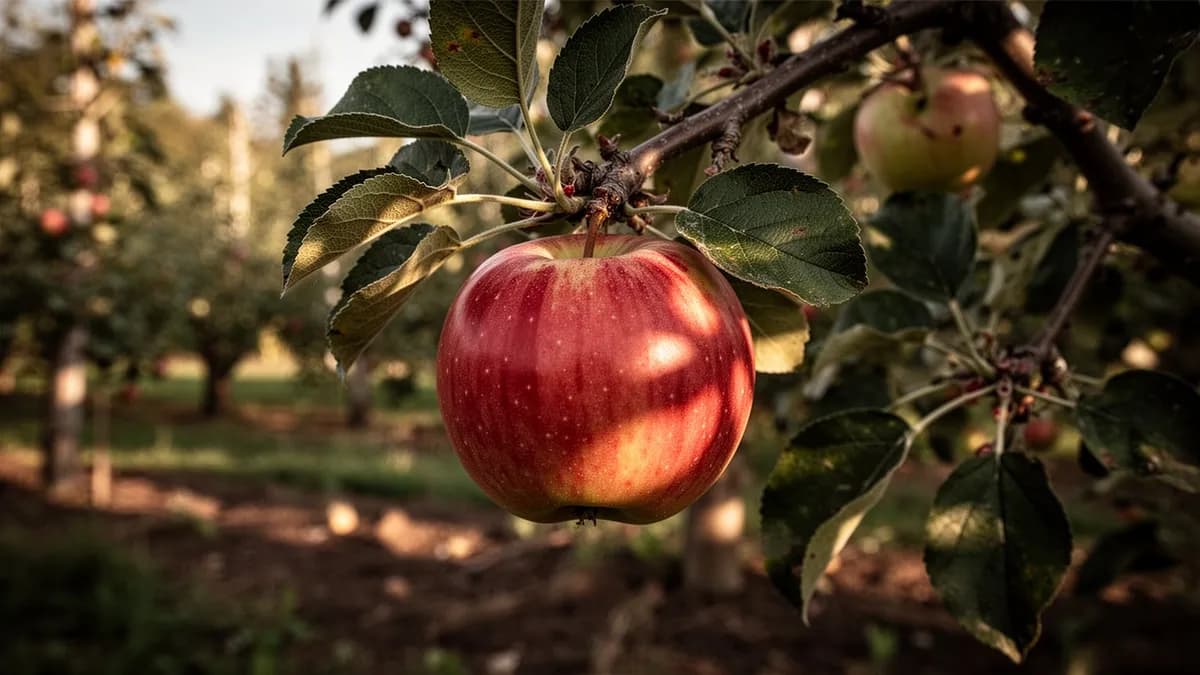
A McIntosh-descended apple with snow-white flesh that resists browning, making it the premier choice for fresh fruit salads and cheese platters.





On this pageOverview
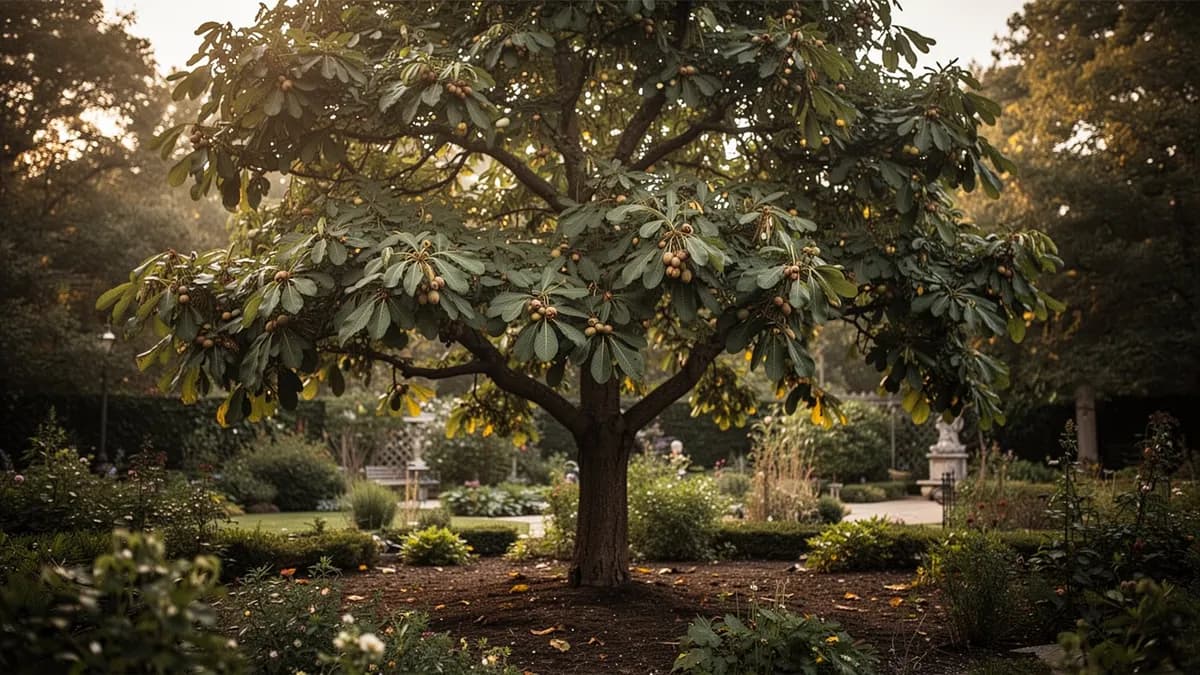
Meet Cortland Apple
A McIntosh-descended apple with snow-white flesh that resists browning, making it the premier choice for fresh fruit salads and cheese platters. Cortland has a mildly sweet, slightly tart flavor and tender texture. The trees are reliably productive and cold-hardy, performing well in northern climates where many other varieties struggle.
When to plant Cortland Apple
Cortland apple seeds require 60 to 90 days of cold stratification at 33 to 40 degrees Fahrenheit before planting. However, seedlings will not produce true Cortland apples. Purchase grafted trees for guaranteed variety characteristics. For rootstock experiments, plant stratified seeds one inch deep in spring. Germination takes two to four weeks. Seedlings require six to ten years to produce fruit of unknown quality.
Your Cortland Apple Year
Composed for Zone 7 · typical seasons · frost passes Apr 2, returns Nov 1
Plant Cortland Apple Feb – Mar, pick Sep – Oct. Check the planting methods below and set your climate to personalize these windows.
How to grow Cortland Apple
Plant Cortland apple trees in late winter or early spring in full sun with well-drained soil. Cortland is exceptionally cold-hardy, thriving in zones 3 through 7 where many apple varieties fail. The tree needs a compatible pollinizer blooming at the same time, such as McIntosh, Red Delicious, or Honeycrisp. Space standard trees 25 feet apart, semi-dwarf 12 to 15 feet.
Water deeply once per week during the first growing season, then supplement during dry periods. Cortland is a vigorous grower and reliable producer, beginning to bear fruit in the third or fourth year on semi-dwarf rootstock. The tree tolerates heavy, clay soils better than many apple varieties, though well-drained loam is ideal.
Prune in late winter to maintain an open center shape with good light penetration and air circulation. Cortland is susceptible to apple scab, so preventive fungicide sprays are important in humid climates. Thin fruit to one per cluster in June for best fruit size. The spreading growth habit may require branch spreading or support when laden with heavy crops.
Cortland Apple needs more room than a 4 × 8 ft bed gives
Each Cortland Apple wants 400 cm of elbow room. The planner keeps that spacing for you — every plant, every bed.
Cortland Apple's best neighbours
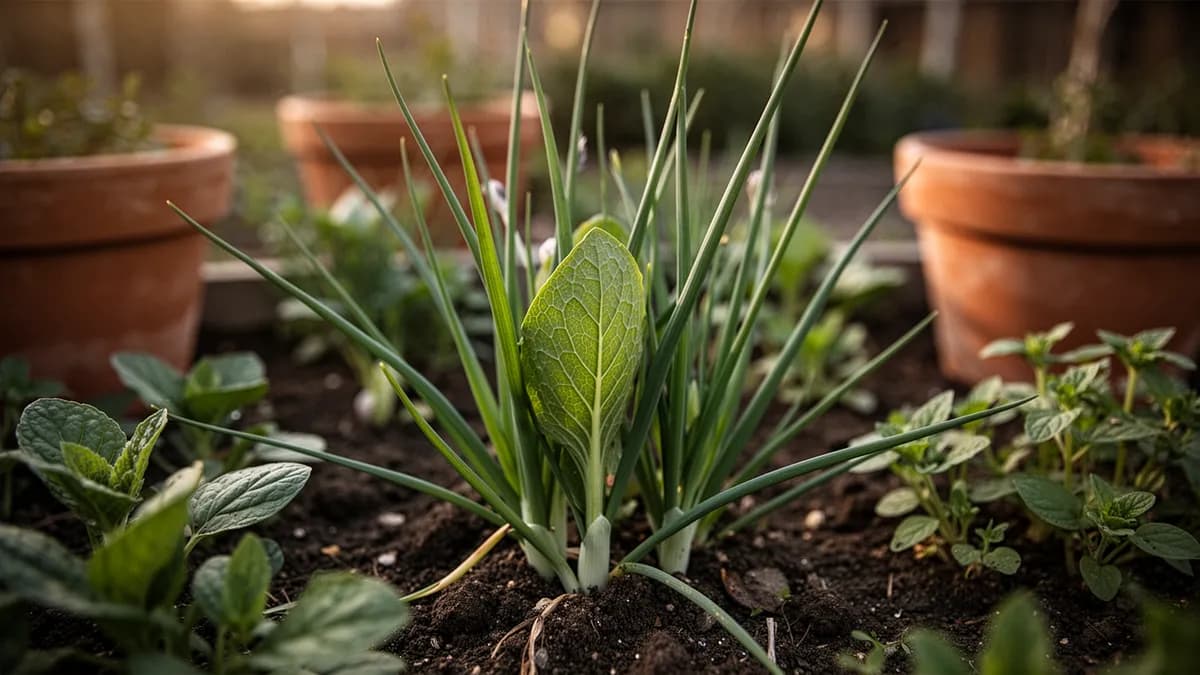
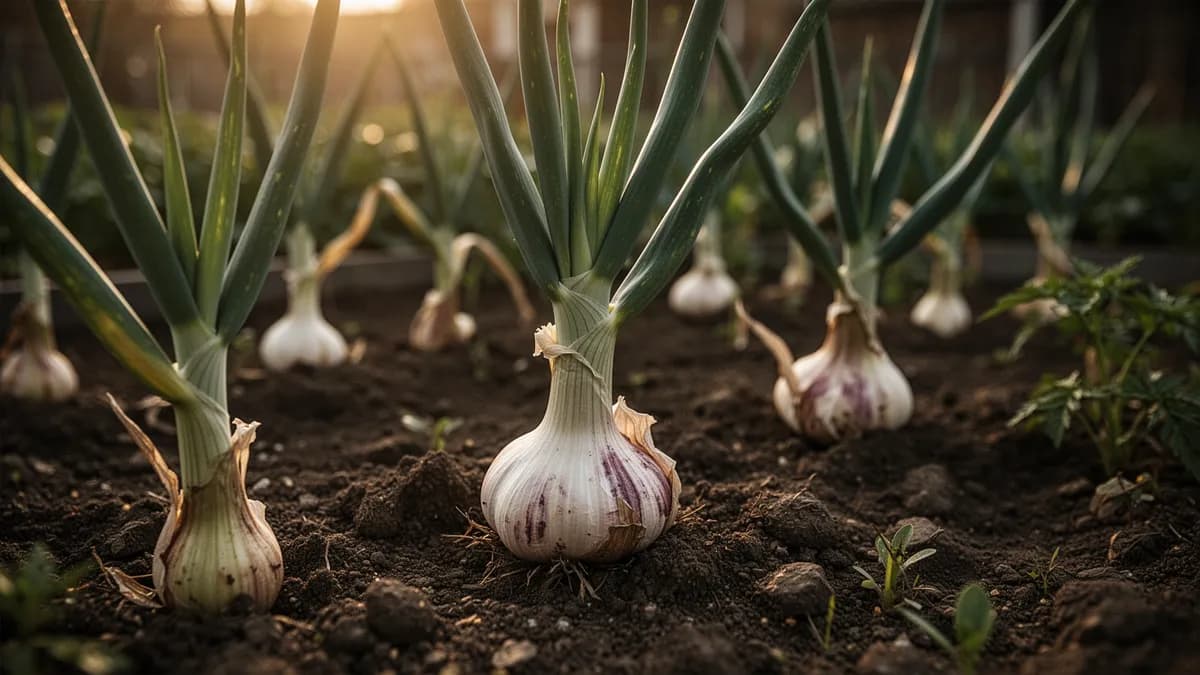
Plant compatible pollinizer varieties within 50 feet, such as McIntosh, Red Delicious, or Honeycrisp. Chives and garlic at the tree base may help suppress apple scab spores. Clover ground cover attracts pollinators and fixes nitrogen. Dill and fennel attract beneficial predatory insects. As with all apples, avoid proximity to walnut trees whose root juglone is toxic.
Chives belongs beside it. Walnut Tree doesn't.
Old growers' knowledge, checked against Cortland Apple's real companion table below — test any plant you're growing.
Try Cortland Apple in a bed — right here
A real planner bed with Cortland Apple already in it. Tap a companion to place it and watch the pairing checks answer — green for good neighbours, red for a clash.


Related growing guides
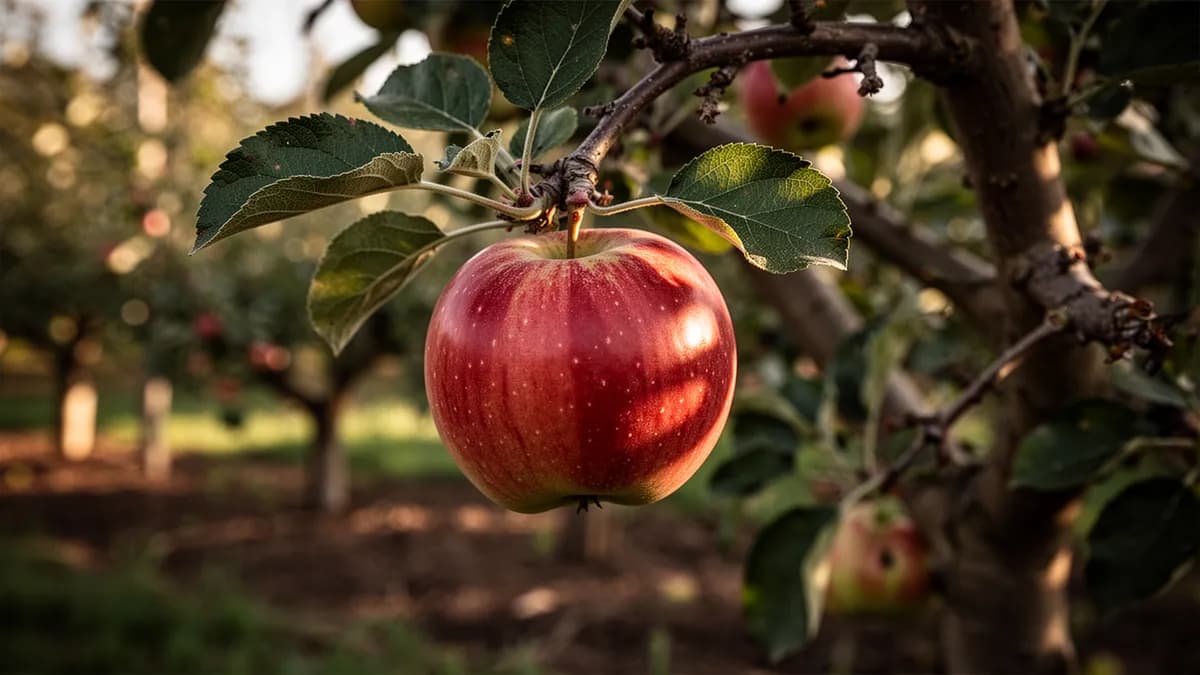
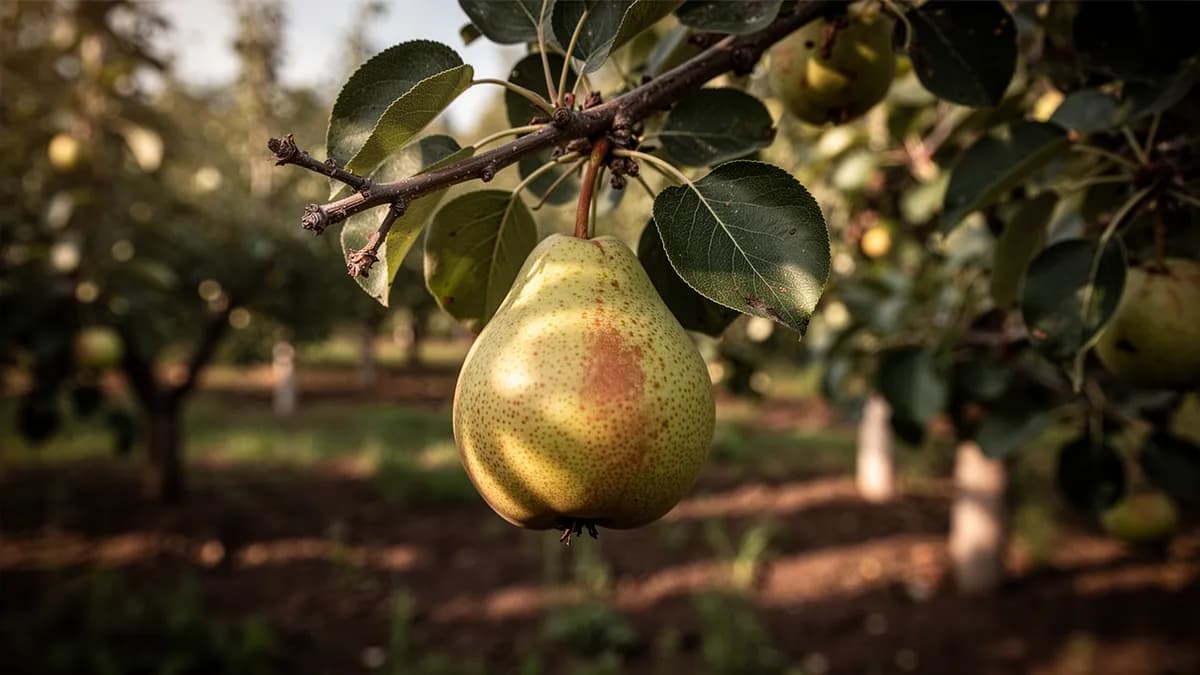
Feed it well
Cortland tolerates a range of soils from sandy loam to heavy clay, with a preferred pH of 6.0 to 7.0. The tree is adaptable and less fussy about soil conditions than many apple varieties. Apply a balanced fertilizer in early spring before bud break. Moderate nitrogen inputs are sufficient, as Cortland is naturally vigorous. Annual compost applications around the drip line improve soil structure and provide slow-release nutrition.
Ideal Temperature
Hardiness Zone Compatibility
From seed to harvest, stage by stage
Dormancy and Planting
Cortland apple trees are planted as bare-root stock during winter dormancy when the tree is fully leafless and all stored energy resides in the root system and woody tissues. Cortland requires approximately 800-1000 chill hours below 7°C during winter, making it well suited to USDA Zones 3-6 where cold winters are reliable. This deep dormancy period is essential for synchronized, vigorous bud break in spring.
Bud Break and Flowering
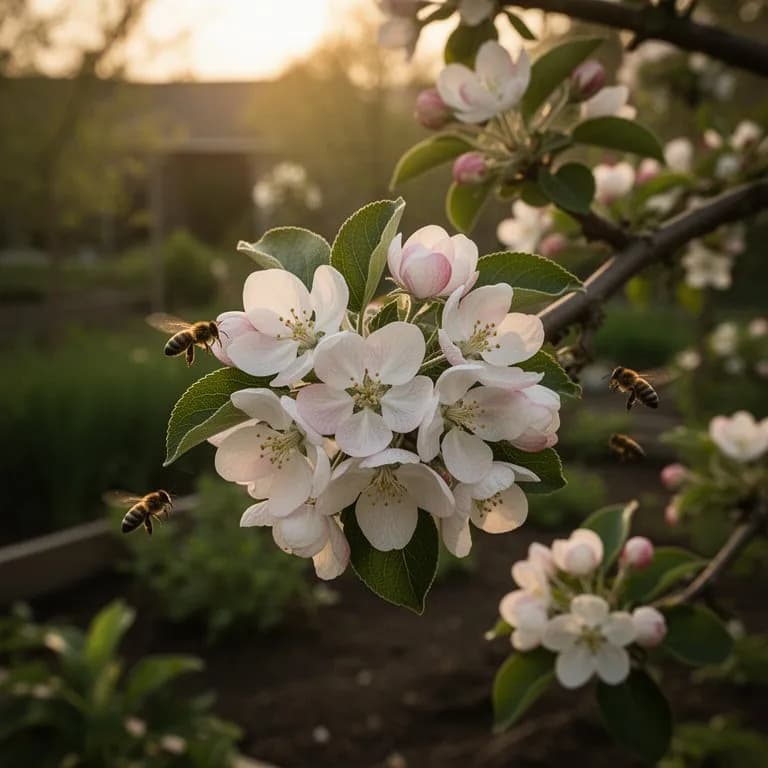
Cortland is known for its relatively late bloom compared to many other apple varieties, which gives it a natural advantage in regions prone to late spring frosts. Buds swell and burst to reveal clusters of large, showy blossoms that open pink and fade to white. Cortland is a diploid variety and produces abundant, high-quality pollen, making it an excellent pollinator for other mid-to-late blooming apple varieties.
Fruit Set and June Drop
After successful pollination, tiny fruitlets form at the base of fertilized flowers. Cortland tends to set fruit heavily, which makes thinning especially important for this variety. The tree naturally sheds some developing fruit in the June drop, but manual thinning is almost always necessary to prevent biennial bearing and ensure adequate fruit size, as Cortland is particularly prone to alternate-year cropping if over-cropped.
Fruit Development and Sizing
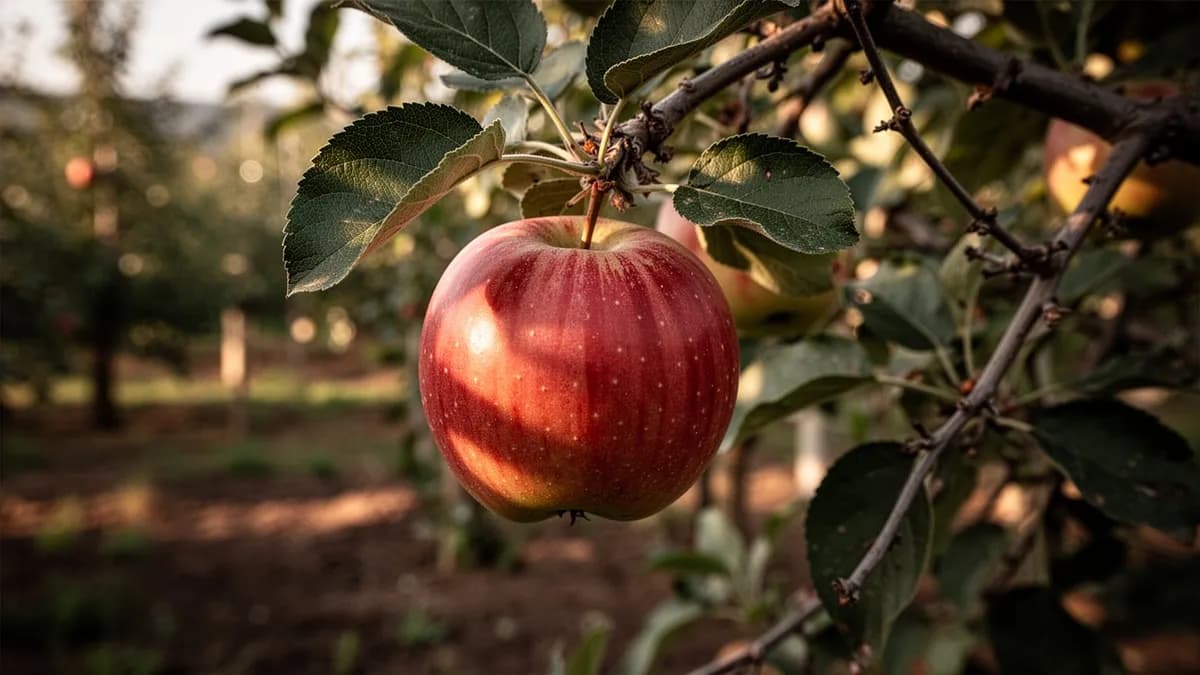
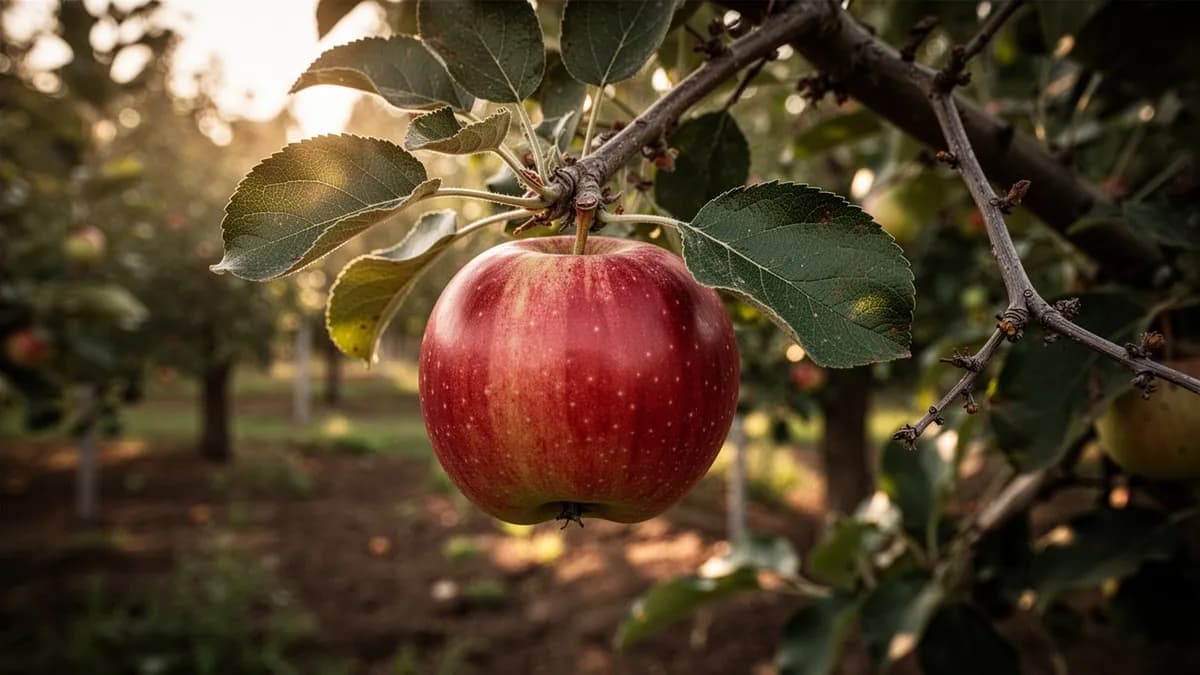
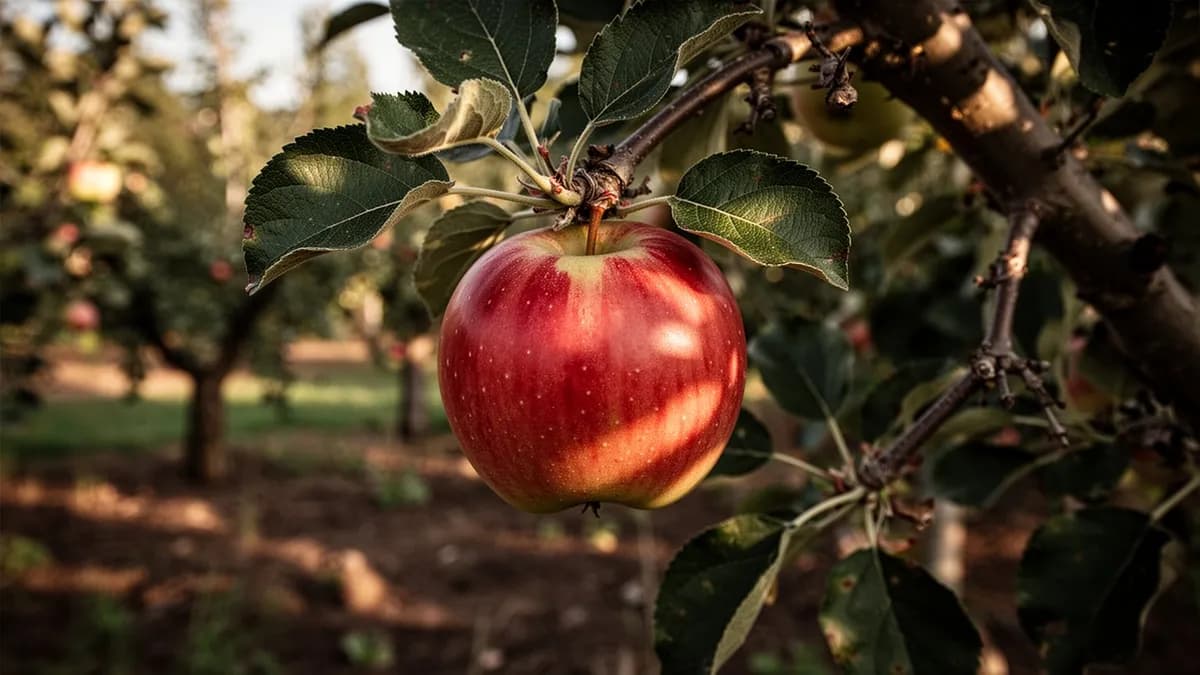
Cortland apples develop steadily through summer, building their characteristic round to slightly flattened shape. The skin begins green and gradually develops streaks and washes of deep red to purplish-red color as the fruit matures. The flesh remains exceptionally white and fine-grained throughout development. Cortland fruit typically reaches medium to large size, averaging 7-8 cm in diameter at maturity.
Ripening and Harvest
Cortland apples ripen in mid to late September in most growing regions, typically one to two weeks after McIntosh, its parent variety. At maturity the skin develops a deep red to dark crimson color with a distinctive dusty blue-purple bloom. The flesh is snow-white, tender, juicy, and mildly sweet-tart. Cortland is notably slow to brown when cut, a trait inherited from its Ben Davis parentage, making it exceptional for fresh preparations.
Post-Harvest and Dormancy Preparation
After harvest, the Cortland tree transitions toward dormancy as day length shortens and temperatures fall. Leaves change color and nutrients are reabsorbed into woody tissues for winter storage. Fallen leaves should be managed carefully, as Cortland has moderate susceptibility to apple scab and fire blight, and leaf litter harbors overwintering disease spores that can reinfect the tree the following spring.
Winter Dormancy
Cortland enters full dormancy and is extremely cold-hardy, tolerating winter temperatures as low as -35°C once fully hardened. This exceptional cold tolerance, inherited from its McIntosh parentage and developed at the New York State Agricultural Experiment Station, makes Cortland one of the most reliable apple varieties for northern gardens and harsh continental climates. Roots may continue slow growth while soil temperatures remain above 4°C.
Plant bare-root Cortland trees in late winter or very early spring while still dormant. Dig a hole twice the width of the root spread and deep enough to keep the graft union 5-10 cm above the soil line. Water deeply at planting and apply a 10 cm ring of organic mulch, keeping it 15 cm from the trunk to prevent crown rot.
Caring for Cortland Apple month by month
What to do each month for your Cortland Apple
October
You are hereComplete the Cortland harvest and sort fruit by quality. Store only unblemished apples, setting aside any bruised fruit for immediate eating, sauce, or cider. Begin autumn cleanup by raking fallen leaves and removing mummified fruit from branches, which harbor disease spores. Apply grease bands to trunks to intercept winter moth adults climbing to lay eggs.
Know exactly what to do in your garden — every month
One email at the start of each month: what to sow, plant, and tackle right now — for your Cortland Apple and everything growing around it. Plus a short starter course that helps you dodge the classic mistakes.
- What to do, right now
- Matched to your season
- Starter course included
Harvesting Cortland Apple
Cortland apples ripen in mid-September to early October, slightly after McIntosh. The fruit is ready when it reaches full red color with the background turning from green to pale yellow. The flesh should be bright white and crisp when cut. Pick by lifting and twisting gently. Cortland's signature white flesh resists browning for much longer than other varieties, making it the ideal apple for fruit salads and cheese platters where appearance matters.
assuming you plant when the window opens — set your real date
Pick Cortland Apple promptly and the plant keeps producing.
Storage & Preservation
Store Cortland apples in the refrigerator for up to three months at 32 to 35 degrees Fahrenheit. The flesh softens faster than harder varieties, so consume earlier for best crisp texture. The slow-browning trait makes Cortland perfect for freezing sliced for pies, as the flesh stays white without ascorbic acid treatment. Excellent for applesauce, juice, and cider. Makes good dried apple rings with their naturally bright color.
What goes wrong — and the fix
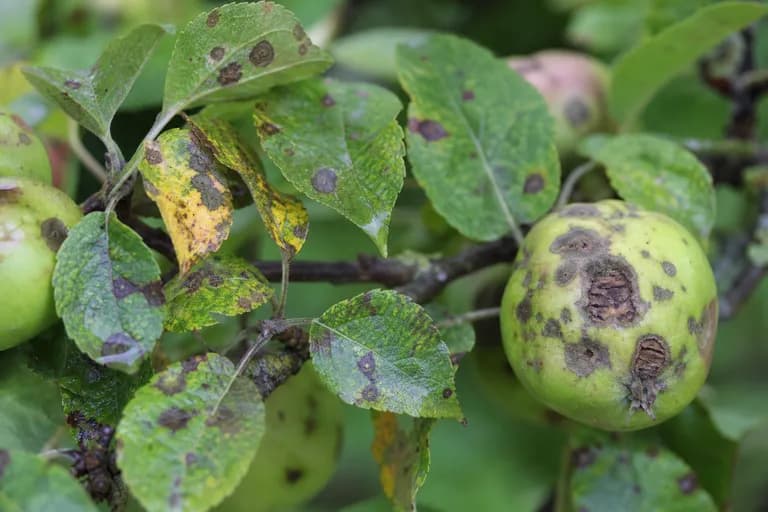
Apple Scab
DiseaseOlive-green to brown spots on leaves and fruit; cracked and deformed fruit in severe cases; heavy leaf drop.
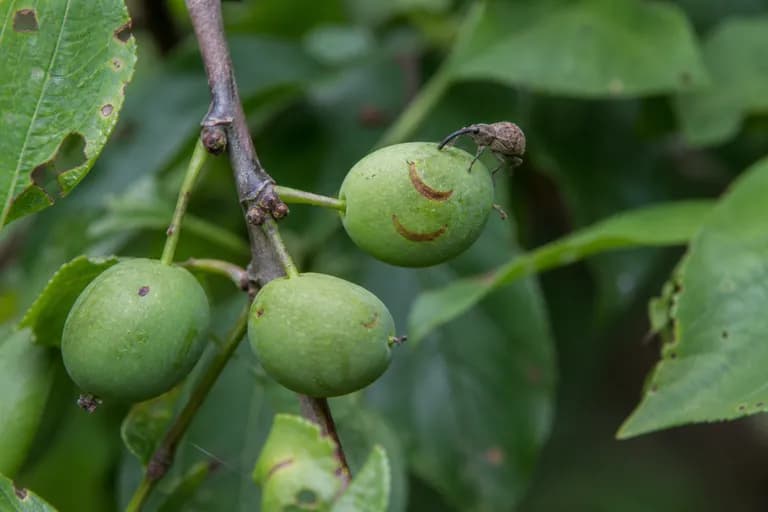
Plum Curculio
PestCrescent-shaped scars on developing fruit where the weevil feeds and lays eggs; misshapen fruit and premature drop.
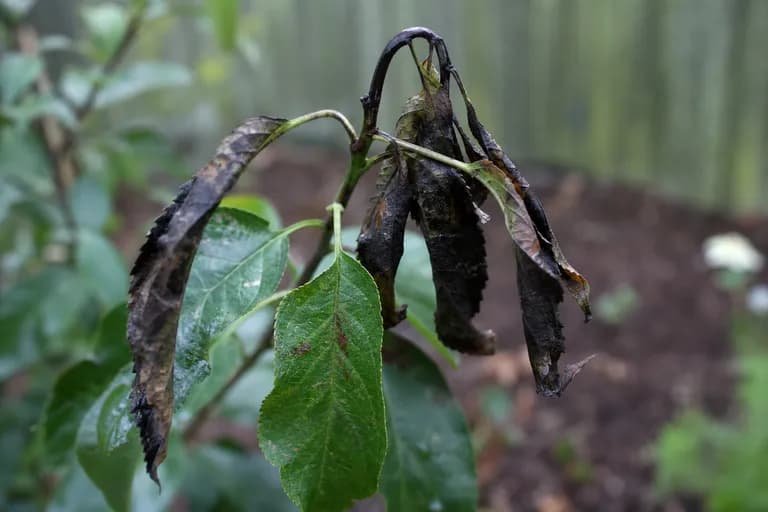
Fire Blight
DiseaseBlackened shoot tips that curve downward; oozing amber cankers on branches; scorched appearance of blossoms.
Troubleshooting Common Problems
Susceptibility to apple scab is the primary concern and requires a preventive spray program in humid regions. The fruit's tender flesh bruises more easily than firmer varieties, requiring careful handling during harvest and storage. Cortland can develop a mealy texture if left on the tree too long or stored improperly. Biennial bearing is possible without proper thinning. Fire blight can affect young shoots during warm, wet springs.
Growing Tips
- Select a rootstock suited to your space and climate. M9 or M26 are excellent choices for home gardens, producing trees of 2.5-4 meters that begin bearing within 2-4 years. For colder Zone 3 locations, consider the hardy Bud.9 or G.935 rootstocks that combine dwarfing with superior winter hardiness.
- Plant Cortland with at least one compatible pollinator variety that blooms in the mid-to-late season. McIntosh, Honeycrisp, Golden Delicious, Empire, and Liberty are all excellent cross-pollination partners. Position pollinator trees within 30 meters for reliable bee-mediated pollen transfer.
- Thin fruit ruthlessly every year, as Cortland is one of the most biennial-bearing-prone apple varieties. When fruitlets reach thumbnail size, remove all but one per cluster and space remaining fruit 15-20 cm apart. This single practice is the key to consistent annual crops of good-sized fruit.
- Apply foliar calcium chloride sprays every two weeks from June through August to prevent bitter pit, a physiological disorder that causes brown sunken spots in the flesh. Use a solution of 4-5 grams of calcium chloride per liter of water applied to developing fruit in the cool of the morning.
- Manage apple scab proactively, as Cortland has moderate susceptibility to this common fungal disease. Apply fungicide sprays from green tip through petal fall during wet springs, and always remove fallen leaves in autumn to eliminate overwintering spore sources beneath the tree.
- Prune annually in late winter to manage Cortland's naturally spreading and somewhat drooping growth habit. Remove downward-hanging branches, water sprouts, and inward-growing wood to maintain an open canopy that allows sunlight and air circulation to reach all parts of the tree.
- Water consistently during the fruit development period from June through September, providing 25-40 mm per week through irrigation or rainfall. Irregular watering causes fruit cracking and exacerbates bitter pit. Drip irrigation or soaker hoses are preferable to overhead watering, which promotes fungal diseases.
- Install codling moth pheromone traps in early May and time spray applications for 14-21 days after peak moth catch. Alternatively, protect individual fruit clusters with paper or nylon bags for a completely chemical-free approach to this universal apple pest.
- Harvest Cortland apples at proper maturity in mid-to-late September rather than picking too early. Check for dark brown seeds, a background color shift from green to yellowish beneath the red blush, and easy separation from the spur with an upward twist. Immature fruit lacks flavor and stores poorly.
- Store Cortland apples at 1-4°C with 90-95% humidity for best results. While not the longest-storing apple, Cortland keeps well for 3-4 months under proper conditions and actually develops a more complex, wine-like flavor after several weeks in cold storage that many tasters prefer to fresh-picked fruit.
Grow your best Cortland Apple yet — and everything around it.
Start a free plan today. Lay out your beds, drop in your Cortland Apple, and let PlotMyGarden handle the timing, spacing, companions and reminders from seed to harvest basket.
Pick your Cortland Apple
Cortland (standard)
The original 1915 release from the New York Agricultural Experiment Station, a McIntosh cross with improved storage and non-browning flesh.
Cortland on M.26
Semi-dwarf form reaching 12 to 15 feet, producing full-sized fruit with easier maintenance and harvest.
Red Cortland
A sport with deeper red coloring over more of the fruit surface while retaining the classic white, non-browning flesh.
A mature Cortland apple tree on semi-dwarf rootstock produces 40-80 kg of fruit annually, equivalent to roughly $120-$320 worth of organic apples at typical retail prices of $3-$4 per kg. With an initial investment of $25-$50 for a grafted tree and 3-4 years to first meaningful harvest, a single Cortland tree can produce fruit reliably for 30-50 years, delivering exceptional long-term value. Growing Cortland at home also provides access to tree-ripened fruit with superior flavor that is increasingly difficult to find commercially, as large orchards have shifted to newer cultivars with longer shelf life but less distinctive taste.
Quick recipes
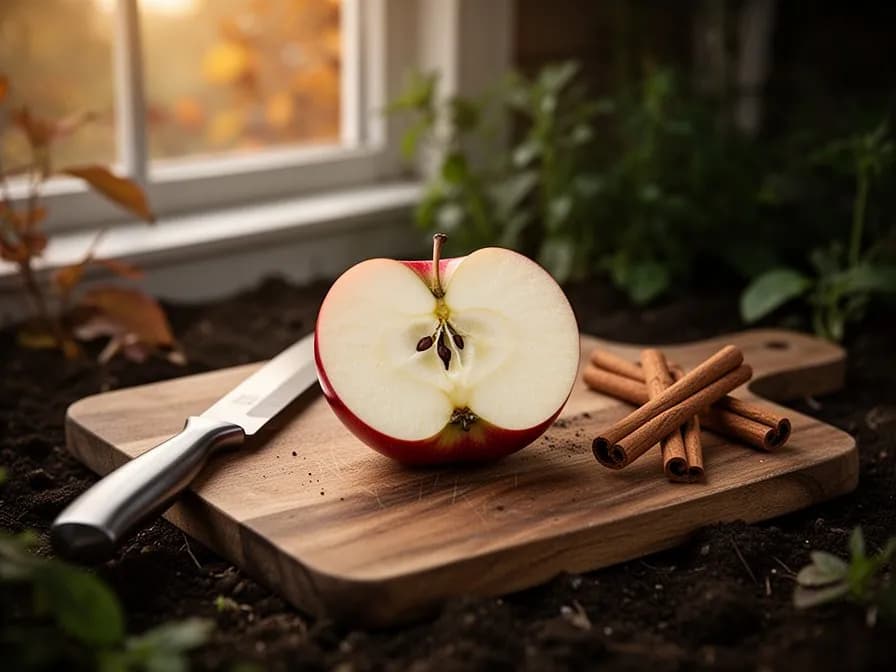
Classic Cortland Waldorf Salad
15 minutesCortland's slow-browning white flesh makes it the ideal apple for a traditional Waldorf salad where the fruit stays bright and appealing without any lemon juice treatment. The tender, juicy texture and mild sweet-tart flavor pair perfectly with the celery crunch and walnut richness in this timeless dish.
9 ingredientsCortland Apple Pie with Cinnamon Crumble
30 minutes active, 50 minutes bakingCortland apples are considered one of the best pie apples because the slices hold their shape during baking while becoming perfectly tender. This recipe takes advantage of that quality with a buttery crumble topping that lets the apple flavor shine without the distraction of a top crust.
11 ingredients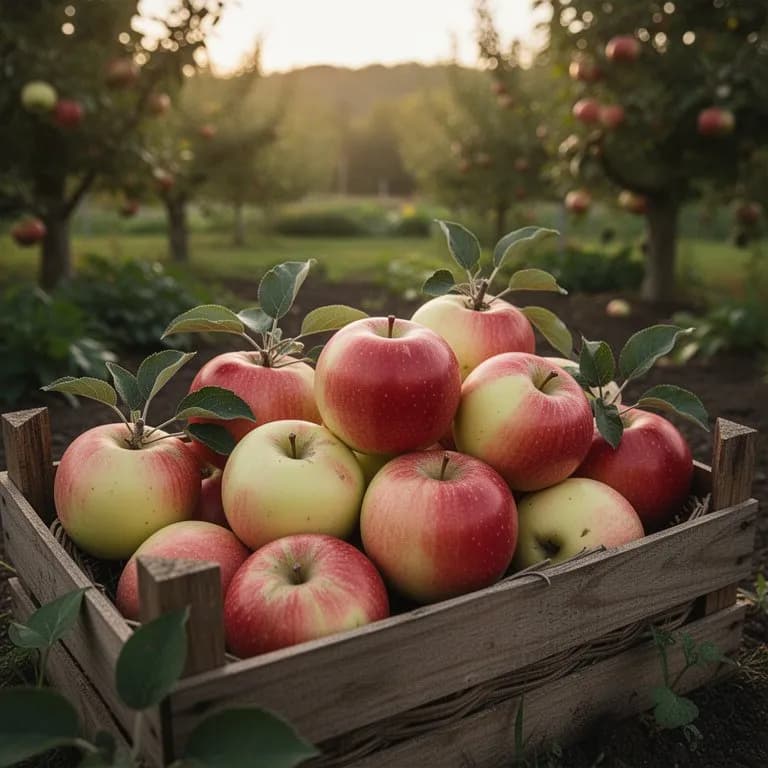
Slow-Cooker Cortland Applesauce
15 minutes active, 4 hours slow cookerCortland apples break down into a beautifully smooth, naturally pink-tinged applesauce when cooked with their skins on. The variety's balanced sweet-tart flavor and tender flesh mean this sauce needs little or no added sugar, letting the pure apple character come through.
7 ingredientsCulinary Uses
Cortland is the undisputed champion for fresh fruit salads, cheese platters, and any application where browning resistance matters. The tender, mildly sweet flesh makes excellent applesauce that requires less sugar than tarter varieties. Cortland bakes into good pies though slices soften more than firmer apples. Outstanding fresh-pressed cider with a mild, sweet character.
What's inside
Health Benefits
- Rich in soluble pectin fiber that forms a gel in the digestive tract, helping lower LDL cholesterol absorption and supporting beneficial gut bacteria populations associated with improved immune function and metabolic health
- Contains concentrated flavonoid antioxidants including quercetin and anthocyanins in its deep red skin, compounds associated with reduced cardiovascular inflammation and improved blood vessel elasticity in clinical research
- Cortland's slow-browning flesh retains higher levels of intact polyphenol compounds when eaten fresh, as the same enzymatic resistance that prevents browning also preserves these health-promoting antioxidants from oxidative degradation
- Provides malic acid, a natural organic acid that supports cellular energy production through the citric acid cycle and contributes to oral health by stimulating saliva flow, which neutralizes cavity-causing bacteria
- Contains ursolic acid concentrated in the peel, a triterpene compound studied for its potential to support healthy muscle maintenance, reduce visceral fat accumulation, and improve insulin sensitivity in preclinical research
- Supports respiratory health, with regular apple consumption linked in large epidemiological studies to improved lung function, reduced asthma incidence, and lower risk of chronic obstructive pulmonary disease
Where Cortland Apple comes from
The Cortland apple was created through a deliberate cross between McIntosh and Ben Davis at the New York State Agricultural Experiment Station in Geneva, New York, in 1898. The cross was performed by plant breeder S. A. Beach, who aimed to combine the exceptional eating quality and aromatic flavor of the McIntosh with the superior storage life, firmness, and disease resistance of the Ben Davis. The resulting seedling was evaluated for many years before being officially named and released to nurseries in 1915. The variety was named after Cortland County in central New York State, following the convention of honoring local geography in apple naming. Cortland rapidly gained popularity throughout the northeastern United States and eastern Canada during the 1920s and 1930s, valued for its versatility as both a fresh eating and cooking apple. Its most remarkable trait, the dramatically slow browning of its snow-white flesh after cutting, made it uniquely valuable for fresh preparations at a time when other options were limited. By the mid-twentieth century, Cortland had become one of the most commercially significant apple varieties in New York, trailing only McIntosh in acreage across the state. The variety thrived particularly well in the cold-winter climates of the Champlain Valley, the Hudson Valley, the Finger Lakes, and the apple-growing regions of Vermont, New Hampshire, Maine, Quebec, Ontario, and the Canadian Maritime provinces, where its exceptional cold hardiness proved a major advantage. Although newer varieties have reduced its commercial dominance since the 1980s, Cortland remains widely grown by home orchardists and small farms who value its unique non-browning flesh, excellent baking qualities, and reliable cold-climate performance. The variety has also been used as a parent in subsequent breeding programs, passing its desirable traits to newer generations of apple cultivars developed for modern markets.
Cortland Apple: did you know?
Fascinating facts about Cortland Apple
Cortland was developed in 1898 at the New York State Agricultural Experiment Station in Geneva, New York, by crossing the beloved McIntosh apple with the now-obscure Ben Davis variety. It was officially introduced to the public in 1915 and quickly became one of the most important commercial varieties in the northeastern United States and eastern Canada.
Cortland Apple questions, answered
When should I plant Cortland Apple?
What are good companion plants for Cortland Apple?
What hardiness zones can Cortland Apple grow in?
How much sun does Cortland Apple need?
How far apart should I space Cortland Apple?
What pests and diseases affect Cortland Apple?
How do I store Cortland Apple after harvest?
What are the best Cortland Apple varieties to grow?
What soil does Cortland Apple need?
What makes Cortland apples different from McIntosh?
Why do Cortland apples resist browning when cut?
Is Cortland a good apple for baking pies?
How do I prevent biennial bearing in Cortland trees?
How cold-hardy is the Cortland apple tree?
How long do Cortland apples store and how should I keep them?
You just read the theory. Now grow it on autopilot.
Everything that makes Cortland Apple fiddly — the timing, the spacing, the companions, the harvest window — is exactly what PlotMyGarden handles for you, for every plant in your garden.
A plan that knows your weather
Set your location once. Get sow, feed and harvest dates built around your real last-frost date and live forecast — no more guessing from a generic seed packet.
From the “When to plant” sectionDrag-and-drop bed planner
Design beds on a grid. Every plant snaps to its proper spacing, and you can see your whole season laid out before you spend a cent on seed.
From the “Growing guide” sectionCompanion conflicts, caught early
200+ good-and-bad pairings checked live as you plant — so a season-wrecking mistake never makes it into the ground.
From the “Companions” sectionReminders you'll actually act on
“Water the beans.” “Pick today before it turns.” Timely, specific, and tied to the plants you're really growing.
From the “Harvest” sectionSuccession, scheduled
Want a harvest for six weeks, not six days? It spaces your sowings automatically and reminds you when each new block is due.
From the “When to plant” sectionA record that gets smarter
Every harvest you log teaches it your garden. Next year's plan starts from what actually worked in your soil, not a textbook's.
From the “Overview” sectionPlant these alongside Cortland Apple
More Pome Fruits
Keep Cortland Apple away from these
Grow your best Cortland Apple yet — and everything around it.
Start a free plan today. Lay out your beds, drop in your Cortland Apple, and let PlotMyGarden handle the timing, spacing, companions and reminders from seed to harvest basket.