Almendra Nonpareil
La variedad de almendra más plantada del mundo, que produce pepitas dulces de cáscara fina y color claro, muy apreciadas para confitería y tentempiés.





En esta páginaResumen
Conoce Almendra Nonpareil
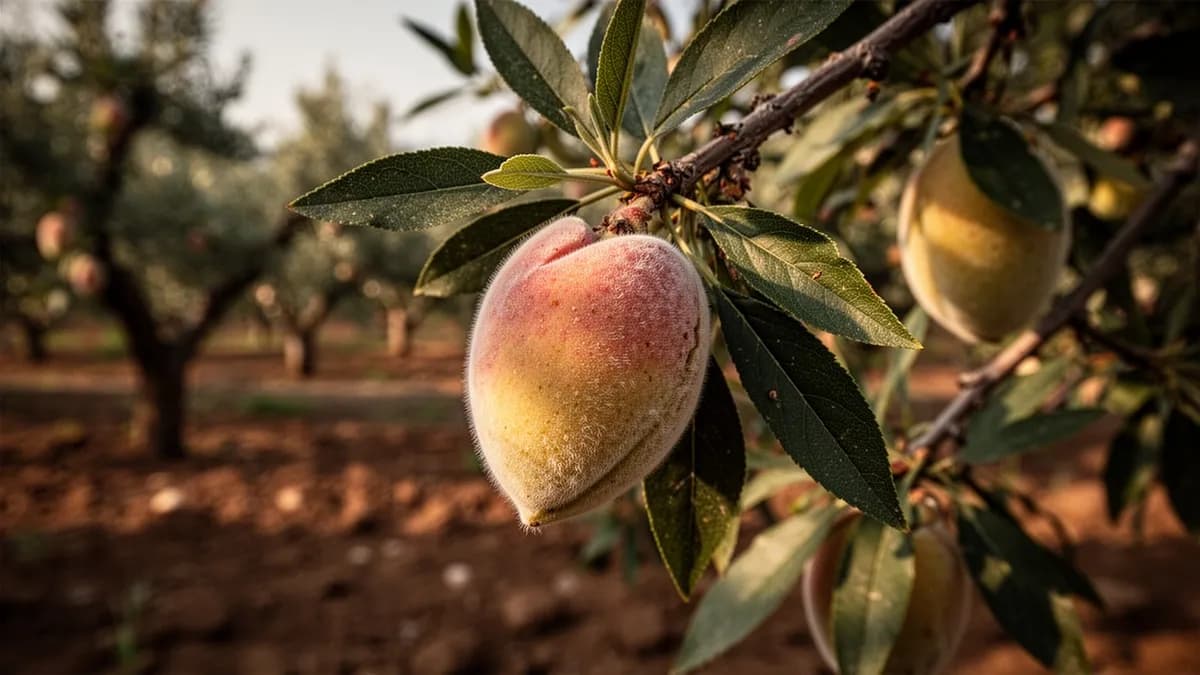
La variedad de almendra más plantada del mundo, que produce pepitas dulces de cáscara fina y color claro, muy apreciadas para confitería y tentempiés. Nonpareil requiere una variedad polinizadora y florece muy pronto, por lo que es sensible a las heladas primaverales. Los árboles prosperan con veranos calurosos y secos, suelo bien drenado y lluvias estivales mínimas.
Cuándo plantar Almendra Nonpareil
Las semillas de almendra Nonpareil germinan tras una estratificación en frío de 30-60 días en turba húmeda a 34-40°F. Las almendras requieren menos frío que la mayoría de las frutas de hueso. Plántelas a una pulgada de profundidad en primavera en una mezcla bien drenada. Las plántulas crecen con rapidez y pueden injertarse el primer año. Para obtener un Nonpareil auténtico, injierte yemas sobre portainjertos Nemaguard, Lovell o Krymsk híbrido melocotón-almendra en agosto. Las almendras obtenidas de semilla no serán fieles al tipo.
Tu año de Almendra Nonpareil
Ajustado a Zona 7 · temporada típica · la helada se va hacia el 2 abr y vuelve hacia el 1 nov
Planta Almendra Nonpareil Ene – Feb y cosecha Ago – Sep. Consulta los métodos de plantación y elige tu clima para adaptar los periodos.
Cómo cultivar Almendra Nonpareil
Los almendros Nonpareil necesitan pleno sol y un suelo profundo y bien drenado con pH 6.0-7.5. Plante árboles a raíz desnuda a finales del invierno, dejando entre 20 y 24 pies de separación. Nonpareil no es autofértil y requiere una variedad polinizadora como Carmel, Aldrich o Monterey plantada a menos de 50 pies. El árbol florece muy temprano, a menudo en febrero, lo que lo hace extremadamente vulnerable a las heladas en casi cualquier clima salvo los más suaves.
Las almendras necesitan veranos calurosos y secos y muy poca lluvia en verano para que la cáscara se abra sin enfermedades y para que se sequen en el árbol. Riegue en profundidad cada 10-14 días durante la temporada de crecimiento, pero reduzca el riego a finales del verano para favorecer la apertura de la cáscara. Entrénelo en una forma de vaso abierto con 3-4 ramas principales. Los almendros crecen con vigor y necesitan podas de despunte anuales para mantener una altura manejable.
Pode a finales del invierno antes de la floración, eliminando ramas cruzadas, brotes verticales y madera muerta. Los almendros fructifican sobre dardos que producen durante unos 5 años, así que mantenga un equilibrio entre madera joven y madera fructífera ya establecida. Aplique fertilizante nitrogenado a comienzos de primavera y de nuevo después de la cosecha. Vigile la oruga del hueso, la plaga más seria de la producción de almendra, y mantenga la higiene del huerto retirando todas las nueces momificadas.
Para Almendra Nonpareil un bancal de 120 × 240 cm se queda corto
Cada Almendra Nonpareil pide 500 cm de margen. El planificador guarda ese marco por ti — cada planta, cada bancal.
Los mejores vecinos de Almendra Nonpareil
Los huertos de almendro tradicionalmente mantienen el suelo limpio para la cosecha, así que los cultivos de sotobosque son poco habituales. Los cultivos de cobertura de leguminosas entre las hileras fijan nitrógeno y pueden segarse antes de la cosecha. Las franjas de flores silvestres nativas en los bordes atraen a los polinizadores esenciales para la floración temprana. Evite plantar cerca de nogales por la toxicidad de la juglona. Las plantaciones cercanas favorables a las abejas apoyan las colonias de abejorros y abejas melíferas, cruciales para la polinización del almendro.
Mantén Nogal lejos.
Saber de huerto de siempre, cotejado con la tabla real de Almendra Nonpareil — prueba cualquier planta que cultives.
Guías de cultivo relacionadas
Abónalo bien
Las almendras Nonpareil exigen un suelo bien drenado, ya que son extremadamente intolerantes al encharcamiento. Lo ideal es un franco arenoso con pH 6.0-7.5. Aplique fertilizante nitrogenado en cantidades equivalentes a 100-150 libras por acre, dividido en varias aplicaciones durante la primavera y el verano. Complete con potasio y zinc, carencias comunes en los huertos de almendra. Evite el agua de riego con alta salinidad. El acolchado es menos habitual en el cultivo del almendro; mantenga limpio el suelo del huerto para facilitar la cosecha.
Temperatura ideal
Compatibilidad de zonas de rusticidad
De la semilla a la cosecha, etapa por etapa
Dormancia
El árbol permanece completamente dormido durante el invierno. En su interior, las yemas florales están completando la necesidad de frío de 200-400 horas por debajo de 7 °C (45 °F). No hay crecimiento visible, pero esta acumulación de frío es esencial para una floración uniforme.
Floración
Las yemas florales se hinchan y se abren en delicadas flores blanco rosadas antes de que aparezca cualquier hoja, normalmente en febrero en climas mediterráneos. Esta es la fase más sensible a las heladas: incluso una bajada breve a -2 °C puede destruir la cosecha.
Cuajado y endurecimiento de la cáscara
Las flores fecundadas se desarrollan en pequeñas drupas verdes. El embrión se llena rápidamente durante la primavera, y a comienzos del verano la cáscara endurece alrededor de la pepita en desarrollo. La demanda de agua y nutrientes alcanza su punto máximo durante esta etapa.
Apertura de la cáscara
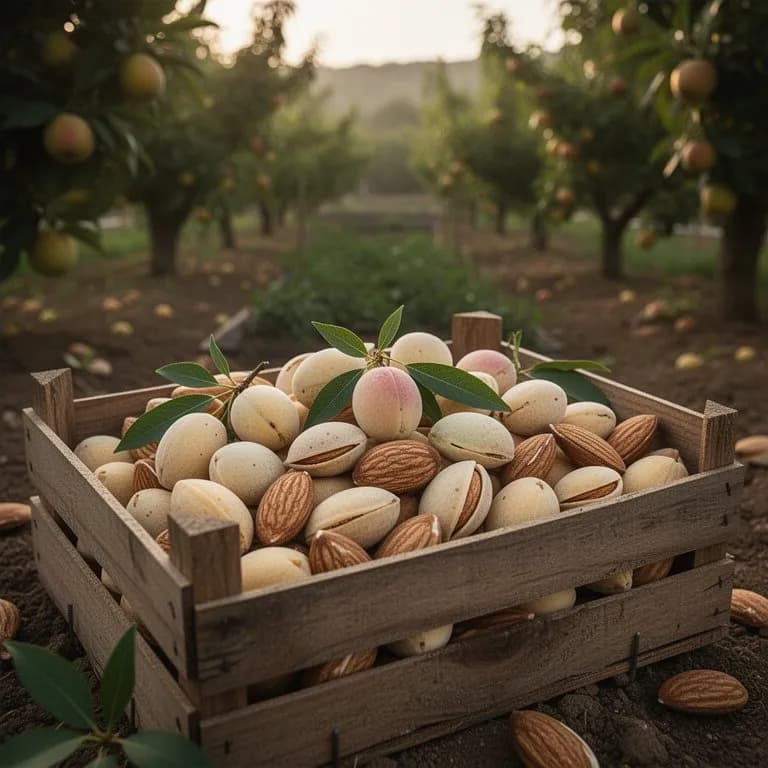
La cáscara externa se abre, dejando ver la cáscara dura de la nuez. La apertura comienza entre finales de julio y mediados de agosto en Nonpareil y progresa durante 2-3 semanas. Esto indica que el peso seco de la pepita está cerca del máximo y que la cosecha se aproxima.
Cosecha
Cuando el 95-100 % de las cáscaras se ha abierto, el sacudido mecánico o manual desprende las nueces sobre lonas o sobre el suelo del huerto. Para cultivos domésticos, un mazo acolchado funciona bien. Las nueces deben despuntarse y secarse enseguida para evitar el moho.
Recuperación poscosecha
Después de la cosecha, el árbol redirige la energía a las reservas de carbohidratos de las raíces y prepara las yemas florales del año siguiente. La senescencia foliar empieza en otoño y el árbol vuelve a entrar en dormancia. Este periodo es crítico para la salud a largo plazo.
Aplique aceite en reposo en un día seco por encima de 4 °C para asfixiar los huevos de ácaros y las cochinillas invernantes. Evite podar hasta el final de la dormancia para reducir las puertas de entrada de enfermedades.
Cuidar Almendra Nonpareil mes a mes
Qué hacer cada mes para tu Almendra Nonpareil
Octubre
Mes actualTras la cosecha, aplique un fertilizante rico en fósforo y potasio. Siga regando con moderación hasta que empiecen a caer las hojas. Compruebe la estructura de las ramas para la poda invernal.
Ten claro qué hacer en tu huerto, cada mes
Un correo al empezar cada mes: qué sembrar, plantar y hacer ahora mismo — para tu Almendra Nonpareil y todo lo que crece alrededor. Más un breve curso inicial para esquivar los errores clásicos.
- Qué hacer ahora mismo
- Ajustado a tu temporada
- Curso inicial incluido
Cosechar Almendra Nonpareil
Las almendras Nonpareil maduran a finales de agosto y septiembre, cuando las cáscaras se abren y empiezan a secarse en el árbol. Coseche cuando el 90-95 % de las cáscaras se hayan abierto. Sacuda o golpee las nueces del árbol sobre lonas o sobre el suelo limpio del huerto. Deje secar las nueces en el suelo durante 5-7 días en climas secos, o utilice secado mecánico. Retire la cáscara y seque las nueces con cáscara hasta un 6-7 % de humedad para guardarlas con seguridad. Un árbol maduro produce entre 25 y 50 libras de nueces con cáscara al año.
se supone que plantas al comenzar el periodo — indica tu fecha real
Cosecha Almendra Nonpareil a tiempo y la planta sigue produciendo.
Almacenamiento y conservación
Las almendras Nonpareil secas y con cáscara se conservan hasta un año en un lugar fresco y seco. Las pepitas peladas duran de 6 a 9 meses en recipientes herméticos, o hasta un año si se congelan. Tóstelas a 325°F durante 12-15 minutos para potenciar el sabor. Úselas en mantequilla de almendra, leche de almendra y mazapán. La cáscara fina y el color claro hacen de Nonpareil la almendra premium para tentempié y confitería. Blanquéelas remojándolas en agua caliente para retirar la piel antes de hornear.
Qué falla — y cómo solucionarlo
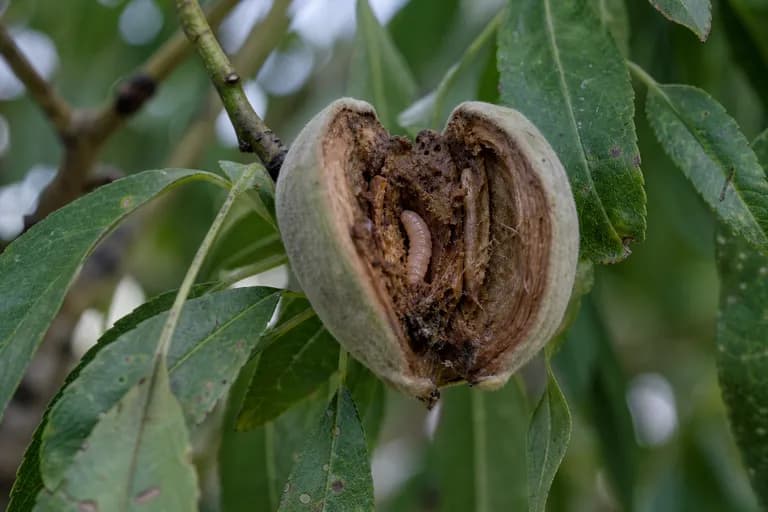
Oruga del hueso
PlagaLarvas dentro de las nueces que se alimentan de las pepitas, telarañas y excrementos dentro de la cáscara, nueces rechazadas en la cosecha.
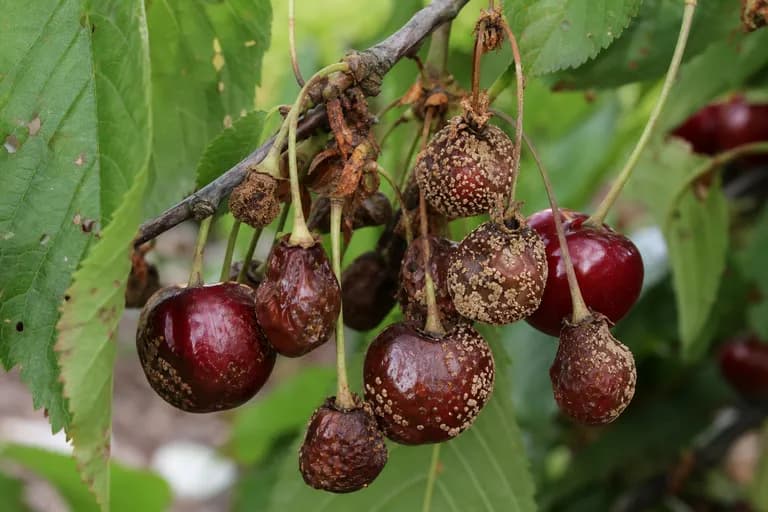
Podredumbre parda
EnfermedadTizón floral que mata racimos de flores, muerte regresiva de ramillas con chancros gomosos, podredumbre de la cáscara cerca de la cosecha.
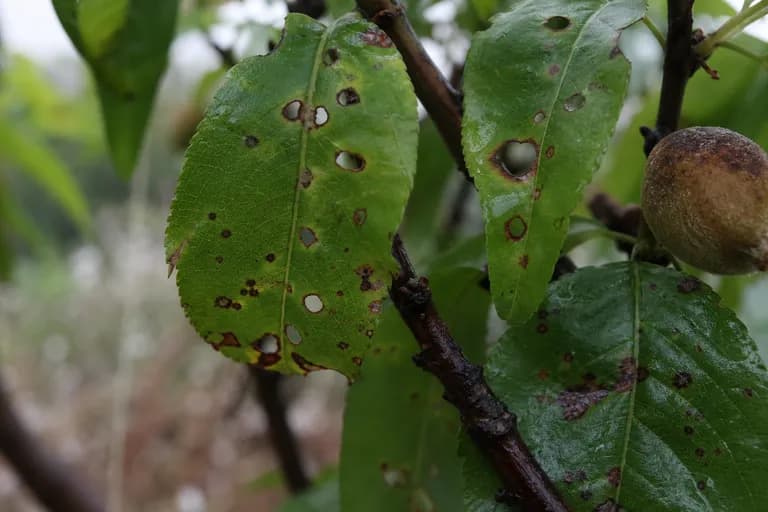
Enfermedad de la mancha de perdigón
EnfermedadPequeños agujeros redondos en las hojas cuando el tejido muerto se desprende; lesiones ocasionales en la cáscara de las nueces.
Solución de problemas comunes
Los daños por heladas en la floración temprana de febrero son el mayor riesgo de pérdida de cosecha para Nonpareil. La oruga del hueso infesta las nueces durante la apertura de la cáscara si la higiene es deficiente. La podredumbre parda durante un tiempo húmedo de floración puede matar los racimos florales. La cáscara fina de Nonpareil la hace más vulnerable a los daños de las hormigas que las variedades de cáscara dura. La podredumbre de la cáscara causada por hongos Monilinia o Rhizopus produce nueces pegadas al árbol que albergan a la oruga del hueso.
Consejos de cultivo
- Plante siempre una variedad polinizadora cerca, porque Nonpareil no es autofértil.
- Mantenga el suelo limpio bajo el árbol para facilitar la recolección y reducir plagas.
- No use acolchado espeso como en otros frutales si dificulta el secado del suelo en verano.
- Riegue menos a finales del verano para ayudar a que la cáscara se abra a tiempo.
- La floración temprana hace que la protección contra heladas sea una prioridad absoluta.
- La poda debe mantener la copa abierta y la altura manejable para favorecer la luz y la cosecha.
- Las abejas son indispensables: coordine la floración y la presencia de colmenas con antelación.
- Retire todas las nueces momificadas, porque son un refugio importante para la oruga del hueso.
- Si desea una calidad de pepita uniforme, coseche en el momento justo y séquelas bien antes de guardarlas.
- La calidad de Nonpareil se aprecia especialmente en preparaciones simples, donde su suavidad destaca por sí sola.
Cultiva tu mejor Almendra Nonpareil — y todo lo que la rodea.
Empieza un plan gratis hoy. Diseña tus bancales, coloca tu Almendra Nonpareil y deja que PlotMyGarden gestione el momento, el espaciado, las asociaciones y los recordatorios de la semilla a la cesta.
Elige tu Almendra Nonpareil
Nonpareil (estándar)
La almendra de referencia de la industria, con cáscara muy fina y papirácea, pepita de color claro y sabor dulce y suave.
Carmel
Un polinizador principal de Nonpareil con nueces más pequeñas, de cáscara más dura y floración algo más tardía.
Aldrich
Una almendra tipo Nonpareil con calidad de pepita similar y un periodo de floración coincidente para la polinización.
Monterey
Un polinizador de floración más tardía para Nonpareil, con nueces más grandes y buena resistencia a enfermedades.
Un almendro Nonpareil cuesta aproximadamente entre 30 y 70 USD en un vivero, y una vez establecido puede producir durante muchos años. Como la almendra de calidad comercial suele ser cara, cultivar una sola planta bien manejada puede ahorrar una cantidad notable en aperitivos, harina de almendra, mantequilla de almendra y mazapán. El valor económico aumenta aún más si también aprovecha la cáscara y usa parte de la cosecha para productos caseros de mayor valor.
Recetas rápidas
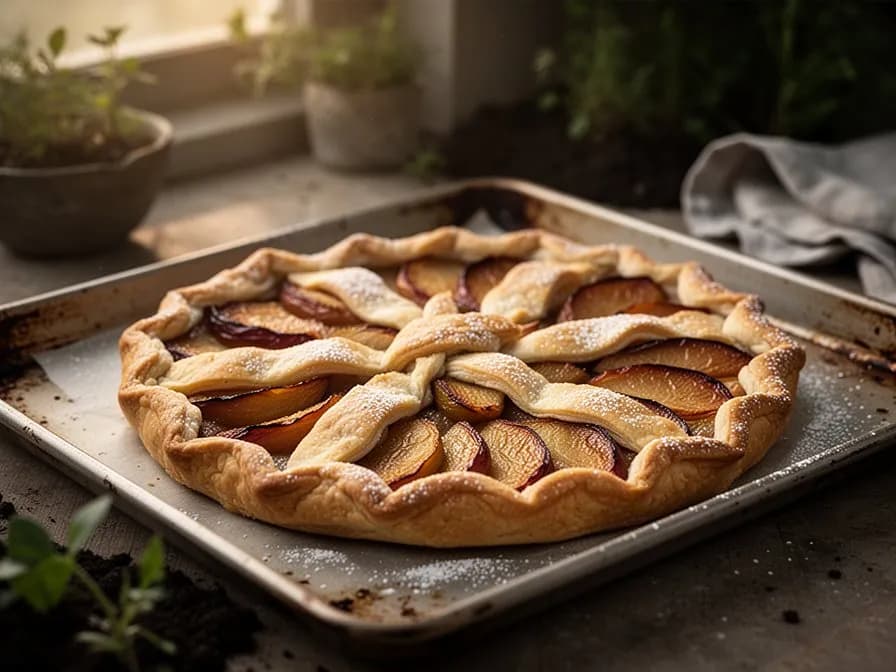
Mazapán casero de Nonpareil
20 minutosUn mazapán suave y aromático hecho con almendras Nonpareil, ideal para bollería, rellenos o dulces de fiesta.
4 ingredientesMantequilla de almendra suave
15 minutosUna mantequilla cremosa y natural que aprovecha el sabor suave de Nonpareil sin necesidad de aditivos.
3 ingredientesAlmendras tostadas con sal marina
15 minutos de horneadoUn tentempié sencillo que resalta el sabor limpio y mantecoso de la almendra Nonpareil.
3 ingredientesUsos culinarios
Las almendras Nonpareil son la almendra premium para picar, con su color claro, dulzor suave y textura lisa. Son esenciales para el mazapán, la pasta de almendra y la confitería fina. Úselas para mantequilla de almendra, leche de almendra y harina de almendra para repostería sin gluten. Tóstelas para ensaladas y cuencos de cereales. La cáscara fina las hace ideales para blanquear y laminar como decoración de pastelería.
Qué contiene
Beneficios para la salud
- Las almendras Nonpareil aportan grasas insaturadas saludables para el corazón.
- Son una fuente excelente de vitamina E, un antioxidante clave.
- Su contenido en fibra ayuda a la saciedad y al tránsito intestinal.
- Aportan proteínas vegetales y minerales importantes como magnesio y potasio.
- Consumidas con moderación, encajan bien en dietas que buscan energía sostenida.
- Su sabor suave las hace muy versátiles en cocina saludable y repostería.
De dónde viene Almendra Nonpareil
La almendra procede de la larga tradición de cultivo de Prunus dulcis en las regiones cálidas y secas del Mediterráneo y Asia occidental, donde se valora desde la antigüedad por su fruto y por su aceite. Nonpareil es una selección moderna que se convirtió en estándar comercial por la combinación de una pepita clara, una cáscara muy fina y un sabor suave y dulce. Esa mezcla la hizo especialmente atractiva para el consumo directo y para la confitería de alta calidad.
A medida que la producción de almendra se expandió en regiones de clima mediterráneo, especialmente en California, Nonpareil pasó a dominar gran parte del mercado por su facilidad de procesado y su calidad uniforme. La industria de la almendra se apoyó en plantaciones extensivas, polinización gestionada con colmenas y métodos de secado y clasificación muy cuidadosos. Con el tiempo, Nonpareil se consolidó como la almendra de referencia en los circuitos comerciales y artesanales.
Hoy sigue siendo la variedad más plantada y una de las más reconocibles del mundo. Su valor está tanto en la cosecha como en la calidad visual y culinaria de la pepita, y sigue siendo la elección preferida para quienes buscan una almendra suave, elegante y fiable.
Almendra Nonpareil: ¿sabías que?
Datos fascinantes sobre Almendra Nonpareil
Nonpareil es la referencia mundial de calidad para la almendra de mesa y confitería.
Almendra Nonpareil: preguntas frecuentes
¿Cuándo debo plantar Almendra Nonpareil?
¿En qué zonas de rusticidad puede crecer Almendra Nonpareil?
¿Cuánto sol necesita Almendra Nonpareil?
¿A qué distancia debo espaciar Almendra Nonpareil?
¿Qué plagas y enfermedades afectan a Almendra Nonpareil?
¿Cómo almaceno Almendra Nonpareil después de la cosecha?
¿Cuáles son las mejores variedades de Almendra Nonpareil para cultivar?
¿Qué suelo necesita Almendra Nonpareil?
¿Necesita otra almendra cerca para dar fruto?
¿Por qué es tan importante la apertura de la cáscara?
¿Puedo cultivar Nonpareil en un jardín doméstico pequeño?
¿Qué pasa si llueve mucho en verano?
¿Son mejores las almendras Nonpareil para comer o para cocinar?
Acabas de leer la teoría. Ahora cultívala en piloto automático.
Todo lo que hace que Almendra Nonpareil sea delicado — el momento, el espaciado, las asociaciones, la ventana de cosecha — es justo lo que PlotMyGarden resuelve por ti, para cada planta de tu huerto.
Un plan que conoce tu clima
Indica tu ubicación una vez. Recibe fechas de siembra, abonado y cosecha basadas en tu última helada real y el pronóstico en vivo — sin adivinar con un sobre genérico.
De la sección “Cuándo plantar”Planificador de bancales de arrastrar y soltar
Diseña bancales sobre una cuadrícula. Cada planta encaja con su espaciado correcto y ves toda la temporada antes de gastar un céntimo en semillas.
De la sección “Cultivo”Conflictos de asociación, detectados a tiempo
Más de 200 buenas y malas combinaciones comprobadas en vivo mientras plantas — para que un error que arruine la temporada nunca llegue a la tierra.
De la sección “Asociaciones”Recordatorios que sí vas a seguir
“Riega las judías.” “Recoge hoy antes de que se pase.” Oportunos, concretos y ligados a las plantas que de verdad cultivas.
De la sección “Cosecha”Escalonado, programado
¿Quieres cosechar seis semanas en vez de seis días? Reparte tus siembras automáticamente y te avisa cuando toca el siguiente lote.
De la sección “Cuándo plantar”Un registro que se vuelve más listo
Cada cosecha que registras le enseña tu huerto. El plan del año que viene parte de lo que de verdad funcionó en tu suelo, no en un manual.
De la sección “Resumen”Más Frutas de hueso
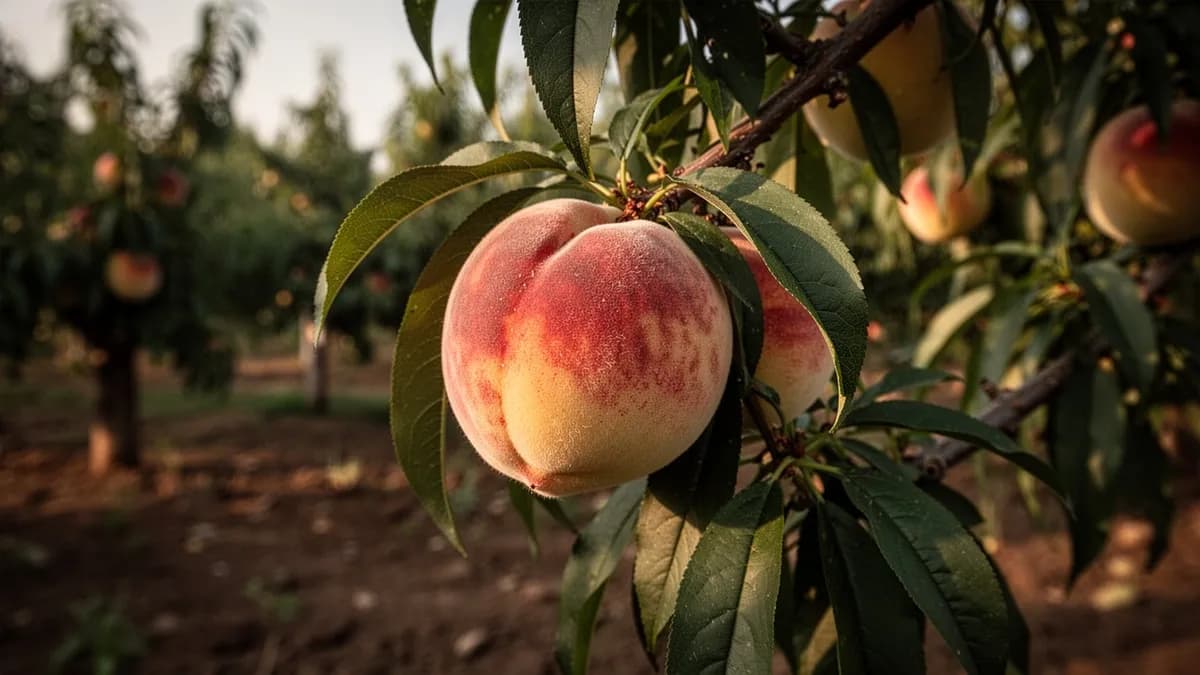
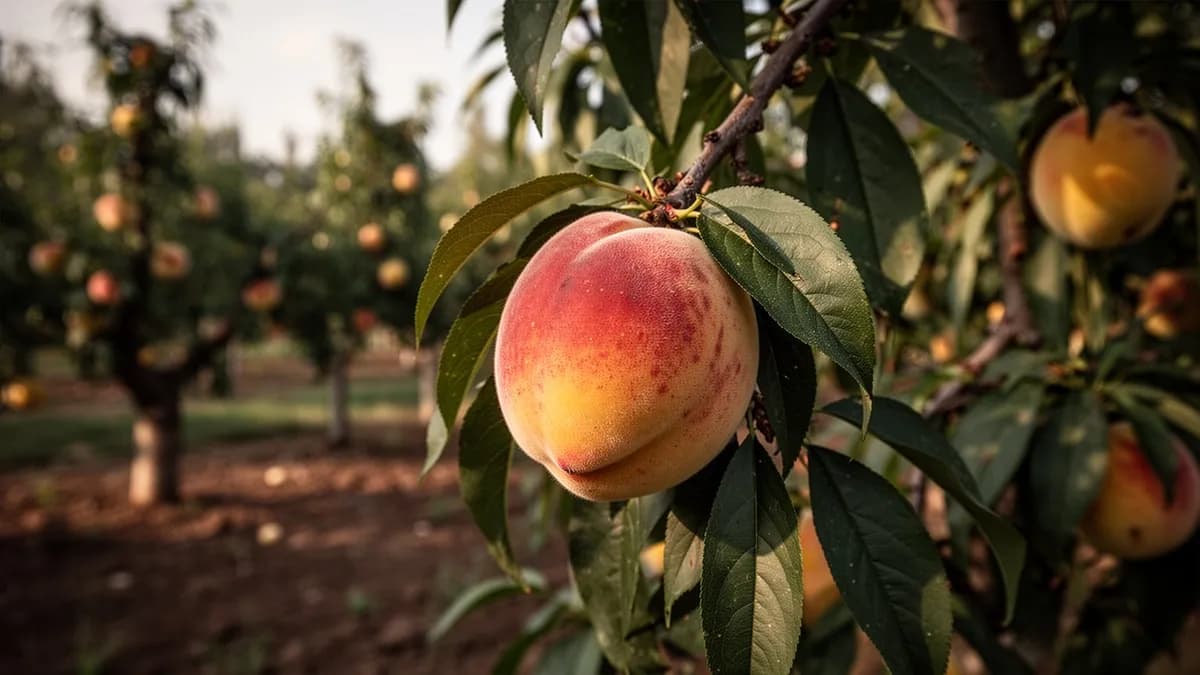
Mantén Almendra Nonpareil lejos de estos
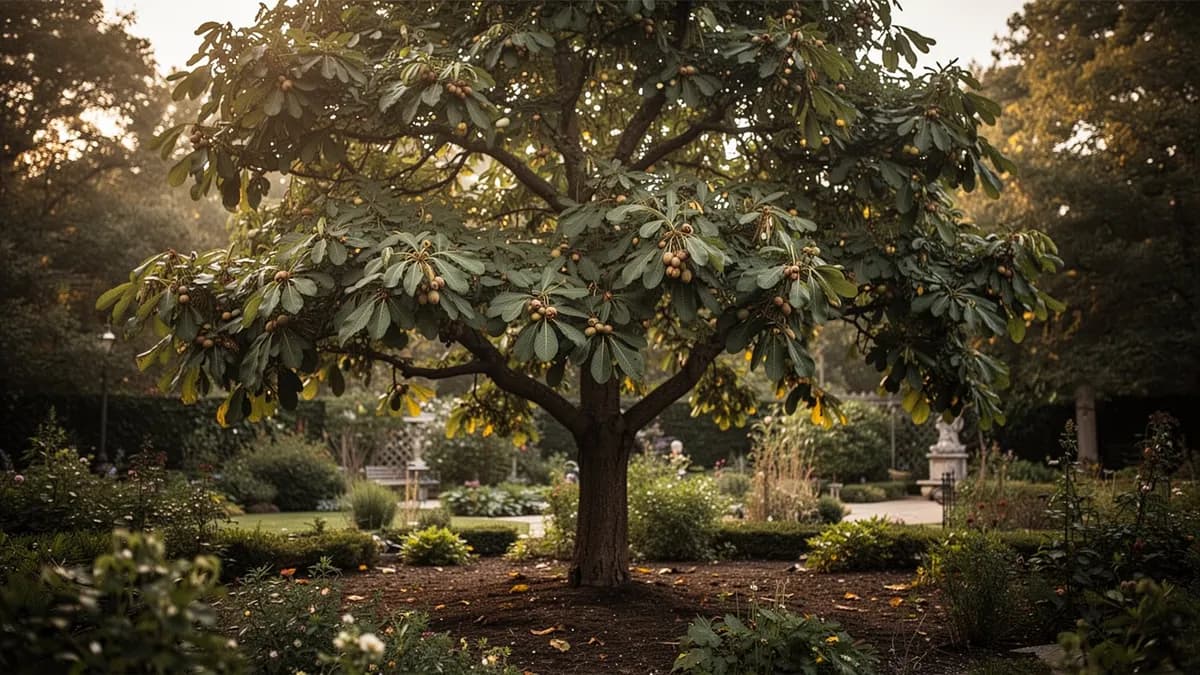
Cultiva tu mejor Almendra Nonpareil — y todo lo que la rodea.
Empieza un plan gratis hoy. Diseña tus bancales, coloca tu Almendra Nonpareil y deja que PlotMyGarden gestione el momento, el espaciado, las asociaciones y los recordatorios de la semilla a la cesta.