Frijol Alado
El frijol alado (Psophocarpus tetragonolobus) es una leguminosa trepadora tropical originaria de Papúa Nueva Guinea y el sudeste asiático, notable porque prácticamente todas las partes de la planta son comestibles: vainas, flores, hojas, tallos y raíces tuberosas.





En esta páginaResumen
Conoce Frijol Alado
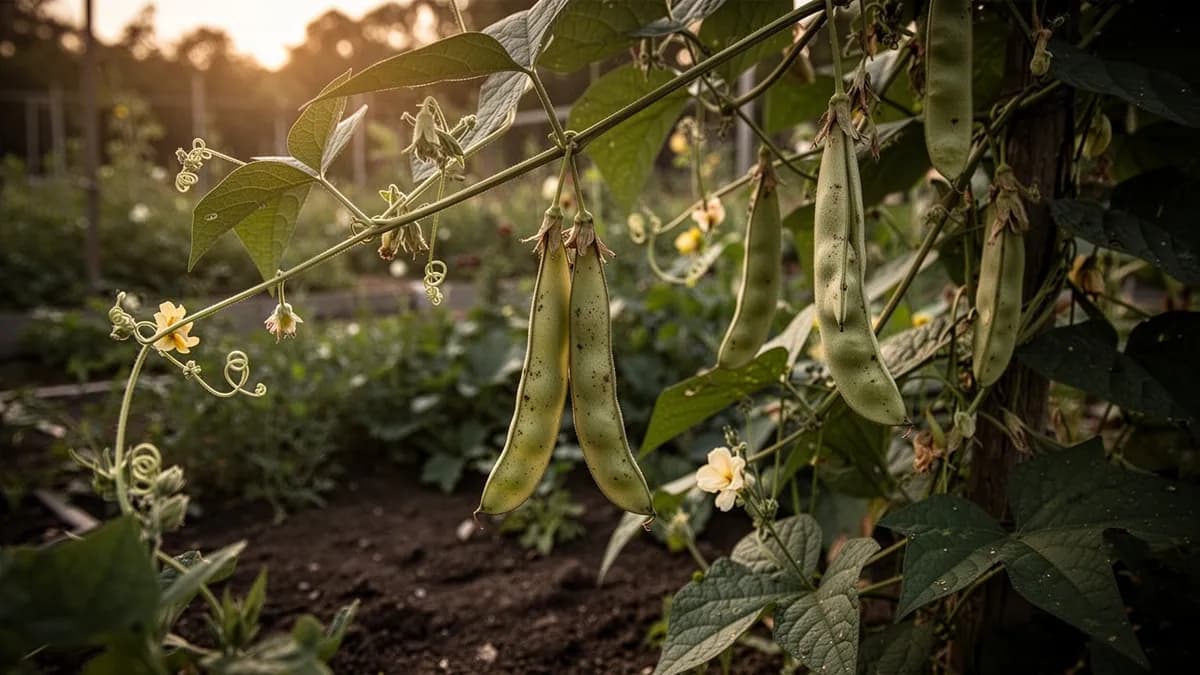
El frijol alado (Psophocarpus tetragonolobus) es una leguminosa trepadora tropical originaria de Papúa Nueva Guinea y el sudeste asiático, notable porque prácticamente todas las partes de la planta son comestibles: vainas, flores, hojas, tallos y raíces tuberosas. Sus vainas cuadradas con cuatro aletas longitudinales le dan un aspecto único, y su sabor recuerda a una combinación de judía verde y espárrago.
Cuándo plantar Frijol Alado
Remoje las semillas en agua tibia durante 12-24 horas antes de la siembra para ablandar la cubierta dura. Siembre en interior 4-6 semanas antes del trasplante en macetas individuales profundas, a 3-4 cm de profundidad y 25-30 °C. La germinación tarda 10-14 días. Trasplante al exterior cuando las temperaturas nocturnas superen los 18 °C de forma estable.
Tu año de Frijol Alado
Ajustado a Zona 7 · temporada típica · la helada se va hacia el 2 abr y vuelve hacia el 1 nov
Planta Frijol Alado May – Jun y cosecha Ago – Oct. Consulta los métodos de plantación y elige tu clima para adaptar los periodos.
Cómo cultivar Frijol Alado
El frijol alado es una planta tropical que necesita calor, humedad y días cortos para florecer y producir vainas. Elija el lugar más cálido y soleado del jardín con suelo rico, húmedo y bien drenado, pH entre 5,5 y 7,0. Es imprescindible un soporte vertical robusto de al menos 2-3 metros.
Siembre las semillas directamente o inicie en interior 4-6 semanas antes del trasplante. Remoje las semillas 12-24 horas antes de sembrar a 3-4 cm de profundidad. Inocule con Bradyrhizobium específico para frijol alado si está disponible. La germinación ocurre en 10-14 días a 25-30 °C.
Riegue abundante y regularmente, ya que el frijol alado necesita humedad constante. Aplique acolchado para conservar la humedad. Fertilice ligeramente con un fertilizante bajo en nitrógeno pero rico en fósforo y potasio. La floración se inicia con días cortos (menos de 12 horas de luz), lo que en latitudes altas puede requerir oscurecimiento artificial.
32 plantas caben en un bancal de 120 × 240 cm
Cada Frijol Alado pide 30 cm de margen. El planificador guarda ese marco por ti — cada planta, cada bancal.
Los mejores vecinos de Frijol Alado
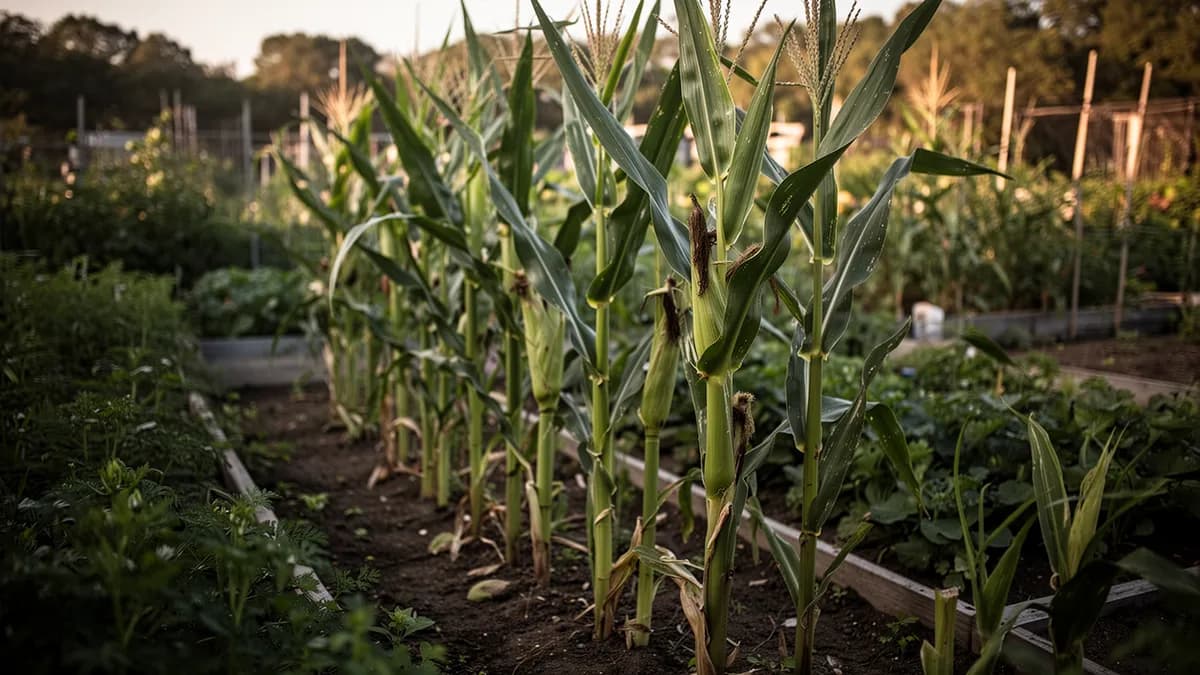
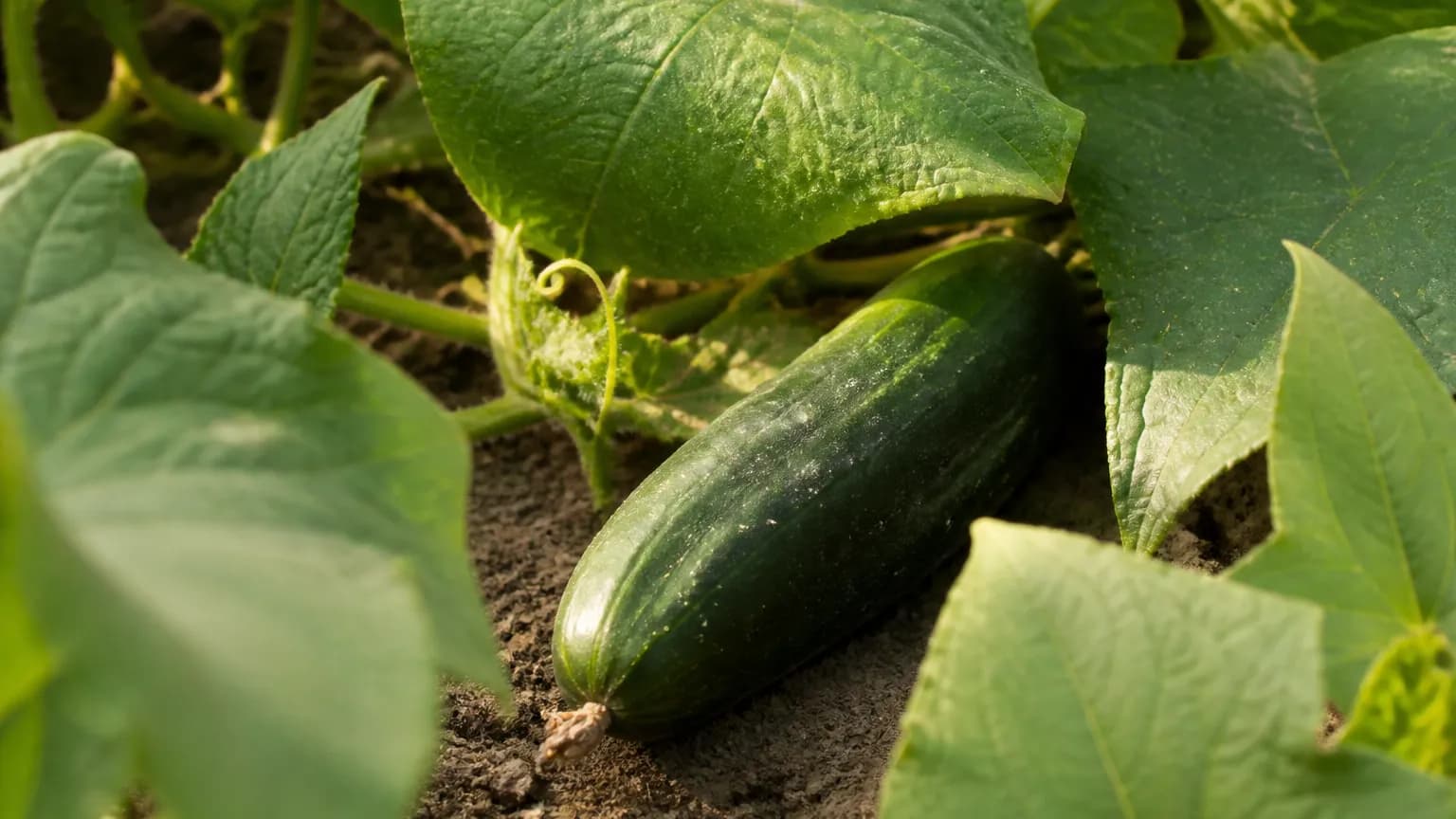
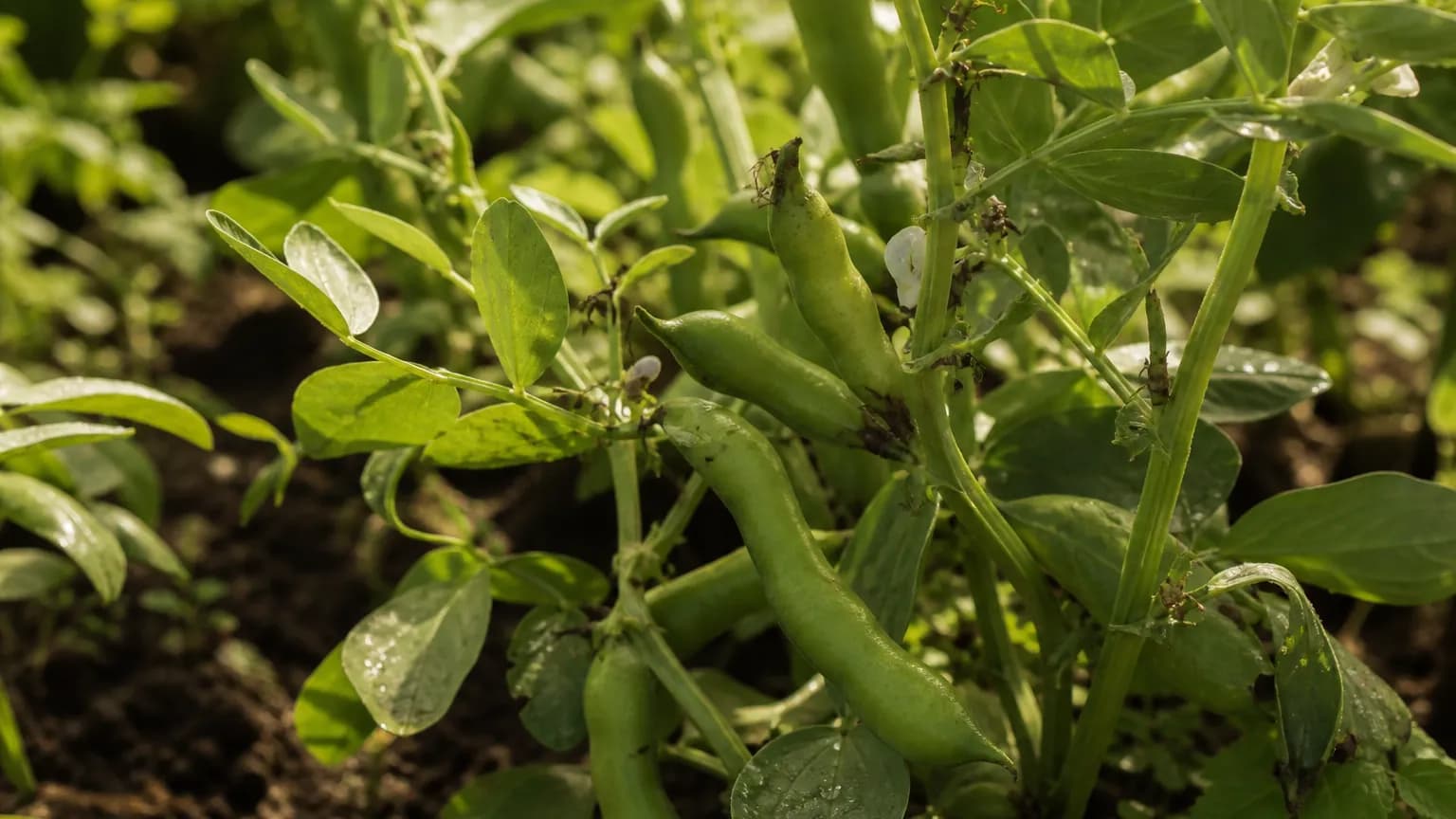
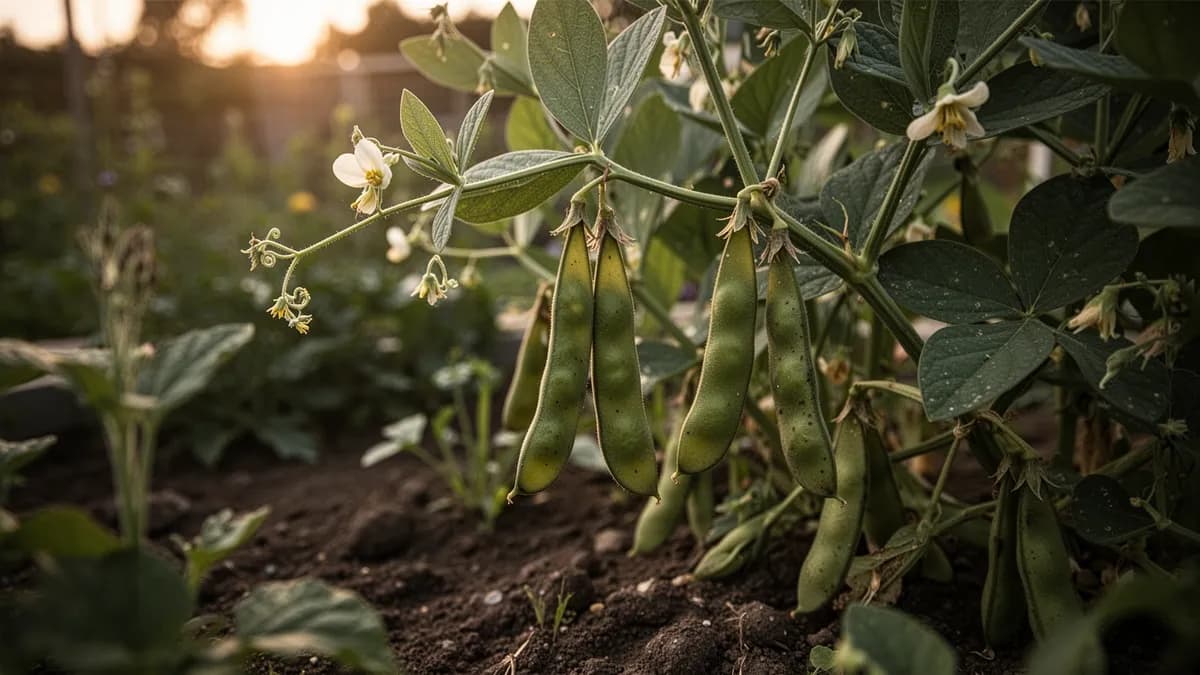
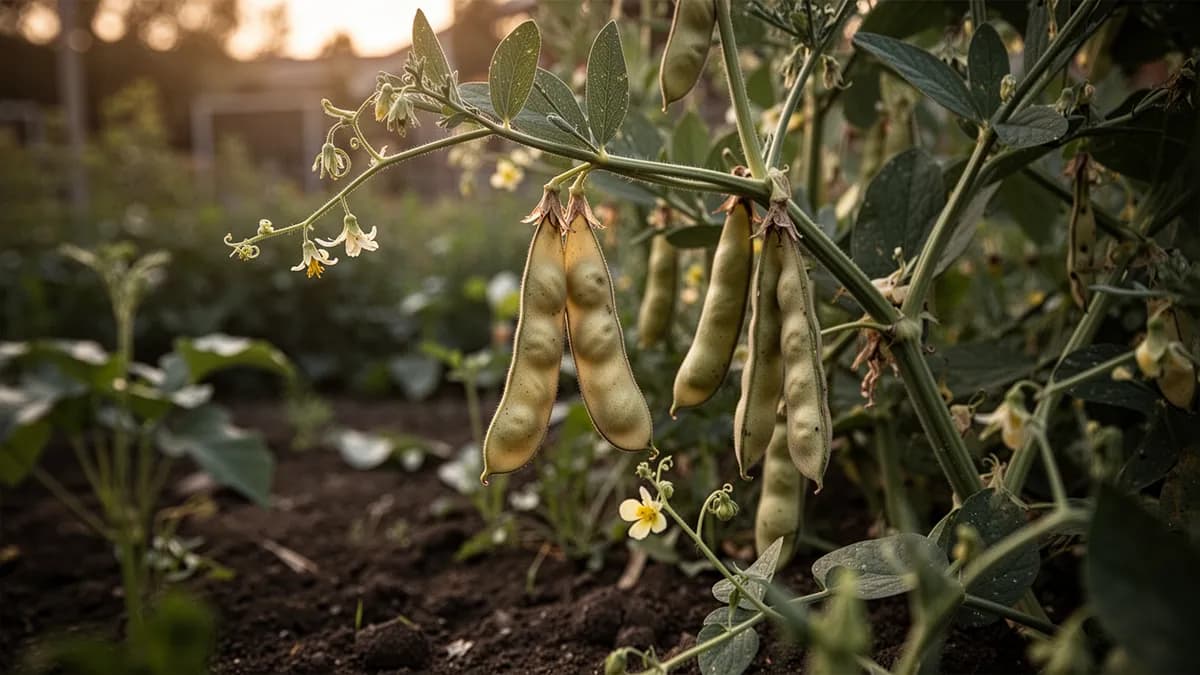
El frijol alado crece bien junto a otras verduras tropicales como batata, taro y berenjena. Como leguminosa fijadora de nitrógeno, beneficia a las plantas vecinas. El maíz puede servir parcialmente como tutor natural. Evite asociarlo con otras leguminosas para reducir la presión de plagas compartidas.
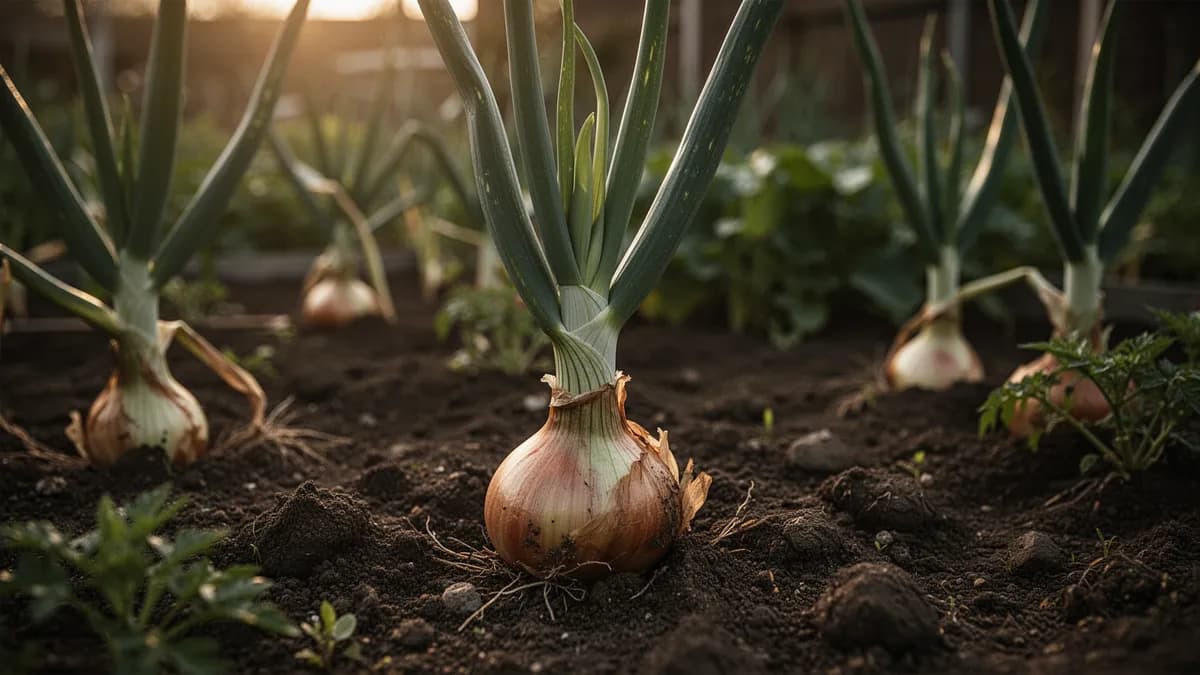
Maíz va a su lado. Cebolla no.
Saber de huerto de siempre, cotejado con la tabla real de Frijol Alado — prueba cualquier planta que cultives.
Prueba Frijol Alado en un bancal, aquí mismo
Un bancal real del planificador con Frijol Alado ya plantado. Toca una planta compañera para colocarla y mira cómo responde la comprobación de vecinos: verde para buenos vecinos, rojo si hay conflicto.


Guías de cultivo relacionadas
Abónalo bien
El frijol alado necesita suelo rico en materia orgánica, húmedo pero bien drenado, con pH entre 5,5 y 7,0. Incorpore compost antes de la siembra. Como leguminosa, fija su propio nitrógeno; aplique un fertilizante bajo en nitrógeno pero rico en fósforo y potasio. Mantenga el suelo constantemente húmedo sin encharcamientos.
Temperatura ideal
Compatibilidad de zonas de rusticidad
De la semilla a la cosecha, etapa por etapa
Siembra
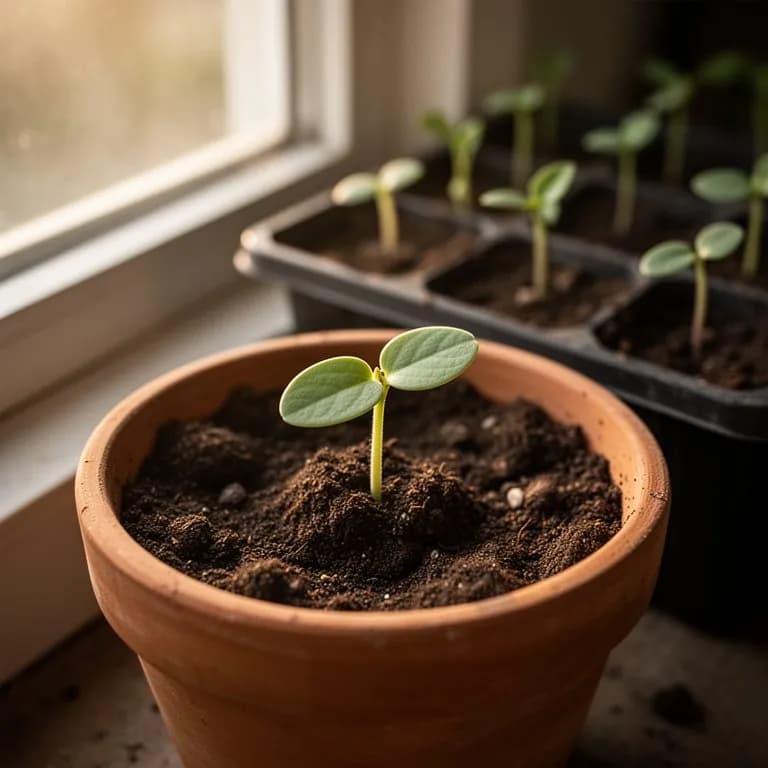
Las semillas de winged bean son grandes, con forma de riñón y una cubierta dura que se beneficia del remojo previo. La germinación tarda 7–14 días en suelo cálido. La primera estructura en emerger es un hipocótilo vigoroso que eleva los cotiledones por encima de la superficie del suelo. Las semillas requieren al menos 20 °C de temperatura del suelo para germinar de forma fiable y rinden mejor a 25–30 °C.
Crecimiento de plántula
Las hojas verdaderas trifoliadas se desarrollan rápidamente, cada una con tres folíolos anchos sobre un pecíolo largo. El tallo comienza su característico comportamiento trepador, enrollándose alrededor de cualquier soporte disponible. Los nódulos radiculares empiezan a formarse donde las bacterias Rhizobium fijadoras de nitrógeno colonizan las raíces, visibles como pequeños bultos rosados si desentierras con cuidado una raíz.
Crecimiento vigoroso de la enredadera
Las enredaderas entran en una fase de ascenso rápido, produciendo abundante follaje y ramificación lateral. La planta puede alcanzar 3–4 metros de altura en condiciones tropicales ideales. Las hojas trifoliadas densas crean una copa frondosa. Bajo tierra, el sistema radicular se expande y los nódulos fijadores de nitrógeno se activan por completo, suministrando gran parte del nitrógeno que la planta necesita.
Floración
Hermosas flores con forma de mariposa aparecen en racimos de 2–10 flores, de color azul pálido a lavanda o púrpura intenso según la variedad. Winged bean es una planta de día corto en los trópicos, lo que significa que la floración se activa cuando la duración del día baja por debajo de aproximadamente 12 horas. En regiones templadas, esto puede retrasar la floración hasta finales del verano o principios del otoño. Las flores se autopolinizan, pero se benefician de las visitas de las abejas.
Desarrollo de vainas
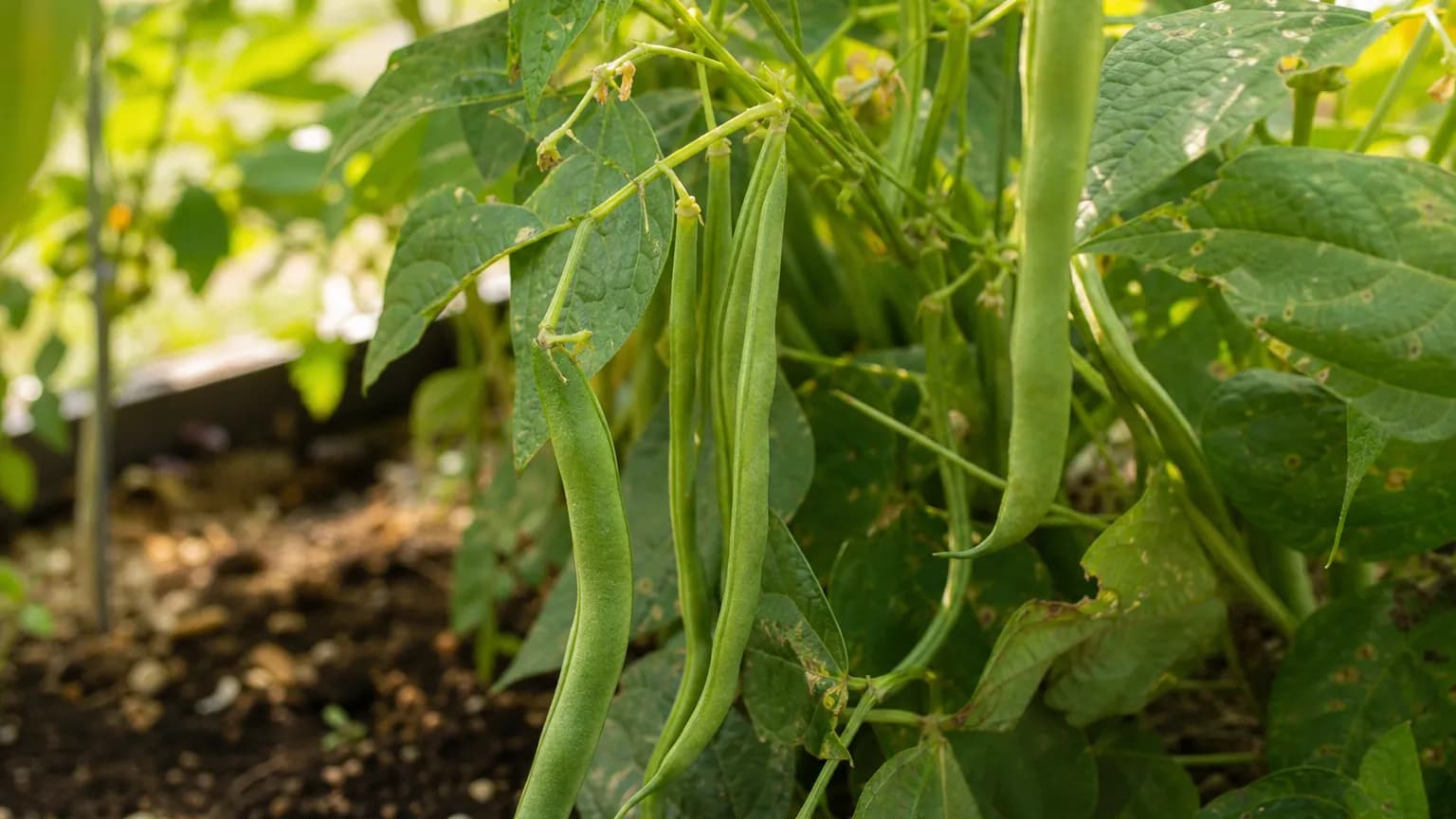
Las vainas se desarrollan rápidamente a partir de flores polinizadas, alargándose hasta su forma distintiva con cuatro crestas aladas longitudinales a lo largo de toda la vaina. Las vainas jóvenes son tiernas, crujientes y están listas para cosecharse a 10–15 cm. Si se dejan madurar, alcanzan 15–25 cm y las semillas se hinchan hasta llenar la vaina, secándose finalmente hasta convertirse en semillas marrones duras en plena madurez.
Cosecha continua y formación de tubérculos
La planta continúa produciendo flores y vainas durante 6–10 semanas en condiciones favorables. Mientras tanto, se desarrollan tubérculos subterráneos; estos tubérculos hinchados y ricos en proteínas pueden cosecharse al final de la temporada. A medida que la planta madura, deja que algunas vainas maduren por completo en la planta para guardar semillas. Los tubérculos alcanzan un tamaño cosechable de 5–15 cm después de 4–5 meses de crecimiento.
Remoja las semillas en agua tibia durante 12–24 horas antes de plantarlas para ablandar la cubierta y acelerar la germinación. Inocula con bacterias Rhizobium tipo cowpea si no se han cultivado winged beans en tu suelo antes; esto mejora mucho la capacidad de fijación de nitrógeno. Planta las semillas a 2–3 cm de profundidad directamente en suelo cálido o en macetas profundas de 10 cm para el trasplante.
Cuidar Frijol Alado mes a mes
Qué hacer cada mes para tu Frijol Alado
Octubre
Mes actualContinue harvesting pods. Allow some pods to mature fully on the vine for seed saving — mature pods turn brown and dry. As the growing season winds down, reduce watering to encourage tuber development underground.
Ten claro qué hacer en tu huerto, cada mes
Un correo al empezar cada mes: qué sembrar, plantar y hacer ahora mismo — para tu Frijol Alado y todo lo que crece alrededor. Más un breve curso inicial para esquivar los errores clásicos.
- Qué hacer ahora mismo
- Ajustado a tu temporada
- Curso inicial incluido
Cosechar Frijol Alado
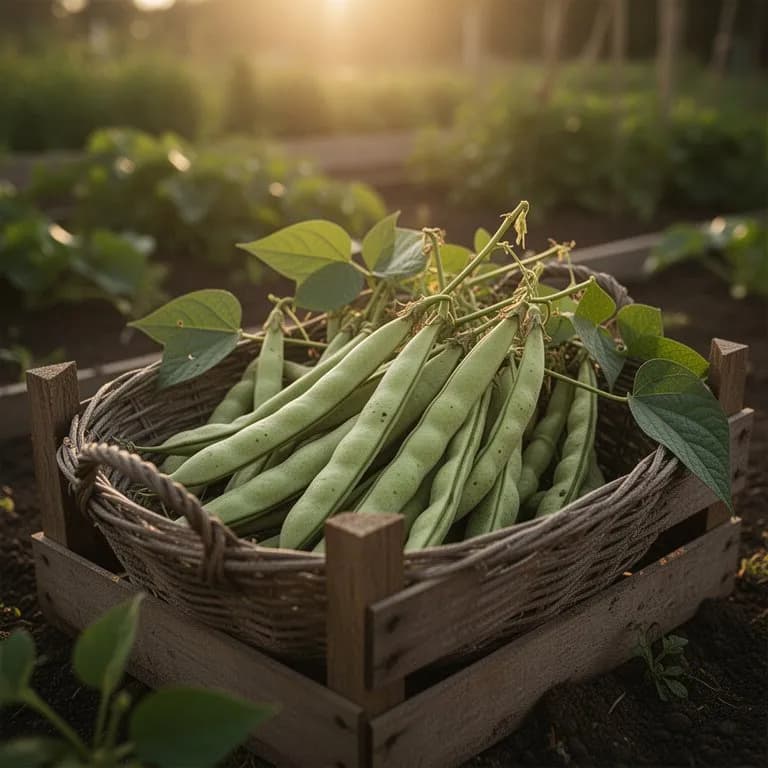
Coseche las vainas del frijol alado cuando tengan 10-15 cm y las alas estén aún tiernas, generalmente entre 60 y 90 días después de la siembra. Las vainas más grandes se vuelven fibrosas. Las flores, hojas jóvenes y brotes también son comestibles. Las raíces tuberosas se cosechan al final de la temporada cuando la planta se marchita.
se supone que plantas al comenzar el periodo — indica tu fecha real
Cosecha las vainas cuando midan 6–8 pulgadas y aún estén tiernas, normalmente 10–14 días después de la floración.
Almacenamiento y conservación
Las vainas frescas se conservan en el refrigerador 3-5 días. Para congelación, córtelas en trozos, escáldelas 2 minutos y congele. Las semillas maduras se secan y almacenan como cualquier legumbre seca. Las raíces tuberosas se conservan en el refrigerador durante 1-2 semanas o se pelan y congelan.
Qué falla — y cómo solucionarlo
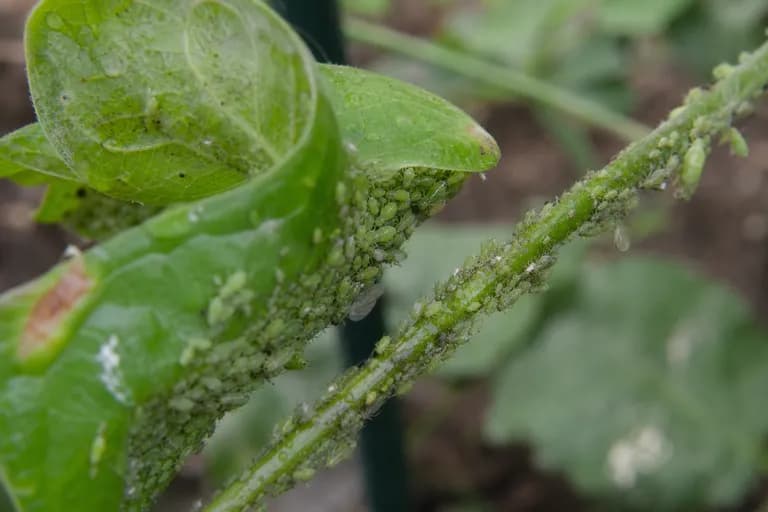
Pulgones (Aphididae)
PlagaColonias de insectos verdes o negros en brotes tiernos y flores. Causan deformación foliar y segregan melaza que favorece el crecimiento de negrilla.
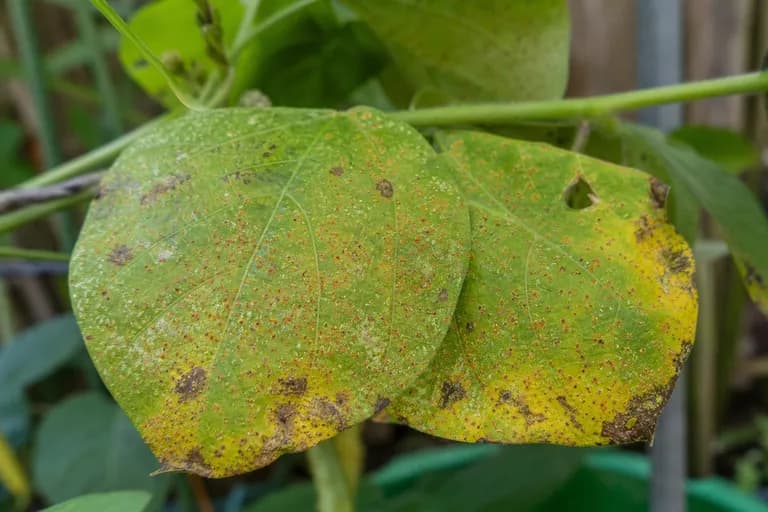
Mosca de la vaina (Maruca vitrata)
PlagaLas larvas penetran en las vainas y flores, alimentándose del interior y causando pudrición secundaria. Los capullos florales caen sin desarrollarse.
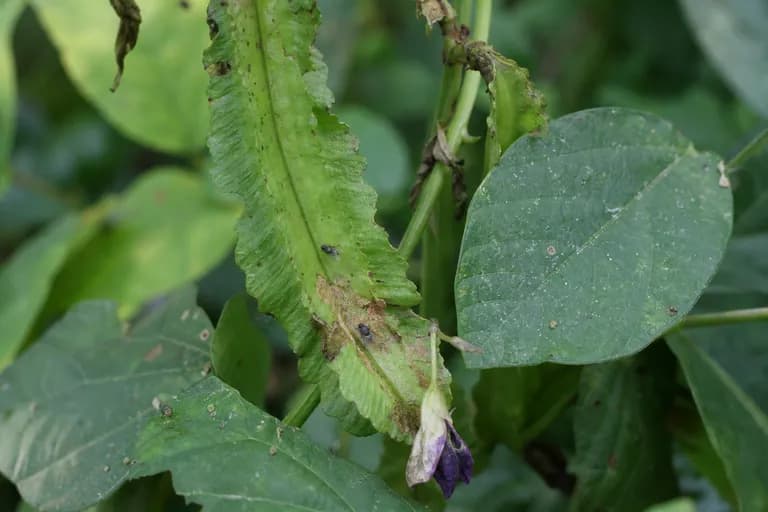
Mancha foliar por Cercospora
EnfermedadManchas circulares marrones con halo amarillo en las hojas que se fusionan en casos graves, causando defoliación prematura.
Solución de problemas comunes
El mayor desafío en climas templados es que la floración requiere días cortos (menos de 12 horas de luz), lo que en verano boreal no se alcanza hasta septiembre, dejando poco tiempo para la producción de vainas. Las variedades de día neutro resuelven parcialmente este problema. También necesita una temporada cálida larga con noches por encima de 18 °C.
Consejos de cultivo
- Inoculate seeds with cowpea-type rhizobium bacteria before first-time planting. Winged bean is a legume that forms a symbiosis with nitrogen-fixing bacteria in root nodules — without the right bacteria present in your soil, the plant loses its ability to produce its own nitrogen and will require much more fertilizer to perform well.
- Build a sturdy trellis at least 2-3 meters tall before planting. Winged bean is a vigorous twining climber that needs strong vertical support. Bamboo teepees, cattle panels, sturdy netting, or string trellises all work well. The vine becomes heavy with foliage and pods, so lightweight supports will fail.
- Be aware of photoperiod sensitivity. Traditional tropical winged bean varieties only flower when day length drops below approximately 12 hours — in temperate regions above 25 degrees latitude, this means no flowers until late summer or autumn, which may not leave enough time for a good pod harvest before frost. Seek out day-neutral or long-day-adapted varieties bred for temperate growing.
- Harvest pods young and often for the best eating quality. Pods at 10-15 cm are tender, crisp, and sweet. Once pods exceed 20 cm, the wings become tough and fibrous, and the seeds inside begin to harden. Regular picking every 2-3 days stimulates the plant to keep producing.
- Do not over-fertilize with nitrogen. As a nitrogen-fixing legume, winged bean produces much of its own nitrogen through root nodule bacteria. Excess nitrogen fertilizer actually suppresses nodule formation and wastes money. A light application of phosphorus and potassium at planting is usually sufficient.
- Harvest the bonus crops. Beyond pods, winged bean offers edible young leaves (cook like spinach), flowers (add fresh to salads), tender shoot tips (stir-fry), and tuberous roots (peel and boil or roast like potato). Using all these parts maximizes the plant's extraordinary productivity.
- Water consistently but ensure good drainage. Winged bean thrives in humid tropical conditions with regular rainfall, but standing water around the roots causes rot. Raised beds or mounded rows work well in areas with heavy rainfall or clay soils.
- Save seeds from your healthiest, most productive plants. Allow a few pods to mature fully on the vine until they turn brown and dry. Shell out the large seeds and dry them completely before storing in a cool, dry place. Winged bean seeds remain viable for 2-3 years and a single pod contains 8-15 seeds — more than enough for next season.
Cultiva tu mejor Frijol Alado — y todo lo que la rodea.
Empieza un plan gratis hoy. Diseña tus bancales, coloca tu Frijol Alado y deja que PlotMyGarden gestione el momento, el espaciado, las asociaciones y los recordatorios de la semilla a la cesta.
Elige tu Frijol Alado
Winged Bean (estándar)
La variedad tropical estándar con vainas de 4 aletas verdes de 15-25 cm. Todas las partes comestibles. Floración con días cortos. 75-90 días.
Chimbu
Variedad de Papúa Nueva Guinea especialmente seleccionada por sus raíces tuberosas grandes y nutritivas. Producción de vainas moderada. 80-100 días.
Day Neutral
Selecciones modernas que florecen independientemente de la longitud del día, ideales para latitudes altas. Producción de vainas en temporadas más largas. 70-85 días.
Winged bean seeds from specialty suppliers cost $4-8 per packet, but a single plant produces abundant seeds for saving — one successful crop provides a lifetime supply of planting stock. Fresh winged beans are rare and expensive outside of Asian markets, selling for $6-12 per pound where available. Growing 4-6 plants can produce 6-18 kg of fresh pods, worth $80-200 at market prices. The bonus harvest of tuberous roots, edible leaves, and flowers adds further value. As a nitrogen-fixing legume, winged bean also enriches your soil, reducing fertilizer costs for subsequent crops.
Recetas rápidas

Stir-Fried Winged Beans with Garlic and Shrimp Paste
15 minA classic Southeast Asian preparation where crisp young winged bean pods are sliced and flash-fried with pungent shrimp paste, garlic, and chili. The pods retain their distinctive crunch and absorb the savory umami flavors beautifully.
8 ingredientesKerabu Kacang Botol (Malaysian Winged Bean Salad)
20 minA vibrant Malaysian salad where thinly sliced raw or blanched winged beans are tossed with toasted coconut, dried shrimp, lime, and chili. This refreshing dish showcases the pod's natural crunch and mild, asparagus-like sweetness.
8 ingredientesWinged Bean and Coconut Curry
30 minA mild and creamy Sri Lankan-inspired curry where winged bean pods simmer gently in spiced coconut milk until tender but still slightly crisp. The pods absorb the fragrant curry sauce while maintaining their unique winged shape.
10 ingredientesUsos culinarios
El frijol alado es excepcionalmente versátil. Las vainas jóvenes se saltean, se cocinan en tempura o se añaden a currys y sopas en la cocina del sudeste asiático. Las flores se añaden a ensaladas. Las hojas se cocinan como espinacas. Las raíces tuberosas, ricas en proteínas, se cuecen o asan como patatas. Las semillas maduras se tuestan o se muelen para hacer una bebida similar al café.
Qué contiene
Beneficios para la salud
- Winged bean pods provide approximately 3g of protein per 100g — higher than most green vegetables — while mature seeds rival soybeans with 30-37% protein content, making this plant an outstanding protein source for plant-based diets.
- Rich in vitamin C, providing 20% of the daily value per 100g of young pods, supporting immune defense, collagen production, and enhanced absorption of plant-based iron from the same meal.
- Contains significant iron and calcium compared to other green vegetables, addressing two nutrients commonly lacking in tropical diets and plant-based eating patterns.
- The tuberous roots provide an exceptionally high protein content for a root vegetable at 10-15% by dry weight, offering a unique combination of starchy energy and protein in a single food.
- High in dietary fiber that supports digestive regularity, feeds beneficial gut bacteria, and helps moderate blood sugar response after meals — particularly valuable when pods are consumed with their crunchy wings intact.
- Contains a broad spectrum of B vitamins including thiamine, riboflavin, and niacin that support energy metabolism, along with antioxidant compounds including phenolic acids and flavonoids that may help reduce oxidative stress and inflammation.
De dónde viene Frijol Alado
Winged bean (Psophocarpus tetragonolobus) is native to the humid tropics of Southeast Asia and Papua New Guinea, where it has been cultivated for thousands of years. The plant's wild ancestors are believed to have originated in the region spanning from Madagascar through tropical Asia to Papua New Guinea. Archaeological evidence from the New Guinea highlands suggests that winged bean was among the earliest cultivated plants in Melanesia, with a history of cultivation stretching back at least 5,000 years. It was a staple crop of highland peoples long before the arrival of sweet potato and other now-common tropical crops.
Throughout Southeast Asia, winged bean has been deeply integrated into traditional agriculture and cuisine for centuries. In Myanmar, Thailand, Malaysia, Indonesia, the Philippines, and Papua New Guinea, every part of the plant is used — young pods in stir-fries and curries, mature seeds as a protein source, leaves as a cooked green, flowers in salads, and tuberous roots as a starchy vegetable. The plant thrives in the hot, humid conditions of the tropics and fixes its own nitrogen, making it an ideal crop for smallholder farmers with limited access to fertilizers.
Winged bean gained international attention in 1975 when the United States National Academy of Sciences published 'The Winged Bean: A High-Protein Crop for the Tropics,' which highlighted its extraordinary nutritional profile and potential to address protein malnutrition in developing countries. This report triggered a wave of research and development programs across tropical Africa, Asia, and Latin America during the 1970s and 1980s. While the initial enthusiasm for winged bean as a global protein solution faded as the challenges of large-scale cultivation became apparent — particularly its short-day flowering requirement that limits it to tropical latitudes — the plant remains an important crop in its traditional growing regions. Today, renewed interest in diverse and sustainable food systems has brought winged bean back into the spotlight as a climate-resilient, nutrient-dense crop with untapped potential.
Frijol Alado: ¿sabías que?
Datos fascinantes sobre Frijol Alado
Winged bean has been called the 'one species supermarket' because almost every part of the plant is edible — the young pods, mature seeds, tender leaves, flowers, shoots, and even the protein-rich tuberous roots can all be eaten, making it one of the most completely edible crop plants on Earth.
Frijol Alado: preguntas frecuentes
¿Cuándo debo plantar Frijol Alado?
¿Cuáles son buenas plantas acompañantes para Frijol Alado?
¿En qué zonas de rusticidad puede crecer Frijol Alado?
¿Cuánto sol necesita Frijol Alado?
¿A qué distancia debo espaciar Frijol Alado?
¿Qué plagas y enfermedades afectan a Frijol Alado?
¿Cómo almaceno Frijol Alado después de la cosecha?
¿Cuáles son las mejores variedades de Frijol Alado para cultivar?
¿Qué suelo necesita Frijol Alado?
Why isn't my winged bean flowering?
Can I grow winged bean in a temperate climate?
What do winged bean tubers taste like and how do I cook them?
Is winged bean really as nutritious as soybean?
How do I harvest winged beans without damaging the vine?
Can I eat winged bean leaves and flowers?
Acabas de leer la teoría. Ahora cultívala en piloto automático.
Todo lo que hace que Frijol Alado sea delicado — el momento, el espaciado, las asociaciones, la ventana de cosecha — es justo lo que PlotMyGarden resuelve por ti, para cada planta de tu huerto.
Un plan que conoce tu clima
Indica tu ubicación una vez. Recibe fechas de siembra, abonado y cosecha basadas en tu última helada real y el pronóstico en vivo — sin adivinar con un sobre genérico.
De la sección “Cuándo plantar”Planificador de bancales de arrastrar y soltar
Diseña bancales sobre una cuadrícula. Cada planta encaja con su espaciado correcto y ves toda la temporada antes de gastar un céntimo en semillas.
De la sección “Cultivo”Conflictos de asociación, detectados a tiempo
Más de 200 buenas y malas combinaciones comprobadas en vivo mientras plantas — para que un error que arruine la temporada nunca llegue a la tierra.
De la sección “Asociaciones”Recordatorios que sí vas a seguir
“Riega las judías.” “Recoge hoy antes de que se pase.” Oportunos, concretos y ligados a las plantas que de verdad cultivas.
De la sección “Cosecha”Escalonado, programado
¿Quieres cosechar seis semanas en vez de seis días? Reparte tus siembras automáticamente y te avisa cuando toca el siguiente lote.
De la sección “Cuándo plantar”Un registro que se vuelve más listo
Cada cosecha que registras le enseña tu huerto. El plan del año que viene parte de lo que de verdad funcionó en tu suelo, no en un manual.
De la sección “Resumen”Planta estos junto a Frijol Alado
Más Legumbres
Mantén Frijol Alado lejos de estos
Cultiva tu mejor Frijol Alado — y todo lo que la rodea.
Empieza un plan gratis hoy. Diseña tus bancales, coloca tu Frijol Alado y deja que PlotMyGarden gestione el momento, el espaciado, las asociaciones y los recordatorios de la semilla a la cesta.