Tomate Kumato
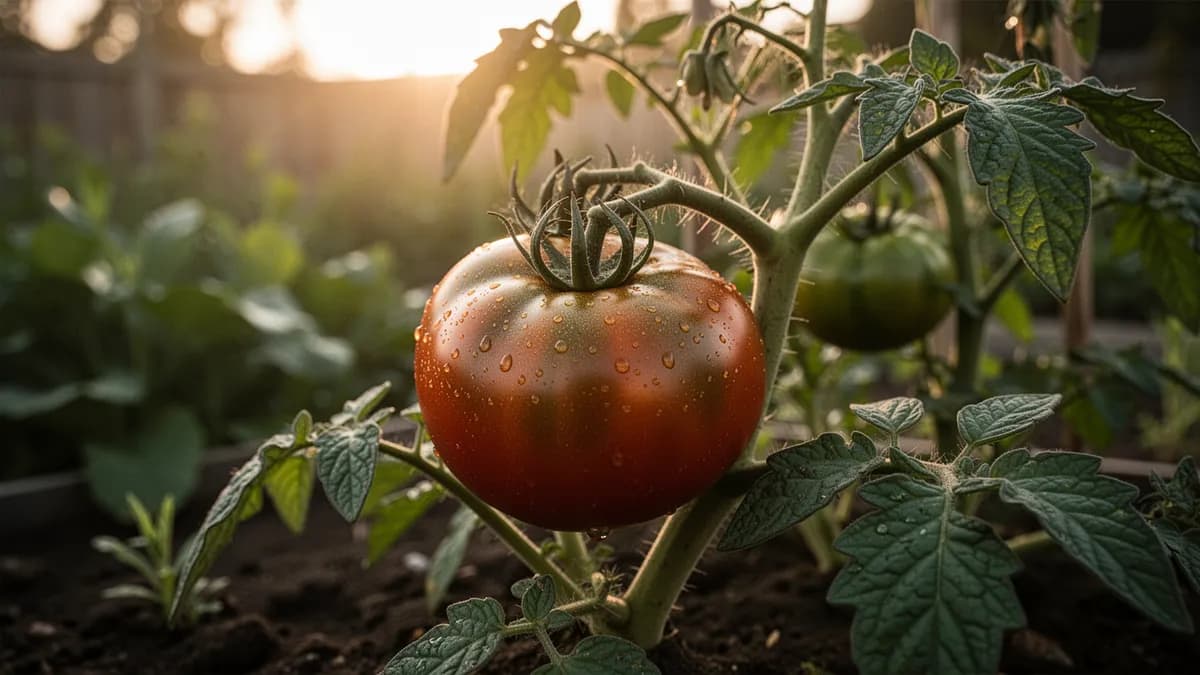
El tomate Kumato (Solanum lycopersicum) es una variedad patentada de origen español, distinguida por su piel de color marrón verdoso oscuro y su pulpa firme de sabor intensamente dulce y complejo.





En esta páginaResumen
Conoce Tomate Kumato
El tomate Kumato (Solanum lycopersicum) es una variedad patentada de origen español, distinguida por su piel de color marrón verdoso oscuro y su pulpa firme de sabor intensamente dulce y complejo. Desarrollado mediante selección natural a partir de variedades silvestres, destaca por su alto contenido en fructosa y licopeno.
Cuándo plantar Tomate Kumato
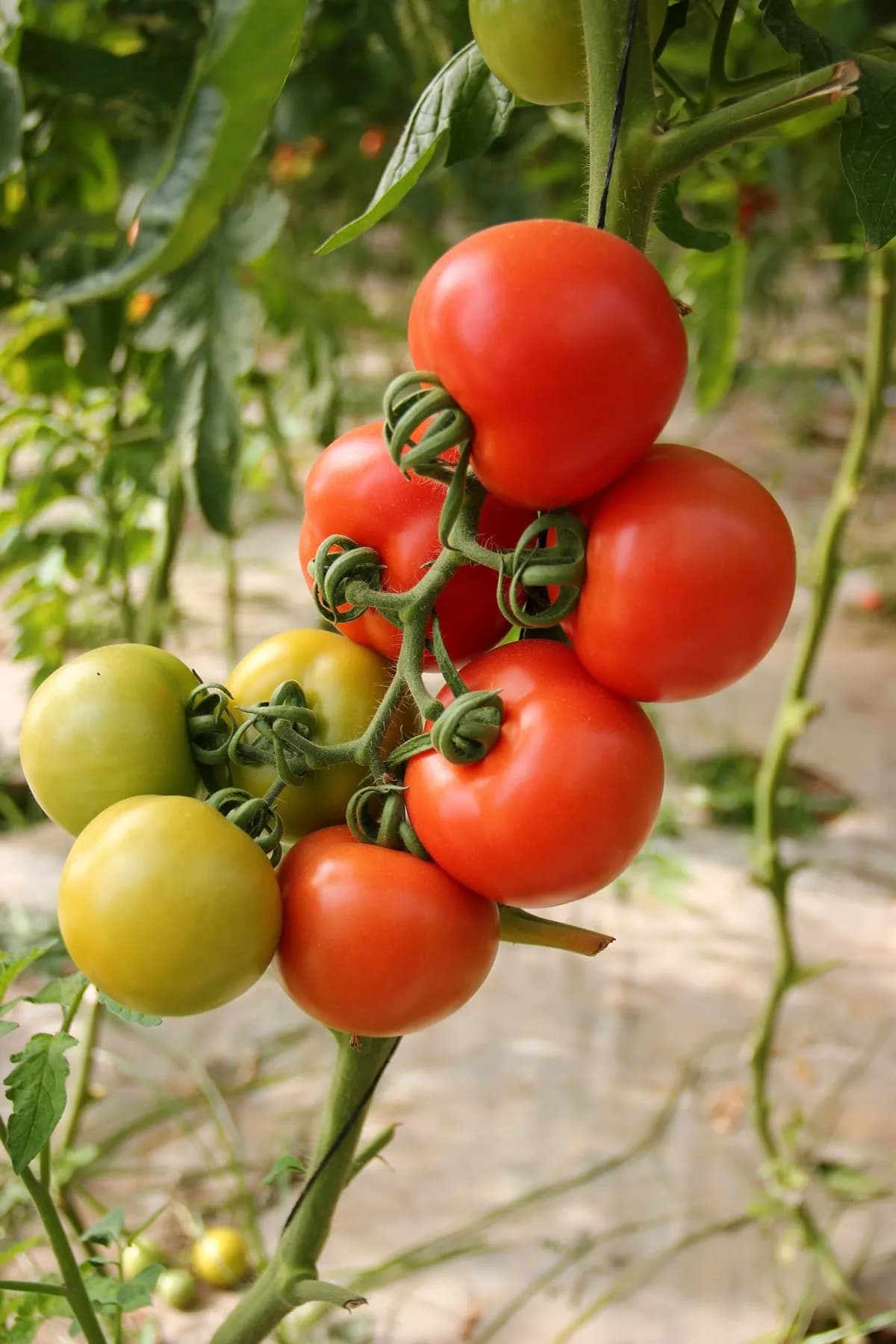
Sembrar las semillas en interior 6-8 semanas antes de la última helada, en bandejas con sustrato para semilleros a una profundidad de 5-6 mm. Mantener la temperatura entre 22 y 27 °C para germinación óptima en 7-14 días. Trasplantar a macetas individuales cuando aparezcan las primeras hojas verdaderas y endurecer gradualmente durante una semana.
Tu año de Tomate Kumato
Ajustado a Zona 7 · temporada típica · la helada se va hacia el 2 abr y vuelve hacia el 1 nov
Planta Tomate Kumato Feb – May y cosecha Jul – Sep. Consulta los métodos de plantación y elige tu clima para adaptar los periodos.
Cómo cultivar Tomate Kumato
El tomate Kumato necesita un emplazamiento a pleno sol con un mínimo de 8 horas de luz directa para desarrollar su característico color oscuro y concentrar sus azúcares naturales. Prepare el suelo incorporando abundante compost y materia orgánica bien descompuesta, asegurando un drenaje excelente. Trasplante las plántulas al exterior cuando las temperaturas nocturnas se estabilicen por encima de 12 °C, dejando 50-60 cm entre plantas.
Al ser una variedad indeterminada vigorosa, es imprescindible instalar tutores resistentes o jaulas de soporte desde el momento del trasplante. El riego debe ser constante y preferiblemente por goteo, evitando mojar el follaje para prevenir enfermedades fúngicas. Pode los chupones laterales con regularidad para dirigir la energía hacia la producción de frutos.
Aplique un fertilizante equilibrado cada dos semanas durante el crecimiento vegetativo, cambiando a una fórmula rica en potasio cuando aparezcan las primeras flores para favorecer la maduración y el desarrollo del color. Coloque un acolchado orgánico alrededor de la base para mantener la humedad del suelo uniforme.
8 plantas caben en un bancal de 120 × 240 cm
Cada Tomate Kumato pide 60 cm de margen. El planificador guarda ese marco por ti — cada planta, cada bancal.
Los mejores vecinos de Tomate Kumato
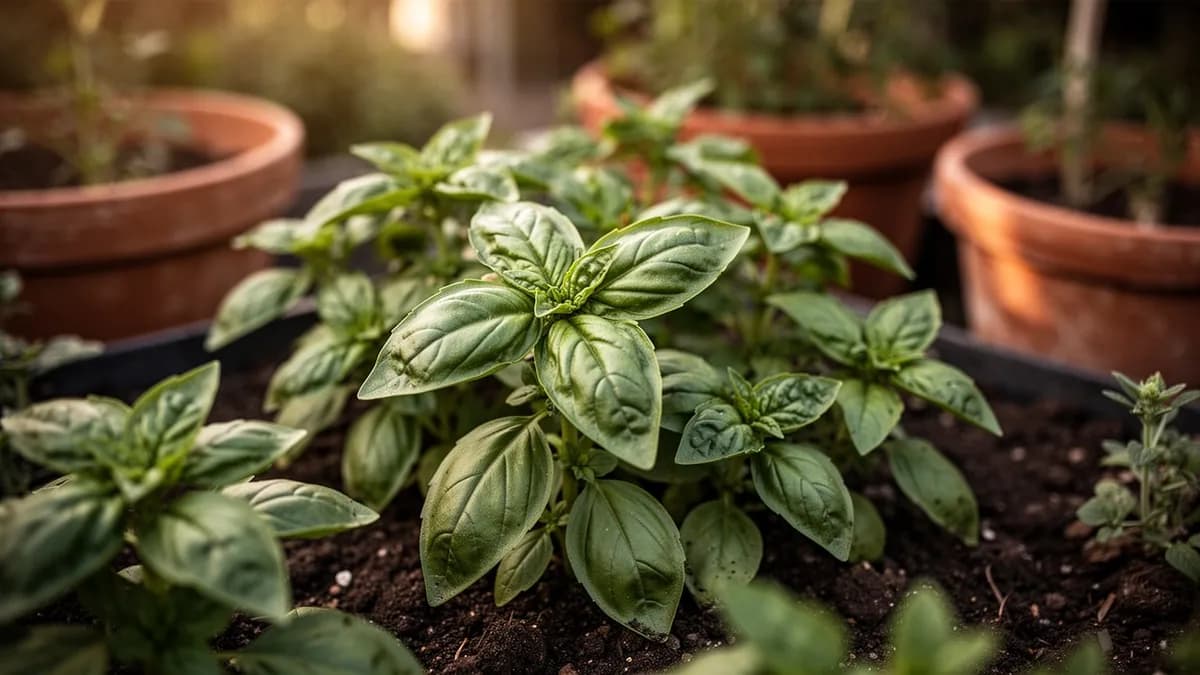
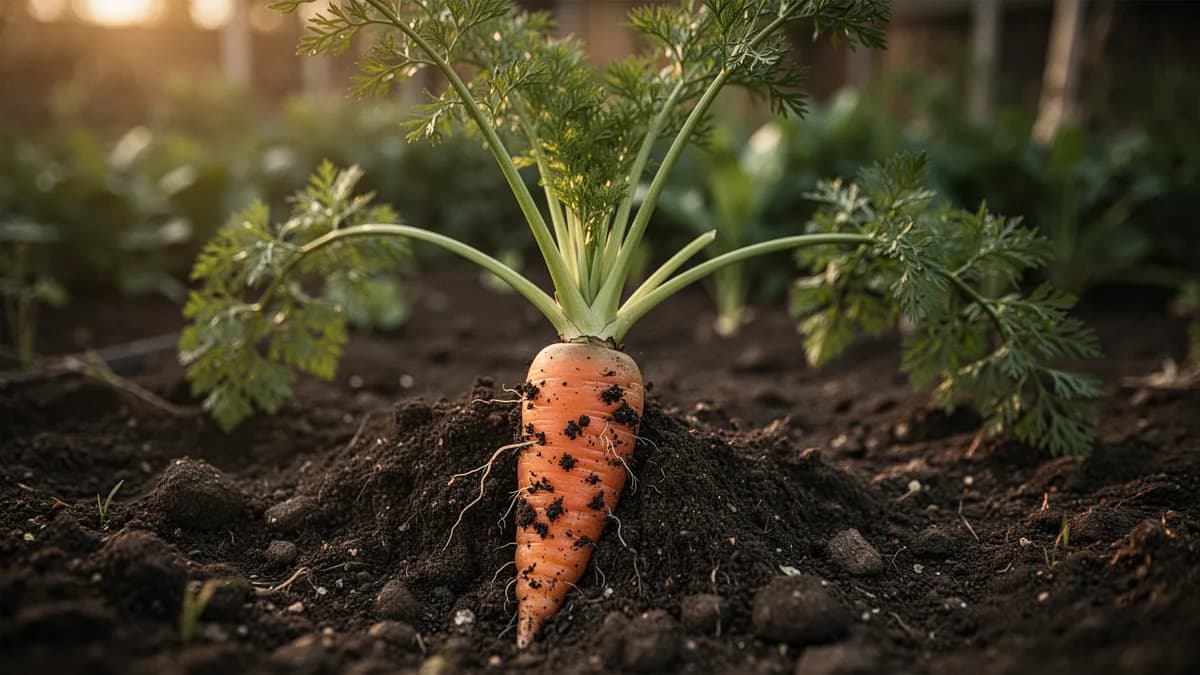
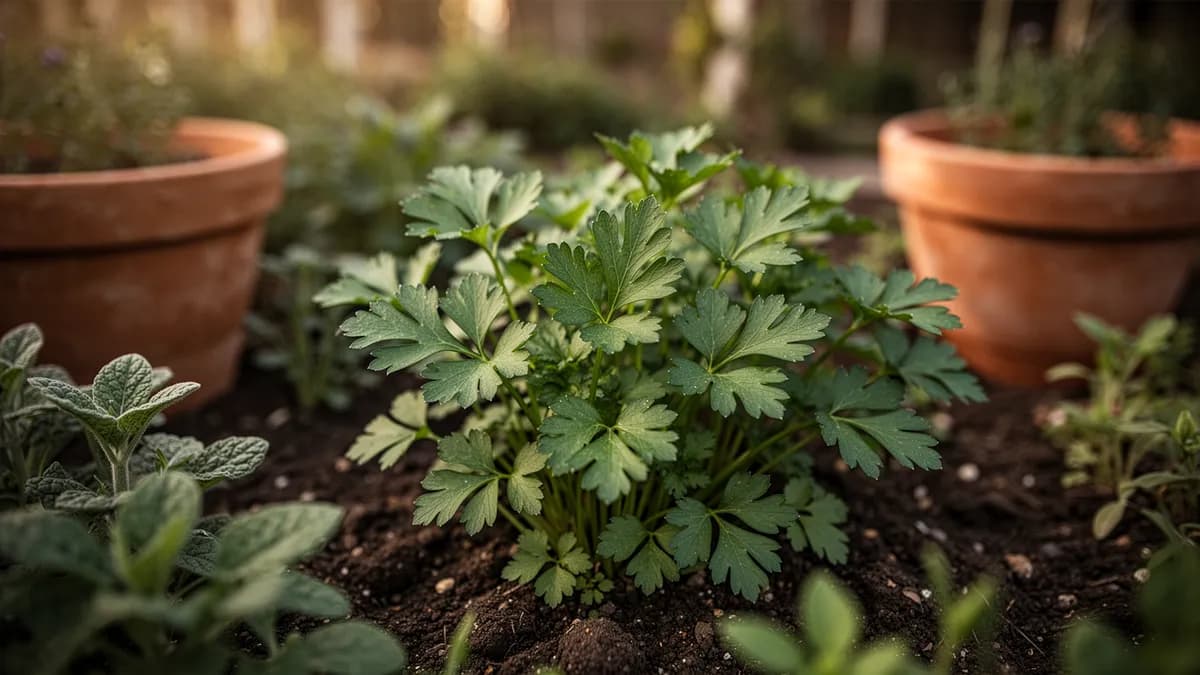
Se beneficia enormemente de la compañía de la albahaca, que repele pulgones y mosca blanca mientras potencia el sabor de los frutos según la tradición hortícola mediterránea. Las zanahorias, el perejil y las caléndulas son excelentes compañeras, mientras que debe evitarse la proximidad con hinojo, coles y patatas.
Albahaca va a su lado. Repollo no.
Saber de huerto de siempre, cotejado con la tabla real de Tomate Kumato — prueba cualquier planta que cultives.
Prueba Tomate Kumato en un bancal, aquí mismo
Un bancal real del planificador con Tomate Kumato ya plantado. Toca una planta compañera para colocarla y mira cómo responde la comprobación de vecinos: verde para buenos vecinos, rojo si hay conflicto.


Guías de cultivo relacionadas
Abónalo bien
Requiere un suelo fértil, bien drenado y rico en materia orgánica con pH entre 6,0 y 6,8. Incorpore compost maduro y harina de hueso antes de la plantación para aportar fósforo y calcio. Durante la fructificación aplique fertilizante rico en potasio cada dos semanas para intensificar el color y los azúcares.
Temperatura ideal
Compatibilidad de zonas de rusticidad
De la semilla a la cosecha, etapa por etapa
Siembra
Las semillas de Kumato germinan en condiciones cálidas y húmedas en 5-10 días. Las diminutas semillas producen cotiledones de color verde pálido que emergen a través de la superficie del sustrato. Como en todos los tomates, durante esta fase es fundamental mantener una temperatura constante de 21-27°C (70-80°F). El calor de fondo con una manta térmica para plántulas mejora notablemente la velocidad y el porcentaje de germinación.
Desarrollo de plántulas
Aparecen las hojas verdaderas con la característica forma dentada de la hoja de tomate. El tallo se engrosa y puede desarrollar pequeños pelos. Las plántulas deben pasarse a recipientes más grandes cuando tengan 2-3 pares de hojas verdaderas para evitar que se enraícen en exceso y fomentar un sistema radicular robusto.
Crecimiento vegetativo
Después del trasplante al exterior, las enredaderas de Kumato crecen con vigor como tipo indeterminado y producen brotes laterales (chupones) en cada axila de la hoja. La planta puede crecer de 30 a 60 cm por semana en condiciones cálidas. El entutorado o soporte fuerte es esencial, ya que la planta se vuelve pesada rápidamente por el follaje.
Floración y cuajado
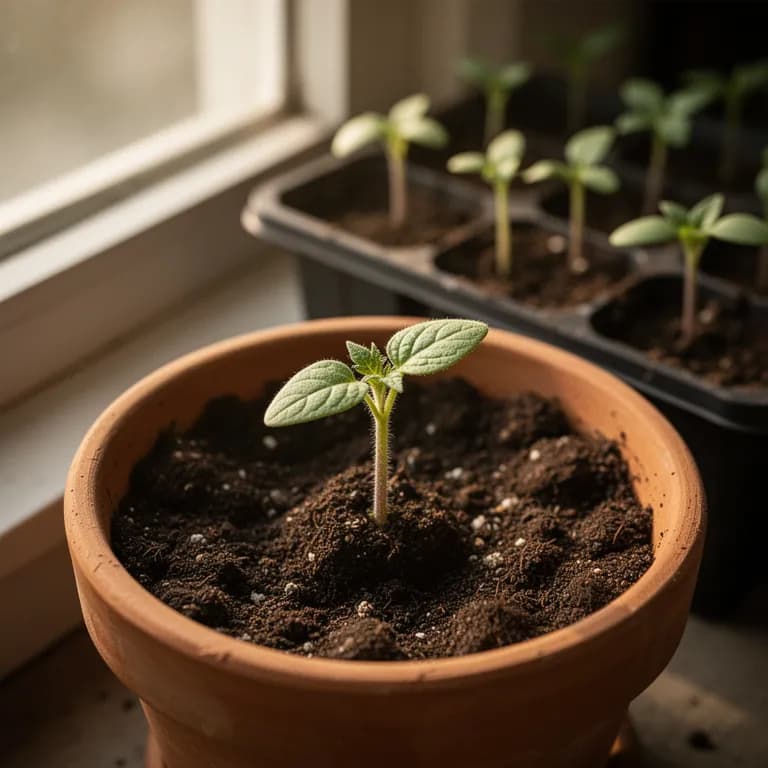
Aparecen racimos de flores amarillas a lo largo del tallo principal. Cada racimo suele llevar 5-8 flores. Las flores de Kumato son autopolinizantes, pero se benefician mucho de una vibración suave o de las visitas de las abejas para asegurar una polinización completa y frutos de tamaño pleno. Los frutos en desarrollo son inicialmente verdes y empiezan a mostrar los característicos hombros oscuros.
Desarrollo del fruto
Los frutos se hinchan rápidamente en 3-4 semanas, pasando de verde brillante a verde oscuro con hombros oscuros cada vez más marcados. Durante esta fase se desarrollan los pigmentos únicos de antocianina y clorofila que dan al Kumato su aspecto distintivo. Los niveles de azúcar y acidez aumentan progresivamente a medida que el fruto madura.
Maduración y cosecha
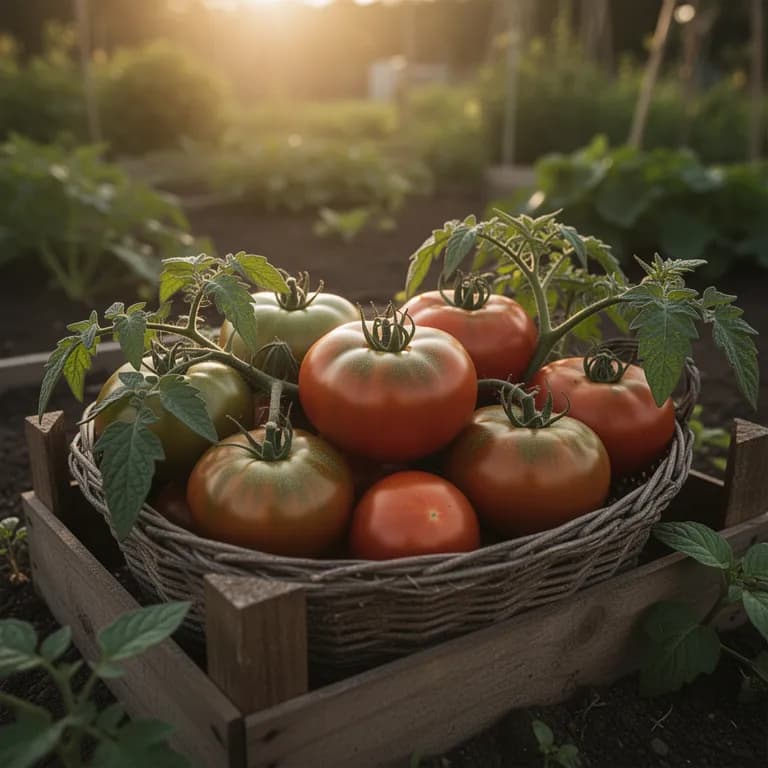
Los frutos maduran de abajo hacia arriba en la planta, pasando de verde oscuro al característico color marrón rojizo intenso hasta chocolate. Un Kumato maduro cede ligeramente a una presión suave y tiene un color oscuro uniforme, aunque puede quedar un leve hombro verde. La planta sigue cuajando nuevos frutos mientras maduran los racimos inferiores, produciendo una ventana de cosecha de 6-10 semanas.
Siembra en interior 6-8 semanas antes de la última helada prevista. Coloca las semillas a 6mm de profundidad en un sustrato estéril para siembra y mantén la superficie húmeda con una cúpula de humedad. Proporciona 14-16 horas de luz con una lámpara de cultivo colocada a 5-10 cm por encima de las plántulas.
Cuidar Tomate Kumato mes a mes
Qué hacer cada mes para tu Tomate Kumato
Octubre
Mes actualFinal harvests in zones 5-7 before frost. Pick all remaining fruit, including green ones that can ripen indoors in a paper bag with a banana. Pull spent vines and compost disease-free material. Save seeds from your best-flavored fruits if growing open-pollinated varieties.
Ten claro qué hacer en tu huerto, cada mes
Un correo al empezar cada mes: qué sembrar, plantar y hacer ahora mismo — para tu Tomate Kumato y todo lo que crece alrededor. Más un breve curso inicial para esquivar los errores clásicos.
- Qué hacer ahora mismo
- Ajustado a tu temporada
- Curso inicial incluido
Cosechar Tomate Kumato
Los tomates Kumato se cosechan cuando adquieren un color marrón chocolate uniforme con matices verdosos, generalmente entre 75 y 85 días después del trasplante. Su color oscuro dificulta identificar el punto óptimo de madurez; el fruto debe ceder ligeramente a una presión suave y desprender un aroma dulce característico cerca del pedúnculo.
se supone que plantas al comenzar el periodo — indica tu fecha real
Cosecha cuando los frutos sean uniformemente de color marrón rojizo oscuro y estén ligeramente blandos al tacto; recoge cada 2-3 días durante la temporada alta.
Almacenamiento y conservación
Conservar a temperatura ambiente en un lugar fresco y ventilado, alejados de la luz solar directa, donde mantienen su calidad durante 7-10 días. No refrigerar ya que el frío por debajo de 12 °C deteriora significativamente su sabor y textura; para conservación prolongada se pueden deshidratar en rodajas o preparar confituras.
Qué falla — y cómo solucionarlo

Tizón tardío
EnfermedadManchas acuosas de color marrón oscuro en hojas y tallos que se expanden rápidamente en condiciones húmedas, pudiendo destruir la planta en pocos días.
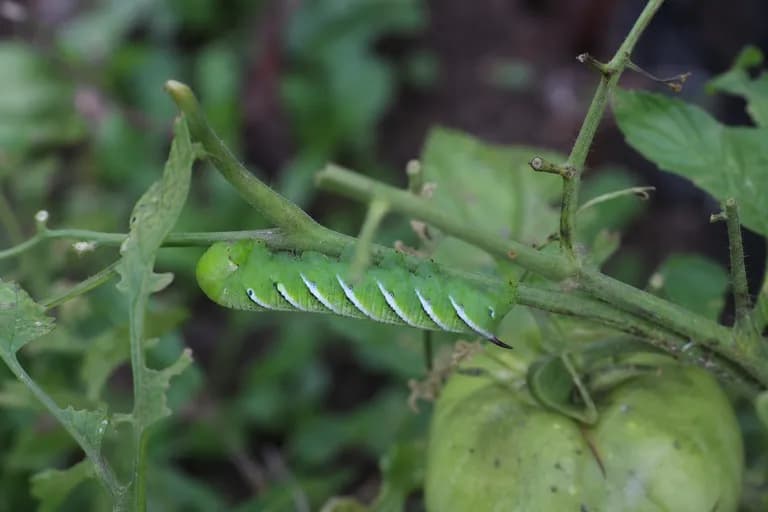
Araña roja
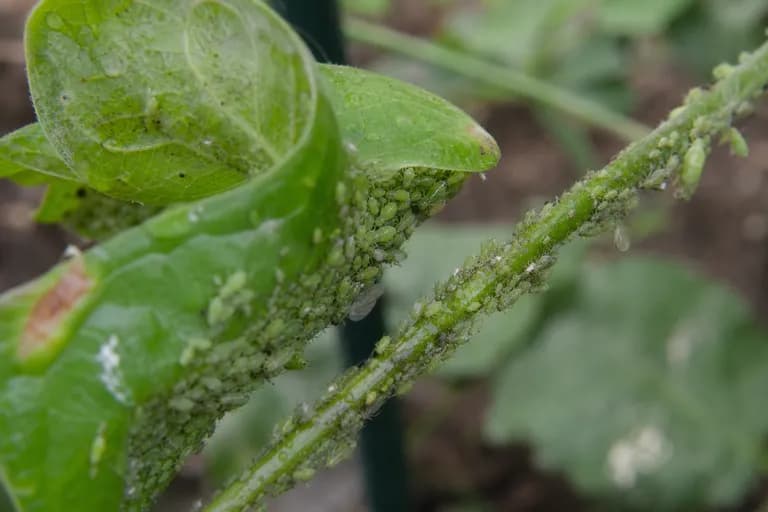
PlagaDiminutos ácaros en el envés de las hojas que provocan punteado amarillento, decoloración generalizada y finas telarañas en casos avanzados.
Podredumbre apical
EnfermedadMancha oscura y deprimida en la base del fruto que se extiende y ennegrece progresivamente, inutilizando el tomate para el consumo.
Solución de problemas comunes
La principal dificultad es determinar el punto exacto de madurez debido a su color naturalmente oscuro, lo que puede llevar a cosechar frutos inmaduros o pasados. El agrietamiento concéntrico es frecuente si el riego es irregular, especialmente tras períodos secos seguidos de lluvias abundantes.
Consejos de cultivo
- Plant deeply — bury at least two-thirds of the stem at transplant time. Tomatoes produce adventitious roots all along buried stems, creating a vastly stronger and more drought-resistant root system. Remove the lower leaves before burying.
- Prune suckers religiously for best results. Kumato is an indeterminate variety that produces suckers at every leaf axil. Remove all suckers below the first flower truss and maintain one or two main leaders for the largest, most flavorful fruit with the best air circulation.
- Learn to read the unique ripeness cues. Unlike red tomatoes where color change is obvious, Kumato ripens from green to dark brownish-red. A ripe fruit yields slightly to gentle thumb pressure, has a uniform dark color, and may retain a faint green shoulder — this is normal and not a sign of immaturity.
- Provide consistent, deep watering to prevent cracking. Kumato's dense flesh and thick skin make it less prone to cracking than thin-skinned heirloom varieties, but irregular watering (drought followed by heavy rain) will still cause splits. Drip irrigation on a timer is the ideal solution.
- Reduce watering during the final ripening phase. Once fruit begins to change color, slightly reducing water intake concentrates sugars and intensifies the complex sweet-tart flavor that makes Kumato special. Do not stop watering entirely — just reduce by about 20-30%.
- Rotate planting locations annually and never follow potatoes, peppers, or eggplant, which share the same soilborne diseases (Verticillium, Fusarium, early blight). A minimum 3-year rotation between solanaceous crops in the same bed is essential for long-term soil health.
- Supplement with calcium throughout the season. Kumato's dense, meaty flesh makes it susceptible to blossom end rot if calcium is insufficient. Add crusite lime or gypsum at planting time and side-dress with calcium-rich amendments monthly during fruiting.
- Allow fruit to ripen fully on the vine whenever possible. Unlike commercial Kumatos that are picked firm for shipping, homegrown fruits develop dramatically more complex flavor and higher sugar content when left to ripen completely on the plant — this is the primary advantage of growing your own.
Cultiva tu mejor Tomate Kumato — y todo lo que la rodea.
Empieza un plan gratis hoy. Diseña tus bancales, coloca tu Tomate Kumato y deja que PlotMyGarden gestione el momento, el espaciado, las asociaciones y los recordatorios de la semilla a la cesta.
Elige tu Tomate Kumato
Kumato
La variedad original patentada con piel marrón verdosa oscura y sabor excepcionalmente dulce e intenso. Frutos de 80-120 g que maduran en 75-80 días.
Kumato Cherry
Versión miniatura del Kumato clásico con frutos pequeños de 15-25 g y el mismo color oscuro característico. Ideal para aperitivos, madura en 65-70 días.
Black Krim
Variedad reliquia rusa de Crimea con frutos grandes de color rojo oscuro a púrpura negruzco y sabor ahumado complejo. Madura en 80-90 días.
Cherokee Purple
Tomate reliquia americano con piel púrpura rojiza y pulpa densa de sabor dulce y terroso. Frutos grandes de 250-400 g que maduran en 80-90 días.
Kumato and other premium dark tomatoes retail for $5-8 per pound ($11-18/kg) at grocery stores — often 2-3 times the price of standard red tomatoes. A single well-maintained plant producing 4-7 kg per season represents $45-125 worth of premium tomatoes from a $3-5 seedling investment. Growing 3-4 plants provides enough for fresh eating, cooking, and preserving throughout the season. The savings are even more dramatic considering that store-bought Kumatos are often picked underripe for shipping and never reach the peak flavor of a vine-ripened, homegrown fruit.
Recetas rápidas

Kumato Bruschetta with Balsamic Glaze
15 minThe intense sweetness and firm texture of Kumato tomatoes make them ideal for bruschetta — diced and tossed with fresh basil and garlic, then piled onto crispy toasted bread and drizzled with aged balsamic reduction for an elegant appetizer.
7 ingredientesRoasted Kumato Tomato Soup
45 minSlow-roasting Kumato tomatoes at high heat concentrates their naturally high sugars and creates an incredibly rich, deeply caramelized soup with a complexity that standard tomatoes cannot match. The dark skin adds beautiful color and extra antioxidants.
9 ingredientesKumato Caprese with Burrata
10 minA stunning, no-cook showcase for peak-season Kumato tomatoes — their dark, jewel-toned slices are layered with creamy burrata, fresh basil, and the best olive oil you have. The natural sweetness of Kumato eliminates any need for added sugar or balsamic.
6 ingredientesUsos culinarios
Destaca consumido en fresco para apreciar su sabor dulce y complejo, siendo ideal en ensaladas gourmet, carpaccios de tomate y tostas con aceite de oliva virgen extra. También es excelente en sándwiches, hamburguesas premium y tablas de quesos donde su color oscuro aporta un contraste visual espectacular.
Qué contiene
Beneficios para la salud
- Exceptionally high in lycopene — dark-skinned tomato varieties like Kumato can contain up to 40% more lycopene than standard red tomatoes. Lycopene is a potent antioxidant extensively studied for its role in reducing the risk of prostate, lung, and stomach cancers.
- Contains anthocyanins in the skin, the same powerful antioxidant compounds found in blueberries and purple grapes, which have been linked to reduced inflammation, improved cardiovascular health, and enhanced cognitive function.
- Rich in vitamin C (23% DV per 100g), essential for immune defense, collagen synthesis, and enhanced absorption of iron from plant-based foods — making Kumato an excellent companion to iron-rich meals.
- Provides significant beta-carotene (vitamin A precursor) at 17% DV per 100g, supporting eye health, skin cell renewal, and immune system function — the darker pigmentation correlates with higher carotenoid concentrations.
- The combination of potassium (8% DV per 100g) and low sodium makes Kumato tomatoes heart-friendly, helping to regulate blood pressure and reduce the risk of stroke and cardiovascular disease.
- Contains chromium, a trace mineral that helps improve insulin sensitivity and regulate blood sugar metabolism — combined with the fiber content, regular tomato consumption has been associated with improved glycemic control.
De dónde viene Tomate Kumato
The Kumato tomato is a modern cultivar developed through conventional plant breeding by the Swiss seed company Syngenta, first brought to market in the early 2000s. Its development drew on wild tomato species native to the Galapagos Islands and the coastal deserts and Andean highlands of Chile and Peru, where tomato relatives have thrived in harsh, sun-drenched conditions for millennia. Breeders crossed these tough wild relatives with cultivated tomato lines, selecting over multiple generations for the striking dark pigmentation, elevated sugar content, and intense complex flavor that characterize the variety.
The variety was officially named 'Olmeca' but marketed globally under the trademark 'Kumato' to create a distinct premium brand identity. It first appeared in Spanish and French supermarkets around 2004, where initial consumer resistance to the unconventional dark brown color was overcome through aggressive in-store sampling campaigns. Once tasted, the tomato sold itself — the remarkably sweet, complex flavor and firm yet juicy texture won over skeptical shoppers, and Kumato quickly became one of the fastest-growing premium tomato brands in Europe.
Today Kumato tomatoes are grown commercially in Spain, France, Belgium, Turkey, Australia, and Canada, primarily in climate-controlled greenhouse environments that optimize their unique ripening characteristics. The variety has helped shift consumer perception away from the idea that all good tomatoes must be bright red, opening market space for other dark, striped, and unusually colored tomato varieties. For home gardeners, Kumato-type seeds are available under various names since the original is under commercial protection, and several open-pollinated dark tomato varieties like Black Krim, Cherokee Purple, and Carbon share similar flavor profiles, though none precisely replicate the Kumato's specific balance of sweetness, acidity, and umami depth.
Tomate Kumato: ¿sabías que?
Datos fascinantes sobre Tomate Kumato
Kumato was developed by Syngenta in the early 2000s through conventional crossbreeding (not genetic modification) of cultivated tomatoes with wild Solanum species from the Galapagos Islands and the Andes mountains of South America, specifically selecting for the naturally occurring high-anthocyanin trait that produces the dark skin.
Tomate Kumato: preguntas frecuentes
¿Cuándo debo plantar Tomate Kumato?
¿Cuáles son buenas plantas acompañantes para Tomate Kumato?
¿En qué zonas de rusticidad puede crecer Tomate Kumato?
¿Cuánto sol necesita Tomate Kumato?
¿A qué distancia debo espaciar Tomate Kumato?
¿Qué plagas y enfermedades afectan a Tomate Kumato?
¿Cómo almaceno Tomate Kumato después de la cosecha?
¿Cuáles son las mejores variedades de Tomate Kumato para cultivar?
¿Qué suelo necesita Tomate Kumato?
How do I know when a Kumato tomato is ripe?
Can I save seeds from Kumato tomatoes?
Why are my Kumato tomatoes cracking or splitting?
Can I grow Kumato tomatoes in containers?
Why are my Kumato plants producing flowers but no fruit?
How does Kumato compare in flavor to other dark tomatoes like Cherokee Purple or Black Krim?
Acabas de leer la teoría. Ahora cultívala en piloto automático.
Todo lo que hace que Tomate Kumato sea delicado — el momento, el espaciado, las asociaciones, la ventana de cosecha — es justo lo que PlotMyGarden resuelve por ti, para cada planta de tu huerto.
Un plan que conoce tu clima
Indica tu ubicación una vez. Recibe fechas de siembra, abonado y cosecha basadas en tu última helada real y el pronóstico en vivo — sin adivinar con un sobre genérico.
De la sección “Cuándo plantar”Planificador de bancales de arrastrar y soltar
Diseña bancales sobre una cuadrícula. Cada planta encaja con su espaciado correcto y ves toda la temporada antes de gastar un céntimo en semillas.
De la sección “Cultivo”Conflictos de asociación, detectados a tiempo
Más de 200 buenas y malas combinaciones comprobadas en vivo mientras plantas — para que un error que arruine la temporada nunca llegue a la tierra.
De la sección “Asociaciones”Recordatorios que sí vas a seguir
“Riega las judías.” “Recoge hoy antes de que se pase.” Oportunos, concretos y ligados a las plantas que de verdad cultivas.
De la sección “Cosecha”Escalonado, programado
¿Quieres cosechar seis semanas en vez de seis días? Reparte tus siembras automáticamente y te avisa cuando toca el siguiente lote.
De la sección “Cuándo plantar”Un registro que se vuelve más listo
Cada cosecha que registras le enseña tu huerto. El plan del año que viene parte de lo que de verdad funcionó en tu suelo, no en un manual.
De la sección “Resumen”Planta estos junto a Tomate Kumato
Más Solanáceas
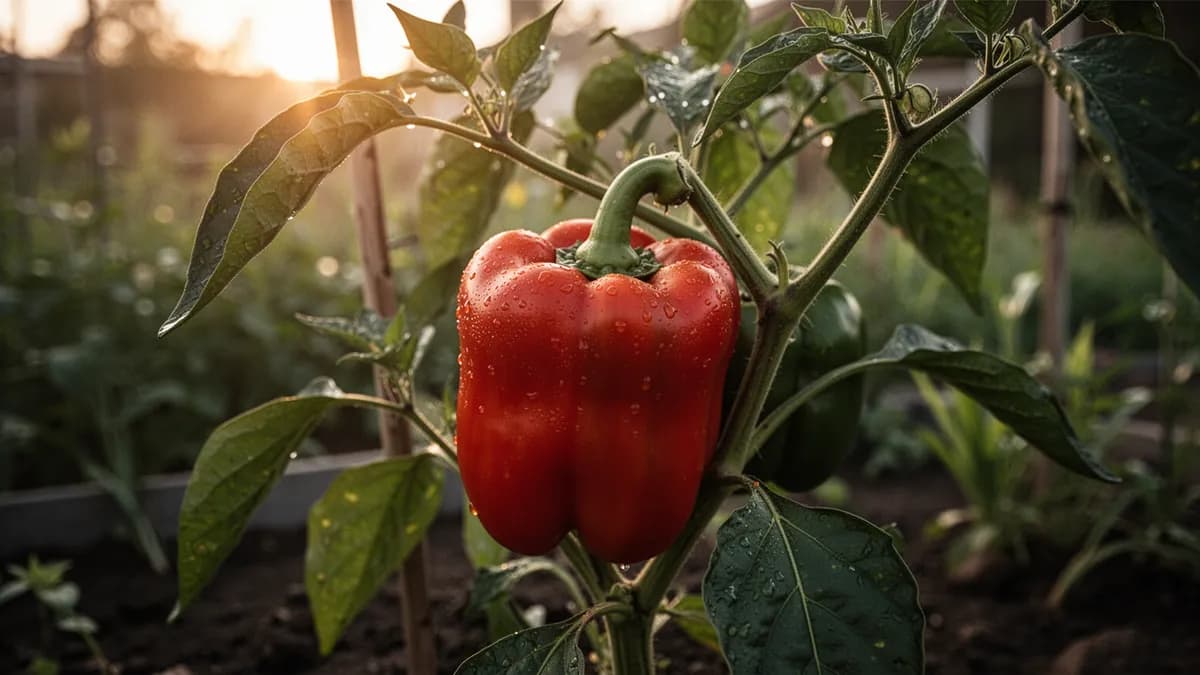
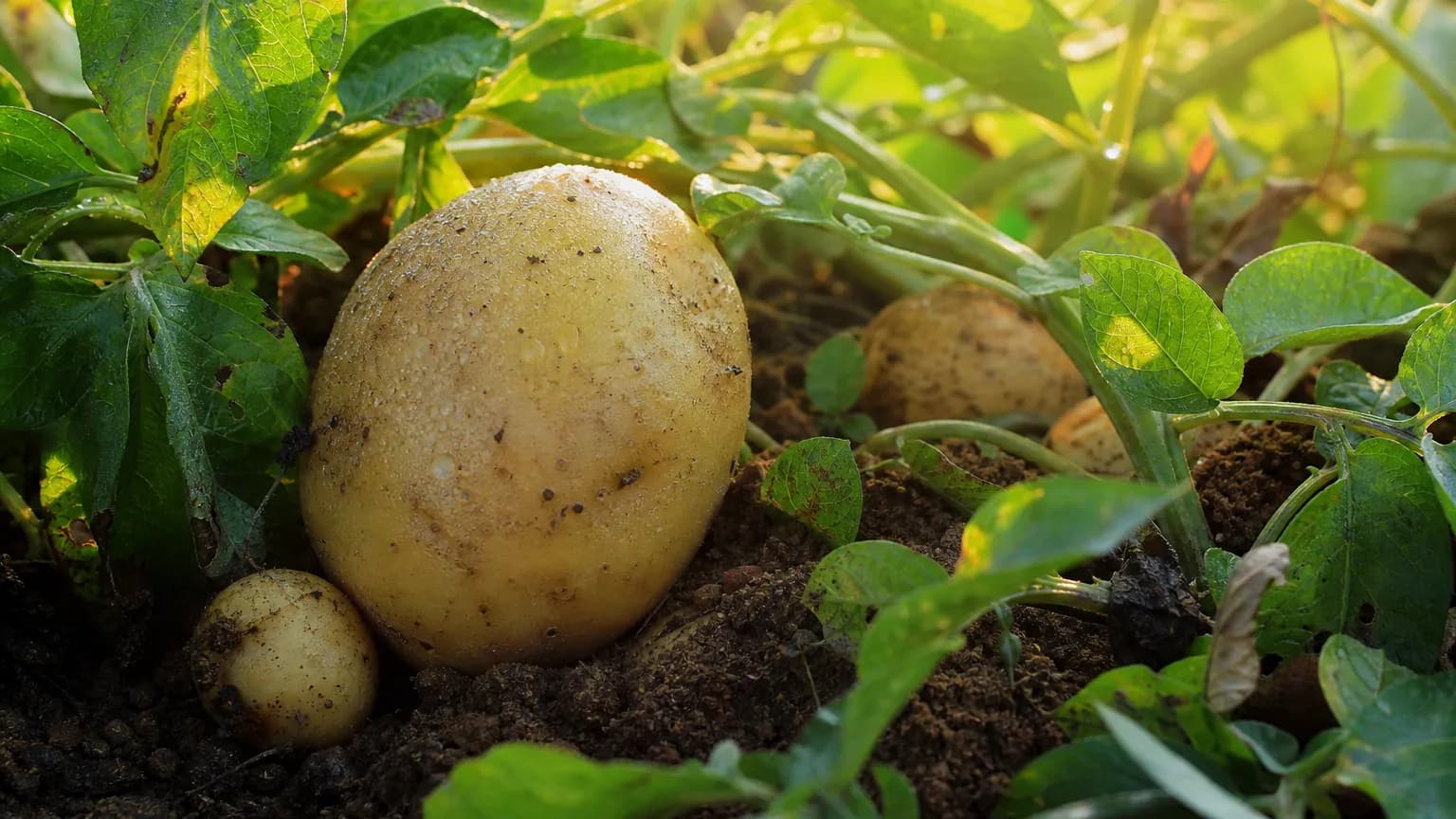
Mantén Tomate Kumato lejos de estos
Cultiva tu mejor Tomate Kumato — y todo lo que la rodea.
Empieza un plan gratis hoy. Diseña tus bancales, coloca tu Tomate Kumato y deja que PlotMyGarden gestione el momento, el espaciado, las asociaciones y los recordatorios de la semilla a la cesta.