Tomate Uva
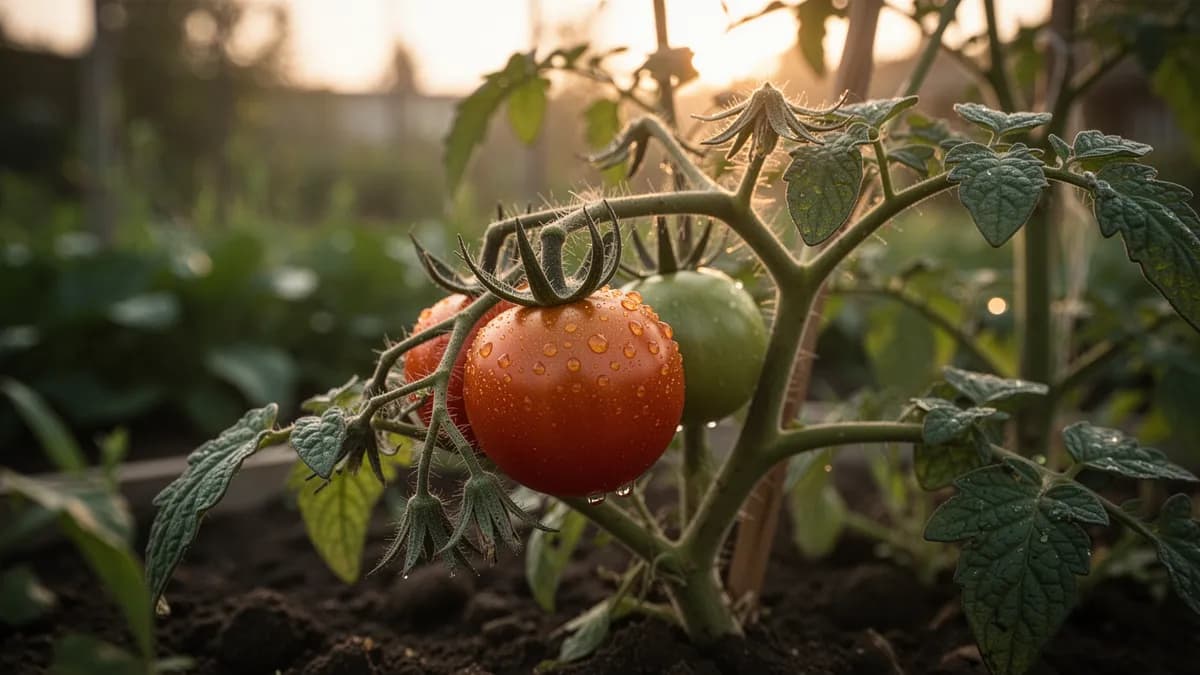
El tomate uva (Solanum lycopersicum) produce frutos pequeños, ovalados y de piel gruesa, más resistentes al agrietamiento que los cherry.





En esta páginaResumen
Conoce Tomate Uva
El tomate uva (Solanum lycopersicum) produce frutos pequeños, ovalados y de piel gruesa, más resistentes al agrietamiento que los cherry. Originarios de cruzamientos realizados en Asia y perfeccionados en EE. UU. a finales de los años 90, estos tomates destacan por su dulzura concentrada, excelente vida postcosecha y producción abundante en racimos alargados.
Cuándo plantar Tomate Uva
Siembre las semillas en interior 6-8 semanas antes de la última helada, a 6 mm de profundidad en sustrato estéril húmedo, manteniendo la temperatura entre 21 y 27 °C. La germinación ocurre en 5-10 días. Proporcione 14-16 horas de luz intensa diaria con lámparas de crecimiento. Trasplante a macetas individuales de 8 cm cuando aparezca el primer par de hojas verdaderas. Endurezca las plántulas gradualmente durante 7-10 días antes del trasplante definitivo al exterior, exponiéndolas progresivamente al sol y al viento.
Tu año de Tomate Uva
Ajustado a Zona 7 · temporada típica · la helada se va hacia el 2 abr y vuelve hacia el 1 nov
Planta Tomate Uva Feb – May y cosecha Jul – Oct. Consulta los métodos de plantación y elige tu clima para adaptar los periodos.
Cómo cultivar Tomate Uva
El tomate uva es una variedad generalmente indeterminada que puede alcanzar 1,5-2 metros de altura, requiriendo tutores sólidos o jaulas de tomate desde el momento del trasplante. Inicie las semillas en interior entre 6 y 8 semanas antes de la última helada, sembrando a 6 mm de profundidad en sustrato estéril a 21-27 °C. Las plántulas necesitan 14-16 horas de luz intensa para desarrollar tallos robustos.
Trasplante al exterior cuando las temperaturas nocturnas se mantengan por encima de 13 °C, enterrando el tallo hasta las primeras hojas verdaderas para fomentar un sistema radicular más fuerte. Espacie las plantas 45-60 cm en hileras separadas 75-90 cm, en una ubicación con al menos 8 horas de sol directo. Pode los chupones laterales para mejorar la circulación de aire y dirigir la energía hacia la producción de frutos. Aplique un acolchado de paja de 8-10 cm para conservar la humedad y suprimir las malas hierbas.
Riegue de forma profunda y uniforme, aportando 2,5-4 cm de agua por semana, preferiblemente con riego por goteo para evitar mojar el follaje. Fertilice con un abono equilibrado al trasplantar y cambie a una fórmula rica en fósforo y potasio cuando aparezcan las primeras flores. Los tomates uva son muy productivos y pueden producir racimos de 15-30 frutos, por lo que es importante asegurar un soporte adecuado conforme la planta se carga de fruta.
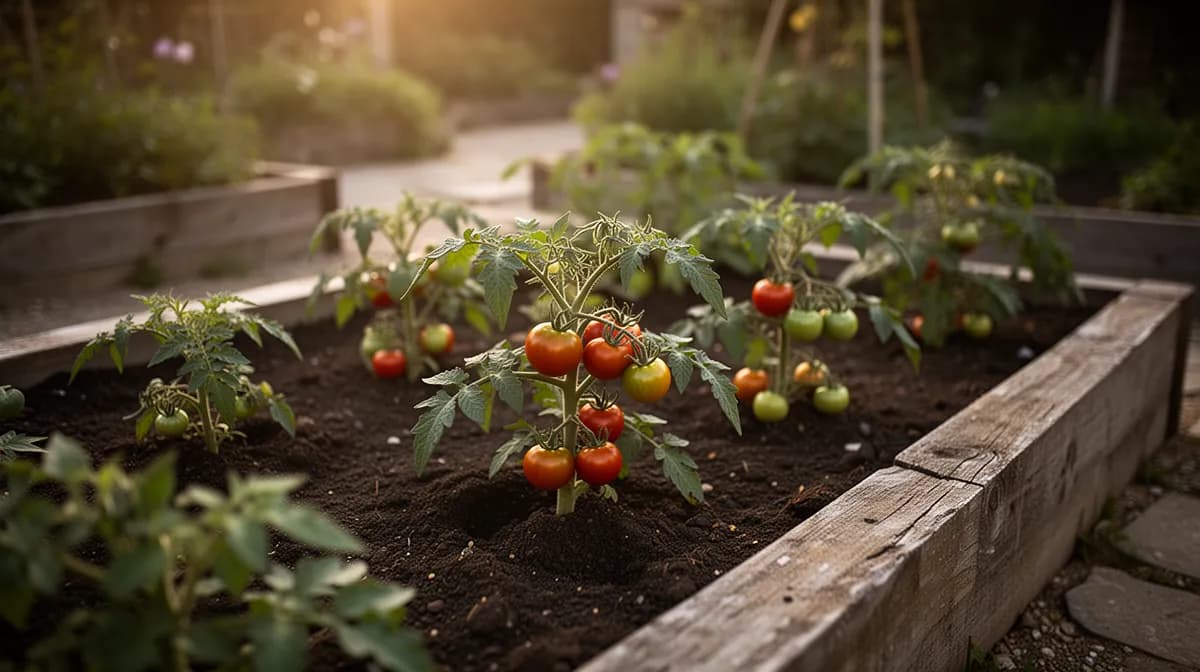
10 plantas caben en un bancal de 120 × 240 cm
Cada Tomate Uva pide 45 cm de margen. El planificador guarda ese marco por ti — cada planta, cada bancal.
Los mejores vecinos de Tomate Uva
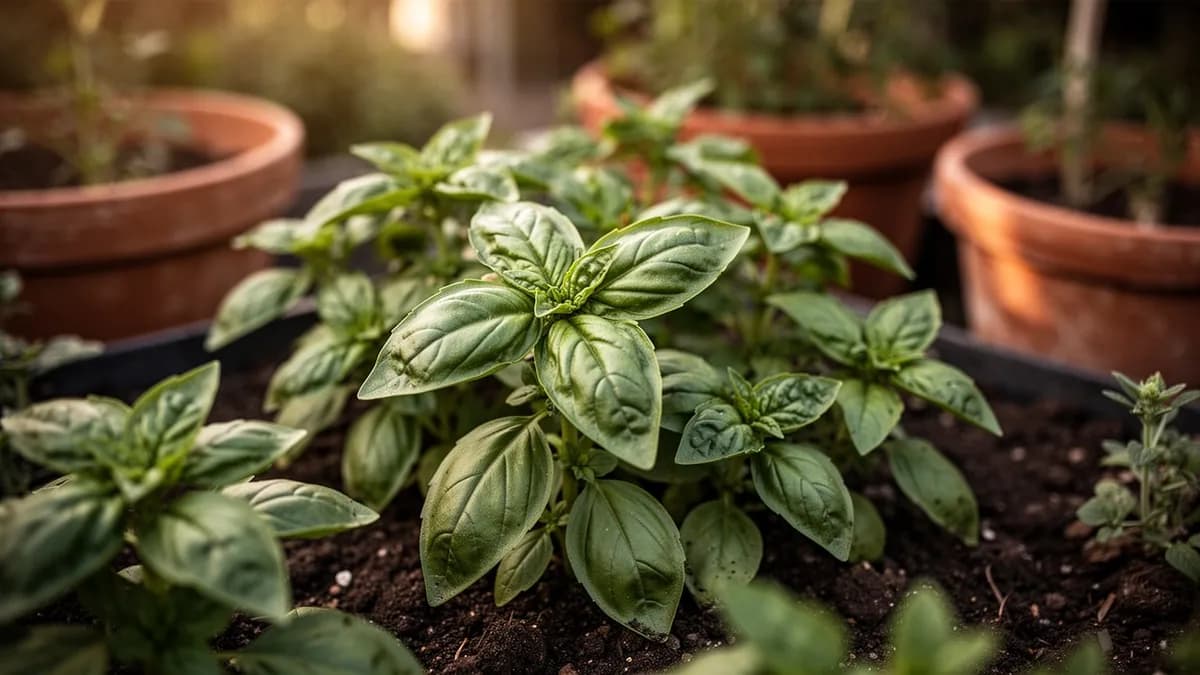
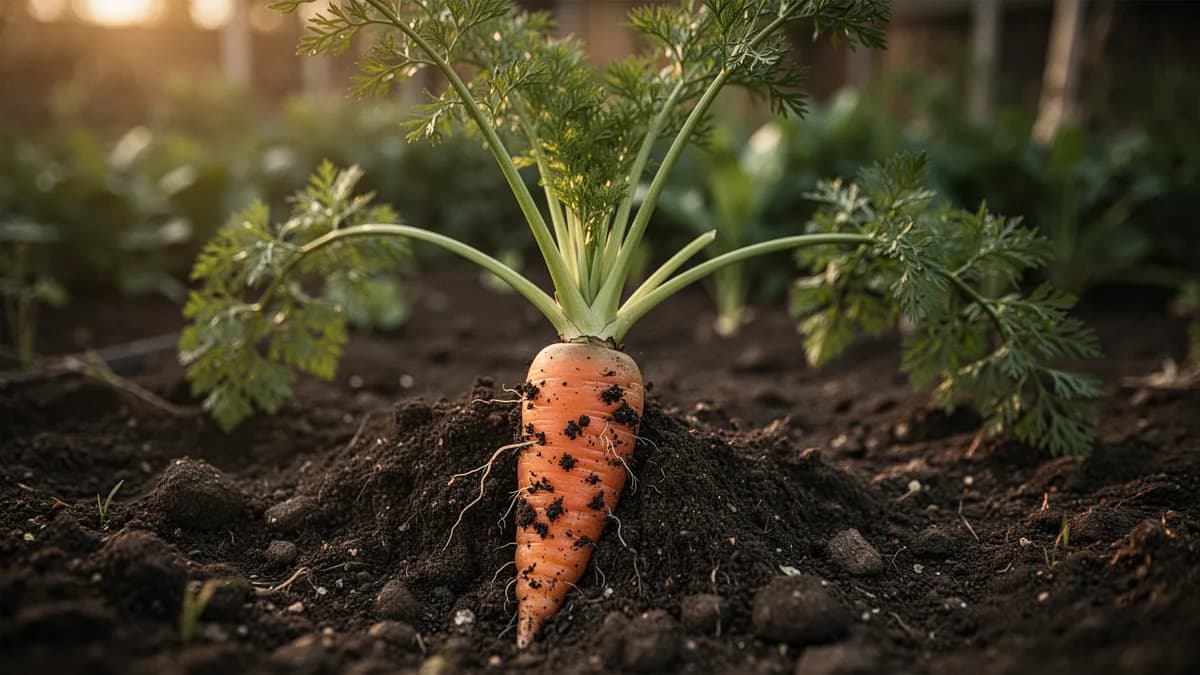
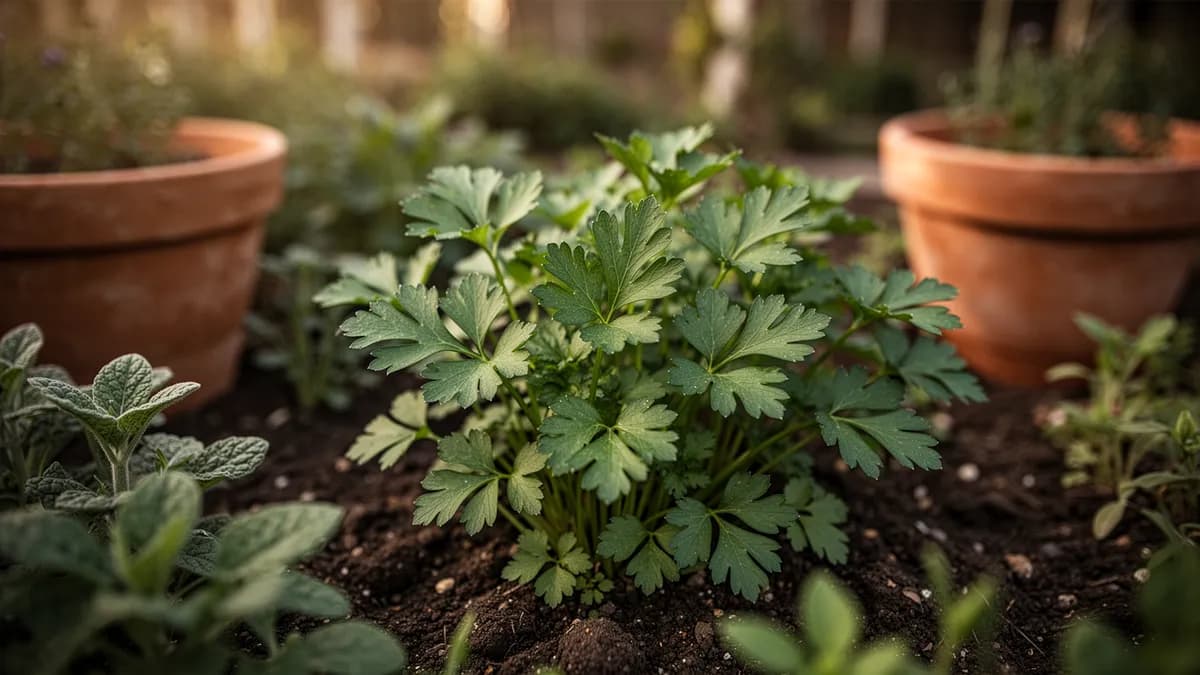
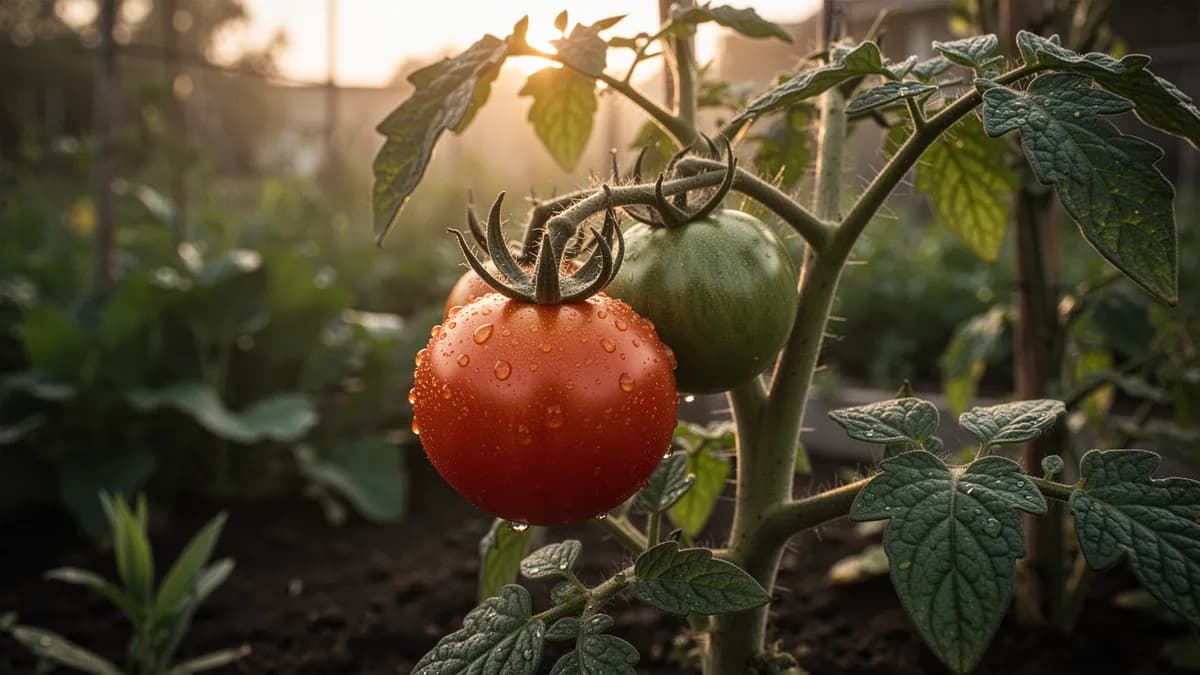
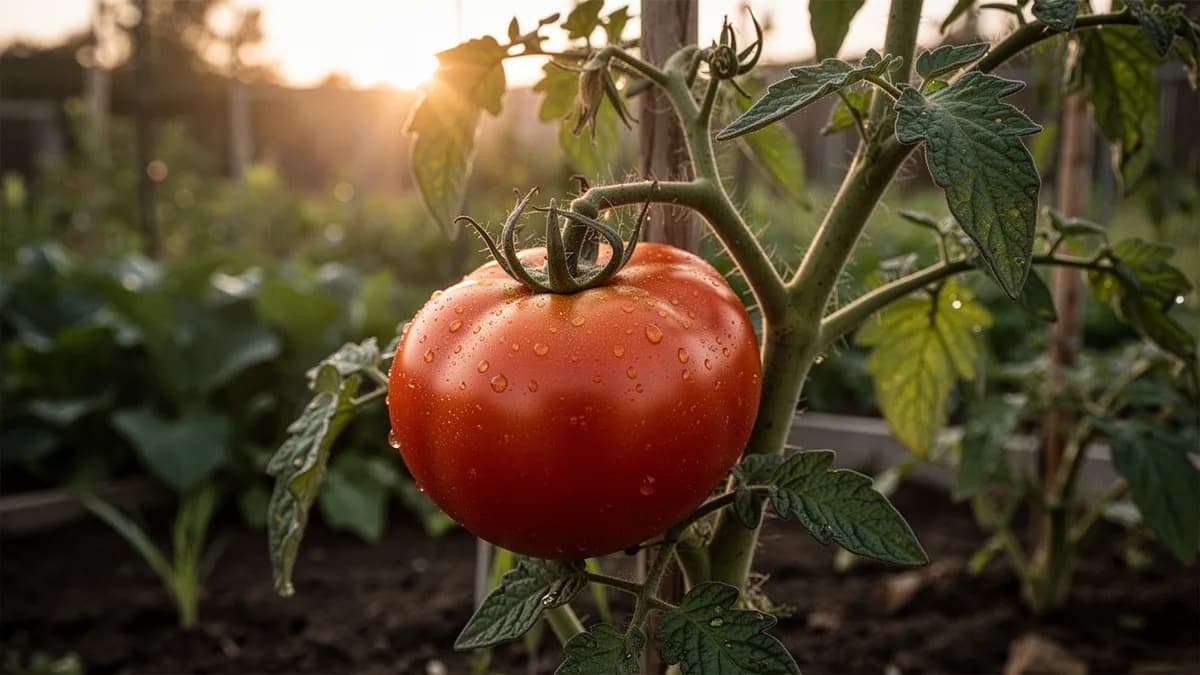
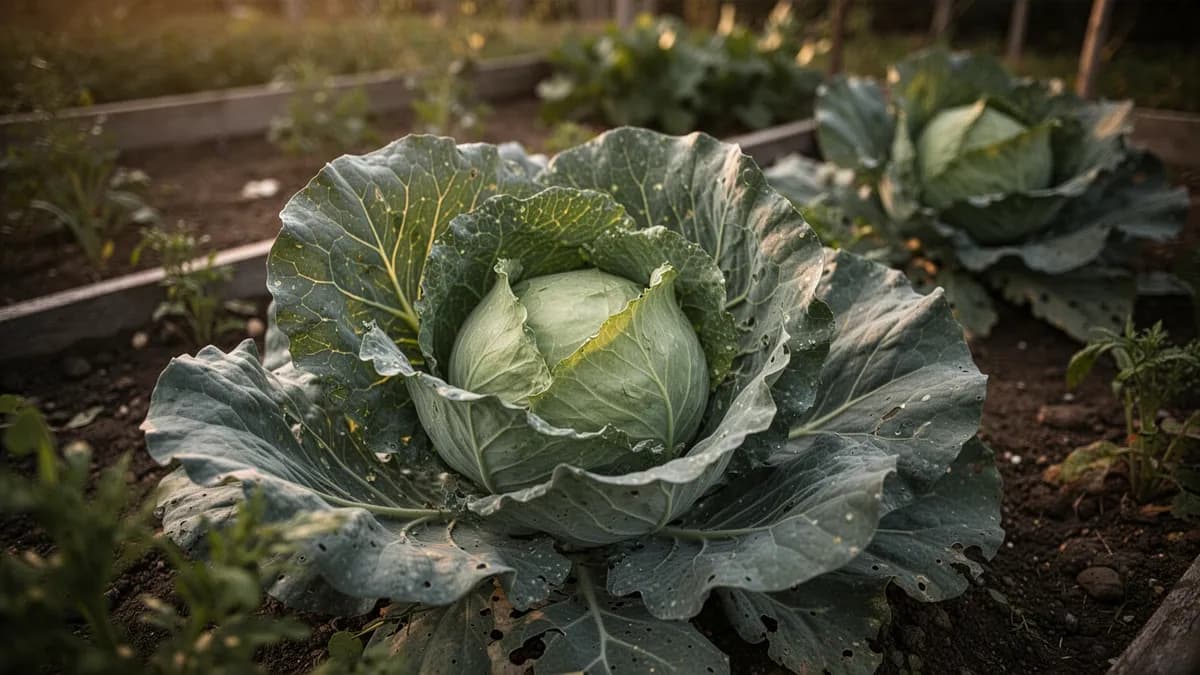
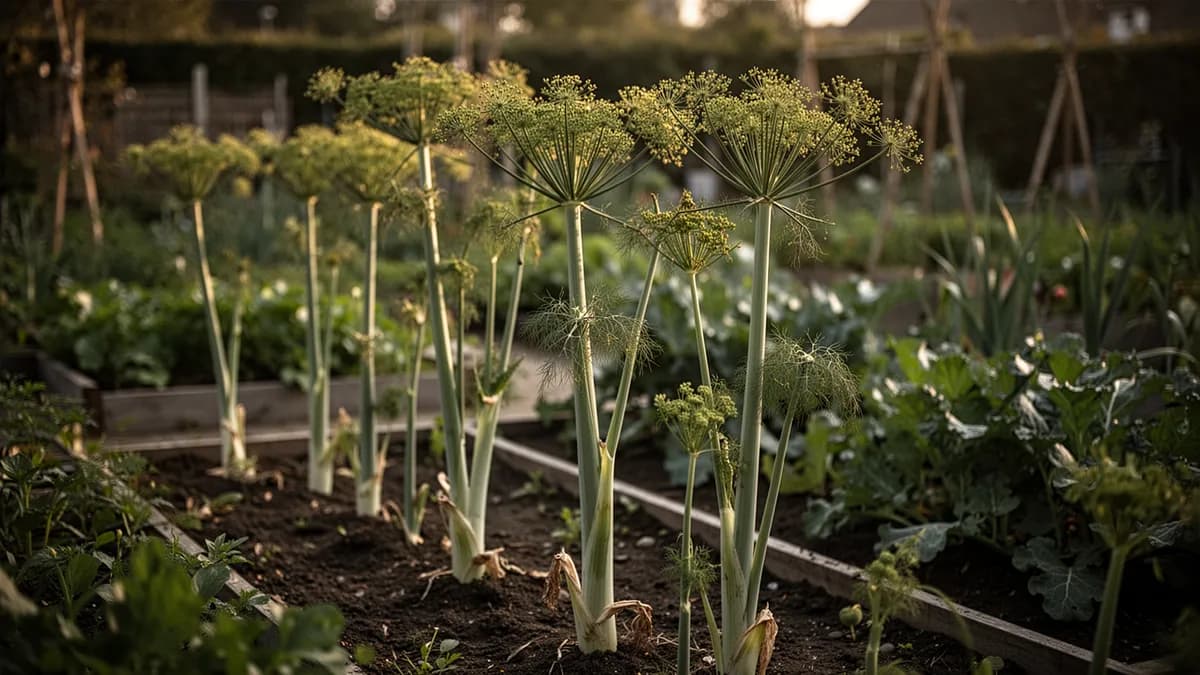
La albahaca es la compañera clásica del tomate, cuyos aceites esenciales repelen pulgones y moscas blancas y, según la tradición hortícola, mejoran el sabor de los frutos. Las caléndulas francesas (Tagetes patula) liberan sustancias por las raíces que suprimen nematodos del suelo. Las zanahorias y el perejil atraen insectos beneficiosos. Evite plantar cerca de hinojo, eneldo maduro o kohlrabi, que pueden inhibir el crecimiento.
Albahaca va a su lado. Repollo no.
Saber de huerto de siempre, cotejado con la tabla real de Tomate Uva — prueba cualquier planta que cultives.
Prueba Tomate Uva en un bancal, aquí mismo
Un bancal real del planificador con Tomate Uva ya plantado. Toca una planta compañera para colocarla y mira cómo responde la comprobación de vecinos: verde para buenos vecinos, rojo si hay conflicto.


Guías de cultivo relacionadas
Abónalo bien
Prospera en suelo franco bien drenado con abundante materia orgánica y pH entre 6,0 y 6,8. Incorpore 5-8 cm de compost maduro y harina de hueso antes del trasplante para asegurar niveles adecuados de fósforo. Una vez que los primeros racimos comiencen a cuajar, fertilice cada 2-3 semanas con un abono bajo en nitrógeno y rico en potasio (como sulfato de potasa) para favorecer la calidad del fruto sobre el crecimiento vegetativo.
Temperatura ideal
Compatibilidad de zonas de rusticidad
De la semilla a la cosecha, etapa por etapa
Siembra
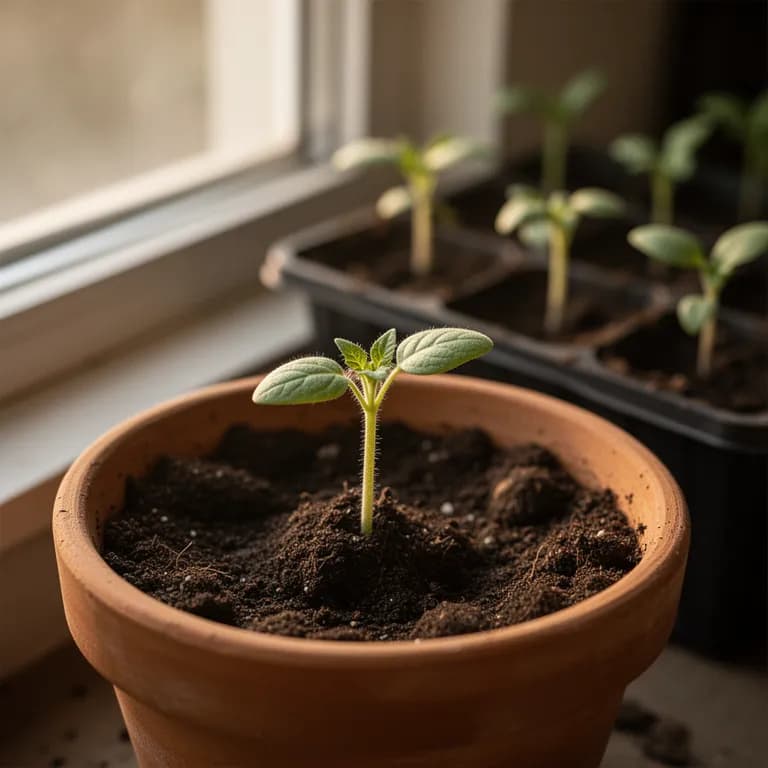
Las semillas germinan en un sustrato de siembra cálido y húmedo en 5-10 días. Las diminutas plántulas emergen con dos cotiledones lisos y redondeados. Un calor constante de 24-29 °C (75-85 °F) es esencial para una germinación rápida y uniforme.
Desarrollo de plántulas
Se desarrollan las hojas verdaderas con la característica forma dentada del tomate. Los tallos se engrosan y el sistema radicular se expande rápidamente. Las plántulas crecen de forma constante bajo luz intensa y se benefician de una ligera circulación de aire para fortalecer los tallos.
Crecimiento vegetativo
Después del trasplante al exterior, las plantas crecen con vigor, desarrollando un tallo principal fuerte y ramas laterales. Las vides indeterminadas de tomate tipo uva pueden crecer 10-15 cm por semana en condiciones ideales. La planta establece su estructura para sostener grandes cargas de frutos.
Floración
Aparecen pequeñas flores amarillas en forma de estrella en largos racimos a lo largo de los tallos. Cada flor es autofértil y puede dar fruto sin polinización cruzada, aunque una vibración suave o la visita de abejas mejora el cuajado. La floración continúa de forma constante en las variedades indeterminadas.
Desarrollo del fruto
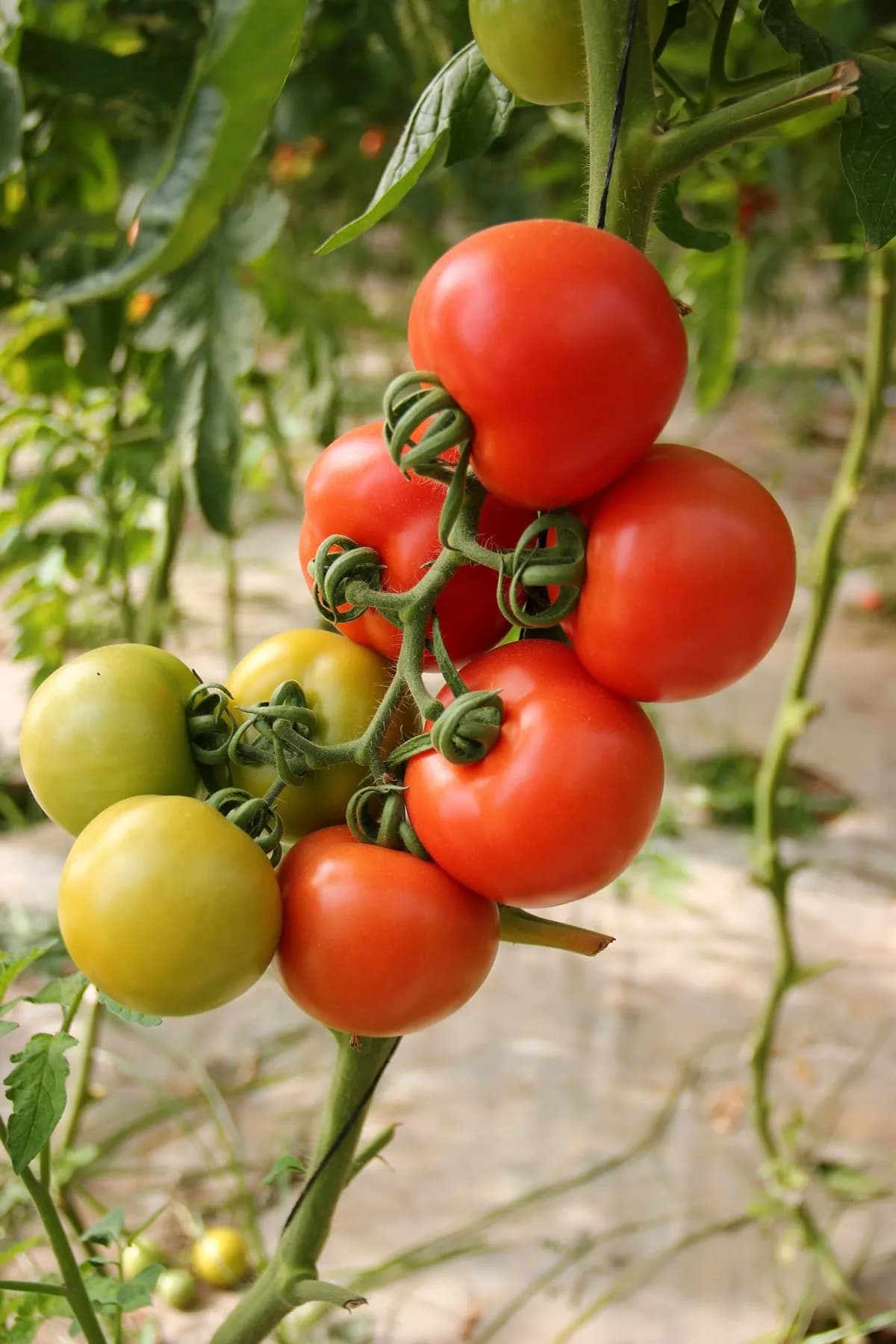
Los pequeños frutos verdes se hinchan rápidamente a lo largo de los racimos, desarrollando su característica forma oblonga de tipo uva. Los frutos pasan de verde a un verde-amarillento más claro antes de empezar a colorearse. Los racimos pesados pueden necesitar soporte adicional para evitar que se rompan las ramas.
Temporada de cosecha
Los frutos maduran en oleadas desde la parte inferior de cada racimo hacia arriba, volviéndose de un rojo intenso (o amarillo/naranja según la variedad) con una pulpa firme y carnosa. Las plantas indeterminadas siguen produciendo nuevos racimos hasta las heladas, dando cientos de frutos por planta durante la temporada.
Usa una manta térmica para mantener constante la temperatura del sustrato. Siembra las semillas a 0,6 cm de profundidad y mantén la superficie húmeda, pero no encharcada. Proporciona 14-16 horas de luz intensa en cuanto emerjan las plántulas para evitar que se estiren demasiado.
Cuidar Tomate Uva mes a mes
Qué hacer cada mes para tu Tomate Uva
Octubre
Mes actualFinal harvests in most zones. Before the first hard frost, pick all remaining fruits including green ones — grape tomatoes ripen well indoors on a sunny windowsill. Pull spent plants and compost disease-free material only.
Ten claro qué hacer en tu huerto, cada mes
Un correo al empezar cada mes: qué sembrar, plantar y hacer ahora mismo — para tu Tomate Uva y todo lo que crece alrededor. Más un breve curso inicial para esquivar los errores clásicos.
- Qué hacer ahora mismo
- Ajustado a tu temporada
- Curso inicial incluido
Cosechar Tomate Uva
Coseche los tomates uva cuando hayan alcanzado un color rojo intenso y uniforme y se desprendan fácilmente del racimo con un suave tirón, generalmente entre 60 y 75 días después del trasplante. Los frutos deben sentirse firmes y llenos; su piel gruesa les confiere excelente resistencia al transporte. Recolecte cada 2-3 días durante el pico de producción para estimular la formación continua de nuevos racimos.
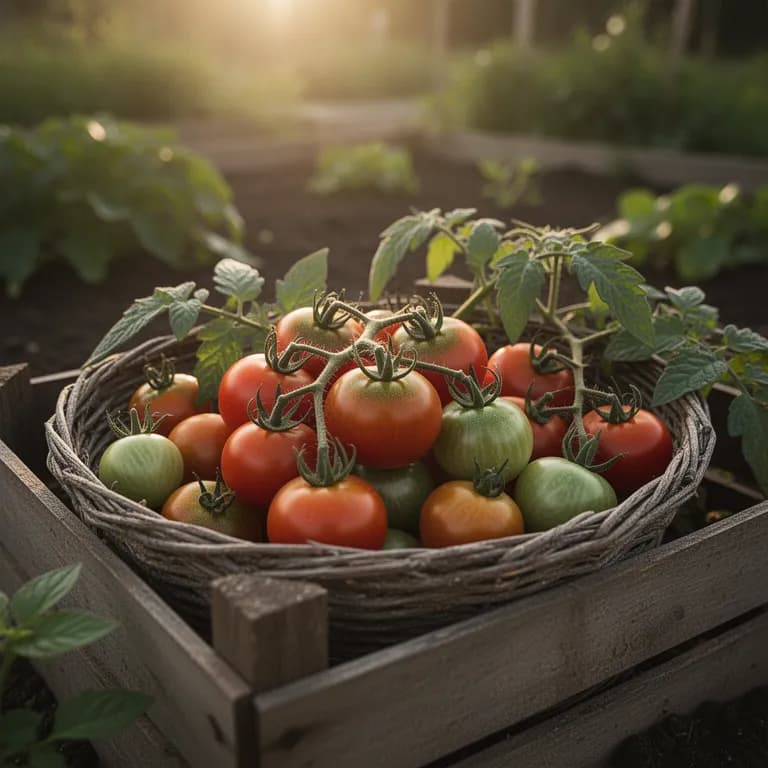
se supone que plantas al comenzar el periodo — indica tu fecha real
Cosecha cuando los frutos estén completamente y de forma uniforme coloreados y ligeramente firmes.
Almacenamiento y conservación
Conserve los frutos a temperatura ambiente durante 7-10 días, ya que la refrigeración por debajo de 10 °C deteriora el sabor y la textura. Para conservación a largo plazo, los tomates uva se pueden deshidratar enteros o cortados por la mitad en deshidratador a 60 °C durante 8-12 horas, o congelar directamente sobre una bandeja antes de embolsar. También son excelentes para preparar conservas en aceite de oliva con hierbas.
Qué falla — y cómo solucionarlo
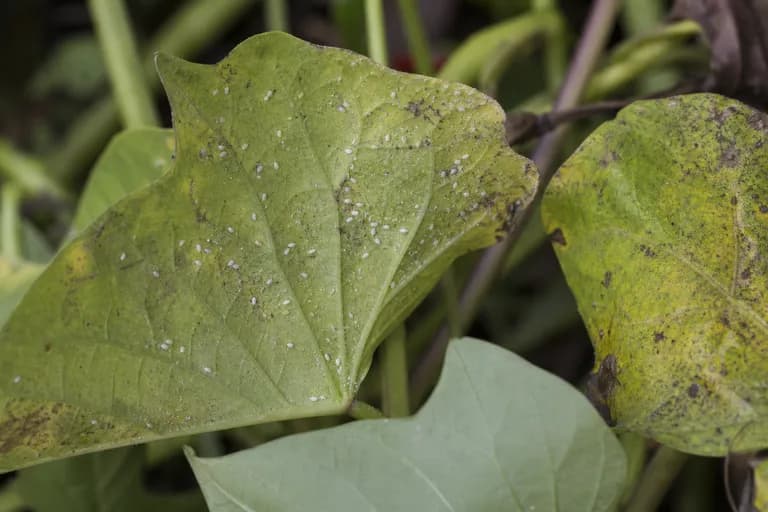
Gusano del tomate (Manduca quinquemaculata)
PlagaOrugas grandes y verdes con rayas diagonales blancas que devoran el follaje rápidamente. Se detectan por los excrementos oscuros en las hojas inferiores y por la defoliación desde la parte superior de la planta.
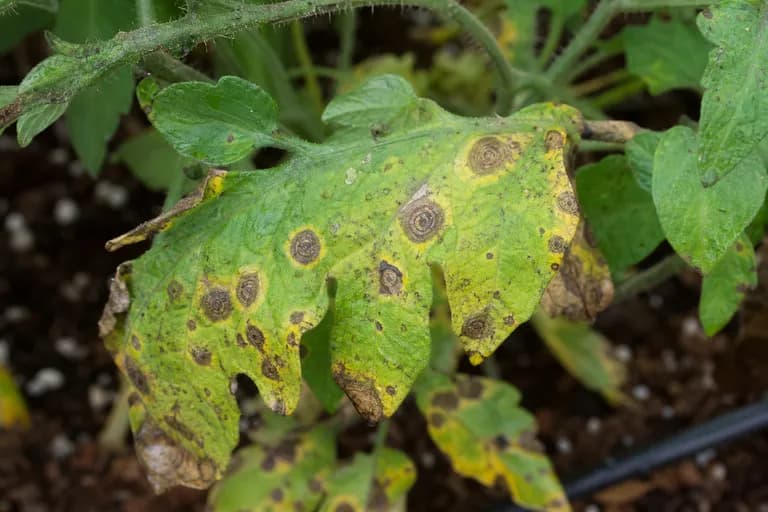
Tizón temprano (Alternaria solani)
EnfermedadManchas oscuras concéntricas en forma de diana en las hojas inferiores que avanzan hacia arriba. Las hojas afectadas amarillean y se secan prematuramente, reduciendo la fotosíntesis y el rendimiento.
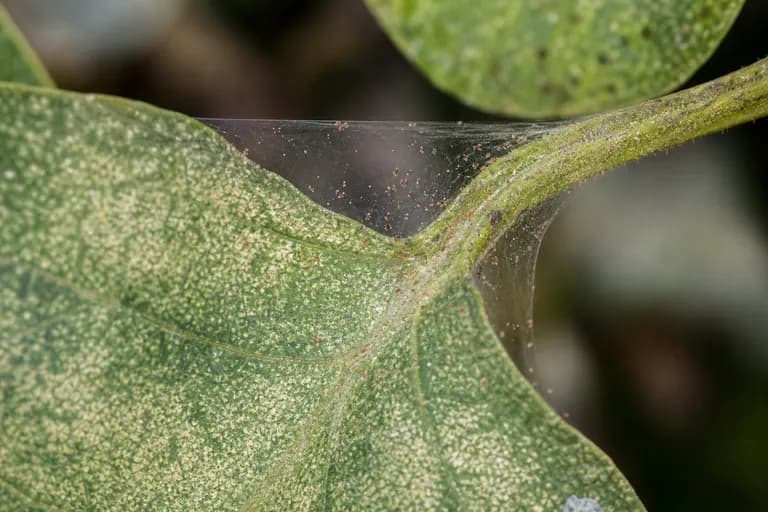
Mosca blanca (Bemisia tabaci)
PlagaPequeños insectos blancos alados en el envés de las hojas que succionan la savia, produciendo melaza, fumagina y posible transmisión de virus como el TYLCV.
Solución de problemas comunes
El agrietamiento de los frutos es el problema más frecuente, causado por riego irregular o lluvias intensas tras periodos de sequía; mantenga humedad constante con riego por goteo y acolchado. La caída de flores ocurre cuando las temperaturas superan los 35 °C o bajan de 13 °C por la noche. Las hojas inferiores amarillentas son normales conforme la planta madura y no requieren intervención. El enrollamiento foliar sin otros síntomas suele indicar estrés hídrico o calor excesivo.
Consejos de cultivo
- Bury transplants deeply — remove the lower leaves and bury two-thirds of the stem at transplanting. Tomatoes produce adventitious roots along buried stems, creating a much stronger root system that improves drought resistance and nutrient uptake.
- Prune indeterminate grape tomato vines to 2-3 main stems for the best balance of yield and fruit quality. Remove suckers (side shoots in leaf axils) when they are small. Unpruned plants produce more but smaller fruits with greater disease risk due to poor air circulation.
- Water deeply and consistently at the base, never overhead. Drip irrigation or soaker hoses are ideal. Inconsistent watering causes blossom end rot and fruit cracking. Mulch with 5-10 cm of straw to maintain even soil moisture between waterings.
- Invest in sturdy support structures from the start — grape tomato vines are vigorous and heavy-fruiting. Flimsy cages collapse mid-season. Use concrete reinforcing wire cages (150 cm tall), heavy-duty spiral stakes, or the Florida weave string trellis system.
- Remove all leaves below the lowest ripening fruit truss. This improves air circulation, reduces splash-borne disease like early blight, and redirects the plant's energy toward fruit production rather than supporting unnecessary foliage.
- Feed consistently but avoid excessive nitrogen during fruiting. Too much nitrogen produces lush, leafy growth with fewer fruits and thinner skin. Switch to a high-potassium fertilizer (like 5-10-15 or tomato-specific blends) once the first fruits set.
- Harvest grape tomatoes slightly before peak ripeness if you want maximum shelf life — they continue ripening off the vine. For the best flavor, allow them to ripen fully on the plant until deeply colored and slightly soft when gently squeezed.
- Extend the season by covering plants with frost cloth when the first light frosts threaten. Grape tomatoes' thick skin gives them slightly better cold tolerance than other small types, and they often survive brief dips to -1°C (30°F) under protection.
Cultiva tu mejor Tomate Uva — y todo lo que la rodea.
Empieza un plan gratis hoy. Diseña tus bancales, coloca tu Tomate Uva y deja que PlotMyGarden gestione el momento, el espaciado, las asociaciones y los recordatorios de la semilla a la cesta.
Elige tu Tomate Uva
Juliet
Híbrido con frutos ovalados de 2-3 cm de color rojo brillante, extremadamente productivo y con buena resistencia al tizón tardío y temprano. Indeterminada, 60 días.
Santa
Variedad brasileña compacta con frutos rojos, dulces y firmes de unos 25 g. Excelente para snacks y ensaladas. Semi-determinada, 60-65 días.
Smarty
Híbrido con alto contenido de azúcar y frutos rojos alargados de piel muy firme. Resistente al agrietamiento y con larga vida en planta. Indeterminada, 60 días.
Red Pearl
Variedad japonesa con frutos pequeños y dulces de piel brillante. Ideal para cultivo en macetas y espacios reducidos. Determinada, 55-60 días.
A single grape tomato transplant costing $3-5 (or pennies if grown from seed) can produce 4-8 kg of fruit over a season. At typical grocery store prices of $4-6 per pint (roughly 300g), one productive plant yields $50-100 worth of grape tomatoes. Growing 3-4 plants can easily save $150-400 over the season, making grape tomatoes one of the highest-return crops for home gardeners. The savings are even greater compared to organic grape tomatoes, which retail for $5-8 per pint.
Recetas rápidas
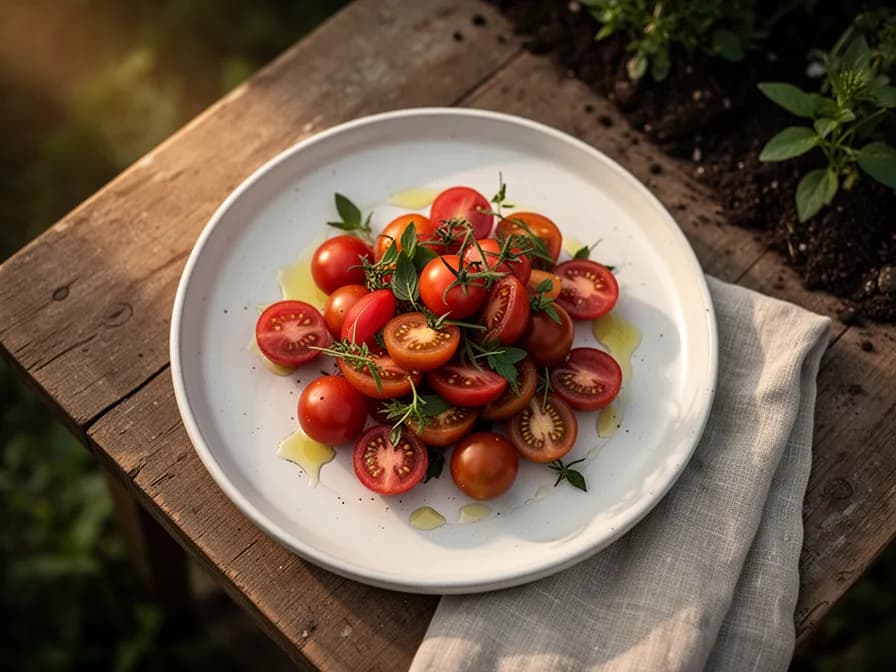
Blistered Grape Tomatoes with Garlic and Basil
10 minWhole grape tomatoes blistered in a scorching hot skillet until their skins burst and caramelize, then tossed with garlic and fresh basil. A simple, intensely flavored side dish or pasta topping that takes just minutes.
6 ingredientesGrape Tomato Caprese Skewers
15 minA no-cook appetizer threading grape tomatoes with fresh mozzarella pearls and basil leaves on small skewers, drizzled with balsamic glaze. The firm texture of grape tomatoes makes them ideal for skewering without falling apart.
7 ingredientesSlow-Roasted Grape Tomato Confit
5 min prep + 90 min roastingGrape tomatoes roasted low and slow in olive oil until they collapse into sweet, jammy, intensely concentrated morsels. Stores in the refrigerator for up to two weeks and elevates pasta, toast, sandwiches, and grain bowls.
7 ingredientesUsos culinarios
Los tomates uva son perfectos para el consumo fresco como snack saludable gracias a su piel firme y su dulzura concentrada. Cortados por la mitad, son ideales para ensaladas, brochetas y platos de pasta. Se asan magníficamente a alta temperatura con aceite de oliva y hierbas, concentrando su sabor para acompañar carnes, pescados o como base de salsas rápidas. También se deshidratan excelentemente conservando su dulzor.
Qué contiene
Beneficios para la salud
- Exceptionally rich in lycopene, a carotenoid antioxidant that gives tomatoes their red color. Research consistently links higher lycopene intake with reduced risk of prostate cancer, cardiovascular disease, and UV skin damage. Cooking increases lycopene bioavailability.
- Good source of vitamin C, providing about 23% of the daily value per 100g, supporting immune defense, collagen synthesis for healthy skin, and enhanced absorption of iron from plant-based foods.
- Contains significant beta-carotene (provitamin A) that supports eye health, particularly night vision, and helps maintain healthy skin and mucous membranes that form the body's first line of defense against infection.
- Provides potassium, an essential mineral that helps regulate blood pressure by counteracting the effects of sodium. Regular tomato consumption is associated with improved cardiovascular health markers.
- Rich in vitamin K, which is essential for proper blood clotting and plays an emerging role in bone health by helping direct calcium into bones rather than arteries.
- Contains chromium, a trace mineral that may improve insulin sensitivity and support healthy blood sugar regulation — combined with the low glycemic index of tomatoes, making them suitable for diabetic diets.
De dónde viene Tomate Uva
Grape tomatoes trace their modern commercial origins to the 1990s, when Taiwanese breeders developed compact, oblong-fruited tomato varieties by crossing small wild South American tomato species with cultivated types. The goal was a tomato that combined the intense flavor and productivity of cherry types with the firmer texture, thicker skin, and crack resistance needed for commercial shipping. The result was a new category of small tomato that could withstand the rigors of harvest, packing, and transport without splitting — something round cherry tomatoes famously could not do.
The first grape tomatoes appeared in American supermarkets around 1996-1997, introduced by the Santa Sweets company in south Florida, and their popularity exploded almost overnight. Within a decade, grape tomatoes had captured over 50% of the small tomato market in the United States, displacing cherry tomatoes from their long-held dominance. Consumers loved the convenient size, intense sweetness, firm texture, and the fact that grape tomatoes did not squirt juice when bitten — a significant advantage for lunchboxes, salads, and snacking. The variety most credited with launching the grape tomato revolution was Santa F1, bred by the Known-You Seed Company of Taiwan.
The ancestral roots of all tomatoes, including grape types, trace back to wild species in the Andes Mountains of Peru, Ecuador, and Chile, where tiny, berry-sized fruits grew on sprawling vines in the coastal deserts and mountain valleys. These wild tomatoes (Solanum pimpinellifolium and related species) were first domesticated by indigenous peoples of Central America and Mexico, likely the Aztecs and their predecessors, who selected for larger fruit size over centuries. Spanish conquistadors brought tomato seeds to Europe in the 16th century, where the fruit initially faced suspicion but eventually became the foundation of Mediterranean cuisines. Today, grape tomatoes are grown commercially on every inhabited continent, with major production in Florida, Mexico, the Netherlands, Spain, and Israel, and they remain one of the fastest-growing segments of the fresh produce market worldwide.
Tomate Uva: ¿sabías que?
Datos fascinantes sobre Tomate Uva
Grape tomatoes were virtually unknown in North America until the late 1990s, when a Taiwanese-bred variety was introduced to American supermarkets and rapidly overtook cherry tomatoes in commercial popularity due to its superior shelf life and crack resistance.
Tomate Uva: preguntas frecuentes
¿Cuándo debo plantar Tomate Uva?
¿Cuáles son buenas plantas acompañantes para Tomate Uva?
¿En qué zonas de rusticidad puede crecer Tomate Uva?
¿Cuánto sol necesita Tomate Uva?
¿A qué distancia debo espaciar Tomate Uva?
¿Qué plagas y enfermedades afectan a Tomate Uva?
¿Cómo almaceno Tomate Uva después de la cosecha?
¿Cuáles son las mejores variedades de Tomate Uva para cultivar?
¿Qué suelo necesita Tomate Uva?
What is the difference between grape tomatoes and cherry tomatoes?
Why are my grape tomato plants producing lots of foliage but few fruits?
Can I grow grape tomatoes in containers on a balcony?
How do I store grape tomatoes to maximize freshness?
Why are my grape tomatoes cracking or splitting?
When should I start picking grape tomatoes — how do I know they are ripe?
Acabas de leer la teoría. Ahora cultívala en piloto automático.
Todo lo que hace que Tomate Uva sea delicado — el momento, el espaciado, las asociaciones, la ventana de cosecha — es justo lo que PlotMyGarden resuelve por ti, para cada planta de tu huerto.
Un plan que conoce tu clima
Indica tu ubicación una vez. Recibe fechas de siembra, abonado y cosecha basadas en tu última helada real y el pronóstico en vivo — sin adivinar con un sobre genérico.
De la sección “Cuándo plantar”Planificador de bancales de arrastrar y soltar
Diseña bancales sobre una cuadrícula. Cada planta encaja con su espaciado correcto y ves toda la temporada antes de gastar un céntimo en semillas.
De la sección “Cultivo”Conflictos de asociación, detectados a tiempo
Más de 200 buenas y malas combinaciones comprobadas en vivo mientras plantas — para que un error que arruine la temporada nunca llegue a la tierra.
De la sección “Asociaciones”Recordatorios que sí vas a seguir
“Riega las judías.” “Recoge hoy antes de que se pase.” Oportunos, concretos y ligados a las plantas que de verdad cultivas.
De la sección “Cosecha”Escalonado, programado
¿Quieres cosechar seis semanas en vez de seis días? Reparte tus siembras automáticamente y te avisa cuando toca el siguiente lote.
De la sección “Cuándo plantar”Un registro que se vuelve más listo
Cada cosecha que registras le enseña tu huerto. El plan del año que viene parte de lo que de verdad funcionó en tu suelo, no en un manual.
De la sección “Resumen”Planta estos junto a Tomate Uva
Más Solanáceas
Mantén Tomate Uva lejos de estos
Diseños de jardín con Tomate Uva
Cultiva tu mejor Tomate Uva — y todo lo que la rodea.
Empieza un plan gratis hoy. Diseña tus bancales, coloca tu Tomate Uva y deja que PlotMyGarden gestione el momento, el espaciado, las asociaciones y los recordatorios de la semilla a la cesta.