Frijol Tepary
El frijol tepary (Phaseolus acutifolius) es una leguminosa anual originaria del desierto de Sonora en el noroeste de México y suroeste de Estados Unidos, cultivada por los pueblos indígenas desde hace más de 5000 años.





En esta páginaResumen
Conoce Frijol Tepary
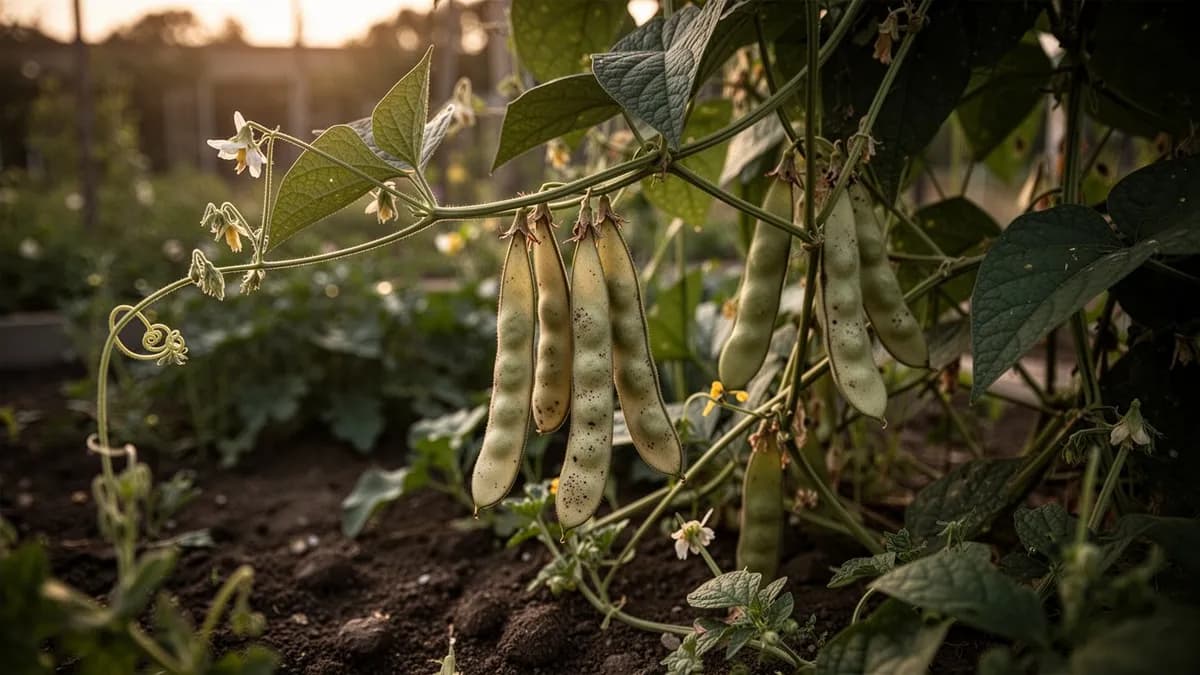
El frijol tepary (Phaseolus acutifolius) es una leguminosa anual originaria del desierto de Sonora en el noroeste de México y suroeste de Estados Unidos, cultivada por los pueblos indígenas desde hace más de 5000 años. Es extraordinariamente resistente a la sequía y al calor extremo, produciendo pequeñas semillas nutritivas con un sabor dulce a nuez y mayor contenido proteico que el frijol común.
Cuándo plantar Frijol Tepary
Siembre siempre directamente en el exterior después de la última helada, cuando el suelo esté cálido (18 °C mínimo). El frijol tepary no tolera el trasplante. Coloque las semillas a 3-4 cm de profundidad y 10-15 cm de separación. La germinación es rápida, en 4-7 días. No remoje las semillas antes de sembrar, ya que esto puede favorecer la pudrición en suelo cálido.
Tu año de Frijol Tepary
Ajustado a Zona 7 · temporada típica · la helada se va hacia el 2 abr y vuelve hacia el 1 nov
Planta Frijol Tepary May – Jul y cosecha Ago – Oct. Consulta los métodos de plantación y elige tu clima para adaptar los periodos.
Cómo cultivar Frijol Tepary
El frijol tepary es la leguminosa más resistente a la sequía cultivada en América, adaptada a condiciones desérticas con menos de 250 mm de lluvia anual. Elija un lugar a pleno sol con suelo arenoso o franco-arenoso, bien drenado, con pH entre 6,0 y 7,5. No necesita suelo fértil; de hecho, prospera en suelos pobres.
Siembre directamente después de la última helada cuando el suelo esté cálido (18 °C mínimo). Coloque las semillas a 3-4 cm de profundidad con 10-15 cm de separación y 50-60 cm entre hileras. La germinación es rápida, en 4-7 días. No inocule con Rhizobium del frijol común; el tepary necesita cepas específicas de Bradyrhizobium.
Riegue mínimamente; el exceso de agua es perjudicial y favorece enfermedades. Un riego profundo al inicio y otro durante la floración suelen ser suficientes. El tepary completa su ciclo en 60-90 días, mucho más rápido que otros frijoles. Evite el encharcamiento, que es la principal causa de fracaso en el cultivo del tepary.
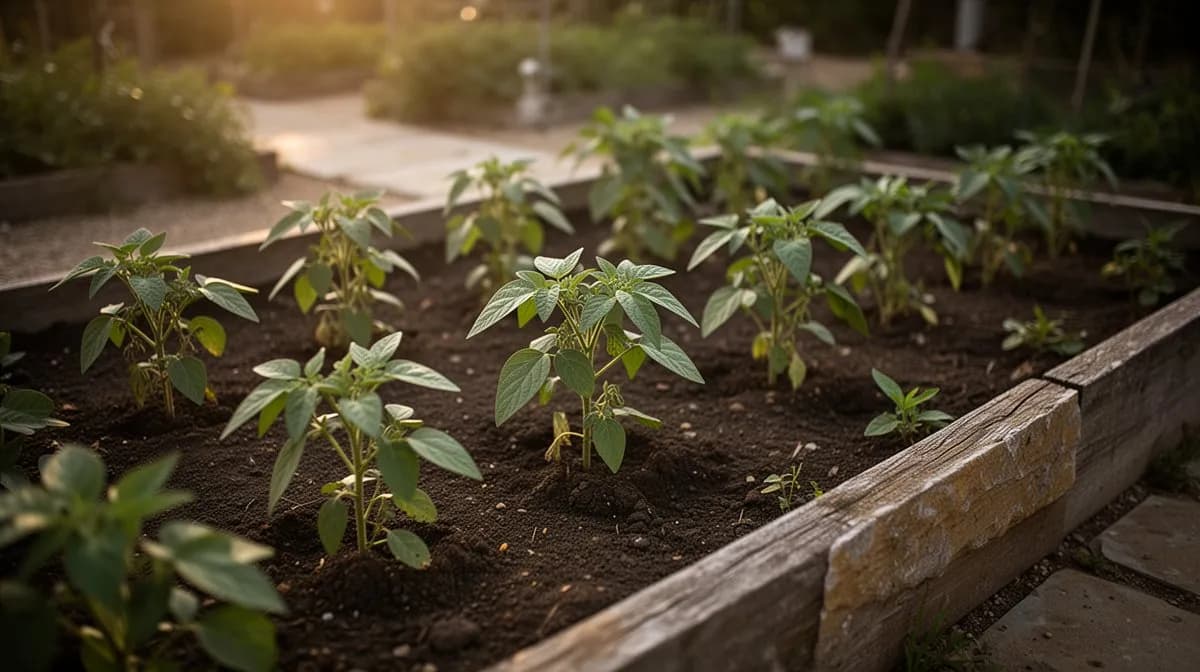
128 plantas caben en un bancal de 120 × 240 cm
Cada Frijol Tepary pide 15 cm de margen. El planificador guarda ese marco por ti — cada planta, cada bancal.
Los mejores vecinos de Frijol Tepary
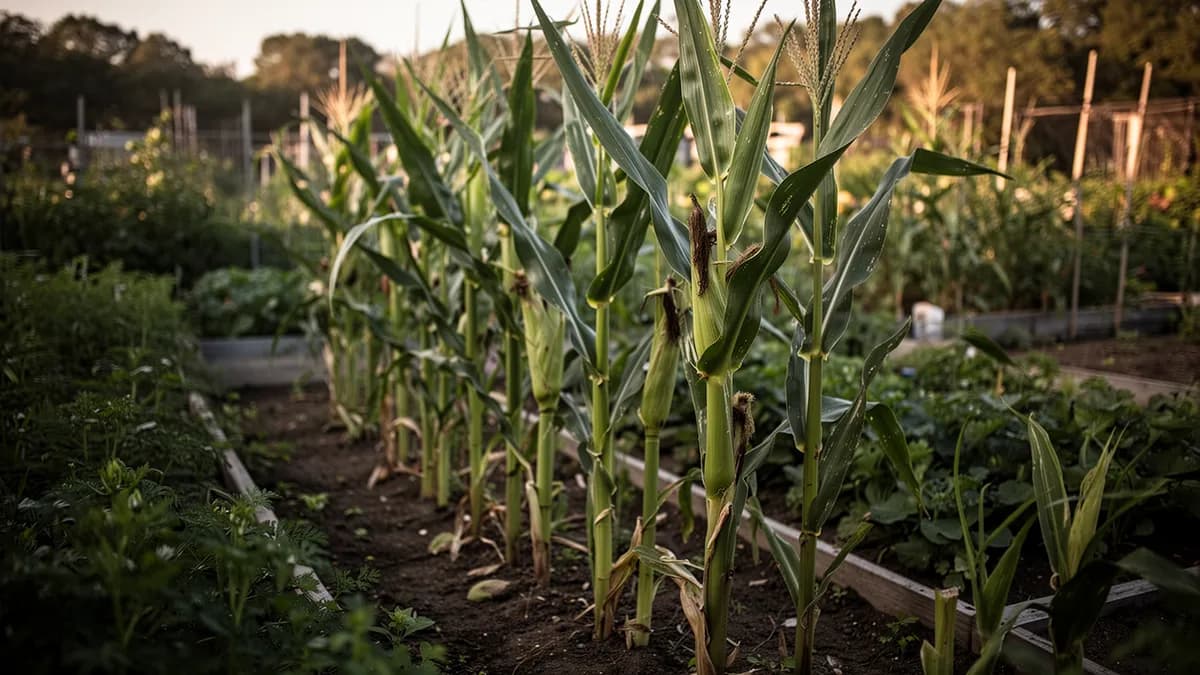
El frijol tepary forma parte del sistema agrícola tradicional de las tres hermanas del desierto junto con maíz y calabaza. Como leguminosa, fija nitrógeno que beneficia a las plantas vecinas. Crece bien en asociación con girasoles y amaranto, otras plantas adaptadas al calor y la sequía. Evite asociarlo con cultivos que requieran riego frecuente.
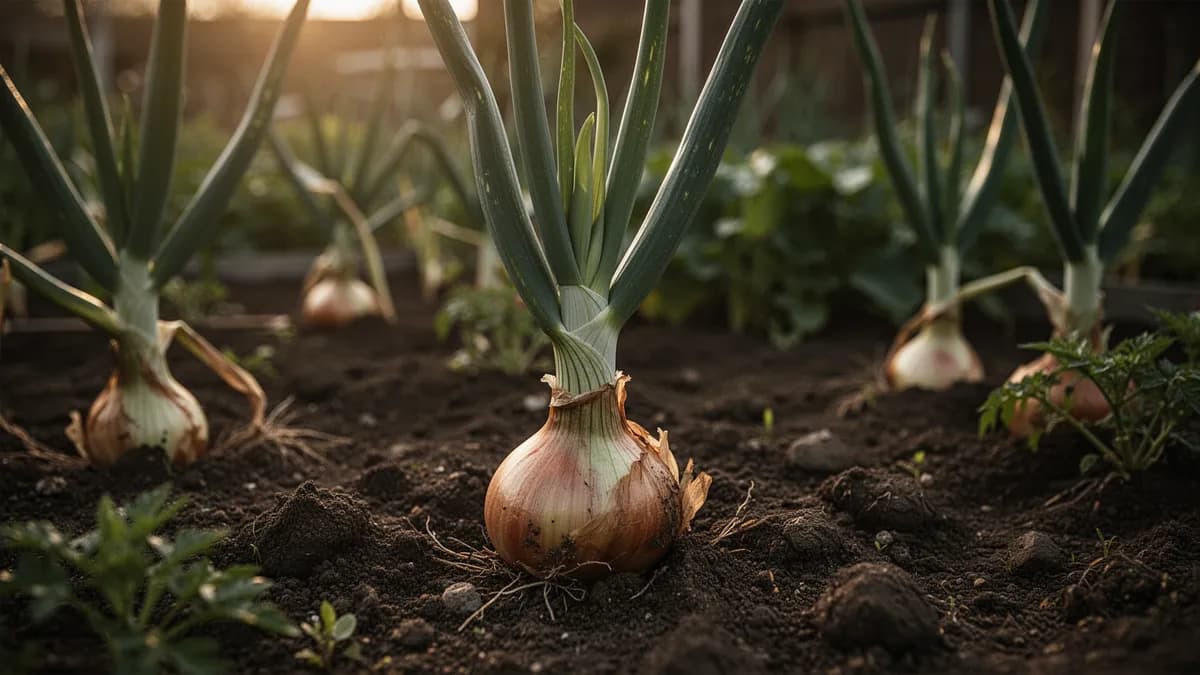
Maíz va a su lado. Cebolla no.
Saber de huerto de siempre, cotejado con la tabla real de Frijol Tepary — prueba cualquier planta que cultives.
Prueba Frijol Tepary en un bancal, aquí mismo
Un bancal real del planificador con Frijol Tepary ya plantado. Toca una planta compañera para colocarla y mira cómo responde la comprobación de vecinos: verde para buenos vecinos, rojo si hay conflicto.


Guías de cultivo relacionadas
Abónalo bien
El frijol tepary prospera en suelos pobres, arenosos y bien drenados con pH entre 6,0 y 7,5. No necesita fertilización; de hecho, el exceso de nutrientes produce más follaje y menos semillas. Como leguminosa, fija su propio nitrógeno. Evite absolutamente los suelos pesados y encharcados, que son incompatibles con esta especie desértica.
Temperatura ideal
Compatibilidad de zonas de rusticidad
De la semilla a la cosecha, etapa por etapa
Germinación de la semilla
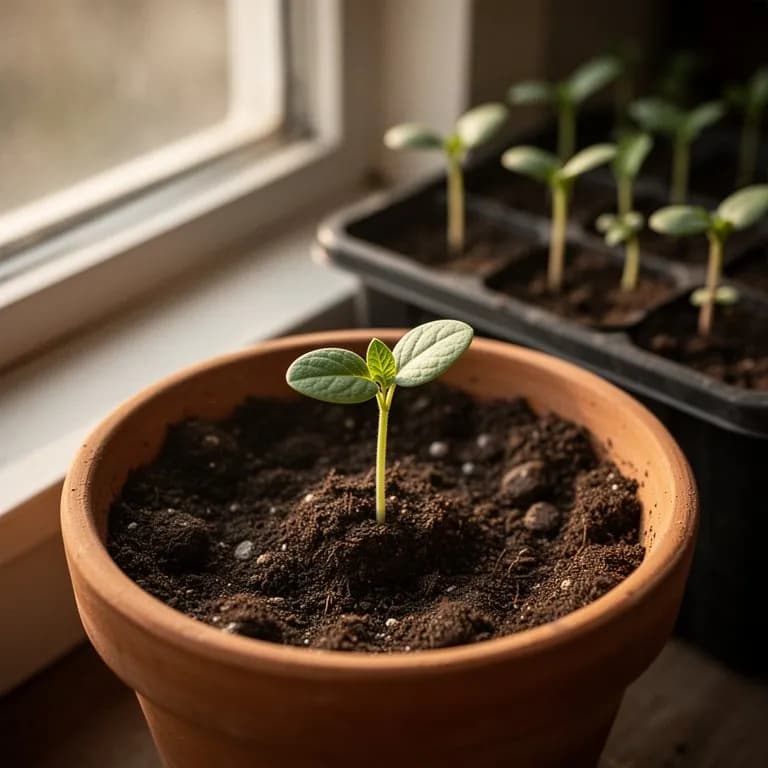
Las semillas germinan rápidamente en suelo cálido, desarrollando una raíz pivotante profunda antes de que aparezcan las primeras hojas. A diferencia de las judías comunes, las semillas de alubia tepary son pequeñas y solo requieren una siembra superficial de 2-3 cm de profundidad. La germinación ocurre en 4-10 días cuando la temperatura del suelo supera los 21 °C.
Desarrollo de plántula
Las hojas trifoliadas se expanden rápidamente mientras la planta establece su extenso sistema radicular. Las alubias tepary desarrollan raíces sorprendentemente profundas para su tamaño — a menudo alcanzando 1,5-2 metros en el primer mes —, que es la clave de su legendaria tolerancia a la sequía. Los tallos comienzan a trepar o a extenderse según la variedad.
Crecimiento vegetativo
Las plantas se extienden con vigor como tallos rastreros o semitrepadores, cubriendo 60-90 cm de suelo. El follaje es notablemente más fino y delicado que el de las judías comunes, con folíolos pequeños adaptados para conservar agua. Los nódulos radiculares fijadores de nitrógeno enriquecen activamente el suelo.
Floración
Aparecen abundantes flores pequeñas blancas o lila pálido en racimos. Las alubias tepary son principalmente autopolinizantes, pero también atraen a abejas nativas. La floración se desencadena con el inicio de las condiciones más calurosas y secas: la planta rinde mejor cuando el estrés hídrico coincide con la floración.
Desarrollo de las vainas
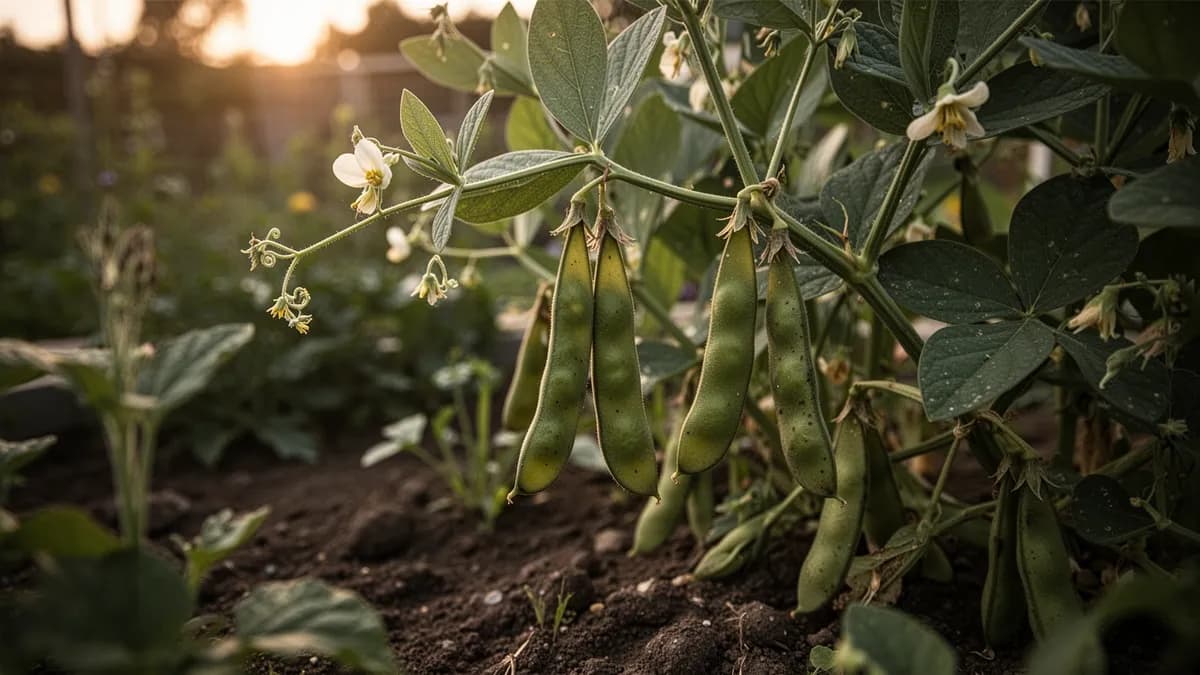
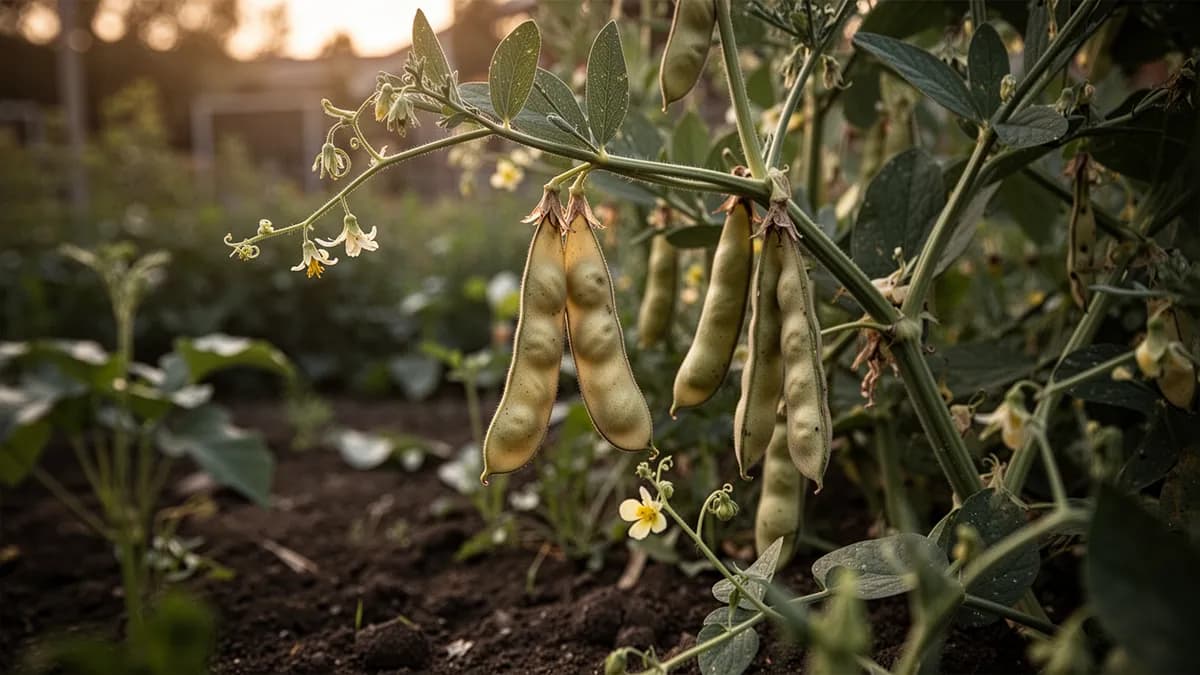
Después de la polinización se desarrollan rápidamente vainas pequeñas y planas, cada una con 4-7 granos pequeños. Las vainas maduran de verde a tonos beige o pajizos mientras se secan en la planta. Todo el cultivo tiende a madurar de forma uniforme, lo que facilita la cosecha.
Cosecha y trilla
Se pueden arrancar o cortar las plantas enteras y colgarlas boca abajo en un lugar protegido para que terminen de secarse. Las vainas se abren con facilidad cuando están completamente secas, liberando los granos pequeños. Todo el ciclo del cultivo, desde la siembra hasta la cosecha, dura solo 60-90 días, uno de los más cortos entre las legumbres secas.
Siembra directamente al aire libre después de que pase todo riesgo de heladas y el suelo esté cálido. No remojes las semillas de alubia tepary antes de plantar: están adaptadas a condiciones secas y las semillas encharcadas tienden a pudrirse. Coloca las semillas a 10-15 cm de distancia en filas separadas 45-60 cm.
Cuidar Frijol Tepary mes a mes
Qué hacer cada mes para tu Frijol Tepary
Octubre
Mes actualComplete any remaining harvest and threshing. Clean up garden beds. Note which varieties performed best in your specific conditions. Tepary bean plants can be chopped and turned into the soil — their nitrogen-fixing roots enrich the bed for the next crop.
Ten claro qué hacer en tu huerto, cada mes
Un correo al empezar cada mes: qué sembrar, plantar y hacer ahora mismo — para tu Frijol Tepary y todo lo que crece alrededor. Más un breve curso inicial para esquivar los errores clásicos.
- Qué hacer ahora mismo
- Ajustado a tu temporada
- Curso inicial incluido
Cosechar Frijol Tepary
Coseche el frijol tepary cuando las vainas estén completamente secas y crujientes en la planta, generalmente entre 60 y 90 días después de la siembra. Las vainas se abren fácilmente al presionarlas. Arranque las plantas enteras y cuélguelas boca abajo en un lugar seco y ventilado para completar el secado si es necesario. Desgrane a mano o golpeando las vainas en un saco.
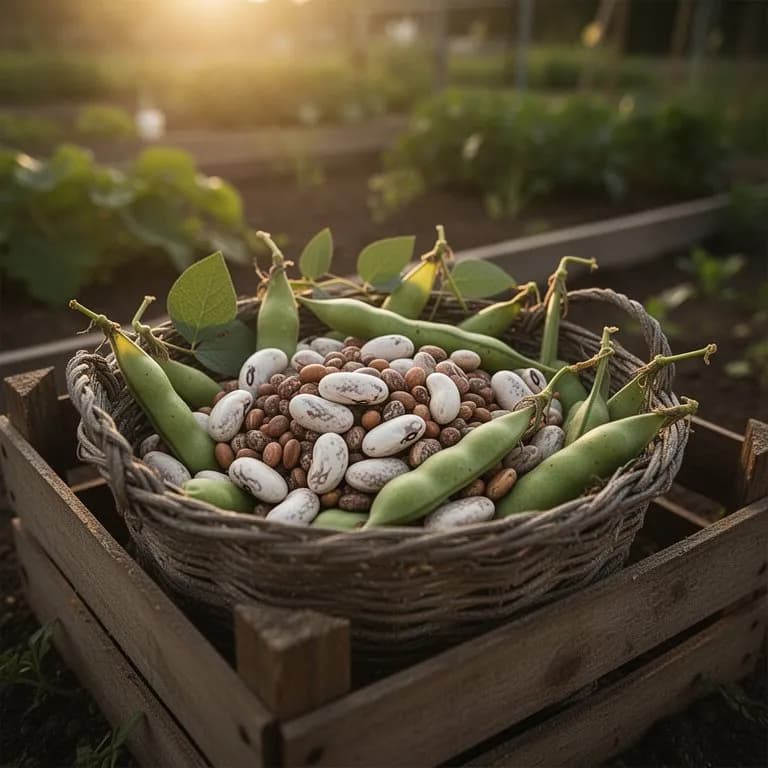
se supone que plantas al comenzar el periodo — indica tu fecha real
Cosecha cuando las vainas estén completamente marrones, secas y papiráceas.
Almacenamiento y conservación
Las semillas bien secas (menos del 12% de humedad) se conservan durante años en recipientes herméticos en un lugar fresco y seco. Congele las semillas recién cosechadas durante 48 horas para eliminar posibles gorgojos antes del almacenamiento. Los frijoles tepary almacenados correctamente pueden durar 3-5 años manteniendo su viabilidad como semilla y su calidad culinaria.
Qué falla — y cómo solucionarlo
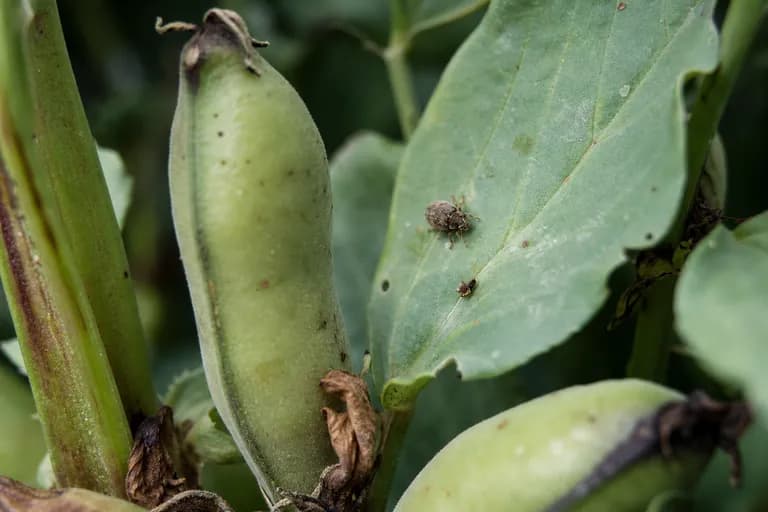
Escarabajo del frijol (Epilachna varivestis)
PlagaLos adultos y larvas esqueletizan las hojas dejando solo las nervaduras. En infestaciones severas, la defoliación reduce drásticamente la producción de vainas.
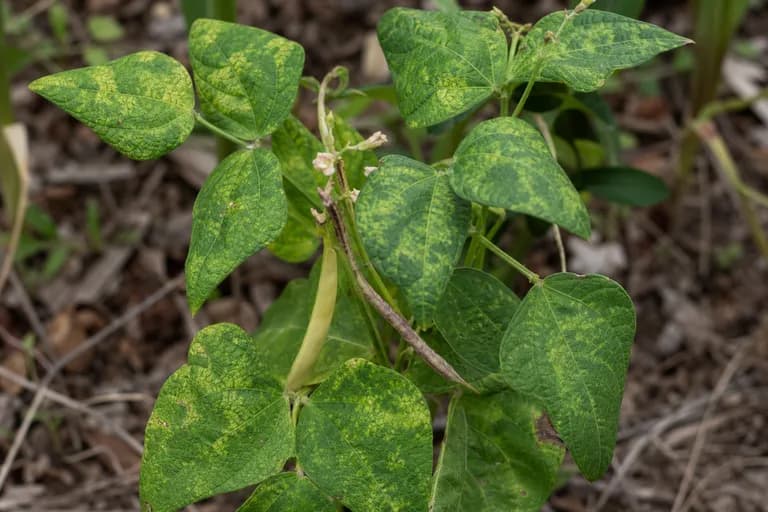
Gorgojos del grano (Acanthoscelides spp.)
PlagaPequeños agujeros circulares en las semillas almacenadas causados por las larvas que se desarrollan dentro del grano, consumiendo el interior y dejando la semilla hueca.
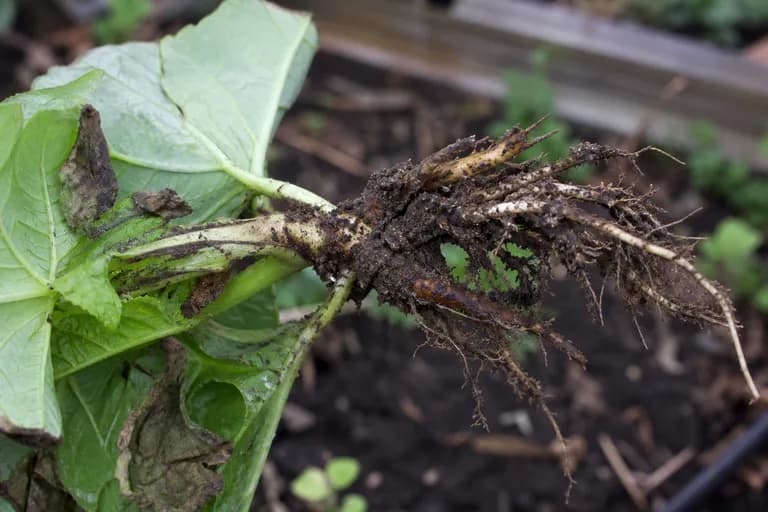
Pudrición radical por Rhizoctonia (Rhizoctonia solani)
EnfermedadLas plántulas se marchitan y mueren con lesiones marrones en la base del tallo. En plantas adultas, las raíces se pudren y la planta amarillea y colapsa.
Solución de problemas comunes
El error más común es regar en exceso; el frijol tepary está adaptado a la sequía y el encharcamiento causa pudrición de raíces y fracaso total del cultivo. No aplique los mismos cuidados que al frijol común. En climas húmedos, el cultivo puede ser difícil por la susceptibilidad a enfermedades fúngicas favorecidas por la humedad.
Consejos de cultivo
- Embrace poor soil. Tepary beans evolved in nutrient-poor desert sand and gravel. Rich garden soil with high nitrogen causes excessive leafy growth and drastically reduces pod production. The worst soil in your garden is the best spot for tepary beans.
- Water less, not more. The single biggest mistake gardeners make with tepary beans is overwatering. These plants produce best with deep, infrequent watering — or no supplemental water at all if you receive summer rainfall. Aim for 2.5 cm of water every 10-14 days at most.
- Plant in the hottest part of your garden. Tepary beans need maximum heat and full sun for at least 8-10 hours daily. South-facing slopes, raised beds, and heat-reflecting walls or fences all boost performance. Do not shade these plants.
- Direct-sow only — never transplant. Tepary beans develop a deep taproot system from day one and do not tolerate root disturbance. Plant seeds directly in their final location after soil has warmed to at least 21°C (70°F).
- Do not fertilize with nitrogen. As a legume, tepary beans fix their own nitrogen through root nodule bacteria. Adding nitrogen fertilizer suppresses nodulation and wastes money. A small amount of phosphorus (bone meal) at planting is the only amendment worth considering.
- Time your planting for maximum heat. Tepary beans flower and set pods best when daytime temperatures consistently exceed 32°C (90°F). In most zones, this means planting in late spring so that flowering coincides with the hottest weeks of summer.
- Harvest the entire crop at once. Unlike snap beans, tepary beans are a dry bean harvested in a single pass when all pods have dried on the vine. Pull or cut entire plants, hang to finish drying, then thresh and winnow. Do not pick individual pods as they dry.
- Save your own seed every year. Tepary beans are self-pollinating with very low cross-pollination rates, so varieties remain true to type without isolation. Select the largest, healthiest-looking beans from your harvest and store in a cool, dry place for next season.
Cultiva tu mejor Frijol Tepary — y todo lo que la rodea.
Empieza un plan gratis hoy. Diseña tus bancales, coloca tu Frijol Tepary y deja que PlotMyGarden gestione el momento, el espaciado, las asociaciones y los recordatorios de la semilla a la cesta.
Elige tu Frijol Tepary
White Tepary
La variedad más común con semillas blancas pequeñas y sabor suave y dulce a nuez. Textura cremosa al cocinar. Muy productiva incluso en condiciones secas. 65-75 días.
Brown Tepary
Semillas marrones con sabor más terroso y profundo. Ligeramente más grande que el blanco. Muy resistente al calor extremo. 70-80 días.
Blue Speckled Tepary
Variedad con semillas moteadas azul-grisáceo de sabor complejo y textura firme. Una de las variedades más decorativas. 75-85 días.
Black Tepary
Semillas negras pequeñas con el sabor más intenso de todas las variedades. Muy rico en antocianinas antioxidantes. 70-80 días.
Tepary beans are a specialty heritage crop that costs $8-15 per pound when available from specialty retailers and Indigenous food cooperatives. A single seed packet ($4-6) can produce 2-4 kg of dried beans worth $35-130 at retail prices, with virtually zero input costs — no fertilizer, minimal water, and no pest treatments needed. The real value extends beyond dollars: tepary beans grow in conditions where common beans fail entirely, providing food from land and conditions that would otherwise be unproductive. Save seed each year and your cost drops to zero.
Recetas rápidas
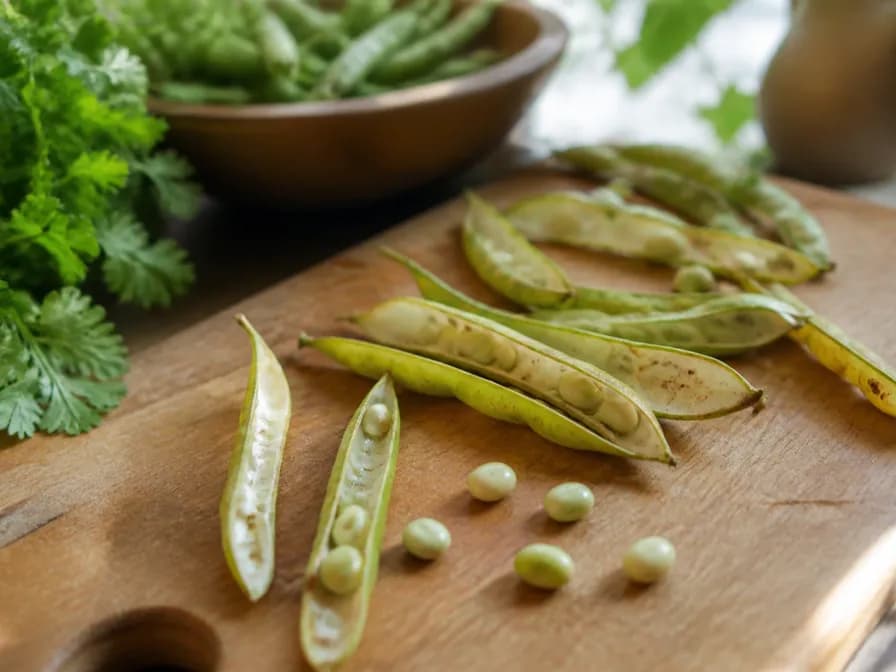
Southwestern Tepary Bean Stew
50 min (plus overnight soak)A hearty desert-inspired stew that showcases the rich, nutty flavor of tepary beans with roasted chiles, cumin, and fresh cilantro. This is the traditional way tepary beans have been enjoyed in the Sonoran Desert for thousands of years.
10 ingredientesTepary Bean Hummus
15 min (plus bean cooking time)A Southwestern twist on classic hummus using the naturally creamy, sweet flavor of white tepary beans. The dense texture of tepary beans produces an exceptionally smooth and rich dip without needing as much tahini or oil.
10 ingredientesTepary Bean and Roasted Squash Bowl
40 minA nourishing grain bowl that pairs earthy tepary beans with sweet roasted squash, peppery arugula, and a bright lime-cilantro dressing. A complete plant-based meal rich in protein, fiber, and complex carbohydrates.
8 ingredientesUsos culinarios
Los frijoles tepary requieren remojo previo de 8-12 horas y una cocción larga (2-3 horas o 45 minutos en olla a presión). Su sabor dulce y a nuez los hace excelentes en guisos, sopas y frijoles refritos. En la cocina del desierto de Sonora se preparan con chile, epazote y cebolla. También se muelen para hacer harina nutritiva para tortillas y pan. Son especialmente ricos en proteínas, fibra y minerales.
Qué contiene
Beneficios para la salud
- Tepary beans have a significantly lower glycemic index than common beans, causing a slower and more gradual rise in blood sugar — University of Arizona research suggests they may be especially beneficial for managing and preventing type 2 diabetes.
- Exceptionally high in protein (23-25g per 100g dried) with a more complete amino acid profile than common beans, including higher methionine levels, making them an excellent protein source for plant-based diets.
- Outstanding source of dietary fiber (22g per 100g), supporting digestive health, promoting satiety, and helping to lower LDL cholesterol through bile acid binding in the gut.
- Rich in iron (7.5mg per 100g, 42% DV) and zinc, two minerals frequently deficient in plant-based diets — pairing with vitamin C-rich foods enhances iron absorption significantly.
- High in folate (approximately 500mcg per 100g, 125% DV), which is critical for DNA synthesis, red blood cell formation, and preventing neural tube defects during pregnancy.
- Contains resistant starch that acts as a prebiotic, feeding beneficial gut bacteria and producing short-chain fatty acids that support colon health and reduce inflammation throughout the body.
De dónde viene Frijol Tepary
The tepary bean (Phaseolus acutifolius) is native to the arid borderlands of northwestern Mexico and the southwestern United States, with its center of domestication believed to be the Sonoran Desert region spanning modern-day Arizona, Sonora, and Sinaloa. Wild tepary beans still grow in desert washes and canyon bottoms throughout this region, scrambling across rocky ground and producing tiny pods after summer monsoon rains. Archaeological evidence from dry caves in the Tehuacan Valley of Mexico and from sites across the American Southwest dates tepary bean cultivation to at least 3000 BCE, making it one of the earliest domesticated crops in North America.
For millennia, tepary beans were a cornerstone of Indigenous agriculture in the desert Southwest. The Tohono O'odham (Papago), Akimel O'odham (Pima), Hopi, and other Native peoples developed sophisticated floodwater farming systems — called ak-chin farming — that captured seasonal monsoon runoff to irrigate tepary bean fields in otherwise bone-dry landscapes. These farmers selected for varieties suited to specific microclimates, producing white, brown, black, and speckled types with subtle flavor differences. Tepary beans were traditionally planted with the first summer monsoon rains in July and harvested in September, requiring no additional irrigation beyond what the storms provided.
The arrival of European colonizers and the eventual damming of desert rivers in the 19th and 20th centuries disrupted traditional farming systems and led to the replacement of tepary beans with higher-yielding common beans grown under irrigation. By the mid-20th century, tepary bean cultivation had declined dramatically, surviving primarily in small traditional plots maintained by Indigenous communities. However, beginning in the 1980s, organizations like Native Seeds/SEARCH in Tucson, Arizona began systematic efforts to preserve tepary bean diversity and return these seeds to Indigenous farmers. Today, tepary beans are recognized internationally as a climate-resilient crop with enormous potential for food security in arid regions. Research programs in Australia, East Africa, and the Middle East are trialing tepary beans as a protein crop for regions too hot and dry for conventional legumes, while in the United States, Indigenous food sovereignty movements and Southwestern chefs are driving a culinary renaissance that is bringing this ancient desert bean back to the table.
Frijol Tepary: ¿sabías que?
Datos fascinantes sobre Frijol Tepary
Tepary beans (Phaseolus acutifolius) are one of the most drought-tolerant food crops on Earth — they can produce a full harvest with as little as 10-15 cm (4-6 inches) of rainfall over their entire growing season, a feat no other cultivated bean can match.
Frijol Tepary: preguntas frecuentes
¿Cuándo debo plantar Frijol Tepary?
¿Cuáles son buenas plantas acompañantes para Frijol Tepary?
¿En qué zonas de rusticidad puede crecer Frijol Tepary?
¿Cuánto sol necesita Frijol Tepary?
¿A qué distancia debo espaciar Frijol Tepary?
¿Qué plagas y enfermedades afectan a Frijol Tepary?
¿Cómo almaceno Frijol Tepary después de la cosecha?
¿Cuáles son las mejores variedades de Frijol Tepary para cultivar?
¿Qué suelo necesita Frijol Tepary?
Where can I buy tepary bean seeds?
Do tepary beans need to be soaked before cooking?
Can I grow tepary beans in a humid climate?
What do tepary beans taste like compared to common beans?
How much water do tepary beans really need?
Are tepary beans good for improving soil?
Acabas de leer la teoría. Ahora cultívala en piloto automático.
Todo lo que hace que Frijol Tepary sea delicado — el momento, el espaciado, las asociaciones, la ventana de cosecha — es justo lo que PlotMyGarden resuelve por ti, para cada planta de tu huerto.
Un plan que conoce tu clima
Indica tu ubicación una vez. Recibe fechas de siembra, abonado y cosecha basadas en tu última helada real y el pronóstico en vivo — sin adivinar con un sobre genérico.
De la sección “Cuándo plantar”Planificador de bancales de arrastrar y soltar
Diseña bancales sobre una cuadrícula. Cada planta encaja con su espaciado correcto y ves toda la temporada antes de gastar un céntimo en semillas.
De la sección “Cultivo”Conflictos de asociación, detectados a tiempo
Más de 200 buenas y malas combinaciones comprobadas en vivo mientras plantas — para que un error que arruine la temporada nunca llegue a la tierra.
De la sección “Asociaciones”Recordatorios que sí vas a seguir
“Riega las judías.” “Recoge hoy antes de que se pase.” Oportunos, concretos y ligados a las plantas que de verdad cultivas.
De la sección “Cosecha”Escalonado, programado
¿Quieres cosechar seis semanas en vez de seis días? Reparte tus siembras automáticamente y te avisa cuando toca el siguiente lote.
De la sección “Cuándo plantar”Un registro que se vuelve más listo
Cada cosecha que registras le enseña tu huerto. El plan del año que viene parte de lo que de verdad funcionó en tu suelo, no en un manual.
De la sección “Resumen”Planta estos junto a Frijol Tepary
Más Legumbres
Mantén Frijol Tepary lejos de estos
Cultiva tu mejor Frijol Tepary — y todo lo que la rodea.
Empieza un plan gratis hoy. Diseña tus bancales, coloca tu Frijol Tepary y deja que PlotMyGarden gestione el momento, el espaciado, las asociaciones y los recordatorios de la semilla a la cesta.