Sandía Sugar Baby
La sandía Sugar Baby es una variedad compacta originaria de Estados Unidos, desarrollada en la década de 1950 por M.





En esta páginaResumen
Conoce Sandía Sugar Baby
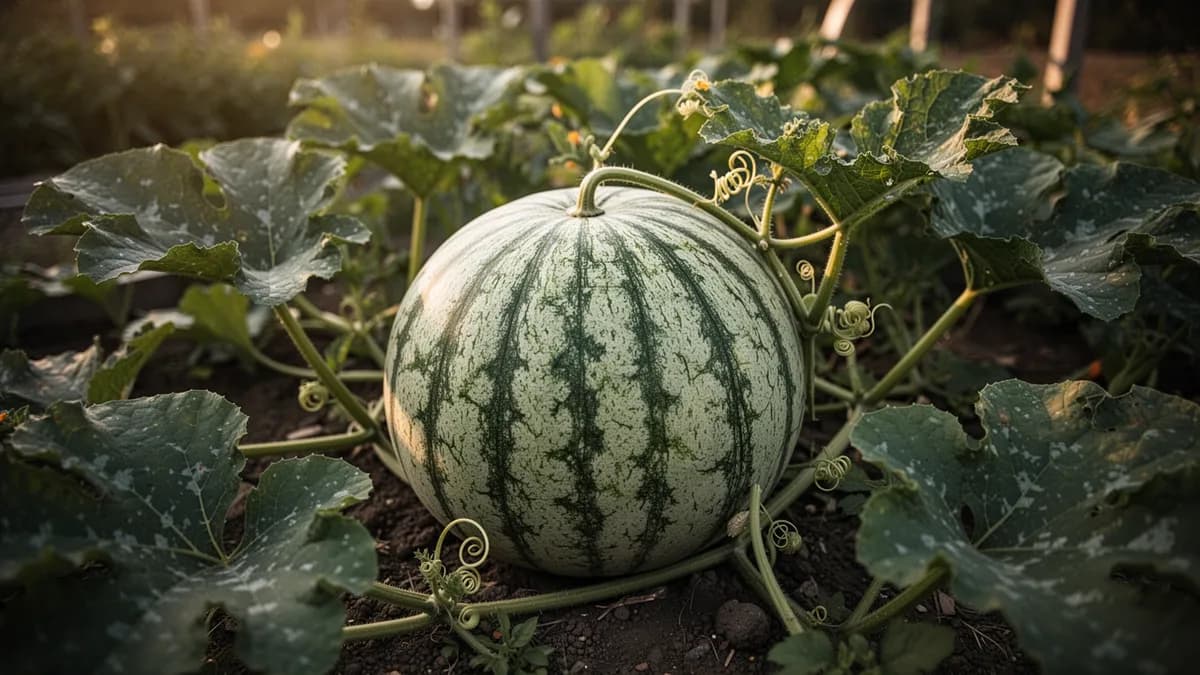
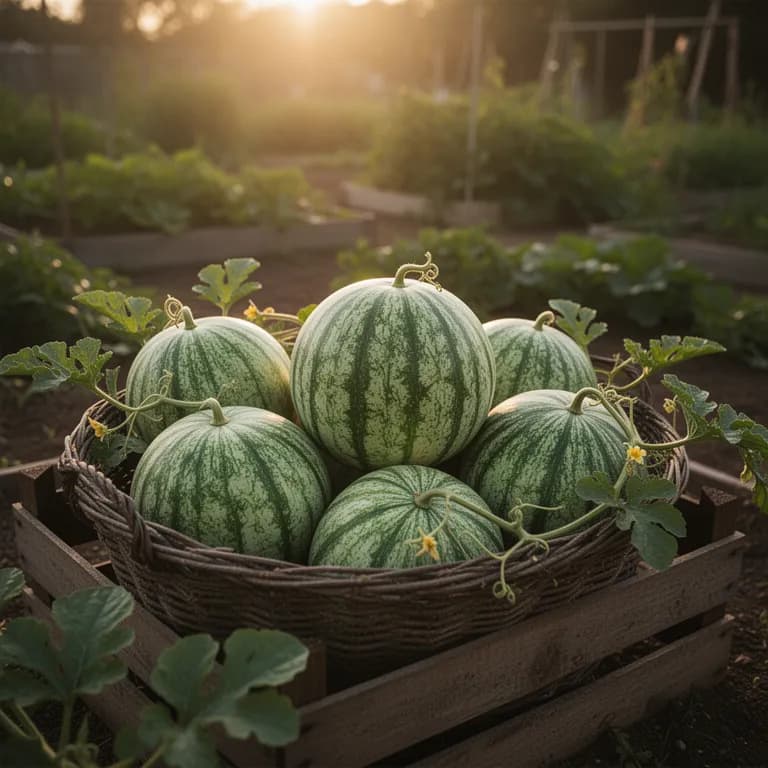
La sandía Sugar Baby es una variedad compacta originaria de Estados Unidos, desarrollada en la década de 1950 por M. Hardin. Produce frutos redondos de 3-5 kg con corteza verde oscuro y pulpa roja intensamente dulce. Es ideal para jardines pequeños y espacios limitados gracias a su tamaño reducido y sus enredaderas más cortas que las sandías tradicionales.
Cuándo plantar Sandía Sugar Baby
Inicia semillas en interior 3-4 semanas antes de la última helada, sembrando 2-3 semillas por maceta de turba a 2-3 cm de profundidad. Mantén la temperatura del sustrato a 24-29°C para germinación óptima en 4-10 días. Usa macetas biodegradables para evitar perturbar las raíces sensibles al trasplante.
Tu año de Sandía Sugar Baby
Ajustado a Zona 7 · temporada típica · la helada se va hacia el 2 abr y vuelve hacia el 1 nov
Planta Sandía Sugar Baby May – Jun y cosecha Ago – Sep. Consulta los métodos de plantación y elige tu clima para adaptar los periodos.
Cómo cultivar Sandía Sugar Baby
La sandía Sugar Baby es una de las mejores opciones para jardineros con espacio limitado, ya que sus enredaderas son más compactas que las de las sandías de tamaño completo. Siembra las semillas en interior 3-4 semanas antes de la última helada, o directamente en el jardín cuando la temperatura del suelo alcance al menos 21°C. Planta 2-3 semillas por montículo a una profundidad de 2-3 cm y espacia los montículos a 90-120 cm de distancia.
Prepara el suelo incorporando abundante compost maduro y estiércol bien descompuesto. Las sandías son alimentadoras pesadas que requieren suelo fértil y bien drenado. Considera usar acolchado plástico negro para calentar el suelo y conservar la humedad. Proporciona una ubicación con al menos 8 horas de pleno sol diario, ya que el calor es esencial para el desarrollo del dulzor.
Riega profunda y regularmente, proporcionando 2,5-5 cm de agua por semana. Reduce el riego gradualmente cuando los frutos comiencen a madurar para concentrar los azúcares. Fertiliza con un fertilizante equilibrado al plantar, luego cambia a uno alto en fósforo y potasio cuando aparezcan las flores. Elimina los frutos más pequeños para dirigir la energía de la planta hacia 2-3 frutos principales por enredadera.
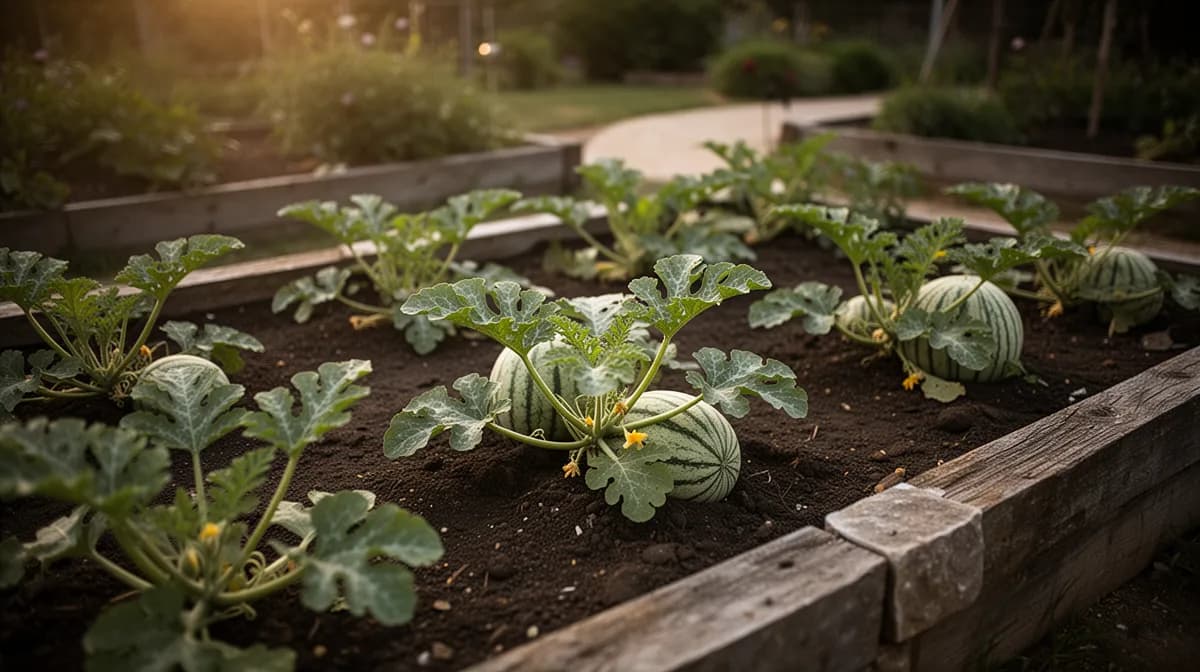
2 plantas caben en un bancal de 120 × 240 cm
Cada Sandía Sugar Baby pide 120 cm de margen. El planificador guarda ese marco por ti — cada planta, cada bancal.
Los mejores vecinos de Sandía Sugar Baby
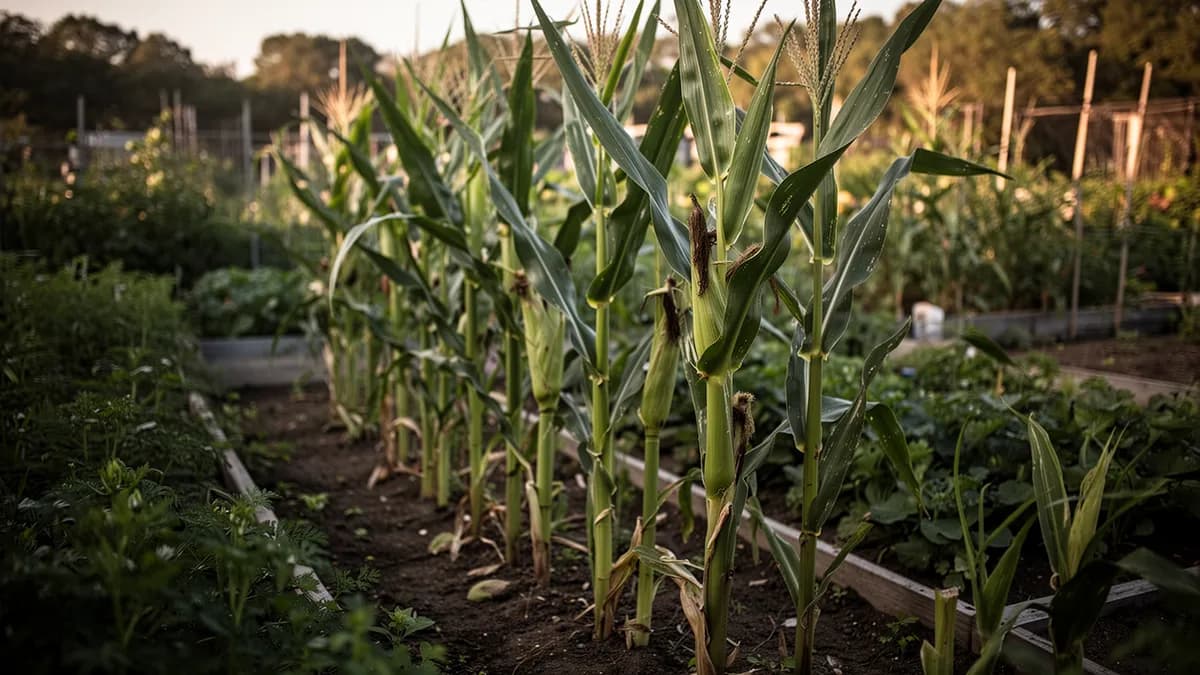
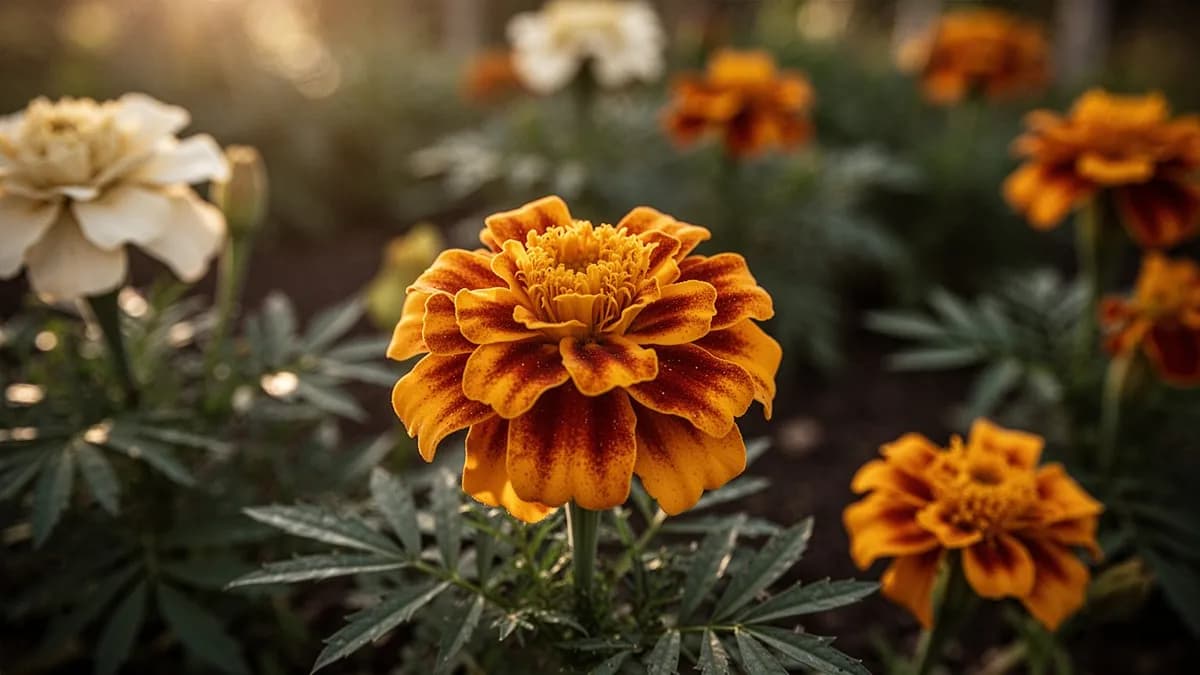
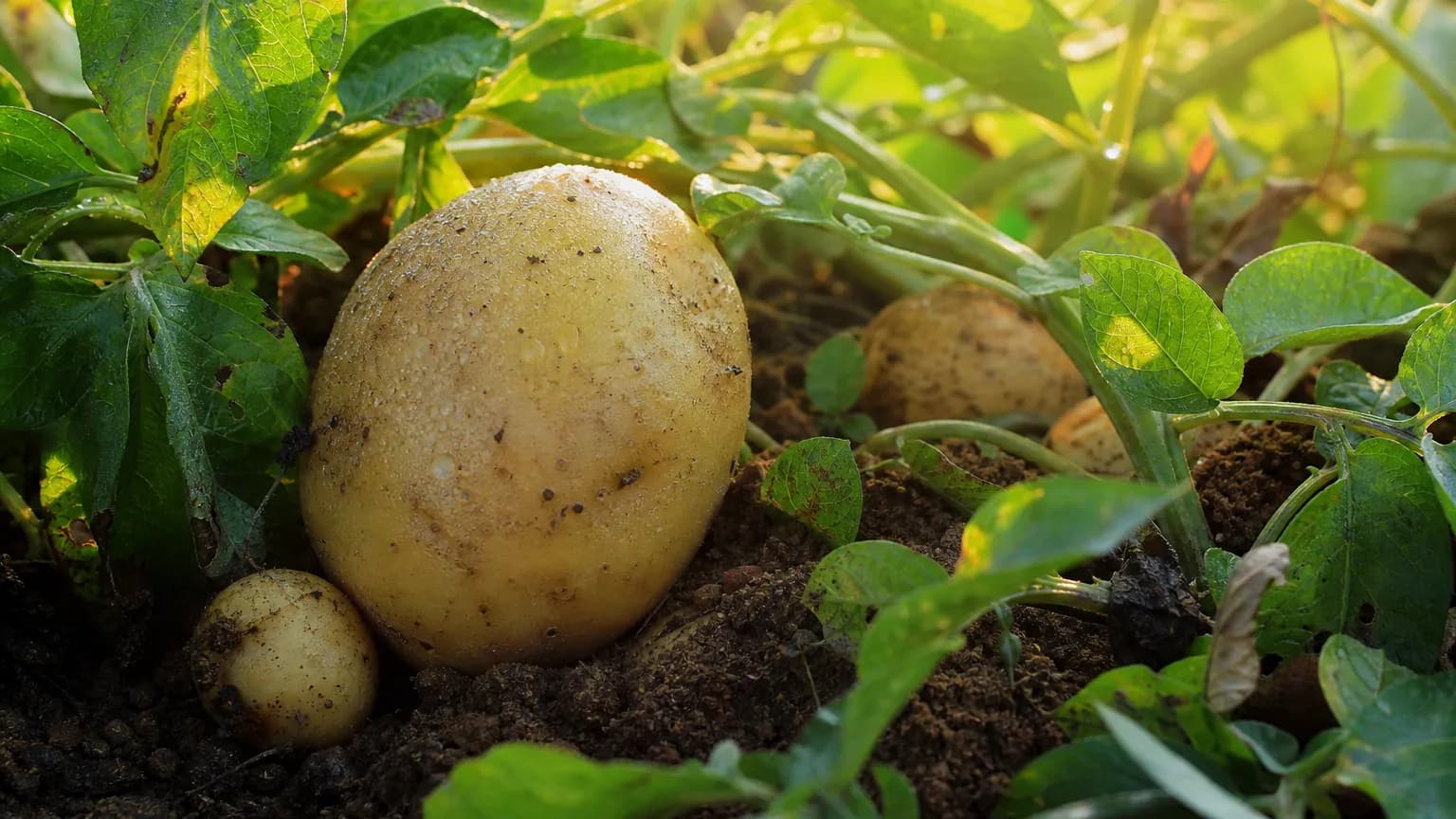
El maíz proporciona sombra parcial beneficiosa y actúa como cortavientos natural. Los girasoles atraen polinizadores esenciales para el cuajado de frutos. Las caléndulas repelen nematodos y otros insectos dañinos del suelo. Evita plantar cerca de papas.
Maíz va a su lado. Papa no.
Saber de huerto de siempre, cotejado con la tabla real de Sandía Sugar Baby — prueba cualquier planta que cultives.
Prueba Sandía Sugar Baby en un bancal, aquí mismo
Un bancal real del planificador con Sandía Sugar Baby ya plantado. Toca una planta compañera para colocarla y mira cómo responde la comprobación de vecinos: verde para buenos vecinos, rojo si hay conflicto.


Guías de cultivo relacionadas
Abónalo bien
La sandía Sugar Baby prospera en suelo franco-arenoso bien drenado con pH de 6,0-6,8, rico en materia orgánica. Incorpora 8-10 cm de compost maduro antes de plantar. Aplica fertilizante equilibrado al inicio, luego cambia a fórmula alta en fósforo y potasio cuando aparezcan las flores. Evita el exceso de nitrógeno.
Temperatura ideal
Compatibilidad de zonas de rusticidad
De la semilla a la cosecha, etapa por etapa
Siembra
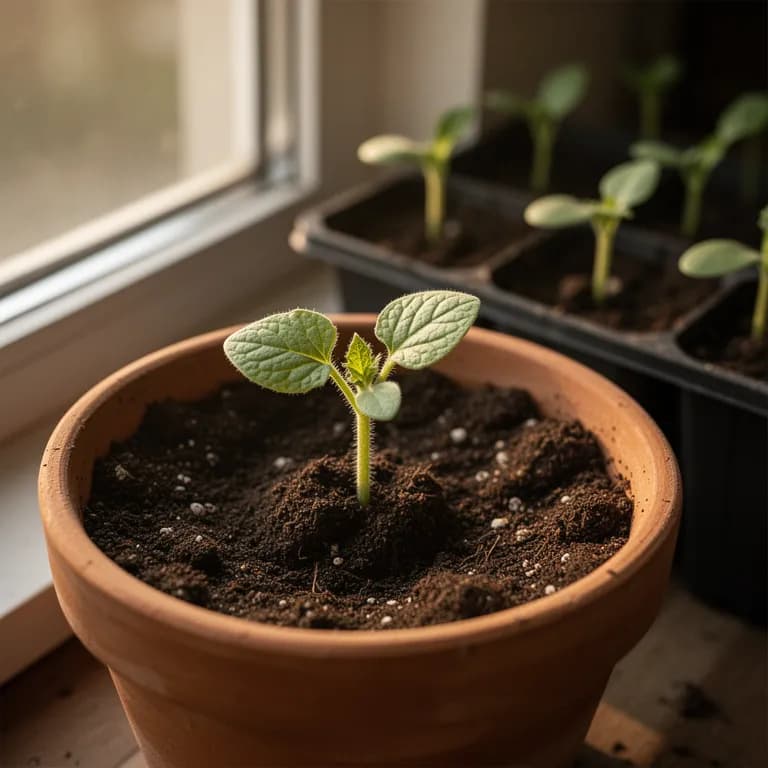
Las semillas germinan en suelo cálido en 5-10 días, empujando cotiledones gruesos y redondeados a través de la superficie. Las semillas de sandía necesitan temperaturas del suelo de al menos 21 °C para germinar bien y se pudren en condiciones frías y húmedas.
Crecimiento de plántulas
Aparecen las primeras hojas verdaderas con la forma profundamente lobulada característica de la sandía. El sistema radicular se desarrolla con rapidez, anclando la planta y estableciendo la raíz pivotante profunda que sostendrá la enredadera durante los periodos secos. El crecimiento se acelera cuando las temperaturas superan los 27 °C.
Extensión de guías
Las guías crecen con vigor, extendiéndose 1,5-2,5 metros en todas direcciones, mucho más compactas que las variedades de sandía de tamaño completo. Los zarcillos se aferran a los objetos cercanos para apoyarse. Pueden formarse raíces secundarias en los nudos de las guías cuando tocan suelo húmedo.
Floración y polinización
Aparecen pequeñas flores amarillas: primero las masculinas, en tallos largos, y después las femeninas, identificables por la pequeña hinchazón redonda en la base. Cada flor femenina debe ser visitada por las abejas varias veces para una polinización adecuada y un desarrollo uniforme del fruto.
Desarrollo del fruto
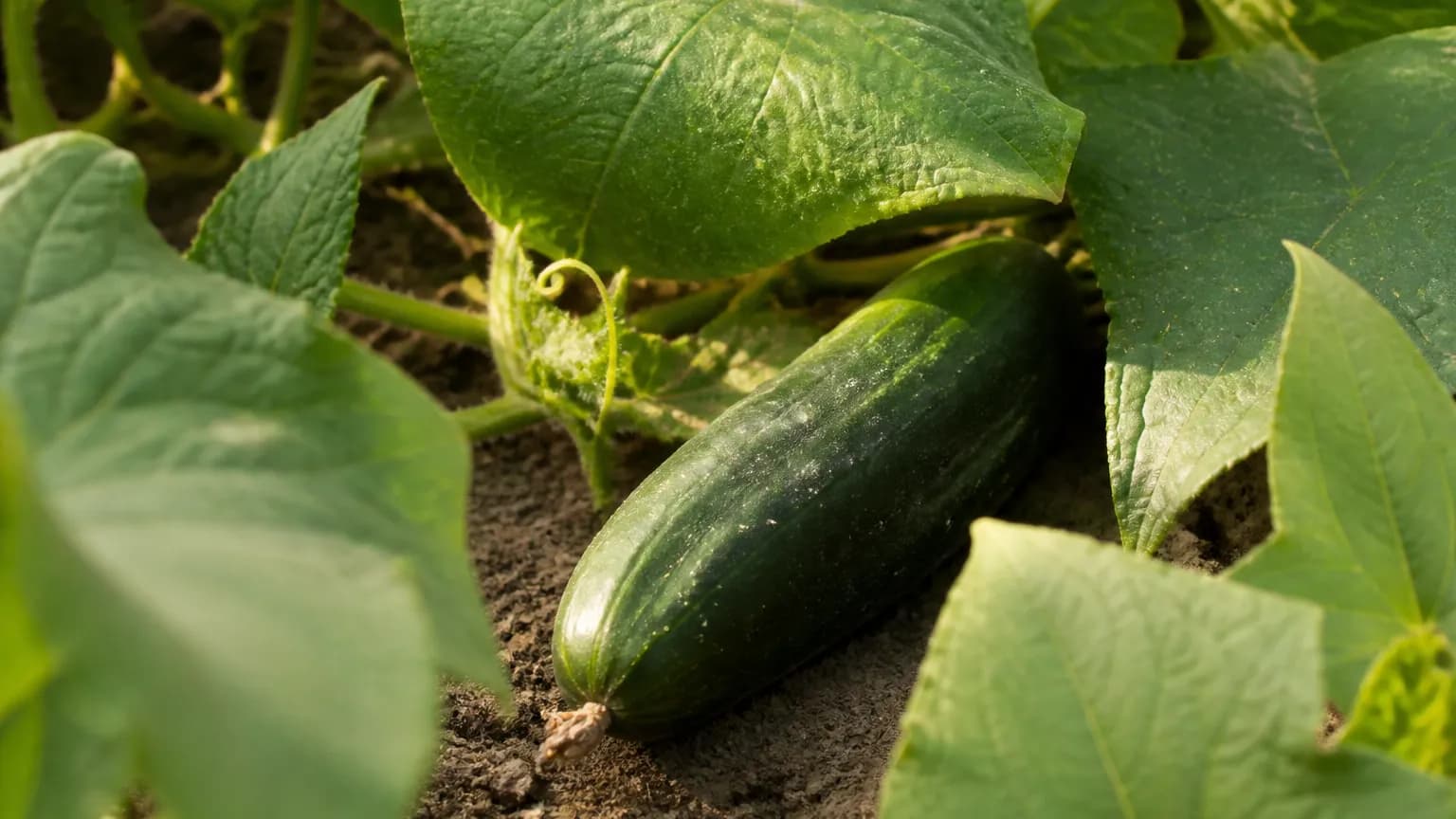
Los frutos polinizados se hinchan con rapidez durante 3-4 semanas y desarrollan la característica cáscara verde oscura. Cada planta suele producir 2-4 frutos que pesan 3-5 kg. El contenido de azúcar aumenta de forma constante a medida que el fruto se acerca a la madurez y alcanza su punto máximo en la última semana.
Cosecha
Los frutos están listos cuando el zarcillo más cercano al fruto se vuelve completamente marrón y seco, la mancha de apoyo pasa de blanca a amarillo cremoso y la cáscara adquiere un acabado mate apagado. Al golpearla, suena profunda y hueca en lugar de metálica.
Siembra directa a 2,5 cm de profundidad después de que haya pasado todo peligro de heladas y el suelo esté cálido. En zonas de temporada corta, inicia en interior 3-4 semanas antes en macetas de turba para no dañar la raíz pivotante al trasplantar.
Cuidar Sandía Sugar Baby mes a mes
Qué hacer cada mes para tu Sandía Sugar Baby
Octubre
Mes actualClean up garden beds. Remove black plastic mulch and any remaining vine debris. Add compost to beds and note which hill locations produced the best fruits for next year.
Ten claro qué hacer en tu huerto, cada mes
Un correo al empezar cada mes: qué sembrar, plantar y hacer ahora mismo — para tu Sandía Sugar Baby y todo lo que crece alrededor. Más un breve curso inicial para esquivar los errores clásicos.
- Qué hacer ahora mismo
- Ajustado a tu temporada
- Curso inicial incluido
Cosechar Sandía Sugar Baby
La sandía Sugar Baby está lista para cosechar entre 75 y 85 días después de la siembra, cuando el zarcillo más cercano al fruto se seca y se vuelve marrón. Golpea suavemente el fruto: un sonido hueco y profundo indica madurez. La parte inferior cambia de blanco a amarillo cremoso cuando está madura. Corta el tallo con tijeras de podar.
se supone que plantas al comenzar el periodo — indica tu fecha real
Cosecha cuando el zarcillo más cercano al fruto esté completamente marrón y seco, la mancha de apoyo se vuelva amarillo cremoso y la piel adquiera un acabado mate apagado en lugar de brillante.
Almacenamiento y conservación
Las sandías enteras sin cortar se conservan a temperatura ambiente durante 7-10 días, o en un lugar fresco y seco hasta 2-3 semanas. Una vez cortada, envuelve en film plástico y refrigera, consumiendo dentro de 3-5 días. La pulpa puede cortarse en cubos y congelarse para batidos y aguas frescas.
Qué falla — y cómo solucionarlo
Oídio
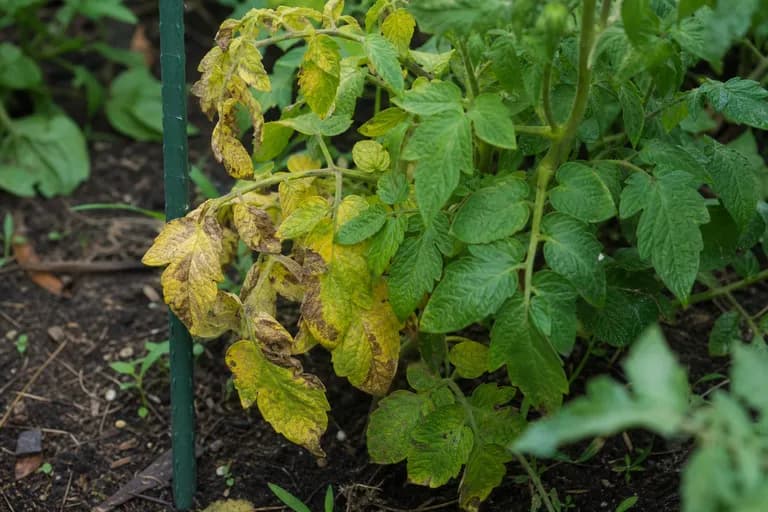
EnfermedadManchas blancas y polvorientas que aparecen en las hojas superiores, extendiéndose progresivamente a toda la planta. Las hojas afectadas se amarillean, se secan y mueren prematuramente, reduciendo la fotosíntesis y el dulzor del fruto.
Escarabajo del pepino
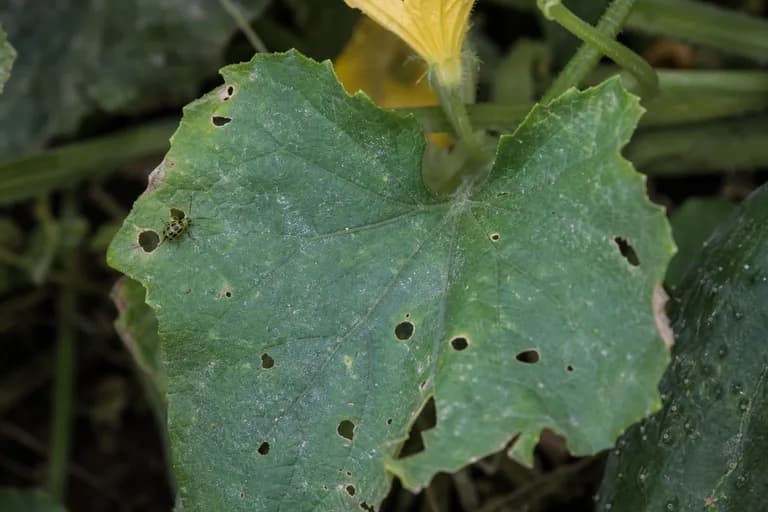
PlagaEscarabajos pequeños amarillos con rayas o manchas negras que mastican agujeros en hojas, flores y frutos jóvenes. Las larvas atacan las raíces y pueden transmitir el marchitamiento bacteriano.
Antracnosis
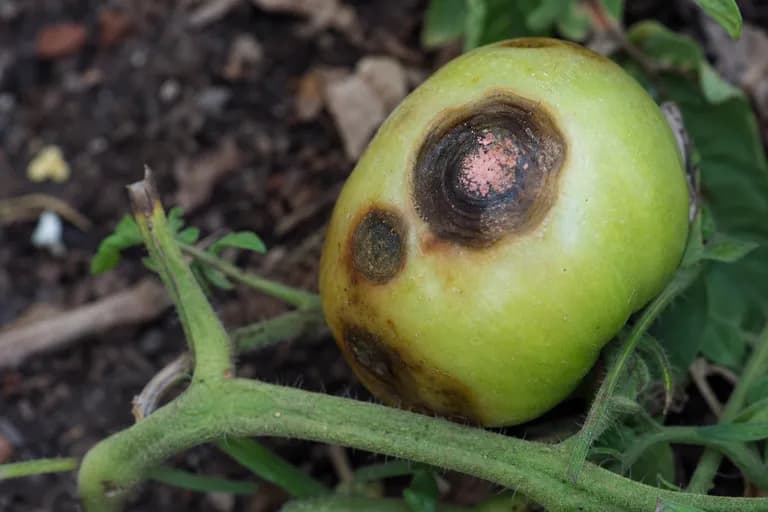
EnfermedadManchas oscuras hundidas y circulares en hojas, tallos y frutos que se expanden con el tiempo. En los frutos, las lesiones desarrollan un centro rosado con esporas visibles en condiciones húmedas.
Solución de problemas comunes
La falta de dulzor es el problema más común, generalmente por riego excesivo durante la maduración, cosecha prematura o temperaturas nocturnas frescas. Los frutos huecos resultan de fluctuaciones extremas de riego o temperatura. La polinización deficiente produce frutos deformes; poliniza manualmente si hay pocas abejas.
Consejos de cultivo
- Warm soil is everything. Do not plant until soil temperatures are consistently above 21°C (70°F). Black plastic mulch laid 2-3 weeks before planting can raise soil temperature by 5-8°C, giving you a significant head start in cooler climates.
- Build raised hills of compost-enriched soil for each planting site. Hills warm faster, drain better, and provide the concentrated fertility that watermelons demand during their rapid vine growth phase.
- Water deeply and consistently during vine growth and early fruit development — 2.5-5 cm per week delivered through drip irrigation is ideal. Then reduce watering dramatically during the last 10-14 days before harvest to concentrate sugars in the fruit.
- Pollination makes or breaks your harvest. Each female flower needs 8-10 bee visits for proper pollination. Plant sunflowers, borage, and marigolds nearby as pollinator magnets. If bees are scarce, hand-pollinate in early morning using a small paintbrush.
- Limit each plant to 2-3 fruits for the sweetest, largest melons. Once your target number of fruits has set, pinch off additional female flowers and vine tips to redirect all energy into the developing fruits rather than continued vine growth.
- Place a piece of straw, cardboard, or a small board under each developing fruit. Contact with warm, damp soil is the primary cause of bottom rot, which can ruin an otherwise perfect melon just days before harvest.
- Learn the ripeness signs thoroughly — Sugar Baby does not ripen significantly after harvest, so picking at peak maturity is critical. Check all four indicators: brown tendril, creamy yellow ground spot, dull matte rind, and deep hollow thump sound.
- In short-season areas, start seeds indoors in large peat pots 3-4 weeks before the last frost. Use a heat mat at 27-30°C (80-85°F) for germination. Transplant very carefully — watermelon roots resent disturbance, and a damaged taproot means a stunted plant.
Cultiva tu mejor Sandía Sugar Baby — y todo lo que la rodea.
Empieza un plan gratis hoy. Diseña tus bancales, coloca tu Sandía Sugar Baby y deja que PlotMyGarden gestione el momento, el espaciado, las asociaciones y los recordatorios de la semilla a la cesta.
Elige tu Sandía Sugar Baby
Sugar Baby
La variedad original con frutos redondos de 3-5 kg, corteza verde oscuro casi negro y pulpa roja intensamente dulce. Madura en 75-80 días.
Mini Love
Híbrido mejorado que produce frutos de 2-3 kg con excelente dulzor y corteza rayada. Enredaderas muy compactas. 70-80 días.
Blacktail Mountain
Variedad de polinización abierta para climas frescos con temporada corta. Frutos de 3-5 kg. Madura en solo 70 días.
Golden Midget
Variedad única cuya corteza cambia de verde a dorado cuando el fruto está maduro. Pulpa rosa dulce. 70 días.
A packet of Sugar Baby seeds costs $2-4 and contains enough seeds for 10-20 plants. Each plant produces 2-4 melons worth $4-8 each at grocery stores and $6-10 each at farmers markets. Growing just 3-4 plants can yield 8-16 melons worth $50-100 or more. The savings are even greater considering that Sugar Baby's compact size commands a premium as an icebox melon. Add in the incomparable flavor of a vine-ripened watermelon picked at peak sweetness versus the bland, shipped-green supermarket alternatives, and the value is tremendous.
Recetas rápidas
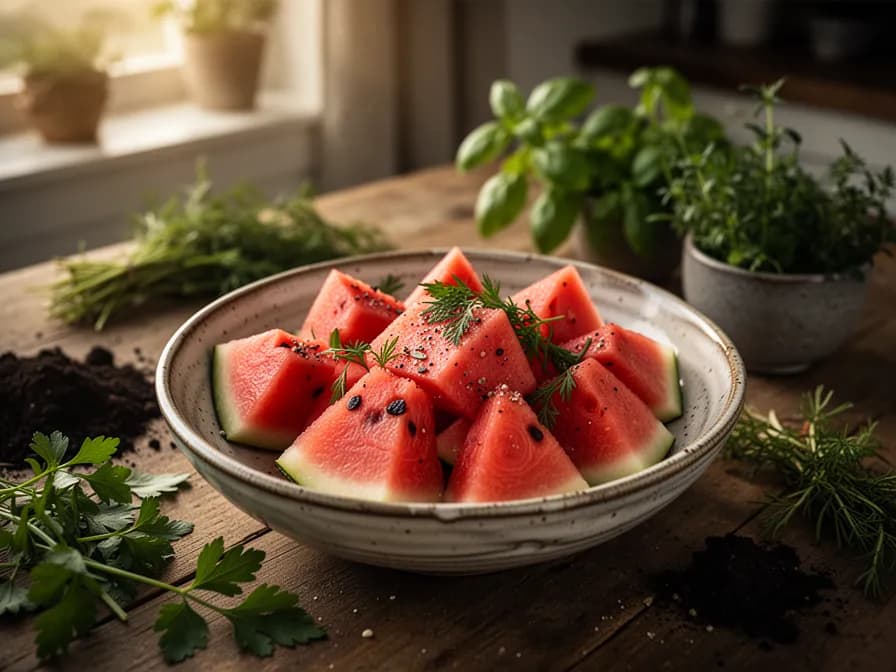
Watermelon Feta Mint Salad
15 minA refreshing summer salad that balances the sweetness of Sugar Baby watermelon with salty feta and bright mint. The combination of flavors is surprisingly sophisticated and makes an elegant appetizer or light lunch.
7 ingredientesWatermelon Agua Fresca
10 minA traditional Mexican refreshment that showcases Sugar Baby's exceptional sweetness. Blended watermelon, lime, and a touch of sugar create a cooling drink that is far more flavorful and nutritious than any store-bought alternative.
6 ingredientesGrilled Watermelon Steaks
20 minGrilling transforms watermelon into a smoky, caramelized dish that surprises everyone who tries it. The heat concentrates the sugars and creates a complex savory-sweet flavor that works as an appetizer or side dish.
7 ingredientesUsos culinarios
La sandía Sugar Baby se disfruta principalmente fresca, cortada en rodajas o cubos como refrigerio veraniego. Es excelente en ensaladas de frutas combinada con queso feta y menta fresca. La pulpa se puede licuar para preparar aguas frescas, granizados y cócteles.
Qué contiene
Beneficios para la salud
- Rich in lycopene, a powerful antioxidant that gives watermelon its red color and has been associated with reduced risk of heart disease, prostate cancer, and age-related macular degeneration in multiple large-scale studies.
- Exceptionally hydrating at 92% water content with natural electrolytes, making Sugar Baby watermelon one of the most effective whole foods for rehydration during hot weather, after exercise, or during illness.
- Contains citrulline, an amino acid converted to arginine in the body, which supports nitric oxide production for healthy blood flow, cardiovascular function, and may help reduce muscle soreness after vigorous physical activity.
- Provides vitamin C (9% DV per 100g) supporting immune function, collagen production, and iron absorption, along with vitamin A (11% DV) as beta-carotene for eye health and skin integrity.
- Low glycemic load despite its sweet taste — watermelon's high water content means a standard serving contains relatively little sugar, making it a satisfying treat for people monitoring their blood sugar levels.
- Contains potassium, magnesium, and B vitamins that collectively support heart rhythm regulation, nerve function, energy metabolism, and blood pressure management.
De dónde viene Sandía Sugar Baby
Sugar Baby watermelon belongs to the species Citrullus lanatus, which originated in the Kalahari Desert region of southern Africa, where wild watermelons still grow today. Archaeological evidence confirms that watermelons were cultivated in ancient Egypt over 5,000 years ago — seeds and paintings of watermelons have been found in pharaonic tombs, and the fruits were valued both as food and as portable water storage for long desert journeys. From Egypt, watermelon cultivation spread along trade routes to the Mediterranean, India, and China, reaching each region by roughly the 10th century.
Watermelons arrived in the Americas with European colonists and enslaved Africans in the 1600s. By the 1800s, watermelons were widely grown across the southern United States, where hot summers provided ideal growing conditions. The development of icebox watermelons — smaller varieties bred to fit in a home refrigerator — began in earnest in the mid-20th century as American kitchens modernized. Sugar Baby was introduced in 1956 by breeder M. Hardin of Geary, Oklahoma, and it quickly revolutionized the home garden watermelon market. Its compact 3-5 kg fruits, early maturity of 75-85 days, and intensely sweet dark red flesh made it the most popular small watermelon in America for decades.
Today, China produces roughly 60% of the world's watermelons, followed by Turkey, India, and Brazil. Sugar Baby remains one of the most widely grown icebox varieties worldwide and has served as a parent for many modern compact watermelon cultivars. Its reliability, sweetness, and manageable size continue to make it a top choice for home gardeners, especially those with limited space or shorter growing seasons.
Sandía Sugar Baby: ¿sabías que?
Datos fascinantes sobre Sandía Sugar Baby
Sugar Baby was developed in 1956 by M. Hardin of Geary, Oklahoma, and quickly became the most popular icebox watermelon in America — its compact size was revolutionary at a time when most watermelons weighed 10-20 kg and could not fit in a standard refrigerator.
Sandía Sugar Baby: preguntas frecuentes
¿Cuándo debo plantar Sandía Sugar Baby?
¿Cuáles son buenas plantas acompañantes para Sandía Sugar Baby?
¿En qué zonas de rusticidad puede crecer Sandía Sugar Baby?
¿Cuánto sol necesita Sandía Sugar Baby?
¿A qué distancia debo espaciar Sandía Sugar Baby?
¿Qué plagas y enfermedades afectan a Sandía Sugar Baby?
¿Cómo almaceno Sandía Sugar Baby después de la cosecha?
¿Cuáles son las mejores variedades de Sandía Sugar Baby para cultivar?
¿Qué suelo necesita Sandía Sugar Baby?
How do I know when a Sugar Baby watermelon is ripe?
Can I grow Sugar Baby watermelon in a container?
Why are my Sugar Baby watermelons bland and watery?
How much space does Sugar Baby watermelon need?
How long does it take Sugar Baby watermelon to produce fruit?
Acabas de leer la teoría. Ahora cultívala en piloto automático.
Todo lo que hace que Sandía Sugar Baby sea delicado — el momento, el espaciado, las asociaciones, la ventana de cosecha — es justo lo que PlotMyGarden resuelve por ti, para cada planta de tu huerto.
Un plan que conoce tu clima
Indica tu ubicación una vez. Recibe fechas de siembra, abonado y cosecha basadas en tu última helada real y el pronóstico en vivo — sin adivinar con un sobre genérico.
De la sección “Cuándo plantar”Planificador de bancales de arrastrar y soltar
Diseña bancales sobre una cuadrícula. Cada planta encaja con su espaciado correcto y ves toda la temporada antes de gastar un céntimo en semillas.
De la sección “Cultivo”Conflictos de asociación, detectados a tiempo
Más de 200 buenas y malas combinaciones comprobadas en vivo mientras plantas — para que un error que arruine la temporada nunca llegue a la tierra.
De la sección “Asociaciones”Recordatorios que sí vas a seguir
“Riega las judías.” “Recoge hoy antes de que se pase.” Oportunos, concretos y ligados a las plantas que de verdad cultivas.
De la sección “Cosecha”Escalonado, programado
¿Quieres cosechar seis semanas en vez de seis días? Reparte tus siembras automáticamente y te avisa cuando toca el siguiente lote.
De la sección “Cuándo plantar”Un registro que se vuelve más listo
Cada cosecha que registras le enseña tu huerto. El plan del año que viene parte de lo que de verdad funcionó en tu suelo, no en un manual.
De la sección “Resumen”Planta estos junto a Sandía Sugar Baby
Más Cucurbitáceas
Mantén Sandía Sugar Baby lejos de estos
Diseños de jardín con Sandía Sugar Baby
Cultiva tu mejor Sandía Sugar Baby — y todo lo que la rodea.
Empieza un plan gratis hoy. Diseña tus bancales, coloca tu Sandía Sugar Baby y deja que PlotMyGarden gestione el momento, el espaciado, las asociaciones y los recordatorios de la semilla a la cesta.