Nabo Sueco
El nabo sueco (Brassica napus var. napobrassica) es una verdura de raíz bienal originaria del norte de Europa, resultado del cruce natural entre el nabo y la col.





En esta páginaResumen
Conoce Nabo Sueco
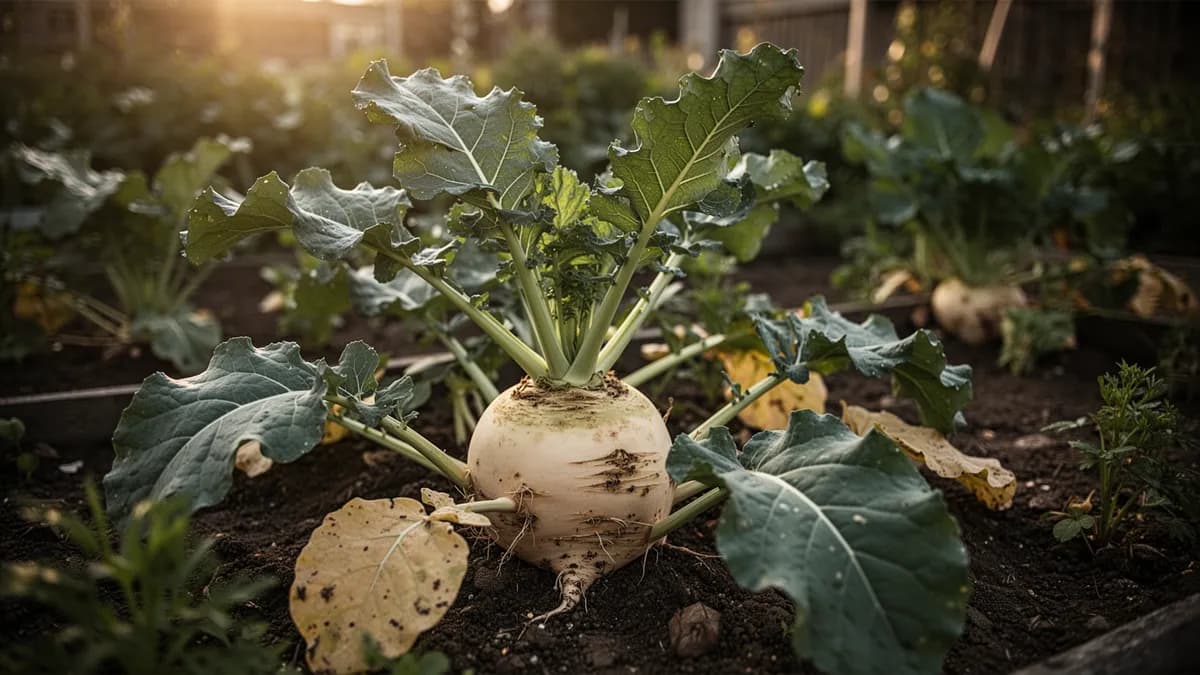
El nabo sueco (Brassica napus var. napobrassica) es una verdura de raíz bienal originaria del norte de Europa, resultado del cruce natural entre el nabo y la col. Produce raíces grandes y redondeadas con piel amarilla-púrpura y pulpa amarilla de sabor dulce y terroso, especialmente tras las primeras heladas. Es una hortaliza muy resistente al frío, ideal para climas templados y fríos, y se almacena excepcionalmente bien durante todo el invierno.
Cuándo plantar Nabo Sueco
Siembre las semillas directamente en el huerto a mediados o finales de primavera, a 1-2 cm de profundidad en surcos separados 45 cm. Las semillas germinan en 7-14 días a temperaturas del suelo de 10-25°C. No es necesario ni recomendable el trasplante, ya que las raíces pivotantes se dañan fácilmente. Aclare las plántulas gradualmente hasta dejar 15-20 cm entre plantas para obtener raíces de buen tamaño.
Tu año de Nabo Sueco
Ajustado a Zona 7 · temporada típica · la helada se va hacia el 2 abr y vuelve hacia el 1 nov
Planta Nabo Sueco May – Jul y cosecha Oct – Dic. Consulta los métodos de plantación y elige tu clima para adaptar los periodos.
Cómo cultivar Nabo Sueco
El nabo sueco requiere una temporada de crecimiento larga de 90 a 100 días, por lo que se siembra generalmente a mediados o finales de primavera para cosechar en otoño. Prepare el terreno con labranza profunda de al menos 30 cm, eliminando piedras y terrones que puedan deformar las raíces. Siembre las semillas directamente a 1-2 cm de profundidad y 2-3 cm de separación en hileras distanciadas 45 cm.
Cuando las plántulas tengan 5-7 cm de altura, aclare dejando una planta cada 15-20 cm para permitir el desarrollo adecuado de las raíces. Mantenga el suelo uniformemente húmedo durante todo el período de crecimiento, ya que la sequía intermitente provoca raíces fibrosas y con sabor amargo. Aplique un acolchado orgánico de 5-8 cm para conservar la humedad y mantener frescas las raíces.
El nabo sueco tolera heladas ligeras que mejoran notablemente su sabor al convertir los almidones en azúcares. En zonas con inviernos suaves, puede dejarse en el suelo y cosecharse según necesidad. En regiones con heladas intensas, coseche antes de que el suelo se congele permanentemente. Evite fertilizantes ricos en nitrógeno que favorecen el crecimiento foliar excesivo en detrimento de la raíz.
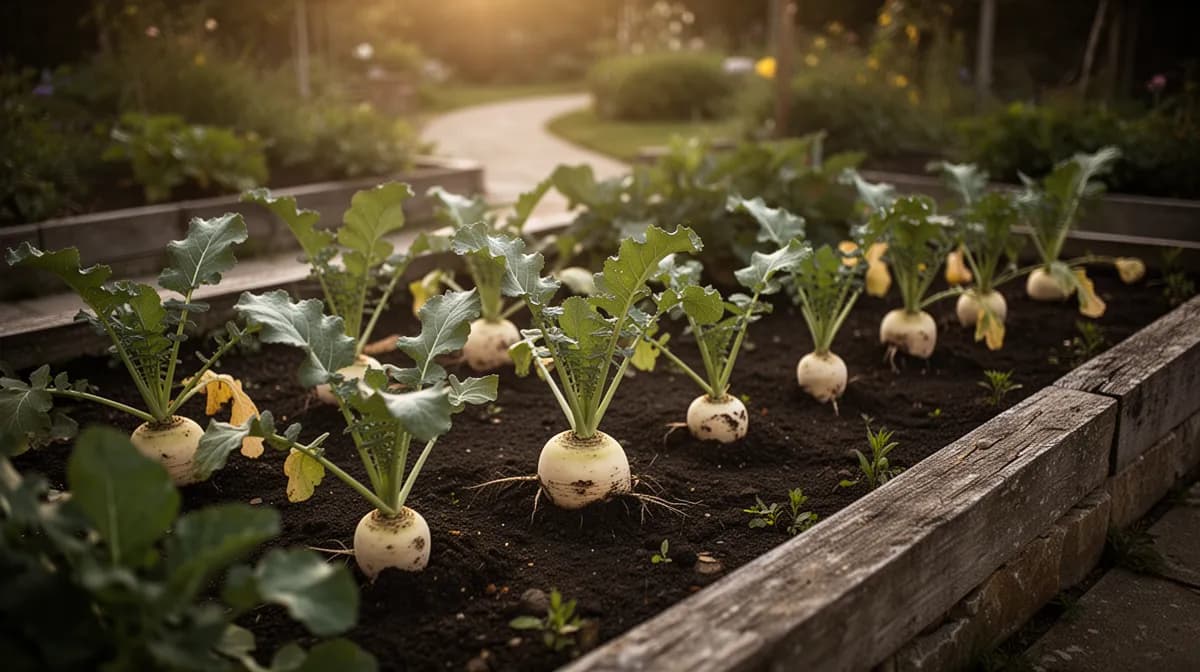
72 plantas caben en un bancal de 120 × 240 cm
Cada Nabo Sueco pide 20 cm de margen. El planificador guarda ese marco por ti — cada planta, cada bancal.
Los mejores vecinos de Nabo Sueco
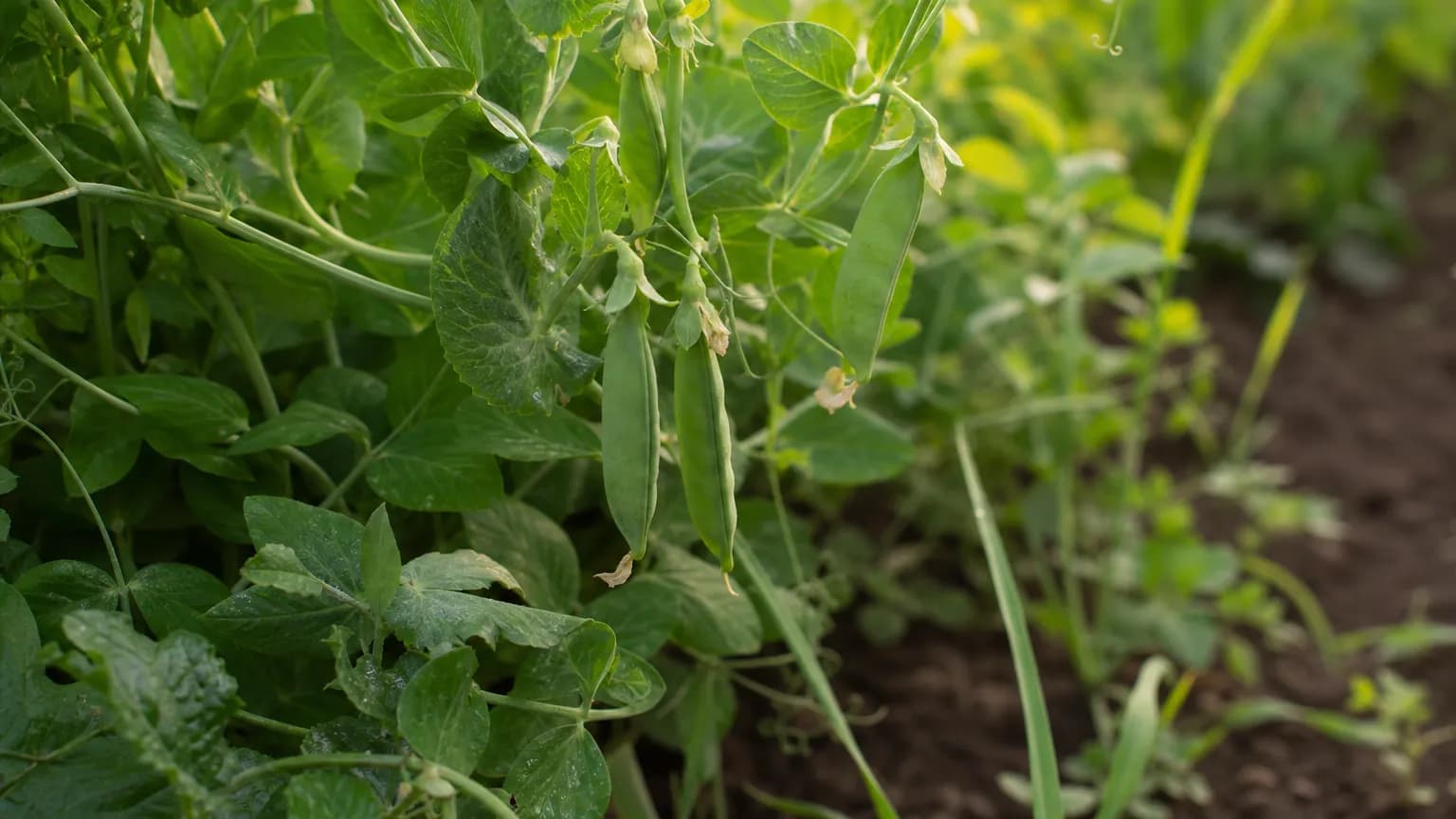
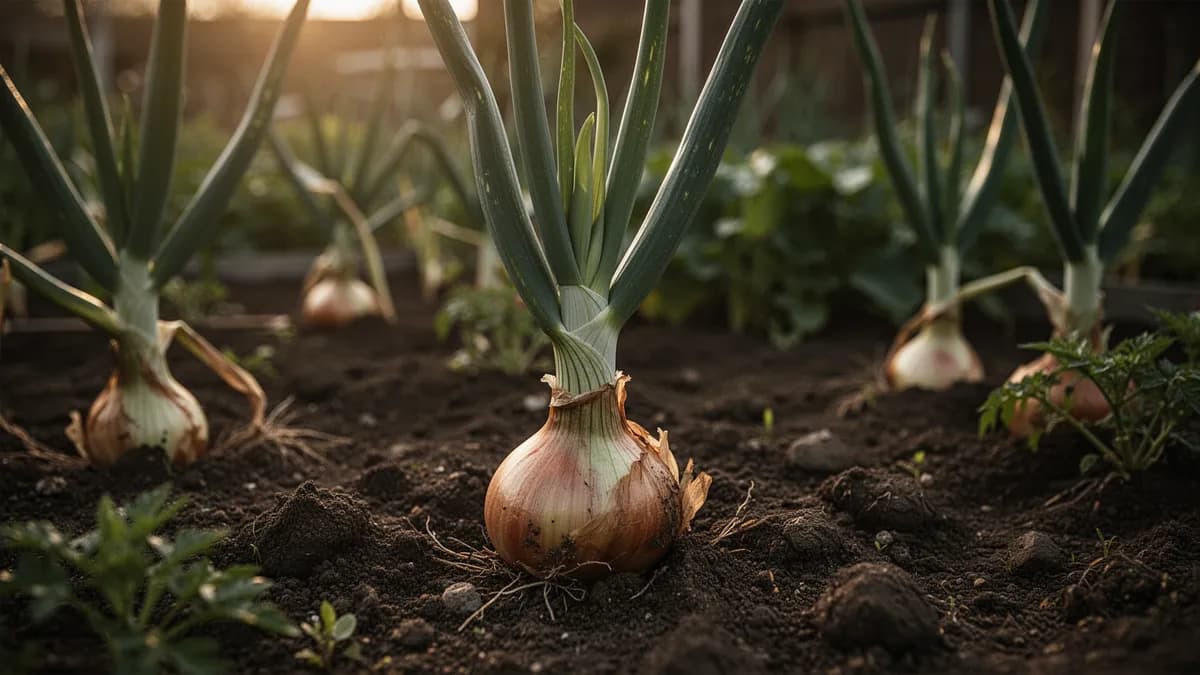
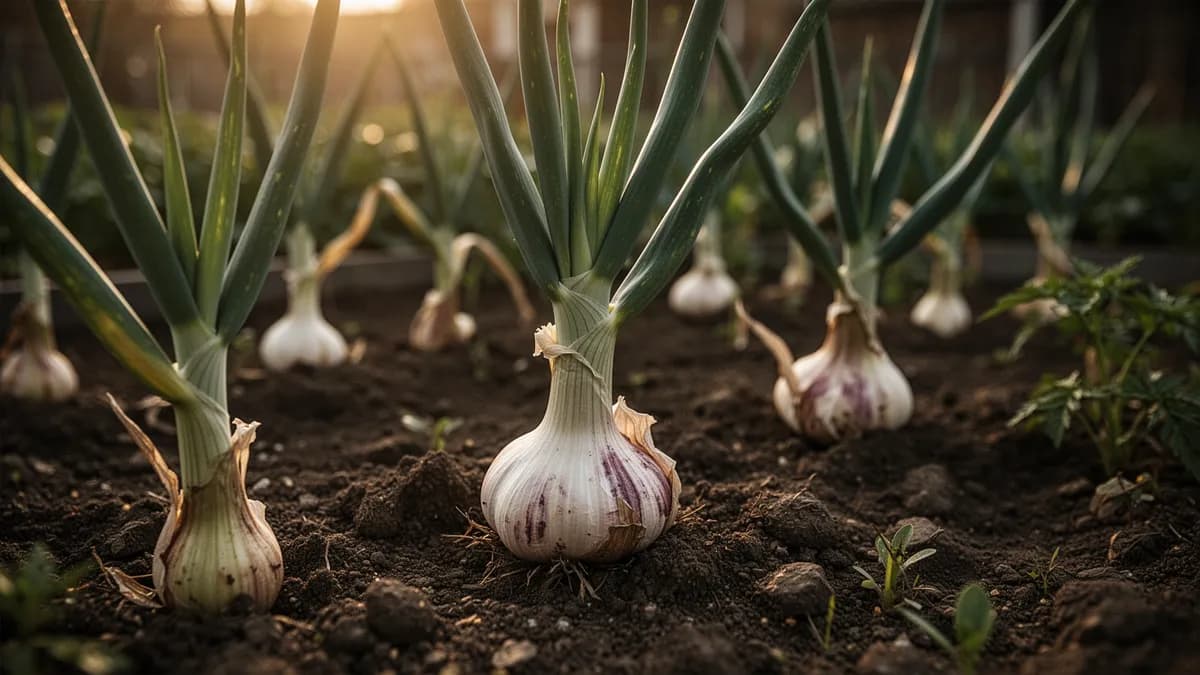
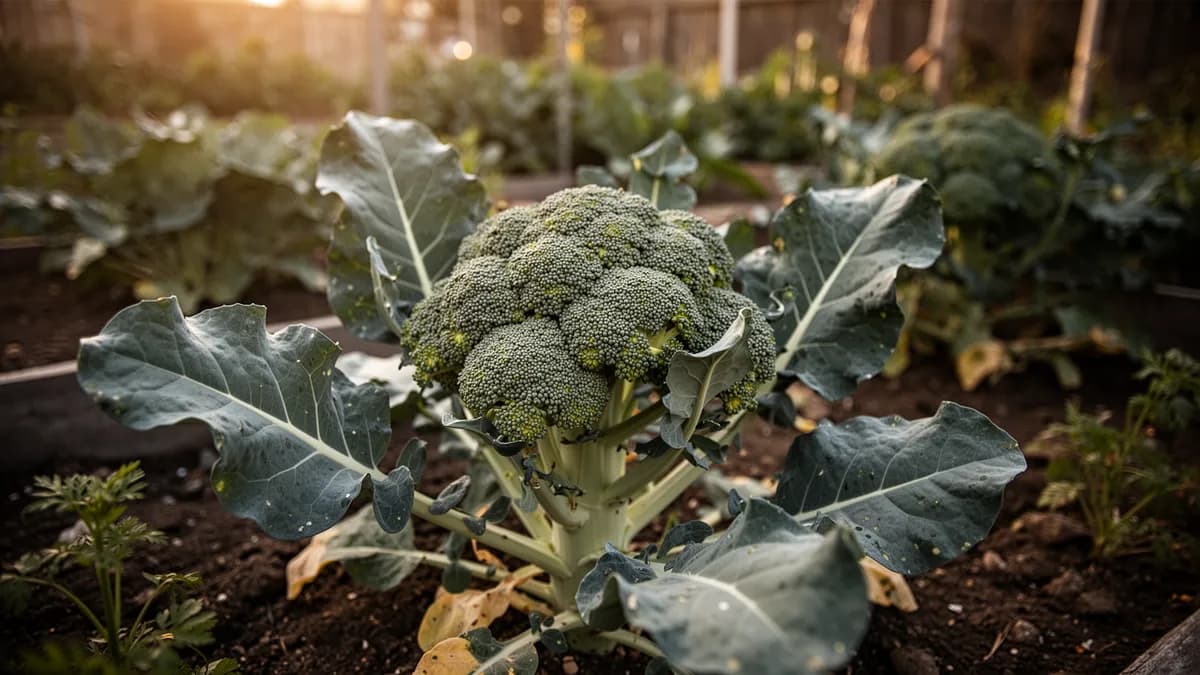
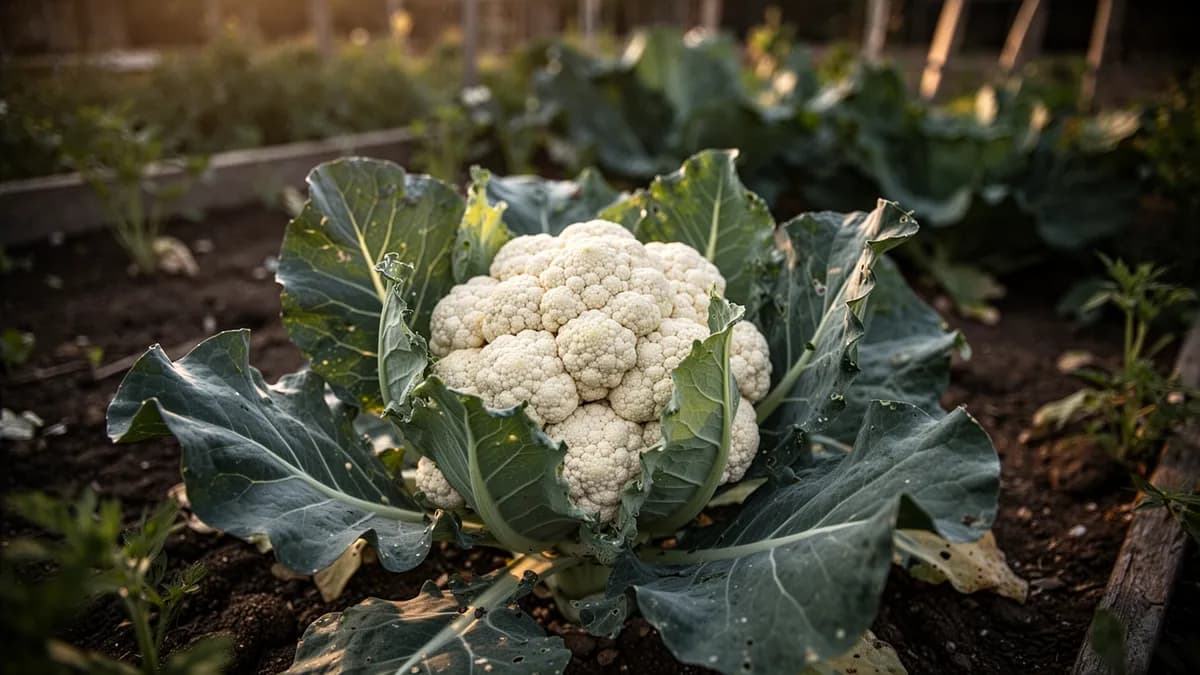
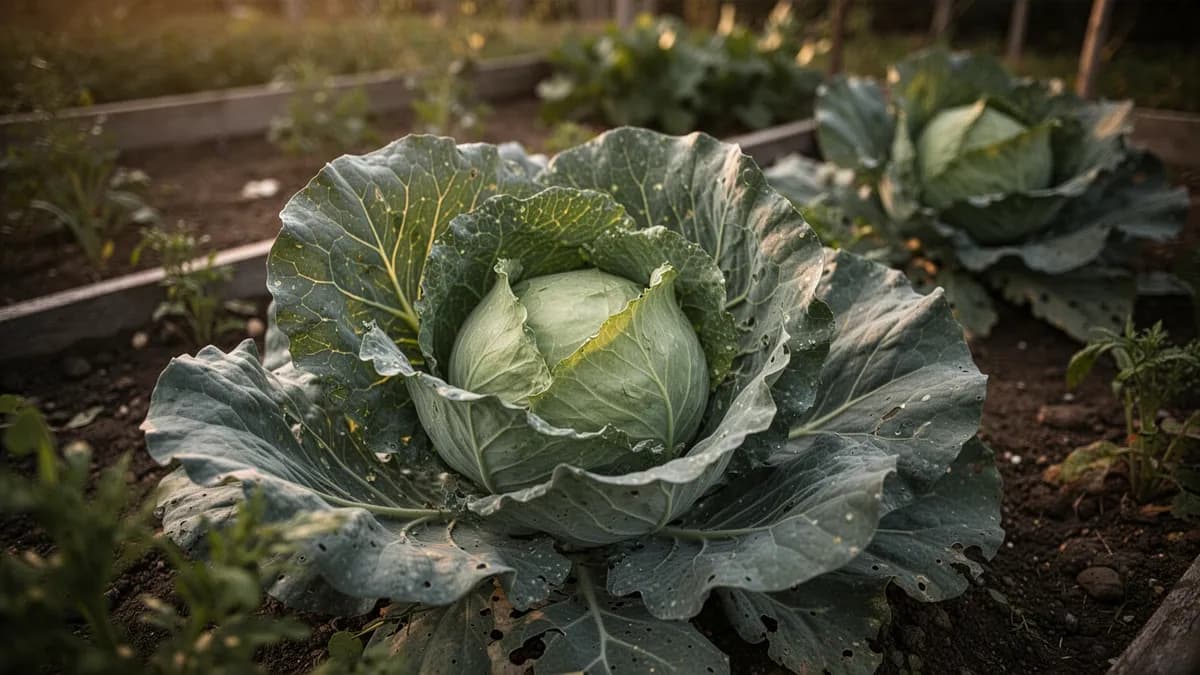
Los guisantes y las judías son excelentes compañeros del nabo sueco ya que fijan nitrógeno en el suelo beneficiando su crecimiento. Plantar junto a cebollas, eneldo y menta ayuda a repeler la mosca de la col. Evite sembrar cerca de otras crucíferas como brócoli o coliflor para reducir la presión de plagas compartidas y enfermedades del suelo.
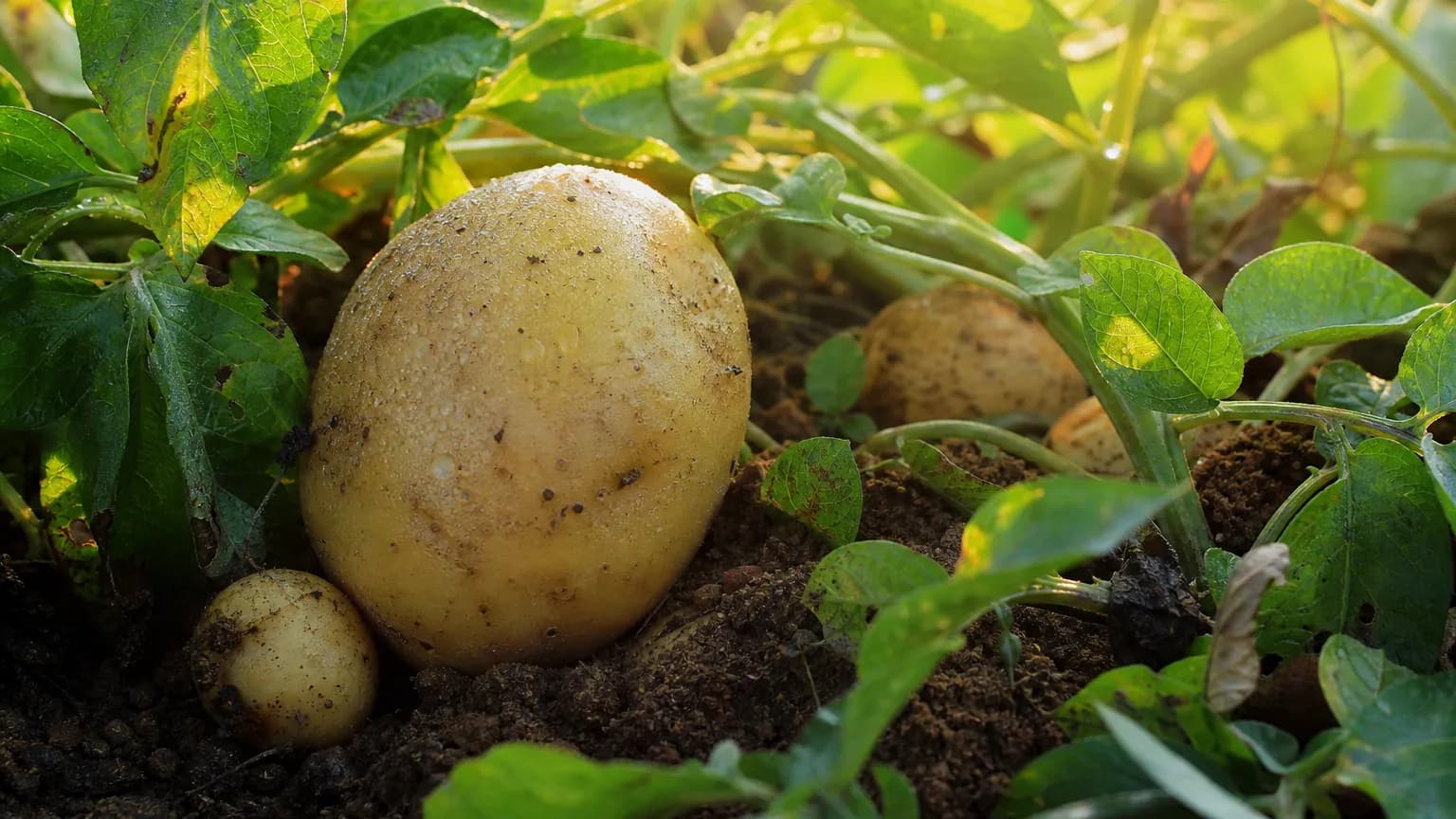
Guisantes va a su lado. Papa no.
Saber de huerto de siempre, cotejado con la tabla real de Nabo Sueco — prueba cualquier planta que cultives.
Prueba Nabo Sueco en un bancal, aquí mismo
Un bancal real del planificador con Nabo Sueco ya plantado. Toca una planta compañera para colocarla y mira cómo responde la comprobación de vecinos: verde para buenos vecinos, rojo si hay conflicto.


Guías de cultivo relacionadas
Abónalo bien
El nabo sueco prefiere suelos profundos, sueltos y bien drenados con pH entre 6,0 y 7,5. Los suelos pesados y arcillosos deben enmendarse con abundante materia orgánica y arena para evitar raíces deformadas. Incorpore compost maduro y un fertilizante equilibrado bajo en nitrógeno antes de la siembra; el exceso de nitrógeno produce hojas exuberantes pero raíces pequeñas y fibrosas. Un aporte de boro es beneficioso para prevenir el corazón pardo, una deficiencia común en este cultivo.
Temperatura ideal
Compatibilidad de zonas de rusticidad
De la semilla a la cosecha, etapa por etapa
Germinación
Las semillas germinan rápidamente en temperaturas de suelo frescas a moderadas de 7-30 °C (45-85 °F), con un rango óptimo de 15-20 °C (60-68 °F). Primero emerge una pequeña radícula blanca, que se ancla en el suelo, seguida por un par de cotiledones anchos y en forma de corazón que asoman a través de la superficie.
Establecimiento de la plántula
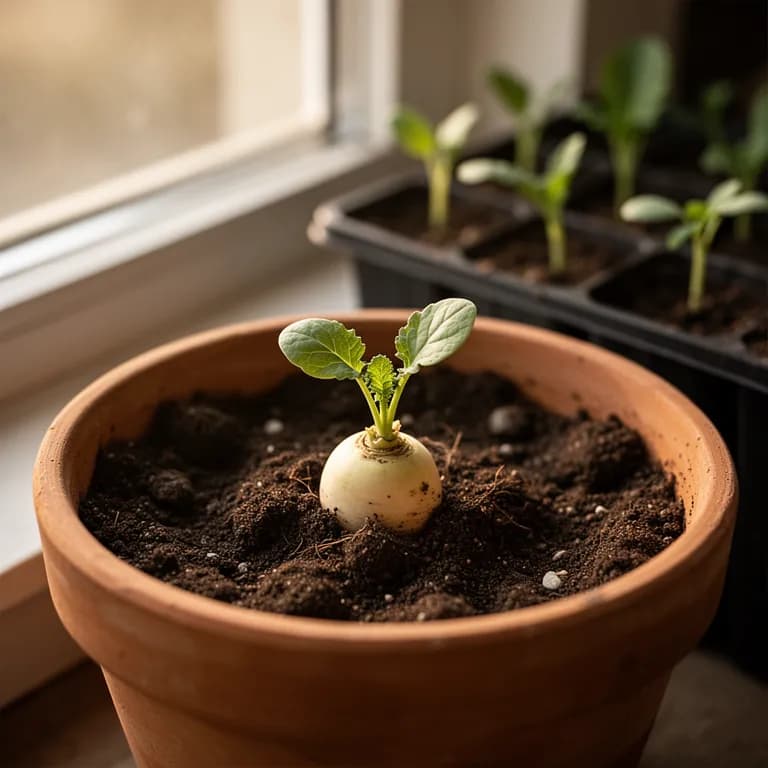
Se desarrollan las hojas verdaderas con el aspecto característico azulado verdoso y ceroso de las brasicáceas. Las hojas son más anchas y redondeadas que el follaje del nabo. Debajo de la superficie comienza a formarse una raíz pivotante delgada. El crecimiento es constante, pero no rápido durante esta fase.
Desarrollo del follaje
La planta produce una roseta de 8-12 hojas grandes y lobuladas que pueden alcanzar 30-45 cm de ancho. El follaje es claramente azul verdoso y está cubierto por una capa cerosa que ayuda a repeler el agua y las plagas. Debajo de la superficie, la raíz comienza a engrosarse mientras la planta almacena carbohidratos.
Engrosamiento de la raíz
La raíz se engrosa rápidamente y sobresale de la superficie del suelo al expandirse. La parte superior expuesta a la luz desarrolla una coloración púrpura o bronceada, mientras que la parte enterrada permanece de color amarillo crema. La raíz pasa de fibrosa a densa y rica en almidón mientras almacena azúcares y almidones.
Maduración y desarrollo de azúcares
La raíz alcanza su tamaño الكامل de 8-13 cm (3-5 pulgadas) de diámetro y la pulpa se vuelve cada vez más densa y dulce. A medida que las temperaturas otoñales bajan de 10 °C (50 °F), la planta convierte almidones en azúcares como mecanismo natural ضد el frío, mejorando mucho el sabor.
Cosecha para almacenamiento
Ventana final de cosecha antes de las heladas profundas del invierno. Las raíces que han soportado varias heladas alcanzan su máxima dulzura. El follaje puede dañarse con heladas fuertes, pero la raíz en sí permanece sana en el suelo. Las raíces cosechadas y almacenadas correctamente se conservan durante meses.
Mantén el lecho de siembra uniformemente húmedo, pero no encharcado, durante la germinación. Una capa ligera de vermiculita o compost fino sobre las semillas ayuda a retener la humedad sin formar una costra que impida la emergencia.
Cuidar Nabo Sueco mes a mes
Qué hacer cada mes para tu Nabo Sueco
Octubre
Mes actualPrime harvest month in most zones. Harvest roots at 8-13 cm diameter for the best texture and flavor. Leave some roots in the ground if temperatures remain above -8°C (18°F) — they continue sweetening. Apply heavy straw mulch to extend the in-ground storage window.
Ten claro qué hacer en tu huerto, cada mes
Un correo al empezar cada mes: qué sembrar, plantar y hacer ahora mismo — para tu Nabo Sueco y todo lo que crece alrededor. Más un breve curso inicial para esquivar los errores clásicos.
- Qué hacer ahora mismo
- Ajustado a tu temporada
- Curso inicial incluido
Cosechar Nabo Sueco
Coseche los nabos suecos cuando alcancen un diámetro de 10-15 cm, generalmente después de las primeras heladas de otoño que mejoran significativamente su dulzor. Afloje la tierra alrededor de la raíz con una horquilla de jardín antes de tirar suavemente de la planta para evitar que se quiebre. Corte las hojas dejando 2-3 cm de tallo y limpie la tierra adherida sin lavar las raíces si planea almacenarlas a largo plazo.
se supone que plantas al comenzar el periodo — indica tu fecha real
Cosecha cuando las raíces alcancen 3-5 pulgadas de diámetro, normalmente 90-100 días después de la siembra.
Almacenamiento y conservación
Los nabos suecos se conservan excepcionalmente bien en un lugar fresco (0-4°C) y húmedo (90-95% de humedad relativa) durante 4-6 meses sin perder calidad. Puede almacenarlos en cajas con arena húmeda en un sótano, bodega o cámara frigorífica. También pueden pelarse, cortarse en cubos y blanquearse durante 3 minutos antes de congelarse para conservarlos hasta 12 meses. En climas con inviernos suaves, déjelos en el suelo cubiertos con una capa gruesa de paja como acolchado protector.
Qué falla — y cómo solucionarlo
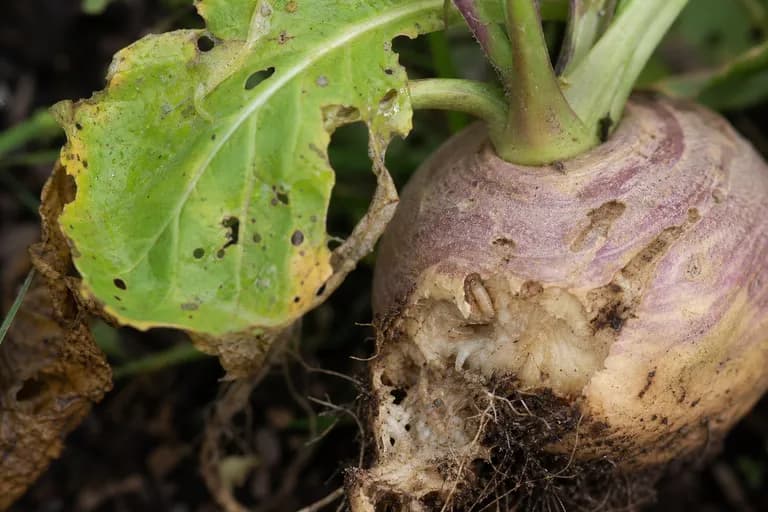
Mosca de la col
PlagaLas larvas excavan galerías en las raíces provocando pudrición, decoloración y túneles visibles al cortar la raíz. Las plantas afectadas muestran marchitamiento y retraso en el crecimiento.
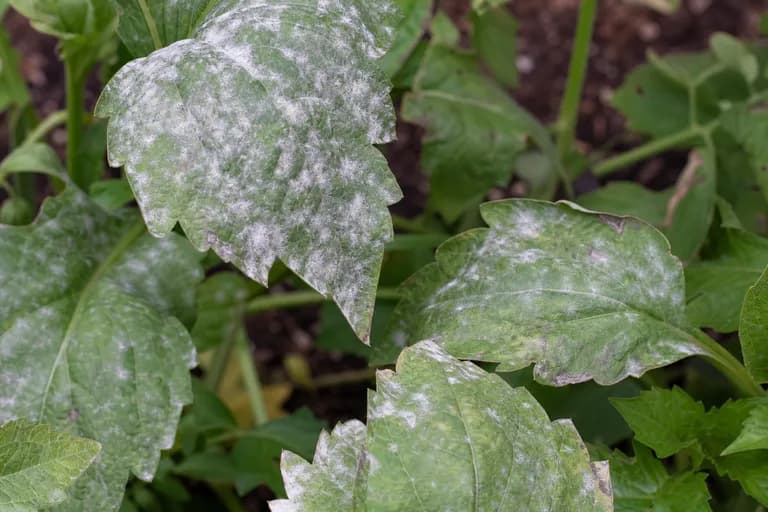
Hernia de la col
EnfermedadLas raíces desarrollan agallas deformes e hinchadas que impiden la absorción de agua y nutrientes. Las plantas se marchitan durante el día y muestran hojas amarillentas con crecimiento raquítico.
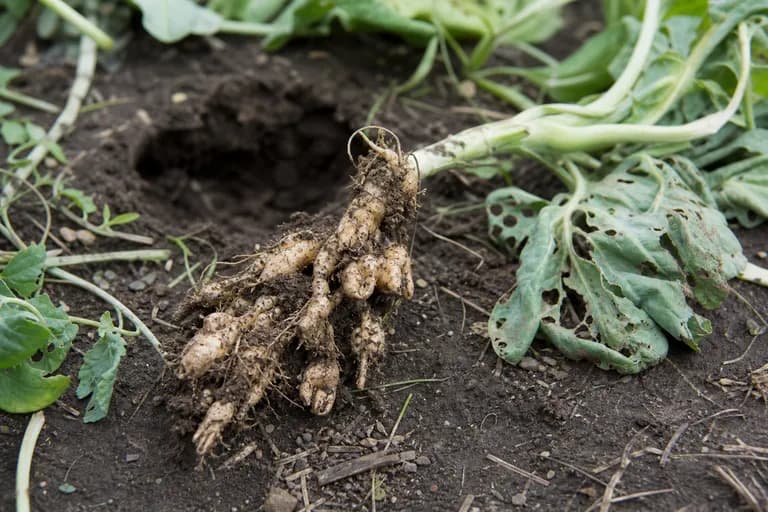
Pulgón ceroso de la col
PlagaColonias de pulgones gris-verdosos cubiertos de cera blanca se agrupan en el envés de las hojas. Provocan enrollamiento foliar, debilitamiento general y pueden transmitir virus.
Solución de problemas comunes
Las raíces se vuelven leñosas, huecas y con sabor amargo si se dejan demasiado tiempo en el suelo sin cosechar, especialmente en clima cálido. El riego irregular causa agrietamiento de las raíces y textura fibrosa. La deficiencia de boro provoca el corazón pardo, un oscurecimiento interno de la pulpa que la vuelve insípida. Las temperaturas superiores a 25°C durante períodos prolongados reducen la calidad de la raíz y favorecen el espigado prematuro.
Consejos de cultivo
- Time your sowing carefully by counting backwards from your first expected fall frost. Rutabagas need 90-100 days to mature and taste best when they ripen in cool weather. Sowing too early means the roots develop during summer heat and become woody and bitter.
- Direct sow only — do not start rutabagas indoors. Transplanting almost always results in forked, misshapen roots because the taproot is disturbed during the move. Sow seeds directly into well-prepared garden soil for straight, uniform roots.
- Thin ruthlessly and on time. Crowded rutabagas produce small, stunted roots that never reach a satisfying size. Thin to 15-20 cm (6-8 inches) apart when seedlings are 5-8 cm tall. Use the thinnings in salads — they taste like mild, peppery radish greens.
- Prevent brown heart by ensuring adequate boron in the soil. This micronutrient deficiency causes internal browning and hollowing of the root. Apply borax at 1 tablespoon per 9 square meters before planting, or use a fertilizer that includes trace minerals.
- Hill soil around roots that push above the surface. Exposed root shoulders turn green and develop a bitter taste from chlorophyll production. Mounding 5-8 cm of soil around the crown as roots swell prevents this entirely.
- Do not harvest too early — let frost work its magic. Rutabagas exposed to several nights of frost near 0°C (32°F) convert starches to sugars as a protective mechanism. The difference in sweetness between a pre-frost and post-frost rutabaga is remarkable.
- Practice strict crop rotation with at least a 4-year gap before planting brassicas in the same location. Clubroot spores can persist in soil for over a decade, and once established, the disease is nearly impossible to eradicate. Prevention is the only effective strategy.
- Mulch heavily in autumn to extend the in-ground harvest window. A 15-20 cm layer of straw mulch insulates the soil and prevents the ground from freezing, allowing you to dig fresh roots well into November or December in many zones.
Cultiva tu mejor Nabo Sueco — y todo lo que la rodea.
Empieza un plan gratis hoy. Diseña tus bancales, coloca tu Nabo Sueco y deja que PlotMyGarden gestione el momento, el espaciado, las asociaciones y los recordatorios de la semilla a la cesta.
Elige tu Nabo Sueco
American Purple Top
La variedad más cultivada mundialmente, con raíces globosas de piel amarilla y corona púrpura. Pulpa amarilla firme y dulce con excelente capacidad de almacenamiento. Madura en 90 días.
Laurentian
Variedad canadiense muy resistente al frío con raíces uniformes de pulpa amarilla intensa. Sabor suave y dulce, especialmente tras las heladas. Excelente para climas nórdicos. 100 días hasta la madurez.
Joan
Variedad moderna con buena resistencia a la hernia de la col. Raíces lisas y uniformes de tamaño medio con pulpa cremosa y dulce. Ideal para huertos orgánicos. 95 días.
Helenor
Variedad sueca tradicional de pulpa amarilla clara y textura fina. Muy apreciada en Escandinavia por su sabor delicado y su capacidad de almacenamiento prolongado. 100 días.
Rutabaga seeds cost $2-4 per packet and one packet plants a 3-meter row that yields 15-20 roots. At grocery store prices of $1.50-3.00 per pound, that single row can produce $25-50 worth of rutabaga. The real savings come from storage — properly cellared rutabagas last 4-6 months, providing fresh produce through winter when prices for other vegetables peak. Growing your own also avoids the food-grade wax coating applied to commercial rutabagas, giving you a cleaner, more natural product.
Recetas rápidas
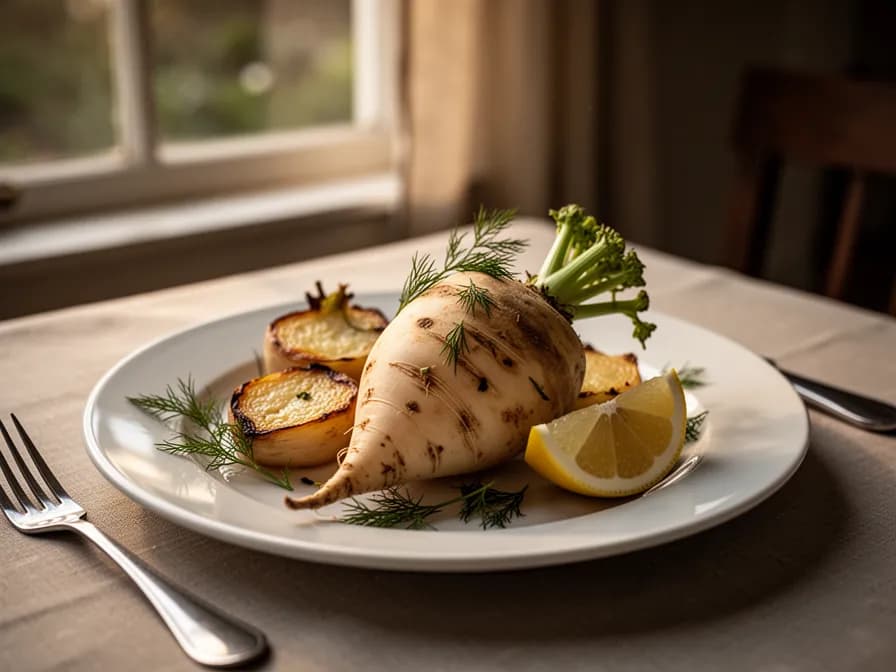
Classic Mashed Rutabaga with Brown Butter
35 minSilky, golden mashed rutabaga enriched with nutty brown butter — a traditional Scandinavian side dish that pairs beautifully with roasted meats, sausages, and holiday feasts. The natural sweetness of frost-kissed rutabaga needs little embellishment.
7 ingredientesHoney-Roasted Rutabaga Cubes
45 minCubed rutabaga roasted at high heat until deeply caramelized and tender, finished with a drizzle of honey and fresh thyme. The roasting process concentrates the natural sugars and creates irresistible golden-brown edges with a creamy, sweet interior.
7 ingredientesRutabaga and Potato Gratin
60 minThinly sliced rutabaga layered with potatoes in a rich cream sauce, baked until bubbling and golden on top. The rutabaga adds a subtle sweetness that complements the potato beautifully, creating a hearty winter side dish that elevates any meal.
8 ingredientesUsos culinarios
El nabo sueco es extraordinariamente versátil en la cocina: puede asarse en el horno con aceite de oliva y hierbas hasta caramelizar, lo que realza su dulzor natural. Es ingrediente clásico de sopas y guisos invernales, purés cremosos (solo o mezclado con patata) y estofados tradicionales escandinavos como el rotmos. También se puede preparar en gratinados, como acompañamiento glaseado con mantequilla y miel, o rallado crudo en ensaladas de invierno.
Qué contiene
Beneficios para la salud
- Excellent source of vitamin C, providing 28% of the daily value per 100g — a crucial nutrient during winter months when fresh produce options are limited. Vitamin C supports immune function, wound healing, and iron absorption.
- Contains glucosinolates, sulfur-containing compounds found in brassica vegetables that break down into biologically active compounds (isothiocyanates) during digestion, which have been studied for their potential to support the body's natural detoxification processes.
- Rich in potassium (305mg per 100g), which helps maintain healthy blood pressure by counteracting the effects of sodium, supports proper heart rhythm, and aids muscle and nerve function.
- Low glycemic index (GI of approximately 72, lower when combined with fat or protein) makes rutabaga a better choice than potatoes for blood sugar management, providing sustained energy from complex carbohydrates.
- Provides dietary fiber (2.3g per 100g) that supports digestive regularity, feeds beneficial gut bacteria, and contributes to feelings of satiety — helpful for weight management during the winter months when activity levels may decrease.
- Contains manganese and phosphorus, minerals essential for bone formation, energy metabolism, and antioxidant enzyme function — making rutabaga a valuable addition to a bone-health diet, especially for older adults.
De dónde viene Nabo Sueco
Rutabaga (Brassica napus subsp. rapifera) is believed to have originated as a natural hybrid between the turnip (Brassica rapa) and wild cabbage (Brassica oleracea) sometime during the late Middle Ages in Scandinavia or Russia. The earliest written records of rutabaga appear in the early 1600s, with Swiss botanist Gaspard Bauhin providing one of the first descriptions in 1620. Unlike most vegetables, which were domesticated thousands of years ago, the rutabaga is a relatively recent addition to the human diet — only about 400-500 years old.
The vegetable spread across Northern Europe during the 17th and 18th centuries, finding particular favor in Scandinavia, Scotland, and England, where the cool climate and heavy soils suited its growth perfectly. It was initially valued as livestock fodder before gaining appreciation as a human food, particularly among working-class communities who relied on its exceptional storage qualities to provide nutrition through long winters. In Finland, rutabaga became essential to the traditional Christmas dish 'lanttulaatikko' (rutabaga casserole), and in Scotland, mashed 'neeps' paired with haggis became inseparable from Burns Night celebrations.
Rutabaga arrived in North America in the early 1800s, brought by Scandinavian and British immigrants who planted it as a familiar staple. It became an important crop in Canada and the northern United States, where the climate and growing season matched its preferences. The name 'rutabaga' — from the Swedish 'rotabagge' — is used primarily in North America, while 'swede' remains the standard name in Britain, Australia, and New Zealand. Today, rutabaga is grown commercially across northern temperate regions worldwide, with Canada, the United Kingdom, and Scandinavian countries being major producers. Modern varieties have been bred for smoother roots, sweeter flavor, and improved disease resistance, but the fundamental character of this hardy, cold-loving root vegetable remains unchanged.
Nabo Sueco: ¿sabías que?
Datos fascinantes sobre Nabo Sueco
Rutabaga is a natural hybrid between cabbage (Brassica oleracea) and turnip (Brassica rapa) that likely arose spontaneously in medieval European gardens — making it one of the few common vegetables that originated through accidental cross-pollination rather than deliberate breeding.
Nabo Sueco: preguntas frecuentes
¿Cuándo debo plantar Nabo Sueco?
¿Cuáles son buenas plantas acompañantes para Nabo Sueco?
¿En qué zonas de rusticidad puede crecer Nabo Sueco?
¿Cuánto sol necesita Nabo Sueco?
¿A qué distancia debo espaciar Nabo Sueco?
¿Qué plagas y enfermedades afectan a Nabo Sueco?
¿Cómo almaceno Nabo Sueco después de la cosecha?
¿Cuáles son las mejores variedades de Nabo Sueco para cultivar?
¿Qué suelo necesita Nabo Sueco?
What is the difference between a rutabaga and a turnip?
Why does my rutabaga have brown spots inside when I cut it open?
Can I eat rutabaga raw?
Why are store-bought rutabagas coated in wax?
How do I know when my rutabagas are ready to harvest?
Can I grow rutabagas in containers?
Acabas de leer la teoría. Ahora cultívala en piloto automático.
Todo lo que hace que Nabo Sueco sea delicado — el momento, el espaciado, las asociaciones, la ventana de cosecha — es justo lo que PlotMyGarden resuelve por ti, para cada planta de tu huerto.
Un plan que conoce tu clima
Indica tu ubicación una vez. Recibe fechas de siembra, abonado y cosecha basadas en tu última helada real y el pronóstico en vivo — sin adivinar con un sobre genérico.
De la sección “Cuándo plantar”Planificador de bancales de arrastrar y soltar
Diseña bancales sobre una cuadrícula. Cada planta encaja con su espaciado correcto y ves toda la temporada antes de gastar un céntimo en semillas.
De la sección “Cultivo”Conflictos de asociación, detectados a tiempo
Más de 200 buenas y malas combinaciones comprobadas en vivo mientras plantas — para que un error que arruine la temporada nunca llegue a la tierra.
De la sección “Asociaciones”Recordatorios que sí vas a seguir
“Riega las judías.” “Recoge hoy antes de que se pase.” Oportunos, concretos y ligados a las plantas que de verdad cultivas.
De la sección “Cosecha”Escalonado, programado
¿Quieres cosechar seis semanas en vez de seis días? Reparte tus siembras automáticamente y te avisa cuando toca el siguiente lote.
De la sección “Cuándo plantar”Un registro que se vuelve más listo
Cada cosecha que registras le enseña tu huerto. El plan del año que viene parte de lo que de verdad funcionó en tu suelo, no en un manual.
De la sección “Resumen”Planta estos junto a Nabo Sueco
Más Crucíferas
Mantén Nabo Sueco lejos de estos
Diseños de jardín con Nabo Sueco
Cultiva tu mejor Nabo Sueco — y todo lo que la rodea.
Empieza un plan gratis hoy. Diseña tus bancales, coloca tu Nabo Sueco y deja que PlotMyGarden gestione el momento, el espaciado, las asociaciones y los recordatorios de la semilla a la cesta.