Pimiento Cubanelle
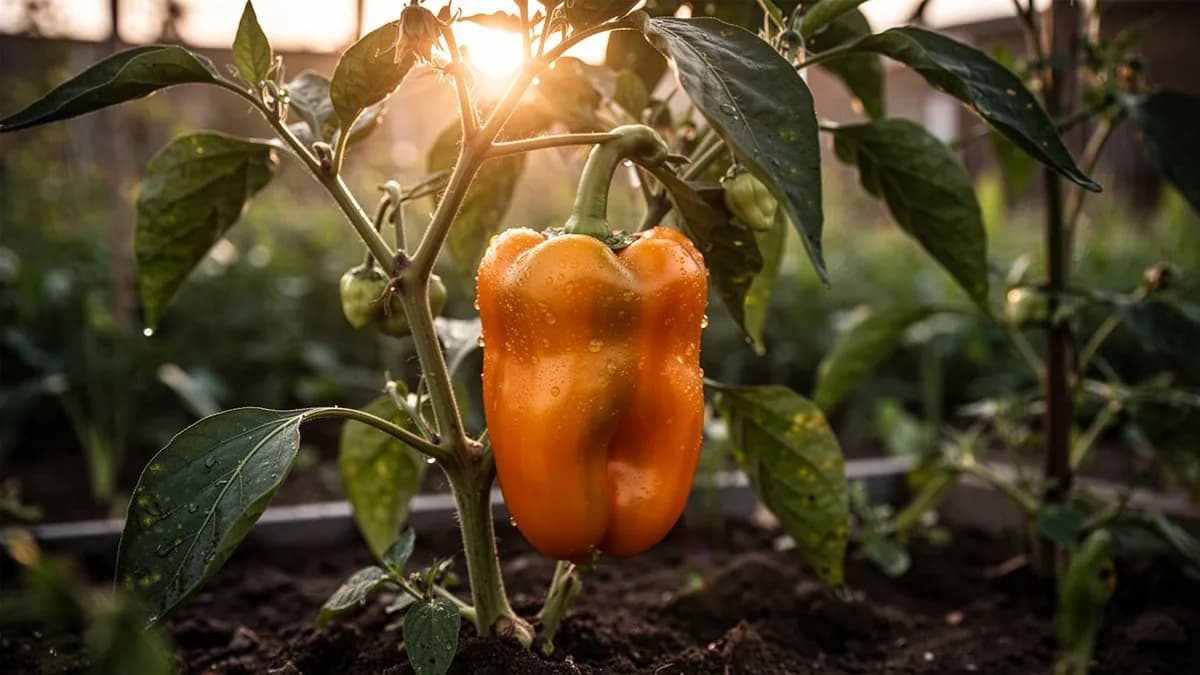
El pimiento cubanelle (Capsicum annuum) es una variedad de pimiento dulce tipo italiano, alargado y de piel fina, de color verde claro amarillento que madura a rojo anaranjado.





En esta páginaResumen
Conoce Pimiento Cubanelle
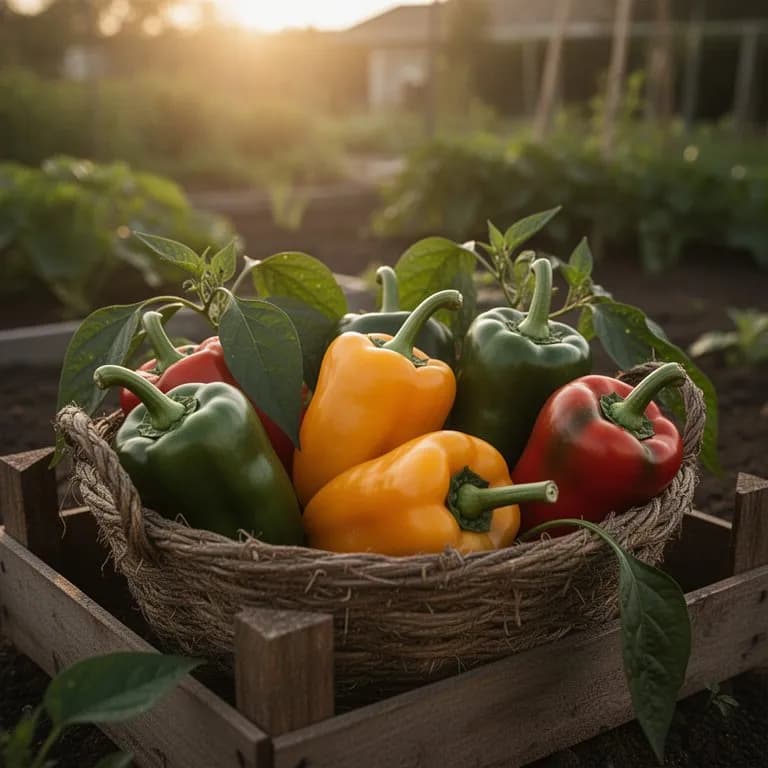
El pimiento cubanelle (Capsicum annuum) es una variedad de pimiento dulce tipo italiano, alargado y de piel fina, de color verde claro amarillento que madura a rojo anaranjado. Con un sabor dulce, suave y ligeramente afrutado, es el pimiento preferido para freír en la cocina italiana, caribeña y latinoamericana gracias a su textura delicada y su paredes finas que se cocinan rápidamente.
Cuándo plantar Pimiento Cubanelle
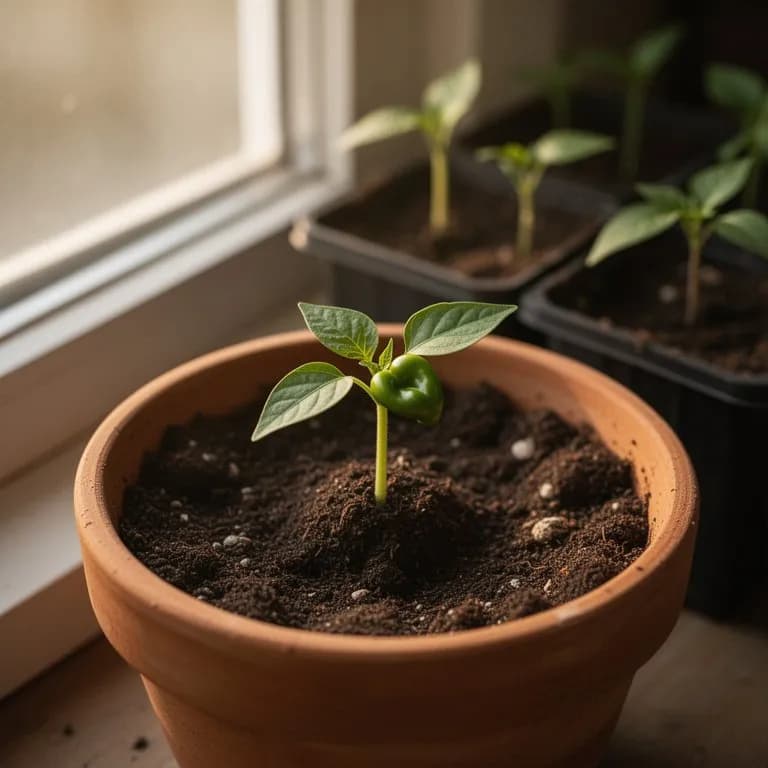
Inicie las semillas en interior 8 semanas antes de la última helada, sembrando a 5 mm de profundidad en sustrato estéril a 25-28°C. La germinación ocurre en 10-14 días bajo condiciones óptimas de temperatura y humedad. Transplante a macetas individuales cuando aparezca el segundo par de hojas verdaderas y endurezca las plántulas durante 7-10 días antes del trasplante definitivo al huerto.
Tu año de Pimiento Cubanelle
Ajustado a Zona 7 · temporada típica · la helada se va hacia el 2 abr y vuelve hacia el 1 nov
Planta Pimiento Cubanelle Feb – May y cosecha Jul – Sep. Consulta los métodos de plantación y elige tu clima para adaptar los periodos.
Cómo cultivar Pimiento Cubanelle
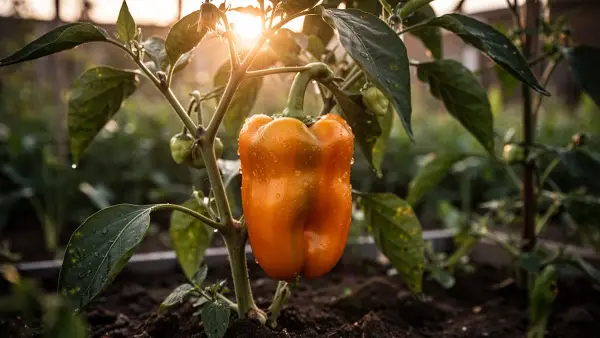
El pimiento cubanelle se cultiva de forma similar a otros pimientos dulces, pero su piel fina lo hace particularmente sensible a daños mecánicos y quemaduras solares. Inicie las semillas en interior 8 semanas antes de la última helada, sembrando a 5 mm de profundidad en sustrato a 25°C. Transplante al exterior a 40-50 cm de separación cuando las noches superen los 15°C.
Proporcione pleno sol y riego regular, manteniendo el suelo uniformemente húmedo. La planta alcanza 60-75 cm de altura y puede necesitar soporte cuando esté cargada de frutos alargados de 15-20 cm. Aplique acolchado orgánico para mantener la humedad del suelo y reducir las fluctuaciones de temperatura que pueden causar caída de flores.
Fertilice cada 2-3 semanas con un abono equilibrado, reduciendo el nitrógeno cuando comience la fructificación para favorecer la producción de frutos sobre el crecimiento vegetativo excesivo. La cosecha frecuente estimula la producción continua. En climas con sol intenso, puede ser beneficioso proporcionar sombra parcial durante las horas más calurosas para prevenir quemaduras solares en los frutos de piel delicada.
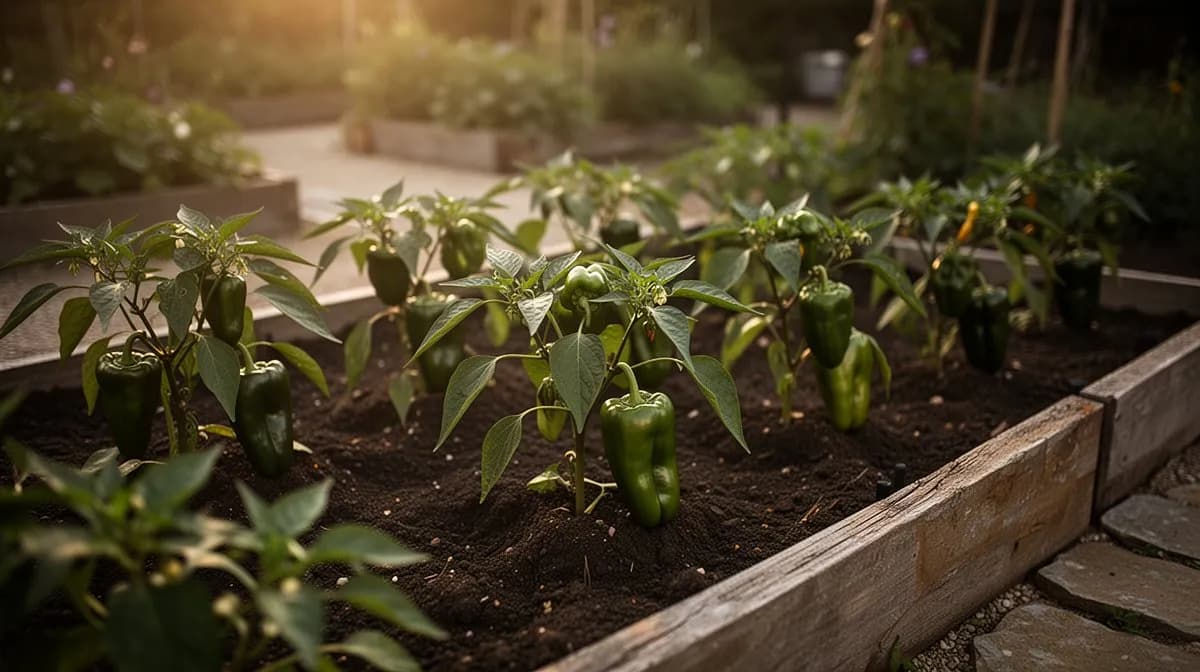
10 plantas caben en un bancal de 120 × 240 cm
Cada Pimiento Cubanelle pide 45 cm de margen. El planificador guarda ese marco por ti — cada planta, cada bancal.
Los mejores vecinos de Pimiento Cubanelle
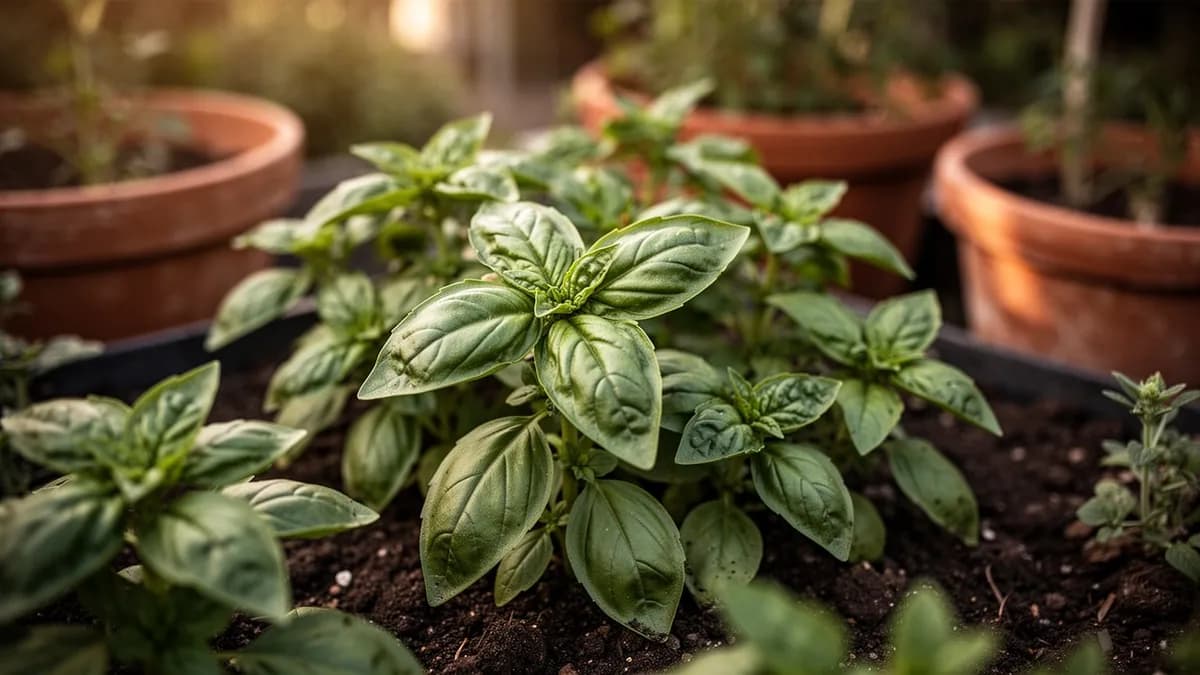
El pimiento cubanelle se beneficia de la compañía de albahaca, perejil y orégano, cuyas esencias aromáticas repelen plagas comunes como pulgones y moscas blancas. Las zanahorias y las espinacas son buenos vecinos que aprovechan el espacio sin competir. Evite plantar cerca de hinojo y de crucíferas que compiten por nutrientes similares.
Tomate va a su lado. Hinojo no.
Saber de huerto de siempre, cotejado con la tabla real de Pimiento Cubanelle — prueba cualquier planta que cultives.
Prueba Pimiento Cubanelle en un bancal, aquí mismo
Un bancal real del planificador con Pimiento Cubanelle ya plantado. Toca una planta compañera para colocarla y mira cómo responde la comprobación de vecinos: verde para buenos vecinos, rojo si hay conflicto.


Guías de cultivo relacionadas
Abónalo bien
El pimiento cubanelle prospera en suelos fértiles, ligeros y bien drenados, con un pH entre 6,0 y 7,0 y buen contenido de materia orgánica. Incorpore compost maduro antes del trasplante y aplique un fertilizante equilibrado durante el crecimiento. Durante la fructificación, cambie a un abono rico en potasio para mejorar el sabor y la firmeza de los frutos.
Temperatura ideal
Compatibilidad de zonas de rusticidad
De la semilla a la cosecha, etapa por etapa
Siembra
Las semillas de pimiento Cubanelle germinan en 7-14 días cuando reciben calor constante. Primero emerge la radícula pálida, que se ancla en el sustrato, seguida de un par de cotiledones lisos y ovalados que empujan hacia la superficie. Las semillas requieren temperaturas del suelo de 21-27°C y humedad constante para germinar de forma fiable. Como ocurre con la mayoría de las variedades de Capsicum annuum, la germinación es irregular por debajo de 18°C.
Desarrollo de plántula
Las hojas verdaderas emergen con un aspecto liso, verde medio y lanceolado, claramente distinto de los cotiledones redondeados. El crecimiento durante esta fase es constante pero pausado mientras el sistema radicular se desarrolla bajo tierra. Al final de esta etapa, las plántulas deberían tener de 4 a 6 pares de hojas verdaderas y un tallo que empieza a endurecerse. Las plántulas de Cubanelle suelen ser algo más compactas que las de pimiento morrón en esta etapa.
Crecimiento vegetativo
Después del trasplante al exterior, las plantas de Cubanelle se establecen rápidamente en suelo cálido y desarrollan un porte arbustivo y erguido con ramas robustas. Suelen alcanzar 50-70 cm de altura y 40-50 cm de ancho. El follaje se vuelve denso y verde oscuro, proporcionando una base energética fuerte para la abundante fructificación posterior. Al final de esta etapa pueden aparecer los primeros botones florales en las bifurcaciones de las ramas.
Maduración y cosecha tardía
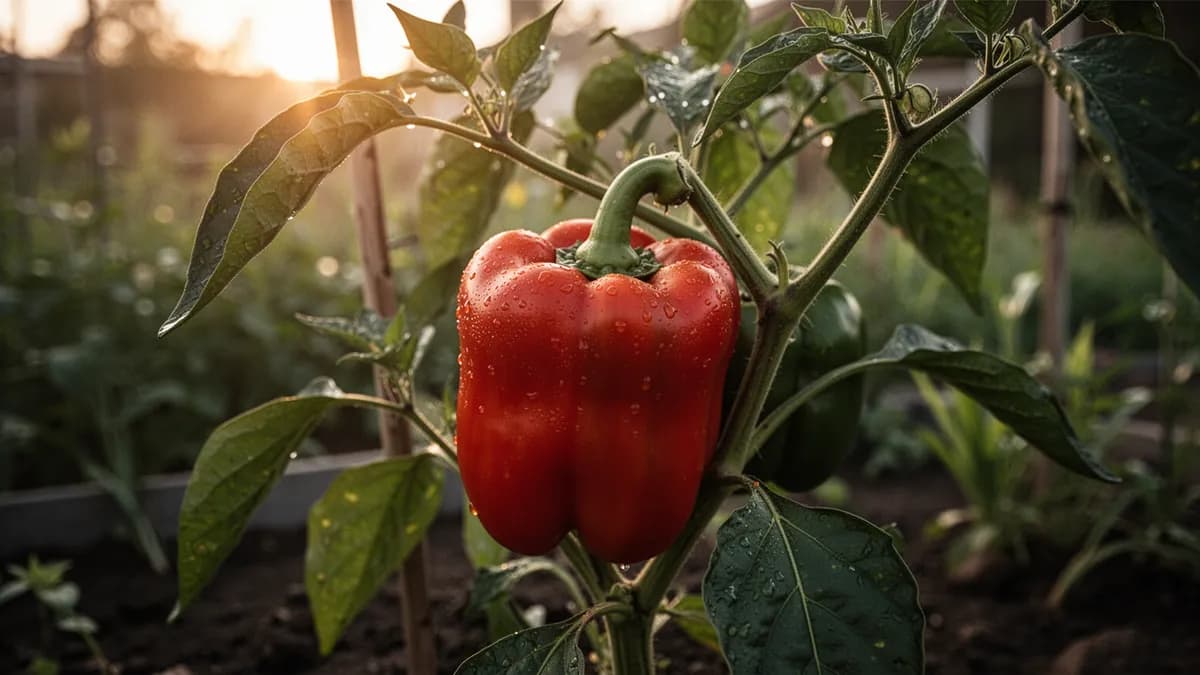
Los pimientos que se dejan en la planta pasan de verde pálido a amarillo, luego a naranja y finalmente a un rojo intenso. Los Cubanelles maduros son notablemente más dulces y complejos que los verdes, con un sabor rico y afrutado. Los frutos rojos maduros también contienen significativamente más vitamina C y carotenoides. La producción disminuye gradualmente a medida que bajan las temperaturas en otoño, y la planta sigue produciendo hasta la primera helada.
Poscosecha
Después de la cosecha, las plantas de pimiento Cubanelle han terminado su ciclo de temporada. Retira las plantas agotadas y prepara el bancal para el siguiente cultivo.
Poscosecha
Después de la cosecha, las plantas de pimiento Cubanelle han terminado su ciclo de temporada. Retira las plantas agotadas y prepara el bancal para el siguiente cultivo.
Inicia las semillas en interiores 8-10 semanas antes de la última helada prevista. Usa una manta térmica ajustada a 25-27°C y cubre las bandejas de siembra con campanas de humedad hasta que aparezcan los brotes. Siembra las semillas a 6 mm de profundidad en sustrato estéril para semilleros y mantenlo uniformemente húmedo sin saturarlo.
Cuidar Pimiento Cubanelle mes a mes
Qué hacer cada mes para tu Pimiento Cubanelle
Octubre
Mes actualHarvest all remaining peppers before the first frost — Cubanelle peppers have very thin walls and are damaged immediately by freezing temperatures. Collect seeds from fully ripe red peppers. Pull spent plants and add healthy material to the compost pile.
Ten claro qué hacer en tu huerto, cada mes
Un correo al empezar cada mes: qué sembrar, plantar y hacer ahora mismo — para tu Pimiento Cubanelle y todo lo que crece alrededor. Más un breve curso inicial para esquivar los errores clásicos.
- Qué hacer ahora mismo
- Ajustado a tu temporada
- Curso inicial incluido
Cosechar Pimiento Cubanelle
Los pimientos cubanelle se cosechan generalmente en estado verde claro a partir de los 60-65 días, cuando alcanzan 15-20 cm de longitud, o se dejan madurar a rojo-anaranjado a los 75-80 días para un sabor más dulce. Corte con tijeras dejando un pequeño pedúnculo. La cosecha frecuente es esencial para estimular la producción continua de nuevos frutos.
se supone que plantas al comenzar el periodo — indica tu fecha real
Cosecha cuando los frutos midan entre 5 y 7 pulgadas y sigan de color amarillo verdoso claro, o déjalos madurar hasta naranja o rojo para obtener un sabor más dulce.
Almacenamiento y conservación
Los pimientos cubanelle frescos se conservan en el refrigerador durante 5-7 días en bolsas perforadas, aunque su piel fina los hace menos duraderos que otros pimientos. Se pueden congelar cortados en tiras para freír posteriormente, asar y conservar en aceite de oliva, o deshidratar en tiras finas. También son excelentes para preparar conservas en vinagre.
Qué falla — y cómo solucionarlo
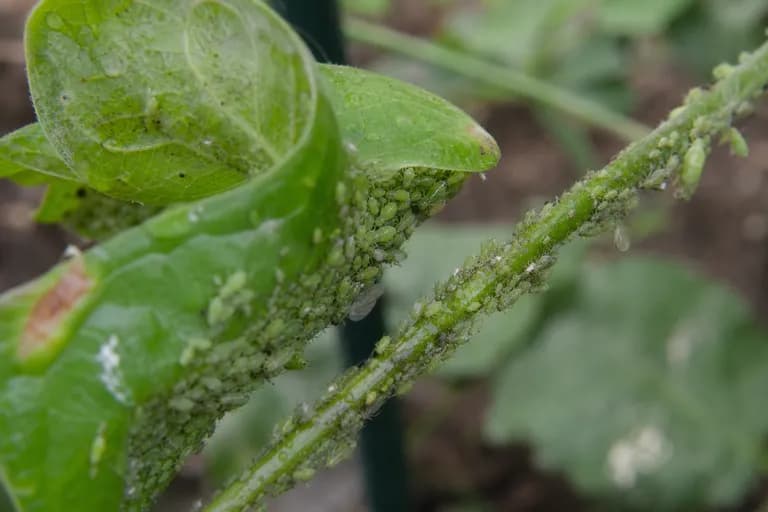
Pulgones
PlagaColonias verdes o negras en brotes tiernos y envés de hojas nuevas, causando enrollamiento del follaje, secreción de melaza y potencial transmisión de virus.
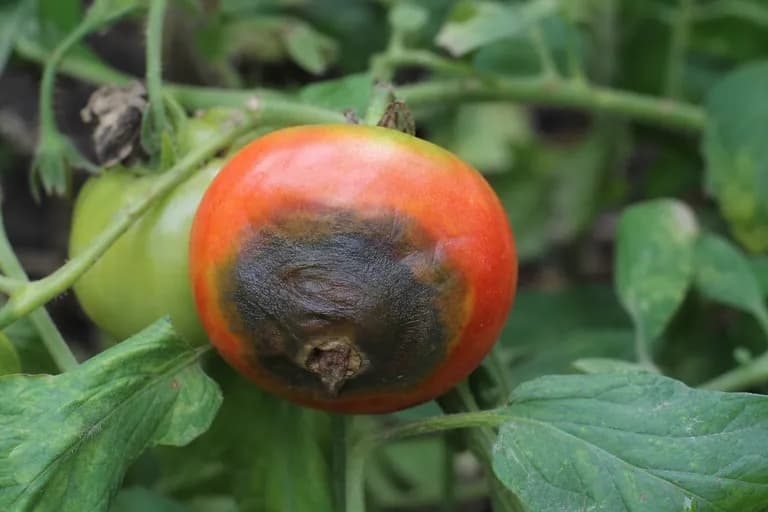
Mancha bacteriana
EnfermedadPequeñas manchas oscuras acuosas en hojas y frutos que se expanden y se tornan marrones con halo amarillo. En frutos causa lesiones costrosas que reducen la calidad comercial.
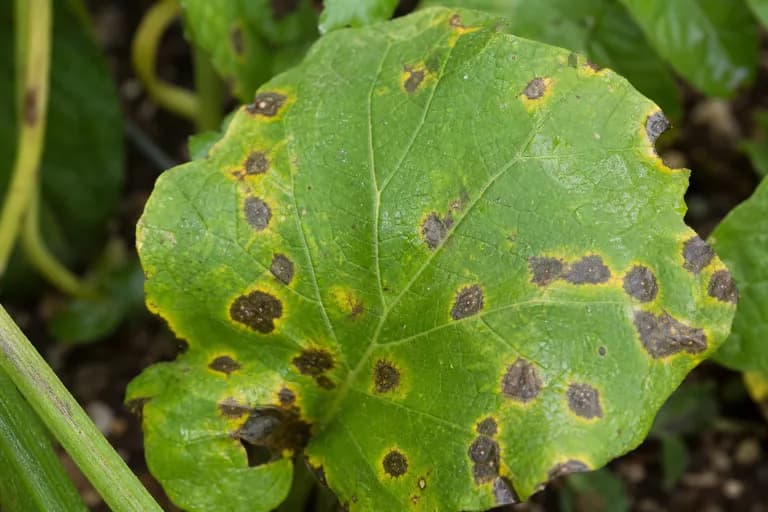
Mosca blanca
PlagaPequeños insectos blancos alados en el envés de las hojas que causan amarillamiento, debilitamiento general y secreción de melaza que favorece el desarrollo de fumagina negra.
Solución de problemas comunes
La piel delgada del cubanelle lo hace susceptible a daños mecánicos durante la manipulación y a quemaduras solares en frutos expuestos directamente al sol intenso. El exceso de riego o los suelos mal drenados provocan pudrición radicular, y las fluctuaciones bruscas de humedad causan rajaduras en los frutos que reducen su calidad.
Consejos de cultivo
- Start seeds early indoors with bottom heat — Cubanelle peppers need 8-10 weeks of indoor growing time and germinate poorly in cool soil. A heat mat is the single most effective tool for reliable pepper seed starting. Be patient and keep the medium consistently moist.
- Cubanelles are excellent container plants. Use a 15-20 liter pot with quality potting mix and a sunny position. Their compact, bushy habit and prolific production make them ideal for patios and balconies where space is limited but sun is abundant.
- Harvest frequently to maximize yields. Cubanelle peppers produce on a cut-and-come-again cycle — the more you pick, the more the plant produces. Leaving too many mature peppers on the plant signals it to slow down new fruit production.
- Water consistently but avoid overhead irrigation. Cubanelle peppers prefer evenly moist soil and their thin-walled fruit is prone to developing cosmetic blemishes from wet foliage. Drip irrigation or soaker hoses deliver water to the root zone where it is needed most.
- These peppers are ideal for succession planting with tomatoes, basil, and eggplant — they share similar growing requirements and complement each other both in the garden bed and in the kitchen. Interplanting with basil helps repel aphids and whiteflies naturally.
- For the sweetest flavor, allow some peppers to ripen past the green stage. Yellow and orange Cubanelles are sweeter than green ones, and fully red fruit has a rich, fruity complexity that transforms the pepper from a supporting ingredient into a star. Experiment with different harvest stages.
- Avoid high-nitrogen fertilizers after flowering begins. Excess nitrogen produces luxuriant foliage at the expense of fruit. Switch to a potassium-rich fertilizer like tomato feed once the first blooms appear to channel the plant's energy into pepper production.
- Companion plant with marigolds and nasturtiums to deter common pests. Avoid planting near fennel, which inhibits pepper growth, or brassicas, which compete for nutrients. Rotate pepper planting locations annually to prevent soilborne disease buildup in the nightshade family.
Cultiva tu mejor Pimiento Cubanelle — y todo lo que la rodea.
Empieza un plan gratis hoy. Diseña tus bancales, coloca tu Pimiento Cubanelle y deja que PlotMyGarden gestione el momento, el espaciado, las asociaciones y los recordatorios de la semilla a la cesta.
Elige tu Pimiento Cubanelle
Cubanelle
La variedad estándar clásica con frutos alargados de 15-18 cm, piel fina verde amarillenta y sabor excepcional para freír. Madura en 65-70 días y es muy productiva.
Key Largo
Híbrido mejorado con mayor resistencia a enfermedades y frutos más uniformes de 18-20 cm. Madura en 62 días y ofrece excelente rendimiento en cultivo comercial.
Biscayne
Variedad robusta con buena tolerancia al calor y resistencia al virus del mosaico del tabaco. Frutos de 15-17 cm con paredes ligeramente más gruesas, madura en 65 días.
Aconcagua
Variedad argentina de frutos extra largos de hasta 25 cm con sabor dulce intenso. Madura en 70-75 días y es ideal tanto para freír como para asar a la parrilla.
Cubanelle peppers sell for $2-5 per pound at grocery stores and farmers markets, with prices climbing higher at specialty Italian and Caribbean markets. A single plant producing 1.5-2.5 kg of peppers represents $8-25 in retail value. Growing 4-6 plants provides a steady supply for daily cooking throughout summer and generates $30-120 worth of fresh peppers. The savings are especially significant for households that use Cubanelles as a kitchen staple in Caribbean and Italian-American cooking, where buying them two or three times a week adds up quickly over the season.
Recetas rápidas
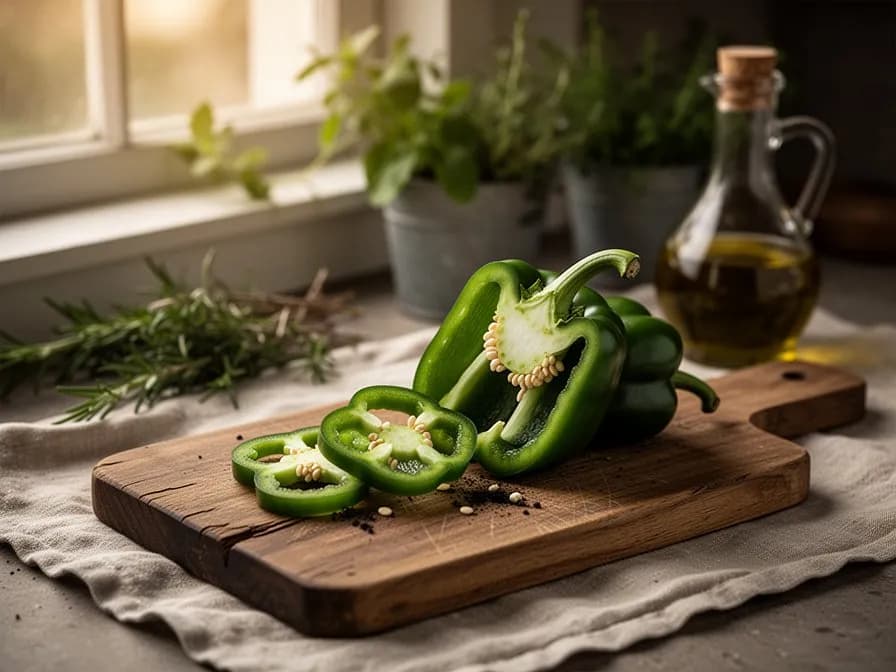
Italian Fried Cubanelle Peppers
15 minA classic Italian-American side dish — whole or halved Cubanelle peppers sauteed in olive oil with sliced garlic until the skins blister and the flesh turns silky, then finished with coarse salt and a splash of red wine vinegar. Simple, fast, and deeply savory. Traditionally served alongside Italian sausages or piled onto crusty bread.
6 ingredientesStuffed Cubanelle Peppers with Rice and Beef
40 minCubanelle peppers filled with a savory mixture of seasoned ground beef, rice, tomatoes, and herbs, then baked until tender. Their thin walls cook faster than bell peppers and their mild sweetness pairs beautifully with richly spiced fillings — a weeknight dinner staple in Cuban and Italian-American households.
10 ingredientesCubanelle Pepper and Egg Sandwich
15 minA beloved Italian-American deli classic — sauteed Cubanelle peppers and scrambled eggs piled onto a crusty Italian roll. The soft, sweet peppers meld with the creamy eggs for an unfussy, deeply satisfying breakfast or lunch sandwich that has been a staple of New York and New Jersey delis for generations.
6 ingredientesUsos culinarios
El pimiento cubanelle es el rey de la fritura en la cocina italiana y caribeña, donde se saltea entero o en tiras en aceite de oliva hasta que la piel se dore y se ampollen ligeramente. Se empaniza y fríe como aperitivo, se rellena con queso y se hornea, y se utiliza en sofrito puertorriqueño y en preparaciones de peperonata tradicional.
Qué contiene
Beneficios para la salud
- Outstanding source of vitamin C — a 100g serving of Cubanelle peppers provides over 90% of the daily recommended value, supporting immune defense, wound healing, and the absorption of iron from plant-based foods.
- Rich in B vitamins, particularly B6 and folate, which are essential for healthy brain function, DNA synthesis, and the production of red blood cells — especially important during pregnancy and for cardiovascular health.
- Contains anti-inflammatory flavonoids including quercetin, which research links to reduced risk of cardiovascular disease and may help alleviate seasonal allergy symptoms by stabilizing histamine-releasing cells.
- Very low calorie density at just 18 calories per 100g with high water content makes Cubanelles an excellent food for hydration and satiety without caloric excess during weight management.
- Provides beta-carotene and other carotenoids (especially in ripe red fruit) that the body converts to vitamin A, supporting healthy vision, skin renewal, and proper immune cell function.
- Contains modest amounts of capsaicin at levels gentle enough for sensitive stomachs while still offering mild metabolic and anti-inflammatory benefits — an ideal entry point for people who want capsaicin's health advantages without intense heat.
De dónde viene Pimiento Cubanelle
The Cubanelle pepper (Capsicum annuum) descends from wild chile peppers domesticated in Mesoamerica and South America more than 6,000 years ago. The specific variety we know as the Cubanelle developed in the Caribbean, particularly in Cuba, where centuries of selection by local farmers produced a long, thin-walled, mild pepper perfectly suited to the frying, sauteing, and slow-braising techniques of Creole and Caribbean cooking. The warm, humid climate of the Caribbean islands shaped the variety into one that thrives in heat and produces prolifically over long growing seasons.
The Cubanelle's journey to mainland North America began in the late 19th and early 20th centuries, carried by waves of Cuban, Puerto Rican, and Dominican immigrants settling in the urban centers of the northeastern United States. Simultaneously, Italian immigrants arriving in New York, New Jersey, and Philadelphia discovered the Cubanelle and adopted it as their preferred frying pepper, finding it superior to the thick-walled bell peppers that dominated American markets. The thin walls crisped beautifully in olive oil, the mild sweetness complemented garlic and sausage, and the plants grew vigorously in the warm summers of the mid-Atlantic region.
By the mid-20th century, the Cubanelle had become firmly established as a dual-heritage pepper — equally at home in Cuban black bean soup and Italian pepper-and-egg sandwiches. Commercial production expanded across New Jersey, Long Island, and the Connecticut River Valley to meet growing demand. Today, the Cubanelle remains one of the most commercially important pepper varieties in the northeastern United States and is increasingly popular with home gardeners nationwide who discover its superior cooking qualities. It has also maintained its central role in Caribbean cuisines, remaining an essential ingredient in the kitchens of Cuba, Puerto Rico, and the Dominican Republic.
Pimiento Cubanelle: ¿sabías que?
Datos fascinantes sobre Pimiento Cubanelle
The Cubanelle pepper takes its name from Cuba, where it was a staple of traditional Creole cooking for centuries before emigrating to the United States with waves of Caribbean immigrants. Despite its Cuban heritage, the pepper is today most closely associated with Italian-American cuisine, particularly in the kitchens of New York, New Jersey, and Philadelphia.
Pimiento Cubanelle: preguntas frecuentes
¿Cuándo debo plantar Pimiento Cubanelle?
¿Cuáles son buenas plantas acompañantes para Pimiento Cubanelle?
¿En qué zonas de rusticidad puede crecer Pimiento Cubanelle?
¿Cuánto sol necesita Pimiento Cubanelle?
¿A qué distancia debo espaciar Pimiento Cubanelle?
¿Qué plagas y enfermedades afectan a Pimiento Cubanelle?
¿Cómo almaceno Pimiento Cubanelle después de la cosecha?
¿Cuáles son las mejores variedades de Pimiento Cubanelle para cultivar?
¿Qué suelo necesita Pimiento Cubanelle?
What is the difference between Cubanelle peppers and bell peppers?
Can I substitute Cubanelle peppers for bell peppers in recipes?
Why are Cubanelle peppers sometimes called Italian frying peppers?
How hot are Cubanelle peppers?
When should I harvest Cubanelle peppers?
Can I grow Cubanelle peppers in cooler northern climates?
Acabas de leer la teoría. Ahora cultívala en piloto automático.
Todo lo que hace que Pimiento Cubanelle sea delicado — el momento, el espaciado, las asociaciones, la ventana de cosecha — es justo lo que PlotMyGarden resuelve por ti, para cada planta de tu huerto.
Un plan que conoce tu clima
Indica tu ubicación una vez. Recibe fechas de siembra, abonado y cosecha basadas en tu última helada real y el pronóstico en vivo — sin adivinar con un sobre genérico.
De la sección “Cuándo plantar”Planificador de bancales de arrastrar y soltar
Diseña bancales sobre una cuadrícula. Cada planta encaja con su espaciado correcto y ves toda la temporada antes de gastar un céntimo en semillas.
De la sección “Cultivo”Conflictos de asociación, detectados a tiempo
Más de 200 buenas y malas combinaciones comprobadas en vivo mientras plantas — para que un error que arruine la temporada nunca llegue a la tierra.
De la sección “Asociaciones”Recordatorios que sí vas a seguir
“Riega las judías.” “Recoge hoy antes de que se pase.” Oportunos, concretos y ligados a las plantas que de verdad cultivas.
De la sección “Cosecha”Escalonado, programado
¿Quieres cosechar seis semanas en vez de seis días? Reparte tus siembras automáticamente y te avisa cuando toca el siguiente lote.
De la sección “Cuándo plantar”Un registro que se vuelve más listo
Cada cosecha que registras le enseña tu huerto. El plan del año que viene parte de lo que de verdad funcionó en tu suelo, no en un manual.
De la sección “Resumen”Planta estos junto a Pimiento Cubanelle
Más Solanáceas
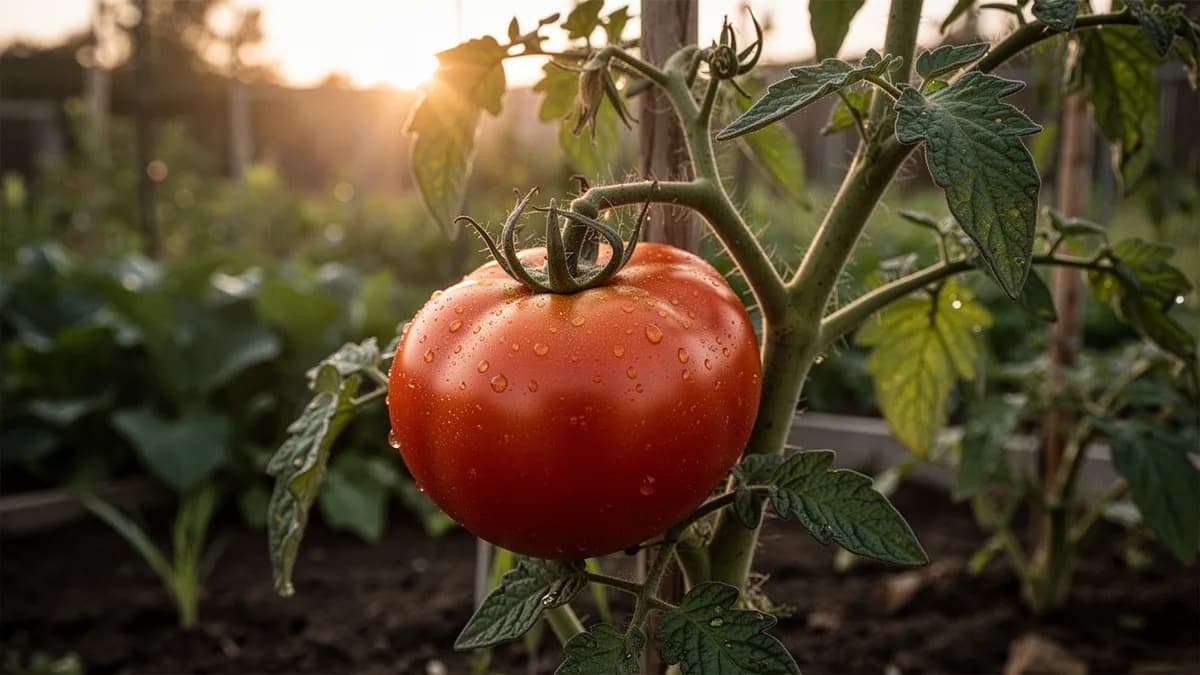
Mantén Pimiento Cubanelle lejos de estos
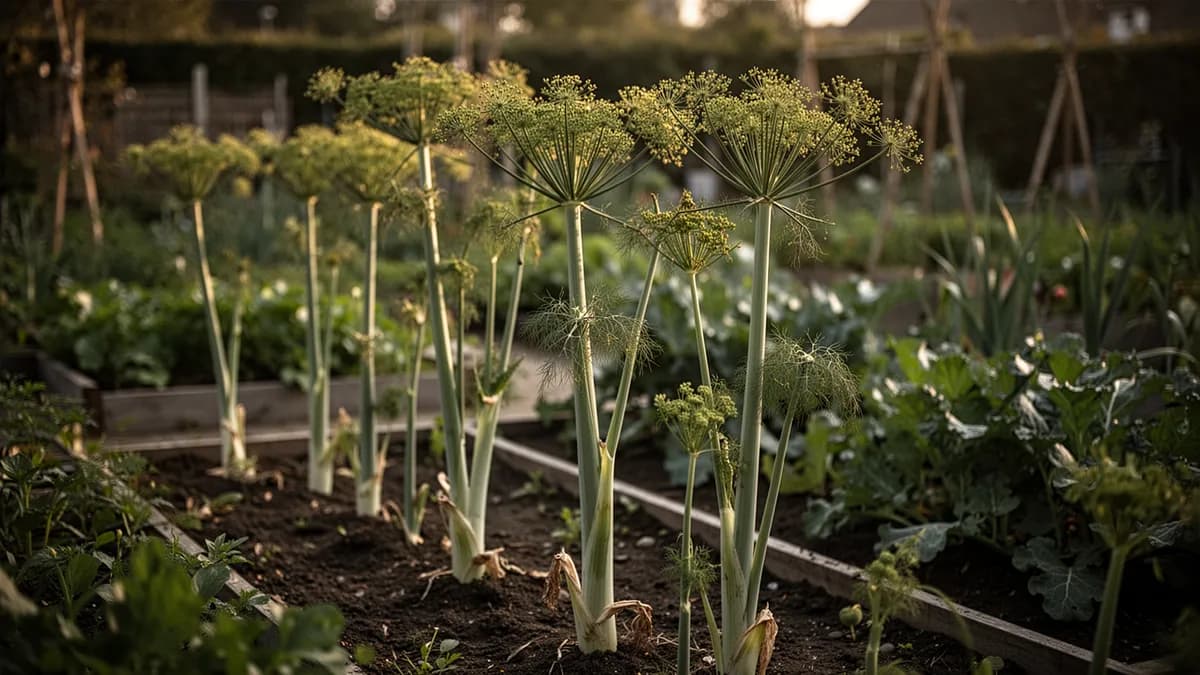
Cultiva tu mejor Pimiento Cubanelle — y todo lo que la rodea.
Empieza un plan gratis hoy. Diseña tus bancales, coloca tu Pimiento Cubanelle y deja que PlotMyGarden gestione el momento, el espaciado, las asociaciones y los recordatorios de la semilla a la cesta.