Papiro Comestible
El papiro comestible (Cyperus papyrus) es una planta acuática perenne originaria del noreste de África, especialmente del valle del Nilo, donde fue utilizado por los antiguos egipcios tanto como material para escritura como alimento.





En esta páginaResumen
Conoce Papiro Comestible
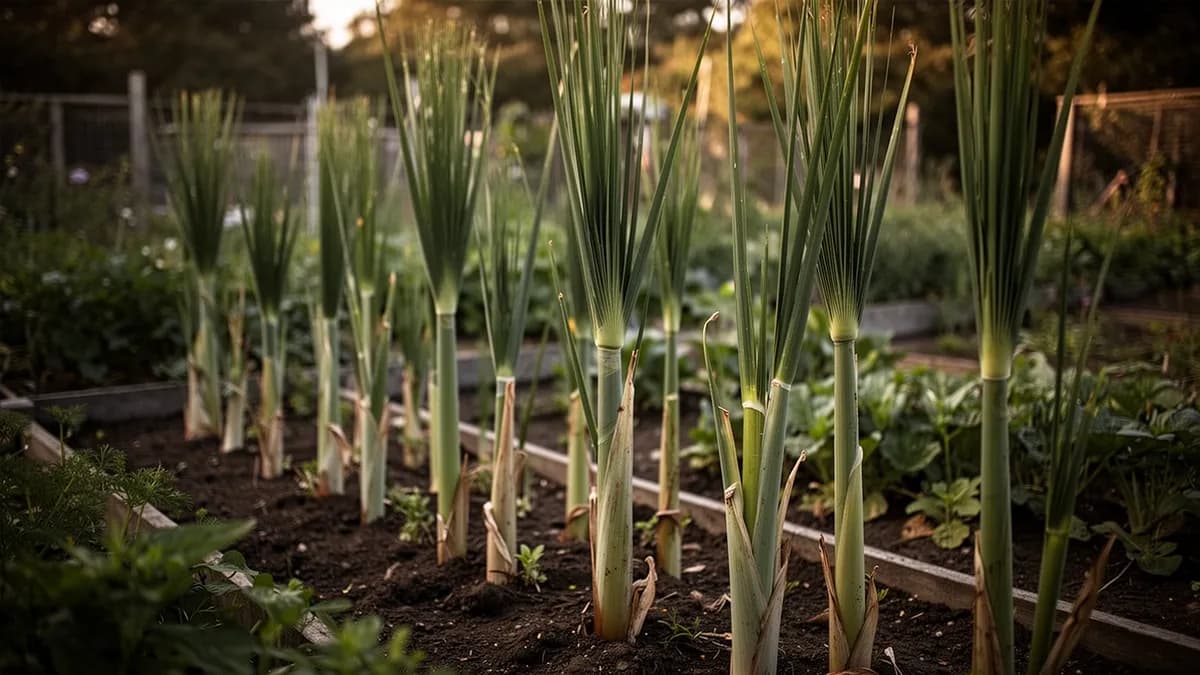
El papiro comestible (Cyperus papyrus) es una planta acuática perenne originaria del noreste de África, especialmente del valle del Nilo, donde fue utilizado por los antiguos egipcios tanto como material para escritura como alimento. Los tallos jóvenes y la médula interior del tallo contienen almidón comestible y se consumían como verdura en el Egipto faraónico y en otras civilizaciones africanas. Puede alcanzar 3-5 metros de altura y forma espectaculares umbelas de brácteas filiformes en la parte superior del tallo.
Cuándo plantar Papiro Comestible
La propagación más eficaz es por división de rizomas en primavera: separar secciones de rizoma con al menos 2-3 yemas y plantarlas en sustrato húmedo a 10 cm de profundidad, manteniendo el nivel de agua sobre la superficie del sustrato. La propagación por semillas es posible pero lenta: sembrar las diminutas semillas en sustrato muy húmedo sin cubrir (necesitan luz para germinar), manteniéndolas a 22-28 °C; la germinación tarda 15-30 días y las plántulas crecen lentamente al principio.
Tu año de Papiro Comestible
Ajustado a Zona 7 · temporada típica · la helada se va hacia el 2 abr y vuelve hacia el 1 nov
Planta Papiro Comestible Abr – May y cosecha Jul – Sep. Consulta los métodos de plantación y elige tu clima para adaptar los periodos.
Cómo cultivar Papiro Comestible
El papiro comestible es una planta estrictamente acuática o palustre que necesita tener sus raíces permanentemente sumergidas en agua o suelo saturado. Se cultiva en las orillas de estanques, lagos artificiales, canales de riego o en grandes contenedores sumergidos parcialmente en agua. Plantar los rizomas o divisiones a 10-15 cm de profundidad en un sustrato rico en materia orgánica, manteniendo un nivel de agua de 5-15 cm sobre la superficie del sustrato.
El papiro requiere pleno sol y temperaturas cálidas (20-30 °C) para un crecimiento vigoroso. No tolera heladas y muere con temperaturas inferiores a 5 °C, aunque los rizomas pueden sobrevivir bajo agua si esta no se congela. En climas templados, se puede cultivar en invernadero o como planta de interior en macetas sumergidas en bandejas con agua, trasladándola al exterior solo durante los meses más cálidos.
Fertilizar mensualmente durante la temporada de crecimiento con un fertilizante acuático de liberación lenta o tabletas fertilizantes insertadas en el sustrato. Controlar su expansión en estanques naturales, ya que puede colonizar agresivamente los márgenes si no se contiene. Dividir las matas cada 2-3 años para mantener el vigor y evitar el agotamiento del sustrato.
8 plantas caben en un bancal de 120 × 240 cm
Cada Papiro Comestible pide 60 cm de margen. El planificador guarda ese marco por ti — cada planta, cada bancal.
Guías de cultivo relacionadas
Abónalo bien
El papiro requiere un sustrato constantemente saturado de agua o sumergido, compuesto por tierra arcillosa rica mezclada con abundante compost o turba, con un pH entre 5,5 y 7,0. Fertilizar mensualmente durante la temporada de crecimiento con tabletas de fertilizante acuático de liberación lenta insertadas directamente en el sustrato. Evitar fertilizantes líquidos que puedan contaminar el agua del estanque y provocar el crecimiento excesivo de algas.
Temperatura ideal
Compatibilidad de zonas de rusticidad
De la semilla a la cosecha, etapa por etapa
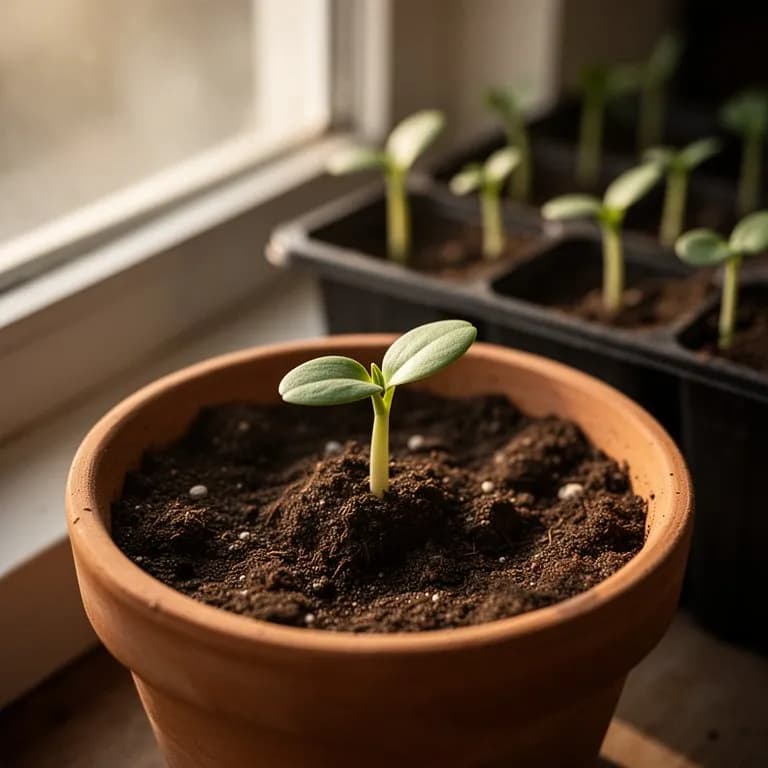
División y plantación
El papiro se propaga casi exclusivamente por división de rizomas y no por semilla, porque la germinación es lenta y poco fiable. Las divisiones de rizomas maduros con al menos 2-3 puntos de crecimiento se plantan en suelo encharcado o en recipientes sumergidos. En condiciones cálidas, el enraizamiento comienza en pocos días y las primeras puntas pálidas de los brotes emergen del rizoma en 7-14 días.
Emergencia de brotes
Los tallos triangulares emergen rápidamente del rizoma y crecen 2-5 cm por día en condiciones cálidas. La característica sección transversal de tres lados del tallo es visible desde las primeras etapas. En esta fase temprana (20-30 cm de altura), los brotes están en su punto óptimo de ternura para la cosecha culinaria: la médula es suave, crujiente y ligeramente dulce, con mínima formación de fibra.
Crecimiento vegetativo rápido
Los tallos se alargan de forma espectacular y alcanzan de 1,5 a 3 metros según la variedad y las condiciones de cultivo. La red de rizomas subterráneos se expande rápidamente y emite estolones que producen nuevos grupos de brotes. La médula del tallo se vuelve cada vez más fibrosa a medida que aumenta la altura, pasando de comestible a estructural. El propio rizoma sigue acumulando reservas de almidón durante esta fase.
Floración e inflorescencia
Las icónicas inflorescencias en forma de paraguas se desarrollan en la parte superior de los tallos maduros y consisten en cientos de finas ramificaciones en forma de rayos que irradian desde un punto central. Cada ramificación lleva pequeñas espiguillas con las flores. La espectacular apariencia de pompón es una de las siluetas más reconocibles del reino vegetal. La floración indica que el rizoma ha alcanzado su máximo contenido de almidón para la cosecha.
Maduración y cosecha del rizoma
La red de rizomas alcanza su plena madurez con el máximo contenido de almidón. Los segmentos individuales del rizoma miden 3-8 cm de diámetro y 15-40 cm de largo, con un interior blanco y crujiente bajo una piel fibrosa marrón. Esta es la principal ventana de cosecha para el rizoma comestible y rico en almidón. En climas tropicales, la planta es prácticamente perenne y puede cosecharse durante todo el año una vez establecida, con nuevo crecimiento que reemplaza continuamente las partes cosechadas.
Reposo e invernada
En las regiones subtropicales y templado-cálidas, el papiro entra en una fase semidormante cuando la temperatura baja de 15°C. El crecimiento aéreo amarillea y se seca, pero el rizoma sobrevive bajo tierra si no se congela. En climas tropicales (zonas 10-12), no hay un reposo verdadero y la planta crece todo el año. En zonas más frías, las plantas cultivadas en contenedor deben trasladarse al interior antes de las heladas.
Planta las divisiones de rizoma en suelo pesado de marga o arcilla en recipientes sin orificios de drenaje, o directamente en los márgenes del estanque. Mantén siempre 5-15 cm de agua estancada sobre la superficie del suelo. Usa agua a temperatura ambiente: el agua fría estresa los rizomas tropicales y retrasa el establecimiento. La temperatura mínima del suelo para el crecimiento activo es de 20°C.
Cuidar Papiro Comestible mes a mes
Qué hacer cada mes para tu Papiro Comestible
Octubre
Mes actualIn zones 8-9, prepare for overwintering. Move container plants indoors before nighttime temperatures drop below 10°C (50°F). Cut back any frost-damaged stems to the base. In zones 10-12, continue normal care — papyrus remains active. Harvest any remaining mature rhizome segments for the kitchen.
Ten claro qué hacer en tu huerto, cada mes
Un correo al empezar cada mes: qué sembrar, plantar y hacer ahora mismo — para tu Papiro Comestible y todo lo que crece alrededor. Más un breve curso inicial para esquivar los errores clásicos.
- Qué hacer ahora mismo
- Ajustado a tu temporada
- Curso inicial incluido
Cosechar Papiro Comestible
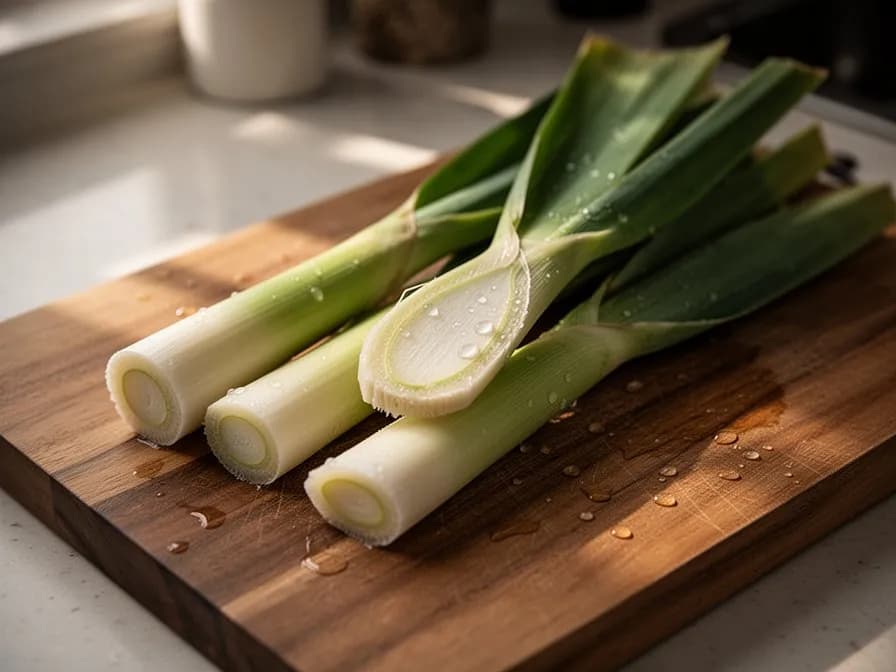
Los tallos jóvenes del papiro se cosechan cuando tienen 30-60 cm de altura y aún son tiernos y flexibles, cortándolos a nivel del agua o ligeramente por debajo. La médula interior se extrae pelando las capas externas del tallo para acceder al centro blanco y esponjoso. La cosecha se puede realizar durante todo el año en climas cálidos, siendo los brotes de primavera y principios de verano los más tiernos y sabrosos.
se supone que plantas al comenzar el periodo — indica tu fecha real
Cuando se desarrollan las cabezuelas florales y el rizoma está maduro y rico en almidón.
Almacenamiento y conservación
Los tallos frescos del papiro comestible tienen una vida útil muy corta y deben consumirse el mismo día de la cosecha o al día siguiente, almacenándolos en refrigeración envueltos en tela húmeda. La médula extraída se oscurece rápidamente al contacto con el aire, por lo que debe sumergirse en agua acidulada con limón hasta su preparación. Para conservación, la médula se puede secar al sol y moler para obtener una harina rica en almidón, o cocerse y congelarse en porciones.
Qué falla — y cómo solucionarlo
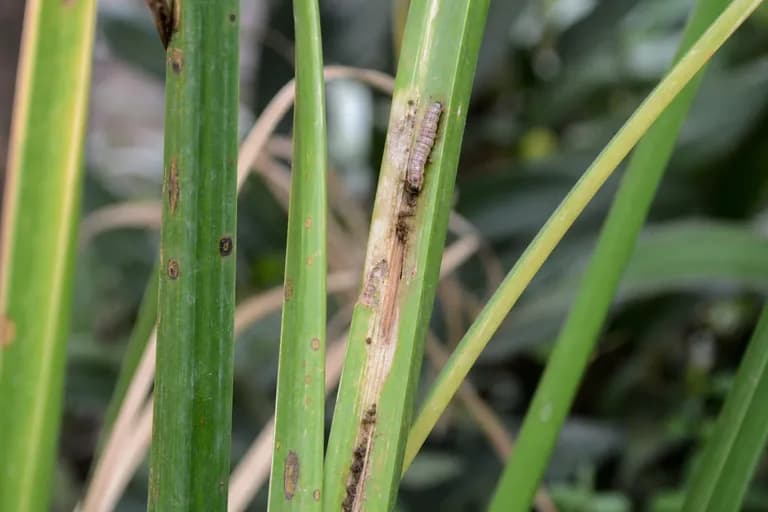
Caracoles y babosas acuáticas
PlagaMordeduras irregulares y raspaduras en la base de los tallos jóvenes y en los brotes emergentes, dejando rastros de mucosidad brillante y debilitando los nuevos crecimientos.
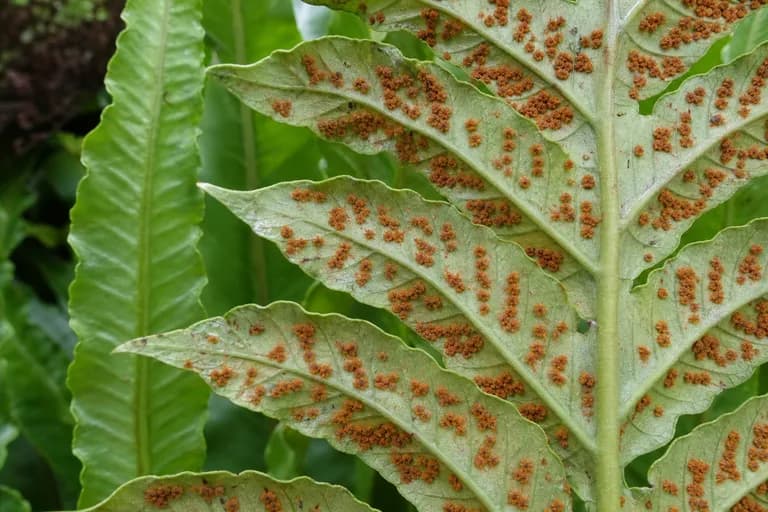
Roya (Puccinia spp.)
EnfermedadPústulas de color naranja-rojizo en los tallos que liberan esporas pulverulentas, debilitamiento progresivo de los tallos afectados y reducción de la vitalidad general de la mata.
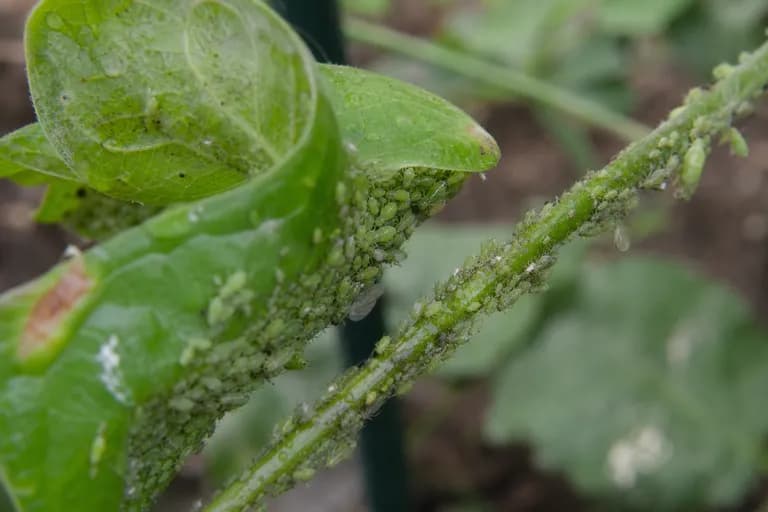
Áfidos de las ciperáceas
PlagaPequeños insectos verdes o negros agrupados en las umbelas florales y en la base de las brácteas, provocando deformación de las inflorescencias y secreción de melaza que atrae hongos de fumagina.
Solución de problemas comunes
La principal limitación es la necesidad absoluta de un ambiente acuático o permanentemente saturado, lo que restringe su cultivo a estanques, bordes de lagos o contenedores especialmente acondicionados. La sensibilidad al frío limita su cultivo al aire libre a zonas tropicales y subtropicales; en climas templados requiere protección invernal o cultivo en interior. Su crecimiento vigoroso puede volverse invasivo en cuerpos de agua naturales, requiriendo un manejo constante para controlar su expansión.
Consejos de cultivo
- Water is non-negotiable. Papyrus is a true aquatic plant that must have its roots in standing water at all times. Use containers without drainage holes, pond baskets set in water features, or direct planting in bog gardens and pond margins with 5-15 cm of water above the soil surface. Even brief drought causes permanent stem damage.
- Use heavy soil, not potting mix. Plant rhizomes in dense clay loam or a mix of garden soil and clay. Lightweight potting mixes float when submerged and provide insufficient anchorage for tall stems. Avoid any mix containing perlite or vermiculite, which float to the surface in waterlogged conditions.
- Provide the maximum possible sunlight. Papyrus is native to open tropical wetlands and performs best in 8-12 hours of direct sun daily. In partial shade, stems become thin, floppy, and sparse, and rhizome starch accumulation is significantly reduced. If growing indoors in winter, supplement with high-output grow lights.
- Harvest young shoots at 20-30 cm for the best eating quality. At this stage, the pith is soft, crisp, and sweet with minimal fiber. Once stems exceed 50 cm, the pith becomes increasingly fibrous and papery. Regular shoot harvesting also stimulates the rhizome to produce more growing points, increasing overall productivity.
- Protect container water from overheating in summer. Dark-colored containers in full sun can heat water to levels that stress even tropical roots. Use light-colored or insulated containers, or provide shade to the container itself while keeping the foliage in full sun. Water temperatures above 38°C (100°F) damage roots.
- Feed generously during the growing season. Papyrus is a heavy feeder that responds dramatically to fertilization. Use aquatic plant fertilizer tablets pushed into the soil every 2-3 weeks, or liquid feed at each water change. Nitrogen promotes lush stem growth while phosphorus supports rhizome starch accumulation.
- Divide clumps every 2-3 years to maintain vigor and prevent container-bound plants from becoming hopelessly root-bound. Use a sharp spade or serrated knife to cut through the dense rhizome mass. Each division should have at least 2-3 growing points and a fist-sized piece of rhizome.
- In zones 8-9, treat papyrus as a die-back perennial. The top growth will be killed by frost, but the rhizome can survive if insulated with 15-20 cm of mulch and the soil does not freeze solid. Alternatively, lift rhizomes in autumn and store in damp sand indoors at 10-15°C (50-60°F) for replanting in spring.
Cultiva tu mejor Papiro Comestible — y todo lo que la rodea.
Empieza un plan gratis hoy. Diseña tus bancales, coloca tu Papiro Comestible y deja que PlotMyGarden gestione el momento, el espaciado, las asociaciones y los recordatorios de la semilla a la cesta.
Elige tu Papiro Comestible
Cyperus papyrus (tipo silvestre)
La especie original del Nilo, con tallos robustos de hasta 4-5 metros de altura y umbelas espectaculares, produce la médula más abundante y de mejor calidad alimentaria.
Cyperus papyrus 'Nanus'
Variedad enana que alcanza solo 60-90 cm de altura, ideal para cultivo en contenedores y espacios reducidos, produce tallos más finos pero proporcionalmente igual de tiernos.
Cyperus papyrus 'Mexico'
Selección vigorosa con tallos más gruesos y compactos, adaptada a un rango ligeramente más amplio de temperaturas, buena productividad para uso alimentario y ornamental.
Fresh papyrus rhizome and shoots are virtually unavailable in Western grocery stores, making home growing the only reliable way to access this ancient food. When occasionally found at specialty African or Asian markets, fresh papyrus rhizome commands $8-15 per pound. A single rhizome division costs $10-20 from aquatic plant nurseries and will produce a self-sustaining clump within one growing season that provides harvests for years. The dual-purpose nature of papyrus — a dramatic ornamental water garden specimen that also produces edible rhizomes and shoots — makes it exceptional value, effectively giving you a stunning 2-3 meter architectural plant and a food crop in one. Container water gardens suitable for papyrus can be set up for $20-40 using large plastic tubs.
Recetas rápidas
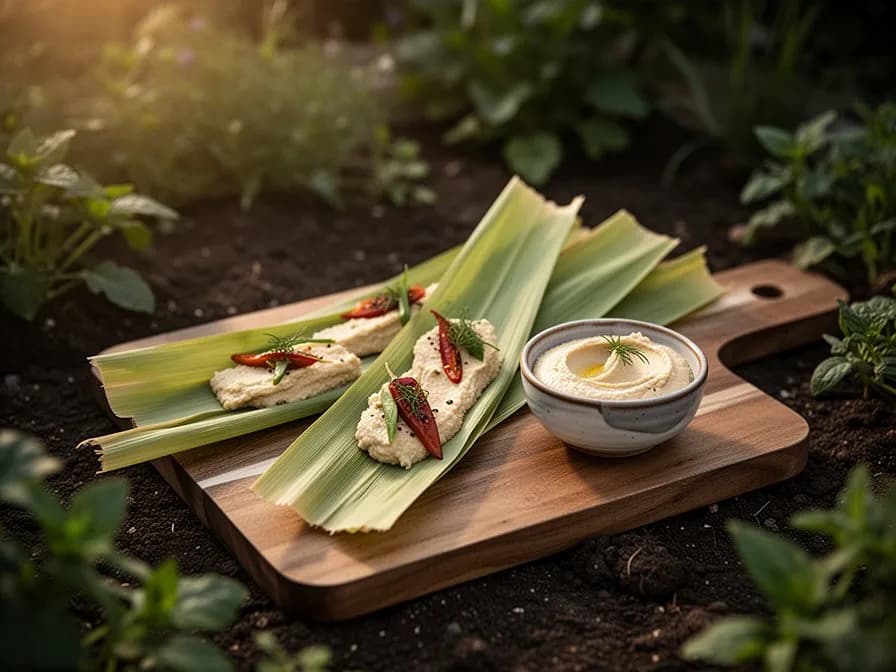
Stir-Fried Papyrus Rhizome with Garlic and Chili
20 minThinly sliced papyrus rhizome stir-fried over high heat with garlic, fresh chili, and a splash of fish sauce. The rhizome retains a satisfying crunch similar to water chestnut and absorbs the savory-spicy aromatics beautifully. A quick, authentic preparation inspired by traditional East African and Southeast Asian cooking.
9 ingredientesGrilled Papyrus Rhizome with Lime and Sea Salt
25 minThick rhizome pieces grilled until charred on the outside and tender-crisp within, finished with a squeeze of fresh lime and flaky sea salt. Grilling caramelizes the natural sugars in the starchy rhizome, producing a smoky sweetness reminiscent of grilled sugarcane. A simple preparation that showcases the ingredient itself.
6 ingredientesPapyrus Shoot and Coconut Soup
30 minTender young papyrus shoots simmered in a fragrant coconut broth with lemongrass, galangal, and kaffir lime leaves. The shoots soften to a texture between bamboo shoot and hearts of palm, absorbing the rich coconut and aromatic flavors. A nourishing soup that bridges traditional African papyrus cuisine with Southeast Asian aromatics.
10 ingredientesUsos culinarios
La médula interior de los tallos jóvenes del papiro se consume cruda, con un sabor suave y ligeramente dulce y una textura crujiente y acuosa similar a la jícama. También se puede cocinar hervida o salteada como verdura, adquiriendo una textura tierna y absorbente similar a la de la médula de caña de azúcar. En el antiguo Egipto se mascaba la médula como fuente de hidratación y energía, y se secaba y molía para obtener harina con la que se elaboraban panes y gachas.
Qué contiene
Beneficios para la salud
- Papyrus rhizome is a good source of resistant starch, which passes through the upper digestive tract undigested and feeds beneficial bacteria in the colon, supporting gut health, improving insulin sensitivity, and promoting feelings of fullness.
- The high dietary fiber content of both rhizome and young shoots supports healthy digestion, regular bowel movements, and may help lower cholesterol levels by binding bile acids in the intestine.
- Rich in potassium relative to sodium, papyrus rhizome supports healthy blood pressure regulation and proper fluid balance — particularly valuable for those on heart-healthy or low-sodium diets.
- Young papyrus shoots contain moderate levels of vitamin C and various B vitamins, contributing to immune function, energy metabolism, and nervous system health.
- Traditional African medicine has long used papyrus preparations for digestive complaints and as a gentle diuretic, applications consistent with its fiber content and mineral profile.
- As a naturally gluten-free starch source, papyrus rhizome flour offers an alternative carbohydrate for those with celiac disease or gluten sensitivity, similar in use to lotus root flour or water chestnut flour.
De dónde viene Papiro Comestible
Cyperus papyrus, the giant paper reed, is native to tropical and subtropical Africa, with its historical range spanning the Nile Valley, the great lakes of East Africa, the Okavango Delta, and the wetlands of West Africa. While most famously known as the source of ancient papyrus paper, the plant has an equally ancient but less celebrated history as a food source.
The edible uses of papyrus predate its use as a writing material by thousands of years. Archaeological evidence from Neolithic sites along the Nile suggests that papyrus rhizomes were gathered and consumed as early as 7000 BCE, making it one of the oldest known gathered foods in the region. The starchy rhizomes provided a reliable carbohydrate source for communities living along waterways, while the tender young shoots offered a fresh vegetable available year-round in tropical climates. Herodotus, Theophrastus, and Pliny the Elder all recorded the Egyptian practice of eating papyrus — describing how the lower portion of the stem was chewed raw for its sweet juice or roasted over fires.
In sub-Saharan Africa, papyrus has remained an important food plant far longer than in Egypt. Communities around Lake Victoria, Lake Chad, and the Okavango Delta have continuously harvested papyrus rhizomes and shoots for millennia. The Luo people of Kenya and the Tonga of Zambia traditionally prepared rhizomes by peeling, slicing, and either eating them raw, boiling them, or drying and grinding them into flour for porridge. During periods of famine, papyrus served as a critical survival food across much of tropical Africa.
Today, there is renewed interest in papyrus as a food crop among permaculture practitioners, aquatic gardeners, and foragers worldwide. Its ability to produce edible rhizomes and shoots while simultaneously purifying water makes it uniquely valuable for integrated aquaculture-agriculture systems. Modern gardeners in zones 8-12 grow papyrus in container water gardens and pond margins, harvesting young shoots and rhizomes while enjoying the spectacular ornamental form of this ancient plant.
Papiro Comestible: ¿sabías que?
Datos fascinantes sobre Papiro Comestible
Ancient Egyptians chewed raw papyrus rhizomes and young stems as a daily snack and energy source for millennia — the Greek historian Herodotus documented this practice in the 5th century BCE, noting that Nile Delta communities consumed papyrus as a staple food, not just a writing material.
Papiro Comestible: preguntas frecuentes
¿Cuándo debo plantar Papiro Comestible?
¿En qué zonas de rusticidad puede crecer Papiro Comestible?
¿Cuánto sol necesita Papiro Comestible?
¿A qué distancia debo espaciar Papiro Comestible?
¿Qué plagas y enfermedades afectan a Papiro Comestible?
¿Cómo almaceno Papiro Comestible después de la cosecha?
¿Cuáles son las mejores variedades de Papiro Comestible para cultivar?
¿Qué suelo necesita Papiro Comestible?
Which parts of papyrus are actually edible?
Can I grow edible papyrus in a temperate climate?
How does papyrus rhizome taste?
Is papyrus invasive if I plant it in my garden pond?
How do I store harvested papyrus rhizome?
Can I grow papyrus from seed?
Acabas de leer la teoría. Ahora cultívala en piloto automático.
Todo lo que hace que Papiro Comestible sea delicado — el momento, el espaciado, las asociaciones, la ventana de cosecha — es justo lo que PlotMyGarden resuelve por ti, para cada planta de tu huerto.
Un plan que conoce tu clima
Indica tu ubicación una vez. Recibe fechas de siembra, abonado y cosecha basadas en tu última helada real y el pronóstico en vivo — sin adivinar con un sobre genérico.
De la sección “Cuándo plantar”Planificador de bancales de arrastrar y soltar
Diseña bancales sobre una cuadrícula. Cada planta encaja con su espaciado correcto y ves toda la temporada antes de gastar un céntimo en semillas.
De la sección “Cultivo”Conflictos de asociación, detectados a tiempo
Más de 200 buenas y malas combinaciones comprobadas en vivo mientras plantas — para que un error que arruine la temporada nunca llegue a la tierra.
De la sección “Asociaciones”Recordatorios que sí vas a seguir
“Riega las judías.” “Recoge hoy antes de que se pase.” Oportunos, concretos y ligados a las plantas que de verdad cultivas.
De la sección “Cosecha”Escalonado, programado
¿Quieres cosechar seis semanas en vez de seis días? Reparte tus siembras automáticamente y te avisa cuando toca el siguiente lote.
De la sección “Cuándo plantar”Un registro que se vuelve más listo
Cada cosecha que registras le enseña tu huerto. El plan del año que viene parte de lo que de verdad funcionó en tu suelo, no en un manual.
De la sección “Resumen”Más Tallos y brotes
Cultiva tu mejor Papiro Comestible — y todo lo que la rodea.
Empieza un plan gratis hoy. Diseña tus bancales, coloca tu Papiro Comestible y deja que PlotMyGarden gestione el momento, el espaciado, las asociaciones y los recordatorios de la semilla a la cesta.