Escarola Rizada (Frisée)
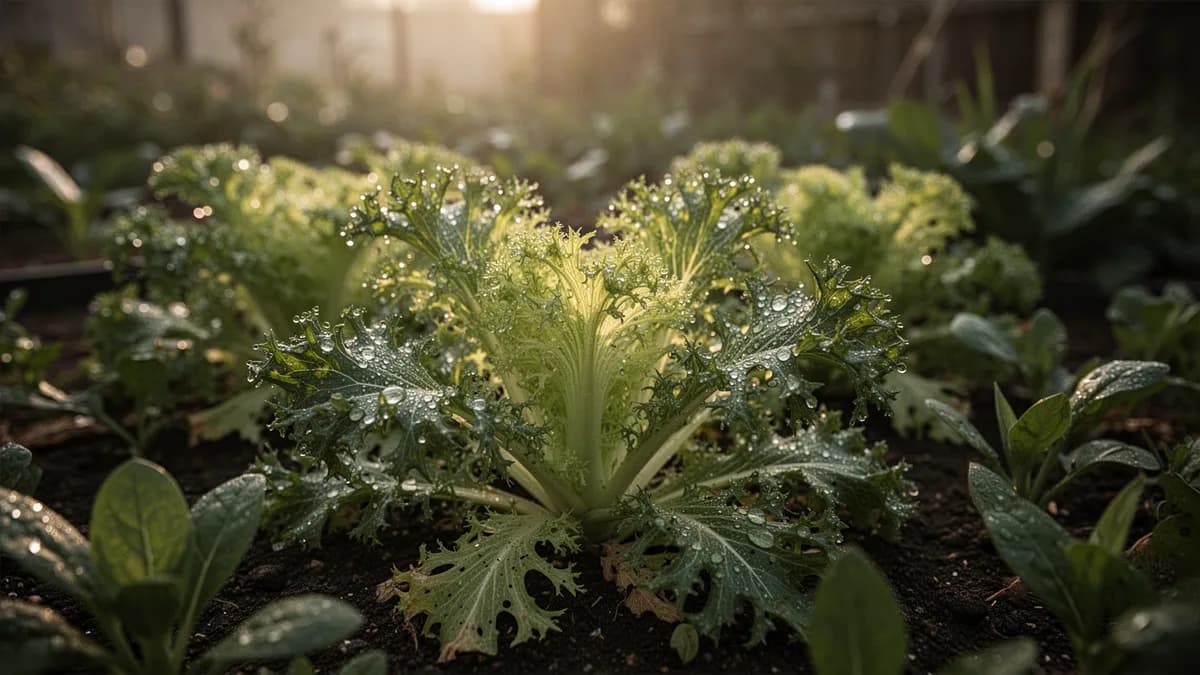
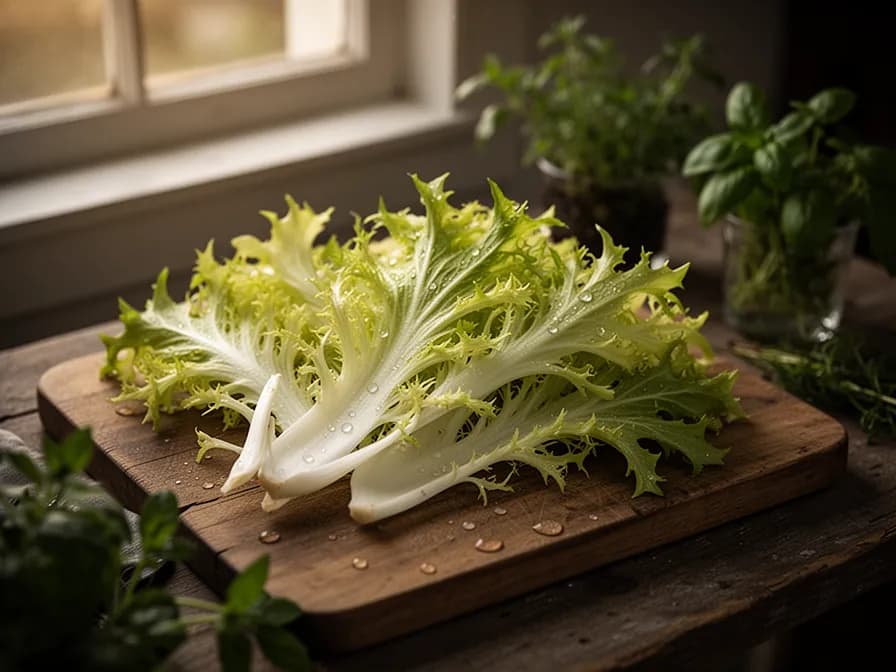
La frisée (Cichorium endivia var. crispum) es una variedad de endibia con hojas finamente recortadas y rizadas, de color verde en las puntas y amarillo cremoso en el centro blanqueado.





En esta páginaResumen
Conoce Escarola Rizada (Frisée)
La frisée (Cichorium endivia var. crispum) es una variedad de endibia con hojas finamente recortadas y rizadas, de color verde en las puntas y amarillo cremoso en el centro blanqueado. Originaria de la cuenca mediterránea, es un ingrediente clásico de la cocina francesa, famosa por su sabor ligeramente amargo que realza ensaladas y platos gourmet.
Cuándo plantar Escarola Rizada (Frisée)
Siembre a 0,5 cm de profundidad en sustrato húmedo a 15-20 °C. No siembre en pleno verano. Para cosecha de otoño siembre en julio-agosto; para primavera siembre tan pronto como el suelo sea trabajable. La germinación ocurre en 7-14 días.
Tu año de Escarola Rizada (Frisée)
Ajustado a Zona 7 · temporada típica · la helada se va hacia el 2 abr y vuelve hacia el 1 nov
Planta Escarola Rizada (Frisée) Mar – Abr, Ago – Sep y cosecha May – Jun, Oct – Nov. Consulta los métodos de plantación y elige tu clima para adaptar los periodos.
Cómo cultivar Escarola Rizada (Frisée)
La frisée se siembra directamente o se inicia en interiores 4-6 semanas antes del trasplante. Siembre a 0,5 cm de profundidad en sustrato húmedo a 15-20 °C para germinación en 7-14 días. Las temperaturas superiores a 25 °C inhiben la germinación.
Espacie las plantas 30-35 cm. Prefieren temperaturas frescas de 10-18 °C y se espigan rápidamente con calor excesivo. Riegue regular y uniformemente, proporcionando 2,5 cm semanales, evitando mojar el corazón. Aplique acolchado orgánico para mantener la humedad.
Para obtener el corazón amarillo y tierno, blanquee 2-3 semanas antes de la cosecha atando las hojas exteriores con una cinta o cubriendo con un plato invertido. Esto reduce el amargor y produce el contraste de color deseado. Fertilice moderadamente cada 3-4 semanas.
36 plantas caben en un bancal de 120 × 240 cm
Cada Escarola Rizada (Frisée) pide 25 cm de margen. El planificador guarda ese marco por ti — cada planta, cada bancal.
Los mejores vecinos de Escarola Rizada (Frisée)
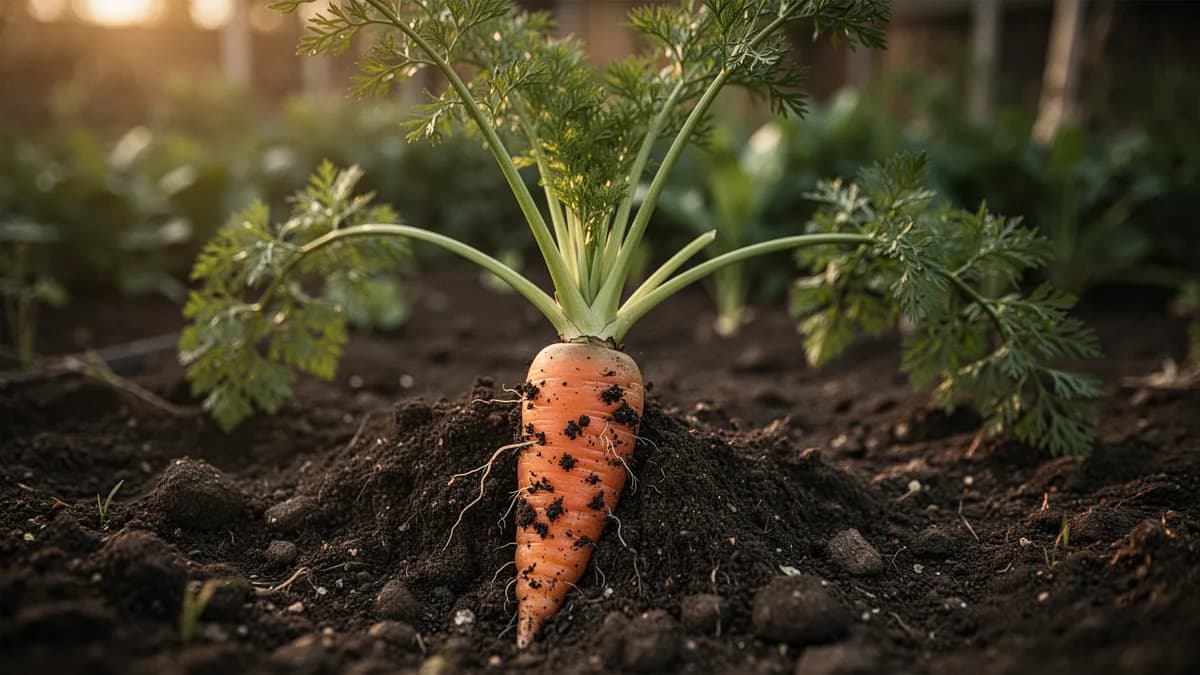
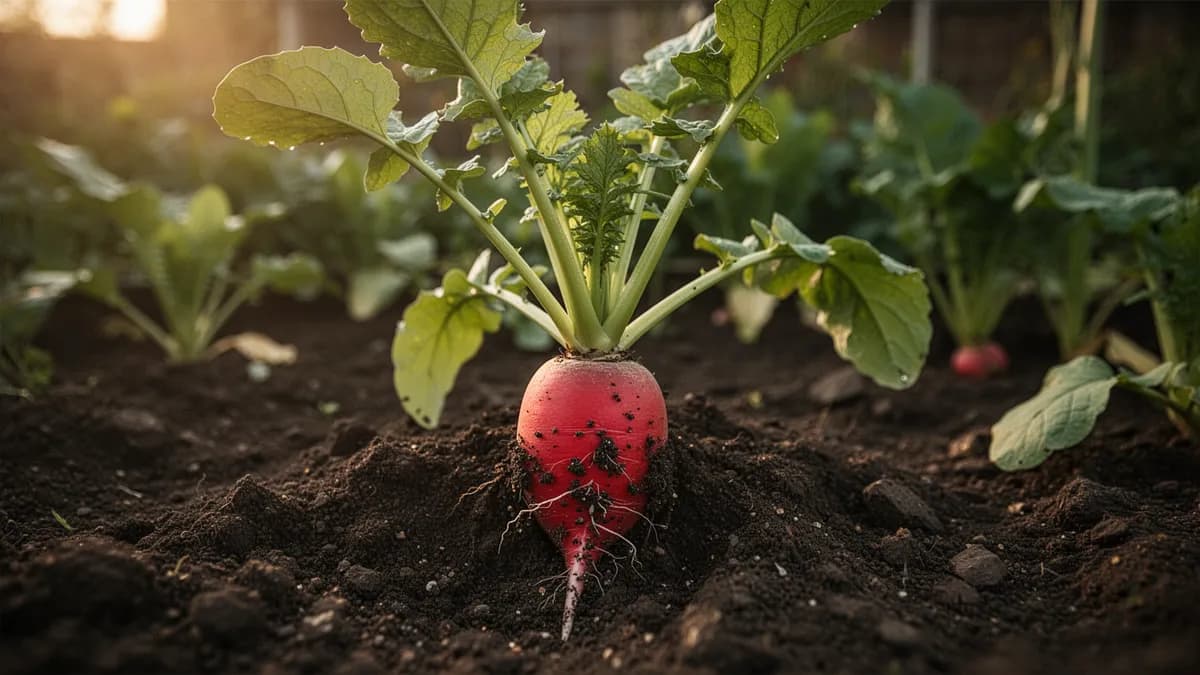
La frisée crece bien junto a rábanos, zanahorias y cebollas que disuaden plagas. Las hierbas aromáticas como perifollo y estragón son compañeras ideales. Evite plantar junto a otras compuestas como la lechuga para reducir la presión de plagas específicas de esta familia.
Zanahoria va a su lado.
Saber de huerto de siempre, cotejado con la tabla real de Escarola Rizada (Frisée) — prueba cualquier planta que cultives.
Prueba Escarola Rizada (Frisée) en un bancal, aquí mismo
Un bancal real del planificador con Escarola Rizada (Frisée) ya plantado. Toca una planta compañera para colocarla y mira cómo responde la comprobación de vecinos: verde para buenos vecinos, rojo si hay conflicto.


Guías de cultivo relacionadas
Abónalo bien
La frisée prefiere suelos fértiles, bien drenados y ricos en materia orgánica con pH de 6,0-7,0. Enmiende con compost maduro y aplique fertilizante equilibrado suave cada 3-4 semanas. Evite el exceso de nitrógeno que produce hojas blandas y susceptibles a enfermedades.
Temperatura ideal
Compatibilidad de zonas de rusticidad
De la semilla a la cosecha, etapa por etapa
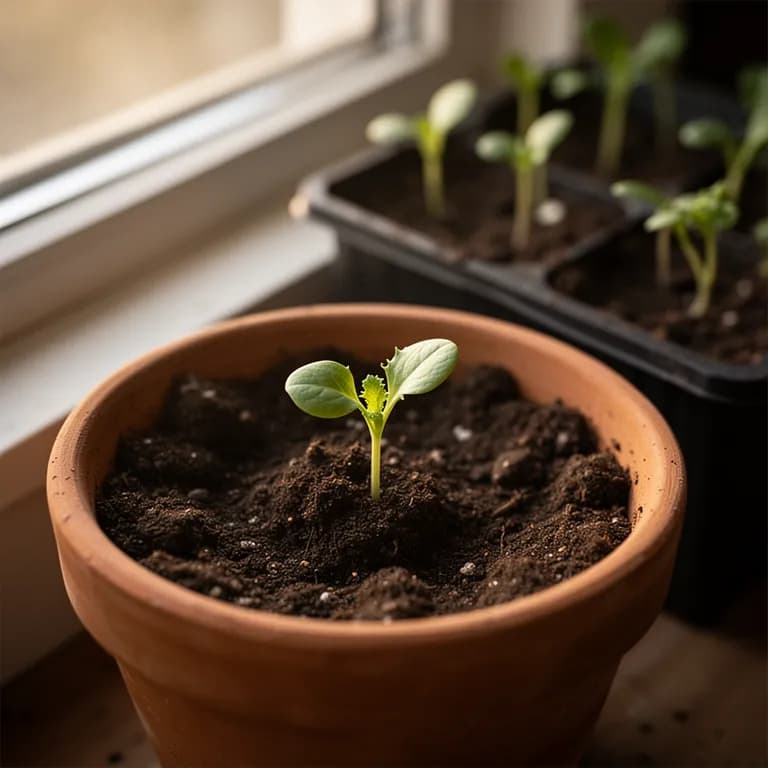
Germinación
Las semillas germinan rápidamente en suelo fresco y producen pequeños cotiledones ligeramente dentados.
Desarrollo de plántula
Aparecen las hojas verdaderas con bordes finamente recortados y rizados, y la planta empieza a formar una pequeña roseta.
Formación de la roseta
La planta desarrolla una roseta completa de hojas finamente recortadas y encajeadas que crece rápido en clima fresco.
Período de blanqueo
El centro se protege de la luz para que las hojas interiores se vuelvan amarillo crema, más tiernas y de sabor más suave.
Cosecha
Cosecha la cabeza blanqueada cuando las hojas interiores estén de color amarillo pálido a crema y tiernas.
Mantén el sustrato constantemente húmedo, pero no encharcado, durante la germinación. Una ligera cobertura de vermiculita ayuda a retener la humedad sin enterrar demasiado las semillas diminutas.
Cuidar Escarola Rizada (Frisée) mes a mes
Qué hacer cada mes para tu Escarola Rizada (Frisée)
Octubre
Mes actualFall frisee reaches maturity. Begin blanching hearts for harvest. The cooling temperatures slow growth but improve quality significantly. Protect from early frosts with row cover if needed — frisee tolerates light frost.
Ten claro qué hacer en tu huerto, cada mes
Un correo al empezar cada mes: qué sembrar, plantar y hacer ahora mismo — para tu Escarola Rizada (Frisée) y todo lo que crece alrededor. Más un breve curso inicial para esquivar los errores clásicos.
- Qué hacer ahora mismo
- Ajustado a tu temporada
- Curso inicial incluido
Cosechar Escarola Rizada (Frisée)
Coseche la frisée cuando forme una roseta completa y densa, 80-100 días después de la siembra. Si ha blanqueado, coseche cuando el corazón esté amarillo cremoso y tierno. Corte la planta completa a nivel del suelo con un cuchillo afilado, preferiblemente por la mañana temprano.
se supone que plantas al comenzar el periodo — indica tu fecha real
10-14 días después del blanqueo o 45-50 días desde la siembra.
Almacenamiento y conservación
La frisée fresca se conserva en el refrigerador envuelta en papel absorbente húmedo dentro de una bolsa perforada durante 5-7 días. Lave y seque bien antes de usar. No es adecuada para congelación, por lo que se recomienda consumirla lo más fresca posible.
Qué falla — y cómo solucionarlo
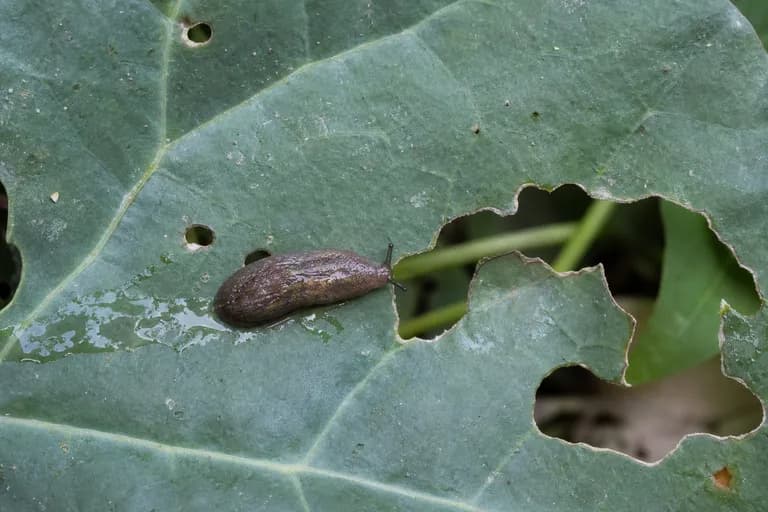
Babosas y caracoles
PlagaAgujeros irregulares en hojas tiernas, especialmente en el corazón blanqueado, con rastros de baba brillante.
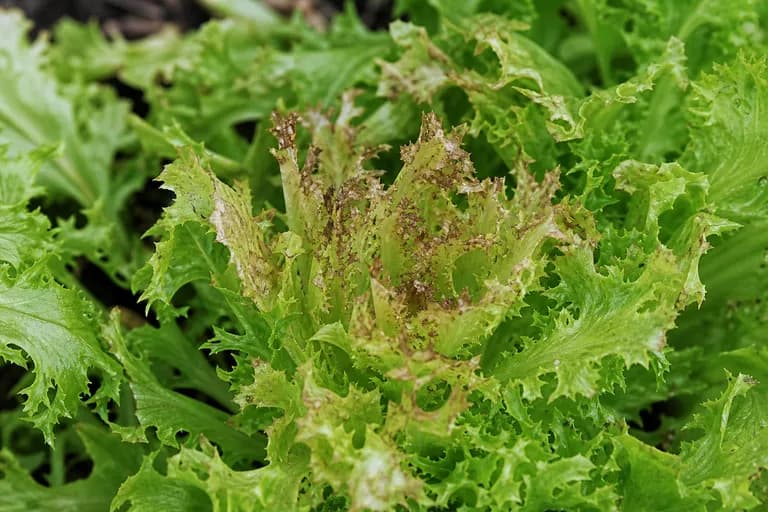
Pudrición basal (Sclerotinia sclerotiorum)
EnfermedadMarchitamiento y pudrición blanda acuosa en la base, con micelio blanco algodonoso y esclerocios negros.
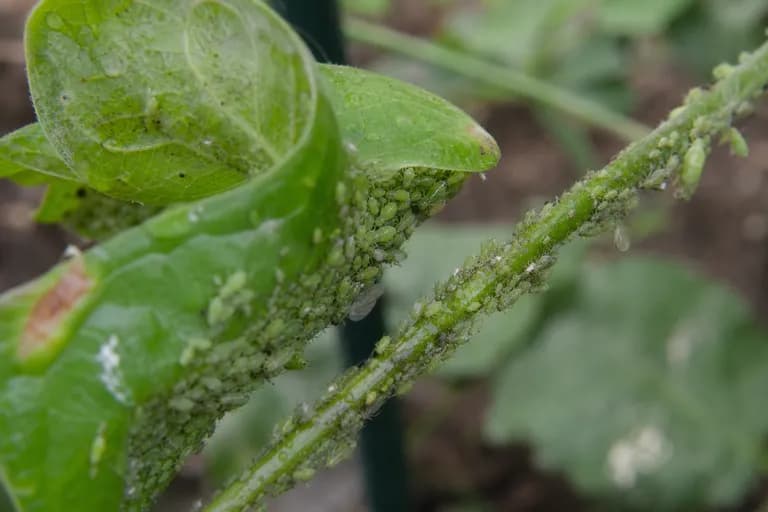
Pulgón de la lechuga (Nasonovia ribisnigri)
PlagaColonias en hojas interiores y corazón, deformación de hojas jóvenes y melaza pegajosa.
Solución de problemas comunes
El espigado prematuro es el mayor desafío, provocado por temperaturas elevadas, días largos o estrés hídrico. Sin blanquear, las hojas son excesivamente amargas. La pudrición del corazón ocurre con riego excesivo o cuando se moja el centro de la planta. Las babosas son especialmente problemáticas durante el blanqueo.
Consejos de cultivo
- Timing is everything with frisee. Plan your sowing so that the 45-day growing period falls entirely within cool weather — temperatures consistently above 24°C (75°F) cause rapid bolting and intense bitterness that blanching cannot fully correct.
- Blanching is not optional if you want quality frisee. Unblanched frisee is extremely bitter and tough. Tie the outer leaves loosely with soft string or cover the center with an inverted dinner plate 10-14 days before harvest. The result is transformative.
- Never blanch wet plants. Moisture trapped under the cover creates ideal conditions for bacterial and fungal rot, which can destroy the heart in days. Blanch on a dry day and check every 2-3 days for signs of decay.
- Fall crops consistently outperform spring crops for flavor and quality. Sow in August for harvest in October — the gradually cooling temperatures produce milder, more tender leaves and reduce bolting risk compared to spring plantings that race toward summer heat.
- Provide afternoon shade in transitional weather. Even a simple shade cloth reducing light by 30% can extend the frisee season by 2-3 weeks in spring and allow earlier planting in fall by keeping soil and air temperatures cooler.
- Water consistently and never let plants stress from drought. Water stress is the second most common cause of excessive bitterness after heat. Drip irrigation on a timer ensures the even moisture that frisee demands.
- Succession sow every 2-3 weeks during the appropriate season to maintain a continuous supply. Frisee does not hold long in the garden once mature — it bolts quickly, especially in spring — so staggered plantings are essential for an extended harvest.
- Grow frisee in raised beds or containers if your garden soil is heavy clay. Frisee needs excellent drainage to prevent crown rot, particularly during the blanching period when moisture is trapped against the heart of the plant.
Cultiva tu mejor Escarola Rizada (Frisée) — y todo lo que la rodea.
Empieza un plan gratis hoy. Diseña tus bancales, coloca tu Escarola Rizada (Frisée) y deja que PlotMyGarden gestione el momento, el espaciado, las asociaciones y los recordatorios de la semilla a la cesta.
Elige tu Escarola Rizada (Frisée)
Fine Maraîchère
Variedad francesa clásica con hojas muy finamente recortadas y corazón denso que blanquea fácilmente. Excelente sabor. Madura en 85-90 días.
Grosse Pancalière
Rosetas grandes con hojas rizadas de bordes rosados. Buena resistencia al frío. Madura en 90 días.
Natacha
Variedad moderna con autoblanqueo parcial, corazón denso y amarillo naturalmente. Tolerante al calor. Madura en 80 días.
Très Fine Maraîchère
Selección refinada con hojas extremadamente finas y rizadas. La más apreciada para ensaladas gourmet. Madura en 90 días.
A packet of frisee seeds costs $2-4 and contains enough seeds for 100+ plants. A single head of frisee sells for $3-5 at grocery stores and $4-7 at farmers markets, making it one of the most expensive salad greens per head. Growing just 10 plants from a single seed packet can save $30-70 per season. The savings are even more significant for restaurants, where frisee is a premium ingredient that commands high prices year-round.
Recetas rápidas
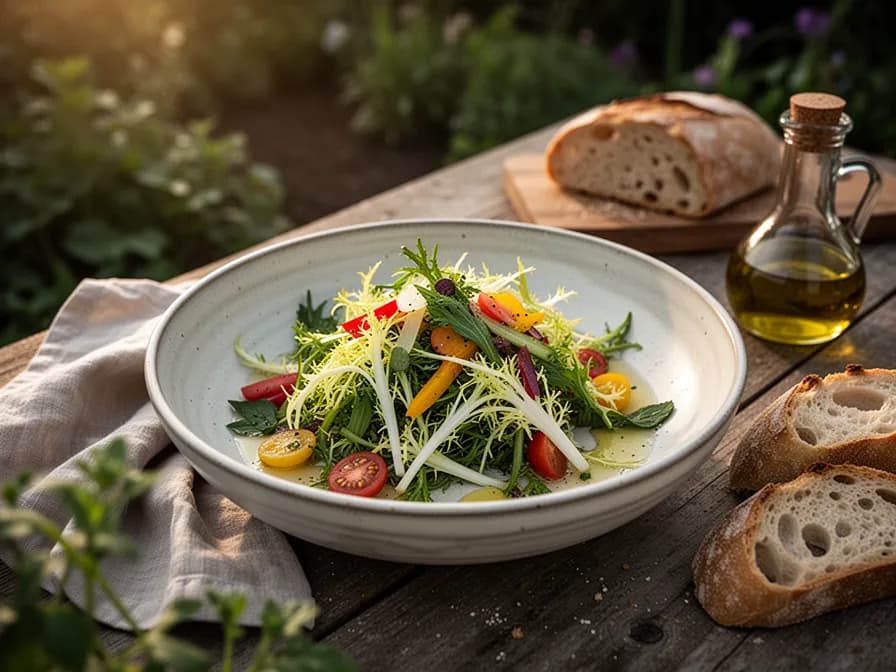
Classic Salade Lyonnaise
25 minThe quintessential French bistro salad — a warm bacon vinaigrette wilts tender frisee just slightly, and a perfectly poached egg breaks over the top to create a rich, silky dressing. The gentle bitterness of frisee is essential to balance the richness of egg and bacon.
8 ingredientesFrisee and Warm Goat Cheese Salad
20 minRounds of goat cheese are breaded and pan-fried until golden, then served over a bed of frisee with toasted walnuts and a honey-sherry vinaigrette. The creamy, tangy cheese and sweet dressing complement the bitter leaves perfectly.
9 ingredientesFrisee with Roasted Beets and Citrus
45 minSweet roasted beets and bright citrus segments provide a perfect counterpoint to the pleasant bitterness of frisee. A simple orange vinaigrette ties everything together in this colorful, nutritious salad.
9 ingredientesUsos culinarios
La frisée es la estrella de la clásica ensalada lyonnaise francesa, con lardones de tocino crujiente, huevo escalfado y vinagreta de mostaza. Sus hojas rizadas atrapan aderezos y crean volumen en ensaladas mixtas. También se usa como guarnición gourmet, en ensaladas tibias con queso de cabra, y las hojas exteriores pueden saltearse brevemente.
Qué contiene
Beneficios para la salud
- Exceptionally high in vitamin K, providing approximately 190% of the daily value per 100g — essential for blood clotting, bone metabolism, and emerging research links to cardiovascular health.
- Rich in vitamin A as beta-carotene (43% DV per 100g), supporting eye health, immune function, and the maintenance of healthy skin and mucous membranes.
- Contains prebiotic inulin fiber that selectively feeds beneficial Bifidobacteria and Lactobacillus species in the gut, promoting a healthy microbiome and improved mineral absorption.
- The bitter compounds (sesquiterpene lactones) stimulate digestive secretions including bile and gastric acid, supporting efficient digestion and nutrient absorption — the traditional European practice of eating bitter greens before meals has a genuine physiological basis.
- Good source of folate (36% DV per 100g), critical for DNA synthesis, cell division, and particularly important for preventing neural tube defects during pregnancy.
- Low glycemic impact with high nutrient density — only 17 calories per 100g but packed with vitamins, minerals, and phytochemicals, making frisee an excellent choice for nutrient-dense, calorie-controlled diets.
De dónde viene Escarola Rizada (Frisée)
Frisee (Cichorium endivia var. crispum) is the curly-leaved variety of endive, a plant with roots tracing back to the eastern Mediterranean and western Asia. Wild endive species still grow in parts of Egypt, Greece, Turkey, and the Indian subcontinent. Ancient Egyptians cultivated endive as both a food and medicinal plant, and the Greek physician Galen recommended it for liver ailments in the 2nd century AD. The Romans grew endive extensively and were likely the first to practice blanching, tying leaves together to produce the pale, mild hearts that remain the hallmark of fine endive culture today.
Endive cultivation spread throughout medieval Europe, where monasteries maintained kitchen gardens growing both curly (frisee) and broad-leaved (escarole) types. France became the epicenter of frisee culture, and by the 18th and 19th centuries, French market gardeners (maraichers) in the outskirts of Paris had developed sophisticated techniques for producing perfectly blanched frisee for the city's restaurants and markets. The variety 'Fine Maraichere' — literally 'fine market gardener's endive' — remains a standard cultivar today and reflects this heritage.
Frisee arrived in North America with European immigrants but never achieved the same popularity as lettuce. It remained largely a specialty crop grown by French and Italian market gardeners for ethnic communities. In the late 20th century, the rise of upscale dining and the influence of French bistro cuisine brought frisee to wider American attention, particularly through the iconic salade lyonnaise. Today, frisee is grown commercially in California, Florida, and throughout Europe, primarily for the restaurant trade and specialty produce markets. Hydroponic production has expanded year-round availability, though connoisseurs insist that field-grown, properly blanched frisee from cool-climate gardens delivers the finest flavor and texture.
Escarola Rizada (Frisée): ¿sabías que?
Datos fascinantes sobre Escarola Rizada (Frisée)
Frisee is actually a type of endive (Cichorium endivia), not lettuce — it belongs to the chicory family alongside radicchio, escarole, and Belgian endive. All share the characteristic bitter compounds that define the family's flavor.
Escarola Rizada (Frisée): preguntas frecuentes
¿Cuándo debo plantar Escarola Rizada (Frisée)?
¿Cuáles son buenas plantas acompañantes para Escarola Rizada (Frisée)?
¿En qué zonas de rusticidad puede crecer Escarola Rizada (Frisée)?
¿Cuánto sol necesita Escarola Rizada (Frisée)?
¿A qué distancia debo espaciar Escarola Rizada (Frisée)?
¿Qué plagas y enfermedades afectan a Escarola Rizada (Frisée)?
¿Cómo almaceno Escarola Rizada (Frisée) después de la cosecha?
¿Cuáles son las mejores variedades de Escarola Rizada (Frisée) para cultivar?
¿Qué suelo necesita Escarola Rizada (Frisée)?
What is the difference between frisee and endive?
Why is my frisee so bitter and how can I reduce the bitterness?
How do I blanch frisee and when should I start?
Can I grow frisee in summer or is it strictly a cool-season crop?
Is frisee worth growing or should I just buy it?
Acabas de leer la teoría. Ahora cultívala en piloto automático.
Todo lo que hace que Escarola Rizada (Frisée) sea delicado — el momento, el espaciado, las asociaciones, la ventana de cosecha — es justo lo que PlotMyGarden resuelve por ti, para cada planta de tu huerto.
Un plan que conoce tu clima
Indica tu ubicación una vez. Recibe fechas de siembra, abonado y cosecha basadas en tu última helada real y el pronóstico en vivo — sin adivinar con un sobre genérico.
De la sección “Cuándo plantar”Planificador de bancales de arrastrar y soltar
Diseña bancales sobre una cuadrícula. Cada planta encaja con su espaciado correcto y ves toda la temporada antes de gastar un céntimo en semillas.
De la sección “Cultivo”Conflictos de asociación, detectados a tiempo
Más de 200 buenas y malas combinaciones comprobadas en vivo mientras plantas — para que un error que arruine la temporada nunca llegue a la tierra.
De la sección “Asociaciones”Recordatorios que sí vas a seguir
“Riega las judías.” “Recoge hoy antes de que se pase.” Oportunos, concretos y ligados a las plantas que de verdad cultivas.
De la sección “Cosecha”Escalonado, programado
¿Quieres cosechar seis semanas en vez de seis días? Reparte tus siembras automáticamente y te avisa cuando toca el siguiente lote.
De la sección “Cuándo plantar”Un registro que se vuelve más listo
Cada cosecha que registras le enseña tu huerto. El plan del año que viene parte de lo que de verdad funcionó en tu suelo, no en un manual.
De la sección “Resumen”Planta estos junto a Escarola Rizada (Frisée)
Más Hortalizas de hoja
Cultiva tu mejor Escarola Rizada (Frisée) — y todo lo que la rodea.
Empieza un plan gratis hoy. Diseña tus bancales, coloca tu Escarola Rizada (Frisée) y deja que PlotMyGarden gestione el momento, el espaciado, las asociaciones y los recordatorios de la semilla a la cesta.