Berenjena Graffiti
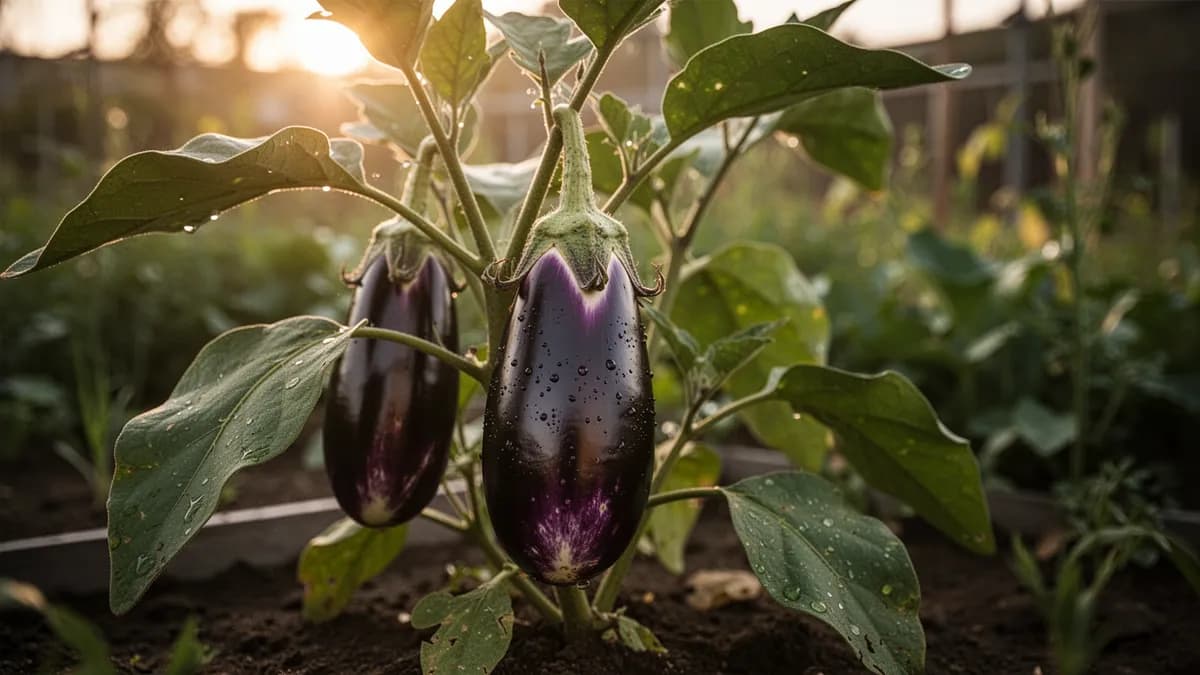
La berenjena Graffiti, también conocida como Listada de Gandía, es una variedad italiana de gran belleza ornamental con su característico jaspeado en tonos púrpura y blanco.





En esta páginaResumen
Conoce Berenjena Graffiti
La berenjena Graffiti, también conocida como Listada de Gandía, es una variedad italiana de gran belleza ornamental con su característico jaspeado en tonos púrpura y blanco. Su pulpa es excepcionalmente tierna, con pocas semillas y un sabor suave y ligeramente dulce que la convierte en favorita tanto de cocineros como de jardineros.
Cuándo plantar Berenjena Graffiti
Siembre en interiores 8-10 semanas antes de la última helada en bandejas con sustrato estéril a 0,5 cm de profundidad. Mantenga humedad constante y temperatura de 24-30 °C. La germinación tarda 7-14 días. Transplante a macetas individuales cuando aparezcan las primeras hojas verdaderas y endurezca progresivamente antes del trasplante definitivo.
Tu año de Berenjena Graffiti
Ajustado a Zona 7 · temporada típica · la helada se va hacia el 2 abr y vuelve hacia el 1 nov
Planta Berenjena Graffiti Feb – Jun y cosecha Jul – Sep. Consulta los métodos de plantación y elige tu clima para adaptar los periodos.
Cómo cultivar Berenjena Graffiti
La berenjena Graffiti requiere un inicio temprano en interiores, sembrando las semillas entre 8 y 10 semanas antes de la última helada prevista. Utilice bandejas de germinación con sustrato húmedo y mantenga una temperatura constante de 24-30 °C para una germinación óptima. Las plántulas necesitan luz intensa durante 12-14 horas diarias para evitar que se alarguen.
Transplante al exterior cuando las temperaturas nocturnas se mantengan por encima de 15 °C de forma estable. Espacie las plantas entre 45 y 60 cm en hileras separadas 75 cm. Proporcione un acolchado oscuro para calentar el suelo y retener la humedad. Un tutoraje ligero es recomendable ya que los frutos pueden pesar los tallos.
Mantenga un riego regular y uniforme, evitando mojar el follaje. Fertilice cada dos semanas con un abono rico en fósforo y potasio una vez que aparezcan las primeras flores. El patrón de rayas se desarrolla mejor con buena exposición solar directa, al menos 6-8 horas diarias.
8 plantas caben en un bancal de 120 × 240 cm
Cada Berenjena Graffiti pide 55 cm de margen. El planificador guarda ese marco por ti — cada planta, cada bancal.
Los mejores vecinos de Berenjena Graffiti
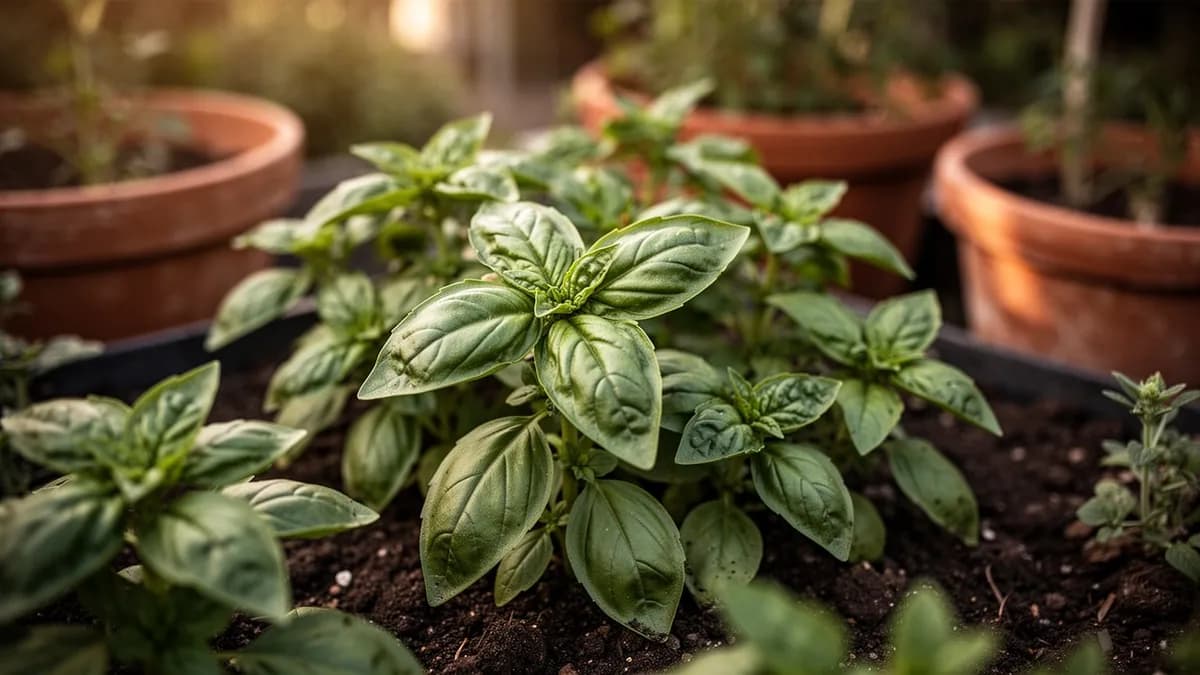
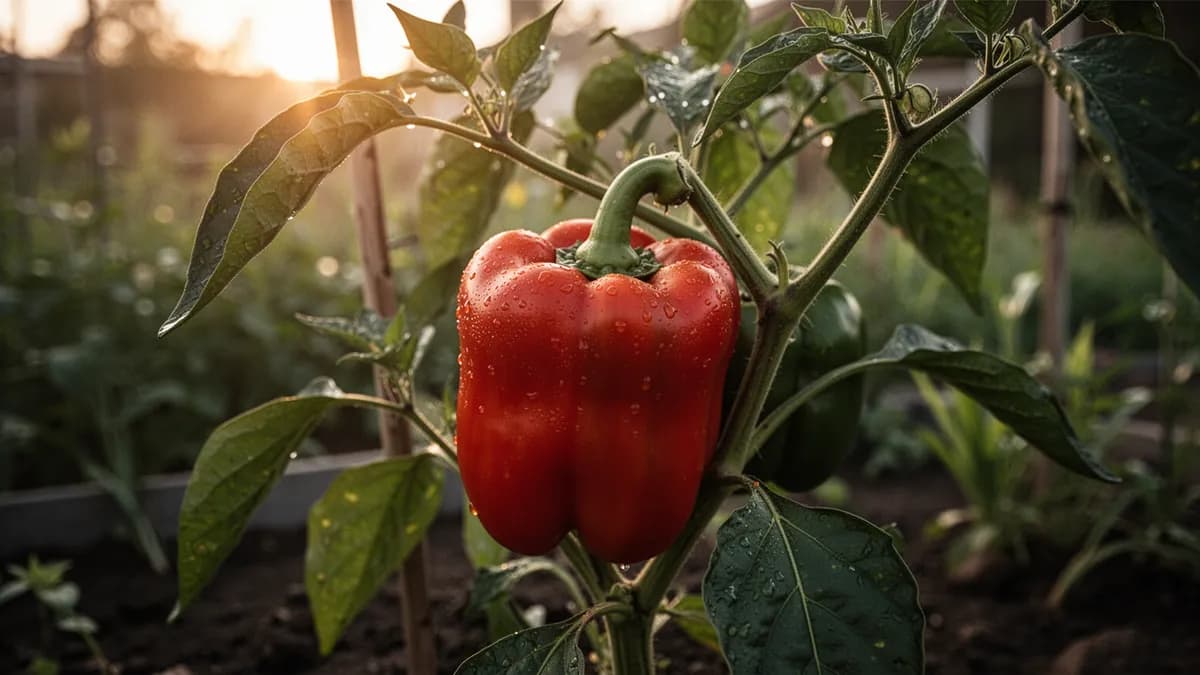
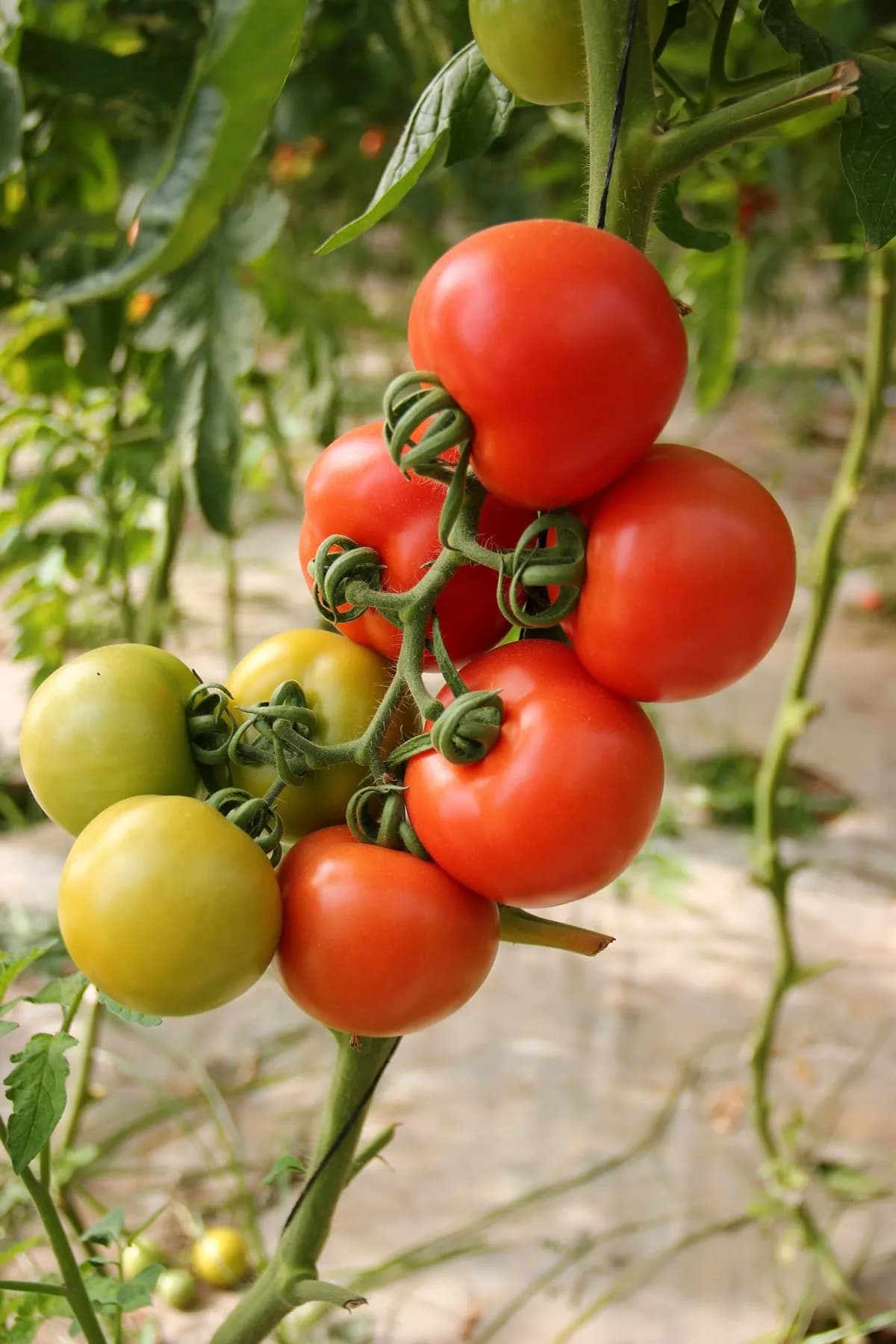
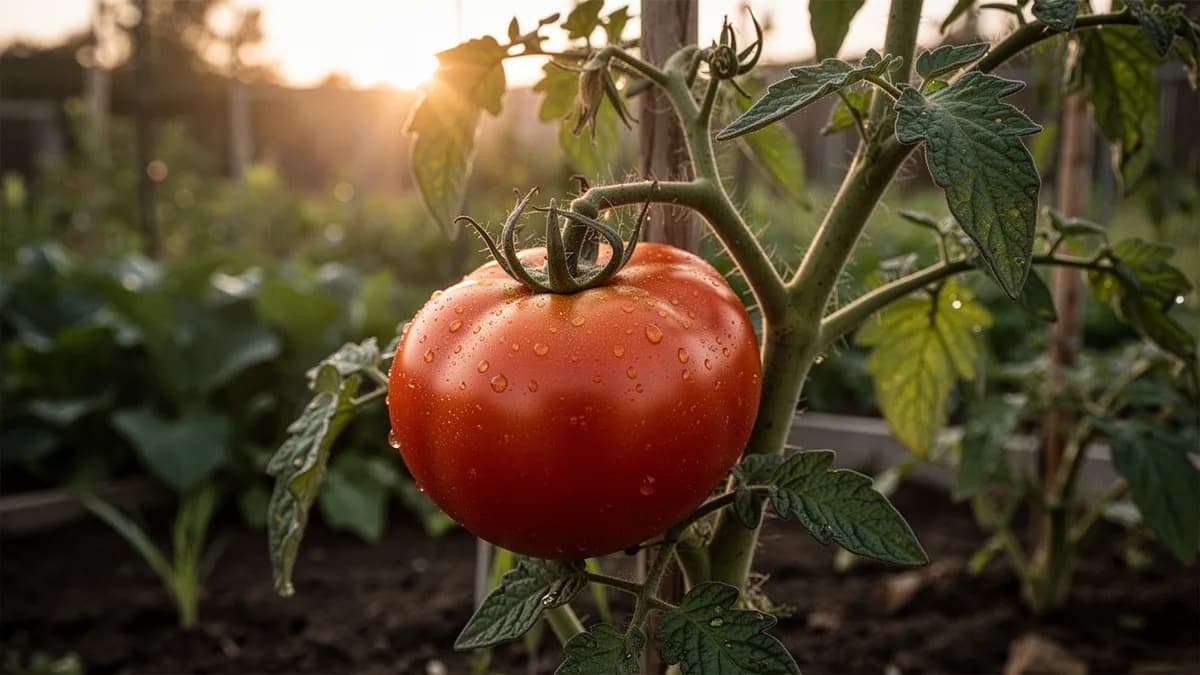
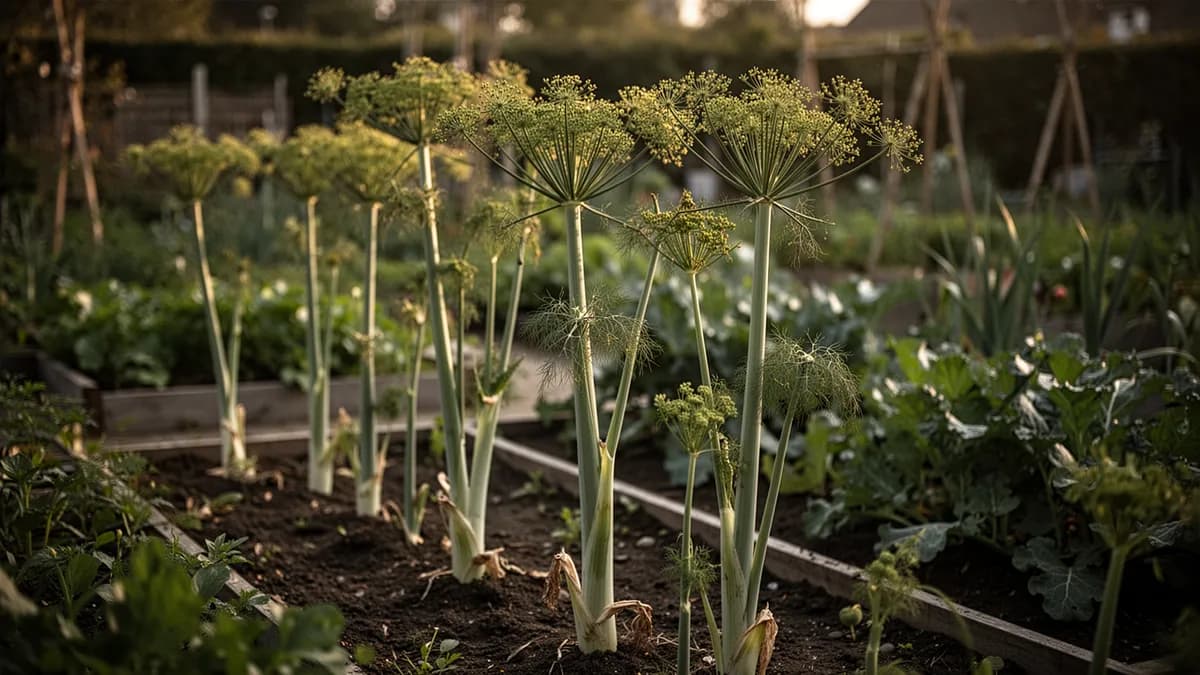
Se beneficia de la compañía de frijoles que fijan nitrógeno en el suelo y de tomillo y albahaca que repelen plagas. Evite plantarla cerca de hinojo y otras solanáceas como tomates y pimientos para reducir la propagación de enfermedades comunes.
Albahaca va a su lado. Hinojo no.
Saber de huerto de siempre, cotejado con la tabla real de Berenjena Graffiti — prueba cualquier planta que cultives.
Prueba Berenjena Graffiti en un bancal, aquí mismo
Un bancal real del planificador con Berenjena Graffiti ya plantado. Toca una planta compañera para colocarla y mira cómo responde la comprobación de vecinos: verde para buenos vecinos, rojo si hay conflicto.


Guías de cultivo relacionadas
Abónalo bien
Requiere un suelo fértil, bien drenado y rico en materia orgánica, con pH entre 6,0 y 7,0. Incorpore compost maduro y harina de hueso antes de plantar. Fertilice cada 15 días con un abono equilibrado durante la floración, aumentando el potasio cuando los frutos comienzan a cuajar.
Temperatura ideal
Compatibilidad de zonas de rusticidad
De la semilla a la cosecha, etapa por etapa
Germinación
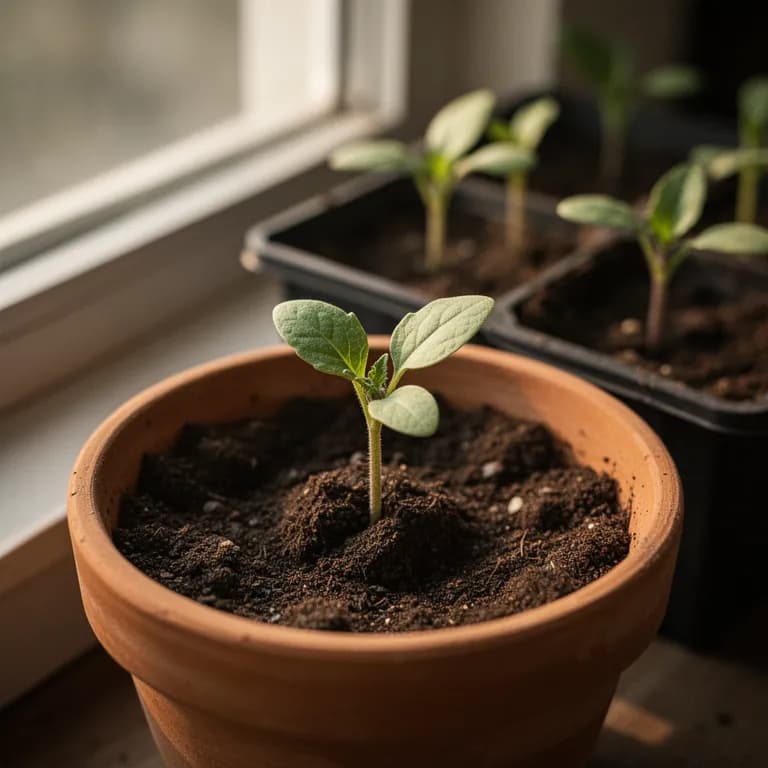
Las semillas de berenjena germinan despacio y requieren calor constante de 27 a 30 °C para obtener los mejores resultados. Las plántulas emergen en 7 a 14 días con cotiledones pequeños y redondeados. El calor de fondo de una manta térmica es esencial, ya que la tasa de germinación cae bruscamente por debajo de 24 °C.
Desarrollo de plántulas
Las plántulas desarrollan sus primeras hojas verdaderas, ligeramente vellosas y de forma ovalada. El crecimiento es lento en esta etapa en comparación con los tomates o los pimientos. Las plántulas necesitan 14 a 16 horas diarias de luz intensa y temperaturas cálidas constantes por encima de 18 °C para no atrofiarse.
Crecimiento vegetativo
Después del trasplante al exterior, las berenjenas Graffiti se establecen rápidamente en suelo cálido y comienzan a producir tallos robustos y ramificados con hojas grandes y ligeramente vellosas. El porte compacto de este tipo las hace ideales para contenedores y bancales pequeños. Las plantas suelen alcanzar entre 45 y 60 cm de altura.
Desarrollo del fruto y cosecha
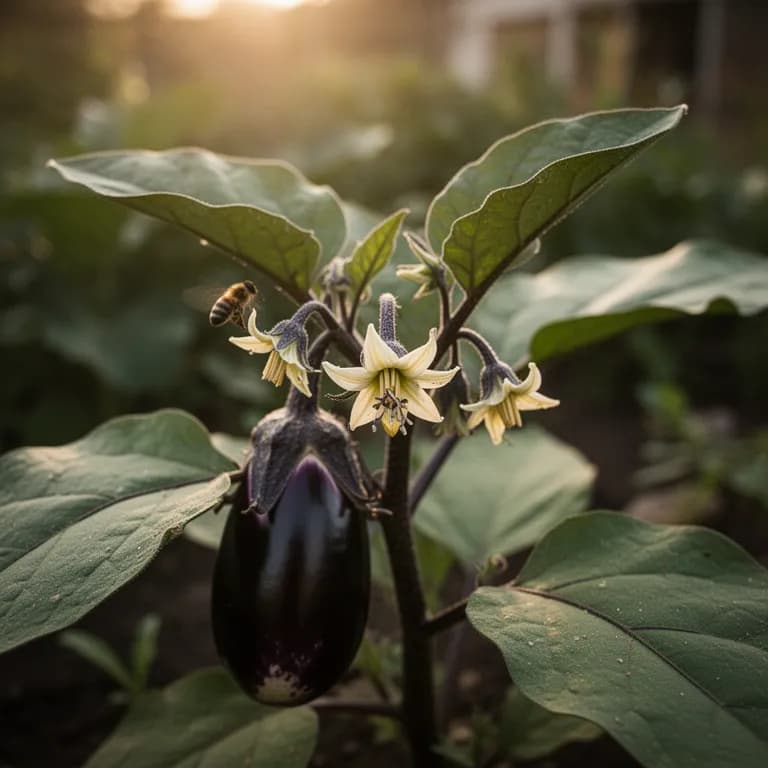
Los frutos rayados se desarrollan rápidamente y alcanzan un tamaño cosechable de 10 a 15 cm en 2 a 3 semanas después de la polinización. La característica variegación púrpura y blanca se intensifica a medida que maduran los frutos. Las plantas siguen floreciendo y formando nuevos frutos al mismo tiempo, lo que proporciona una cosecha continua durante 6 a 8 semanas en condiciones cálidas.
Después de la cosecha
La berenjena Graffiti se cultiva como una planta anual de temporada cálida y completa su ciclo después de la cosecha.
Usa una manta térmica ajustada a 27 °C y mantén el sustrato de siembra húmedo, pero no encharcado. Cubre las bandejas con una cúpula de humedad hasta que emerjan las plántulas y retírala enseguida para evitar la enfermedad del damping off.
Cuidar Berenjena Graffiti mes a mes
Qué hacer cada mes para tu Berenjena Graffiti
Octubre
Mes actualFinal harvests in most zones. Nighttime temperatures below 10°C (50°F) halt fruit development. Pick all remaining fruits before the first frost, including small ones that can be used in stir-fries. Pull spent plants and compost healthy material.
Ten claro qué hacer en tu huerto, cada mes
Un correo al empezar cada mes: qué sembrar, plantar y hacer ahora mismo — para tu Berenjena Graffiti y todo lo que crece alrededor. Más un breve curso inicial para esquivar los errores clásicos.
- Qué hacer ahora mismo
- Ajustado a tu temporada
- Curso inicial incluido
Cosechar Berenjena Graffiti
Coseche los frutos cuando alcancen 15-20 cm de largo y la piel esté brillante con el patrón de rayas bien definido. Presione suavemente: si la marca del dedo se recupera, el fruto está listo. Use tijeras de podar para cortar el pedúnculo dejando un trozo de 2-3 cm.
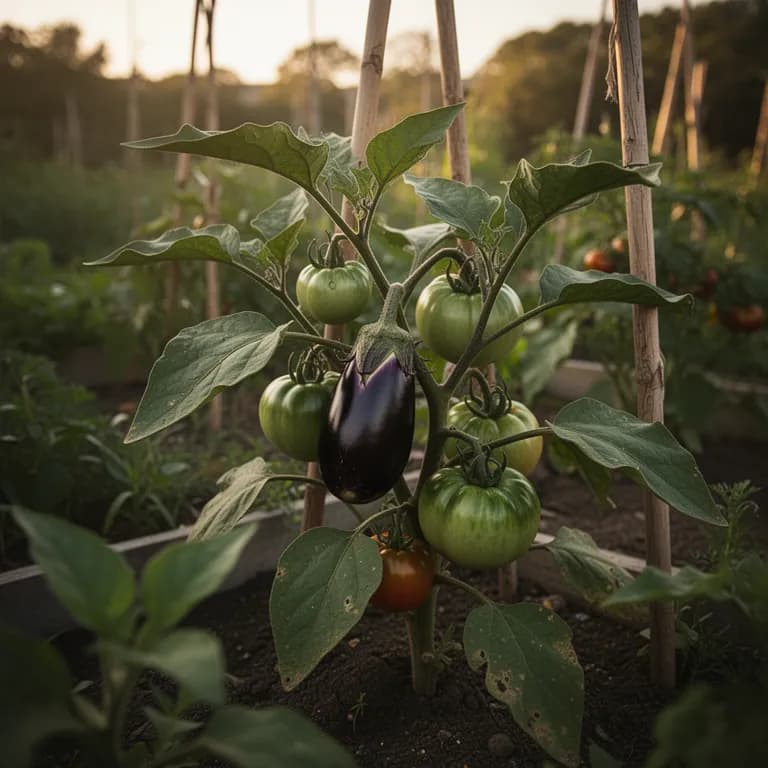
se supone que plantas al comenzar el periodo — indica tu fecha real
Cosecha cuando los frutos midan entre 10 y 15 cm, estén brillantes y la piel recupere su forma al presionarla suavemente.
Almacenamiento y conservación
Conserve en el cajón de verduras del refrigerador envuelta en papel absorbente durante 5-7 días. Para preservación a largo plazo, corte en rodajas, blanquee brevemente y congele en bandejas antes de embolsar. También puede asarse y conservarse en aceite de oliva con hierbas aromáticas.
Qué falla — y cómo solucionarlo
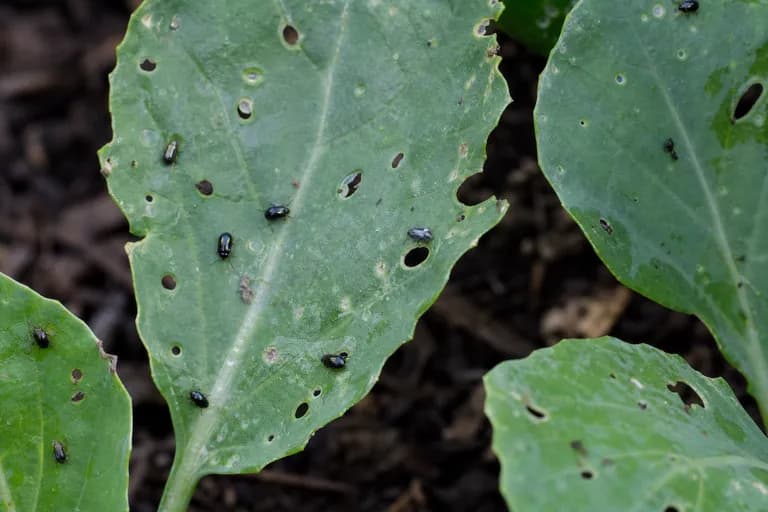
Pulgón verde del melocotonero
PlagaColonias de insectos pequeños y verdes en el envés de las hojas y brotes tiernos, causando enrollamiento foliar y secreción de melaza pegajosa.
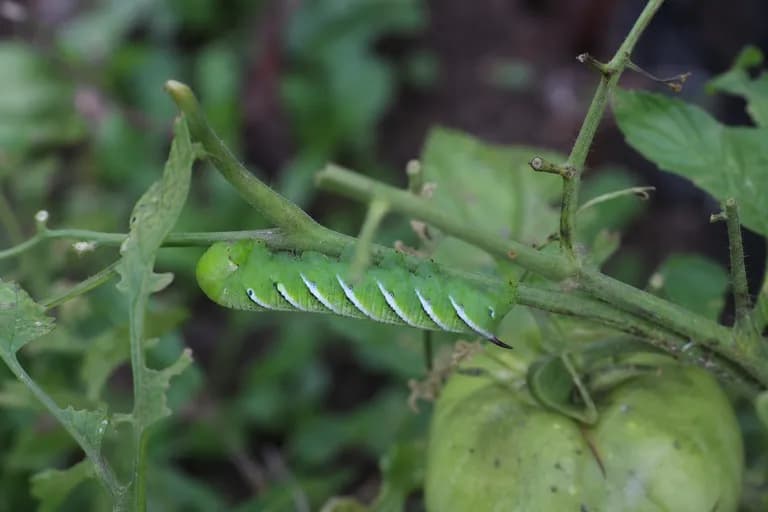
Verticilosis
EnfermedadMarchitamiento progresivo de las hojas inferiores, que amarillean por un solo lado del nervio central. Los tallos cortados muestran un oscurecimiento vascular marrón.
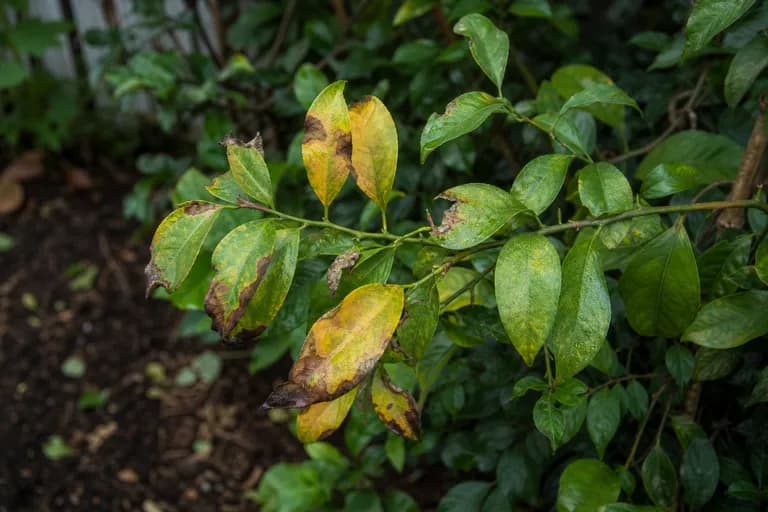
Escarabajo de la patata de Colorado
PlagaLarvas y adultos de color amarillo con rayas negras devoran las hojas, dejando solo los nervios principales. Defoliación severa reduce drásticamente la producción.
Solución de problemas comunes
El patrón de rayas puede desvanecerse si los frutos se dejan madurar demasiado en la planta, volviéndose completamente púrpura. Las temperaturas nocturnas por debajo de 12 °C pueden causar deformación de los frutos y caída de flores, reduciendo significativamente la producción.
Consejos de cultivo
- Warmth is everything for eggplant — do not rush transplanting. Wait until nighttime temperatures are consistently above 15°C (60°F) and soil has warmed to at least 18°C (65°F). Plants set out too early in cold soil will sulk for weeks and never recover their full potential.
- Graffiti eggplants are among the best varieties for container growing. Use a pot of at least 20 liters (5 gallons) with quality potting mix, and place in the warmest, sunniest spot available. Container plants can be moved to shelter during unexpected cold snaps.
- Protect young transplants from flea beetles immediately. These tiny jumping beetles are the number-one pest of eggplant and can devastate young plants in days. Apply floating row covers at transplanting and keep them on until flowering begins.
- Consistent watering is critical during flowering and fruit development. Irregular moisture causes blossom drop, misshapen fruits, and bitter flavor. Water deeply 2-3 times per week rather than lightly every day, aiming for 2.5 cm of water per week total.
- Pinch off the first flower cluster if your plant is still small (under 30 cm tall). This redirects energy into root and stem development, resulting in a stronger plant that produces significantly more fruit over the full season.
- Harvest early and often. Graffiti eggplants are at their peak when 10-15 cm long with glossy skin that springs back when pressed. Overripe fruits with dull skin and visible seeds signal the plant to slow down production.
- Feed consistently but avoid excess nitrogen. Too much nitrogen produces lush, dark foliage but delays flowering and reduces fruit set. Switch to a phosphorus-and-potassium-rich fertilizer (like tomato feed) once the first flowers appear.
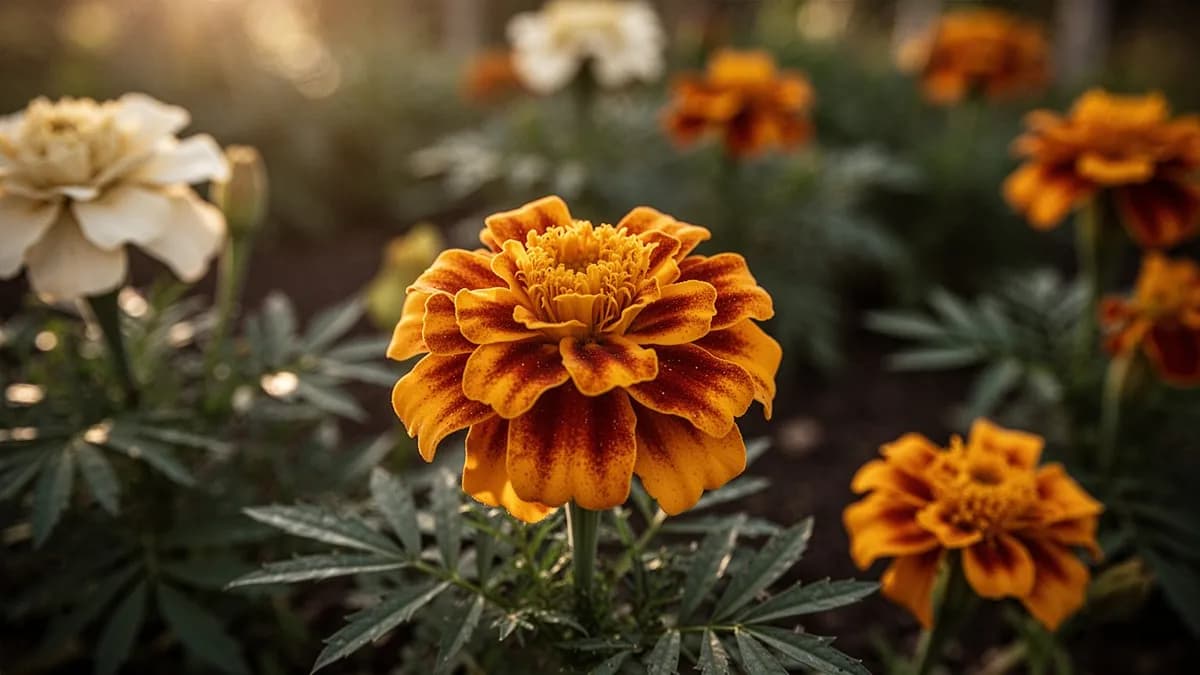
- Companion plant with basil, which may enhance eggplant growth and repel aphids, and with marigolds, which deter flea beetles and root-knot nematodes. Avoid planting near fennel, which inhibits eggplant growth through allelopathic root secretions.
Cultiva tu mejor Berenjena Graffiti — y todo lo que la rodea.
Empieza un plan gratis hoy. Diseña tus bancales, coloca tu Berenjena Graffiti y deja que PlotMyGarden gestione el momento, el espaciado, las asociaciones y los recordatorios de la semilla a la cesta.
Elige tu Berenjena Graffiti
Listada de Gandía
Variedad italiana clásica con rayas púrpura y blanco cremoso. Frutos ovalados de 15-20 cm con pulpa muy tierna y dulce. Madura en 75-80 días.
Fairy Tale
Variedad enana ideal para macetas con frutos pequeños de 10-12 cm, rayados en lavanda y blanco. Ganadora del premio All-America Selections. 65 días hasta cosecha.
Nubia
Híbrido vigoroso con frutos alargados y rayas bien contrastadas. Excelente rendimiento y resistencia a enfermedades. Madura en 70-75 días.
Calliope
Frutos ovalados con rayas púrpura intenso sobre fondo blanco verdoso. Planta compacta y productiva, ideal para espacios reducidos. 80 días.
Graffiti eggplants are a specialty item that commands premium prices at farmers markets and gourmet grocers, typically $4-8 per pound compared to $1-3 for standard globe eggplants. A single plant costing $3-5 (or pennies from seed) can produce 15-25 fruits over a season, easily saving $30-60 on specialty eggplant purchases. Growing your own also guarantees access to these beautiful varieties, which are rarely stocked in conventional supermarkets and sell out quickly at markets.
Recetas rápidas
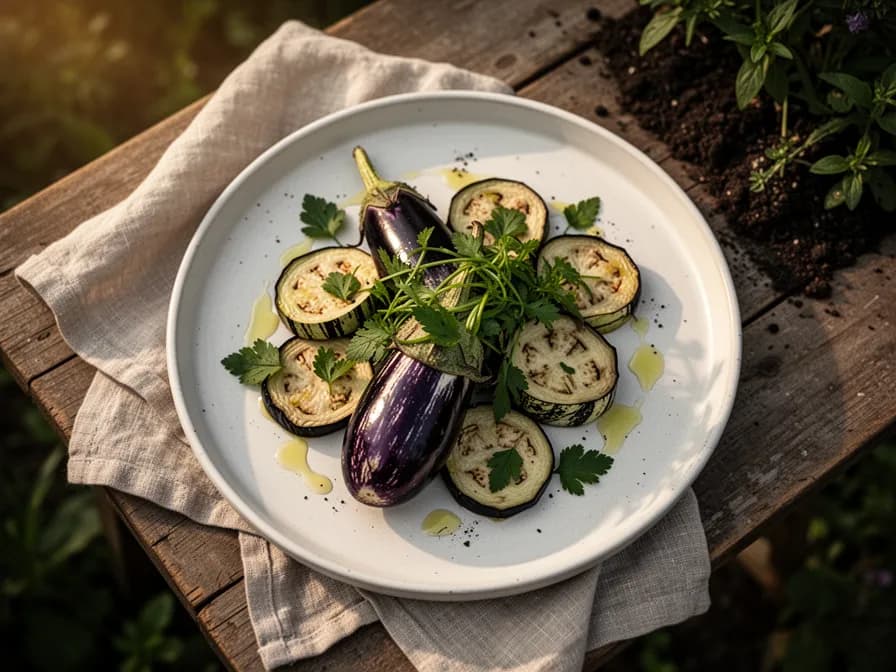
Grilled Graffiti Eggplant with Herb Oil
20 minThick slices of graffiti eggplant grilled until smoky and tender, then drizzled with a vibrant herb oil. Light grilling preserves the beautiful purple-and-white striped skin, making this dish as stunning as it is delicious.
8 ingredientesRoasted Graffiti Eggplant Dip
35 minA silky, smoky dip made from fire-roasted graffiti eggplant blended with tahini, garlic, and lemon. The creamy flesh of graffiti varieties produces an exceptionally smooth baba ganoush with a sweeter, more delicate flavor than globe eggplant versions.
8 ingredientesGraffiti Eggplant Caprese Stack
15 minA colorful twist on classic caprese, layering thin slices of raw or lightly grilled graffiti eggplant with fresh mozzarella, tomato, and basil. The mild, sweet flavor and striking striped skin make this an impressive appetizer or light summer lunch.
7 ingredientesUsos culinarios
Ideal para asar a la parrilla en rodajas gruesas, donde su pulpa tierna adquiere una textura cremosa y un sabor ahumado. Es excelente rellena con queso de cabra y hierbas, o en platos como la parmigiana di melanzane y el babaganoush. Su atractivo patrón rayado la hace perfecta para presentaciones decorativas.
Qué contiene
Beneficios para la salud
- Exceptionally low in calories at just 25 per 100g, making eggplant one of the most weight-management-friendly vegetables available — the spongy flesh provides satisfying volume with minimal caloric intake.
- The purple skin is rich in nasunin, a powerful anthocyanin antioxidant that research has shown protects cell membranes from lipid peroxidation, particularly in brain tissue where it may support cognitive health.
- Contains chlorogenic acid, one of the most potent plant-based antioxidants, which has demonstrated anti-inflammatory, antiviral, and blood-sugar-regulating properties in clinical studies.
- Good source of dietary fiber (3.0g per 100g), including both soluble and insoluble types that support digestive regularity, feed beneficial gut bacteria, and help maintain healthy cholesterol levels.
- Provides meaningful amounts of potassium (229mg per 100g), an essential mineral for maintaining healthy blood pressure, proper muscle contraction, and nerve signal transmission.
- The combination of fiber, low glycemic index, and chlorogenic acid makes eggplant a particularly beneficial food for blood sugar management, with studies showing it may help slow the absorption of glucose after meals.
De dónde viene Berenjena Graffiti
Eggplant (Solanum melongena) was first domesticated in the Indian subcontinent, where wild species still grow in the tropical forests of Assam and Burma. Archaeological and linguistic evidence suggests cultivation began at least 2,000 years ago in India, where early forms were small, round, and often spiny. From India, eggplant spread eastward to China by the 5th century, where it was refined into the long, slender forms still popular in East Asian cuisine today. Arab traders carried eggplant westward through Persia and into the Mediterranean basin during the early Middle Ages.
The introduction of eggplant to Europe was slow and fraught with suspicion. Because of its membership in the nightshade family — which includes notoriously toxic plants like belladonna and mandrake — eggplant was initially regarded with deep distrust by European gardeners and cooks. The Italian name 'melanzana' derives from 'mela insana' (mad apple), reflecting the widespread belief that eating eggplant could cause insanity. It was grown as an ornamental curiosity in Northern Europe for centuries before being accepted as food, while Southern Europeans, particularly Italians, Greeks, and Turks, embraced it far earlier and developed the rich eggplant-based dishes these cuisines are known for.
Graffiti or striped eggplant varieties have their strongest heritage in the Mediterranean region. The iconic Listada de Gandia originated in the Valencia region of Spain, while similar striped varieties emerged in Italy, particularly in Sicily and Calabria. These variegated varieties were prized for their thinner skin, fewer seeds, and sweeter flavor compared to the large globe types that dominate commercial production. Today, graffiti eggplants have experienced a renaissance among home gardeners and specialty growers, valued for their ornamental beauty, superior eating quality, and compact growth habit that suits modern smaller gardens and container growing.
Berenjena Graffiti: ¿sabías que?
Datos fascinantes sobre Berenjena Graffiti
The name 'graffiti eggplant' comes from the natural streaked markings on the skin that resemble spray-painted graffiti art — each fruit has a unique pattern of purple and white stripes, making no two fruits identical.
Berenjena Graffiti: preguntas frecuentes
¿Cuándo debo plantar Berenjena Graffiti?
¿Cuáles son buenas plantas acompañantes para Berenjena Graffiti?
¿En qué zonas de rusticidad puede crecer Berenjena Graffiti?
¿Cuánto sol necesita Berenjena Graffiti?
¿A qué distancia debo espaciar Berenjena Graffiti?
¿Qué plagas y enfermedades afectan a Berenjena Graffiti?
¿Cómo almaceno Berenjena Graffiti después de la cosecha?
¿Cuáles son las mejores variedades de Berenjena Graffiti para cultivar?
¿Qué suelo necesita Berenjena Graffiti?
Why are my graffiti eggplant flowers falling off without producing fruit?
Do graffiti eggplants need to be salted before cooking to remove bitterness?
Can I grow graffiti eggplants in a cooler climate (zones 4-5)?
Why do the purple and white stripes fade when I cook graffiti eggplant?
How many graffiti eggplants can I expect from one plant?
Acabas de leer la teoría. Ahora cultívala en piloto automático.
Todo lo que hace que Berenjena Graffiti sea delicado — el momento, el espaciado, las asociaciones, la ventana de cosecha — es justo lo que PlotMyGarden resuelve por ti, para cada planta de tu huerto.
Un plan que conoce tu clima
Indica tu ubicación una vez. Recibe fechas de siembra, abonado y cosecha basadas en tu última helada real y el pronóstico en vivo — sin adivinar con un sobre genérico.
De la sección “Cuándo plantar”Planificador de bancales de arrastrar y soltar
Diseña bancales sobre una cuadrícula. Cada planta encaja con su espaciado correcto y ves toda la temporada antes de gastar un céntimo en semillas.
De la sección “Cultivo”Conflictos de asociación, detectados a tiempo
Más de 200 buenas y malas combinaciones comprobadas en vivo mientras plantas — para que un error que arruine la temporada nunca llegue a la tierra.
De la sección “Asociaciones”Recordatorios que sí vas a seguir
“Riega las judías.” “Recoge hoy antes de que se pase.” Oportunos, concretos y ligados a las plantas que de verdad cultivas.
De la sección “Cosecha”Escalonado, programado
¿Quieres cosechar seis semanas en vez de seis días? Reparte tus siembras automáticamente y te avisa cuando toca el siguiente lote.
De la sección “Cuándo plantar”Un registro que se vuelve más listo
Cada cosecha que registras le enseña tu huerto. El plan del año que viene parte de lo que de verdad funcionó en tu suelo, no en un manual.
De la sección “Resumen”Planta estos junto a Berenjena Graffiti
Más Solanáceas
Mantén Berenjena Graffiti lejos de estos
Cultiva tu mejor Berenjena Graffiti — y todo lo que la rodea.
Empieza un plan gratis hoy. Diseña tus bancales, coloca tu Berenjena Graffiti y deja que PlotMyGarden gestione el momento, el espaciado, las asociaciones y los recordatorios de la semilla a la cesta.