Cardo Español
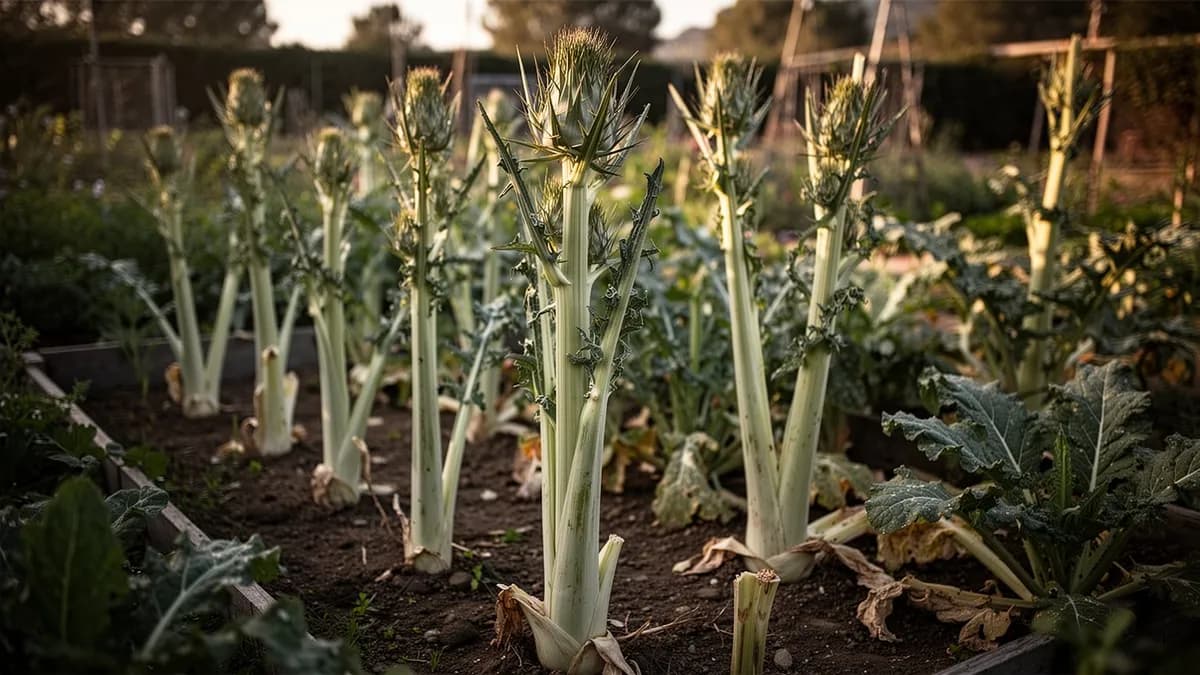
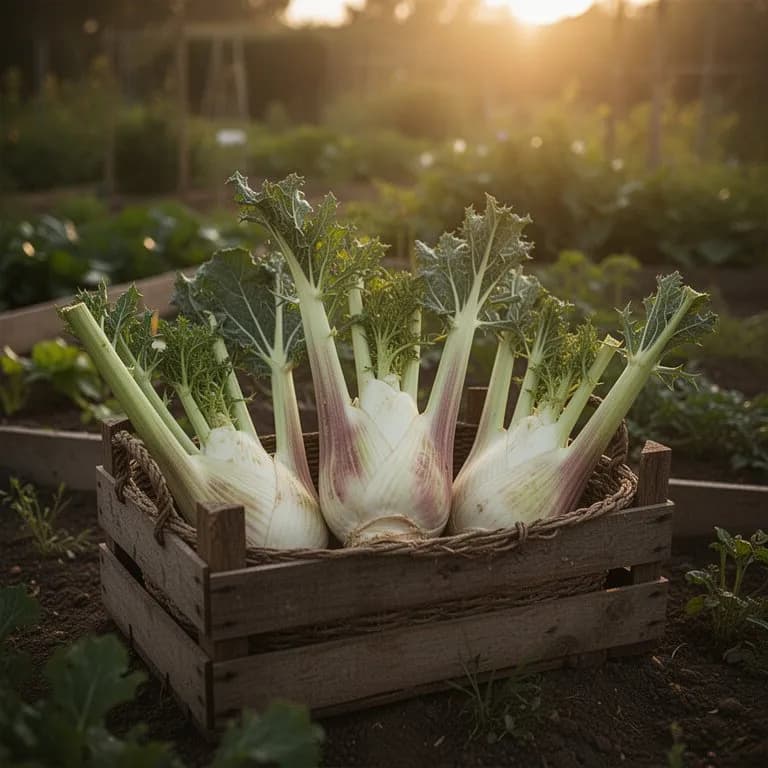
El cardo (Cynara cardunculus) es un pariente silvestre de la alcachofa, cultivado en la cuenca mediterránea desde la antigüedad por sus pencas (pecíolos) carnosos y blanqueados.





En esta páginaResumen
Conoce Cardo Español
El cardo (Cynara cardunculus) es un pariente silvestre de la alcachofa, cultivado en la cuenca mediterránea desde la antigüedad por sus pencas (pecíolos) carnosos y blanqueados. Es un ingrediente emblemático de la cocina española, especialmente en Navarra y Aragón, donde el cardo en salsa es plato tradicional de Navidad, y en Italia donde se consume en la bagna cauda piamontesa.
Cuándo plantar Cardo Español
Siembre en interiores 8-10 semanas antes de la última helada a 1-2 cm de profundidad. Germinación en 10-14 días a 18-22 °C. Trasplante con 4-6 hojas verdaderas. También se propaga por división de matas existentes en primavera.
Tu año de Cardo Español
Ajustado a Zona 7 · temporada típica · la helada se va hacia el 2 abr y vuelve hacia el 1 nov
Planta Cardo Español Mar – May y cosecha Sep – Nov. Consulta los métodos de plantación y elige tu clima para adaptar los periodos.
Cómo cultivar Cardo Español
Siembre en interiores 8-10 semanas antes de la última helada, o directamente en primavera cuando el suelo supere 15 °C. Plante a 1-2 cm de profundidad a 18-22 °C para germinación en 10-14 días. Las plantas son grandes y necesitan mucho espacio.
Trasplante espaciando 90-120 cm entre plantas y 150 cm entre filas. Las plantas alcanzan 1-2 metros de altura con hojas enormes de aspecto espectacular. Riegue abundantemente con 4-5 cm semanales ya que las plantas son muy sedientas.
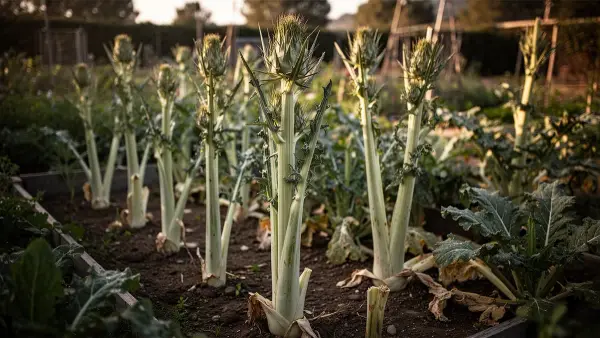
Blanquee las pencas 3-4 semanas antes de la cosecha envolviendo las plantas con cartón, arpillera o aporcando con tierra para que los tallos se vuelvan blancos y tiernos, reduciendo el amargor. Sin blanquear, las pencas son excesivamente amargas e incomestibles. Fertilice mensualmente con abono rico en nitrógeno.
2 plantas caben en un bancal de 120 × 240 cm
Cada Cardo Español pide 90 cm de margen. El planificador guarda ese marco por ti — cada planta, cada bancal.
Los mejores vecinos de Cardo Español
Por su gran tamaño, plante donde no sombrée otras verduras. Las habas y guisantes en la base fijan nitrógeno beneficioso. Las caléndulas repelen pulgones. Evite plantar junto a otras compuestas.
Alcachofa va a su lado.
Saber de huerto de siempre, cotejado con la tabla real de Cardo Español — prueba cualquier planta que cultives.
Prueba Cardo Español en un bancal, aquí mismo
Un bancal real del planificador con Cardo Español ya plantado. Toca una planta compañera para colocarla y mira cómo responde la comprobación de vecinos: verde para buenos vecinos, rojo si hay conflicto.


Guías de cultivo relacionadas
Abónalo bien
Suelos profundos, ricos y bien drenados con pH 6,5-7,5. Las plantas son muy voraces y necesitan nutrición abundante. Enmiende generosamente con compost y estiércol bien descompuesto. Fertilice mensualmente con nitrógeno durante el crecimiento.
Temperatura ideal
Compatibilidad de zonas de rusticidad
De la semilla a la cosecha, etapa por etapa
Siembra
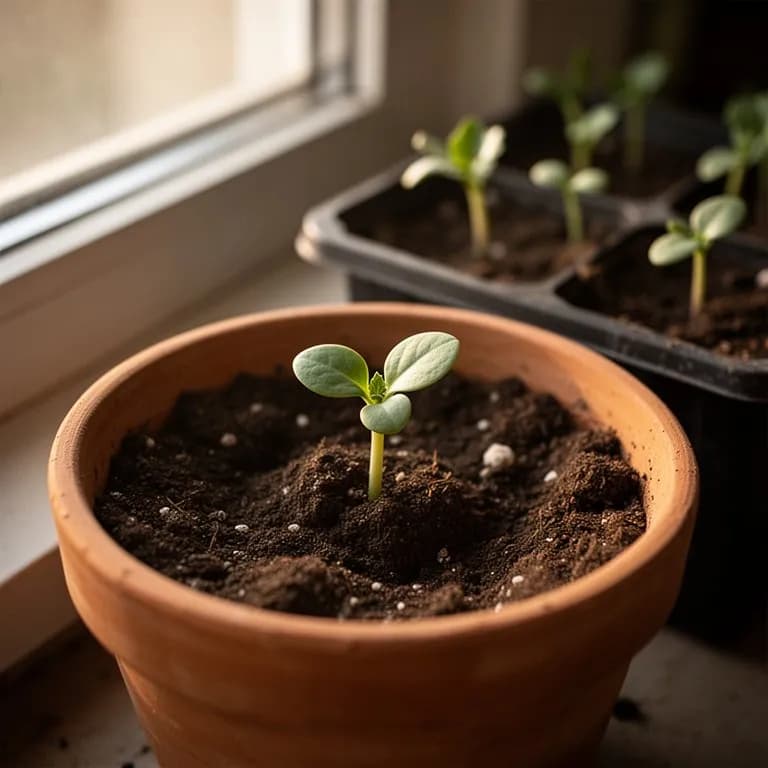
Las semillas de cardo comestible germinan en 10-21 días en condiciones cálidas. Las primeras hojas que emergen son pequeñas y redondeadas, seguidas rápidamente por hojas verdaderas que ya muestran el aspecto característico, dentado y gris plateado de la planta madura. Las semillas de cardo comestible son relativamente grandes y fáciles de manejar, parecidas a las de la alcachofa, con la que la planta está estrechamente emparentada.
Desarrollo de plántula
Las plántulas se desarrollan con rapidez y producen hojas cada vez más grandes y profundamente lobuladas con el envés plateado. Los bordes de las hojas se vuelven más dentados y espinosos a medida que la planta madura. Se forma una corona central fuerte de la que parten todas las hojas hacia afuera. El desarrollo de las raíces es vigoroso, con una raíz pivotante profunda que ancla la planta.
Formación de roseta
La planta entra en un crecimiento vegetativo vigoroso y forma una enorme roseta de hojas arqueadas, profundamente recortadas y de color gris plateado, que puede alcanzar 1,5 metros de ancho. Las hojas individuales llegan a medir 50-80 cm de largo y tienen pecíolos gruesos y carnosos, que son la parte comestible principal. En esta etapa la planta es muy ornamental y recuerda a una enorme fuente plateada.
Periodo de blanqueo
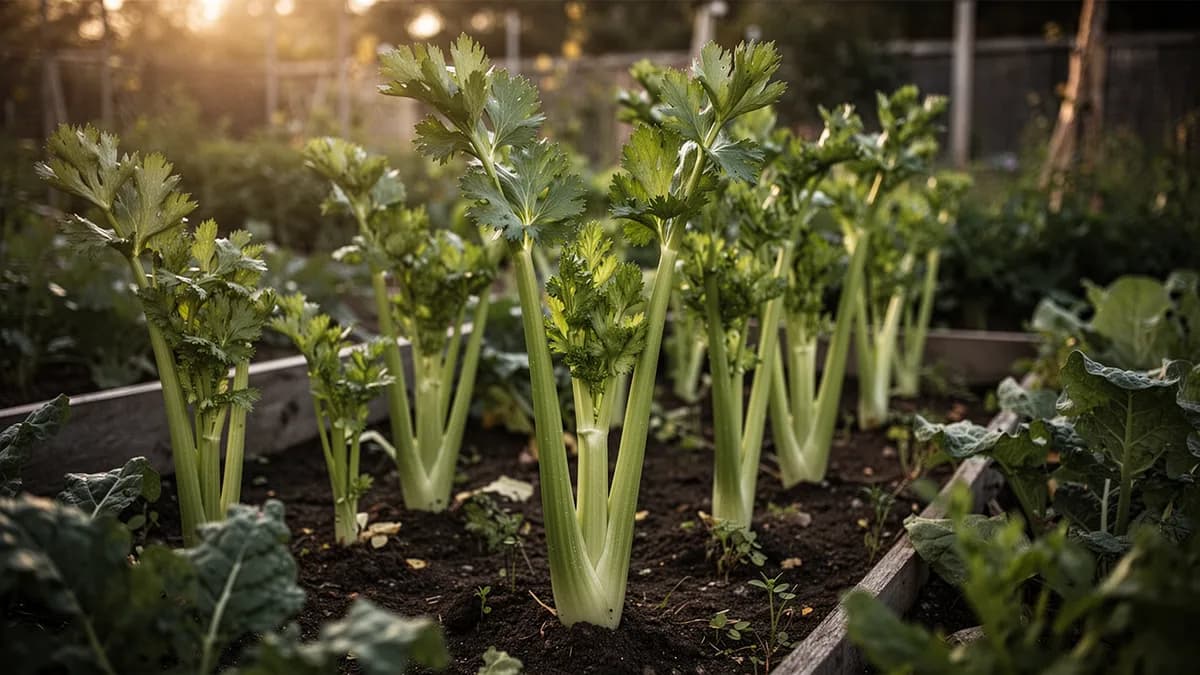
El paso crítico de preparación antes de la cosecha. Los tallos se agrupan y se envuelven para excluir la luz, un proceso llamado blanqueo que reduce el amargor, ablanda los tallos fibrosos y los vuelve de color verde pálido a blanco. Sin blanqueo, los tallos del cardo son duros e intensamente amargos. Esta técnica se ha utilizado durante siglos en huertos mediterráneos.
Cosecha
Después de 3-4 semanas de blanqueo, los tallos quedan pálidos, tiernos y mucho menos amargos. Los tallos internos son los más apreciados, con un sabor que recuerda a una mezcla de corazón de alcachofa y apio. Se cortan a ras de suelo y se les quitan las hojas y las espinas. En climas suaves, las plantas pueden recortarse y volver a brotar para una segunda cosecha.
Floración (segundo año)
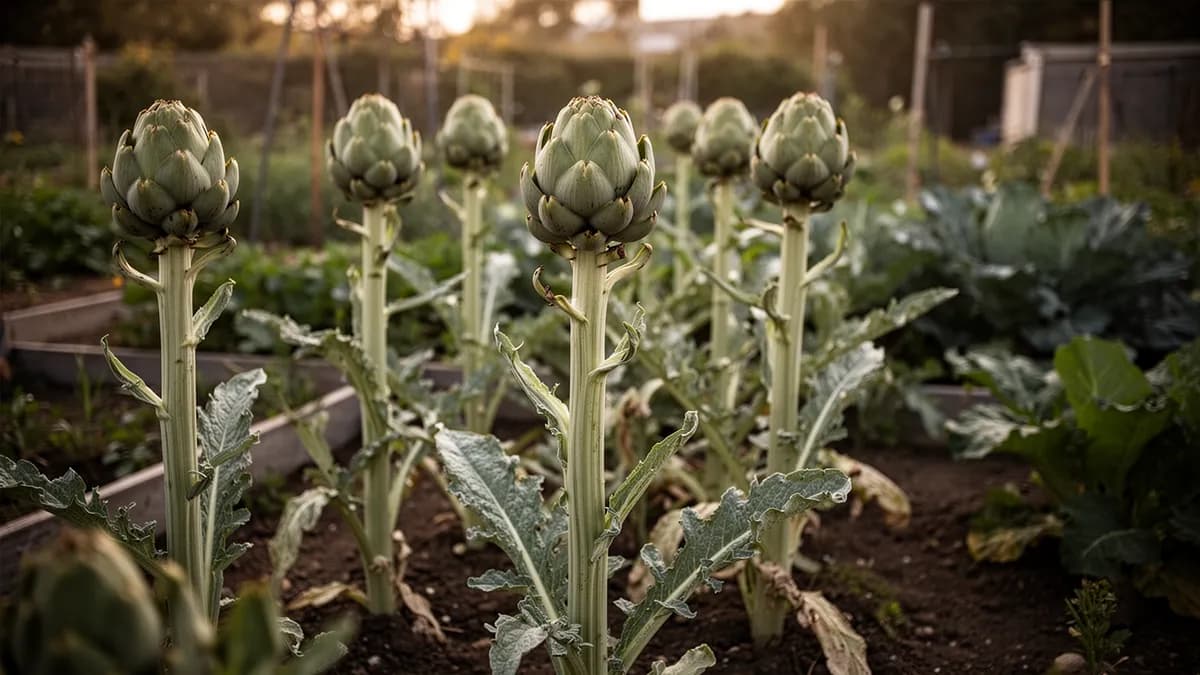
Si no se cosecha o si la planta supera el invierno con éxito, el cardo emite tallos florales gruesos de 1,5-2,5 metros de altura rematados por grandes cabezas florales púrpuras, similares a un cardo. Cada cabeza floral puede medir 5-8 cm de ancho y resulta muy atractiva para abejas, mariposas y otros polinizadores. Las cabezas secas contienen una enzima natural (cuajo de cardo) utilizada tradicionalmente para coagular la leche en la elaboración de queso.
Siembra las semillas en interior 8-10 semanas antes de la última helada. Colócalas a 1 cm de profundidad en macetas individuales y mantén la temperatura del sustrato entre 21 y 24 °C. El cardo desarrolla pronto una raíz pivotante fuerte, así que usa macetas profundas de al menos 10 cm para evitar que se enraíce en exceso.
Cuidar Cardo Español mes a mes
Qué hacer cada mes para tu Cardo Español
Octubre
Mes actualHarvest remaining blanched plants before hard frost. In zones 8-10, cardoon may overwinter with heavy mulching — cut back to 15 cm and cover the crown with 30 cm of straw or leaf mulch. In colder zones, treat as an annual and compost spent plants.
Ten claro qué hacer en tu huerto, cada mes
Un correo al empezar cada mes: qué sembrar, plantar y hacer ahora mismo — para tu Cardo Español y todo lo que crece alrededor. Más un breve curso inicial para esquivar los errores clásicos.
- Qué hacer ahora mismo
- Ajustado a tu temporada
- Curso inicial incluido
Cosechar Cardo Español
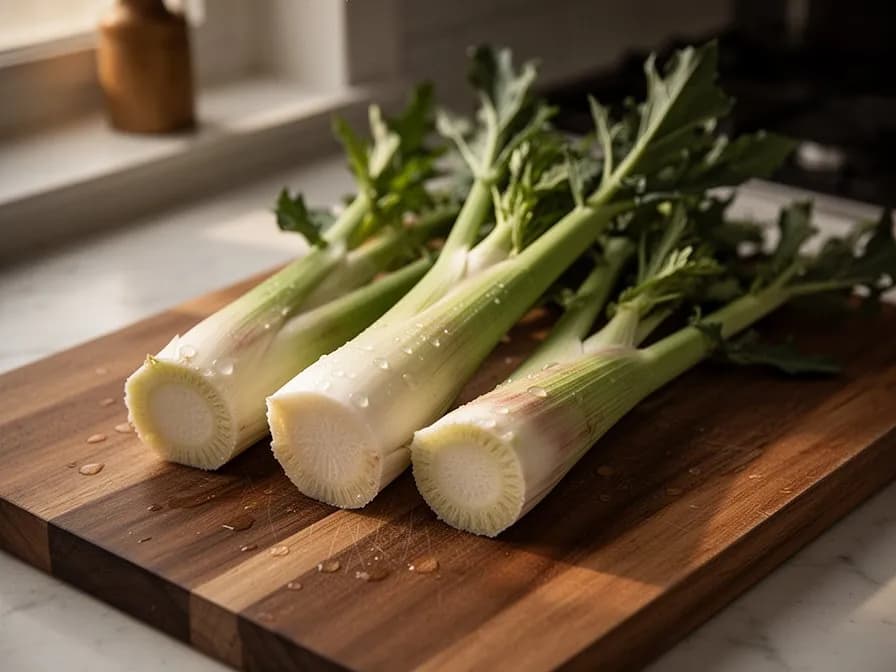
Coseche las pencas blanqueadas en otoño o principios de invierno, 3-4 semanas después de iniciar el blanqueo, cuando los tallos estén blancos, tiernos y crujientes. Corte las pencas exteriores con un cuchillo afilado o arranque la planta completa. Las heladas ligeras mejoran el sabor.
se supone que plantas al comenzar el periodo — indica tu fecha real
Después de 3-4 semanas de blanqueo, cuando los tallos estén pálidos y tiernos; la madurez se alcanza en unos 120 días.
Almacenamiento y conservación
Las pencas frescas blanqueadas se conservan en refrigerador envueltas en papel húmedo 1-2 semanas. Para conservación, cueza, escurra y congele en porciones. También se enlatan en salmuera o se conservan en vinagre. Las pencas sin blanquear se secan para infusiones.
Qué falla — y cómo solucionarlo
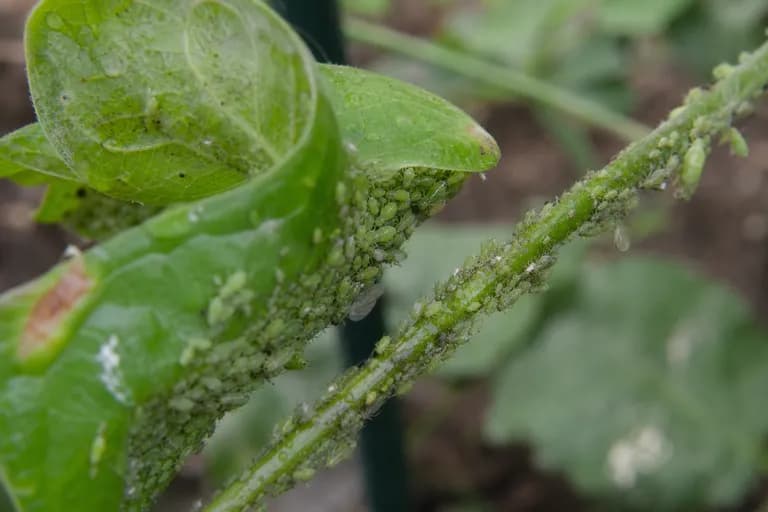
Pulgón negro (Aphis fabae)
PlagaColonias densas en tallos y envés de hojas, deformación y debilitamiento.
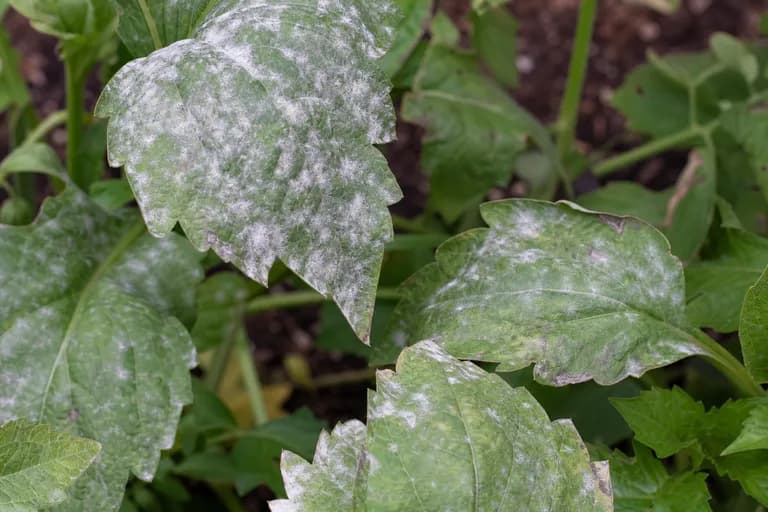
Oídio (Leveillula taurica)
EnfermedadPolvo blanco en hojas, amarillamiento y necrosis progresiva.
Babosas y caracoles
PlagaAgujeros en hojas y pencas tiernas, especialmente durante el blanqueo.
Solución de problemas comunes
Sin blanquear, las pencas son extremadamente amargas e incomestibles. Las plantas son enormes y necesitan mucho espacio. Las heladas fuertes pueden matar las plantas antes de la cosecha. Las espinas de algunas variedades dificultan la manipulación.
Consejos de cultivo
- Blanching is not optional — it is the single most important step in growing cardoon for the kitchen. Unblanched stalks are extremely bitter and tough. Wrap stalks in cardboard or thick newspaper for 3-4 weeks before harvest to produce the pale, tender, sweet stalks that make this vegetable worth growing.
- Give cardoon room to grow. Each plant needs a 90-120 cm circle of space and will dominate its section of the garden with a massive rosette of arching silvery leaves. Plan placement as you would a large shrub rather than a typical vegetable row.
- Deeply prepared soil pays dividends. Cardoon develops a massive root system and performs best in soil that has been loosened and enriched to a depth of at least 40 cm. Double-dig the bed and incorporate generous amounts of compost before planting.
- In climates with mild winters (zones 8-10), grow cardoon as a perennial for bigger, more productive plants. Cut back to 15 cm in late autumn and mulch the crown heavily with straw. Second and third-year plants produce thicker stalks with less bitterness than first-year plants.
- Remove flower stalks in the first year to direct all energy into leaf and stalk production. If you want flowers for ornamental use or seed saving, dedicate separate plants specifically for flowering and do not harvest their stalks.
- Stagger your blanching to extend the harvest window. Start blanching the first group of plants 3-4 weeks before your target harvest date, then blanch additional plants every 2 weeks. This provides fresh cardoon over a 6-8 week period rather than all at once.
- Always soak prepared cardoon stalks in acidulated water (water with lemon juice or vinegar) immediately after trimming. Like artichokes, the cut surfaces oxidize rapidly and turn brown, which affects both appearance and flavor.
- Cardoon can become invasive in mild climates through self-seeding. Deadhead all flower heads before they release seed, or remove flower stalks entirely. In California, Australia, and Argentina, escaped cardoon has become a serious agricultural weed.
Cultiva tu mejor Cardo Español — y todo lo que la rodea.
Empieza un plan gratis hoy. Diseña tus bancales, coloca tu Cardo Español y deja que PlotMyGarden gestione el momento, el espaciado, las asociaciones y los recordatorios de la semilla a la cesta.
Elige tu Cardo Español
Blanco de Peralta
Variedad española navarra con pencas anchas, tiernas y de excelente sabor tras blanqueo. La más apreciada para cardo en salsa. 150 días.
Gobbo di Nizza
Variedad italiana piamontesa con pencas arqueadas naturalmente. Imprescindible para bagna cauda. 140 días.
Plein Blanc Amélioré
Variedad francesa con pencas muy anchas y blanqueo fácil. Productiva y de buen sabor. 150 días.
Rouge d'Alger
Variedad argelina con pencas teñidas de rojo, más ornamental. Sabor más intenso. 160 días.
Fresh cardoon is a rare specialty vegetable that sells for $6-12 per pound at farmers markets and Italian specialty stores when available at all — it is virtually impossible to find in mainstream supermarkets. Growing just 4-6 plants from a $3-4 seed packet yields 4-12 kg of blanched stalks, representing $50-140 worth of this premium vegetable. The true value is in access rather than pure savings: homegrown cardoon lets you enjoy a vegetable that most people have never even tasted, and that chefs consider a prized seasonal delicacy.
Recetas rápidas
Braised Cardoon with Parmesan
45 minA classic Italian preparation where blanched cardoon stalks are simmered until meltingly tender, then finished with butter, Parmesan, and a squeeze of lemon. The result is a dish with the delicate flavor of artichoke hearts and a silky, yielding texture.
7 ingredientesCardoon Bagna Cauda (Piedmontese Style)
30 minThe most iconic cardoon dish from northern Italy — tender blanched and boiled cardoon stalks served alongside a warm, garlicky anchovy-butter dipping sauce. This is the centerpiece of Piedmontese winter celebrations and a dish of remarkable simplicity and depth.
7 ingredientesCardoon Gratin
50 minTender cardoon stalks layered with bechamel sauce and gruyere cheese, then baked until golden and bubbling. A rich, warming dish that transforms this humble thistle into an elegant side that pairs beautifully with roasted meats.
7 ingredientesUsos culinarios
El cardo blanqueado es la estrella de la cocina navideña española: hervido y servido en salsa de almendras o bechamel. En Italia se consume crudo en bagna cauda (fondue de anchoas y ajo) o rebozado y frito. También se prepara en gratinados, sopas y guisos. Su sabor recuerda a una mezcla de alcachofa y apio.
Qué contiene
Beneficios para la salud
- Contains cynarin, the same liver-supporting compound found in artichokes, which stimulates bile production and may help maintain healthy cholesterol levels by promoting efficient fat digestion.
- Exceptionally low in calories at just 17 per 100g with good fiber content, making cardoon an ideal vegetable for weight management and blood sugar control.
- Rich in potassium (400mg per 100g), an essential mineral that helps regulate blood pressure, supports proper heart rhythm, and maintains fluid balance throughout the body.
- Provides inulin, a prebiotic fiber that feeds beneficial Bifidobacterium and Lactobacillus species in the gut, supporting a diverse and healthy intestinal microbiome.
- Contains polyphenol antioxidants including chlorogenic acid and luteolin that help combat oxidative stress and may reduce chronic inflammation markers.
- Good source of calcium and magnesium in a favorable ratio, contributing to bone mineral density and supporting the hundreds of enzymatic reactions these minerals facilitate in the body.
De dónde viene Cardo Español
Cardoon (Cynara cardunculus var. altilis) is native to the western and central Mediterranean region, with wild populations still abundant across southern Spain, Portugal, Morocco, Sicily, and Sardinia. It is the direct wild ancestor of the globe artichoke (Cynara cardunculus var. scolymus), and both plants belong to the same species — a remarkable example of how selective breeding can transform a single wild plant into two distinct culinary crops. While artichokes were bred for their immature flower buds, cardoons were selected over centuries for their thick, fleshy leaf stalks.
Cardoon was cultivated by the ancient Greeks and Romans, who prized it as a luxury vegetable. Pliny the Elder wrote about cardoon cultivation in the first century, and it commanded high prices in Roman markets. Throughout the medieval period, cardoon remained popular across the Mediterranean, cultivated extensively in monastery and palace gardens in Spain, Italy, and southern France. The Spanish variety (cardo de Navarra) became especially renowned, and Navarra in northern Spain remains the most important cardoon-growing region in the world today, where it holds Protected Geographical Indication status.
Spanish and Italian immigrants carried cardoon to the Americas in the 16th through 19th centuries. In Argentina, it escaped cultivation and became one of the most successful invasive plants on the continent, transforming parts of the Pampas grassland. In the United States, cardoon never achieved widespread popularity but remained a cherished crop among Italian-American communities, particularly in California and the Northeast. Today, cardoon is experiencing a renaissance as chefs and food writers rediscover its unique artichoke-like flavor, and as researchers explore its potential as a sustainable source of vegetable rennet for cheesemaking, biodiesel from its oil-rich seeds, and biomass for energy production.
Cardo Español: ¿sabías que?
Datos fascinantes sobre Cardo Español
Cardoon (Cynara cardunculus) is the wild ancestor of the globe artichoke. While artichokes were bred for their edible flower buds, cardoons were selected for their thick, fleshy leaf stalks — the same species diverged into two very different culinary traditions.
Cardo Español: preguntas frecuentes
¿Cuándo debo plantar Cardo Español?
¿Cuáles son buenas plantas acompañantes para Cardo Español?
¿En qué zonas de rusticidad puede crecer Cardo Español?
¿Cuánto sol necesita Cardo Español?
¿A qué distancia debo espaciar Cardo Español?
¿Qué plagas y enfermedades afectan a Cardo Español?
¿Cómo almaceno Cardo Español después de la cosecha?
¿Cuáles son las mejores variedades de Cardo Español para cultivar?
¿Qué suelo necesita Cardo Español?
What does cardoon taste like?
Is cardoon the same as artichoke?
Why is my cardoon so bitter?
Can cardoon survive winter?
How do I use cardoon flowers to make cheese?
Is cardoon invasive?
Acabas de leer la teoría. Ahora cultívala en piloto automático.
Todo lo que hace que Cardo Español sea delicado — el momento, el espaciado, las asociaciones, la ventana de cosecha — es justo lo que PlotMyGarden resuelve por ti, para cada planta de tu huerto.
Un plan que conoce tu clima
Indica tu ubicación una vez. Recibe fechas de siembra, abonado y cosecha basadas en tu última helada real y el pronóstico en vivo — sin adivinar con un sobre genérico.
De la sección “Cuándo plantar”Planificador de bancales de arrastrar y soltar
Diseña bancales sobre una cuadrícula. Cada planta encaja con su espaciado correcto y ves toda la temporada antes de gastar un céntimo en semillas.
De la sección “Cultivo”Conflictos de asociación, detectados a tiempo
Más de 200 buenas y malas combinaciones comprobadas en vivo mientras plantas — para que un error que arruine la temporada nunca llegue a la tierra.
De la sección “Asociaciones”Recordatorios que sí vas a seguir
“Riega las judías.” “Recoge hoy antes de que se pase.” Oportunos, concretos y ligados a las plantas que de verdad cultivas.
De la sección “Cosecha”Escalonado, programado
¿Quieres cosechar seis semanas en vez de seis días? Reparte tus siembras automáticamente y te avisa cuando toca el siguiente lote.
De la sección “Cuándo plantar”Un registro que se vuelve más listo
Cada cosecha que registras le enseña tu huerto. El plan del año que viene parte de lo que de verdad funcionó en tu suelo, no en un manual.
De la sección “Resumen”Planta estos junto a Cardo Español
Más Tallos y brotes
Cultiva tu mejor Cardo Español — y todo lo que la rodea.
Empieza un plan gratis hoy. Diseña tus bancales, coloca tu Cardo Español y deja que PlotMyGarden gestione el momento, el espaciado, las asociaciones y los recordatorios de la semilla a la cesta.