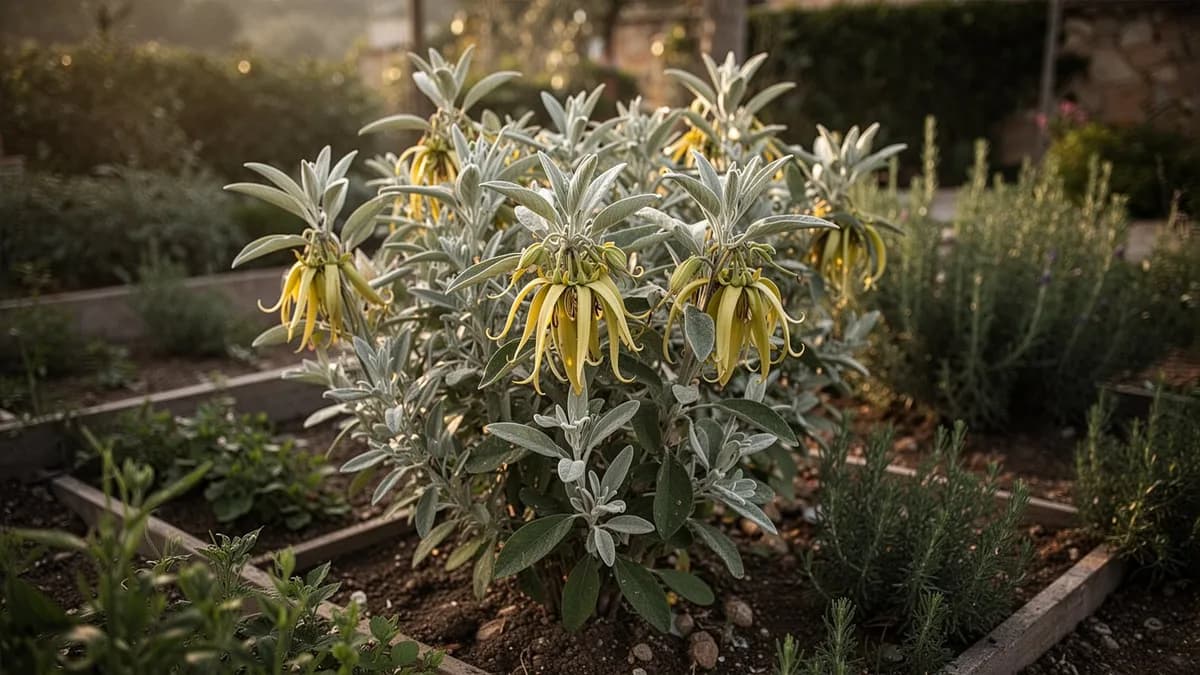
Ylang-Ylang
Cananga odorata
At a Glance
It's planting season for Ylang-Ylang! Start planning your garden now.
A tropical tree producing cascading yellow-green flowers with one of the most intoxicating fragrances in the perfume world. Ylang-ylang flowers are steam-distilled for essential oil that is a key ingredient in Chanel No. 5 and many luxury perfumes. Grow only in tropical climates or heated conservatories, as it requires year-round warmth above 60 degrees Fahrenheit.
Planting & Harvest Calendar
Growth Stages
From Seed to Harvest
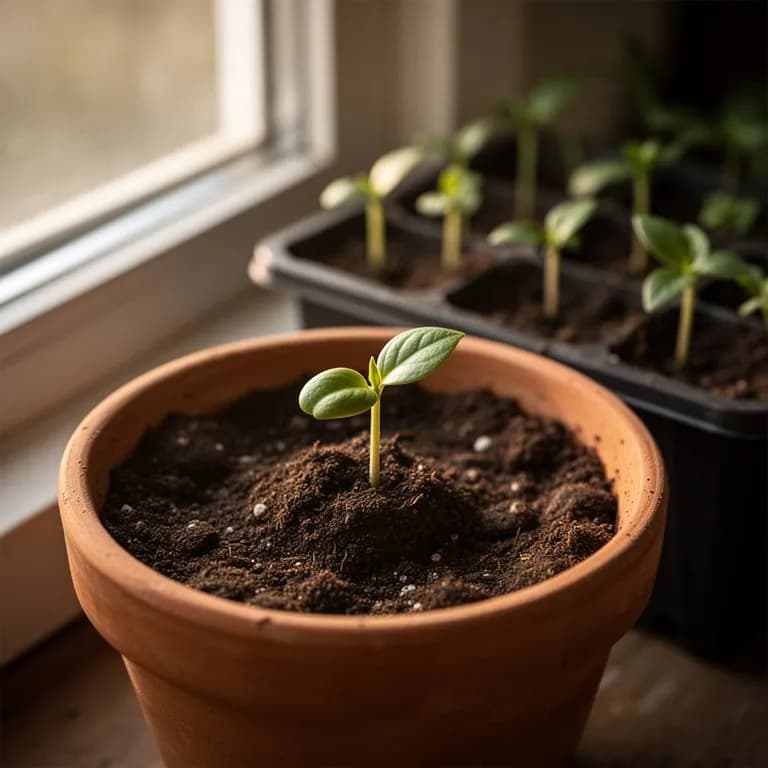
Seed Germination
Days 0–30
Ylang-ylang seeds have a hard outer coat and benefit from soaking in warm water for 24 hours before sowing. Plant seeds about 1 cm deep in a warm, moist, well-draining seed mix and maintain temperatures of 24-30°C. Germination is slow and erratic, often taking 2-4 weeks, and rates improve with bottom heat and consistent humidity.
💡 Care Tip
Cover seed trays with a clear humidity dome and place in a warm location out of direct sun. Keep the medium consistently moist but not waterlogged. Be patient as germination can be unpredictable.
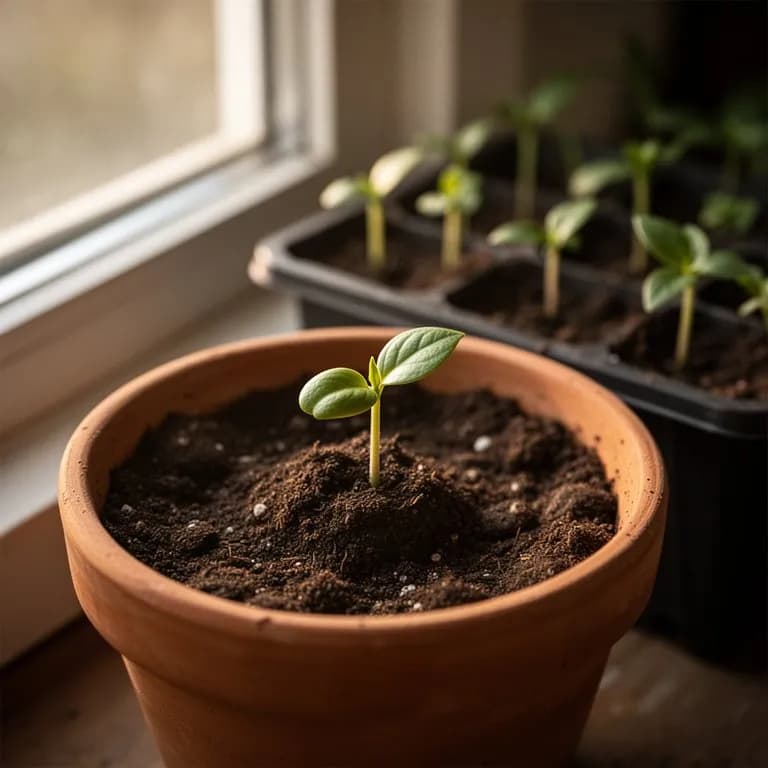
Ylang-ylang seedlings grow quickly in warm, humid conditions with rich, moist soil
Monthly Care Calendar
What to do each month for your Ylang-Ylang
May
You are hereMove container-grown trees outdoors to a warm, sheltered location with partial to full sun after all frost danger has passed. Begin regular feeding with a balanced liquid fertilizer every two to three weeks. Water deeply when the top 3 cm of soil dries.
Did You Know?
Fascinating facts about Ylang-Ylang
Ylang-ylang means 'flower of flowers' in the Tagalog language of the Philippines, where the tree has been cultivated for centuries for its extraordinarily fragrant blossoms.
Ylang-ylang is a fast-growing tropical tree that can reach 20-30 meters in its native habitat but is typically maintained at 3-5 meters in cultivation through regular pruning. The tree produces cascading, tentacle-like yellow-green flowers year-round in tropical conditions, each releasing an intensely sweet, exotic fragrance that intensifies at night.
In tropical regions (zones 10-12), plant in full sun with rich, well-drained soil. Ylang-ylang grows rapidly and begins flowering within 2-3 years of planting. Provide regular watering during establishment but reduce once the deep root system develops. The tree tolerates brief dry spells but performs best with consistent moisture.
In temperate climates, grow in large containers in a heated greenhouse or conservatory, maintaining temperatures above 15°C year-round. Prune to keep the tree at manageable size—ylang-ylang responds well to training and can even be maintained as a large bushy specimen through regular cutting. High humidity is important; mist regularly or use a humidity tray. Flowering occurs on mature wood, so allow some branches to develop before pruning.
Ylang-ylang (Cananga odorata) is native to the tropical rainforests of Southeast Asia, with its center of origin spanning the Philippines, Indonesia, Malaysia, and parts of northern Australia. The tree thrives in warm, humid lowland forests at elevations below 600 meters, where it grows as part of the forest understory or along riverbanks and forest margins. For centuries, ylang-ylang has held deep cultural significance throughout its native range. In the Philippines, the flowers have been woven into garlands and leis for ceremonial occasions, religious festivals, and wedding celebrations since pre-colonial times. The Tagalog name 'ilang-ilang,' from which the common name derives, reflects the reverence these cultures held for its extraordinary fragrance. Spanish colonizers in the Philippines were captivated by the scent and began exporting the flowers and crude oil to Europe in the 18th century, where it quickly found favor among perfumers. The modern ylang-ylang essential oil industry traces its origins to the mid-19th century, when French colonists introduced the tree to the islands of Reunion, Madagascar, and the Comoros in the Indian Ocean. The volcanic soils and tropical climate of these islands proved ideal for cultivation, and commercial plantations were established to supply the growing European perfume industry. By the early 20th century, the Comoros Islands had become the world's dominant producer of ylang-ylang oil, a position they maintain to this day. The essential oil gained worldwide fame when Ernest Beaux included it as a central note in Chanel No. 5 in 1921, cementing ylang-ylang's status as one of the most important fragrance ingredients in perfumery. In traditional medicine systems across Southeast Asia, ylang-ylang has been used to treat a range of conditions including high blood pressure, skin infections, anxiety, and digestive disorders. Today, the tree is cultivated commercially across the tropics, from the Indian Ocean islands to Central America and the Pacific, and its essential oil remains indispensable to the global fragrance and aromatherapy industries.
Ylang-ylang can be grown from fresh seed, which germinates readily. Clean the flesh from fresh berries and sow immediately at 1cm depth in moist, warm compost. Keep at 25-30°C with consistent moisture. Germination takes 2-8 weeks. Seeds lose viability quickly and must be sown within a few weeks of harvest. Seedlings grow rapidly in warm conditions. Semi-hardwood cuttings taken from mature trees can also root with bottom heat and humidity, though success rates are moderate.
Ylang-ylang requires rich, well-drained soil with a pH of 5.5-7.0. In containers, use a quality multipurpose compost mixed with 20% perlite for drainage. Feed monthly during the growing season with a balanced liquid fertilizer. In tropical gardens, top-dress with compost twice a year. The tree is a moderate to heavy feeder that rewards generous nutrition with more abundant flowering.
Check Your Zone
See if Ylang-Ylang is suitable for your location.
10°C – 35°C
50°F – 95°F
Ylang-ylang is a true tropical species that performs best in consistently warm temperatures between 20-30°C. It tolerates brief exposure to temperatures as low as 10°C but sustained cold below 15°C causes leaf drop and growth cessation. Frost is fatal. In its ideal range, the tree grows vigorously and flowers nearly continuously. High humidity of 60-80% is essential for healthy growth and prolific flowering. In temperate climates, container cultivation with indoor overwintering is the only practical approach.
Common issues affecting Ylang-Ylang and how to prevent and treat them organically.
Cold sensitivity is the primary limitation—ylang-ylang cannot survive temperatures below 10°C for extended periods. In temperate climates, heated greenhouse culture is mandatory. Failure to flower usually indicates the tree is too young (give it 2-3 years), too cold, or pruned too heavily. The dropping, messy flowers and broad canopy can be impractical in small spaces. Conservatory specimens may not flower as prolifically as outdoor tropical trees.
- 1Ylang-ylang demands consistent warmth above 15°C at all times. In temperate climates, grow in a large container that can be moved indoors before autumn temperatures drop. Place near the brightest available window or supplement with grow lights during winter.
- 2Provide rich, humus-heavy soil that retains moisture while still draining freely. A mix of quality potting compost, perlite, and coconut coir in equal parts creates an ideal growing medium for container cultivation.
- 3Maintain high humidity of 60-80% around the tree, especially when grown indoors. Use a pebble tray filled with water beneath the pot, group with other tropical plants, or run a humidifier nearby to prevent leaf tip browning.
- 4Water consistently to keep the soil evenly moist but never waterlogged. Ylang-ylang does not tolerate drought well, and dry soil leads to leaf drop, poor flowering, and overall decline. Check soil moisture every two to three days in warm weather.
- 5Feed monthly during the active growing season with a balanced liquid fertilizer diluted to half strength. Switch to a potassium-rich formulation once the tree begins flowering to support continued bloom production.
- 6Prune regularly to control size, especially for container-grown trees. Ylang-ylang responds well to pruning and can be kept at 2-3 meters tall with annual trimming. Flowers form on mature wood, so avoid removing too many older branches at once.
- 7Protect from direct midday sun when first moving container trees outdoors in spring. Gradually acclimate to full sun over two weeks to prevent leaf scorch. Mature trees in tropical gardens thrive in full sun with some afternoon shade.
- 8Propagate from semi-hardwood cuttings taken in summer for the best success rate. Use cuttings 15-20 cm long, strip lower leaves, dip in rooting hormone, and place in a warm, humid propagation environment with bottom heat.
- 9Watch for common pests including scale insects, mealybugs, and spider mites, particularly on indoor trees during winter. Regular inspection of leaf undersides and stem joints helps catch infestations early before they spread.
- 10In tropical gardens, plant ylang-ylang where its evening fragrance can be enjoyed, such as near a patio, bedroom window, or outdoor seating area. The scent carries well on warm evening breezes and is strongest after sunset.
Harvest ylang-ylang flowers early in the morning when their fragrance is at its most intense. The flowers are ready to pick when they turn from green to yellow-green and begin to droop slightly. Pick individual flowers by hand, being gentle to avoid bruising which degrades the essential oil quality. For the finest 'extra' grade oil, harvest flowers that have just fully opened and are still slightly greenish-yellow.
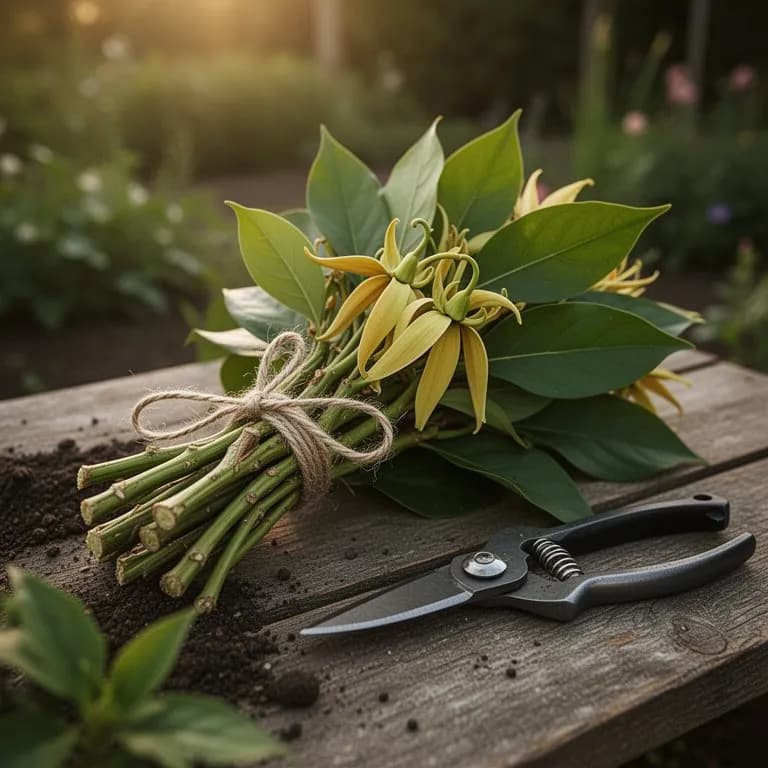
Flowers are harvested at dawn when their essential oil concentration is at its peak
Ylang-ylang flowers are extremely perishable and should be distilled or dried immediately after harvest. For home use, dry flowers quickly on screens in a warm, well-ventilated area. Dried flowers retain some fragrance but are far less aromatic than fresh. For the best fragrance preservation, infuse fresh flowers into a carrier oil (jojoba or coconut) immediately after picking—the oil captures the volatile aromatics beautifully. Fresh flowers can also be floated in water bowls for short-term fragrance.
Plan your garden with ease
Love growing Ylang-Ylang? Use our free garden planner to design your beds, track planting dates, and get personalized care reminders.
Nutritional Info
Per 100g serving
15
Calories
Health Benefits
- Ylang-ylang flowers are not typically consumed as food but are valued for their essential oil compounds including linalool, geranyl acetate, and beta-caryophyllene
- The essential oil contains powerful aromatic compounds with documented sedative and anxiolytic properties in clinical studies
- Beta-caryophyllene found in ylang-ylang oil has been studied for its anti-inflammatory and analgesic effects
- Flower infusions used in traditional medicine contain antioxidant flavonoids and phenolic compounds
- Ylang-ylang oil has demonstrated antimicrobial activity against several common skin bacteria in laboratory research
- The fragrance compounds in ylang-ylang have been shown to reduce cortisol levels and lower blood pressure when used in aromatherapy
💰 Why Grow Your Own?
A young ylang-ylang tree costs $15-30 from a specialty nursery, and while it requires tropical conditions, a single mature tree in the right climate can produce 9-20 kg of fresh flowers annually. Pure ylang-ylang essential oil retails for $15-40 per 15 ml bottle, and homemade infused oils and floral waters provide a luxurious alternative at a fraction of the cost. Even as a container plant in temperate climates, a healthy ylang-ylang tree produces enough flowers for personal aromatherapy use, homemade skincare products, and fragrant infusions, potentially saving $100-250 per year on essential oils and natural perfumery ingredients.
Quick Recipes
Simple recipes using fresh Ylang-Ylang
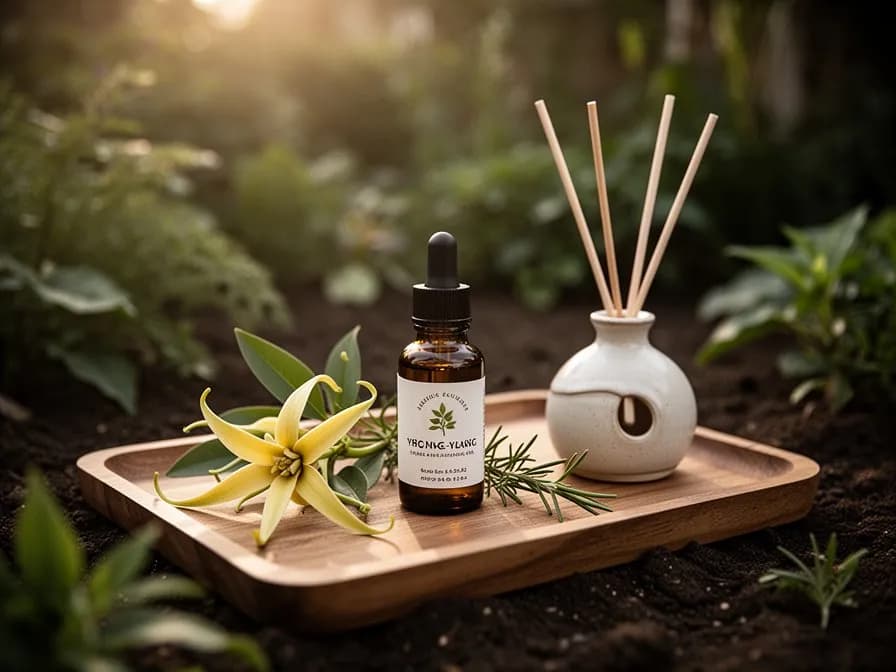
Ylang-Ylang Infused Massage Oil
10 minutes + 2 weeks infusionA luxuriously fragrant body oil made by infusing fresh ylang-ylang flowers in a carrier oil. This traditional preparation from the Philippines creates a richly scented oil perfect for massage, skin moisturizing, or adding to bath water. The slow infusion captures the full complexity of the flower's aroma.
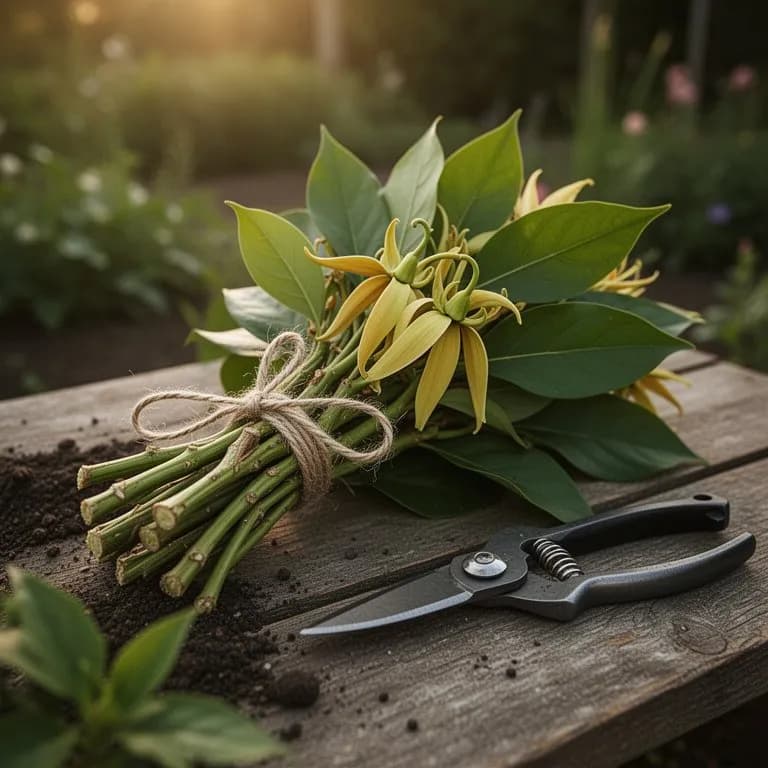
Ylang-Ylang Flower Tea
15 minutesA calming and aromatic herbal tea made from fresh or dried ylang-ylang petals. This soothing infusion has a delicate floral flavor and is traditionally enjoyed in the evening to promote relaxation and restful sleep. The subtle sweetness of the flowers means little to no additional sweetener is needed.
Ylang-Ylang Room and Linen Spray
5 minutesA natural, chemical-free room spray that captures the romantic, exotic scent of ylang-ylang. This simple preparation makes an excellent alternative to synthetic air fresheners and can be spritzed on pillows and linens for a calming bedtime atmosphere. The combination with vanilla and citrus rounds out the fragrance beautifully.
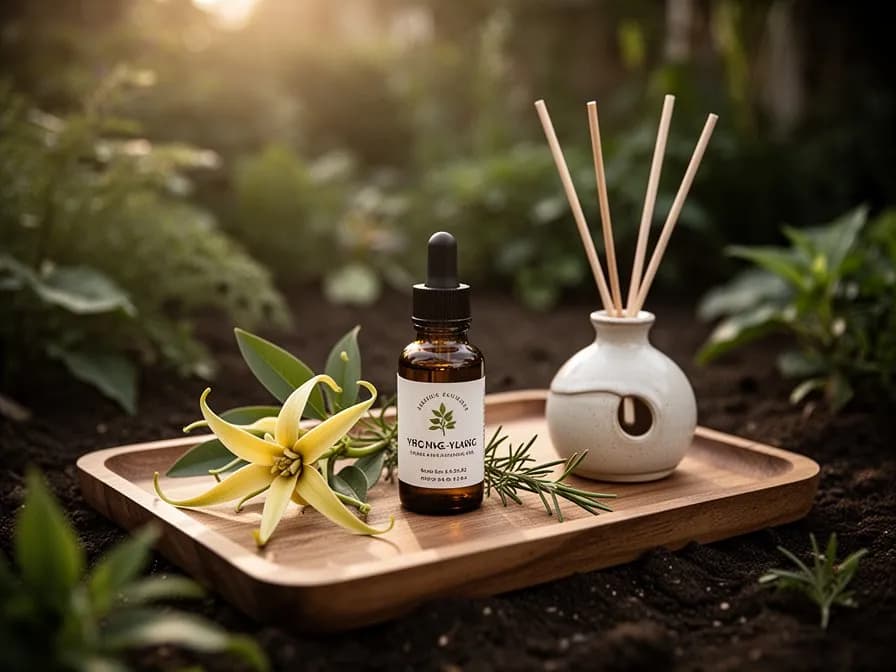
Ylang-ylang essential oil is a cornerstone ingredient in luxury perfumes and natural skincare
Yield & Spacing Calculator
See how many Ylang-Ylang plants fit in your garden bed based on the recommended 300cm spacing.
0
Ylang-Ylang plants in a 4×4 ft bed
0 columns × 0 rows at 300cm spacing
Popular Varieties
Some of the most popular ylang-ylang varieties for home gardeners, each with unique characteristics.
Cananga odorata var. genuina
The true ylang-ylang grown commercially for essential oil production. Produces the finest, most complex fragrance. Slower-growing than the species.
Cananga odorata (standard)
The typical form, also called cananga. Faster-growing with slightly less refined fragrance than var. genuina. Still highly aromatic.
When should I plant Ylang-Ylang?
Plant Ylang-Ylang in April, May, June. It takes approximately 1095 days to reach maturity, with harvest typically in January, February, March, April, May, June, July, August, September, October, November, December.
What hardiness zones can Ylang-Ylang grow in?
Ylang-Ylang thrives in USDA hardiness zones 10 through 12. With greenhouse protection, it may be grown in zones 8 through 13.
How much sun does Ylang-Ylang need?
Ylang-Ylang requires Full Sun (6-8h+). This means at least 6-8 hours of direct sunlight daily.
How far apart should I space Ylang-Ylang?
Space Ylang-Ylang plants 300cm (118 inches) apart for optimal growth and air circulation.
What pests and diseases affect Ylang-Ylang?
Common issues include Scale Insects, Root Rot. Prevention through good garden practices like crop rotation, proper spacing, and companion planting is the best approach. See the detailed pests and diseases section above for symptoms, prevention, and treatment for each.
How do I store Ylang-Ylang after harvest?
Ylang-ylang flowers are extremely perishable and should be distilled or dried immediately after harvest. For home use, dry flowers quickly on screens in a warm, well-ventilated area. Dried flowers retain some fragrance but are far less aromatic than fresh. For the best fragrance preservation, infuse...
What are the best Ylang-Ylang varieties to grow?
Popular varieties include Cananga odorata var. genuina, Cananga odorata (standard). Each has unique characteristics suited to different growing conditions and culinary preferences. See the varieties section above for detailed descriptions.
What soil does Ylang-Ylang need?
Ylang-ylang requires rich, well-drained soil with a pH of 5.5-7.0. In containers, use a quality multipurpose compost mixed with 20% perlite for drainage. Feed monthly during the growing season with a balanced liquid fertilizer. In tropical gardens, top-dress with compost twice a year. The tree is a ...
Can I grow ylang-ylang in a non-tropical climate?
Yes, ylang-ylang can be grown successfully in temperate climates as a container plant. Use a large pot (at least 50 cm diameter) with rich, well-draining soil. Keep the tree outdoors in a warm, sheltered spot during summer and move indoors to a bright location before temperatures drop below 10°C in autumn. Indoor conditions should include bright light, warmth above 15°C, and humidity above 50%. While container trees will not reach the size or flower production of outdoor tropical specimens, they can still produce fragrant flowers and make beautiful, exotic houseplants.
How long does it take for ylang-ylang to flower from seed?
Ylang-ylang trees typically take 2-5 years to produce their first flowers when grown from seed, depending on growing conditions. Trees in ideal tropical environments with warm temperatures, high humidity, and rich soil may flower as early as 2-3 years, while container-grown trees in less optimal conditions may take 4-5 years. Purchasing a more mature nursery plant can shorten the wait considerably. Once flowering begins, a healthy tree in tropical conditions will bloom nearly continuously throughout the year.
When is the best time to harvest ylang-ylang flowers?
The best time to harvest ylang-ylang flowers is early in the morning, just after dawn, when essential oil concentration is at its peak. Pick flowers that have fully turned from green to deep yellow, as this indicates maximum oil content and fragrance development. Avoid harvesting after rain, which dilutes the essential oils. Handle flowers gently as bruising reduces oil quality. For home use in infusions and potpourri, flowers can also be harvested in the evening when their scent is most intense.
Is ylang-ylang essential oil safe to use on skin?
Ylang-ylang essential oil should always be diluted in a carrier oil before applying to the skin, typically at a concentration of 1-3% (3-9 drops per tablespoon of carrier oil). Some individuals may experience skin sensitivity or allergic reactions, so always perform a patch test on a small area of skin 24 hours before widespread use. Avoid using the oil on broken or irritated skin, and do not ingest essential oil. Pregnant women and young children should consult a healthcare provider before using ylang-ylang oil. The oil is generally considered safe for aromatherapy diffusion in well-ventilated spaces.
Why are the leaves on my ylang-ylang tree turning yellow and dropping?
Yellow leaves and leaf drop on ylang-ylang trees are most commonly caused by cold stress, underwatering, or insufficient light. Check that the tree is not exposed to temperatures below 15°C or cold drafts from windows and doors. Ensure the soil stays consistently moist but not waterlogged, and provide at least 6 hours of bright light daily. Sudden changes in environment, such as moving the tree indoors for winter, can also cause temporary leaf drop as the plant adjusts. Nutrient deficiency, particularly iron or magnesium, may cause yellowing between leaf veins; address this with a balanced liquid fertilizer or micronutrient supplement.
What companion plants grow well with ylang-ylang?
In tropical gardens, ylang-ylang pairs well with other fragrant and shade-tolerant understory plants. Excellent companions include jasmine, plumeria, gardenia, ginger, turmeric, and heliconias, which all enjoy similar warm, humid conditions. Low-growing tropical herbs like lemongrass, patchouli, and vetiver can be planted at the base of the tree to make use of the dappled shade the canopy provides. For container groupings, combine ylang-ylang with other tropical aromatics like curry leaf, lemon verbena, and citrus to create a fragrant patio display.
Ready to Grow Ylang-Ylang?
Add Ylang-Ylang to your garden plan and start designing your perfect layout.

Vladimir Kusnezow
Gardener and Software Developer
Zone 6b gardener. Growing vegetables and fruits in soil and hydroponics for 6 years. I built PlotMyGarden to plan my own gardens.
Jump to Section