Strawflower
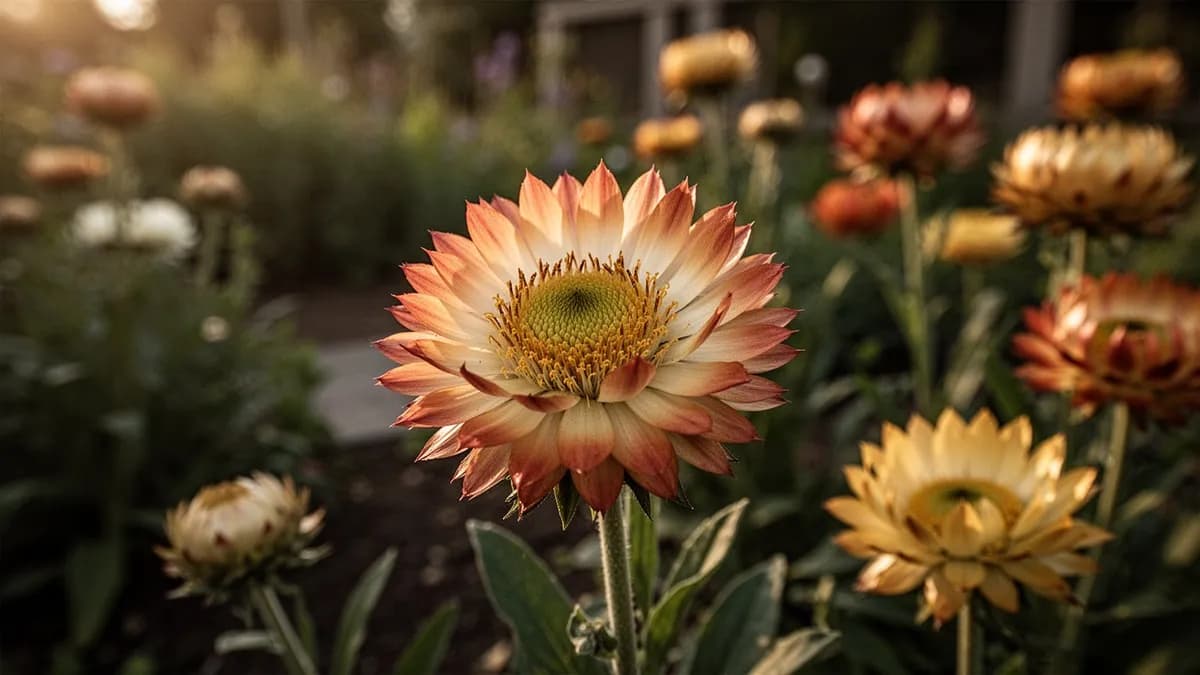
An Australian native with crisp, daisy-like flowers surrounded by stiff, colorful bracts that feel like straw when dry.





On this pageOverview
Meet Strawflower
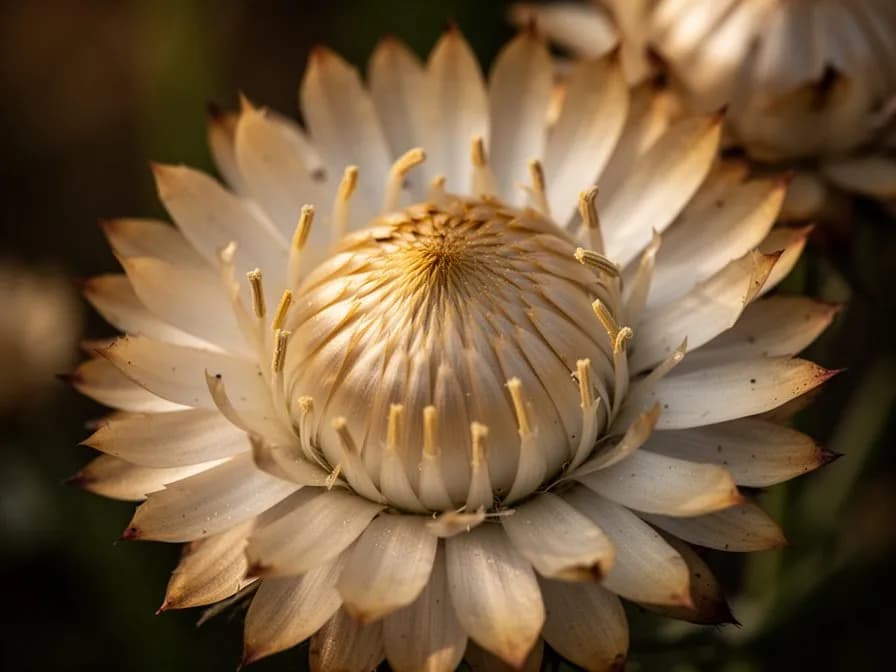
An Australian native with crisp, daisy-like flowers surrounded by stiff, colorful bracts that feel like straw when dry. Strawflowers come in a wide range of warm colors and are the ultimate everlasting flower for dried bouquets. Harvest when buds are just beginning to open for the tightest, longest-lasting dried blooms.
When to plant Strawflower
Start strawflower seeds indoors six to eight weeks before the last frost. Sow on the surface of moist seed-starting mix, pressing gently without covering, as seeds require light for germination. Seeds germinate in seven to fourteen days at 65 to 70 degrees Fahrenheit. Thin seedlings to the strongest in each cell. Harden off for one week before transplanting outdoors after the last frost. Direct sowing after the last frost is successful in long-season climates but delays blooming by several weeks.
Your Strawflower Year
Composed for Zone 7 · typical seasons · frost passes Apr 2, returns Nov 1
Sow Strawflower Apr – May, pick Jul – Oct. Set your climate below and every date on this plate re-times itself.
How to grow Strawflower
Start strawflower seeds indoors six to eight weeks before the last frost, or direct sow outdoors after all frost danger has passed. Sow seeds on the surface of moist seed-starting mix and press lightly without covering, as light is required for germination. Seeds germinate in seven to fourteen days at 65 to 70 degrees Fahrenheit. Transplant outdoors into full sun, spacing plants ten to fifteen inches apart.
Strawflowers are heat-loving plants that thrive in full sun and warm temperatures. They prefer lean, well-drained soil and are surprisingly drought-tolerant once established, reflecting their Australian native habitat. Avoid rich, moist soil which produces lush foliage but fewer, smaller flowers. Water moderately during establishment, then reduce to minimal supplemental irrigation.
Deadhead regularly to encourage continuous blooming from midsummer through frost. However, leave some flowers on the plant to harvest for drying at various stages. Strawflowers require no staking in most garden situations as their stems are wiry and strong. Feed sparingly with a light application of balanced fertilizer at planting time. In hot climates, strawflowers are among the most reliable and carefree annuals available.
36 plants fit a 4 × 8 ft bed
Each Strawflower wants 25 cm of elbow room. The planner keeps that spacing for you — every plant, every bed.
Strawflower's best neighbours
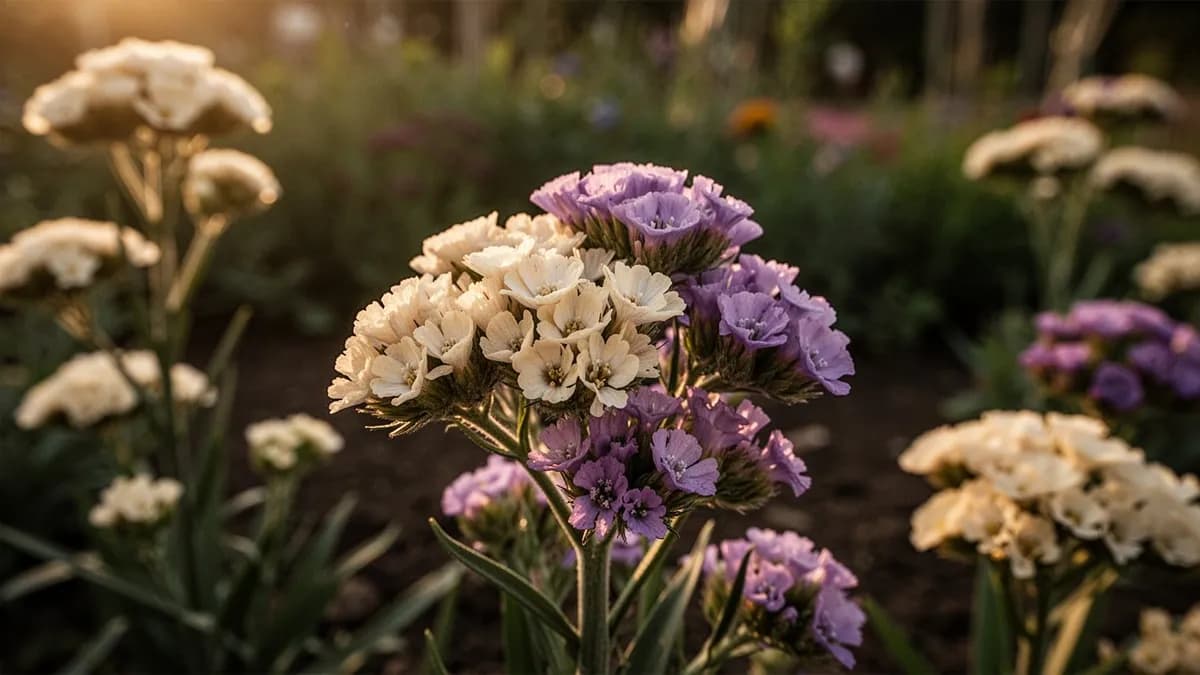
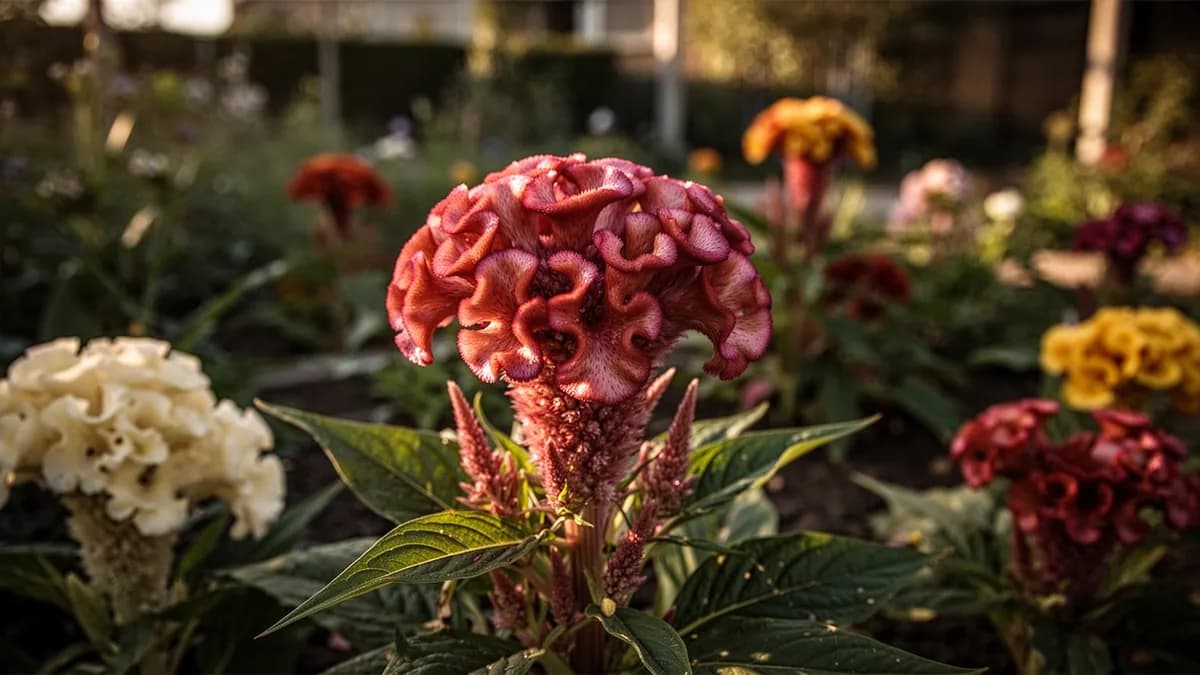
Strawflowers are natural partners with other everlasting flowers including statice, globe amaranth, and celosia in both cutting gardens and dried flower beds. They combine well with zinnias and cosmos for a warm-season annual border. Their drought tolerance makes them excellent companions for lavender, ornamental grasses, and other xeriscape plants. The daisy-like flowers attract butterflies and beneficial pollinators throughout the summer and fall months.
Statice belongs beside it.
Old growers' knowledge, checked against Strawflower's real companion table below — test any plant you're growing.
Try Strawflower in a bed — right here
A real planner bed with Strawflower already in it. Tap a companion to place it and watch the pairing checks answer — green for good neighbours, red for a clash.


Related growing guides
Feed it well
Strawflowers thrive in lean, well-drained soil with a pH of 6.0 to 7.0. Sandy or gravelly soil produces the best flowers, as rich soil promotes leggy growth with smaller blooms. Avoid heavy clay and poorly drained locations. A light application of balanced granular fertilizer at planting time is sufficient for the entire season. Container plants may need light feeding every three to four weeks with diluted liquid fertilizer. Do not over-fertilize.
Ideal Temperature
Hardiness Zone Compatibility
From seed to harvest, stage by stage
Seed Germination
Seeds are surface-sown on moist, warm soil. They require light to germinate and should not be covered. Germination occurs best at temperatures between 18 and 22 degrees Celsius.
Seedling Development
Seedlings develop their first true leaves and begin building a small root system. They are delicate at this stage and benefit from consistent moisture and bright indirect light.
Vegetative Growth
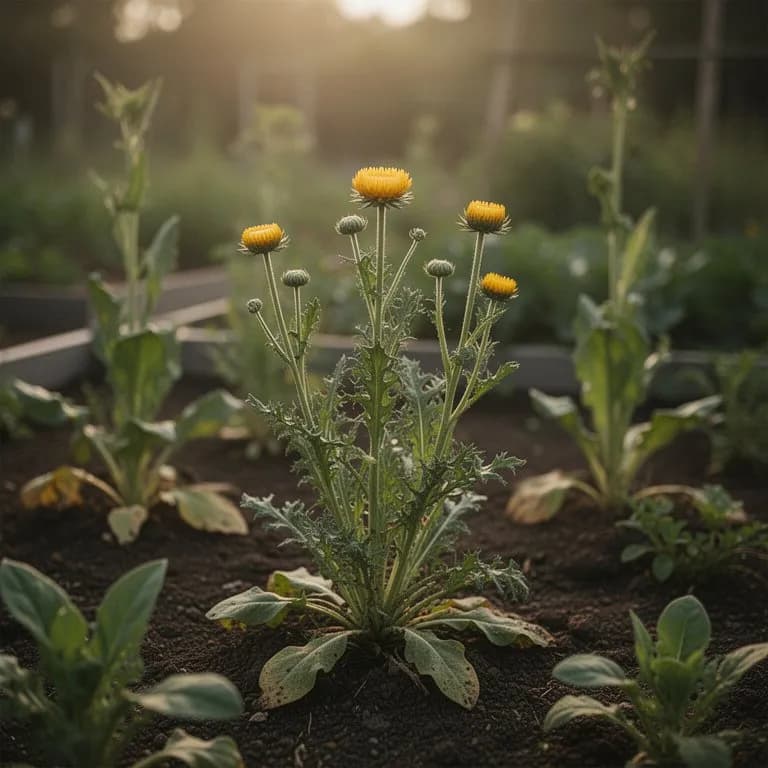
Plants grow rapidly, producing branching stems with narrow, grey-green leaves. The root system establishes deeply, giving the plant its notable drought tolerance.
Bud Formation
Rounded flower buds form at the tips of stems, wrapped tightly in stiff, papery bracts. The bracts begin showing their eventual color even before the bloom opens.
Flowering
Blooms open progressively from the outer ring of papery bracts inward, revealing a small central disc of tiny true flowers. Plants produce flowers continuously throughout the warm season.
Seed Set and Maturity
If left on the plant, flowers mature and produce small seeds with feathery pappus structures that aid in wind dispersal. Plants begin to slow in growth as energy shifts to seed production.
Mist the soil surface gently to keep it evenly moist without disturbing the tiny seeds. Do not cover seeds with soil as they need light to germinate.
Caring for Strawflower month by month
What to do each month for your Strawflower
August
You are hereNo specific care tasks for this month.
Know exactly what to do in your garden — every month
One email at the start of each month: what to sow, plant, and tackle right now — for your Strawflower and everything growing around it. Plus a short starter course that helps you dodge the classic mistakes.
- What to do, right now
- Matched to your season
- Starter course included
Harvesting Strawflower
For the best dried flowers, harvest strawflowers when the outer two or three rows of bracts have opened but the center is still tightly closed. Buds continue to open during the drying process, so picking at this stage yields the tightest, most attractive dried blooms. Cut stems twelve to eighteen inches long. Strip all leaves and dry by hanging bunches upside down in a dark, warm, well-ventilated area for one to two weeks. Wire stems through the base of the flower head if natural stems become brittle.
assuming you sow when the window opens — set your real date
Pick Strawflower promptly and the plant keeps producing.
Storage & Preservation
Strawflowers are the quintessential everlasting flower and maintain their color and form for years when properly dried. Air-dry by hanging upside down in a dark, warm space. For longer-stemmed arrangements, insert florist wire through the base of the flower before drying. Store dried flowers in a dry, dark location where they last for several years. Fresh-cut strawflowers also last seven to ten days in water. Seeds are tiny and store well for two to three years in cool, dry conditions.
What goes wrong — and the fix
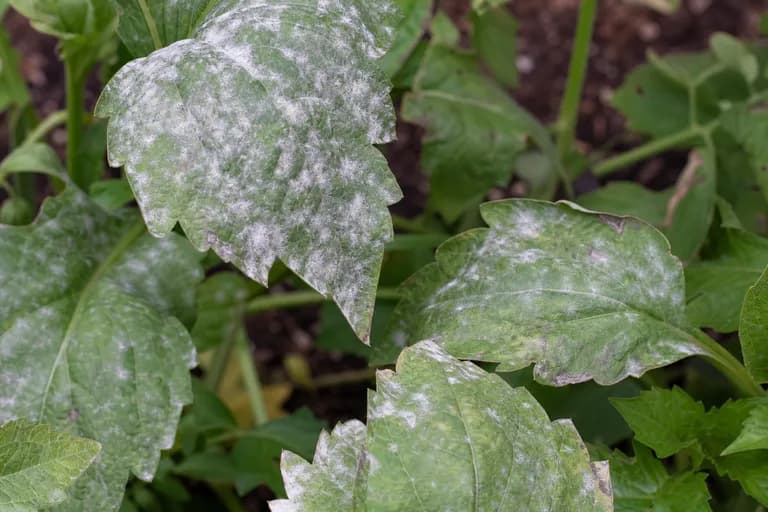
Powdery Mildew
DiseaseWhite powdery coating on leaves, especially during periods of high humidity with warm days and cool nights.
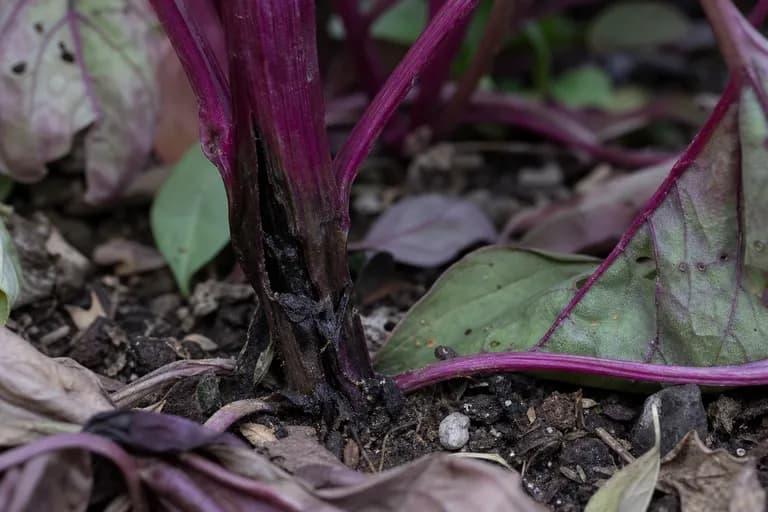
Stem Rot
DiseaseBrown, soft, mushy stems at the soil line. Plants wilt and collapse despite adequate soil moisture.
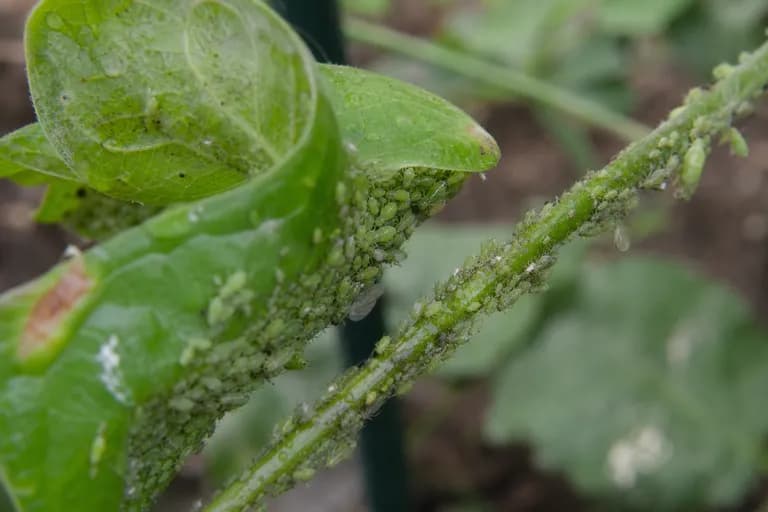
Aphids
PestClusters of small insects on flower buds and new growth, sticky honeydew residue, distorted blooms.
Troubleshooting Common Problems
The most common issue is overwatering, which leads to stem rot and poor plant performance. Strawflowers evolved in dry Australian conditions and prefer drought to moisture. In humid climates, fungal diseases can be problematic, so ensure excellent air circulation. Stems may become brittle when dried naturally, making wiring through the flower base a useful technique for arrangements. In short-season areas, start seeds indoors early to ensure a long blooming period before frost.
Growing Tips
- Sow seeds on the surface of moist seed-starting mix and press gently without covering, as strawflower seeds need light to germinate.
- Start seeds indoors 6 to 8 weeks before the last frost date, or direct sow outdoors once soil temperatures consistently reach 18 degrees Celsius.
- Choose a planting site with full sun and well-drained soil. Strawflowers perform poorly in heavy, waterlogged clay soils.
- Space plants 25 to 30 centimeters apart to allow good air circulation and reduce the risk of fungal diseases.
- Pinch the main growing tip when seedlings are about 15 centimeters tall to encourage branching and a bushier habit with more flower stems.
- Water deeply but infrequently once plants are established. Strawflowers are remarkably drought-tolerant and overwatering is more harmful than underwatering.
- Apply a balanced liquid fertilizer every three to four weeks during the growing season. Avoid high-nitrogen feeds, which promote foliage at the expense of flowers.
- Harvest flowers for drying when blooms are about three-quarters open, as they will continue to open slightly during the drying process.
- Hang harvested stems upside down in small bundles in a warm, dark, well-ventilated area for two to three weeks until fully dry.
- Allow a few late-season blooms to mature fully on the plant and collect the dried seed heads for saving and replanting the following year.
Grow your best Strawflower yet — and everything around it.
Start a free plan today. Lay out your beds, drop in your Strawflower, and let PlotMyGarden handle the timing, spacing, companions and reminders from seed to harvest basket.
Pick your Strawflower
Bright Bikini Mix
Compact plants reaching twelve to fifteen inches with large double flowers in vibrant shades of red, orange, yellow, pink, and white.
Silvery Rose
A distinctive silvery-pink variety with a papery, metallic sheen that adds sophistication to dried arrangements.
Swiss Giants Mix
The classic tall variety reaching three feet with large flowers in a full spectrum of warm colors, ideal for cutting and drying.
Tom Thumb Mix
Dwarf plants growing just twelve inches tall, perfect for containers, window boxes, and front-of-border plantings.
Vintage White
Creamy white flowers with a subtle golden center that dry to an elegant ivory, prized for wedding bouquets and neutral arrangements.
A single packet of strawflower seeds costing two to four dollars can produce 50 to 100 plants, each yielding 30 or more blooms over the season. Dried strawflower arrangements purchased from florists typically cost 20 to 50 dollars, so growing your own can save well over 100 dollars per season while providing an ongoing supply of everlasting flowers for gifts, decorations, and crafts.
Quick recipes
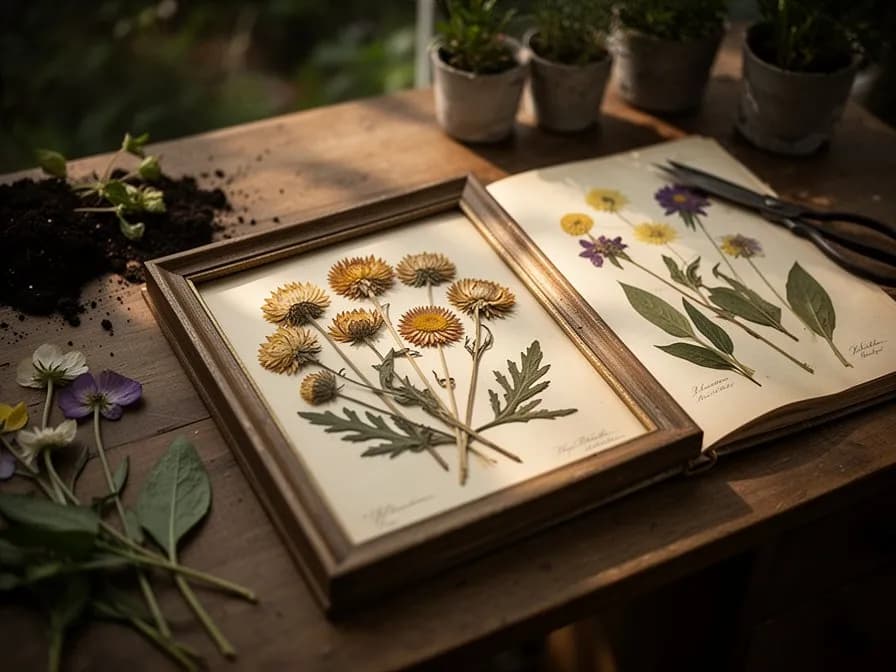
Dried Strawflower Wreath
45 minutesCreate a stunning everlasting wreath using dried strawflower heads arranged on a wire or grapevine wreath form. This craft project yields a decorative piece that lasts for years without fading significantly.
5 ingredientsStrawflower Potpourri Blend
20 minutes plus 2 weeks curingCombine dried strawflower petals with aromatic herbs and essential oils to create a fragrant and colorful potpourri blend that brightens any room.
6 ingredientsPressed Strawflower Greeting Cards
30 minutes plus overnight pressingUse pressed strawflower blooms to create beautiful handmade greeting cards. The naturally flat, papery bracts press easily and retain their vivid colors.
6 ingredientsWhat's inside
Health Benefits
- Strawflowers attract a wide range of pollinators including bees, butterflies, and hoverflies, supporting garden biodiversity and aiding the pollination of nearby food crops.
- Growing and arranging flowers has been shown in horticultural therapy research to reduce stress, lower cortisol levels, and improve overall mood and mental wellbeing.
- Dried strawflower arrangements provide long-lasting natural beauty indoors without the allergens, mold, or maintenance issues sometimes associated with fresh-cut flowers.
- Working with strawflowers in crafts such as wreath-making and card-pressing promotes fine motor skills and creative expression, which can be beneficial for people of all ages.
- Strawflowers are non-toxic to humans, cats, and dogs, making them a safe ornamental choice for households with children and pets.
- Including strawflowers in garden plantings encourages time spent outdoors in nature, which is associated with improved cardiovascular health, better sleep quality, and enhanced immune function.
Where Strawflower comes from
The strawflower (Xerochrysum bracteatum) is native to Australia, where it occurs naturally across a wide range of habitats including grasslands, open eucalyptus woodlands, rocky outcrops, and roadsides in every mainland state and territory. Aboriginal Australians had long been familiar with these resilient wildflowers, which thrived in the harsh, sun-baked landscapes of the continent. European botanists first collected and described the species in the early nineteenth century following the arrival of settlers and explorers. The plant was initially classified under the genus Helichrysum, a large group of everlasting flowers found across Africa, Europe, and Asia, before being reclassified into its own genus Xerochrysum in 1990 based on molecular and morphological evidence. Seeds were sent to European botanical gardens in the early 1800s, and the plant quickly gained popularity among gardeners and florists for its brilliantly colored, papery bracts that retained their beauty long after cutting. By the mid-nineteenth century, strawflowers had become a staple of the dried flower trade in Europe, featured prominently in Victorian-era arrangements, mourning wreaths, and sentimental keepsakes. Breeders developed cultivars in an expanded palette of colors including deep reds, pinks, purples, whites, and bi-colors, as well as dwarf forms suited to container growing and bedding displays. Today the strawflower is grown commercially and in home gardens on every inhabited continent. It remains one of the most important species in the global dried flower industry and is also valued as a fresh-cut flower, pollinator plant, and low-maintenance ornamental for hot, dry gardens.
Strawflower: did you know?
Fascinating facts about Strawflower
Strawflowers are native to Australia, where they grow wild across grasslands, open woodlands, and disturbed areas in nearly every state and territory.
Strawflower questions, answered
When should I plant Strawflower?
What are good companion plants for Strawflower?
What hardiness zones can Strawflower grow in?
How much sun does Strawflower need?
How far apart should I space Strawflower?
What pests and diseases affect Strawflower?
How do I store Strawflower after harvest?
What are the best Strawflower varieties to grow?
What soil does Strawflower need?
Are strawflowers annuals or perennials?
How do I dry strawflowers so they keep their color?
Do strawflowers attract pollinators?
Can I grow strawflowers in containers?
Why are my strawflower seedlings leggy and weak?
Are strawflowers safe around pets and children?
You just read the theory. Now grow it on autopilot.
Everything that makes Strawflower fiddly — the timing, the spacing, the companions, the harvest window — is exactly what PlotMyGarden handles for you, for every plant in your garden.
A plan that knows your weather
Set your location once. Get sow, feed and harvest dates built around your real last-frost date and live forecast — no more guessing from a generic seed packet.
From the “When to plant” sectionDrag-and-drop bed planner
Design beds on a grid. Every plant snaps to its proper spacing, and you can see your whole season laid out before you spend a cent on seed.
From the “Growing guide” sectionCompanion conflicts, caught early
200+ good-and-bad pairings checked live as you plant — so a season-wrecking mistake never makes it into the ground.
From the “Companions” sectionReminders you'll actually act on
“Water the beans.” “Pick today before it turns.” Timely, specific, and tied to the plants you're really growing.
From the “Harvest” sectionSuccession, scheduled
Want a harvest for six weeks, not six days? It spaces your sowings automatically and reminds you when each new block is due.
From the “When to plant” sectionA record that gets smarter
Every harvest you log teaches it your garden. Next year's plan starts from what actually worked in your soil, not a textbook's.
From the “Overview” sectionPlant these alongside Strawflower
More Annuals
Garden plans featuring Strawflower
Grow your best Strawflower yet — and everything around it.
Start a free plan today. Lay out your beds, drop in your Strawflower, and let PlotMyGarden handle the timing, spacing, companions and reminders from seed to harvest basket.