Golden Zucchini
A bright yellow summer squash variety that adds cheerful color to the garden and plate while offering the same versatility as green zucchini.





On this pageOverview
Meet Golden Zucchini
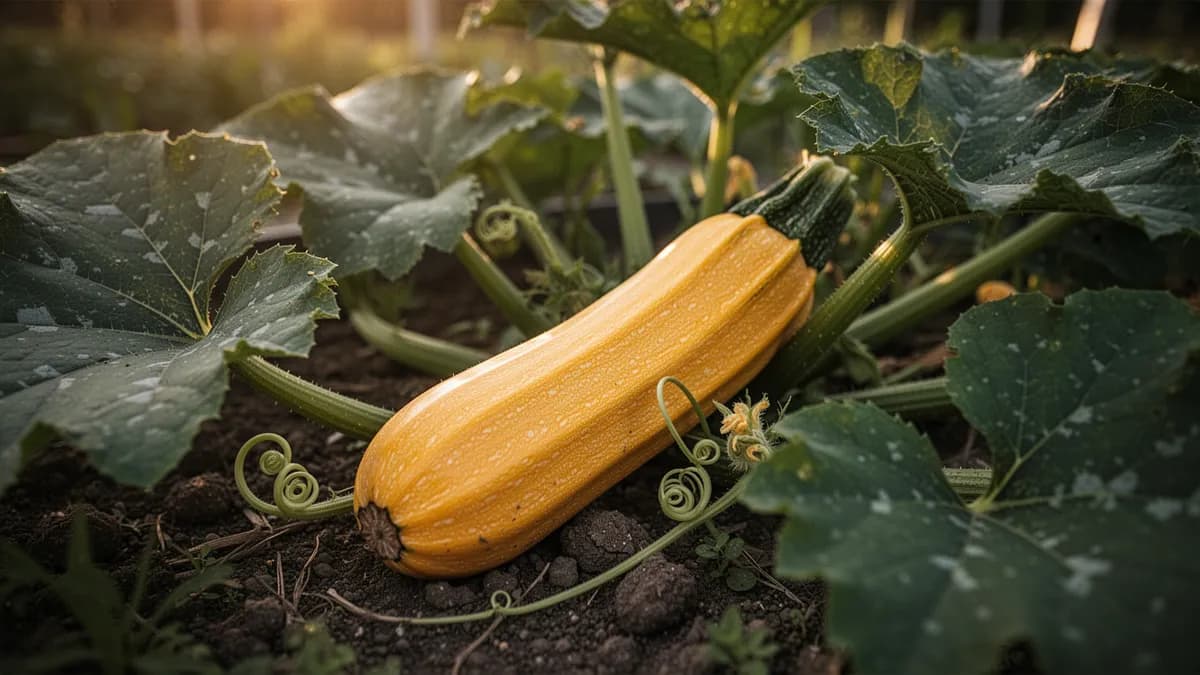
A bright yellow summer squash variety that adds cheerful color to the garden and plate while offering the same versatility as green zucchini. Golden zucchini is slightly sweeter and nuttier than green types, with a thinner, more tender skin. The bright yellow color makes it easy to spot fruits among the foliage, helping to prevent the oversized zucchini surprise. Harvest at six to eight inches for the best texture, and enjoy in everything from grilling to baking to spiralizing.
When to plant Golden Zucchini
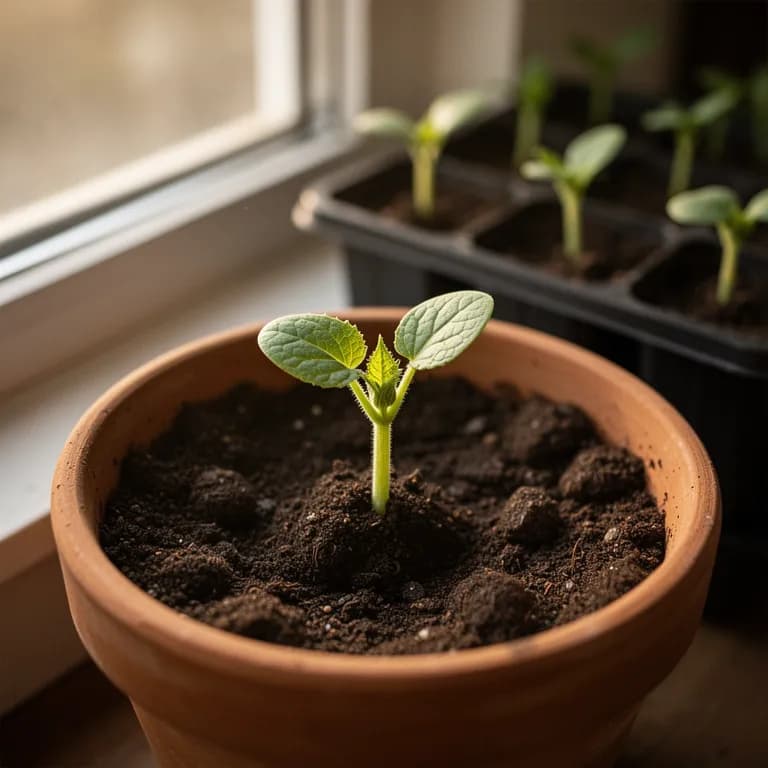
Direct sowing is preferred as squash resents root disturbance. Plant seeds 1 inch deep after soil reaches 65°F. For earlier harvests, start seeds indoors 3-4 weeks before the last frost in large peat pots or soil blocks. Germination takes 5-10 days at 75-85°F. Use a heat mat for consistent warmth. Sow 2-3 seeds per pot and thin to the strongest seedling. Transplant carefully after hardening off for one week, handling the rootball gently. Do not transplant earlier than 2 weeks after the last frost.
Your Golden Zucchini Year
Composed for Zone 7 · typical seasons · frost passes Apr 2, returns Nov 1
Plant Golden Zucchini Apr – Jun, pick Jul – Sep. Check the planting methods below and set your climate to personalize these windows.
How to grow Golden Zucchini
Golden zucchini is a bright yellow-skinned summer squash that adds cheerful color to gardens and plates while being just as productive as green varieties. Direct sow seeds 1 inch deep and 24-36 inches apart after all frost danger has passed and soil reaches 65°F. These warm-season plants grow as large, spreading bushes that can span 3-4 feet across.
These incredibly productive plants can begin producing fruit within 45-50 days of sowing. Water deeply with 1-1.5 inches per week, directing water at the base of plants to keep foliage dry and reduce powdery mildew risk. Mulch heavily around plants to conserve moisture, suppress weeds, and keep developing fruits clean. Remove lower leaves as they yellow to improve air circulation.
Golden zucchini require pollination by bees, with separate male and female flowers on each plant. Male flowers appear first, followed by females with a small swollen ovary at the base. If pollination is poor due to weather or lack of pollinators, hand-pollinate by transferring pollen from male to female flowers with a small brush. Harvest frequently; even a day or two of delay can turn a perfect zucchini into an oversized baseball bat.
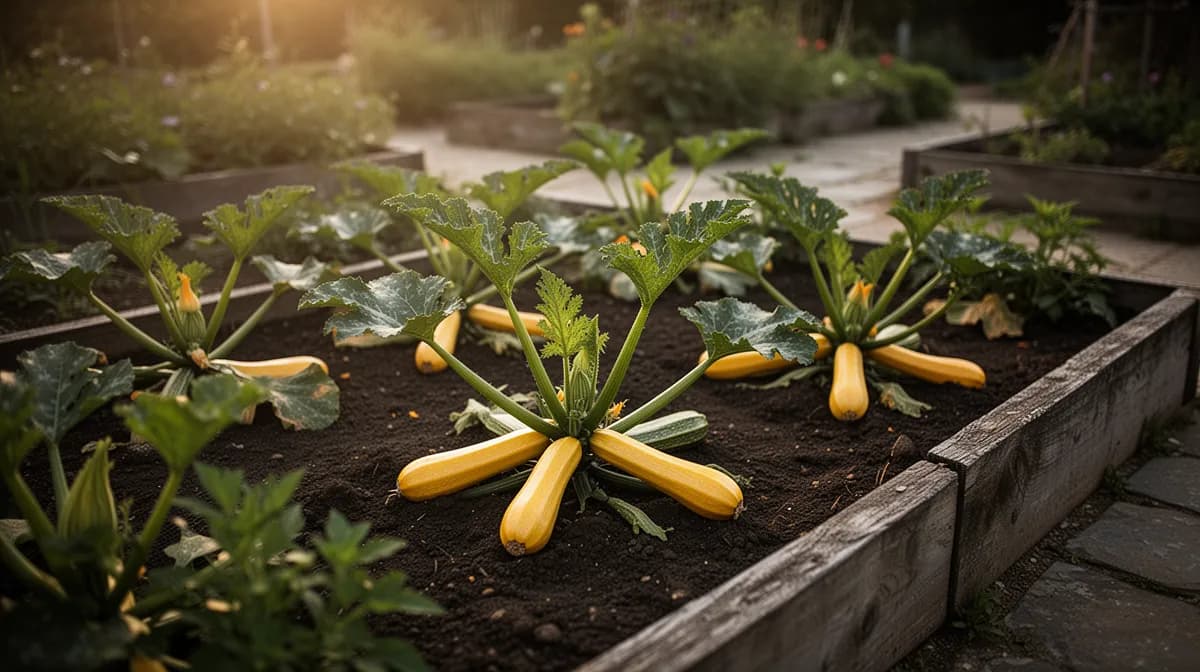
2 plants fit a 4 × 8 ft bed
Each Golden Zucchini wants 90 cm of elbow room. The planner keeps that spacing for you — every plant, every bed.
Golden Zucchini's best neighbours
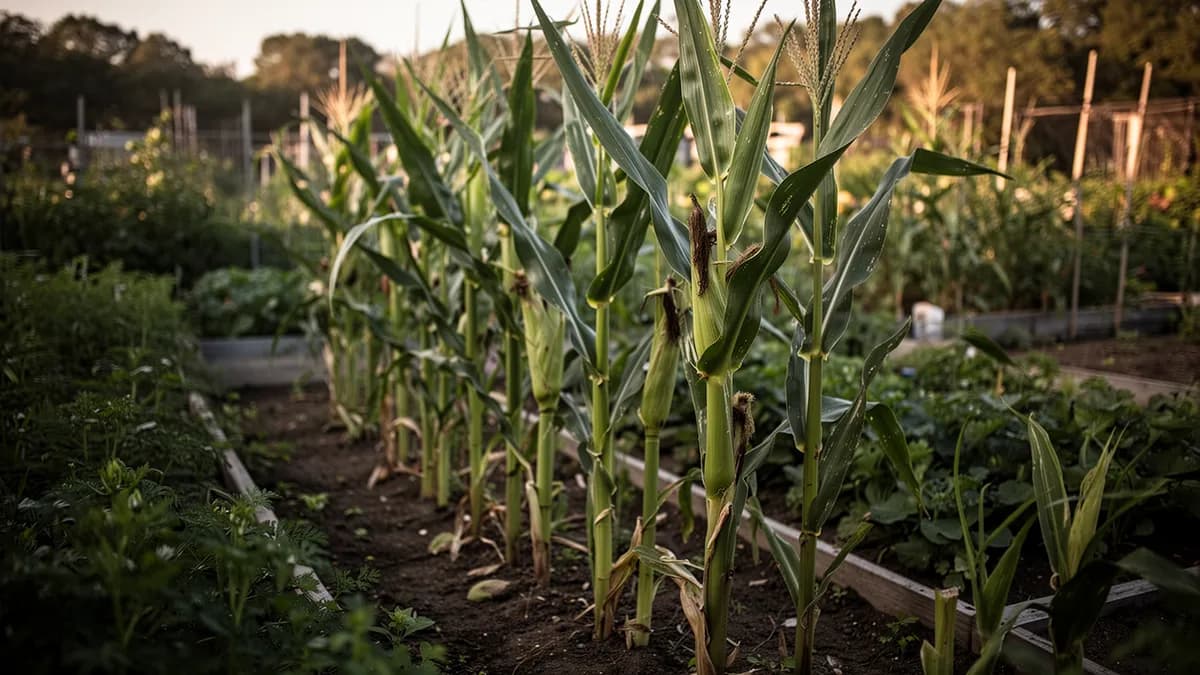
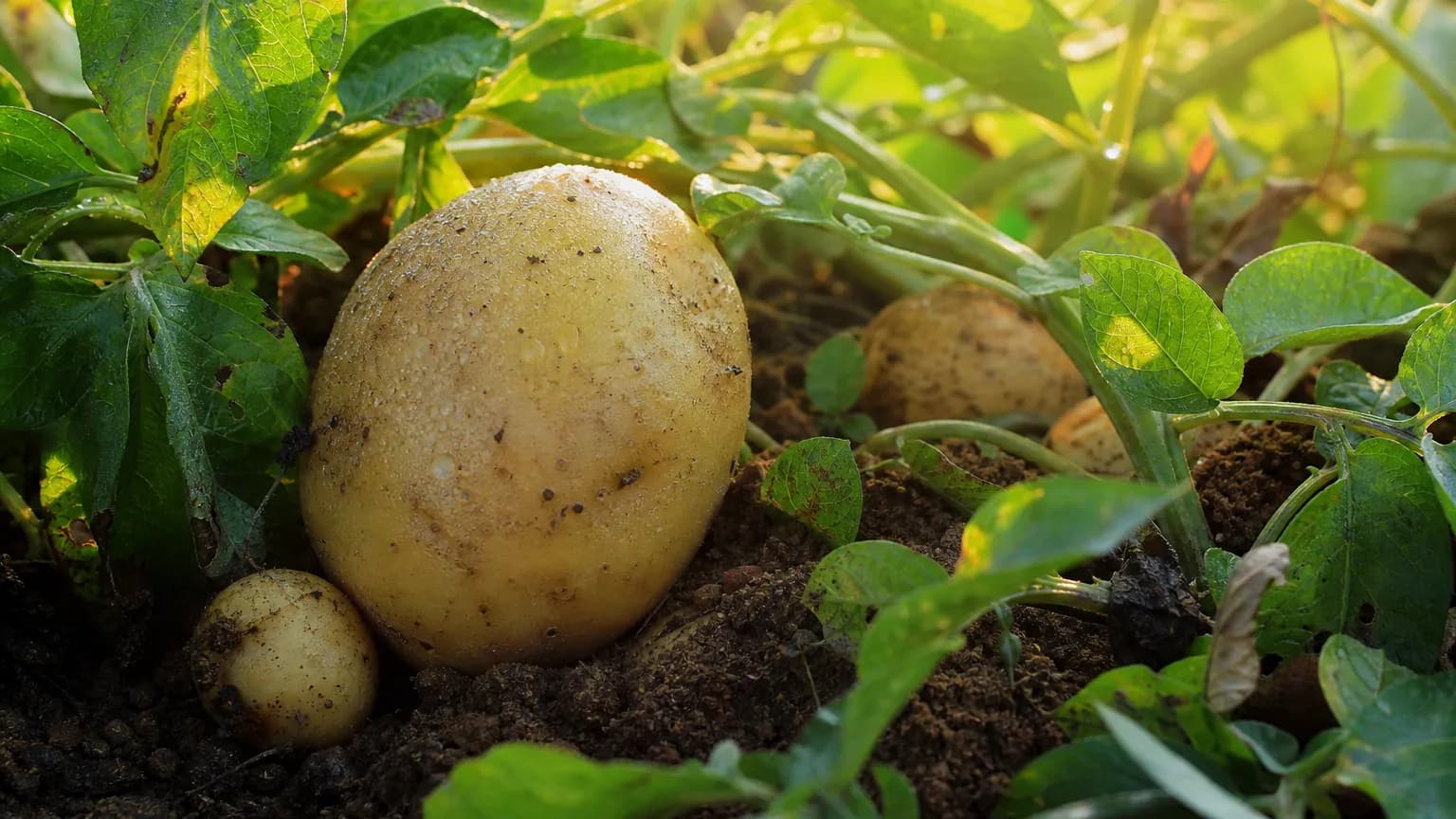
Golden zucchini grows well alongside corn and beans in a Three Sisters arrangement. Nasturtiums serve as trap crops for aphids and squash bugs. Marigolds repel various pests and attract beneficial insects. Radishes planted around squash hills deter squash vine borers. Borage attracts pollinators essential for fruit set and is said to improve squash flavor. Avoid planting near potatoes which compete for nutrients. Dill and oregano attract predatory insects that help control squash pests.
Corn belongs beside it. Potato doesn't.
Old growers' knowledge, checked against Golden Zucchini's real companion table below — test any plant you're growing.
Try Golden Zucchini in a bed — right here
A real planner bed with Golden Zucchini already in it. Tap a companion to place it and watch the pairing checks answer — green for good neighbours, red for a clash.


Related growing guides
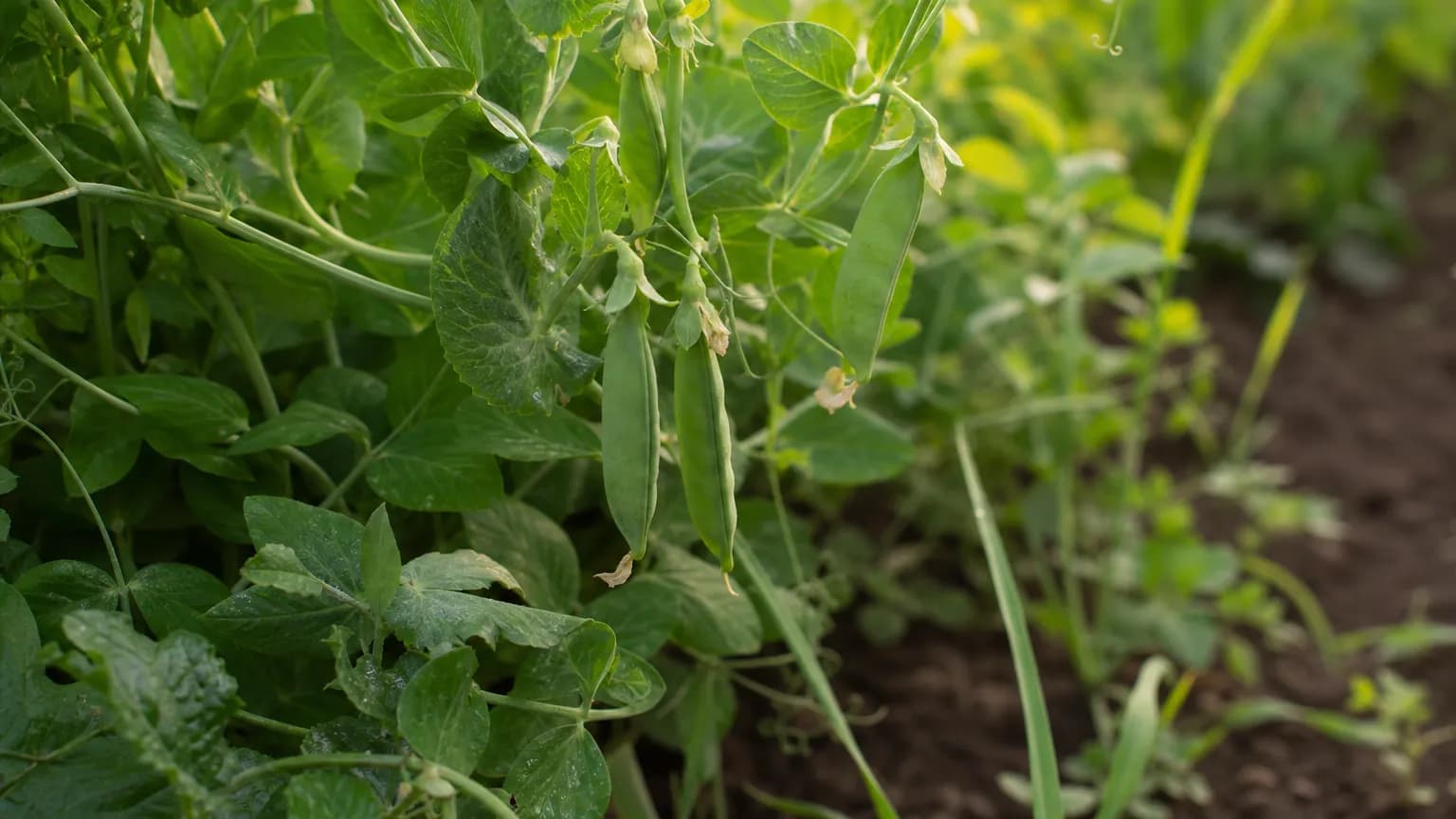
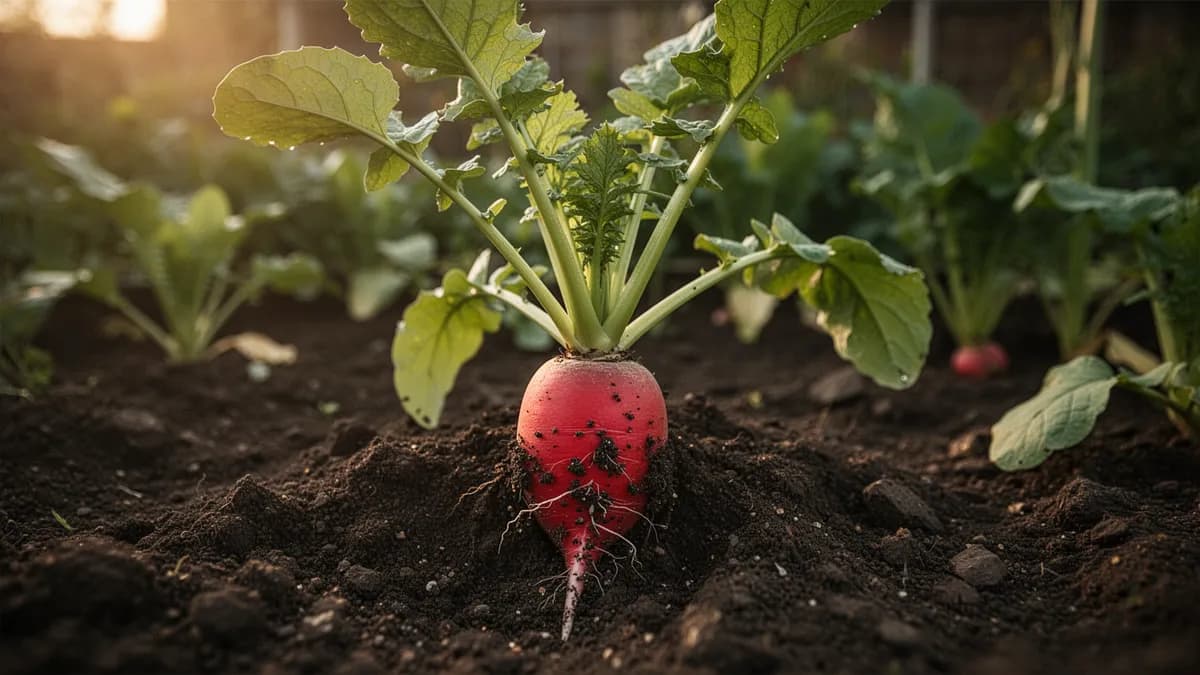
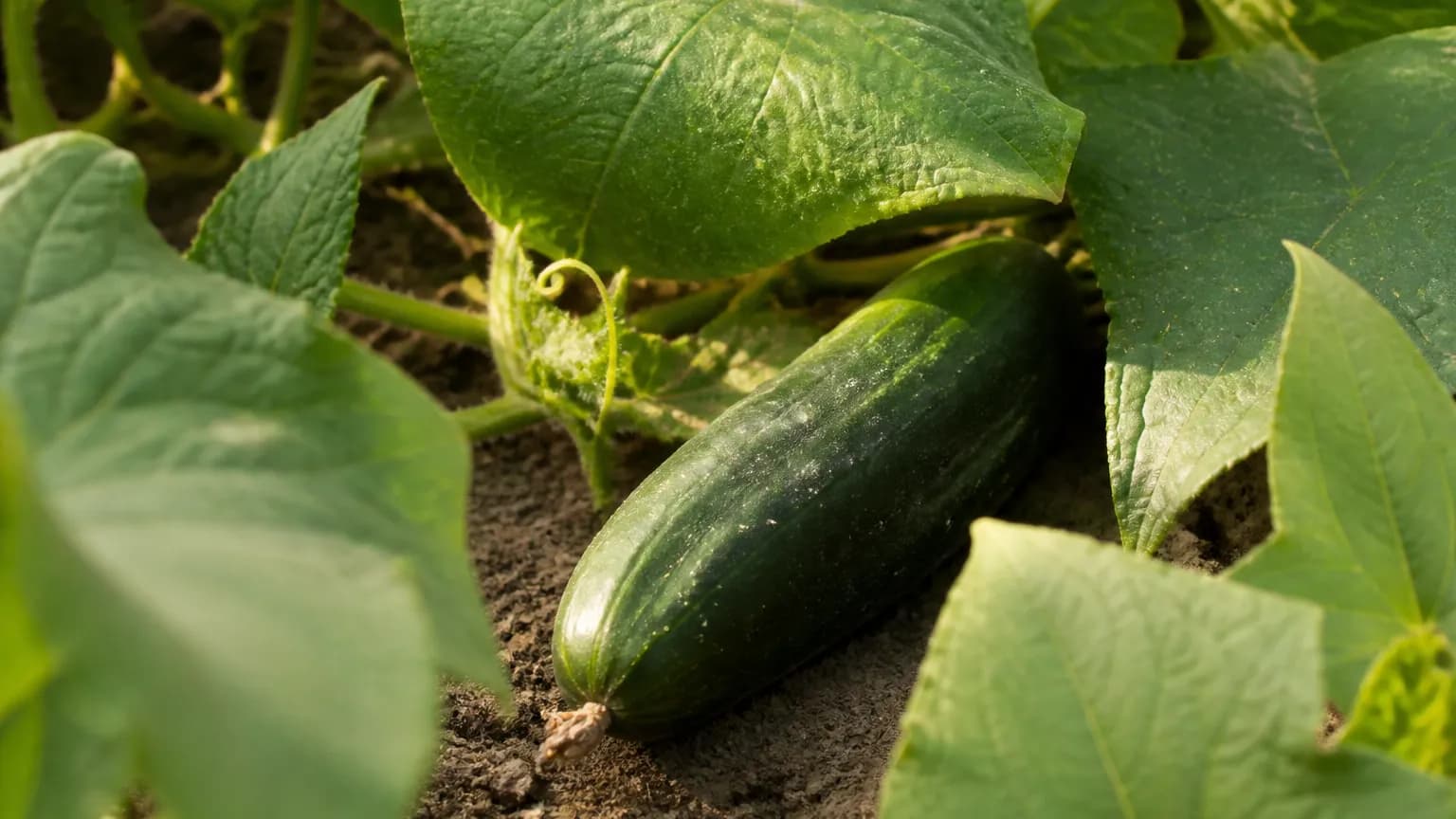
Feed it well
Golden zucchini thrives in rich, well-drained soil with a pH of 6.0-7.5. These heavy feeders benefit from generous compost amendment before planting. Apply a balanced fertilizer at planting and side-dress with compost or fish emulsion every 3-4 weeks during active growth. Excessive nitrogen produces enormous leaves but fewer fruits, so switch to a phosphorus-rich fertilizer when flowering begins. Raised beds with rich soil produce the best results. Test soil annually and add lime if pH drops below 6.0.
Ideal Temperature
Hardiness Zone Compatibility
From seed to harvest, stage by stage
Seed Germination
Seeds germinate rapidly in warm soil, with the thick, fleshy cotyledon leaves pushing through the surface within 5-10 days. The hypocotyl arches upward, pulling the seed coat free as the cotyledons unfold. Root development is vigorous from the start, establishing a strong foundation for rapid growth.
Seedling Development
True leaves emerge with the characteristic lobed, palmate shape of squash plants. The stem thickens rapidly and the root system expands outward. Seedlings at this stage are establishing the vegetative framework that will support prolific fruit production later.
Vegetative Expansion
The plant enters explosive growth, rapidly producing large, deeply lobed leaves that can span 30 cm across. The bush-type growth habit expands outward, and the hollow, bristly stems develop the strength to support heavy fruit loads. This phase builds the photosynthetic factory that powers fruit production.
Flowering
Large, trumpet-shaped golden-orange flowers open in early morning and close by midday. Male flowers appear first on long, thin stems, followed a week or two later by female flowers identifiable by the swollen miniature fruit at the base. Each flower opens for a single day and must be pollinated during that window.
Fruit Development and Harvest
Successfully pollinated female flowers rapidly develop into bright golden-yellow fruits that can grow 2-5 cm per day in warm weather. The fruit skin is thin and tender, and the flesh is creamy white with a slightly sweeter flavor than green zucchini. Plants produce fruit continuously as long as harvesting is regular and consistent.
Peak Production
The plant enters sustained production mode, simultaneously flowering and fruiting over 4-6 weeks during the warmest summer months. A single healthy plant can produce 3-5 fruits per week at peak. Production naturally declines as temperatures cool in autumn or as powdery mildew accumulates on foliage.
Ensure soil temperature is at least 18°C (65°F) before sowing — ideally 24-30°C (75-85°F) for fastest germination. Sow seeds 2.5 cm deep and keep soil consistently moist but never waterlogged.
Caring for Golden Zucchini month by month
What to do each month for your Golden Zucchini
October
You are hereFinal harvests in most zones before first frost. Pull spent plants and compost healthy material. Note variety performance for next year's planning. Prepare beds for cover crops or winter mulch.
Know exactly what to do in your garden — every month
One email at the start of each month: what to sow, plant, and tackle right now — for your Golden Zucchini and everything growing around it. Plus a short starter course that helps you dodge the classic mistakes.
- What to do, right now
- Matched to your season
- Starter course included
Harvesting Golden Zucchini
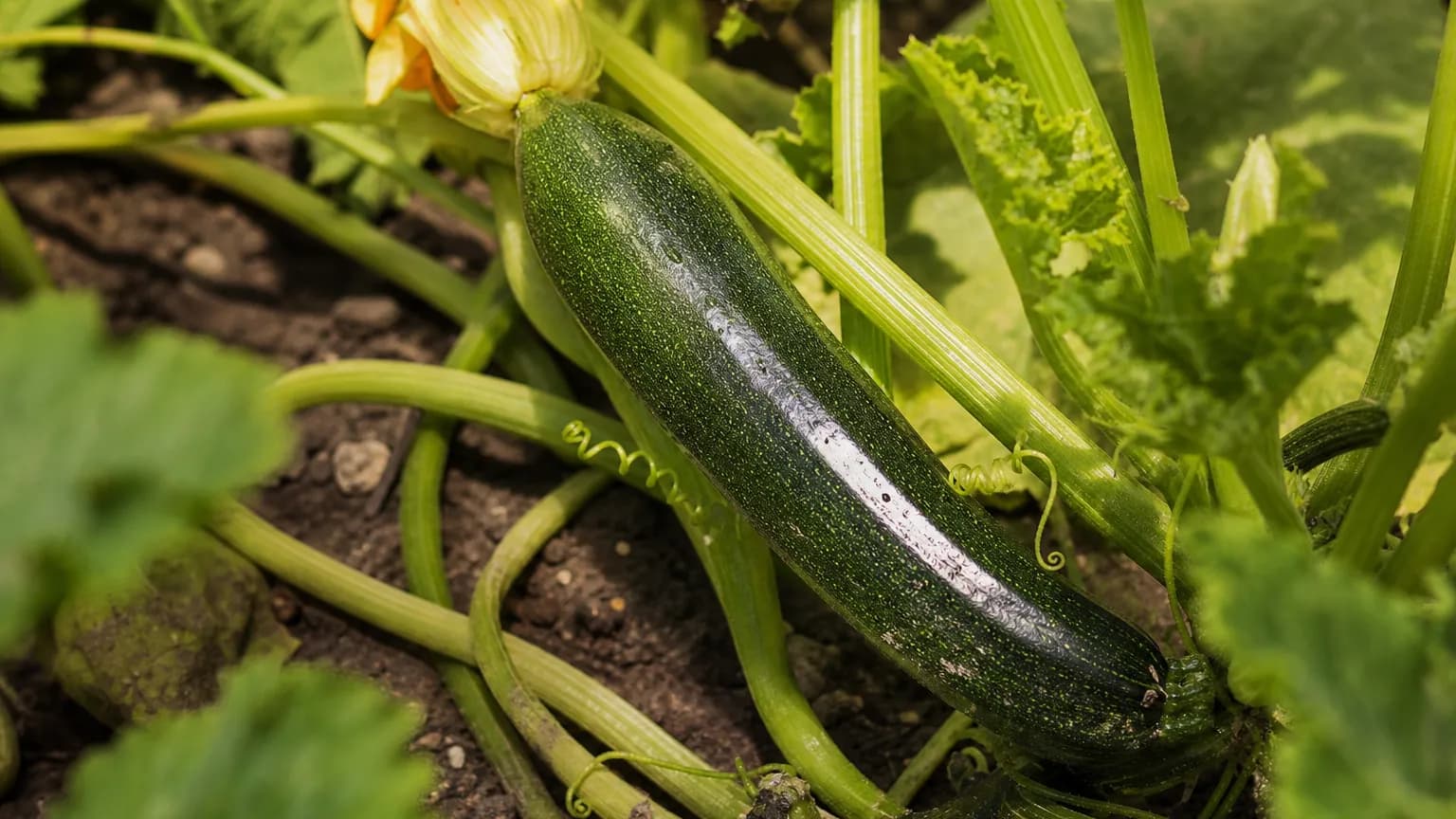
Harvest golden zucchini when fruits are 6-8 inches long and about 2 inches in diameter for the best flavor and texture. At this stage, the skin is bright golden yellow, tender enough to dent with a fingernail, and the seeds inside are small and soft. Check plants every 1-2 days during peak production as fruits grow extremely fast in warm weather. Cut fruits from the plant with a sharp knife leaving a short stem attached. Flowers can also be harvested for stuffing and frying.
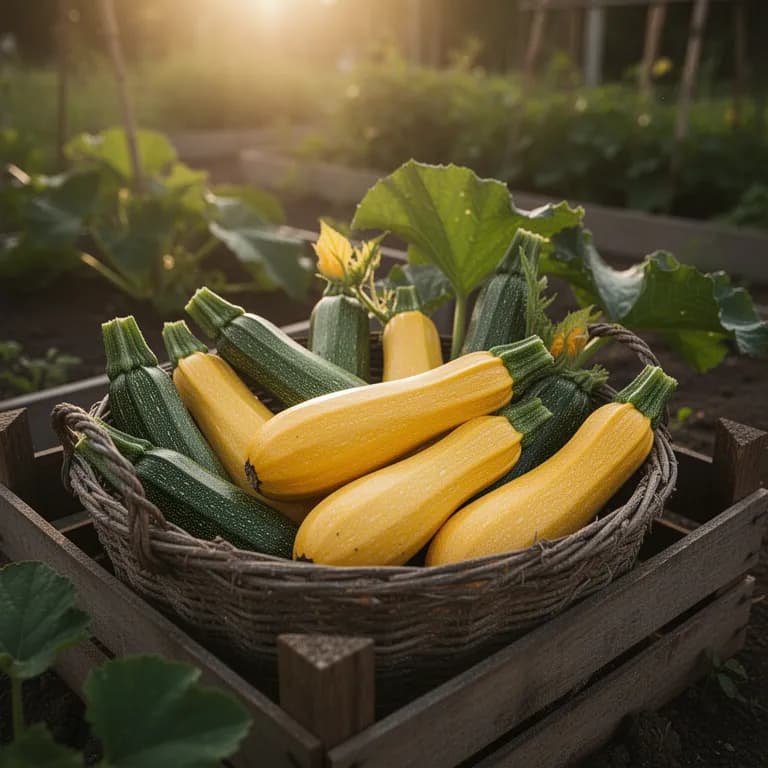
assuming you plant when the window opens — set your real date
Pick Golden Zucchini promptly and the plant keeps producing.
Storage & Preservation
Fresh golden zucchini keeps in the refrigerator for up to one week in a perforated plastic bag. Do not wash before storing as excess moisture promotes decay. For freezing, grate or dice and freeze in measured portions for later use in baking and cooking. Blanch slices for 3 minutes before freezing for use in cooked dishes. Zucchini can also be dehydrated into chips, spiralized and dried as noodles, or fermented in salt brine. Zucchini bread and muffins freeze well for up to 3 months.
What goes wrong — and the fix
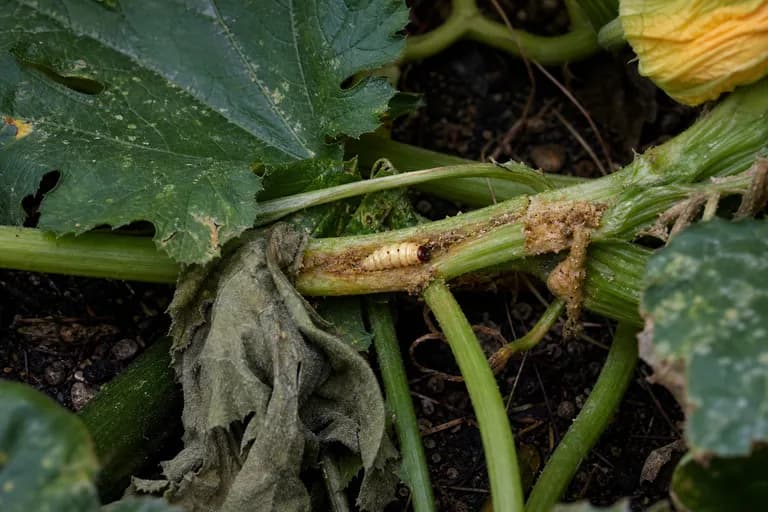
Squash Vine Borer
PestSudden wilting of vines, sawdust-like frass at the base of stems, fat white larvae boring inside stems.
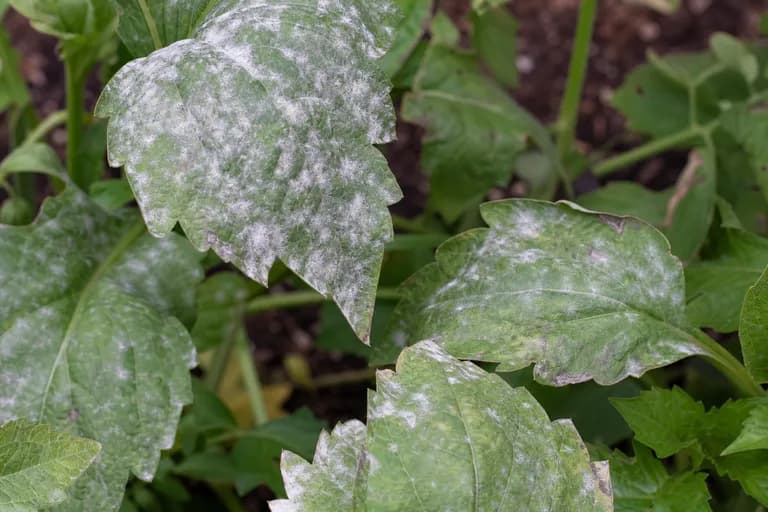
Powdery Mildew
DiseaseWhite powdery coating on leaves and stems that spreads rapidly, reducing photosynthesis and overall plant vigor.
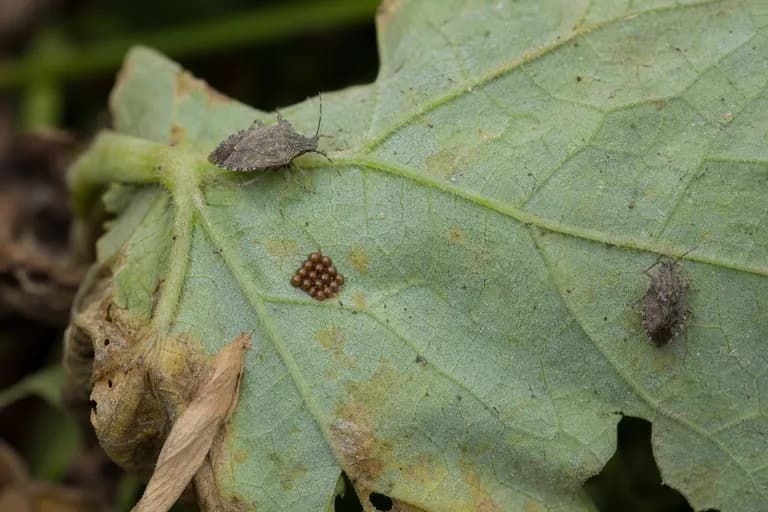
Squash Bug
PestBrown shield-shaped adults and gray nymphs sucking sap from leaves causing wilting, bronze egg clusters on leaf undersides.
Troubleshooting Common Problems
Oversized, woody fruits are the most common complaint and result from infrequent harvesting. Check plants daily during peak production. Blossom end rot, appearing as dark, sunken areas on the fruit end, indicates calcium deficiency or inconsistent watering. Poor fruit set in early season is normal as male flowers appear before females. Squash vine borers can kill plants seemingly overnight; preventive wrapping of stem bases is essential in affected areas. Excessive plant size can overwhelm small garden spaces.
Growing Tips
- The bright golden color of the fruit is your best harvesting ally — unlike green zucchini that hides among the leaves, golden varieties stand out brilliantly, making it much easier to spot and harvest at the ideal 15-20 cm size before they become oversized.
- Plant on raised mounds or hills of compost-enriched soil to improve drainage and warm the root zone faster in spring. Golden zucchini is particularly sensitive to cold, wet roots which promote root rot and damping-off in seedlings.
- Water at the base of plants using drip irrigation or a soaker hose — never overhead. Wet foliage is the primary gateway for powdery mildew, the most common disease affecting all zucchini varieties, and golden types are no exception.
- Succession plant every 3-4 weeks from late spring through midsummer for a continuous harvest. Individual zucchini plants typically decline after 6-8 weeks of heavy production due to accumulated disease pressure and nutrient depletion.
- Leave the male flowers on the plant for the first 1-2 weeks of flowering to ensure adequate pollination. After fruit set is established, harvest excess male flowers for stuffing and frying — they are a genuine culinary delicacy.
- Prune out the oldest, largest leaves from the interior of the plant every week or two. This dramatically improves air circulation, reduces powdery mildew pressure, lets light reach developing fruits, and makes harvesting much easier.
- Apply a 5-8 cm layer of straw mulch around plants once the soil has warmed to at least 18°C (65°F). Mulch conserves moisture, suppresses weeds, and keeps developing fruits clean and free from soil-borne rot organisms.
- If squash vine borers are a problem in your area, wrap the lower 10-15 cm of each stem with aluminum foil or floating row cover fabric at planting time. This physical barrier prevents the adult moth from laying eggs at the vulnerable stem base.
Grow your best Golden Zucchini yet — and everything around it.
Start a free plan today. Lay out your beds, drop in your Golden Zucchini, and let PlotMyGarden handle the timing, spacing, companions and reminders from seed to harvest basket.
Pick your Golden Zucchini
Gold Rush
Deep golden-yellow skin with creamy white flesh. Compact bush habit with good powdery mildew resistance and heavy early yields.
Golden Delight
Bright yellow cylindrical fruits with smooth skin and mild, buttery flavor. Vigorous plants with good disease tolerance.
Goldy
Very early maturing with bright yellow, slightly tapered fruits. Open bush habit allows easy harvesting and good air circulation.
Goldena
European variety with deep gold skin and dense, flavorful flesh. Compact growth habit ideal for smaller gardens.
A single golden zucchini plant grown from a $0.25-0.50 seed can produce 15-25 fruits over a season, with organic golden zucchini selling for $2-4 per pound at grocery stores and farmers markets. Growing just 2-3 plants can yield 7-15 kg of fruit worth $30-100 at retail prices. The savings are even more dramatic for specialty items like zucchini blossoms ($3-5 per dozen at farmers markets) and zucchini noodles ($4-6 per package) — both free from your garden. Factor in that homegrown zucchini harvested at peak tenderness tastes incomparably better than store-bought fruits that were picked large for shipping durability.
Quick recipes
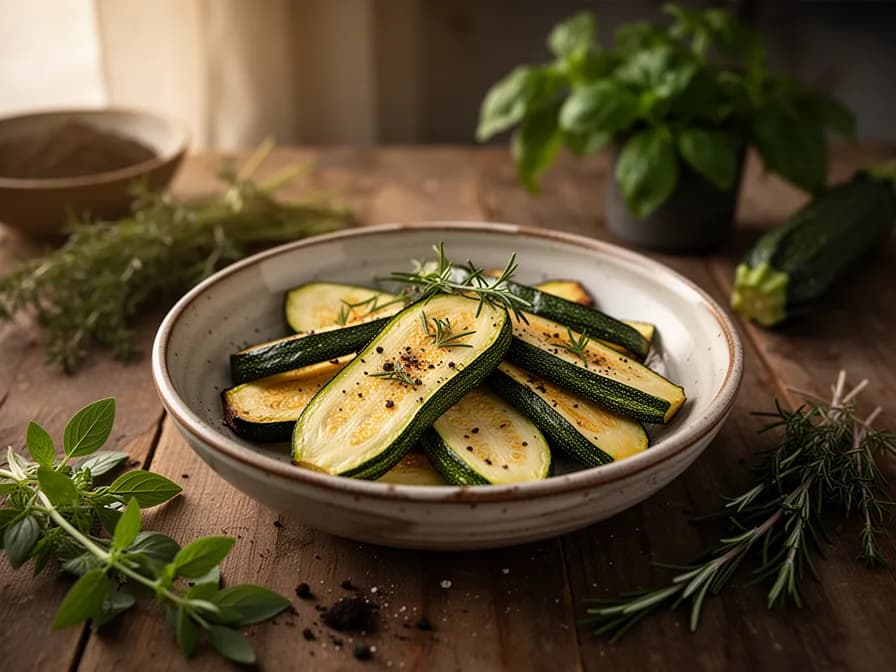
Grilled Golden Zucchini with Lemon-Herb Vinaigrette
15 minThick golden zucchini planks grilled until beautifully caramelized and dressed with a bright lemon-herb vinaigrette. The high heat concentrates the natural sweetness of golden zucchini and creates irresistible smoky char marks.
8 ingredientsGolden Zucchini Fritters with Feta and Dill
25 minCrispy pan-fried fritters made with grated golden zucchini, crumbled feta cheese, and fresh dill. The golden zucchini adds a subtle sweetness and beautiful color that makes these fritters both visually stunning and delicious.
8 ingredients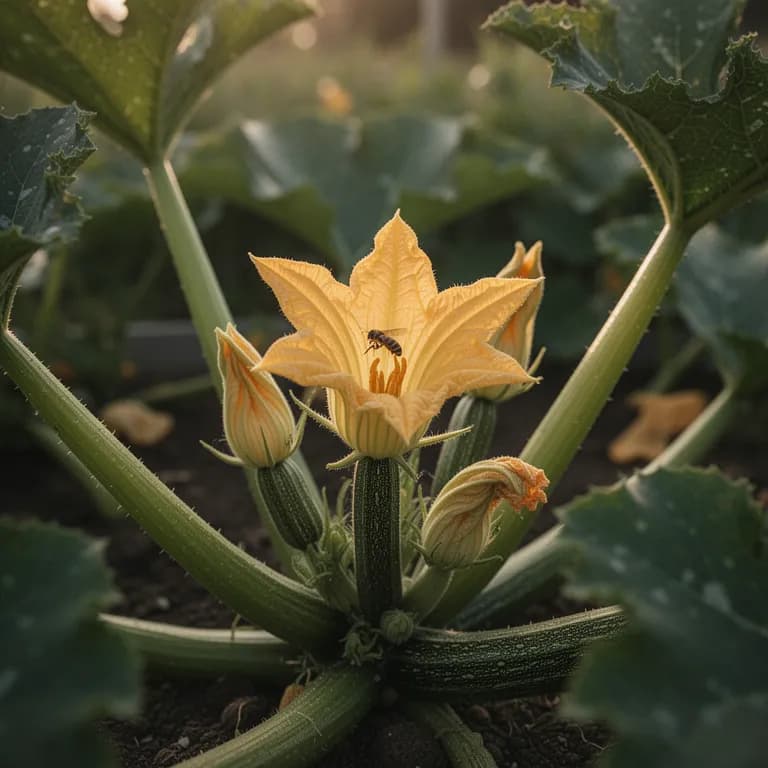
Stuffed Golden Zucchini Blossoms
30 minA classic Italian delicacy — golden zucchini flowers stuffed with a creamy herbed ricotta filling, dipped in a light batter, and fried until golden and crisp. Best harvested in the morning when the blossoms are fully open.
9 ingredientsCulinary Uses
Golden zucchini adds beautiful color to dishes while tasting similar to green varieties. Grill thick slices with olive oil and herbs, spiralize into golden noodles, or saute with garlic and Parmesan. Grate into zucchini bread, muffins, and pancakes for added moisture and nutrition. Stuff and bake large fruits with rice, meat, and cheese fillings. Slice thinly for raw salads or ribbon into pasta dishes. The blossoms are a delicacy stuffed with ricotta and fried in light batter.
What's inside
Health Benefits
- Extremely low calorie density (17 calories per 100g) combined with high water and fiber content makes golden zucchini an ideal food for weight management — you can eat large, satisfying portions with minimal caloric impact.
- Good source of vitamin C (20% DV per 100g), a powerful antioxidant that supports immune function, promotes collagen synthesis for healthy skin, and enhances iron absorption from plant-based foods.
- The golden skin contains lutein and zeaxanthin, carotenoid pigments that accumulate in the retina and macula of the eye, where they filter harmful blue light and may help prevent age-related macular degeneration.
- Provides potassium (7% DV per 100g), an essential electrolyte that helps regulate blood pressure, supports proper muscle and nerve function, and counteracts the blood pressure-raising effects of sodium.
- Contains folate (B9), which is critical for DNA synthesis and cell division — particularly important during pregnancy for preventing neural tube defects and supporting rapid fetal growth.
- Rich in antioxidant compounds including vitamin C, beta-carotene, and manganese-dependent superoxide dismutase, which collectively help neutralize free radicals and reduce oxidative stress linked to chronic disease.
Where Golden Zucchini comes from
Golden zucchini is a color variant of the common zucchini (Cucurbita pepo), a species native to Mesoamerica where wild ancestors were cultivated by indigenous peoples more than 7,000 years ago. Archaeological evidence from caves in Oaxaca, Mexico, shows that squash was among the earliest domesticated crops in the Americas, predating corn and beans by several thousand years. Early cultivated forms were likely grown for their nutritious, oil-rich seeds rather than their bitter, inedible flesh.
The modern zucchini as we know it — with its mild, tender flesh and prolific bush habit — was developed in Italy in the late 19th century from squash varieties that had arrived in Europe after the Columbian exchange of the 1500s. Italian immigrants brought zucchini to the United States in the early 1900s, and it became widely popular by the mid-20th century. The name 'zucchini' is standard in American, Australian, and Italian English, while the British and French use 'courgette' from the French 'courge' (gourd).
Golden-skinned zucchini varieties emerged through selective breeding programs in the 1970s and 1980s, most notably the Gold Rush variety developed by the USDA and released in 1980. The golden color is caused by a recessive gene that reduces chlorophyll production in the skin while increasing carotenoid pigment expression. Breeders selected for this trait because the bright yellow fruits are dramatically easier to spot among the large green leaves, helping gardeners harvest at the ideal size and avoid the dreaded oversized baseball-bat zucchini. Today, golden zucchini is grown worldwide as both a garden favorite and a specialty market crop, valued for its slightly sweeter flavor and striking visual appeal on the plate.
Golden Zucchini: did you know?
Fascinating facts about Golden Zucchini
Golden zucchini gets its bright yellow color from carotenoid pigments — the same family of compounds that color carrots, mangoes, and egg yolks — and its skin contains slightly more beta-carotene and lutein than green zucchini varieties.
Golden Zucchini questions, answered
When should I plant Golden Zucchini?
What are good companion plants for Golden Zucchini?
What hardiness zones can Golden Zucchini grow in?
How much sun does Golden Zucchini need?
How far apart should I space Golden Zucchini?
What pests and diseases affect Golden Zucchini?
How do I store Golden Zucchini after harvest?
What are the best Golden Zucchini varieties to grow?
What soil does Golden Zucchini need?
Does golden zucchini taste different from green zucchini?
Why are my golden zucchini plants producing flowers but no fruit?
How do I prevent powdery mildew on golden zucchini?
Can I eat golden zucchini raw, and is it safe to eat the skin?
What is the best way to store excess golden zucchini?
How many golden zucchini plants should I grow for a family?
You just read the theory. Now grow it on autopilot.
Everything that makes Golden Zucchini fiddly — the timing, the spacing, the companions, the harvest window — is exactly what PlotMyGarden handles for you, for every plant in your garden.
A plan that knows your weather
Set your location once. Get sow, feed and harvest dates built around your real last-frost date and live forecast — no more guessing from a generic seed packet.
From the “When to plant” sectionDrag-and-drop bed planner
Design beds on a grid. Every plant snaps to its proper spacing, and you can see your whole season laid out before you spend a cent on seed.
From the “Growing guide” sectionCompanion conflicts, caught early
200+ good-and-bad pairings checked live as you plant — so a season-wrecking mistake never makes it into the ground.
From the “Companions” sectionReminders you'll actually act on
“Water the beans.” “Pick today before it turns.” Timely, specific, and tied to the plants you're really growing.
From the “Harvest” sectionSuccession, scheduled
Want a harvest for six weeks, not six days? It spaces your sowings automatically and reminds you when each new block is due.
From the “When to plant” sectionA record that gets smarter
Every harvest you log teaches it your garden. Next year's plan starts from what actually worked in your soil, not a textbook's.
From the “Overview” sectionPlant these alongside Golden Zucchini
More Cucurbits
Keep Golden Zucchini away from these
Grow your best Golden Zucchini yet — and everything around it.
Start a free plan today. Lay out your beds, drop in your Golden Zucchini, and let PlotMyGarden handle the timing, spacing, companions and reminders from seed to harvest basket.