Yew Tree
An ancient, long-lived evergreen with dense, dark green needles that tolerates heavy shade and aggressive pruning better than almost any other conifer.





On this pageOverview
Meet Yew Tree
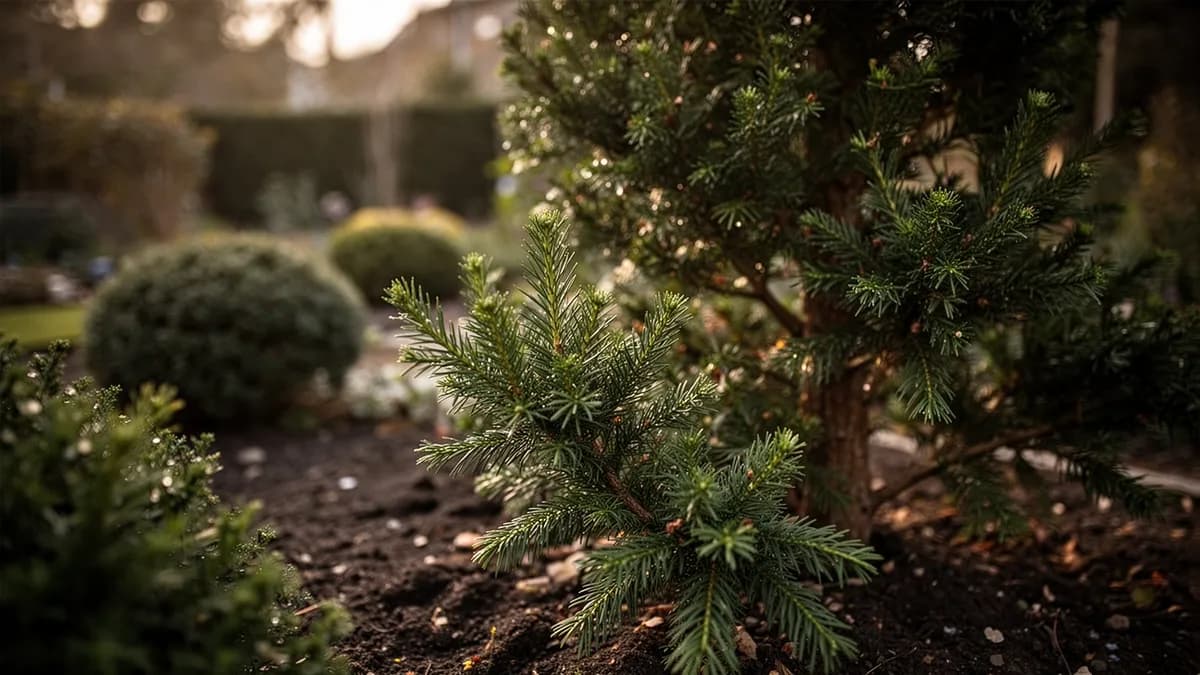
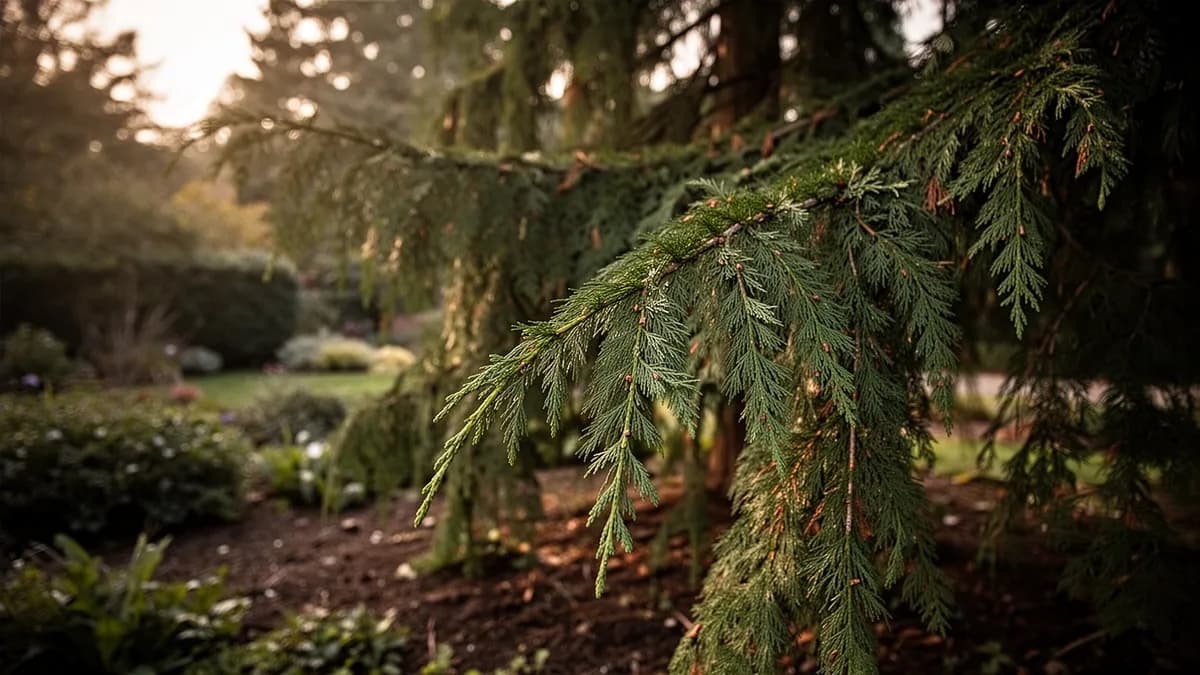
An ancient, long-lived evergreen with dense, dark green needles that tolerates heavy shade and aggressive pruning better than almost any other conifer. Yews are premier hedge and topiary plants and can be cut back to bare wood and will regenerate, unlike most conifers. All parts of the plant except the fleshy red aril are highly toxic to humans and livestock, so plant with caution around children and animals. They demand excellent drainage and will die quickly in waterlogged soil, making raised beds beneficial in heavy clay areas.
When to plant Yew Tree
Yew seeds require double dormancy: warm-stratify for 90 to 120 days, then cold-stratify for 60 to 90 days. Germination is slow and erratic over 1 to 2 years. Named cultivars are propagated by semi-hardwood cuttings taken in late summer or fall. Cuttings root slowly over 3 to 4 months with rooting hormone and bottom heat. Female plants are preferred for berry production.
Your Yew Tree Year
Composed for Zone 7 · typical seasons · frost passes Apr 2, returns Nov 1
Plant Yew Tree Mar – Apr, Oct – Nov, pick —. Check the planting methods below and set your climate to personalize these windows.
How to grow Yew Tree
Yews are the most shade-tolerant conifers and among the finest plants for formal hedging, topiary, and foundation planting. Unlike most conifers, yews regenerate from old wood and tolerate severe pruning — even cutting to stumps. Plant in well-drained soil in full sun to deep shade.
Excellent drainage is critical — yews die rapidly in waterlogged soil. In heavy clay, plant in raised beds or amend heavily. They are extremely long-lived, with specimens in European churchyards over 1,000 years old. All parts except the fleshy red aril surrounding the seed are highly toxic.
Yew Tree needs more room than a 4 × 8 ft bed gives
Each Yew Tree wants 500 cm of elbow room. The planner keeps that spacing for you — every plant, every bed.
Yew Tree's best neighbours
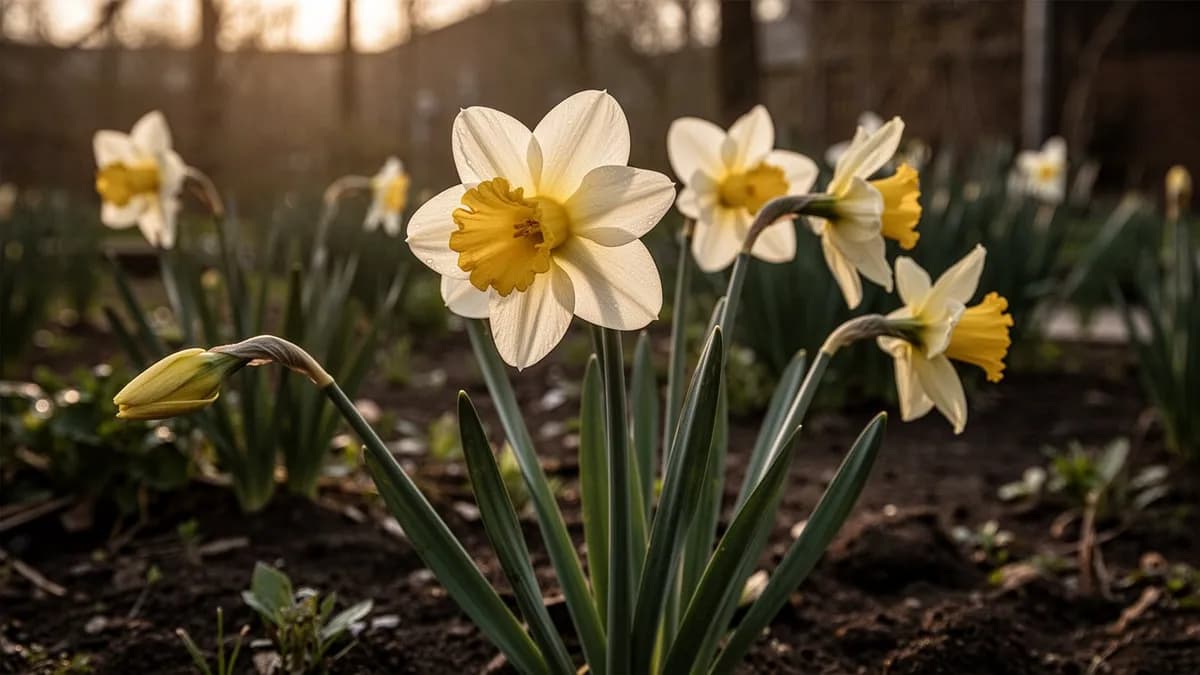
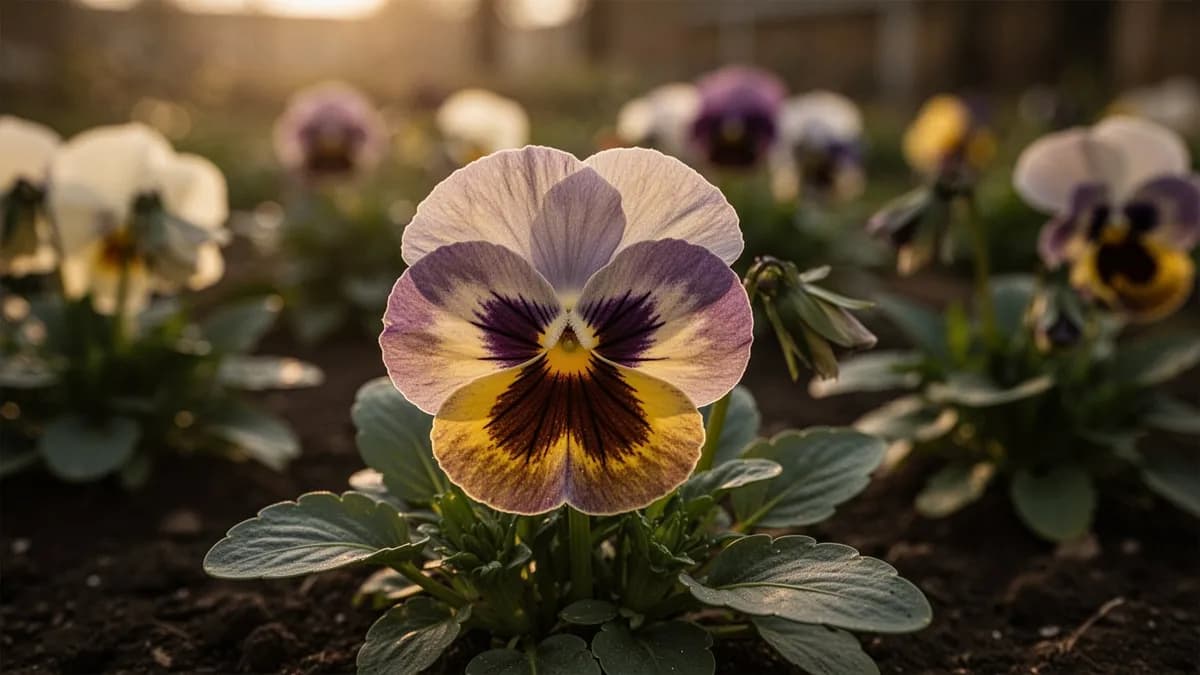
Yews excel as foundation plants paired with flowering shrubs like azaleas, hydrangeas, and viburnums. Shade-tolerant perennials including hostas, ferns, hellebores, and epimedium grow well beneath yew hedges. Spring bulbs like snowdrops and crocus naturalize at the base. The dark green foliage provides an excellent backdrop for colorful flowering plants.
Daffodil belongs beside it.
Old growers' knowledge, checked against Yew Tree's real companion table below — test any plant you're growing.
Try Yew Tree in a bed — right here
A real planner bed with Yew Tree already in it. Tap a companion to place it and watch the pairing checks answer — green for good neighbours, red for a clash.


Related growing guides
Feed it well
Yews demand well-drained soil above all else — they will die in wet conditions. They tolerate pH from 5.5 to 7.5 and grow in sand, loam, or clay as long as drainage is excellent. Apply balanced fertilizer in early spring for young plants. Established yews need minimal feeding. Mulch with organic material but keep mulch away from the trunk.
Ideal Temperature
Hardiness Zone Compatibility
From seed to harvest, stage by stage
Seed Germination and Emergence
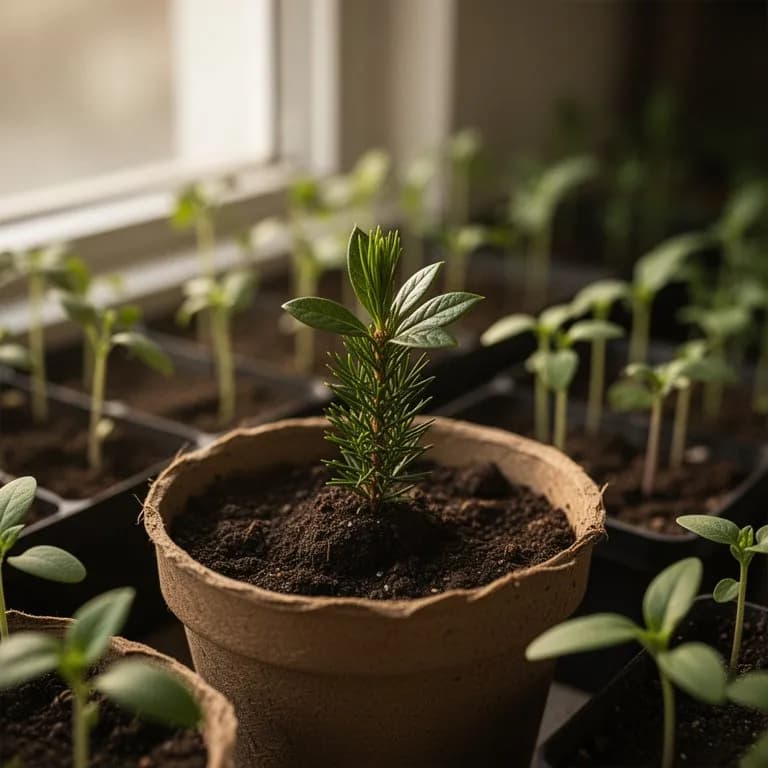
Yew seeds require an extended double dormancy period that can last eighteen months or more in the wild. After cold stratification the embryo slowly activates and a tiny radicle pushes through the seed coat. The first shoot emerges bearing a whorl of seed leaves that look slightly broader than the mature needles. Germination rates are naturally low and erratic which is why nursery propagation overwhelmingly favours cuttings.
Seedling Establishment
The young yew develops a surprisingly deep taproot relative to its tiny above-ground size. Growth in the first year is extremely slow with most seedlings reaching only 5 to 10 centimetres in height. The juvenile needles are soft bright green and slightly wider than adult foliage. Seedlings are shade-tolerant and in nature often establish beneath the canopy of deciduous trees where they receive dappled light.
Juvenile Growth Phase
Over the next several years the yew builds a conical framework of branches and begins to develop its characteristic dense foliage. Annual height increments of 15 to 30 centimetres are typical though growth rate is heavily influenced by soil fertility and available light. The bark remains smooth and purplish-brown during this stage. By the end of this phase the young tree may reach one to two metres in height and is large enough for its first formative pruning if intended for hedging or topiary.
Semi-Mature Canopy Development
The yew enters a prolonged phase of steady canopy expansion and trunk thickening. Female trees begin producing arils from around fifteen to twenty years of age provided a male pollinator is within range. The bark starts to develop the characteristic reddish-brown fissured texture. Interior branches that receive insufficient light will self-prune but the outer canopy remains remarkably dense casting deep year-round shade beneath.
Mature and Ancient Phase
A yew in its mature phase can reach 15 to 20 metres in height with a trunk diameter exceeding one metre. As centuries pass the heartwood frequently hollows out while the living sapwood continues to sustain the canopy. Ancient yews develop extraordinary character with buttressed trunks aerial roots descending inside the hollow cavity and branches that layer where they touch the ground creating satellite trunks. Some specimens are among the oldest living organisms in Europe with verified ages surpassing one thousand years.
Regeneration from Hard Pruning
Unlike most conifers yew possesses an extraordinary ability to regenerate from bare wood even when cut back to the main trunk. After hard renovation pruning dormant buds embedded deep in the bark activate and produce vigorous epicormic shoots. Within two growing seasons a severely reduced yew hedge or specimen can be completely re-clothed in fresh green foliage. This capacity for renewal is one of the key reasons yew has been the hedging plant of choice for centuries.
Stratify seeds in damp sand at 20 degrees Celsius for three months then transfer to 4 degrees Celsius for a further three months before sowing. Keep the seed tray in a sheltered cold frame with consistent moisture and be prepared to wait up to two years for full germination. Alternatively take semi-ripe heel cuttings in late summer for far more reliable results.
Caring for Yew Tree month by month
What to do each month for your Yew Tree
October
You are herePlant container-grown and root-balled yew specimens and hedging during the autumn planting window. Water in thoroughly and mulch generously. Clean and oil hedgecutting tools before winter storage. Remove any fallen aril-bearing branches from areas accessible to children and pets.
Know exactly what to do in your garden — every month
One email at the start of each month: what to sow, plant, and tackle right now — for your Yew Tree and everything growing around it. Plus a short starter course that helps you dodge the classic mistakes.
- What to do, right now
- Matched to your season
- Starter course included
Harvesting Yew Tree
WARNING: All parts of yew are highly toxic except the fleshy red aril. Do NOT harvest yew for any edible purpose. Yew branches are harvested for holiday decorating — the dark green foliage and red berries are traditional. The anticancer compound taxol (paclitaxel) is derived from Pacific yew bark commercially. Yew wood is prized for traditional English longbows.
assuming you plant when the window opens — set your real date
Pick Yew Tree promptly and the plant keeps producing.
Storage & Preservation
Cut yew branches last well indoors for 3 to 4 weeks. Their dense, dark foliage makes excellent wreath material. Dried yew foliage retains its color reasonably well. Store cut branches in cool conditions and mist occasionally. Remember that all parts are toxic — keep away from children and pets, and wash hands after handling.
What goes wrong — and the fix
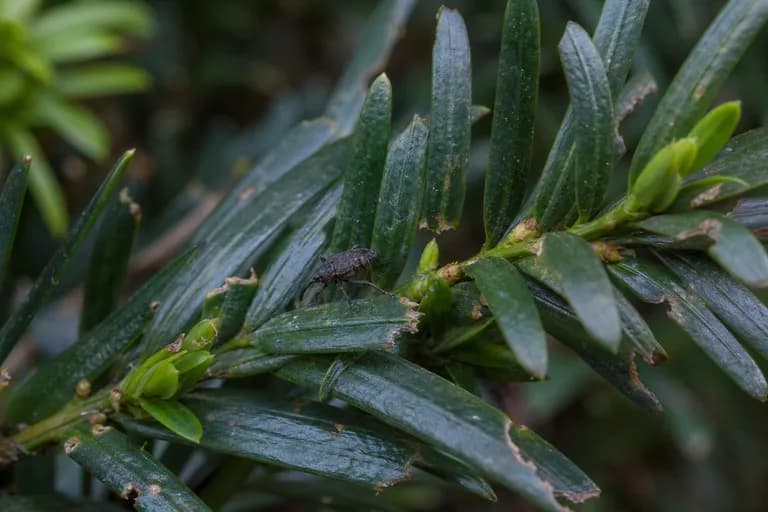
Black Vine Weevil
PestAdults notch leaf margins at night. Larvae feed on roots, causing wilting and decline. Most damaging pest of yews in containers and landscapes.
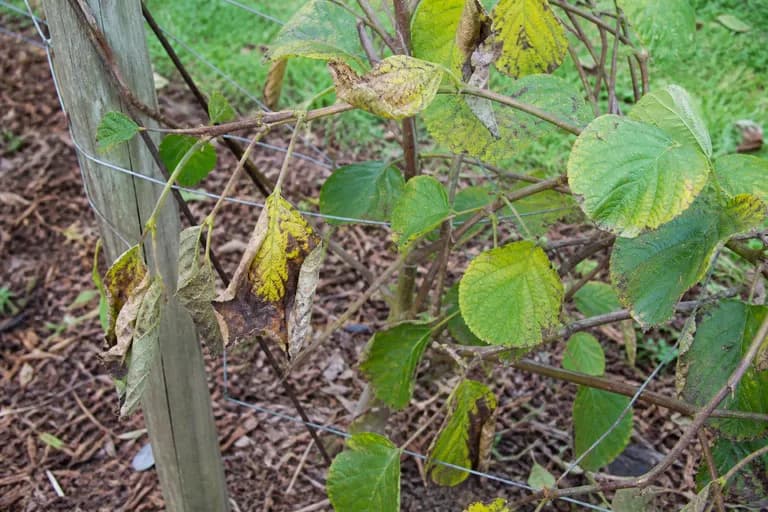
Root Rot (Phytophthora)
DiseaseSudden wilting and browning of foliage, often on one side. Reddish-brown discoloration beneath bark at soil line. Usually fatal.
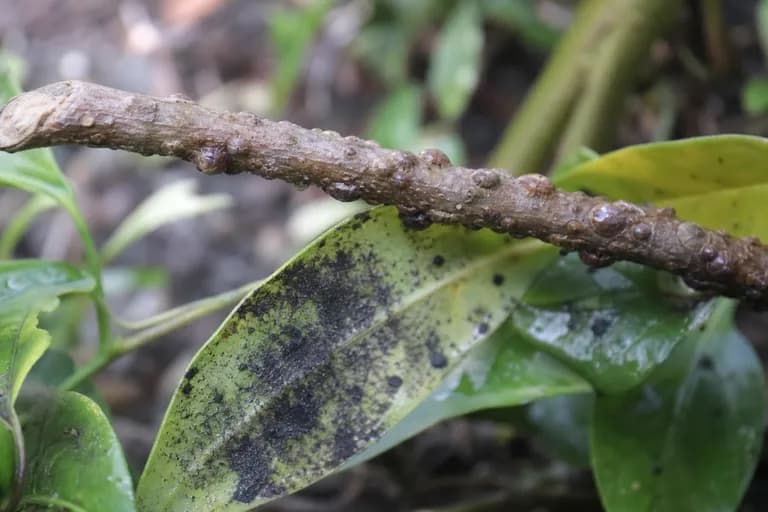
Scale Insects
PestBrown or white bumps on stems and needles. Yellowing foliage and sooty mold from honeydew. Overall decline in heavy infestations.
Troubleshooting Common Problems
Root rot from poor drainage is the most common cause of yew death. Brown, dying patches are almost always drainage-related. Winter burn occurs in exposed, windy sites. Deer browse yews despite their toxicity. Taxine alkaloids in all parts (except arils) are fatally toxic to humans and livestock. Black vine weevil larvae can kill plants by destroying root systems.
Growing Tips
- Plant yew in well-drained soil as the species is highly susceptible to root rot in waterlogged conditions and will decline rapidly if planted in heavy clay that remains saturated through winter.
- Yew tolerates deep shade better than almost any other conifer and will grow successfully on the north side of buildings and beneath the canopy of deciduous trees where few other evergreens survive.
- When planting a yew hedge space individual plants 45 to 60 centimetres apart for a single row or stagger in a double row at 90 centimetre spacing for a denser screen that fills in more quickly.
- Always wear gloves when pruning yew and wash hands thoroughly afterwards as the foliage sap can cause skin irritation and the alkaloids can be absorbed through cuts or abrasions.
- Never burn yew clippings on an open fire or bonfire as the smoke contains toxic taxine alkaloids that are dangerous to inhale and can cause serious respiratory distress.
- Yew responds exceptionally well to hard pruning and can be cut back to bare wood to rejuvenate an overgrown hedge or reshape a neglected specimen, a characteristic shared by very few other conifer species.
- Keep all yew clippings, fallen arils, and pruning waste securely away from horses, cattle, and other livestock as yew is one of the most toxic plants to domestic animals with even a small quantity of foliage causing rapid death.
- Apply a balanced granular fertiliser such as Growmore at 70 grams per square metre around the root zone each spring to support healthy dense growth, particularly for hedges that are clipped annually.
- Water newly planted yew regularly throughout the first two growing seasons to establish a deep root system but reduce watering once established as mature yew is remarkably drought-tolerant.
- If growing yew in a container for topiary use a loam-based compost such as John Innes No 3 with added perlite for drainage and repot every three to four years to prevent the root ball from becoming congested.
Grow your best Yew Tree yet — and everything around it.
Start a free plan today. Lay out your beds, drop in your Yew Tree, and let PlotMyGarden handle the timing, spacing, companions and reminders from seed to harvest basket.
Pick your Yew Tree
Hicks Yew (Taxus x media Hicksii)
Columnar form excellent for hedging. Dense dark green foliage. 12-20 feet tall and 6-10 feet wide. One of the most popular yew cultivars.
Spreading Yew (Taxus cuspidata)
Low-spreading Japanese yew with excellent cold hardiness to zone 4. Useful groundcover and foundation plant reaching 4-5 feet tall.
Brown's Yew (Taxus x media Brownii)
Dense, rounded form reaching 6-8 feet. Excellent for foundation planting without heavy pruning. Good cold hardiness.
Emerald Spreader
Low, wide-spreading form with bright green foliage reaching only 2-3 feet tall. Excellent groundcover and edging plant for shaded areas.
Yew is primarily grown as an ornamental, hedging, and topiary plant rather than a food crop. A single container-grown yew from a nursery costs between 15 and 40 pounds depending on size, while bare-root hedging plants can be purchased for as little as 3 to 5 pounds each when bought in bulk. A mature yew hedge increases property value significantly, with estate agents estimating that well-maintained formal yew hedging adds 5 to 15 percent to the value of period and country properties. Growing yew from cuttings at home is straightforward and can save hundreds of pounds on a hedging project that might otherwise cost 500 to 2,000 pounds in nursery stock alone.
Quick recipes
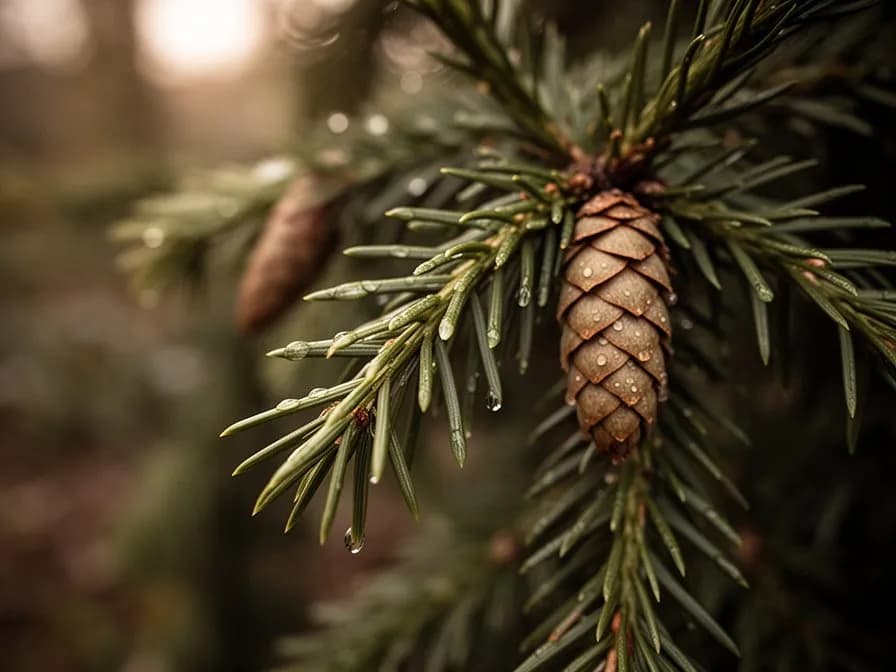
Yew Aril Jelly (Caution: Advanced Foraging Only)
90 minutes plus setting timeA delicate rose-pink jelly made exclusively from the fleshy arils of the yew with all seeds meticulously removed. This preparation requires expert foraging knowledge and extreme care as the seeds and all other parts of the tree are fatally toxic. The resulting jelly has a mild sweet flavour reminiscent of ripe plum with a faintly resinous undertone.
5 ingredientsYew Hedge Pruning Wreath (Decorative Craft)
45 minutesA traditional evergreen wreath fashioned from fresh yew hedge clippings wired onto a moss-filled frame. Yew foliage holds its colour and shape exceptionally well when cut and has been used in decorative garlands and funeral arrangements for centuries. Always wear gloves when handling yew and keep finished wreaths away from areas where children or pets might chew on the foliage.
5 ingredients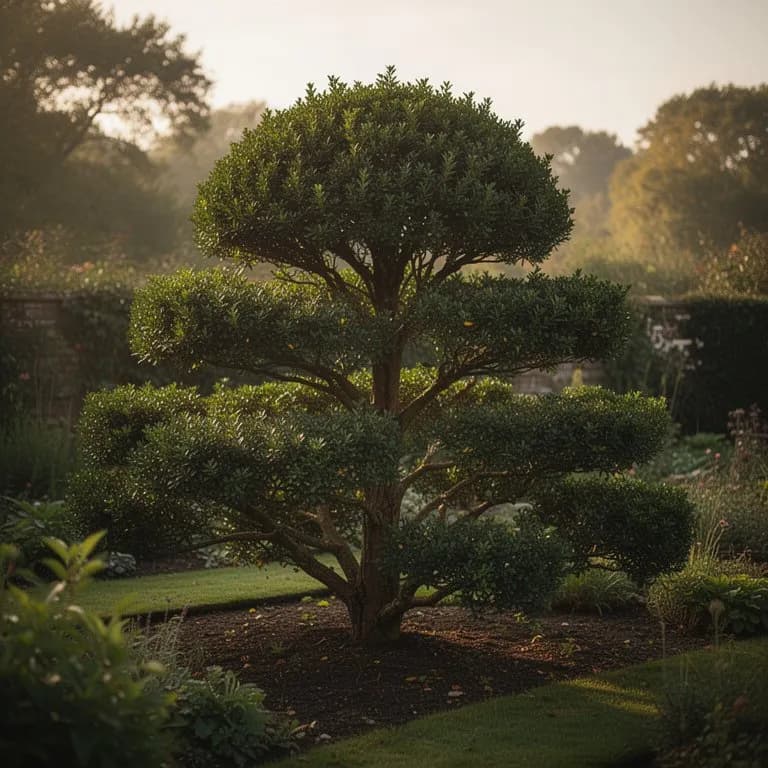
Yew-Smoked Salt (Using Dried Yew Wood Chips)
3 hoursYew wood produces a distinctive aromatic smoke that imparts a subtle sweet resinous flavour to coarse salt when cold-smoked in a covered barbecue or dedicated smoker. The resulting salt is used sparingly as a finishing condiment. Only the untreated heartwood is used and all foliage bark and seed material must be excluded as they contain toxic alkaloids that are not destroyed by heat.
5 ingredientsWhat's inside
Health Benefits
- Taxol and related taxane compounds derived from yew foliage are among the most important chemotherapy agents in modern oncology and are used to treat breast, ovarian, lung, and pancreatic cancers by inhibiting cell division in rapidly growing tumours.
- Research into semi-synthetic taxane derivatives continues to yield new drug candidates with improved efficacy and reduced side effects, expanding the therapeutic applications of yew-derived compounds in cancer treatment.
- The dense evergreen canopy of mature yew trees provides significant air quality benefits by filtering particulate matter and absorbing pollutant gases in urban and suburban environments throughout the entire year.
- Yew hedges and specimen trees in gardens and public spaces contribute to mental wellbeing by providing year-round green structure, visual screening, and a sense of permanence and continuity that has been shown to reduce stress in urban populations.
- The deep shade and sheltered microclimate beneath mature yew canopies creates important habitat for woodland ground flora, fungi, and invertebrates that contribute to broader ecosystem health and biodiversity.
- Yew plantations managed for pharmaceutical foliage harvesting provide a sustainable and renewable source of taxane precursors, reducing pressure on wild yew populations and supporting conservation of ancient woodland specimens.
Where Yew Tree comes from
Taxus baccata, the common or English yew, is native across a vast range spanning western, central, and southern Europe, north-west Africa, northern Iran, and south-west Asia. It thrives in the understorey of mixed deciduous and coniferous woodlands from sea level to around 2,000 metres in mountainous regions, favouring well-drained calcareous soils and sheltered valleys with high humidity. The species is exceptionally long-lived and slow-growing, with ancient specimens found in churchyards, sacred groves, and protected woodland pockets throughout its range. Fossil pollen records place yew in European forests since the Tertiary period, surviving multiple ice ages in southern refugia before recolonising northward as glaciers retreated. In human cultural history, yew holds an almost unparalleled significance among trees. Celtic and pre-Christian societies regarded it as a tree of death and rebirth due to its evergreen nature and extraordinary longevity, and many of the oldest churchyard yews in Britain and France are believed to mark sites that were sacred long before the arrival of Christianity. The wood was prized above all others for the construction of longbows, and the demand for yew staves during the Hundred Years War was so great that it contributed to the near-elimination of large yews from much of continental Europe. In the modern era the discovery that the bark of the related Pacific yew contained the anti-cancer compound taxol transformed the genus from an ornamental curiosity into a pharmaceutical resource of immense importance. Today Taxus baccata is widely planted as a hedging and topiary plant in formal gardens, as a specimen tree in parks and estates, and is increasingly valued in conservation for its role in ancient woodland ecosystems and its status as one of only three native conifers in Britain.
Yew Tree: did you know?
Fascinating facts about Yew Tree
The English longbow that dominated medieval European warfare for over two centuries was crafted almost exclusively from yew heartwood and sapwood, combining compression and tension strength in a single stave to create the most formidable ranged weapon of its era.
Yew Tree questions, answered
When should I plant Yew Tree?
What are good companion plants for Yew Tree?
What hardiness zones can Yew Tree grow in?
How much sun does Yew Tree need?
How far apart should I space Yew Tree?
What pests and diseases affect Yew Tree?
How do I store Yew Tree after harvest?
What are the best Yew Tree varieties to grow?
What soil does Yew Tree need?
Is yew really as poisonous as people say?
Can I plant yew if I have children or pets?
How fast does yew grow and how long until my hedge is established?
When and how should I trim a yew hedge?
Can a yew tree that has been cut back hard recover?
What is the connection between yew trees and the cancer drug taxol?
You just read the theory. Now grow it on autopilot.
Everything that makes Yew Tree fiddly — the timing, the spacing, the companions, the harvest window — is exactly what PlotMyGarden handles for you, for every plant in your garden.
A plan that knows your weather
Set your location once. Get sow, feed and harvest dates built around your real last-frost date and live forecast — no more guessing from a generic seed packet.
From the “When to plant” sectionDrag-and-drop bed planner
Design beds on a grid. Every plant snaps to its proper spacing, and you can see your whole season laid out before you spend a cent on seed.
From the “Growing guide” sectionCompanion conflicts, caught early
200+ good-and-bad pairings checked live as you plant — so a season-wrecking mistake never makes it into the ground.
From the “Companions” sectionReminders you'll actually act on
“Water the beans.” “Pick today before it turns.” Timely, specific, and tied to the plants you're really growing.
From the “Harvest” sectionSuccession, scheduled
Want a harvest for six weeks, not six days? It spaces your sowings automatically and reminds you when each new block is due.
From the “When to plant” sectionA record that gets smarter
Every harvest you log teaches it your garden. Next year's plan starts from what actually worked in your soil, not a textbook's.
From the “Overview” sectionPlant these alongside Yew Tree
More Evergreens
Grow your best Yew Tree yet — and everything around it.
Start a free plan today. Lay out your beds, drop in your Yew Tree, and let PlotMyGarden handle the timing, spacing, companions and reminders from seed to harvest basket.