Taybeere
Eine Kreuzung aus Himbeere und Brombeere, die in Schottland entwickelt wurde und große, kegelförmige, dunkelrote Früchte mit einem süß-herben, aromatischen Geschmack hervorbringt.





Auf dieser SeiteÜberblick
Taybeere im Überblick
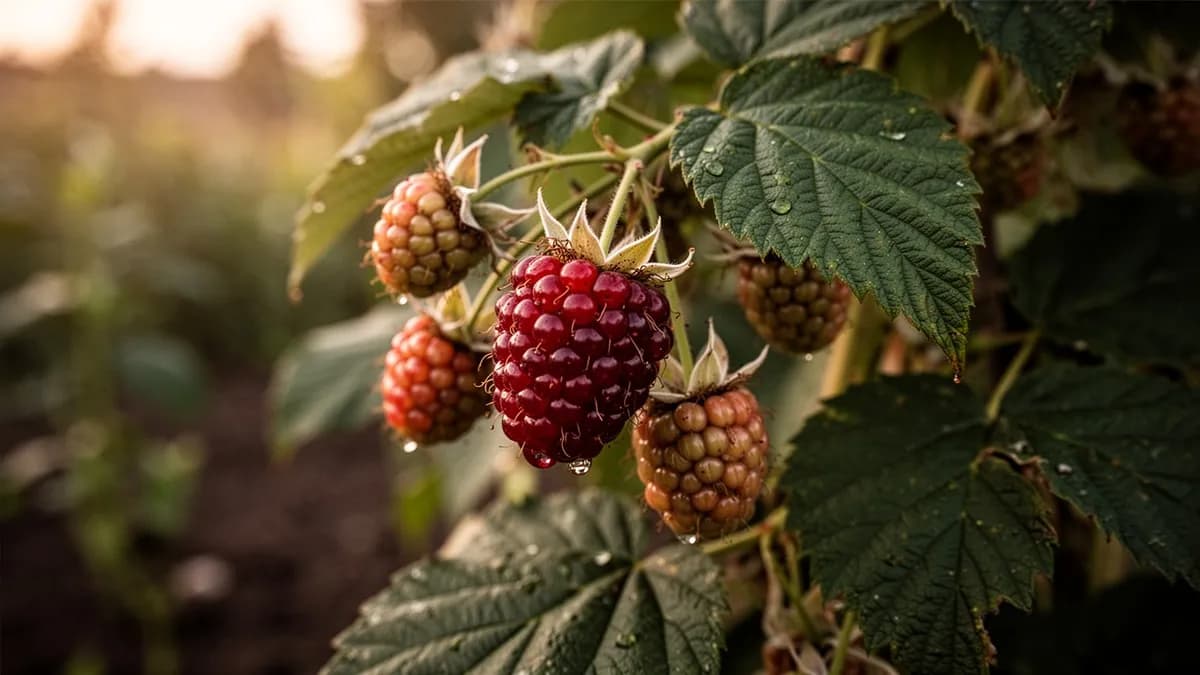
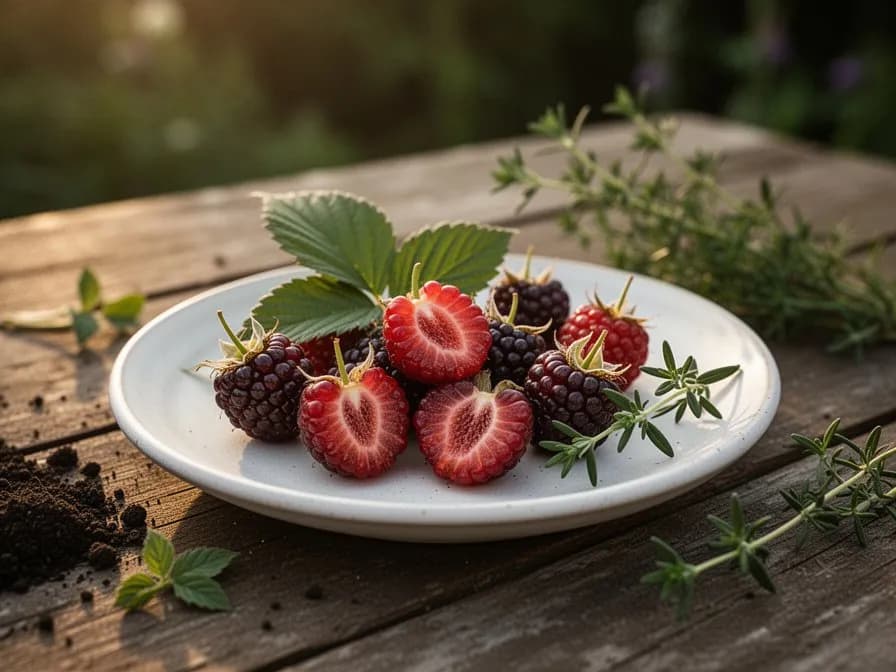
Eine Kreuzung aus Himbeere und Brombeere, die in Schottland entwickelt wurde und große, kegelförmige, dunkelrote Früchte mit einem süß-herben, aromatischen Geschmack hervorbringt. Taybeeren sind größer als Loganbeeren und süßer, was sie sowohl zum Frischverzehr als auch zum Kochen hervorragend macht. Die dornigen Ruten sind wüchsig und benötigen ein stabiles Spalier oder ein Pfosten-Draht-Stützsystem.
Wann Taybeere pflanzen
Taybeeren fallen nicht sortenecht aus Samen und müssen vegetativ vermehrt werden, um die Sorteneigenschaften zu erhalten. Das Absenken der Triebspitze im Spätsommer ist die übliche Vermehrungsmethode für den Hausgarten: Vergraben Sie die Spitze eines kräftigen Jungtriebs sieben bis zehn Zentimeter tief, und sie wird über Herbst und Winter bewurzeln. Trennen Sie die bewurzelte Pflanze im Frühling ab und pflanzen Sie sie an ihren endgültigen Standort. Blattknotenstecklinge, die im Spätsommer genommen werden, können ebenfalls unter Sprühnebel bewurzelt werden. Beziehen Sie die Ausgangspflanzen stets aus zertifiziert krankheitsfreiem Pflanzgut.
Dein Taybeere-Jahr
Abgestimmt auf Zone 7 · typische Saison · Frost geht um den 2. Apr. und kehrt um den 1. Nov. zurück
Taybeere Mär – Apr pflanzen, Jul – Aug ernten. Beachte die Pflanzmethoden unten und wähle dein Klima für passende Zeiträume.
So baust du Taybeere an
Taybeeren wurden am Scottish Crop Research Institute gezüchtet und eignen sich hervorragend für kühle, gemäßigte Klimazonen mit milden Sommern. Wählen Sie einen geschützten, sonnigen Standort mit gut durchlässigem Boden, der mit organischer Substanz angereichert ist. Installieren Sie vor dem Pflanzen ein Spalier mit Drähten auf 90 cm und 150 cm Höhe. Setzen Sie die Pflanzen im frühen Frühling mit 120 bis 150 cm Abstand.
Führen Sie die Ruten nach dem gleichen Fruchtruten-Jungtrieb-System wie bei anderen Hybridbeeren. Leiten Sie die einjährigen Jungtriebe an einer Seite des Spaliers entlang, und im folgenden Jahr tragen sie Früchte, während neue Jungtriebe auf der anderen Seite wachsen. Entfernen Sie nach der Ernte sofort alle verbrauchten Fruchtruten bodennah und binden Sie den Neuaustrieb an.
Taybeeren tragen größere Früchte als Loganbeeren, wobei einzelne Beeren bis zu fünf Zentimeter Länge erreichen können. Bewässern Sie während der Fruchtentwicklung gleichmäßig und mulchen Sie, um Feuchtigkeit zu erhalten. Düngen Sie im Frühling mit einem ausgewogenen organischen Dünger. In den Zonen fünf und sechs schützen Sie die Ruten im Winter, indem Sie sie nach dem Laubfall auf den Boden legen und mit Stroh oder Vlies abdecken, und binden Sie sie im frühen Frühling vor dem Knospenaustrieb wieder am Spalier auf.
Für Taybeere ist ein Beet von 120 × 240 cm zu klein
Taybeere braucht 150 cm Platz pro Pflanze. Der Planer hält diesen Abstand für dich ein — jede Pflanze, jedes Beet.
Die besten Nachbarn für Taybeere
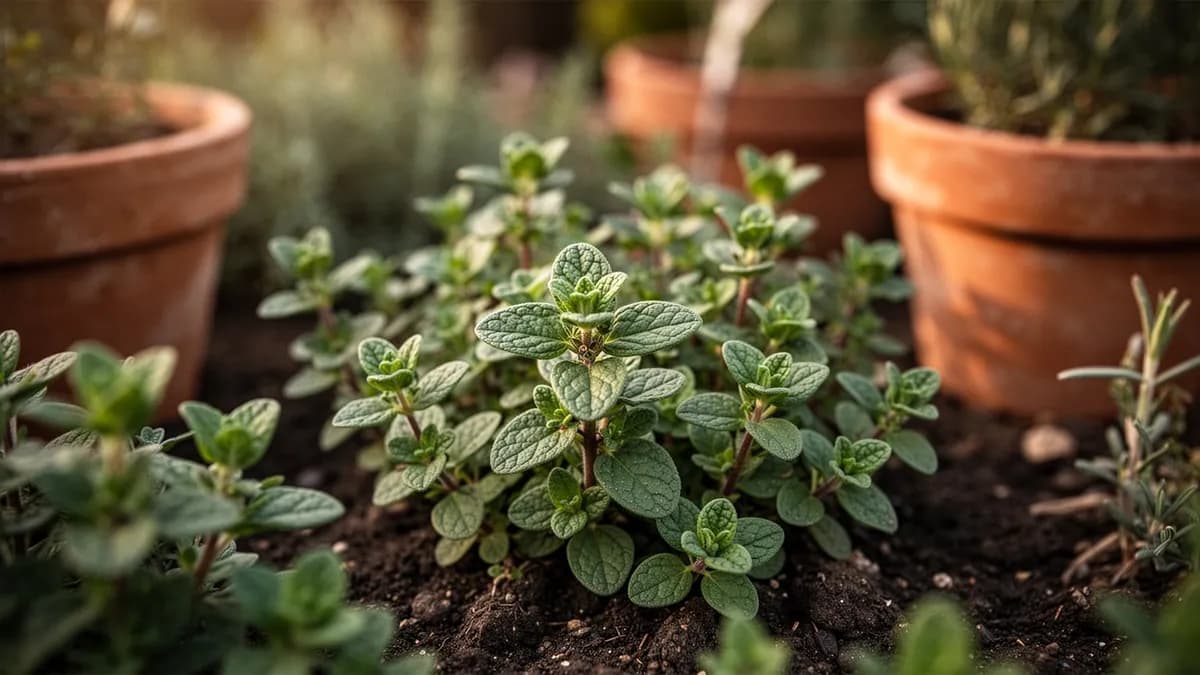
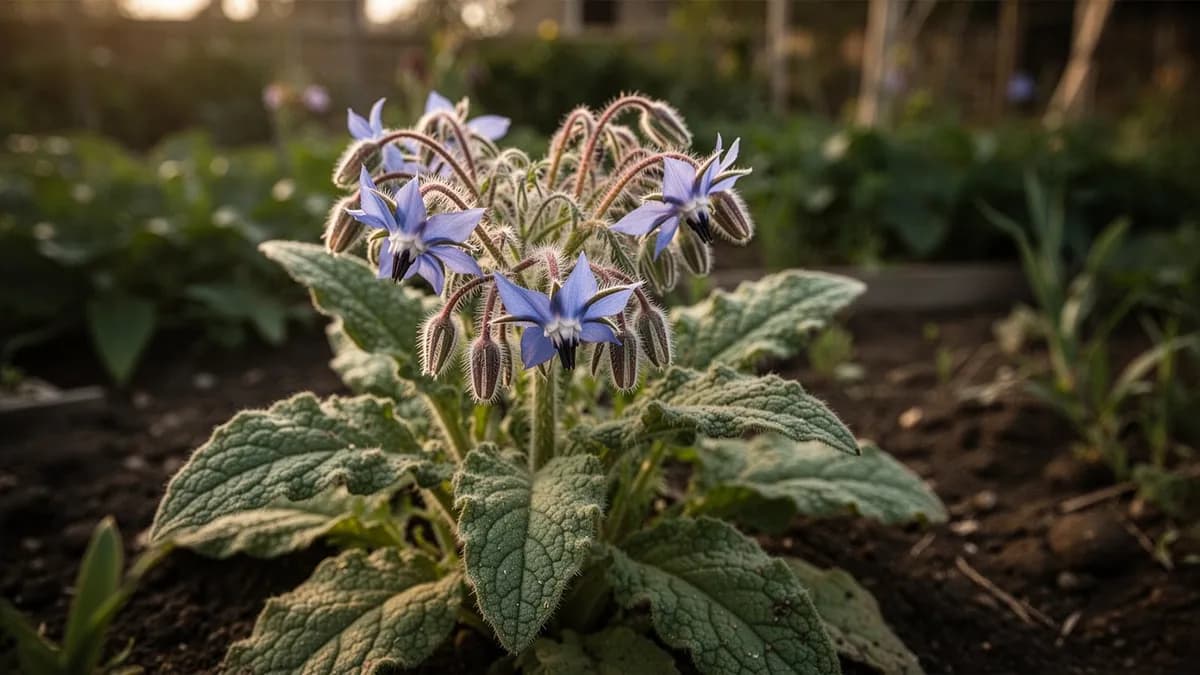
Thymian und Borretsch in der Nähe gepflanzt ziehen Bestäuber an, die den Fruchtansatz verbessern, sowie Nützlinge, die Blattläuse bekämpfen. Niedrig wachsende Kräuter zwischen den Reihen dienen als Bodendecker und helfen bei der Unkrautunterdrückung. Beinwell kann in der Nähe als Nährstoffsammler angebaut und geschnitten als Mulchmaterial verwendet werden. Vermeiden Sie das Pflanzen in der Nähe anderer Rubus-Arten, insbesondere wilder Brombeeren, um eine Krankheitsübertragung zu verhindern. Halten Sie Taybeeren fern von Kartoffeln und Tomaten, die Verticillium-Welke beherbergen.
Thymian gehört daneben. Himbeere nicht.
Altes Gärtnerwissen, geprüft an der echten Nachbartabelle von Taybeere — teste jede Pflanze, die du anbaust.
Probiere Taybeere direkt hier im Beet
Ein echtes Planer-Beet, Taybeere steht schon drin. Tippe einen Begleiter an, platziere ihn und sieh, wie die Nachbarschaftsprüfung antwortet — grün für gute Nachbarn, rot bei Streit.


Passende Anbau-Ratgeber
Richtig düngen
Taybeeren bevorzugen fruchtbaren, gut durchlässigen Boden mit einem pH-Wert von 6,0 bis 6,5 und reichlich organischer Substanz. Verbessern Sie schweren Lehmboden mit Kompost, Splitt und Rinde, um die Drainage zu optimieren. Bringen Sie im frühen Frühling einen ausgewogenen Dünger aus und geben Sie jährlich Kompost als Mulch. Kalium ist wichtig für die Fruchtqualität; ergänzen Sie bei Bedarf mit Holzasche oder Kaliumsulfat. Vermeiden Sie übermäßigen Stickstoff in der Spätsaison, der weiches Wachstum fördert, das anfällig für Frost und Krankheiten ist.
Ideale Temperatur
Winterhärtezone-Kompatibilität
Von der Saat zur Ernte, Schritt für Schritt
Ruhendes Ruteneinwachsen
Wurzelnackte oder getopfte Taybeeren-Ruten werden im Spätherbst oder frühen Frühling im Ruhezustand gepflanzt. Das Wurzelsystem beginnt sich im Boden zu etablieren, bevor der oberirdische Austrieb einsetzt. Im ersten Jahr wird von neuen Ruten keine Frucht produziert, da Taybeeren an zweijährigen Fruchtruten fruchten.
Vegetativer Frühlingsaustrieb
Neue Jungtriebe (einjährige Ruten) treiben kräftig aus der Basis und beginnen unter idealen Bedingungen schnell zu wachsen, manchmal mehrere Zentimeter pro Tag. Das Laub ist weich und tief gelappt, ähnlich wie Brombeerblätter. Das Wurzelsystem dehnt sich in dieser Phase erheblich aus.
Blüte
Im zweiten Jahr treiben die zuvor etablierten Fruchtruten (zweijährige Ruten) Seitentriebe mit Trauben weißer, fünfblättriger Blüten im Spätfrühling bis Frühsommer. Die Blüten sind selbstfruchtbar, sodass eine einzelne Pflanze Früchte ansetzt, aber eine Begleitpflanze in der Nähe kann die Erträge durch Kreuzbestäubung besuchender Bienen verbessern.
Fruchtentwicklung und Reife
Kleine grüne Fruchtansätze schwellen nach der Bestäubung rasch an und durchlaufen Rot bis zu tiefem Weinviolett, während sie Zucker anreichern. Taybeeren reifen entlang jedes Seitentriebs fortschreitend vom Frühsommer bis Hochsommer — typischerweise Juni bis August je nach Klima — und nicht alle gleichzeitig, was die Erntezeit über mehrere Wochen verlängert.
Rutenerneuerung nach der Ernte
Nach der Fruchtbildung sind die Fruchtruten, die die diesjährige Ernte getragen haben, verbraucht und werden nicht erneut Früchte tragen. Sie beginnen natürlich abzusterben. Gleichzeitig reifen die diesjährigen Jungtriebe heran und werden die Früchte des nächsten Jahres tragen. Dieser jährliche Zyklus der Rutenerneuerung ist zentral für die Erhaltung einer produktiven Taybeeren-Pflanze.
Herbstliche Abhärtung und Winterruhe
Die behaltenen Jungtriebe verholzen und härten im Herbst ab und bauen Kohlenhydratreserven auf, die sie für die Blüte und Fruchtbildung des nächsten Jahres benötigen. Das Laub verfärbt sich gelb-orange, bevor es abfällt. In kälteren Regionen lösen einige Gärtner die Ruten von den Drähten und legen sie unter Stroh als Frostschutz auf den Boden.
Ruten mit 45–60 cm Abstand in Reihen von 1,8 m Abstand pflanzen. Vor dem Pflanzen großzügig gut verrotteten Mist oder Kompost einarbeiten. Ein Pfosten-Draht-Stützsystem mit Drähten auf 60 cm, 90 cm und 120 cm installieren, damit die Wurzeln später nicht gestört werden. Frisch gepflanzte Ruten auf 30 cm zurückschneiden, um die Energie in die Wurzelbildung zu lenken.
Taybeere Monat für Monat pflegen
Was du jeden Monat für deine Taybeere tun solltest
Oktober
Aktueller MonatDas Laub beginnt sich gelb zu verfärben und abzufallen. In kälteren Gebieten den winterlichen Rutenschutz planen. Vor den ersten strengen Frösten eine dicke Mulchschicht aus Stroh oder Rindenmulch über die Wurzelzone auftragen. Pflanzenvitalität und Ertrag jeder Pflanze notieren, um Entscheidungen über die Neupflanzung älterer, weniger produktiver Exemplare zu treffen.
Immer wissen, was jetzt im Garten zu tun ist
Eine E-Mail zum Monatsanfang: was du jetzt säen, pflanzen und anpacken solltest — für deine Taybeere und alles, was drumherum wächst. Dazu ein kurzer Startkurs, der dich vor den klassischen Fehlern bewahrt.
- Was jetzt zu tun ist
- Passend zu deiner Saison
- Startkurs inklusive
Taybeere ernten
Taybeeren reifen im Hochsommer, typischerweise von Juli bis August, und verfärben sich von Rot zu einem tiefen Rotviolett bei voller Reife. Sie sind süßer als Loganbeeren und können frisch genossen werden, wenn sie vollständig ausgefärbt sind. Pflücken Sie Beeren, die sich mit sanftem Ziehen leicht vom Zapfen lösen. Die große, kegelförmige Form macht sie leichter pflückbar als viele Hybridbeeren. Ernten Sie während der Hauptreife alle zwei bis drei Tage und sammeln Sie die Beeren in flachen Behältern, um Quetschen zu vermeiden. Die dornigen Ruten erfordern Handschuhe für komfortables Pflücken.
angenommen, du pflanzt zu Beginn des Zeitraums — trage dein tatsächliches Datum ein
Ernte Taybeere zügig, dann trägt die Pflanze weiter.
Lagerung & Konservierung
Taybeeren halten sich im Kühlschrank zwei bis drei Tage. Frieren Sie Beeren auf Tabletts ein und füllen Sie sie für bis zu acht Monate in Beutel um. Ihr ausgewogener süß-herber Geschmack macht sie in der Küche vielseitig einsetzbar. Taybeeren ergeben eine ausgezeichnete Konfitüre mit einer unverwechselbaren aromatischen Qualität, die gewöhnlichen Brombeerkonfitüren überlegen ist. Sie eignen sich auch hervorragend für Fruchtweine, Sirupe und Fruchtleder. Getrocknet ergeben sie einen intensiven, zähen Snack.
Was schiefgeht — und die Lösung
Grauschimmel (Botrytis cinerea)
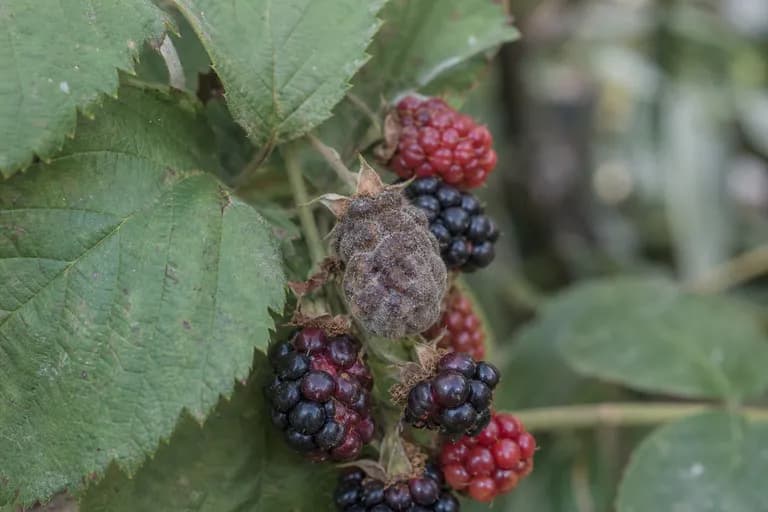
KrankheitFlaumiger grauer Schimmel auf reifenden Früchten, besonders bei nassem Wetter; Beeren werden weich und faulen an der Rute.
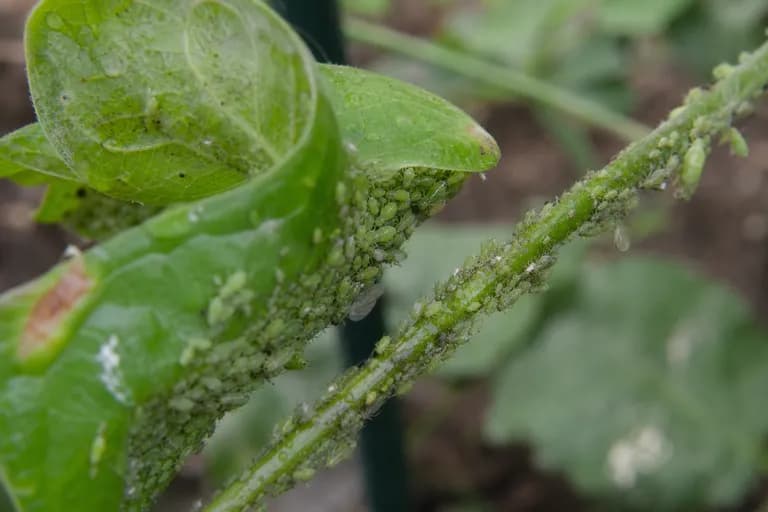
Blattläuse
SchädlingAnsammlungen von grünen oder schwarzen Insekten an jungen Trieben und Blattunterseiten; eingerollte Blätter und klebrige Honigtaurückstände.
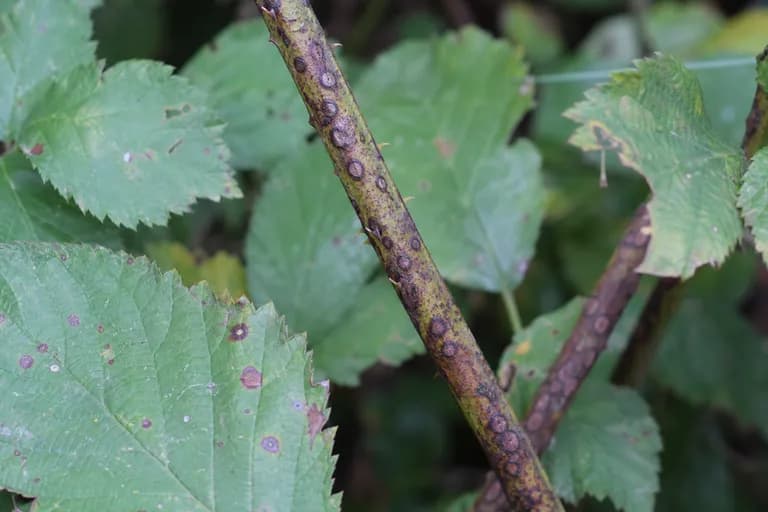
Rutenfleckenkrankheit (Elsinoe veneta)
KrankheitKleine violette Flecken an Ruten, die sich zu silbergrauen Läsionen mit violetten Rändern vergrößern; können reißen und die Ruten schwächen.
Fehlerbehebung bei häufigen Problemen
Dornige Ruten sind die häufigste Beschwerde und machen alle Pflegearbeiten herausfordernd; dornenlose Sorten haben dieses Problem weitgehend gelöst. Taybeeren können in den Zonen fünf und sechs Winterschäden erleiden, wenn die Ruten nicht geschützt werden. Vögel werden von den großen, süßen Früchten stark angezogen, und ein Schutznetz ist unerlässlich. Früchte können bei heißem Wetter weich werden und sich beim Pflücken schwer ohne Quetschen ernten lassen. Wie alle Hybridbeeren sind sie anfällig für Viruserkrankungen, die durch Blattläuse übertragen werden.
Anbautipps
- Pflanzen Sie Taybeeren an einem geschützten, süd- oder westexponierten Standort mit voller Sonne — sie tragen am besten mit mindestens sechs Stunden direktem Sonnenlicht täglich Früchte, und Windschutz verhindert Schäden an den hohen, bogigen Ruten und schützt Blüten vor kalten Frühlingsböen.
- Taybeeren bevorzugen tiefgründigen, fruchtbaren, gut durchlässigen Boden mit einem leicht sauren pH-Wert von 6,0–6,5; testen Sie Ihren Boden vor dem Pflanzen und verbessern Sie ihn mit Schwefel zur pH-Senkung oder Kalk zur pH-Erhöhung, da der korrekte pH-Wert einen dramatischen Einfluss auf die Nährstoffaufnahme und die Gesamtvitalität hat.
- Installieren Sie vor dem Pflanzen ein robustes Pfosten-Draht-Stützgerüst mit horizontalen Drähten auf 60 cm, 90 cm und 120 cm; Taybeeren-Ruten können 2,5 m oder mehr wachsen und kollabieren ohne ausreichende Stützung, was das Krankheitsrisiko erhöht und die Ernte erschwert.
- Bewässern Sie während der gesamten Vegetationsperiode tief und gleichmäßig, besonders während der Fruchtentwicklung — Taybeeren haben einen hohen Wasserbedarf und Trockenstress im Juni und Juli reduziert sowohl Beerengröße als auch Zuckergehalt erheblich; ein Tropfbewässerungssystem unter der Mulchschicht ist ideal.
- Bringen Sie jedes Frühjahr eine dicke Mulchschicht aus gut verrottetem Mist, Gartenkompost oder Rindenmulch von 8–10 cm um die Pflanzenbasis auf und halten Sie den Mulch von der Rutenbasis fern; dies unterdrückt Unkraut, erhält die Bodenfeuchtigkeit und ernährt die Pflanzen langsam beim Zersetzen.
- Düngen Sie Ende Februar mit einem ausgewogenen Körnerdünger (wie Volldünger mit 70 g pro Quadratmeter), wechseln Sie dann ab Anfang Juni bis zum Ernteende auf einen kaliumreichen Flüssigdünger wie Tomatendünger, um die Fruchtentwicklung und den Geschmack zu unterstützen.
- Schneiden Sie alle abgetragenen Fruchtruten (zweijährige Ruten, die Früchte getragen haben) sofort nach der letzten geernteten Beere im Spätsommer bodennah ab — ein Verzögern dieser Arbeit ermöglicht es Pilzkrankheiten, sich auf dem verbrauchten Holz zu etablieren und auf die jungen Jungtriebe überzugreifen, die Sie behalten.
- Bespannen Sie die Fruchtruten mit engmaschigem Vogelschutznetz, sobald die ersten Beeren beginnen sich rot zu färben; Vögel — insbesondere Amseln und Stare — können eine ganze Reihe reifer Taybeeren über Nacht leerpicken und warten nicht, bis die Früchte den Höhepunkt der Reife erreichen.
- Vermehren Sie neue Pflanzen durch Absenken der Triebspitze im Spätsommer: Wählen Sie einen langen, biegsamen Jungtrieb, biegen Sie die Spitze zum Boden, fixieren Sie sie 10 cm tief, und sie wird innerhalb von sechs Wochen bewurzeln; trennen Sie sie im folgenden Frühling von der Mutterpflanze für eine kostenlose, krankheitsfreie Ersatzpflanze.
- Wenn Ihr Garten eine Vorgeschichte mit Phytophthora-Wurzelfäule hat — häufig in schweren Lehmböden mit schlechter Drainage — pflanzen Sie Taybeeren auf einem leicht erhöhten Damm oder Hügel, um die Drainage um die Basis zu verbessern, da Staunässe die Hauptursache für plötzliches unerklärliches Absterben bei ansonsten gesunden Pflanzen ist.
Bau deine beste Taybeere an — und alles drumherum.
Starte heute kostenlos. Lege deine Beete an, setze deine Taybeere ein und lass PlotMyGarden Timing, Abstände, Begleiter und Erinnerungen von der Saat bis zum Erntekorb übernehmen.
Finde deine Taybeere
Taybeere (Standard)
Die ursprüngliche dornige Sorte mit den größten Früchten und dem intensivsten Geschmack, gezüchtet aus der Aurora-Brombeere und einer unbenannten Himbeere.
Buckingham-Taybeere
Eine in England entdeckte dornenlose Mutation, die Ernte und Rückschnitt wesentlich erleichtert und dabei eine ausgezeichnete Fruchtqualität beibehält.
Medana-Taybeere
Eine verbesserte dornenlose Auslese mit hohen Erträgen und guter Krankheitsresistenz, in europäischen Baumschulen weit verbreitet.
Frische Taybeeren im Handel, sofern sie überhaupt erhältlich sind, kosten typischerweise 10–18 € pro 250-g-Schale bei spezialisierten Obst- und Gemüsehändlern und auf Bauernmärkten — vorausgesetzt, sie sind lokal verfügbar, was für die meisten Verbraucher nicht der Fall ist. Eine einzelne etablierte Taybeeren-Pflanze, die für etwa 15–22 € erworben wird, beginnt in ihrem zweiten Jahr Früchte zu tragen und kann 10–15 Jahre lang jährlich 4–6 kg Beeren liefern, bei minimalem Aufwand. Über eine typische 12-jährige produktive Lebensdauer könnte eine einzelne Pflanze 48–72 kg Früchte mit einem vergleichbaren Einzelhandelswert von 1.900–5.200 € erzeugen — eine außerordentliche Rendite auf eine bescheidene Anfangsinvestition. Selbst unter Berücksichtigung der Kosten für ein Stützgerüst, Dünger und Netz ist die Wirtschaftlichkeit selbst angebauter Taybeeren überzeugend. Der Anbau von zwei oder drei Pflanzen liefert genug Früchte zum Frischverzehr, zur Konfitürenherstellung und zum Einfrieren eines erheblichen Vorrats für die ganzjährige Verwendung.
Schnelle Rezepte
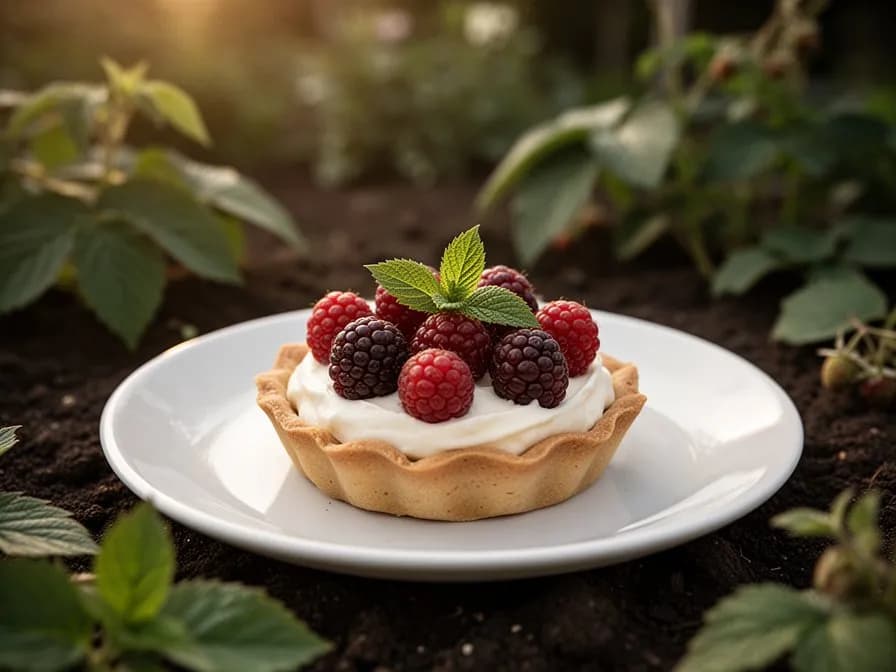
Taybeeren-Konfitüre
45 MinutenEin klassisches Einmachrezept, das den tiefen Geschmack und die juwelenhafte Farbe der Taybeere zur Geltung bringt. Diese unkomplizierte Konfitüre benötigt kein zusätzliches Pektin, da Taybeeren von Natur aus mäßig viel davon enthalten. Das Ergebnis ist eine leicht gesetzte, intensiv fruchtige Konfitüre mit einem komplexen Geschmack, der sie von gewöhnlichen Himbeer- oder Brombeeraufstrichen abhebt. Hervorragend auf Scones, Toast oder eingerührt in Naturjoghurt.
5 Zutaten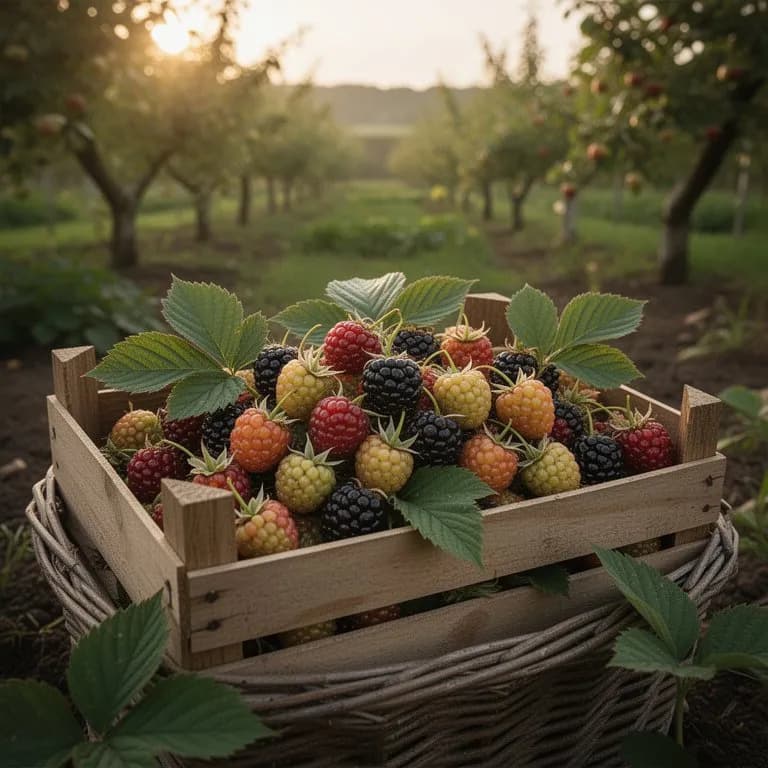
Taybeeren-Pavlova
30 Minuten (plus 2 Stunden Backen und Abkühlen)Ein atemberaubendes Sommerdessert, das den herben, weinartigen Geschmack der Taybeere mit Wolken aus knusprigem Baiser und reichhaltiger Schlagsahne kombiniert. Die tiefe Farbe der Beeren erzeugt einen dramatischen visuellen Kontrast zum weißen Baiser und der Sahne. Die Verwendung einer Mischung aus frischen und leicht mazerierten Taybeeren verleiht Schichten von Textur und Intensität.
8 ZutatenTaybeeren-Coulis
10 MinutenEine leuchtende, tieffarbige Beerensauce, die eine der vielseitigsten Zubereitungen für eine große Taybeeren-Ernte darstellt. Das Coulis kann über Eiscreme, Käsekuchen, Panna Cotta oder Haferbrei geträufelt oder als Basis für Smoothies und Cocktails verwendet werden. Es lässt sich in kleinen Portionen hervorragend einfrieren, sodass Sie den Geschmack sommerlicher Taybeeren bis weit in die Wintermonate genießen können.
4 ZutatenKulinarische Verwendung
Taybeeren haben ein reiches, aromatisches Geschmacksprofil, das süßer und komplexer als bei Loganbeeren ist, was sie sowohl zum Frischverzehr als auch zum Kochen hervorragend macht. Sie glänzen in Sommerpuddings, Crumbles und Tartes. Taybeeren-Konfitüre hat eine luxuriöse, parfümierte Qualität. Sie harmonieren gut mit anderen Sommerfrüchten in gemischten Beerennachspeisen und Smoothies. Frische Taybeeren mit Sahne oder Joghurt serviert ergeben ein elegantes, einfaches Dessert.
Was drinsteckt
Gesundheitsvorteile
- Der hohe Anthocyangehalt verleiht Taybeeren starke antioxidative Eigenschaften, die helfen, freie Radikale zu neutralisieren und potenziell das Risiko chronischer Erkrankungen im Zusammenhang mit oxidativem Stress, einschließlich Herz-Kreislauf-Erkrankungen, zu senken
- Der hervorragende Ballaststoffgehalt (über 5 g pro 100 g) unterstützt eine gesunde Darm-Mikrobiom-Vielfalt, fördert eine regelmäßige Darmfunktion und trägt zu einem Sättigungsgefühl bei, das beim Gewichtsmanagement helfen kann
- Der Vitamin-C-Gehalt unterstützt das Immunsystem, stimuliert die Produktion weißer Blutkörperchen und wirkt als Cofaktor bei der Kollagensynthese, was gesunde Haut, gesundes Zahnfleisch und Wundheilung fördert
- Die Polyphenole in Taybeeren, einschließlich Ellagitanninen und Flavonoiden, wurden in Studien mit entzündungshemmenden Wirkungen in Verbindung gebracht, die das Risiko eines metabolischen Syndroms und Typ-2-Diabetes senken können
- Der Mangangehalt trägt zu einer gesunden Knochendichte bei und unterstützt die Aktivierung von Enzymen, die am Kohlenhydratstoffwechsel und an der Synthese des antioxidativen Enzyms Superoxiddismutase beteiligt sind
- Der natürlich niedrige glykämische Index aufgrund der Kombination aus Ballaststoffen, moderatem Zucker und organischen Säuren bedeutet, dass Taybeeren einen relativ sanften Blutzuckeranstieg im Vergleich zu vielen anderen Früchten verursachen, was sie für Personen geeignet macht, die ihren Blutzuckerspiegel überwachen
Woher Taybeere stammt
Die Taybeere ist eine relativ moderne Hybridfrucht mit einem präzisen und dokumentierten Ursprung, anders als viele uralte Kulturpflanzen. Sie wurde durch gezielte Kreuzungszüchtung am Scottish Crop Research Institute (SCRI) geschaffen, das in der Nähe von Invergowrie am Ufer des Flusses Tay in Dundee, Schottland, liegt. Die Zuchtarbeit wurde von Dr. Derek Jennings und seinen Kollegen geleitet, die das Potenzial zwischenartlicher Rubus-Hybriden erforschten, um die besten Eigenschaften von Brombeeren und Himbeeren zu vereinen. Die Taybeere wurde 1979 offiziell der Öffentlichkeit vorgestellt und trägt ihren Namen als stolze Hommage an ihr schottisches Erbe vom Fluss Tay. Die Kreuzung vereint eine tetraploide Brombeere — wahrscheinlich eine unbenannte amerikanische Brombeeren-Auslese — mit einer diploiden roten Himbeere. Der resultierende Hybrid ist selbst tetraploid und erbt die großen, wüchsigen Ruten, die für Brombeeren charakteristisch sind, zusammen mit der außergewöhnlichen aromatischen Geschmacksintensität, die mit Himbeeren assoziiert wird. Die Frucht nimmt eine sensorische Mittelstellung zwischen ihren Elternarten ein: länger und spitzer zulaufend als eine Himbeere, dunkler und intensiver im Geschmack als die meisten Brombeeren, und auffallend ertragreich in gemäßigt-maritimen Klimazonen.
Die Taybeere reiht sich in eine breitere Tradition der Rubus-Hybridzüchtung ein, die im späten 19. Jahrhundert mit der Loganbeere begann, selbst eine Brombeeren-Himbeeren-Kreuzung, die um 1881 in Kalifornien entstand. Weitere Hybriden folgten, darunter die Boysenbeere, Youngbeere und Marionbeere, die jeweils für unterschiedliche regionale Klimazonen und kulinarische Verwendungen entwickelt wurden. Die Taybeere jedoch wurde speziell für die kühlen, feuchten Bedingungen Schottlands und Nordbritanniens optimiert, wo die Sommer mild und die Herbstregen reichlich sind — Bedingungen, die ihrem Fruchtzyklus perfekt entsprechen.
Seit ihrer Einführung hat die Taybeere eine treue Anhängerschaft unter Hobbygärtnern und Kleinobstbauern im Vereinigten Königreich, Irland, Nordeuropa und im pazifischen Nordwesten Nordamerikas gewonnen, wo das Klima ähnlich geeignet ist. Der kommerzielle Anbau blieb aufgrund der Empfindlichkeit der Frucht bei der Handhabung begrenzt, was jedoch ihren Ruf als erstklassige Gartenkultur nur verstärkt hat, die den geduldigen Gärtner mit einem Geschmack belohnt, der kaum auf andere Weise erhältlich ist. Moderne Baumschulen haben weiterhin verbesserte Auslesen entwickelt, insbesondere die 'Buckingham-Taybeere', eine dornenlose Sorte, die in den 1980er Jahren eingeführt wurde und die Pflanze für Gärtner, die eine leichtere Ernte bevorzugen, deutlich zugänglicher gemacht hat.
Taybeere: Schon gewusst?
Faszinierende Fakten über Taybeere
Die Taybeere wurde am Scottish Crop Research Institute in Dundee, Schottland, entwickelt und 1979 der Öffentlichkeit vorgestellt — benannt nach dem Fluss Tay, der in der Nähe durch das Herz von Perthshire fließt.
Taybeere: Fragen & Antworten
Wann sollte ich Taybeere pflanzen?
Was sind gute Begleitpflanzen für Taybeere?
In welchen Winterhärtezonen kann Taybeere wachsen?
Wie viel Sonne braucht Taybeere?
Welchen Abstand sollte ich zwischen Taybeere lassen?
Welche Schädlinge und Krankheiten befallen Taybeere?
Wie lagere ich Taybeere nach der Ernte?
Was sind die besten Taybeere-Sorten zum Anbauen?
Welchen Boden braucht Taybeere?
Wie lange dauert es, bis eine Taybeeren-Pflanze Früchte trägt?
Kann ich Taybeeren im Kübel anbauen?
Was ist der Unterschied zwischen einer Taybeere und einer Loganbeere?
Woran erkenne ich, dass Taybeeren reif und pflückreif sind?
Sind Taybeeren-Pflanzen dornig, und gibt es eine dornenlose Sorte?
Warum sterben meine Taybeeren-Ruten ab, obwohl ich regelmäßig gieße?
Du hast die Theorie gelesen. Jetzt baue sie auf Autopilot an.
Alles, was Taybeere knifflig macht — das Timing, die Abstände, die Begleiter, das Erntefenster — genau das übernimmt PlotMyGarden für dich, für jede Pflanze im Garten.
Ein Plan, der dein Wetter kennt
Standort einmal festlegen. Aussaat-, Dünge- und Erntedaten rund um deinen echten letzten Frosttermin und die Live-Vorhersage — kein Raten mehr nach Saattüte.
Aus dem Abschnitt „Pflanzzeit“Beetplaner per Drag & Drop
Beete auf einem Raster gestalten. Jede Pflanze rastet im richtigen Abstand ein, und du siehst die ganze Saison, bevor du einen Cent für Saatgut ausgibst.
Aus dem Abschnitt „Anbau“Begleiter-Konflikte früh erkannt
Über 200 gute und schlechte Kombinationen werden beim Pflanzen live geprüft — so landet ein saisonruinierender Fehler nie in der Erde.
Aus dem Abschnitt „Begleiter“Erinnerungen, nach denen du wirklich handelst
„Gieß die Bohnen.“ „Heute ernten, bevor's umschlägt.“ Pünktlich, konkret und auf deine echten Pflanzen bezogen.
Aus dem Abschnitt „Ernte“Staffel-Aussaat, geplant
Sechs Wochen ernten statt sechs Tage? Die App verteilt deine Aussaaten automatisch und erinnert dich, wenn der nächste Satz fällig ist.
Aus dem Abschnitt „Pflanzzeit“Ein Verlauf, der schlauer wird
Jede protokollierte Ernte bringt der App deinen Garten bei. Der Plan fürs nächste Jahr startet bei dem, was in deinem Boden wirklich funktioniert hat.
Aus dem Abschnitt „Überblick“Pflanze diese neben Taybeere
Weitere Beeren
Halte Taybeere von diesen fern
Bau deine beste Taybeere an — und alles drumherum.
Starte heute kostenlos. Lege deine Beete an, setze deine Taybeere ein und lass PlotMyGarden Timing, Abstände, Begleiter und Erinnerungen von der Saat bis zum Erntekorb übernehmen.