Tangerine
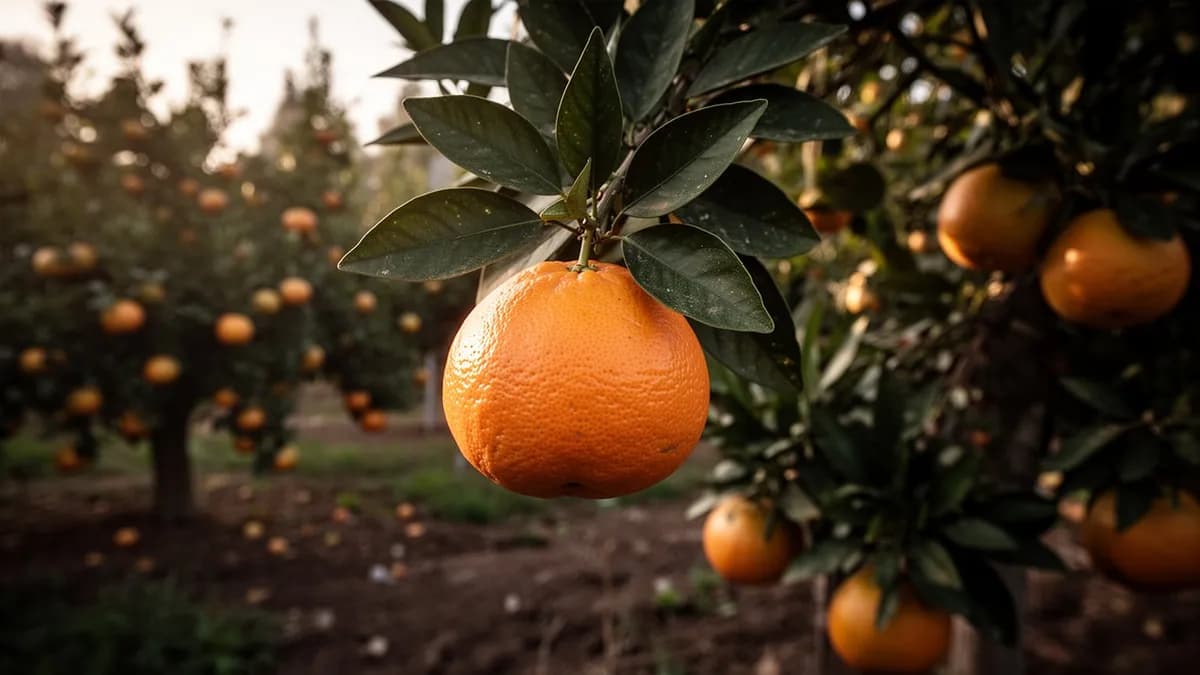
A deep orange-red citrus with a richer, more intense flavor than standard mandarins and a slightly more pebbly skin.





On this pageOverview
Meet Tangerine
A deep orange-red citrus with a richer, more intense flavor than standard mandarins and a slightly more pebbly skin. Tangerines have a short harvest window but produce abundantly during their peak season. The compact trees work well in containers and can be grown on patios in warmer climates.
When to plant Tangerine
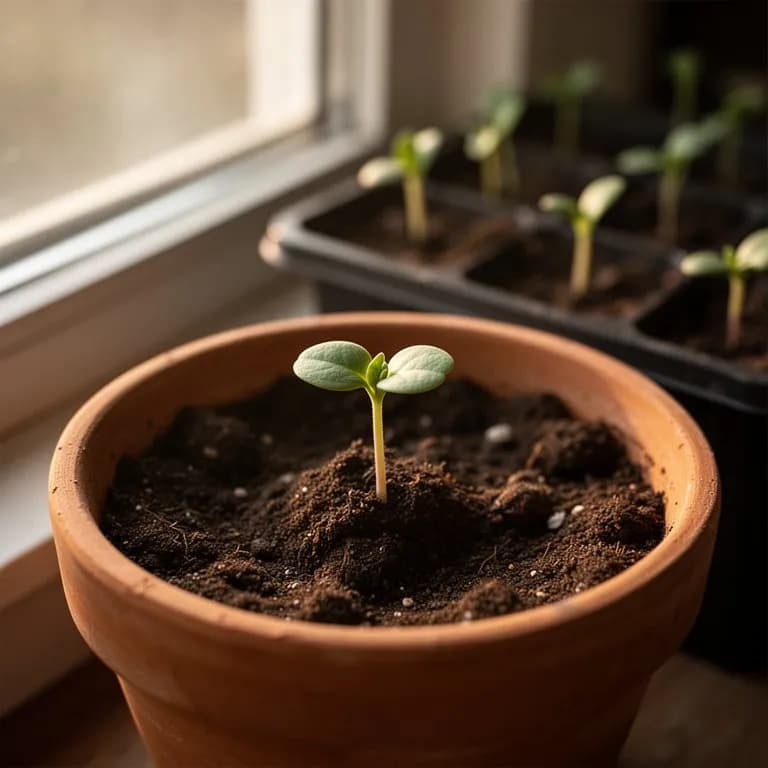
Tangerine seeds are often polyembryonic and will produce some seedlings that are clones of the parent tree, though fruit quality from seed-grown trees is unpredictable and bearing may take eight to twelve years. For reliable results, purchase grafted trees on Trifoliata, Cleopatra mandarin, or Carrizo citrange rootstock. Grafted trees bear in three to four years. To experiment with seed growing, extract seeds from ripe fruit, wash thoroughly, and plant immediately one inch deep in moist, well-draining potting mix. Maintain warmth of 70 to 80 degrees and keep soil consistently moist.
Your Tangerine Year
Composed for Zone 7 · typical seasons · frost passes Apr 2, returns Nov 1
Plant Tangerine Mar – May, pick Jan – Feb, Nov – Dec. Check the planting methods below and set your climate to personalize these windows.
How to grow Tangerine
Tangerines require full sun and warm conditions in USDA zones 9 through 11. Plant grafted nursery trees in spring, spacing them 10 to 15 feet apart for standard varieties or 6 to 8 feet for dwarf forms. Dig the planting hole twice the width of the root ball and set the graft union three inches above the soil line. Water deeply at planting and twice weekly for the first year.
Tangerine trees are naturally compact and work well as container plants on patios and balconies. Choose a large container of at least 20 gallons with excellent drainage. Use a high-quality potting mix blended with perlite for aeration. Container trees need more frequent watering and fertilization than in-ground specimens.
Fertilize with a slow-release citrus formula in early spring, late spring, and early fall. Tangerines bear fruit on the previous season's growth, so avoid heavy pruning that removes fruiting wood. Thin interior branches to improve air circulation and light penetration. In borderline cold areas, plant against a south-facing wall for reflected heat and cover with frost cloth when temperatures threaten to drop below 28 degrees.
Tangerine needs more room than a 4 × 8 ft bed gives
Each Tangerine wants 300 cm of elbow room. The planner keeps that spacing for you — every plant, every bed.
Tangerine's best neighbours
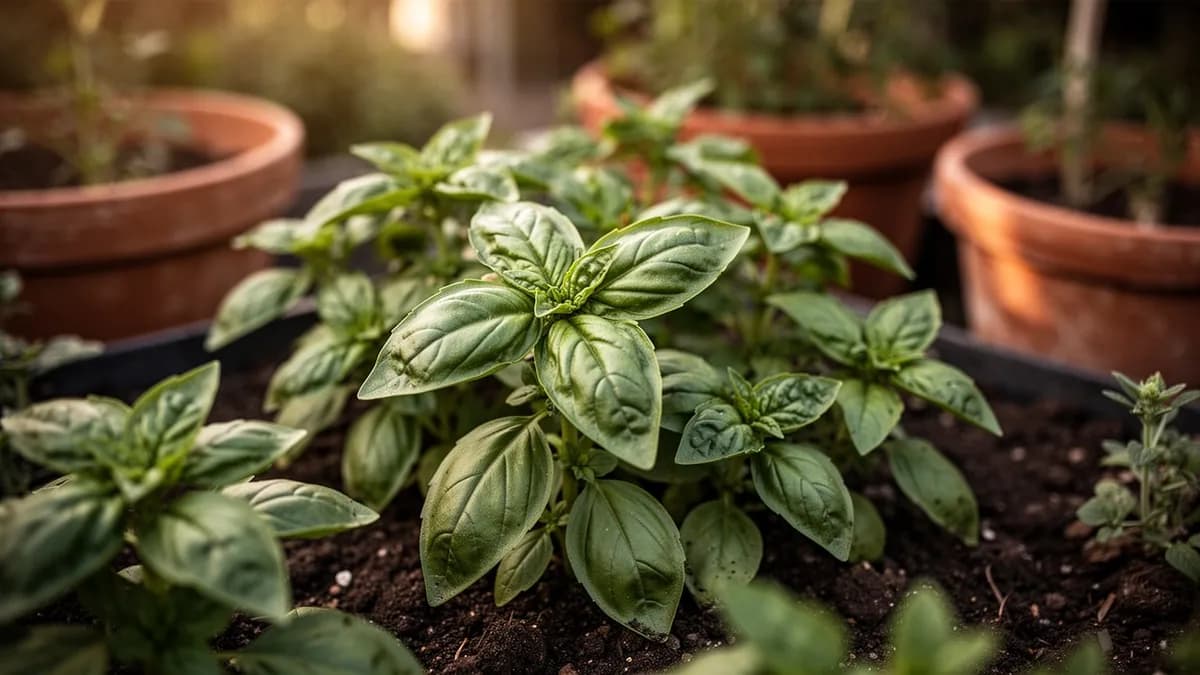
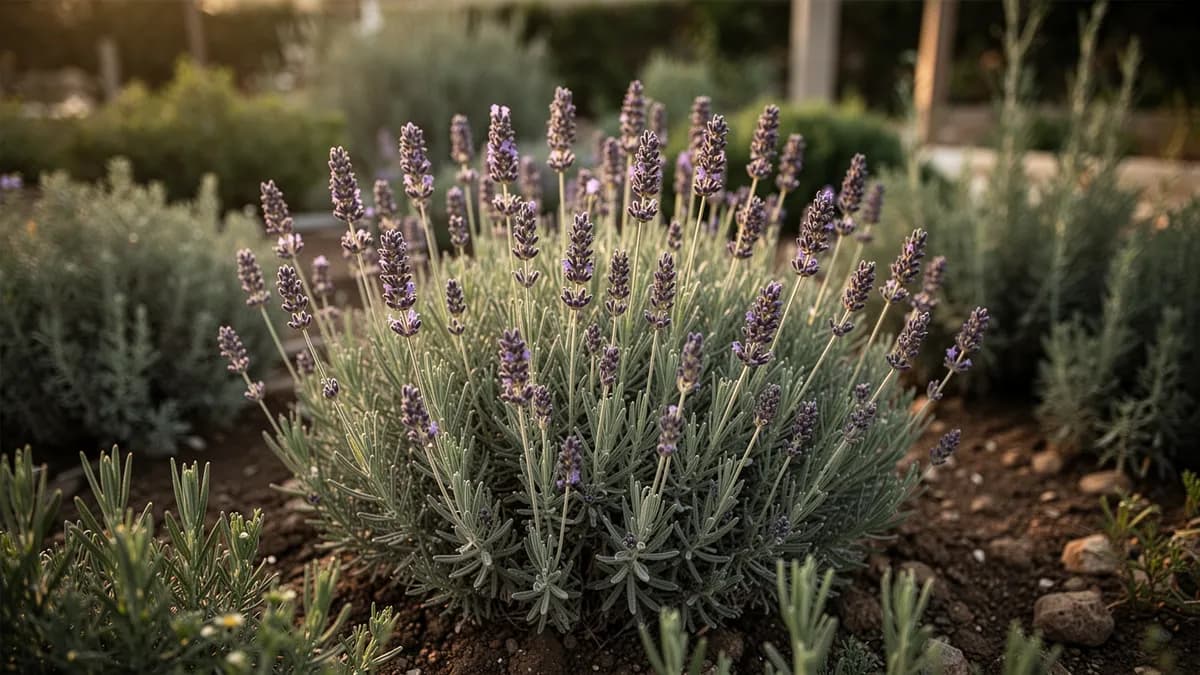
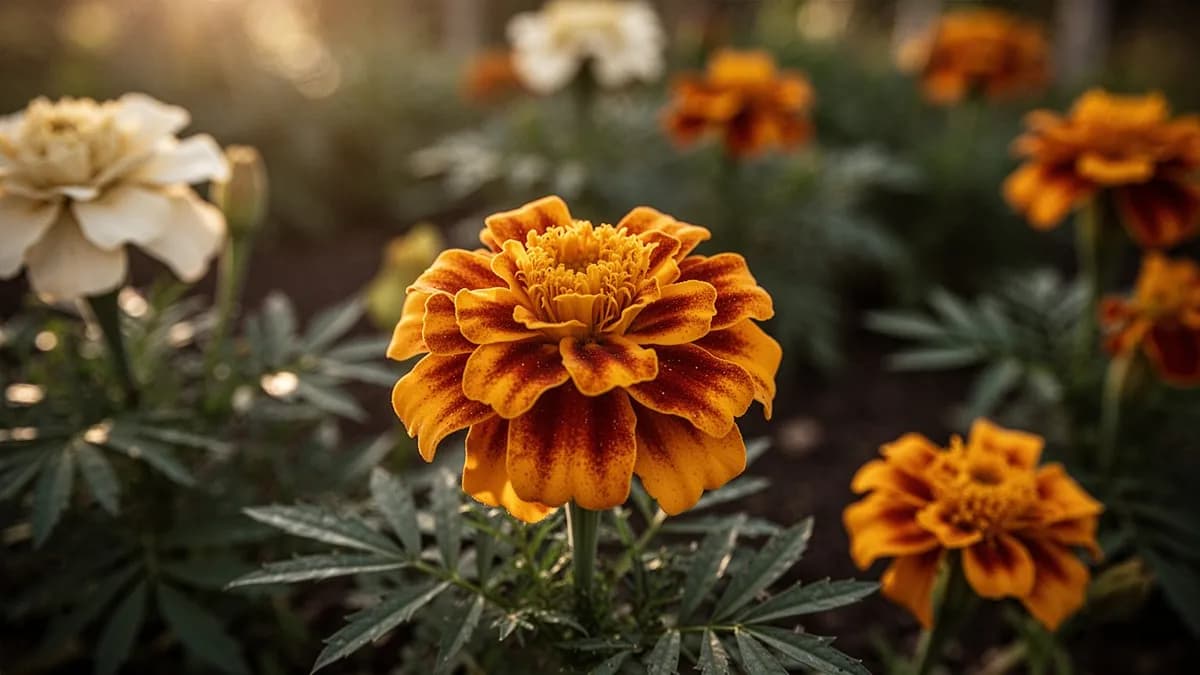
Plant tangerines near aromatic herbs like lemon balm, basil, and thyme to attract pollinators and confuse citrus-seeking pests. Nitrogen-fixing ground covers such as white Dutch clover benefit soil health beneath the canopy. Nasturtiums and marigolds serve as trap crops and nematode deterrents respectively. Garlic and chives planted around the base may repel some boring insects. Avoid walnut trees, which produce juglone that can harm citrus roots, and aggressive grasses that compete for water and nutrients.
Basil belongs beside it. Walnut Tree doesn't.
Old growers' knowledge, checked against Tangerine's real companion table below — test any plant you're growing.
Try Tangerine in a bed — right here
A real planner bed with Tangerine already in it. Tap a companion to place it and watch the pairing checks answer — green for good neighbours, red for a clash.


Related growing guides
Feed it well
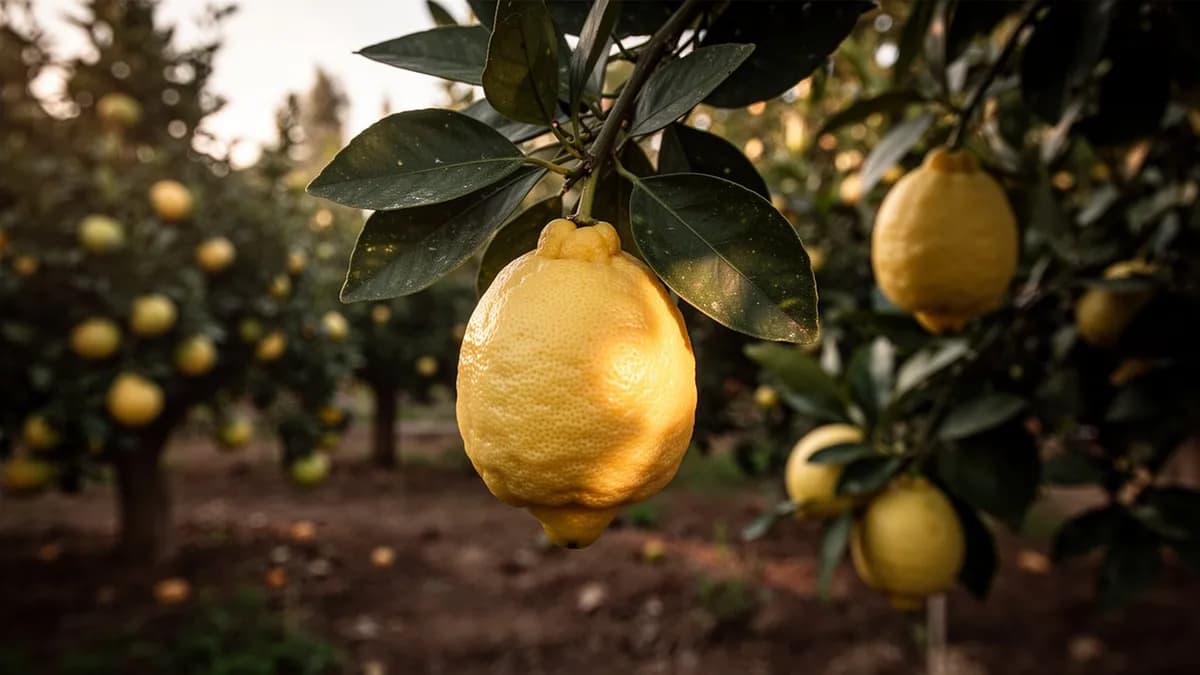
Tangerines prefer well-drained sandy loam with a pH of 5.5 to 6.5. They are less tolerant of heavy clay than some citrus, so raised beds are advisable on clay soils. Apply a balanced citrus fertilizer with micronutrients three times per year beginning in late winter. Supplement with chelated iron if interveinal chlorosis appears on new growth. Potassium is critical for fruit quality and sweetness, so choose fertilizers with adequate potassium content. Maintain two to three inches of organic mulch from the drip line inward but not touching the trunk.
Ideal Temperature
Hardiness Zone Compatibility
From seed to harvest, stage by stage
Seed Germination or Nursery Transplant
Tangerine seeds germinate in 2-4 weeks when kept warm and moist, but grafted nursery trees are strongly preferred for home growing. Seed-grown trees may take 5-8 years to fruit and often produce inferior or true-to-type unreliable fruit. Grafted trees arrive with an established root system and begin adapting to their new location immediately.
Establishment and Early Vegetative Growth
The young tree focuses on developing its root system and producing flushes of new foliage. Leaves emerge with a slightly reddish tinge before maturing to deep glossy green. The tree may produce some flowers in its first year but these should generally be removed to direct energy into establishment.
Canopy Development
The tree grows vigorously with multiple seasonal growth flushes, filling in its canopy and thickening its trunk. The branching framework becomes well established. In warm climates, tangerine trees can put on 30-60 cm of growth per year during this phase. The tree is building the reserves needed to support its first significant fruiting.
First Flowering
Grafted tangerine trees typically flower for the first time in their second or third year. The blossoms are intensely fragrant, white with five petals, and appear in small clusters at leaf axils across the canopy. Tangerines are largely self-fertile but benefit from cross-pollination with other citrus varieties for improved fruit set.
Fruit Set and Development
After successful pollination, small green fruitlets develop rapidly. The tree naturally sheds excess fruitlets in early summer — a normal process called June drop — retaining only what it can support to maturity. Remaining fruit slowly expands and begins accumulating sugars and the characteristic aromatic oils in the peel.
Color Development and Ripening
As autumn approaches and nights cool, the fruit transitions from green to its characteristic deep orange or reddish-orange color as chlorophyll breaks down in the peel. The fruit sweetens considerably and the peel loosens from the flesh — tangerines are distinguished from other citrus by this characteristic loose, easy-peel rind. Most varieties ripen between October and January.
Harvest and Post-Harvest Rest
A mature tangerine tree can be harvested over a period of several weeks as fruit reaches peak sweetness. After harvest the tree enters a quieter phase, preparing for the next cycle. This is the ideal time for any structural pruning and soil amendment. Cool winter nights help trigger the next flowering cycle.
Plant grafted trees in well-draining, slightly acidic soil (pH 5.5-6.5) in a location that receives full sun for at least 6-8 hours. Water immediately after planting and keep the root zone consistently moist for the first 4-6 weeks while the tree establishes.
Caring for Tangerine month by month
What to do each month for your Tangerine
October
You are hereEarly ripening tangerine varieties like Clementine and Satsuma are approaching harvest — do the taste test and begin picking as sweetness peaks. Reduce watering frequency as temperatures cool. Prepare frost protection materials if you are in a marginal zone. Rake up leaf litter to reduce fungal disease risk.
Know exactly what to do in your garden — every month
One email at the start of each month: what to sow, plant, and tackle right now — for your Tangerine and everything growing around it. Plus a short starter course that helps you dodge the classic mistakes.
- What to do, right now
- Matched to your season
- Starter course included
Harvesting Tangerine
Tangerines ripen from late November through February depending on cultivar. Harvest when the rind turns deep orange-red and fruit separates from the stem with a gentle twist. Taste-test a few fruits before harvesting the entire crop, as color can develop before full sweetness. Cut the fruit from the tree with clippers rather than pulling to prevent rind damage. Tangerines have a relatively short harvest window of two to four weeks at peak quality before becoming puffy and dry on the tree.
assuming you plant when the window opens — set your real date
Pick Tangerine promptly and the plant keeps producing.
Storage & Preservation
Fresh tangerines keep about one week at room temperature and two to three weeks refrigerated. The thin skin means they dehydrate faster than oranges, so store in a perforated plastic bag in the crisper drawer. Juice freezes well and retains flavor for up to six months. Segments can be canned in light syrup. Tangerine zest dries beautifully for seasoning blends. Make tangerine curd as a spreadable preserve, or create tangerine-infused vinegar by steeping peels in white wine vinegar for two weeks.
What goes wrong — and the fix
Citrus Whitefly
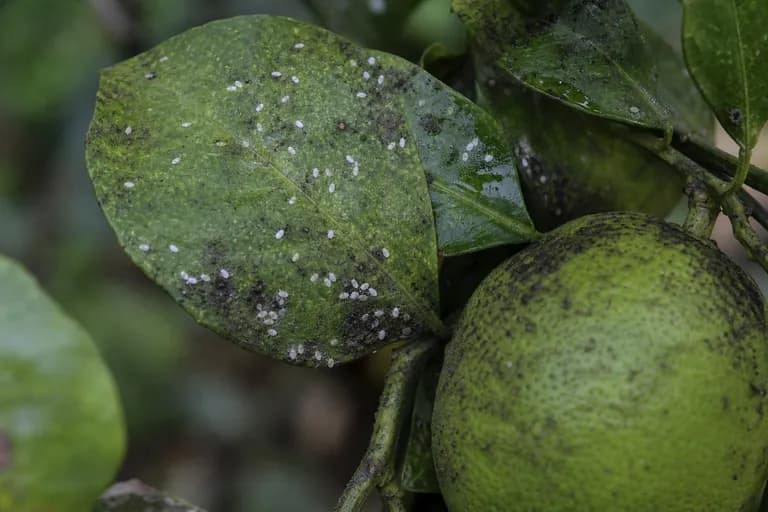
PestClouds of tiny white insects fly up when foliage is disturbed. Heavy infestations produce sticky honeydew leading to sooty mold on leaves and fruit.
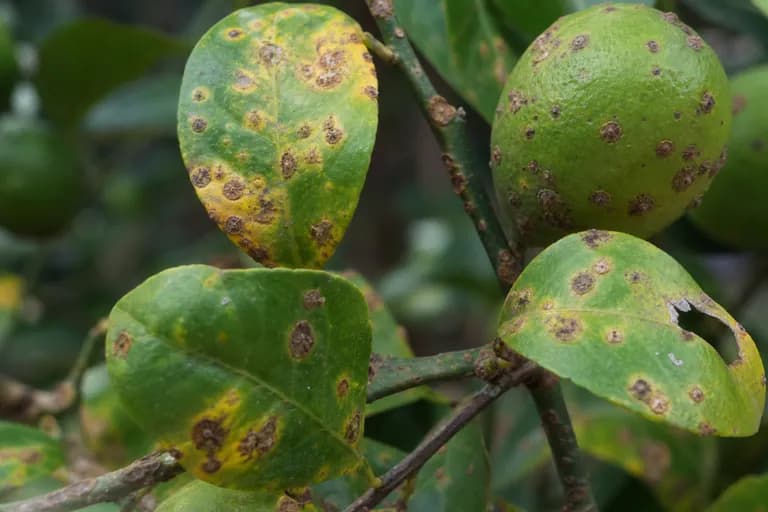
Citrus Canker
DiseaseRaised, corky brown lesions with oily margins and yellow halos on leaves, fruit, and twigs. Severe infections cause premature fruit drop and defoliation.
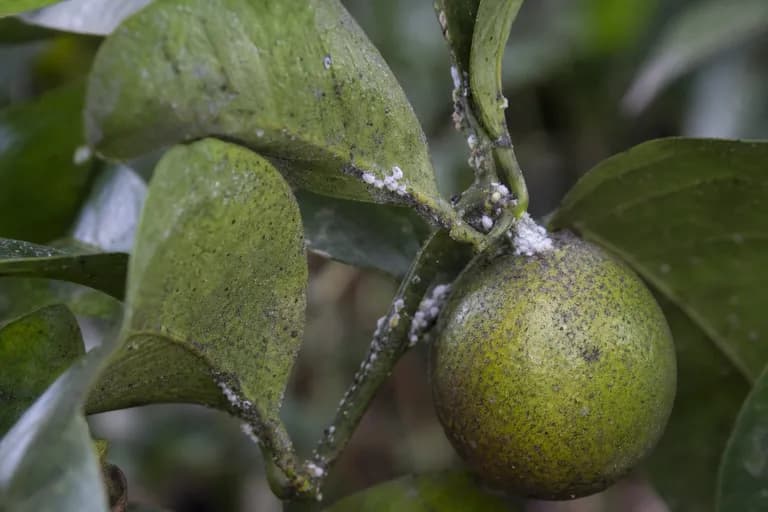
Citrus Mealybug
PestWhite, cottony masses in leaf axils, on stems, and around fruit stems. Causes yellowing, stunting, and sooty mold from honeydew excretion.
Troubleshooting Common Problems
Tangerines are prone to alternate bearing more than many other citrus types. Thin fruit in heavy-crop years by removing every third fruit to promote consistent annual production. The thin rind makes tangerines more susceptible to wind damage and sunburn than thick-skinned varieties. Fruit left too long on the tree becomes puffy and dry, with the segments pulling away from the rind. Granulation, where juice sacs become hard and dry, increases when fruit is overmature or trees are stressed by drought or excessive heat.
Growing Tips
- Purchase a grafted tree from a reputable citrus nursery rather than attempting to grow from seed. Seed-grown tangerine trees can take 5-8 years to first fruit and rarely produce fruit identical to the parent; grafted trees fruit reliably within 2-3 years.
- Select your variety carefully based on your climate and space. Satsuma varieties are the most cold-hardy and suit cooler maritime climates; Clementines produce excellent sweet fruit in warm Mediterranean conditions; Dancy and Honey tangerines thrive in hot subtropical zones.
- Plant in the sunniest spot available. Tangerines require a minimum of 6 hours of direct sunlight daily, and 8-10 hours produces the best fruit quality and yield. Insufficient light is the most common reason container-grown tangerines fail to flower and fruit well indoors.
- Soil drainage is non-negotiable. Tangerine roots are extremely sensitive to waterlogging. Plant on a slight mound if your native soil is heavy clay, or incorporate generous coarse grit, perlite, and well-composted organic matter. In containers, always use a specialist citrus or loam-based mix with excellent drainage and never leave the pot sitting in a saucer of water.
- Feed regularly through the growing season using a fertilizer formulated specifically for citrus trees. Citrus-specific fertilizers contain essential trace elements — particularly iron, zinc, magnesium, and manganese — that general-purpose garden fertilizers typically lack. Yellowing leaves between the veins nearly always indicate a micronutrient deficiency.
- Water deeply and consistently rather than shallowly and frequently. Tangerines are susceptible both to drought stress (which causes fruit drop and splitting) and to waterlogging (which causes root rot). Aim to keep the root zone evenly moist during the growing season, allowing the top few centimeters of soil to begin drying between waterings.
- Prune lightly in late winter before the spring growth flush. Remove dead, diseased, and crossing branches, and open up dense areas of the canopy to improve air circulation. Avoid heavy pruning which delays flowering. Always remove any suckers arising from below the graft union as these grow from the rootstock and will not produce desirable fruit.
- Protect from frost. While Satsuma varieties tolerate brief dips below 0°C, most tangerine varieties suffer damage at -2°C and can be killed by hard frosts. Have horticultural fleece ready to throw over the tree on cold nights, and move container-grown trees to a frost-free location well before the first autumn frost.
- Inspect your tree weekly during the growing season for early signs of pest activity. Scale insects, spider mites, and citrus leafminer are the most common problems. Early intervention with neem oil or insecticidal soap is far more effective than waiting until infestations become severe. A winter dormant oil spray smothers overwintering scale eggs and reduces problems for the entire following season.
- Mulch generously around the root zone with a 5-8 cm layer of wood chips or bark, keeping mulch pulled back 10-15 cm from the trunk to prevent collar rot. Good mulching dramatically reduces moisture loss, moderates soil temperature, suppresses weed competition, and slowly improves soil structure as it breaks down.
Grow your best Tangerine yet — and everything around it.
Start a free plan today. Lay out your beds, drop in your Tangerine, and let PlotMyGarden handle the timing, spacing, companions and reminders from seed to harvest basket.
Pick your Tangerine
Dancy
The original Christmas tangerine with deep red-orange skin and rich, spicy-sweet flavor. Moderately seedy but beloved for holiday traditions. Ripens December.
Ponkan
Large, puffy tangerine with light orange skin and very sweet, low-acid flesh. Popular in Asia for fresh eating. Few seeds. Ripens November to December.
Honey Tangerine (Murcott)
A tangor hybrid with exceptionally sweet, honey-like flavor. The skin is somewhat tighter than other tangerines. Ripens January to March.
Sunburst
A seedless Florida hybrid with bright orange skin and sweet, mild flavor. Good disease resistance and consistent production. Ripens November to December.
A healthy, mature tangerine tree purchased as a grafted nursery specimen for $30-60 can produce 200-400 fruits per year once fully established at 4-5 years of age. At typical retail prices of $0.50-1.20 per tangerine (and considerably more for organic certified fruit), a single productive tree represents $100-400 of fresh fruit savings annually. Planted in the ground in a suitable climate, a tangerine tree remains productive for 40-60 years with basic care, making it one of the highest-return fruit tree investments available to home gardeners. Container-grown dwarf specimens yield less — typically 50-100 fruits per year — but remain highly economical for small gardens and cold-climate growers.
Quick recipes
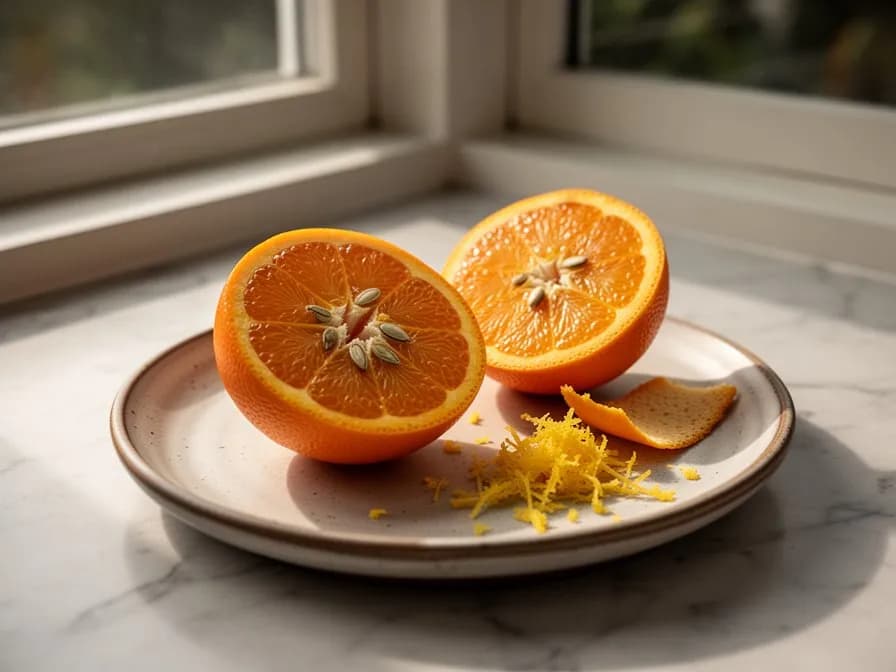
Tangerine and Avocado Salad with Honey-Citrus Dressing
15 minutesA bright, vibrant salad that showcases the natural sweetness of fresh garden tangerines against creamy avocado and peppery greens. The honey-citrus dressing requires almost no effort but delivers an outstanding balance of sweet, tart, and savory that makes this salad feel restaurant-quality.
9 ingredients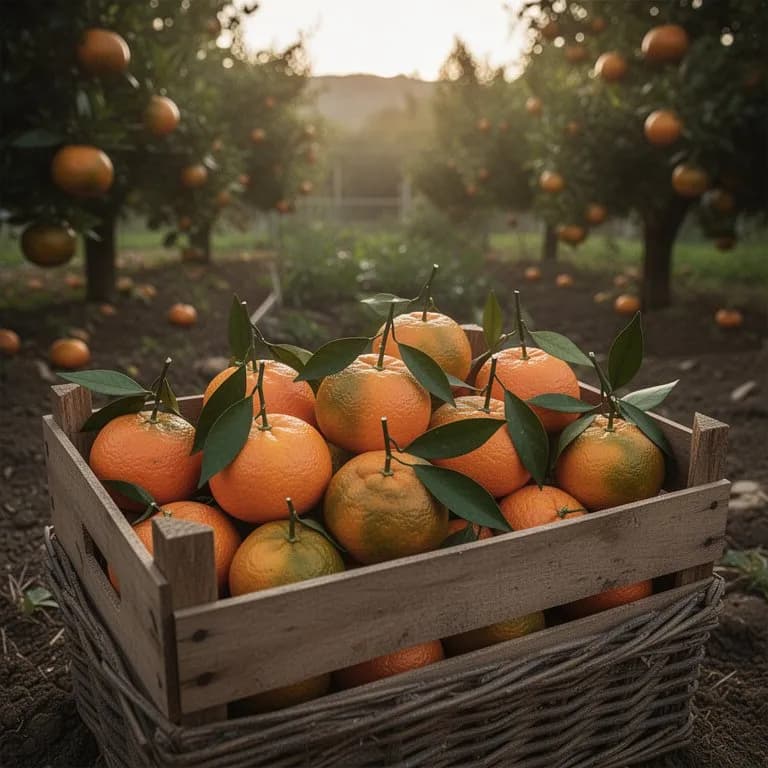
Tangerine Marmalade
20 minutes prep, 60 minutes cookingA luscious, jewel-bright marmalade that captures the aromatic intensity of home-grown tangerines far beyond anything available in shops. The natural pectin in the peel and pith allows this marmalade to set without added pectin. The flavor is sweeter and less bitter than traditional Seville orange marmalade, making it a crowd favorite.
5 ingredientsTangerine Glazed Roast Chicken
15 minutes prep, 90 minutes roastingAn aromatic roast chicken glazed with fresh tangerine juice, zest, garlic, and honey that caramelizes beautifully in the oven. The natural sweetness and fragrance of garden-fresh tangerines transforms this into something truly special — the glaze perfumes the kitchen as it cooks and produces a brilliantly golden, lacquered skin.
8 ingredientsCulinary Uses
Tangerines are outstanding fresh eating fruits with a bold, spicy-sweet flavor that distinguishes them from milder mandarins. The juice adds brightness to marinades, salad dressings, and cocktails. Tangerine segments pair beautifully with dark chocolate, pomegranate seeds, and toasted coconut in desserts. Use the zest in cakes, scones, and cranberry sauces. Tangerine marmalade has a more complex flavor than orange marmalade.
What's inside
Health Benefits
- Exceptional source of vitamin A precursors, particularly beta-cryptoxanthin, which the body converts to active vitamin A — supporting vision, immune function, skin health, and cell growth regulation
- Meaningful contribution to daily vitamin C intake, supporting collagen synthesis, immune defense, iron absorption, and protection against oxidative cellular damage from free radicals
- Contains tangeretin, a polymethoxylated flavonoid unique to tangerine peel that has shown anti-inflammatory, anti-proliferative, and potential cholesterol-lowering effects in laboratory and animal studies
- Provides soluble fiber in the form of pectin, which feeds beneficial gut bacteria, moderates blood sugar response after eating, and may help reduce LDL cholesterol levels over time
- The combination of natural sugars with fiber, water, and antioxidants gives tangerines a moderate glycemic index, making them a satisfying and nourishing snack that does not cause rapid blood sugar spikes
- Rich in flavonoid antioxidants including hesperidin and nobiletin, which are associated in observational research with reduced cardiovascular disease risk and reduced systemic inflammation markers
Where Tangerine comes from
The tangerine (Citrus tangerina) traces its origins to the subtropical regions of southeastern China and the broader Indochina peninsula, where mandarin-type citrus fruits were cultivated for at least 3,000 years before reaching the western world. Ancient Chinese texts from as early as the 12th century BCE reference small, sweet, loose-skinned citrus varieties that align closely with what we would today call tangerines or mandarins. Chinese emperors and nobility prized these fruits for their sweetness and ease of peeling, and they became deeply embedded in Chinese cultural life, symbolizing good fortune and prosperity — a tradition that persists today in the gifting of tangerines during Lunar New Year celebrations.
The fruit traveled along ancient overland and maritime trade routes into South Asia, the Middle East, and eventually Europe. Arab traders introduced mandarin-type citrus into the Mediterranean region during the medieval period, but it was the explosion of European maritime trade in the 15th and 16th centuries that truly brought these fruits westward in quantity. Portuguese traders, who had established extensive contacts with Chinese ports, were particularly important in introducing mandarin and tangerine varieties to European and South American audiences.
The name 'tangerine' specifically emerged in the 19th century and derives from the Moroccan city of Tangier, which served as a major transit point for exporting small, loose-skinned citrus fruits to European markets. British and French merchants receiving these fruits at Tangier's port began calling them 'tangerines,' and the name stuck even though the fruit had no particular connection to Morocco beyond being a commercial hub.
In North America, tangerine cultivation began in earnest in Florida in the 1820s, where the warm humid climate proved exceptionally well-suited to the crop. The Dancy tangerine, introduced around 1867 and named after Florida colonel George L. Dancy, became the defining American tangerine variety for nearly a century and remained commercially dominant until the 1980s. California developed its own significant tangerine industry, with the Satsuma variety — imported from Japan — proving particularly valuable for its cold hardiness and early ripening season.
Today, global tangerine and mandarin production collectively exceeds 35 million metric tons annually, surpassing even the sweet orange in total volume. China, Spain, Morocco, Turkey, and Egypt lead world production. For home gardeners across temperate and subtropical zones, tangerines represent one of the most rewarding citrus choices — compact in habit, generous in yield, highly fragrant in flower, and producing fruit of exceptional sweetness that is difficult to find at the quality and freshness of a home-grown specimen.
Tangerine: did you know?
Fascinating facts about Tangerine
The word 'tangerine' derives from the Moroccan port city of Tangier, through which large quantities of the fruit were exported to Europe in the 19th century — even though the fruit itself originated in China and Southeast Asia.
Tangerine questions, answered
When should I plant Tangerine?
What are good companion plants for Tangerine?
What hardiness zones can Tangerine grow in?
How much sun does Tangerine need?
How far apart should I space Tangerine?
What pests and diseases affect Tangerine?
How do I store Tangerine after harvest?
What are the best Tangerine varieties to grow?
What soil does Tangerine need?
What is the difference between tangerines, mandarins, and Clementines?
My tangerine tree has plenty of flowers but the fruit drops before it develops — what is causing this?
Can I grow a tangerine tree in a cold climate or indoors?
Why are the leaves on my tangerine tree turning yellow?
When and how should I harvest tangerines?
How often should I repot a container-grown tangerine tree?
You just read the theory. Now grow it on autopilot.
Everything that makes Tangerine fiddly — the timing, the spacing, the companions, the harvest window — is exactly what PlotMyGarden handles for you, for every plant in your garden.
A plan that knows your weather
Set your location once. Get sow, feed and harvest dates built around your real last-frost date and live forecast — no more guessing from a generic seed packet.
From the “When to plant” sectionDrag-and-drop bed planner
Design beds on a grid. Every plant snaps to its proper spacing, and you can see your whole season laid out before you spend a cent on seed.
From the “Growing guide” sectionCompanion conflicts, caught early
200+ good-and-bad pairings checked live as you plant — so a season-wrecking mistake never makes it into the ground.
From the “Companions” sectionReminders you'll actually act on
“Water the beans.” “Pick today before it turns.” Timely, specific, and tied to the plants you're really growing.
From the “Harvest” sectionSuccession, scheduled
Want a harvest for six weeks, not six days? It spaces your sowings automatically and reminds you when each new block is due.
From the “When to plant” sectionA record that gets smarter
Every harvest you log teaches it your garden. Next year's plan starts from what actually worked in your soil, not a textbook's.
From the “Overview” sectionPlant these alongside Tangerine
More Citrus
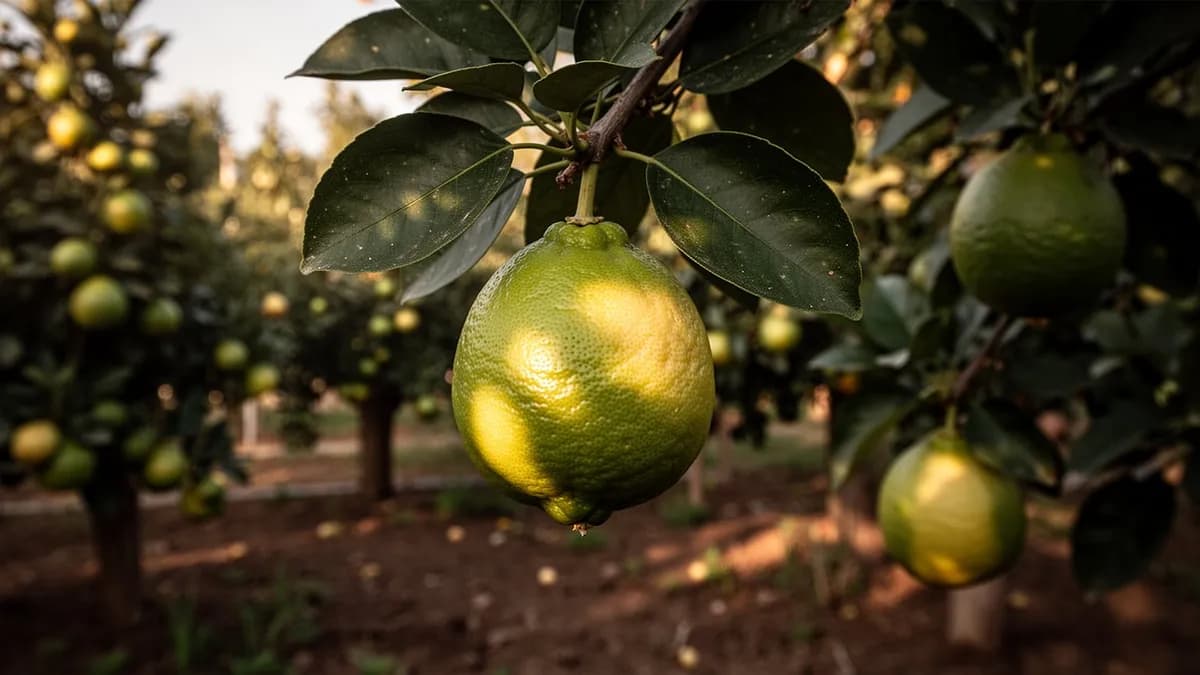
Keep Tangerine away from these
Grow your best Tangerine yet — and everything around it.
Start a free plan today. Lay out your beds, drop in your Tangerine, and let PlotMyGarden handle the timing, spacing, companions and reminders from seed to harvest basket.