Süßdolde
Eine schattenliebende Staude mit farnartigen Blättern, die nach süßem Anis schmecken und traditionell verwendet werden, um den Zucker in Fruchtdesserts zu reduzieren.





Auf dieser SeiteÜberblick
Süßdolde im Überblick
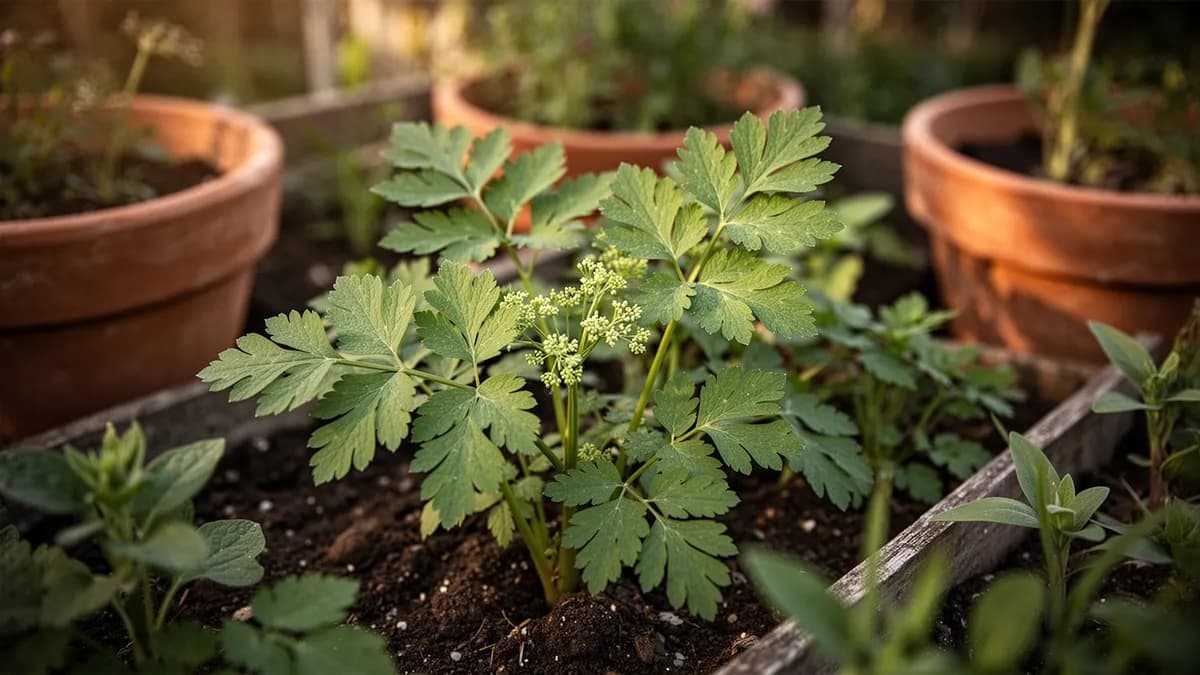
Eine schattenliebende Staude mit farnartigen Blättern, die nach süßem Anis schmecken und traditionell verwendet werden, um den Zucker in Fruchtdesserts zu reduzieren. Alle Teile der Süßdolde sind essbar, von den frischen Blättern und unreifen grünen Samen bis zu den großen Pfahlwurzeln. Die Samen benötigen eine Kältestratifizierung zum Keimen, daher im Herbst aussäen, damit sie im Frühling austreiben.
Wann Süßdolde pflanzen
Süßdoldensamen haben eine harte Schale und eine Embryodormanz, die eine Kältestratifizierung zum Brechen erfordert. Frische Samen im Herbst im Freien aussäen – sie erleben die natürliche Winterkälte und keimen im Frühling. Alternativ Samen mit feuchtem Sand mischen, in einen Plastikbeutel versiegeln und 3-4 Monate vor der Frühjahrsaussaat im Kühlschrank aufbewahren. In 1 cm Tiefe in feuchte, humusreiche Erde säen. Die Keimung ist über Wochen bis Monate sporadisch. Einmal etabliert, säen sich die Pflanzen reichlich selbst aus. Die Teilung etablierter Pflanzen mit einem Anteil der Pfahlwurzel ist auch im zeitigen Frühling möglich.
Dein Süßdolde-Jahr
Abgestimmt auf Zone 7 · typische Saison · Frost geht um den 2. Apr. und kehrt um den 1. Nov. zurück
Süßdolde Mär – Apr, Okt pflanzen, Apr – Aug ernten. Beachte die Pflanzmethoden unten und wähle dein Klima für passende Zeiträume.
So baust du Süßdolde an
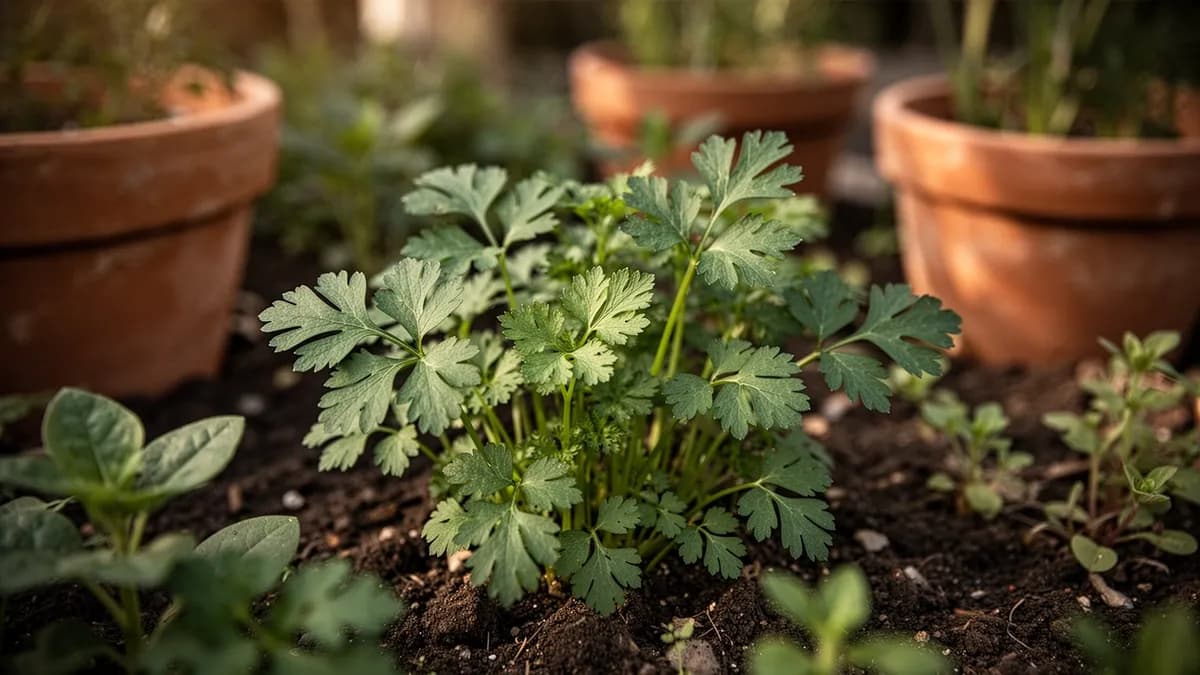
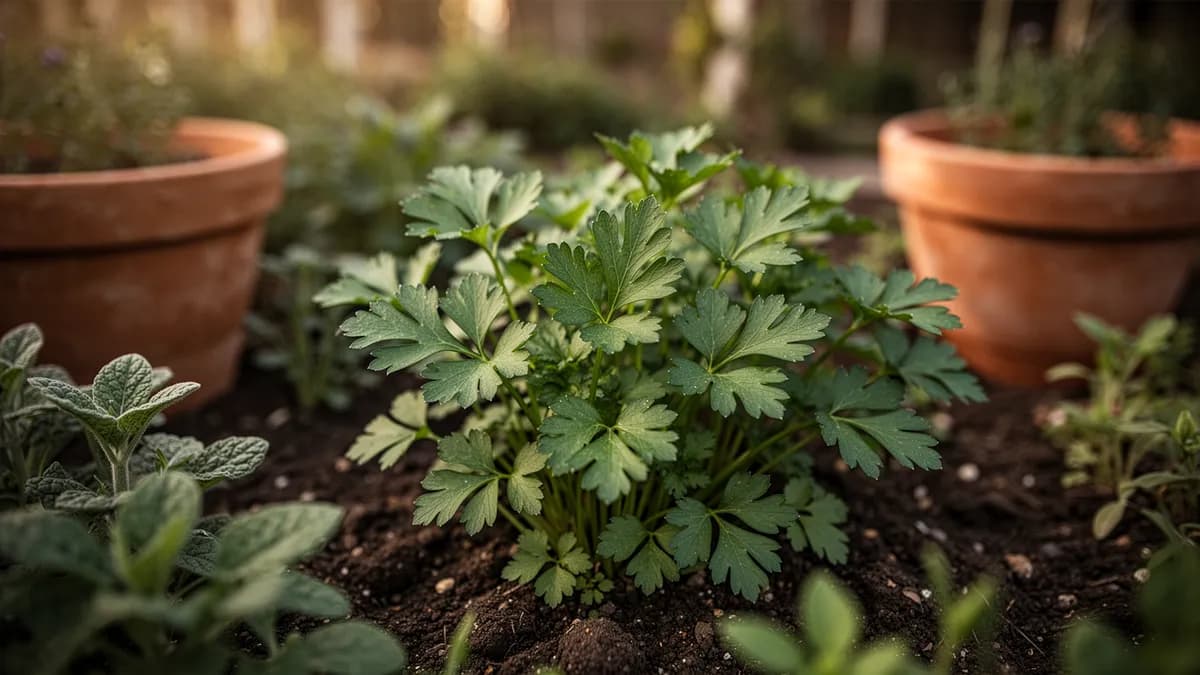
Süßdolde ist eine anmutige, schattenliebende Staude mit farnartigen, nach Anis duftenden Blättern, die wie eine verfeinerte Version der Wilden Möhre aussieht. Pflanzen Sie sie in Halb- bis Vollschatten in feuchten, humusreichen Boden mit einem Abstand von 60 cm. Dieses Waldkraut gedeiht unter kühlen, feuchten Bedingungen, in denen viele andere Kräuter Schwierigkeiten haben, was es für schattige Kräutergärten in nördlichen Klimazonen unschätzbar macht.
Die Samenkeimung erfordert eine lange Kältestratifizierung – säen Sie frische Samen im Herbst im Freien aus, damit sie die natürliche Winterkälte erfahren, oder stratifizieren Sie sie 3-4 Monate im Kühlschrank vor der Frühjahrsaussaat. Ohne Kältebehandlung sind die Keimraten extrem niedrig. Geduld ist erforderlich, da die Pflanzen aus Samen 2-3 Jahre brauchen können, um ihre volle Größe zu erreichen.
Süßdolde treibt sehr früh im Frühling aus, oft wenn noch Schnee schmilzt, und liefert das erste frische Kraut der Saison. Die großen, tief geteilten Blätter wachsen bei etablierten Pflanzen auf 60-90 cm. Alle Teile sind essbar – Blätter, Stängel, unreife grüne Samen und die dicken Pfahlwurzeln haben alle einen süßen Anisgeschmack. Schneiden Sie die Blütenstängel nach der Samenreife zurück, um frisches basales Laub zu fördern. Die Pflanzen säen sich dort, wo die Bedingungen passen, reichlich selbst aus und können sich in Waldgärten einbürgern.
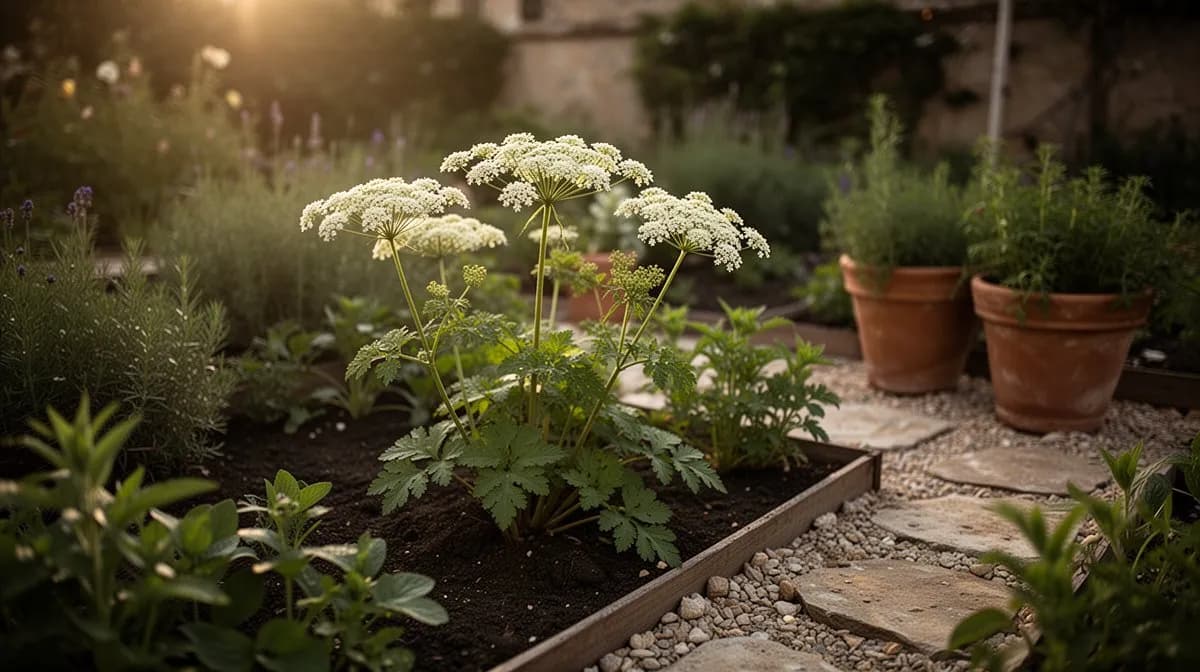
8 Pflanzen passen in ein Beet von 120 × 240 cm
Süßdolde braucht 60 cm Platz pro Pflanze. Der Planer hält diesen Abstand für dich ein — jede Pflanze, jedes Beet.
Die besten Nachbarn für Süßdolde
Süßdolde gedeiht unter den gleichen schattigen, feuchten Bedingungen wie Waldwildblumen und schattenliebende Gemüse. Zusammen mit Funkien, Farnen, Prachtspieren und Salat in schattigen Gartenbereichen pflanzen. Die tiefe Pfahlwurzel lockert verdichteten Boden auf und bringt Nährstoffe aus tieferen Bodenschichten an die Oberfläche. Das farnartige Laub bietet einen attraktiven Hintergrund für niedrig wachsende Schattenpflanzen. Während der Blüte zieht es nützliche Raubinsekten an, darunter Schwebfliegen und Schlupfwespen.
Liebstöckel gehört daneben.
Altes Gärtnerwissen, geprüft an der echten Nachbartabelle von Süßdolde — teste jede Pflanze, die du anbaust.
Probiere Süßdolde direkt hier im Beet
Ein echtes Planer-Beet, Süßdolde steht schon drin. Tippe einen Begleiter an, platziere ihn und sieh, wie die Nachbarschaftsprüfung antwortet — grün für gute Nachbarn, rot bei Streit.


Passende Anbau-Ratgeber
Richtig düngen
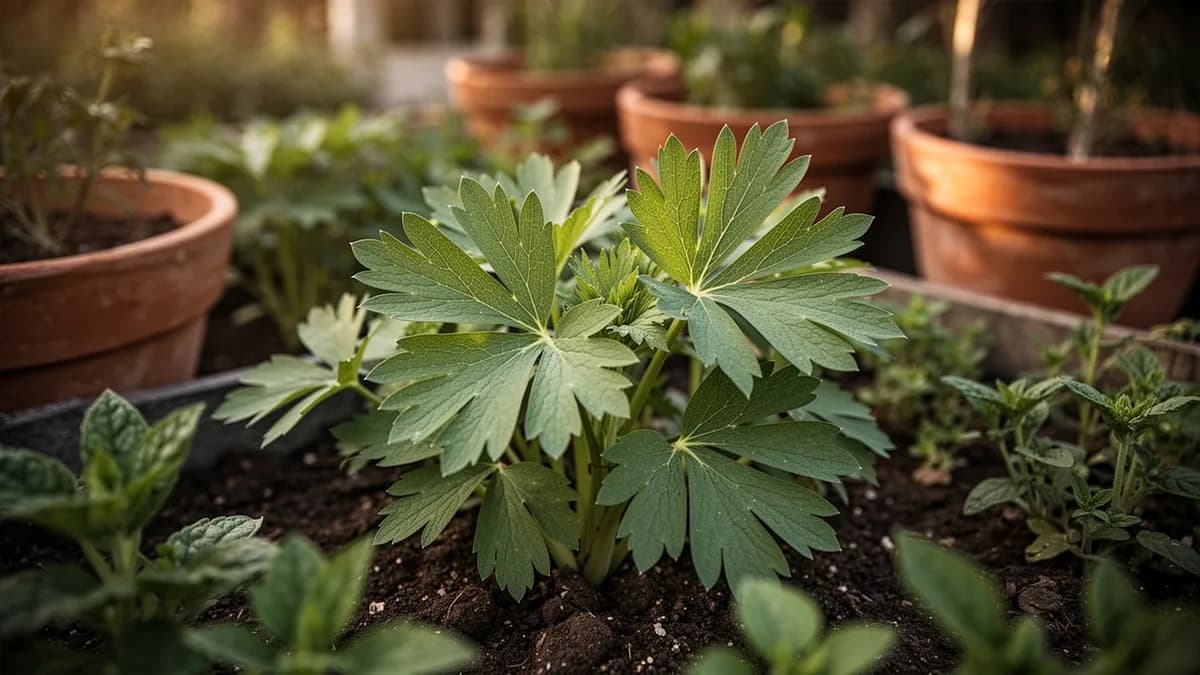
In reichem, feuchtigkeitsspeicherndem, humusreichem Boden mit pH 6,0-7,0 anbauen – die Bedingungen des Waldbodens nachahmend. Vor dem Pflanzen großzügig Laubkompost, gereiften Kompost oder gut verrotteten Mist einarbeiten. Süßdolde hat eine tiefe Pfahlwurzel, die von tief bearbeitetem Boden profitiert. Im Frühling beim Austrieb mit ausgewogenem Dünger versorgen. Die Pflanze ist einmal etabliert nicht anspruchsvoll, schätzt aber eine jährliche Kompost- oder Laubkompost-Auflage. Den Boden gleichmäßig feucht, aber nicht staunass halten.
Ideale Temperatur
Winterhärtezone-Kompatibilität
Von der Saat zur Ernte, Schritt für Schritt
Stratifizierung und Keimung
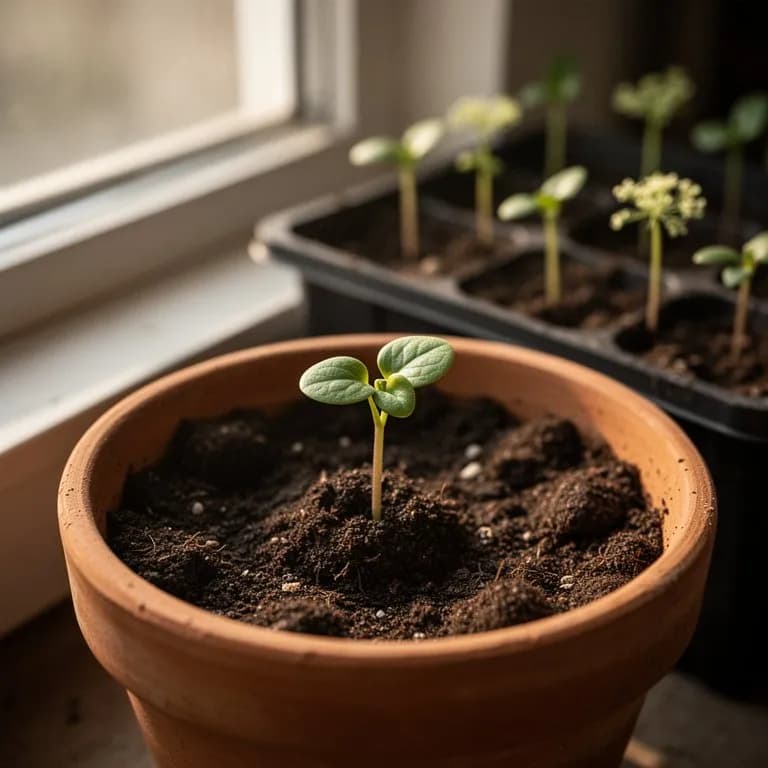
Süßdoldensamen benötigen eine längere Kältestratifizierung von 2-4 Monaten, bevor sie keimen. In der Natur fallen die Samen im Herbst und ruhen den Winter über, bevor sie im zeitigen Frühling sprießen. Die Keimung ist selbst nach der Stratifizierung langsam und unregelmäßig, wobei die Sämlinge über mehrere Wochen hinweg auftauchen. Die ersten Blätter sind klein und fein geteilt und ähneln winzigen Farnwedeln.
Sämlingsentwicklung
Junge Pflanzen entwickeln ihre charakteristischen farnartigen, gefiederten Blätter und beginnen, ihr tiefes Pfahlwurzelsystem aufzubauen. Das Wachstum ist in der ersten Saison bescheiden, da die Pflanze Energie in die Wurzelentwicklung statt in das oberirdische Wachstum investiert. Sämlinge erreichen in ihrem ersten Jahr typischerweise 15-25 cm Höhe und bilden 6-10 Grundblätter aus.
Vegetatives Wachstum
Ab dem zweiten Jahr und darüber hinaus zeigt Süßdolde kräftiges Frühlingswachstum und bildet rasch einen üppigen Horst aus hellgrünem, fein geteiltem Laub von 60-90 cm Höhe und ebensolcher Breite. Die großen, weichen Blätter gehören zu den schönsten aller Kräuter – tief geschnitten mit farnartiger Textur, oft mit dekorativen weißen Flecken versehen. Die gesamte Pflanze duftet süß mit einem ausgeprägten Anisaroma.
Blüte
Im Spätfrühling bis Frühsommer erheben sich aufrechte Blütenstängel über das Laub und tragen flache, zusammengesetzte Dolden aus kleinen, cremig-weißen Blüten, typisch für die Doldenblütlerfamilie. Die Blüten sind leicht duftend und äußerst attraktiv für Bienen, Schwebfliegen und andere Nützlinge. Die Blüte findet üblicherweise von Mai bis Juni statt und dauert 3-4 Wochen.
Samenentwicklung
Nach der Bestäubung bildet die Pflanze ihre charakteristischen großen Samen – mit 2-2,5 cm Länge gehören sie zu den größten der Doldenblütlerfamilie (Apiaceae). Die Samen sind schmal, gerippt und zunächst leuchtend grün mit einem intensiven, süßen Anisgeschmack, der sich allmählich zu glänzendem Schwarz verdunkelt, wenn sie reifen. Reife Samen fallen leicht ab und säen sich unter günstigen Bedingungen selbst aus.
Ruhephase und Überwinterung
Süßdolde gehört zu den ersten Kräutern, die im Herbst einziehen, wobei das Laub nach den ersten Frösten vergilbt und zusammenfällt. Die Pflanze zieht sich vollständig in ihre dicke, fleischige Pfahlwurzel zurück, die unterirdisch überwintert. Sie ist extrem winterhart und überlebt Temperaturen weit unter -30°C (-22°F). Der Neuaustrieb erfolgt sehr früh im Frühling, oft wenn noch Schnee auf dem Boden liegt.
Säen Sie Samen im Herbst im Freien aus und lassen Sie die Winterkälte sie natürlich stratifizieren, oder mischen Sie Samen mit feuchtem Sand und kühlen Sie sie 3-4 Monate im Kühlschrank, bevor Sie im Frühling aussäen. Geduld ist unerlässlich – die Keimung kann selbst nach ordnungsgemäßer Stratifizierung 1-3 Monate dauern. Markieren Sie die Aussaatstellen deutlich, damit Sämlinge nicht mit Unkraut verwechselt werden.
Süßdolde Monat für Monat pflegen
Was du jeden Monat für deine Süßdolde tun solltest
Oktober
Aktueller MonatDas Laub vergilbt und stirbt ab, wenn die Pflanze in die Ruhephase eintritt. Abgestorbene Stängel bis zum Boden schneiden und eine großzügige Mulchschicht aus Laubkompost oder Stroh auftragen. Wurzeln von ausgereiften Pflanzen (3+ Jahre alt) für den kulinarischen Gebrauch ernten – sie schmecken wie süße, nach Anis duftende Pastinaken.
Immer wissen, was jetzt im Garten zu tun ist
Eine E-Mail zum Monatsanfang: was du jetzt säen, pflanzen und anpacken solltest — für deine Süßdolde und alles, was drumherum wächst. Dazu ein kurzer Startkurs, der dich vor den klassischen Fehlern bewahrt.
- Was jetzt zu tun ist
- Passend zu deiner Saison
- Startkurs inklusive
Süßdolde ernten
Ernten Sie Süßdoldenblätter vom zeitigen Frühling bis Hochsommer, indem Sie einzelne Blättchen pflücken oder ganze Wedel schneiden. Die frühesten Frühlingsblätter haben das zarteste, süße Anisaroma. Unreife grüne Samen sind eine besondere Delikatesse – ernten Sie sie, wenn sie prall, aber noch grün sind, bevor sie hart werden und sich schwarz verfärben. Sie haben ein intensives, süßes Lakritzaroma, das von keinem anderen Kraut übertroffen wird. Graben Sie die Wurzeln im Herbst des zweiten oder dritten Jahres aus, um die größten und aromatischsten Pfahlwurzeln zu erhalten.
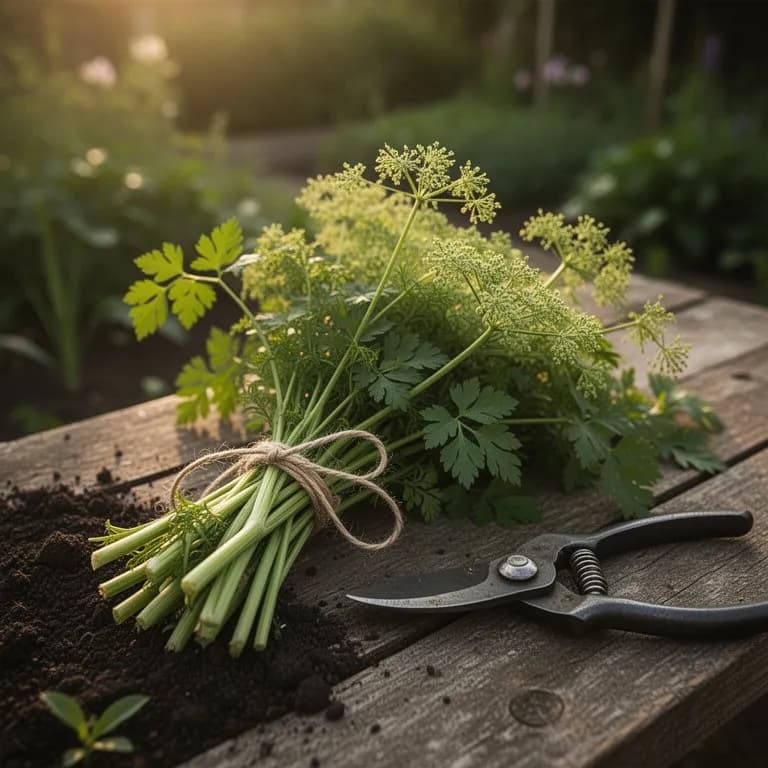
angenommen, du pflanzt zu Beginn des Zeitraums — trage dein tatsächliches Datum ein
Ernte Süßdolde zügig, dann trägt die Pflanze weiter.
Lagerung & Konservierung
Süßdoldenblätter werden am besten frisch verwendet, da das zarte Anisaroma beim Trocknen erheblich nachlässt. Frische Blätter in feuchte Papiertücher eingewickelt 3-5 Tage im Kühlschrank aufbewahren. Gehackte Blätter in Eiswürfelformen mit Wasser einfrieren für längere Haltbarkeit – das Aroma bleibt recht gut erhalten. Grüne Samen können in Essig eingelegt werden als einzigartiges Gewürz. Wurzeln können geschnitten, getrocknet und als natürlicher Süßstoff in Wintertees und Backwaren verwendet werden. Süßdolden-Zucker oder -Sirup herstellen.
Was schiefgeht — und die Lösung
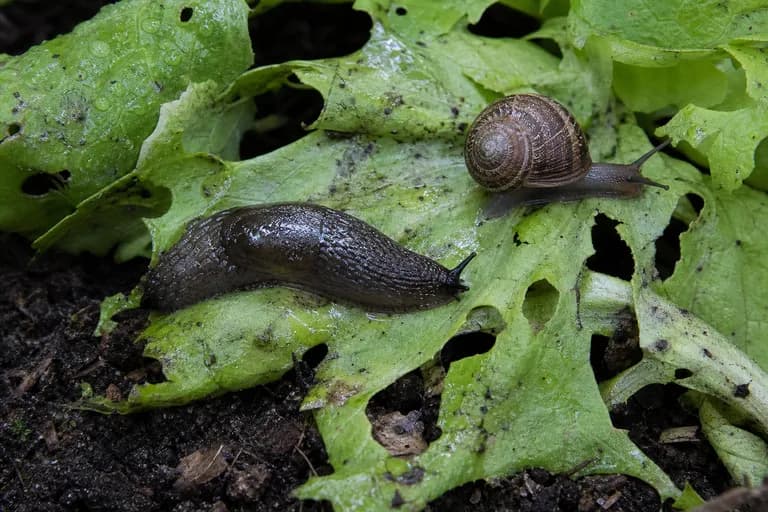
Schnecken und Nacktschnecken
SchädlingLöcher in jungen, im Frühling austreibenden Blättern, Schleimspuren. Besonders problematisch, da Süßdolde in den feuchten, schattigen Bedingungen wächst, die Schnecken bevorzugen.
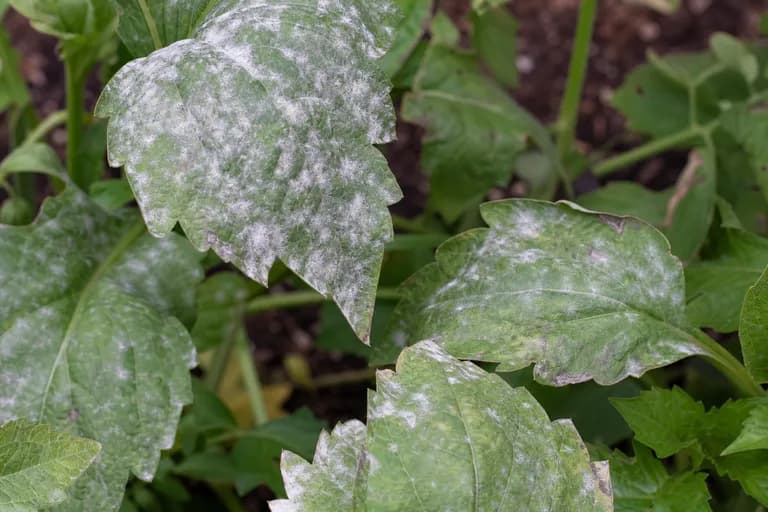
Echter Mehltau
KrankheitWeißer, pudriger Belag auf den Blättern im Spätsommer, besonders bei trockenem Schatten mit schlechter Luftzirkulation.
Fehlerbehebung bei häufigen Problemen
Die größte Herausforderung ist die Samenkeimung – ohne richtige Kältestratifizierung keimen die Samen einfach nicht. Im Herbst aussäen für natürliche Kühlung oder 3-4 Monate kalt stratifizieren. Pflanzen an zu sonnigen oder trockenen Standorten entwickeln verbrannte Blattränder und schießen schnell in die Höhe. Selbstaussaat kann unter idealen Bedingungen aggressiv sein – Samenstände entfernen, bevor sie reifen, wenn eine Ausbreitung unerwünscht ist. Die tiefe Pfahlwurzel macht das Umpflanzen etablierter Pflanzen schwierig; den Standort von Anfang an sorgfältig wählen.
Anbautipps
- Beginnen Sie mit der Aussaat im Herbst, indem Sie direkt im Freien säen – Süßdoldensamen benötigen 2-4 Monate Kältestratifizierung, um die Dormanz zu brechen und zu keimen. Die Herbstaussaat lässt den Winter diese Kältebehandlung natürlich übernehmen, was weitaus zuverlässiger ist als eine künstliche Stratifizierung im Kühlschrank.
- Wählen Sie einen kühlen, halbschattigen Standort, der den natürlichen Waldlebensraum der Pflanze nachahmt. Süßdolde gedeiht unter Laubbäumen, an Nordwänden und in halbschattigen Waldrandbedingungen, wo die meisten Kräuter kümmern würden. Vermeiden Sie heiße, nach Süden ausgerichtete Standorte.
- Bieten Sie tiefgründigen, humusreichen, feuchtigkeitsspeichernden Boden, der großzügig mit Laubkompost oder gut verrottetem Kompost verbessert wurde. Süßdolde entwickelt eine kräftige Pfahlwurzel und braucht Boden, der gleichmäßig feucht, aber nie staunass bleibt – denken Sie an Waldbodenbedingungen.
- Haben Sie Geduld bei der Keimung. Selbst ordnungsgemäß stratifizierte Samen können 1-3 Monate zum Keimen brauchen, und der Austrieb erstreckt sich über viele Wochen. Geben Sie ein scheinbar leeres Saatbeet nicht auf – Sämlinge können noch Wochen nach dem erwarteten Zeitpunkt erscheinen.
- Ernten Sie Blätter von der Außenseite der Pflanze, nehmen Sie zuerst die ältesten äußeren Stängel und lassen Sie das wachsende Zentrum ungestört. Junge Blätter haben das süßeste, feinste Anisaroma, während ältere Blätter etwas gröber werden, aber weiterhin verwendbar bleiben.
- Sammeln Sie grüne Samen, wenn sie prall, leuchtend grün und noch zart sind – dann ist ihr Anisaroma am intensivsten und ihre Textur am angenehmsten. Sobald die Samen schwarz werden und verhärten, eignen sie sich am besten für die Vermehrung statt zum Essen.
- Schneiden Sie die gesamte Pflanze im Hochsommer nach Blüte und Samenreife bis zum Boden zurück, wenn das Laub müde oder hitzestressig wird. Gut gießen und Kompost auftragen – in kühleren Klimazonen folgt oft ein Schub frischer Herbstblätter.
- Teilen Sie etablierte Horste im zeitigen Frühling oder Herbst alle 4-5 Jahre, um die Vitalität zu erhalten. Verwenden Sie einen scharfen Spaten, um durch den dicken Wurzelstock zu schneiden, und stellen Sie sicher, dass jede Teilung mindestens einen starken Wachstumspunkt und einen Anteil der Wurzel hat.
- Pflanzen Sie Süßdolde als Begleitpflanze unter Obstbäumen, um mit ihren frühen Blüten bestäubende Insekten anzulocken und den schattigen Unterwuchs produktiv zu nutzen. Sie wächst auch gut neben anderen schattentoleranten Kräutern wie Kerbel, Waldmeister und Bärlauch.
- In Kübeln einen tiefen Topf (mindestens 40 cm) verwenden, um die Pfahlwurzel aufzunehmen, und an einem kühlen, schattigen Platz aufstellen. Kübelpflanzen brauchen häufigeres Gießen als Freilandpflanzen und profitieren von einer dicken Mulchschicht auf der Oberfläche, um die Wurzeln kühl zu halten.
Bau deine beste Süßdolde an — und alles drumherum.
Starte heute kostenlos. Lege deine Beete an, setze deine Süßdolde ein und lass PlotMyGarden Timing, Abstände, Begleiter und Erinnerungen von der Saat bis zum Erntekorb übernehmen.
Finde deine Süßdolde
Myrrhis odorata
Die einzige Art der Gattung – es gibt keine benannten Sorten. Wildpflanzen zeigen gewisse Variationen in Blattgröße und Anisintensität.
Osmorhiza claytonii (Amerikanische Süßdolde)
Ein nordamerikanischer Verwandter mit ähnlichem, aber subtilerem Anisaroma. Heimisch in östlichen Wäldern. Kleinere Pflanze.
Süßdolde ist in Lebensmittelgeschäften praktisch unmöglich zu finden und selbst auf Spezialitätenmärkten äußerst selten, wo kleine Bündel bei Verfügbarkeit 5-8 € kosten können. Eine einzelne Pflanze aus der Gärtnerei kostet 5-8 € oder ein Samentütchen 3-4 €, und da es sich um eine langlebige Staude handelt, die sich bereitwillig selbst aussät, liefert eine einmalige Investition jahrzehntelange Ernten. Die natürliche Süßungsfähigkeit der Pflanze reduziert den Zuckerverbrauch in Desserts und Obstkompotten um 30-50 %, was zusätzlich 10-20 € pro Saison an Zuckerkäufen einspart. Ihre Schattentoleranz nutzt zudem Gartenbereiche produktiv, in denen die meisten essbaren Pflanzen nicht wachsen können.
Schnelle Rezepte
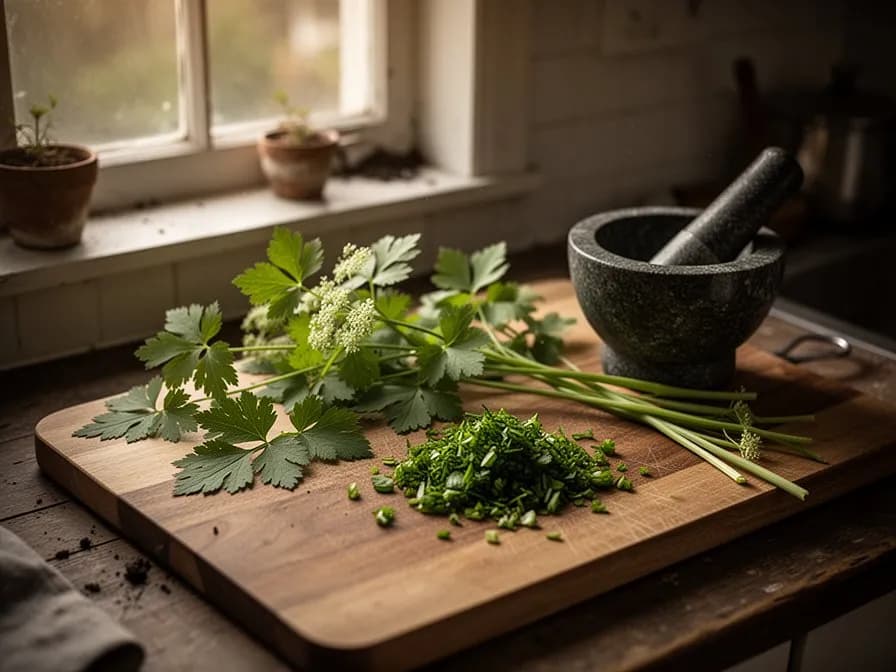
Süßdolden-Rhabarberkompott
15 Min.Die klassische Kombination von Süßdolde und Rhabarber reduziert die benötigte Zuckermenge um bis zur Hälfte, da die natürliche Süße des Krauts die Säure des Rhabarbers mildert. Dieses einfache Kompott ist wunderbar zu Joghurt, Eiscreme oder einem Stück Rührkuchen serviert.
6 ZutatenSüßdolden-Wurzelgemüse-Gratin
20 Min.Süßdoldenwurzeln und -blätter verleihen diesem wärmenden Gratin aus saisonalem Wurzelgemüse eine dezente Anissüße. Die Wurzeln garen wie Pastinaken, bringen aber ihren eigenen einzigartigen Geschmack mit. Ein wohltuendes Herbstgericht, das die ganze Pflanze hervorragend verwertet.
8 ZutatenSüßdoldensamen-Kräuterbutter
10 Min.Grüne Süßdoldensamen haben einen intensiven, süßen Aniscrunch, der eine bemerkenswerte Kräuterbutter ergibt. Auf warmem Brot verstreichen, über gegrilltem Fisch schmelzen oder mit frischer Pasta vermengen für ein aromatisches, kräuteriges Finish, das diese unterschätzte Zutat in Szene setzt.
5 ZutatenKulinarische Verwendung
Süßdolde ist der Zuckerersatz der Natur – die süßen Anisblätter reduzieren die benötigte Zuckermenge in Fruchtdesserts um bis zur Hälfte. Zu gedünstetem Rhabarber, Stachelbeeren und herben Fruchtkompotten hinzufügen. Die grünen Samen sind eine Gourmet-Delikatesse mit intensiver Lakritzsüße – frisch essen oder über Salate und Desserts streuen. Blätter in Sahne hacken für ein zartes Anis-Topping. Wurzeln können als süßes Gemüse gekocht oder roh in Salate gerieben werden. In Kräutertees und Likören verwenden.
Was drinsteckt
Gesundheitsvorteile
- Enthält Anethol und andere natürliche Süßungsverbindungen, die einen süßen Geschmack liefern, ohne Kalorien beizusteuern oder den Blutzuckerspiegel zu erhöhen, was sie zu einem wertvollen Küchenkraut für Menschen mit Diabetes oder bei Zuckerreduktion macht.
- Reich an ätherischen Ölen mit blähungslindernden und krampflösenden Eigenschaften, die Verdauungsbeschwerden lindern, Blähungen reduzieren und eine gesunde Verdauung fördern – traditionell in der europäischen Volksmedizin als Tee nach den Mahlzeiten getrunken.
- Die Blätter und Wurzeln enthalten sanfte schleimlösende Verbindungen, die historisch zur Linderung von Husten und zur Befreiung der Atemwege verwendet wurden, insbesondere in der traditionellen skandinavischen und alpinen Kräuterheilkunde.
- Liefert eine gute Quelle für Vitamin C und antioxidative Verbindungen, die die Immunfunktion unterstützen und Zellen vor oxidativem Stress schützen, besonders wertvoll als frühes Frühlingsgrün, wenn andere frische Kräuter noch nicht verfügbar sind.
- In der traditionellen Kräuterheilkunde wird die Süßdoldenwurzel als Tonikum für ältere Menschen verwendet, dem nachgesagt wird, das Energieniveau zu verbessern, die Stimmung zu heben und die allgemeine Vitalität zu unterstützen – Nicholas Culpeper empfahl es speziell für ‚alte Menschen, die matt und ohne Mut sind'.
- Die entzündungshemmenden Eigenschaften der Pflanze wurden äußerlich in Umschlägen und Waschungen zur Linderung von leichten Hautreizungen, Insektenstichen und kleinen Wunden verwendet, wobei die zerdrückten frischen Blätter direkt auf die betroffene Stelle aufgetragen werden.
Woher Süßdolde stammt
Süßdolde (Myrrhis odorata) stammt aus den Bergwäldern und -wiesen Mittel- und Südeuropas und wächst wild von den Pyrenäen über die Alpen bis zu den Gebirgen des Balkans und Skandinaviens. Sie gedeiht in kühlen, feuchten, halbschattigen Lebensräumen in mittleren Höhenlagen, typischerweise zwischen 500 und 1800 Metern, wo sie Teil der reichen Krautschicht unter Laubwäldern ist.
Die Pflanze wird seit der Antike kultiviert und verwendet. Antike griechische und römische Autoren erwähnen ein süß duftendes Kraut, das sie ‚Myrrhis' nannten, obwohl eine sichere Zuordnung zur modernen Pflanze ungewiss ist. Klar ist, dass Süßdolde spätestens im frühen Mittelalter fest in europäischen Klostergärten als Küchen- und Heilkraut etabliert war. Mönche schätzten sie zum Würzen von Speisen während der Fastenzeiten, zum Süßen bitterer Heilmittel und als sanftes Verdauungsmittel. Die Pflanze erscheint in Karls des Großen Capitulare de Villis (ca. 800 n. Chr.), dem kaiserlichen Erlass, der die in königlichen Gärten anzubauenden Pflanzen auflistet.
Süßdolde erreichte den Höhepunkt ihrer Beliebtheit im 16. und 17. Jahrhundert, als Kräuterkundige wie John Gerard und Nicholas Culpeper sie ausführlich lobten. Gerard bemerkte, dass die Wurzeln hervorragend gekocht und mit Öl und Essig gegessen werden konnten, während Culpeper das Kraut für ‚alte Menschen, die matt und ohne Mut sind' empfahl. Die Pflanze wurde in englischen Bauerngärten weit verbreitet angebaut und war ein Standardmerkmal der Heilpflanzengärten in ganz Nordeuropa. In Skandinavien wurde sie tief in der Volkstradition verankert, zum Aromatisieren von Spirituosen, Konservieren von Lebensmitteln und sogar zum Polieren von Möbeln.
Süßdolde wurde von europäischen Siedlern nach Nordamerika gebracht, erreichte dort aber nie große Verbreitung, zum Teil weil ihr Bedarf an kühlem Schatten und kalten Wintern ihren Verbreitungsraum einschränkt. In ihrer Heimat Europa ging die allgemeine Nutzung des Krauts im 20. Jahrhundert zurück, als Industriezucker billig und reichlich verfügbar wurde. Heute erlebt es jedoch eine Wiederentdeckung bei Liebhabern historischer Gärten, Sammlern und Köchen, die natürliche Zuckeralternativen und vergessene Aromen der vorindustriellen Küchengärten suchen.
Süßdolde: Schon gewusst?
Faszinierende Fakten über Süßdolde
Süßdolde war im Kriegsbritannien als das ‚Zuckersparkraut' bekannt – während der Zuckerrationierung in beiden Weltkriegen fügten Hausköche Süßdoldenblätter zu Kompotten und Desserts hinzu, um die Menge des kostbaren Zuckers um bis zur Hälfte zu reduzieren.
Süßdolde: Fragen & Antworten
Wann sollte ich Süßdolde pflanzen?
Was sind gute Begleitpflanzen für Süßdolde?
In welchen Winterhärtezonen kann Süßdolde wachsen?
Wie viel Sonne braucht Süßdolde?
Welchen Abstand sollte ich zwischen Süßdolde lassen?
Welche Schädlinge und Krankheiten befallen Süßdolde?
Wie lagere ich Süßdolde nach der Ernte?
Was sind die besten Süßdolde-Sorten zum Anbauen?
Welchen Boden braucht Süßdolde?
Wie schmeckt Süßdolde?
Wie reduziert Süßdolde den Zucker in Rezepten?
Warum keimen meine Süßdoldensamen nicht?
Kann Süßdolde in voller Sonne wachsen?
Ist der Anbau von Süßdolde sicher angesichts ihrer Ähnlichkeit mit giftigen Pflanzen?
Wie lange lebt eine Süßdolde?
Du hast die Theorie gelesen. Jetzt baue sie auf Autopilot an.
Alles, was Süßdolde knifflig macht — das Timing, die Abstände, die Begleiter, das Erntefenster — genau das übernimmt PlotMyGarden für dich, für jede Pflanze im Garten.
Ein Plan, der dein Wetter kennt
Standort einmal festlegen. Aussaat-, Dünge- und Erntedaten rund um deinen echten letzten Frosttermin und die Live-Vorhersage — kein Raten mehr nach Saattüte.
Aus dem Abschnitt „Pflanzzeit“Beetplaner per Drag & Drop
Beete auf einem Raster gestalten. Jede Pflanze rastet im richtigen Abstand ein, und du siehst die ganze Saison, bevor du einen Cent für Saatgut ausgibst.
Aus dem Abschnitt „Anbau“Begleiter-Konflikte früh erkannt
Über 200 gute und schlechte Kombinationen werden beim Pflanzen live geprüft — so landet ein saisonruinierender Fehler nie in der Erde.
Aus dem Abschnitt „Begleiter“Erinnerungen, nach denen du wirklich handelst
„Gieß die Bohnen.“ „Heute ernten, bevor's umschlägt.“ Pünktlich, konkret und auf deine echten Pflanzen bezogen.
Aus dem Abschnitt „Ernte“Staffel-Aussaat, geplant
Sechs Wochen ernten statt sechs Tage? Die App verteilt deine Aussaaten automatisch und erinnert dich, wenn der nächste Satz fällig ist.
Aus dem Abschnitt „Pflanzzeit“Ein Verlauf, der schlauer wird
Jede protokollierte Ernte bringt der App deinen Garten bei. Der Plan fürs nächste Jahr startet bei dem, was in deinem Boden wirklich funktioniert hat.
Aus dem Abschnitt „Überblick“Pflanze diese neben Süßdolde
Weitere Küchenkräuter
Bau deine beste Süßdolde an — und alles drumherum.
Starte heute kostenlos. Lege deine Beete an, setze deine Süßdolde ein und lass PlotMyGarden Timing, Abstände, Begleiter und Erinnerungen von der Saat bis zum Erntekorb übernehmen.