Scheinkamelie
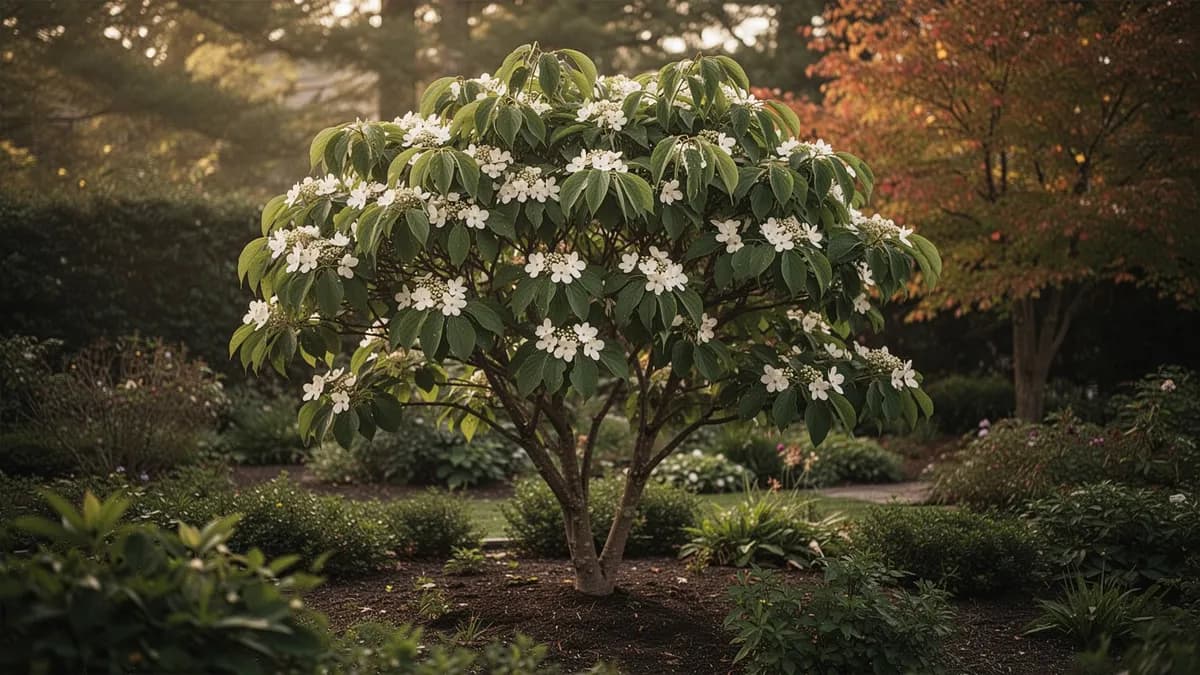
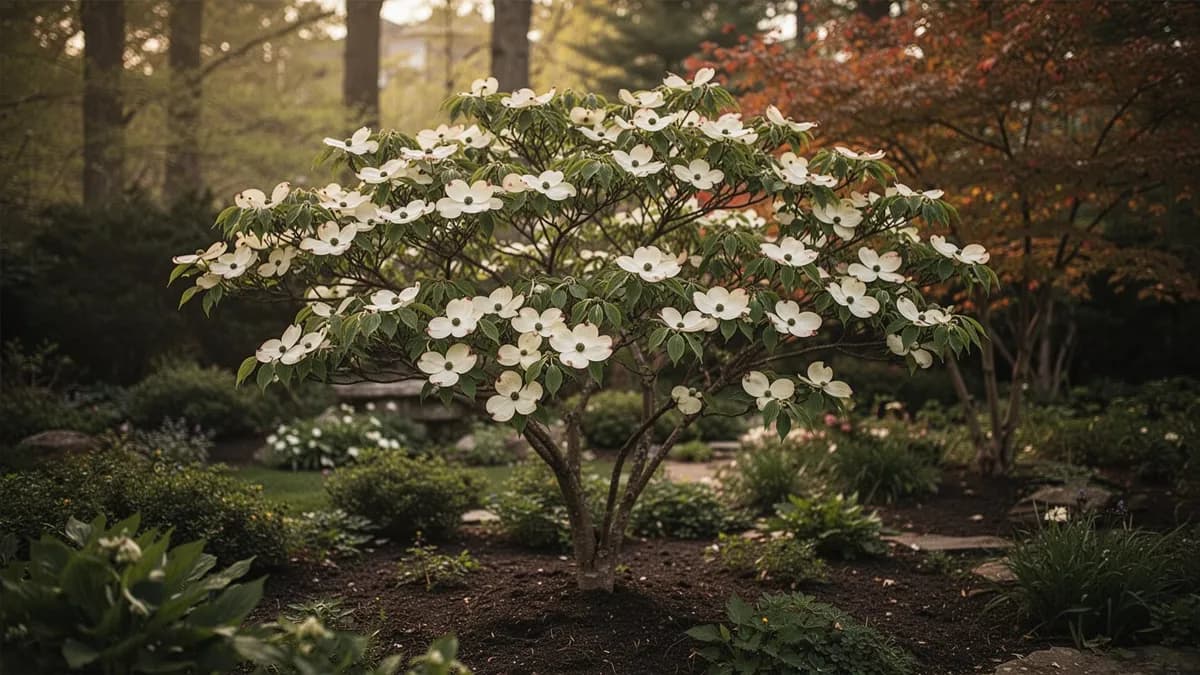
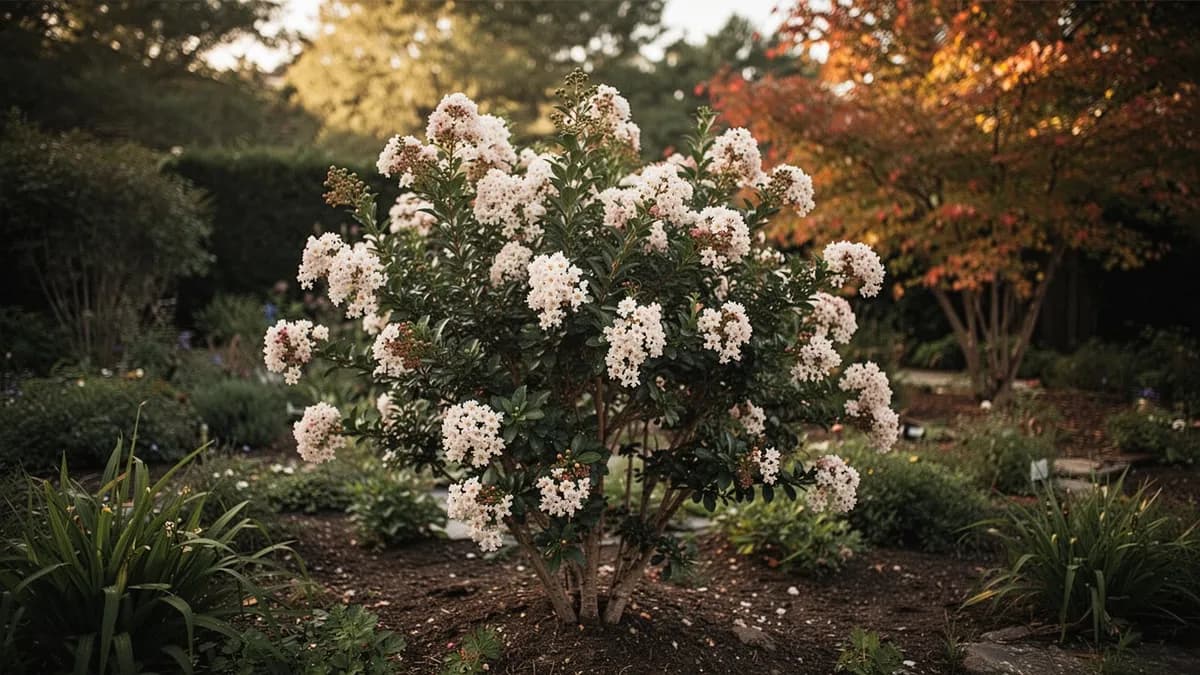
Ein Kennerbaum mit kamelienartigen weißen Blüten im Hochsommer, spektakulärer rot-orange-violetter Herbstfärbung und atemberaubender, sich ablösender Rinde, die ganzjährig Schönheit bietet.





Auf dieser SeiteÜberblick
Scheinkamelie im Überblick
Ein Kennerbaum mit kamelienartigen weißen Blüten im Hochsommer, spektakulärer rot-orange-violetter Herbstfärbung und atemberaubender, sich ablösender Rinde, die ganzjährig Schönheit bietet. Stewartien wachsen langsam und sind etwas schwierig zu etablieren – sie benötigen sauren, feuchten, gut durchlässigen Boden und Schutz vor Nachmittagssonne und Wind. Einmal etabliert, sind sie bemerkenswert pflegeleicht und werden mit jedem Jahr schöner, da die Rinde ihr charakteristisches Flickenmuster entwickelt. Sie vertragen kein Umpflanzen, daher sollte der Standort sorgfältig gewählt und die Wurzeln nicht gestört werden.
Wann Scheinkamelie pflanzen
Stewartie-Samen sind schwierig zu keimen und erfordern eine spezielle Behandlung. Sammeln Sie holzige Kapseln im Herbst, wenn sie beginnen sich zu öffnen, und entnehmen Sie die kleinen Samen. Die Samen benötigen eine doppelte Ruhebrechung: Warmstratifikation bei 21 Grad für 90 bis 150 Tage, gefolgt von Kaltstratifikation bei 2 bis 4 Grad für 90 bis 120 Tage. Das bedeutet, dass Samen typischerweise zwei Saisons zum Keimen benötigen. Säen Sie behandelte Samen 0,5 cm tief in saure Aussaaterde. Die Keimung ist langsam, unregelmäßig und kann selbst nach korrekter Stratifikation Monate dauern. Sämlinge wachsen sehr langsam und erreichen im ersten Jahr nur 5 bis 10 cm. Die meisten Baumschulen vermehren Stewartien durch Weichholzstecklinge im Frühsommer, obwohl die Bewurzelungsraten niedrig sind.
Dein Scheinkamelie-Jahr
Abgestimmt auf Zone 7 · typische Saison · Frost geht um den 2. Apr. und kehrt um den 1. Nov. zurück
Scheinkamelie Mär – Apr pflanzen, — ernten. Beachte die Pflanzmethoden unten und wähle dein Klima für passende Zeiträume.
So baust du Scheinkamelie an
Die Japanische Scheinkamelie gilt weithin als der beste Zierbaum für alle vier Jahreszeiten, geschätzt von anspruchsvollen Gärtnern und Landschaftsarchitekten für ihre kamelienartigen Sommerblüten, die leuchtende Herbstfärbung und die außergewöhnliche sich ablösende Mosaikrinde. Sie wächst langsam und erreicht über viele Jahrzehnte 6 bis 12 Meter Höhe, wobei während der Etablierung Geduld erforderlich ist. Wählen Sie einen Standort mit Morgensonne und Nachmittagsschatten oder gleichmäßigem Streulicht, mit feuchtem, saurem, gut durchlässigem Boden mit einem pH-Wert von 5,0 bis 6,5.
Die Standortwahl ist dauerhaft wichtig, da Stewartien nach der Etablierung kein Umpflanzen vertragen. Pflanzen Sie containergewachsene Exemplare im Frühjahr und graben Sie ein Pflanzloch, das dreimal breiter als der Wurzelballen ist. Setzen Sie den Baum auf Bodenniveau und füllen Sie mit einheimischem Boden auf, der mit Kompost und Kiefernrinde angereichert wurde. Gießen Sie bei der Pflanzung gründlich und halten Sie die Feuchtigkeit gleichmäßig, da Stewartien keine Trockenheit vertragen, besonders während der Etablierung.
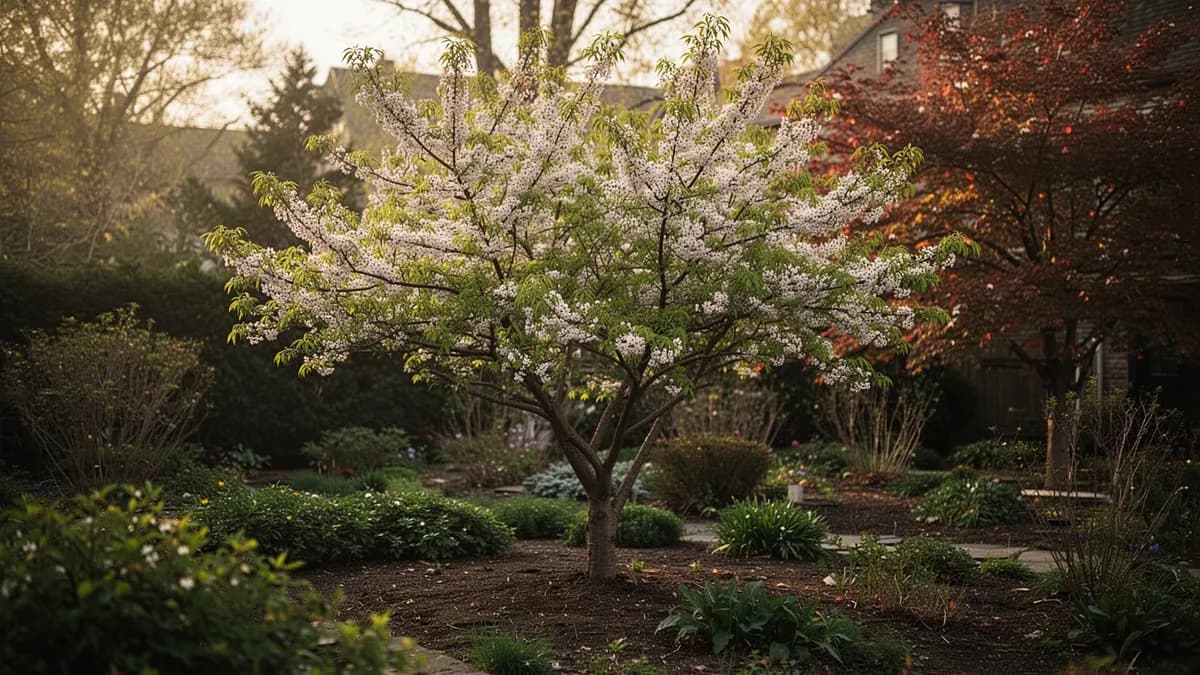
Mulchen Sie mit 10 cm saurem organischem Material, das weit über die Tropflinie hinausreicht, um das flache Wurzelsystem zu schützen. Die Stewartie benötigt praktisch keinen Schnitt; ihre natürliche pyramidale bis rundliche Form ist perfekt symmetrisch und schön. Die weißen Blüten erscheinen von Juni bis Juli, wenn nur wenige andere Bäume blühen. Die Rinde beginnt ihr charakteristisches Flickenmuster aus Grau, Orange, Hellbraun und Zimtbraun zu entwickeln, wenn der Baum reift, und wird mit zunehmendem Alter immer dramatischer.
Für Scheinkamelie ist ein Beet von 120 × 240 cm zu klein
Scheinkamelie braucht 500 cm Platz pro Pflanze. Der Planer hält diesen Abstand für dich ein — jede Pflanze, jedes Beet.
Die besten Nachbarn für Scheinkamelie
Die Vorliebe der Stewartie für Waldstandorte macht sie zur idealen Begleiterin für andere säureliebende, schattentolerante Pflanzen. Rhododendren, Azaleen und Berglorbeer gedeihen unter denselben Bedingungen und bieten Frühjahrsblüte, bevor die Stewartie im Sommer blüht. Unterpflanzen Sie mit Farnen, Funkien, Purpurglöckchen und Prachtspieren für geschichtetes texturelles Interesse. Japanische Ahorne sind klassische Begleiter mit ergänzender Herbstfärbung und ähnlichen Kulturansprüchen. Frühblühende Waldwildblumen wie Waldlilie, Blutwurz und Leberblümchen verwildern wunderbar unter dem lichten Kronendach der Stewartie.
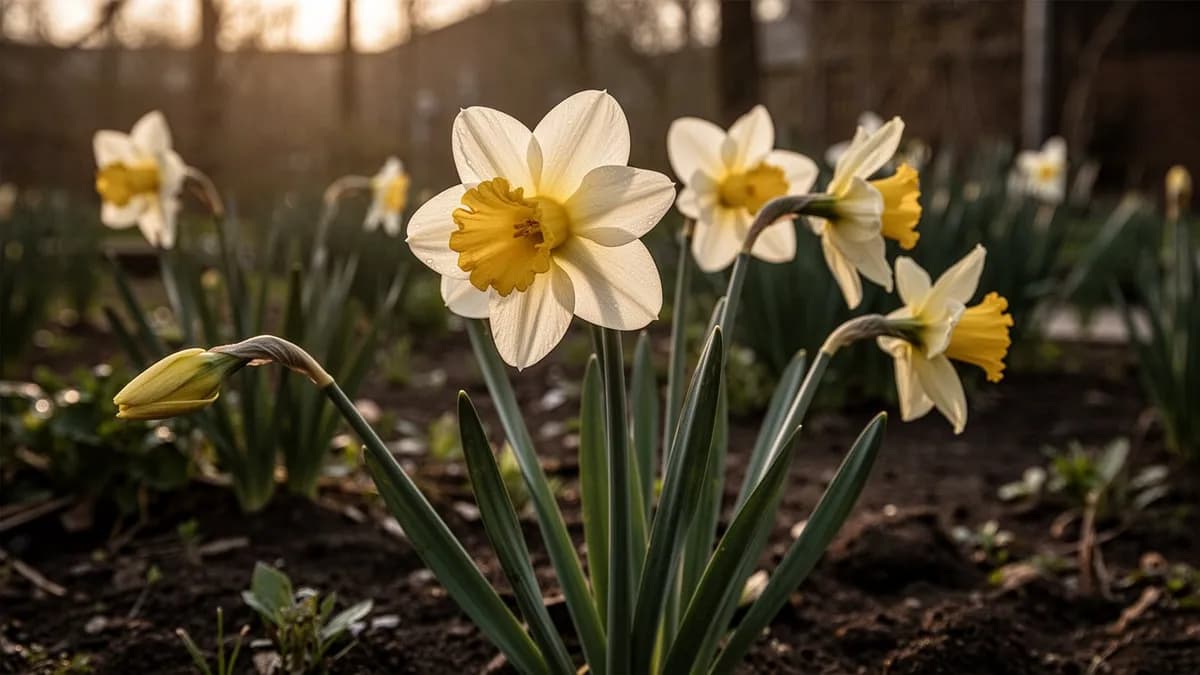
Narzisse gehört daneben.
Altes Gärtnerwissen, geprüft an der echten Nachbartabelle von Scheinkamelie — teste jede Pflanze, die du anbaust.
Probiere Scheinkamelie direkt hier im Beet
Ein echtes Planer-Beet, Scheinkamelie steht schon drin. Tippe einen Begleiter an, platziere ihn und sieh, wie die Nachbarschaftsprüfung antwortet — grün für gute Nachbarn, rot bei Streit.


Passende Anbau-Ratgeber
Richtig düngen
Die Stewartie verlangt sauren, feuchten, gut durchlässigen Boden mit einem pH-Wert von 5,0 bis 6,5 und hohem Gehalt an organischer Substanz. Sie verträgt weder alkalische Bedingungen noch schlechte Drainage oder Trockenheit. Den Pflanzbereich großzügig mit Kiefernrinde, kompostierten Blättern und Torfmoos verbessern. Reichlich mit 10 cm saurem organischem Material bis zur Tropflinie und darüber hinaus mulchen, um die flachen Wurzeln zu schützen. Im zeitigen Frühjahr sparsam mit einem säuernden Dünger in halber empfohlener Dosierung düngen. Etablierte Bäume in organisch reichem Boden brauchen selten Düngung. Niemals Kalk oder alkalische Zusätze in der Nähe der Stewartie ausbringen.
Ideale Temperatur
Winterhärtezone-Kompatibilität
Von der Saat zur Ernte, Schritt für Schritt
Samenkeimung und Stratifikation
Stewartie-Samen haben eine doppelte Keimruhe, die sowohl Warm- als auch Kaltstratifikationsperioden erfordert, bevor die Keimung eintritt. Im Herbst gesammelte Samen werden zunächst 3–5 Monate unter warmen, feuchten Bedingungen gehalten, um die äußere Samenmantelruhe zu brechen, gefolgt von 3–4 Monaten Kaltstratifikation bei 1–5 °C. Die Keimung ist langsam und oft unregelmäßig, wobei das Auflaufen manchmal bis zum zweiten Frühjahr nach der Aussaat verzögert sein kann.
Sämlingsetablierung
Sämlinge erscheinen mit kleinen rundlichen Keimblättern, gefolgt von gezähnten echten Blättern. Das Wachstum in den ersten zwei Jahren ist langsam, wobei Sämlinge typischerweise nur 15–30 cm Höhe erreichen. Das junge Wurzelsystem ist empfindlich und störungsanfällig, was die frühe Etablierung zu einer kritischen und verwundbaren Phase macht. Sämlinge bevorzugen Halbschatten und gleichmäßige Feuchtigkeit.
Jugendwachstum
Vom dritten bis zum siebten Jahr entwickelt die junge Stewartie eine stärker definierte Pyramidenform und legt unter günstigen Bedingungen 20–30 cm Höhe pro Jahr zu. Die Rinde bleibt während dieser Phase glatt und graugrün. Die Blätter sind wechselständig, elliptisch und 5–10 cm lang mit gezähnten Rändern. Der Baum entwickelt eine tiefe Pfahlwurzel zusammen mit seitlichen Feinwurzeln, was ihn nach der Etablierung zunehmend trockenheitstoleranter macht.
Frühe Reife und erste Blüte
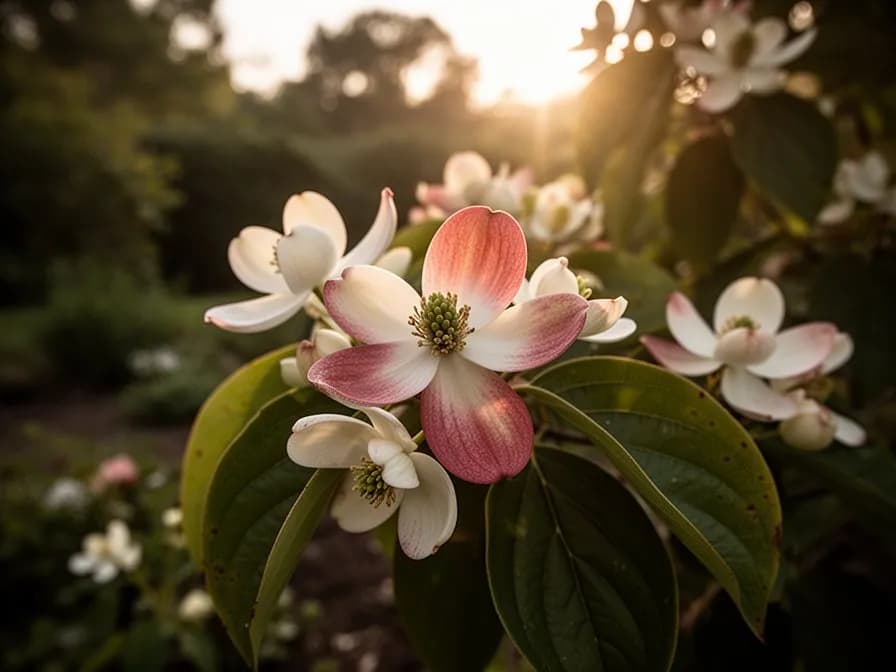
Zwischen dem siebten und fünfzehnten Jahr beginnt die Stewartie ihre ersten kamelienartigen weißen Blüten mit auffälligen orange-gelben Staubgefäßen zu produzieren, jeweils 5–8 cm im Durchmesser. Die Blüte beginnt typischerweise Ende Juni oder Juli und dauert drei bis vier Wochen. Die Rinde beginnt ihre Verwandlung und entwickelt das charakteristische Ablösungsmuster, das ein Mosaik aus Grau, Hellbraun, Orange und Zimtbraun offenbart. Die jährliche Wachstumsrate steigt auf 30–45 cm.
Volle Reife
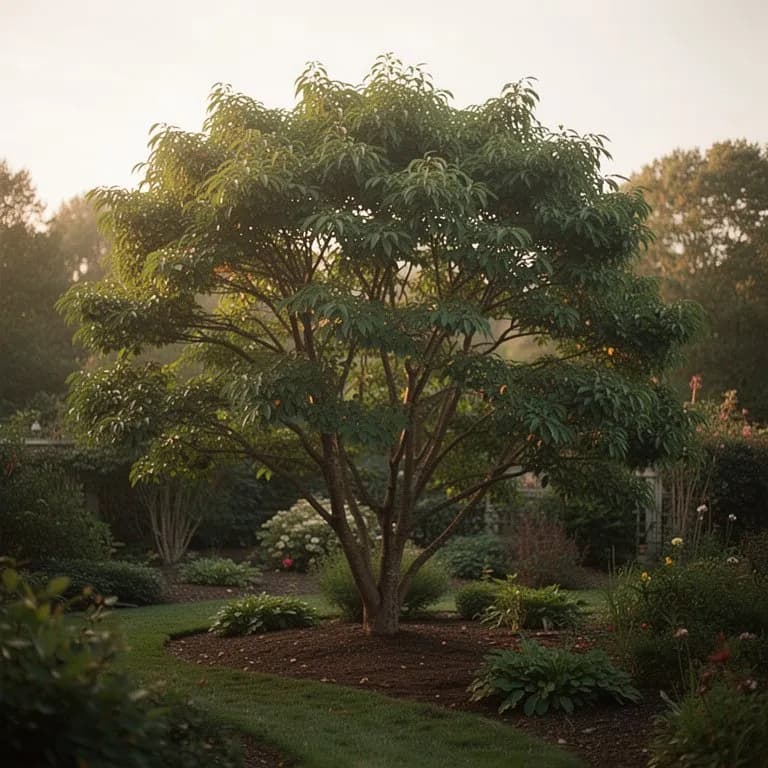
Mit fünfzehn bis dreißig Jahren erreicht die Stewartie ihr volles Zierpotenzial mit einer Höhe von 6–12 Metern und einer Breite von 5–8 Metern. Die Krone wandelt sich von pyramidal zu einer mehr rundlichen oder breit-ovalen Form. Die Rindenablösung wird mit zunehmendem Alter immer dramatischer und farbenprächtiger. Die Blütenproduktion erreicht ihren Höhepunkt, und das Herbstlaub färbt sich zuverlässig in lebhaften Orange-, Rot- und Violetttönen. Reife Bäume sind langlebig und überschreiten oft 100 Jahre.
Mischen Sie frische Samen mit feuchtem Torfmoos oder Vermiculit und lagern Sie sie 120–150 Tage in einem verschlossenen Beutel bei Raumtemperatur, dann 90–120 Tage in den Kühlschrank umlagern. Alternativ können Sie die Samen im Herbst im Freien aussäen und die natürlichen Winterzyklen über ein bis zwei Saisons die Keimruhe brechen lassen.
Scheinkamelie Monat für Monat pflegen
Was du jeden Monat für deine Scheinkamelie tun solltest
Oktober
Aktueller MonatHöhepunkt der Herbstfärbung. Abgefallenes Laub in den Mulchring einharken als natürliche Bodenverbesserung. Fotos von Rinde und Laub für Gartenaufzeichnungen machen. Kaltstratifikation gesammelter Samen beginnen.
Immer wissen, was jetzt im Garten zu tun ist
Eine E-Mail zum Monatsanfang: was du jetzt säen, pflanzen und anpacken solltest — für deine Scheinkamelie und alles, was drumherum wächst. Dazu ein kurzer Startkurs, der dich vor den klassischen Fehlern bewahrt.
- Was jetzt zu tun ist
- Passend zu deiner Saison
- Startkurs inklusive
Scheinkamelie ernten
Die Stewartie wird ausschließlich als Zierbaum kultiviert und hat keine essbare oder medizinische Ernte. Der primäre ästhetische Ertrag ist die atemberaubende Rindenpracht, die sich an reifen Bäumen entwickelt. Die kamelienartigen Blüten sind zwar schön, eignen sich aber nicht zum Schneiden, da einzelne Blüten nur 1 bis 2 Tage halten. Kleine holzige Samenkapseln bilden sich im Spätsommer und können für Vermehrungsversuche gesammelt oder getrocknet für dekorative Zwecke verwendet werden. Die spektakuläre Herbstfärbung in Rot-, Orange-, Violett- und Goldtönen kann es mit jedem Baum in der Landschaft aufnehmen.
angenommen, du pflanzt zu Beginn des Zeitraums — trage dein tatsächliches Datum ein
Ernte Scheinkamelie zügig, dann trägt die Pflanze weiter.
Lagerung & Konservierung
Die Stewartie hat begrenzte Ernteanwendungen. Samenkapseln können gesammelt werden, wenn sie im Herbst braun werden, und für dekorative Zwecke getrocknet werden. Samen sollten umgehend extrahiert und für die Vermehrung stratifiziert werden. Herbstblätter können für botanische Bastelprojekte gepresst werden, da das mehrfarbige Laub sich gut zwischen Papierbögen konservieren lässt. Die sich natürlich ablösenden Rindenfragmente können für Bastelprojekte oder als dekorativer Mulch gesammelt werden.
Was schiefgeht — und die Lösung
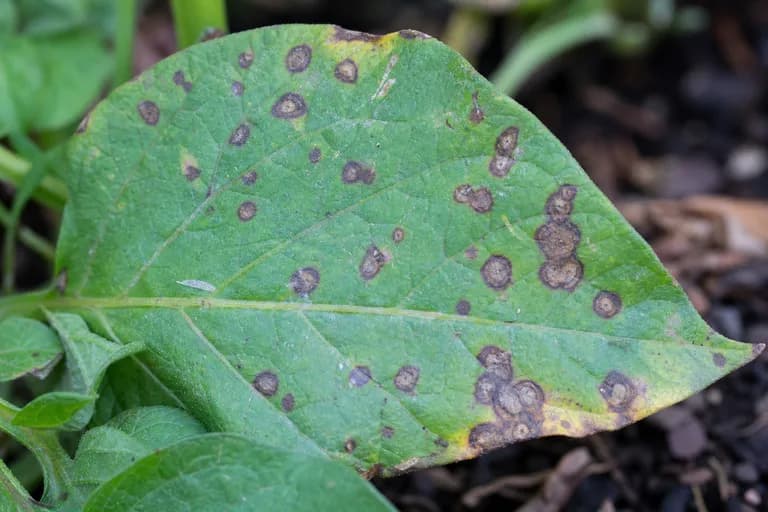
Blattfleckenkrankheit
KrankheitKleine braune Flecken auf den Blättern, die sich bei nassem Wetter gelegentlich vergrößern. Hauptsächlich kosmetisch. Am häufigsten bei Bäumen, die durch Trockenheit gestresst oder unter schlechten Bedingungen gepflanzt wurden.
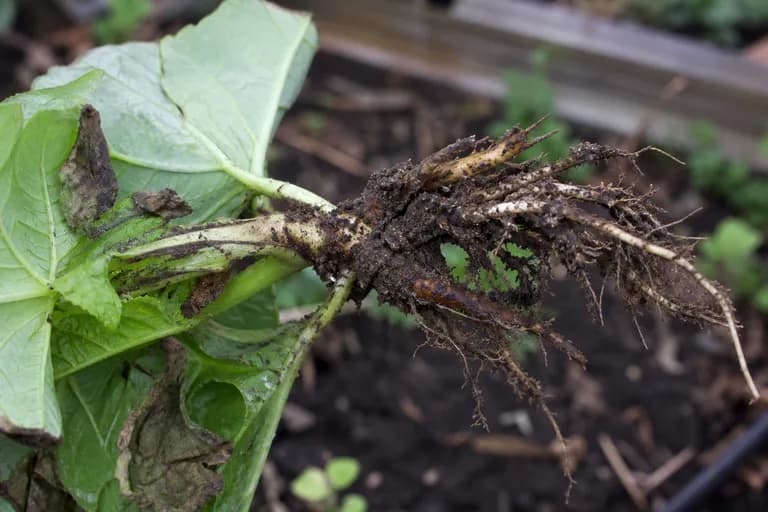
Wurzelfäule
KrankheitWelken trotz ausreichender Feuchtigkeit, vergilbende Blätter und allmählicher Verfall. Wurzeln erscheinen dunkel und matschig. In schlecht entwässerten Böden meist tödlich.
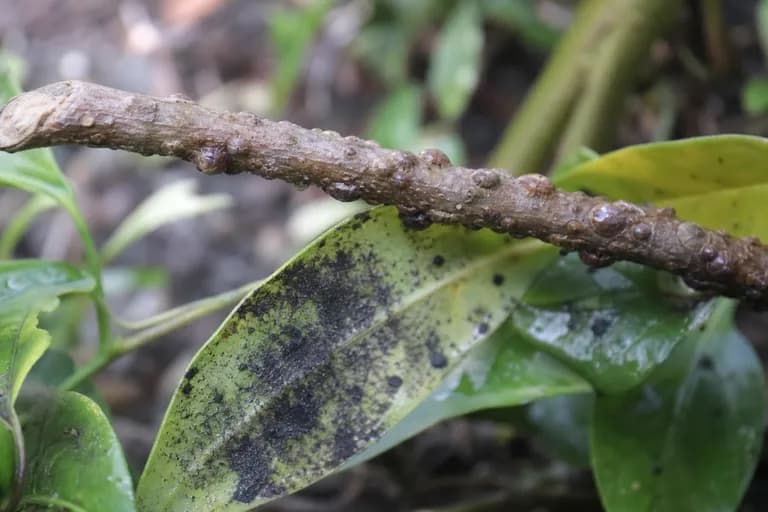
Schildläuse
SchädlingKleine ovale Schilde an Ästen und Zweigen. Starker Befall verursacht Zweigabsterben und verminderte Vitalität. Honigtauproduktion kann zu Rußtau auf Rinde und Blättern führen.
Fehlerbehebung bei häufigen Problemen
Die Schwierigkeit der Etablierung ist die größte Herausforderung bei der Stewartie. Bäume, die unter ungeeigneten Bedingungen gepflanzt werden – einschließlich heißer Nachmittagssonne, alkalischem Boden, trockenen Standorten oder schlechter Drainage – verfallen schnell und sind fast unmöglich zu retten. Einmal glücklich etabliert, ist die Stewartie jedoch bemerkenswert pflegeleicht. Trockenstress während der ersten 3 bis 5 Jahre ist die häufigste Ursache für Misserfolg; gleichmäßige Feuchtigkeit ist während der Etablierung absolut entscheidend. Das Umpflanzen etablierter Bäume scheitert fast immer aufgrund ihres empfindlichen Wurzelsystems. Die Rindenentwicklung ist langsam und benötigt 5 bis 10 Jahre, bevor das Mosaikmuster deutlich wird.
Anbautipps
- Wählen Sie einen Pflanzstandort mit Morgensonne und Nachmittagsschatten oder Streulicht über den ganzen Tag – die Stewartie gedeiht am besten mit 4–6 Stunden direktem Sonnenlicht, ist aber in heißen Klimazonen anfällig für Blattverbrennungen bei voller Nachmittagssonne.
- Pflanzen Sie die Stewartie in sauren, gut durchlässigen Boden mit einem pH-Wert zwischen 5,0 und 6,5. Alkalische Böden vor der Pflanzung mit Elementarschwefel, Torfmoos oder kompostierter Kiefernrinde verbessern, um den richtigen pH-Bereich zu erreichen.
- Pflanzen Sie niemals eine etablierte Stewartie um – die Art hat ein tiefes, empfindliches Wurzelsystem, das sich von Störungen schlecht erholt. Wählen Sie den endgültigen Standort sorgfältig und pflanzen Sie junge Exemplare nicht größer als 1,5–2 Meter für die beste Etablierung.
- Großzügig mit 7–10 cm saurem organischem Material wie Kiefernrindenstücken, kompostierten Eichenblättern oder Kiefernnadeln mulchen. Den Mulchring mindestens 90 cm vom Stamm in alle Richtungen halten, aber 10 cm Abstand zur Rinde selbst einhalten.
- In den ersten drei bis fünf Jahren nach der Pflanzung gründlich und regelmäßig gießen. Selbst etablierte Stewartien bevorzugen gleichmäßig feuchten Boden und zeigen Trockenstress durch vorzeitigen Blattfall und verminderte Herbstfärbung.
- Starken Rückschnitt vermeiden – die Stewartie entwickelt eine natürlich elegante pyramidale bis ovale Form, die minimale Formgebung erfordert. Nur tote, sich kreuzende oder beschädigte Äste im Spätwinter vor dem Neuaustrieb entfernen.
- Junge Bäume in den USDA-Zonen 5 und 6 vor starkem Winterwind schützen, indem Sie auf der Süd- oder Ostseite eines Gebäudes oder einer immergrünen Windschutzhecke pflanzen. Den Stamm frisch gepflanzter Bäume in den ersten beiden Wintern mit Stammschutz umwickeln.
- Nach Hochsommer nicht mehr düngen – späte Düngung regt zartes Neuwachstum an, das anfällig für frühe Frostschäden ist. Säurebildenden Dünger einmal im zeitigen Frühjahr ausbringen, wenn die Knospen zu schwellen beginnen.
- Geduld mit der Wachstumsrate haben. Die Japanische Scheinkamelie wächst in den ersten fünf bis sieben Jahren langsam und legt nur 15–30 cm jährlich zu, aber das Wachstum beschleunigt sich, sobald das Wurzelsystem vollständig etabliert ist, und kann 30–45 cm pro Jahr erreichen.
- Stewartie mit Unterpflanzungen kombinieren, die ihre Vorliebe für sauren Boden und Halbschatten teilen, wie Rhododendren, Azaleen, Farne, Funkien und Waldwildblumen für ein harmonisches Pflanzdesign.
Bau deine beste Scheinkamelie an — und alles drumherum.
Starte heute kostenlos. Lege deine Beete an, setze deine Scheinkamelie ein und lass PlotMyGarden Timing, Abstände, Begleiter und Erinnerungen von der Saat bis zum Erntekorb übernehmen.
Finde deine Scheinkamelie
Japanische Scheinkamelie (S. pseudocamellia)
Die am häufigsten verfügbare Art mit weißen Blüten, leuchtender Herbstfärbung und der schönsten Rindenpracht. Pyramidaler Wuchs bis 6 bis 12 Meter. Der Maßstab, an dem alle Stewartien gemessen werden.
Koreanische Stewartie (S. koreana)
Sehr ähnlich der Japanischen Scheinkamelie, aber mit etwas größeren, offeneren Blüten und einem breiteren, ausladenderen Wuchs. Die Rindenablösung ist ebenso spektakulär. Hervorragende orange-rote Herbstfärbung.
Hohe Stewartie (S. monadelpha)
Kleinere Blüten, aber glattere, mehr zimtfarbene Rinde als S. pseudocamellia. Schneller wachsend mit einem aufrechteren Wuchs. Ausgezeichnete Wahl für kleinere Gärten.
Ballet
Eine ausgewählte Form von S. pseudocamellia mit besonders gut verzweigtem, symmetrischem Wuchs und zuverlässig reicher Blüte. Ausgezeichnete Rindenentwicklung und Herbstfärbung.
Die Japanische Scheinkamelie ist eine langfristige Landschaftsinvestition und keine nahrungsmittelproduzierende Pflanze. Ein in der Baumschule gezogenes Exemplar von 1,5 bis 2 Metern kostet typischerweise 150–400 € je nach Größe und Sorte, aber eine einzelne gut platzierte Stewartie kann den Immobilienwert um mehrere tausend Euro steigern, laut Studien über den Beitrag reifer Zierbäume zu Immobilienbewertungen. Ihr ganzjähriges Interesse macht mehrere saisonale Pflanzungen überflüssig, und ihre Langlebigkeit von über 100 Jahren bedeutet, dass sie eine einmalige Pflanzung ist, die Generationen dienen wird.
Schnelle Rezepte
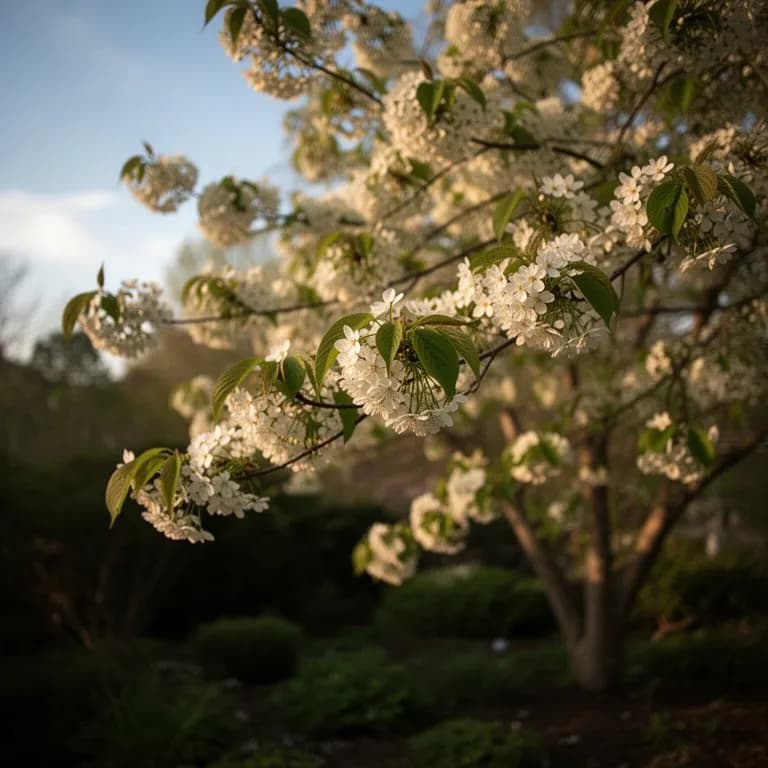
Stewartie-Blütenpressen für botanische Kunst
15 Min. aktiv, 2–3 Wochen TrocknungBewahren Sie die vergänglichen kamelienartigen Blüten der Stewartie durch Pressen für gerahmte botanische Kunst, Grußkarten oder Naturtagebücher. Da jede Blüte nur ein bis zwei Tage am Baum hält, hält das Pressen ihre flüchtige Schönheit für immer fest.
5 ZutatenStewartie-Rindenmulch-Mischung für säureliebende Pflanzen
30 Min.Sammeln Sie natürlich abgefallene Rindenstücke von reifen Stewartie-Bäumen und mischen Sie sie mit Kiefernrinde und kompostierten Eichenblättern, um einen dekorativen, sauren Mulch zu schaffen, der perfekt für Azaleen, Rhododendren und Heidelbeeren in der Nachbarschaft ist.
5 ZutatenStewartie-Aussaaterde
20 Min.Bereiten Sie ein optimiertes Substrat für die Keimung von Stewartie-Samen vor, das den sauren pH-Wert, die Feuchtigkeitsspeicherung und die Drainage bietet, die diese langsam keimenden Samen während ihrer langen Stratifikations- und Auflaufphase benötigen.
5 ZutatenWas drinsteckt
Gesundheitsvorteile
- Forschungen haben gezeigt, dass der Aufenthalt in der Nähe von Zierbäumen wie der Stewartie den Cortisolspiegel senkt und den Blutdruck reduziert, was die japanische Praxis des Shinrin-yoku oder Waldbadens unterstützt
- Das dichte Kronendach einer reifen Stewartie bietet gefilterten Schatten, der die Umgebungstemperatur um 3–5 °C senkt und ein kühleres Mikroklima für die Erholung im Freien während heißer Sommermonate schafft
- Die Abfolge der jahreszeitlichen Veränderungen der Stewartie – Frühjahrsaustrieb, Sommerblüte, Herbstfärbung, Winterrinde – fördert regelmäßige Naturbeobachtung und Engagement mit der Natur und unterstützt Achtsamkeit und psychisches Wohlbefinden
- Als pollenproduzirender Baum mit relativ geringem Allergiepotenzial unterstützt die Stewartie die Gesundheit von Bestäubern, indem sie Bienen Nahrung bietet, ohne wesentlich zu saisonalen Allergien bei den meisten Menschen beizutragen
- Gartenarbeiten im Zusammenhang mit der Stewartie-Pflege – Mulchen, Gießen, leichter Schnitt – bieten moderate körperliche Bewegung, die die kardiovaskuläre Fitness und Gelenkbeweglichkeit verbessert
- Die ganzjährige visuelle Schönheit der Stewartie wird von Landschaftstherapeuten als vorteilhaft für therapeutische Gartengestaltungen in Gesundheits- und Rehabilitationseinrichtungen angesehen
Woher Scheinkamelie stammt
Stewartia pseudocamellia ist in den warmgemäßigten Wäldern Japans und Koreas beheimatet, wo sie als Unterwuchs- oder Waldrandbaum in Bergregionen in Höhen von 300 bis 1.200 Metern wächst. In Japan ist sie als Natsu-tsubaki bekannt, was Sommerkamelie bedeutet und sowohl ihre Blütezeit als auch ihre botanische Verwandtschaft mit den echten Kamelien in der Teefamilie Theaceae widerspiegelt. Die Art wurde erstmals von dem deutschen Botaniker Philipp Franz von Siebold und Joseph Gerhard Zuccarini in ihrem monumentalen Werk Flora Japonica beschrieben, das zwischen 1835 und 1870 veröffentlicht wurde, basierend auf Exemplaren, die während Siebolds Aufenthalt in Japan gesammelt wurden. Der Gattungsname Stewartia ehrt John Stuart, 3. Earl of Bute, einen britischen Staatsmann und begeisterten Botaniker des 18. Jahrhunderts, der bei der Gründung der Royal Botanic Gardens in Kew half. Die Japanische Scheinkamelie wurde Mitte des 19. Jahrhunderts in die westliche Kultur eingeführt, blieb aber aufgrund ihres langsamen Wachstums und der schwierigen Vermehrung jahrzehntelang eine Sammlerrarität. Erst Mitte des 20. Jahrhunderts gewann die Art breitere Anerkennung bei Landschaftsgestaltern und Pflanzenliebhabern, insbesondere nachdem einflussreiche amerikanische Gartenbauer wie Donald Wyman vom Arnold Arboretum sie als einen der besten kleinen Zierbäume für gemäßigte Gärten empfahlen. Heute wird sie in botanischen Gärten und Parkanlagen in Nordamerika, Europa und dem gemäßigten Ostasien gepflanzt, geschätzt für ihre seltene Kombination aus Sommerblüten, spektakulärer Herbstfärbung und außergewöhnlicher sich ablösender Rinde, die ganzjähriges visuelles Interesse bietet.
Scheinkamelie: Schon gewusst?
Faszinierende Fakten über Scheinkamelie
Stewartia pseudocamellia ist nach ihren Blüten benannt, die denen ihrer Verwandten, der Kamelie, sehr ähneln – beide gehören zur Teefamilie Theaceae, was die Stewartie zu einer entfernten Cousine der Teepflanze Camellia sinensis macht.
Scheinkamelie: Fragen & Antworten
Wann sollte ich Scheinkamelie pflanzen?
Was sind gute Begleitpflanzen für Scheinkamelie?
In welchen Winterhärtezonen kann Scheinkamelie wachsen?
Wie viel Sonne braucht Scheinkamelie?
Welchen Abstand sollte ich zwischen Scheinkamelie lassen?
Welche Schädlinge und Krankheiten befallen Scheinkamelie?
Wie lagere ich Scheinkamelie nach der Ernte?
Was sind die besten Scheinkamelie-Sorten zum Anbauen?
Welchen Boden braucht Scheinkamelie?
Warum blüht meine Japanische Scheinkamelie nicht?
Kann ich eine Japanische Scheinkamelie umpflanzen, die seit mehreren Jahren in meinem Garten wächst?
Was verursacht die braunen Blattränder an meiner Stewartie im Sommer?
Wie schnell wächst die Japanische Scheinkamelie?
Ist die Japanische Scheinkamelie anfällig für ernsthafte Schädlinge oder Krankheiten?
Wann ist die beste Zeit, eine Japanische Scheinkamelie zu pflanzen?
Du hast die Theorie gelesen. Jetzt baue sie auf Autopilot an.
Alles, was Scheinkamelie knifflig macht — das Timing, die Abstände, die Begleiter, das Erntefenster — genau das übernimmt PlotMyGarden für dich, für jede Pflanze im Garten.
Ein Plan, der dein Wetter kennt
Standort einmal festlegen. Aussaat-, Dünge- und Erntedaten rund um deinen echten letzten Frosttermin und die Live-Vorhersage — kein Raten mehr nach Saattüte.
Aus dem Abschnitt „Pflanzzeit“Beetplaner per Drag & Drop
Beete auf einem Raster gestalten. Jede Pflanze rastet im richtigen Abstand ein, und du siehst die ganze Saison, bevor du einen Cent für Saatgut ausgibst.
Aus dem Abschnitt „Anbau“Begleiter-Konflikte früh erkannt
Über 200 gute und schlechte Kombinationen werden beim Pflanzen live geprüft — so landet ein saisonruinierender Fehler nie in der Erde.
Aus dem Abschnitt „Begleiter“Erinnerungen, nach denen du wirklich handelst
„Gieß die Bohnen.“ „Heute ernten, bevor's umschlägt.“ Pünktlich, konkret und auf deine echten Pflanzen bezogen.
Aus dem Abschnitt „Ernte“Staffel-Aussaat, geplant
Sechs Wochen ernten statt sechs Tage? Die App verteilt deine Aussaaten automatisch und erinnert dich, wenn der nächste Satz fällig ist.
Aus dem Abschnitt „Pflanzzeit“Ein Verlauf, der schlauer wird
Jede protokollierte Ernte bringt der App deinen Garten bei. Der Plan fürs nächste Jahr startet bei dem, was in deinem Boden wirklich funktioniert hat.
Aus dem Abschnitt „Überblick“Pflanze diese neben Scheinkamelie
Weitere Zierbäume
Bau deine beste Scheinkamelie an — und alles drumherum.
Starte heute kostenlos. Lege deine Beete an, setze deine Scheinkamelie ein und lass PlotMyGarden Timing, Abstände, Begleiter und Erinnerungen von der Saat bis zum Erntekorb übernehmen.