Flor Araña
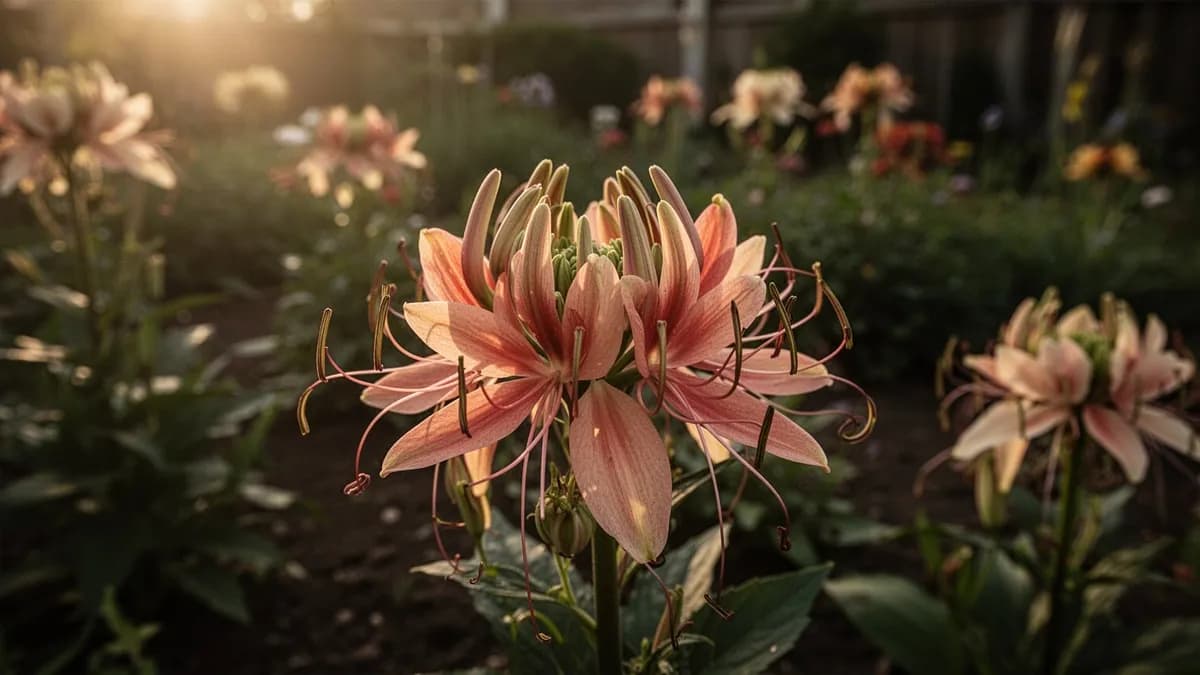
Una llamativa anual de porte alto con ligeros ramilletes de flores aracniformes en tonos rosa, purpura y blanco sobre tallos espinosos que aportan una presencia arquitectonica imponente.





En esta páginaResumen
Conoce Flor Araña
Una llamativa anual de porte alto con ligeros ramilletes de flores aracniformes en tonos rosa, purpura y blanco sobre tallos espinosos que aportan una presencia arquitectonica imponente. La flor arana se resiembra prolificamente y prospera con el calor y la sequia una vez establecida. Plantela en el fondo de las arriates, donde su altura y caracter ligeramente silvestre puedan lucir en todo su esplendor.
Cuándo plantar Flor Araña
Refrigere las semillas durante dos semanas antes de sembrar para romper la dormancia y mejorar la germinacion. Siembre directamente al aire libre tras la ultima helada, presionando las semillas sobre la superficie del suelo, ya que necesitan luz para germinar. La germinacion tarda 10-14 dias en suelo calido. Para iniciar en interior, siembre 4-6 semanas antes de la ultima helada a 21-24 grados Celsius. Trasplante tras el endurecimiento. La flor arana no tolera bien la perturbacion de las raices, por lo que se recomienda usar macetas biodegradables.
Tu año de Flor Araña
Ajustado a Zona 7 · temporada típica · la helada se va hacia el 2 abr y vuelve hacia el 1 nov
Planta Flor Araña Abr – May y cosecha Jun – Oct. Consulta los métodos de plantación y elige tu clima para adaptar los periodos.
Cómo cultivar Flor Araña
La flor arana (cleome) es una robusta anual de rapido crecimiento que puede alcanzar 120-180 cm en una sola temporada. Siembre directamente tras la ultima helada, presionando las semillas sobre la superficie del suelo caliente; necesitan luz para germinar. Alternativamente, inicie en interior 4-6 semanas antes. Refrigere las semillas durante dos semanas antes de sembrar para mejorar la germinacion.
Especie las plantas 45-60 cm en pleno sol. Las flores arana son notablemente tolerantes al calor y la sequia una vez establecidas, prosperando en condiciones que marchitarian a otras anuales. Prefieren suelos de calidad media o pobre; los suelos fertiles producen plantas enormes que pueden necesitar tutoraje.
Los ramilletes de flores se abren de abajo hacia arriba, con largos estambres que sobresalen como patas de arana. Al caer los floretes marchitos, se desarrollan estrechas vainas de semillas por debajo, creando una exhibicion inusual y estratificada. La flor arana se resiembra prolificamente; permita o evite esto controlando la produccion de vainas. Tenga en cuenta que los tallos tienen pequenas espinas que pueden aranazer, por lo que se recomienda usar guantes al manipularlas.
10 plantas caben en un bancal de 120 × 240 cm
Cada Flor Araña pide 45 cm de margen. El planificador guarda ese marco por ti — cada planta, cada bancal.
Los mejores vecinos de Flor Araña
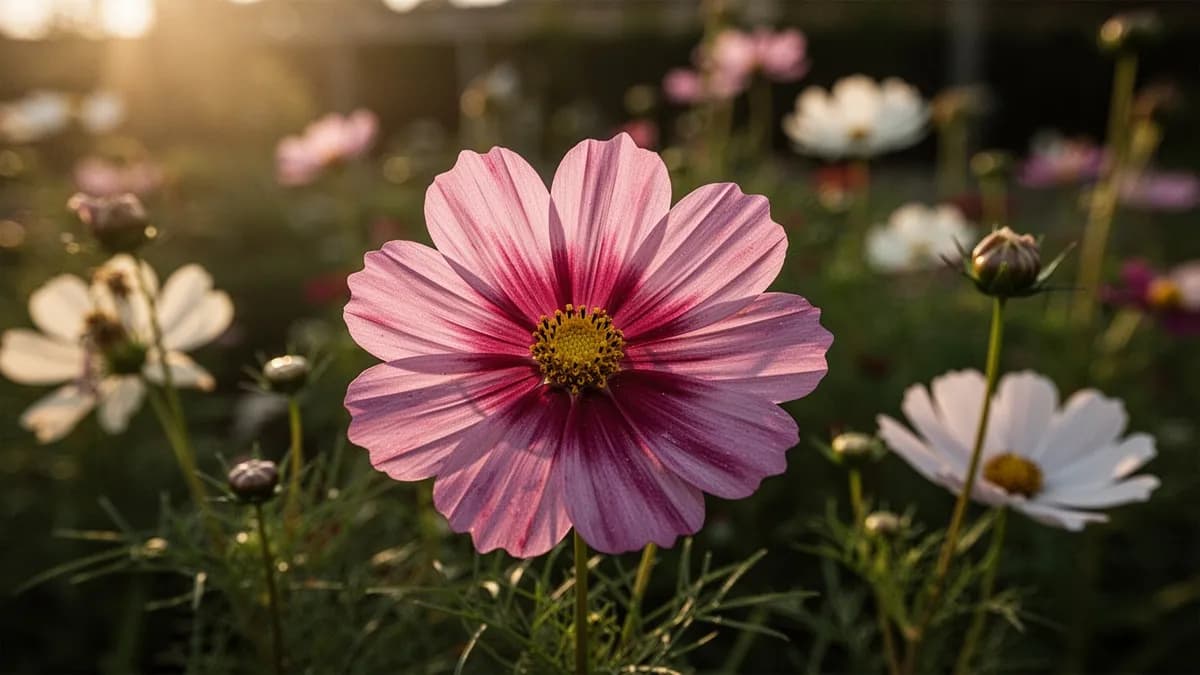
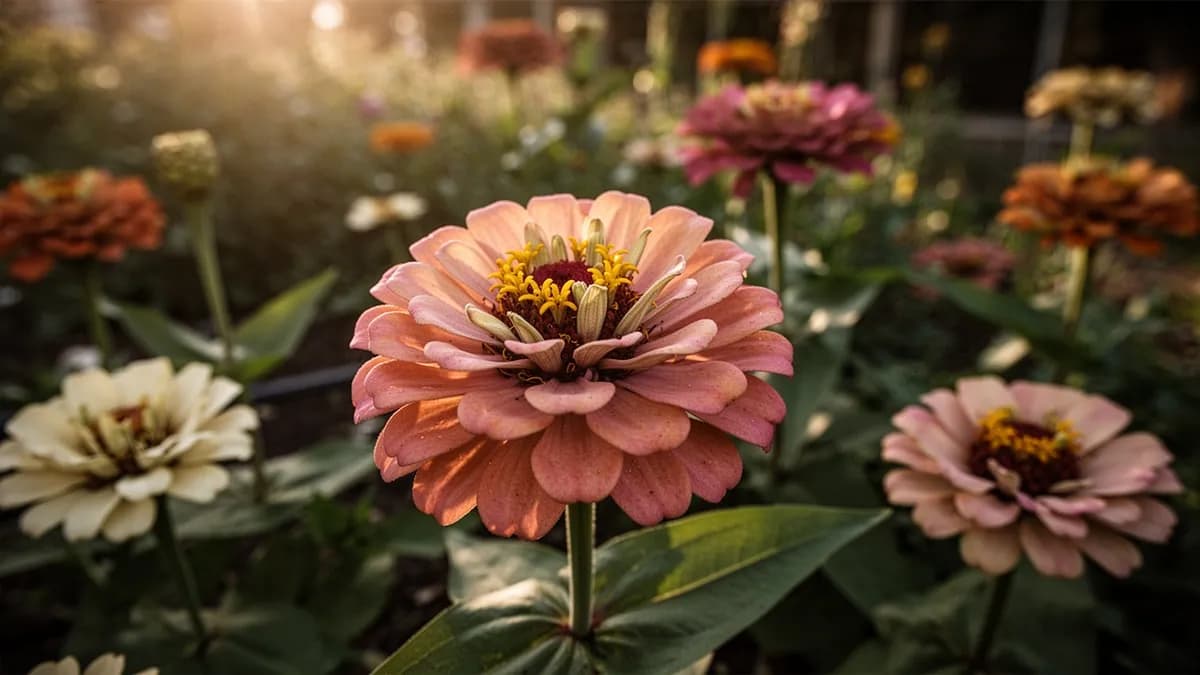
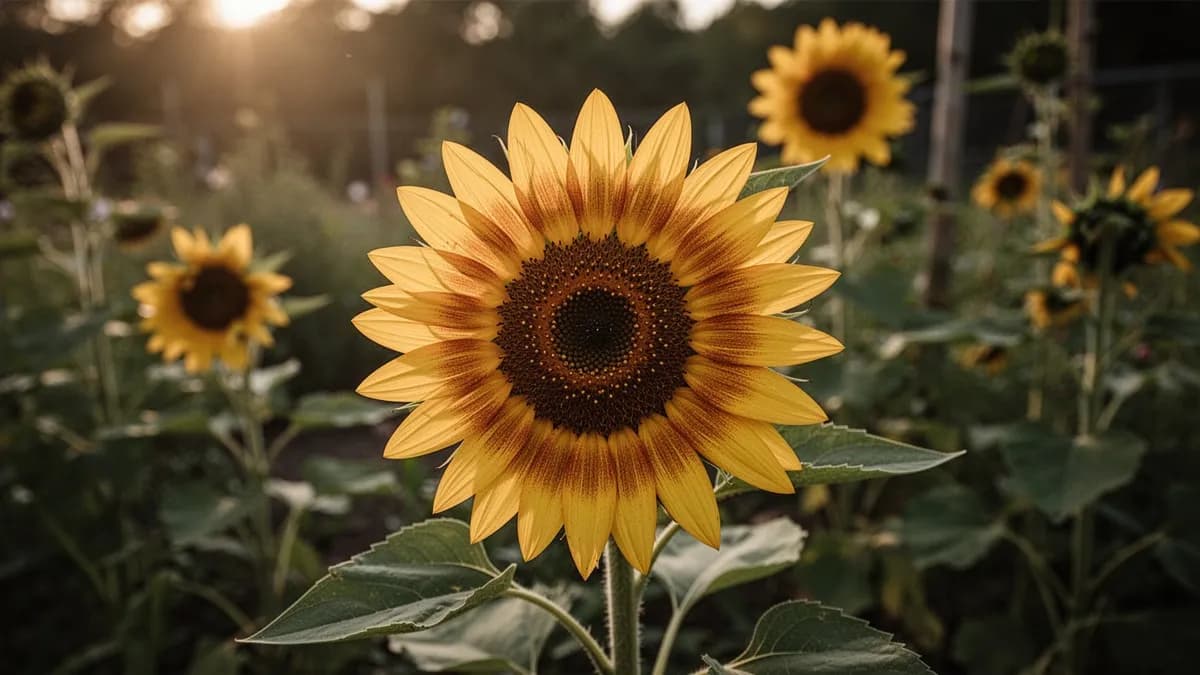
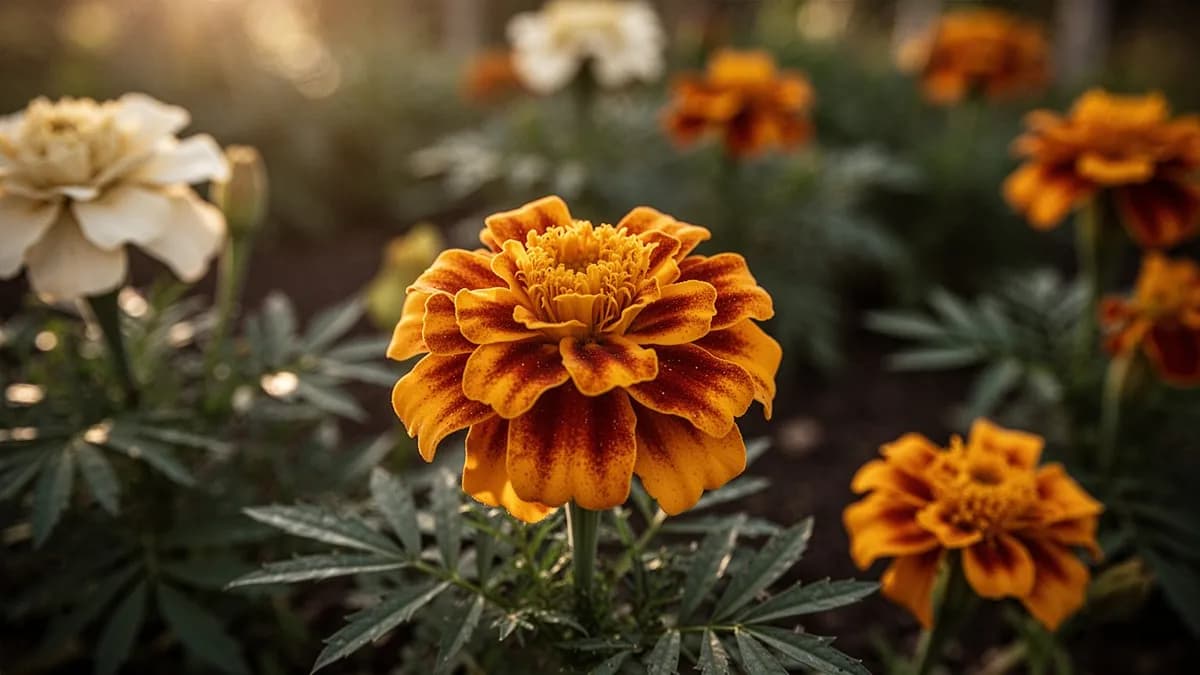
La flor arana aporta llamativos acentos verticales en el fondo de los arriates. Combinela con otras anuales altas como girasoles, cosmos y amaranto para crear una pantalla estival dramatica. Las ligeras cabezuelas florales contrastan muy bien con plantas densas y redondeadas como zinnias y caléndulas en primer plano. En jardines de estilo campestre, combínela con malvas reales y delphiniums para lograr un efecto estratificado e informal.
Cosmos va a su lado.
Saber de huerto de siempre, cotejado con la tabla real de Flor Araña — prueba cualquier planta que cultives.
Prueba Flor Araña en un bancal, aquí mismo
Un bancal real del planificador con Flor Araña ya plantado. Toca una planta compañera para colocarla y mira cómo responde la comprobación de vecinos: verde para buenos vecinos, rojo si hay conflicto.


Guías de cultivo relacionadas
Abónalo bien
La flor arana prospera en suelos de calidad media o pobre, bien drenados, con un pH de 6.0-7.5. Los suelos ricos favorecen un crecimiento exuberante y lacio; las condiciones pobres producen plantas mas robustas. Raramente es necesario abonar. Si el suelo es muy pobre, basta con una sola aplicacion de fertilizante granular equilibrado en el momento de la siembra. Las plantas en maceta requieren aportaciones periodicas de fertilizante liquido diluido.
Temperatura ideal
Compatibilidad de zonas de rusticidad
De la semilla a la cosecha, etapa por etapa
Inicio de semillas
Las semillas de la flor arana tienen una cubierta dura y se benefician de la escarificacion o de un remojo nocturno en agua tibia antes de sembrar. Siembre las semillas a unos 3 milimetros de profundidad en una mezcla humeda para semilleros. La germinacion es mejor a temperaturas del suelo de entre 24 y 29 grados Celsius. Las semillas necesitan oscuridad para germinar, por lo que se recomienda cubrir las bandejas con un material opaco hasta que aparezcan los brotes.
Germinacion y fase de cotiledones
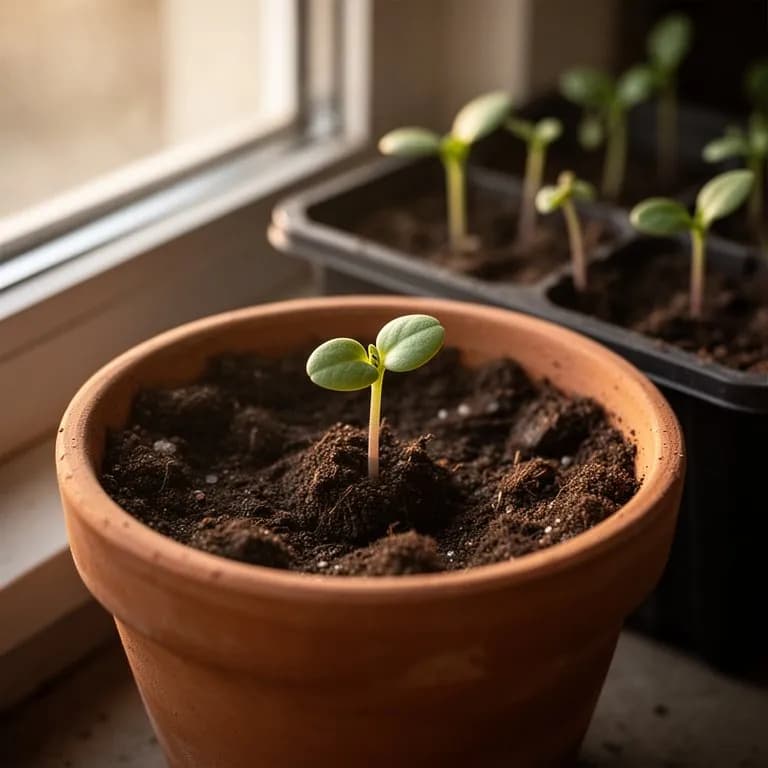
Las plantulas emergen con un par de hojas cotiledonares redondeadas. En esta etapa los tallos son finos y algo etiolados. Proporcione luz indirecta brillante en cuanto aparezcan los brotes y asegure circulacion de aire para prevenir el damping-off. Las plantulas son sensibles a las heladas y deben permanecer en interior si las temperaturas nocturnas son inferiores a 10 grados Celsius.
Crecimiento vegetativo
Las plantas desarrollan sus caracteristicas hojas compuestas palmadas con cinco a siete foliolos que irradian desde un punto central. Los tallos se engrosan y se vuelven ligeramente pegajosos y aromaticos. El crecimiento se acelera con el calor y las plantas pueden ganar varios centimetros por semana. Las flores arana desarrollan un tallo central robusto con ramas laterales que forman un porte erguido y arbustivo.
Formacion de capullos
Los capullos florales se forman en los extremos en crecimiento de cada tallo en densos racimos terminales. Los capullos estan muy agrupados y comienzan como pequenas esferas verdes antes de ir mostrando gradualmente el color de sus petalos. Las plantas siguen ganando altura durante esta fase, alcanzando a menudo entre 60 y 90 centimetros. El aroma aromatico y ligeramente almizclado del follaje se vuelve mas pronunciado.
Floracion
Las flores se abren de abajo hacia arriba en el racimo, creando un espectacular despliegue que se renueva continuamente durante muchas semanas. Cada floreto individual tiene cuatro petalos y seis estambres dramaticamente largos que sobresalen bien mas alla de los petalos, creando el efecto aracniforme. Los colores de las flores incluyen tonos rosa, rojo rosado, purpura y blanco. Las vainas de semillas se desarrollan bajo el ramillete floral al mismo tiempo que los nuevos capullos siguen abriendose por encima.
Maduración de semillas
Las vainas de semillas largas y estrechas maduran y finalmente se abren para liberar pequenas semillas redondas. Una sola planta puede producir miles de semillas. Las vainas pasan del verde al marron a medida que se secan. La planta comienza de forma natural a reducir la floracion a medida que la energia se dirige a la produccion de semillas. La resiembra espontanea es muy frecuente en climas templados y calidos, y es habitual que aparezcan plantulas voluntarias la primavera siguiente.
Declive al final de la temporada
A medida que las temperaturas bajan y los dias se acortan, las flores arana dejan de producir nuevas flores gradualmente. El follaje puede amarillear y los tallos se vuelven lenosos en la base. En climas sin heladas la planta puede persistir como una vivaz de vida corta, pero en la mayoria de los jardines completa su ciclo vital anual con la primera helada fuerte. Las plantas pueden arrancarse y compostarse una vez que han terminado su ciclo.
Enfriar las semillas en el frigorifico durante cinco dias antes de sembrarlas puede mejorar significativamente las tasas de germinacion. Mantenga el sustrato de cultivo uniformemente humedo pero no encharcado durante esta fase.
Cuidar Flor Araña mes a mes
Qué hacer cada mes para tu Flor Araña
Octubre
Mes actualRecoja las vainas de semillas maduras restantes antes de la primera helada. En climas calidos las plantas pueden seguir floreciendo durante el mes. Retire las plantas muertas tras la helada y añadalas a la pila de compost.
Ten claro qué hacer en tu huerto, cada mes
Un correo al empezar cada mes: qué sembrar, plantar y hacer ahora mismo — para tu Flor Araña y todo lo que crece alrededor. Más un breve curso inicial para esquivar los errores clásicos.
- Qué hacer ahora mismo
- Ajustado a tu temporada
- Curso inicial incluido
Cosechar Flor Araña
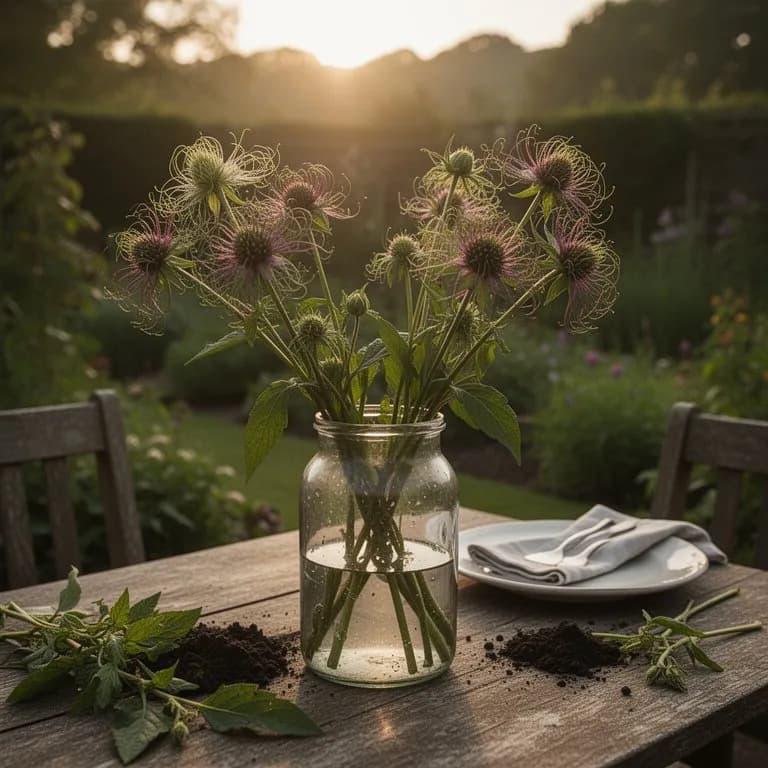
Corte los tallos de flor arana para arreglos florales cuando los floretes mas bajos del ramillete esten abiertos y los capullos superiores muestren color. Manipule los tallos con cuidado, ya que tienen pequenas espinas. Chamusque los extremos cortados con una llama o sumerjales en agua hirviendo durante 10 segundos para evitar que la savia lechosa obstruya el tallo, y coloquelos despues en agua fria. Las flores duran 4-5 dias en el jarrón y aportan altura y textura dramaticas a los arreglos de gran formato.
se supone que plantas al comenzar el periodo — indica tu fecha real
Cosecha Flor Araña a tiempo y la planta sigue produciendo.
Almacenamiento y conservación
Las flores arana no se secan bien para arreglos conservados. Al ser anuales, no se almacenan como bulbos. Para guardar semillas, deje que algunas vainas maduren en la planta; se abren para liberar pequeñas semillas redondas. Recoja las vainas justo cuando empiezan a abrirse y sacuda las semillas en un sobre. Guarde en un lugar fresco y seco. La flor arana se resiembra con facilidad, por lo que es posible que no necesite guardar semillas en absoluto.
Qué falla — y cómo solucionarlo
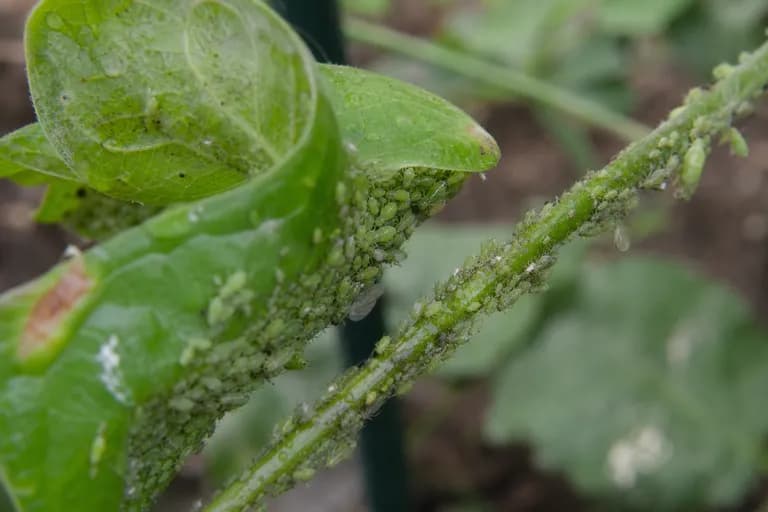
Pulgones
PlagaColonias en las puntas de los tallos y capullos florales. Melaza pegajosa. Crecimiento nuevo deformado.
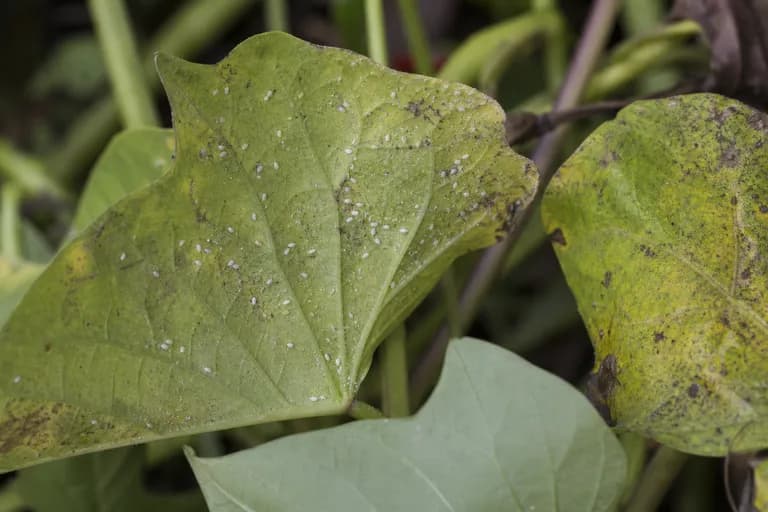
Mosca blanca
PlagaPequenos insectos blancos que vuelan al agitar las plantas. Hojas debilitadas y amarillentas.
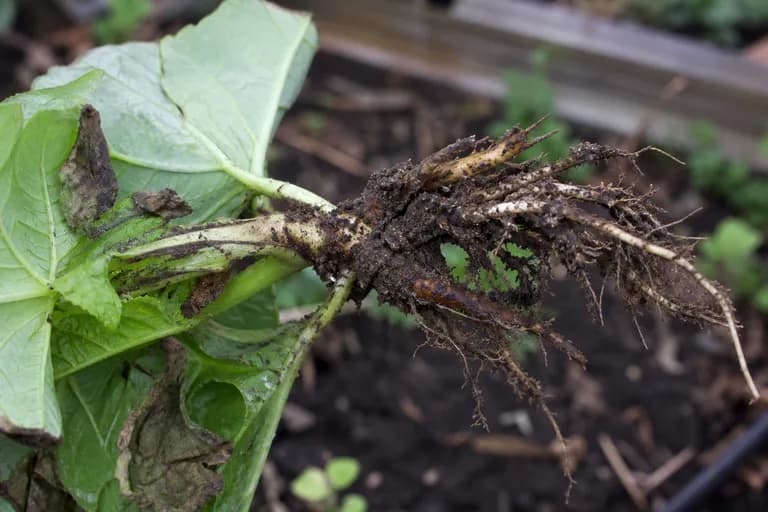
Pudricion de raices
EnfermedadLas plantas se marchitan en condiciones de exceso de humedad. Los tallos se oscurecen en la base. Las raices aparecen marrones y blandas.
Solución de problemas comunes
La resiembra excesiva es la queja mas frecuente: la flor arana puede diseminarse prolificamente y aparecer por todas partes al ano siguiente. Retire las vainas antes de que se abran para controlarlo. Los tallos espinosos de las variedades antiguas aranan y enganchan la ropa. Las variedades modernas sin espinas como 'Señorita Rosalita' resuelven este problema. Las plantas en suelos demasiado fertiles o con poca luz se vuelven larguiruchas y pesadas en la parte superior, necesitando tutoraje.
Consejos de cultivo
- Remoje las semillas de flor arana en agua tibia durante 12 a 24 horas antes de sembrarlas para ablandar la dura cubierta seminal y mejorar significativamente las tasas de germinacion, que pasan de alrededor del 50 al mas del 80 por ciento.
- Inicie las semillas en interior seis a ocho semanas antes de la ultima helada para las primeras flores, o siembre directamente al aire libre una vez que las temperaturas del suelo alcancen los 18 grados Celsius para un metodo de menor mantenimiento.
- Plante las flores arana en pleno sol con al menos seis a ocho horas de luz solar directa al dia para lograr los tallos mas robustos y una produccion floral mas abundante a lo largo de la temporada.
- Especie las plantas de 30 a 45 centimetros para permitir una circulacion de aire adecuada, lo que ayuda a prevenir enfermedades foliares y permite que cada planta desarrolle su forma natural y arbustiva.
- Riegue en profundidad pero con poca frecuencia, aportando unos 25 milimetros de agua por semana y dejando que el suelo se seque ligeramente entre riegos, ya que las flores arana son moderadamente tolerantes a la sequia una vez establecidas.
- Evite los fertilizantes ricos en nitrogeno, que favorecen un crecimiento foliar excesivo en detrimento de la floracion. Use un fertilizante equilibrado o ligeramente rico en fosforo aplicado mensualmente durante la temporada de cultivo.
- Tutore las variedades altas o plantelas en ubicaciones resguardadas de los vientos fuertes, ya que las plantas maduras pueden alcanzar 150 centimetros y pueden volverse muy pesadas en la parte superior cuando estan cargadas de racimos florales tras las lluvias intensas.
- Deje que algunas vainas de semillas maduren y suelten sus semillas de forma natural si desea plantas voluntarias el proximo ano, pero retire el exceso de vainas para evitar una resiembra demasiado agresiva en espacios de jardin pequenos.
- Plante flores arana cerca de los huertos para que actuen como plantas trampa para los pulgones y atraigan polinizadores beneficos que tambien visitaran sus cultivos y mejoraran el cuajado de los frutos.
- Maneje las plantas con cuidado durante el trasplante y la poda, ya que los tallos y las hojas tienen pequenas espinas en la base de las hojas y pelos glandulares pegajosos que pueden irritar la piel sensible. Se recomienda usar guantes de jardineria ligeros.
Cultiva tu mejor Flor Araña — y todo lo que la rodea.
Empieza un plan gratis hoy. Diseña tus bancales, coloca tu Flor Araña y deja que PlotMyGarden gestione el momento, el espaciado, las asociaciones y los recordatorios de la semilla a la cesta.
Elige tu Flor Araña
Cleome serie 'Sparkler'
Plantas compactas de unos 90 cm en tonos blanco, lavanda, rosa y rosado. Los tallos sin espinas facilitan mucho el manejo en comparacion con las variedades antiguas.
Cleome 'Señorita Rosalita'
Esteril (sin resiembra espontanea), sin espinas y compacta de 90-120 cm. Flores de color rosa lavanda. Una cleome moderna de comportamiento impecable.
Cleome serie 'Queen'
La variedad alta clasica de 120-150 cm en cherry queen, violet queen, rose queen y white queen. Imponente y espectacular.
Cleome 'Solo'
Selecciones de un solo color en blanco puro o purpura intenso. Mas uniforme que las mezclas de semillas para plantaciones formales.
Las flores arana se encuentran entre las anuales ornamentales mas economicas para jardines particulares. Un solo sobre de semillas de dos a cuatro euros puede producir docenas de plantas que florecen continuamente durante tres o cuatro meses. Como la flor arana se resiembra prolificamente, los jardineros que permitan que caigan algunas semillas de forma natural disfrutaran de plantas voluntarias gratuitas en anos sucesivos sin necesidad de comprar semilla nueva. Su capacidad para atraer polinizadores beneficos tambien mejora los rendimientos de los cultivos de frutas y verduras cercanos, anadiendo valor economico indirecto al jardin. En comparacion con la compra de flores cortadas en una floristeria, cultivar flores arana para arreglos frescos puede suponer un ahorro de 15 a 25 euros por semana durante la temporada de floracion.
Recetas rápidas
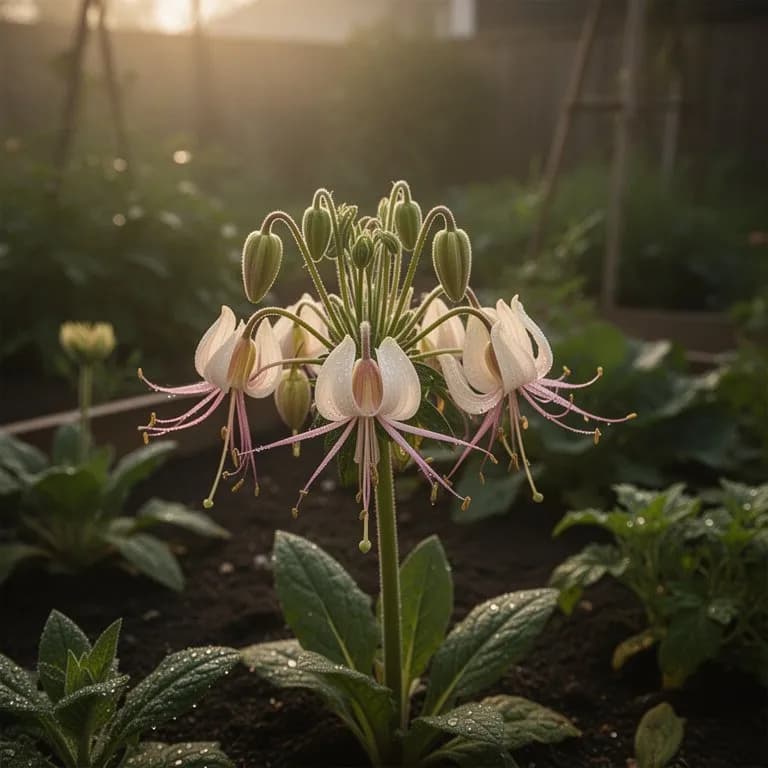
Hojas de flor arana salteadas
15 minutosLas hojas jovenes de flor arana y las puntas tiernas de los brotes pueden prepararse de forma similar a las espinacas o los amarantos. Las hojas tienen un sabor ligeramente amargo y picante que se suaviza considerablemente con la coccion. Esta sencilla preparacion pone en valor su contenido nutritivo como verdura de hoja cocida tradicional.
7 ingredientes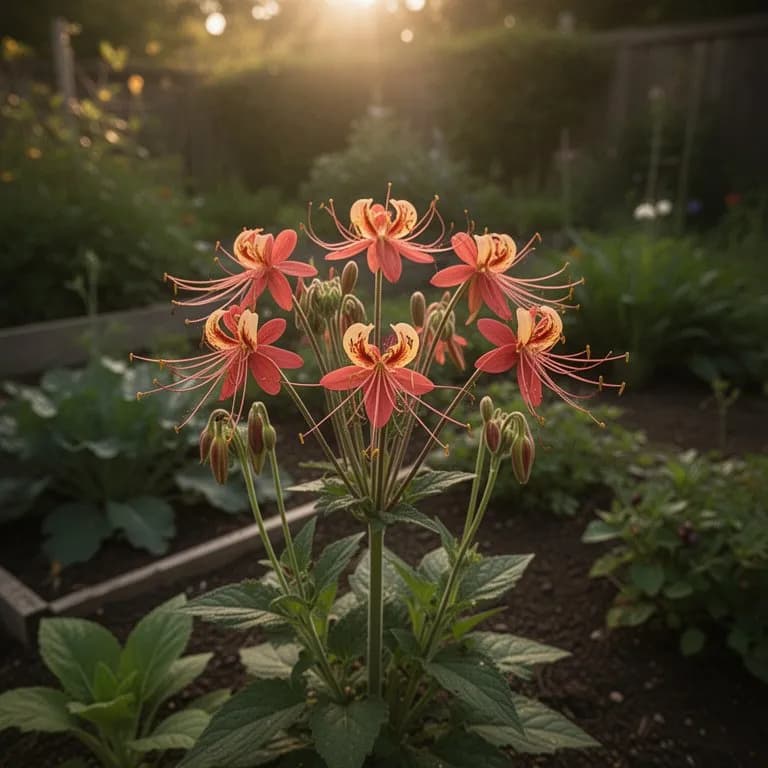
Ensalada con petalos de flor arana
10 minutosLos coloridos petalos de la flor arana son comestibles y constituyen un espectacular adorno para ensaladas frescas. Su sabor suave y ligeramente dulce combina bien con hojas mixtas y una vinagreta ligera. Use petalos recien recogidos de flores que no hayan sido tratadas con pesticidas.
6 ingredientesInfusion de petalos secos de flor arana
5 minutos mas tiempo de secadoLos petalos de la flor arana pueden secarse y mezclarse con otras hierbas y flores para crear una herbal visualmente preciosa. Los petalos aportan una suave nota floral y un hermoso color a la mezcla. Esta infusion sin cafeina resulta una bebida relajante para las noches.
7 ingredientesQué contiene
Beneficios para la salud
- La medicina herbal tradicional en partes de Africa y America del Sur ha empleado preparaciones de hojas de flor arana como remedio para infecciones de oido y afecciones inflamatorias leves, aunque la evidencia clinica moderna es aun limitada.
- Las hojas jovenes aportan vitamina C dietetica cuando se consumen como verdura cocida, favoreciendo la funcion del sistema inmunitario y la produccion de colageno en el organismo.
- Las semillas de flor arana presentan un notable contenido proteico de aproximadamente el 25 por ciento, y los investigadores han estudiado su potencial como fuente proteica complementaria en regiones tropicales en desarrollo.
- Los compuestos encontrados en las especies de Cleome han demostrado propiedades antimicrobianas en estudios de laboratorio, lo que sugiere posibles aplicaciones en preparaciones antimicrobianas naturales pendientes de mayor investigacion.
- Las hojas comestibles aportan fibra dietetica que favorece una digestion saludable y una funcion intestinal regular cuando se incorporan a las comidas como verdura cocida.
- El cultivo de flores arana en el jardin proporciona beneficios indirectos para la salud al atraer polinizadores beneficos e insectos depredadores que ayudan a mantener un ecosistema de jardin equilibrado, reduciendo la necesidad de productos quimicos para el control de plagas.
De dónde viene Flor Araña
Cleome spinosa, conocida comunmente como flor arana, es originaria de las regiones tropicales y subtropicales de America del Sur, con su area de distribucion principal abarcando el sur de Brasil, Argentina, Paraguay y Uruguay. La planta crece de forma natural en praderas abiertas, a lo largo de carreteras y en habitats perturbados donde aprovecha la plena exposicion solar y los suelos bien drenados. Los pueblos indigenas de America del Sur reconocieron la planta durante siglos, utilizandola como remedio tradicional para las infecciones de oido y como cataplasma para irritaciones cutaneas, aunque su valor principal fue siempre ornamental. Los exploradores botanicos europeos recolectaron los primeros ejemplares de Cleome spinosa a finales del siglo XVIII durante expediciones cientificas a America del Sur. La planta fue formalmente descrita y clasificada por Carlos Linneo, y las semillas fueron enviadas a jardines botanicos de toda Europa a principios del siglo XIX. Hacia la decada de 1820, las flores arana se habian establecido en jardines ornamentales ingleses y franceses, donde su porte alto y sus exoticas flores las convirtieron en populares plantas de efecto en arriates mixtos. Los jardineros de la era victoriana adoptaron la flor arana por su capacidad de proporcionar interes vertical dramatico y floracion continua desde mediados del verano hasta el otono. Una intensa labor de seleccion a lo largo del siglo XX produjo la amplia gama de cultivares disponibles hoy en dia, incluidas formas enanas compactas y una paleta de colores ampliada que abarca violeta intenso, rosa salmon y blanco puro. La serie Sparkler y la serie Spirit representan logros de la cria moderna que ofrecen plantas mas bajas y manejables adecuadas para macetas y espacios de jardin mas pequenos. Hoy en dia, las flores arana siguen siendo una de las anuales de temporada calida mas fiables para jardineros de todo el mundo, valoradas por sus escasas necesidades de mantenimiento, su tolerancia al calor y su excepcional capacidad para atraer polinizadores.
Flor Araña: ¿sabías que?
Datos fascinantes sobre Flor Araña
Las flores arana deben su nombre comun a los largos estambres que sobresalen muy por encima de los petalos, dando a cada flor una apariencia aracniforme y con bigotes que es unica entre las anuales de jardin.
Flor Araña: preguntas frecuentes
¿Cuándo debo plantar Flor Araña?
¿Cuáles son buenas plantas acompañantes para Flor Araña?
¿En qué zonas de rusticidad puede crecer Flor Araña?
¿Cuánto sol necesita Flor Araña?
¿A qué distancia debo espaciar Flor Araña?
¿Qué plagas y enfermedades afectan a Flor Araña?
¿Cómo almaceno Flor Araña después de la cosecha?
¿Cuáles son las mejores variedades de Flor Araña para cultivar?
¿Qué suelo necesita Flor Araña?
¿Son toxicas las flores arana para mascotas o ninos?
¿Por que mis flores arana huelen mal?
¿Como evito que las flores arana se resiembren de forma demasiado agresiva?
¿Pueden cultivarse flores arana en macetas?
¿Atraen colibries las flores arana?
¿Cual es el mejor momento para cortar flores arana para arreglos interiores?
Acabas de leer la teoría. Ahora cultívala en piloto automático.
Todo lo que hace que Flor Araña sea delicado — el momento, el espaciado, las asociaciones, la ventana de cosecha — es justo lo que PlotMyGarden resuelve por ti, para cada planta de tu huerto.
Un plan que conoce tu clima
Indica tu ubicación una vez. Recibe fechas de siembra, abonado y cosecha basadas en tu última helada real y el pronóstico en vivo — sin adivinar con un sobre genérico.
De la sección “Cuándo plantar”Planificador de bancales de arrastrar y soltar
Diseña bancales sobre una cuadrícula. Cada planta encaja con su espaciado correcto y ves toda la temporada antes de gastar un céntimo en semillas.
De la sección “Cultivo”Conflictos de asociación, detectados a tiempo
Más de 200 buenas y malas combinaciones comprobadas en vivo mientras plantas — para que un error que arruine la temporada nunca llegue a la tierra.
De la sección “Asociaciones”Recordatorios que sí vas a seguir
“Riega las judías.” “Recoge hoy antes de que se pase.” Oportunos, concretos y ligados a las plantas que de verdad cultivas.
De la sección “Cosecha”Escalonado, programado
¿Quieres cosechar seis semanas en vez de seis días? Reparte tus siembras automáticamente y te avisa cuando toca el siguiente lote.
De la sección “Cuándo plantar”Un registro que se vuelve más listo
Cada cosecha que registras le enseña tu huerto. El plan del año que viene parte de lo que de verdad funcionó en tu suelo, no en un manual.
De la sección “Resumen”Planta estos junto a Flor Araña
Más Anuales
Cultiva tu mejor Flor Araña — y todo lo que la rodea.
Empieza un plan gratis hoy. Diseña tus bancales, coloca tu Flor Araña y deja que PlotMyGarden gestione el momento, el espaciado, las asociaciones y los recordatorios de la semilla a la cesta.