Southernwood
typical season: sow Mar – May · harvest Jun – Sep · set your climate
A feathery-leaved artemisia with a sweet, camphor-lemon scent, once planted near doorways to repel insects and moths.

On this pageOverview
Meet Southernwood
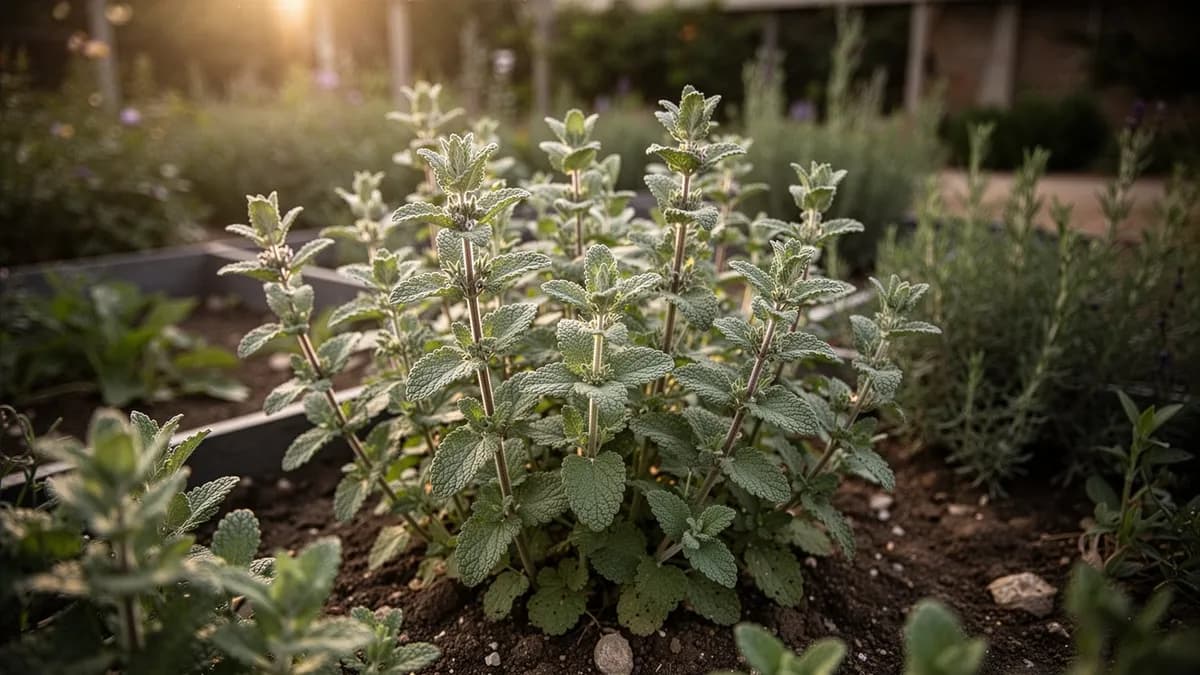
A feathery-leaved artemisia with a sweet, camphor-lemon scent, once planted near doorways to repel insects and moths. Southernwood forms a woody shrub to 4 feet with finely divided grey-green foliage that releases fragrance on warm days. Prune hard in spring to maintain a compact shape and hang dried branches in closets as a natural moth deterrent.
When to plant Southernwood
Southernwood rarely sets viable seed in cooler climates and is almost exclusively propagated from cuttings or division. Take 10-15cm semi-ripe cuttings in late summer, strip lower leaves, dip in rooting hormone, and insert into gritty compost. Keep moist but not wet in a sheltered location. Roots develop in 4-8 weeks. Division of established clumps in spring is also straightforward. Layering low branches by pegging them to the soil provides rooted sections within a season.
Your Southernwood Year
Composed for Zone 7 · typical seasons · frost passes Apr 2, returns Nov 1
Plant Southernwood Mar – May, pick Jun – Sep. Check the planting methods below and set your climate to personalize these windows.

Picking Southernwood this season? Its next window opens Mar 1
One email a few days before it opens where you garden and one two weeks before it closes — then one when the first pick is due.
One email per milestone, never more than one a week. Unsubscribe with one tap. No account needed.
How to grow Southernwood
Southernwood is an old-fashioned cottage garden herb forming a woody, upright shrub 60-120cm tall with clouds of finely divided, grey-green feathery foliage. The leaves release a sweet camphor-lemon scent when touched, intensifying in warm sunshine. Historically, southernwood was one of the most important strewing and moth-repelling herbs, planted beside doorways and hung in wardrobes throughout Europe.
Plant in full sun with average, well-drained soil. Southernwood is extremely adaptable and tolerates poor soils, drought, and cold winters with equal ease. It is one of the hardiest aromatic herbs, surviving temperatures well below -20°C. Space 60cm apart or use as an informal hedge.
Hard annual pruning in mid-spring is essential to prevent the plant from becoming tall, leggy, and woody with bare lower stems. Cut back to about 15-20cm from the ground each spring, timing the cut for after new buds are visible on the lower stems. This produces dense, bushy new growth from the base. Without annual pruning, southernwood quickly becomes an ungainly, sparse skeleton of woody stems.
8 plants fit a 4 × 8 ft bed
Each Southernwood wants 60 cm of elbow room. The planner keeps that spacing for you — every plant, every bed.
Plan a raised bed for Southernwood: size, squares and soil.
Plan it in the raised bed plannerSouthernwood's best neighbours
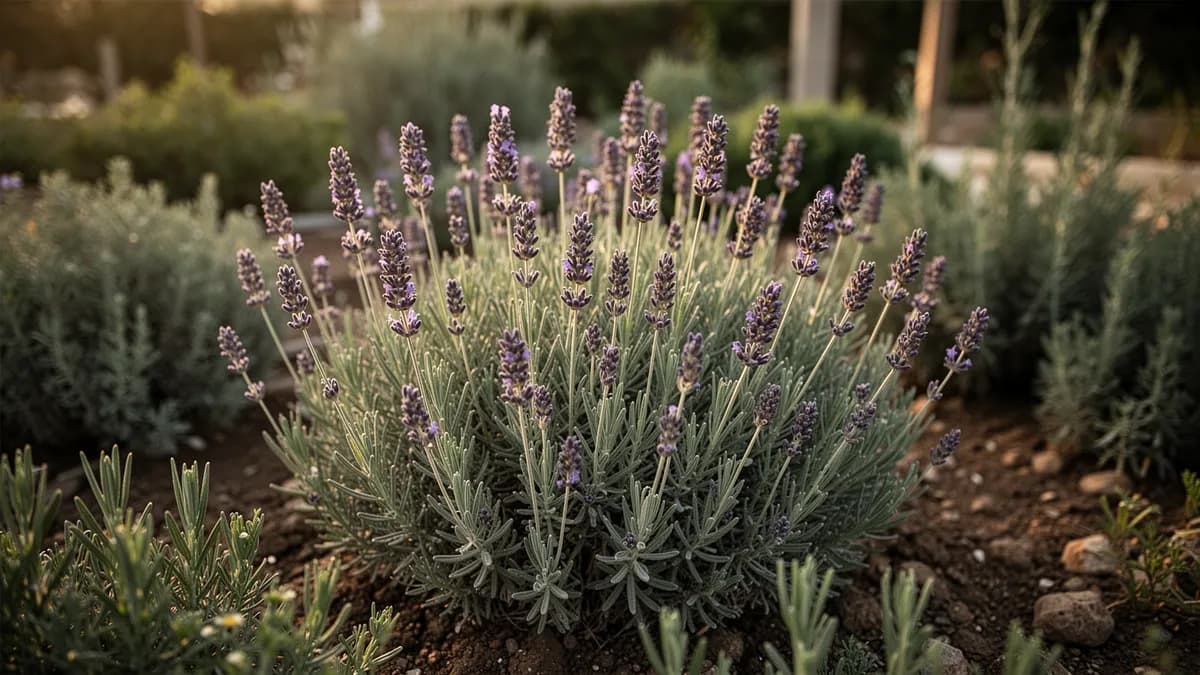
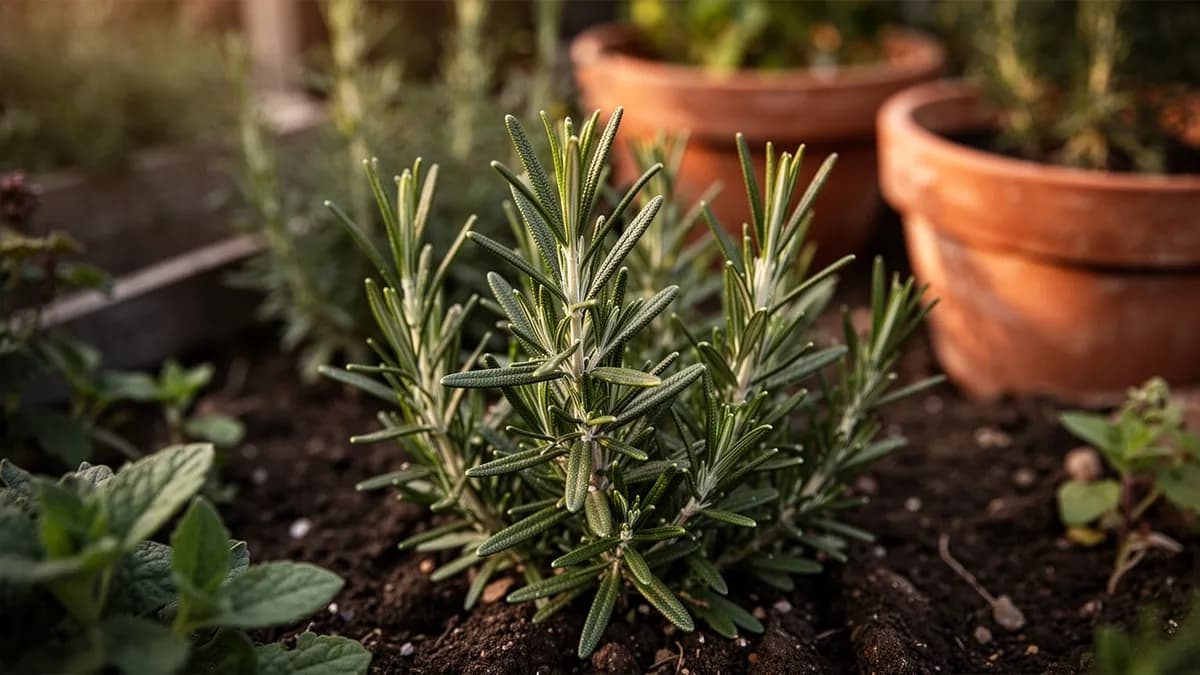
Southernwood was traditionally planted near doorways, windows, and gates where people would brush against it, releasing its insect-repelling fragrance. It pairs well with other cottage garden herbs like lavender, rosemary, and tansy. The fine-textured grey-green foliage provides attractive contrast with broader-leaved herbs. The aromatic compounds are believed to repel various flying insects and moths.
Lavender belongs beside it.
Old growers' knowledge, checked against Southernwood's real companion table below — test any plant you're growing.
Related growing guides
Feed it well
Southernwood adapts to most well-drained soils with a pH of 6.0-8.0. It tolerates poor, sandy, and chalky soils without complaint. Avoid heavy, waterlogged clay. No fertilizer is needed—lean conditions produce more aromatic foliage. A light compost mulch in spring is more than adequate. This undemanding plant thrives on neglect once established.
Ideal Temperature
Hardiness Zone Compatibility
From seed to harvest, stage by stage
Cutting Establishment
Southernwood is most reliably started from semi-hardwood cuttings taken in late summer or early autumn. Insert 10-15 cm cuttings into a well-drained propagation mix after removing lower leaves and dipping in rooting hormone. Keep consistently moist in a sheltered position with indirect light. Seed germination is possible but erratic and slow, making cuttings the preferred method.
Root Development
Rooted cuttings begin producing new top growth as the root system strengthens. Small feathery leaves appear at the growing tips, initially soft and bright green before developing the characteristic grey-green colour. The young plant establishes its root network in preparation for transplanting.
Vegetative Growth
The plant enters a vigorous growth phase, rapidly producing the finely divided, aromatic foliage that makes southernwood so distinctive. Multiple stems emerge from the base, and the plant begins developing its characteristic bushy, rounded form. The woody base starts to develop during this stage.
Mature Shrub
Southernwood reaches its full size of 60-120 cm tall and wide, forming a dense semi-woody shrub. The aromatic foliage is at its peak, and stems are sturdy enough for regular harvesting. In warmer climates, small yellow flower buds may begin to form in late summer at the tips of branches.
Flowering (Warm Climates)
In regions with long, warm growing seasons, southernwood produces panicles of tiny, nodding, yellowish-green flowers at the branch tips. The flowers are inconspicuous compared to other Artemisia species but attract small beneficial insects. In cooler climates, flowering may be sparse or absent entirely.
Winter Dormancy
Southernwood is semi-deciduous in most climates, losing some or all of its foliage as temperatures drop. The woody framework remains intact through winter. In mild climates, the plant may retain a portion of its leaves. The root system stays dormant and well-protected underground.
Maintain even moisture without waterlogging. A clear plastic cover helps retain humidity while roots develop. Check for root formation after 3-4 weeks by gently tugging the cutting.

Caring for Southernwood month by month
What to do each month for your Southernwood
November
You are hereFoliage begins to yellow and drop in cooler climates. Do not prune now. Clear fallen leaves from around the base to maintain air circulation and reduce fungal disease risk. In harsh winter areas, apply a loose protective mulch of straw over the root zone.
Harvesting Southernwood
Harvest southernwood stems anytime during the growing season by snipping branches. The annual spring pruning provides abundant material for drying. For the most aromatic dried material, harvest in mid-to-late summer when essential oil content peaks. The feathery foliage retains its pleasant camphor-lemon scent well when dried. Cut branches in the morning after dew has dried.

assuming you plant when the window opens — set your real date
Pick Southernwood promptly and the plant keeps producing.
Storage & Preservation
Bundle stems and hang upside down in a warm, dark, well-ventilated area. The fine foliage dries quickly, within 3-5 days. Store in paper bags, loosely woven fabric sachets, or cedar-free wardrobe hangers. The dried herb retains its moth-repelling properties and pleasant scent for 6-12 months. Replace sachets annually with fresh dried material. Southernwood also dries well for inclusion in herbal wreaths and arrangements.
What goes wrong — and the fix
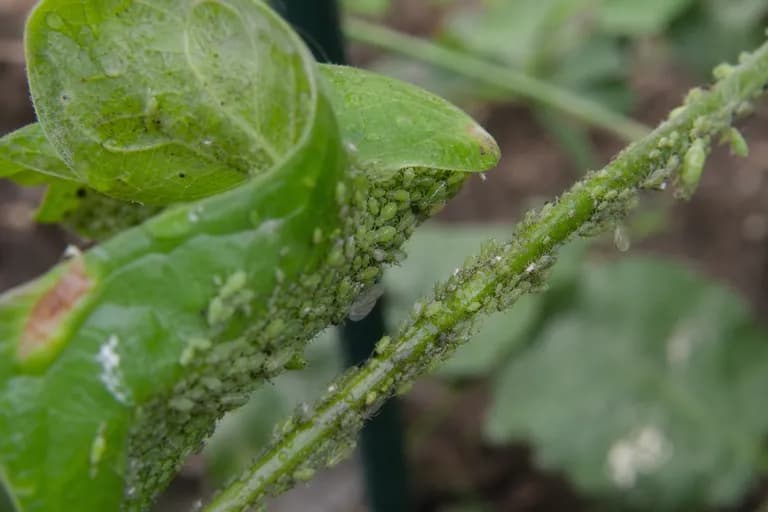
Aphids
PestOccasional clusters on soft new growth in spring. Usually a minor issue that resolves with natural predators.
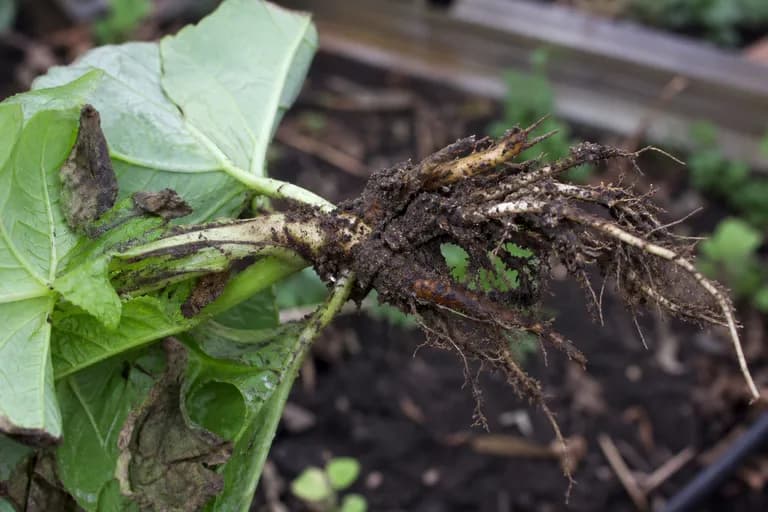
Root Rot
DiseaseYellowing, wilting foliage despite adequate moisture. Soft, brown roots when dug up.
Troubleshooting Common Problems
Leggy, bare-stemmed growth is the most common issue and is entirely preventable with annual hard pruning in spring. Without pruning, plants become woody skeletons within 2-3 years. Never skip the spring cut. In wet, heavy soils, root rot can occur; ensure good drainage. The plant rarely flowers in cooler climates but this is normal and does not affect foliage quality or fragrance.
Growing Tips
- Plant southernwood in full sun for the most aromatic foliage. While it tolerates light shade, plants grown in less than 6 hours of direct sunlight produce fewer essential oils and have a weaker, less pungent scent.
- Well-drained soil is essential. Southernwood thrives in average to poor soil and actively dislikes rich, heavy, or waterlogged ground. If your soil is clay-heavy, plant in a raised bed or amend generously with coarse grit and sand.
- Perform a hard annual pruning in early spring, cutting the entire plant back to 15-20 cm from the ground just as new buds become visible. This prevents the plant from becoming an open, leggy, woody skeleton and forces dense, bushy regrowth.
- Once established, southernwood is extremely drought-tolerant and rarely needs supplemental watering. Overwatering is the most common mistake and leads to root rot, especially in heavy soils or during cool, damp weather.
- Propagate by taking 10-15 cm semi-hardwood cuttings in late summer. Strip the lower leaves, dip in rooting hormone, and insert into a mix of perlite and peat. Roots typically form in 3-5 weeks, providing free new plants.
- Use southernwood as a companion plant near brassicas, carrots, and fruit trees. Its strong aromatic oils confuse and repel cabbage moths, carrot flies, and codling moths, acting as a natural pest deterrent for neighbouring crops.
- Avoid fertilizing southernwood. Excess nitrogen produces lush but weakly scented growth and makes the plant more susceptible to pest damage. The best essential oil production comes from plants growing in lean, mineral soil.
- Space plants 60-90 cm apart when planting as a hedge. Southernwood responds well to trimming and can be shaped into a tidy, formal low hedge that releases its scent whenever anyone brushes past it.
- In colder regions, ensure excellent winter drainage by planting on a slight slope or mound. Cold wet roots are far more dangerous to southernwood than cold air temperatures, and good drainage can mean the difference between survival and loss.
- Harvest stems throughout the growing season for fresh use, but stop cutting about 6 weeks before the first expected frost. This allows late-season growth to harden off properly and improves the plant's winter survival rate.
Pick your Southernwood
Artemisia abrotanum (standard)
The classic southernwood with grey-green feathery foliage and sweet camphor-lemon scent. The most commonly grown form.
Artemisia abrotanum 'Tangerine'
Selected form with a more citrus-forward fragrance. Slightly more compact growth habit than the standard species.
A single southernwood plant costs $5-10 at a nursery and can live for 15-30 years with minimal care, providing an ongoing supply of natural moth repellent, pest-deterrent sprays, and herbal preparations. Commercial natural moth-repellent sachets sell for $8-15 per pack, while one mature plant produces enough dried material for 10-20 sachets per season. Over its lifetime, a single plant can save you $200-500 on natural moth repellents and herbal products alone. Propagation from cuttings is virtually free, allowing you to create an entire aromatic hedge at no additional cost.
Quick recipes

Southernwood Moth-Repellent Sachets
20 minutes + drying timeThese fragrant sachets harness southernwood's natural insect-repelling properties to protect stored clothing and linens from moth damage without any harsh chemicals. The lemon-camphor scent is far more pleasant than commercial mothballs and keeps wardrobes smelling fresh. A traditional craft that has protected textiles for centuries.
6 ingredientsSouthernwood Bitter Digestive Tea
10 minutesA traditional European herbal tea that uses southernwood's bitter compounds to gently stimulate digestion and relieve bloating after a heavy meal. The bitterness is softened with honey and complemented by peppermint, creating a soothing post-dinner tonic. Use sparingly, as southernwood is potent and should be consumed in small quantities.
5 ingredients
Southernwood Garden Pest Spray
30 minutes + overnight steepingA natural garden spray that utilises the aromatic compounds in southernwood to deter aphids, cabbage moths, and other soft-bodied garden pests. This traditional preparation avoids synthetic pesticides and can be used safely on edible crops. The strong scent confuses pests and masks the smell of their target plants.
5 ingredientsWhat's inside
Health Benefits
- Southernwood contains bitter sesquiterpene lactones that stimulate digestive secretions including bile and gastric acid, making it a traditional remedy for poor appetite and sluggish digestion when taken as a weak tea.
- The essential oils in southernwood, particularly 1,8-cineole and camphor, have demonstrated antimicrobial properties in laboratory studies against several common bacteria and fungi.
- Traditional European herbalism has used southernwood preparations externally as a mild antiseptic wash for minor cuts, grazes, and skin irritations, taking advantage of its natural antimicrobial compounds.
- Southernwood tea has been historically used to help relieve menstrual discomfort and regulate irregular cycles, though it should be avoided during pregnancy due to its emmenagogue properties.
- The aromatic compounds released by fresh and dried southernwood have a mild calming effect and have been used in herbal pillows and sachets to promote restful sleep and ease tension.
- The strong concentration of volatile oils in southernwood acts as a natural insect repellent when applied to skin as an infused oil or when dried leaves are placed in living spaces, reducing exposure to chemical repellent products.
Where Southernwood comes from
Southernwood (Artemisia abrotanum) is native to the Mediterranean regions of southern Europe and western Asia, where it grows wild on dry, rocky hillsides and in scrubby woodland margins from Spain and Italy through Turkey and into the Caucasus. Its natural habitat is characterised by hot, dry summers and mild winters with freely draining, often poor soils. The ancient Greeks and Romans were well acquainted with southernwood, and both Pliny the Elder and Dioscorides wrote about its medicinal applications in their botanical treatises. The Romans used it as a strewing herb, scattering it on floors to freshen the air and deter insects, and they are credited with introducing the plant to northern Europe and Britain as their empire expanded. By the early medieval period, southernwood had become a fixture of monastic herb gardens across Europe. Charlemagne listed it among the essential plants to be grown in every imperial garden in his Capitulare de Villis decree of 812 AD. Throughout the Middle Ages, it was valued primarily as a medicinal herb and household insect repellent. Apothecaries prescribed preparations of southernwood for digestive complaints, fevers, and as a general tonic. Its insect-repelling properties made it indispensable in an era when moth damage to textiles was a serious economic concern. English cottage gardeners adopted southernwood enthusiastically, growing it as both a fragrant hedge and a practical household herb. The common names Lad's Love and Old Man reflect its deep roots in English folk culture, where it was associated with youthful romance and carried as a fragrant nosegay. Colonial settlers brought southernwood to North America in the 17th and 18th centuries, planting it in their kitchen and dooryard gardens alongside other essential European herbs. While it never achieved the same commercial importance as lavender or rosemary, southernwood maintained a loyal following among herbalists and cottage gardeners. Today it is experiencing a revival of interest among gardeners who value heritage plants, natural pest deterrents, and aromatic ornamental shrubs that require minimal water and care.
Southernwood: did you know?
Fascinating facts about Southernwood
Southernwood was historically known as 'Lad's Love' or 'Boy's Love' in England because young men would carry sprigs of the plant to church, hoping its strong scent would keep them alert during long sermons and impress young women sitting nearby.
Southernwood questions, answered
When should I plant Southernwood?
What are good companion plants for Southernwood?
What hardiness zones can Southernwood grow in?
How much sun does Southernwood need?
How far apart should I space Southernwood?
What pests and diseases affect Southernwood?
How do I store Southernwood after harvest?
What are the best Southernwood varieties to grow?
What soil does Southernwood need?
Is southernwood safe to eat or use in cooking?
How do I use southernwood to repel moths from my wardrobe?
Why does my southernwood look woody and bare at the base?
Can southernwood grow in containers?
Does southernwood actually repel insects in the garden?
How cold-hardy is southernwood and will it survive harsh winters?
Plant these alongside Southernwood
More Aromatic Herbs
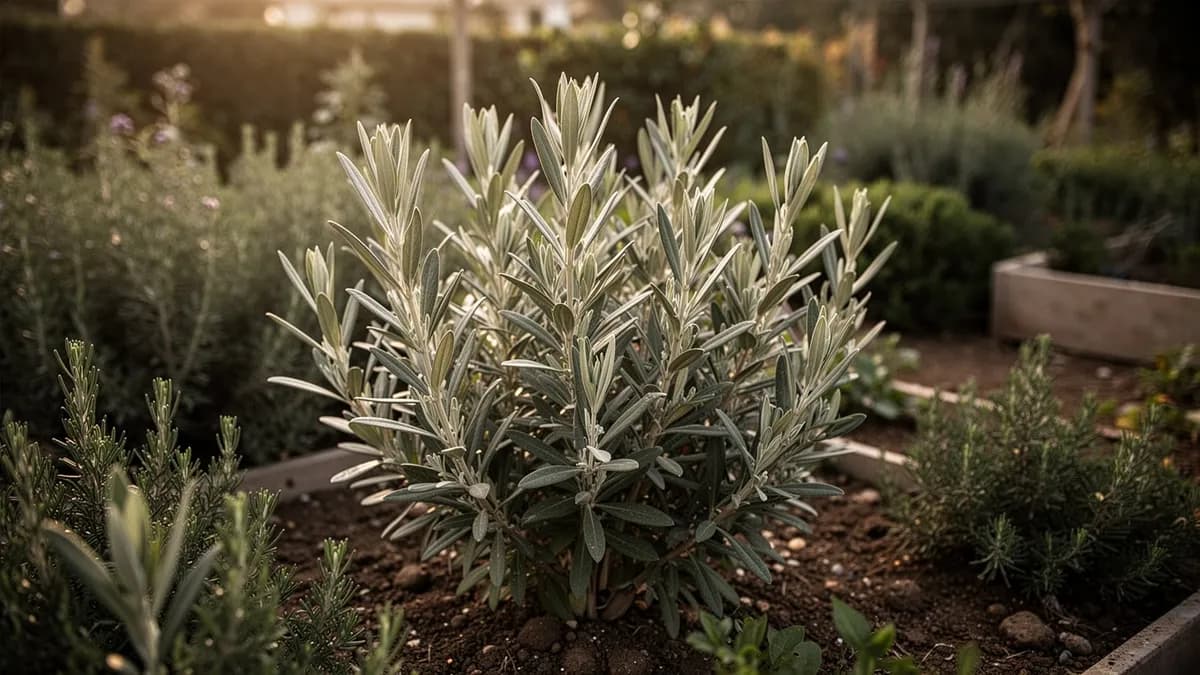
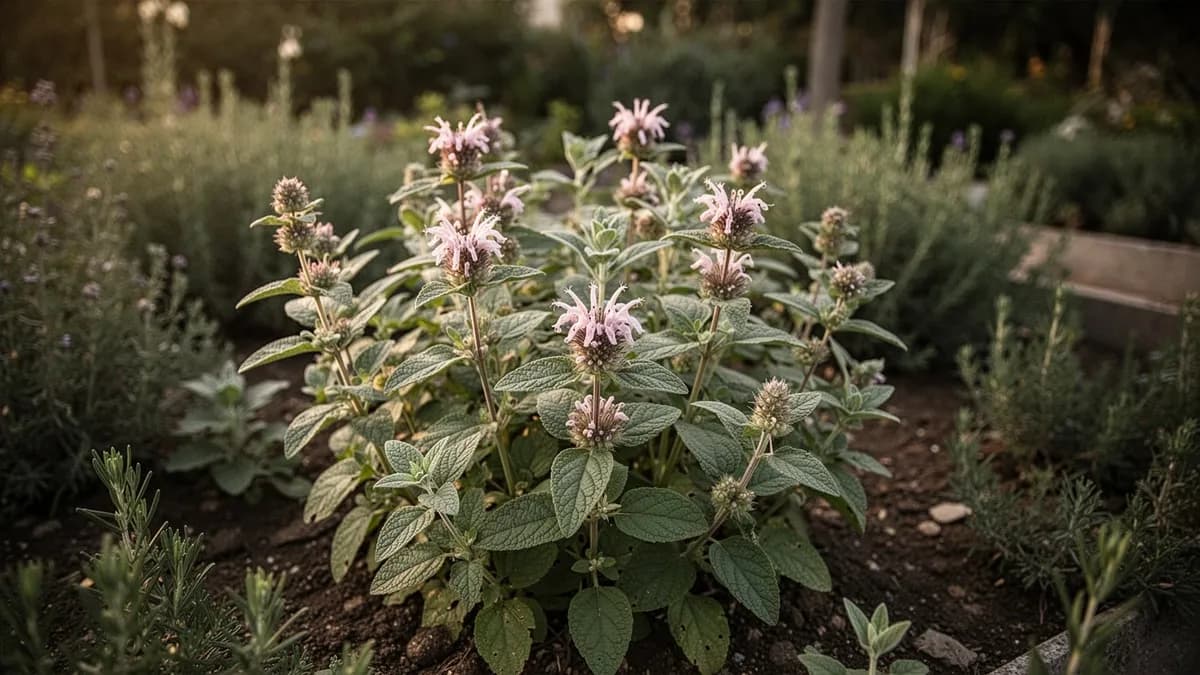
Grow your best Southernwood yet — and everything around it.
Start a free plan today. Lay out your beds, drop in your Southernwood, and let PlotMyGarden handle the timing, spacing, companions and reminders from seed to harvest basket.
