Red-Veined Sorrel
A strikingly ornamental sorrel with green leaves laced with dramatic deep red veins that intensify in cool weather.





On this pageOverview
Meet Red-Veined Sorrel
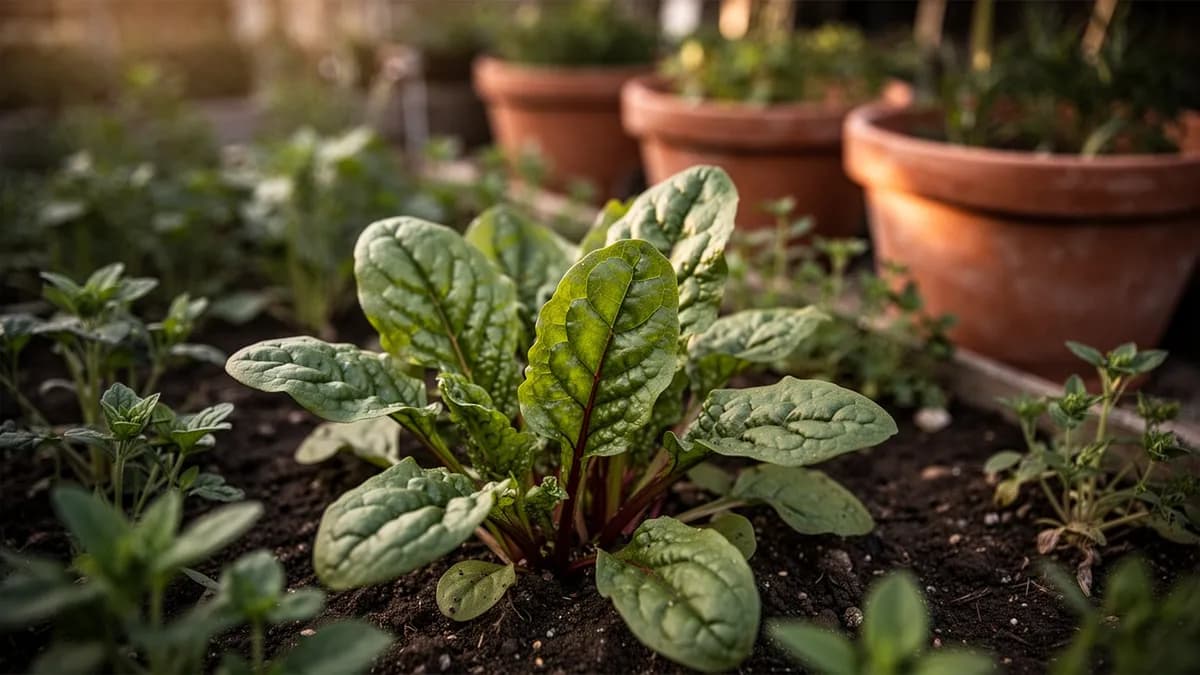
A strikingly ornamental sorrel with green leaves laced with dramatic deep red veins that intensify in cool weather. The mild, slightly tangy leaves add color and gentle lemony flavor to salads and garnishes. Grow in partial shade for the best color contrast and remove flower spikes to prolong the ornamental leaf display.
When to plant Red-Veined Sorrel
Sow seeds in spring or autumn on the surface of moist seed-starting mix—press lightly but do not cover, as seeds need light. Germination takes 7-14 days at 15-20°C. Direct sow outdoors in early spring for the easiest establishment. Thin seedlings to 25cm apart. Division of established clumps in spring provides instant results with guaranteed red veination. Self-sown seedlings may show variable vein intensity—select the most colorful individuals for transplanting.
Your Red-Veined Sorrel Year
Composed for Zone 7 · typical seasons · frost passes Apr 2, returns Nov 1
Plant Red-Veined Sorrel Mar – May, pick Apr – Sep. Check the planting methods below and set your climate to personalize these windows.
How to grow Red-Veined Sorrel
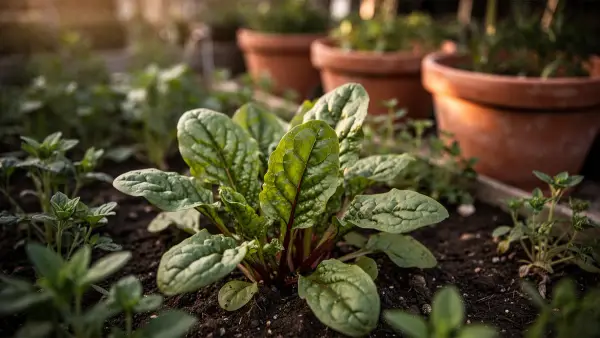
Red-veined sorrel is one of the most visually stunning herbs, with green lance-shaped leaves dramatically laced with deep crimson veins that intensify in cool weather. Plant in partial shade to full sun, spacing 25cm apart in rich, moist soil. This ornamental-edible perennial makes a striking addition to both herb gardens and flower borders, reaching 30-40cm tall.
Partial shade produces the most vivid vein coloring—full sun in hot climates can bleach the red veins and cause premature bolting. Keep soil consistently moist with regular watering and mulching. Rich soil produces the largest, most colorful leaves. Feed monthly with balanced liquid fertilizer during the growing season for maximum leaf production.
Remove flower stalks promptly as they appear, as flowering reduces leaf production and quality. The flower stalks are tall and unattractive, detracting from the ornamental value of the basal rosette. Red-veined sorrel is less vigorous than common sorrel and does not spread as aggressively, making it better behaved in mixed plantings. Divide clumps every 2-3 years in spring to maintain vigor and color intensity.
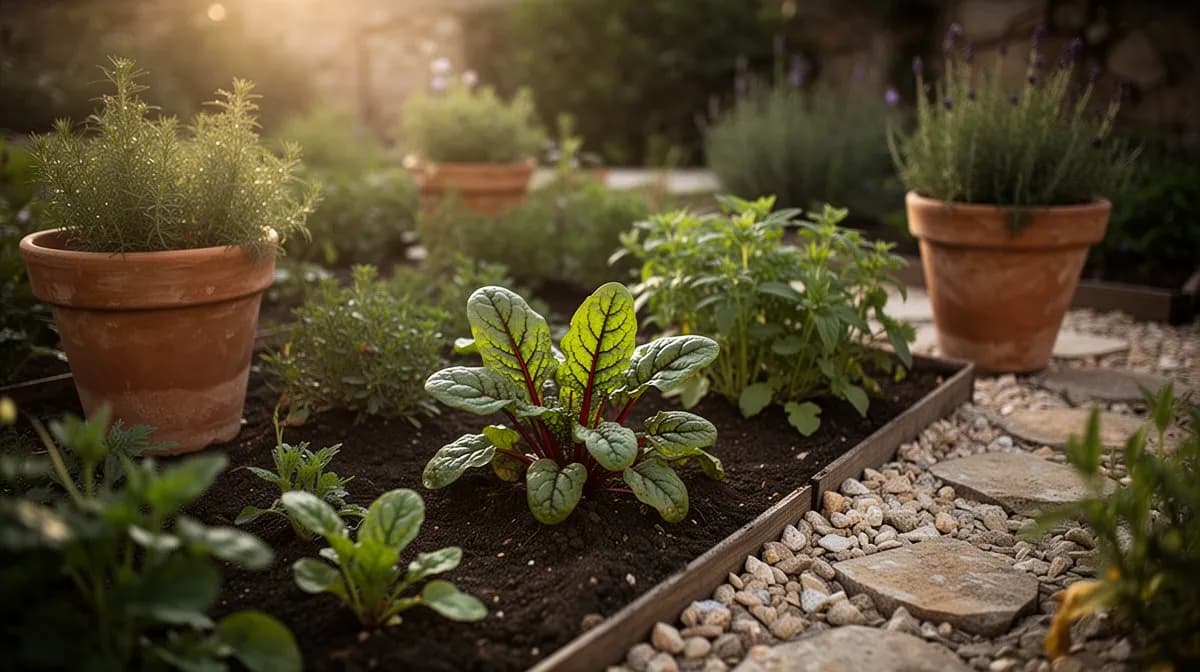
36 plants fit a 4 × 8 ft bed
Each Red-Veined Sorrel wants 25 cm of elbow room. The planner keeps that spacing for you — every plant, every bed.
Red-Veined Sorrel's best neighbours
Red-veined sorrel works beautifully as an ornamental edging plant in mixed herb and flower borders. Its shade tolerance makes it useful beneath taller plants where it provides attractive ground cover. Plant alongside strawberries and lettuce in cool, partially shaded positions. The low rosette form fills gaps between larger herbs and flowers. Less aggressive than common sorrel, making it a better neighbor in mixed plantings.
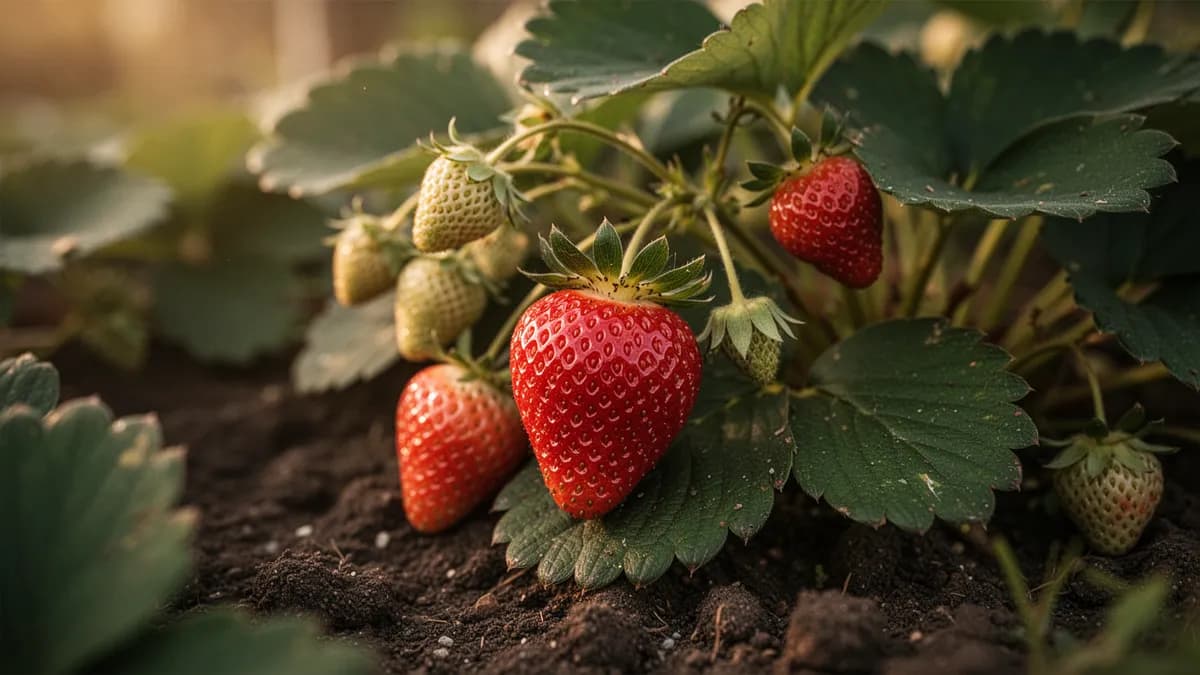
Strawberry belongs beside it.
Old growers' knowledge, checked against Red-Veined Sorrel's real companion table below — test any plant you're growing.
Try Red-Veined Sorrel in a bed — right here
A real planner bed with Red-Veined Sorrel already in it. Tap a companion to place it and watch the pairing checks answer — green for good neighbours, red for a clash.


Related growing guides
Feed it well
Grow in rich, moisture-retentive soil with pH 5.5-7.0. Amend with generous compost for the largest, most colorful leaves. Feed monthly with balanced liquid fertilizer during active growth. Consistent moisture produces the most impressive foliage. In containers, use quality potting mix and feed regularly. Unlike many herbs that prefer lean soil, red-veined sorrel benefits from rich growing conditions that fuel its ornamental leaf production.
Ideal Temperature
Hardiness Zone Compatibility
From seed to harvest, stage by stage
Germination
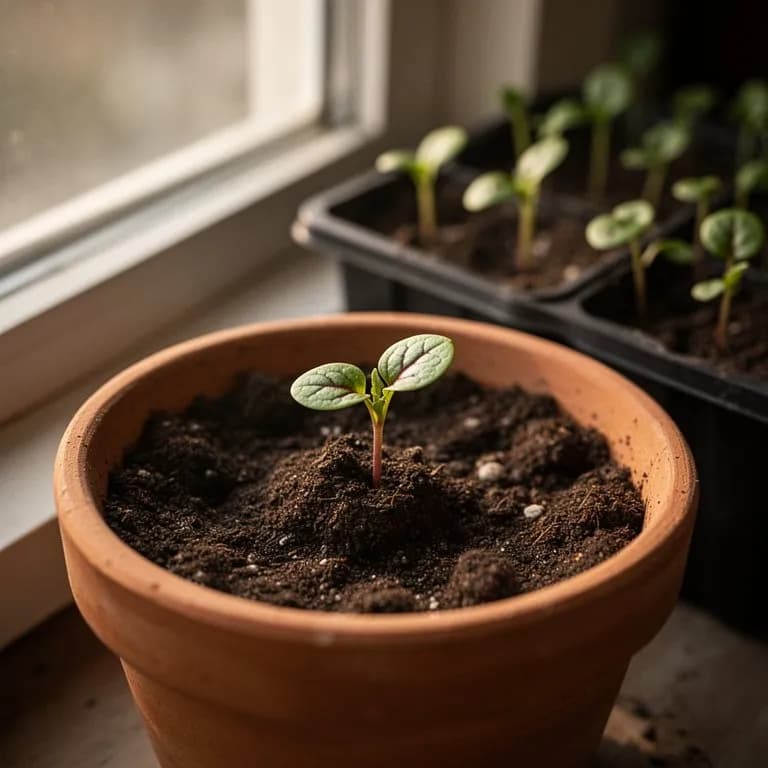
Tiny seeds germinate in cool to moderate soil temperatures, producing small paired cotyledons that are plain green with no hint of the red venation to come. Germination takes 7-14 days and is most reliable at soil temperatures of 13-18°C (55-65°F). Seeds are small but not as fine as amaranth, making them easier to handle and space.
Seedling Development
True leaves emerge with the characteristic lance shape and the first delicate red veining begins to appear. Initially the veins are a pale pink, deepening to crimson as the leaves mature. The young rosette establishes a strong taproot during this period.
Rosette Establishment
The plant forms a dense basal rosette of increasingly vivid leaves. Red venation intensifies dramatically, with mature leaves displaying deep crimson veins against bright green tissue. The taproot deepens, making the plant increasingly drought-tolerant. First harvests can begin at this stage.
Active Production
The rosette is fully established and produces new leaves continuously throughout the growing season. This is the peak harvest window, with plants generating several new leaves per week under good conditions. The vein coloration is at its most intense and ornamental.
Flowering and Seed Set
As day length increases and temperatures rise in summer, the plant sends up tall flower spikes bearing tiny reddish-green flowers on wiry stems. Once flowering begins, leaf flavor becomes more intensely tart and leaf texture toughens. Seeds develop rapidly on the flower spikes if left unpicked.
Dormancy and Perennial Regrowth
As a hardy perennial, red-veined sorrel dies back to its rootstock in late autumn and enters winter dormancy in cold climates. The deep taproot survives freezing temperatures down to -20°C (-4°F) and regenerates vigorously the following spring, often producing leaves earlier than most other perennial herbs. In mild climates, the plant may remain semi-evergreen through winter.
Sow seeds 5mm deep in moist, well-drained soil. Keep the surface consistently moist with light misting until seedlings emerge. Sorrel germinates best in cooler conditions — avoid sowing in midsummer heat.
Caring for Red-Veined Sorrel month by month
What to do each month for your Red-Veined Sorrel
October
You are hereContinue harvesting leaves through early autumn. In mild climates, red-veined sorrel may produce well into late autumn or even winter. Direct-sow seeds now in zones 8-10 for overwintering plants that will establish strong roots before spring growth.
Know exactly what to do in your garden — every month
One email at the start of each month: what to sow, plant, and tackle right now — for your Red-Veined Sorrel and everything growing around it. Plus a short starter course that helps you dodge the classic mistakes.
- What to do, right now
- Matched to your season
- Starter course included
Harvesting Red-Veined Sorrel
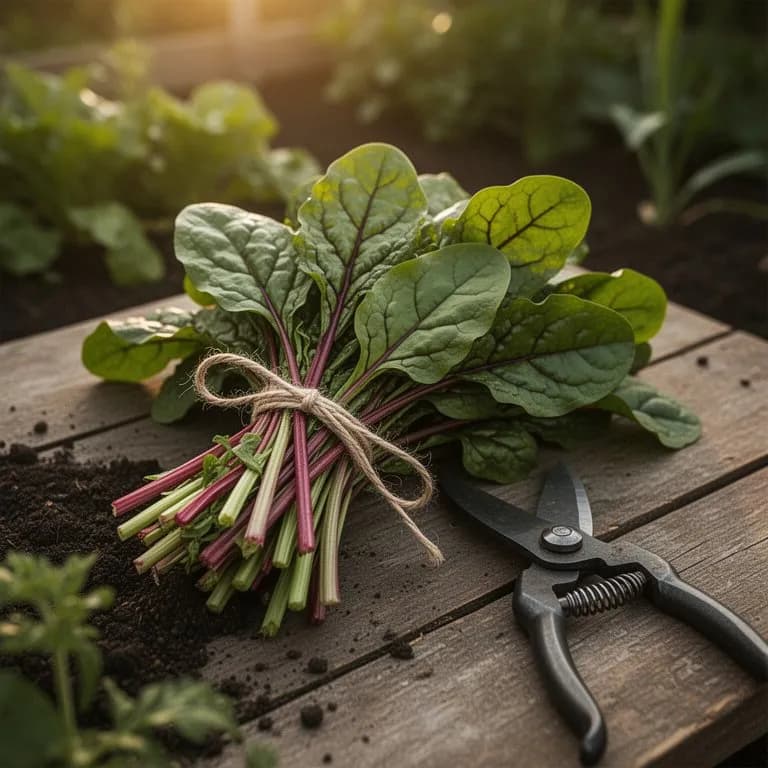
Harvest red-veined sorrel leaves individually by picking outer leaves first, preserving the decorative central rosette. Young leaves have the mildest flavor and most vivid coloring—ideal for salad garnishing. Older leaves develop stronger acidity. The leaves are most colorful in spring and autumn when temperatures are cool. Use the red-veined leaves whole as edible garnishes where their dramatic appearance is showcased. Regular harvesting encourages fresh, colorful new growth.
assuming you plant when the window opens — set your real date
Pick Red-Veined Sorrel promptly and the plant keeps producing.
Storage & Preservation
Use red-veined sorrel leaves fresh for the best visual impact—the stunning red veins fade when cooked or dried. Refrigerate in a sealed container with a damp paper towel for 3-5 days. The leaves do not dry well and lose all decorative value when dried. For cooking use, freeze pureed leaves in ice cube trays—flavor is preserved but color changes to olive green. Best enjoyed fresh as a garnish and salad ingredient where the visual beauty can be appreciated.
What goes wrong — and the fix
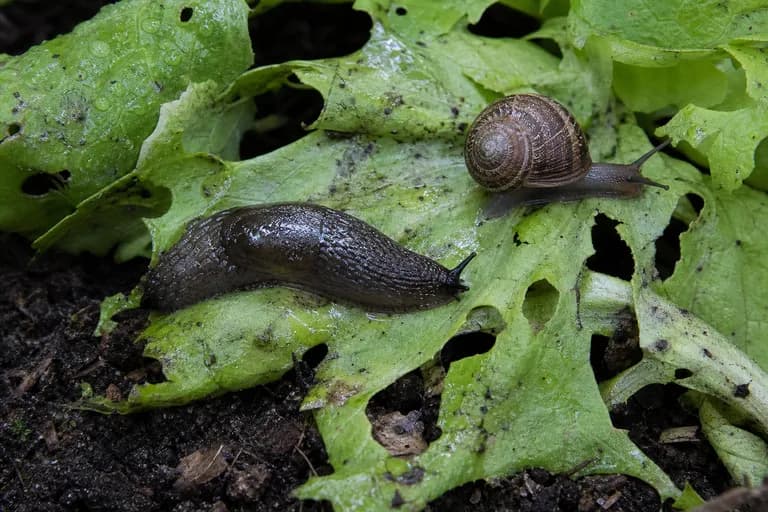
Slugs and Snails
PestLarge irregular holes in the decorative leaves, slime trails on and around plants, especially in wet conditions.
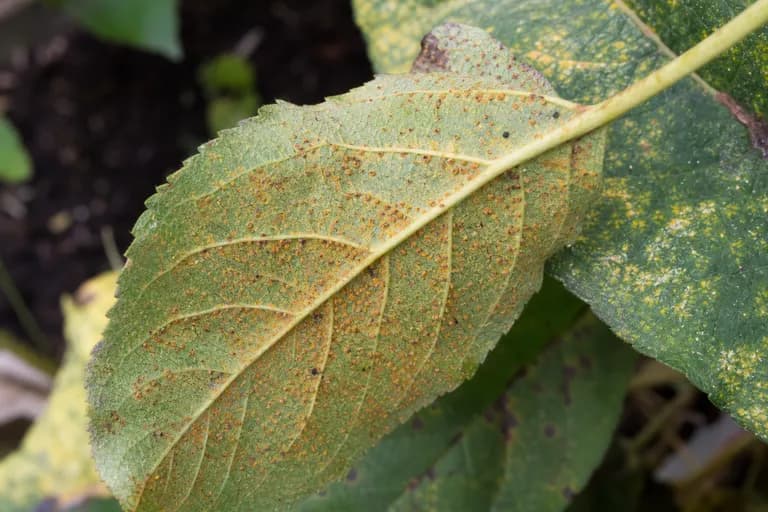
Rust
DiseaseOrange-brown pustules on leaf undersides that contrast with the red veins, progressive yellowing and leaf loss.
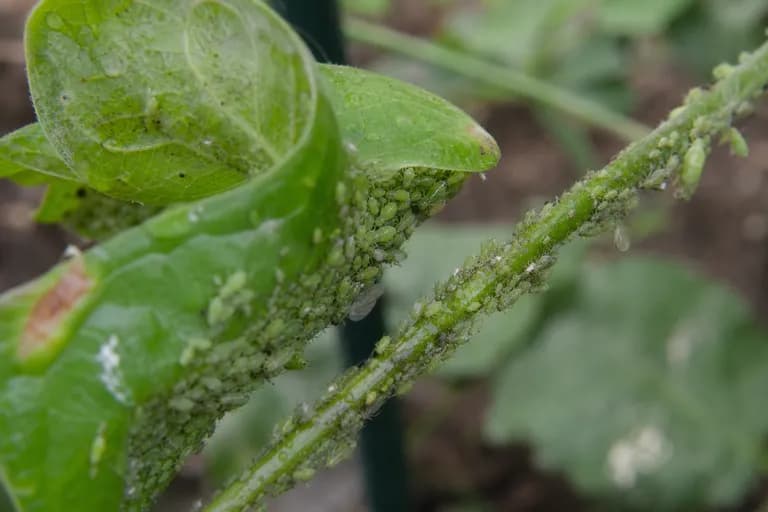
Aphids
PestClusters of green or black insects on flower stalks and young leaves, curled growth, sticky honeydew.
Troubleshooting Common Problems
Faded red veins usually indicate too much sun or heat stress—move to partial shade in hot climates. Bolting reduces leaf quality and ornamental value—remove flower stalks immediately. The leaves have a milder, less culinary flavor than French or common sorrel, so manage expectations for cooking use. Like all sorrels, the oxalic acid content means people with kidney conditions should limit consumption. Plants may self-seed modestly if flowers are not removed.
Growing Tips
- Plant red-veined sorrel in partial shade to full sun. Unlike most herbs that demand maximum sunlight, sorrel actually produces more tender, less bitter leaves with 4-6 hours of direct sun and dappled afternoon shade — making it ideal for those tricky partially shaded garden spots.
- Choose a spot with moist, humus-rich soil. Sorrel tolerates a wide range of soil types but performs best in slightly acidic to neutral soil (pH 5.5-7.0) that retains moisture without becoming waterlogged. Work in plenty of compost before planting.
- Remove flower stalks immediately and relentlessly throughout summer. Every flower stalk left to develop diverts energy from leaf production, reduces leaf quality, and risks self-sowing that can turn your ornamental herb into an aggressive weed.
- Divide established clumps every 3-4 years in early spring or early autumn to maintain plant vigor and leaf quality. Lift the entire root mass, split it into 3-4 sections with a sharp spade, discard any woody central portions, and replant divisions at the same depth.
- Mulch around plants with 5-8 cm of organic mulch to keep roots cool and moist through summer, suppress weeds, and insulate crowns through winter. Straw, shredded leaves, or well-aged wood chips all work well.
- Grow red-veined sorrel in containers at least 30 cm deep to accommodate its taproot. Use a moisture-retentive potting mix and water regularly — container-grown sorrel dries out faster than garden plants but produces beautifully compact, highly ornamental rosettes.
- Interplant with complementary herbs like chives, parsley, and thyme for a visually striking and productive edible border. The red-veined leaves create a dramatic contrast against the greens and grays of traditional herb garden plants.
- Harvest leaves in the morning after dew has dried for the crispest texture and mildest flavor. Afternoon-picked leaves tend to be more intensely tart due to higher concentrations of oxalic acid that build up during the day.
- Protect young spring growth from slugs and snails, which are particularly attracted to the tender emerging leaves. Copper tape around containers, beer traps, or a ring of crushed eggshells around plants provides effective organic control.
- In regions with harsh winters (zones 4-5), apply an extra-thick layer of mulch after the first hard frost and consider covering with evergreen boughs for additional insulation. The investment is worthwhile — a well-protected plant will return reliably for many years.
Grow your best Red-Veined Sorrel yet — and everything around it.
Start a free plan today. Lay out your beds, drop in your Red-Veined Sorrel, and let PlotMyGarden handle the timing, spacing, companions and reminders from seed to harvest basket.
Pick your Red-Veined Sorrel
Red-Veined Sorrel (Bloody Dock)
The standard ornamental species with dramatic crimson veins on green leaves. Milder flavor than culinary sorrels.
Schavel
A selected form with especially intense red veination and compact growth habit. Excellent for container display.
French Sorrel (Rumex scutatus)
Related species with shield-shaped leaves and better culinary flavor but without the red veins. Best for cooking.
A single packet of red-veined sorrel seeds costs $2-4 and establishes perennial plants that produce for 5-7 years without replanting. Fresh sorrel is rarely available in supermarkets and commands $5-10 per small bunch at specialty markets and farmers markets. Growing just 3-4 plants provides a continuous supply of premium salad greens worth $80-150 per season, and because the plants return year after year and can be divided to create new plants for free, the lifetime value from a single seed packet can easily exceed $500.
Quick recipes
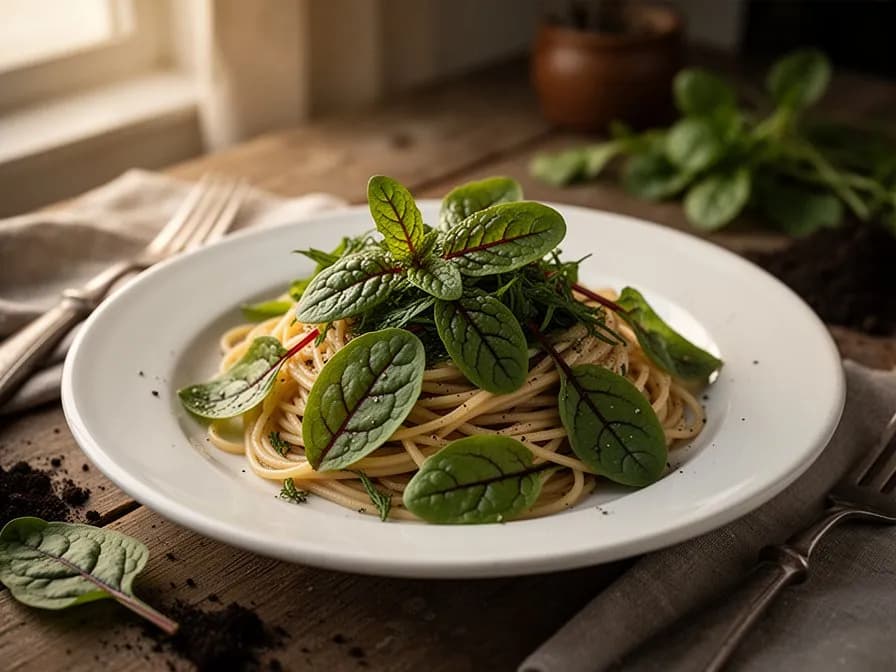
Red-Veined Sorrel and Goat Cheese Salad
10 minA stunning composed salad that showcases the ornamental leaves as both the visual centerpiece and the primary flavor driver. The tangy, lemony sorrel pairs beautifully with creamy goat cheese, toasted walnuts, and a light honey vinaigrette for a restaurant-quality starter.
8 ingredientsCreamy Sorrel Sauce for Fish
15 minA classic French-inspired sauce where the sorrel leaves melt into a silky, bright green puree with a natural lemony tang that pairs perfectly with pan-seared salmon, trout, or white fish. The sauce comes together in minutes and needs no added acid.
7 ingredientsSorrel and Potato Soup
30 minA velvety, tangy soup that is a springtime classic across Eastern and Western Europe. The natural acidity of the sorrel eliminates the need for lemon juice and creates a uniquely refreshing flavor that works beautifully served warm or chilled.
8 ingredientsCulinary Uses
Red-veined sorrel is primarily used as an edible garnish where its dramatic appearance elevates plating. Add whole young leaves to green salads for color contrast and mild lemony flavor. Use as a striking base for canapés and plated appetizers. The mild tang pairs with goat cheese, smoked salmon, and fresh fruits. The red veins bleed color when heated, so avoid cooking. Float leaves in clear soups or cold drinks for visual drama. Less acidic than culinary sorrels.
What's inside
Health Benefits
- Exceptionally high in vitamin C per serving, providing more than half the daily requirement in just 100g of raw leaves — a potent immune booster and antioxidant that also enhances the absorption of plant-based iron from the same leaves.
- Outstanding source of beta-carotene (provitamin A) that supports eye health, skin renewal, and immune cell production, with 100g of leaves delivering roughly 80% of the recommended daily intake.
- The anthocyanin pigments concentrated in the red veins have been shown in studies to possess anti-inflammatory and cardioprotective properties, potentially reducing the risk of cardiovascular disease and supporting healthy blood vessel function.
- Contains natural organic acids including oxalic and ascorbic acid that stimulate digestive enzyme production and bile flow, traditionally used across European folk medicine as a gentle digestive tonic and appetite stimulant.
- Provides a meaningful source of dietary iron in a matrix rich in vitamin C, creating optimal conditions for non-heme iron absorption — particularly beneficial for vegetarians, vegans, and those at risk of iron-deficiency anemia.
- Rich in flavonoids and polyphenolic compounds with demonstrated antioxidant activity that may help protect cells from oxidative stress, support healthy aging, and reduce chronic inflammation throughout the body.
Where Red-Veined Sorrel comes from
Red-veined sorrel (Rumex sanguineus) is native to Europe, western Asia, and parts of North Africa, where it has grown wild in woodland margins, hedgerows, and damp meadows for millennia. Unlike its more intensely flavored cousin common sorrel (Rumex acetosa), which was actively cultivated as a potherb and medicinal plant since ancient Egyptian and Roman times, red-veined sorrel was primarily a wild-gathered plant appreciated for its milder flavor and striking ornamental appearance.
The ancient Greeks and Romans were well acquainted with the sorrel family, using various Rumex species both in cooking and medicine. The Greek physician Dioscorides documented sorrel's digestive properties in the first century AD, and Roman cooks used the leaves to add acidity to sauces and stews in an era before lemons were widely available in Europe. The tangy flavor of sorrel made it a natural acid ingredient, and it remained a kitchen staple across Europe throughout the medieval and Renaissance periods.
Red-veined sorrel specifically gained horticultural attention during the 16th and 17th centuries, when European herbalists and botanists began systematically cataloging native flora. Its dramatic crimson venation set it apart from other dock and sorrel species, and it was increasingly grown in physic gardens and kitchen gardens as both an ornamental and a salad herb. The great English herbalist John Gerard described it in his 1597 Herball, noting its use in salads and as a cooling spring green.
In modern times, red-veined sorrel has experienced a remarkable revival driven by the farm-to-table restaurant movement and the growing interest in ornamental edibles. Its photogenic leaves have made it a darling of professional chefs and food stylists worldwide. It is now widely grown in kitchen gardens, market gardens, and container plantings across temperate regions of Europe, North America, Australia, and New Zealand, valued equally for its beauty in the garden and its bright, tangy contribution to contemporary cuisine.
Red-Veined Sorrel: did you know?
Fascinating facts about Red-Veined Sorrel
Red-veined sorrel is one of the few plants whose leaves are so visually striking that high-end restaurants use them purely as edible garnish for plating — a single leaf can transform a dish from ordinary to Instagram-worthy, and some chefs pay premium prices for consistently beautiful specimens.
Red-Veined Sorrel questions, answered
When should I plant Red-Veined Sorrel?
What are good companion plants for Red-Veined Sorrel?
What hardiness zones can Red-Veined Sorrel grow in?
How much sun does Red-Veined Sorrel need?
How far apart should I space Red-Veined Sorrel?
What pests and diseases affect Red-Veined Sorrel?
How do I store Red-Veined Sorrel after harvest?
What are the best Red-Veined Sorrel varieties to grow?
What soil does Red-Veined Sorrel need?
What does red-veined sorrel taste like compared to regular sorrel?
Is red-veined sorrel a perennial, and how long does it live?
Can I grow red-veined sorrel in containers on a balcony?
Is red-veined sorrel safe to eat in large quantities?
How do I prevent red-veined sorrel from self-sowing everywhere?
When is the best time to harvest red-veined sorrel leaves?
You just read the theory. Now grow it on autopilot.
Everything that makes Red-Veined Sorrel fiddly — the timing, the spacing, the companions, the harvest window — is exactly what PlotMyGarden handles for you, for every plant in your garden.
A plan that knows your weather
Set your location once. Get sow, feed and harvest dates built around your real last-frost date and live forecast — no more guessing from a generic seed packet.
From the “When to plant” sectionDrag-and-drop bed planner
Design beds on a grid. Every plant snaps to its proper spacing, and you can see your whole season laid out before you spend a cent on seed.
From the “Growing guide” sectionCompanion conflicts, caught early
200+ good-and-bad pairings checked live as you plant — so a season-wrecking mistake never makes it into the ground.
From the “Companions” sectionReminders you'll actually act on
“Water the beans.” “Pick today before it turns.” Timely, specific, and tied to the plants you're really growing.
From the “Harvest” sectionSuccession, scheduled
Want a harvest for six weeks, not six days? It spaces your sowings automatically and reminds you when each new block is due.
From the “When to plant” sectionA record that gets smarter
Every harvest you log teaches it your garden. Next year's plan starts from what actually worked in your soil, not a textbook's.
From the “Overview” sectionPlant these alongside Red-Veined Sorrel
More Culinary Herbs
Grow your best Red-Veined Sorrel yet — and everything around it.
Start a free plan today. Lay out your beds, drop in your Red-Veined Sorrel, and let PlotMyGarden handle the timing, spacing, companions and reminders from seed to harvest basket.