Acedera francesa
Una hierba perenne para ensalada con hojas pequeñas, en forma de escudo, y un brillo cítrico y ácido procedente del ácido oxálico.





En esta páginaResumen
Conoce Acedera francesa
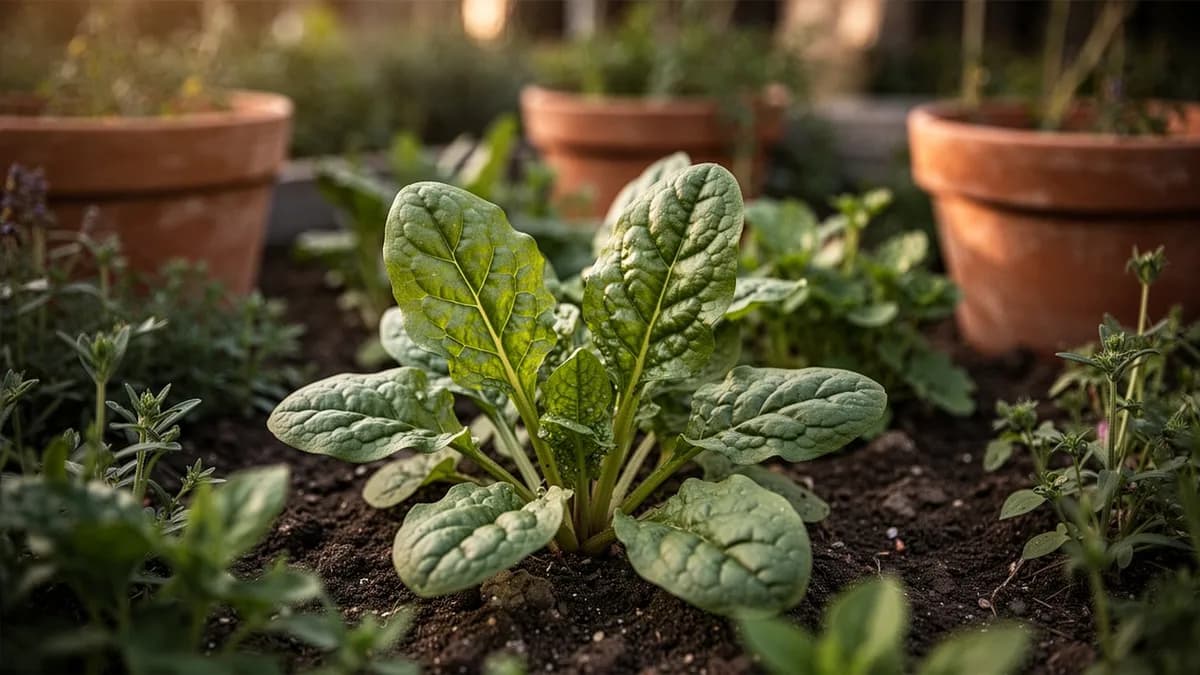
Una hierba perenne para ensalada con hojas pequeñas, en forma de escudo, y un brillo cítrico y ácido procedente del ácido oxálico. La acedera francesa es más suave y menos amarga que la acedera común, por lo que resulta más adecuada para ensaladas crudas y salsas delicadas. Corte los tallos florales con rapidez para mantener la producción de hojas durante toda la temporada de cultivo.
Cuándo plantar Acedera francesa
Siembre las semillas de acedera francesa directamente al exterior a principios de primavera u otoño, presionándolas sobre la superficie del suelo húmedo: necesitan luz para germinar. La germinación ocurre en 7-21 días a 15-20 °C. Aclare las plántulas hasta dejar 30 cm entre plantas. También puede iniciarlas en interior 6-8 semanas antes de la última helada. Dividir matas establecidas en primavera u otoño es el método de propagación más fácil y rápido, y proporciona plantas listas para cosechar de inmediato. Se resiembra libremente si no se retiran las flores.
Tu año de Acedera francesa
Ajustado a Zona 7 · temporada típica · la helada se va hacia el 2 abr y vuelve hacia el 1 nov
Planta Acedera francesa Mar – May y cosecha Abr – Oct. Consulta los métodos de plantación y elige tu clima para adaptar los periodos.
Cómo cultivar Acedera francesa
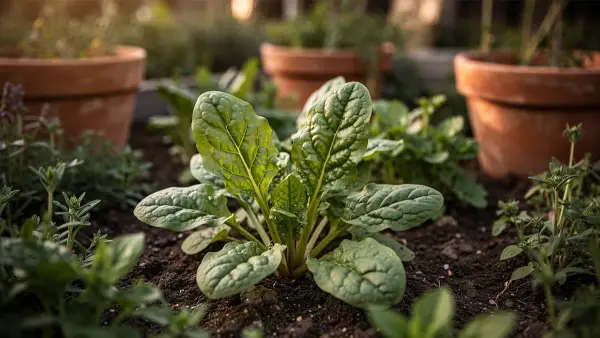
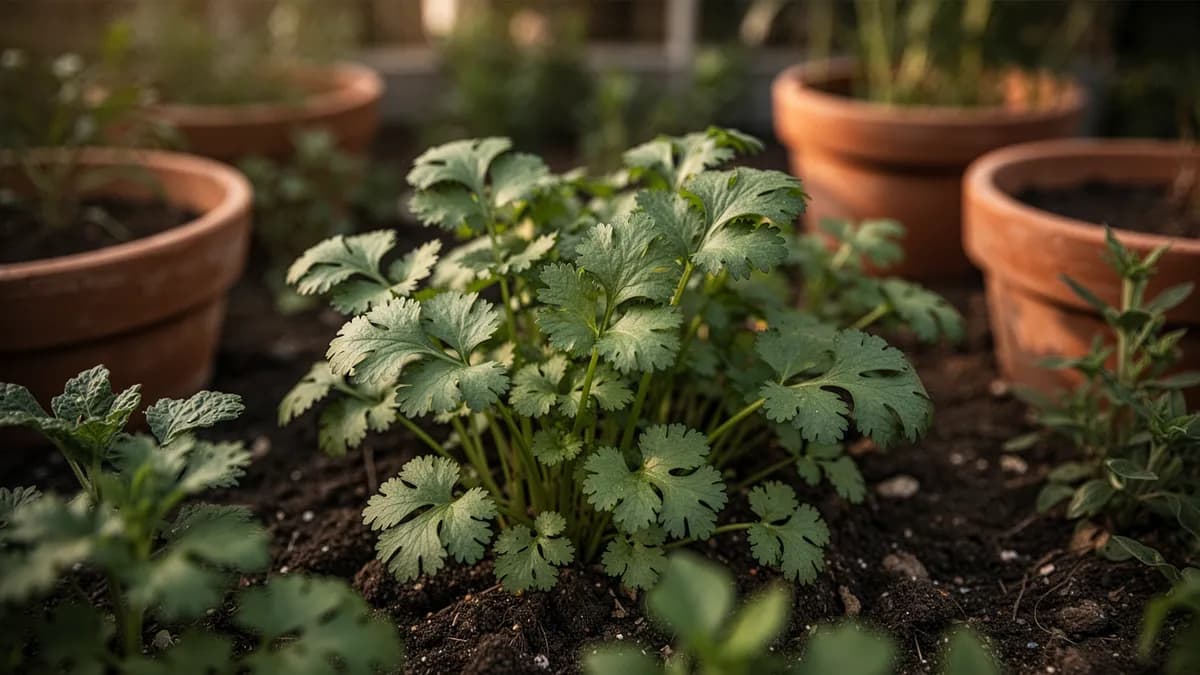
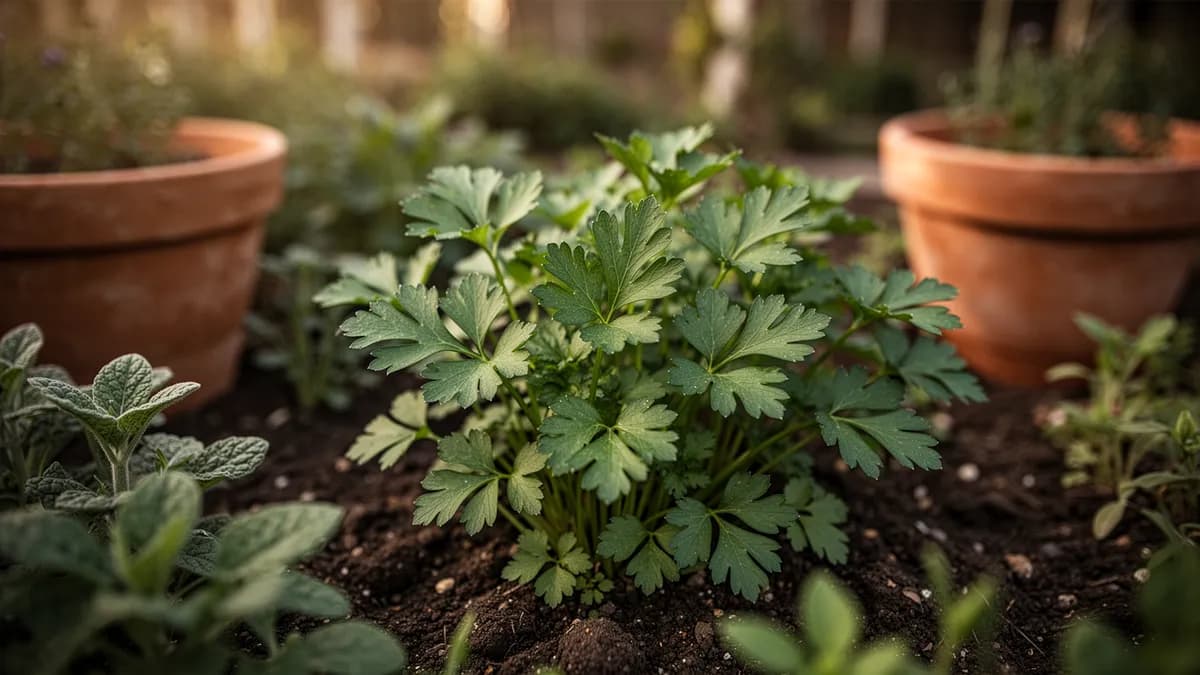
La acedera francesa es una refinada hierba perenne para ensalada con hojas pequeñas, en forma de escudo, que aportan un toque cítrico brillante, más suave que el de la acedera común de jardín. Plántela en semisombra o a pleno sol, dejando 30 cm entre plantas en un suelo rico y que retenga la humedad. Esta especie de bajo porte apenas alcanza 30-45 cm de altura, por lo que resulta ideal para borduras y cultivo en recipientes.
La acedera francesa prospera en condiciones frescas y produce sus mejores hojas en primavera y otoño. Con el calor del verano puede espigarse con rapidez: ofrezca sombra por la tarde y humedad constante para prolongar la producción. Un suelo rico y siempre húmedo produce las hojas más grandes y tiernas. Acolche para mantener frescas las raíces y conservar la humedad.
Retire los tallos florales en cuanto aparezcan para redirigir la energía hacia la producción de hojas. La acedera francesa es una planta vigorosa que puede volverse seminvásiva en condiciones ideales. Divida las matas cada 2-3 años para mantener el vigor y controlar su expansión. Las plantas mueren en invierno en las zonas frías, pero reaparecen con fiabilidad en primavera, a menudo ofreciendo las primeras cosechas frescas de la temporada. Es una de las hierbas perennes más fáciles de mantener.
32 plantas caben en un bancal de 120 × 240 cm
Cada Acedera francesa pide 30 cm de margen. El planificador guarda ese marco por ti — cada planta, cada bancal.
Los mejores vecinos de Acedera francesa
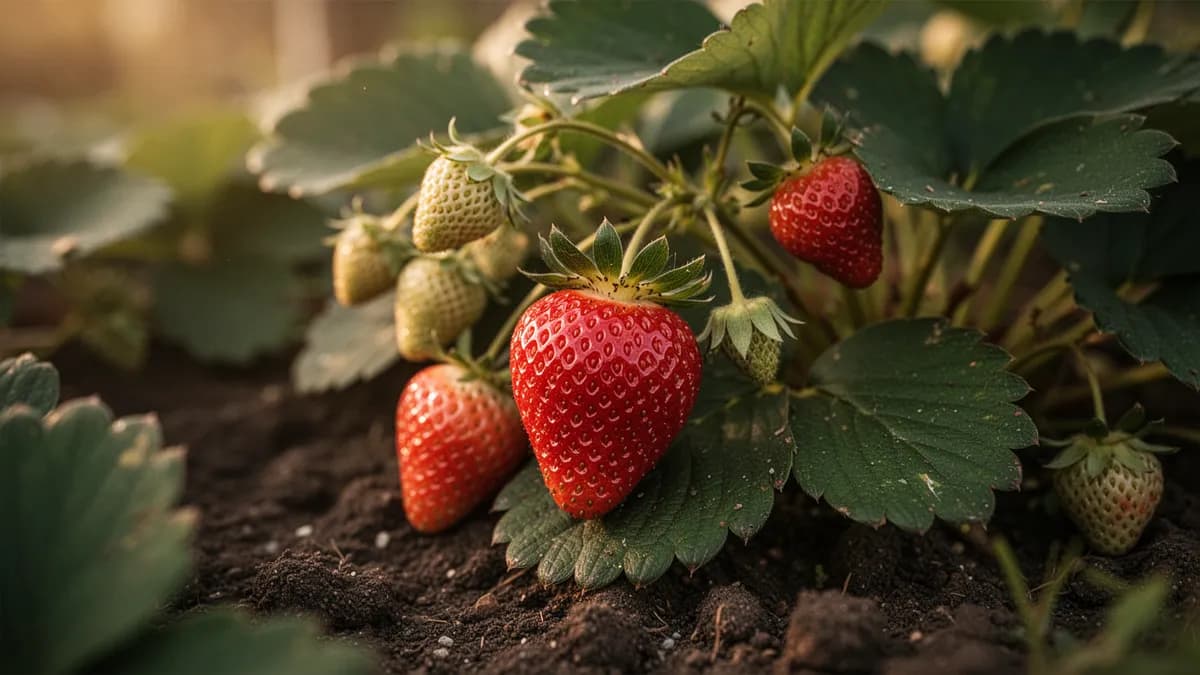
La acedera francesa crece bien junto a fresas, lechugas y espinacas en zonas frescas y parcialmente sombreadas del huerto. Su porte bajo y extendido funciona como un acolchado vivo que ayuda a conservar la humedad del suelo para las plantas vecinas. Sus hojas ácidas pueden disuadir a algunos insectos herbívoros. Evite plantarla cerca de leguminosas, ya que el ácido oxálico de la acedera puede inhibir las bacterias fijadoras de nitrógeno. Su crecimiento temprano de primavera cubre el suelo antes de que otras plantas más tardías llenen el espacio.
Fresa va a su lado.
Saber de huerto de siempre, cotejado con la tabla real de Acedera francesa — prueba cualquier planta que cultives.
Prueba Acedera francesa en un bancal, aquí mismo
Un bancal real del planificador con Acedera francesa ya plantado. Toca una planta compañera para colocarla y mira cómo responde la comprobación de vecinos: verde para buenos vecinos, rojo si hay conflicto.


Guías de cultivo relacionadas
Abónalo bien
Cultívela en suelo rico, que retenga la humedad, con un pH de 5.5-6.8, ligeramente ácido a neutro. Incorpore abundante compost antes de plantar y añada una capa superficial de compost cada primavera. La acedera francesa es una planta de requerimientos moderados: aplique fertilizante líquido equilibrado cada 3-4 semanas durante la temporada de crecimiento. La humedad constante es clave para producir hojas tiernas. En recipientes, use sustrato de calidad y abone con regularidad, ya que los nutrientes se lavan con el riego.
Temperatura ideal
Compatibilidad de zonas de rusticidad
De la semilla a la cosecha, etapa por etapa
Germinación de las semillas
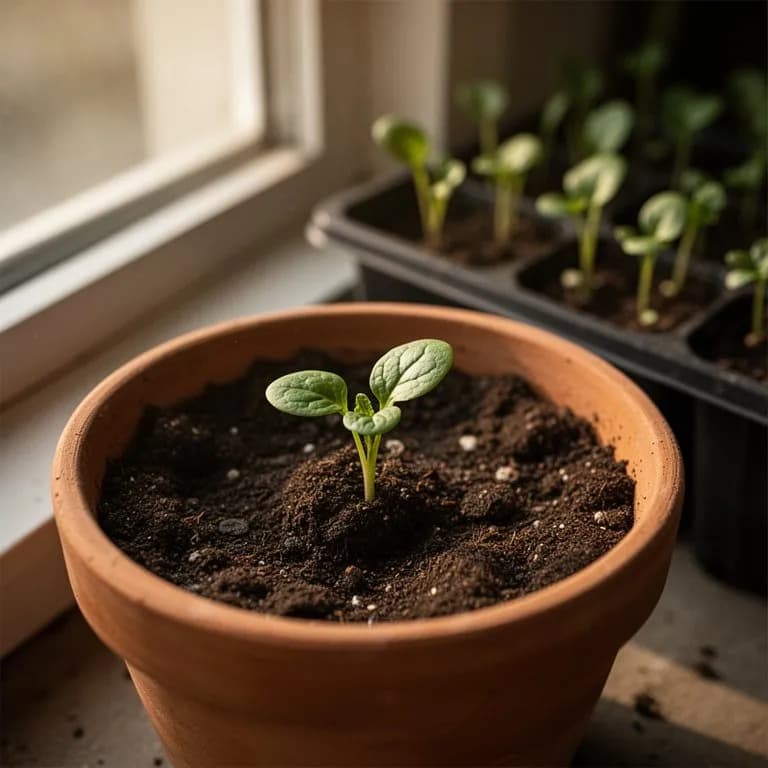
Las semillas se siembran de forma superficial, a unos 5 mm de profundidad. La acedera francesa germina de forma fiable en 7 a 14 días cuando la temperatura del suelo está entre 15 y 20 grados Celsius. Mantén el suelo constantemente húmedo, pero no encharcado durante esta etapa.
Desarrollo de la plántula
Primero aparecen pequeños cotiledones en forma de escudo, seguidos por las primeras hojas verdaderas con su característica forma de flecha o hastada. Las plántulas crecen lentamente en esta etapa y se benefician de una humedad constante y protección contra el sol intenso.
Formación de la roseta
La planta desarrolla una roseta baja y extendida de hojas gruesas y suculentas cerca del suelo. El sistema radicular se profundiza y la planta comienza a establecerse como una vivaz de larga vida. Las hojas se vuelven cada vez más sabrosas durante este periodo.
Crecimiento activo y cosecha
La acedera francesa entra en su fase más productiva, produciendo un flujo continuo de hojas nuevas y tiernas desde el centro de la roseta. La planta se extiende lentamente por rizomas cortos. Este es el mejor momento para cosechar con regularidad.
Floración
Altos tallos florales emergen del centro de la roseta y llevan pequeñas flores de color rojo verdoso. Una vez que la planta florece, la producción de hojas se ralentiza y las hojas existentes pueden volverse más duras y con sabor más intenso.
Formación de semillas y preparación para la dormancia
Si se dejan madurar las flores, las semillas se desarrollan en pequeñas envolturas papiráceas. Cuando las temperaturas suben a mediados del verano o bajan a finales del otoño, la planta puede entrar en un estado de semi-dormancia, con las hojas más viejas amarilleando y muriendo mientras la corona permanece viva bajo tierra.
Siembra las semillas en la superficie y presiona ligeramente sobre el suelo. Las semillas de acedera francesa necesitan algo de luz para germinar, así que evita cubrirlas demasiado.
Cuidar Acedera francesa mes a mes
Qué hacer cada mes para tu Acedera francesa
Octubre
Mes actualSiga cosechando mientras las temperaturas sigan siendo suaves. En regiones frías, las plantas perennes entran en reposo; aplique acolchado y deje que el follaje decaiga de forma natural.
Ten claro qué hacer en tu huerto, cada mes
Un correo al empezar cada mes: qué sembrar, plantar y hacer ahora mismo — para tu Acedera francesa y todo lo que crece alrededor. Más un breve curso inicial para esquivar los errores clásicos.
- Qué hacer ahora mismo
- Ajustado a tu temporada
- Curso inicial incluido
Cosechar Acedera francesa
Empiece a cosechar las hojas de acedera francesa una vez que las plantas estén bien establecidas, aproximadamente 60 días después de la plantación. Recoja hojas exteriores individuales según las necesite, o corte plantas enteras hasta 5 cm del suelo, lo que estimula un nuevo brote de hojas tiernas. Las hojas más jóvenes tienen el sabor a limón más suave y agradable. Las hojas viejas se vuelven más ácidas y más coriáceas. Coseche con regularidad para evitar la floración y mantener una provisión continua de hojas tiernas durante toda la temporada.
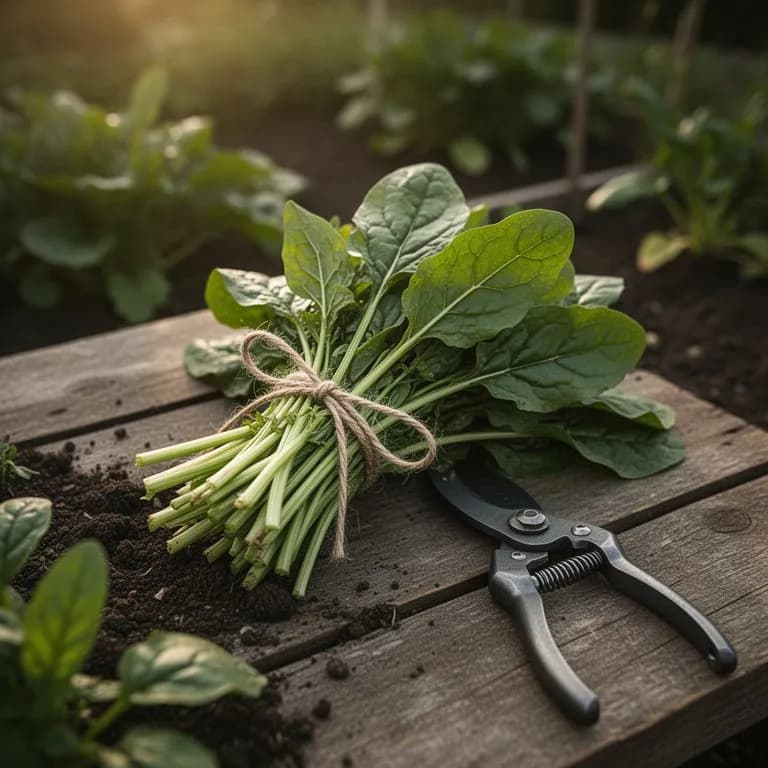
se supone que plantas al comenzar el periodo — indica tu fecha real
Comienza a cosechar unos 60 días después de la siembra, cuando las plantas estén bien establecidas.
Almacenamiento y conservación
La acedera francesa se usa mejor fresca, dentro de uno o dos días tras la cosecha, porque sus hojas delicadas se marchitan con rapidez. Refrigérela en un recipiente cerrado con papel de cocina húmedo durante un máximo de 5 días. La acedera no se seca bien, porque pierde su característico toque ácido. Congele la acedera triturada en cubiteras para añadirla a sopas y salsas: el color se volverá verde oliva, pero el sabor se conserva bien. Haga mantequilla de acedera o pesto de acedera para conservarla más tiempo. La clásica salsa francesa de acedera congela muy bien.
Qué falla — y cómo solucionarlo
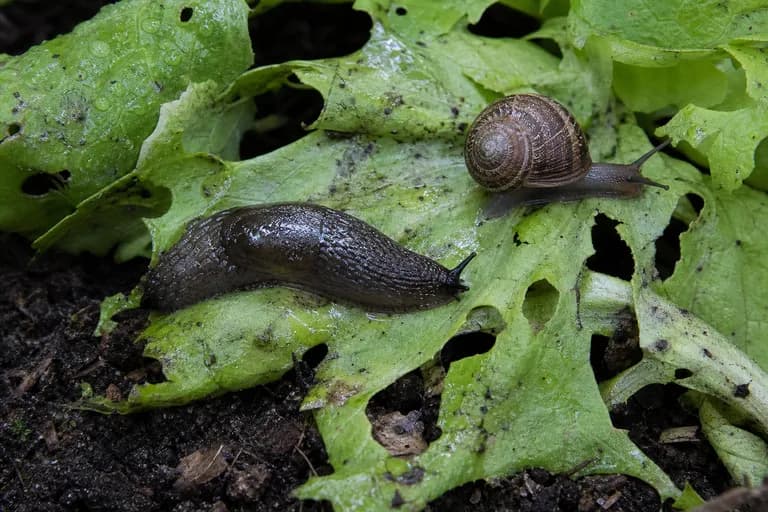
Oídio
EnfermedadCapa blanca y polvorienta sobre hojas y tallos, especialmente en condiciones húmedas con mala circulación de aire.
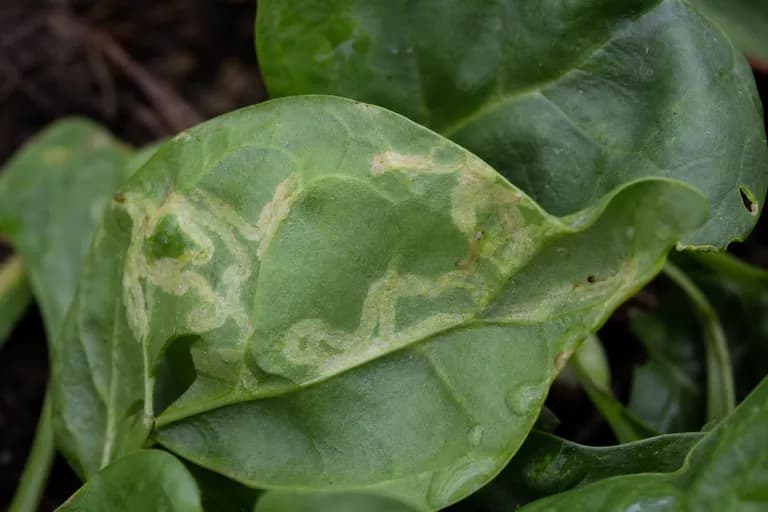
Botritis (moho gris)
EnfermedadMoho gris y algodonoso en flores y hojas, especialmente con tiempo húmedo; podredumbre parda de los capítulos florales.
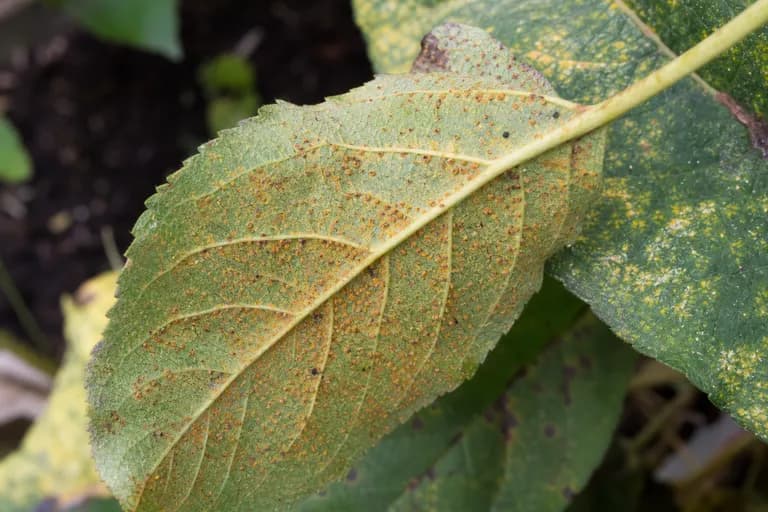
Pulgones
PlagaPequeños insectos verdes agrupados en tallos y botones florales, crecimiento deformado y melaza pegajosa.
Solución de problemas comunes
El espigado prematuro es el problema más común, sobre todo con calor. Retire los tallos florales en cuanto aparezcan y ofrezca sombra por la tarde en climas cálidos. Las hojas amargas y coriáceas indican estrés térmico o sobremadurez: corte la planta con fuerza para fomentar brotes nuevos y tiernos. El ácido oxálico de la acedera significa que las personas con cálculos renales o gota deben consumirla con moderación. Las plantas que se expanden demasiado pueden controlarse retirando las cabezas florales y dividiendo las matas con regularidad.
Consejos de cultivo
- Plántela en un suelo bien drenado, con un pH ligeramente ácido a neutro entre 6.0 y 7.0, para lograr el mejor crecimiento y sabor.
- Riegue de forma constante para mantener la humedad uniforme, pero evite el encharcamiento. La acedera francesa tolera mejor que la acedera común los periodos breves de sequía gracias a su origen montañoso.
- La acedera francesa es una excelente planta de maceta. Use un recipiente de al menos 30 cm de ancho y profundidad, con buen drenaje y sustrato de calidad.
- Plántela como compañera junto a fresas, tomates y otras hierbas. La raíz pivotante de la acedera puede romper suelos compactados y movilizar nutrientes.
- Quite las espigas florales en cuanto aparezcan si quiere mantener el sabor más suave de las hojas.
Cultiva tu mejor Acedera francesa — y todo lo que la rodea.
Empieza un plan gratis hoy. Diseña tus bancales, coloca tu Acedera francesa y deja que PlotMyGarden gestione el momento, el espaciado, las asociaciones y los recordatorios de la semilla a la cesta.
Elige tu Acedera francesa
Acedera francesa (Rumex scutatus)
La forma clásica y más cultivada para cocina, con hojas pequeñas, gruesas y en forma de escudo, de sabor cítrico suave y refinado.
Acedera francesa de hoja grande
Una selección con hojas más amplias y de crecimiento algo más robusto, apreciada para cosechas abundantes y cocina casera.
Una sola planta de acedera francesa cuesta poco como plantón de vivero y puede producir hojas frescas durante 5 a 7 años como perenne resistente, casi sin gasto adicional. Una planta bien establecida da hojas suficientes para una familia durante toda la temporada de cultivo. Frente a comprar acedera fresca en mercados especializados, donde suele venderse a 4-6 euros por manojo pequeño, una planta cultivada en casa puede ahorrar entre 50 y 80 euros al año. Como rara vez se encuentra en supermercados corrientes, cultivarla usted mismo da acceso a un ingrediente gourmet difícil de conseguir a un coste mínimo.
Recetas rápidas
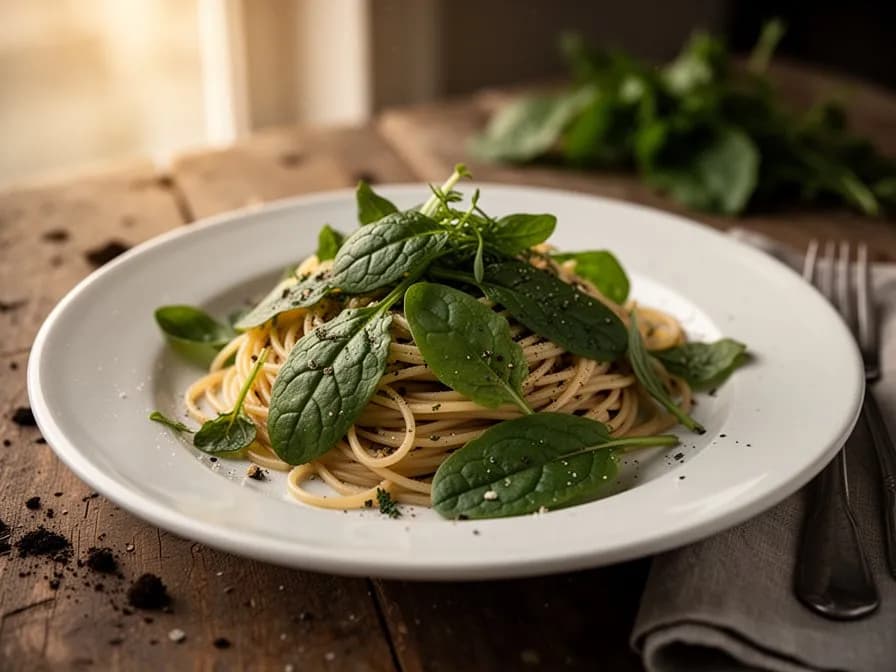
Sopa clásica francesa de acedera
35 minUna sopa sedosa y elegante que resalta el brillante sabor cítrico de la acedera francesa. Esta receta clásica combina la acedera marchitada con una rica liaison de huevo y nata para un primer plato refinado.
7 ingredientesTarta de acedera y queso de cabra
45 minUna tarta salada que combina la acidez viva de la acedera fresca con queso de cabra cremoso sobre una base hojaldrada. Perfecta como almuerzo ligero o entrante elegante.
8 ingredientesPesto fresco de acedera
15 minUn pesto vibrante y ácido que usa acedera francesa cruda en lugar de albahaca para dar un giro más fresco y cítrico. Excelente con pasta, sobre pescado a la parrilla o sobre verduras asadas.
7 ingredientesUsos culinarios
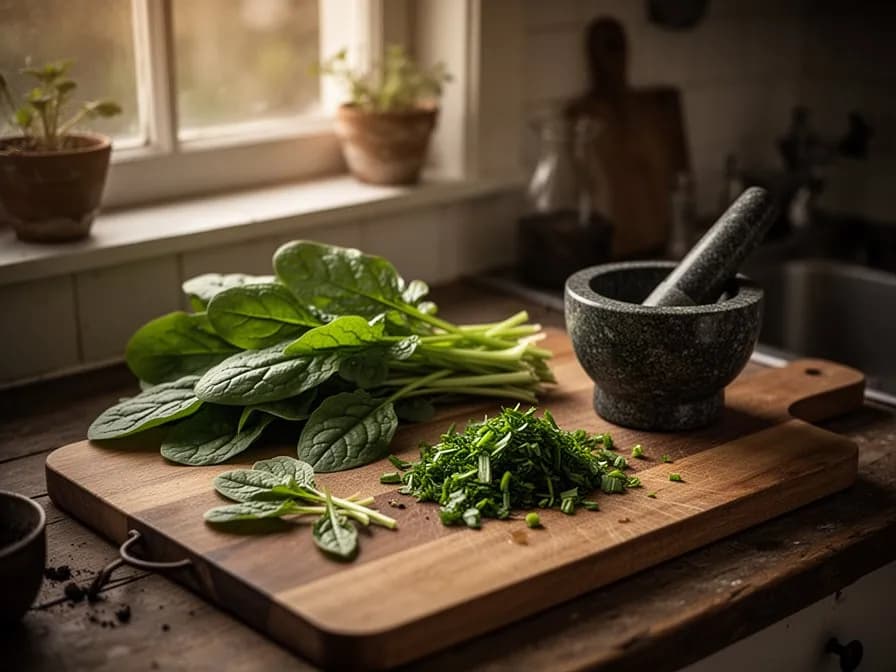
El sabor suave y cítrico de la acedera francesa la convierte en la variedad preferida para ensaladas crudas y preparaciones delicadas. Es un clásico de la cocina francesa en la sopa de acedera, la salsa de crema de acedera para salmón y las tortillas enriquecidas con acedera. Triture hojas jóvenes en ensaladas verdes, ensaladas de patata y bocadillos. Púrela con nata para obtener una elegante salsa para pescado. Su acidez ayuda a ablandar carnes en marinados. Combina de maravilla con huevos, nata, salmón y patatas nuevas.
Qué contiene
Beneficios para la salud
- Aporta vitamina C y antioxidantes naturales, útiles para el sistema inmunitario y la protección celular.
- Su acidez viva estimula el apetito y aporta un perfil refrescante a platos ricos y cremosos.
- Consumida en cantidades culinarias, añade fibra y micronutrientes a ensaladas y sopas.
- Es una alternativa interesante a otras hojas verdes cuando se busca un toque cítrico natural.
De dónde viene Acedera francesa
La acedera francesa (Rumex scutatus) es originaria de las regiones montañosas del sur y centro de Europa, donde crece de forma silvestre en laderas pedregosas, canchales y viejos muros de piedra desde los Pirineos hasta los Alpes y los Balcanes. A diferencia de su pariente cercano, la acedera común (Rumex acetosa), que prefiere praderas húmedas, la acedera francesa evolucionó en suelos bien drenados y pedregosos de mayor altitud, lo que le dio una tolerancia natural a condiciones pobres y rocosas y un porte más compacto y extendido.
La planta se ha recolectado en la naturaleza desde la Antigüedad. Griegos y romanos empleaban especies de acedera tanto como alimento como ayuda digestiva. Sin embargo, fue durante la Edad Media cuando la acedera francesa empezó a cultivarse de manera deliberada en monasterios y huertos medicinales de Francia, Italia y Suiza. Los monjes la valoraban como una verdura temprana que podía aportar vitaminas frescas tras los largos meses de invierno, cuando los alimentos conservados dominaban la dieta.
Durante el Renacimiento, la acedera francesa se convirtió en un elemento básico de los huertos de cocina franceses. Su acidez más suave y delicada, comparada con la acedera común, la convirtió en la especie preferida para la cocina fina. Los grandes cocineros franceses de los siglos XVII y XVIII elevaron la acedera de hierba humilde a ingrediente de salsas, sopas y platos de pescado refinados. El célebre Potage Germiny, una crema de acedera, pasó a ser un plato emblemático de la cocina francesa clásica.
Los colonos franceses llevaron la acedera a Norteamérica, donde se naturalizó en partes del noreste de Estados Unidos y del este de Canadá. Hoy, la acedera francesa se cultiva en todo el mundo por jardineros domésticos y productores especializados que valoran su naturaleza perenne, su porte bajo y atractivo y sus múltiples usos culinarios. Sigue siendo especialmente popular en las tradiciones culinarias francesa, de Europa oriental y escandinava, donde su acidez brillante equilibra platos ricos con huevos, nata, salmón y ternera.
Acedera francesa: ¿sabías que?
Datos fascinantes sobre Acedera francesa
La acedera francesa tiene un sabor cítrico más suave y refinado que la acedera común, lo que la convirtió en favorita de la alta cocina francesa.
Acedera francesa: preguntas frecuentes
¿Cuándo debo plantar Acedera francesa?
¿Cuáles son buenas plantas acompañantes para Acedera francesa?
¿En qué zonas de rusticidad puede crecer Acedera francesa?
¿Cuánto sol necesita Acedera francesa?
¿A qué distancia debo espaciar Acedera francesa?
¿Qué plagas y enfermedades afectan a Acedera francesa?
¿Cómo almaceno Acedera francesa después de la cosecha?
¿Cuáles son las mejores variedades de Acedera francesa para cultivar?
¿Qué suelo necesita Acedera francesa?
¿En qué se diferencia la acedera francesa de la acedera común de jardín?
¿Es seguro comer acedera francesa en grandes cantidades?
¿Cuánto vive una planta de acedera francesa?
¿Se puede cultivar en recipientes?
¿Por qué mi acedera francesa sabe amarga en lugar de cítrica?
¿Cuál es el mejor momento para cosechar la acedera francesa?
Acabas de leer la teoría. Ahora cultívala en piloto automático.
Todo lo que hace que Acedera francesa sea delicado — el momento, el espaciado, las asociaciones, la ventana de cosecha — es justo lo que PlotMyGarden resuelve por ti, para cada planta de tu huerto.
Un plan que conoce tu clima
Indica tu ubicación una vez. Recibe fechas de siembra, abonado y cosecha basadas en tu última helada real y el pronóstico en vivo — sin adivinar con un sobre genérico.
De la sección “Cuándo plantar”Planificador de bancales de arrastrar y soltar
Diseña bancales sobre una cuadrícula. Cada planta encaja con su espaciado correcto y ves toda la temporada antes de gastar un céntimo en semillas.
De la sección “Cultivo”Conflictos de asociación, detectados a tiempo
Más de 200 buenas y malas combinaciones comprobadas en vivo mientras plantas — para que un error que arruine la temporada nunca llegue a la tierra.
De la sección “Asociaciones”Recordatorios que sí vas a seguir
“Riega las judías.” “Recoge hoy antes de que se pase.” Oportunos, concretos y ligados a las plantas que de verdad cultivas.
De la sección “Cosecha”Escalonado, programado
¿Quieres cosechar seis semanas en vez de seis días? Reparte tus siembras automáticamente y te avisa cuando toca el siguiente lote.
De la sección “Cuándo plantar”Un registro que se vuelve más listo
Cada cosecha que registras le enseña tu huerto. El plan del año que viene parte de lo que de verdad funcionó en tu suelo, no en un manual.
De la sección “Resumen”Planta estos junto a Acedera francesa
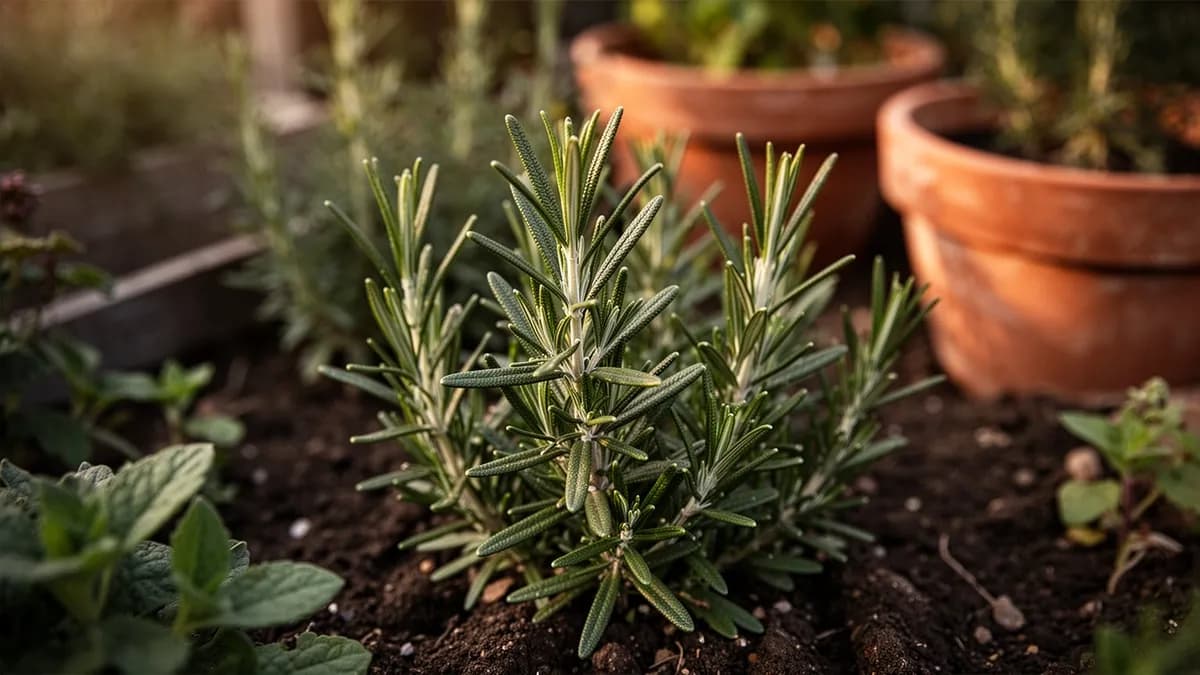
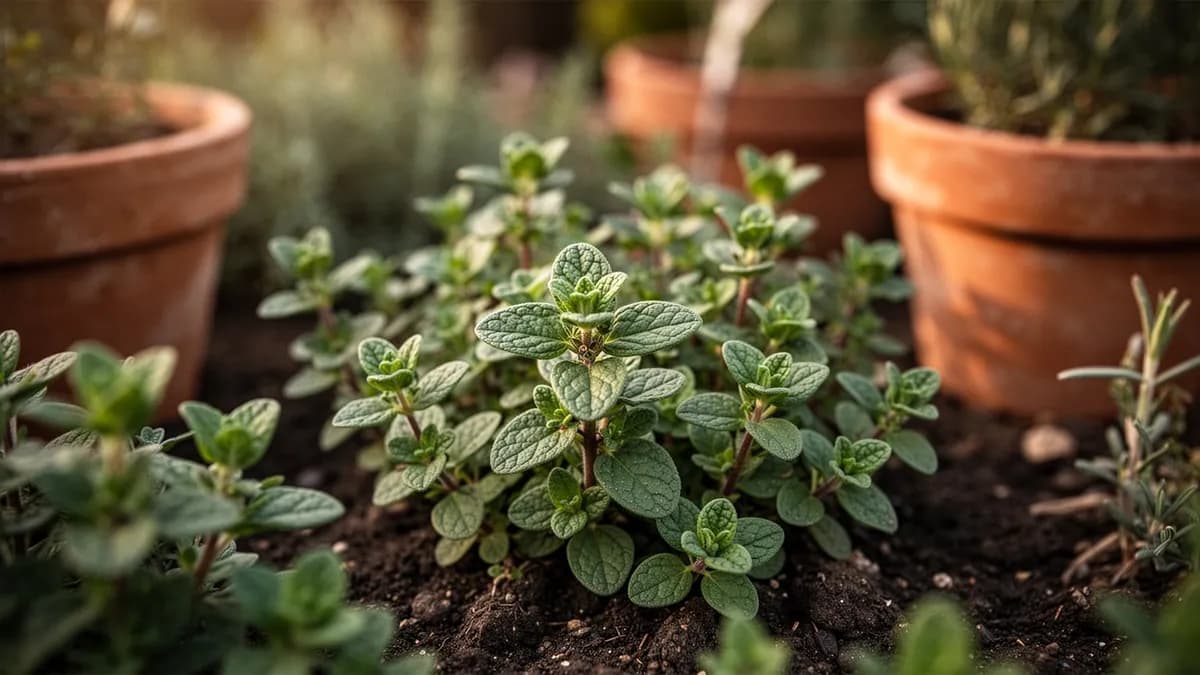
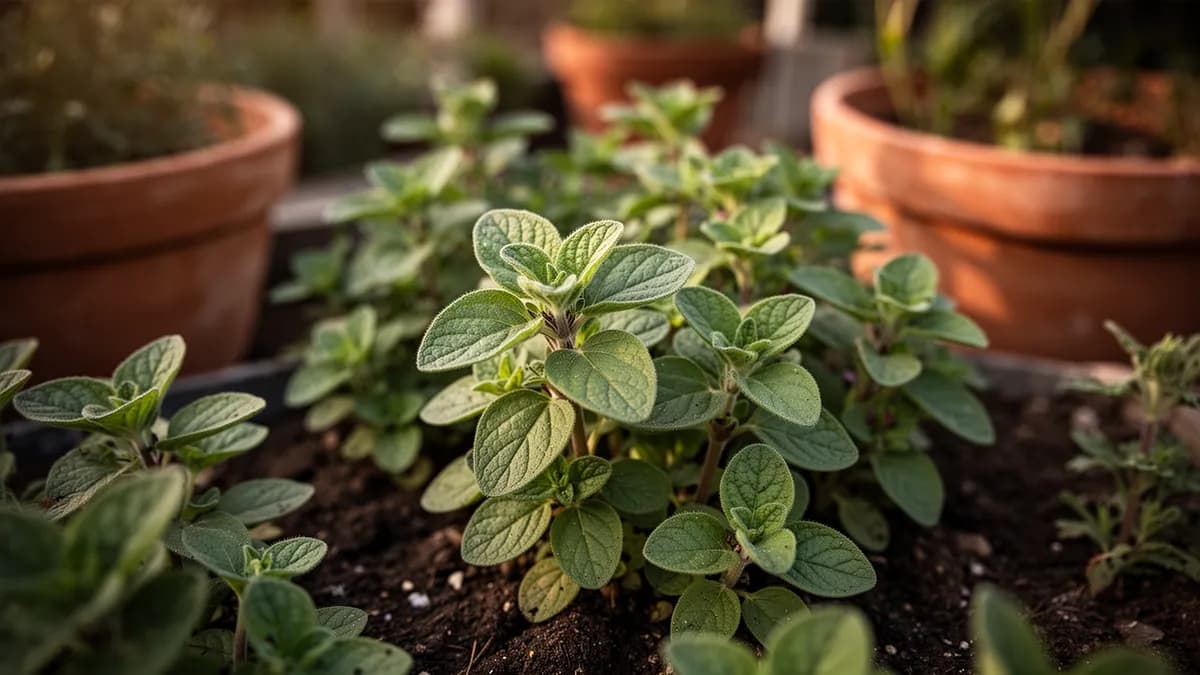
Más Hierbas culinarias
Cultiva tu mejor Acedera francesa — y todo lo que la rodea.
Empieza un plan gratis hoy. Diseña tus bancales, coloca tu Acedera francesa y deja que PlotMyGarden gestione el momento, el espaciado, las asociaciones y los recordatorios de la semilla a la cesta.