Annual Scabiosa
A unique annual grown primarily for its ornamental drumstick-shaped seed heads that dry beautifully for everlasting arrangements.





On this pageOverview
Meet Annual Scabiosa
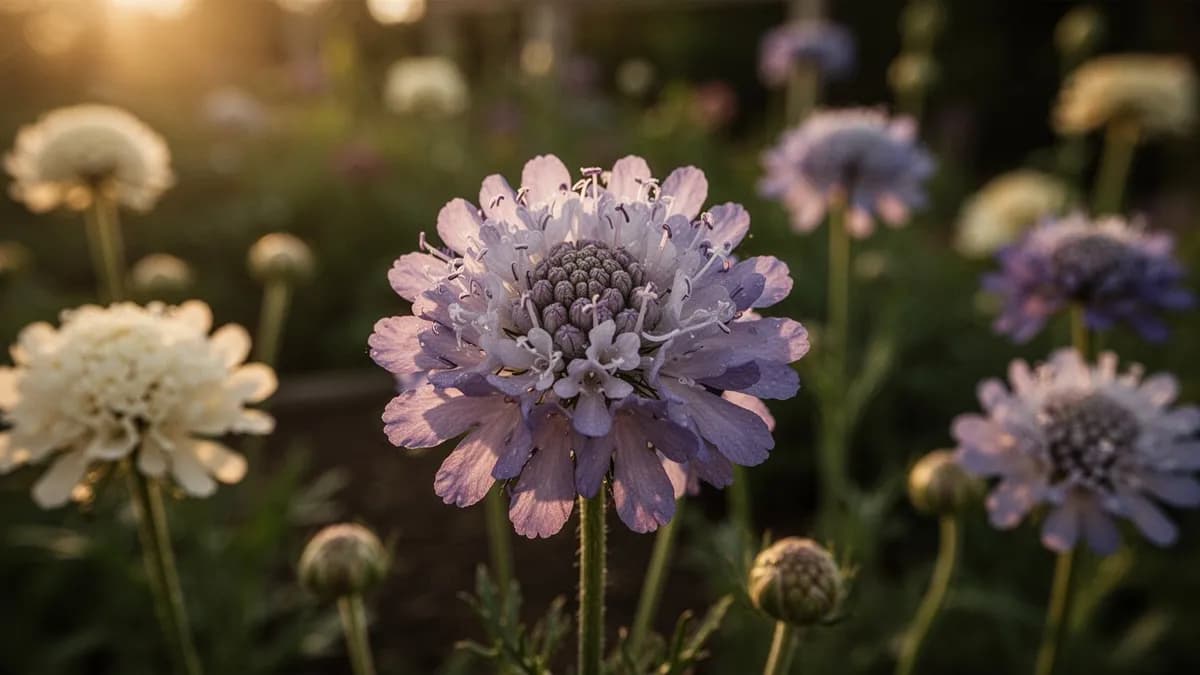
A unique annual grown primarily for its ornamental drumstick-shaped seed heads that dry beautifully for everlasting arrangements. The pale blue flowers are attractive to pollinators but the real show comes when the papery, bronze-tinted seed pods develop. Grow in well-drained soil in full sun for the best seed head production.
When to plant Annual Scabiosa
Direct sow seeds in spring after the last frost, pressing lightly into the soil surface. Germination takes 10-14 days in warm soil. Thin to 10-12 inches apart. Can also be started indoors 4-6 weeks before the last frost at 65-70°F (18-21°C). Annual scabiosa self-sows readily in favorable conditions, and volunteer seedlings often appear the following spring.
Your Annual Scabiosa Year
Composed for Zone 7 · typical seasons · frost passes Apr 2, returns Nov 1
Plant Annual Scabiosa Mar – May, pick Jun – Sep. Check the planting methods below and set your climate to personalize these windows.
How to grow Annual Scabiosa
Annual scabiosa (starflower) is grown as much for its extraordinary dried seed heads as for its flowers. Direct sow seeds in spring after the last frost, pressing lightly into well-drained soil. Seeds germinate in 10-14 days. Thin seedlings to 10-12 inches apart in a sunny location.
The pale blue, button-like flowers appear in early to midsummer and attract bees and butterflies. After the petals drop, the real show begins—each flower develops into a fascinating drumstick-shaped seed head with a bronze, papery texture that is prized by florists and dried-flower enthusiasts.
Allow seed heads to develop fully on the plant before harvesting for dried arrangements. Plants bloom and produce seed heads continuously if the earliest flowers are left to mature. Annual scabiosa is undemanding—it thrives in average to poor soil with minimal water and virtually no pest problems.
36 plants fit a 4 × 8 ft bed
Each Annual Scabiosa wants 25 cm of elbow room. The planner keeps that spacing for you — every plant, every bed.
Annual Scabiosa's best neighbours
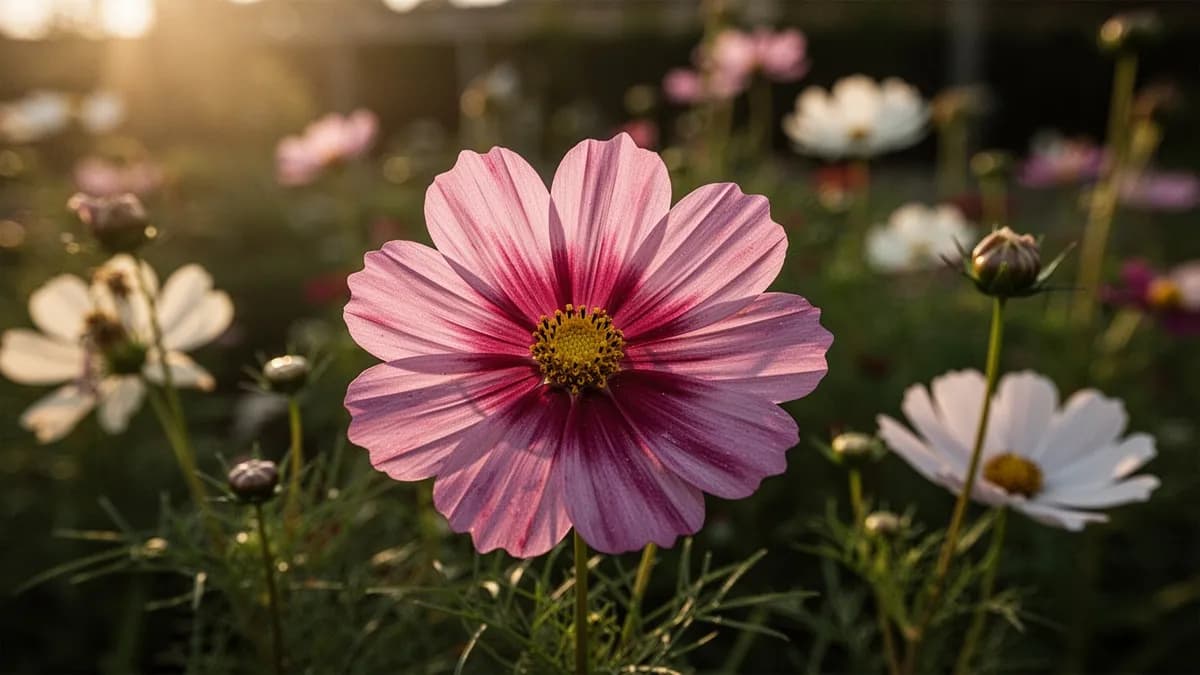
Plant annual scabiosa alongside other everlasting flowers like globe amaranth, statice, strawflowers, and nigella for a complete dried-flower garden. The airy plants mix well with bold-colored zinnias and cosmos in cutting gardens. The blue flowers attract bees and butterflies, making this a useful addition to pollinator plantings.
Cosmos belongs beside it.
Old growers' knowledge, checked against Annual Scabiosa's real companion table below — test any plant you're growing.
Try Annual Scabiosa in a bed — right here
A real planner bed with Annual Scabiosa already in it. Tap a companion to place it and watch the pairing checks answer — green for good neighbours, red for a clash.


Related growing guides
Feed it well
Annual scabiosa thrives in average to lean, well-drained soil with a pH of 6.5-7.5. Rich soil is unnecessary and may produce lush foliage at the expense of flowers and seed heads. A single light application of balanced fertilizer at planting time is sufficient. This is an undemanding plant that performs well with minimal input.
Ideal Temperature
Hardiness Zone Compatibility
From seed to harvest, stage by stage
Seed Sowing
Sow scabiosa seeds indoors 4-6 weeks before the last frost date, or direct sow outdoors after the danger of frost has passed. Plant seeds approximately 3 mm deep in well-drained seed-starting mix. Seeds germinate best at soil temperatures between 15-21°C (60-70°F). Keep the medium consistently moist but never waterlogged.
Germination and Emergence
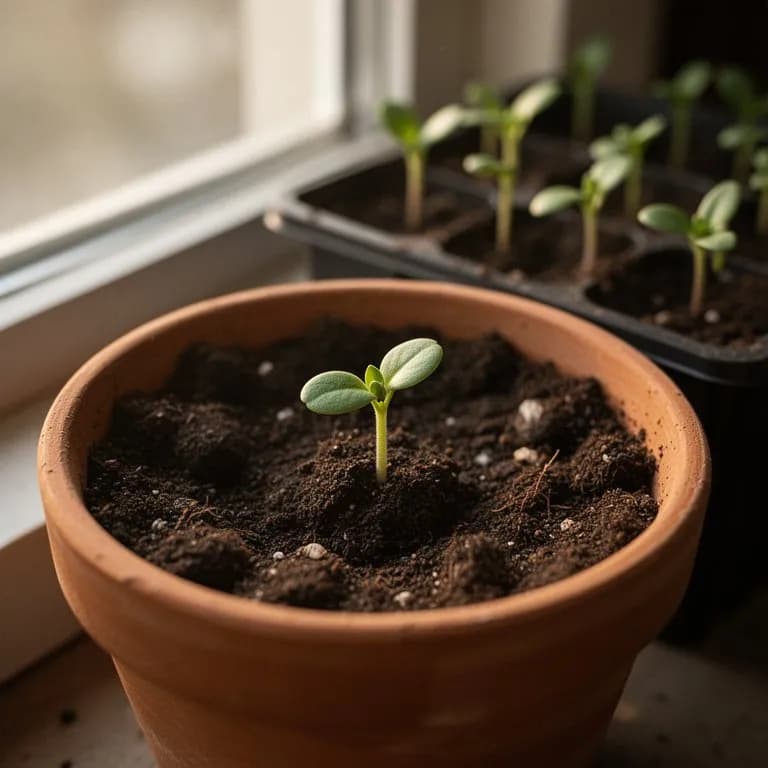
Seedlings emerge with small rounded cotyledon leaves. At this fragile stage, the plants are susceptible to damping-off disease if conditions are too wet. Provide bright indirect light and good air circulation. Seedlings grow slowly at first, producing a small rosette of basal leaves.
Vegetative Growth
Plants develop a low rosette of deeply lobed, lance-shaped basal leaves. Branching stems begin to elongate and the plant takes on a bushy, upright habit reaching 30-45 cm in height. The foliage is grey-green with a slightly rough texture. Root systems establish strongly during this period.
Bud Formation and Flowering
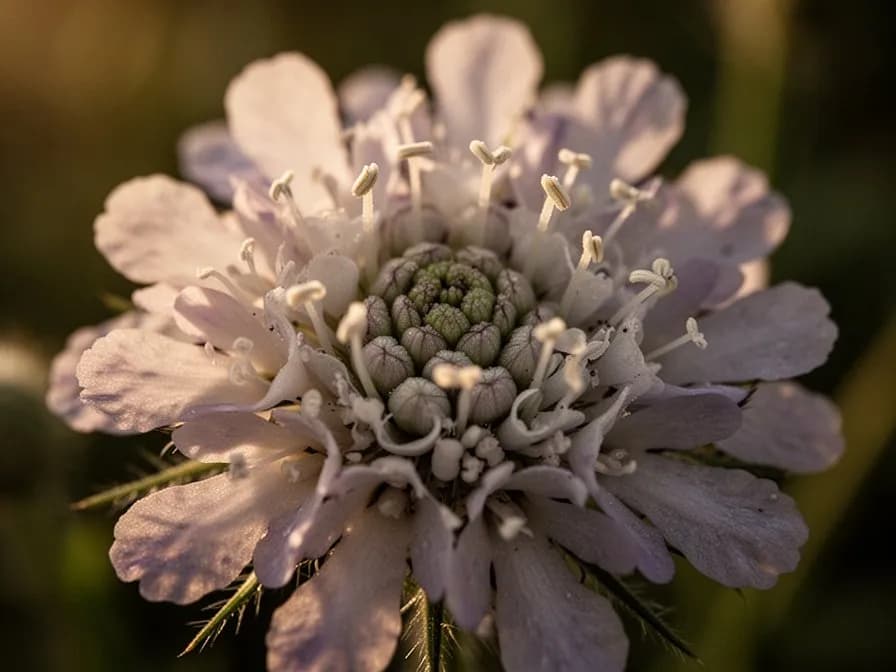
Rounded green flower buds form at the tips of wiry stems. The buds open to reveal pale lavender-blue pincushion flowers, each approximately 3-4 cm across. Individual flowers consist of a dense central dome of tiny tubular florets surrounded by a ring of larger ray florets. Blooming continues for several weeks with regular deadheading.
Seed Head Development
As the petals fade and drop, the remaining seed heads enlarge and dry to form the spectacular papery bronze starbursts that give Scabiosa stellata its common name. Each seed head is a globe of cup-shaped bracts arranged in a geometric pattern, approximately 3-5 cm in diameter. The seed heads persist on the plant well into autumn.
Seed Collection and End of Season
Mature seed heads begin to release their seeds as the papery bracts open and dry further. Each bract cup contains a single seed with a feathery pappus that aids wind dispersal. The plant naturally declines as temperatures drop in autumn. In mild climates, some self-sowing may occur for the following season.
Soaking seeds in lukewarm water for 12-24 hours before sowing can significantly improve germination rates. Use a fine vermiculite covering to retain moisture while still allowing some light to reach the seeds.
Caring for Annual Scabiosa month by month
What to do each month for your Annual Scabiosa
October
You are hereCollect remaining seeds from mature seed heads for next year's planting. Clean up fallen foliage and spent plants. Add plant debris to the compost pile unless disease was present. Note the performance of different cultivars for future reference.
Know exactly what to do in your garden — every month
One email at the start of each month: what to sow, plant, and tackle right now — for your Annual Scabiosa and everything growing around it. Plus a short starter course that helps you dodge the classic mistakes.
- What to do, right now
- Matched to your season
- Starter course included
Harvesting Annual Scabiosa
The real harvest from annual scabiosa is the dried seed heads. Allow flowers to fully mature on the plant until the seed heads develop their characteristic papery, bronze drumstick shape. Cut stems when seed heads feel dry and papery to the touch. The fresh flowers can also be cut for arrangements—they last 5-7 days in water. Dried seed heads maintain their shape and color indefinitely.
assuming you plant when the window opens — set your real date
Pick Annual Scabiosa promptly and the plant keeps producing.
Storage & Preservation
Cut stems with mature seed heads and hang upside down in a warm, dark, well-ventilated space for 1-2 weeks. The drumstick seed heads dry to a beautiful bronze or straw color and are extremely durable. They are a staple of dried flower arrangements and wreaths. Store dried stems in a dry location away from direct sunlight. Save seed by crumbling dried heads and collecting the small dark seeds.
What goes wrong — and the fix
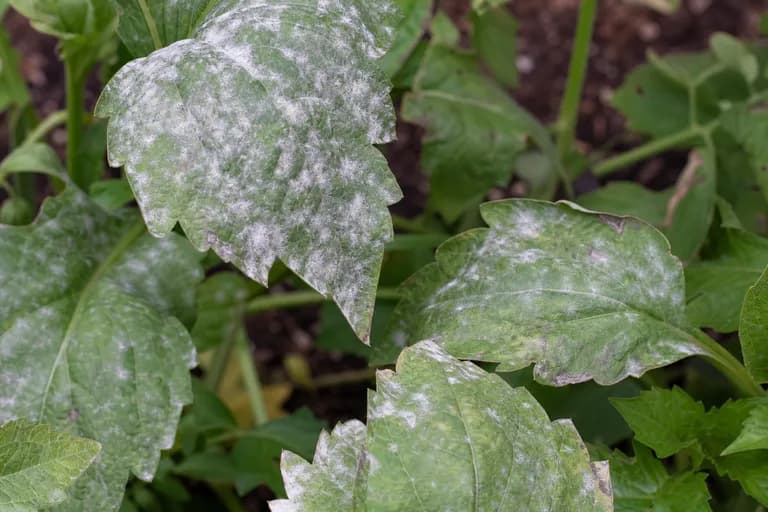
Powdery Mildew
DiseaseWhite powdery coating on leaves in humid conditions. Primarily cosmetic and rarely serious.
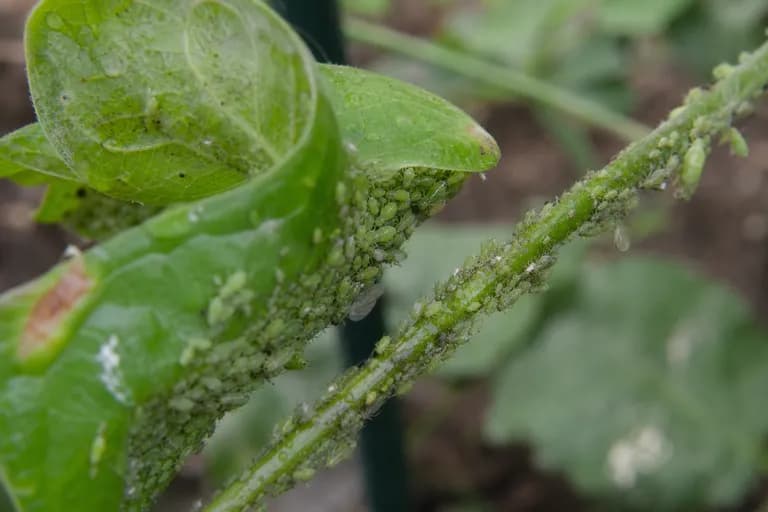
Aphids
PestSmall insects on stems. Sticky honeydew.
Troubleshooting Common Problems
Annual scabiosa is remarkably trouble-free. The main issue is harvesting seed heads too early—wait until they are fully developed and papery before cutting for drying. Plants in too much shade produce fewer flowers and seed heads. Overly rich, moist soil may cause leggy growth. In humid climates, some powdery mildew may appear but rarely warrants treatment.
Growing Tips
- Choose the sunniest spot in your garden for scabiosa, as the plants require at least 6-8 hours of direct sunlight daily to produce the strongest stems and most abundant flowers.
- Ensure excellent drainage by amending heavy clay soils with coarse sand, perlite, or fine gravel before planting. Scabiosa is native to rocky Mediterranean soils and will rot quickly in waterlogged conditions.
- Maintain a slightly alkaline soil pH between 7.0 and 7.5 for optimal growth. If your soil is acidic, incorporate a light dusting of garden lime when preparing the bed.
- Water deeply but infrequently, allowing the top 2-3 cm of soil to dry out between waterings. Overwatering is the most common cause of failure with this drought-adapted Mediterranean species.
- Sow seeds in succession every 3-4 weeks from early spring through early summer to extend the harvest window and ensure a continuous supply of flowers and seed heads from midsummer through autumn.
- Pinch out the central growing tip when plants reach 15 cm tall to promote branching and a bushier habit with more flowering stems, rather than a single tall central stalk.
- Apply a thin layer of gravel or coarse sand mulch around the base of plants rather than organic mulch, which retains too much moisture near the crown and can promote fungal diseases.
- Harvest seed heads for drying on a warm, dry day after the morning dew has evaporated. Cut stems long and hang upside down in small bundles in a dark, well-ventilated area for best color preservation.
- Interplant scabiosa with low-growing herbs such as thyme or oregano, which share similar preferences for lean, well-drained soil and full sun, creating an attractive and low-maintenance Mediterranean-style border.
- Leave a few mature seed heads on the plants at the end of the season to self-sow naturally. Volunteer seedlings often appear the following spring and tend to be particularly vigorous and well-adapted to your specific garden conditions.
Grow your best Annual Scabiosa yet — and everything around it.
Start a free plan today. Lay out your beds, drop in your Annual Scabiosa, and let PlotMyGarden handle the timing, spacing, companions and reminders from seed to harvest basket.
Pick your Annual Scabiosa
Scabiosa stellata 'Ping Pong'
Large, perfectly round seed heads on long stems. The standard variety for dried flower production.
Scabiosa stellata 'Drumstick'
Classic form with spherical seed heads that mature to bronze. Excellent for both garden and arrangement use.
A single packet of Scabiosa stellata seeds (approximately 50-100 seeds) costs around $3-5 and can produce dozens of plants. Each plant yields 15-30 ornamental seed heads that, when dried, can replace purchased dried flowers costing $5-10 per stem at florist shops. By saving your own seeds each season, you eliminate the need to buy new seed packets year after year. A single season of scabiosa growing can produce dried material worth $75-150 at retail dried flower prices, making this one of the most cost-effective ornamental plants for crafters and anyone who enjoys fresh and dried floral arrangements.
Quick recipes
Everlasting Dried Flower Arrangement
30 minutesCreate a stunning long-lasting centerpiece using the dried starflower seed heads of Scabiosa stellata combined with other dried flowers and grasses. The papery bronze seed heads add a unique geometric texture and warm metallic tone that persists for months or even years without any water or maintenance.
6 ingredients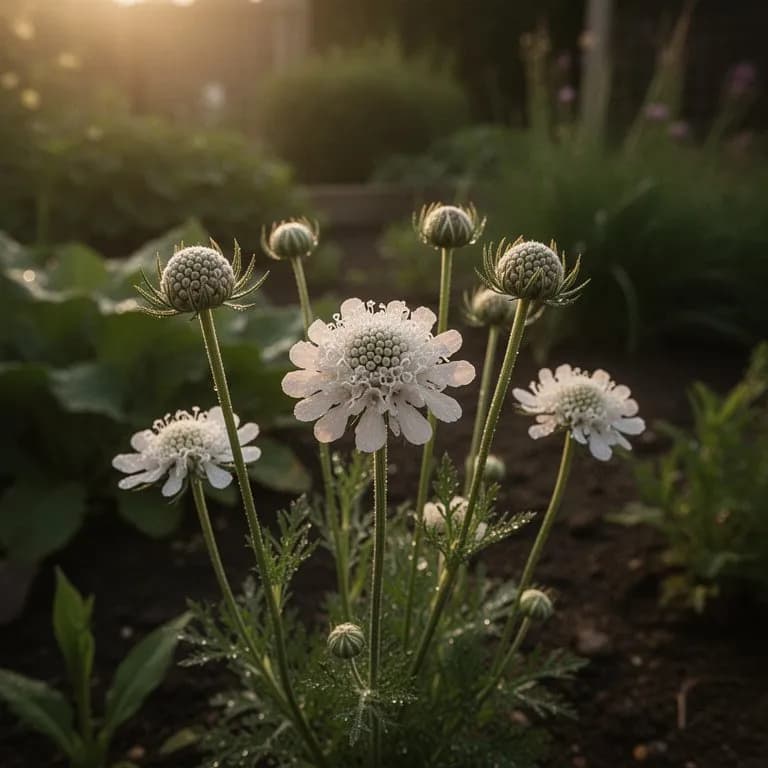
Pressed Flower Botanical Art
20 minutes active, 2-3 weeks pressingPress the delicate lavender-blue flowers and the intricate seed heads of Scabiosa stellata to create beautiful botanical art prints or greeting cards. The flat, geometric structure of the seed heads presses exceptionally well and creates a captivating translucent effect when mounted against light backgrounds.
7 ingredientsPollinator-Friendly Fresh Bouquet
15 minutesAssemble a vibrant fresh-cut flower bouquet featuring scabiosa blooms alongside other pollinator-friendly garden flowers. Scabiosa flowers have an excellent vase life of 7-10 days when properly conditioned, and their airy form adds a natural cottage garden charm to any arrangement.
6 ingredientsWhat's inside
Health Benefits
- Growing scabiosa supports biodiversity by attracting a wide range of pollinators including bees, butterflies, hoverflies, and beneficial wasps, contributing to a healthier garden ecosystem.
- Working with ornamental flowers like scabiosa in the garden has been shown to reduce cortisol levels and lower stress, offering measurable mental health benefits through horticultural therapy.
- The act of creating dried flower arrangements from scabiosa seed heads provides a meditative, mindful crafting activity that can improve focus and promote relaxation.
- Scabiosa plants attract beneficial predatory insects such as lacewings and parasitic wasps that help control garden pests naturally, reducing the need for chemical pesticides on food crops.
- Gardening activities involved in growing scabiosa, including sowing, transplanting, weeding, and harvesting, provide gentle low-impact physical exercise that supports cardiovascular health and joint flexibility.
- Dried scabiosa arrangements bring natural beauty indoors during winter months, which studies suggest can improve mood and reduce symptoms of seasonal affective disorder.
Where Annual Scabiosa comes from
Scabiosa stellata, commonly known as starflower pincushion or paper moon scabiosa, is a captivating annual flowering plant native to the western Mediterranean basin. Its natural range extends across the sun-baked limestone hillsides, dry meadows, and coastal scrublands of southern France, Spain, Portugal, and across into North Africa, particularly Morocco, Algeria, and Tunisia. The species thrives in the garrigue and maquis plant communities characteristic of the Mediterranean climate, where it has adapted to survive hot, dry summers and mild, wet winters in nutrient-poor, alkaline soils.
The genus Scabiosa belongs to the honeysuckle family Caprifoliaceae (formerly placed in the Dipsacaceae or teasel family), and encompasses roughly 70-100 species distributed across Europe, Asia, and Africa. Scabiosa stellata was first formally described by the Swedish botanist Carl Linnaeus in his landmark 1753 work Species Plantarum, where he noted the distinctive stellate (star-shaped) pattern of the mature seed heads that distinguishes this species from its relatives.
Throughout history, pincushion flowers have held a place in European folk medicine and garden culture. Medieval herbalists employed various Scabiosa species in poultices and tinctures for treating skin ailments, a use reflected in the genus name derived from the Latin 'scabies.' By the Renaissance, Scabiosa stellata had been introduced to ornamental gardens across Europe, valued both for its dainty lavender-blue flowers and its extraordinary dried seed heads. Victorian-era flower enthusiasts elevated the plant to high fashion, incorporating the geometric seed heads into elaborate dried arrangements and mourning wreaths. In the language of flowers popular during that period, scabiosa symbolized unfortunate love and widowhood. Today, Scabiosa stellata is cultivated worldwide as a garden ornamental and cut flower, with modern cultivars such as 'Ping Pong' and 'Drumstick' bred specifically for their large, uniform seed heads favored by contemporary florists and crafters.
Annual Scabiosa: did you know?
Fascinating facts about Annual Scabiosa
Scabiosa stellata gets its species name 'stellata' from the Latin word for star, referring to the spectacular star-shaped pattern of its dried seed heads when viewed from above.
Annual Scabiosa questions, answered
When should I plant Annual Scabiosa?
What are good companion plants for Annual Scabiosa?
What hardiness zones can Annual Scabiosa grow in?
How much sun does Annual Scabiosa need?
How far apart should I space Annual Scabiosa?
What pests and diseases affect Annual Scabiosa?
How do I store Annual Scabiosa after harvest?
What are the best Annual Scabiosa varieties to grow?
What soil does Annual Scabiosa need?
Is Scabiosa stellata the same as the perennial pincushion flower?
When should I harvest the seed heads for drying?
Can I grow Scabiosa stellata in containers?
Why are my scabiosa plants producing few flowers?
Are scabiosa plants deer and rabbit resistant?
Can Scabiosa stellata tolerate frost?
You just read the theory. Now grow it on autopilot.
Everything that makes Annual Scabiosa fiddly — the timing, the spacing, the companions, the harvest window — is exactly what PlotMyGarden handles for you, for every plant in your garden.
A plan that knows your weather
Set your location once. Get sow, feed and harvest dates built around your real last-frost date and live forecast — no more guessing from a generic seed packet.
From the “When to plant” sectionDrag-and-drop bed planner
Design beds on a grid. Every plant snaps to its proper spacing, and you can see your whole season laid out before you spend a cent on seed.
From the “Growing guide” sectionCompanion conflicts, caught early
200+ good-and-bad pairings checked live as you plant — so a season-wrecking mistake never makes it into the ground.
From the “Companions” sectionReminders you'll actually act on
“Water the beans.” “Pick today before it turns.” Timely, specific, and tied to the plants you're really growing.
From the “Harvest” sectionSuccession, scheduled
Want a harvest for six weeks, not six days? It spaces your sowings automatically and reminds you when each new block is due.
From the “When to plant” sectionA record that gets smarter
Every harvest you log teaches it your garden. Next year's plan starts from what actually worked in your soil, not a textbook's.
From the “Overview” sectionPlant these alongside Annual Scabiosa
More Annuals
Grow your best Annual Scabiosa yet — and everything around it.
Start a free plan today. Lay out your beds, drop in your Annual Scabiosa, and let PlotMyGarden handle the timing, spacing, companions and reminders from seed to harvest basket.