White Sapote
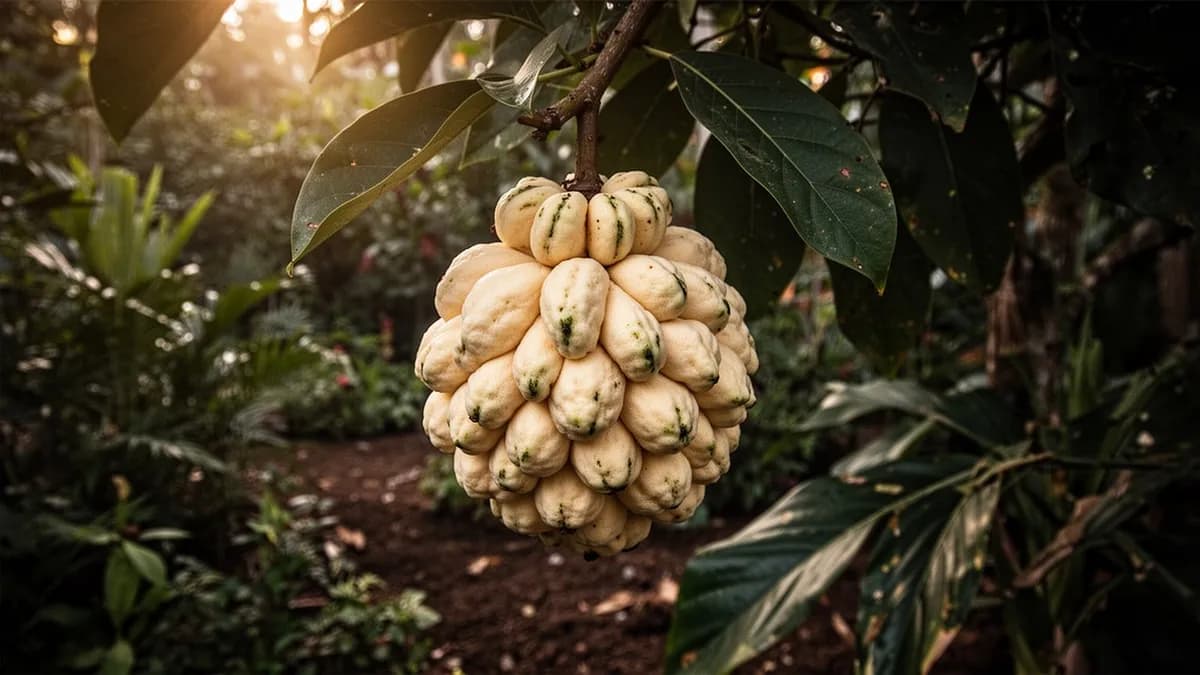
A subtropical evergreen tree producing round, green-skinned fruits with creamy white flesh tasting like vanilla custard with hints of banana and peach.





On this pageOverview
Meet White Sapote
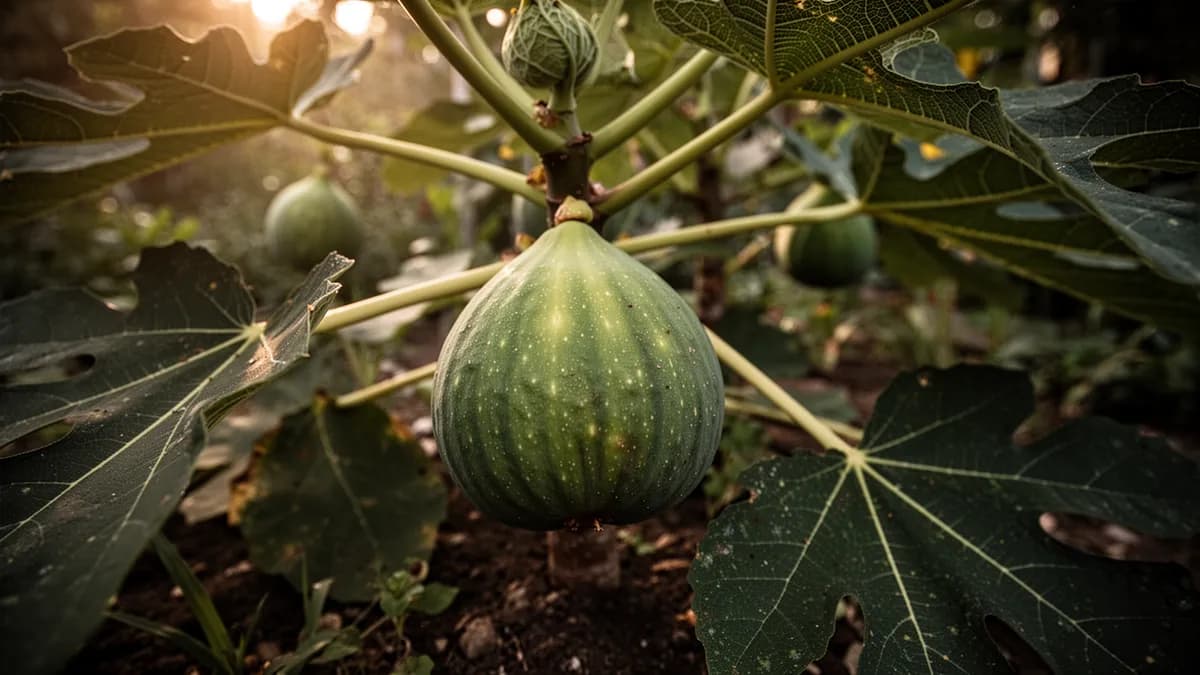
A subtropical evergreen tree producing round, green-skinned fruits with creamy white flesh tasting like vanilla custard with hints of banana and peach. White sapote is more cold-tolerant than many tropical fruits, surviving brief dips to the mid-twenties Fahrenheit once mature. The fruits ripen off the tree and should be picked when slightly soft.
When to plant White Sapote
White sapote can be grown from fresh seed, which germinates in two to four weeks when sown immediately after extraction from ripe fruit. Seeds lose viability quickly and should not be allowed to dry out. However, seedling trees take 7 to 10 years to fruit and produce highly variable quality, so grafted trees are strongly preferred. Cleft grafting or side veneer grafting onto seedling rootstock in late spring is the standard propagation method. Rootstock seedlings should be at least pencil-thick before grafting. Air layering is also effective for propagating selected varieties.
Your White Sapote Year
Composed for Zone 7 · typical seasons · frost passes Apr 2, returns Nov 1
Plant White Sapote Mar – May, pick Aug – Nov. Check the planting methods below and set your climate to personalize these windows.
How to grow White Sapote
White sapote is a medium to large evergreen tree that can reach 8 to 15 meters tall if left unpruned, though grafted varieties on dwarfing rootstock can be maintained at 4 to 6 meters with regular pruning. The tree is native to the highlands of Mexico and Central America, which gives it surprising cold tolerance for a tropical fruit, surviving brief freezes to minus 3 degrees Celsius once mature. Plant in a sheltered, frost-free location with full sun and well-drained soil, spacing trees 5 to 7 meters apart.
Young trees should be protected from frost for the first three to four years using frost cloth or temporary shelters during cold snaps. Prune annually in late spring to maintain a manageable size and open vase shape that allows light penetration and easy harvesting. White sapote trees are naturally vigorous and will produce excessive upright water sprouts if not regularly thinned. Remove crossing branches and inward-growing shoots to improve air circulation and fruit quality.
The tree is drought-tolerant once established but produces better fruit with regular deep watering during the growing season. Apply mulch in a wide circle around the trunk to conserve moisture and suppress weeds, keeping the mulch away from the bark to prevent collar rot. Most white sapote varieties are not reliably self-fertile, so plant at least two different grafted cultivars to ensure good cross-pollination and consistent fruiting. Trees typically begin bearing three to four years after planting.
White Sapote needs more room than a 4 × 8 ft bed gives
Each White Sapote wants 500 cm of elbow room. The planner keeps that spacing for you — every plant, every bed.
Related growing guides
Feed it well
White sapote grows in a wide range of soil types but performs best in deep, well-drained loam with a pH of 6.0 to 7.5. The tree is tolerant of alkaline soils that would stress many other fruit trees. Avoid heavy clay or waterlogged soils, which promote root rot. Apply a balanced citrus fertilizer three times per year, in early spring, midsummer, and early autumn. Supplement with iron chelate if leaves show interveinal chlorosis, which is common on alkaline soils. Mature trees benefit from annual applications of aged compost around the drip line.
Ideal Temperature
Hardiness Zone Compatibility
From seed to harvest, stage by stage
Seed Germination and Seedling Establishment
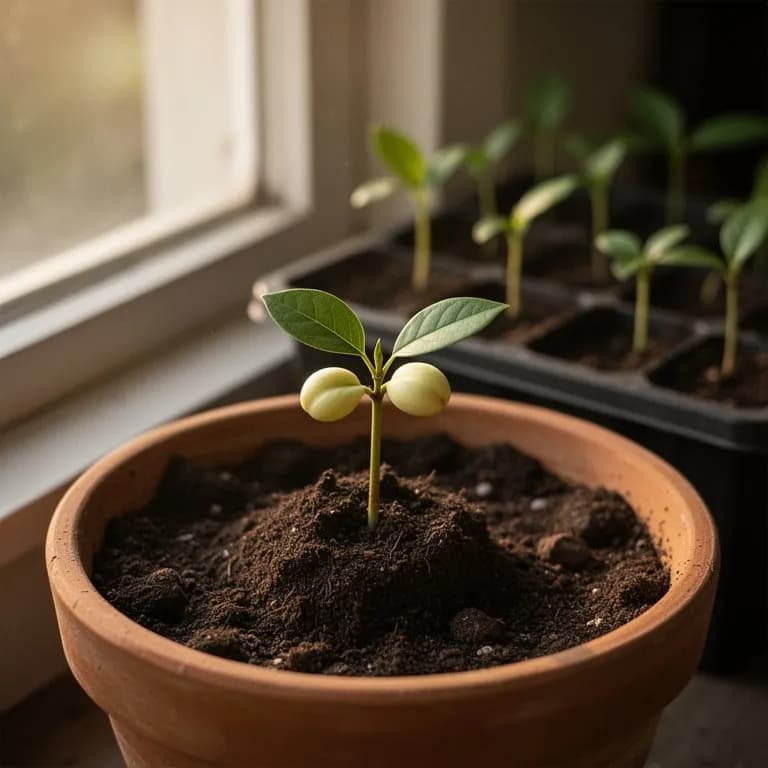
White sapote seeds germinate within two to four weeks when planted fresh. The seedling emerges with simple initial leaves before developing its characteristic palmately compound foliage. Seedlings grow slowly at first, establishing a taproot system. Grafted trees from nurseries skip this stage and establish more quickly with a head start on root development.
Juvenile Vegetative Growth
The young tree develops a strong central leader and begins producing compound leaves with five to seven glossy leaflets. During this extended juvenile phase the tree focuses entirely on building its canopy and root system. Growth can be vigorous in suitable climates, adding 60 to 90 centimeters of height per year. Branching becomes more lateral as the tree matures, creating a rounded spreading form.
Pre-Bearing Maturation
The tree transitions from purely vegetative growth toward reproductive maturity. Canopy density increases significantly and the trunk thickens to support future fruit loads. Grafted trees may produce their first flowers toward the end of this stage, typically three to four years after planting. Seedling trees take considerably longer, often seven to eight years before first bloom. The root system expands well beyond the canopy drip line.
Flowering and Pollination
Small greenish-yellow flowers appear in dense clusters at the tips of branches and in leaf axils, typically in spring. Individual flowers are about one centimeter across with five petals. White sapote is partially self-fertile but produces significantly better yields when cross-pollinated with a different cultivar. Bees and other insects are the primary pollinators, though wind also plays a role. Flowering may occur in multiple flushes in mild climates.
Fruit Development and Maturation
Pollinated flowers develop into round to oval fruits approximately five to ten centimeters in diameter. The fruit skin remains green or turns pale yellowish-green as it matures. Development from flower to harvest takes roughly three to five months depending on cultivar and climate. The flesh transforms from firm and astringent to soft, creamy, and sweet as the fruit approaches maturity. Fruits do not all ripen simultaneously, extending the harvest period.
Post-Harvest and Dormancy
After the main harvest period concludes the tree enters a brief rest period, particularly in subtropical climates with cooler winters. Some leaf drop may occur in response to drought or cold stress, though the tree is generally evergreen in frost-free areas. The tree consolidates energy reserves in preparation for the next flowering cycle. In tropical climates with consistent warmth and moisture the tree may flower and fruit almost continuously throughout the year.
Keep seedlings in a warm sheltered location with filtered sunlight. Maintain consistent moisture without waterlogging the soil. Use a well-draining potting mix enriched with compost. Protect young seedlings from temperatures below 10 degrees Celsius, as they are more cold-sensitive than mature trees.
Caring for White Sapote month by month
What to do each month for your White Sapote
October
You are hereRake and remove fallen leaves and fruit debris from beneath the tree to reduce fungal disease inoculum. Evaluate the tree structure and plan winter pruning cuts. Reduce watering further as the tree enters its pre-dormant phase. Apply a thick layer of compost around the root zone as a slow-release nutrient source.
Know exactly what to do in your garden — every month
One email at the start of each month: what to sow, plant, and tackle right now — for your White Sapote and everything growing around it. Plus a short starter course that helps you dodge the classic mistakes.
- What to do, right now
- Matched to your season
- Starter course included
Harvesting White Sapote
White sapote fruits are ready to harvest when they change from bright green to a slightly yellowish-green and yield to gentle thumb pressure, similar to testing an avocado. The fruits do not ripen well on the tree and are best picked slightly firm, then ripened at room temperature for three to five days. Handle very gently, as the skin bruises easily and bruised areas turn dark and bitter. Use a picking pole with a basket attachment for high fruit, cutting the stem rather than pulling. A mature grafted tree can produce 100 to 200 kg of fruit per season.
assuming you plant when the window opens — set your real date
Pick White Sapote promptly and the plant keeps producing.
Storage & Preservation
Ripe white sapote keeps for only two to three days at room temperature before becoming overripe and developing an unpleasant bitter flavor in the skin. Refrigeration at 5 to 8 degrees Celsius extends life to about one week, but chilling below 4 degrees causes flesh browning. The creamy flesh freezes well for use in smoothies and ice cream, keeping for up to six months. White sapote makes an unusual custard-like ice cream base without the need for eggs. The pulp can be pureed and preserved as a frozen concentrate for later use in desserts and beverages.
What goes wrong — and the fix
Fruit Fly
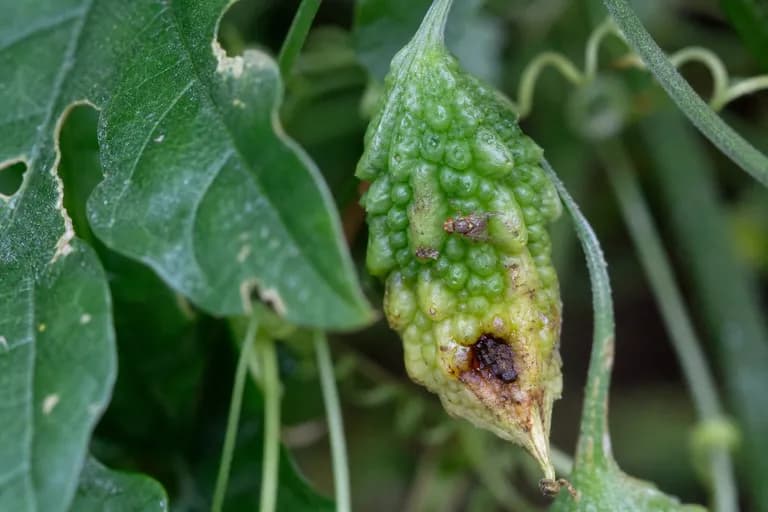
PestSmall puncture marks on fruit surface where flies lay eggs. Larvae develop inside the fruit, causing internal decay and premature fruit drop.
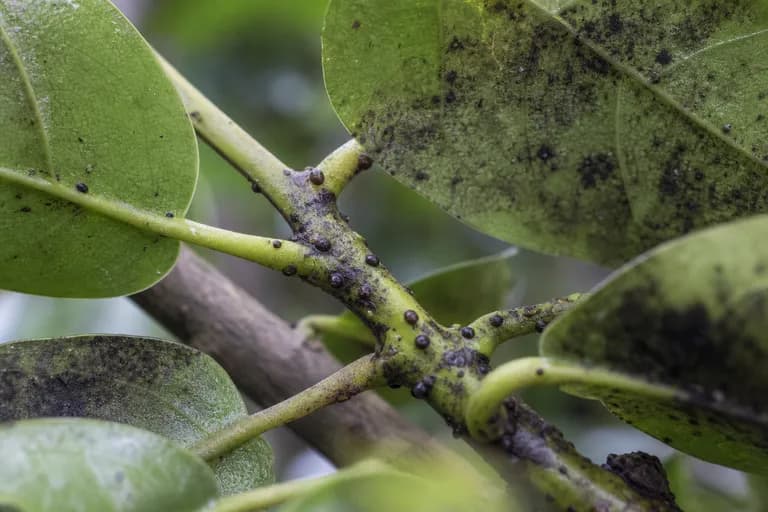
Black Scale
PestDark brown or black dome-shaped scale insects on stems and leaf undersides. Heavy infestations produce honeydew leading to sooty mold on leaves.
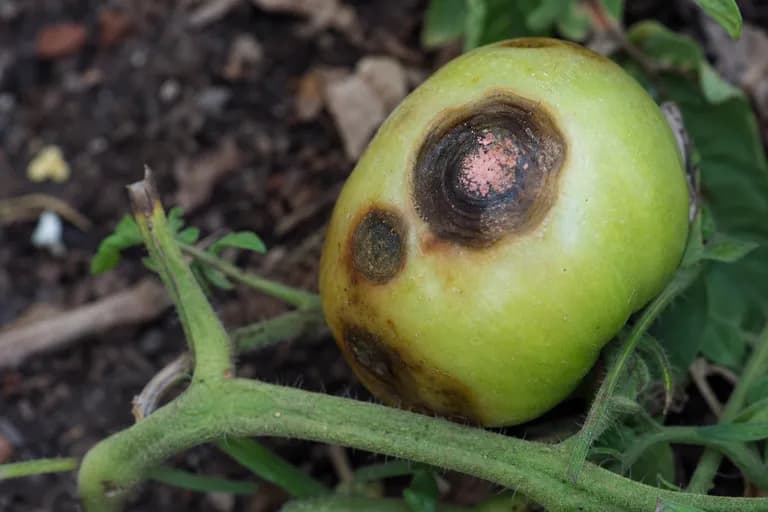
Anthracnose
DiseaseDark, sunken lesions on fruit surface during wet weather. Leaves may develop brown spots and premature defoliation in severe cases.
Troubleshooting Common Problems
The biggest challenge with white sapote is the extremely short window between perfectly ripe and overripe, often just one to two days. Overripe fruit develops a bitter, resinous flavor in the skin that can taint the otherwise delicious flesh. Fruit drop is common and can be messy, requiring regular cleanup beneath the tree. The vigorous growth habit demands regular pruning to maintain a manageable size, and unpruned trees quickly become too tall to harvest. Frost damage to young trees is the primary limiting factor for growing range, requiring protection during the establishment years.
Growing Tips
- Plant grafted trees rather than seedlings for reliable fruit quality, earlier bearing, and known cultivar characteristics. Seedlings are genetically variable and may produce inferior fruit after waiting seven or more years.
- Choose a planting site with full sun exposure and excellent drainage, as white sapote cannot tolerate waterlogged soil. A south-facing slope with protection from cold north winds is ideal in marginal climates.
- Space trees at least 8 to 10 meters apart to accommodate the eventual spread of the mature canopy. The root system is extensive and aggressive, so plant well away from foundations, septic systems, and underground utilities.
- Plant at least two different cultivar varieties for cross-pollination, which dramatically improves fruit set and yield. Popular compatible cultivars include Vernon, Suebelle, Cuccio, and McDill.
- Prune annually during the winter rest period to maintain a manageable tree height of 4 to 5 meters. Without regular pruning, white sapote can reach 15 meters or more, making fruit harvest difficult and dangerous.
- Water deeply and infrequently once established rather than providing frequent shallow irrigation. Mature trees are moderately drought tolerant but produce the best fruit with consistent moisture during the development period from flower to harvest.
- Apply a balanced fertilizer with micronutrients three to four times per year during the growing season. White sapote responds particularly well to applications of zinc and iron in alkaline soils where these nutrients may be limited.
- Harvest fruit when it just begins to soften on the tree, before it is fully ripe. Fruit picked slightly firm will ripen perfectly at room temperature in two to three days and will have far fewer bruises than tree-ripened fruit.
- Protect young trees from frost during their first three to four winters using frost cloth, holiday lights for radiant heat, or temporary structures. Mature trees tolerate brief freezes to minus 3 degrees Celsius but young bark is easily damaged.
- Control fruit flies by bagging developing fruit clusters with fine mesh bags or by setting protein bait traps in the canopy beginning six weeks before expected harvest time to prevent larvae from ruining the crop.
Grow your best White Sapote yet — and everything around it.
Start a free plan today. Lay out your beds, drop in your White Sapote, and let PlotMyGarden handle the timing, spacing, companions and reminders from seed to harvest basket.
Pick your White Sapote
Suebelle
A California selection producing medium to large fruit with excellent sweet flavor and creamy texture. Relatively compact tree habit, well-suited to home gardens.
Vernon
A vigorous selection producing very large fruits with outstanding custard-like flavor. Bears reliably and is one of the most widely planted varieties in California.
Lemon Gold
A distinctive variety with yellow-green skin and sweet flesh with lemony overtones. Compact growth makes it suitable for smaller spaces.
Cuccio
An excellent eating variety with thin skin, sweet flesh, and few seeds. Produces heavy crops of medium-sized fruit with good keeping quality.
A single mature white sapote tree can produce 100 to 200 kilograms of fruit annually for decades. Given that specialty tropical fruit retails for 8 to 15 dollars per kilogram when available, a home-grown tree could provide fruit worth 800 to 3000 dollars per year. The tree requires minimal inputs once established, with costs limited to occasional fertilizer and water. Since white sapote is extremely perishable and rarely found in supermarkets, growing your own is often the only reliable way to enjoy this exceptional fruit.
Quick recipes
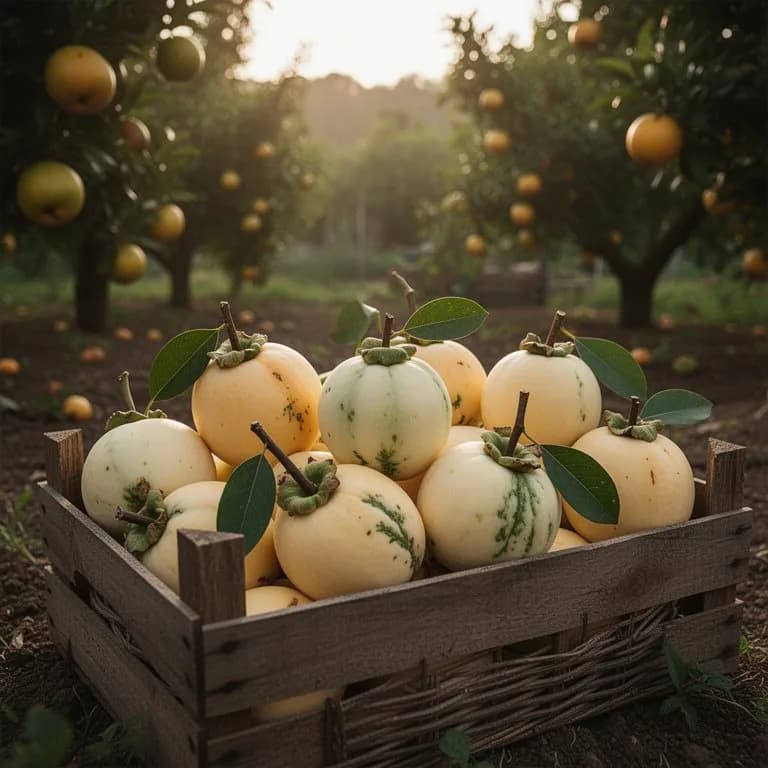
White Sapote Tropical Smoothie
5 minutesA creamy and naturally sweet smoothie that showcases the custard-like texture of ripe white sapote blended with tropical fruits and coconut milk for a refreshing breakfast or snack.
7 ingredients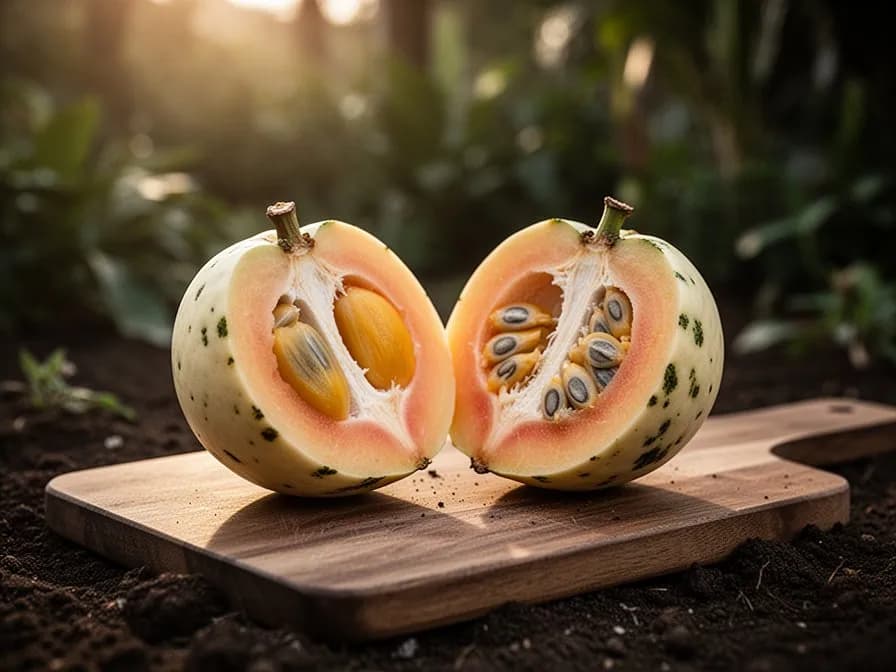
White Sapote Custard Ice Cream
20 minutes plus freezing timeA rich no-churn ice cream that takes advantage of the naturally custard-like consistency of white sapote flesh, requiring minimal added sugar due to the fruit's inherent sweetness and creamy texture.
6 ingredientsWhite Sapote and Lime Mousse
15 minutes plus chilling timeA light and elegant mousse that pairs the subtle vanilla and banana notes of white sapote with bright lime zest for a sophisticated dessert that requires no cooking.
6 ingredientsCulinary Uses
White sapote flesh has a delicate vanilla custard flavor that is best enjoyed fresh, simply scooped from the halved fruit with a spoon. The flesh makes an extraordinary ice cream and milkshake base, blending smoothly without cooking. It can be sliced into tropical fruit salads or used as a topping for yogurt and granola. The pureed flesh makes a silky smoothie when combined with banana and milk. Avoid eating the skin, which is bitter, and the seeds, which contain mildly toxic compounds.
What's inside
Health Benefits
- Rich in vitamin C which strengthens the immune system, supports collagen production for healthy skin, and enhances the absorption of iron from plant-based food sources.
- Provides significant potassium content that helps regulate blood pressure, supports proper muscle contraction, and maintains healthy fluid balance throughout the body.
- Contains dietary fiber that promotes healthy digestion, supports beneficial gut bacteria, and helps maintain steady blood sugar levels after meals.
- Traditional Mexican herbal medicine has long used white sapote preparations as a natural sleep aid and mild sedative, with modern research investigating the bioactive compounds responsible for these effects.
- The fruit's antioxidant compounds including carotenoids and vitamin C help neutralize free radicals, potentially reducing the risk of chronic inflammatory conditions and supporting overall cellular health.
- Low in sodium and virtually fat-free, white sapote is a heart-healthy fruit option that provides natural sweetness and satisfying texture without contributing to elevated cholesterol or blood pressure.
Where White Sapote comes from
White sapote (Casimiroa edulis) is native to the highland regions of central Mexico and parts of Central America, where it has been cultivated for thousands of years by indigenous peoples. The tree grows naturally in the Sierra Madre mountain ranges at elevations ranging from 600 to 2700 meters, which accounts for its unusual cold tolerance among tropical fruit species. Archaeological evidence and historical records suggest that the Aztecs cultivated white sapote extensively, valuing it both as a food source and for its purported medicinal properties. The Nahuatl name cochitzapotl translates to sleep sapote, reflecting the traditional belief that consuming the fruit promoted restful sleep. Spanish conquistadors encountered the fruit in the markets of Tenochtitlan in the early sixteenth century and gradually introduced it to other regions of the Spanish colonial empire. By the eighteenth century, white sapote had been carried to the Mediterranean basin, the Canary Islands, and parts of South Asia. The tree arrived in California in the mid-nineteenth century, where it found favorable growing conditions in the mild coastal and inland valley climates. Several improved cultivars were developed through selection in California and Florida during the twentieth century, including popular varieties such as Vernon, Suebelle, and Cuccio. Despite its exceptional flavor, often compared to a blend of banana, peach, and vanilla custard, white sapote never achieved mainstream commercial success due to the fruit's extreme perishability and tendency to bruise. Today it remains a beloved dooryard fruit tree throughout subtropical regions worldwide, prized by home gardeners and tropical fruit enthusiasts who appreciate its reliable production, attractive evergreen canopy, and uniquely delicious custard-textured fruit.
White Sapote: did you know?
Fascinating facts about White Sapote
White sapote is a member of the citrus family Rutaceae, making it a distant botanical relative of oranges, lemons, and grapefruits despite bearing no resemblance to citrus fruits in appearance or flavor.
White Sapote questions, answered
When should I plant White Sapote?
What hardiness zones can White Sapote grow in?
How much sun does White Sapote need?
How far apart should I space White Sapote?
What pests and diseases affect White Sapote?
How do I store White Sapote after harvest?
What are the best White Sapote varieties to grow?
What soil does White Sapote need?
How long does it take for a white sapote tree to produce fruit?
Why does my white sapote fruit drop before ripening?
Can I grow white sapote in a container?
Are white sapote seeds poisonous?
How do I know when white sapote fruit is ripe enough to pick?
What are the best white sapote cultivars for home gardens?
You just read the theory. Now grow it on autopilot.
Everything that makes White Sapote fiddly — the timing, the spacing, the companions, the harvest window — is exactly what PlotMyGarden handles for you, for every plant in your garden.
A plan that knows your weather
Set your location once. Get sow, feed and harvest dates built around your real last-frost date and live forecast — no more guessing from a generic seed packet.
From the “When to plant” sectionDrag-and-drop bed planner
Design beds on a grid. Every plant snaps to its proper spacing, and you can see your whole season laid out before you spend a cent on seed.
From the “Growing guide” sectionCompanion conflicts, caught early
200+ good-and-bad pairings checked live as you plant — so a season-wrecking mistake never makes it into the ground.
From the “Companions” sectionReminders you'll actually act on
“Water the beans.” “Pick today before it turns.” Timely, specific, and tied to the plants you're really growing.
From the “Harvest” sectionSuccession, scheduled
Want a harvest for six weeks, not six days? It spaces your sowings automatically and reminds you when each new block is due.
From the “When to plant” sectionA record that gets smarter
Every harvest you log teaches it your garden. Next year's plan starts from what actually worked in your soil, not a textbook's.
From the “Overview” sectionMore Tropical Fruits
Grow your best White Sapote yet — and everything around it.
Start a free plan today. Lay out your beds, drop in your White Sapote, and let PlotMyGarden handle the timing, spacing, companions and reminders from seed to harvest basket.