Santol
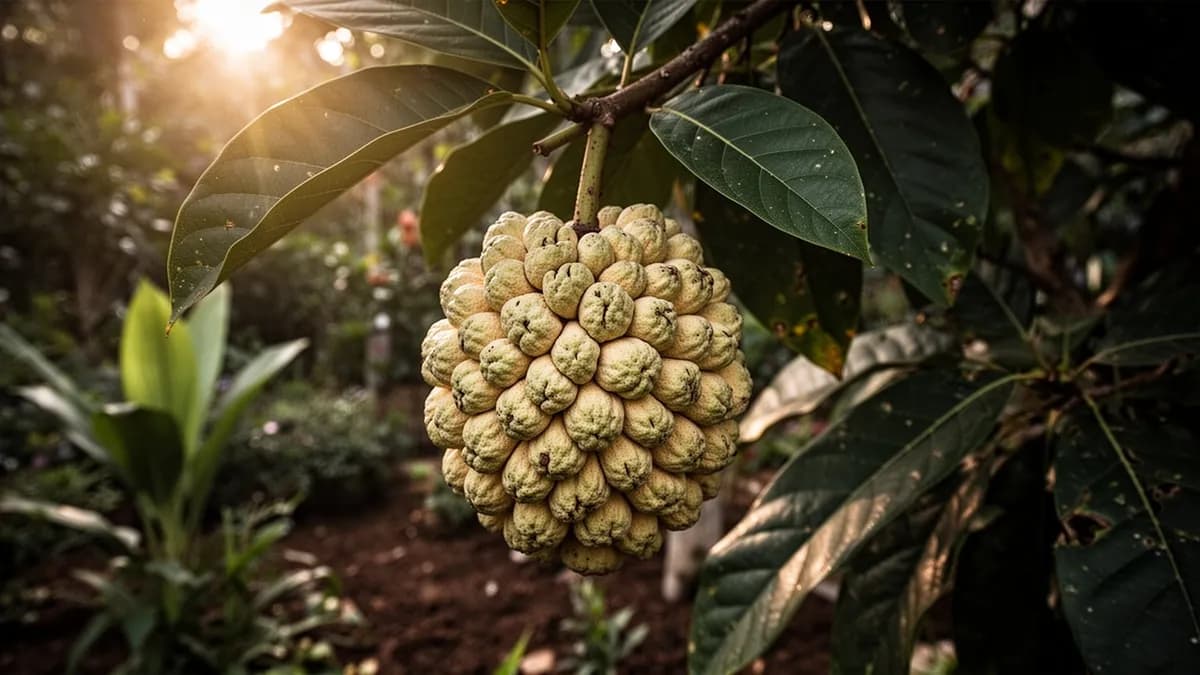
Ein großer tropischer Baum aus Südostasien, der runde, samtige Früchte mit süß-saurem, watteähnlichem Fruchtfleisch um große Samen herum produziert, die nicht verschluckt werden sollten.





Auf dieser SeiteÜberblick
Santol im Überblick
Ein großer tropischer Baum aus Südostasien, der runde, samtige Früchte mit süß-saurem, watteähnlichem Fruchtfleisch um große Samen herum produziert, die nicht verschluckt werden sollten. Die süßen gelbfleischigen Sorten werden bevorzugt frisch gegessen, während saure Sorten in der philippinischen Küche verwendet werden, insbesondere in Sinigang-Suppe. Santol ist ein schnell wachsender, attraktiver Schattenbaum.
Wann Santol pflanzen
Santol-Samen keimen leicht, wenn sie frisch aus reifen Früchten gepflanzt werden. Reinigen Sie das Fruchtfleisch von den Samen und pflanzen Sie diese 2,5 cm tief in feuchte Anzuchterde. Die Keimung erfolgt innerhalb von ein bis drei Wochen bei Temperaturen über 24 Grad Celsius. Sämlinge wachsen schnell und können nach sechs Monaten in den Garten umgepflanzt werden. Aus Samen gezogene Bäume tragen typischerweise nach fünf bis sieben Jahren Früchte. Das Veredeln auf Sämlings-Unterlagen wird für überlegene Sorten verwendet und bringt Früchte in drei bis vier Jahren hervor.
Dein Santol-Jahr
Abgestimmt auf Zone 7 · typische Saison · Frost geht um den 2. Apr. und kehrt um den 1. Nov. zurück
Santol Mai – Jul pflanzen, Jul – Sep ernten. Beachte die Pflanzmethoden unten und wähle dein Klima für passende Zeiträume.
So baust du Santol an
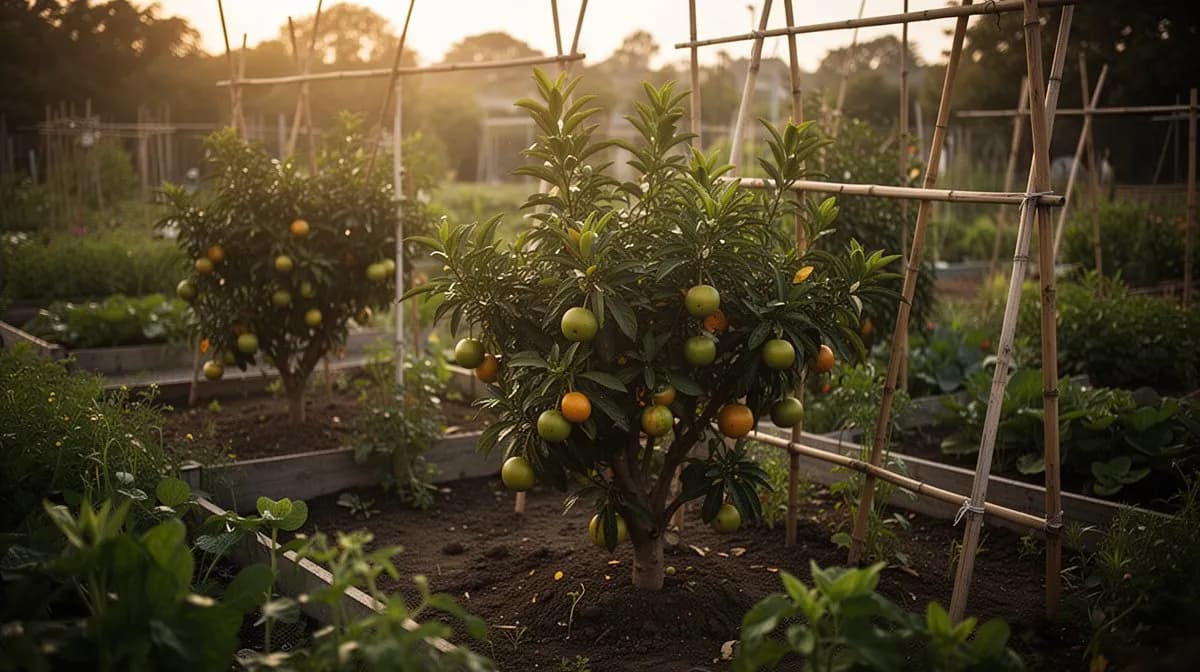
Santol ist ein kräftiger, schnell wachsender tropischer Baum, der 15 Meter oder mehr erreichen kann, daher sollte beim Pflanzen ausreichend Platz eingeplant werden. Wählen Sie einen Standort mit voller Sonne und gut durchlässigem Boden, mit einem Abstand von 7,5 bis 9 Metern zwischen den Bäumen. Der Baum passt sich an eine Vielzahl von Bodentypen an, von sandig bis tonig, und verträgt leicht alkalische Bedingungen. Pflanzen Sie während der Regenzeit für die beste Anwurzelung.
Gießen Sie junge Bäume regelmäßig, bis sie gut etabliert sind, und reduzieren Sie dann auf tiefes Bewässern ein- bis zweimal pro Woche. Ausgewachsene Santol-Bäume sind nach dem Anwachsen recht trockenheitstolerant, produzieren aber bei gleichmäßiger Feuchtigkeit bessere Früchte. Der Baum wächst schnell und kann unter idealen Bedingungen jährlich einen bis eineinhalb Meter zulegen, wobei er reichlich Nährstoffe benötigt, um dieses Wachstum zu unterstützen.
Düngen Sie drei- bis viermal pro Jahr mit einem ausgewogenen Dünger und erhöhen Sie den Kaliumanteil während der Fruchtbildung. Santol reagiert gut auf organischen Mulch und Kompostgaben. Schneiden Sie jährlich zurück, um die Höhe zu kontrollieren und eine offene Krone für eine einfache Ernte zu erhalten. Der Baum ist windtolerant und eignet sich hervorragend als Schattenbaum in tropischen Landschaften. Schützen Sie ihn vor Frost, da Santol bei Temperaturen unter 0 Grad Celsius Schäden erleidet.
Für Santol ist ein Beet von 120 × 240 cm zu klein
Santol braucht 600 cm Platz pro Pflanze. Der Planer hält diesen Abstand für dich ein — jede Pflanze, jedes Beet.
Passende Anbau-Ratgeber
Richtig düngen
Santol ist an viele Bodentypen anpassbar, einschließlich sandiger, lehmiger und toniger Böden mit einem pH-Wert von 5,5 bis 7,5. Der Baum verträgt ärmere Böden besser als die meisten tropischen Früchte, gedeiht aber am besten in fruchtbaren, gut durchlässigen Bedingungen. Tragen Sie drei- bis viermal pro Jahr einen ausgewogenen Dünger auf, mit zusätzlichem Kalium während der Fruchtbildung. Organischer Mulch und jährliche Kompostauflagen verbessern die Bodenstruktur und sorgen für eine gleichmäßige Nährstoffversorgung. Der Baum hat ein tiefes Wurzelsystem und kann Nährstoffe aus tieferen Bodenschichten aufnehmen.
Ideale Temperatur
Winterhärtezone-Kompatibilität
Von der Saat zur Ernte, Schritt für Schritt
Samenkeimung und Sämling
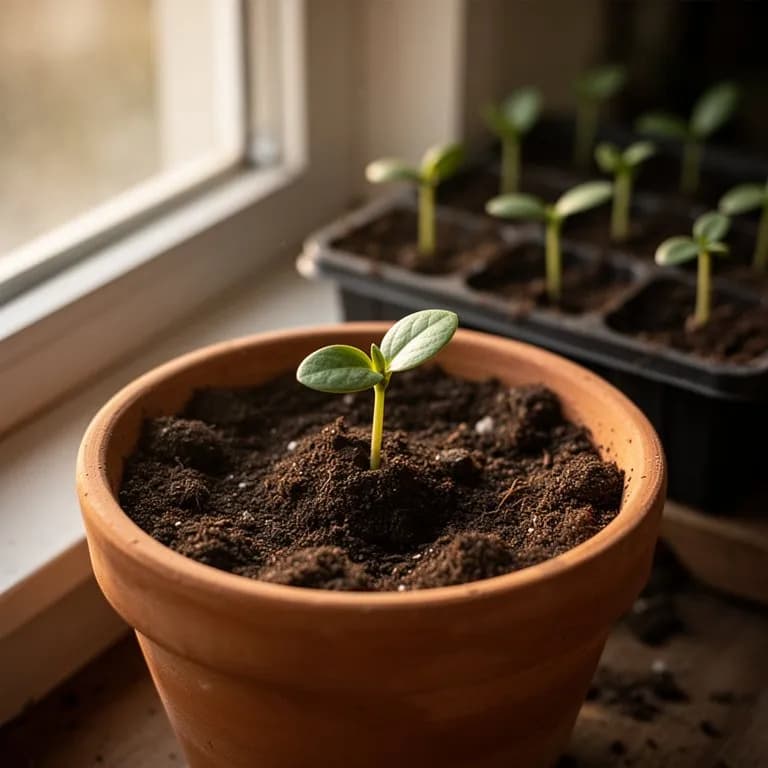
Santol-Samen sind rekalzitrant und müssen frisch ausgesät werden, da sie beim Trocknen schnell ihre Keimfähigkeit verlieren. Die Keimung erfolgt innerhalb von 10–21 Tagen, wenn die Samen in warmem, feuchtem Substrat bei Temperaturen über 25 °C gepflanzt werden. Der aufgehende Sämling bildet zunächst ein Paar einfacher Blätter, bevor er zu den charakteristischen dreiteiligen zusammengesetzten Blättern übergeht. Die Wurzelentwicklung ist in dieser Phase kräftig und etabliert ein starkes Pfahlwurzelsystem.
Juveniles vegetatives Wachstum
Der junge Santol-Baum tritt in eine Phase schnellen vegetativen Wachstums ein, gewinnt an Höhe und entwickelt einen kräftigen Stamm. Die dreiteiligen Blätter werden groß, manchmal bis zu 30 cm breit, und der Baum beginnt seine charakteristische abgerundete Krone zu formen. Während dieser Jugendphase ist der Baum noch nicht blühfähig und konzentriert alle Energie darauf, ein starkes Astgerüst und ein ausgedehntes Wurzelsystem aufzubauen, das später schwere Fruchtlasten tragen wird.
Kronenentwicklung vor der Fruchtbildung
In den nächsten drei bis fünf Jahren entwickelt der Santol-Baum seine reife Kronenstruktur. Der Stamm verdickt sich erheblich, und die Hauptgerüstäste erstrecken sich nach außen und bilden die breite, kuppelförmige Krone, die für die Art charakteristisch ist. Jährliche Wachstumsschübe produzieren dichtes Laub, und die Rinde wandelt sich von glatt-grün zu rau-graubraun. Der Baum baut die Photosyntheseleistung und Kohlenhydratreserven auf, die für seine erste Fruchtbildung benötigt werden.
Erste Blüte und Fruchtansatz
Aus Samen gezogene Santol-Bäume beginnen typischerweise im Alter von fünf bis sieben Jahren zu blühen, während veredelte Exemplare bereits nach drei bis vier Jahren blühen können. Kleine grünlich-gelbe Blüten erscheinen in lockeren achselständigen Rispen gegen Ende der Trockenzeit, typischerweise von März bis Mai in den Tropen der Nordhalbkugel. Die Bestäubung erfolgt durch Insekten, und ein erfolgreicher Fruchtansatz führt zu Büscheln kleiner grüner Fruchtansätze, die in den folgenden drei bis vier Monaten anschwellen.
Fruchtentwicklung und Reifung
Sich entwickelnde Santol-Früchte benötigen etwa 100–120 Tage vom Fruchtansatz bis zur vollen Reife. Die Früchte vergrößern sich allmählich von grünen Murmeln auf ihre reife Größe von 5–7 cm Durchmesser und wechseln die Farbe von leuchtend grün über blassgelb zu satt goldbraun. Die dicke Schale wird leicht weicher, während das innere Fruchtfleisch saftig und aromatisch wird. Reife Früchte verströmen einen angenehmen süßen Duft und können bei voller Reife von selbst abfallen.
Ausgewachsener tragender Baum
Einmal etabliert, tragen Santol-Bäume zuverlässig jedes Jahr Früchte mit steigenden Erträgen, wenn die Krone sich ausdehnt. Ausgewachsene Bäume im Alter von 10–15 Jahren können 15–25 Meter Höhe erreichen und 200–400 oder mehr Früchte pro Saison produzieren. Der Baum ist in Regionen mit ausgeprägter Trockenzeit halb-laubabwerfend und wirft vor dem jährlichen Blühschub einige oder die meisten Blätter ab. Santol-Bäume sind bemerkenswert langlebig, wobei produktive Exemplare üblicherweise ein Alter von 50–100 Jahren erreichen.
Säen Sie frische Samen innerhalb weniger Tage nach der Entnahme aus der Frucht. Pflanzen Sie 2–3 cm tief in eine gut durchlässige Anzuchterde, die reich an organischer Substanz ist. Halten Sie gleichmäßig feucht, aber nicht staunass, und sorgen Sie für Temperaturen von 25–32 °C. Bieten Sie in den ersten drei Monaten gesprenkelten Schatten, da junge Sämlinge empfindlich auf direkte Sonne reagieren.
Santol Monat für Monat pflegen
Was du jeden Monat für deine Santol tun solltest
Oktober
Aktueller MonatBringen Sie die letzte Düngergabe des Jahres mit einer ausgewogenen organischen Mischung aus. Gießen Sie den Baum tief, wenn die Regenzeit in Ihrer Region noch nicht begonnen hat. Untersuchen Sie Stamm und Hauptäste auf Anzeichen von Holzbohrern und behandeln Sie Befall umgehend.
Immer wissen, was jetzt im Garten zu tun ist
Eine E-Mail zum Monatsanfang: was du jetzt säen, pflanzen und anpacken solltest — für deine Santol und alles, was drumherum wächst. Dazu ein kurzer Startkurs, der dich vor den klassischen Fehlern bewahrt.
- Was jetzt zu tun ist
- Passend zu deiner Saison
- Startkurs inklusive
Santol ernten
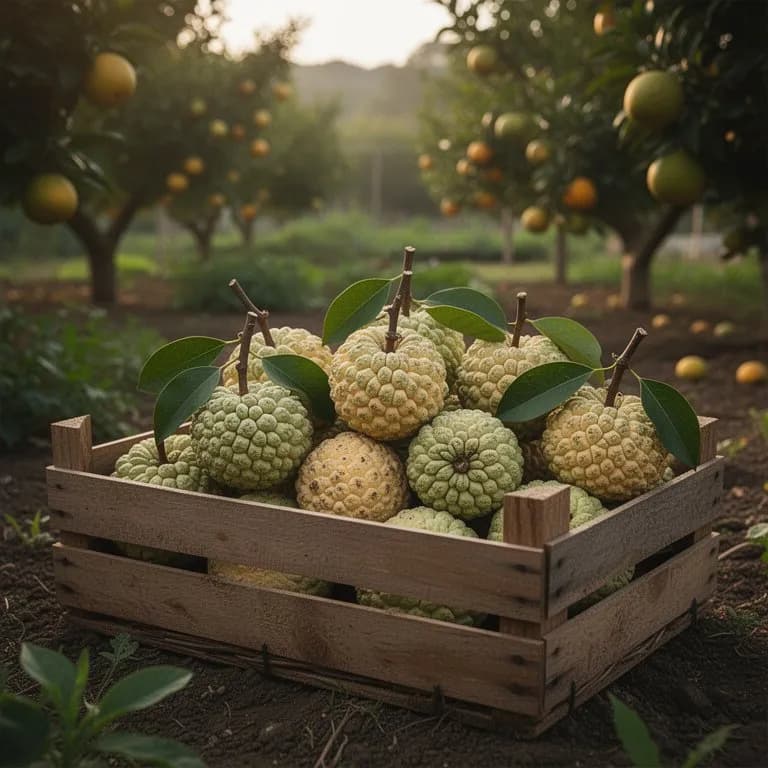
Santol-Früchte reifen am Baum und wechseln bei Reife von grün zu goldgelb. Die Frucht sollte bei sanftem Druck nachgeben und kann bei Reife einen leichten Duft entwickeln. Pflücken Sie von Hand oder schneiden Sie mit einem kurzen Stiel vom Ast ab. Zum Frischverzehr wählen Sie die süßen gelbfleischigen Sorten, die bei Reife weich und duftend sind. Saure Sorten zum Kochen können etwas früher geerntet werden, solange sie noch fest sind. Die dicke äußere Schale wird abgeschält, um das watteähnliche Fruchtfleisch um die großen Samen herum freizulegen.
angenommen, du pflanzt zu Beginn des Zeitraums — trage dein tatsächliches Datum ein
Ernte Santol zügig, dann trägt die Pflanze weiter.
Lagerung & Konservierung
Reifer Santol hält bei Raumtemperatur drei bis fünf Tage und im Kühlschrank bis zu zwei Wochen. Das Fruchtfleisch kann in Zuckersirup konserviert und für die Langzeitlagerung eingemacht werden. Auf den Philippinen wird Santol häufig kandiert oder zu süßer Konfitüre verarbeitet. Die sauren Sorten werden in Essig und Salz eingelegt. Das Fruchtfleisch lässt sich allein nicht gut einfrieren, kann aber püriert und zum Kochen und für Getränke eingefroren werden.
Was schiefgeht — und die Lösung
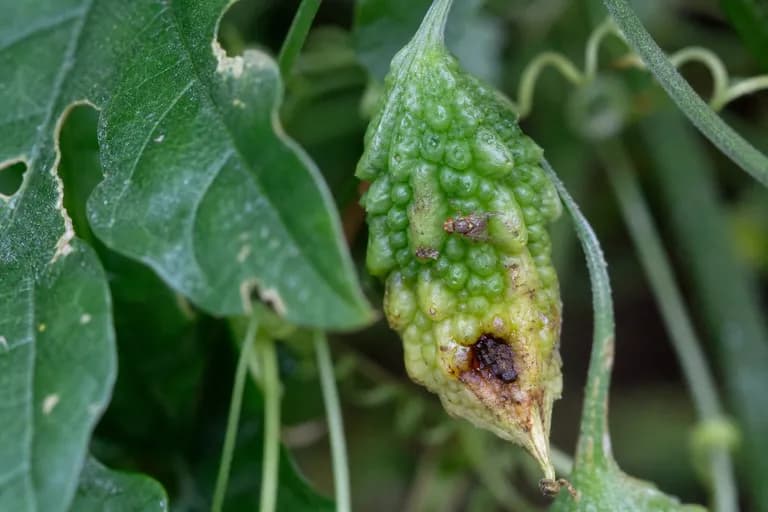
Fruchtfliege
SchädlingKleine Einstiche in reifenden Früchten mit Larven, die sich durch das Fruchtfleisch bohren und Weichfäule sowie vorzeitiges Abfallen verursachen.
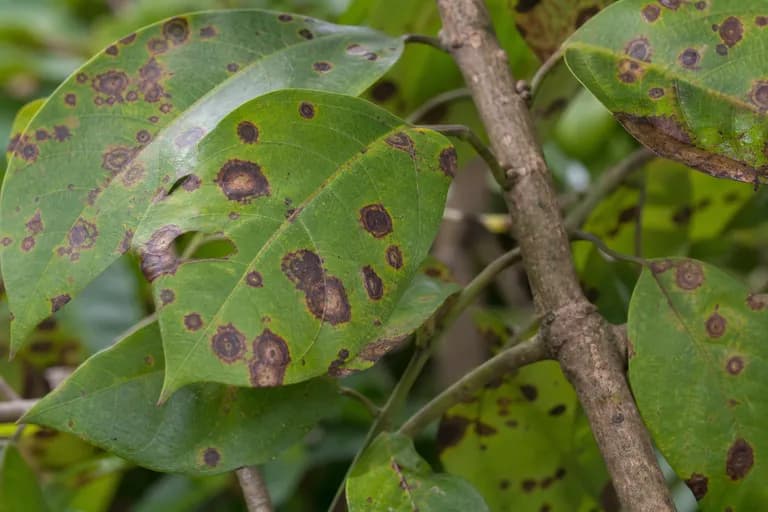
Blattfleckenkrankheit (Colletotrichum)
KrankheitKreisförmige braune Flecken auf Blättern mit dunklen Rändern; bei schwerem Befall kommt es zu Entlaubung und verringerter Fruchtproduktion.
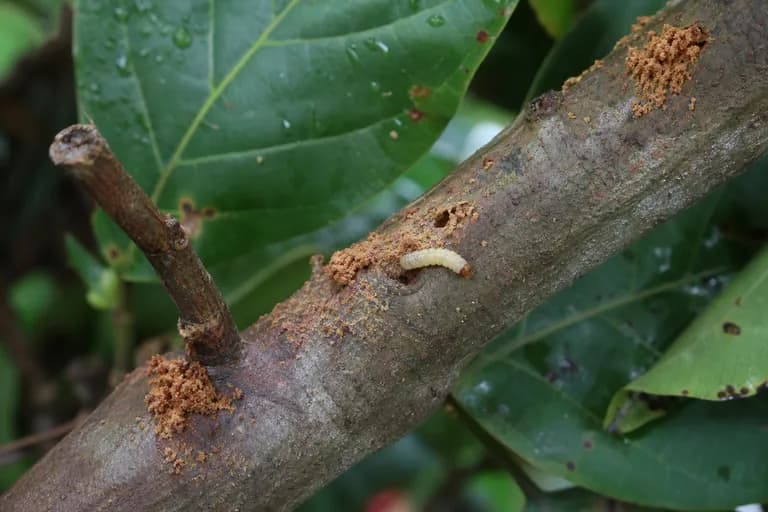
Rindenbohrer
SchädlingKleine Löcher in der Stammrinde mit sägemehlartigen Fraßrückständen; das Bohren schwächt die Baumstruktur und kann zum Absterben von Ästen führen.
Fehlerbehebung bei häufigen Problemen
Die großen Samen stellen eine Verschluckungsgefahr dar, besonders für Kinder, da sie glatte Oberflächen haben und von schlüpfrigem Fruchtfleisch umgeben sind. Saure Sorten können bei übermäßigem Frischverzehr Mundreizungen verursachen. Der Baum kann ohne regelmäßigen Rückschnitt zur Höhenkontrolle zu groß für kleine Gärten werden. Der Latex der Schale kann empfindliche Haut reizen. Fruchtaufplatzen kann nach starkem Regen nach Trockenperioden auftreten.
Anbautipps
- Wählen Sie wann immer möglich veredelte Santol-Sorten anstelle von Sämlingen — veredelte Bäume fruchten zwei bis drei Jahre früher und produzieren gleichmäßigere, qualitativ hochwertigere Früchte mit besserem Fruchtfleisch-zu-Samen-Verhältnis.
- Pflanzen Sie Santol in tiefen, gut durchlässigen lehmigen oder sandig-lehmigen Boden mit einem pH-Wert zwischen 5,5 und 7,0 für optimales Wachstum. Der Baum verträgt verschiedene Bodentypen, gedeiht aber schlecht in schwerem Ton, der staunass bleibt.
- Bieten Sie volle Sonne mit mindestens sechs bis acht Stunden direktem Sonnenlicht täglich. Obwohl Santol als junger Unterwuchsbaum Halbschatten verträgt, ist die Fruchtproduktion ohne ausreichende Lichtexposition deutlich reduziert.
- Gießen Sie junge Bäume während Trockenperioden in den ersten drei Jahren zweimal pro Woche tief, dann reduzieren Sie auf ergänzende Bewässerung nur bei längerer Trockenheit. Ausgewachsene Bäume mit etabliertem Wurzelsystem sind mäßig trockenheitstolerant.
- Tragen Sie dreimal pro Jahr während der Wachstumsperiode einen ausgewogenen Granulatdünger (z. B. 14-14-14) auf — beim Austrieb, nach dem Fruchtansatz und nach der Ernte. Ergänzen Sie während der Fruchtentwicklung mit Kaliumsulfat, um die Süße zu verbessern.
- Schneiden Sie jährlich nach der Ernte zurück, um eine handhabbare Baumhöhe von 5–8 Metern zu erhalten, was das Ernten erleichtert und die Luftzirkulation in der Krone verbessert, um den Pilzkrankheitsdruck zu reduzieren.
- Schützen Sie junge Bäume in den ersten zwei Jahren durch Stützen vor Windschäden und bieten Sie bei Pflanzung an exponierten Standorten einen Windschutz. Starke Winde können junge Stämme brechen und sich entwickelnde Früchte von den Ästen reißen.
- Überwachen Sie auf häufige Schädlinge einschließlich Fruchtfliegen, Fruchtbohrer und Schildläuse. Verwenden Sie Pheromonfallen und Fruchtumhüllungen während der Reifezeit anstelle von Breitbandinsektiziden, um nützliche Raubinsektenpopulationen zu erhalten.
- In subtropischen Gebieten am Rande des Santol-Klimabereichs pflanzen Sie an eine nach Süden ausgerichtete Wand oder ein Gebäude, um reflektierte Wärme zu nutzen und Frostschutz zu bieten. Containerkultivierung ist für junge Bäume in kühleren Klimazonen möglich, wenn sie im Winter ins Haus gebracht werden.
- Mulchen Sie großzügig um die Wurzelzone mit einer 10–15 cm dicken Schicht organischen Materials wie Holzschnitzeln, Kokosfaser oder kompostierten Blättern. Dies unterdrückt Unkraut, erhält die Bodenfeuchtigkeit, reguliert die Wurzeltemperatur und nährt die Bodenbiologie beim Zersetzen.
Bau deine beste Santol an — und alles drumherum.
Starte heute kostenlos. Lege deine Beete an, setze deine Santol ein und lass PlotMyGarden Timing, Abstände, Begleiter und Erinnerungen von der Saat bis zum Erntekorb übernehmen.
Finde deine Santol
Bangkok Yellow
Die bevorzugte süße Sorte mit dickem, süßem gelbem Fruchtfleisch, das frisch gegessen werden kann, ohne die zusammenziehende Säure der Wildtypen.
Red Santol
Eine Sorte mit rotbrauner Schale und leicht herbem Fruchtfleisch, die häufig in der philippinischen Küche verwendet und für ihr dekoratives Aussehen geschätzt wird.
Native (Sauer)
Der Wildtyp mit dünnem, saurem Fruchtfleisch, das traditionell in Sinigang-Suppe und anderen herzhaften Gerichten in ganz Südostasien verwendet wird.
Ein einzelner ausgewachsener Santol-Baum produziert 200–400 Früchte pro Saison bei praktisch keinen laufenden Kosten nach dem Anwachsen. Auf tropischen Märkten wird Santol für etwa 2–4 € pro Kilogramm verkauft. Ein produktiver Hinterhofbaum, der jährlich etwa 50–80 kg Früchte liefert, kann Früchte im Wert von 100–320 € pro Jahr erbringen, plus Einsparungen durch selbstgemachte Konserven, Marmeladen und Kochzutaten. Da der Baum minimale Pflege benötigt, keine Pestizidkäufe erfordert und in feuchten Klimazonen ohne zusätzliche Bewässerung gedeiht, liegen die laufenden Pflegekosten nahe null — was ihn zu einem der kosteneffektivsten tropischen Obstbäume für Hobbygärtner macht.
Schnelle Rezepte
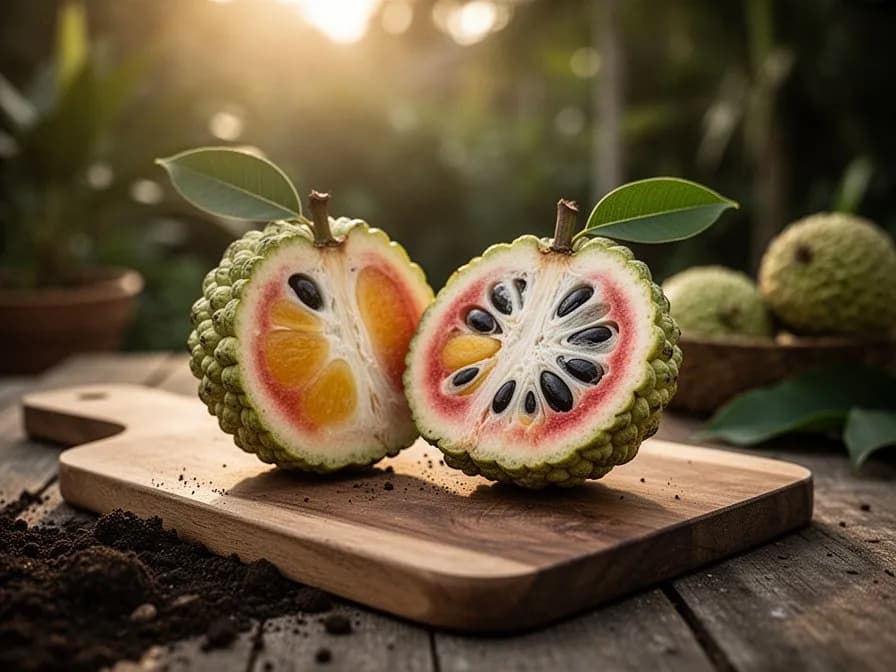
Philippinisches Sinigang sa Santol (Santol-Sauersuppe)
45 Min.Eine beliebte philippinische Sauersuppe, die die geriebene Schale und das Fruchtfleisch von unreifem Santol als charakteristisches Säuerungsmittel verwendet. Der Santol verleiht eine komplexe, fruchtige Herbheit, die diese Version von tamarindenbasiertem Sinigang unterscheidet. Schweinerippchen köcheln mit Gemüse in einer aromatischen Brühe, bis sie zart und vollmundig sind.
9 Zutaten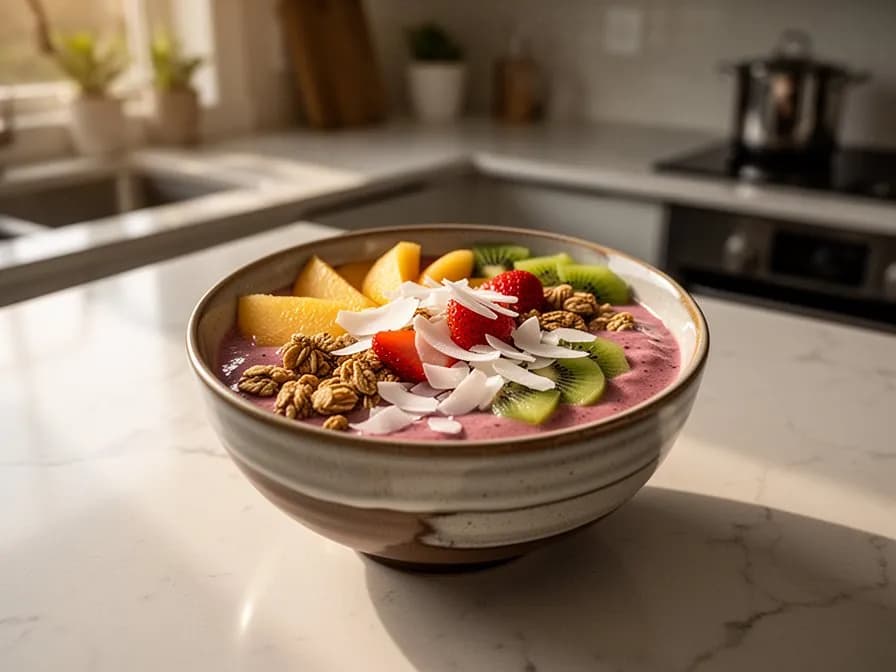
Santol-Marmelade mit Ingwer
60 Min.Eine süß-herbe Konfitüre, die reifes Santol-Fruchtfleisch in eine leuchtend goldene Marmelade verwandelt, die mit frischem Ingwer verfeinert wird. Das natürliche Pektin in der Santol-Schale hilft beim Gelieren ohne zusätzliche Verdickungsmittel. Auf Toast streichen, in Joghurt einrühren oder als Glasur für gegrilltes Geflügel verwenden.
6 ZutatenThailändischer Santol-Salat (Som Tam Santol)
20 Min.Ein erfrischender thailändisch inspirierter Salat, der jungen grünen Santol in knackige Streifen geraspelt präsentiert, gemischt mit einem kräftigen Dressing aus Limette, Fischsauce, Palmzucker und Chili. Die knusprige Textur und der saure Biss von unreifem Santol machen ihn zum perfekten Ersatz für grüne Papaya in diesem lebhaften Gericht.
8 ZutatenKulinarische Verwendung
Süße Santol-Sorten werden frisch gegessen, wobei das watteähnliche Fruchtfleisch von den Samen gelutscht wird. In der philippinischen Küche ist saurer Santol unverzichtbar für Sinigang, eine mit Tamarinde gesäuerte Suppe. Das Fruchtfleisch wird auch kandiert, eingelegt oder zu Konfitüre und Marmelade verarbeitet. Die Frucht verleiht Currys und Sambals in der südostasiatischen Küche ein einzigartiges süß-saures Element.
Was drinsteckt
Gesundheitsvorteile
- Reich an Vitamin C, das die Immunfunktion unterstützt, die Kollagensynthese für gesunde Haut fördert und als starkes Antioxidans wirkt, das Zellen vor oxidativen Schäden schützt.
- Enthält Ballaststoffe, die die Verdauungsregularität unterstützen, das Wachstum nützlicher Darmbakterien fördern und bei einer ausgewogenen Ernährung zur Regulierung des Cholesterinspiegels beitragen können.
- Traditionelle Kräutermedizinsysteme in ganz Südostasien verwenden Santol-Rinden- und Blattextrakte wegen ihrer entzündungshemmenden und antimikrobiellen Eigenschaften, wobei moderne Studien das Vorhandensein bioaktiver Triterpene bestätigen.
- Die polyphenolischen Verbindungen und Flavonoide im Santol-Fruchtfleisch und in der Schale zeigen antioxidative Aktivität, die das Risiko chronischer Krankheiten einschließlich Herz-Kreislauf-Erkrankungen und bestimmter Krebsarten verringern kann.
- Liefert Phosphor und Kalzium, zwei essentielle Mineralien, die zusammenwirken, um die Knochendichte, die Zahnschmelzintegrität und die ordnungsgemäße Zellfunktion im gesamten Körper zu unterstützen.
- B-Komplex-Vitamine einschließlich Thiamin, Riboflavin und Niacin im Santol-Fruchtfleisch unterstützen den Energiestoffwechsel, die Gesundheit des Nervensystems und die Umwandlung von Nahrung in nutzbare zelluläre Energie.
Woher Santol stammt
Santol (Sandoricum koetjape) ist ein uralter tropischer Fruchtbaum aus der Familie der Meliaceae (Mahagonigewächse), der in den Tieflandregenwäldern des festländischen Südostasiens beheimatet ist, insbesondere in den Regionen, die heute Kambodscha, Laos und die Malaiische Halbinsel umfassen. Archäologische und ethnobotanische Belege deuten darauf hin, dass Santol von Gemeinschaften auf der Malaiischen Halbinsel und in Indochina seit weit über tausend Jahren angebaut und gesammelt wird, was ihn zu einem der ältesten domestizierten Obstbäume der Region macht. Von seinem Ursprungszentrum aus wurde Santol von frühen austronesischen und malaiischen Händlern durch die Inselarchipele Südostasiens verbreitet und erreichte die Philippinen, Indonesien und Borneo Jahrhunderte vor dem europäischen Kontakt. Er wurde tief in die philippinische Esskultur integriert, wo er noch heute einer der beliebtesten Hinterhof-Obstbäume ist, der frisch, als Konserve und als Säuerungsmittel in traditionellen Gerichten verwendet wird. Spanische Kolonialbotaniker dokumentierten Santol auf den Philippinen bereits im 16. Jahrhundert, und er wurde später nach Indien, Sri Lanka und in Teile des tropischen Afrikas und Mittelamerikas eingeführt. Trotz seiner langen Geschichte und kulturellen Bedeutung bleibt Santol außerhalb Südostasiens relativ unbekannt und wird oft als untergenutzte tropische Frucht eingestuft. In den letzten Jahrzehnten haben Gartenbauforscher verbesserte veredelte Sorten mit größeren Früchten, dickerem essbarem Fruchtfleisch und reduzierter Samengröße entwickelt. Zwei große Sortengruppen werden unterschieden: der gelbhäutige Typ, der süßer ist und zum Frischverzehr bevorzugt wird, und der rothäutige Typ, der saurer ist und zum Kochen bevorzugt wird. Heute wird Santol in kleinem kommerziellen Maßstab auf den Philippinen, in Thailand und Malaysia angebaut, während er bei tropischen Fruchtliebhabern und Agroforstwissenschaftlern weltweit zunehmend Aufmerksamkeit für seine Widerstandsfähigkeit, Produktivität und seinen Nährwert gewinnt.
Santol: Schon gewusst?
Faszinierende Fakten über Santol
Santol ist die Provinzfrucht der Provinz Quezon auf den Philippinen, wo sie eine tiefe kulturelle Bedeutung hat und bei lokalen Erntefesten gefeiert wird.
Santol: Fragen & Antworten
Wann sollte ich Santol pflanzen?
In welchen Winterhärtezonen kann Santol wachsen?
Wie viel Sonne braucht Santol?
Welchen Abstand sollte ich zwischen Santol lassen?
Welche Schädlinge und Krankheiten befallen Santol?
Wie lagere ich Santol nach der Ernte?
Was sind die besten Santol-Sorten zum Anbauen?
Welchen Boden braucht Santol?
Wie lange dauert es, bis ein Santol-Baum aus Samen Früchte trägt?
Können Santol-Bäume in subtropischen oder gemäßigten Klimazonen wachsen?
Ist der Santol-Samen essbar oder sicher zum Verzehr?
Was ist der Unterschied zwischen gelben und roten Santol-Sorten?
Wie sollte ich frische Santol-Früchte nach der Ernte lagern?
Braucht Santol einen Bestäuberbaum, um Früchte zu produzieren?
Du hast die Theorie gelesen. Jetzt baue sie auf Autopilot an.
Alles, was Santol knifflig macht — das Timing, die Abstände, die Begleiter, das Erntefenster — genau das übernimmt PlotMyGarden für dich, für jede Pflanze im Garten.
Ein Plan, der dein Wetter kennt
Standort einmal festlegen. Aussaat-, Dünge- und Erntedaten rund um deinen echten letzten Frosttermin und die Live-Vorhersage — kein Raten mehr nach Saattüte.
Aus dem Abschnitt „Pflanzzeit“Beetplaner per Drag & Drop
Beete auf einem Raster gestalten. Jede Pflanze rastet im richtigen Abstand ein, und du siehst die ganze Saison, bevor du einen Cent für Saatgut ausgibst.
Aus dem Abschnitt „Anbau“Begleiter-Konflikte früh erkannt
Über 200 gute und schlechte Kombinationen werden beim Pflanzen live geprüft — so landet ein saisonruinierender Fehler nie in der Erde.
Aus dem Abschnitt „Begleiter“Erinnerungen, nach denen du wirklich handelst
„Gieß die Bohnen.“ „Heute ernten, bevor's umschlägt.“ Pünktlich, konkret und auf deine echten Pflanzen bezogen.
Aus dem Abschnitt „Ernte“Staffel-Aussaat, geplant
Sechs Wochen ernten statt sechs Tage? Die App verteilt deine Aussaaten automatisch und erinnert dich, wenn der nächste Satz fällig ist.
Aus dem Abschnitt „Pflanzzeit“Ein Verlauf, der schlauer wird
Jede protokollierte Ernte bringt der App deinen Garten bei. Der Plan fürs nächste Jahr startet bei dem, was in deinem Boden wirklich funktioniert hat.
Aus dem Abschnitt „Überblick“Weitere Tropische Früchte
Bau deine beste Santol an — und alles drumherum.
Starte heute kostenlos. Lege deine Beete an, setze deine Santol ein und lass PlotMyGarden Timing, Abstände, Begleiter und Erinnerungen von der Saat bis zum Erntekorb übernehmen.