David Austin Rose
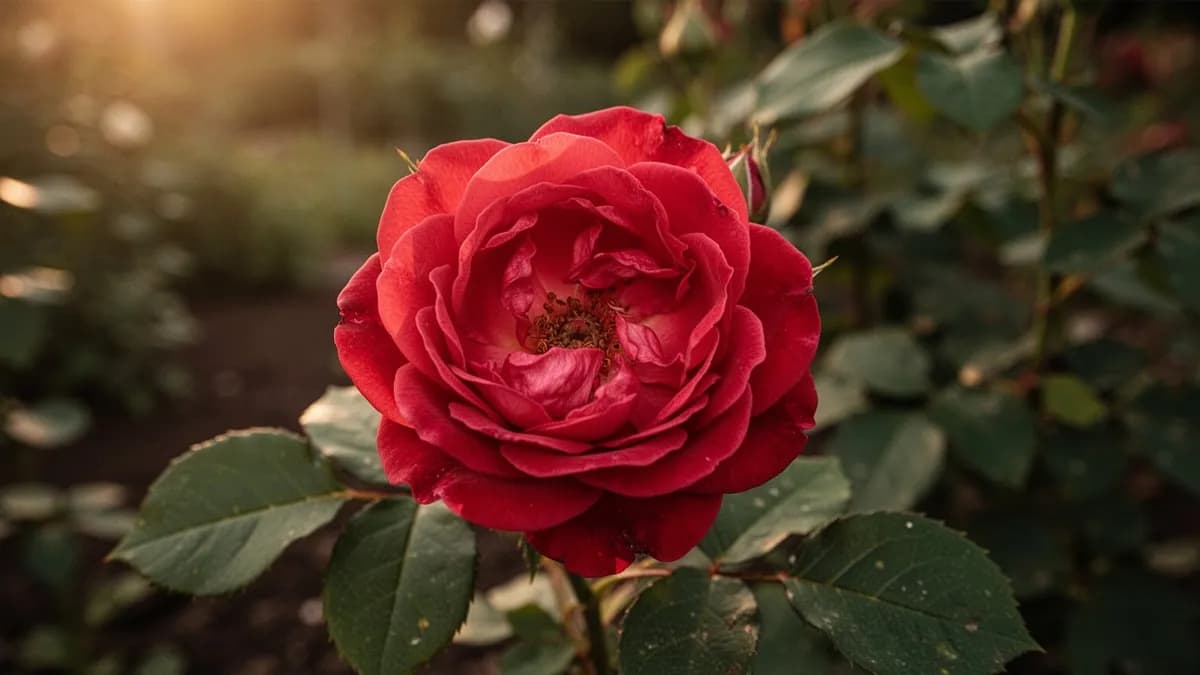
An English shrub rose combining old-fashioned, fully petaled, rosette-shaped blooms with modern repeat-flowering habit and disease resistance.





On this pageOverview
Meet David Austin Rose
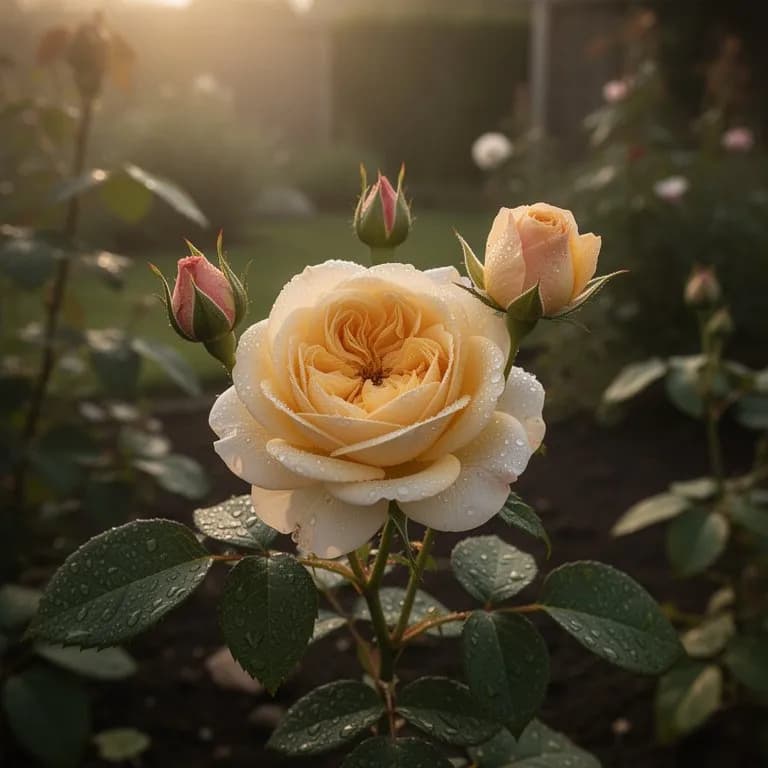
An English shrub rose combining old-fashioned, fully petaled, rosette-shaped blooms with modern repeat-flowering habit and disease resistance. David Austin roses are prized for cutting, offering incredible fragrance in categories from fruity to myrrh to old rose. Feed generously, deadhead regularly, and prune in late winter for the best display.
When to plant David Austin Rose
David Austin roses are proprietary cultivars that must be propagated by budding or grafting to maintain their specific characteristics. They do not come true from seed. Home propagation from hardwood cuttings is possible for some varieties: take nine-inch hardwood cuttings in late autumn, dip in rooting hormone, and insert in a trench of sandy soil. Roots develop over winter and cuttings can be transplanted the following autumn. Note that some varieties are under plant patent and propagation may be restricted.
Your David Austin Rose Year
Composed for Zone 7 · typical seasons · frost passes Apr 2, returns Nov 1
Plant David Austin Rose Mar – Apr, Oct – Nov, pick May – Oct. Check the planting methods below and set your climate to personalize these windows.

How to grow David Austin Rose
Plant David Austin roses in autumn or spring in a hole wider and deeper than the root system, positioning the bud union at or slightly below soil level in cold climates, or at soil level in mild areas. Choose a site in full sun with six or more hours of direct sunlight, good air circulation, and rich, well-drained soil. Space three to four feet apart depending on the variety.
Water deeply two to three times per week during the first growing season, then maintain consistent moisture throughout the growing period. David Austin roses are heavy feeders and should be fertilized every four to six weeks from early spring through midsummer with a balanced rose fertilizer. Stop feeding six weeks before the first expected frost to allow the plant to harden off naturally.
Prune in late winter when forsythia begins to bloom. Remove dead, damaged, and crossing branches first, then reduce remaining stems by one-third to one-half, cutting to outward-facing buds. Deadhead spent flowers regularly to encourage repeat blooming, cutting back to a five-leaflet leaf. David Austin roses combine the romantic, fully petaled flower form of old roses with the repeat-flowering habit and disease resistance of modern roses.
2 plants fit a 4 × 8 ft bed
Each David Austin Rose wants 90 cm of elbow room. The planner keeps that spacing for you — every plant, every bed.
David Austin Rose's best neighbours
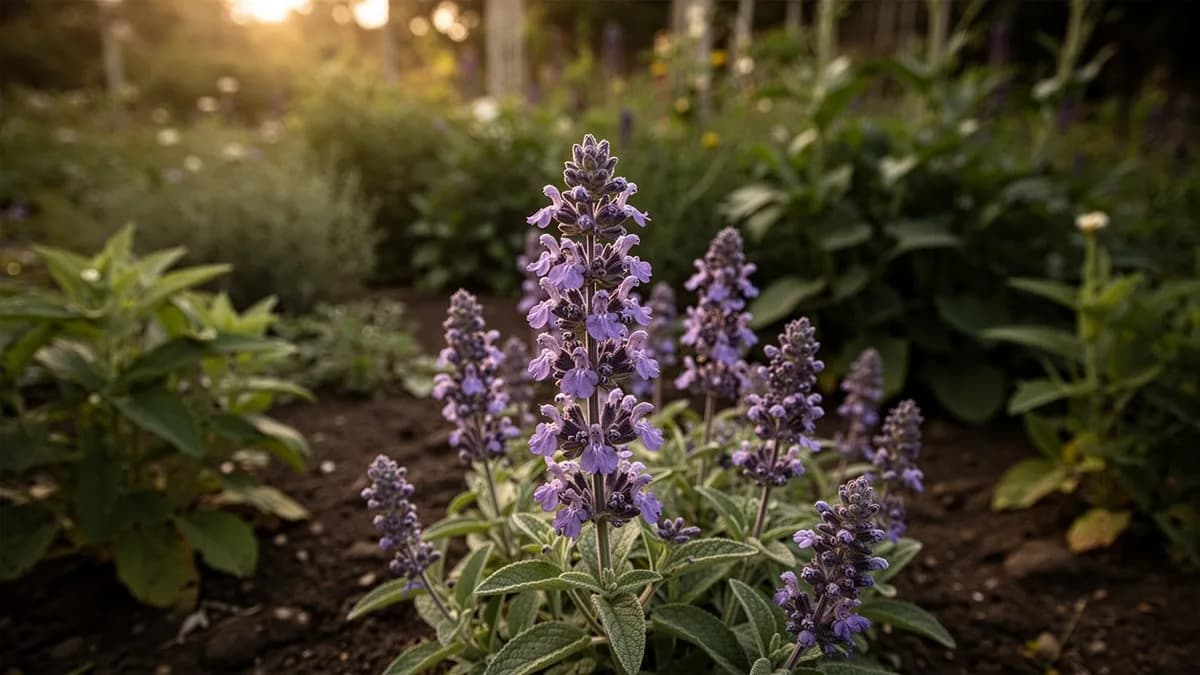
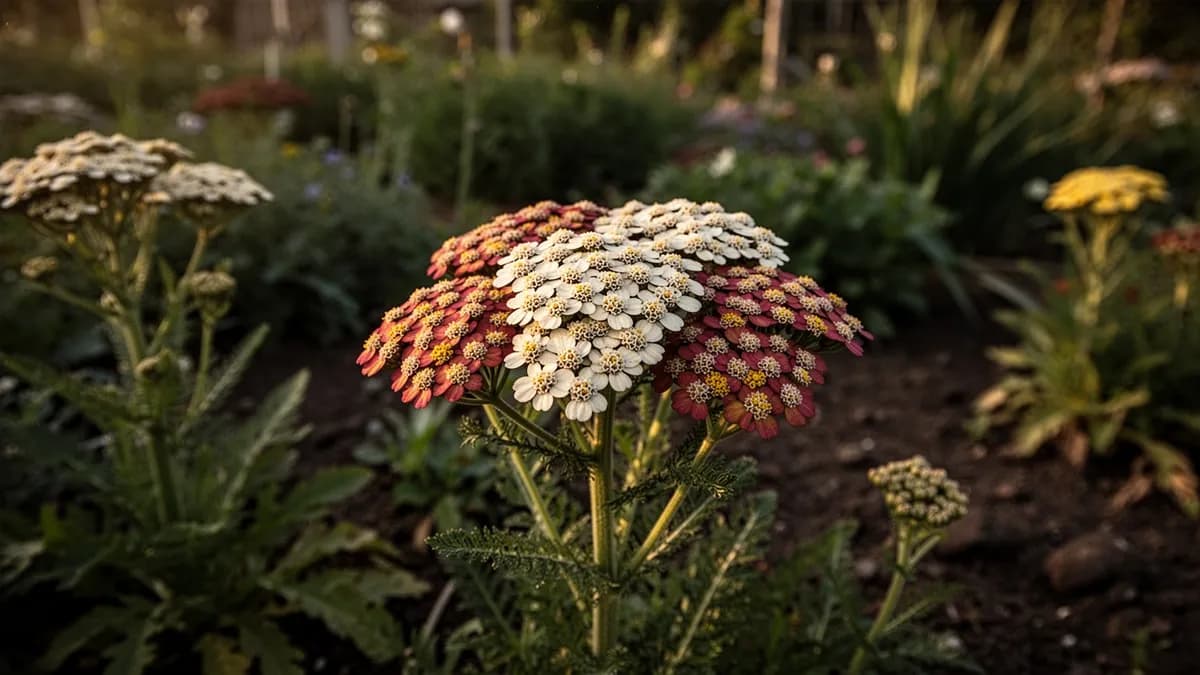
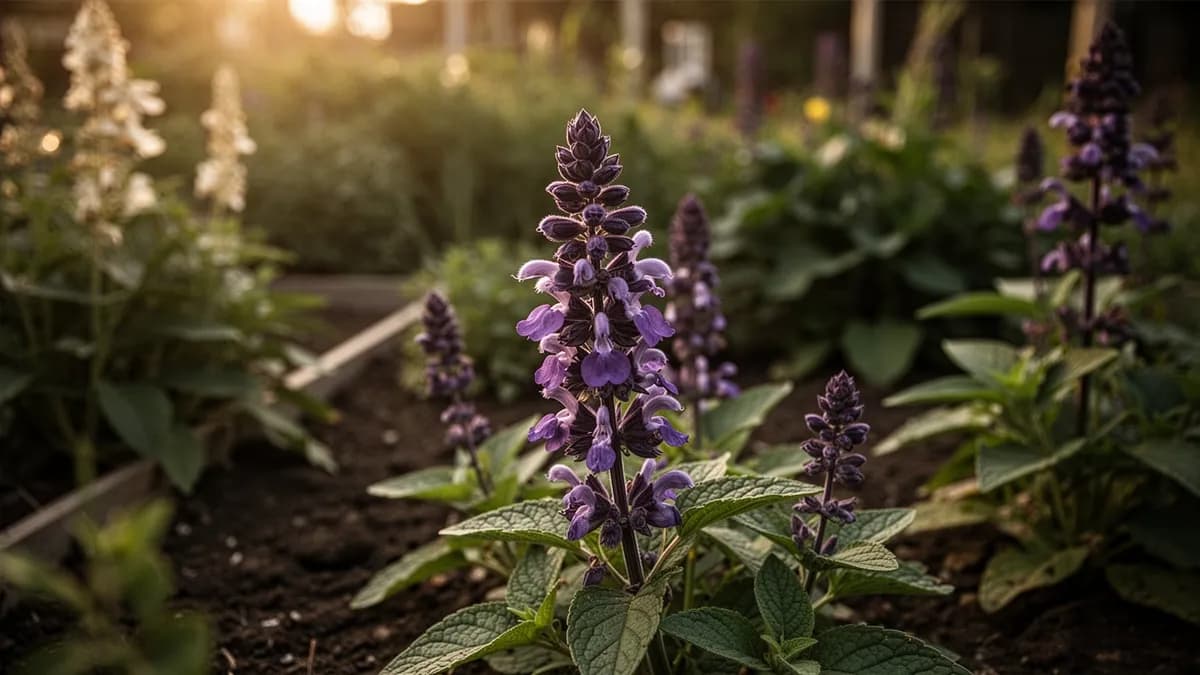
David Austin roses pair beautifully with nepeta (catmint), lavender, salvia, and achillea, creating a classic cottage garden palette. The silver foliage of artemisia and stachys provides a beautiful foil for rose blooms. Underplant with spring bulbs for early color and low-growing perennials that shade the base of the rose bush. Garlic and chives planted nearby may help deter aphids. Avoid planting too close to trees that compete for water and nutrients.
Catmint belongs beside it.
Old growers' knowledge, checked against David Austin Rose's real companion table below — test any plant you're growing.
Try David Austin Rose in a bed — right here
A real planner bed with David Austin Rose already in it. Tap a companion to place it and watch the pairing checks answer — green for good neighbours, red for a clash.


Related growing guides

Feed it well
David Austin roses thrive in rich, deep, well-drained soil with a pH of 6.0 to 6.5. Prepare the planting hole generously, incorporating well-rotted manure or compost. Apply a specific rose fertilizer every four to six weeks during the growing season. Top-dress annually with compost or well-rotted manure. Apply a balanced organic fertilizer such as alfalfa meal or fish meal in early spring. Potassium-rich feeds during flowering promote bloom quality and plant health.
Ideal Temperature
Hardiness Zone Compatibility
From seed to harvest, stage by stage
Dormancy & Bare Root Planting
During winter dormancy the plant has no leaves and minimal metabolic activity. This is the ideal time to plant bare root roses, allowing roots to establish before spring growth begins.
Spring Bud Break & Leafing Out
As temperatures rise above 10°C consistently, reddish new shoots emerge from the canes. Leaves unfurl and the plant begins photosynthesizing to fuel the upcoming bloom cycle.
First Flush of Bloom
The first and most abundant flowering period begins in late spring to early summer. David Austin roses produce their signature cupped, rosette-shaped blooms in clusters, often with intense fragrance.
Repeat Flowering Cycles
Most David Austin varieties are repeat-flowering, producing successive waves of blooms through summer and into autumn. Each cycle may be slightly less prolific than the first flush but maintains good flower quality.
Autumn Slowdown & Hip Formation
Flowering slows as day length decreases. If final blooms are left undeadheaded, the plant sets rose hips that ripen to orange-red. Foliage may develop autumn tints before leaf drop.
Winter Pruning & Rest
After leaf fall the plant enters full dormancy. This is the time for structural pruning, removing dead, damaged, or crossing branches and shaping the bush for the following season.
Soak bare roots in water for 2 hours before planting. Dig a hole wide enough to spread the roots and ensure the bud union sits at or just below soil level.
Caring for David Austin Rose month by month
What to do each month for your David Austin Rose
October
You are hereCollect fallen leaves to reduce overwintering disease spores. Apply a final potash-based feed to strengthen stems for winter. Prepare planting sites for bare root roses arriving next month.
Know exactly what to do in your garden — every month
One email at the start of each month: what to sow, plant, and tackle right now — for your David Austin Rose and everything growing around it. Plus a short starter course that helps you dodge the classic mistakes.
- What to do, right now
- Matched to your season
- Starter course included
Harvesting David Austin Rose
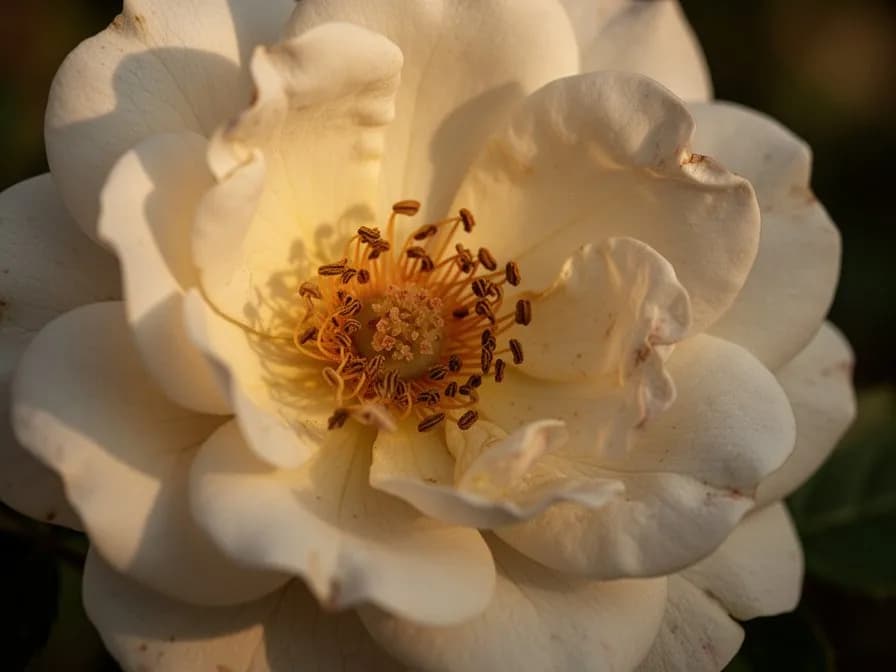
Cut David Austin roses when the bud has softened and just begun to open, showing the outer petals unfurling. Harvest in the cool of morning and place immediately in clean, cool water with floral preservative. Remove all foliage that would sit below the waterline. The fully petaled, rosette-shaped blooms open beautifully in the vase over three to four days and last five to seven days total. The extraordinary fragrance is a hallmark of David Austin roses as cut flowers.
assuming you plant when the window opens — set your real date
Pick David Austin Rose promptly and the plant keeps producing.
Storage & Preservation
David Austin roses are hardy perennial shrubs requiring only standard winter care. Mulch the base in late autumn in cold zones for extra root protection. Cut roses can be preserved by hanging upside down in a dark, dry space for dried arrangements, though they lose their vivid color. Rose petals can be dried in silica gel for craft use or preserved in sugar for culinary decoration. Rose hips, if left on the plant in autumn, provide winter bird food and can be used for tea or jelly.
What goes wrong — and the fix
Black Spot
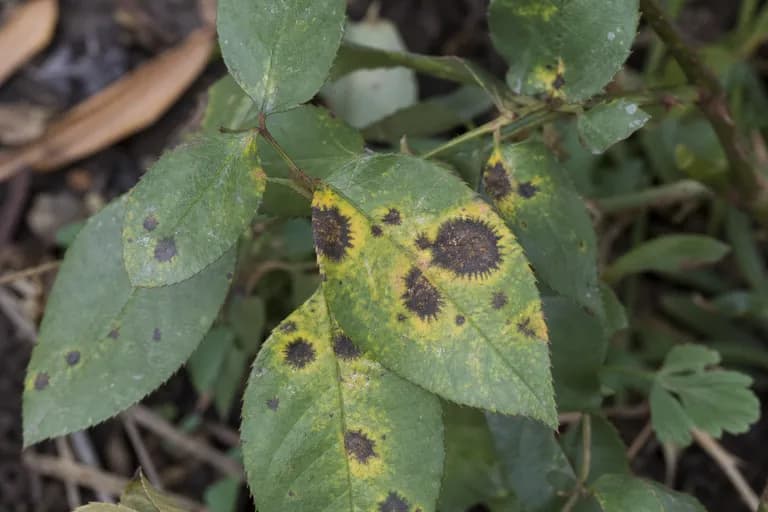
DiseaseCircular black spots on leaves, often with yellow halos. Affected leaves yellow and drop prematurely, potentially defoliating the plant.
Aphids
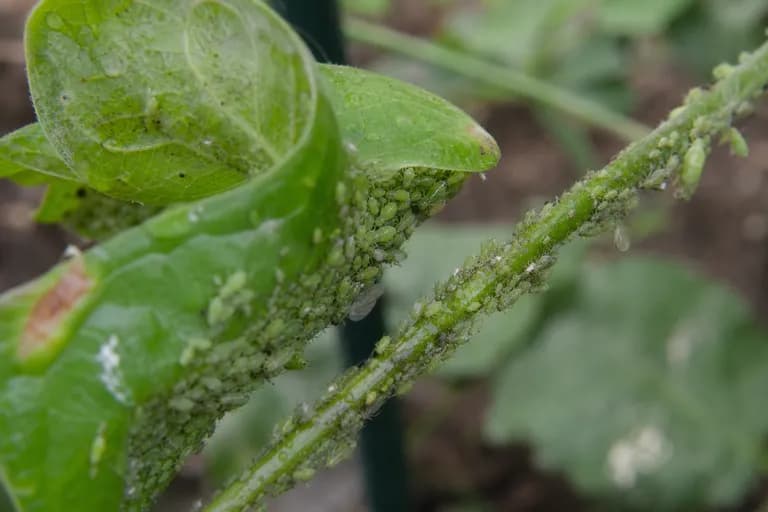
PestClusters of green, pink, or black insects on new growth, buds, and stem tips. Distorted growth, sticky honeydew.
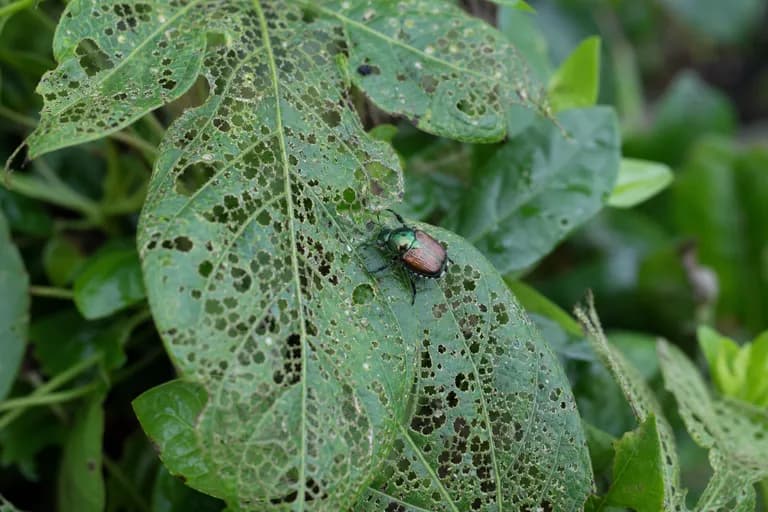
Japanese Beetles
PestFlowers and leaves chewed and skeletonized. Metallic green and copper beetles visible on blooms during midsummer.
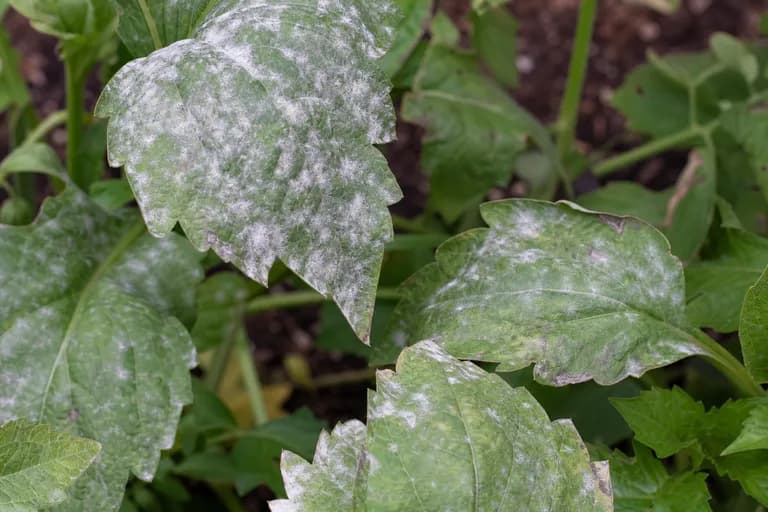
Powdery Mildew
DiseaseWhite, powdery coating on leaves, buds, and stems. Affected leaves curl and become distorted. Most common in spring and autumn.
Troubleshooting Common Problems
Black spot is the most persistent disease problem in humid climates, potentially defoliating plants by midsummer. Choose resistant varieties and maintain a preventive spray program in affected areas. Japanese beetles can devastate blooms in areas where they are present. Insufficient sunlight is a common cause of poor flowering, as roses need at least six hours of direct sun. Winter damage in cold zones can be prevented by mounding soil over the base in late autumn.
Growing Tips
- Plant in a location receiving at least 6 hours of direct sunlight daily, with morning sun preferred as it dries dew from leaves and reduces fungal disease pressure.
- Space bushes 90 to 120 cm apart to ensure good air circulation, which is the single most effective way to prevent black spot and powdery mildew.
- Prepare the planting hole with generous amounts of well-rotted farmyard manure or garden compost mixed into the backfill soil for moisture retention and slow-release nutrition.
- Water deeply at the root zone rather than overhead to keep foliage dry. A soaker hose or drip irrigation line is ideal for rose beds.
- Apply a 7 to 10 cm layer of organic mulch such as composted bark or leaf mold each spring, keeping it 5 cm away from the base of the stem to prevent collar rot.
- Feed three times during the growing season: at bud break in early spring, after the first flush in midsummer, and lightly in early autumn with a potassium-rich feed.
- Deadhead by cutting to just above the first five-leaflet leaf below the spent bloom to encourage strong replacement stems rather than weak twiggy growth.
- Prune in late winter while the plant is still dormant, removing dead and crossing branches first, then reducing remaining stems by one-third to one-half to shape the bush.
- When cutting flowers for indoor arrangements, cut early in the morning when stems are fully hydrated and plunge them immediately into a bucket of lukewarm water.
- Inspect the underside of leaves weekly during the growing season for early signs of aphids, spider mites, or fungal spots, and treat promptly to prevent escalation.
Grow your best David Austin Rose yet — and everything around it.
Start a free plan today. Lay out your beds, drop in your David Austin Rose, and let PlotMyGarden handle the timing, spacing, companions and reminders from seed to harvest basket.
Pick your David Austin Rose
Juliet
Soft peach rosette blooms with a delicate fruity fragrance, the world's most expensive cut rose variety, bred specifically for wedding work.
Darcey Bussell
Deep crimson-magenta rosettes with a rich fruity old-rose fragrance, compact habit ideal for smaller gardens.
Graham Thomas
Rich golden-yellow cupped blooms with a strong tea rose fragrance, one of the most popular David Austin roses worldwide.
Constance Spry
The original David Austin rose with large, peony-like pink blooms and an intense myrrh fragrance, blooms only once in early summer.
Olivia Rose Austin
Soft pink rosette blooms with a fruity fragrance and outstanding disease resistance, considered one of the finest for garden performance.
A single David Austin rose bush costs between $25 and $40 and can provide cut flowers worth $5 to $10 per bouquet for 15 or more years with proper care. At an average of 20 or more bouquets per growing season, the plant can yield over $100 in cut flowers annually after the first year, making it one of the best long-term investments for a home cutting garden.
Quick recipes
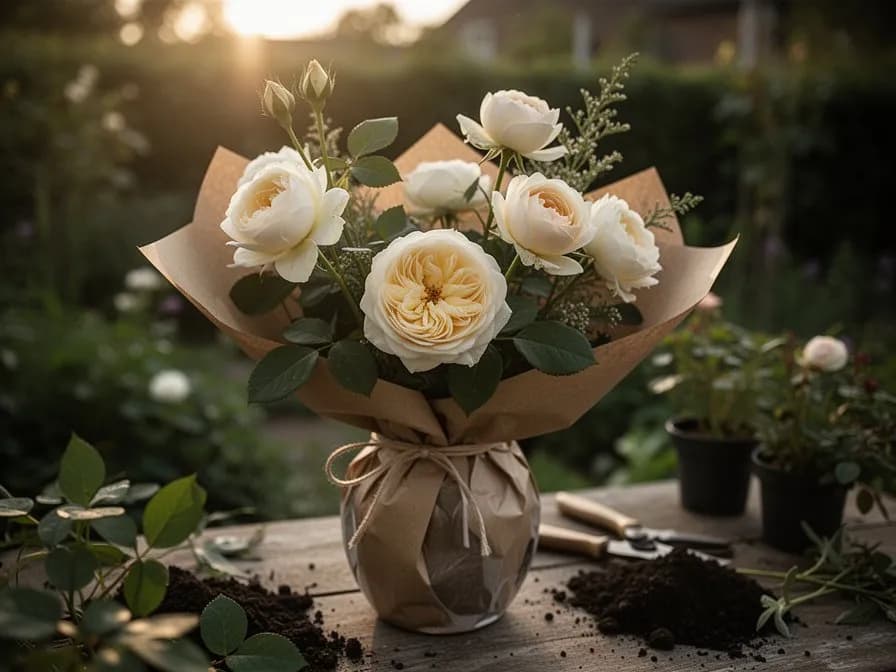
Rose Petal Jam
45 minutesA fragrant, jewel-toned preserve made from fresh David Austin rose petals, perfect on scones, toast, or stirred into yogurt. The natural pectin from lemon juice sets the jam to a soft, spoonable consistency.
5 ingredientsRose Water Lemonade
10 minutes plus chillingA refreshing summer drink that combines tart lemon with the delicate floral essence of roses. Serve over ice with a few fresh petals floating on top for an elegant garden party beverage.
5 ingredients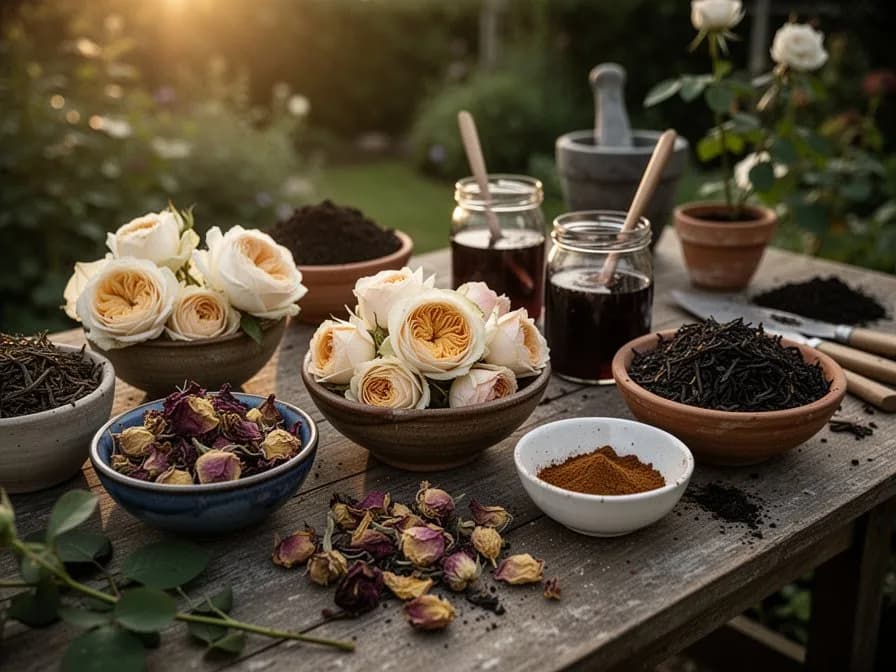
Rose Hip Syrup
1 hour plus straining overnightA classic vitamin C-rich syrup made from autumn rose hips. Drizzle over pancakes, stir into porridge, or dilute with sparkling water for a tangy cordial. This traditional recipe was promoted during wartime for its nutritional value.
5 ingredientsCulinary Uses
Rose petals have been used in cooking for thousands of years across many cultures. David Austin rose petals with their intense fragrance are particularly suited for culinary use. Use fresh petals in salads, to infuse sugar and vinegar, or to make rosewater for Middle Eastern desserts and Turkish delight. Crystallize individual petals with egg white and sugar for elegant cake decorations. Rose petal jam, rose syrup, and rose ice cream are classic preparations. Use only petals from unsprayed plants.
What's inside
Health Benefits
- Rose hip tea is a rich natural source of vitamin C, supporting immune function during cold and flu season.
- Rose petal extracts contain polyphenolic antioxidants that may help reduce oxidative stress and inflammation in the body.
- The scent of roses has been studied in aromatherapy research and is associated with reduced anxiety and improved mood.
- Rose hip oil, cold-pressed from the seeds, is widely used in skincare for its high concentration of essential fatty acids and retinoids that support skin repair.
- Herbal preparations from rose petals have a long tradition in Ayurvedic and traditional Chinese medicine for soothing digestive discomfort.
- Gardening activities such as pruning, weeding, and tending roses provide moderate physical exercise and have documented mental health benefits including stress reduction.
Where David Austin Rose comes from
David Austin English Roses represent one of the most significant achievements in modern rose breeding. The story begins in the 1950s when a young Shropshire farmer named David Austin became captivated by old garden roses he encountered in illustrations from Victorian-era gardening books. These heritage varieties boasted exquisite cupped and rosette bloom forms along with intoxicating fragrance, but they flowered only once per season and were available in a limited color palette of pinks, mauves, and whites. Meanwhile, modern hybrid tea roses offered repeat flowering and a broader color range but had sacrificed the charm, fragrance, and bushy growth habit of their ancestors. Austin set out to bridge this divide by crossing old garden roses such as Gallicas, Damasks, and Portlands with modern hybrid teas and floribundas. His first notable creation was 'Constance Spry' in 1961, a vigorous climber with large peony-like blooms and powerful myrrh fragrance, though it bloomed only once. Through decades of persistent crossbreeding and rigorous selection, Austin eventually achieved repeat-flowering varieties that retained the romantic bloom form and rich scent of old roses. By the 1980s, varieties like 'Graham Thomas' and 'Mary Rose' had established a new classification informally known as English Roses. The breeding program, based at the nursery in Albrighton near Wolverhampton, England, continues to this day under the guidance of the Austin family. David Austin roses are now grown worldwide across diverse climates, from the cottage gardens of England to the arid landscapes of Australia and the humid summers of the American South, prized for their beauty, fragrance, and resilience.
David Austin Rose: did you know?
Fascinating facts about David Austin Rose
David Austin spent over 60 years breeding roses, crossing old garden roses with modern hybrid teas to combine fragrance and repeat flowering in one plant.
David Austin Rose questions, answered
When should I plant David Austin Rose?
What are good companion plants for David Austin Rose?
What hardiness zones can David Austin Rose grow in?
How much sun does David Austin Rose need?
How far apart should I space David Austin Rose?
What pests and diseases affect David Austin Rose?
How do I store David Austin Rose after harvest?
What are the best David Austin Rose varieties to grow?
What soil does David Austin Rose need?
How long does it take for a newly planted David Austin rose to reach full size?
Are David Austin roses more disease-resistant than other garden roses?
Can David Austin roses be grown in containers?
When is the best time to plant David Austin roses?
How do I choose the most fragrant David Austin variety?
Do David Austin roses need to be grafted, or can I grow them on their own roots?
You just read the theory. Now grow it on autopilot.
Everything that makes David Austin Rose fiddly — the timing, the spacing, the companions, the harvest window — is exactly what PlotMyGarden handles for you, for every plant in your garden.
A plan that knows your weather
Set your location once. Get sow, feed and harvest dates built around your real last-frost date and live forecast — no more guessing from a generic seed packet.
From the “When to plant” sectionDrag-and-drop bed planner
Design beds on a grid. Every plant snaps to its proper spacing, and you can see your whole season laid out before you spend a cent on seed.
From the “Growing guide” sectionCompanion conflicts, caught early
200+ good-and-bad pairings checked live as you plant — so a season-wrecking mistake never makes it into the ground.
From the “Companions” sectionReminders you'll actually act on
“Water the beans.” “Pick today before it turns.” Timely, specific, and tied to the plants you're really growing.
From the “Harvest” sectionSuccession, scheduled
Want a harvest for six weeks, not six days? It spaces your sowings automatically and reminds you when each new block is due.
From the “When to plant” sectionA record that gets smarter
Every harvest you log teaches it your garden. Next year's plan starts from what actually worked in your soil, not a textbook's.
From the “Overview” sectionPlant these alongside David Austin Rose
More Cut Flowers
Grow your best David Austin Rose yet — and everything around it.
Start a free plan today. Lay out your beds, drop in your David Austin Rose, and let PlotMyGarden handle the timing, spacing, companions and reminders from seed to harvest basket.