Rooibos
The famous South African bush tea plant producing a naturally caffeine-free, antioxidant-rich reddish tea with a sweet, nutty flavor.





On this pageOverview
Meet Rooibos
The famous South African bush tea plant producing a naturally caffeine-free, antioxidant-rich reddish tea with a sweet, nutty flavor. Rooibos grows only in the Cederberg mountain region's unique acidic, sandy soil and is extremely difficult to cultivate elsewhere. Attempt growing in acidic, well-drained sandy soil with Mediterranean climate conditions for the best chance of success.
When to plant Rooibos
Rooibos propagation from seed is challenging and requires patience. Seeds have a hard coat and low germination rates even under ideal conditions. Scarify seeds by rubbing gently with fine sandpaper, then soak in warm water for 12 hours. Sow in a very well-drained acidic seed mix (sand and peat at 3:1 ratio) at 15-20°C. Do not cover seeds deeply—press lightly into the surface and cover with a thin layer of sand. Germination is erratic, taking 2-6 weeks. Seedlings are fragile and prone to damping off—water sparingly and ensure excellent ventilation. Transplant carefully when 5-8cm tall, disturbing roots as little as possible.
Your Rooibos Year
Composed for Zone 7 · typical seasons · frost passes Apr 2, returns Nov 1
Plant Rooibos Mar – May, pick Jan – Mar. Check the planting methods below and set your climate to personalize these windows.
How to grow Rooibos
Rooibos is a remarkable leguminous shrub endemic to the Cederberg mountain region of South Africa's Western Cape, where it grows in extremely acidic, nutrient-poor sandy soils at elevations of 450-900 meters. Outside its native range, rooibos is one of the most challenging tea plants to cultivate, as it has evolved a symbiotic relationship with specific soil fungi and bacteria that are difficult to replicate. However, dedicated growers in Mediterranean climates have achieved limited success.
If attempting to grow rooibos, provide very acidic soil (pH 4.0-5.5), excellent drainage, and a climate with dry summers and cool, wet winters. Use a mix of coarse river sand and acidic peat or pine bark with minimal organic matter—rooibos actually suffers in rich, fertile soil. Plant in full sun and water sparingly once established, as rooibos is adapted to summer drought.
The plant grows as an erect shrub to about 1.5 meters with fine, needle-like leaves resembling rosemary. It develops a deep taproot that accesses moisture far below the surface. In ideal conditions, rooibos can be harvested from the second year, with peak production at 4-5 years. The plant typically lives 5-7 years in cultivation. Consider it an experimental project rather than a reliable garden crop outside South Africa.
8 plants fit a 4 × 8 ft bed
Each Rooibos wants 60 cm of elbow room. The planner keeps that spacing for you — every plant, every bed.
Rooibos's best neighbours
In its native habitat, rooibos grows alongside other fynbos species adapted to poor, acidic soils. In the garden, companion it with other acid-loving plants such as blueberries, heathers, and proteas. Avoid planting near heavy feeders or plants that require rich, moist soil, as their care requirements directly conflict with rooibos's needs. The plant's fine needle-like foliage provides little shade, so it won't compete with neighboring sun-loving plants. Honeybush, a related South African tea plant, makes a natural companion with similar growing requirements.
Honeybush belongs beside it.
Old growers' knowledge, checked against Rooibos's real companion table below — test any plant you're growing.
Try Rooibos in a bed — right here
A real planner bed with Rooibos already in it. Tap a companion to place it and watch the pairing checks answer — green for good neighbours, red for a clash.


Related growing guides
Feed it well
Rooibos demands extremely acidic (pH 4.0-5.5), nutrient-poor, well-drained sandy soil. In its native habitat, it grows in weathered sandstone-derived soils with almost no organic matter. Replicate this with a mix of coarse river sand, some acidic peat, and minimal compost. Do not fertilize heavily—rooibos is adapted to infertile conditions and excess nutrients can actually harm the plant. If any fertilization is needed, use a very dilute acidic fertilizer formulated for azaleas or blueberries. The plant fixes nitrogen through root nodules, so it produces its own nitrogen supply.
Ideal Temperature
Hardiness Zone Compatibility
From seed to harvest, stage by stage
Seed Scarification and Germination
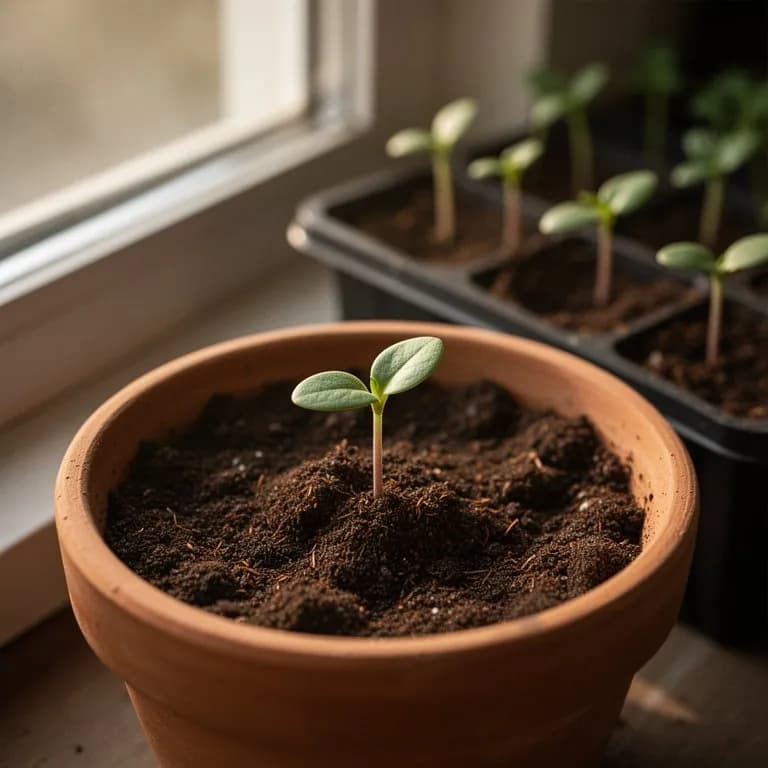
Rooibos seeds have a hard outer coat that must be scarified before sowing to allow moisture to penetrate. Soak seeds in warm water for 12-24 hours or gently nick the seed coat with fine sandpaper. Sow seeds 2-3 mm deep in a well-drained, acidic seed-starting mix (pH 4.5-5.5) and keep consistently moist at 18-22°C. Germination is erratic and can take 2-4 weeks.
Seedling Establishment
Tiny seedlings emerge with fine, needle-like leaves characteristic of the species. Growth is slow at this stage and the root system begins developing the symbiotic relationship with soil microorganisms that is essential for nutrient uptake. Seedlings are fragile and sensitive to overwatering and strong winds.
Vegetative Growth
The plant develops its characteristic wiry, branching structure with bright green needle-like leaves. Root development accelerates and the plant begins establishing the mycorrhizal associations critical for thriving in nutrient-poor soils. The shrub gradually builds height and width during this extended phase.
First Flowering
Small, bright yellow pea-shaped flowers appear along the branches in spring of the second year. Each flower produces a single seed pod containing one seed. Flowering signals that the plant is maturing and establishing well. Pollination occurs primarily through native insects.
Harvestable Maturity
By the end of the second year, the plant is large enough for the first light harvest. Stems and leaves can be cut from the upper portions of the bush. The plant should be well-branched and vigorous, standing 1-1.5 meters tall. Full commercial-grade harvests typically begin in year three.
Peak Production
From year three onward, the rooibos bush reaches peak productivity. Plants are harvested annually in late summer by cutting the upper branches. The bush regrows vigorously after each harvest. A healthy plant can produce increasingly larger yields each year until it reaches full maturity around year five.
Decline and Renewal
After 5-7 years of production, rooibos bushes gradually decline in vigor and yield. The woody base becomes thick and less productive. While plants can survive for a decade or more, commercial growers typically replant every 5-7 years to maintain optimal production levels.
Use a fine mist sprayer to keep the surface evenly moist. Avoid waterlogging, as rooibos seedlings are highly susceptible to damping off in soggy conditions.
Caring for Rooibos month by month
What to do each month for your Rooibos
October
You are hereMid-spring in the Southern Hemisphere with active growth and flowering. Monitor for aphids on new growth. Collect seed pods as they mature and dry on the plant. In the Northern Hemisphere, prepare plants for overwintering by moving containers to sheltered locations.
Know exactly what to do in your garden — every month
One email at the start of each month: what to sow, plant, and tackle right now — for your Rooibos and everything growing around it. Plus a short starter course that helps you dodge the classic mistakes.
- What to do, right now
- Matched to your season
- Starter course included
Harvesting Rooibos
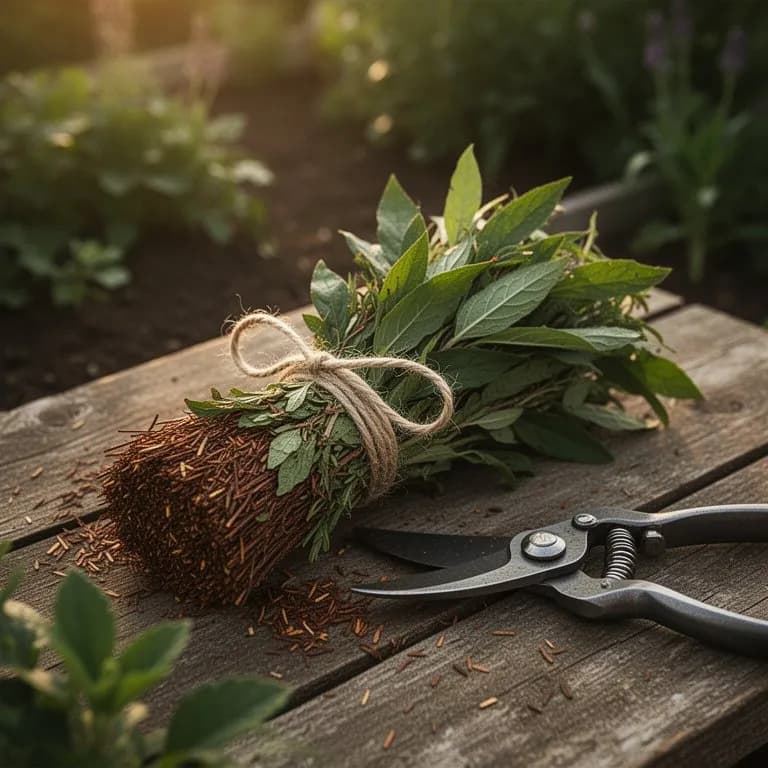
Harvest rooibos from the second year onward by cutting young, green branches 30-40cm long during summer. Commercial rooibos is harvested once annually between January and March (Southern Hemisphere summer). The cut stems and leaves are bundled, bruised or chopped to initiate oxidation, moistened, and left to ferment in the sun for 8-24 hours until they turn the characteristic reddish-brown color. For green (unfermented) rooibos, dry the harvest immediately without fermentation to preserve the green color and a lighter, more herbal flavor.
assuming you plant when the window opens — set your real date
Pick Rooibos promptly and the plant keeps producing.
Storage & Preservation
After fermentation (for red rooibos) or immediate drying (for green rooibos), spread the chopped material in thin layers in full sun until completely dry and brittle. This typically takes 1-2 days in warm, dry conditions. Store dried rooibos in airtight containers away from light and moisture. Properly stored rooibos maintains its quality for 2-3 years, though the flavor is best within the first year. Unlike true tea, rooibos does not become bitter if over-steeped, making it very forgiving to prepare.
What goes wrong — and the fix
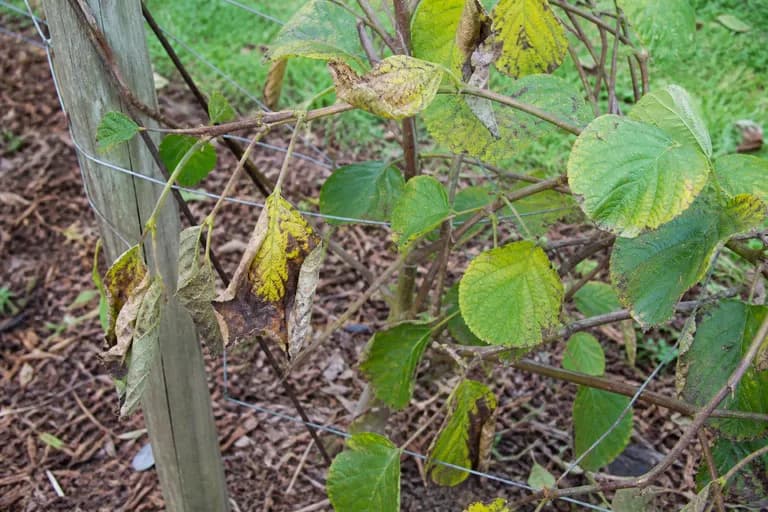
Root Rot (Phytophthora)
DiseaseSudden wilting and dieback, brown discoloration at the stem base, and dark rotted roots. Often fatal to the plant.
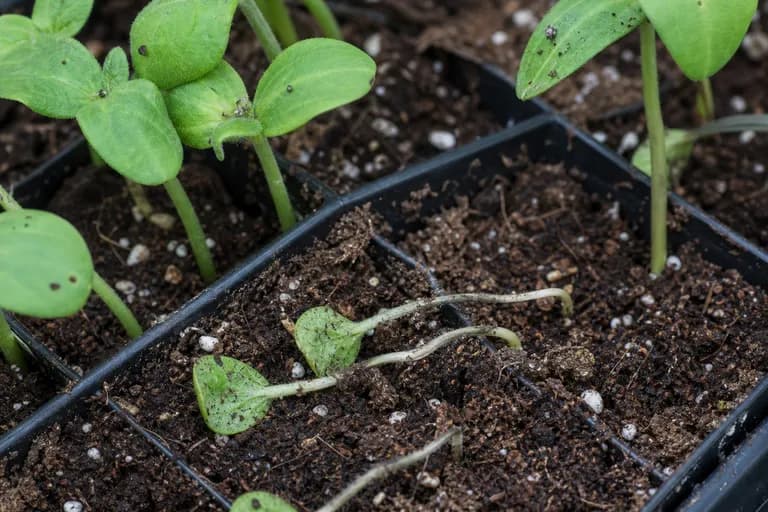
Damping Off
DiseaseSeedlings collapse at soil level and die shortly after germination. Fungal threads may be visible at the base of affected seedlings.
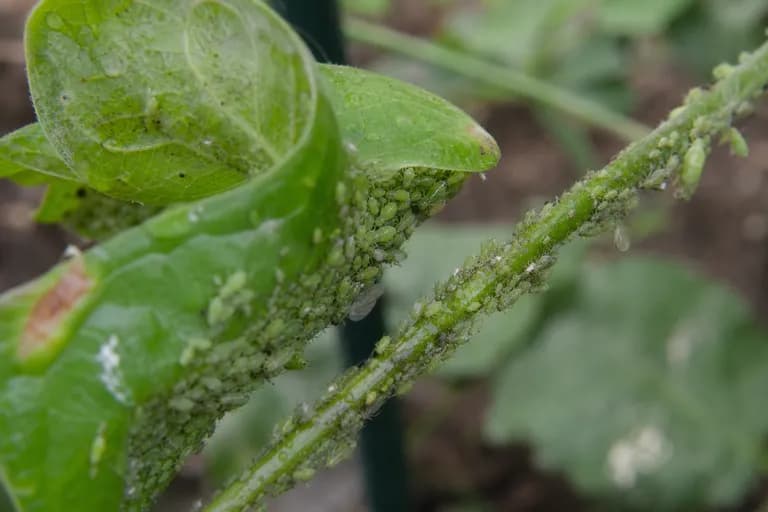
Aphids
PestClusters of small insects on young growth tips, causing leaf curling and distortion. Sticky honeydew residue on foliage.
Troubleshooting Common Problems
The fundamental challenge is that rooibos has evolved for an extremely specific ecological niche. Outside the Cederberg region, success rates are low. Overwatering is the most common killer—this plant needs dry summer conditions. Rich soil produces lush growth that is prone to disease. Alkaline soil is fatal; test and acidify soil before planting. Cold winters below -5°C will damage or kill rooibos. Even with perfect conditions, cultivated rooibos may lack the complex flavor of commercially grown South African rooibos due to the absence of specific soil microbiome interactions.
Growing Tips
- Rooibos requires extremely well-drained, sandy, acidic soil with a pH between 4.0 and 5.5. Mix coarse river sand with peat or pine bark compost to create the ideal growing medium. Heavy or clay soils will kill the plant quickly.
- Full sun is essential for rooibos. The plant evolved under intense South African sunshine and needs at least 8 hours of direct sunlight daily to grow well and produce flavorful leaves.
- Water rooibos deeply but very infrequently. The plant is adapted to dry conditions and develops a deep taproot to access underground moisture. Overwatering is the most common cause of failure when growing rooibos outside its native range.
- Do not fertilize rooibos heavily. The plant has evolved in nutrient-poor soils and forms symbiotic relationships with nitrogen-fixing soil bacteria. Excessive fertilization, especially with nitrogen, can actually harm the plant.
- Scarify rooibos seeds before sowing by soaking in warm water for 12-24 hours or gently abrading the seed coat with fine sandpaper. Without scarification, germination rates drop below 10 percent.
- Protect young rooibos plants from frost. While mature bushes can tolerate brief light frosts down to about -1°C, seedlings and young plants are much more cold-sensitive and should be sheltered during any cold snaps.
- In non-native climates, consider growing rooibos in large containers with excellent drainage so you can move plants to sheltered positions during winter or extreme weather events.
- Harvest rooibos by cutting the upper third of branches in late summer when the leaves are most aromatic. To produce traditional red rooibos, chop the harvested stems finely, bruise them, then spread in direct sun to oxidize for 8-24 hours until they turn reddish-brown.
- Rooibos does not transplant well once established due to its deep taproot. Choose the permanent planting location carefully and sow seeds or transplant very young seedlings directly to their final position.
- Good air circulation is important to prevent fungal diseases, especially in humid climates where rooibos is not naturally adapted. Space plants at least 1 meter apart and avoid overhead watering.
Grow your best Rooibos yet — and everything around it.
Start a free plan today. Lay out your beds, drop in your Rooibos, and let PlotMyGarden handle the timing, spacing, companions and reminders from seed to harvest basket.
Pick your Rooibos
Red Rooibos (Oxidized)
The traditional fermented form with a rich reddish-brown color, sweet nutty flavor, and smooth finish—the variety most people know as rooibos tea.
Green Rooibos (Unoxidized)
Unfermented rooibos with a lighter, more herbaceous flavor and higher antioxidant content. More expensive due to the more demanding production process.
Wild Rooibos (Clanwilliam Wild Type)
Rooibos harvested from wild-growing plants in the Cederberg mountains, prized for its more complex, nuanced flavor compared to cultivated stock.
Growing rooibos at home is challenging outside its native South African habitat, but if you can establish a plant in a suitable Mediterranean or warm temperate climate, a single mature bush produces enough leaf material for 50-100 cups of tea per annual harvest. Loose-leaf rooibos retails for $6-12 per 100 grams, and a productive bush can yield 200-500 grams of dried tea per year once mature. Over a 5-7 year productive lifespan, one plant could save you $100-300 on purchased rooibos tea, plus you gain access to ultra-fresh green rooibos that is rarely available commercially outside South Africa.
Quick recipes
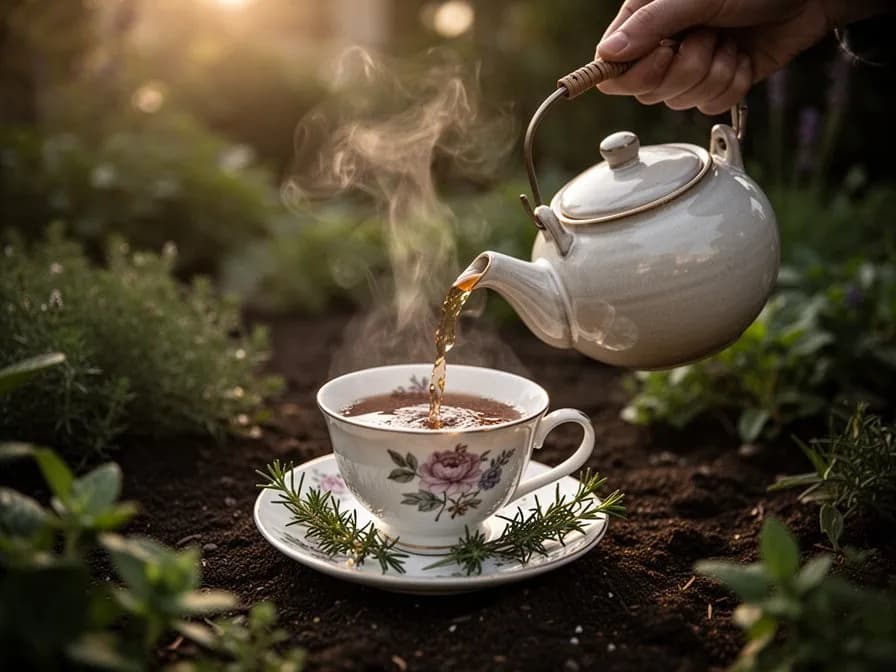
Classic Rooibos Tea with Honey and Lemon
10 minutesA warming, naturally sweet cup of rooibos brewed to perfection. Unlike true tea, rooibos never becomes bitter even when over-steeped, making it wonderfully forgiving to prepare. The honey and lemon complement the naturally smooth, slightly nutty flavor of this caffeine-free South African treasure.
5 ingredientsIced Rooibos and Ginger Refresher
15 minutes + chillingA caffeine-free iced tea infused with fresh ginger and a touch of citrus, perfect for hot summer days. The natural sweetness of rooibos pairs beautifully with the spicy bite of ginger, creating a refreshing and healthy alternative to sugary soft drinks. Brew it strong so the flavor holds up over ice.
6 ingredientsRooibos Chai Latte
15 minutesA caffeine-free twist on the beloved chai latte, using rooibos as the base instead of black tea. The warm spices of cinnamon, cardamom, and clove meld beautifully with the naturally sweet, slightly vanilla-like flavor of rooibos. Frothy steamed milk transforms this into a cozy, indulgent drink suitable for evening enjoyment.
8 ingredientsCulinary Uses
Rooibos makes a naturally caffeine-free, low-tannin tea that can be enjoyed any time of day. Steep in boiling water for 5-10 minutes—it never becomes bitter regardless of steeping time. Drink plain or with milk and honey for a smooth, sweet cup. Rooibos is excellent iced and makes a wonderful base for summer punches and cocktails. Use brewed rooibos to cook grains like rice and couscous for subtle flavor. It works in baking, particularly in cakes, cookies, and cream-based desserts. Rooibos chai blends beautifully with traditional chai spices.
What's inside
Health Benefits
- Rooibos is naturally caffeine-free, making it an excellent choice for people who are sensitive to caffeine or who want a soothing beverage before bed without disrupting sleep patterns.
- The unique antioxidant aspalathin, found only in rooibos, has been studied for its potential to help regulate blood sugar levels and improve insulin resistance in preliminary research.
- Rooibos contains quercetin and luteolin, flavonoids with documented anti-inflammatory properties that may help reduce chronic inflammation and support overall immune function.
- Unlike black and green tea, rooibos is very low in tannins and contains no oxalic acid, which means it does not interfere with the absorption of iron and calcium from food.
- Preliminary studies suggest that rooibos tea consumption may support cardiovascular health by helping to inhibit the enzyme that raises blood pressure (angiotensin-converting enzyme).
- Rooibos has been traditionally used in South Africa as a remedy for digestive discomfort, colic in infants, and skin irritations when applied topically as a cooled tea wash.
Where Rooibos comes from
Rooibos (Aspalathus linearis) is endemic to the Cederberg wilderness area of South Africa's Western Cape province, a rugged mountainous region characterized by sandy, acidic soils, hot dry summers, and cool wet winters. This remarkable plant belongs to the Fabaceae (legume) family and has evolved over millennia to thrive in the nutrient-poor fynbos biome, one of the world's six recognized floral kingdoms and a UNESCO World Heritage Site. The indigenous Khoisan people were the first to discover rooibos, harvesting the needle-like leaves from wild plants growing on the mountain slopes and fermenting them in the sun to produce a sweet, aromatic brew used both as a refreshing drink and a traditional medicine. European settlers in the 18th century learned of the plant from the Khoisan and began using it as an affordable alternative to expensive imported black tea. However, commercial cultivation did not begin until the early 20th century when Russian-born South African botanist Benjamin Ginsberg recognized its commercial potential and began marketing rooibos tea to a wider audience. Early cultivation efforts faced significant challenges because rooibos seeds are notoriously difficult to collect and germinate. The tiny seed pods explode when ripe, scattering seeds across the sandy ground where they become nearly impossible to find. Local farmers eventually developed the practice of sifting anthills near rooibos plants, as ants collected and stored the nutritious seeds in their nests. Modern cultivation methods have improved seed collection and processing considerably, though rooibos remains stubbornly tied to its native region. Attempts to grow the plant commercially in other parts of the world have consistently failed, likely because rooibos depends on a complex web of soil microorganisms, specific mycorrhizal fungi, and the unique Cederberg microclimate. Today, approximately 450 farming operations in the Cederberg region produce over 15,000 tonnes of rooibos annually, making it one of South Africa's most valuable agricultural exports and a source of national pride.
Rooibos: did you know?
Fascinating facts about Rooibos
Rooibos is found naturally in only one small region on Earth: the Cederberg mountains of South Africa's Western Cape, within an area roughly 200 by 50 kilometers.
Rooibos questions, answered
When should I plant Rooibos?
What are good companion plants for Rooibos?
What hardiness zones can Rooibos grow in?
How much sun does Rooibos need?
How far apart should I space Rooibos?
What pests and diseases affect Rooibos?
How do I store Rooibos after harvest?
What are the best Rooibos varieties to grow?
What soil does Rooibos need?
Can rooibos be grown outside of South Africa?
How do I process homegrown rooibos into tea?
Why is my rooibos plant turning yellow and wilting?
Is rooibos safe for children and during pregnancy?
What is the difference between red and green rooibos?
How long does a rooibos plant live and produce tea?
You just read the theory. Now grow it on autopilot.
Everything that makes Rooibos fiddly — the timing, the spacing, the companions, the harvest window — is exactly what PlotMyGarden handles for you, for every plant in your garden.
A plan that knows your weather
Set your location once. Get sow, feed and harvest dates built around your real last-frost date and live forecast — no more guessing from a generic seed packet.
From the “When to plant” sectionDrag-and-drop bed planner
Design beds on a grid. Every plant snaps to its proper spacing, and you can see your whole season laid out before you spend a cent on seed.
From the “Growing guide” sectionCompanion conflicts, caught early
200+ good-and-bad pairings checked live as you plant — so a season-wrecking mistake never makes it into the ground.
From the “Companions” sectionReminders you'll actually act on
“Water the beans.” “Pick today before it turns.” Timely, specific, and tied to the plants you're really growing.
From the “Harvest” sectionSuccession, scheduled
Want a harvest for six weeks, not six days? It spaces your sowings automatically and reminds you when each new block is due.
From the “When to plant” sectionA record that gets smarter
Every harvest you log teaches it your garden. Next year's plan starts from what actually worked in your soil, not a textbook's.
From the “Overview” sectionPlant these alongside Rooibos
More Tea Herbs
Grow your best Rooibos yet — and everything around it.
Start a free plan today. Lay out your beds, drop in your Rooibos, and let PlotMyGarden handle the timing, spacing, companions and reminders from seed to harvest basket.