Wild Rocket
A perennial form of arugula with more deeply lobed leaves and a stronger, more peppery flavor than cultivated rocket.





On this pageOverview
Meet Wild Rocket
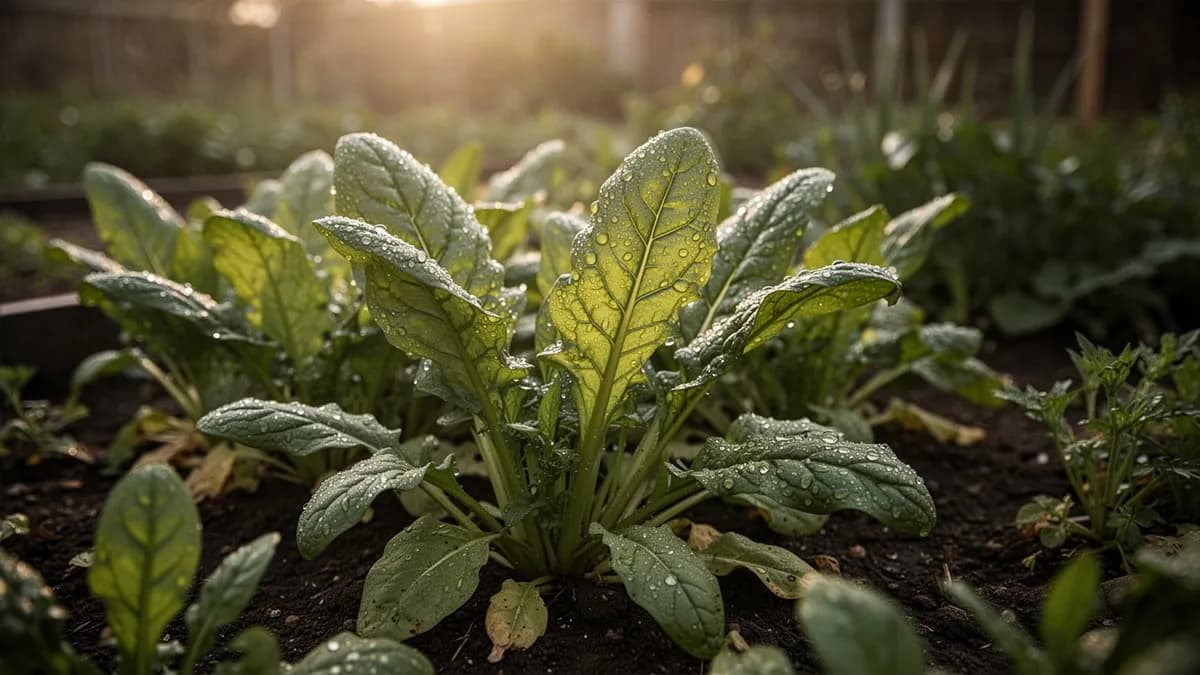
A perennial form of arugula with more deeply lobed leaves and a stronger, more peppery flavor than cultivated rocket. Plants are slower-growing but much more bolt-resistant, producing harvests over a longer season. Cut-and-come-again harvesting keeps plants productive for months, and established clumps return each spring. The intense flavor means a little goes a long way in salads, pizzas, and pesto.
When to plant Wild Rocket
Sow seeds on the surface of moist compost in trays or modules from March to September, pressing them gently into the surface but not covering as they require light for germination. Seeds germinate in 7-14 days at 15-20°C. Transplant seedlings at the two to three true leaf stage, spacing 15 cm apart. Direct sowing works well by scattering seeds thinly along a shallow drill. Wild rocket seeds remain viable for up to four years stored in cool, dry conditions. Established plants self-seed readily.
Your Wild Rocket Year
Composed for Zone 7 · typical seasons · frost passes Apr 2, returns Nov 1
Plant Wild Rocket Mar – Apr, Aug – Sep, pick May – Jul, Oct – Nov. Check the planting methods below and set your climate to personalize these windows.
How to grow Wild Rocket
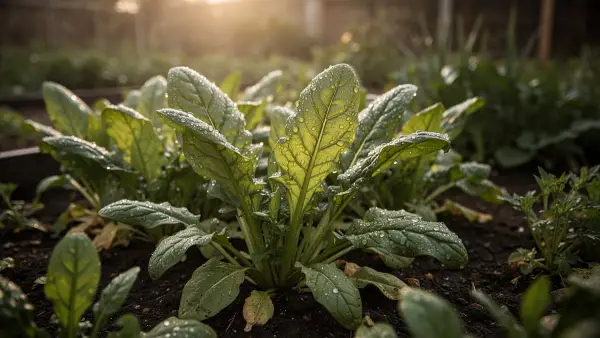
Wild rocket is a hardy perennial that establishes easily from seed or transplants. Sow seeds thinly in spring or late summer, barely covering them as they need light to germinate. Seeds are slow to start, taking 7-14 days to emerge at 15-20°C. Space plants 15 cm apart in rows or scatter in mixed salad beds. Once established, plants form dense clumps that return year after year.
Unlike cultivated rocket, wild rocket is remarkably bolt-resistant and continues producing leaves through summer heat that would send annual varieties straight to flower. The deeply lobed leaves have a stronger, more peppery flavor that intensifies in warm weather. Regular harvesting of outer leaves encourages fresh growth from the center of the plant and prevents flowering.
Wild rocket tolerates partial shade, which actually produces milder-flavored leaves preferred by some growers. In full sun, leaves develop maximum peppery intensity. Plants are drought-tolerant once established but produce the best quality leaves with consistent moisture. Divide established clumps every two to three years in spring to maintain vigor. Wild rocket self-seeds freely, so remove flower stalks if you want to control its spread in the garden.
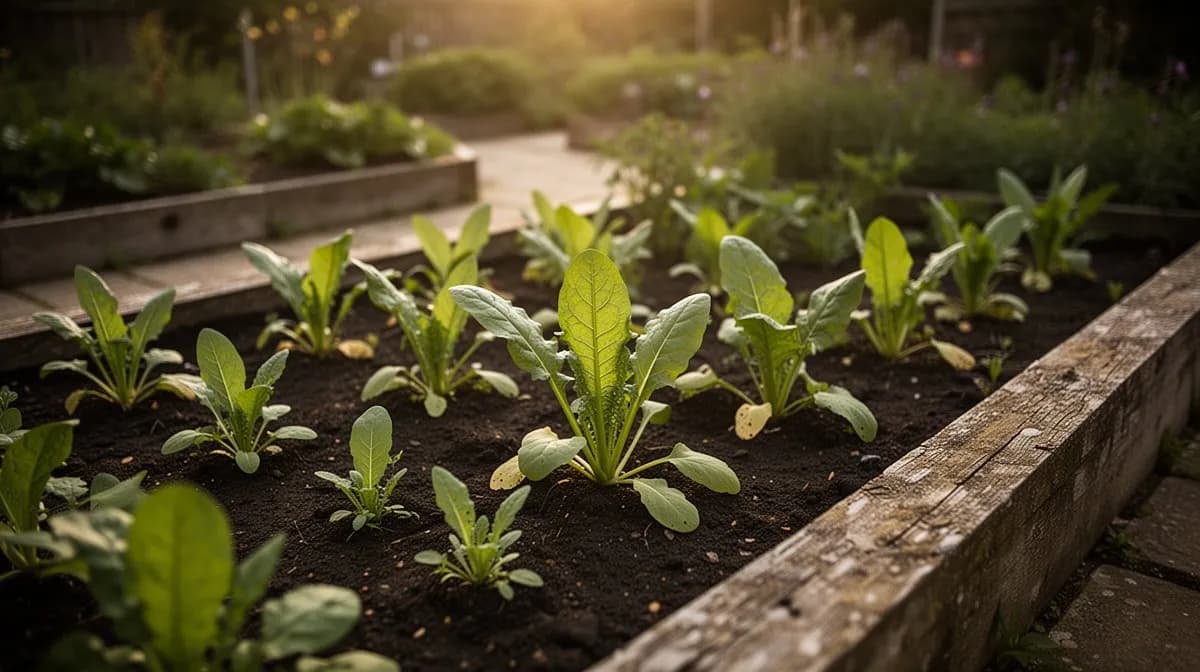
128 plants fit a 4 × 8 ft bed
Each Wild Rocket wants 15 cm of elbow room. The planner keeps that spacing for you — every plant, every bed.
Wild Rocket's best neighbours
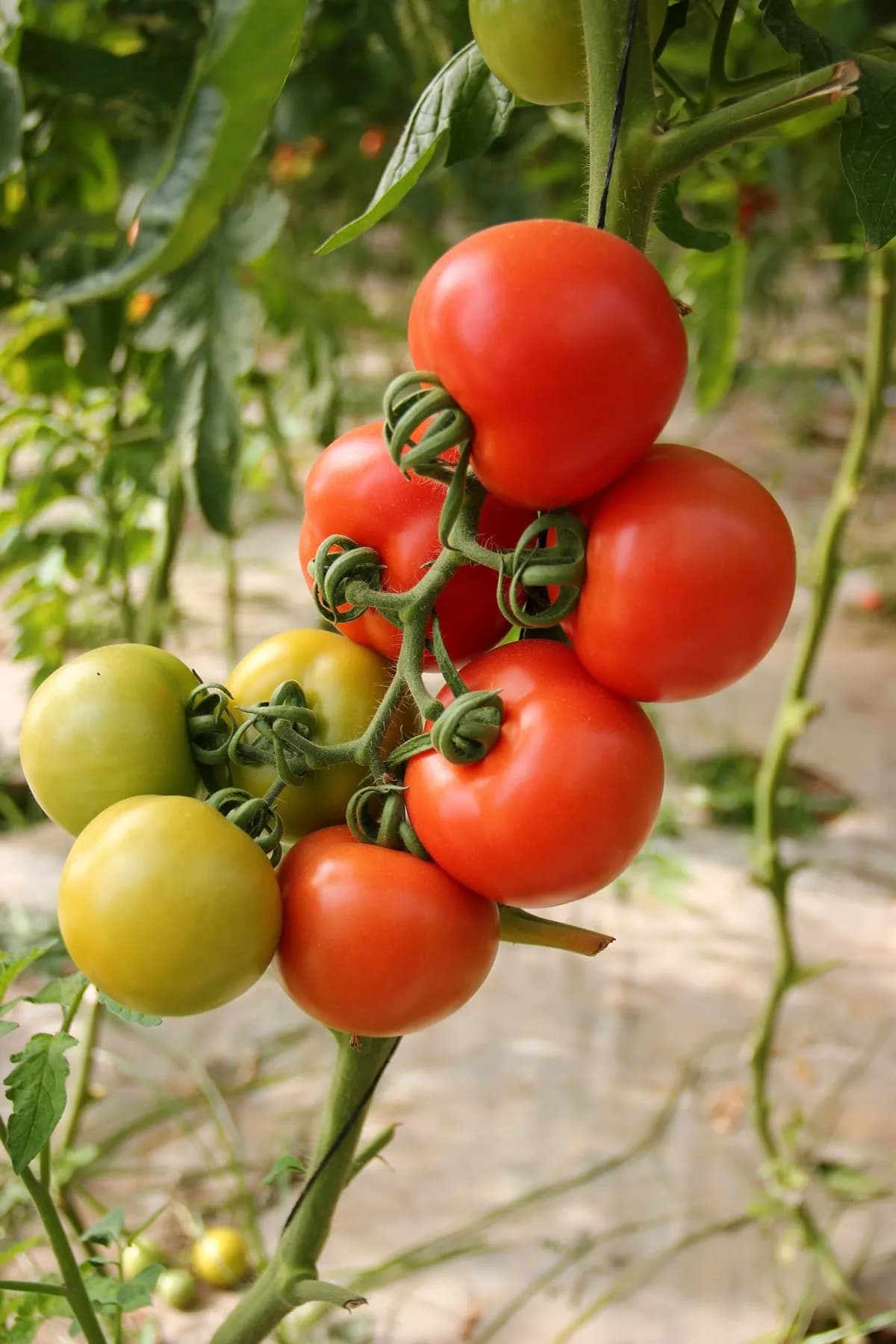
Wild rocket grows well alongside tomatoes, benefiting from their light shade in summer which produces milder leaves. Lettuce and other salad greens make natural companions for mixed harvesting. The peppery scent may help deter some pests from neighboring crops. Avoid growing near other brassicas to reduce shared pest and disease pressure. Plant near herbs like dill and fennel to attract beneficial hoverflies and parasitic wasps that prey on aphids.
Tomato belongs beside it.
Old growers' knowledge, checked against Wild Rocket's real companion table below — test any plant you're growing.
Try Wild Rocket in a bed — right here
A real planner bed with Wild Rocket already in it. Tap a companion to place it and watch the pairing checks answer — green for good neighbours, red for a clash.


Related growing guides
Feed it well
Wild rocket grows in most well-drained soils but produces the best leaves in moderately fertile ground with a pH of 6.0-7.0. Avoid overly rich soil which produces lush but less flavorful leaves. Incorporate compost before planting and apply a light dressing of balanced fertilizer in early spring when growth resumes. For container growing, use standard multipurpose compost. Side-dress established clumps with compost annually in spring to maintain productivity.
Ideal Temperature
Hardiness Zone Compatibility
From seed to harvest, stage by stage
Germination
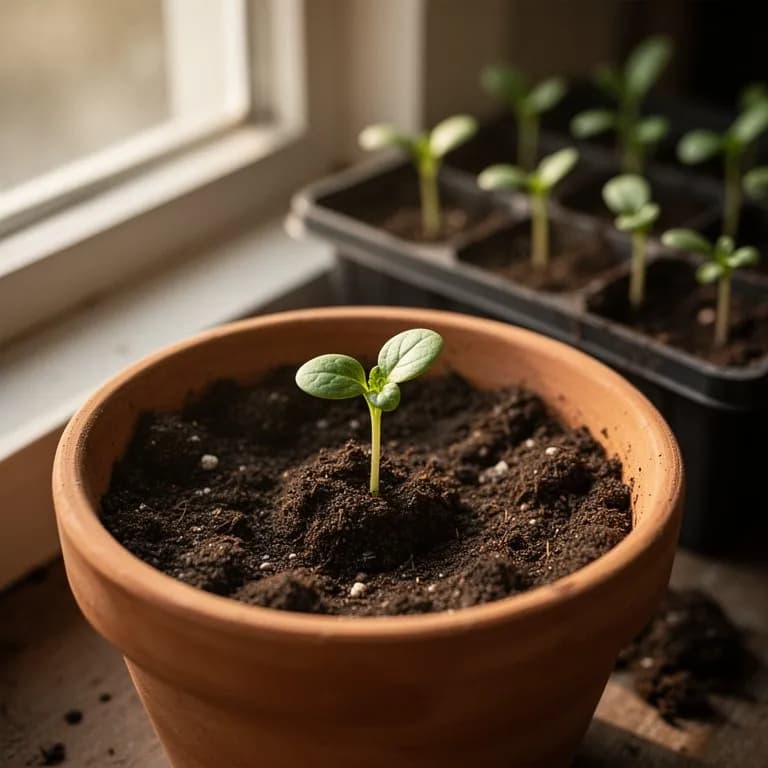
Tiny seeds germinate in 5-10 days in soil temperatures of 10-20°C (50-68°F). Seedlings emerge with slender cotyledons followed quickly by the first true leaves, which already show the characteristic deep serrations of wild rocket. Seeds are very small and should be sown shallowly, just 2-3mm deep.
Rosette Formation
Seedlings develop into low-growing rosettes of deeply pinnate, dark green leaves that lie close to the ground. The leaf shape becomes increasingly serrated and oak-leaf-like as the plant matures. Flavor intensity builds during this phase as glucosinolate concentrations increase in the foliage.
Leaf Production Peak
Plants reach full rosette size and enter their most productive phase, continuously generating new leaves from the center. Unlike cultivated rocket (Eruca vesicaria), wild rocket is a true perennial and will keep producing leaves for months or even years if flower stems are removed. Leaves at this stage have the strongest peppery-nutty flavor.
Flowering
Wiry flower stems elongate from the center of the rosette, bearing small four-petaled creamy yellow flowers typical of the Brassicaceae family. Unlike cultivated rocket, wild rocket flowers have a pale yellow color rather than white with purple veins. The flowers are edible with a mild peppery flavor and attract beneficial pollinators to the garden.
Seed Set and Self-Sowing
Pollinated flowers develop into slender silique seed pods containing tiny dark brown seeds. Pods dry and split when ripe, scattering seeds around the parent plant. Wild rocket is an enthusiastic self-sower and will establish permanent colonies in the garden if allowed to set seed even once.
Perennial Regrowth
As a semi-perennial, wild rocket regrows from its woody rootstock after cutting back or seasonal dormancy. In mild climates (zones 7-10), established plants persist year-round and resume vigorous leaf production after winter or summer heat stress. The deep taproot sustains the plant through light frosts and dry spells that would kill annual salad rocket.
Sow seeds thinly in drills 1cm deep and keep the soil consistently moist with gentle misting. Wild rocket germinates best in cooler conditions — avoid sowing in midsummer heat above 25°C, which can inhibit germination and cause poor stands.
Caring for Wild Rocket month by month
What to do each month for your Wild Rocket
October
You are hereContinue harvesting as growth slows but leaf quality remains excellent in cool autumn weather. Protect plants from early frosts with row cover or cloches to extend the season by several weeks. In mild zones, wild rocket will keep producing leaves well into winter under minimal protection.
Know exactly what to do in your garden — every month
One email at the start of each month: what to sow, plant, and tackle right now — for your Wild Rocket and everything growing around it. Plus a short starter course that helps you dodge the classic mistakes.
- What to do, right now
- Matched to your season
- Starter course included
Harvesting Wild Rocket
Begin harvesting wild rocket leaves when plants reach about 10 cm tall, typically 40-50 days from sowing. Pick individual outer leaves by snapping or cutting at the base, leaving the central growing point intact for continued production. Regular harvesting every few days keeps plants producing fresh, tender growth. Leaves are most mild in cool weather and become intensely peppery in heat. Harvest before flowering for best flavor, though the small yellow flowers are also edible.
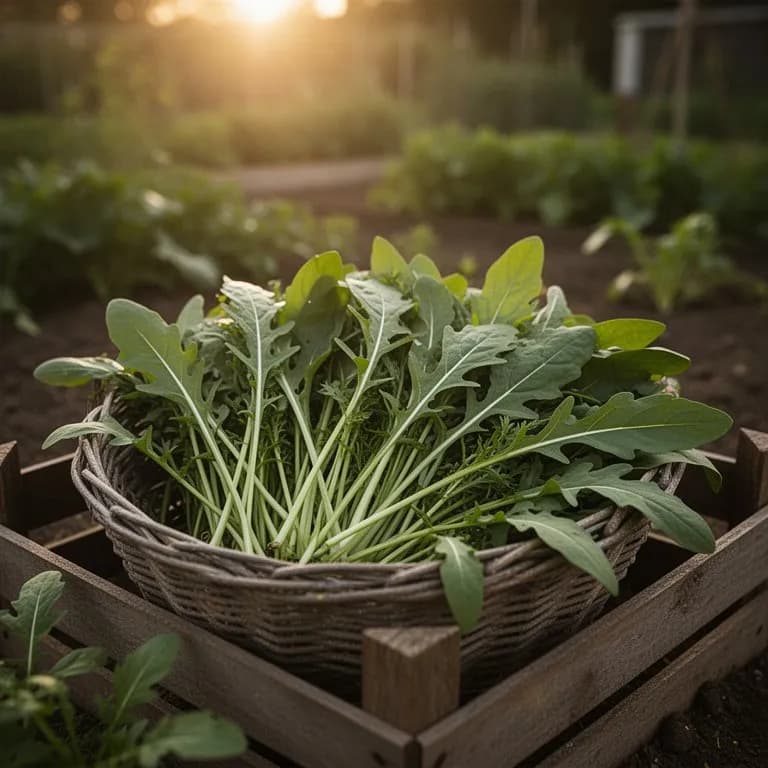
assuming you plant when the window opens — set your real date
Pick Wild Rocket promptly and the plant keeps producing.
Storage & Preservation
Wild rocket is best used fresh within two to three days of picking. Store unwashed leaves in a sealed container lined with kitchen paper in the refrigerator. The peppery flavor diminishes quickly once cut. For longer storage, make rocket pesto by blending leaves with olive oil, garlic, pine nuts, and Parmesan, then freeze in ice cube trays for up to three months. Leaves can be added to herb butter and frozen. Drying is not recommended as it destroys the characteristic flavor.
What goes wrong — and the fix
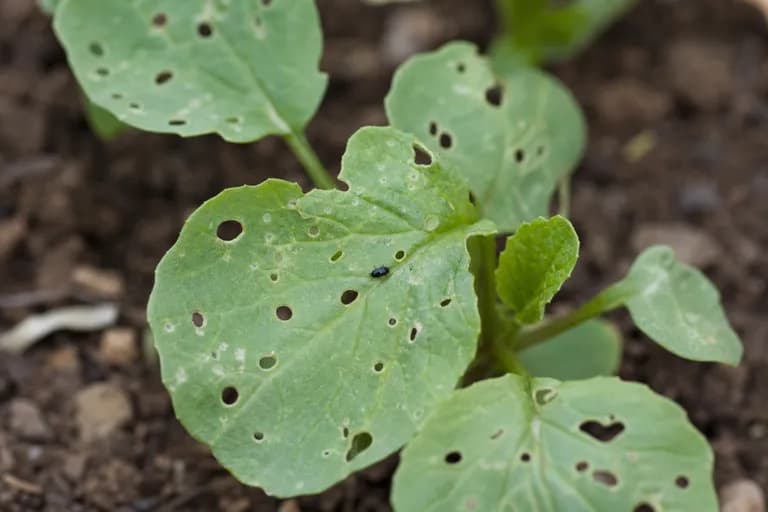
Flea Beetle
PestTiny round holes peppering leaves, giving a characteristic shotgun pattern. Most damaging to young seedlings.
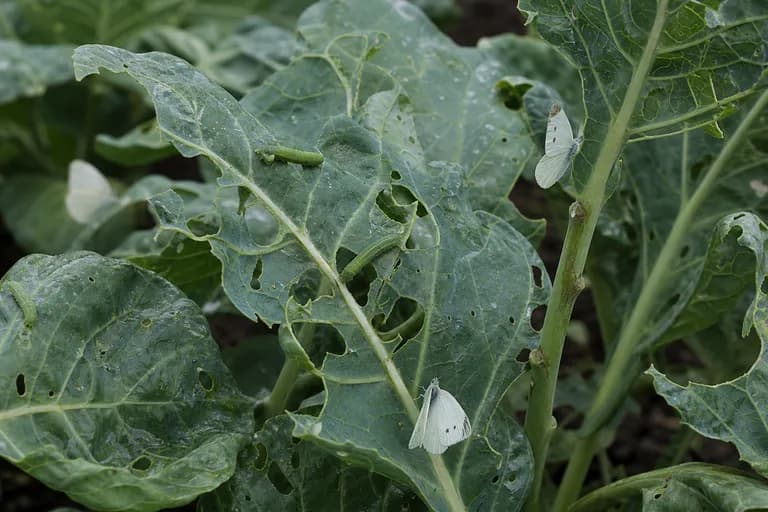
Cabbage White Butterfly
PestGreen caterpillars eating leaf tissue, leaving ragged holes and frass on the leaves.
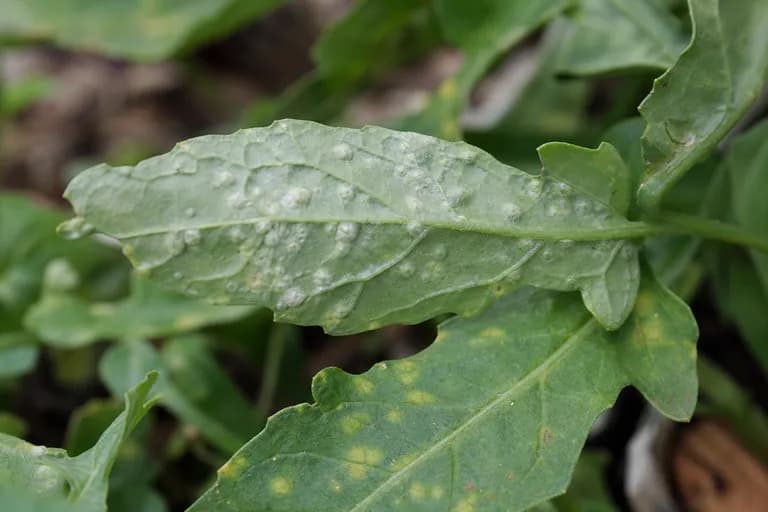
White Blister
DiseaseRaised white blisters on the undersides of leaves with corresponding yellow spots on upper surfaces.
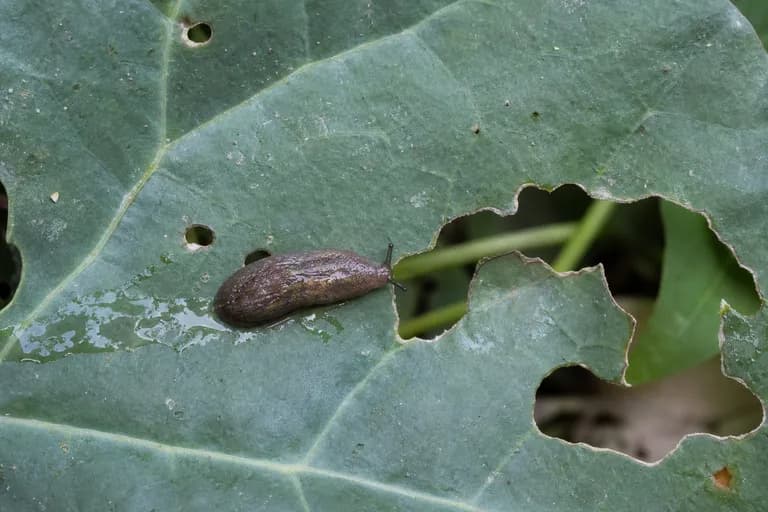
Slugs
PestIrregular holes eaten in leaves, especially on young plants. Silvery slime trails visible on and around plants.
Troubleshooting Common Problems
Flea beetle is the most persistent pest, creating tiny holes in leaves that make them unsightly for salads. Growing under mesh is the most reliable prevention. While wild rocket is bolt-resistant, plants eventually flower in their second year. Cut back flower stems to prolong leaf production. Self-seeding can be aggressive, so remove unwanted seedlings promptly. Leaves become excessively peppery and tough in drought conditions, so water during prolonged dry spells for milder flavor.
Growing Tips
- Sow in cool weather for the best flavor. Wild rocket grown in spring and autumn has a pleasant peppery-nutty taste, while summer-grown leaves can be overwhelmingly bitter and fiery. Plan your main sowings for March-April and August-September in temperate climates.
- Use the cut-and-come-again method for maximum yield. Snip leaves with scissors 2-3cm above the growing crown rather than pulling entire plants. Each plant will regrow 4-6 times before needing replacement, multiplying your harvest from every sowing.
- Provide afternoon shade in summer to prevent bolting and bitterness. A position that receives morning sun but is shaded from 1-5pm during the hottest months produces significantly better-tasting leaves than full, all-day sun in summer.
- Space plants 10-15cm apart for individual rosettes, or broadcast seed densely and harvest as baby leaves at 8-10cm tall for the mildest, most salad-friendly flavor. Baby leaves are sweeter and less peppery than mature foliage.
- Allow a few plants to flower and set seed each year to establish a self-sowing colony. Once wild rocket self-sows in your garden, volunteer seedlings will appear in spring and autumn for years, creating an essentially permanent salad patch with zero effort.
- Grow wild rocket in containers on a balcony or patio — its compact rosette habit and shallow root system make it ideal for pots as small as 15cm. Use a gritty, well-draining potting mix and water when the top 2cm of soil dries out. Rotate containers to chase the best light in each season.
- Intercrop wild rocket between slower-growing vegetables like tomatoes, peppers, or brassicas. The rocket germinates and produces a harvestable crop quickly in the spaces between transplants, making efficient use of otherwise bare soil during establishment.
- Water consistently but never allow waterlogged soil. Wild rocket's Mediterranean origins mean it handles drought better than excess moisture. Overwatering encourages root rot and fungal leaf diseases, while moderate water stress actually concentrates flavor compounds in the leaves.
Grow your best Wild Rocket yet — and everything around it.
Start a free plan today. Lay out your beds, drop in your Wild Rocket, and let PlotMyGarden handle the timing, spacing, companions and reminders from seed to harvest basket.
Pick your Wild Rocket
Sylvetta
The standard wild rocket variety with deeply lobed leaves and intense peppery flavor, very bolt-resistant.
Grazia
Compact variety with finely cut leaves, particularly good bolt resistance and strong flavor.
Dragon's Tongue
Attractive variety with reddish veining on deeply serrated leaves, slightly milder than standard wild rocket.
Wasabi Rocket
Extra-spicy selection with a wasabi-like kick, excellent for adding intense heat to salads.
Wild rocket seed packets cost $2-4 and contain hundreds of seeds — enough to establish a permanent, self-sowing patch. Pre-washed wild rocket sells for $4-6 per 100g bag at supermarkets and $6-10 per bunch at farmers markets, reflecting its premium status over common salad rocket. Growing just 8-12 plants provides $80-150 worth of leaves over the season. As a perennial that self-sows freely, wild rocket is essentially a plant-once, harvest-forever crop — after the initial planting, you may never need to buy rocket again.
Quick recipes
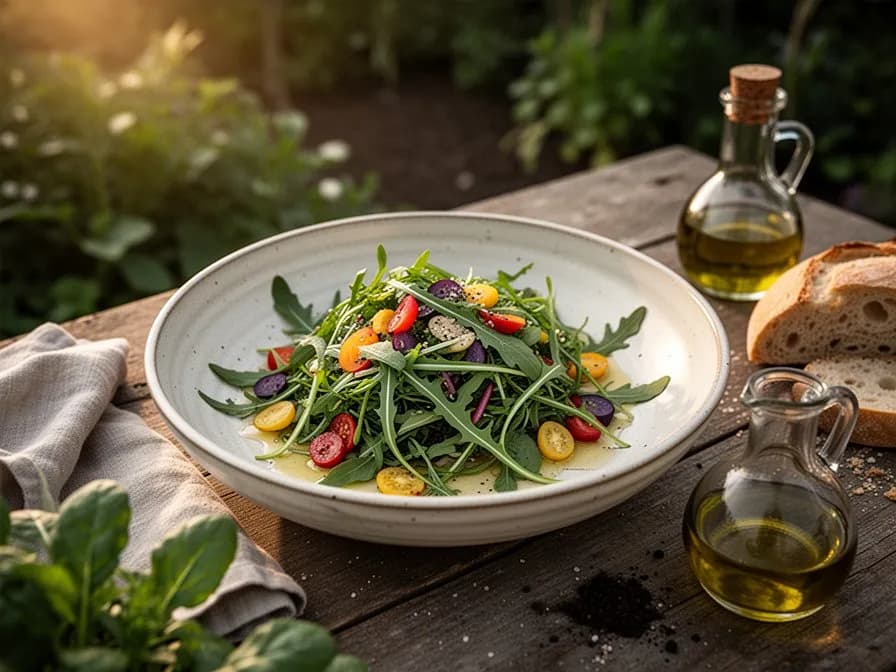
Classic Italian Rucola Selvatica Salad
10 minThe definitive wild rocket salad from Italian trattorias — nothing more than the finest leaves, great olive oil, a squeeze of lemon, and shaved Parmigiano. The intense peppery bite of wild rocket makes this minimalist salad far more complex than the sum of its parts.
6 ingredientsWild Rocket and Walnut Pesto
15 minA bold pesto that replaces basil with wild rocket for a sharper, more peppery sauce that pairs brilliantly with pasta, grilled meats, or spread on crostini. The slight bitterness of the rocket is balanced by toasted walnuts and salty pecorino.
7 ingredientsWild Rocket and Prosciutto Pizza Topping
5 minThe classic Roman finishing touch for pizza bianca — a generous mound of fresh wild rocket and paper-thin prosciutto piled onto a just-baked pizza. The residual heat gently wilts the rocket while the prosciutto stays silky. No cooking of the rocket required.
6 ingredientsCulinary Uses
Wild rocket adds a distinctive peppery bite to salads, far more intense than cultivated arugula. Use sparingly mixed with milder leaves like lamb's lettuce and spinach. It is outstanding scattered over pizza just before serving, wilted briefly into pasta, or blended into a bold pesto. The flowers have a mild peppery flavor and make an attractive edible garnish. Pairs well with strong cheeses, cured meats, and balsamic vinegar.
What's inside
Health Benefits
- Exceptionally high in vitamin K (91% DV per 100g), essential for proper blood clotting and increasingly recognized for its role in directing calcium into bones rather than arteries — supporting both skeletal strength and cardiovascular health.
- Rich in glucosinolates and their breakdown products (isothiocyanates), which have demonstrated anti-cancer properties in numerous laboratory and epidemiological studies — wild rocket contains higher concentrations of these compounds than most other salad greens.
- An excellent dietary source of nitrate, which the body converts to nitric oxide — a molecule that dilates blood vessels, lowers blood pressure, and improves oxygen delivery to muscles during exercise, with effects documented in peer-reviewed clinical trials.
- Contains significant folate (24% DV per 100g), vital for DNA synthesis and cell division — particularly important during pregnancy, periods of rapid growth, and for supporting healthy homocysteine metabolism linked to heart health.
- Provides a broad spectrum of carotenoid antioxidants including beta-carotene, lutein, and zeaxanthin, which protect the retina from age-related macular degeneration and filter harmful blue light — wild rocket's dark green color reflects its dense carotenoid content.
- The high water content (92%) combined with fiber and minimal calories makes wild rocket one of the most nutrient-dense foods per calorie, supporting weight management while delivering disproportionately high levels of vitamins, minerals, and protective phytochemicals.
Where Wild Rocket comes from
Wild rocket (Diplotaxis tenuifolia) is native to the Mediterranean basin and western Asia, where it has grown wild along coastlines, rocky hillsides, and disturbed ground since antiquity. Unlike cultivated salad rocket (Eruca vesicaria), which was domesticated from a separate genus, wild rocket was never truly domesticated — it was simply gathered from the wild for thousands of years before gradually being transplanted into gardens.
The ancient Egyptians, Greeks, and Romans all prized wild rocket as both a culinary herb and a medicinal plant. In Roman culture it held a particularly prominent place: Pliny the Elder described it as one of the most important salad herbs, Columella recommended it for flavoring cheese, and Dioscorides documented its use as a digestive aid and diuretic in his foundational pharmacological text De Materia Medica. The Romans also firmly believed in its aphrodisiac properties, which gave it both cultural cachet and occasional controversy — early Christian monasteries banned its cultivation to avoid tempting the monks.
Throughout the Middle Ages, wild rocket remained a staple of Mediterranean peasant cuisine, foraged from fields and waysides rather than cultivated. Italian, Turkish, and North African cooks used it in salads, as a pizza and flatbread topping, and stirred into soups and pasta. The plant's ability to thrive in poor, dry soil with minimal care made it a reliable food source for rural communities.
Wild rocket's modern culinary renaissance began in Italy in the 1980s and 1990s, when rucola selvatica became a fashionable ingredient in upscale restaurants. The trend spread rapidly to the UK, Australia, and North America, where wild rocket began appearing in farmers markets and specialty seed catalogs. Today it is cultivated commercially across Southern Europe, and is increasingly popular among home gardeners worldwide who appreciate its perennial nature, intense flavor, and the fact that it self-sows to create a permanent, self-sustaining salad patch.
Wild Rocket: did you know?
Fascinating facts about Wild Rocket
Wild rocket (Diplotaxis tenuifolia) is botanically distinct from the common salad rocket (Eruca vesicaria) found in most supermarkets. Wild rocket is a perennial with deeply lobed leaves and yellow flowers, while salad rocket is an annual with rounder leaves and white flowers — they belong to different genera entirely despite sharing the common name.
Wild Rocket questions, answered
When should I plant Wild Rocket?
What are good companion plants for Wild Rocket?
What hardiness zones can Wild Rocket grow in?
How much sun does Wild Rocket need?
How far apart should I space Wild Rocket?
What pests and diseases affect Wild Rocket?
How do I store Wild Rocket after harvest?
What are the best Wild Rocket varieties to grow?
What soil does Wild Rocket need?
What is the difference between wild rocket and regular salad rocket?
Can I grow wild rocket indoors through winter?
Why does my wild rocket taste extremely bitter and spicy?
Is wild rocket truly perennial, and how long do plants last?
How do I stop wild rocket from taking over my garden?
Are wild rocket flowers edible?
You just read the theory. Now grow it on autopilot.
Everything that makes Wild Rocket fiddly — the timing, the spacing, the companions, the harvest window — is exactly what PlotMyGarden handles for you, for every plant in your garden.
A plan that knows your weather
Set your location once. Get sow, feed and harvest dates built around your real last-frost date and live forecast — no more guessing from a generic seed packet.
From the “When to plant” sectionDrag-and-drop bed planner
Design beds on a grid. Every plant snaps to its proper spacing, and you can see your whole season laid out before you spend a cent on seed.
From the “Growing guide” sectionCompanion conflicts, caught early
200+ good-and-bad pairings checked live as you plant — so a season-wrecking mistake never makes it into the ground.
From the “Companions” sectionReminders you'll actually act on
“Water the beans.” “Pick today before it turns.” Timely, specific, and tied to the plants you're really growing.
From the “Harvest” sectionSuccession, scheduled
Want a harvest for six weeks, not six days? It spaces your sowings automatically and reminds you when each new block is due.
From the “When to plant” sectionA record that gets smarter
Every harvest you log teaches it your garden. Next year's plan starts from what actually worked in your soil, not a textbook's.
From the “Overview” sectionPlant these alongside Wild Rocket
More Leafy Greens
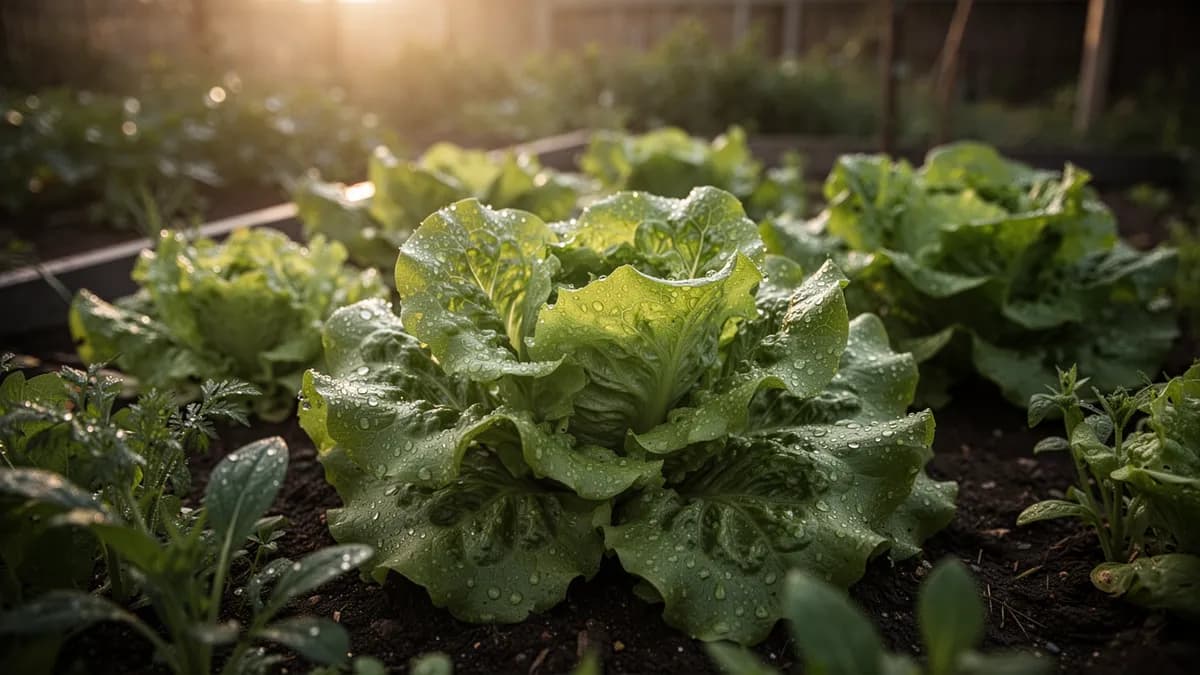
Grow your best Wild Rocket yet — and everything around it.
Start a free plan today. Lay out your beds, drop in your Wild Rocket, and let PlotMyGarden handle the timing, spacing, companions and reminders from seed to harvest basket.