Arce Rojo
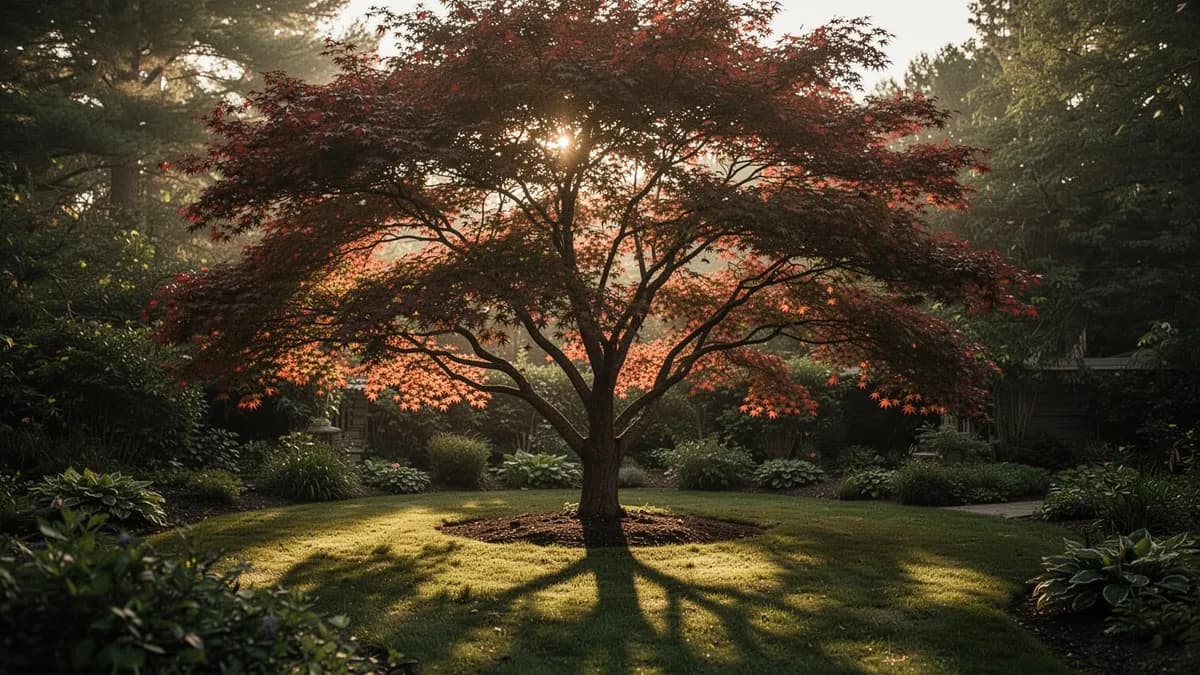
Uno de los árboles de sombra nativos más adaptables y coloridos, con flores rojas a principios de primavera, sámaras estivales teñidas de rojo y un follaje otoñal de un escarlata deslumbrante.





En esta páginaResumen
Conoce Arce Rojo
Uno de los árboles de sombra nativos más adaptables y coloridos, con flores rojas a principios de primavera, sámaras estivales teñidas de rojo y un follaje otoñal de un escarlata deslumbrante. Los arces rojos toleran los suelos húmedos mejor que los arces azucareros y crecen con mayor rapidez, lo que los convierte en árboles de sombra residenciales muy populares. Elija cultivares con nombre como October Glory o Red Sunset para obtener el color otoñal más fiable e intenso. Desarrollan raíces superficiales capaces de levantar aceras, por lo que conviene plantarlos a un mínimo de tres metros de las superficies pavimentadas.
Cuándo plantar Arce Rojo
Las semillas del arce rojo maduran a finales de primavera, mucho antes que las de otras especies de arce, y germinan de inmediato sin ningún período de dormancia. Recoja las sámaras de color rosa rojizo cuando maduren en mayo o junio y siémbrelas sobre la superficie del suelo o apenas cubiertas. Mantenga el lecho de siembra constantemente húmedo; la germinación se produce en una o dos semanas. Las plántulas crecen con rapidez, alcanzando entre 30 y 45 cm durante el primer año. Los cultivares con nombre deben propagarse mediante injerto de yema o de púa sobre portainjertos de semilla para conservar las características específicas de color otoñal y porte de crecimiento.
Tu año de Arce Rojo
Ajustado a Zona 7 · temporada típica · la helada se va hacia el 2 abr y vuelve hacia el 1 nov
Planta Arce Rojo Mar – Abr, Oct – Nov y cosecha —. Consulta los métodos de plantación y elige tu clima para adaptar los periodos.
Cómo cultivar Arce Rojo
Plante los arces rojos a pleno sol o en semisombra, en un suelo húmedo y ligeramente ácido con un pH de 5.5 a 6.5. A diferencia de los arces azucareros, los arces rojos toleran los suelos encharcados e incluso las inundaciones periódicas, lo que los convierte en una opción excelente para zonas bajas y jardines de lluvia. Espacie los árboles entre 9 y 12 metros para dar cabida a su amplia copa redondeada. Evite plantarlos cerca de aceras, caminos de entrada o cimientos, ya que las raíces superficiales pueden levantar el pavimento y dañar las estructuras.
Plante ejemplares con cepellón o en contenedor en primavera u otoño. Cave un hoyo de dos a tres veces el ancho del cepellón, pero no más profundo. Coloque la zona de ensanchamiento de las raíces a nivel del suelo y rellene con la tierra nativa sin enmiendas. Riegue en profundidad una vez por semana durante las dos primeras temporadas de crecimiento. Aplique una capa de 8 cm de un material ácido como corteza de pino o acículas de pino, manteniéndola alejada del tronco.
Los arces rojos requieren una poda mínima una vez establecidos. Elimine las ramas que se crucen y mantenga un líder central fuerte durante los primeros cinco años. Evite las podas intensas en primavera, cuando la savia fluye con abundancia. Los arces rojos se encuentran entre los primeros árboles en florecer a finales del invierno, produciendo racimos de diminutas flores rojas que constituyen una importante fuente temprana de néctar para los polinizadores. Seleccione cultivares con nombre para obtener el color otoñal más fiable y vivo, ya que los árboles procedentes de semilla varían enormemente en su coloración otoñal.
Para Arce Rojo un bancal de 120 × 240 cm se queda corto
Cada Arce Rojo pide 900 cm de margen. El planificador guarda ese marco por ti — cada planta, cada bancal.
Los mejores vecinos de Arce Rojo
El sistema radicular superficial de los arces rojos los convierte en árboles algo difíciles de acompañar con plantaciones inferiores, ya que las plantas compañeras deben competir por la humedad y los nutrientes cerca de la superficie del suelo. Las coberturas vegetales tolerantes a la sombra y de raíces someras como el jengibre silvestre, el epimedium y los helechos de bosque son las que mejor funcionan. Los bulbos efímeros primaverales como las campanillas de Virginia y el trilio prosperan bajo los arces rojos porque completan su ciclo de crecimiento antes de que la copa se llene. Evite plantar hostas directamente contra el tronco, donde la competencia radicular es más intensa. El acolchado ácido de acículas de pino beneficia tanto al árbol como a las plantas compañeras amantes de suelos ácidos.
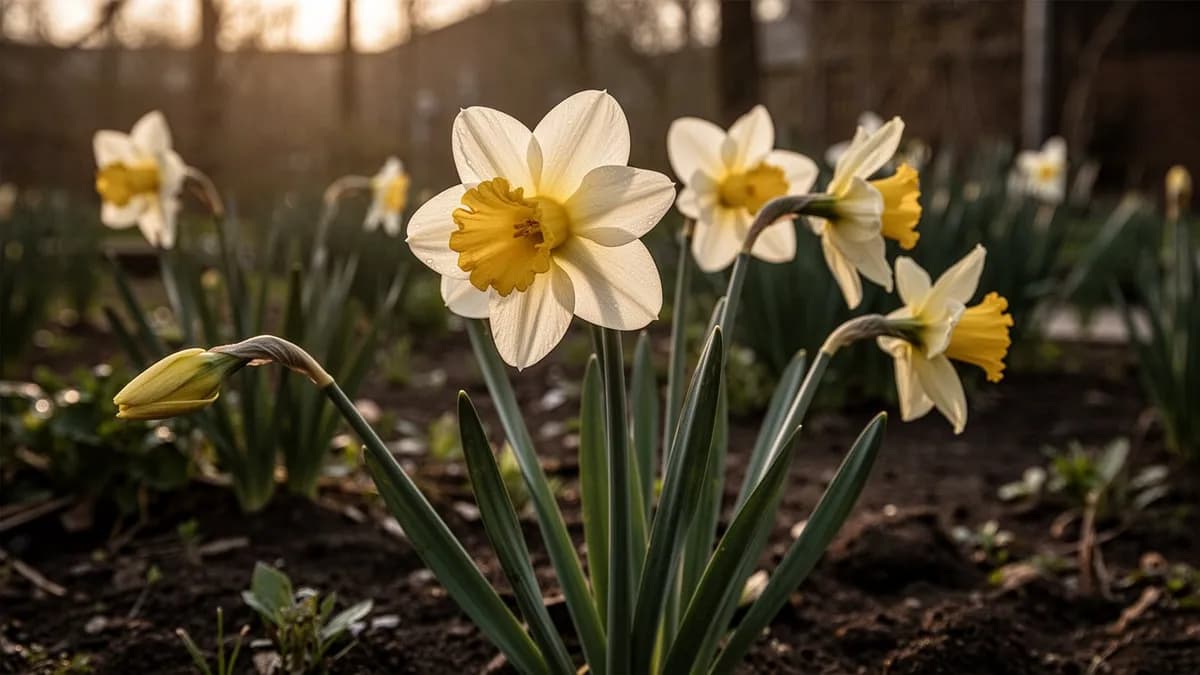
Narciso va a su lado. Nogal no.
Saber de huerto de siempre, cotejado con la tabla real de Arce Rojo — prueba cualquier planta que cultives.
Prueba Arce Rojo en un bancal, aquí mismo
Un bancal real del planificador con Arce Rojo ya plantado. Toca una planta compañera para colocarla y mira cómo responde la comprobación de vecinos: verde para buenos vecinos, rojo si hay conflicto.


Guías de cultivo relacionadas
Abónalo bien
Los arces rojos prefieren suelos húmedos y ligeramente ácidos con un pH de 5.5 a 6.5, pero toleran un rango más amplio que incluye condiciones neutras. Son sensibles a los suelos alcalinos, lo que provoca clorosis intervenal por deficiencia de manganeso. Aplique un fertilizante acidificante formulado para plantas amantes de suelos ácidos si el pH del suelo supera 7.0. Los árboles jóvenes se benefician de una fertilización equilibrada a principios de primavera durante los primeros tres a cinco años. Los ejemplares establecidos en un suelo adecuado rara vez necesitan alimentación suplementaria. Aplique acolchado de materiales ácidos como corteza de pino para mantener la química del suelo en los valores deseados.
Temperatura ideal
Compatibilidad de zonas de rusticidad
De la semilla a la cosecha, etapa por etapa
Germinación de la Semilla y Emergencia de la Plántula
Las sámaras del arce rojo germinan fácilmente en suelo húmedo sin necesidad de estratificación fría, a diferencia de muchas otras especies de arce. Las semillas aladas emparejadas se separan al caer y la raíz embrionaria emerge en una o dos semanas en condiciones cálidas y húmedas. Los cotiledones atraviesan la superficie del suelo y se despliegan, seguidos poco después por el primer par de hojas verdaderas que ya muestran una versión simplificada de la característica forma trilobulada. Las plántulas son muy adaptables y pueden establecerse en una amplia gama de tipos de suelo, desde franco arenoso hasta arcilla pesada.
Establecimiento Juvenil
Durante la primera temporada de crecimiento completa, el joven arce rojo desarrolla un líder central fuerte y comienza a construir su sistema radicular. El crecimiento es moderado, alcanzando típicamente entre 30 y 60 centímetros de altura al final del primer año. El tallo delgado es liso y verde, desarrollando gradualmente una fina capa de corteza gris. Las hojas crecen progresivamente más grandes a lo largo de la temporada, con tres a cinco lóbulos poco profundos y márgenes aserrados. El sistema radicular se extiende tanto lateralmente como en profundidad, estableciendo la base de la notable adaptabilidad del árbol a condiciones variables de humedad.
Fase de Crecimiento Vertical Rápido
Entre el segundo y el sexto año, el arce rojo entra en un período de crecimiento vigoroso y puede añadir entre 30 y 60 centímetros de altura anualmente en condiciones favorables. La copa comienza a adquirir su característica forma redondeada a ovalada. La corteza del tronco pasa de un gris liso a una textura ligeramente más rugosa. La ramificación se vuelve más estructurada, con ramas principales bien formadas que se desarrollan a partir del líder central. El sistema radicular se expande significativamente, con raíces superficiales cada vez más prominentes, especialmente en suelos pesados o compactados. Los árboles pueden comenzar a producir flores y semillas viables a partir del tercer o cuarto año.
Desarrollo de la Copa y Madurez Temprana
Aproximadamente entre el sexto y el decimoquinto año, el arce rojo completa su copa de forma significativa y transiciona de un árbol joven a un ejemplar cada vez más maduro. La tasa de crecimiento en altura se reduce gradualmente mientras que la extensión lateral de la copa aumenta. El árbol produce de forma fiable abundantes flores cada primavera, convirtiéndose en una importante fuente temprana de néctar. El color otoñal se intensifica con la madurez, y la corteza desarrolla crestas y surcos más pronunciados. Las raíces superficiales quedan bien establecidas y el árbol se vuelve cada vez más tolerante a la sequía una vez que el sistema radicular está plenamente desarrollado.
Plena Madurez y Crecimiento Patrimonial
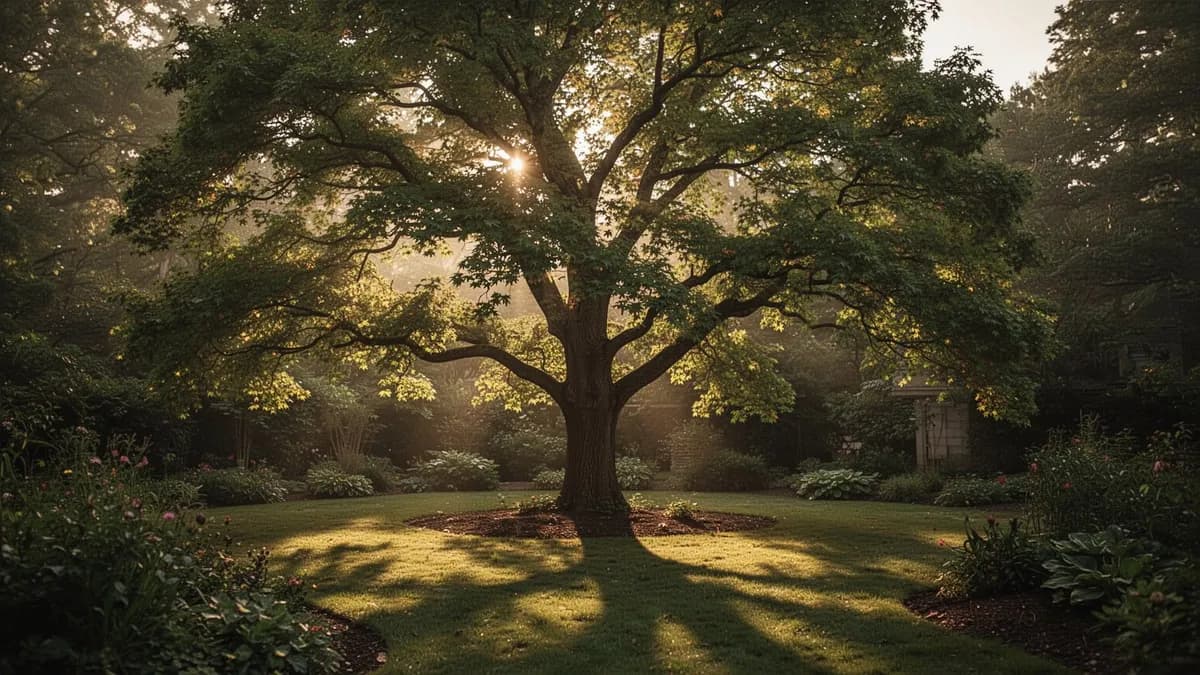
Un arce rojo plenamente maduro alcanza entre 12 y 27 metros de altura con una extensión de copa de 9 a 15 metros. El tronco puede medir de 45 a 75 centímetros de diámetro. En la madurez, el árbol proporciona una sombra densa, un color otoñal excepcional y un valor ecológico significativo como hábitat y fuente de alimento para la fauna silvestre. La corteza es de un gris oscuro con largas placas escamosas. Los arces rojos maduros pueden vivir entre 80 y 150 años en condiciones favorables, aunque los ejemplares urbanos suelen tener una vida más corta debido a las tensiones ambientales. El árbol continúa produciendo abundantes sámaras cada primavera, asegurando la siguiente generación.
Mantenga el suelo constantemente húmedo pero no encharcado durante la germinación. Proporcione sombra ligera a las plántulas emergentes, ya que la luz solar intensa y directa puede quemar los cotiledones. Una fina capa de acolchado fino ayuda a retener la humedad del suelo sin asfixiar los brotes delicados.
Cuidar Arce Rojo mes a mes
Qué hacer cada mes para tu Arce Rojo
Octubre
Mes actualEl pico de color otoñal se produce en la mayoría de las regiones. Recoja semillas de cultivares deseados para la propagación si lo desea. Prepare el lugar de plantación para árboles a raíz desnuda o con cepellón cavando y enmendando el hoyo. Comience la plantación otoñal una vez que las hojas hayan caído en las zonas más cálidas.
Ten claro qué hacer en tu huerto, cada mes
Un correo al empezar cada mes: qué sembrar, plantar y hacer ahora mismo — para tu Arce Rojo y todo lo que crece alrededor. Más un breve curso inicial para esquivar los errores clásicos.
- Qué hacer ahora mismo
- Ajustado a tu temporada
- Curso inicial incluido
Cosechar Arce Rojo
Los arces rojos son árboles de sombra ornamentales y no producen frutos ni nueces comestibles para cosechar. Las semillas aladas emparejadas, llamadas sámaras, maduran a finales de primavera y pueden recolectarse para la propagación. La savia puede teóricamente extraerse para producir jarabe de arce, pero la savia del arce rojo tiene un contenido de azúcar inferior al del arce azucarero y la temporada es más corta. La principal cosecha estacional es el espectacular despliegue del follaje otoñal, que alcanza su punto máximo desde finales de septiembre hasta mediados de octubre según la latitud y la altitud.
se supone que plantas al comenzar el periodo — indica tu fecha real
Cosecha Arce Rojo a tiempo y la planta sigue produciendo.
Almacenamiento y conservación
Las semillas del arce rojo son de vida corta y deben sembrarse inmediatamente después de su recolección en primavera, ya que no se conservan bien y pierden viabilidad rápidamente. A diferencia de las semillas del arce azucarero, las sámaras del arce rojo no requieren estratificación fría y germinan fácilmente al entrar en contacto con suelo húmedo. Las hojas otoñales prensadas constituyen bonitas decoraciones y pueden conservarse entre láminas de papel encerado. La madera del arce rojo se emplea en la fabricación de muebles, suelos y instrumentos musicales, aunque es más blanda que la del arce azucarero y se considera menos deseable comercialmente.
Qué falla — y cómo solucionarlo
Verticilosis (Verticillium Wilt)
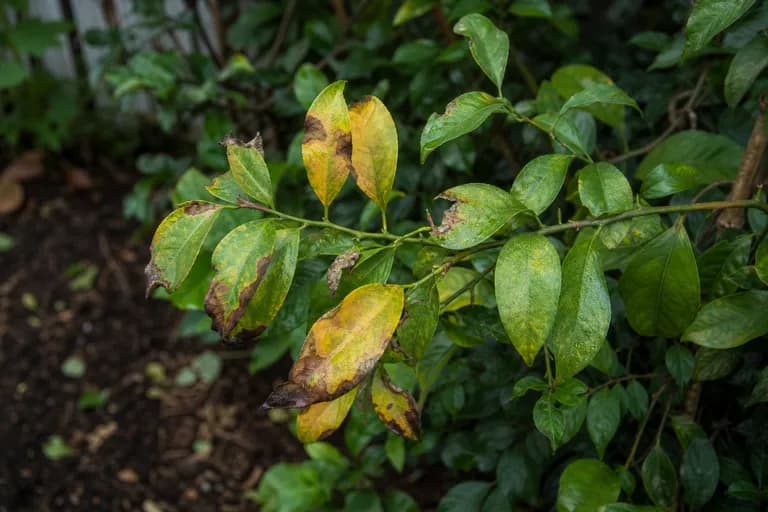
EnfermedadMarchitamiento repentino y pardeamiento de las hojas en ramas individuales o en secciones enteras de la copa. La albura muestra vetas de color verde oliva a marrón cuando se retira la corteza.
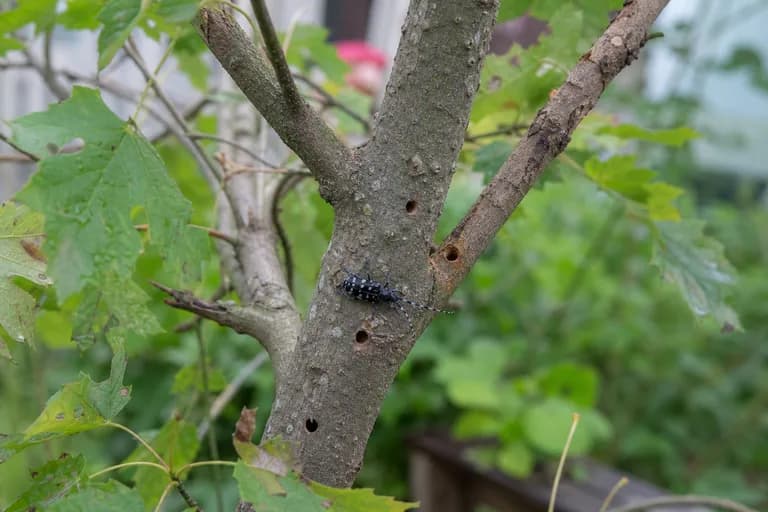
Escarabajo Asiático de Cuernos Largos (Asian Longhorned Beetle)
PlagaOrificios de salida redondos de aproximadamente un centímetro de diámetro en el tronco y las ramas principales. Se acumula un serrín similar al aserrín en la base del árbol y en las horquillas de las ramas.
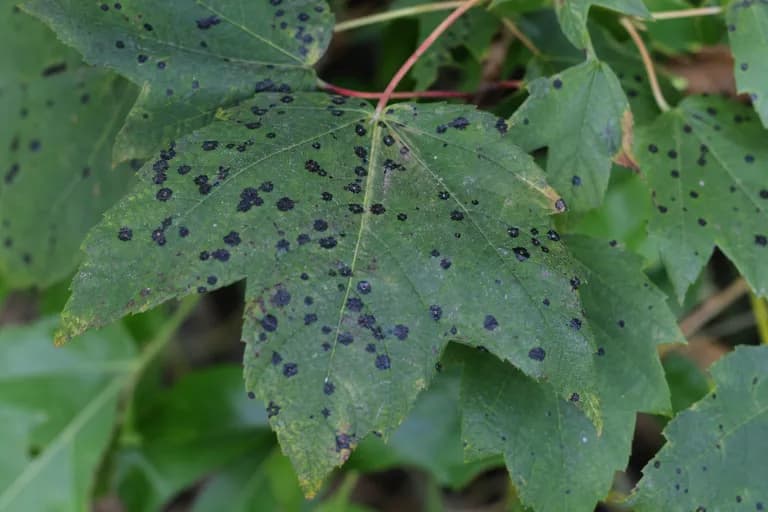
Mancha de Alquitrán (Tar Spot)
EnfermedadManchas negras elevadas y brillantes de hasta un centímetro y medio de diámetro en la superficie superior de las hojas, que aparecen a finales de verano. Las hojas muy afectadas pueden caer prematuramente.
Solución de problemas comunes
Las raíces superficiales son la preocupación paisajística más habitual, ya que los arces rojos desarrollan sistemas radiculares someros y extendidos que pueden levantar aceras y dificultar el corte del césped. Plántelos a un mínimo de 3 metros de las superficies pavimentadas. La clorosis por suelo alcalino causa un amarilleamiento de las hojas con las nervaduras verdes y puede corregirse con la acidificación del suelo o aplicaciones de hierro quelado. Las raíces anillantes por una plantación incorrecta o cepellones enraizados en exceso pueden estrangular lentamente el tronco a nivel del suelo, causando un declive gradual años después de la plantación. La quemadura foliar se produce durante las sequías en emplazamientos expuestos.
Consejos de cultivo
- Plante los arces rojos a pleno sol o en semisombra: los árboles desarrollan el color otoñal más vibrante cuando reciben al menos seis horas de luz solar directa al día, mientras que los cultivados a sombra intensa tienden a producir tonos otoñales amarillos más apagados.
- Los arces rojos son extraordinariamente adaptables a las condiciones del suelo y prosperan en suelos ácidos a neutros con un rango de pH de 4.5 a 7.0, pero tienen dificultades en suelos muy alcalinos donde la deficiencia de manganeso causa clorosis intervenal en las hojas.
- Proporcione humedad constante durante los primeros tres años tras la plantación mediante riegos profundos semanales durante los períodos secos: los arces rojos crecen naturalmente cerca de arroyos y márgenes de pantanos y rinden mejor con una humedad del suelo fiable.
- Aplique un anillo de acolchado orgánico de 5 a 10 centímetros alrededor del árbol extendiéndolo hasta la zona de goteo de la copa, pero mantenga el acolchado retirado 10 a 15 centímetros del tronco para prevenir la pudrición de la corteza y desalentar la anidación de roedores.
- Evite plantar arces rojos cerca de aceras, caminos de entrada o cimientos, ya que su agresivo sistema radicular superficial es conocido por levantar el pavimento y puede interferir con las instalaciones subterráneas a una distancia de 5 a 8 metros del tronco.
- Seleccione cultivares con nombre en lugar de árboles procedentes de semilla si el color otoñal constante es importante: los árboles de semilla son genéticamente variables y pueden producir follaje otoñal amarillo, anaranjado o rojo de forma impredecible.
- Proteja los arces rojos jóvenes de los daños causados por el ramoneo de los ciervos instalando tubos protectores o cercas alrededor de las nuevas plantaciones en zonas con altas poblaciones de ciervos, ya que estos ramonean fácilmente las yemas terminales tiernas y la corteza joven.
- Evite las podas excesivas durante la temporada de crecimiento porque los arces rojos son fuertes exudadores: la savia fluye profusamente de los cortes frescos realizados en primavera y verano, lo cual, aunque no es perjudicial para el árbol, puede resultar antiestético y atraer insectos.
- Nunca plante arce rojo en pastos o praderas donde los caballos tengan acceso, ya que las hojas marchitas y secas del arce rojo son altamente tóxicas para los caballos y pueden causar una anemia hemolítica mortal incluso en pequeñas cantidades.
- Cuando plante para la producción de jarabe, seleccione árboles que crezcan en ubicaciones soleadas y abiertas, ya que tienden a desarrollar copas más grandes y producir más savia que los árboles forestales con copas estrechas que compiten por la luz.
Cultiva tu mejor Arce Rojo — y todo lo que la rodea.
Empieza un plan gratis hoy. Diseña tus bancales, coloca tu Arce Rojo y deja que PlotMyGarden gestione el momento, el espaciado, las asociaciones y los recordatorios de la semilla a la cesta.
Elige tu Arce Rojo
October Glory
Uno de los arces rojos más populares por su brillante color otoñal que va del rojo anaranjado al carmesí intenso y que se mantiene más tarde en la temporada que la mayoría de los cultivares. Alcanza entre 12 y 15 metros de altura con una copa redondeada.
Red Sunset
Un cultivar de coloración temprana con un follaje otoñal de un rojo brillante muy fiable. Forma densa y oval-vertical que proporciona una excelente sombra y una estructura de ramas resistente a los daños por tormentas.
Autumn Blaze
Un híbrido entre el arce rojo y el arce plateado que combina un crecimiento rápido con un extraordinario color otoñal rojo anaranjado. Excepcionalmente resistente al frío y adaptable, alcanza los 15 metros con un porte oval vertical.
Brandywine
Un cultivar masculino sin semillas con un destacado color otoñal rojo-púrpura que persiste durante varias semanas. Alcanza unos 10 metros de altura con una copa oval simétrica y no produce las molestas semillas.
Un solo arce rojo maduro proporciona un valor estimado de 2.000 a 5.000 dólares anuales en servicios ecosistémicos, incluyendo el ahorro energético derivado de la sombra estival que puede reducir los costes de refrigeración del hogar entre un 15 y un 35 por ciento, la gestión de aguas pluviales mediante la interceptación de la copa y la absorción radicular, la mejora de la calidad del aire y el incremento del valor de la propiedad entre un 5 y un 15 por ciento en propiedades bien ajardinadas con árboles de sombra maduros.
Recetas rápidas
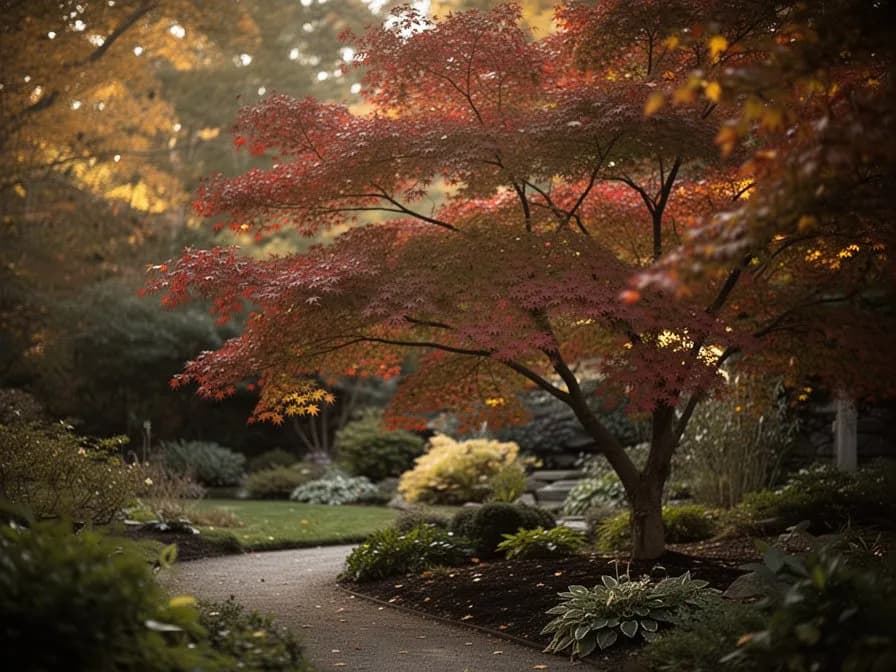
Jarabe Casero de Arce Rojo
4-6 horas de ebullición activaRecoja la savia de los arces rojos a finales de invierno, cuando las temperaturas diurnas suben por encima del punto de congelación y las nocturnas descienden por debajo. Hierva la savia clara en una bandeja grande y plana al aire libre hasta que alcance los 104 grados Celsius o 7.1 grados por encima del punto de ebullición del agua. El jarabe terminado debe tener un rico color ámbar y una consistencia suave. Filtre a través de fieltro o lana para eliminar la arena de azúcar antes de envasarlo en frascos esterilizados.
3 ingredientesBebida de Savia de Arce al Estilo del Abedul
10 minutosLa savia fresca de arce rojo recogida durante la temporada de extracción de finales de invierno es una bebida ligeramente dulce y refrescante que puede consumirse cruda o calentarse suavemente. La savia tiene un sabor limpio, levemente dulce, con sutiles notas amaderadas. Sírvala fría como un tónico hidratante primaveral o caliéntela suavemente con una rama de canela y una rodaja de jengibre fresco para obtener una reconfortante bebida de temporada. La savia debe consumirse dentro de los dos o tres días posteriores a la recolección o congelarse para un almacenamiento más prolongado.
4 ingredientesVinagre de Arce a Partir de Savia de Arce Rojo
15 minutos activos, 4-6 semanas de fermentaciónLa savia de arce rojo puede fermentarse para obtener un vinagre suave y sutilmente dulce que es excelente para aliños de ensalada y marinadas. Primero, deje que la savia fresca realice la fermentación primaria a temperatura ambiente durante una o dos semanas hasta que se vuelva ligeramente alcohólica. A continuación, introduzca una madre de vinagre o un chorrito de vinagre crudo sin pasteurizar y déjelo acetificar en un tarro cubierto holgadamente durante otras tres o cuatro semanas. El vinagre resultante tiene un delicado sabor a arce que combina maravillosamente con verduras de raíz asadas y ensaladas de cereales contundentes.
4 ingredientesQué contiene
Beneficios para la salud
- El jarabe de arce producido a partir de la savia del arce rojo contiene más de 60 compuestos antioxidantes polifenólicos que pueden ayudar a reducir el estrés oxidativo y la inflamación en el organismo según estudios de laboratorio preliminares.
- El contenido de manganeso del jarabe de arce favorece una densidad ósea saludable, la cicatrización de heridas y el metabolismo adecuado de aminoácidos, colesterol y carbohidratos.
- El zinc presente en el jarabe de arce contribuye al funcionamiento del sistema inmunitario, la síntesis de proteínas y los procesos de reparación celular en todo el cuerpo.
- Pasar tiempo bajo la copa de un arce rojo maduro proporciona beneficios medibles: los estudios sobre baños de bosque demuestran niveles reducidos de cortisol, presión arterial más baja y mejora del estado de ánimo gracias al tiempo pasado entre árboles caducifolios.
- Los arces rojos mejoran significativamente la calidad del aire urbano al filtrar partículas en suspensión, absorber dióxido de carbono y liberar oxígeno: un solo árbol maduro puede absorber aproximadamente 22 kilogramos de dióxido de carbono al año.
- La densa copa sombreadora de los arces rojos maduros reduce la temperatura ambiente del aire entre 2 y 4 grados Celsius en las áreas circundantes, disminuyendo los riesgos para la salud relacionados con el calor durante las olas de calor estivales en entornos urbanos.
De dónde viene Arce Rojo
El arce rojo (Acer rubrum) es nativo del este y centro de Norteamérica y posee una de las mayores áreas de distribución natural de cualquier árbol caducifolio del continente. Su rango se extiende desde el sur de Terranova y Nueva Escocia hacia el oeste hasta Manitoba y Minnesota, y hacia el sur a través del este de Estados Unidos hasta el sur de Florida y el este de Texas. La especie ha estado presente en el registro fósil norteamericano durante millones de años, con evidencia polínica que sugiere que fue un componente de los bosques durante los períodos glaciales e interglaciales del Pleistoceno. Los pueblos indígenas de toda su área de distribución hicieron un uso extensivo del arce rojo. Diversas tribus preparaban infusiones con la corteza interior para tratar dolencias oculares, dolores musculares y tos. La madera se utilizaba para herramientas, bastidores y combustible. Los colonos europeos reconocieron rápidamente el valor del árbol y lo explotaron para la producción de jarabe de arce junto con el arce azucarero, aunque señalaron su menor contenido de azúcar. En el siglo XVIII, el arce rojo ya se exportaba a Europa como árbol ornamental, donde era apreciado por su color otoñal en un paisaje dominado por árboles que tornan al amarillo y al marrón. En el siglo XX, el arce rojo se convirtió en uno de los árboles de calle y jardín más comúnmente plantados en Norteamérica gracias a su rápido crecimiento, su adaptabilidad a una amplia gama de condiciones de suelo y humedad, y su espectacular color otoñal. Los estudios ecológicos han documentado que el arce rojo ha aumentado realmente su abundancia y área de distribución durante los últimos dos siglos, expandiéndose a zonas previamente dominadas por robles y otras especies adaptadas al fuego a medida que las prácticas de supresión de incendios se han generalizado en los bosques del este.
Arce Rojo: ¿sabías que?
Datos fascinantes sobre Arce Rojo
El arce rojo es uno de los árboles nativos más abundantes del este de Norteamérica, creciendo de forma natural desde Manitoba hasta Terranova y hacia el sur hasta Florida y el este de Texas, prosperando en una gama extraordinariamente amplia de hábitats, desde crestas secas hasta márgenes de pantanos.
Arce Rojo: preguntas frecuentes
¿Cuándo debo plantar Arce Rojo?
¿Cuáles son buenas plantas acompañantes para Arce Rojo?
¿En qué zonas de rusticidad puede crecer Arce Rojo?
¿Cuánto sol necesita Arce Rojo?
¿A qué distancia debo espaciar Arce Rojo?
¿Qué plagas y enfermedades afectan a Arce Rojo?
¿Cómo almaceno Arce Rojo después de la cosecha?
¿Cuáles son las mejores variedades de Arce Rojo para cultivar?
¿Qué suelo necesita Arce Rojo?
¿Puedo extraer savia de un arce rojo para hacer jarabe de la misma manera que con un arce azucarero?
¿Por qué mi arce rojo tiene un color otoñal amarillo en lugar del rojo brillante que esperaba?
¿Es el arce rojo una buena elección como árbol de calle o para plantar cerca de una casa?
¿Cuánto de rápido crece un arce rojo y qué tamaño alcanzará?
¿Qué enfermedades y plagas debo vigilar en los arces rojos?
¿Son realmente peligrosas las hojas de arce rojo para los caballos? ¿Qué debo hacer si mi caballo las ingiere?
Acabas de leer la teoría. Ahora cultívala en piloto automático.
Todo lo que hace que Arce Rojo sea delicado — el momento, el espaciado, las asociaciones, la ventana de cosecha — es justo lo que PlotMyGarden resuelve por ti, para cada planta de tu huerto.
Un plan que conoce tu clima
Indica tu ubicación una vez. Recibe fechas de siembra, abonado y cosecha basadas en tu última helada real y el pronóstico en vivo — sin adivinar con un sobre genérico.
De la sección “Cuándo plantar”Planificador de bancales de arrastrar y soltar
Diseña bancales sobre una cuadrícula. Cada planta encaja con su espaciado correcto y ves toda la temporada antes de gastar un céntimo en semillas.
De la sección “Cultivo”Conflictos de asociación, detectados a tiempo
Más de 200 buenas y malas combinaciones comprobadas en vivo mientras plantas — para que un error que arruine la temporada nunca llegue a la tierra.
De la sección “Asociaciones”Recordatorios que sí vas a seguir
“Riega las judías.” “Recoge hoy antes de que se pase.” Oportunos, concretos y ligados a las plantas que de verdad cultivas.
De la sección “Cosecha”Escalonado, programado
¿Quieres cosechar seis semanas en vez de seis días? Reparte tus siembras automáticamente y te avisa cuando toca el siguiente lote.
De la sección “Cuándo plantar”Un registro que se vuelve más listo
Cada cosecha que registras le enseña tu huerto. El plan del año que viene parte de lo que de verdad funcionó en tu suelo, no en un manual.
De la sección “Resumen”Planta estos junto a Arce Rojo
Más Árboles de sombra
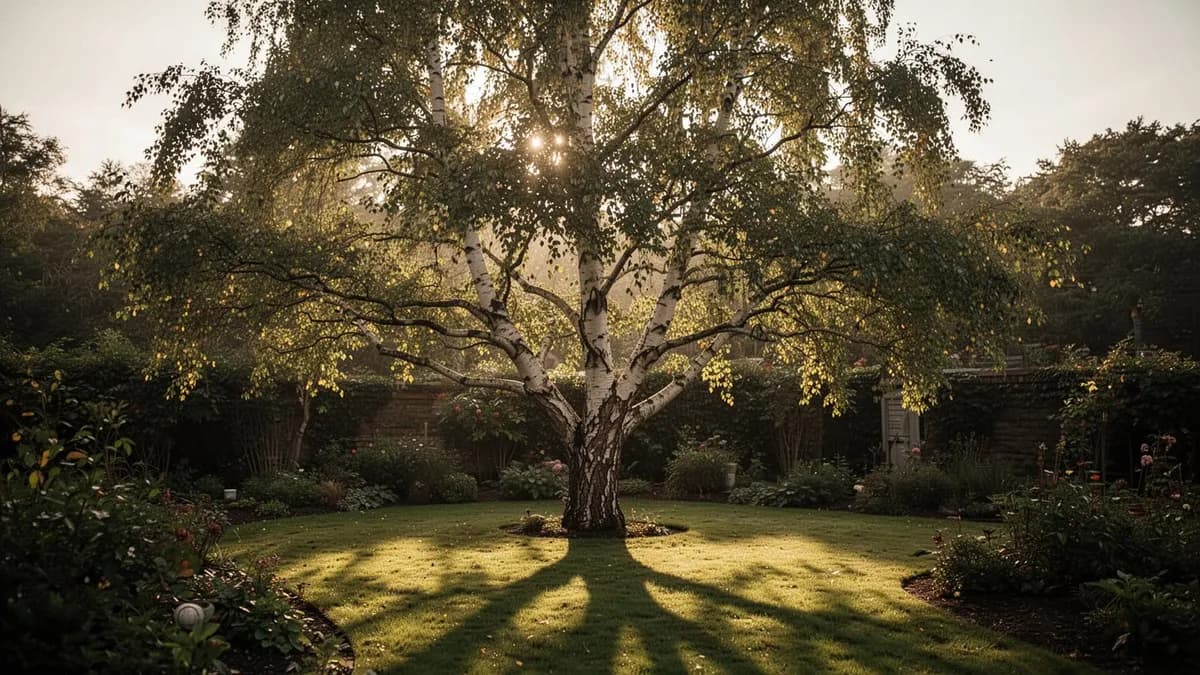
Mantén Arce Rojo lejos de estos
Cultiva tu mejor Arce Rojo — y todo lo que la rodea.
Empieza un plan gratis hoy. Diseña tus bancales, coloca tu Arce Rojo y deja que PlotMyGarden gestione el momento, el espaciado, las asociaciones y los recordatorios de la semilla a la cesta.