Goldene Himbeere
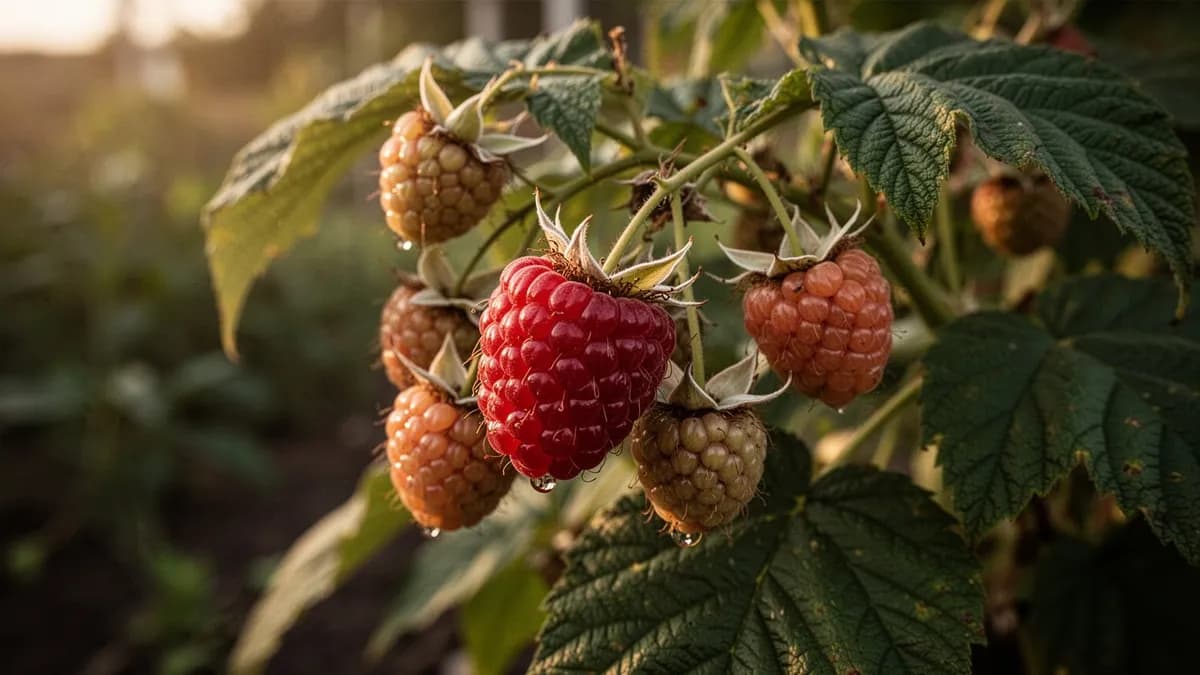
Eine wunderschöne, bernsteinfarbene Himbeervariante mit einem milden, süßen Geschmack, der weniger sauer ist als bei roten Sorten.





Auf dieser SeiteÜberblick
Goldene Himbeere im Überblick
Eine wunderschöne, bernsteinfarbene Himbeervariante mit einem milden, süßen Geschmack, der weniger sauer ist als bei roten Sorten. Goldene Himbeeren sind in der Regel immertragend und produzieren Früchte an erstjährigen Ruten im Spätsommer und Herbst. Aufgrund ihrer Farbe sind sie für Vögel weniger attraktiv, was den Bedarf an Vogelschutznetzen verringert.
Wann Goldene Himbeere pflanzen
Goldene Himbeeren werden durch Wurzelteilung und Verpflanzen von Ausläufern vermehrt und nicht durch Samen. Graben Sie im frühen Frühling gesunde Ausläufer aus, die abseits der Mutterpflanze erschienen sind, und stellen Sie sicher, dass jede Teilung ein gutes Wurzelsystem hat. Pflanzen Sie sie sofort in vorbereitetem Boden in der gleichen Tiefe ein. Wurzelstecklinge können auch im Spätwinter genommen werden: Graben Sie bleistiftdicke Wurzelstücke von 8 bis 10 Zentimetern Länge aus, legen Sie sie horizontal in feuchtes Anzuchtsubstrat, und neue Triebe erscheinen in vier bis sechs Wochen. Spitzenabsenker sind bei goldenen Himbeeren nicht so effektiv wie bei schwarzen Sorten.
Dein Goldene Himbeere-Jahr
Abgestimmt auf Zone 7 · typische Saison · Frost geht um den 2. Apr. und kehrt um den 1. Nov. zurück
Goldene Himbeere Mär – Apr pflanzen, Jul – Sep ernten. Beachte die Pflanzmethoden unten und wähle dein Klima für passende Zeiträume.
So baust du Goldene Himbeere an
Goldene Himbeeren sind eine Farbmutation roter Himbeeren, die leuchtend bernstein-gelbe Beeren mit einem deutlich süßeren, weniger sauren Geschmack als ihre roten Gegenstücke hervorbringen. Die meisten goldenen Sorten sind primocane-tragend (immertragend), was bedeutet, dass sie an erstjährigen Ruten im Spätsommer und Herbst Früchte produzieren. Pflanzen Sie wurzelnackte Ruten im frühen Frühling an einem sonnigen Standort mit gut durchlässigem, fruchtbarem Boden. Setzen Sie die Pflanzen in einem Abstand von 60 bis 90 Zentimetern in Reihen mit einem Abstand von 1,80 bis 2,40 Metern und stellen Sie ein Pfosten-und-Draht-Spalier als Stütze bereit.
Der einfachste Pflegeansatz besteht darin, alle Ruten im Spätwinter oder frühen Frühling bodeneben abzumähen, wobei die Sommerernte an den Floricanes zugunsten einer einzigen, reichlichen Herbsternte an Primocanes geopfert wird. Diese Methode beseitigt überwinternde Krankheits- und Schädlingsprobleme und vereinfacht den Rückschnitt auf einen einzigen jährlichen Schnitt. Alternativ können Sie nur die abgetragenen Floricanes nach der Sommerernte selektiv entfernen, um zwei Ernten pro Jahr zu erhalten.
Goldene Himbeeren sind kräftige Pflanzen, die sich durch Wurzelausläufer ausbreiten. Begrenzen Sie die Pflanzung mit vergrabenen Wurzelsperren oder durch regelmäßiges Entfernen von Ausläufern, die außerhalb der vorgesehenen Reihe erscheinen. Gießen Sie ein- bis zweimal pro Woche gründlich mit insgesamt 2,5 bis 5 Zentimetern Wasser und mulchen Sie mit Stroh oder Holzhäckseln, um die Bodenfeuchtigkeit zu erhalten und Unkraut zu unterdrücken. Düngen Sie im frühen Frühling mit einem ausgewogenen Dünger und geben Sie zur Blütezeit Kompost als Seitendüngung. Ein wesentlicher Vorteil goldener Himbeeren ist, dass Vögel von den gelben Früchten weit weniger angezogen werden als von roten oder schwarzen Beeren, was Ernteverluste reduziert.
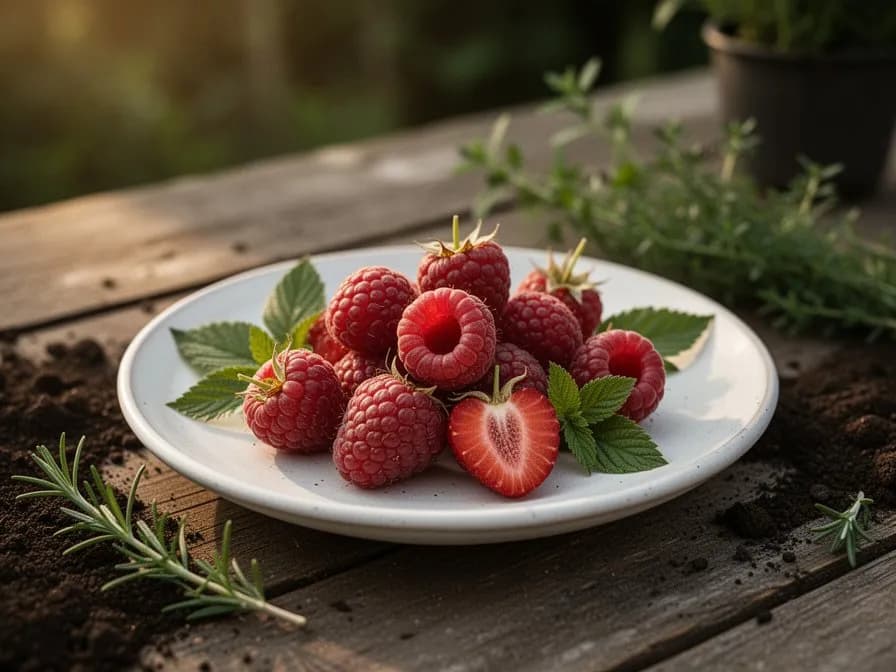
8 Pflanzen passen in ein Beet von 120 × 240 cm
Goldene Himbeere braucht 60 cm Platz pro Pflanze. Der Planer hält diesen Abstand für dich ein — jede Pflanze, jedes Beet.
Die besten Nachbarn für Goldene Himbeere
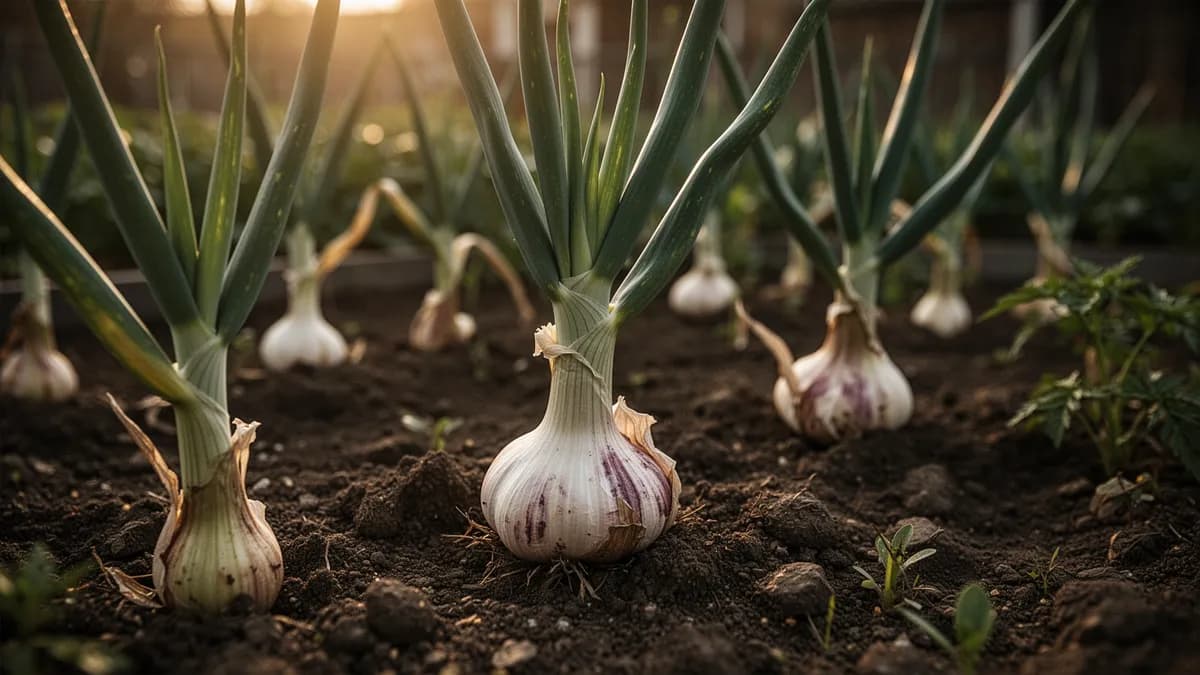
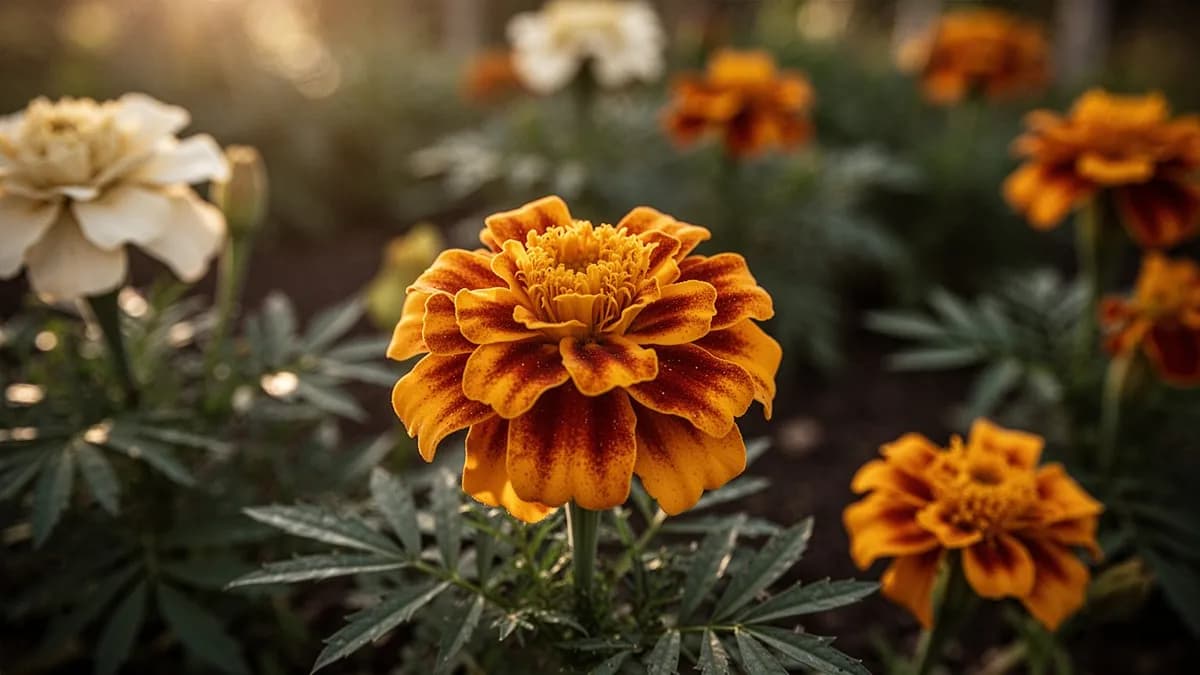
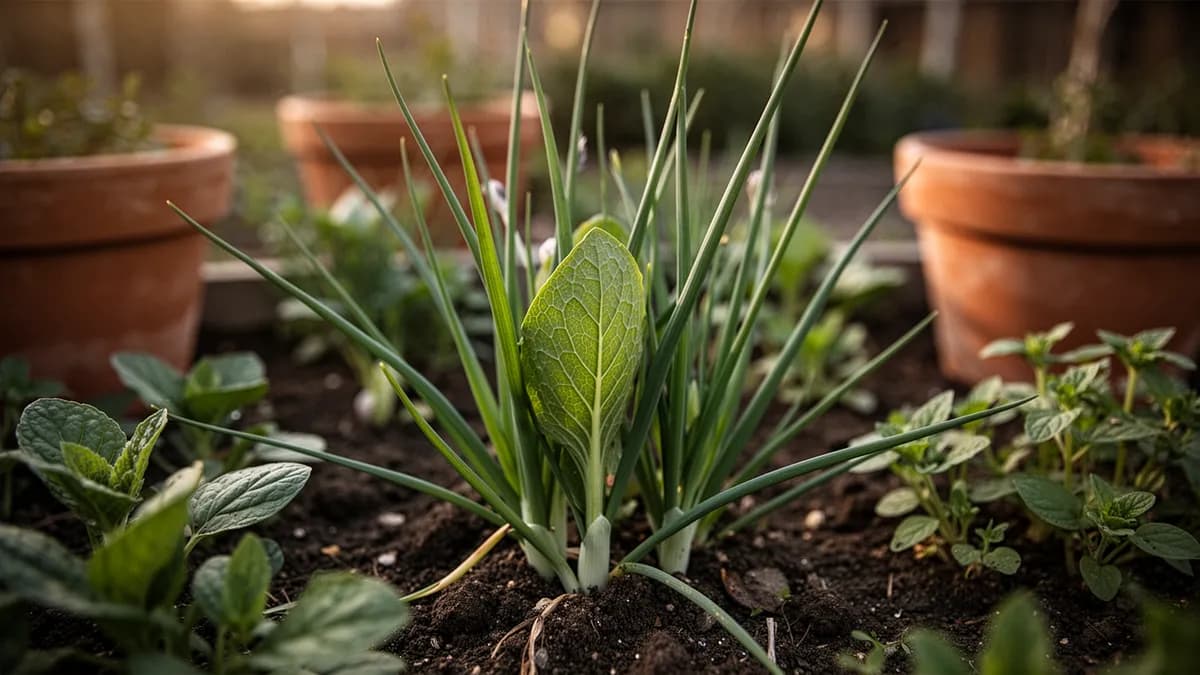
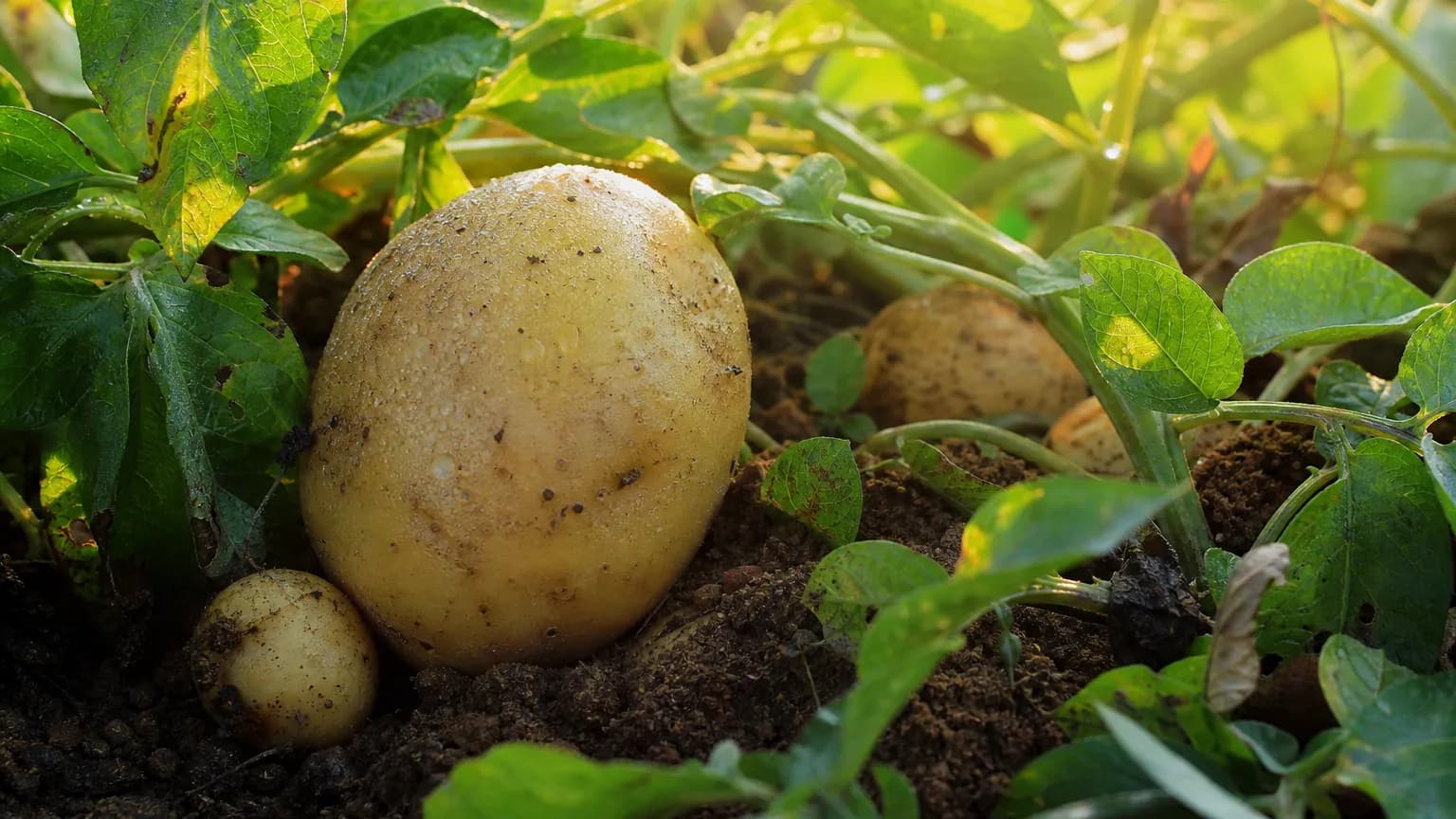
Knoblauch und Schnittlauch, die um goldene Himbeerruten gepflanzt werden, helfen, Blattläuse und Japankäfer abzuwehren. Tagetes locken Nützlinge an und verleihen dem Beerenbeet Farbe. Rainfarn ist ein traditioneller Himbeerbegleiter, dem nachgesagt wird, rutenbohrende Käfer abzuschrecken. Vermeiden Sie das Pflanzen in der Nähe von Brombeeren oder anderen Rubus-Arten, um die Ausbreitung von Krankheiten zwischen verwandten Pflanzen zu verhindern. Halten Sie Abstand zu Kartoffeln und anderen Nachtschattengewächsen, die Verticillium-Welke beherbergen können.
Knoblauch gehört daneben. Brombeere nicht.
Altes Gärtnerwissen, geprüft an der echten Nachbartabelle von Goldene Himbeere — teste jede Pflanze, die du anbaust.
Probiere Goldene Himbeere direkt hier im Beet
Ein echtes Planer-Beet, Goldene Himbeere steht schon drin. Tippe einen Begleiter an, platziere ihn und sieh, wie die Nachbarschaftsprüfung antwortet — grün für gute Nachbarn, rot bei Streit.


Passende Anbau-Ratgeber
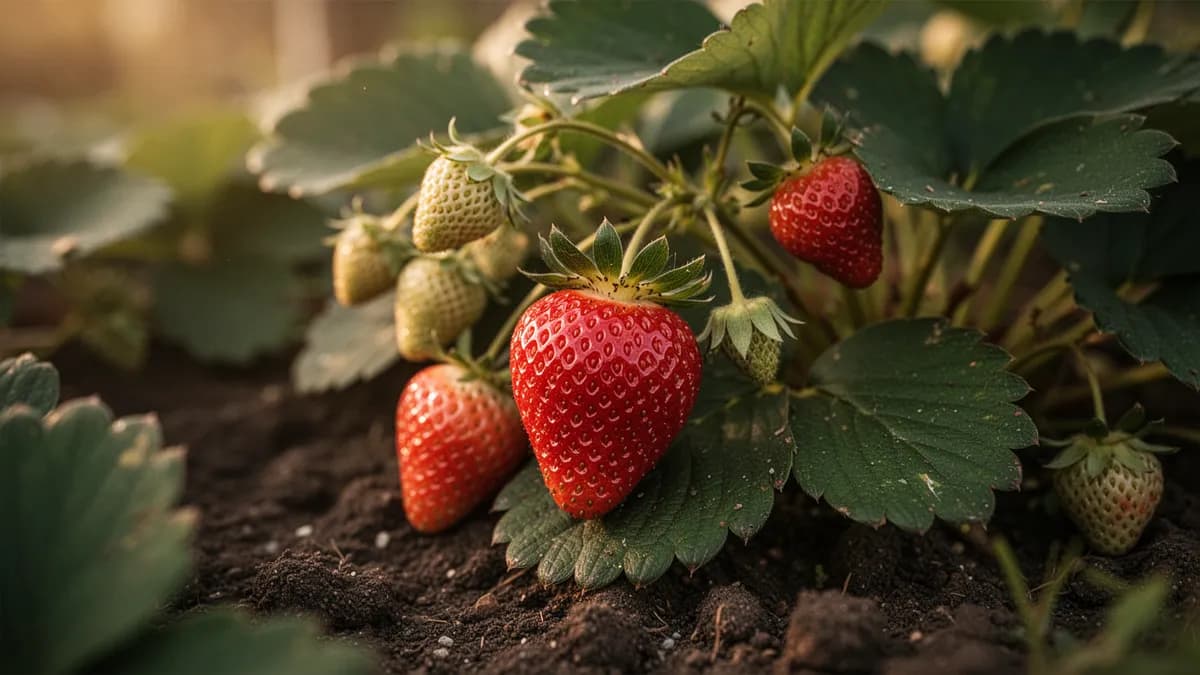
Richtig düngen
Goldene Himbeeren gedeihen in gut durchlässigem, fruchtbarem Lehmboden mit einem pH-Wert von 6,0 bis 6,8, der vor der Pflanzung mit Kompost angereichert wird. Eine gute Drainage ist entscheidend, da Himbeerwurzeln in staunässigen Böden äußerst anfällig für Wurzelfäule sind. Bringen Sie im frühen Frühling, wenn das neue Wachstum beginnt, ausgewogenen Dünger wie 10-10-10 aus und geben Sie nach dem Frühjahrsaustrieb Kompost oder gut verrotteten Mist als Seitendüngung. Vermeiden Sie übermäßigen Stickstoff, der üppiges Rutenwachstum auf Kosten der Fruchtqualität fördert. Mulchen Sie mit 8 bis 10 Zentimetern Stroh oder Holzhäckseln, um eine gleichmäßige Bodenfeuchtigkeit zu erhalten.
Ideale Temperatur
Winterhärtezone-Kompatibilität
Von der Saat zur Ernte, Schritt für Schritt
Winterruhe & Pflanzung
Wurzelnackte oder getopfte Ruten werden im frühen Frühling gepflanzt, während sie noch in der Ruhephase sind. Die Wurzeln beginnen sich im kühlen Boden zu etablieren, bevor der Blattaustrieb erfolgt. In den ersten Wochen ist kein sichtbares oberirdisches Wachstum zu erwarten.
Primocane-Austrieb
Neue Primocanes (erstjährige Triebe) schieben aus der Krone und den Wurzeln hervor. Blätter entfalten sich und die Pflanze investiert Energie in vegetatives Wachstum. Diese Phase ist entscheidend für den Aufbau eines starken Gerüsts für die künftige Fruchtbildung.
Blüte
Im zweiten Jahr bilden die überwinterten Ruten (Floricanes) Seitentriebe mit Büscheln kleiner weißer Blüten an den Spitzen. Die Bestäubung durch Bienen und andere Insekten ist für den Fruchtansatz unentbehrlich. Goldene Himbeeren sind weitgehend selbstfruchtbar.
Fruchtentwicklung
Kleine grüne Einzelfrüchtchen bilden sich und vergrößern sich allmählich. Die Sammelfrucht schwillt an und beginnt sich von grün zu blassgelb zu verfärben, während sich Zucker anreichert. Gleichmäßige Feuchtigkeit ist entscheidend, um hohle oder missgebildete Beeren zu vermeiden.
Reife & Ernte
Die Beeren wechseln von blassgelb zu einem satten golden-bernsteinfarbenen Ton. Bei voller Reife lösen sie sich mit einem sanften Zug leicht vom Fruchtboden. Ernten Sie alle 2–3 Tage, da die Beeren nicht alle gleichzeitig reifen.
Nachernte & Herbstpflege
Nach der Fruchtbildung sterben die Floricanes natürlich ab. Die Primocanes wachsen weiter und härten für den Winter ab. Dies ist die Zeit, die Ruten auf die Winterruhe vorzubereiten und die Struktur der Pflanzung für die Ernte des nächsten Jahres zu gestalten.
Winterruhe
Die Ruten treten nach dem ersten starken Frost in die volle Winterruhe ein. Das Wurzelsystem bleibt unterirdisch aktiv. In kälteren Klimazonen können die Ruten von einem Schutz profitieren, um Winterschäden zu verhindern.
Pflanzen Sie die Ruten in einem Abstand von 45–60 cm in Reihen mit 1,50–1,80 m Abstand. Halten Sie den Boden während der Etablierungsphase gleichmäßig feucht, aber niemals staunässig.
Goldene Himbeere Monat für Monat pflegen
Was du jeden Monat für deine Goldene Himbeere tun solltest
Oktober
Aktueller MonatLetzte Aufräumarbeiten im Himbeerbeet. Harken und entfernen Sie Falllaub, um Pilzkrankheits-Überwinterungsstellen zu reduzieren. Bringen Sie eine frische 8 cm dicke Schicht Stroh- oder Holzhäcksel-Mulch um die Basis der Ruten aus.
Immer wissen, was jetzt im Garten zu tun ist
Eine E-Mail zum Monatsanfang: was du jetzt säen, pflanzen und anpacken solltest — für deine Goldene Himbeere und alles, was drumherum wächst. Dazu ein kurzer Startkurs, der dich vor den klassischen Fehlern bewahrt.
- Was jetzt zu tun ist
- Passend zu deiner Saison
- Startkurs inklusive
Goldene Himbeere ernten
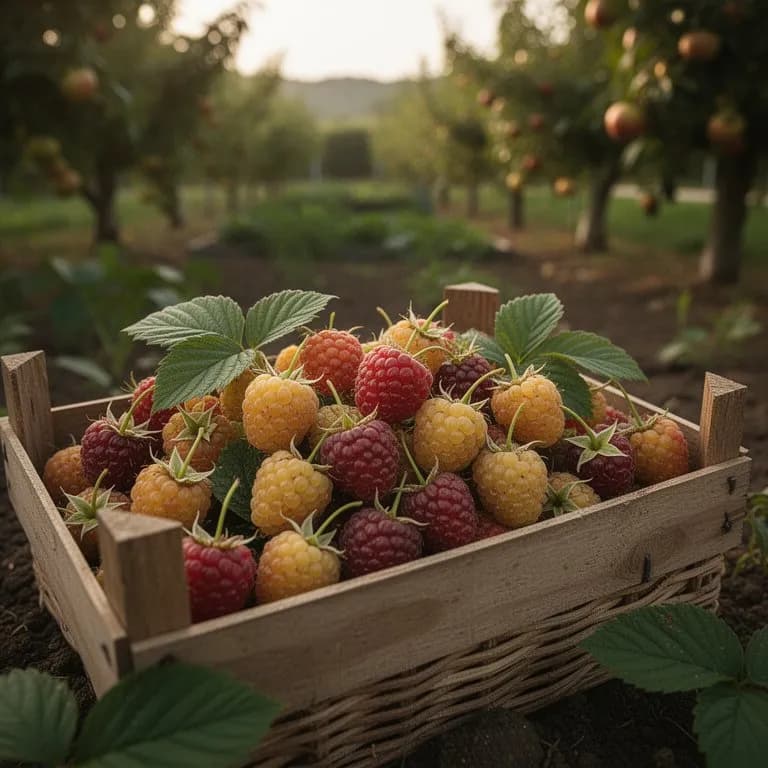
Ernten Sie goldene Himbeeren, wenn die Beeren eine satte bernstein-goldene Farbe angenommen haben und sich mit dem leichtesten Zug vom Fruchtboden lösen. Reife Beeren sind extrem empfindlich und müssen behutsam behandelt werden, um ein Zerdrücken zu vermeiden. Pflücken Sie in flache Behälter, nicht mehr als zwei bis drei Beeren hoch, um zu verhindern, dass das Gewicht der oberen Beeren die darunter liegenden zerquetscht. Ernten Sie während der Haupterntezeit im Spätsommer und Herbst alle zwei bis drei Tage. Das Pflücken am Morgen, wenn die Beeren kühl sind, ergibt die festesten und haltbarsten Früchte.
angenommen, du pflanzt zu Beginn des Zeitraums — trage dein tatsächliches Datum ein
Ernte Goldene Himbeere zügig, dann trägt die Pflanze weiter.
Lagerung & Konservierung
Goldene Himbeeren sind noch empfindlicher als rote Sorten und sollten innerhalb von ein bis zwei Tagen nach der Ernte verzehrt oder verarbeitet werden. Kühlen Sie sie sofort in einer einzigen Schicht auf Küchenpapier. Zum Einfrieren verteilen Sie die Beeren auf einem mit Backpapier ausgelegten Tablett und frieren sie vor, bevor Sie sie in Beutel umfüllen. Goldene Himbeeren ergeben eine umwerfend schöne Marmelade mit einem milden, honigartigen Geschmack, der sich deutlich von roten Himbeerkonserven unterscheidet. Sie eignen sich auch hervorragend für elegante Sirupe, Essige und Soßen zu hellem Fleisch und Desserts.
Was schiefgeht — und die Lösung
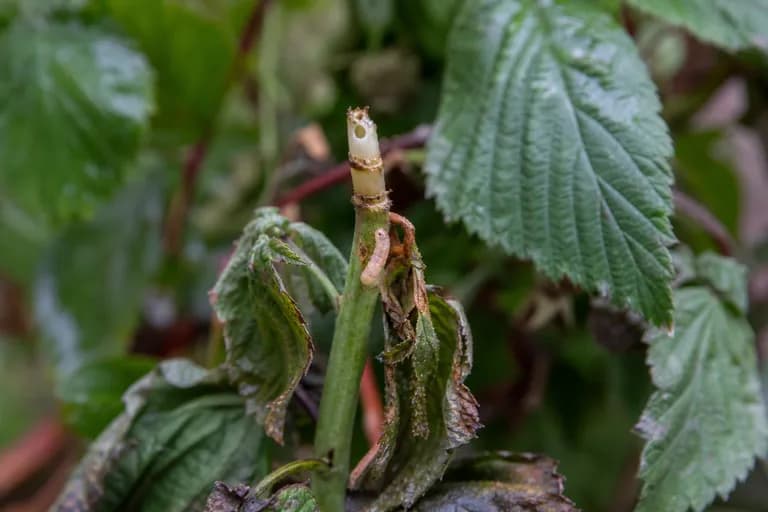
Himbeerrutenbohrer
SchädlingZwei Ringe von Einstichen nahe der Spitze neuer Ruten verursachen Welken oberhalb der Schädigung; Larven bohren sich abwärts durch das Rutenmark.
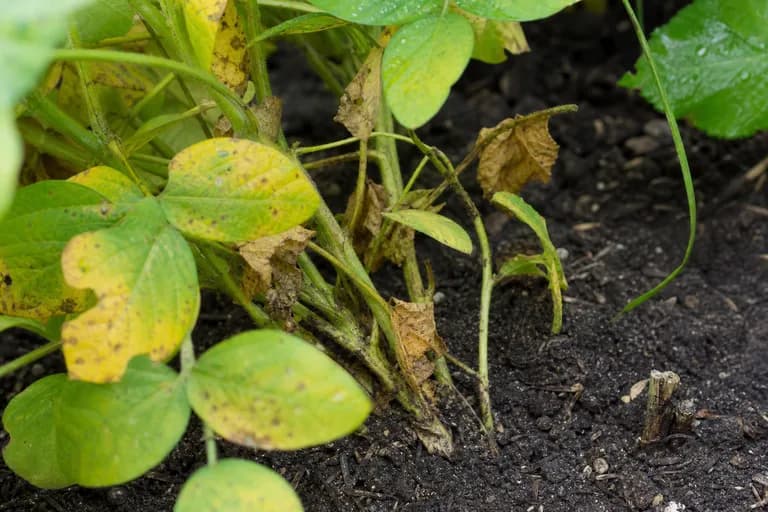
Phytophthora-Wurzelfäule
KrankheitVerkümmerte, vergilbende Ruten, die welken und zusammenfallen; durchnässte, braune Wurzeln werden beim Ausgraben der Pflanzen sichtbar.
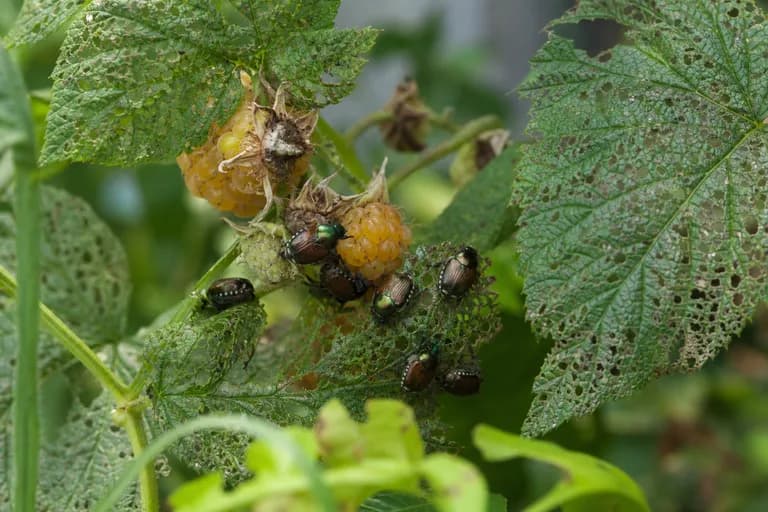
Japankäfer
SchädlingSkelettierte Blätter, bei denen nur die Blattadern übrig bleiben; metallisch grüne und kupferfarbene Käfer fressen in Gruppen an Laub und Früchten.
Fehlerbehebung bei häufigen Problemen
Exzessive Ausläuferbildung ist die größte Pflegeherausforderung, da goldene Himbeeren sich durch unterirdische Ausläufer stark ausbreiten. Installieren Sie Wurzelsperren oder bearbeiten Sie den Boden regelmäßig, um die Pflanzung einzudämmen. Rutenabsterben durch Winterschäden ist in nördlichen Gärten häufig, besonders wenn die Ruten im Herbst nicht bodeneben gemäht werden. Fruchtzerfall bei der Ernte, bei dem Beeren auseinanderfallen statt sich sauber zu lösen, deutet oft auf Sonnenbrand oder Virusinfektionen hin. Die empfindlichen Beeren werden durch starken Regen während der Erntezeit leicht beschädigt.
Anbautipps
- Pflanzen Sie goldene Himbeeren in voller Sonne — täglich mindestens 6 bis 8 Stunden direktes Sonnenlicht sind für kräftiges Rutenwachstum und maximale Fruchtproduktion erforderlich. Halbschatten reduziert den Ertrag erheblich und erhöht die Anfälligkeit für Pilzkrankheiten.
- Goldene Himbeeren verlangen ausgezeichnete Drainage. Sie sind äußerst anfällig für Wurzelfäule durch Phytophthora spp. in staunässigen Böden. Wenn Ihr Garten schweren Lehmboden hat, bauen Sie Hochbeete von mindestens 30 cm Höhe oder verbessern Sie den Boden vor der Pflanzung großzügig mit grobem Kies und Kompost.
- Installieren Sie ein stabiles Spaliersystem vor der Pflanzung: Ein Zwei-Draht-Spalier mit Drähten auf 75 cm und 1,35 m Höhe ist ideal. Das aufrechte Leiten der Ruten öffnet das Blattwerk für Licht und Luft, reduziert Krankheitsdruck und erleichtert die Ernte erheblich.
- Halten Sie den Boden-pH-Wert zwischen 5,8 und 6,5 für optimale Nährstoffverfügbarkeit. Testen Sie Ihren Boden alle zwei Jahre und passen Sie mit Schwefel zur pH-Senkung oder gemahlenem Kalkstein zur pH-Erhöhung an. Ein falscher pH-Wert ist eine der häufigsten Ursachen für Wachstumshemmung und blasses Laub in Himbeerpflanzungen im Hausgarten.
- Mulch ist unentbehrlich: Bringen Sie eine 8–10 cm dicke Schicht Stroh, zerkleinerte Blätter oder Holzhäcksel um die Ruten auf, wobei der Mulch einige Zentimeter von der Krone entfernt bleibt, um Fäulnis zu vermeiden. Mulch spart Feuchtigkeit, reguliert die Bodentemperatur und reduziert den Unkrautwettbewerb dramatisch.
- Goldene Himbeeren breiten sich aggressiv durch unterirdische Ausläufer aus. Installieren Sie eine physische Wurzelsperre (schwere Kunststoff-Beetbegrenzung, 25–30 cm tief in den Boden versenkt) rund um den Beetrand, um zu verhindern, dass sie benachbarte Gartenbereiche besiedeln.
- Pflanzen Sie goldene Himbeeren niemals dort, wo in den letzten drei Jahren Tomaten, Kartoffeln, Auberginen oder Paprika gewachsen sind. Diese Kulturen teilen die Verticillium-Welke, einen bodenbrtigen Pilzerreger, der Himbeerpflanzungen verwüsten kann und nach Etablierung nicht wirksam heilbar ist.
- Gießen Sie gründlich und seltener statt mit täglicher oberflächlicher Bewässerung. Himbeerwurzeln profitieren von Feuchtigkeit, die 30 cm tief in den Boden eindringt. Tropfbewässerung oder Tropfschläuche sind Überkopfbewässerung vorzuziehen, die den Botrytis-Grauschimmel fördert, der auf nassem Laub gedeiht.
- Düngen Sie goldene Himbeeren zweimal pro Saison: einmal im frühen Frühling bei Wachstumsbeginn mit einem ausgewogenen Dünger (10-10-10) und erneut im Hochsommer nach der ersten Ernte mit einer stickstoffärmeren, kaliumreicheren Mischung, um die Herbstfruchtbildung und Rutenabhärtung zu unterstützen.
- Entfernen Sie alle Fruchtmumien und herabgefallenes Laub aus dem Beet jeden Herbst. Diese beherbergen Botrytis cinerea-Sporen und Erreger der Himbeerrutenfäule über den Winter. Ein sauberes Beet, das in die Winterruhe geht, reduziert den Krankheitsdruck in der folgenden Saison dramatisch.
Bau deine beste Goldene Himbeere an — und alles drumherum.
Starte heute kostenlos. Lege deine Beete an, setze deine Goldene Himbeere ein und lass PlotMyGarden Timing, Abstände, Begleiter und Erinnerungen von der Saat bis zum Erntekorb übernehmen.
Finde deine Goldene Himbeere
Anne
Die beliebteste goldene Himbeere mit großen, blassgelben Beeren und außergewöhnlich süßem Geschmack an kräftigen Primocanes.
Fall Gold
Eine zuverlässige, winterharte goldene Sorte, die mittelgroße Beeren mit gutem Geschmack von Hochsommer bis Herbst produziert.
Double Gold
Markante Beeren mit einem rosigen Schimmer über goldener Haut und einem komplexen, nuancierten Geschmack, der Süße mit subtilen Aprikosennoten verbindet.
Kiwigold
Eine in Neuseeland gezüchtete goldene Himbeere mit festen, hochwertigen Beeren und ausgezeichneter Krankheitsresistenz.
Frische goldene Himbeeren sind eine Premium-Spezialitätsfrucht auf Bauernmärkten und in Lebensmittelgeschäften, die in der Regel für 5 bis 8 € pro 170-Gramm-Schale erhältlich sind. Eine einzelne gut etablierte goldene Himbeerpflanze kann 0,5 bis 1 Kilogramm Früchte pro Saison liefern, was einem Marktwert von 30–65 € oder mehr von einer einzigen Pflanze entspricht. Eine bescheidene Hausgartenpflanzung von 5 bis 8 Pflanzen — die nur wenige Quadratmeter Gartenfläche benötigt — kann jährlich 4 bis 8 Kilogramm Früchte liefern, ein Einzelhandelsäquivalent von 240 bis 520 €. Über den Frischverzehr hinaus können selbst angebaute goldene Himbeeren eingefroren, zu Marmelade verarbeitet oder getrocknet werden, was ihren Wert über das ganze Jahr verlängert. Die anfängliche Investition in wurzelnackte Ruten (4–10 € pro Pflanze) wird typischerweise bereits in der allerersten produktiven Saison amortisiert.
Schnelle Rezepte
Goldene Himbeer-Honig-Joghurt-Parfait
5 MinutenEin schnelles, elegantes Frühstück oder Dessert, bei dem cremiger griechischer Joghurt mit frischen goldenen Himbeeren und einem Spritzer Wildblumenhonig geschichtet wird. Die honigartige Süße der Beeren harmoniert wunderbar mit der Säure des Joghurts, und das gesamte Gericht ist in wenigen Minuten ohne Kochen zubereitet.
6 Zutaten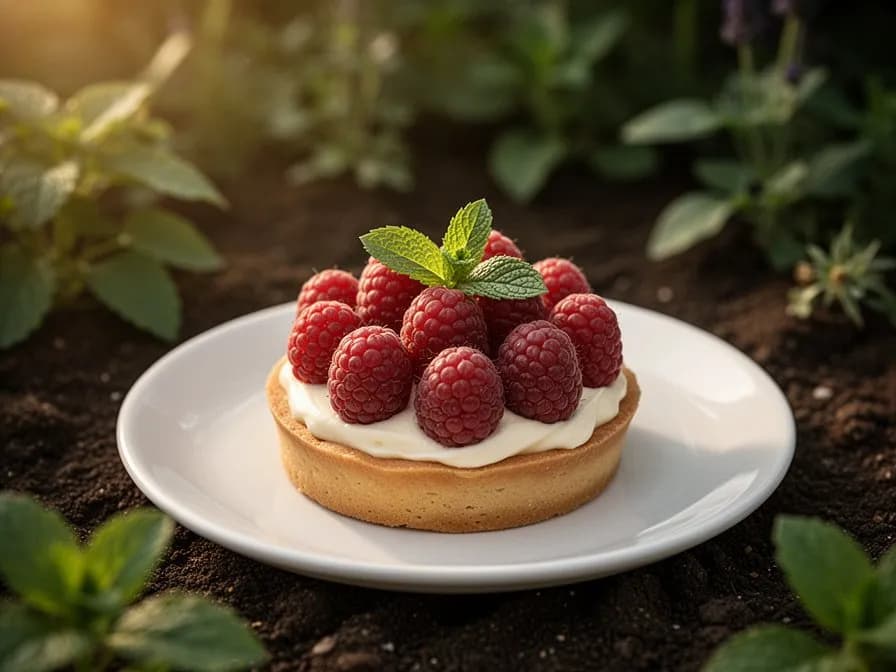
Goldene Himbeermarmelade
45 MinutenEine juwelenförmig leuchtende Bernsteinmarmelade mit einem blumigen, honigbetonten Geschmack, der sich deutlich von roten Himbeerkonfitren unterscheidet. Dieses einfache Rezept ohne zugesetztes Pektin setzt auf den natürlichen Pektingehalt der Früchte und langes Köcheln, um eine streichfähige Konsistenz zu erreichen. Außergewöhnlich auf Sauerteigbrot oder in Vinaigrettes gerührt.
5 ZutatenGoldene Himbeer-Vinaigrette
10 MinutenEin frisches, fruchtiges Salatdressing, das die einzigartige blümige Süße goldener Himbeeren hervorhebt. Glatt gemixt und passiert, liefern die Beeren sowohl Geschmack als auch natürliche Emulgierung. Träufeln Sie es über Rucola, Ziegenkäse und kandierte Walnüsse für einen beeindruckenden Sommersalat.
6 ZutatenKulinarische Verwendung
Goldene Himbeeren haben einen milderen, süßeren Geschmack als rote Sorten mit subtilen Noten von Aprikose und Honig. Sie sind optisch beeindruckende Ergänzungen für Obsttartes, Käsekuchen und gemischte Beerenplatten. Verwenden Sie sie in Champagner-Cocktails und eleganten Desserts, wo ihre ungewöhnliche Farbe einen Wow-Effekt erzeugt. Goldene Himbeermarmelade und -essig sind Gourmet-Spezialitäten. Kombinieren Sie sie mit weißer Schokolade, Vanille und Steinobst für komplementäre Aromen.
Was drinsteckt
Gesundheitsvorteile
- Goldene Himbeeren sind eine hervorragende Quelle für Ballaststoffe, wobei 100 Gramm fast ein Viertel der empfohlenen Tageszufuhr liefern und eine gesunde Verdauung, Regelmäßigkeit und langfristige Vielfalt des Darmmikrobioms unterstützen.
- Die hohe Konzentration an Vitamin C in goldenen Himbeeren trägt zur Widerstandskraft des Immunsystems bei, beschleunigt die Wundheilung und hilft dem Körper, Nicht-Häm-Eisen aus pflanzlichen Lebensmitteln aufzunehmen.
- Ellagsäure, ein natürlich vorkommendes Polyphenol, das in goldenen Himbeeren reichlich vorhanden ist, wurde in Labor- und Tiermodellen auf sein Potenzial untersucht, das Wachstum bestimmter Krebszelllinien zu hemmen, obwohl klinische Belege am Menschen noch in Entwicklung sind.
- Goldene Himbeeren haben einen niedrigen glykämischen Index und eine geringe Zuckerbelastung im Vergleich zu vielen anderen Früchten, was sie zu einer geeigneten Wahl für Personen macht, die Typ-2-Diabetes oder Insulinresistenz in moderaten Mengen managen.
- Die in goldenen Himbeeren enthaltenen Flavonoide Quercetin und Kämpferol haben in Forschungsumgebungen entzündungshemmende Eigenschaften gezeigt und tragen möglicherweise zur Verringerung chronischer Entzündungen bei, die mit Herz-Kreislauf-Erkrankungen und dem metabolischen Syndrom verbunden sind.
- Mit nur 52 Kalorien pro 100 Gramm und einem hohen Wasser- und Ballaststoffgehalt bieten goldene Himbeeren ein starkes Sättigungsgefühl im Verhältnis zu ihrem Kalorienbeitrag, was sie zu einem nützlichen Bestandteil von Diäten zur Gewichtskontrolle macht.
Woher Goldene Himbeere stammt
Die goldene Himbeere ist eine natürlich vorkommende Farbvariante von Rubus idaeus, der gewöhnlichen roten Himbeere, deren Ursprünge in die Bergregionen Asiens und Europas zurückreichen. Wilde Himbeeren wurden von Menschen lange vor ihrer Kultivierung gesammelt, mit Belegen für ihre Nutzung im antiken Griechenland und Rom. Der römische Schriftsteller Plinius der Ältere erwähnte Himbeeren in seinen Schriften im ersten Jahrhundert n. Chr., und bis zum 16. Jahrhundert hatte sich der gezielte Anbau in ganz Europa etabliert.
Gelb- und goldfrüchtige Himbeerpflanzen wurden erstmals in der Gartenbauliteratur des frühen 19. Jahrhunderts erwähnt, als botanische Enthusiasten begannen, Farbmutationen in bestehenden roten Himbeerbeständen zu dokumentieren. Diese goldenen Formen entstanden durch spontane genetische Variation — eine rezessive Mutation, die die Biosynthese von Cyanidin-basierten Anthocyanen blockiert, den roten Pigmenten, die für die vertraute Farbe gewöhnlicher Himbeeren verantwortlich sind. Ohne diese Pigmente werden die bereits in der Frucht vorhandenen Carotinoidverbindungen zur dominierenden sichtbaren Farbe und erzeugen den charakteristischen gelben bis bernstein-goldenen Farbton.
Bis zum späten 19. Jahrhundert waren gelbe und goldene Himbeeren gezielt selektiert und benannt worden und erschienen in Samenkatalogen in den Vereinigten Staaten und Großbritannien. Frühe benannte Sorten wie ‘Golden Queen’ waren bei Hobbygärtnern beliebt wegen ihres markanten Aussehens und ungewöhnlich süßen Geschmacks. Der kommerzielle Anbau blieb jedoch begrenzt, da die Beeren auf Märkten, wo Käufer rote Farbe mit Reife assoziierten, als weniger optisch ansprechend empfunden wurden.
Moderne Pflanzenzüchtungsprogramme an Universitäten in den Vereinigten Staaten, insbesondere an der Cornell University und der University of Maryland, belebten das Interesse an goldenen Himbeeren im 20. Jahrhundert neu. Die Veröffentlichung verbesserter Sorten wie ‘Goldie’ und der weithin gelobten ‘Anne’ in den 1990er Jahren brachte goldenen Himbeeren erneute Aufmerksamkeit. Insbesondere ‘Anne’ transformierte die Kategorie und bot eine produktive, immertragende Eigenschaft, ausgezeichneten Geschmack und festere Früchte, die besser für Handhabung und Vermarktung geeignet waren.
Heute nehmen goldene Himbeeren eine geschätzte Nische sowohl in Hausgärten als auch auf Bauernmärkten ein, wo ihre Seltenheit im Vergleich zu roten Himbeeren und ihr außergewöhnlicher Geschmack Premiumpreise erzielen. Sie werden in den USDA-Winterhärtezonen 4 bis 8 angebaut und gedeihen in gemäßigten Klimazonen mit kühlen Sommern und gut durchlässigen Böden.
Goldene Himbeere: Schon gewusst?
Faszinierende Fakten über Goldene Himbeere
Goldene Himbeeren sind keine eigene Art — sie sind Farbmutationen der gewöhnlichen roten Himbeere (Rubus idaeus), die auftreten, wenn ein rezessives Gen die Produktion roter Anthocyan-Pigmente unterdrückt.
Goldene Himbeere: Fragen & Antworten
Wann sollte ich Goldene Himbeere pflanzen?
Was sind gute Begleitpflanzen für Goldene Himbeere?
In welchen Winterhärtezonen kann Goldene Himbeere wachsen?
Wie viel Sonne braucht Goldene Himbeere?
Welchen Abstand sollte ich zwischen Goldene Himbeere lassen?
Welche Schädlinge und Krankheiten befallen Goldene Himbeere?
Wie lagere ich Goldene Himbeere nach der Ernte?
Was sind die besten Goldene Himbeere-Sorten zum Anbauen?
Welchen Boden braucht Goldene Himbeere?
Wie unterscheidet sich der Geschmack goldener Himbeeren von roten Himbeeren?
Warum sind goldene Himbeeren in Lebensmittelgeschäften schwerer zu finden als rote Himbeeren?
Wann sollte ich meine goldenen Himbeerpflanzen schneiden, und wie?
Können goldene Himbeeren in Behältern oder auf kleinem Raum angebaut werden?
Welche Schädlinge und Krankheiten betreffen goldene Himbeerpflanzen am häufigsten?
Woran erkenne ich, dass goldene Himbeeren reif und erntereif sind?
Du hast die Theorie gelesen. Jetzt baue sie auf Autopilot an.
Alles, was Goldene Himbeere knifflig macht — das Timing, die Abstände, die Begleiter, das Erntefenster — genau das übernimmt PlotMyGarden für dich, für jede Pflanze im Garten.
Ein Plan, der dein Wetter kennt
Standort einmal festlegen. Aussaat-, Dünge- und Erntedaten rund um deinen echten letzten Frosttermin und die Live-Vorhersage — kein Raten mehr nach Saattüte.
Aus dem Abschnitt „Pflanzzeit“Beetplaner per Drag & Drop
Beete auf einem Raster gestalten. Jede Pflanze rastet im richtigen Abstand ein, und du siehst die ganze Saison, bevor du einen Cent für Saatgut ausgibst.
Aus dem Abschnitt „Anbau“Begleiter-Konflikte früh erkannt
Über 200 gute und schlechte Kombinationen werden beim Pflanzen live geprüft — so landet ein saisonruinierender Fehler nie in der Erde.
Aus dem Abschnitt „Begleiter“Erinnerungen, nach denen du wirklich handelst
„Gieß die Bohnen.“ „Heute ernten, bevor's umschlägt.“ Pünktlich, konkret und auf deine echten Pflanzen bezogen.
Aus dem Abschnitt „Ernte“Staffel-Aussaat, geplant
Sechs Wochen ernten statt sechs Tage? Die App verteilt deine Aussaaten automatisch und erinnert dich, wenn der nächste Satz fällig ist.
Aus dem Abschnitt „Pflanzzeit“Ein Verlauf, der schlauer wird
Jede protokollierte Ernte bringt der App deinen Garten bei. Der Plan fürs nächste Jahr startet bei dem, was in deinem Boden wirklich funktioniert hat.
Aus dem Abschnitt „Überblick“Pflanze diese neben Goldene Himbeere
Weitere Beeren
Halte Goldene Himbeere von diesen fern
Bau deine beste Goldene Himbeere an — und alles drumherum.
Starte heute kostenlos. Lege deine Beete an, setze deine Goldene Himbeere ein und lass PlotMyGarden Timing, Abstände, Begleiter und Erinnerungen von der Saat bis zum Erntekorb übernehmen.