Cherry Belle Radish
One of the fastest vegetables to harvest, producing perfectly round, cherry-red roots with crisp white flesh in just three weeks.





On this pageOverview
Meet Cherry Belle Radish
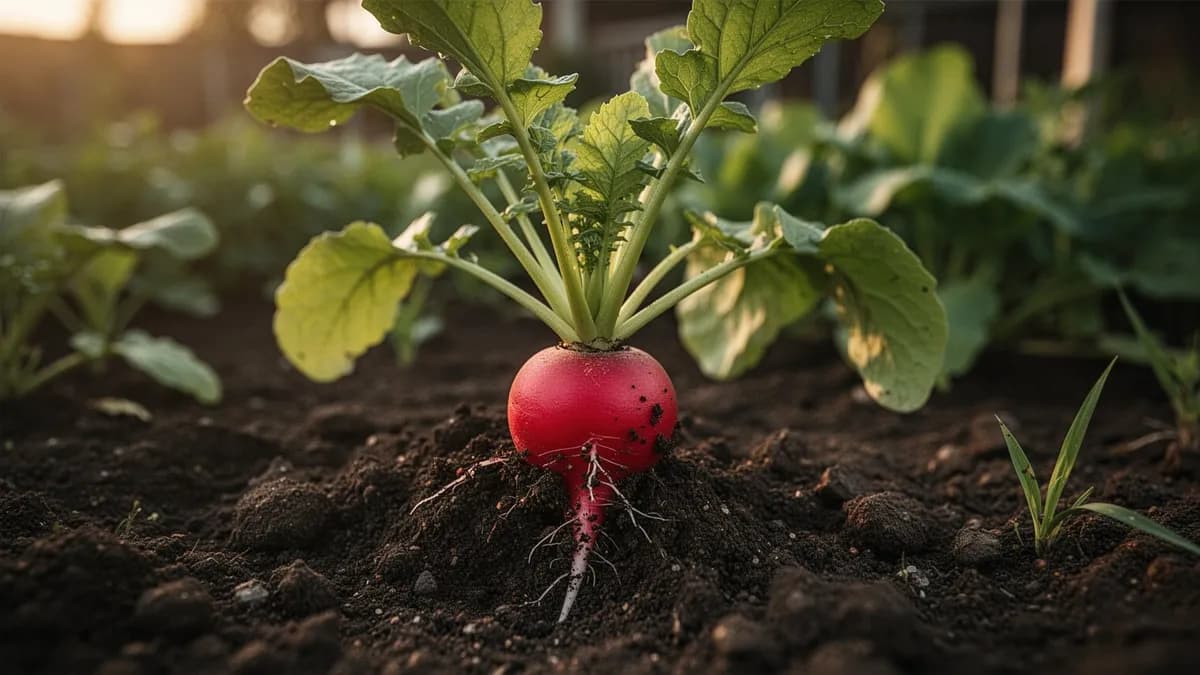
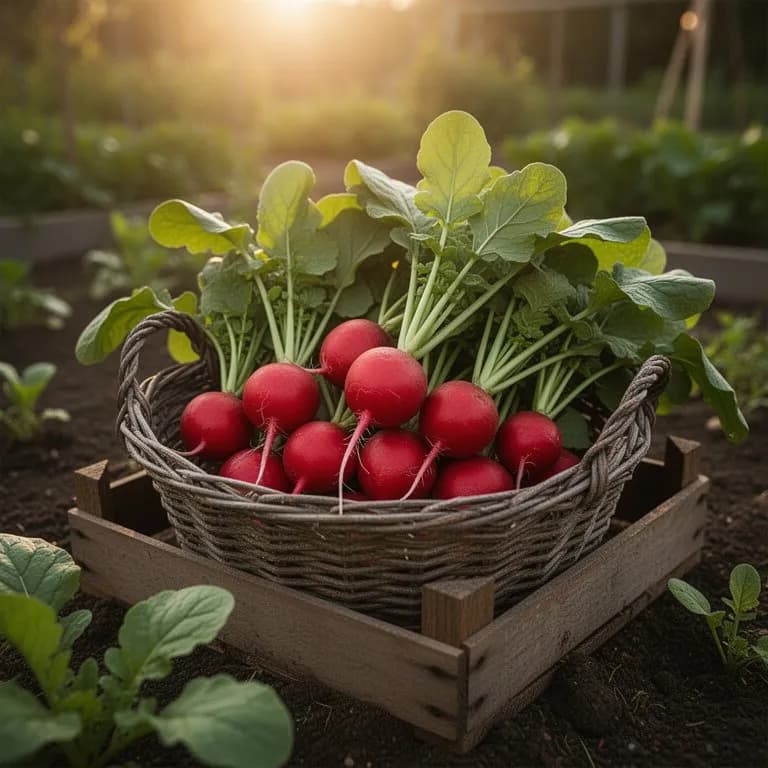
One of the fastest vegetables to harvest, producing perfectly round, cherry-red roots with crisp white flesh in just three weeks. The mild, slightly peppery flavor makes this a great starter vegetable for children and beginning gardeners. Interplant with slower crops like carrots to mark rows and make efficient use of space. Sow every week for continuous harvests, and pull promptly before roots become pithy and hot.
When to plant Cherry Belle Radish
Always direct sow radish seeds as they do not transplant well. Sow half an inch deep and one inch apart in rows or broadcast in wide beds. Seeds germinate in three to seven days in soil temperatures of 45 to 85 degrees, with optimal germination at 55 to 65 degrees. No thinning is needed if sown at proper spacing, but thin to two inches apart if sown thickly. For continuous harvest, sow a new row every seven to ten days throughout the cool season.
Your Cherry Belle Radish Year
Composed for Zone 7 · typical seasons · frost passes Apr 2, returns Nov 1
Plant Cherry Belle Radish Mar – May, Aug – Sep, pick Apr – Jun, Sep – Oct. Check the planting methods below and set your climate to personalize these windows.
How to grow Cherry Belle Radish
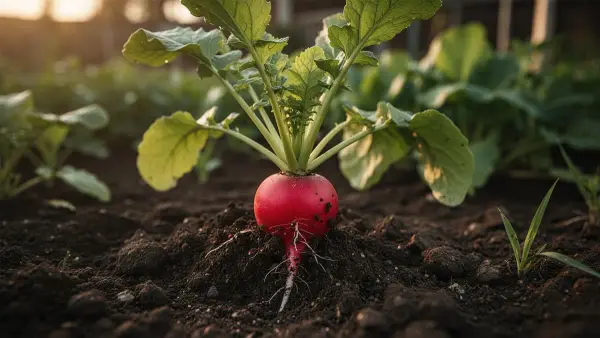
Cherry Belle radishes are among the easiest and fastest vegetables to grow. Direct sow seeds half an inch deep and one inch apart in rows six inches apart as soon as the soil can be worked in spring. Seeds germinate in three to seven days in cool soil. For a continuous supply, make succession sowings every seven to ten days from early spring through late fall, skipping the hottest summer weeks when radishes bolt quickly.
Radishes prefer cool weather and grow best when daytime temperatures are between 50 and 65 degrees Fahrenheit. In warm climates, focus on spring and fall plantings. Keep the soil consistently moist but not waterlogged, as uneven watering causes cracking. Thin seedlings to two inches apart once they develop their first true leaves. Radishes grow so quickly that they rarely need supplemental fertilizer if the soil was prepared with compost.
Harvest promptly at three to four weeks when roots are about one inch in diameter. Leaving radishes in the ground too long results in pithy, hollow, and unpleasantly hot roots. Check daily once roots begin to swell above the soil surface. Pull test roots to gauge readiness. Radishes interplant beautifully with slower crops like carrots and parsnips, marking rows and breaking soil crust while the main crop germinates.
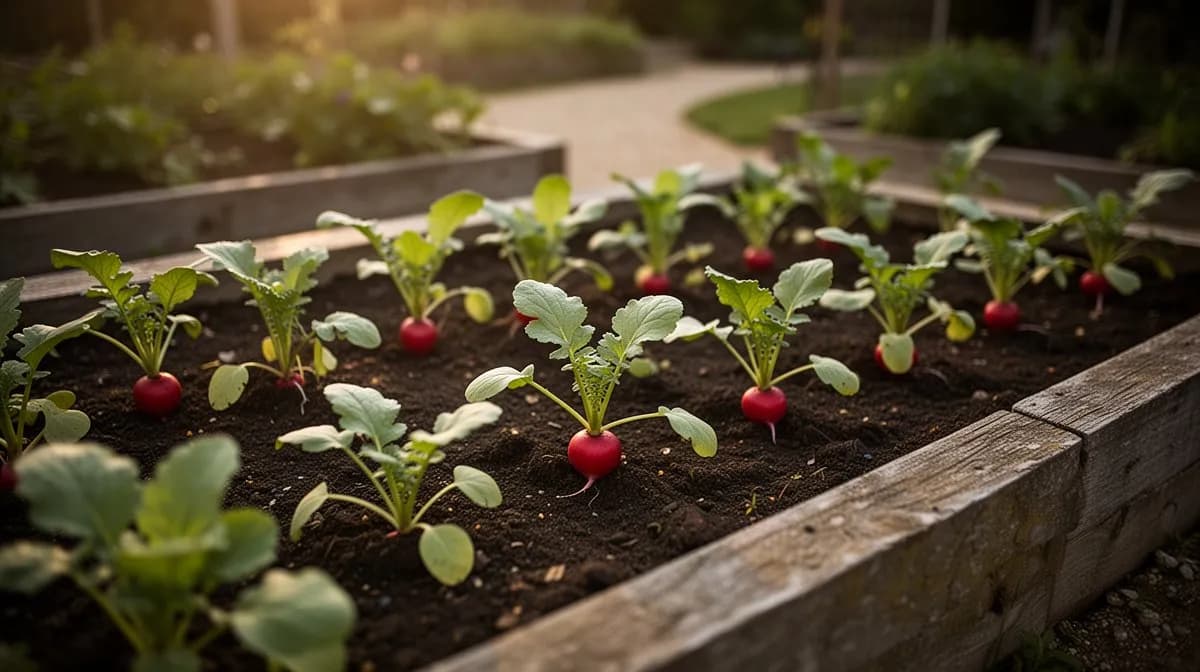
1152 plants fit a 4 × 8 ft bed
Each Cherry Belle Radish wants 5 cm of elbow room. The planner keeps that spacing for you — every plant, every bed.
Cherry Belle Radish's best neighbours
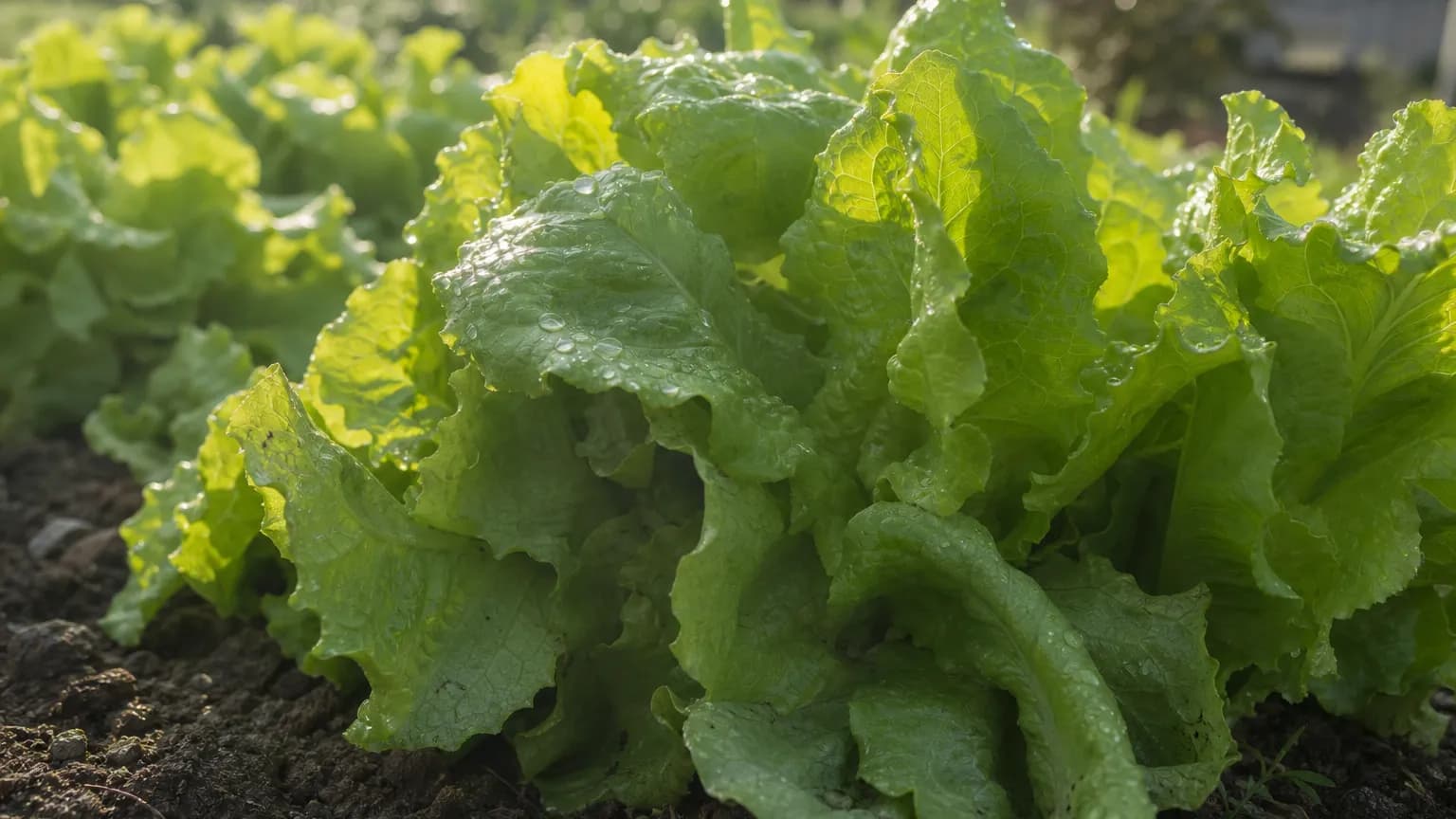
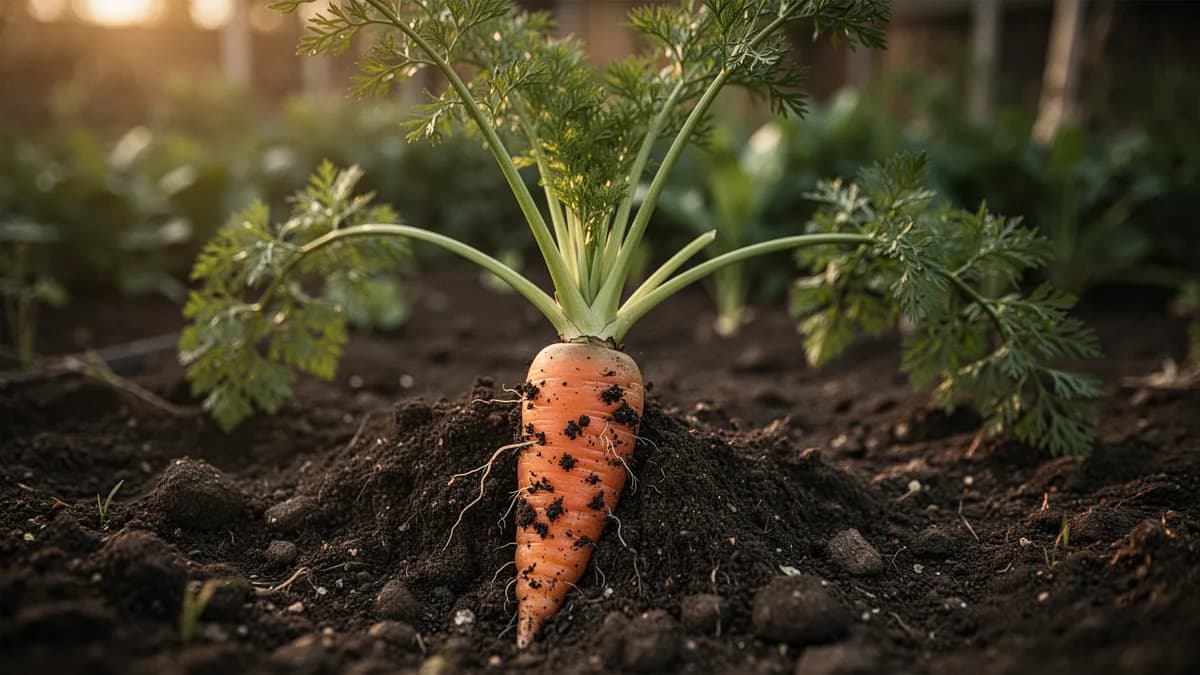
Radishes are excellent companion plants for many vegetables. Interplant with carrots and parsnips to mark slow-germinating rows and break soil crust. Grow alongside lettuce, peas, and beans which share similar cool-weather preferences. Radishes planted near squash and cucumbers may help repel cucumber beetles. Avoid planting near hyssop. The quick harvest cycle means radishes are cleared long before neighboring plants need the space.
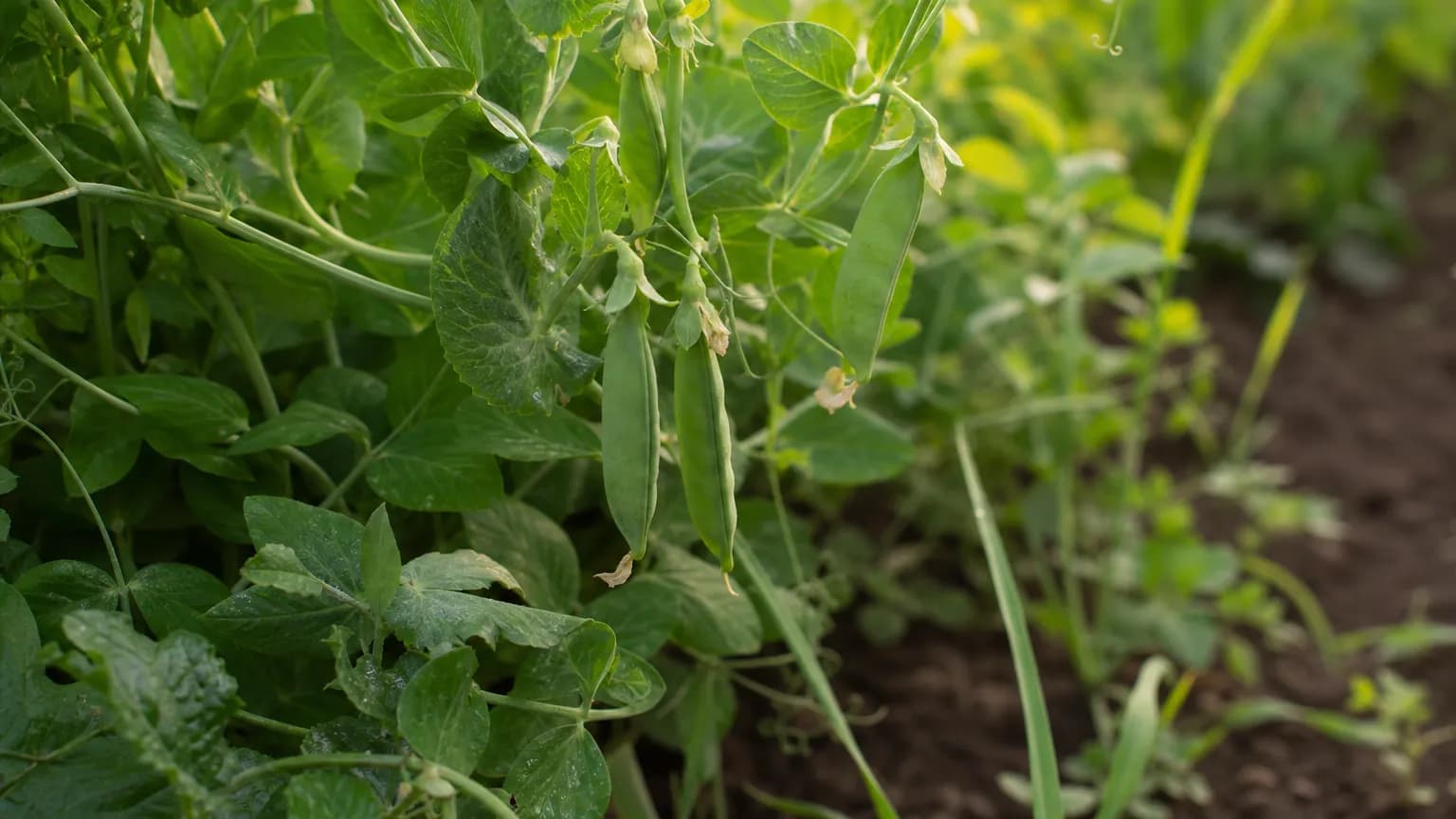
Peas belongs beside it.
Old growers' knowledge, checked against Cherry Belle Radish's real companion table below — test any plant you're growing.
Try Cherry Belle Radish in a bed — right here
A real planner bed with Cherry Belle Radish already in it. Tap a companion to place it and watch the pairing checks answer — green for good neighbours, red for a clash.


Related growing guides
Feed it well
Radishes grow best in loose, well-drained soil with plenty of organic matter. Sandy loam is ideal for smooth, round root development. Avoid heavy clay that causes misshapen roots. Work in compost before planting but avoid fresh manure or excessive nitrogen, which promotes leafy top growth at the expense of roots. A soil pH of 6.0 to 7.0 is optimal. Radishes are light feeders and rarely need additional fertilizer if soil was properly amended.
Ideal Temperature
Hardiness Zone Compatibility
From seed to harvest, stage by stage
Germination
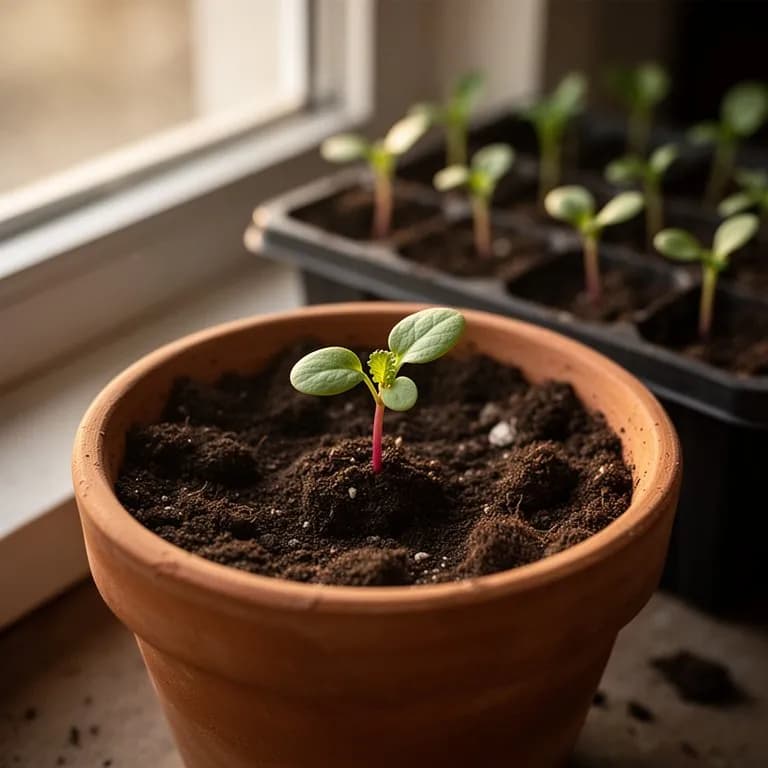
Cherry Belle radish seeds are among the fastest-germinating vegetables in the garden. Within 3-5 days of sowing, small green cotyledon leaves push through the soil surface. Seeds germinate in soil as cool as 4°C (40°F) but emerge fastest at 18-24°C (65-75°F). The tiny seeds should be sown just 1 cm deep in loose, well-worked soil.
Cotyledon Stage
The heart-shaped cotyledon leaves expand and begin photosynthesizing. At this stage, the tiny taproot is already beginning to thicken. Seedlings grow rapidly and will need thinning within days. Crowded seedlings produce elongated, misshapen roots instead of the characteristic round shape.
True Leaf Development
The first true leaves appear — rough-textured, lobed leaves that are distinctly different from the smooth cotyledons. The root begins swelling noticeably below the soil surface. Adequate moisture and cool temperatures during this stage are critical for producing smooth, crack-free roots.
Root Swelling
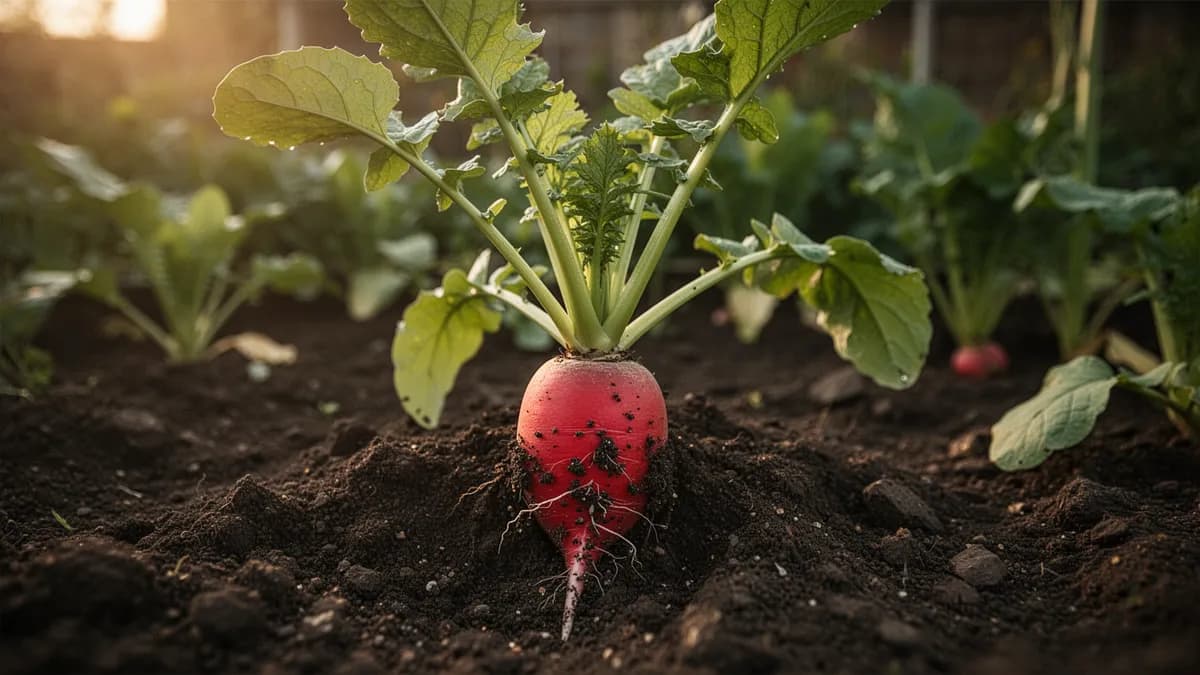
The root expands rapidly into its characteristic round globe shape. The bright cherry-red skin develops its vivid color as the root is exposed to light at the soil surface. The interior flesh remains snow-white, crisp, and juicy. Roots can double in size every 2-3 days during this stage.
Harvest Window
Radishes reach their ideal harvest size of 2-3 cm (about 1 inch) in diameter. The skin is smooth, bright red, and firm. The flesh is crisp, juicy, and mildly peppery. The harvest window is narrow — only about 5-7 days before roots become pithy, woody, or cracked.
Over-Maturity and Bolting
If left in the ground past peak maturity, radishes become increasingly pithy, woody, and hot-flavored. A flower stalk begins to emerge from the center of the leaf rosette — this is bolting, triggered by long days, warm temperatures, or root-bound stress. Once bolting starts, the root is no longer worth eating.
Keep the seed bed consistently moist but never waterlogged during germination. A light misting once or twice daily prevents crusting. Avoid covering seeds too deeply — radishes need shallow planting for rapid emergence.
Caring for Cherry Belle Radish month by month
What to do each month for your Cherry Belle Radish
October
You are hereContinue harvesting fall plantings. In zones 7-12, make final succession sowings that will mature before hard frost. Protect late plantings with row cover or cold frames to extend the season. Pull and compost any bolted or overgrown plants.
Know exactly what to do in your garden — every month
One email at the start of each month: what to sow, plant, and tackle right now — for your Cherry Belle Radish and everything growing around it. Plus a short starter course that helps you dodge the classic mistakes.
- What to do, right now
- Matched to your season
- Starter course included
Harvesting Cherry Belle Radish
Cherry Belle radishes mature incredibly quickly at just 22 to 25 days from sowing. Begin checking roots when you see the red shoulders pushing above the soil line. Pull one test root to check size, aiming for about one inch in diameter. Harvest by grasping the leaves near the base and pulling firmly upward. Do not delay harvest as overripe radishes become pithy, hollow, and excessively peppery. Harvest the entire planting within a few days once roots reach maturity.
assuming you plant when the window opens — set your real date
Pick Cherry Belle Radish promptly and the plant keeps producing.
Storage & Preservation
Remove the leaves immediately after harvest as they draw moisture from the roots. Unwashed radishes keep in the refrigerator in a plastic bag for up to two weeks. For the crispest texture, store in a container of cold water in the fridge, changing water every few days. Radishes can be pickled in vinegar with sugar and spices for a tangy condiment lasting several months. They do not freeze well raw but pickled radishes can be canned using water bath processing.
What goes wrong — and the fix
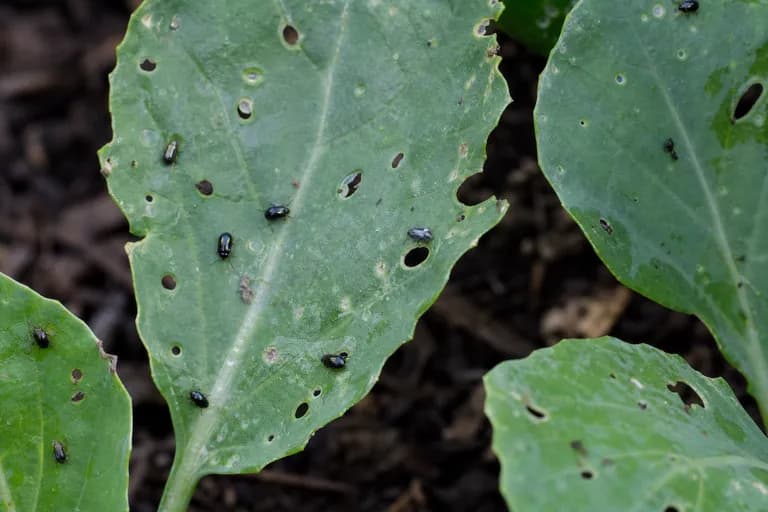
Flea Beetles
PestTiny round holes in leaves giving a shot-hole appearance. Heavy damage stunts seedlings and reduces vigor.
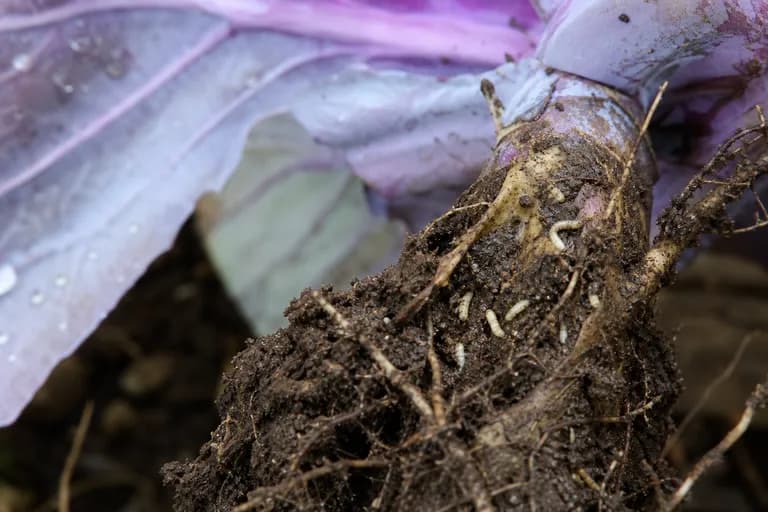
Root Maggots
PestSmall white larvae tunneling through roots, leaving brown trails and causing roots to become misshapen and inedible.
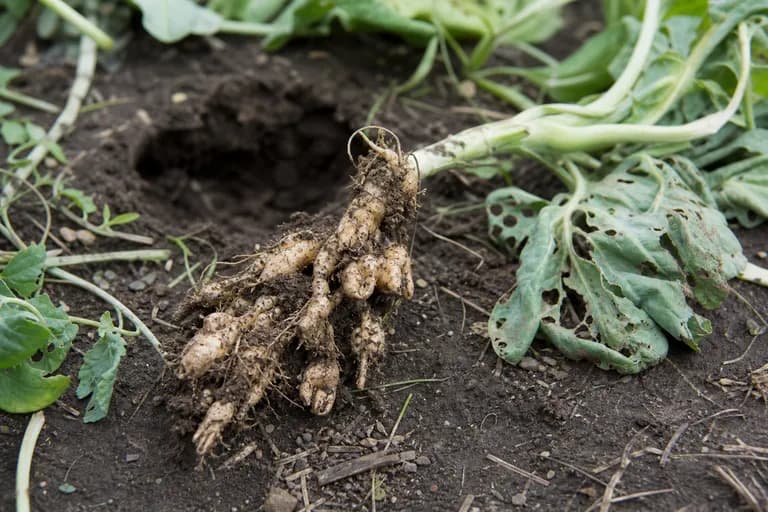
Clubroot
DiseaseSwollen, distorted roots with galls. Plants wilt during the day and recover at night. Stunted growth and yellowing leaves.
Troubleshooting Common Problems
Bolting is the most common problem, caused by hot weather, long days, or water stress. Time plantings for cool weather and keep soil consistently moist. Pithy or hollow roots result from leaving radishes in the ground too long past maturity. Cracked roots indicate irregular watering. Hot, overly peppery flavor develops in warm weather or when plants are stressed. Flea beetles can devastate seedlings but established plants usually recover.
Growing Tips
- Succession sow every 10-14 days for a continuous harvest rather than planting all at once. Radishes have a narrow harvest window of just 5-7 days, so staggered planting ensures a steady supply without waste.
- Soil preparation is everything for perfect round radishes. Remove all rocks, clods, and debris from the top 15 cm — any obstruction causes forked, misshapen roots. Loose sandy loam produces the smoothest radishes.
- Avoid high-nitrogen fertilizers at all costs. Excess nitrogen produces lush, beautiful leaf tops with tiny, underdeveloped roots underneath. If your soil needs amending, use balanced compost worked in before planting.
- Thin seedlings without mercy. Crowded radishes compete for space underground and produce long, skinny, woody roots instead of the plump round globes you want. Thin to 3-5 cm apart when seedlings are 3 cm tall — and eat the thinnings.
- Water consistently and evenly — this is the single most important factor after proper thinning. Alternating dry and wet conditions cause roots to crack and split. Aim for consistently moist (not soggy) soil throughout the short growing cycle.
- Interplant radishes between rows of slower-growing crops like carrots, parsnips, or brassicas. The radishes germinate fast, mark the rows for you, break up crusted soil for slower germinators, and are harvested long before the main crop needs the space.
- Use floating row cover from the moment of sowing if flea beetles are a problem in your garden. These tiny jumping beetles chew small holes in radish leaves and can devastate a planting in days. Row cover blocks them completely without chemicals.
- For the sweetest, mildest flavor, harvest radishes in the morning when they are fully hydrated and cool. Radishes pulled in afternoon heat taste noticeably more pungent and may be slightly less crisp.
Grow your best Cherry Belle Radish yet — and everything around it.
Start a free plan today. Lay out your beds, drop in your Cherry Belle Radish, and let PlotMyGarden handle the timing, spacing, companions and reminders from seed to harvest basket.
Pick your Cherry Belle Radish
Cherry Belle
The classic round, bright red radish with crisp white flesh. Mild peppery flavor and reliable 22-day maturity make it the most popular variety.
Champion
Similar to Cherry Belle but slightly larger and more heat-tolerant. Resists becoming pithy longer than most spring radishes.
Crimson Giant
Grows twice the size of Cherry Belle without becoming pithy. Excellent for gardeners who prefer larger radishes with mild flavor.
Cherriette
A hybrid with exceptional uniformity and crack resistance. Bright red skin with pure white, crisp flesh and mild flavor.
A single packet of Cherry Belle radish seeds costs $2-4 and contains 200-500 seeds — enough to produce several hundred radishes worth $15-30 at grocery store prices of $2-4 per bunch. With succession planting, one seed packet can supply an entire season of radishes. The savings are modest per harvest but accumulate significantly over a full growing season, especially since store-bought radishes often arrive wilted and lack the crisp snap of garden-fresh ones. Radishes also serve as excellent interplanting companions, making productive use of garden space between slower crops at zero additional cost.
Quick recipes
French Radish Butter Board
10 minThe classic French bistro snack — whole fresh radishes served with softened salted butter and flaky sea salt. The cool crunch of the radish against the rich, creamy butter is a perfect pairing that has been a Parisian café staple for centuries. No cooking required.
5 ingredientsQuick-Pickled Radishes
15 min + 1 hour restingThinly sliced radishes transformed into tangy, magenta-pink pickles in just one hour. The pickling mellows the peppery heat and turns the brine a stunning pink. Perfect as a taco topping, sandwich condiment, or snack straight from the jar.
8 ingredientsRoasted Radishes with Herb Butter
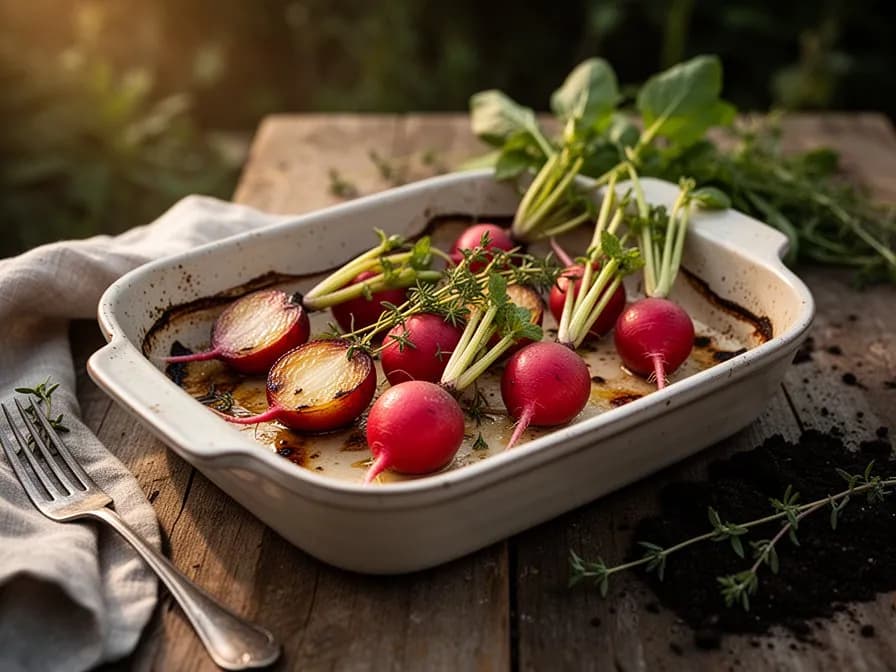
25 minRoasting completely transforms radishes — the peppery bite mellows into a sweet, almost turnip-like flavor and the texture becomes tender and buttery. Many people who dislike raw radishes love them roasted. A revelation for anyone with a radish surplus.
8 ingredientsCulinary Uses
Cherry Belle radishes are delightful eaten raw with butter and flaky salt in the French tradition. Slice thinly for salads, tacos, and grain bowls. Pickle with rice vinegar and sugar for a quick Asian-style condiment. Roast halved radishes with olive oil and herbs for a milder, sweeter flavor. Add to crudite platters with dips. The peppery bite adds contrast to rich dishes.
What's inside
Health Benefits
- Rich in vitamin C, providing 16% of the daily value per 100g — this antioxidant supports immune function, collagen production for healthy skin, and enhances iron absorption from plant-based foods.
- Contains glucosinolates (isothiocyanates), the sulfur compounds responsible for the peppery flavor, which have been extensively studied for their potential to support the body's natural detoxification enzymes and may have anti-cancer properties.
- The anthocyanin pigments in Cherry Belle's red skin are potent antioxidants associated with reduced inflammation, improved cardiovascular health, and protection against oxidative cellular damage.
- Extremely low in calories (16 per 100g) while providing satisfying crunch and flavor, making radishes an ideal snack for weight management and healthy eating patterns.
- Provides natural digestive support — radishes have been used in traditional medicine for centuries to stimulate bile production and support liver function, and modern research confirms their choleretic (bile-promoting) effects.
- Good source of potassium (233mg per 100g) which helps regulate blood pressure, supports proper muscle and nerve function, and counters the effects of excess dietary sodium.
Where Cherry Belle Radish comes from
The radish (Raphanus sativus) is believed to have originated in Southeast Asia or the eastern Mediterranean region, with wild ancestor species still found in both areas. Radishes were among the earliest cultivated root vegetables, with evidence of domestication stretching back over 4,000 years. Ancient Egyptian records from around 2,000 BCE describe radishes as a common food crop, and they were well established in ancient China by 700 BCE.
The Greeks and Romans valued radishes highly — Pliny the Elder documented multiple varieties in his Natural History, and the Greek physician Dioscorides prescribed radish preparations for digestive ailments. Roman farmers developed techniques for growing radishes year-round, and the crop spread throughout Europe with the expansion of the Roman Empire. During the Middle Ages, European monasteries maintained radish varieties as both food and medicine, selecting for different shapes, sizes, and pungency levels.
The Cherry Belle variety was developed in the mid-20th century through careful selection for its perfectly round shape, vivid cherry-red color, crisp white flesh, and remarkably fast maturity of just 22-24 days. It won the All-America Selections award in 1949, instantly establishing it as the benchmark spring radish. Today, Cherry Belle remains the most widely planted radish variety worldwide — a staple in home gardens, school gardens, and market farms alike. Its unmatched reliability, attractive appearance, and mild flavor have kept it at the top of seed catalogs for over seven decades, a record few vegetable varieties can match.
Cherry Belle Radish: did you know?
Fascinating facts about Cherry Belle Radish
Cherry Belle won the prestigious All-America Selections award in 1949, making it one of the oldest AAS-winning vegetable varieties still widely grown today — a testament to its exceptional reliability, flavor, and performance that has endured for over 75 years.
Cherry Belle Radish questions, answered
When should I plant Cherry Belle Radish?
What are good companion plants for Cherry Belle Radish?
What hardiness zones can Cherry Belle Radish grow in?
How much sun does Cherry Belle Radish need?
How far apart should I space Cherry Belle Radish?
What pests and diseases affect Cherry Belle Radish?
How do I store Cherry Belle Radish after harvest?
What are the best Cherry Belle Radish varieties to grow?
What soil does Cherry Belle Radish need?
Why are my radishes all tops and no bottoms?
Why are my radishes pithy and hollow inside?
Can I grow Cherry Belle radishes in containers?
Why do my radishes taste extremely spicy and bitter?
How many times can I plant radishes in a season?
Are radish greens edible and nutritious?
You just read the theory. Now grow it on autopilot.
Everything that makes Cherry Belle Radish fiddly — the timing, the spacing, the companions, the harvest window — is exactly what PlotMyGarden handles for you, for every plant in your garden.
A plan that knows your weather
Set your location once. Get sow, feed and harvest dates built around your real last-frost date and live forecast — no more guessing from a generic seed packet.
From the “When to plant” sectionDrag-and-drop bed planner
Design beds on a grid. Every plant snaps to its proper spacing, and you can see your whole season laid out before you spend a cent on seed.
From the “Growing guide” sectionCompanion conflicts, caught early
200+ good-and-bad pairings checked live as you plant — so a season-wrecking mistake never makes it into the ground.
From the “Companions” sectionReminders you'll actually act on
“Water the beans.” “Pick today before it turns.” Timely, specific, and tied to the plants you're really growing.
From the “Harvest” sectionSuccession, scheduled
Want a harvest for six weeks, not six days? It spaces your sowings automatically and reminds you when each new block is due.
From the “When to plant” sectionA record that gets smarter
Every harvest you log teaches it your garden. Next year's plan starts from what actually worked in your soil, not a textbook's.
From the “Overview” sectionPlant these alongside Cherry Belle Radish
More Root Vegetables
Grow your best Cherry Belle Radish yet — and everything around it.
Start a free plan today. Lay out your beds, drop in your Cherry Belle Radish, and let PlotMyGarden handle the timing, spacing, companions and reminders from seed to harvest basket.