Sugar Pumpkin
A small, sweet pumpkin bred specifically for making pies, purees, and baked goods rather than carving.





On this pageOverview
Meet Sugar Pumpkin
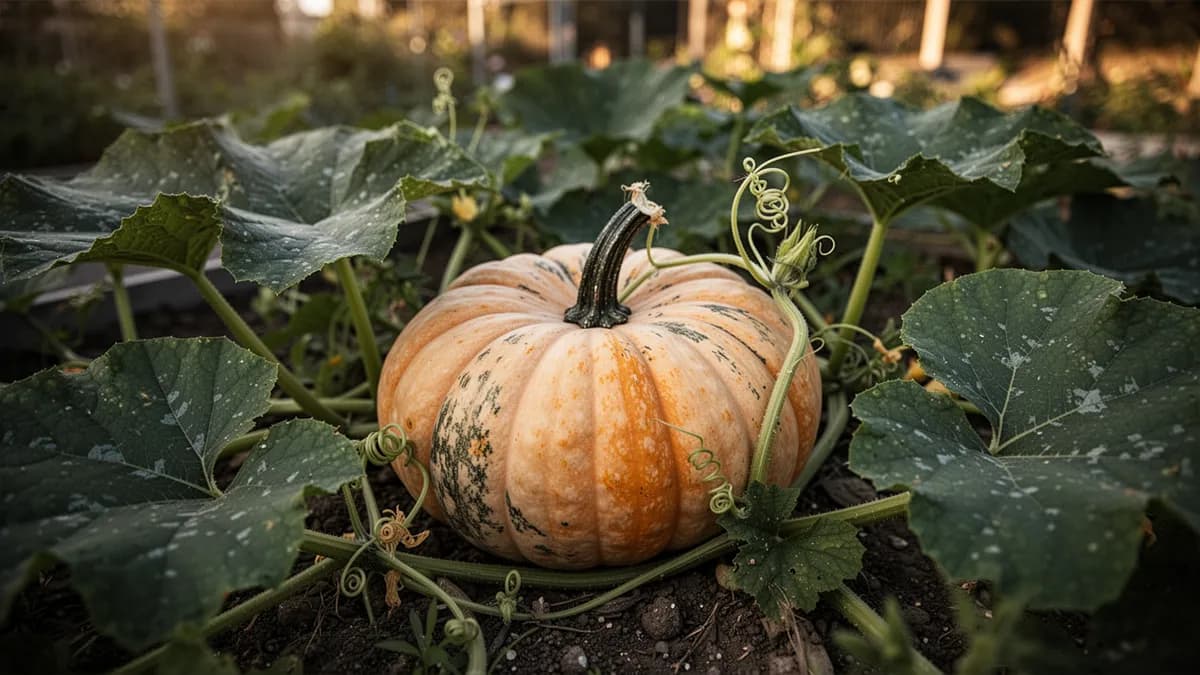
A small, sweet pumpkin bred specifically for making pies, purees, and baked goods rather than carving. Sugar pumpkins produce denser, sweeter flesh than carving varieties, with less stringiness and a richer flavor. Each vine yields several three-to-five-pound pumpkins that are a manageable size for processing in the home kitchen. Roast halves cut-side down until tender, then scoop and puree the flesh for homemade pumpkin pie that far surpasses canned versions.
When to plant Sugar Pumpkin
Direct sow sugar pumpkin seeds 1 inch deep after soil reaches 70°F for germination in 7-10 days. In short-season areas, start seeds indoors 3-4 weeks before the last frost in large peat pots at 75-85°F. Use a heat mat for consistent warmth. Plant 2-3 seeds per pot and thin to the strongest. Harden off for one week before transplanting. Handle rootball gently as pumpkin roots are sensitive to disturbance. Space plants 36-48 inches apart or in hills 6-8 feet apart.
Your Sugar Pumpkin Year
Composed for Zone 7 · typical seasons · frost passes Apr 2, returns Nov 1
Plant Sugar Pumpkin May – Jun, pick Sep – Oct. Check the planting methods below and set your climate to personalize these windows.
How to grow Sugar Pumpkin
Sugar pumpkins, also called pie pumpkins, are small, sweet pumpkins bred specifically for culinary use rather than carving. They produce dense, smooth-textured flesh perfect for pies, soups, and baking. Direct sow seeds 1 inch deep and 36-48 inches apart after soil reaches 70°F. Plants need 90-110 days to mature and produce vines that spread 10-15 feet.
Grow on hills of enriched soil for warmth and drainage. Water deeply with 1-1.5 inches per week during active growth and fruit development. Reduce watering as fruits mature to concentrate sugars and toughen the rind. Use straw mulch around plants to suppress weeds, retain moisture, and keep developing fruits clean and dry.
Each plant produces 4-8 small pumpkins weighing 3-6 pounds. Bee pollination is essential; plant pollinator-attracting flowers nearby. For maximum sweetness, allow fruits to ripen fully on the vine until the rind is deep orange and hard. Cure harvested pumpkins in warm sun for 10-14 days to convert starches to sugars and harden the shell for storage. Sugar pumpkin puree is superior to canned pumpkin for baking.
2 plants fit a 4 × 8 ft bed
Each Sugar Pumpkin wants 120 cm of elbow room. The planner keeps that spacing for you — every plant, every bed.
Sugar Pumpkin's best neighbours
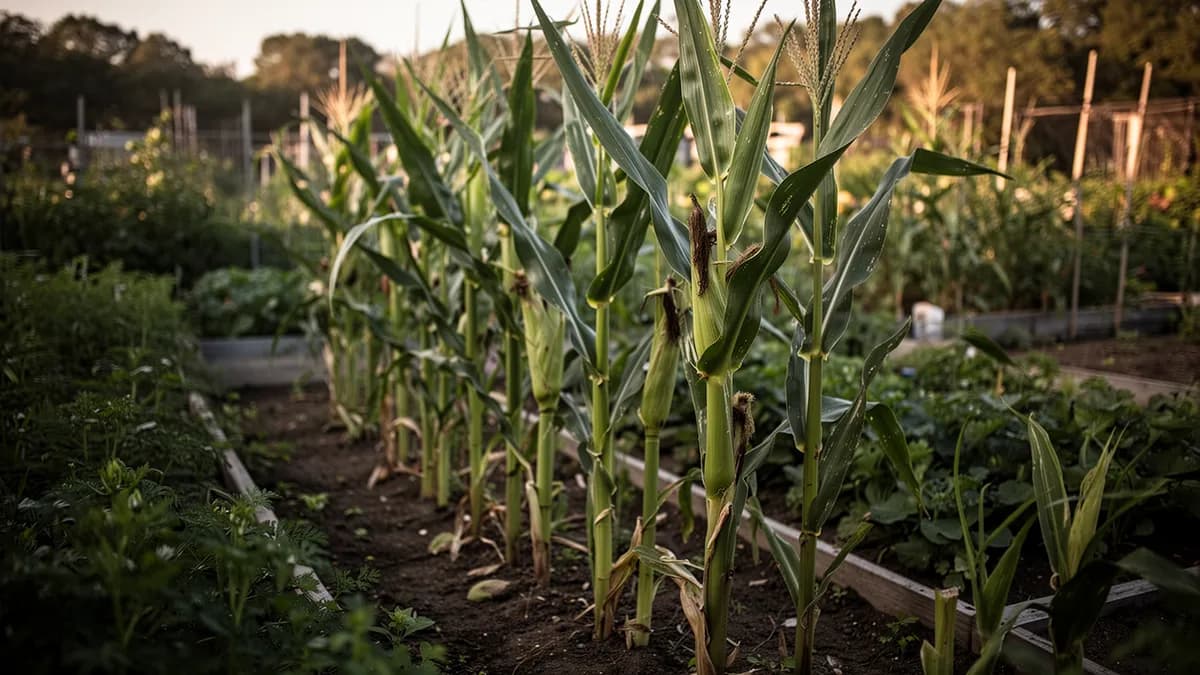
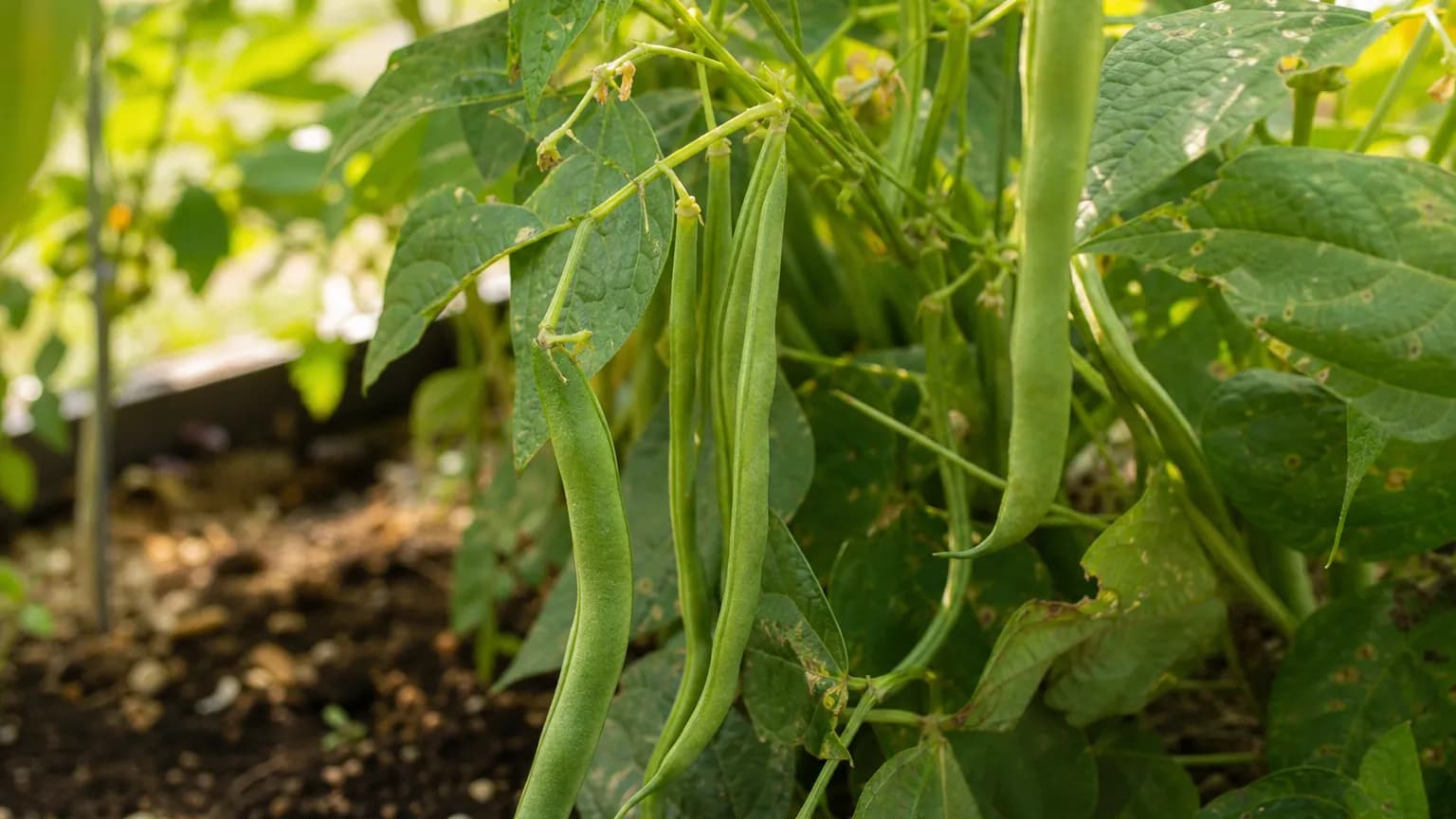
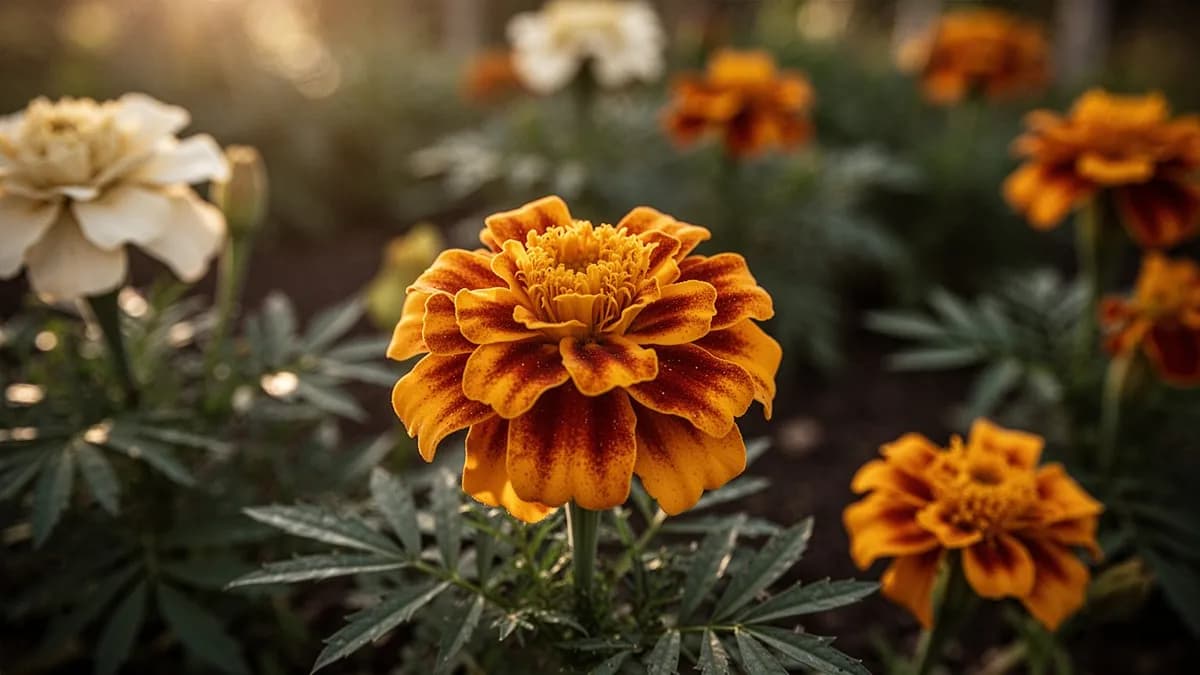
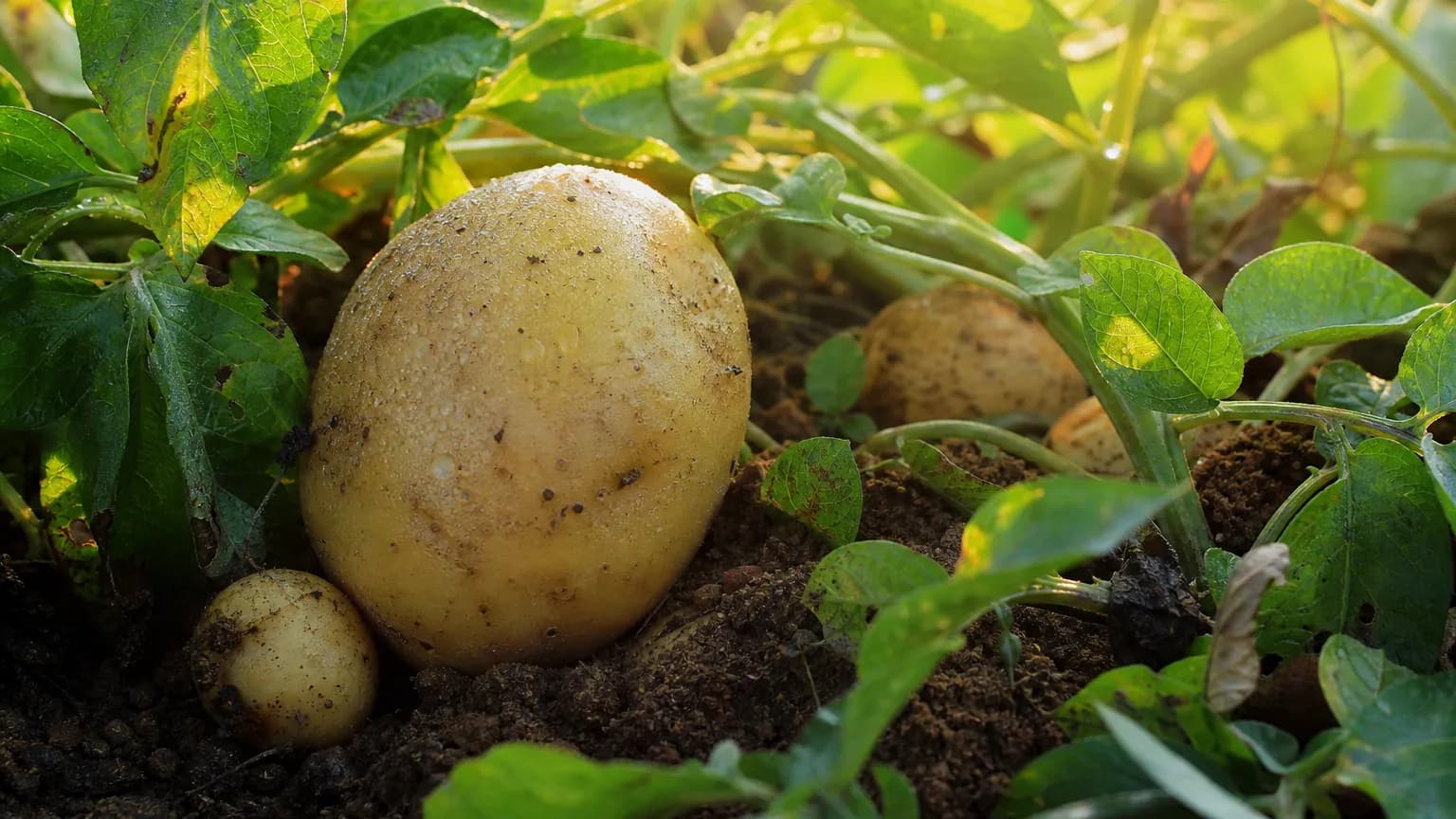
Sugar pumpkins thrive in the traditional Three Sisters arrangement with corn and beans. Corn provides a windbreak while beans fix nitrogen for the hungry pumpkin vines. Nasturtiums and marigolds deter squash pests and attract beneficial insects. Borage draws pollinators critical for fruit set. Radishes interplanted may deter vine borers. Avoid planting near potatoes which compete for nutrients. Give pumpkin vines plenty of room to spread; they can overwhelm neighboring crops if not directed away.
Corn belongs beside it. Potato doesn't.
Old growers' knowledge, checked against Sugar Pumpkin's real companion table below — test any plant you're growing.
Try Sugar Pumpkin in a bed — right here
A real planner bed with Sugar Pumpkin already in it. Tap a companion to place it and watch the pairing checks answer — green for good neighbours, red for a clash.


Related growing guides
Feed it well
Sugar pumpkins grow best in rich, well-drained soil with a pH of 6.0-6.8. Build hills of compost and aged manure-enriched soil for warmth and fertility. Apply balanced fertilizer at planting and side-dress when vines begin to run. Switch to a potassium-rich fertilizer when fruits form to develop sweetness and rind hardness. Avoid excessive nitrogen late in the season which produces large vines but less sweet fruit. Deep, loose soil supports the extensive root system needed for fruit production.
Ideal Temperature
Hardiness Zone Compatibility
From seed to harvest, stage by stage
Seed Starting
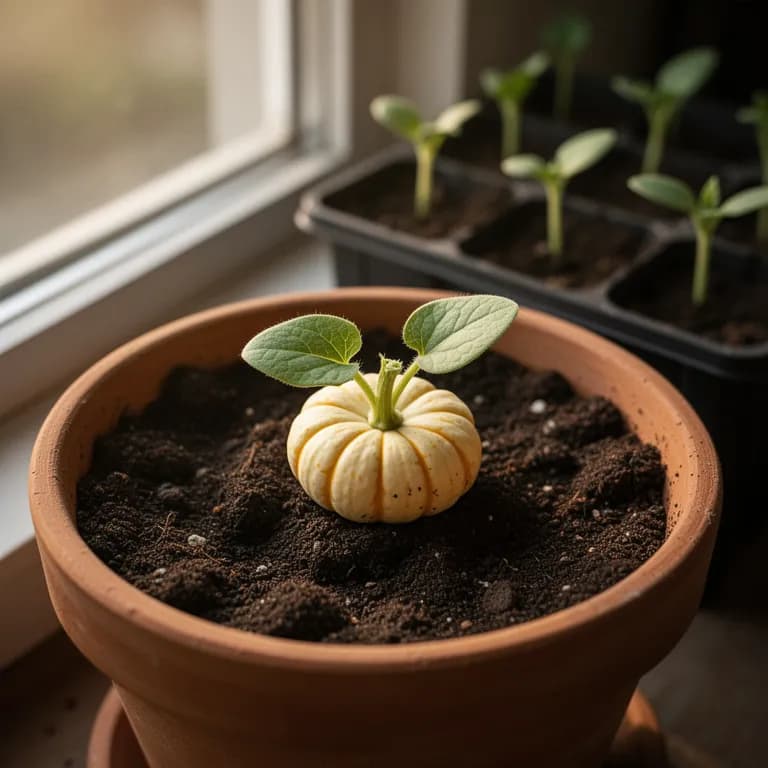
Seeds germinate in warm soil within 7-10 days, pushing large rounded cotyledon leaves through the surface. Sugar pumpkin seeds require soil temperatures of at least 70°F (21°C) for reliable germination and will rot in cold, wet conditions.
Seedling Growth
True leaves develop with the characteristic deeply lobed, rough-textured pumpkin leaf shape. The stem thickens and tendrils begin to emerge as the plant prepares to vine. Root development is rapid during this stage.
Vine Extension
Vines grow aggressively, extending 10-15 feet in all directions. Large leaves create a dense canopy that shades out weeds. Tendrils anchor the vine to anything nearby. Secondary roots develop at vine nodes where they contact moist soil.
Flowering and Pollination
Large orange-yellow flowers appear — male flowers first on long stems, followed by female flowers identifiable by the small round swelling at their base. Each flower opens for a single morning and must be pollinated by bees to set fruit.
Fruit Development
Pollinated fruits swell rapidly, changing from green to their final deep orange color. Each plant typically sets 4-8 fruits weighing 3-6 pounds each. The rind thickens and hardens as sugars accumulate in the dense flesh.
Harvest and Curing
Pumpkins are ready when the rind is uniformly deep orange and hard enough to resist a thumbnail puncture. The stem turns dry and corky. A light frost actually improves sweetness by converting remaining starches to sugars. Curing in warm sun for 10-14 days hardens the shell and further develops flavor.
Direct sow 1 inch deep after all frost danger has passed. In short-season areas, start indoors 3-4 weeks early in large peat pots to minimize root disturbance at transplanting.
Caring for Sugar Pumpkin month by month
What to do each month for your Sugar Pumpkin
October
You are herePrimary harvest month in most zones. Light frost improves sweetness. Cut stems with pruners, leaving 3-4 inch handles. Cure all harvested pumpkins before storing. Process and freeze puree for holiday baking.
Know exactly what to do in your garden — every month
One email at the start of each month: what to sow, plant, and tackle right now — for your Sugar Pumpkin and everything growing around it. Plus a short starter course that helps you dodge the classic mistakes.
- What to do, right now
- Matched to your season
- Starter course included
Harvesting Sugar Pumpkin
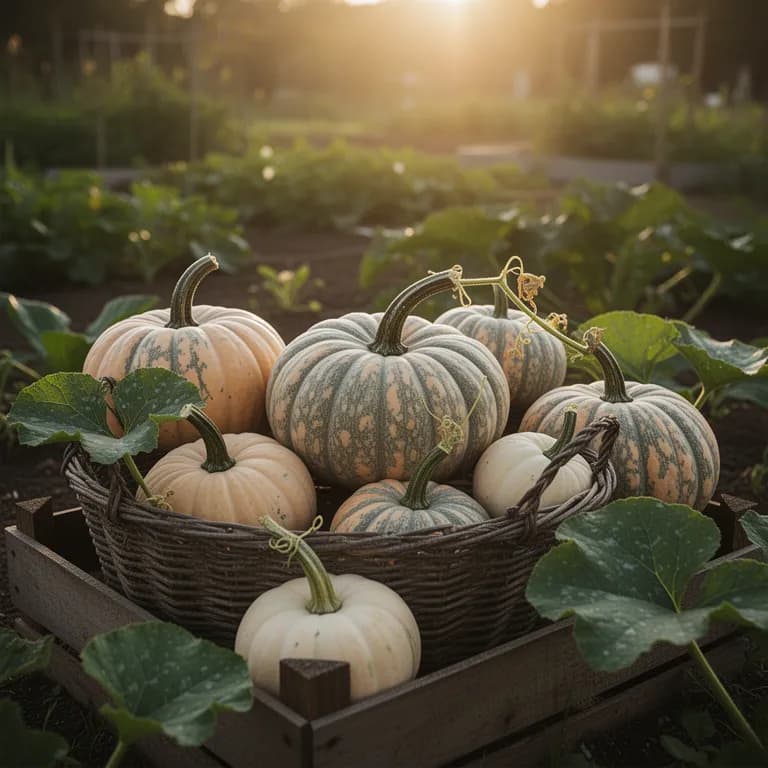
Harvest sugar pumpkins when the rind is deep, uniform orange and the shell is hard enough to resist puncture from your thumbnail. The stem should be dry and corky. Light frost actually improves sweetness by converting starches to sugars, but harvest before hard freeze. Cut from the vine with pruners leaving a 3-4 inch stem as pumpkins without stems decay quickly. Cure in warm sun for 10-14 days to harden the shell and develop sweetness. Each plant typically produces 4-8 small pumpkins.
assuming you plant when the window opens — set your real date
Pick Sugar Pumpkin promptly and the plant keeps producing.
Storage & Preservation
Properly cured sugar pumpkins store for 3-4 months at 50-55°F in a dry location with good ventilation. For longer preservation, roast halved pumpkins and scoop the flesh into freezer containers; frozen puree keeps for 12 months. Pumpkin puree can be pressure-canned for shelf-stable storage. Roasted and pureed pumpkin makes excellent soup, pie filling, and baking ingredient. Seeds can be cleaned, seasoned, and roasted for a nutritious snack. Dehydrated pumpkin pieces reconstitute well in soups and stews.
What goes wrong — and the fix
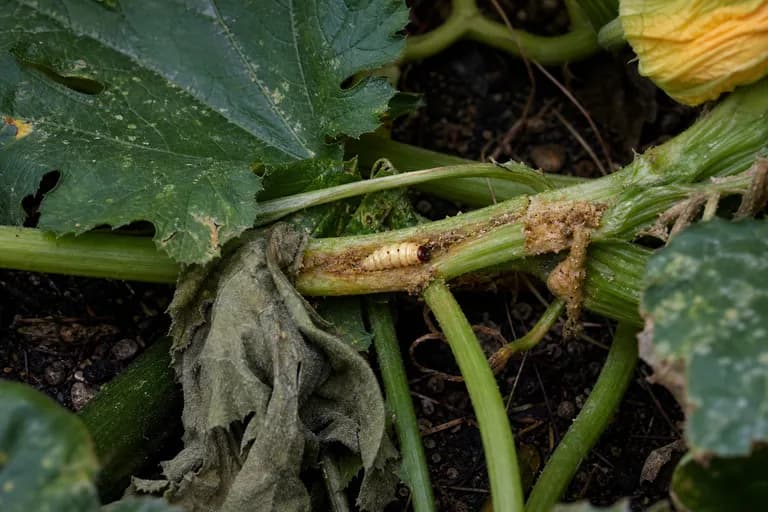
Squash Vine Borer
PestSudden wilting of vines, frass at stem base, white larvae boring inside stems.
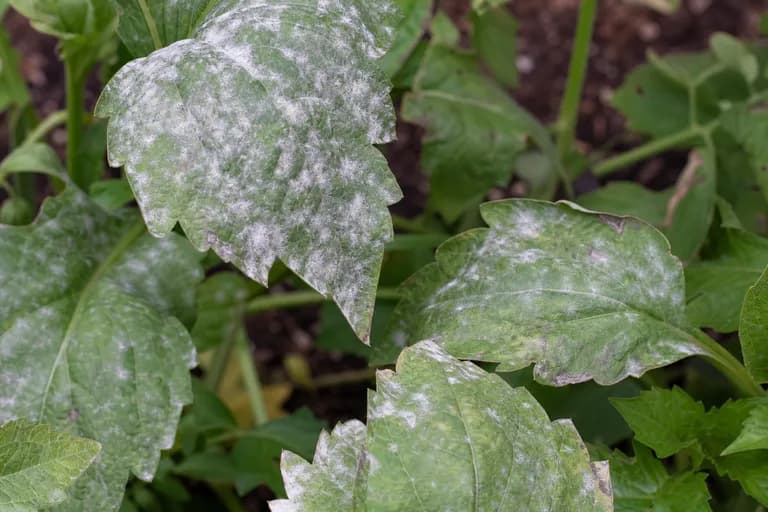
Powdery Mildew
DiseaseWhite powdery patches on leaves reducing photosynthesis and sugar development in fruits.
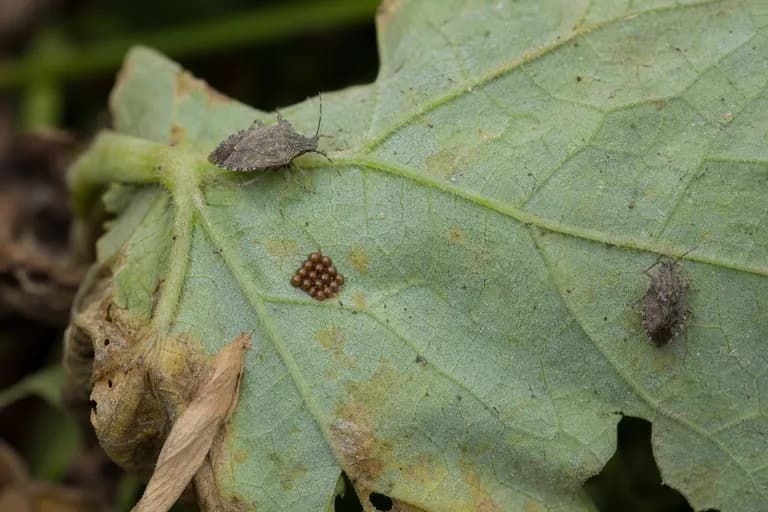
Squash Bug
PestAdults and nymphs feeding on stems and leaves causing wilting, bronze egg rows on leaf undersides.
Troubleshooting Common Problems
Bland, stringy flesh usually indicates harvest before full maturity or insufficient curing. Allow fruits to ripen fully on the vine and cure for 2 weeks. Fruits rotting on the ground result from excessive moisture; elevate on straw or boards. Vine borers are devastating; begin preventive measures at planting. Powdery mildew is nearly universal by late season but sugar pumpkins usually mature before it becomes critical. Cracked stems at harvest reduce storage life; handle carefully.
Growing Tips
- Build enriched hills or mounds for planting — mound compost-rich soil 12 inches high and 3 feet wide. Hills warm faster in spring, drain better in heavy rain, and give sprawling vines an elevated starting point.
- Wait for genuinely warm soil before planting. Sugar pumpkin seeds rot quickly in cold, wet ground. Use a soil thermometer and wait for consistent readings above 70°F (21°C) at 2-inch depth.
- Protect young plants from squash vine borers by wrapping the first 6 inches of stem with aluminum foil or row cover fabric at planting time. This is far easier than treating an infestation after the damage is done.
- Plant pollinator-attracting flowers like borage, zinnias, and marigolds near the pumpkin patch. Each female flower opens for only one morning and must be pollinated by bees to set fruit — poor pollination is the most common cause of low yields.
- Reduce watering gradually as fruits approach maturity. Excess water late in the season dilutes sugars and can cause rind cracking. The last 2-3 weeks before harvest should be relatively dry to concentrate sweetness.
- Always cure pumpkins in warm sun for 10-14 days after harvest before eating or storing. Curing converts starches to sugars, hardens the rind for longer storage, and heals any minor cuts or scratches that could invite rot.
- Prune secondary vines after 4-6 fruits have set per plant. Removing excess vine growth and pinching new female flowers directs the plant's energy into developing larger, sweeter pumpkins rather than spreading further.
- Bury vine nodes under moist soil as the vine extends. Secondary roots develop at each buried node, providing additional nutrient and water uptake that supports heavier fruit production and acts as insurance against vine borer damage.
Grow your best Sugar Pumpkin yet — and everything around it.
Start a free plan today. Lay out your beds, drop in your Sugar Pumpkin, and let PlotMyGarden handle the timing, spacing, companions and reminders from seed to harvest basket.
Pick your Sugar Pumpkin
New England Pie
Classic American pie pumpkin with deep orange flesh and sweet, fine-grained texture. Fruits weigh 4-6 pounds.
Baby Pam
Slightly smaller pie pumpkin with smooth, sweet flesh and good disease resistance. Ideal size for single pies.
Winter Luxury
Heirloom with distinctive netted skin and exceptionally smooth, sweet flesh considered the best for pies.
Cinderella (Rouge vif d'Etampes)
Flattened, deep orange French heirloom with smooth, sweet flesh. Both decorative and excellent for cooking.
Long Pie
Elongated heirloom pumpkin with dense, sweet flesh. Originally bred for making pies and stores exceptionally well.
A packet of sugar pumpkin seeds costs $2-4 and yields 4-6 productive plants. Each plant produces 4-8 pumpkins, and at farmers market prices of $3-6 per sugar pumpkin, a single plant returns $12-48 in value. Canned pumpkin puree costs $3-5 per 15-ounce can, but one homegrown sugar pumpkin yields 2-3 cans' worth of far superior fresh puree. Growing 3-4 plants can easily save $50-150 per season while providing enough puree for holiday baking, soups, and freezer stock for the entire year.
Quick recipes
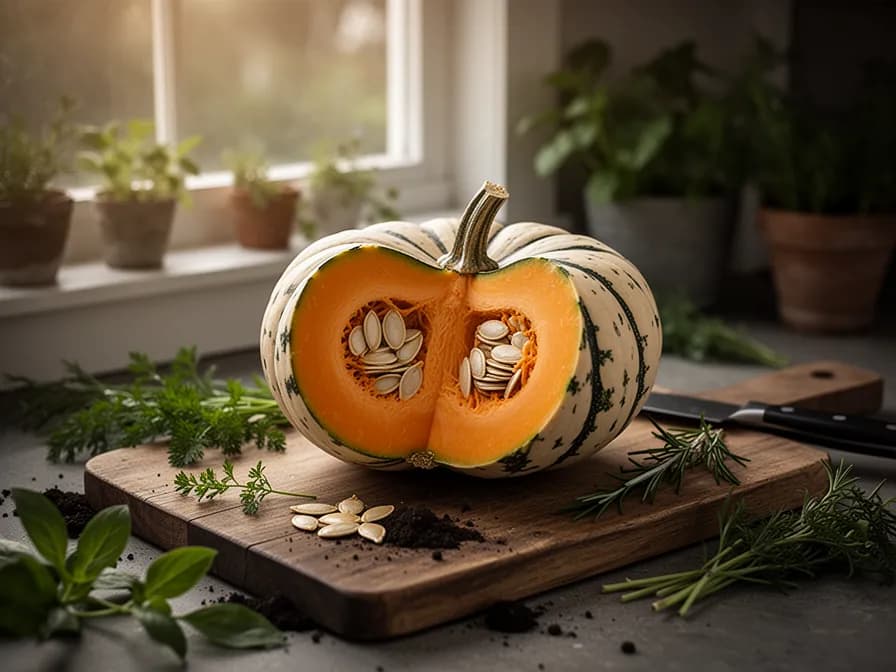
Classic Homemade Pumpkin Pie
75 minThe definitive use for sugar pumpkins — a spiced custard filling made from freshly roasted puree that is incomparably richer and more complex than anything made from canned pumpkin. The silky texture and deep flavor make the extra effort worthwhile.
10 ingredientsRoasted Sugar Pumpkin Soup
50 minA velvety autumn soup where roasting the pumpkin first caramelizes the natural sugars for a depth of flavor that boiling cannot achieve. Finished with a swirl of cream and toasted pepitas for contrasting texture.
10 ingredientsPumpkin Spice Bread
70 minA moist, warmly spiced quick bread that showcases the dense, sweet flesh of sugar pumpkins. Fresh pumpkin puree produces a remarkably tender crumb with more nuanced flavor than the canned version.
12 ingredientsCulinary Uses
Sugar pumpkins produce far superior puree compared to canned pumpkin, with denser texture and more complex flavor. Roast halves for pies, cheesecakes, and pumpkin bread. Puree into creamy soups with sage, nutmeg, and cream. Roast cubes with maple syrup and cinnamon for a caramelized side dish. Use in risotto, ravioli filling, and curries. Pumpkin puree adds moisture and nutrition to muffins, pancakes, and pasta dough. The seeds are excellent roasted with salt and spices.
What's inside
Health Benefits
- Exceptionally high in beta-carotene — one cup of cooked pumpkin provides over 200% of the daily value for vitamin A, supporting vision, immune function, and healthy skin cell turnover.
- Rich in potassium, with one cup providing about 16% of the daily value, helping regulate blood pressure, fluid balance, and muscle contractions including heart rhythm.
- The seeds are an outstanding source of magnesium, zinc, and iron — minerals many people are deficient in — along with healthy unsaturated fats that support cardiovascular health.
- Contains alpha-carotene and beta-cryptoxanthin, additional carotenoids with antioxidant properties that may reduce the risk of certain cancers and support overall cellular health.
- High in soluble fiber, which slows sugar absorption and supports stable blood glucose levels — pumpkin puree has a surprisingly low glycemic index despite its natural sweetness.
- Provides tryptophan, an amino acid precursor to serotonin and melatonin, which may support mood regulation and healthy sleep patterns when consumed as part of a balanced diet.
Where Sugar Pumpkin comes from
Sugar pumpkins belong to the species Cucurbita pepo, one of the oldest domesticated plants in the Americas. Archaeological evidence from the Guilá Naquitz cave in Oaxaca, Mexico, dates squash cultivation to at least 8,000-10,000 years ago, making pumpkins and their relatives among the very first crops humans ever grew. Early forms were likely cultivated first for their protein-rich seeds and hard shells (used as containers), as the flesh of wild Cucurbita was bitter and inedible.
Indigenous peoples of North America transformed pumpkins into a dietary staple through millennia of selective breeding. They developed the Three Sisters agricultural system — planting pumpkins with corn and beans — which became the foundation of agriculture across much of the continent. When European colonists arrived, they adopted pumpkins as a crucial survival food. The first American pumpkin pies were made by hollowing out a pumpkin, filling it with milk, honey, and spices, and baking the whole fruit in hot ashes.
The New England Pie pumpkin, the archetype of modern sugar pumpkins, was developed in the northeastern United States in the 19th century through selection for sweet, fine-grained flesh ideal for baking. Today, sugar pumpkins remain the gold standard for homemade pumpkin pie and are commercially grown across the United States, with Illinois, California, and New York leading production. The annual US pumpkin harvest exceeds 1.5 billion pounds, though the vast majority are carving varieties — sugar pumpkins represent a smaller but passionately devoted niche among serious home cooks and bakers.
Sugar Pumpkin: did you know?
Fascinating facts about Sugar Pumpkin
Sugar pumpkins are the secret behind every great homemade pumpkin pie — their dense, sweet flesh with low water content produces a puree far superior to the watery, stringy flesh of carving pumpkins, which is why recipes always specify 'pie pumpkin' or 'sugar pumpkin.'
Sugar Pumpkin questions, answered
When should I plant Sugar Pumpkin?
What are good companion plants for Sugar Pumpkin?
What hardiness zones can Sugar Pumpkin grow in?
How much sun does Sugar Pumpkin need?
How far apart should I space Sugar Pumpkin?
What pests and diseases affect Sugar Pumpkin?
How do I store Sugar Pumpkin after harvest?
What are the best Sugar Pumpkin varieties to grow?
What soil does Sugar Pumpkin need?
What is the difference between a sugar pumpkin and a carving pumpkin?
How do I make pumpkin puree from a fresh sugar pumpkin?
Why are my pumpkin flowers falling off without producing fruit?
How long can I store sugar pumpkins after harvest?
Can I save seeds from my sugar pumpkins for next year?
You just read the theory. Now grow it on autopilot.
Everything that makes Sugar Pumpkin fiddly — the timing, the spacing, the companions, the harvest window — is exactly what PlotMyGarden handles for you, for every plant in your garden.
A plan that knows your weather
Set your location once. Get sow, feed and harvest dates built around your real last-frost date and live forecast — no more guessing from a generic seed packet.
From the “When to plant” sectionDrag-and-drop bed planner
Design beds on a grid. Every plant snaps to its proper spacing, and you can see your whole season laid out before you spend a cent on seed.
From the “Growing guide” sectionCompanion conflicts, caught early
200+ good-and-bad pairings checked live as you plant — so a season-wrecking mistake never makes it into the ground.
From the “Companions” sectionReminders you'll actually act on
“Water the beans.” “Pick today before it turns.” Timely, specific, and tied to the plants you're really growing.
From the “Harvest” sectionSuccession, scheduled
Want a harvest for six weeks, not six days? It spaces your sowings automatically and reminds you when each new block is due.
From the “When to plant” sectionA record that gets smarter
Every harvest you log teaches it your garden. Next year's plan starts from what actually worked in your soil, not a textbook's.
From the “Overview” sectionPlant these alongside Sugar Pumpkin
More Cucurbits
Keep Sugar Pumpkin away from these
Garden plans featuring Sugar Pumpkin
Grow your best Sugar Pumpkin yet — and everything around it.
Start a free plan today. Lay out your beds, drop in your Sugar Pumpkin, and let PlotMyGarden handle the timing, spacing, companions and reminders from seed to harvest basket.