Virginia Creeper
A native deciduous vine with five-lobed leaves that provide one of the most spectacular autumn color shows in brilliant reds and purples.





On this pageOverview
Meet Virginia Creeper
A native deciduous vine with five-lobed leaves that provide one of the most spectacular autumn color shows in brilliant reds and purples. Virginia creeper is extremely adaptable, thriving in sun or shade, wet or dry soil, and tolerating urban pollution. It provides food and shelter for wildlife but can be aggressive on structures.
When to plant Virginia Creeper
Virginia creeper self-sows readily and birds spread seeds widely via the berries. For deliberate propagation, collect berries in autumn, clean seeds from the pulp, and cold-stratify in moist sand for three months. Sow in spring in standard potting mix. Seeds germinate in two to four weeks. Seedlings grow rapidly. Hardwood cuttings taken in late autumn are even simpler, rooting reliably in moist sand. Layering by burying a low stem produces rooted plants within one season.
Your Virginia Creeper Year
Composed for Zone 7 · typical seasons · frost passes Apr 2, returns Nov 1
Plant Virginia Creeper Mar – May, pick Sep – Oct. Check the planting methods below and set your climate to personalize these windows.
How to grow Virginia Creeper
Plant Virginia creeper in spring or autumn in any soil type, from full sun to deep shade. This extremely adaptable native vine climbs by adhesive-tipped tendrils and can scale walls, trees, and fences with equal ease, reaching fifty feet or more. It is valued primarily for its spectacular autumn foliage display, when the five-lobed leaves turn brilliant shades of red, scarlet, and purple.
Virginia creeper requires minimal care once established. It tolerates drought, poor soil, urban pollution, and heavy shade, making it one of the most resilient vines available. Water regularly during the first growing season, then supplemental care is rarely needed. The vine grows rapidly, adding eight to ten feet per year in favorable conditions.
Prune as needed throughout the growing season to keep the vine from overwhelming structures, covering windows, or invading areas where it is not wanted. Virginia creeper can be cut back hard in late winter if necessary, as it regenerates vigorously from old wood. Be aware that this vine can be aggressive, sending runners along the ground and climbing anything in its path. It is best suited for large properties and naturalized settings rather than small gardens.
Virginia Creeper needs more room than a 4 × 8 ft bed gives
Each Virginia Creeper wants 300 cm of elbow room. The planner keeps that spacing for you — every plant, every bed.
Virginia Creeper's best neighbours
Virginia creeper is most appropriate for large-scale naturalized plantings where its aggressive habit is an asset for erosion control and wildlife habitat. The berries are important food for woodpeckers, thrushes, and other songbirds. In garden settings, use it to cover unsightly structures, fences, or slopes where other plants will not grow. Keep it well away from trees that could be overwhelmed by its climbing habit and from smaller garden plants.
Boston Ivy belongs beside it.
Old growers' knowledge, checked against Virginia Creeper's real companion table below — test any plant you're growing.
Try Virginia Creeper in a bed — right here
A real planner bed with Virginia Creeper already in it. Tap a companion to place it and watch the pairing checks answer — green for good neighbours, red for a clash.


Related growing guides
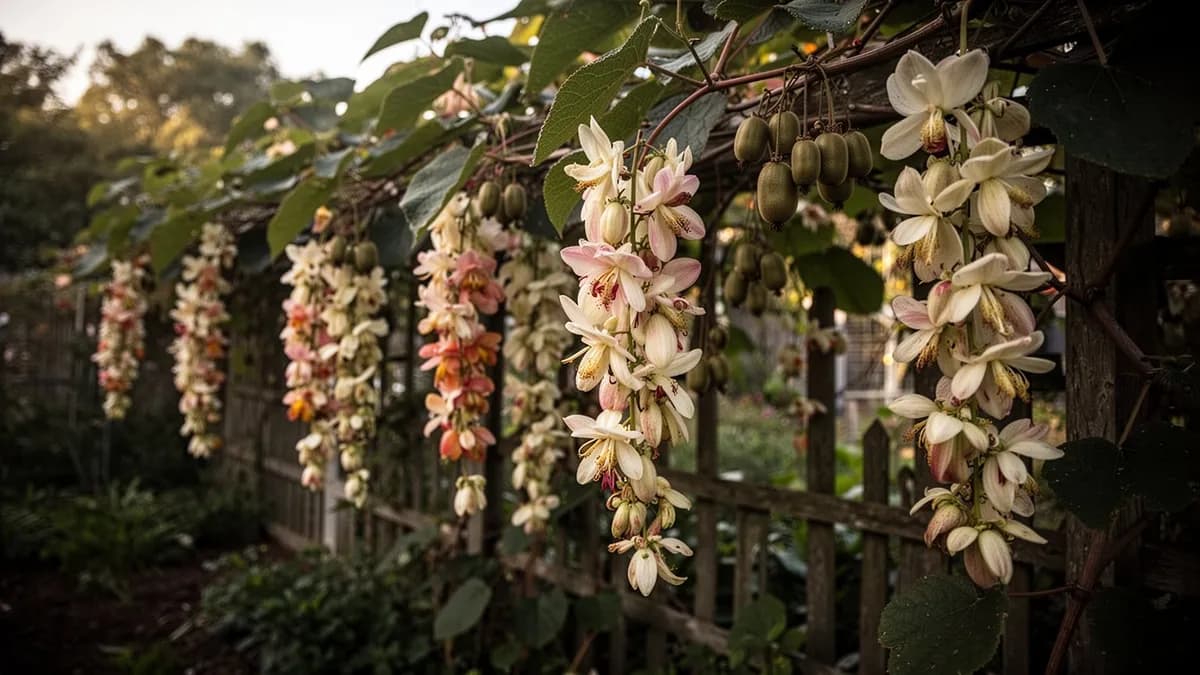
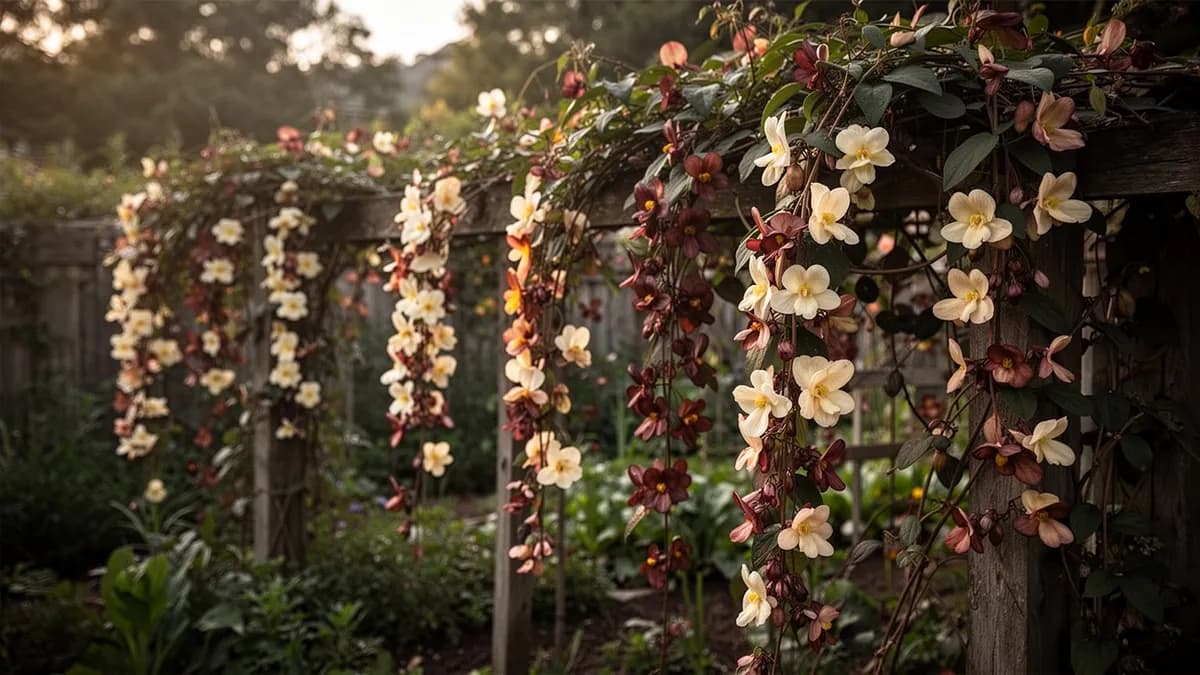
Feed it well
Virginia creeper grows in literally any soil type, from dry sand to heavy clay, acidic to alkaline, with a pH range of 4.5 to 8.0. No soil amendment or fertilization is needed. The vine thrives in poor soil where other plants struggle. If faster growth is desired, apply a balanced granular fertilizer in early spring, but this is rarely necessary given the vine's natural vigor.
Ideal Temperature
Hardiness Zone Compatibility
From seed to harvest, stage by stage
Dormancy & Bud Break
In late winter to early spring, the deciduous vine remains dormant with bare woody stems. As temperatures rise above 10°C consistently, small reddish buds begin to swell along the stems, preparing for the new growing season.
Spring Leaf Emergence
New leaves emerge as glossy, reddish-bronze palmate foliage that gradually turns bright green. Tendrils develop at leaf nodes, actively seeking surfaces to attach to with their adhesive discs. Growth can be rapid, with shoots extending 15-30 cm per week under favorable conditions.
Vigorous Summer Growth
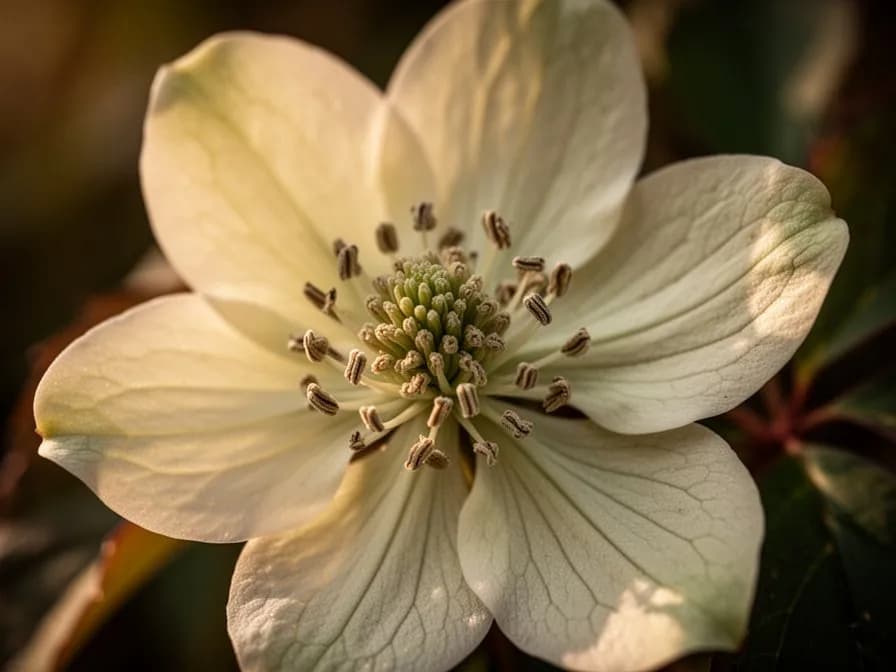
The vine enters its most vigorous growth phase, extending 1.5 to 3 meters of new growth per season. Dense overlapping foliage creates a thick green canopy. Small inconspicuous greenish-white flowers appear in late spring to early summer, arranged in branched clusters called cymes.
Fruiting & Fall Color
Small dark blue-black berries (5-7 mm diameter) develop on bright red pedicels in late summer through autumn. WARNING: These berries are toxic to humans, containing oxalic acid and raphides. Simultaneously, the foliage transforms into one of nature's most brilliant fall displays, turning vivid scarlet, crimson, orange, and burgundy.
Leaf Drop & Winter Rest
After the spectacular autumn display, leaves drop to reveal the intricate network of woody stems and persistent adhesive discs. The vine enters full dormancy, conserving energy in its root system. The bare structure provides winter architectural interest on walls and fences.
Root Establishment (Year 1-2)
During the first one to two years, the vine focuses significant energy on establishing a deep and extensive root system. Above-ground growth may appear modest compared to mature specimens, but root development during this period is critical for long-term vigor and drought tolerance.
Prune dead or damaged stems in late winter before bud break. This is the ideal time for major structural pruning to control the vine's size and shape.
Caring for Virginia Creeper month by month
What to do each month for your Virginia Creeper
October
You are hereAllow the full fall color display before any major pruning. Clean up fallen leaves to prevent fungal issues. Prepare winter mulch for the root zone in colder climates.
Know exactly what to do in your garden — every month
One email at the start of each month: what to sow, plant, and tackle right now — for your Virginia Creeper and everything growing around it. Plus a short starter course that helps you dodge the classic mistakes.
- What to do, right now
- Matched to your season
- Starter course included
Harvesting Virginia Creeper
Virginia creeper is grown for its foliage rather than flowers or edible products. Cut leafy stems for greenery in mixed arrangements throughout the growing season, and especially in autumn when the foliage turns spectacular shades of red and purple. Autumn branches make stunning additions to fall harvest displays and centerpieces. The small blue-black berries are toxic to humans but provide important food for birds. Handle the vine carefully, as the sap can cause skin irritation in some individuals.
assuming you plant when the window opens — set your real date
Pick Virginia Creeper promptly and the plant keeps producing.
Storage & Preservation
Virginia creeper is fully hardy and requires no winter care. Autumn leaves can be pressed between heavy books or with an iron for craft projects, preserving their vivid red coloring. Leafy stems last about a week in water when cut. For propagation, take hardwood cuttings in late autumn or semi-ripe cuttings in midsummer. Both root easily. Seeds require cold stratification and germinate readily in spring.
What goes wrong — and the fix
Leaf Spot
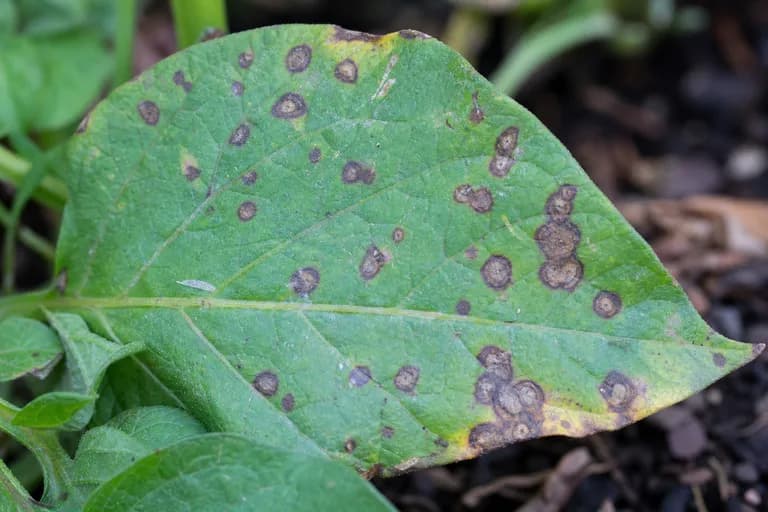
DiseaseBrown or dark spots on leaves that may enlarge and merge, causing premature leaf drop, especially during wet summers.
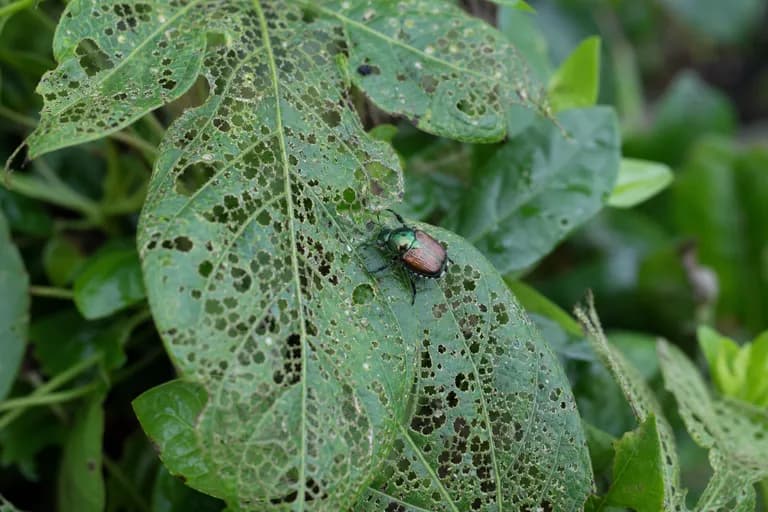
Japanese Beetles
PestSkeletonized leaves with only the veins remaining. Heavy feeding concentrated in the upper canopy during midsummer.
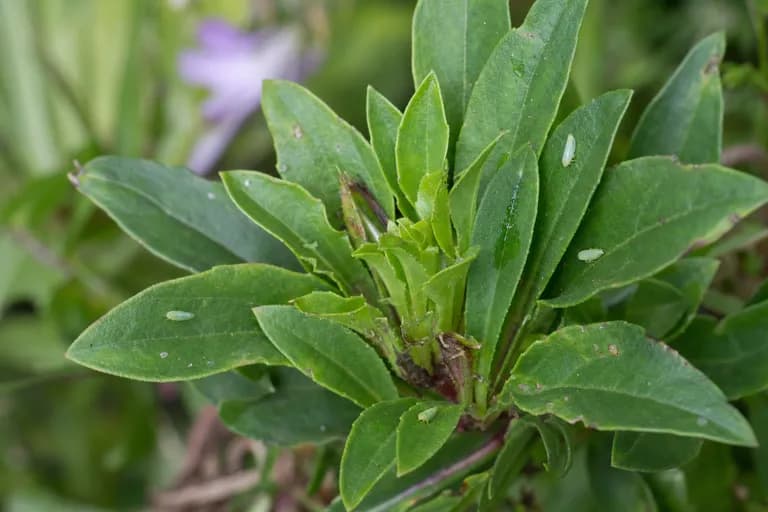
Leafhoppers
PestStippled, pale patches on leaves. Tiny, wedge-shaped green insects that jump when disturbed. Fine white cast skins on leaf undersides.
Troubleshooting Common Problems
The chief concern is managing Virginia creeper's aggressive growth. It can smother trees, cover buildings, and spread far beyond intended boundaries. Regular pruning is essential to keep it in check. The berries are toxic to humans and can cause gastrointestinal distress if eaten. The sap contains oxalate crystals that cause skin irritation and contact dermatitis in sensitive individuals. Wear gloves when pruning extensively.
Growing Tips
- Plant Virginia creeper in spring or early fall, spacing multiple vines 1.5 to 2 meters apart for faster coverage of large walls or fences.
- The vine thrives in full sun to full shade but produces the most vivid fall color and densest growth in locations receiving at least four to six hours of direct sunlight daily.
- Virginia creeper tolerates a wide range of soil types including clay, sand, and loam, but performs best in moist, well-drained soil with a pH between 5.0 and 7.5.
- Avoid planting directly against wooden siding, as the adhesive discs can damage paint and trap moisture against the wood surface, potentially causing rot over time.
- Install guide wires or a trellis system 5 to 10 centimeters away from the wall surface to allow air circulation behind the foliage, which helps prevent moisture buildup and extends the life of the underlying structure.
- Prune aggressively in late winter to prevent the vine from growing into gutters, under roof shingles, around window frames, or into HVAC equipment, as adhesive discs are extremely difficult to remove once attached.
- Water newly planted vines deeply once or twice per week during the first two growing seasons to establish a strong root system, after which the vine is highly drought-tolerant in most climates.
- Propagate easily from hardwood cuttings taken in late autumn or early winter — cut 15 to 20 centimeter sections of mature stem, dip in rooting hormone, and plant in moist potting mix.
- Always wear gloves when pruning or handling Virginia creeper, as the sap contains calcium oxalate crystals that can cause contact dermatitis and skin irritation in sensitive individuals.
- If growing near areas frequented by children or pets, routinely remove berry clusters in late summer before they ripen, as the toxic berries can cause serious gastrointestinal distress and medical complications if ingested.
Grow your best Virginia Creeper yet — and everything around it.
Start a free plan today. Lay out your beds, drop in your Virginia Creeper, and let PlotMyGarden handle the timing, spacing, companions and reminders from seed to harvest basket.
Pick your Virginia Creeper
Engelmannii
A variety with smaller leaves and stronger adhesive tendrils that clings more closely to walls, superior for wall coverage.
Star Showers
A variegated cultivar with white and pink-speckled foliage that adds year-round ornamental interest, less vigorous than the species.
Red Wall (Troki)
Selected for exceptionally early and intense red autumn color, turning earlier and more brilliantly than typical seedlings.
Virginia creeper is one of the most cost-effective landscaping investments available. A single nursery plant costing $8 to $15 can cover over 50 square meters of wall or fence within three to five years, replacing the need for expensive exterior cladding, paint maintenance, or artificial privacy screens. The vine's insulating effect on walls reduces summer air conditioning costs by up to 30 percent and provides modest winter wind protection. Once established, Virginia creeper requires minimal inputs — no irrigation in most climates, no fertilizer after the second year, and only occasional pruning. It is easily propagated from cuttings, so one plant can produce dozens of free new starts. Compared to constructing a wooden privacy fence ($50-$100 per linear meter), a Virginia creeper living screen costs a fraction and increases in beauty and density each year.
Quick recipes

Virginia Creeper Autumn Wreath
45 minutesCreate a stunning decorative autumn wreath using freshly cut Virginia creeper vines with their brilliant red foliage. This is a craft project only — no parts of this plant should be consumed. Wear gloves when handling to avoid potential skin irritation from the sap.
6 ingredients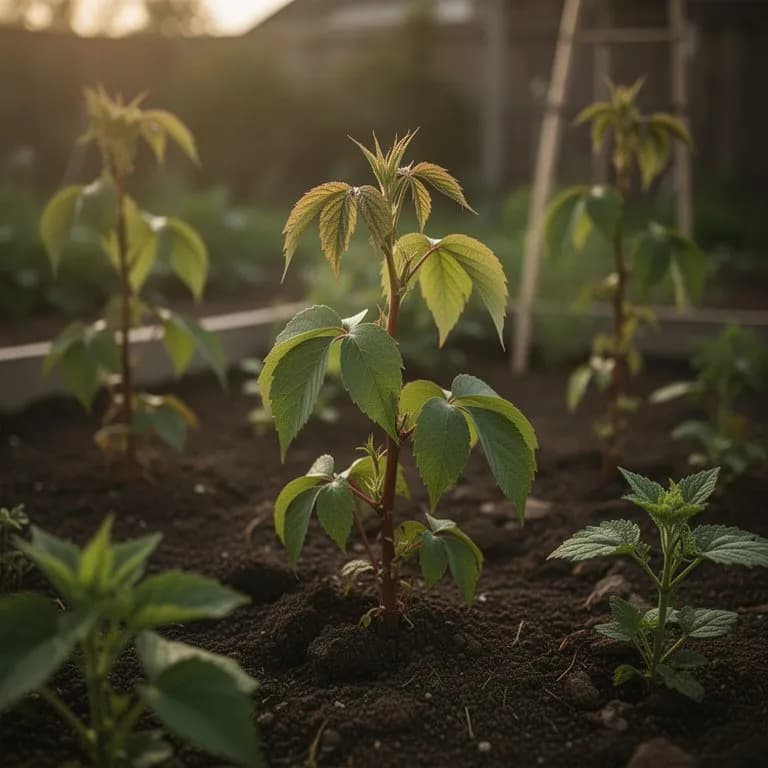
Pressed Virginia Creeper Leaf Art
30 minutes active, 2 weeks pressingPreserve the spectacular fall foliage of Virginia creeper by pressing individual leaves and leaflets for use in framed botanical art, greeting cards, or nature journals. Handle leaves with gloves if you have sensitive skin. This is a decorative craft — the leaves are not edible.
6 ingredientsNatural Privacy Screen Planting Guide
1-2 hoursEstablish a living privacy screen using Virginia creeper trained along a wire trellis system. This fast-growing vine can cover a 3-meter-wide fence section in two to three growing seasons, providing dense summer foliage, brilliant fall color, and excellent wildlife habitat year-round.
6 ingredientsWhat's inside
Health Benefits
- Virginia creeper-covered walls can reduce summer cooling costs by up to 30 percent through shading and transpirational cooling, lowering indoor temperatures by as much as 10°C on sun-exposed facades.
- Dense Virginia creeper plantings improve local air quality by trapping particulate matter on leaf surfaces and absorbing gaseous pollutants including nitrogen dioxide and ground-level ozone.
- The vine provides significant mental health and well-being benefits through biophilic design, as green walls and living facades have been shown to reduce stress, improve mood, and enhance cognitive function in nearby occupants.
- Virginia creeper serves as a critical habitat plant for pollinators and beneficial insects, supporting ecological health by providing nectar from its small flowers and shelter within its dense foliage.
- Extensive root systems of Virginia creeper help prevent soil erosion on slopes and embankments, protecting waterways from sediment pollution and stabilizing terrain in areas prone to runoff.
- The vine acts as a natural sound buffer when grown densely on walls or fences, reducing urban noise pollution by absorbing and deflecting sound waves, contributing to a quieter and more peaceful outdoor environment.
Where Virginia Creeper comes from
Parthenocissus quinquefolia, commonly known as Virginia creeper, is a vigorous deciduous woody vine native to eastern and central North America. Its natural range extends from southeastern Canada through most of the eastern United States, reaching as far south as Mexico and Guatemala. The species thrives in a remarkable diversity of habitats, from moist bottomland forests and rocky outcrops to disturbed urban sites and roadside margins, demonstrating exceptional ecological adaptability across USDA hardiness zones 3 through 10.
The genus name Parthenocissus derives from the Greek words 'parthenos' (virgin) and 'kissos' (ivy), a direct reference to the colony of Virginia where European botanists first formally documented the species in the early seventeenth century. The species epithet quinquefolia means 'five-leaved,' describing the characteristic compound leaf structure. Captain John Smith and other early colonists noted the vine's vigorous growth along the forests of the Chesapeake Bay region, and specimens were among the earliest North American plants sent back to European botanical gardens.
Virginia creeper arrived in England by 1622 and quickly gained popularity as an ornamental climber for covering walls, arbors, and facades. By the eighteenth and nineteenth centuries, it had become a defining element of European architectural landscaping, valued for its self-clinging habit and spectacular autumn color. The plant was widely used on university buildings, churches, and manor houses across Britain, France, and Germany, contributing to the romantic ivy-covered aesthetic still associated with historic institutions.
Ecologically, Virginia creeper plays a critical role in North American forest ecosystems. It provides dense cover for nesting birds, its berries sustain over 35 avian species during fall migration, and its extensive root system helps stabilize slopes and prevent erosion. Despite its ecological value, the species is considered invasive in parts of Europe, Asia, and Australia where it has escaped cultivation. Today it remains one of the most widely planted native ornamental vines in North America, valued for low maintenance requirements, wildlife benefits, and unrivaled fall color.
Virginia Creeper: did you know?
Fascinating facts about Virginia Creeper
Virginia creeper can climb to heights of 20 meters or more using specialized adhesive discs at the tips of its tendrils, which produce a cement-like substance strong enough to support the vine on smooth glass and polished stone.
Virginia Creeper questions, answered
When should I plant Virginia Creeper?
What are good companion plants for Virginia Creeper?
What hardiness zones can Virginia Creeper grow in?
How much sun does Virginia Creeper need?
How far apart should I space Virginia Creeper?
What pests and diseases affect Virginia Creeper?
How do I store Virginia Creeper after harvest?
What are the best Virginia Creeper varieties to grow?
What soil does Virginia Creeper need?
Is Virginia creeper the same as poison ivy?
Are Virginia creeper berries safe to eat?
Will Virginia creeper damage my house walls or masonry?
How fast does Virginia creeper grow?
How do I remove Virginia creeper from a wall?
Is Virginia creeper invasive?
You just read the theory. Now grow it on autopilot.
Everything that makes Virginia Creeper fiddly — the timing, the spacing, the companions, the harvest window — is exactly what PlotMyGarden handles for you, for every plant in your garden.
A plan that knows your weather
Set your location once. Get sow, feed and harvest dates built around your real last-frost date and live forecast — no more guessing from a generic seed packet.
From the “When to plant” sectionDrag-and-drop bed planner
Design beds on a grid. Every plant snaps to its proper spacing, and you can see your whole season laid out before you spend a cent on seed.
From the “Growing guide” sectionCompanion conflicts, caught early
200+ good-and-bad pairings checked live as you plant — so a season-wrecking mistake never makes it into the ground.
From the “Companions” sectionReminders you'll actually act on
“Water the beans.” “Pick today before it turns.” Timely, specific, and tied to the plants you're really growing.
From the “Harvest” sectionSuccession, scheduled
Want a harvest for six weeks, not six days? It spaces your sowings automatically and reminds you when each new block is due.
From the “When to plant” sectionA record that gets smarter
Every harvest you log teaches it your garden. Next year's plan starts from what actually worked in your soil, not a textbook's.
From the “Overview” sectionPlant these alongside Virginia Creeper
More Climbing Flowers
Grow your best Virginia Creeper yet — and everything around it.
Start a free plan today. Lay out your beds, drop in your Virginia Creeper, and let PlotMyGarden handle the timing, spacing, companions and reminders from seed to harvest basket.